

Chapters:

Need help with your trip?
Our support team is available 24/7. Request a callback or call us directly at (833) 619-0908
Jersey trips often start and end in St Helier, with a castle day to Gorey, a zoo stop inland, and a beach afternoon squeezed in if the tide cooperates. Travelers often miss how much the island rewards pacing.
That pattern can waste time if you treat every sight as a quick detour. Jersey is compact, but buses, tide windows, and east-west travel add up, and the busiest parts of the capital can crowd a day faster than expected.
This guide orders the island by area and timing, so you can move between St Helier, the east coast, and the west at a pace that matches the place rather than fighting it.
Useful things to know

Main language(s): English

Currency: The local currency is the British pound sterling (GBP, £).

Cash and cards: Cards and contactless are widely accepted; carry about £20 to £40 ($25 to $50) in cash for small buys.

Tipping: Tip 10% to 15% in restaurants if service is good; round up for taxis and cafes.

Traditional food: Jersey Royal potatoes, Jersey cream tea, bean crock, black butter

Water and coffee costs: Water about £1.50 ($2), bar espresso about £2.50 ($3).

Taxis and ride apps: Local taxi apps and phone dispatch are more common than Uber; prebook late-night rides.

Plug and voltage: Type G socket, 230V

Dining and shop opening hours: Breakfast is about 07:00-09:30, lunch 12:00-14:00, and dinner 18:30-21:00. Many restaurants close between lunch and dinner, especially outside St. Helier.

Emergency number: Call 999 or 112 for police, fire, or ambulance.
Where to stay in Jersey
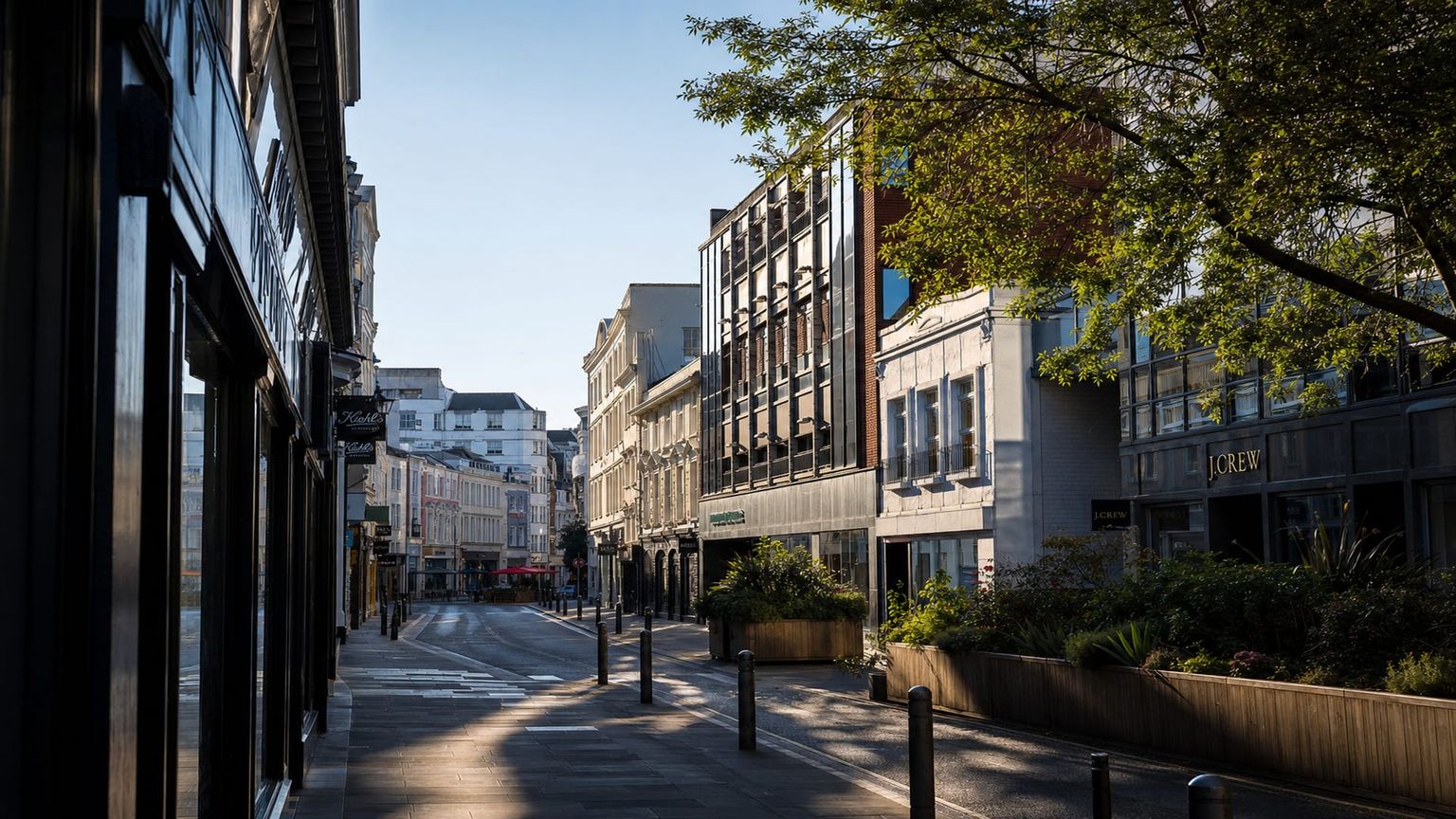
Jersey’s compact capital puts shops, restaurants, the harbor, and bus links within a short walk. It suits travelers who want the island’s main transport hub, easy access to museums, and the broadest choice of hotels.
Best for: First-time visits, car-free stays, and easy access to shops, dining, and buses
What to expect: Busy pavements by day, with the highest concentration of cafes, bars, and visitors on the island.
Hotel prices: Usually about $160 to $320 per night for well-rated stays
Distance to major sights: 5 to 10 minutes on foot to Jersey Museum and Georgian House; about 10 minutes on foot to St Helier Waterfront
Quietness: Daytime is lively and foot traffic stays high into the evening near the main streets; side lanes are calmer after shops close.
Main trade-off: You pay more for central convenience, and some streets pick up noise from traffic, deliveries, and late diners.
Good to know: Choose a room away from the busiest streets if you sleep lightly, since the center carries the island’s most constant foot traffic.
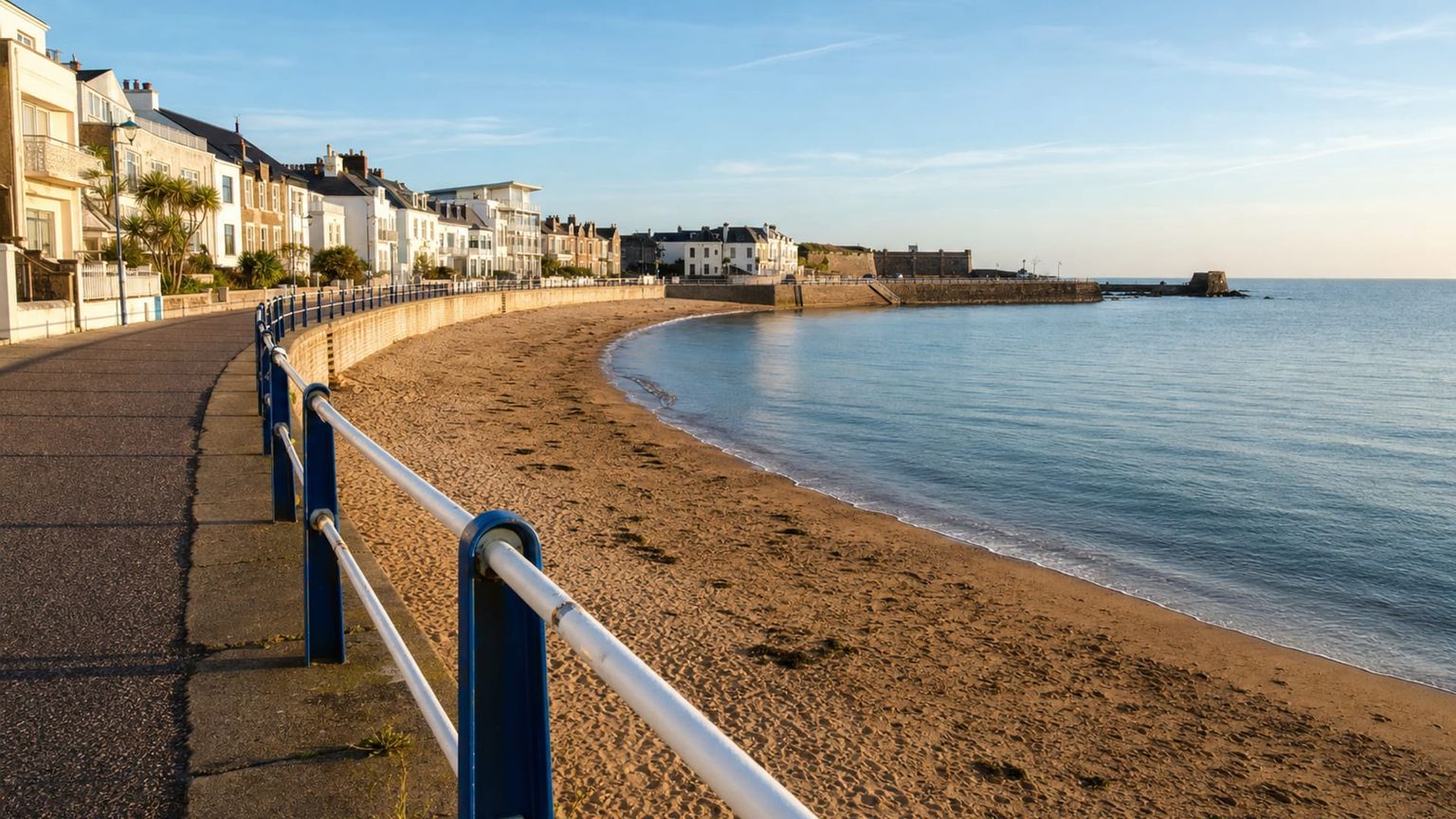
This seaside district sits just east of St Helier and lines up beach access with an easy walk into town. It works well for travelers who want sea views, the promenade, and a slightly slower edge without losing central access.
Best for: Beach access, promenade walks, and travelers who want to stay near St Helier without being in the thick of it
What to expect: A residential waterfront with walkers, swimmers, and cafe-goers, plus a local feel that picks up in good weather.
Hotel prices: Usually about $140 to $280 per night for well-rated stays
Distance to major sights: About 15 minutes on foot to Liberation Square; about 20 minutes on foot to Jersey Museum and Georgian House
Quietness: Quieter than central St Helier by day, then fairly calm at night except near the promenade and seafront hotels.
Main trade-off: You trade a little convenience for a smaller hotel selection and fewer dinner choices right outside the door.
Good to know: Book near the seafront if you want morning walks, but expect to use town streets for a fuller restaurant choice.
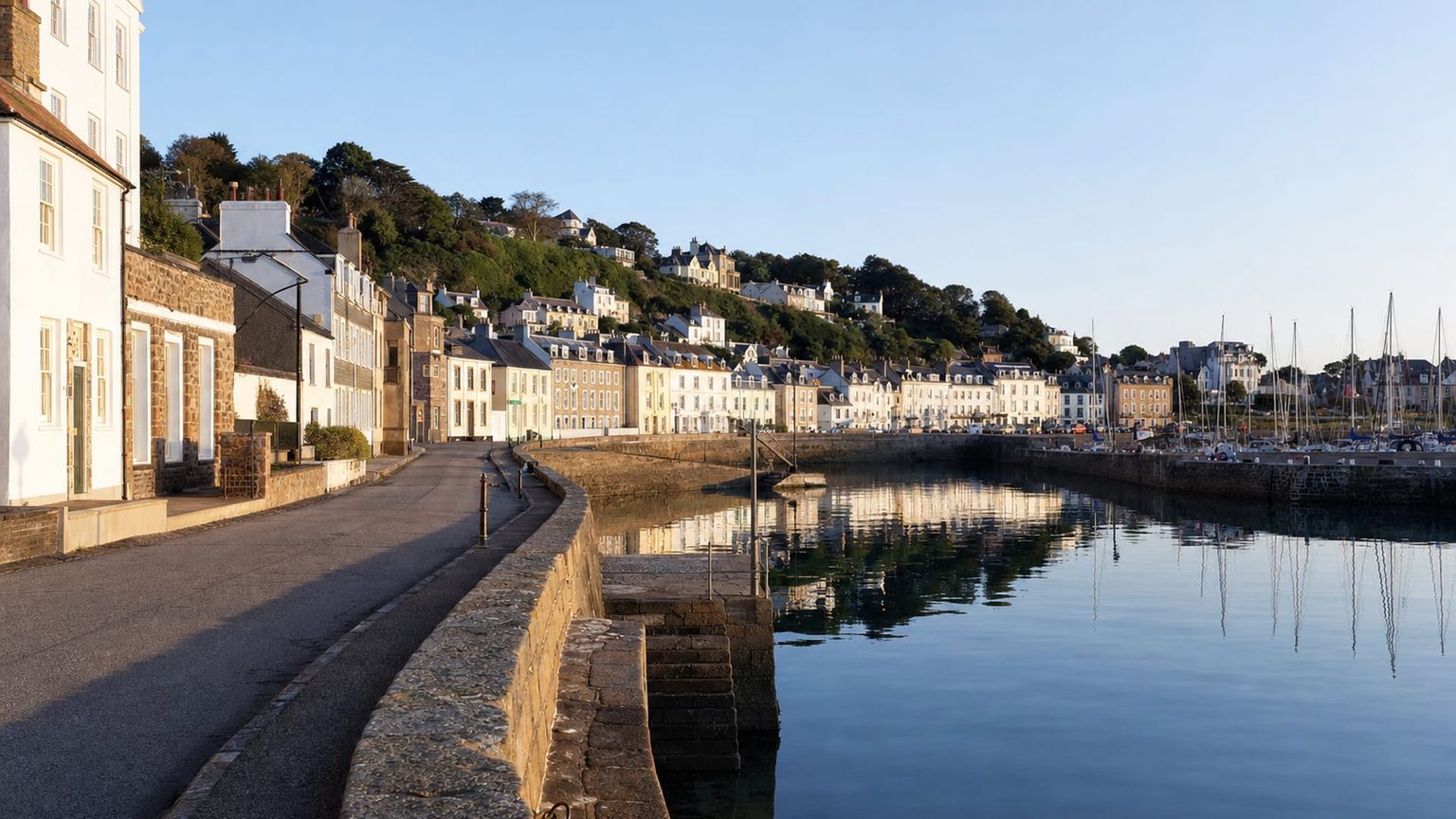
St Aubin sits on the south coast in Jersey’s immediate metropolitan area, with a harbor setting and strong links back to St Helier. Its village scale and waterfront restaurants make it appealing for a relaxed base with good bus access.
Best for: Harbor views, dining, and travelers who prefer a village base with access to St Helier
What to expect: Active around the harbor, with diners, walkers, and a handful of pubs rather than a full city scene.
Hotel prices: Usually about $180 to $360 per night for well-rated stays
Distance to major sights: About 10 minutes by bus to St Helier town center; about 20 minutes by car to Jersey Airport (Jersey, JER)
Quietness: Daytime can be lively along the waterfront, while evenings are calmer once restaurants close.
Main trade-off: Rates can be high for a small area, and you will rely on buses or taxis for most central sightseeing.
Good to know: Plan ahead for late returns, because service drops off earlier than in St Helier and taxis can cost more after dinner.

St Brelade’s Bay stretches along one of Jersey’s best-known beaches, with resort hotels and easy access to coastal walks. It suits visitors who want a classic seaside stay and do not mind being away from the capital.
Best for: Beach holidays, family stays, and travelers who want coastal scenery over city access
What to expect: A holiday atmosphere with beach traffic in good weather, hotel guests, and a quieter pace after day visitors leave.
Hotel prices: Usually about $170 to $380 per night for well-rated stays
Distance to major sights: About 25 minutes by bus to St Helier town center; about 15 minutes by car to Jersey Airport (Jersey, JER)
Quietness: Busy in daylight during beach season, then notably calmer in the evening once the shoreline empties.
Main trade-off: You gain beach access, but you will spend more time and money reaching St Helier’s shops, museums, and harbor.
Good to know: Check bus times before booking, since evening dining in town often means a return trip after the last frequent departure.
Travelers usually avoid staying in St. Ouen’s Bay, as it sits far from St. Helier, with limited visitor amenities and long evening taxi rides. Gorey and the far eastern part of Grouville can also be less convenient, since they are far from the island’s main shops and restaurants and are better for day visits than nightly access to central sights.
Hotel deals
How to get around Jersey efficiently
Jersey has no metro, so most visitors move by bus, taxi, and short walks between compact sights.

Metro
for longer distances
Jersey has no metro or subway, so visitors rely on buses for most trips. Lib’s local network does not use rail for city travel; for airport area transfers, plan on buses or a taxi instead.

Bus and tram
for convenience
Liberia’s bus network covers the airport area and nearby neighborhoods with frequent public buses and shared vans, though stops and schedules can be informal. Fares usually run about $0.50 to $2, paid in cash, and trips into central Monrovia typically take about 20 to 40 minutes depending on traffic and the exact stop.

Taxi
for convenience or late hours
Liberian taxis are usually metered only in limited cases, so agree on the fare before you get in; rides from the Jersey airport area often cost about $3 to $10 for short hops and about $10 to $25 for longer cross-town trips. Licensed taxis can be flagged on main roads or arranged through hotels, and many drivers prefer cash in U.S. dollars, with some accepting local currency when quoted in advance.
*Prices are based on rates updated as of June 2026 and may change at the time of travel.
Use buses for value on longer hops, taxis for late returns or airport transfers, and walking when your day stays inside St Helier or along the seafront.
Iconic landmarks

Mont Orgueil Castle
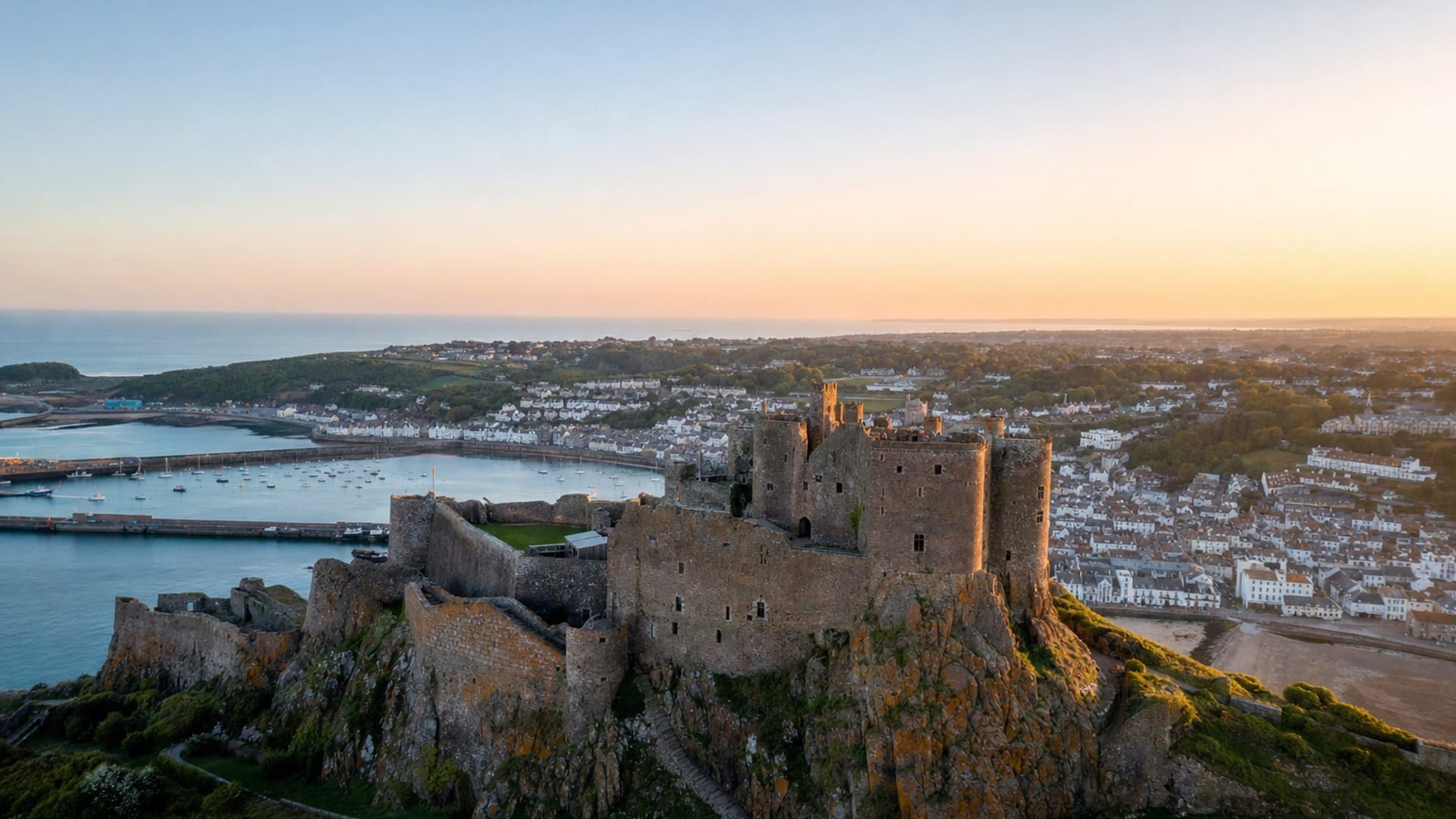
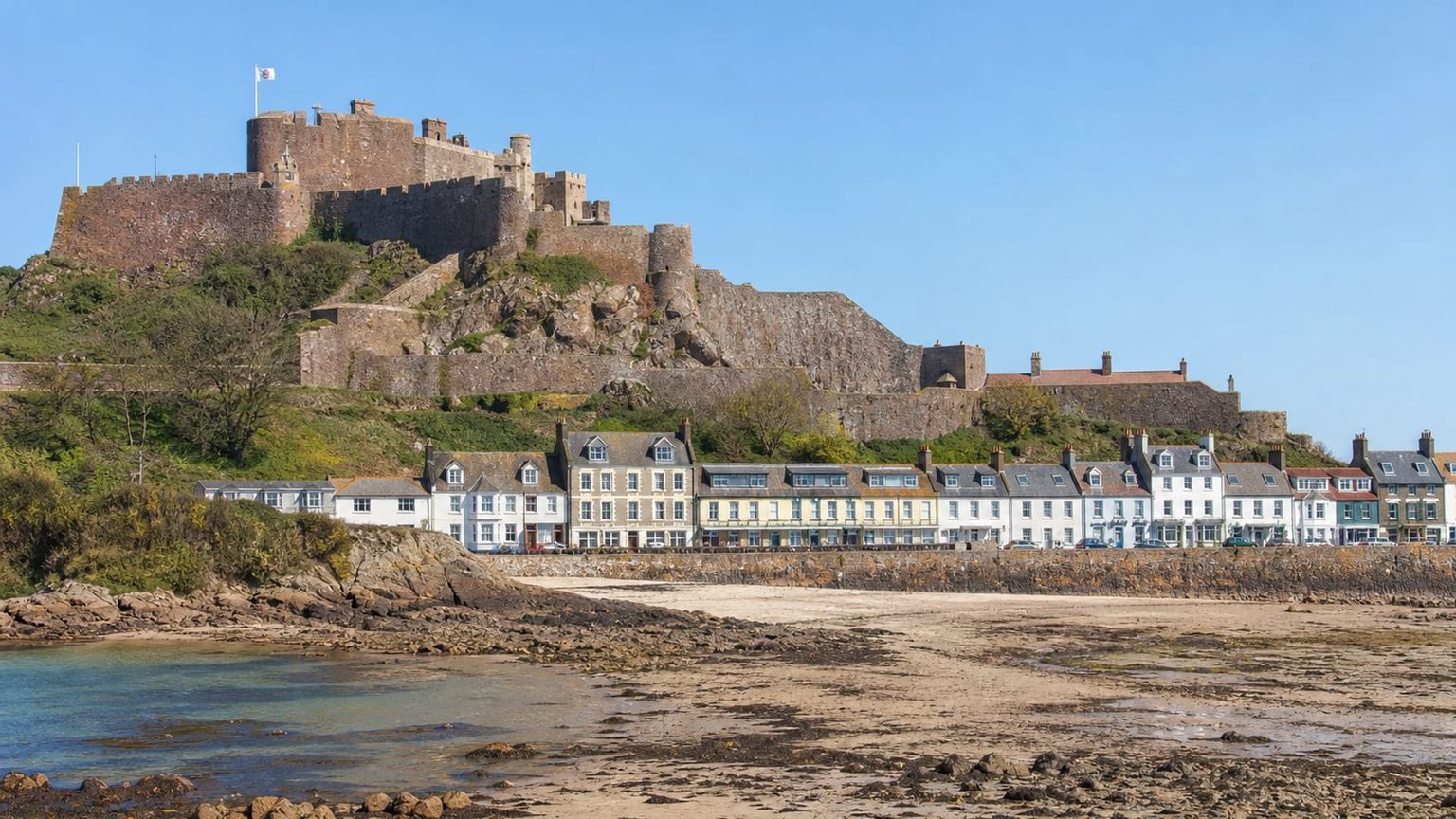
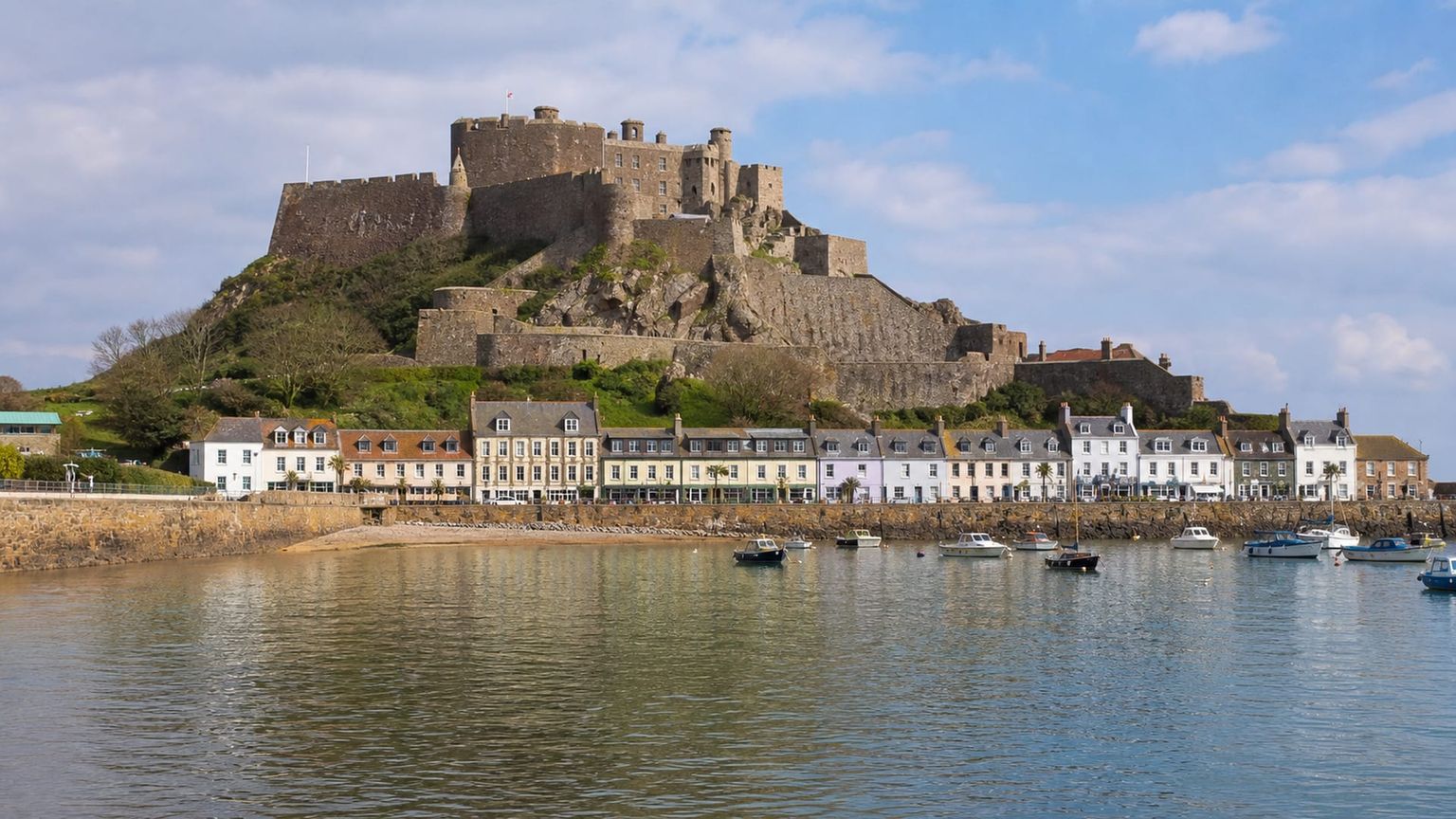
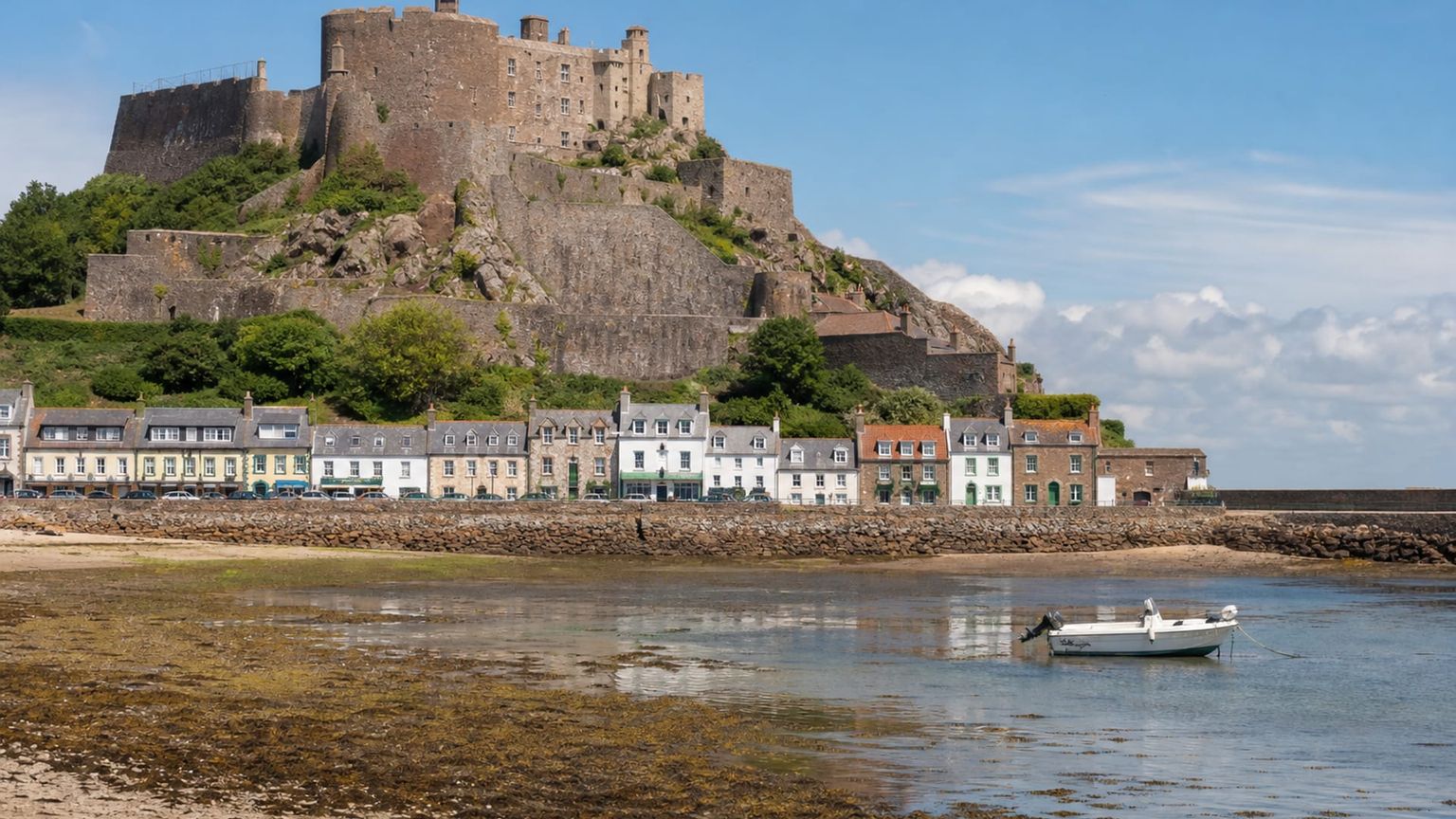
Perched above Gorey Harbour, Mont Orgueil Castle traces Jersey’s defensive history from the 13th century through wartime use. Its towers, battlements, and sea views make it one of the island’s most recognizable landmarks.
Time needed: About 2 to 3 hours
Entry: Adults pay about $18 (£14), with lower rates for children and seniors; family tickets and seasonal opening hours vary by date. Visit the official site for details.
Tip: Go in the morning for clearer views and fewer people on the narrow stairways.
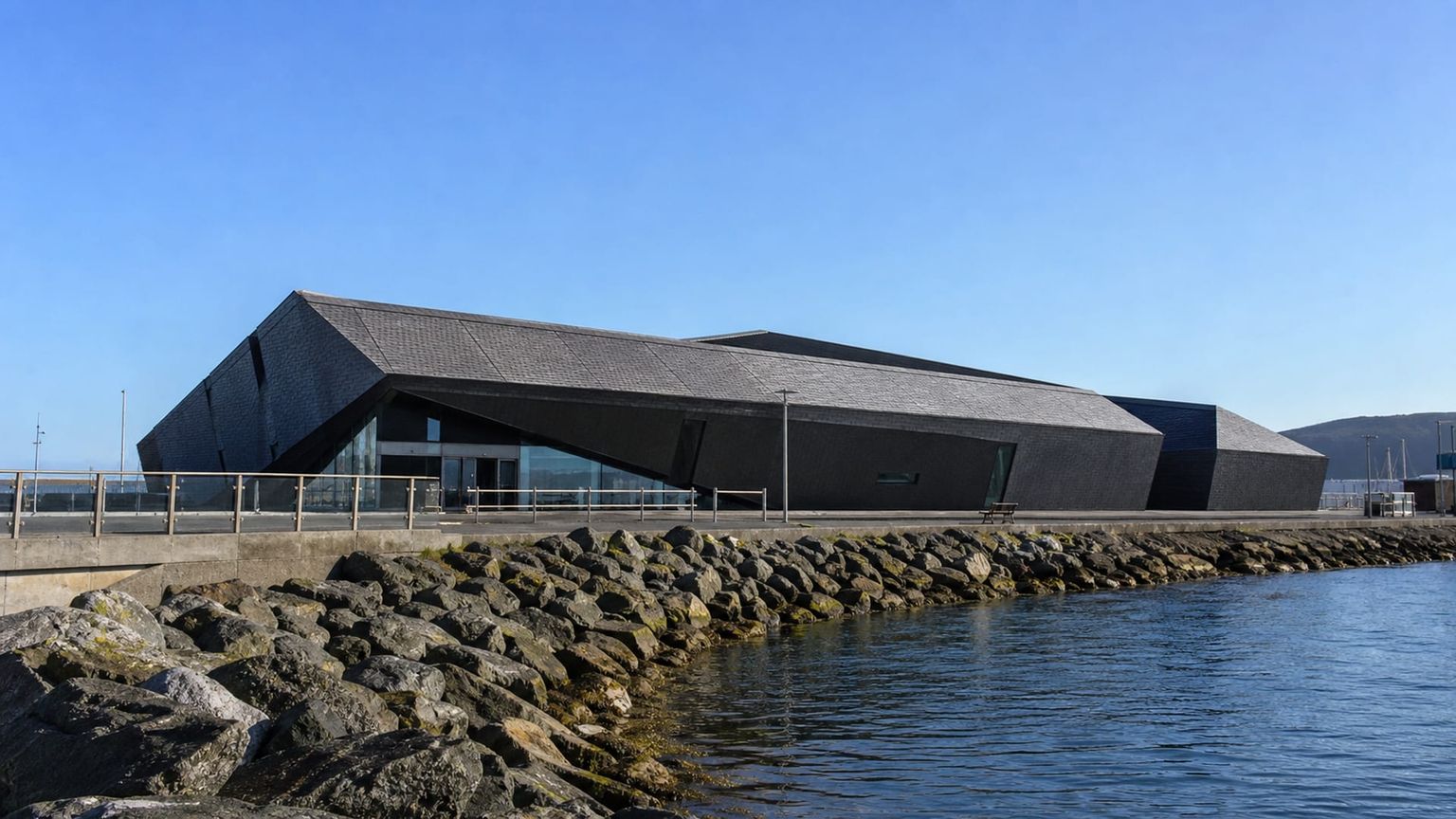
Jersey Zoo
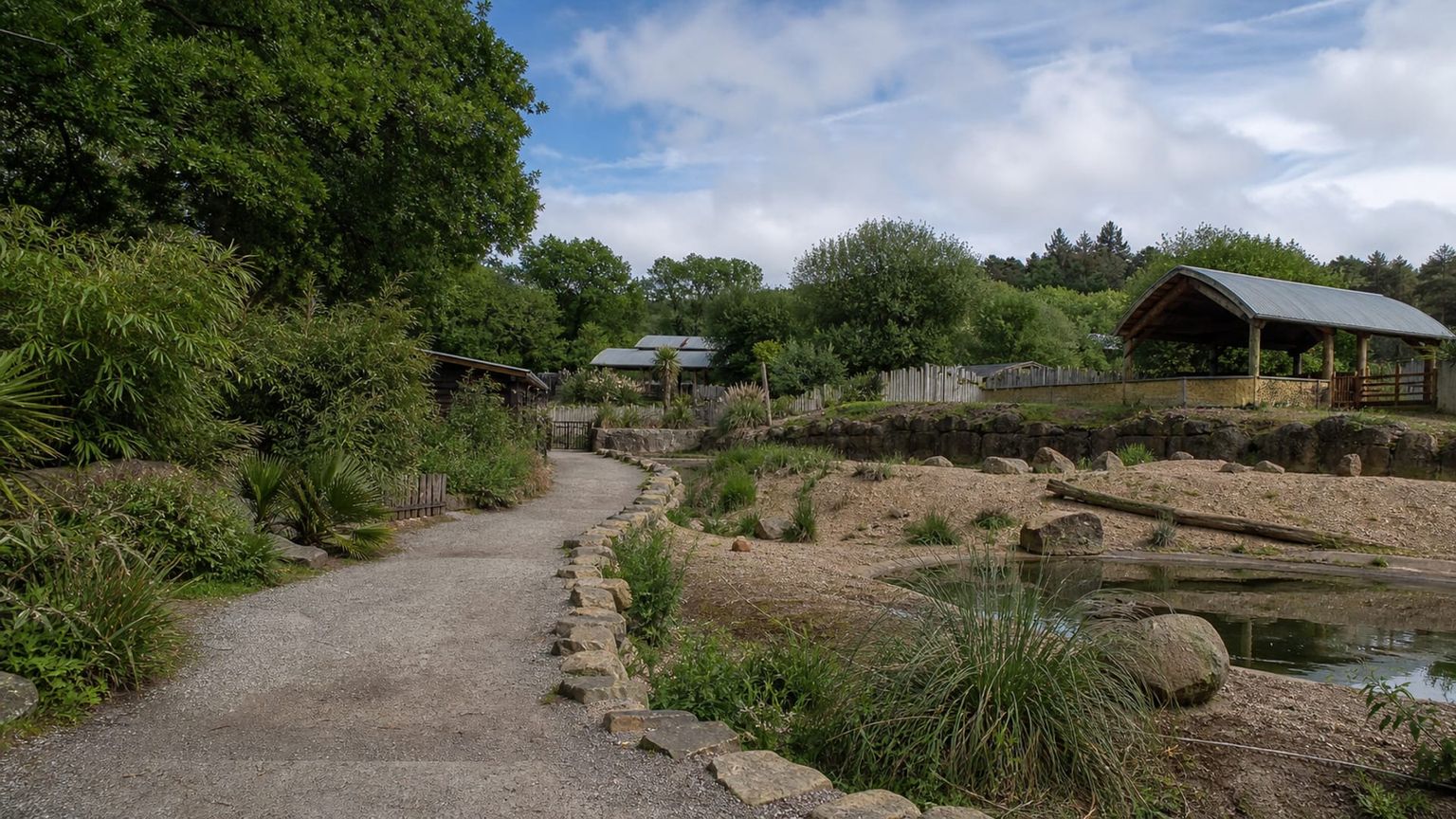
Founded by Gerald Durrell in 1959, Jersey Zoo covers landscaped grounds with species from conservation breeding programs. It pairs compact walking routes with exhibits focused on endangered animals and the island’s wildlife-education legacy.
Time needed: About 2 to 4 hours
Entry: Adult admission costs about $25 (£19), with child, student, and family prices available; seasonal hours change throughout the year. Visit the official site for details.
Tip: Arrive early on warm days, when the animals are most active and the paths are quieter.
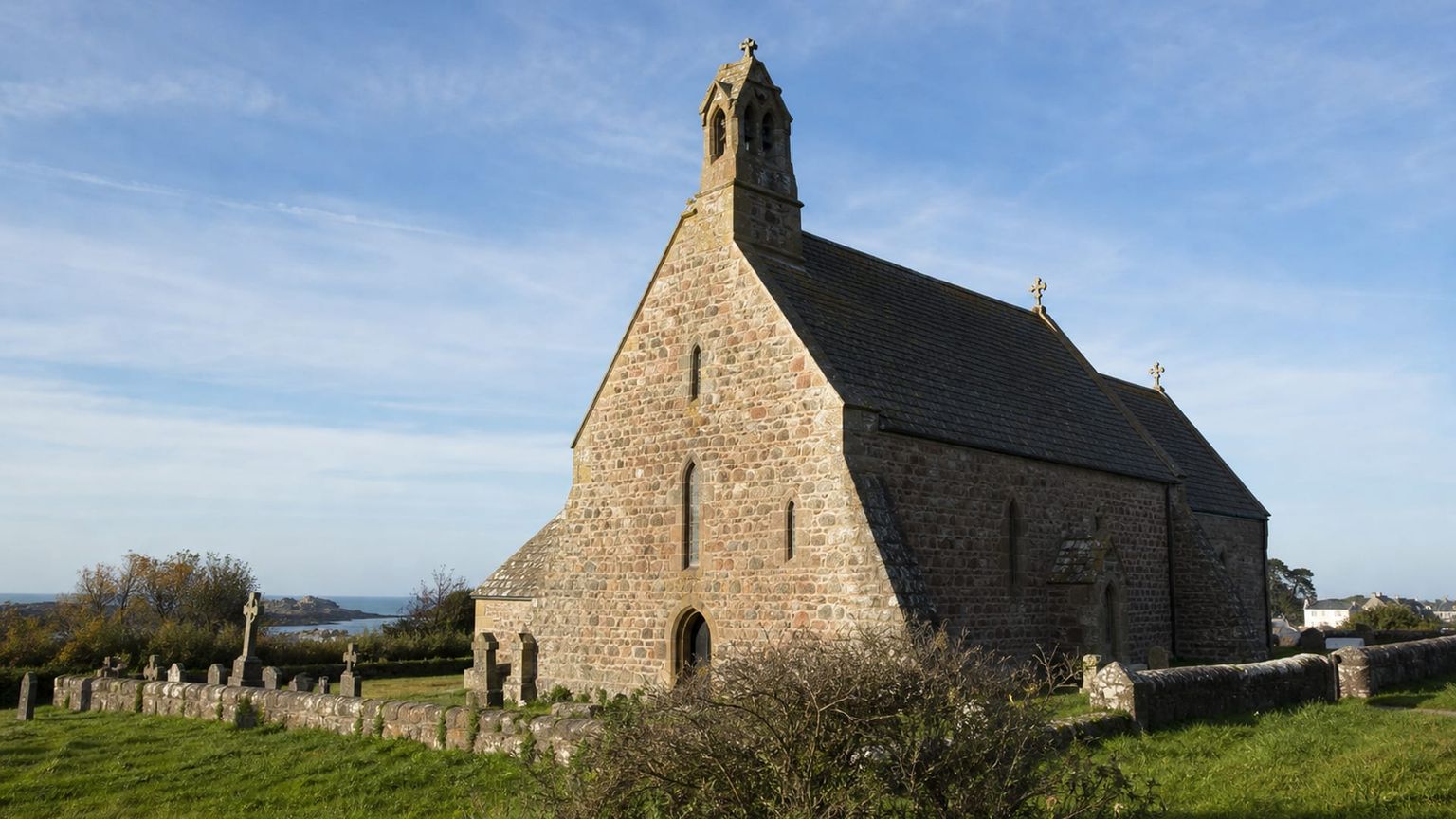
St. Brelade's Church
St. Brelade’s Church sits beside the sand at St. Brelade’s Bay and dates to the Norman period. Its stone interior, medieval carvings, and tiny fisherman’s chapel make it one of Jersey’s most distinctive historic churches.
Time needed: About 45 minutes to 1 hour
Entry: Free to access; donations are welcome, and special services or concerts may limit casual visiting at certain times. Visit the official site for details.
Tip: Pair it with a late-afternoon stop at the bay, when the light hits the stone facade well.
Overlooked sites worth visiting

La Hougue Bie
This Neolithic passage grave holds one of Jersey’s oldest monuments, plus an underground chamber, a medieval chapel, and a small museum. The site adds archaeology, burial history, and a hillside view in one stop.
Time needed: About 1 to 2 hours
Entry: Adult tickets cost $16 to $18 (£13 to £15), with reduced rates for children and concessions. Entry covers the burial mound, chapel, exhibition spaces, and the surrounding grounds operated by Jersey Heritage. Visit the official site for details.
Tip: Go early for quieter paths and softer light on the mound.

The Phare de la Corbière causeway
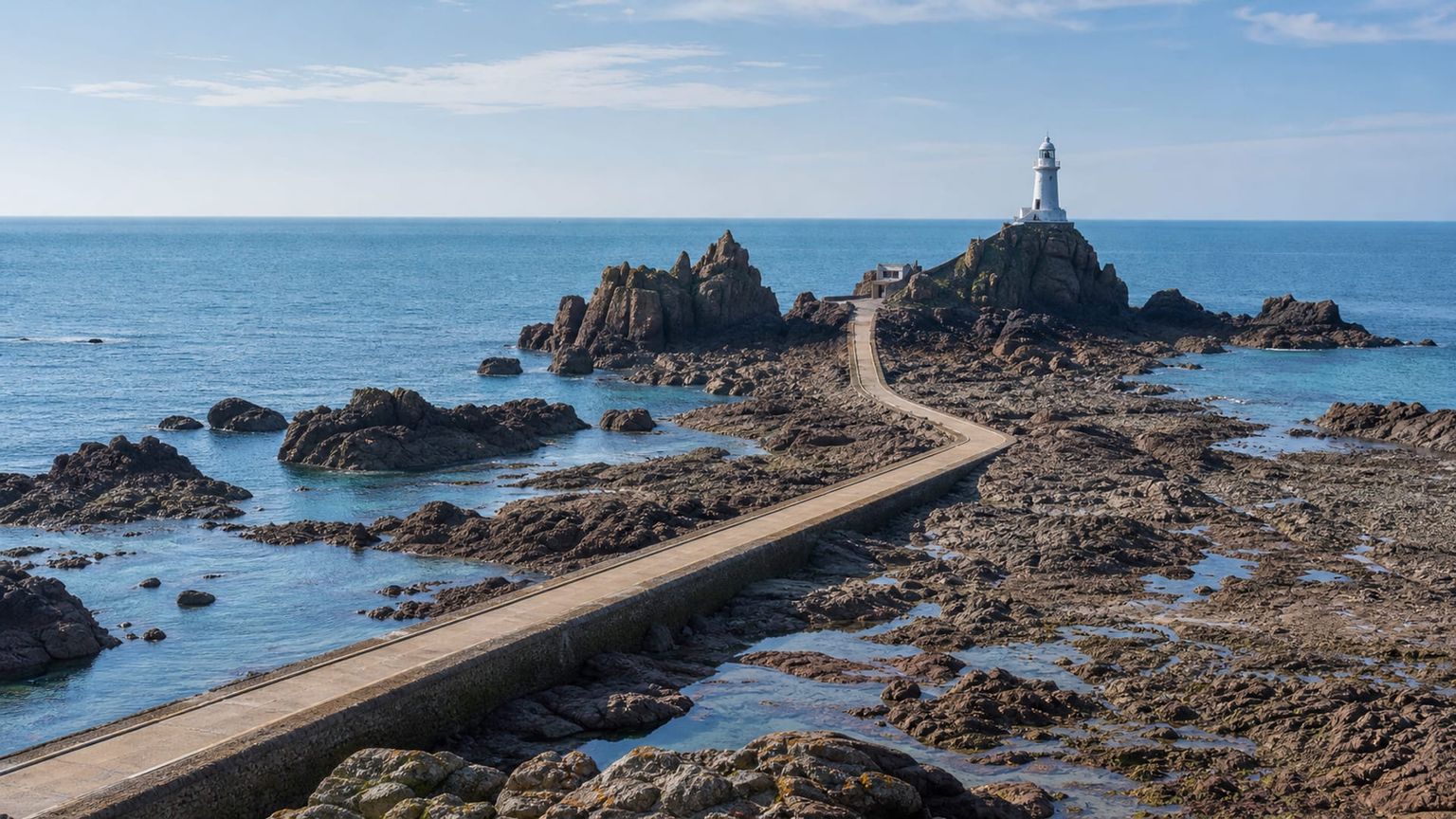
At low tide, this lighthouse approach becomes a walk across pale rock pools and tidal flats. Jersey’s western tip gives you sea views, a photogenic tower, and clear access only when the tide allows.
Time needed: About 45 minutes to 1 hour
Entry: Free to access. The causeway and shoreline are open without a ticket, but tide timing matters because the path is only safe at low tide. Check local tide tables before planning your visit and keep well back from the waterline.
Tip: Visit at low tide, then leave before the tide turns.
Traditional food
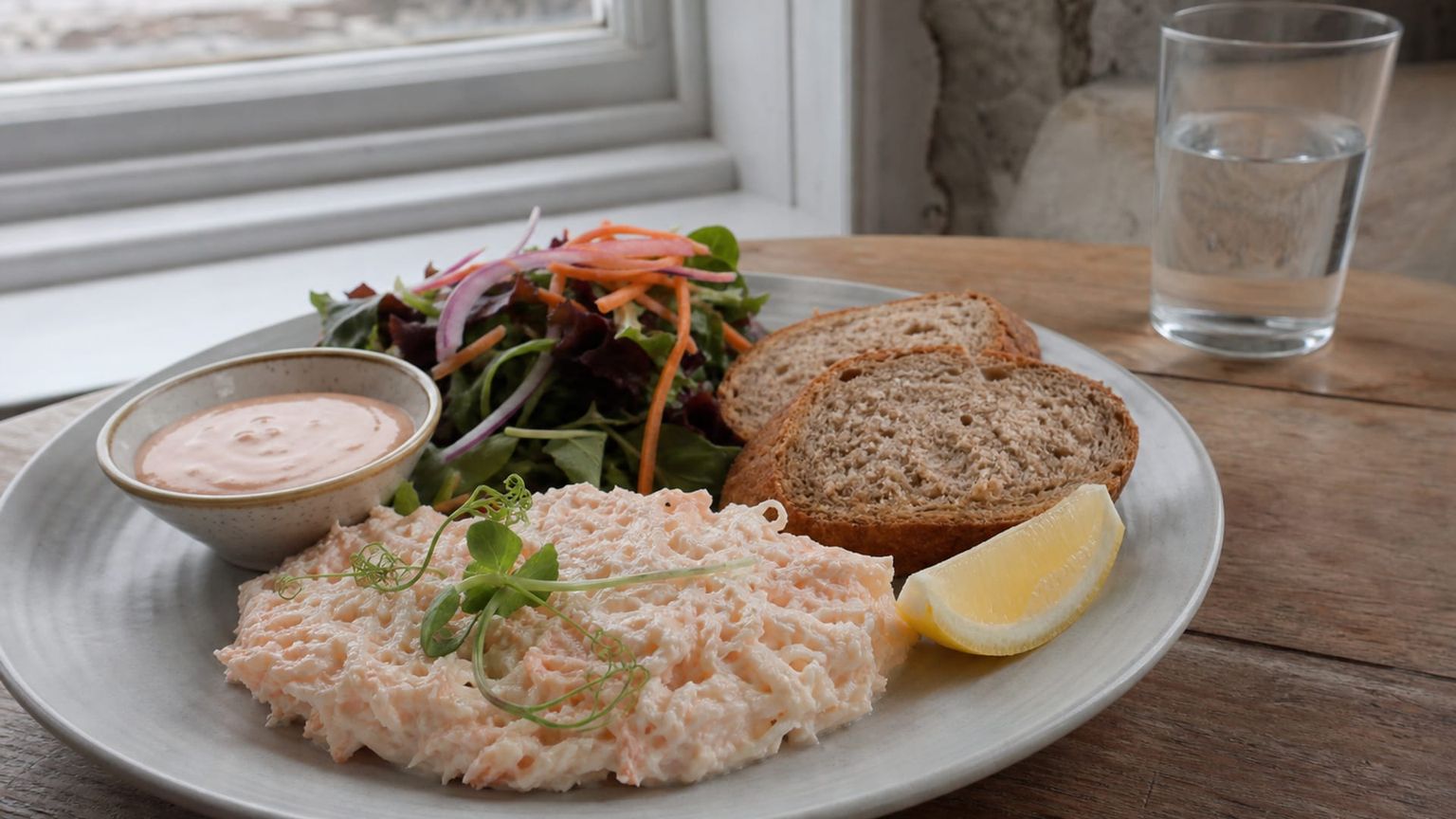
Jersey’s cooking leans on dairy, potatoes, and coastal produce, with Jersey Royals, cream tea, bean crock, and black butter showing up in both casual cafes and full dinner menus.
Jersey Royal potatoes
These waxy, early potatoes are one of the island’s most famous crops, often served with butter and fresh fish. Bohemia at The Club Hotel & Spa gives them a polished place on the menu.
Jersey cream tea
Scones with jam and cream fit Jersey’s dairy tradition, and The Atlantic Hotel serves a classic version with sea views and an afternoon pace that suits it.
Bean crock
This slow-cooked bean and pork stew belongs to Jersey’s home cooking, with a deep, savory broth that works well after a windy coast walk. The Jersey Pottery Teashop offers a fitting island-style plate.
Black butter
Jersey’s spiced apple preserve appears on toast, with cheese, or beside desserts, and La Haule Manor uses it well in breakfast and tea settings.
Best time to visit Jersey
Jersey works year-round, but spring and summer bring the clearest coastal light, while autumn and winter reward travelers who want quieter roads and easier restaurant reservations.
Best for: Mild walking weather, gardens, and early coastal views
What you get: About 48 to 61°F (9 to 16°C), with moderate crowds and changeable breezes
Trade-offs: Showers can interrupt beach plans
Best for: Beach days, harbor evenings, and the longest daylight
What you get: About 59 to 72°F (15 to 22°C), with the busiest hotels and more day visitors
Trade-offs: Popular sights and seaside tables book up faster
Best for: Castle visits, museum days, and easier dining reservations
What you get: About 52 to 65°F (11 to 18°C), with lighter crowds after peak season
Trade-offs: Days shorten and the sea turns cooler
Best for: Museum time, town walks, and lower hotel demand
What you get: About 41 to 50°F (5 to 10°C), with the quietest streets and stronger winds
Trade-offs: Some coastal walks and seasonal attractions feel limited
A realistic 5-day plan in Jersey
Five days in Jersey works best when you divide the island by coast and build in one slower day for museums or a harbor stroll. The sequence below keeps the longest transfers grouped and leaves room for the tide, the weather, and an early finish before departure.
Land at Jersey Airport (Jersey, JER), then take a taxi to St Helier or Havre des Pas in about 10 to 15 minutes for roughly $25 to $35. If you want an easier first evening, book in St Helier town center so you can walk to the harbor, the main bus stops, and a simple dinner. A short waterfront stroll and an early meal on King Street or near the Weighbridge make a good reset after the flight, then turn in early.
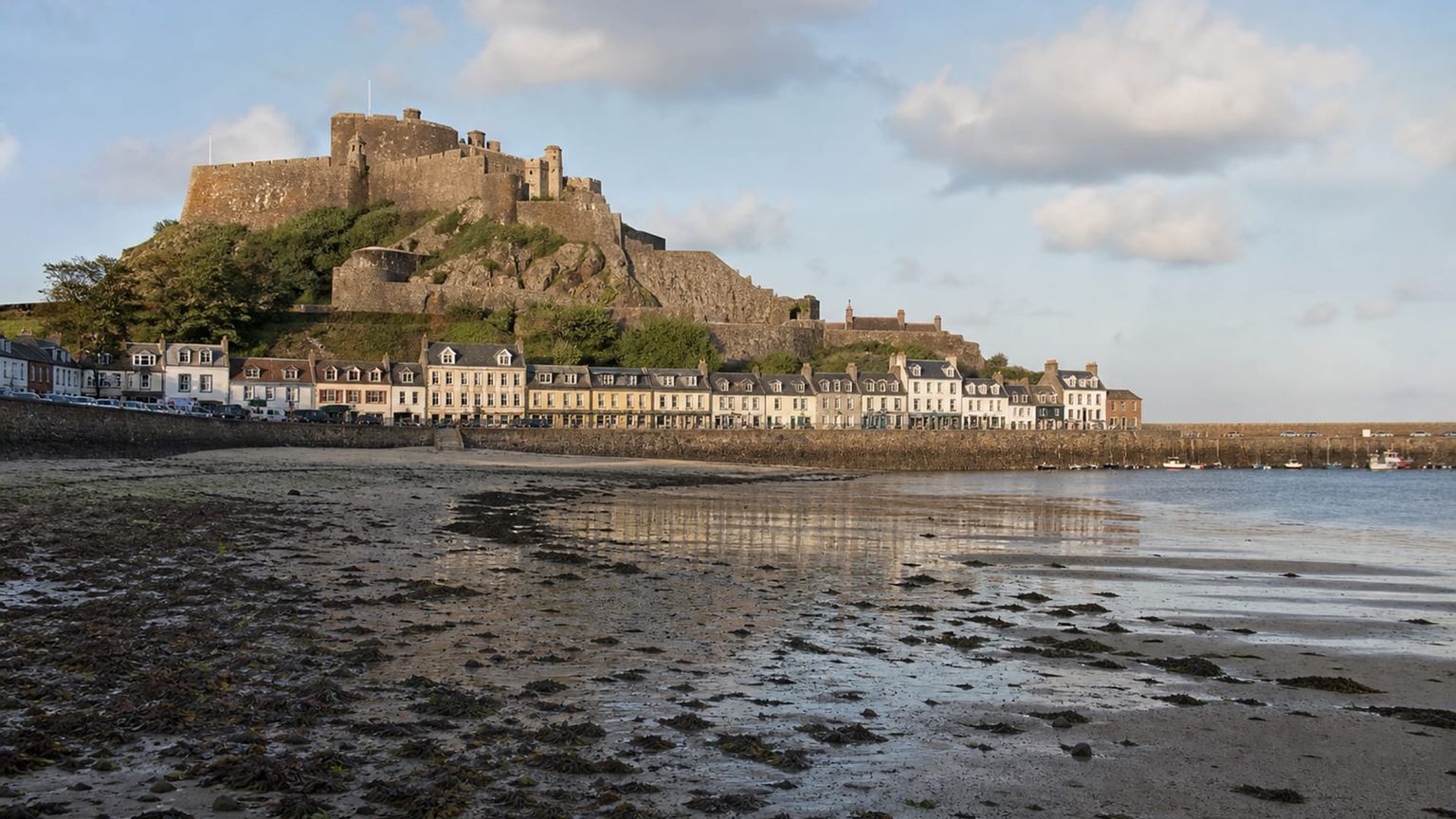
Start early in Gorey for Mont Orgueil Castle, then spend about 2 to 3 hours climbing the towers and walls before the heat and foot traffic build. From St Helier, the bus to Gorey takes about 25 to 30 minutes, and a taxi is quicker if you are splitting the day between the east and south coasts. After lunch, return toward the center for Jersey Museum and Georgian House, about 5 to 10 minutes on foot from St Helier town center, so you can finish with the island’s history without another long transfer.
Begin at Jersey Zoo, about 10 minutes by car from St Helier and roughly 20 minutes by bus depending on connections, so an early start pays off when the paths are quiet. Plan 2 to 4 hours for the grounds and exhibits, then head back south to La Hougue Bie, about 15 to 20 minutes by car from the capital, for the burial mound, chapel, and exhibition spaces. If you still have daylight, continue to Havre des Pas for a seaside walk before dinner, since it sits only about 15 minutes on foot from Liberation Square.
At low tide, make the westward trip to The Phare de la Corbière causeway, where the walk across the rock platform takes about 45 minutes to 1 hour once you reach the site. From St Helier, buses and taxis both make the trip manageable, but check the tide table first and leave time to step back before the water rises. Afterward, head to St Brelade’s Bay for a late swim or a quiet shoreline stop, then visit St. Brelade’s Church beside the sand, where the stone interior and coastal setting work well in the afternoon light.
Before departure, fit in a final museum stop or a slow coffee in St Helier town center, where the harbor, shops, and bus links stay close together. If you want one last browse, the central streets give you the broadest choice of island shops and souvenir counters, while a café near the Waterfront or Liberation Square keeps the airport transfer simple. From town, a taxi back to Jersey Airport (Jersey, JER) usually takes about 10 to 15 minutes, so you can leave with enough time for check-in and security.
Business-class flights from the US to Jersey
Reaching Jersey from the United States usually means a one-stop trip, with London, Paris, Amsterdam, Frankfurt, Madrid, or Dublin in the middle. The exact connection shape changes the total travel time, so it pays to compare the routing as well as the fare.
From New York, British Airways, Air France, KLM, Lufthansa, Aer Lingus, and United Airlines all appear in the market, and trips usually take about 10 to 14 hours with one stop through hubs such as LHR, CDG, AMS, FRA, or DUB. Round-trip fares start from $2,200 to $4,000.
Los Angeles itineraries usually run through LHR, CDG, AMS, FRA, or MAD on airlines such as British Airways, Air France, KLM, Lufthansa, and United Airlines, and the full journey generally takes about 12 to 16 hours. Round-trip fares usually start at $2,400 and can reach $4,500.
Jersey feels different when you slow down
A well-paced Jersey trip usually means St Helier for easy transit, one east coast day for Mont Orgueil Castle, a west coast outing timed to the tide at Corbière, and a quieter evening in Havre des Pas or near the Waterfront. That mix gives you the island’s harbor views, museum stops, and beach stretches without unnecessary backtracking. If you want help matching the trip to your dates, let the AranGrant experts shape it around the tide table and your preferred base







