

Chapters:

Need help with your trip?
Our support team is available 24/7. Request a callback or call us directly at (833) 619-0908
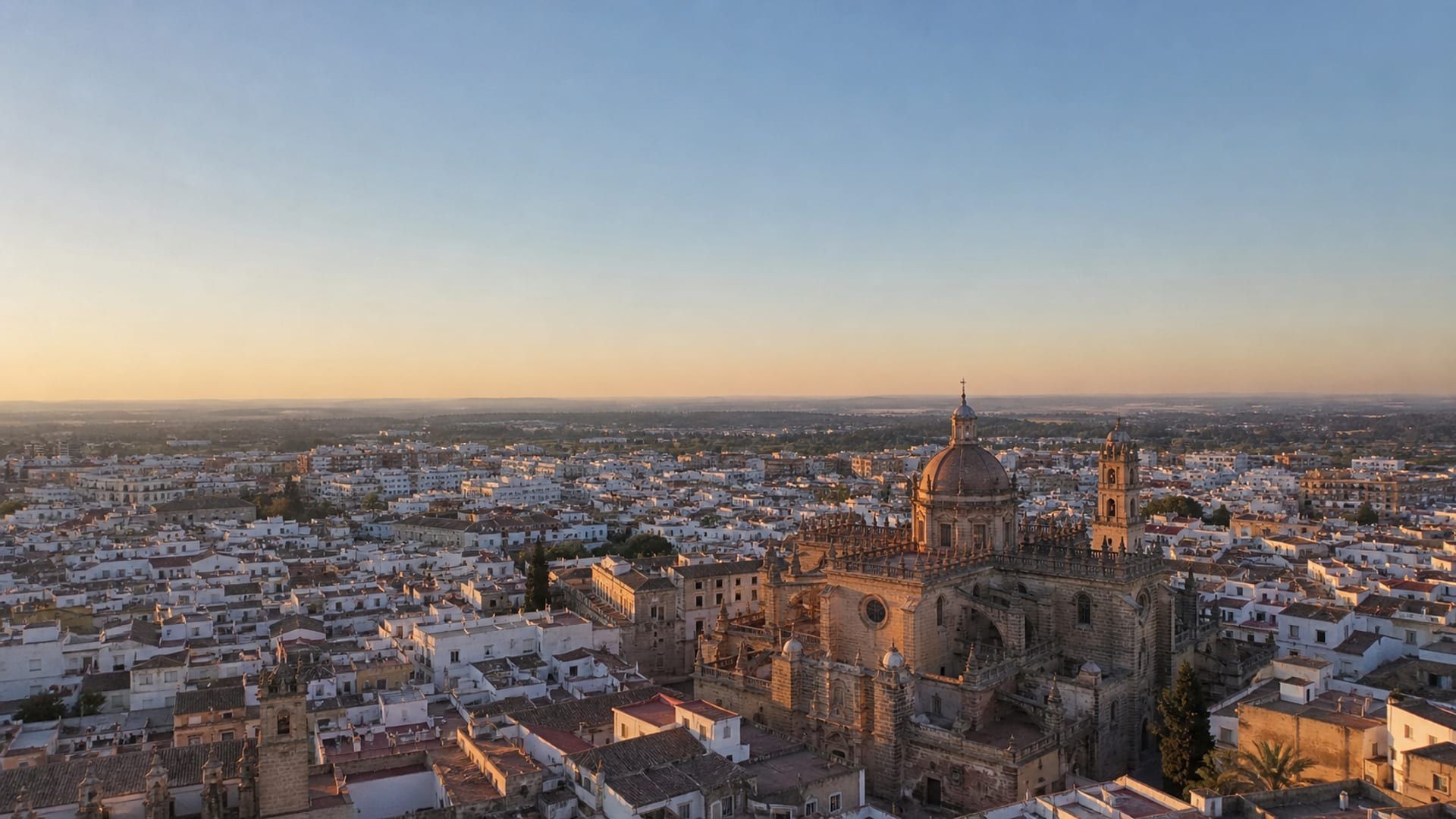
Jerez de la Frontera rewards travelers who slow the first decision down, because many visits rush from the airport to one landmark, then miss the streets that connect the city’s sherry, flamenco, and horse traditions.
That rushed approach can leave you crossing the center more often than needed, especially if you stay too far out or try to stack too many sights between meals. The old town is compact, but the best days still depend on timing, shade, and short moves.
This guide keeps the city in a clearer order: where to sleep, how to move, what to eat, when to go, and how to fit the main sights into five days without wasting time.
Useful things to know

Main language(s): Spanish
Hola (OH-lah) – Hello/good morning
Por favor (pohr fah-VOR) – Please
Gracias (GRAH-syahs) – Thank you
¿Habla inglés? (AH-blah een-GLAYS) – Do you speak English?
¿Cuánto cuesta? (KWAHN-toh KWAY-stah) – How much does it cost?

Currency: The local currency is the euro (EUR, €).

Cash and cards: Cards and contactless are widely accepted; carry about €20 to €40 ($22 to $44) for small bars and tips.

Tipping: Round up or leave about 5 to 10% at sit-down restaurants if service is good.

Traditional food: sherry, tortillitas de camarones, berza jerezana, ajo blanco

Water and coffee costs: Water ~€1.50 ($2), bar espresso ~€1.50 to €2 ($2 to $2.50).

Taxis and ride apps: Uber and Cabify operate here; taxis are common too.

Plug and voltage: Type C/F socket, 230V

Dining and shop opening hours: Breakfast is about 08:00-10:30, lunch about 13:30-16:00, and dinner about 20:30-23:00. Many kitchens close in the afternoon between lunch and dinner.

Emergency number: 112 for police, fire, and medical emergencies.
Where to stay in Jerez de la Frontera
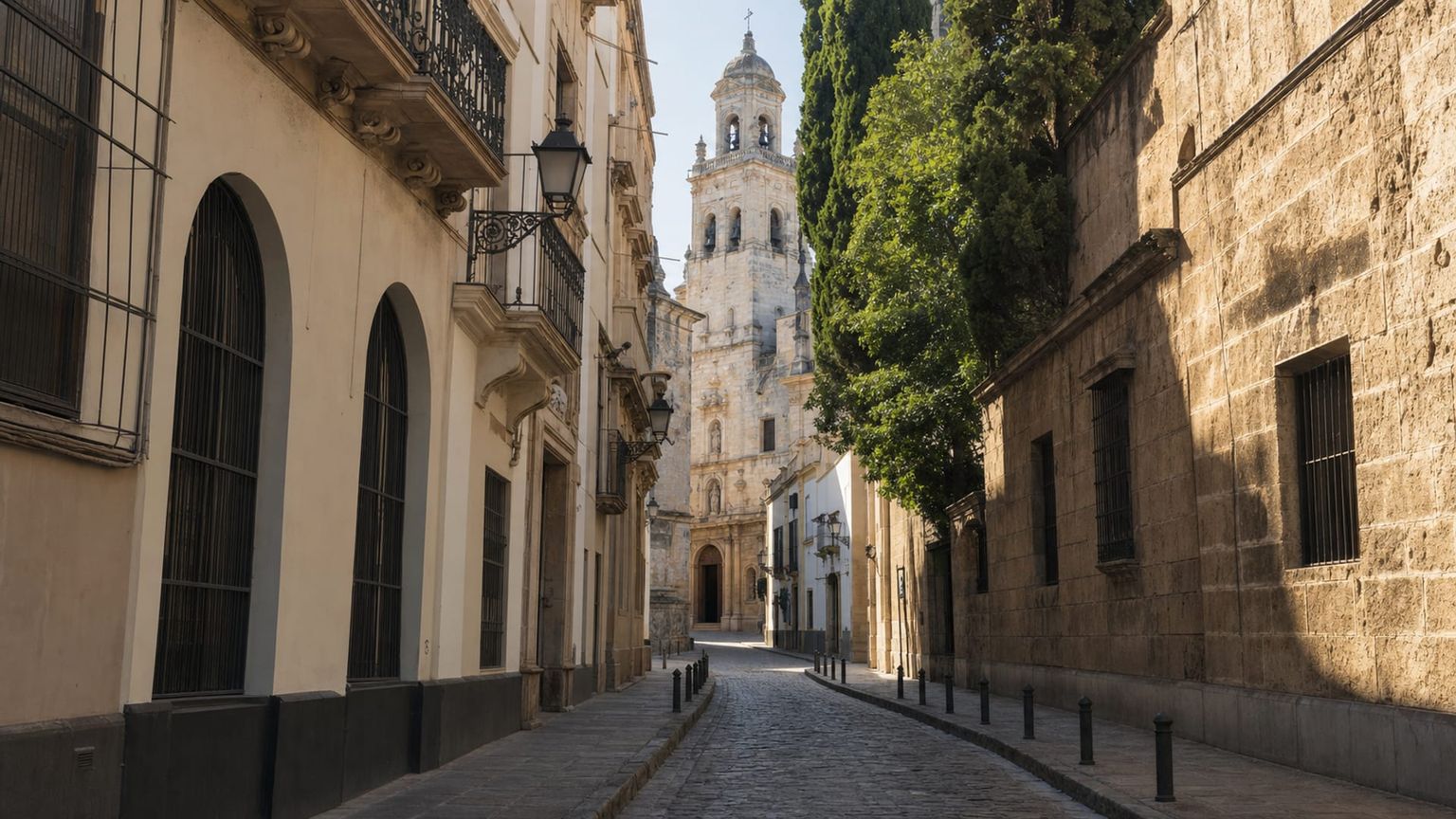
Jerez’s historic core places you by the Alcázar, cathedral, sherry bodegas, and the main tapas streets. It suits travelers who want to step out on foot for sightseeing, dining, and easy taxi access to the station.
Best for: First-time visits, walking between sights, dining, and short stays without needing a car
What to expect: Busy sidewalks by day, with tapas bars and occasional late-night noise on the main squares and streets.
Hotel prices: Usually about 80€ to 170€ (~$88 to ~$187) per night for well-rated stays
Distance to major sights: 5 to 10 minutes on foot to the Alcázar and Jerez Cathedral
Quietness: Quieter in the morning and late at night; livelier on dinner streets and around the main plazas after dark.
Main trade-off: Central addresses can cost more, and rooms facing the street may pick up bar and pedestrian noise.
Good to know: If you plan early train or airport transfers, choose a room away from the busiest squares, because late dining traffic can run past midnight.
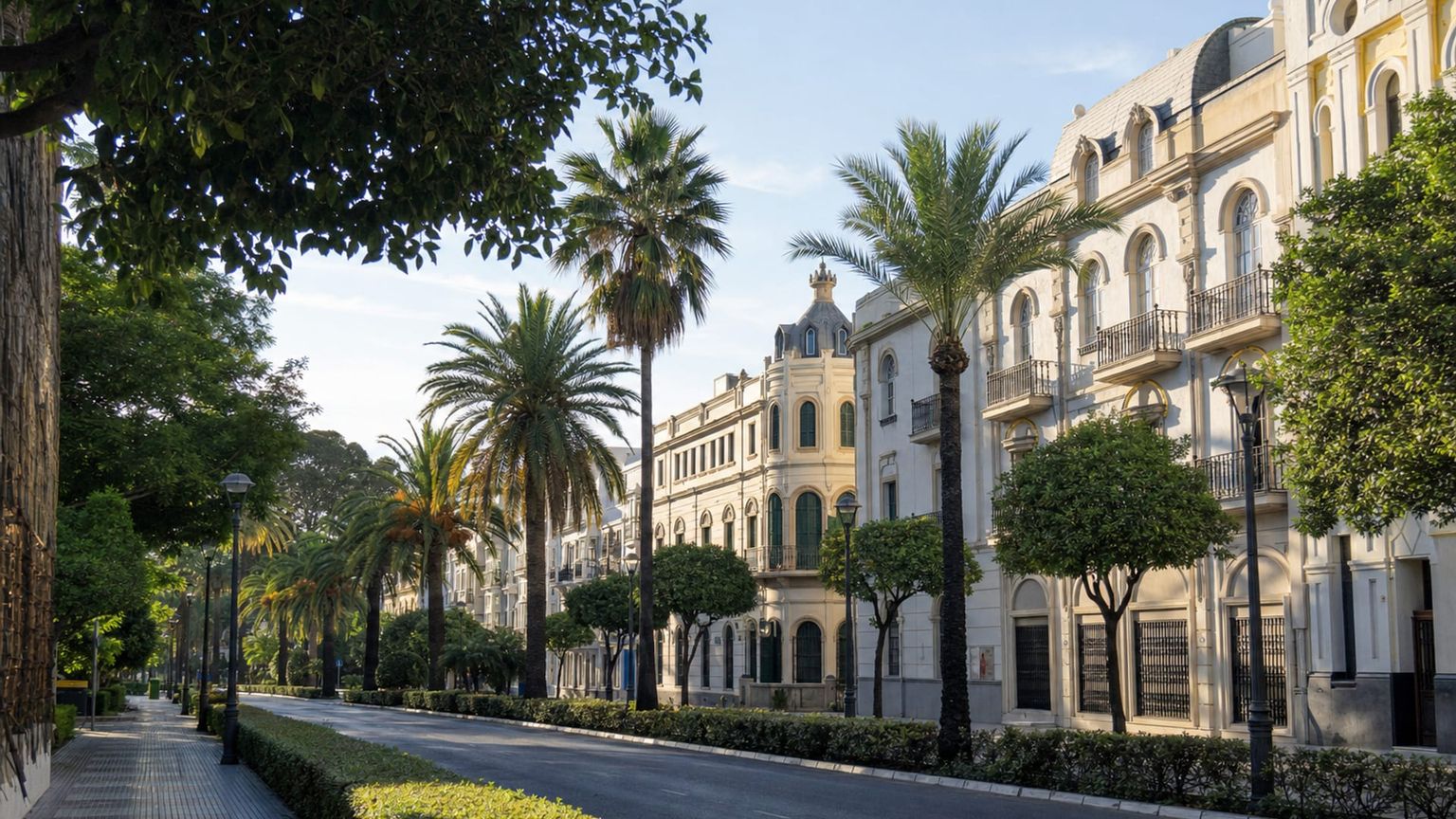
This broad avenue and its side streets sit just west of the old center, with larger hotels, easy parking, and fast access toward the airport road. It works well for visitors who want central reach without staying in the tightest historic lanes.
Best for: Drivers, business trips, and travelers who want easier parking near the center
What to expect: Active daytime traffic, with a more muted evening scene than the old town and fewer late bars right outside most hotels.
Hotel prices: Usually about 70€ to 150€ (~$77 to ~$165) per night for well-rated stays
Distance to major sights: 10 to 15 minutes on foot to Jerez Cathedral, about 10 minutes by taxi to Jerez (XRY)
Quietness: Busier by day because of traffic, then notably calmer after office hours.
Main trade-off: You will usually walk a bit more to the main tapas streets, and some blocks feel more car-oriented than scenic.
Good to know: Parking is easier here than in the old town, so it suits road trips or guests arriving with luggage and a rental car.
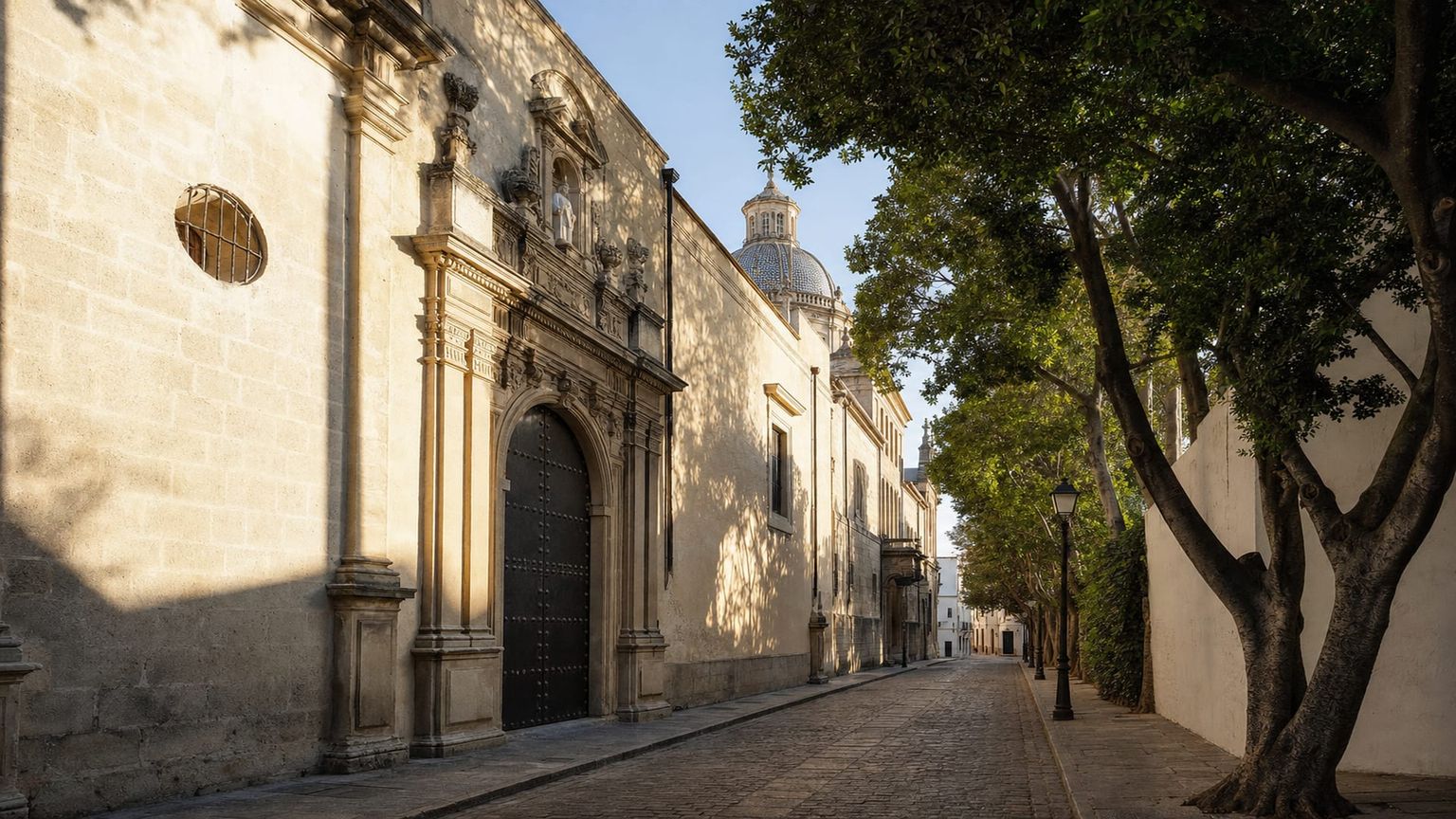
San Miguel sits just northeast of the center and is known for its flamenco heritage, local bars, and a more lived-in city feel. It keeps you close to the cathedral area while giving you quick access to everyday cafés and neighborhood shops.
Best for: Travelers who want local atmosphere, flamenco-related places, and central access on foot
What to expect: Street life is active near bars and small shops, with a local pace that picks up in the evenings around eating and music spots.
Hotel prices: Usually about 65€ to 140€ (~$72 to ~$154) per night for well-rated stays
Distance to major sights: 10 to 15 minutes on foot to Jerez Cathedral and the Alcázar
Quietness: Quieter in the daytime than the main tourist core, then livelier around bars after dusk.
Main trade-off: Streets can feel less uniform for hotel standards, and some corners are more functional than picturesque.
Good to know: Late-night dining options cluster in a few streets, so check the exact block if you want a room farther from bar noise.
Travelers usually avoid the far southern edge near the Jerez Industrial Estate and the airport corridor, because both sit well outside the historic center and have few visitor-oriented amenities. The outskirts along the N-4 and the residential fringe toward Guadalcacín are also less convenient, since they put you farther from the cathedral, sherry bodegas, and the main evening dining streets.
Hotel deals
How to get around Jerez de la Frontera efficiently
Jerez has no metro, so most visitors switch between walking, city buses, taxis, and the Cercanías rail line depending on distance and luggage.

Metro
for longer distances
Jerez de la Frontera has no metro system, so travelers usually rely on city buses, taxis, or the Cercanías rail line for longer hops. The nearest rail stop for urban transit is Jerez de la Frontera station, with trains to Cádiz and Seville; tickets are about $2 to $8 depending on distance, and regional journeys usually take 20 to 60 minutes.

Bus and tram
for convenience
Bus line coverage is centered on urban routes linking the station, downtown, and residential districts, with most rides taking about 10 to 25 minutes. Single fares are roughly $1.20 to $1.80, and day passes or reloadable cards can lower the cost if you make several trips within the same day.

Taxi
for convenience or late hours
Licensed taxis use metered fares in Jerez de la Frontera, with airport trips to the center usually costing about $22 to $30. Street hails, taxi ranks, and phone dispatch all work, and most drivers accept cards, though it is worth confirming before you start the ride.
*Prices are based on rates updated as of June 2026 and may change at the time of travel.
Walk for the center, use buses for cross-town errands, and take taxis for the airport or when you want to save time between the old town and farther sights.
Iconic landmarks
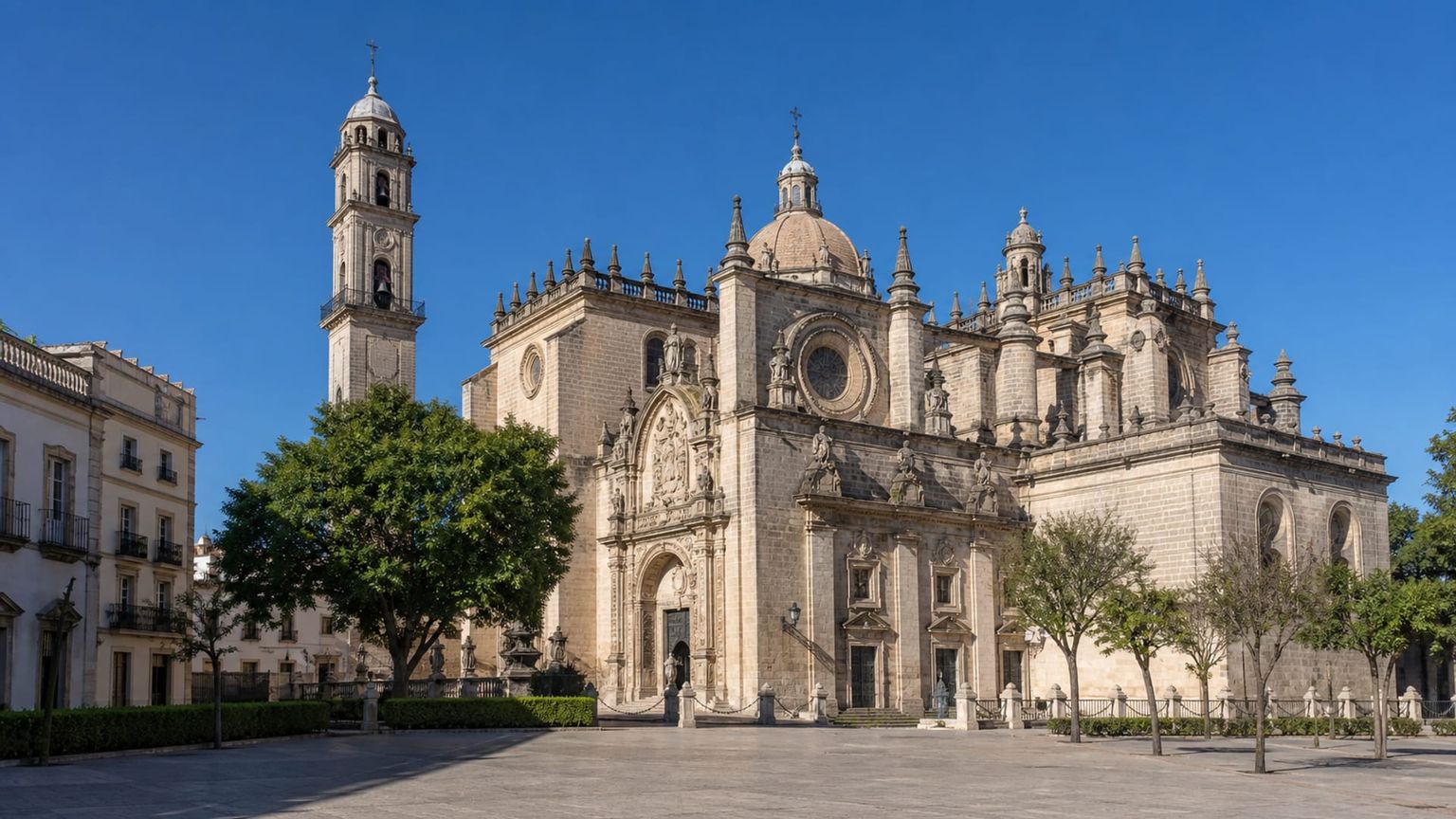
Jerez Cathedral
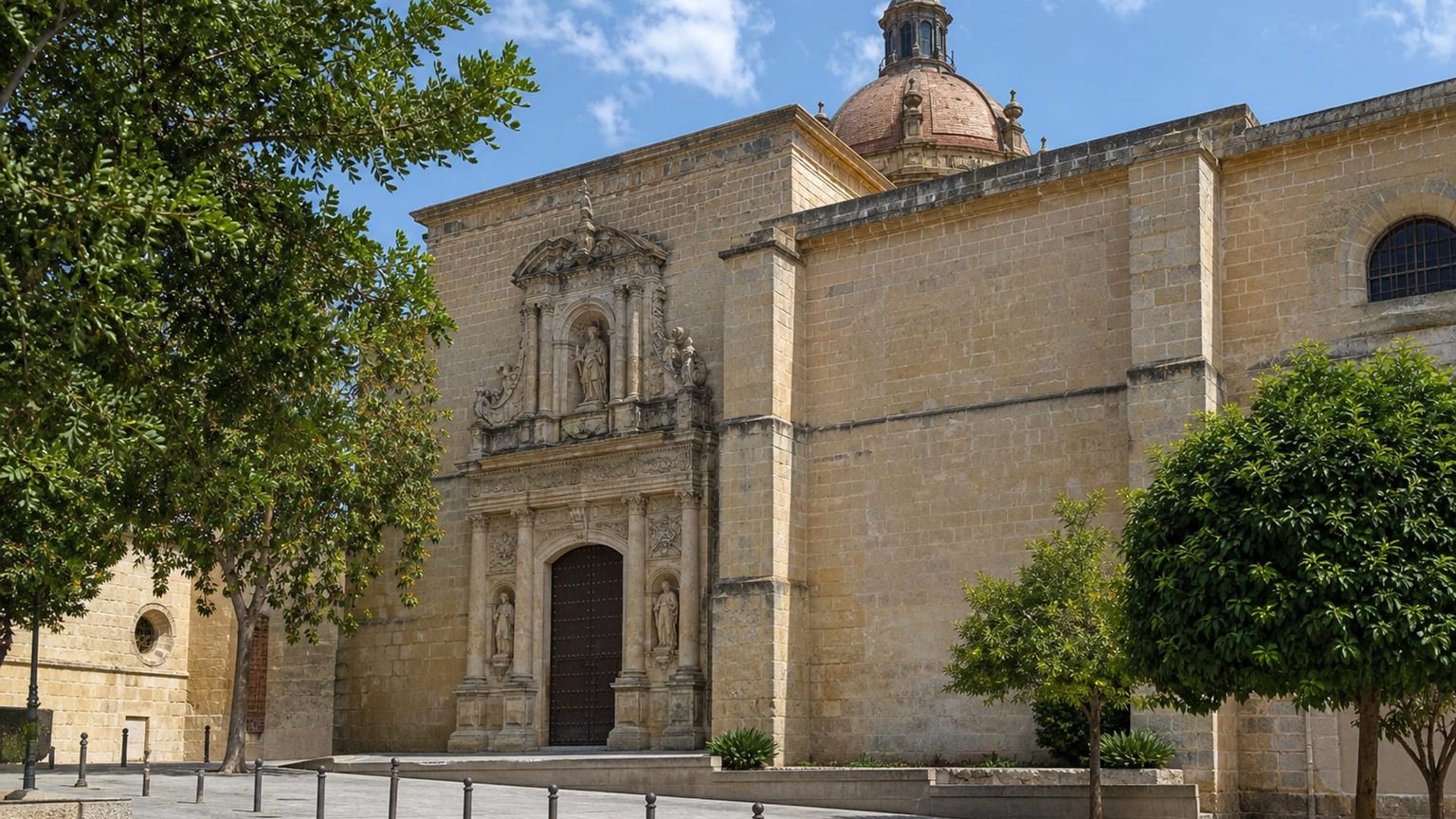
This baroque cathedral combines a Gothic nave, a domed chapel, and a separate bell tower that once served the former mosque site beside it. Inside, El Greco’s Crucifixion hangs with carved choir stalls and silverwork from the city’s clergy.
Time needed: About 1 to 2 hours
Entry: Tickets cost about $8 ($7), with reduced rates for seniors, students, and children; tower access may cost extra when offered. Visit the official site for details.
Tip: Go late morning for stronger light through the nave and quieter viewing inside.
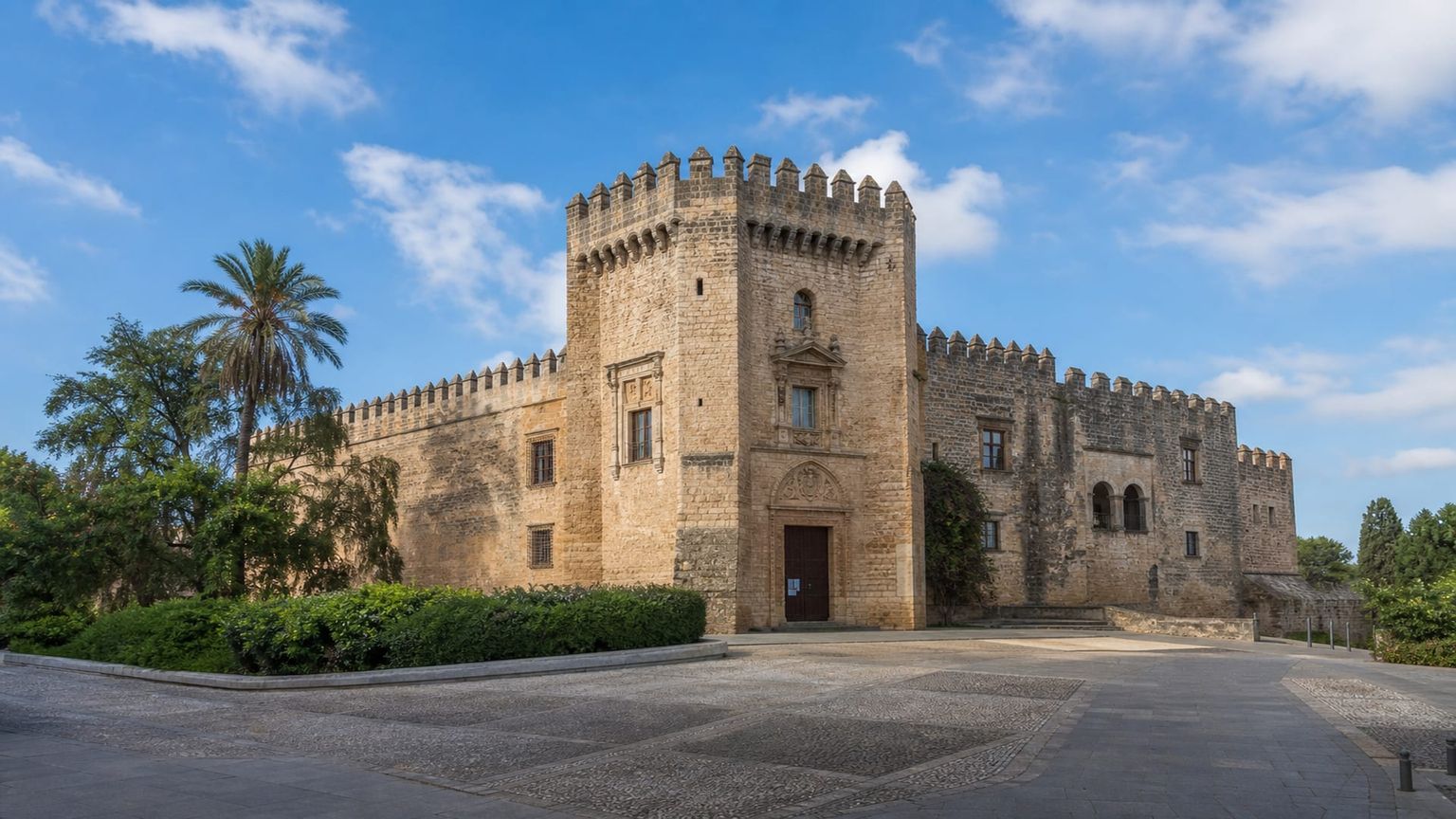
Alcázar of Jerez de la Frontera
This 11th-century Moorish fortress keeps its octagonal tower, mosque, Arab baths, and walled gardens in the city center. The complex also holds a chapel and small camera obscura, giving a clear view of Jerez’s layered past in one compact site.
Time needed: About 1.5 to 2.5 hours
Entry: Admission costs about $6 ($5), with lower rates for children, seniors, and students; some special exhibits or tower access can cost extra. Visit the official site for details.
Tip: Visit in the morning, before the stone courtyards heat up and shade disappears.
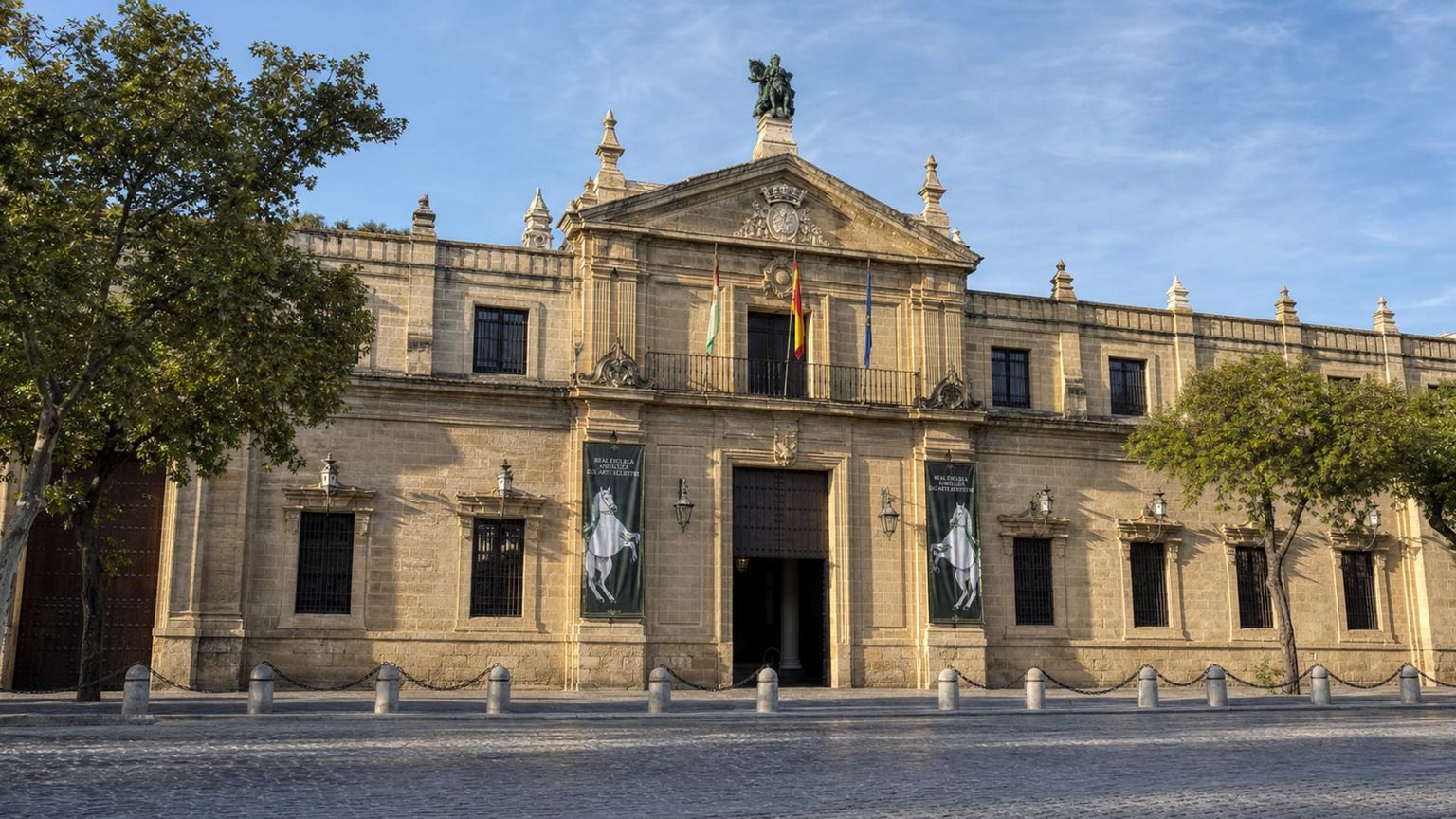
Royal Andalusian School of Equestrian Art
This training center preserves Jerez’s horse culture with classical riding shows, historic stables, and a museum focused on Andalusian breeding and tack. Even without a performance, the grounds explain why the city is tied so closely to dressage.
Time needed: About 2 to 3 hours
Entry: Tickets cost about $16 ($14) to $30 ($26), depending on the show and seating, with separate museum-only tickets sometimes offered. Visit the official site for details.
Tip: Choose a matinee if you want both the show and time to see the stables afterward.
Overlooked sites worth visiting

Alameda Vieja
This tree-lined terrace beside the Alcázar gives wide views over the old walls, with benches, shade, and frequent local foot traffic. It works well for an unhurried pause between central sights.
Time needed: About 30 to 45 minutes
Entry: Free to access; no ticket is needed to walk, sit, or pass through the terrace. Allow extra time if you want to pair the viewpoint with the nearby Alcázar grounds, which charge separately for entry.
Tip: Come late afternoon for softer light over the walls.

Museo Arqueológico Municipal de Jerez
Inside a former convent, this compact museum covers Iberian, Roman, and Islamic finds from the Jerez area, including the Punic helmet from La Cueva del Pájaro Azul. The galleries stay manageable in one visit.
Time needed: About 1 hour
Entry: Admission is about $2 to $4 (€2 to €4) for adults, with reduced or free entry on select days and for some visitors. Check the current counter rates before you go, since temporary exhibitions or special closures can alter access. Visit the official site for details.
Tip: Visit before lunch to avoid school-group traffic.
Traditional food
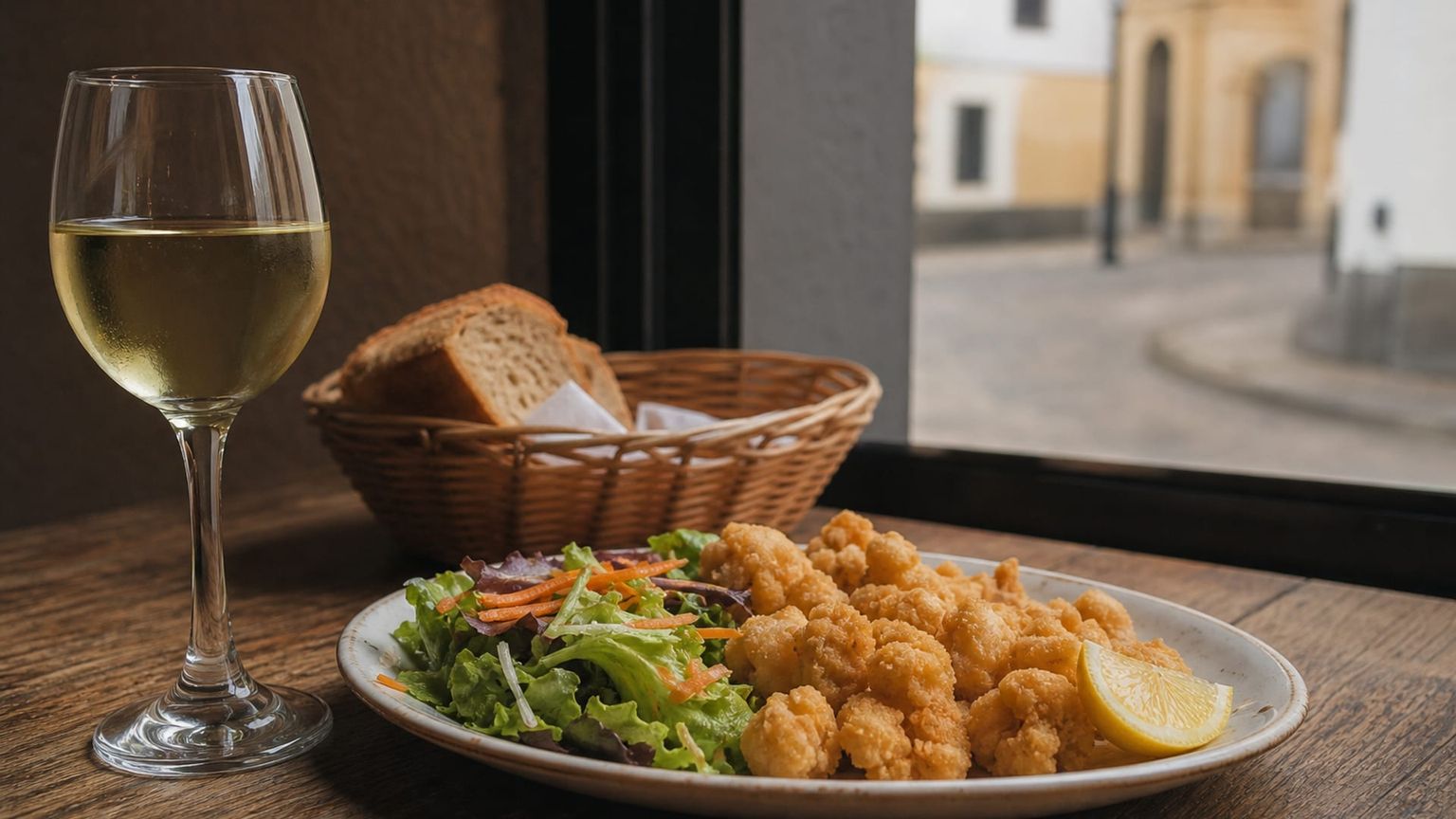
Jerez’s table leans on sherry, seafood fritters, slow-cooked stews, and almond-garlic notes from the countryside, with lunch and late dinner both central to daily life.
Tortillitas de camarones
These thin shrimp fritters are crisp, salty, and light enough for a first tapa stop. Casa Larga is a strong pick in Jerez for a classic plate that shows the city’s coastal side.
Berza jerezana
This local stew brings chickpeas, greens, and pork to the table in a deep, warming bowl. Bar Juanito serves a well-known version that suits a slower lunch in the center.
Ajo blanco
Cold almond and garlic soup gives Jerez a useful counterpoint to hotter days and heavier dishes. La Cruz Blanca is a dependable place to order it in a setting that still feels rooted in local cooking.
Sherry-braised pork cheeks
Rich, tender pork cheeks cooked with sherry capture one of the city’s signature flavors in a fuller main course. Tabanco El Pasaje is a fitting place to try them alongside a glass from the region.
Best time to visit Jerez de la Frontera
Spring and autumn bring the easiest walking weather, while summer pushes more of the day into early mornings, shade, and long lunches.
Best for: Cathedral visits, garden pauses, and terrace lunches
What you get: Temperatures roughly 54°F to 79°F (12°C to 26°C), with moderate crowds and comfortable walking hours
Trade-offs: Spring weekends can bring more day-trippers into the center
Best for: Early sightseeing, late dinners, and indoor cultural stops
What you get: Temperatures roughly 66°F to 94°F (19°C to 34°C), with lighter daytime crowds but a stronger midday heat
Trade-offs: Afternoons can feel too hot for long walks between sights
Best for: Sherry tastings, museum time, and longer city walks
What you get: Temperatures roughly 58°F to 82°F (14°C to 28°C), with manageable crowds and pleasant evenings
Trade-offs: A few rainy days can interrupt open-air plans
Best for: Museums, bodegas, and calm center stays
What you get: Temperatures roughly 45°F to 65°F (7°C to 18°C), with lighter crowds and short, bright days
Trade-offs: Evenings cool down quickly, so outdoor time can be limited
A realistic 5-day plan in Jerez de la Frontera
Five days in Jerez works best as a sequence of short walks, one larger cultural stop, and a final day that leaves room for shopping or one last café pause before departure.
Land at Jerez de la Frontera Airport (XRY) and take a taxi into Centro Histórico or Avenida de Álvaro Domecq, which takes about 10 to 15 minutes and usually costs roughly $18 to $24 (€17 to €22). If you are arriving by train instead, a taxi into the same hotel areas is still the simplest option with luggage. Settle in, drink plenty of water, then choose a light dinner on a nearby tapas street in Centro Histórico or in San Miguel, where you can eat close to your room without overdoing the first night.
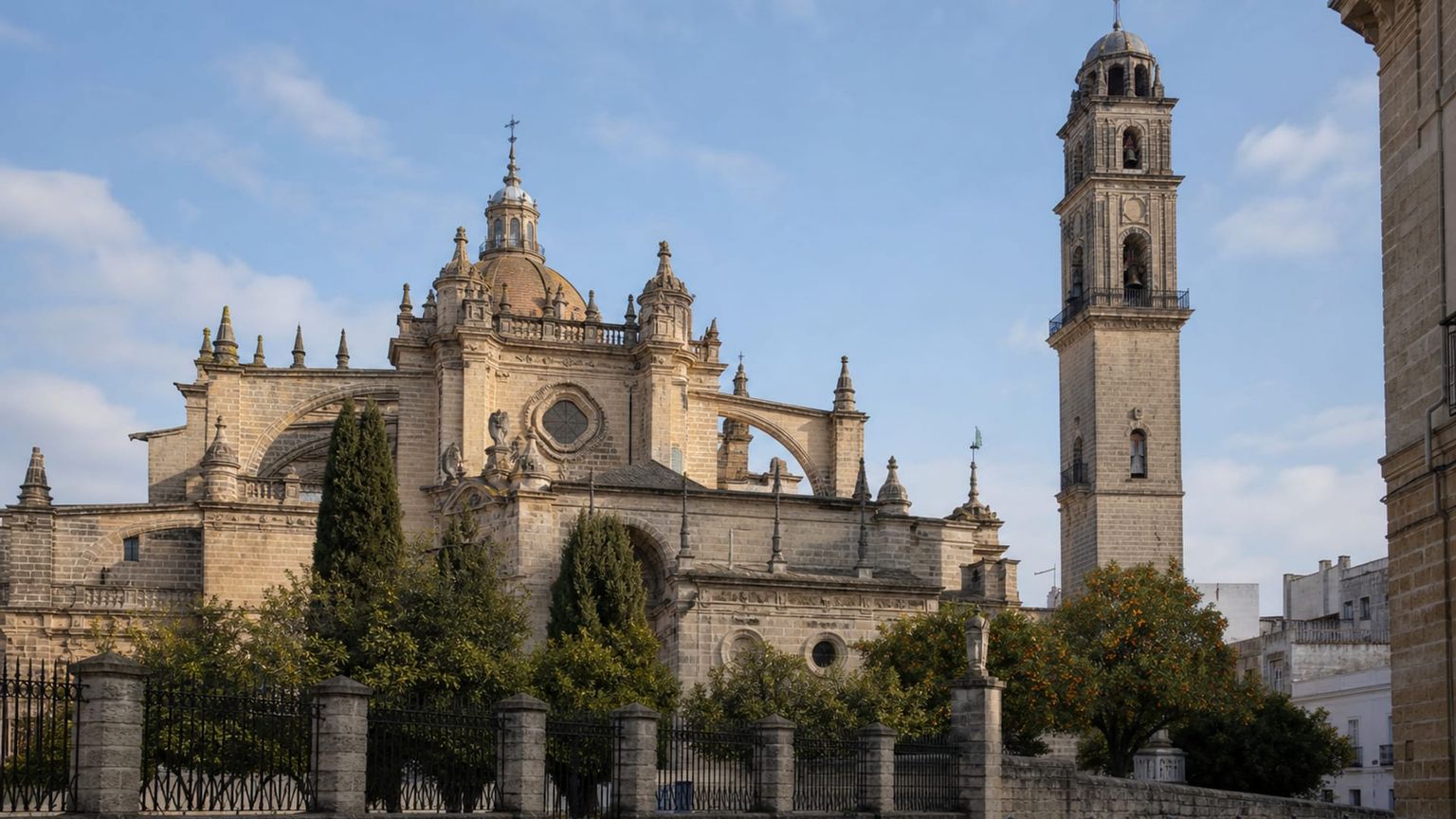
Start at the Alcázar of Jerez de la Frontera in the morning, then walk about 5 minutes to Alameda Vieja for a shaded pause beside the walls. From there, continue about 7 minutes on foot to Jerez Cathedral, where late morning light works well in the nave and tower area. Finish with lunch or an early evening tapa crawl in Centro Histórico, keeping most of the day on foot so you can move easily between the city’s core sights.
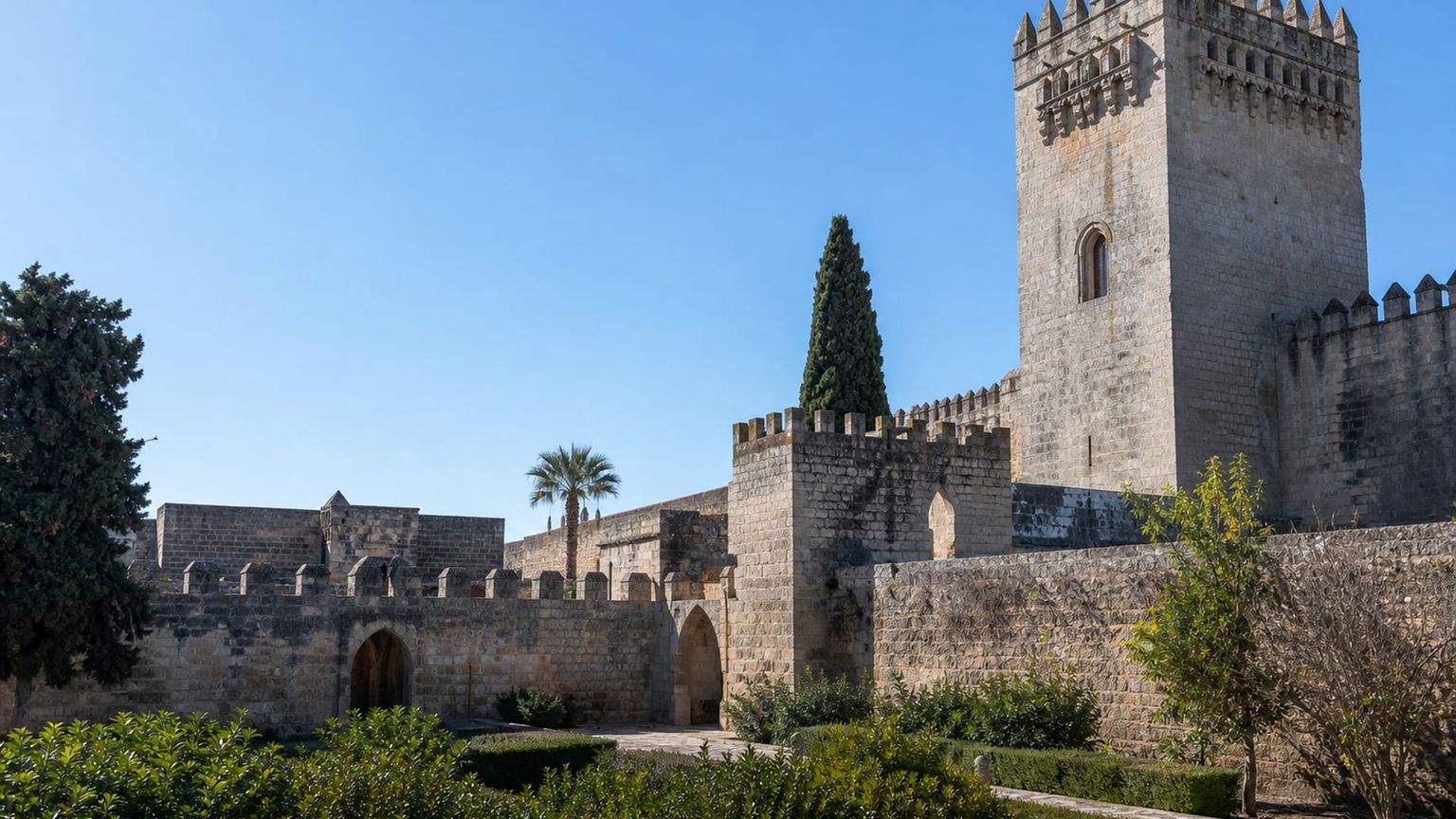
Begin in San Miguel, then head to the Royal Andalusian School of Equestrian Art, about 10 minutes by taxi from the center or about 20 minutes on foot from the cathedral area. Plan roughly 2 to 3 hours there for the show, stables, and museum, then return toward the old town for dinner. If you have energy left, stay in San Miguel for a café stop or a final drink, since the neighborhood has a more local evening scene than the busiest plazas.
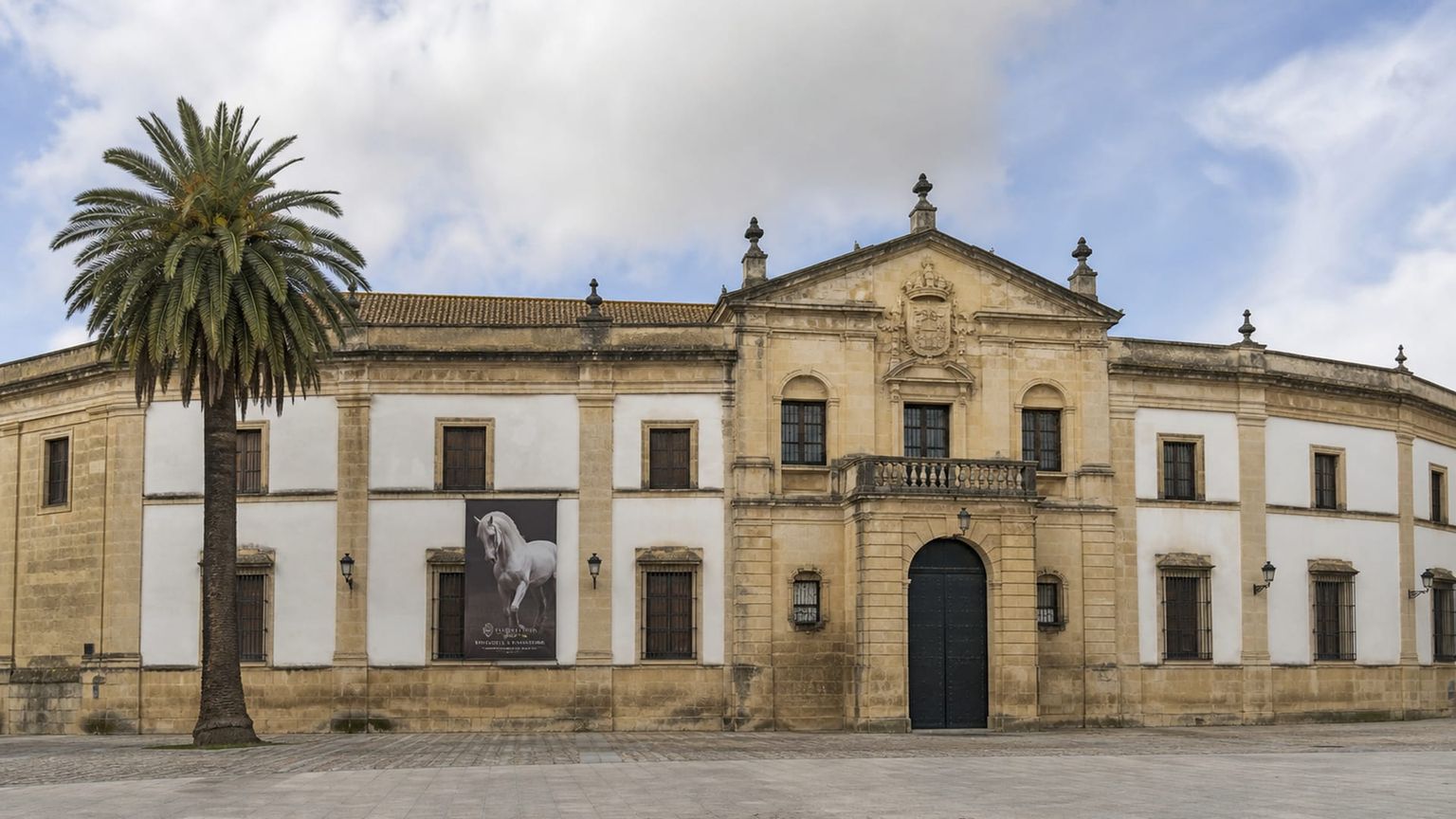
A morning at the Museo Arqueológico Municipal de Jerez pairs well with a quieter walk through the historic center, and the museum visit takes about 1 hour, so it fits neatly before lunch. After that, spend time wandering Centro Histórico, with a stop for sherry or a snack near the cathedral and the Alcázar. If you want a second viewpoint, return to Alameda Vieja late in the afternoon, where the walls and gardens look best in softer light.
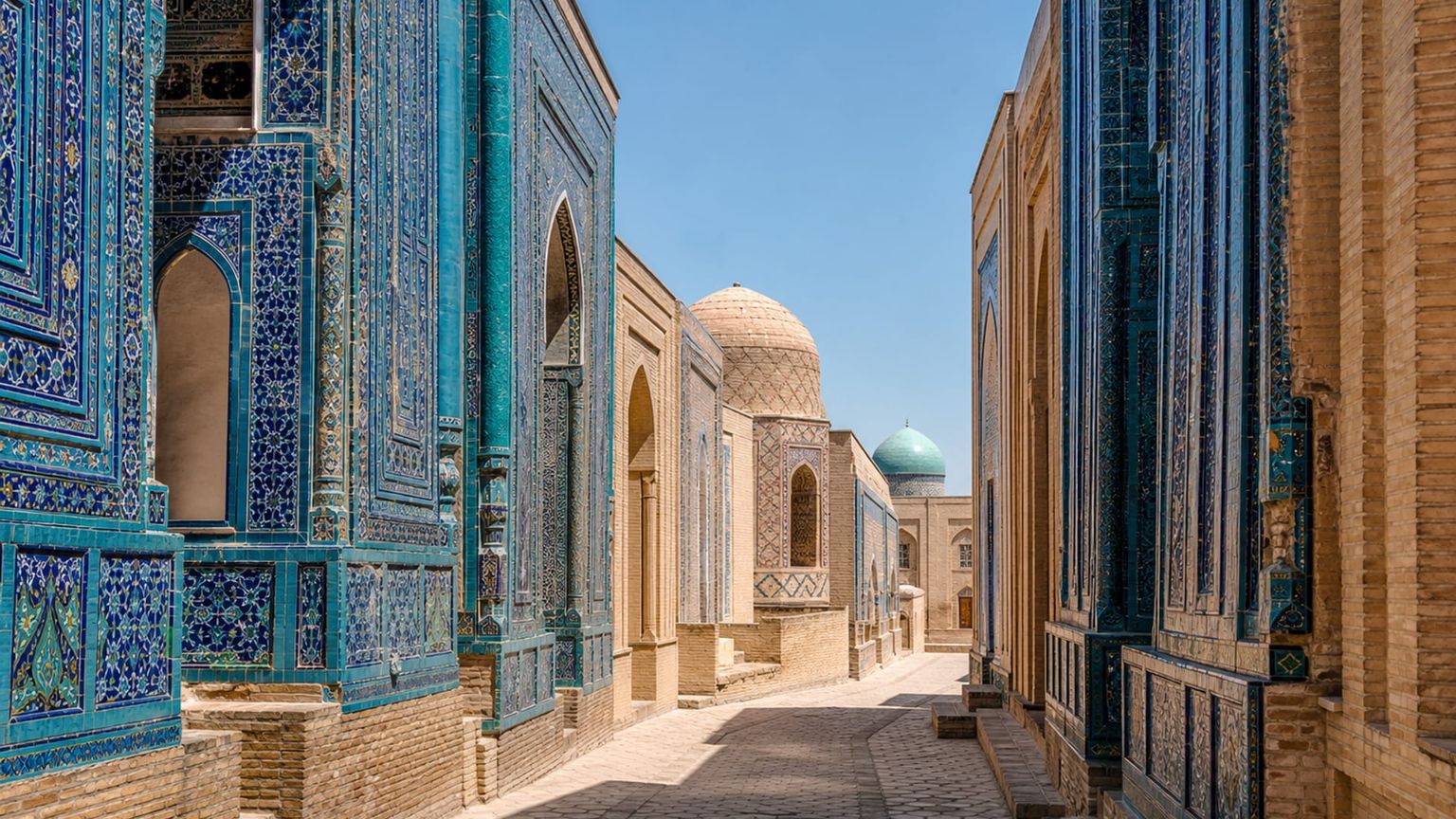
Finish with a short, low-stress circuit in the center, starting at the Museo Arqueológico Municipal of Jerez if you want one last cultural stop, then moving into Centro Histórico for gifts and sherry shops. For a café break, settle into San Miguel, where neighborhood bars and cafés make an easy last pause before you head out. If your flight is later in the day, a taxi from the center back to Jerez de la Frontera Airport (XRY) usually takes about 10 to 15 minutes, so you can leave with little rushing.
Business-class flights from the US to Jerez de la Frontera
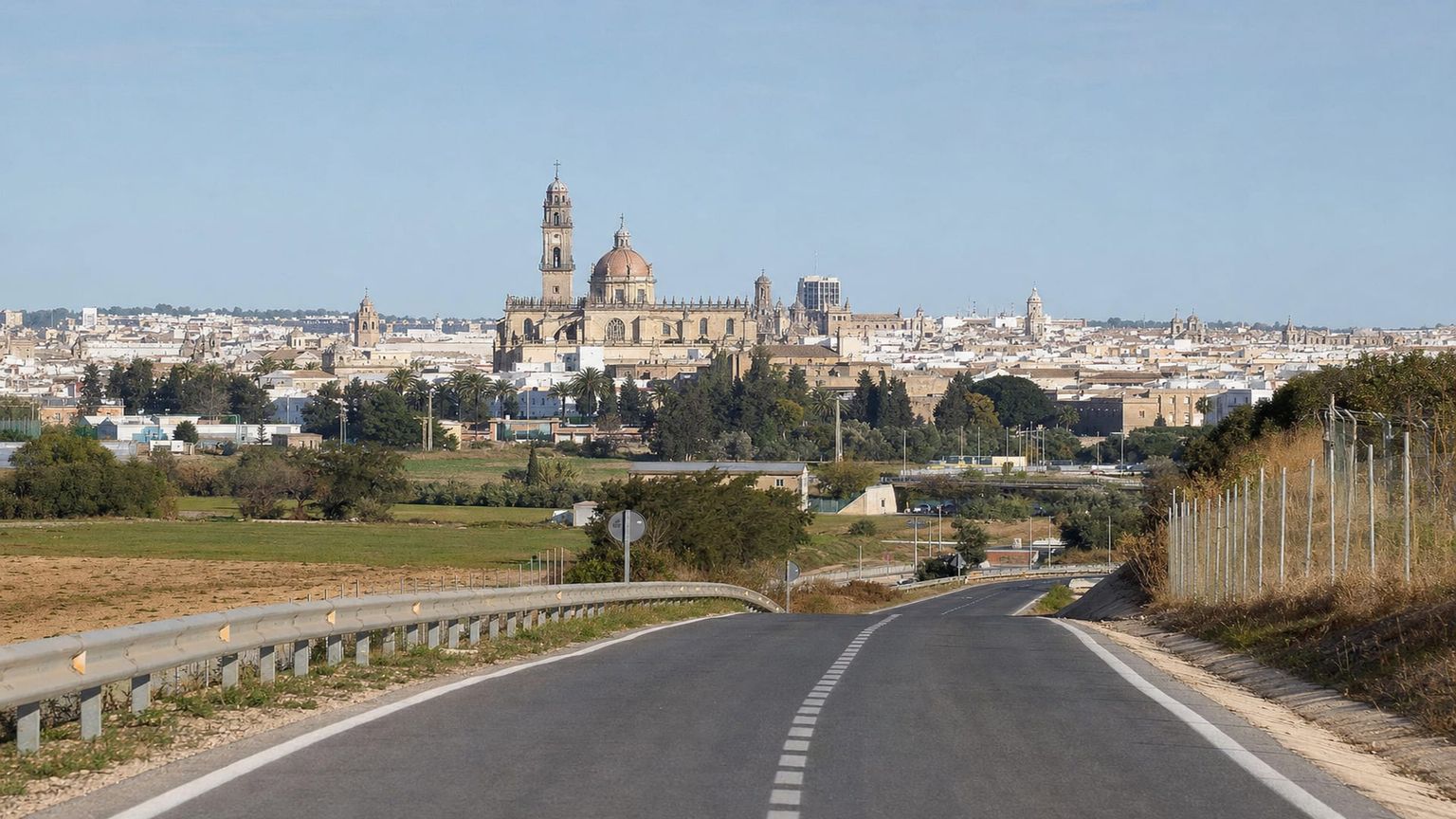
Flights to Jerez often route through Madrid, Lisbon, or another European hub, so the trip rewards flexible timing more than chasing a single fare. The two examples below show how the same destination looks from opposite sides of the United States.
From New York, American Airlines, Iberia, British Airways, Air Europa, and TAP Air Portugal all appear in the market, and the trip usually takes about 7 to 8 hours when schedules line up well. If you do not mind a layover, common routings via Madrid (MAD) or Lisbon (LIS) can cut the fare and still keep the trip in a single day of flying. Round-trip fares from New York to Jerez de la Frontera usually start at $2,000 and can reach about $5,500.
From Los Angeles, American Airlines, Iberia, British Airways, Air France, Lufthansa, and other partners generally connect through Europe rather than flying nonstop, so plan on a longer travel day and likely an overnight on the return if schedules shift. Round-trip fares from Los Angeles to Jerez de la Frontera often begin at $2,600, with higher dates pushing past $6,500.
Jerez de la Frontera feels different when you slow down
A well-paced Jerez trip ties the old town to the rest of the day, with the Alcázar, Jerez Cathedral, Alameda Vieja, and San Miguel all close enough for walking if you choose your base well. Add taxis only when the airport or the equestrian school makes them worthwhile, then let the meals follow the clock instead of forcing the clock to follow the meals. If that is the kind of trip you want, the AranGrant experts can help you shape it







