

Chapters:

Need help with your trip?
Our support team is available 24/7. Request a callback or call us directly at (833) 619-0908
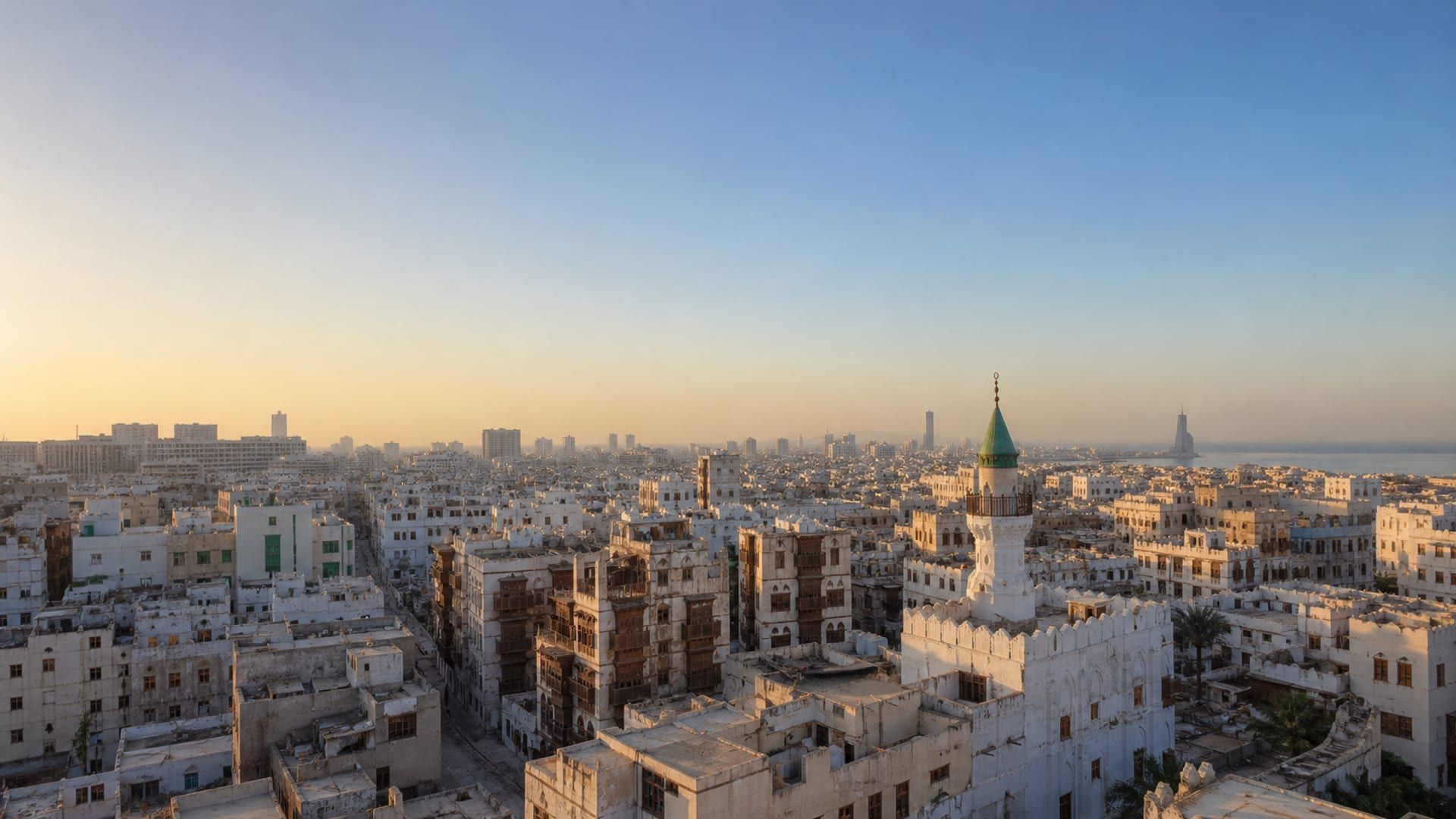
Jeddah often starts the same way, with a quick airport transfer, one night near the Corniche, and a long list of places that never fit neatly into one day. Travelers also tend to understate the heat, which changes how long Al-Balad, the waterfront, and indoor stops belong in the schedule.
That approach can waste time. Distances are not huge, but traffic, afternoon closures, and the spread between the old city and newer coastal districts can turn short hops into long pauses if you do not plan them well.
This guide orders the city by time of day and neighborhood, so the old quarter, museum stops, sea views, and late fountain visits land in a sequence that matches how Jeddah actually works.
Useful things to know

Main language(s): Arabic
marhaban (mar-ha-ban) – hello
min fadlak (min fad-lak) – please
shukran (shook-ran) – thank you
hal tatakallam al-inglesiyya? (hal ta-ta-kal-lam al-in-gli-siy-ya) – Do you speak English?
kam al-thaman? (kam al-tha-man) – How much does it cost?

Currency: The local currency is the Saudi riyal (SAR, ﷼).

Cash and cards: Cards and contactless are widely accepted; keep about SAR 100 to 200 ($27 to $53) in cash for small shops and taxis.

Tipping: Round up small bills; add 10% in nicer restaurants if service is good.

Traditional food: Kabsa, Jareesh, Saleeg, mutabbaq

Water and coffee costs: Water about SAR 3 to 6 ($1 to $2), bar espresso about SAR 10 to 18 ($3 to $5).

Taxis and ride apps: Uber and Careem operate here; confirm the pickup point before you book.

Plug and voltage: Type G socket, 230V

Dining and shop opening hours: Breakfast is about 07:00-10:00, lunch 13:00-16:00, and dinner 20:00-23:30. Many restaurants close briefly in the afternoon, and some reopen later into the evening.

Emergency number: 999 for police, ambulance, or fire.
Where to stay in Jeddah
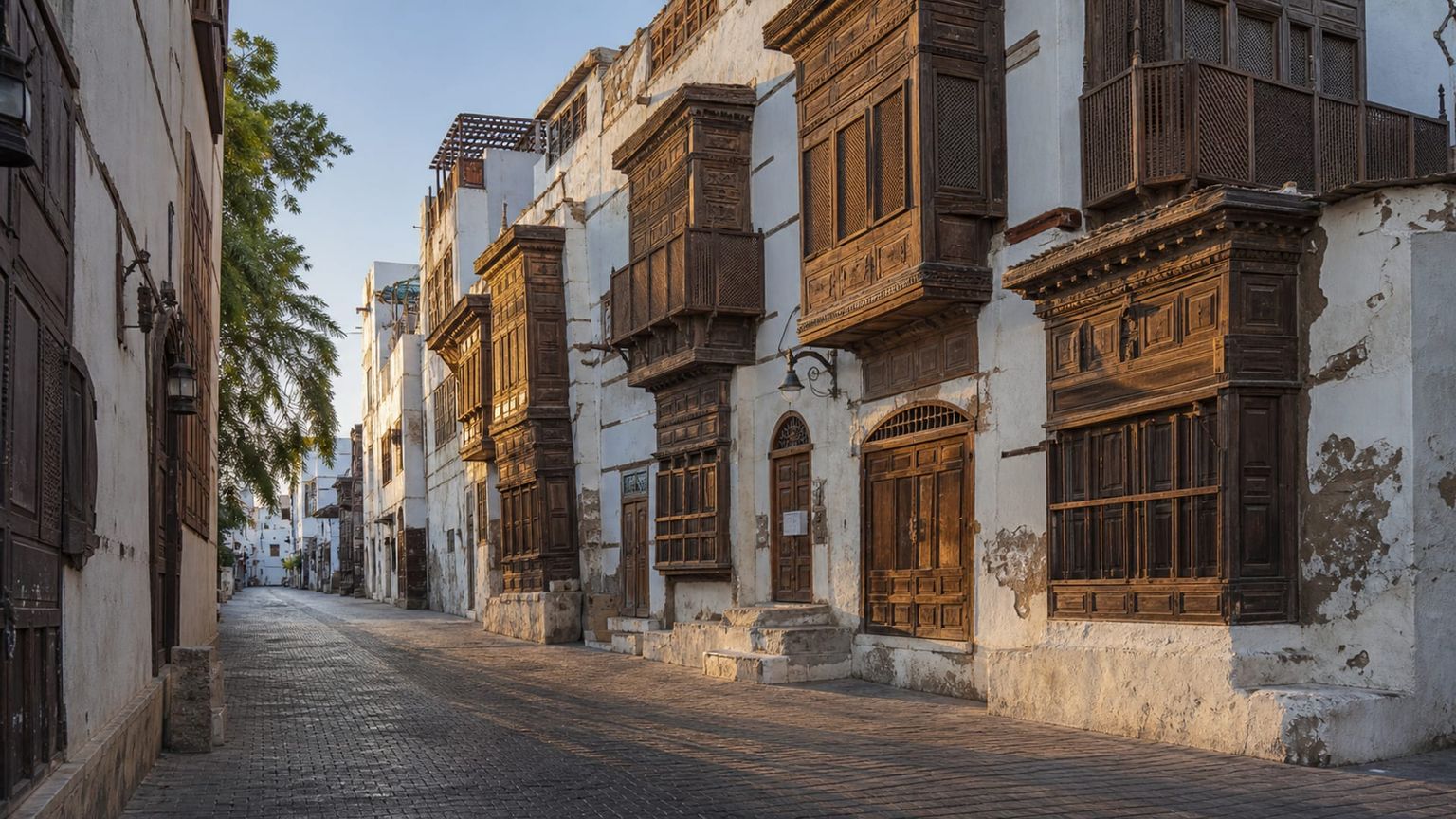
Jeddah’s historic core of coral-stone houses, souqs, and restored lanes that cluster near the old port. It matters for travelers who want heritage architecture and an easy walk to museums, cafes, and the waterfront edge.
Best for: Heritage sightseeing, architecture, and travelers who want an atmospheric base
What to expect: Narrow lanes, late-afternoon foot traffic, and plenty of visitors near the main souqs and restored houses.
Hotel prices: Usually about 350 SAR to 700 SAR (~$93 to ~$187) per night for well-rated stays
Distance to major sights: 10 to 15 minutes by car to the Jeddah Corniche, about 20 minutes to the Floating Mosque
Quietness: Busy by day, quieter after shops close, with occasional evening activity near the main streets.
Main trade-off: Older buildings can mean smaller rooms, limited parking, and fewer large full-service hotels than in newer districts.
Good to know: Pick a hotel with clear parking arrangements, since the lanes can be difficult to use for quick drop-offs and pickups.
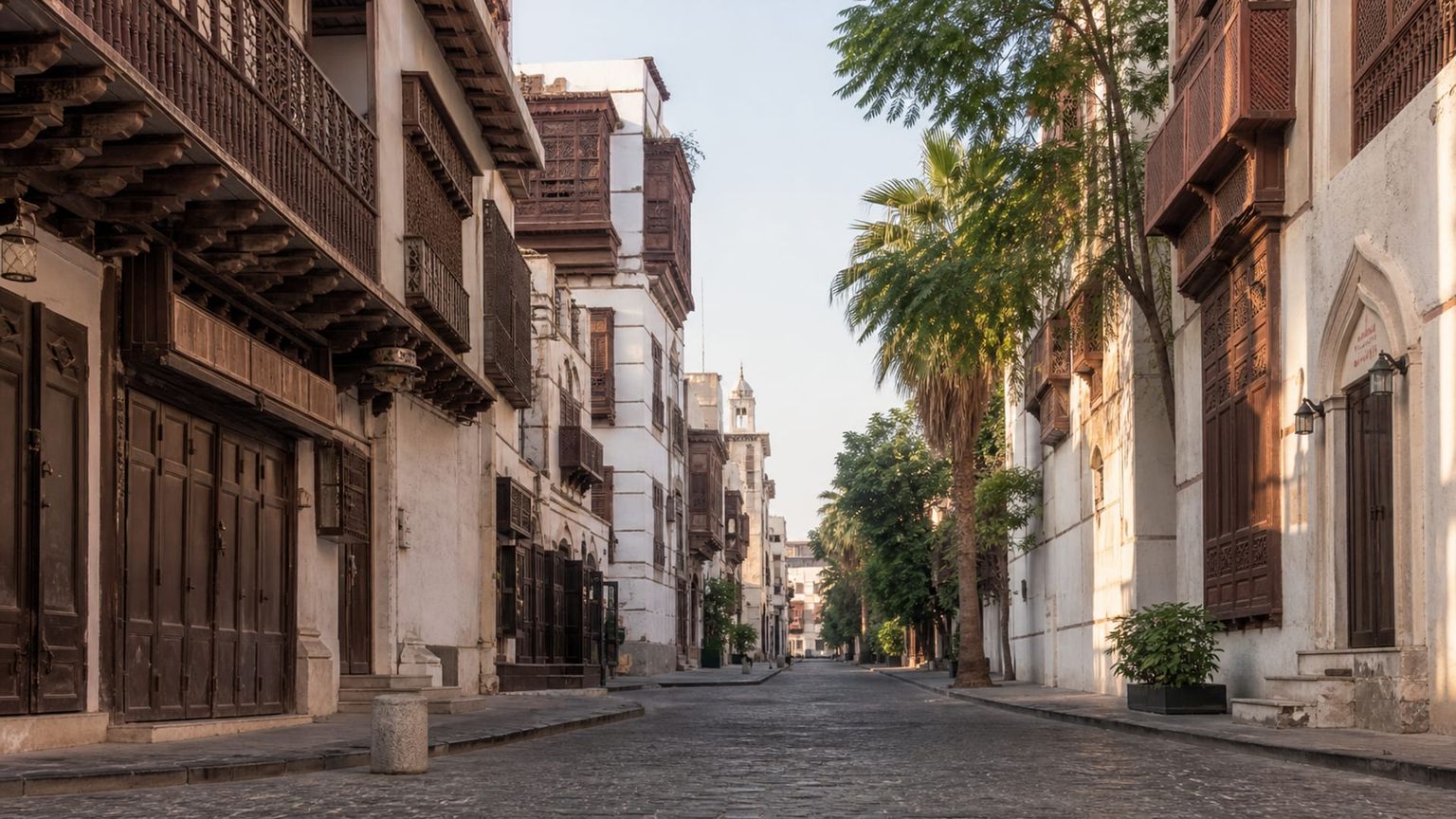
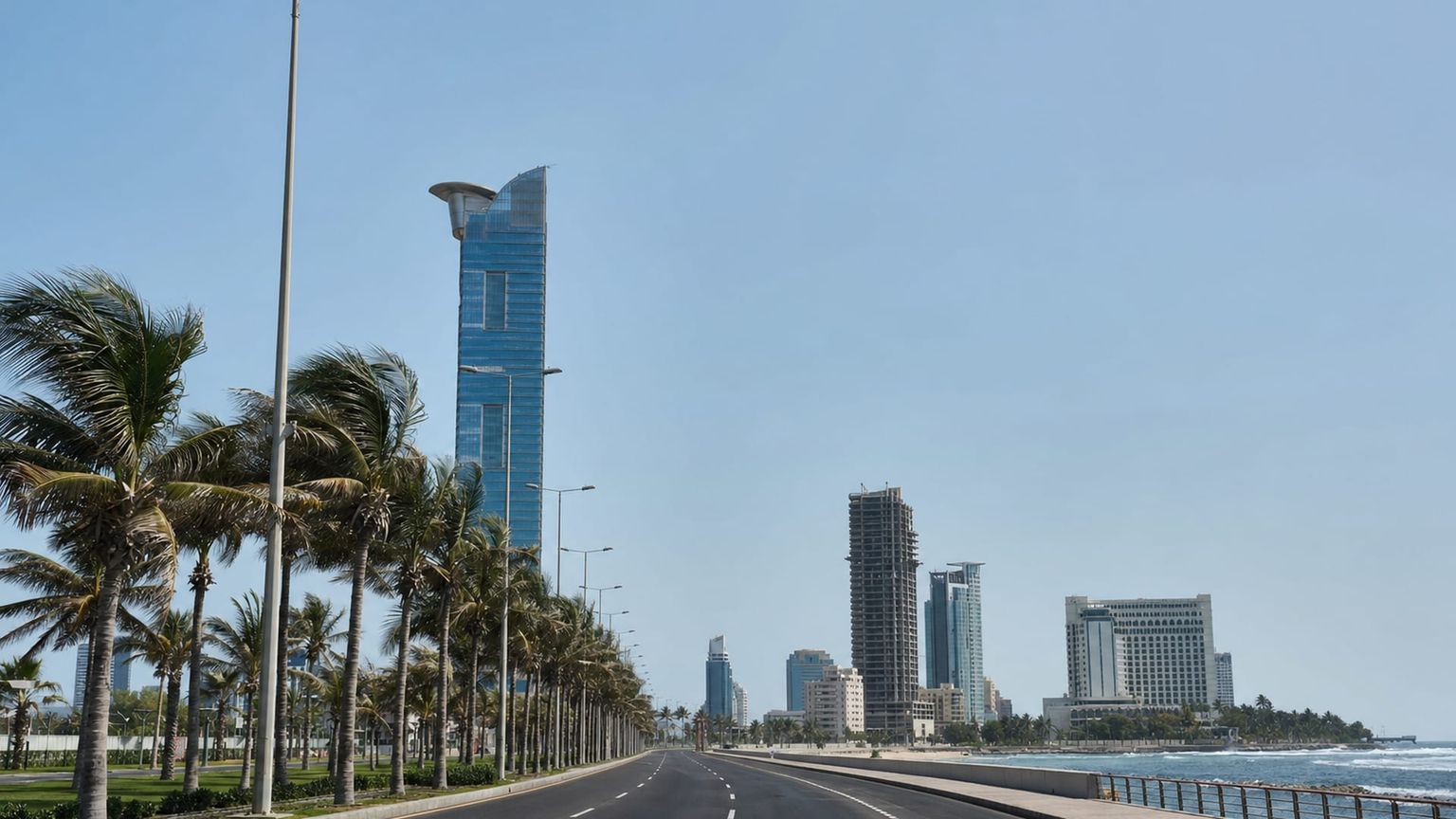
A central coastal district with many high-rise hotels, offices, and restaurants close to the Corniche. It matters because it puts you near the sea promenade and gives faster access to both the historic center and the northern waterfront.
Best for: Business trips, waterfront access, and travelers who want a central hotel district
What to expect: Wide streets, steady car traffic, and a hotel-heavy atmosphere with dining options along the main roads.
Hotel prices: Usually about 400 SAR to 900 SAR (~$107 to ~$240) per night for well-rated stays
Distance to major sights: 5 to 10 minutes by car to the Jeddah Corniche, about 15 minutes to Al-Balad
Quietness: Moderately busy through the day, with less street noise at night inside the larger hotel blocks.
Main trade-off: You pay for central placement and larger hotels, while the neighborhood itself offers less local character than older quarters.
Good to know: If you plan to use taxis often, this base reduces cross-city ride times, but beach access still depends on your exact hotel location.
A northern waterfront district near the Corniche and major shopping centers, with newer hotels and broad roads. It matters for travelers who want sea access, larger properties, and easier parking than in the older central areas.
Best for: Beach access, family stays, and travelers with a car
What to expect: Traffic around malls and hotel entrances, plus a more suburban feel than the central waterfront districts.
Hotel prices: Usually about 450 SAR to 1,000 SAR (~$120 to ~$267) per night for well-rated stays
Distance to major sights: 5 to 15 minutes by car to the Jeddah Corniche, about 20 to 25 minutes to Al-Balad
Quietness: Quieter on residential side streets, busier near shopping centers and the main coastal roads.
Main trade-off: It sits farther from the old city, so evenings in Al-Balad or the central Corniche usually need a car ride.
Good to know: Choose this area if you value easier parking and larger rooms, since walkable dining clusters are more limited outside the hotel strips.
Travelers usually avoid planning a stay in Al-Balad for hotel convenience, because it is primarily a historic district with limited midrange and upscale lodging, and evening movement can be slower than in newer districts. Al-Safa, Al-Rawdah, Al-Marwah, and parts of Al-Nuzhah are less convenient for many visitors because they sit farther from the Corniche and central sightseeing areas, with a stronger emphasis on residential blocks and shopping streets than on visitor-oriented hotels and dining.
Hotel deals
How to get around Jeddah efficiently
Jeddah has no metro, so most visitors lean on taxis, app-based cars, and the city bus network for cross-town moves between Al-Balad, Al-Hamra, and the northern Corniche districts.

Metro
for longer distances
Jeddah has no metro, so the closest urban rail option is the Saudi Railways station service, which does not cover the airport area. For most visitors, this means planning on road transport for trips into Al Balad, the Corniche, and the northern hotel districts.

Bus and tram
for convenience
SAPTCO city buses and the Jeddah public bus network cover main corridors, but they do not offer dense stop coverage for short, frequent hops near JED. Fares are low, often about $1 to $2, and day-to-day use works best if you check routes in advance and allow extra time, since waits and journey times can be longer than by car.

Taxi
for convenience or late hours
Licensed taxis and app-based cars use metered or app-priced fares rather than fixed citywide set fares, and airport trips usually cost about $13 to $27 to central Jeddah, with longer runs to far north districts or the Corniche often about $20 to $40. Drivers commonly accept cash and cards through ride-hailing apps, and at Jeddah (JED) you can also use official airport taxis from the rank for a simpler pickup.
*Prices are based on rates updated as of June 2026 and may change at the time of travel.
Use taxis or ride-hailing for the quickest point-to-point trips, buses for low-cost corridor travel when you can plan ahead, and walking for short stretches inside Al-Balad or along the Corniche.
Iconic landmarks
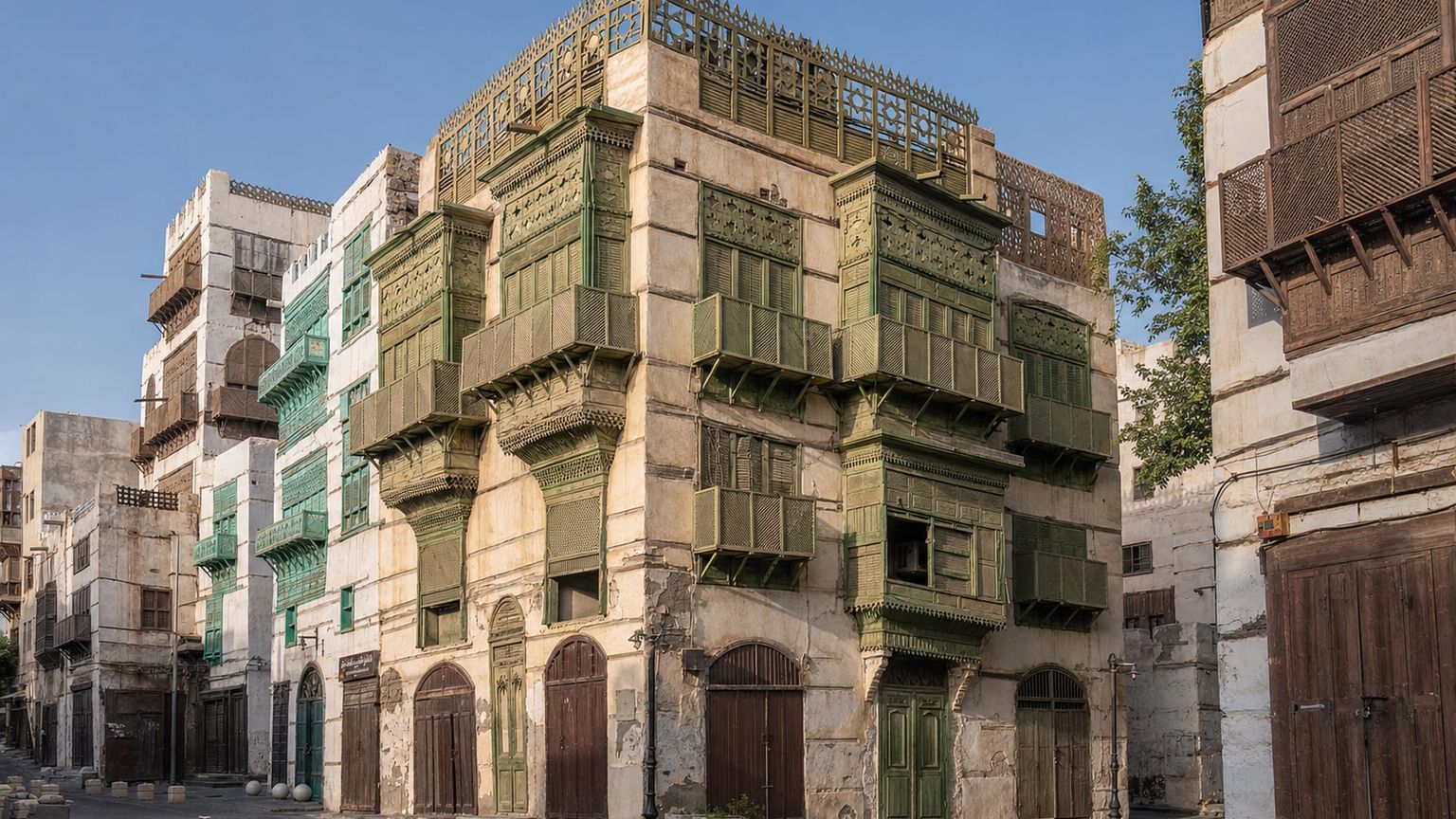
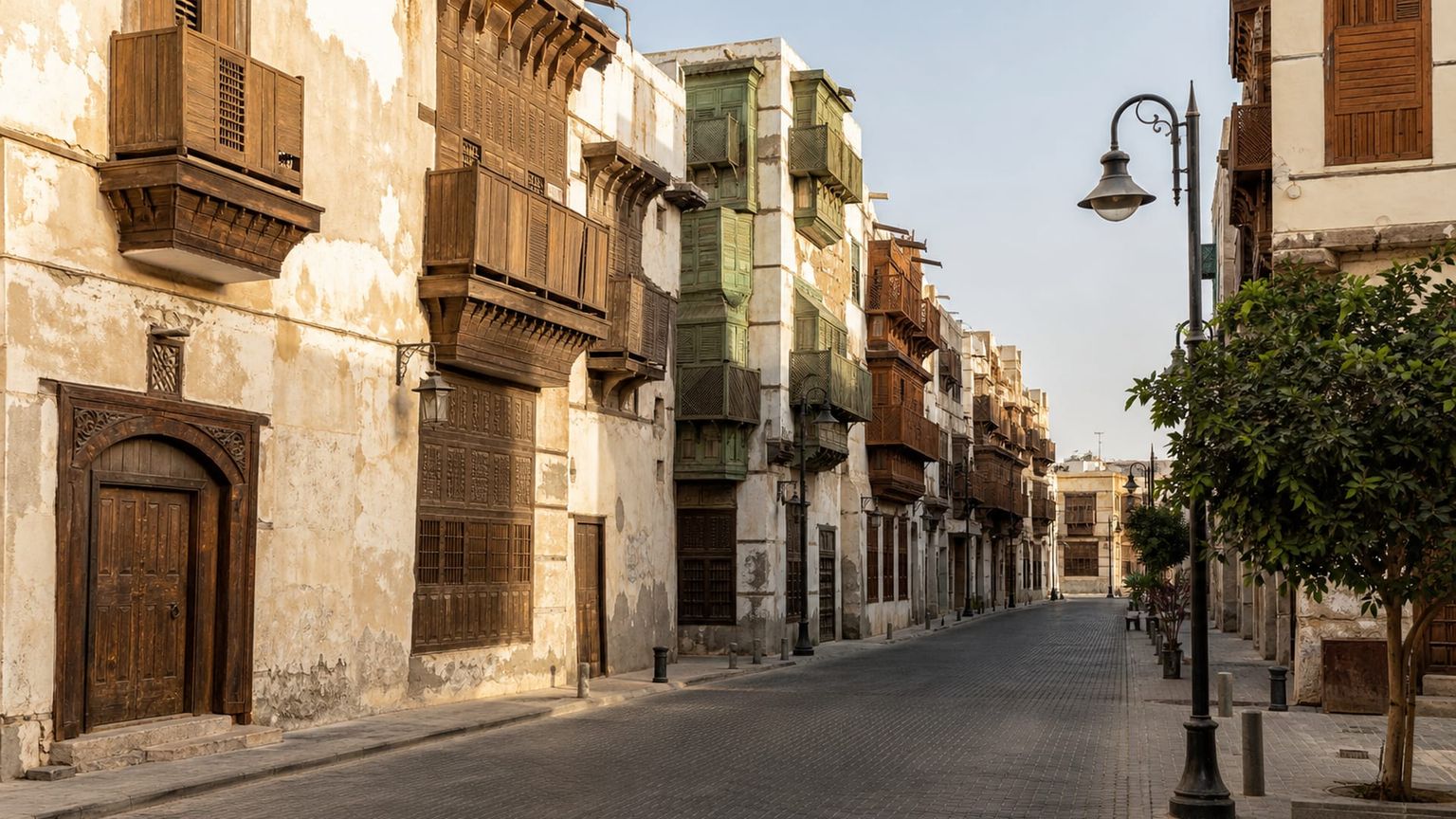
Al-Balad Historic District
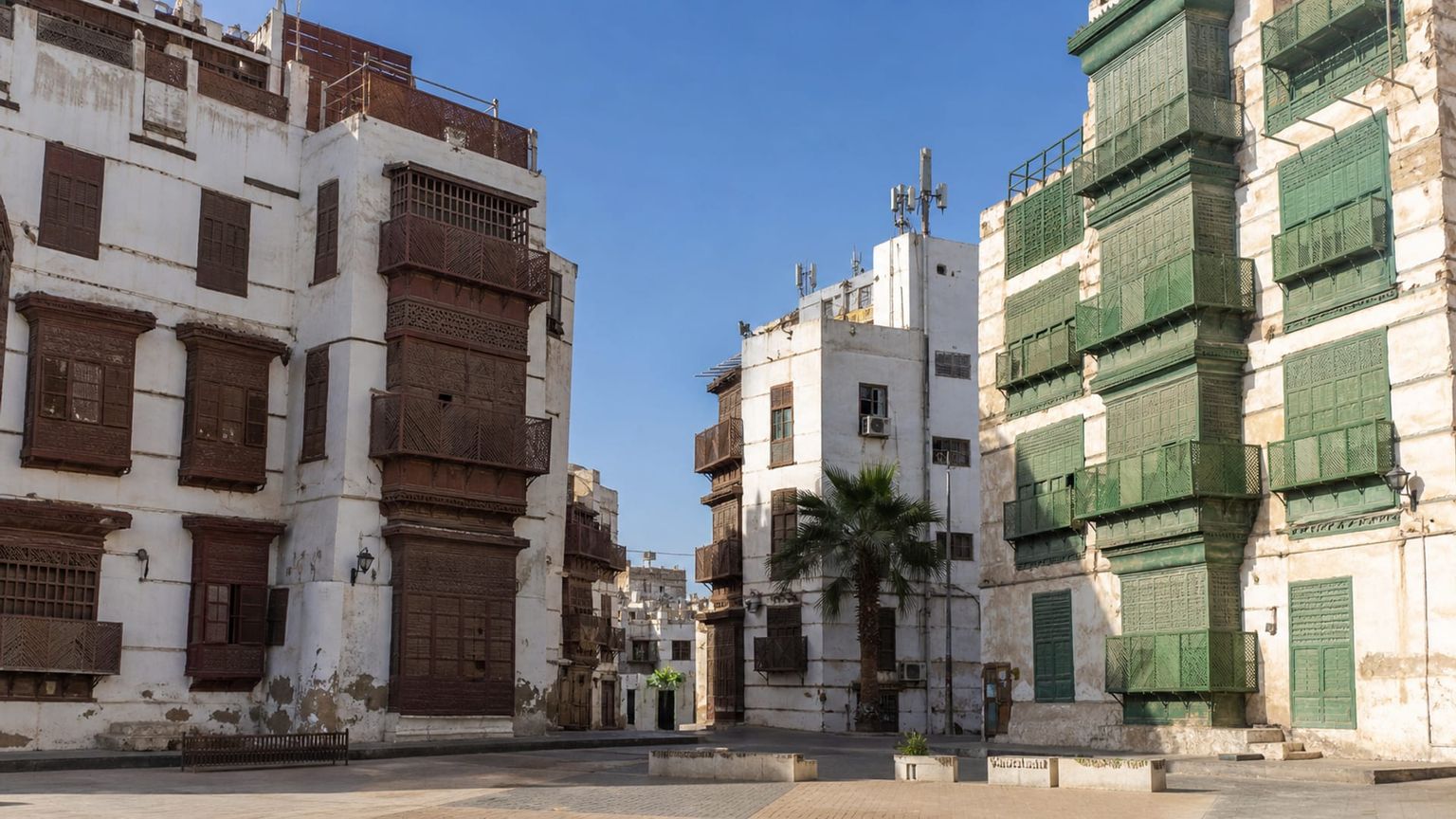
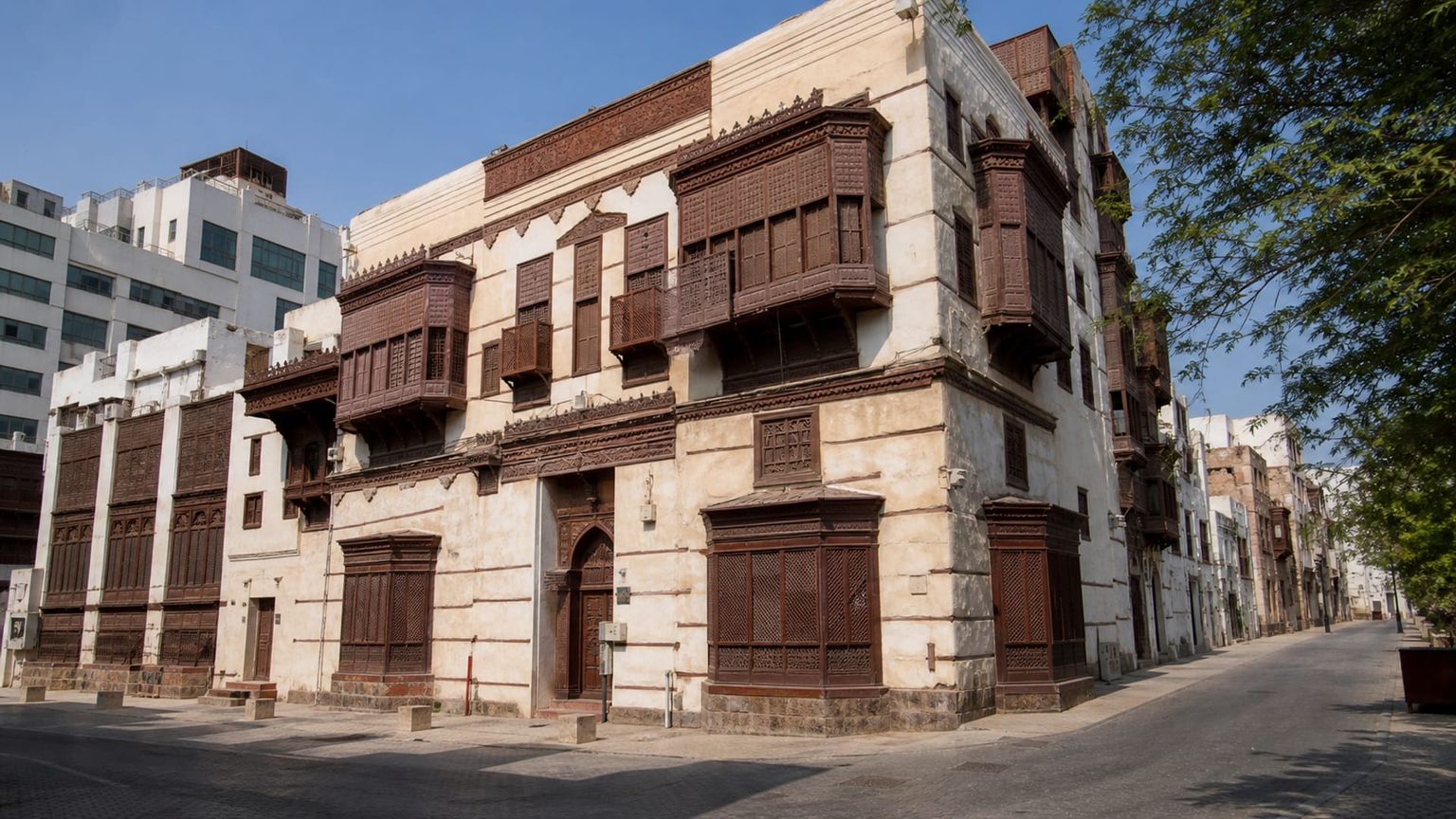
Jeddah’s old coral-stone quarter holds restored merchant houses, narrow lanes, and souqs that still anchor the waterfront district. The Nassif House and nearby lane network give a clear look at the city’s Red Sea trade past.
Time needed: About 2 to 3 hours
Entry: Free to explore the lanes; separate museum entries or guided house visits may cost about $5 to $13 (about SAR 20 to SAR 50) each.
Tip: Go late afternoon, then stay after sunset when the lanes and facades light up.
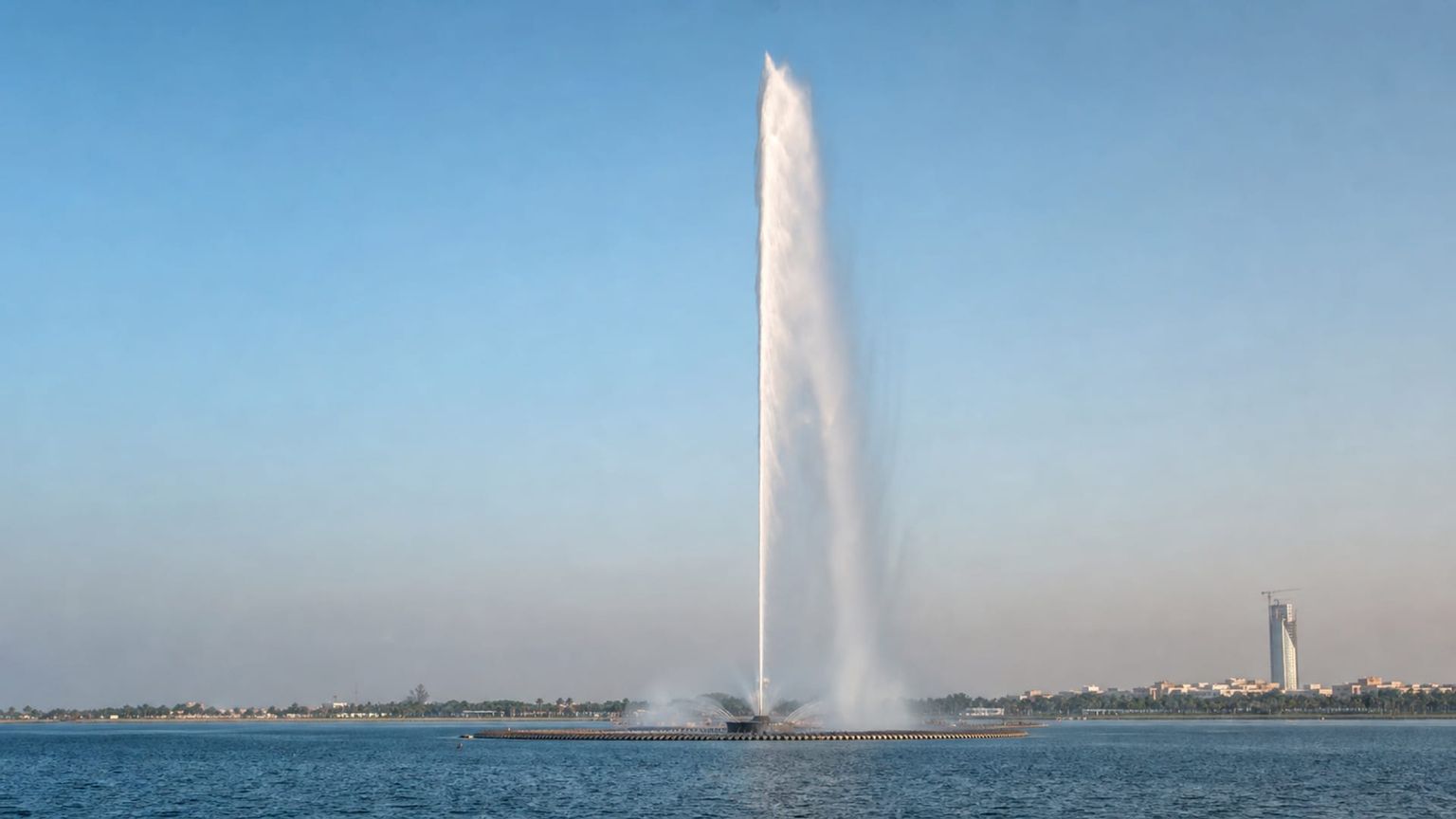
King Fahd's Fountain
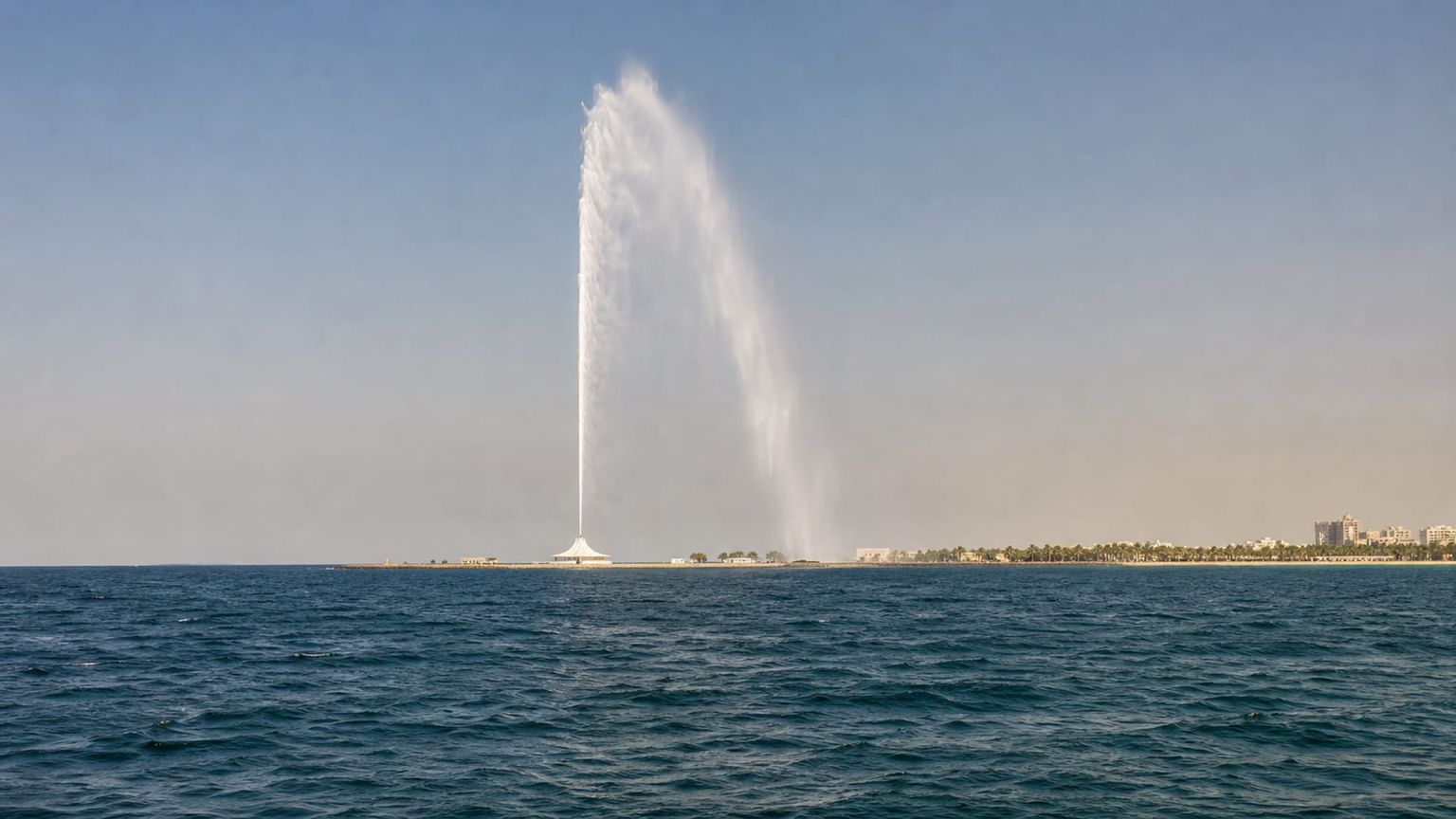
This Red Sea fountain sends a jet high above Jeddah’s Corniche, and the best views come after dark when the plume is lit against the shore. It is visible from much of the waterfront, but the seafront promenade gives the closest look.
Time needed: About 30 to 45 minutes
Entry: Free to view from the Corniche; no ticket is required, and nearby parking or cafe stops may add separate costs.
Tip: Arrive after sunset, when the spray is lit and the sea breeze is cooler.
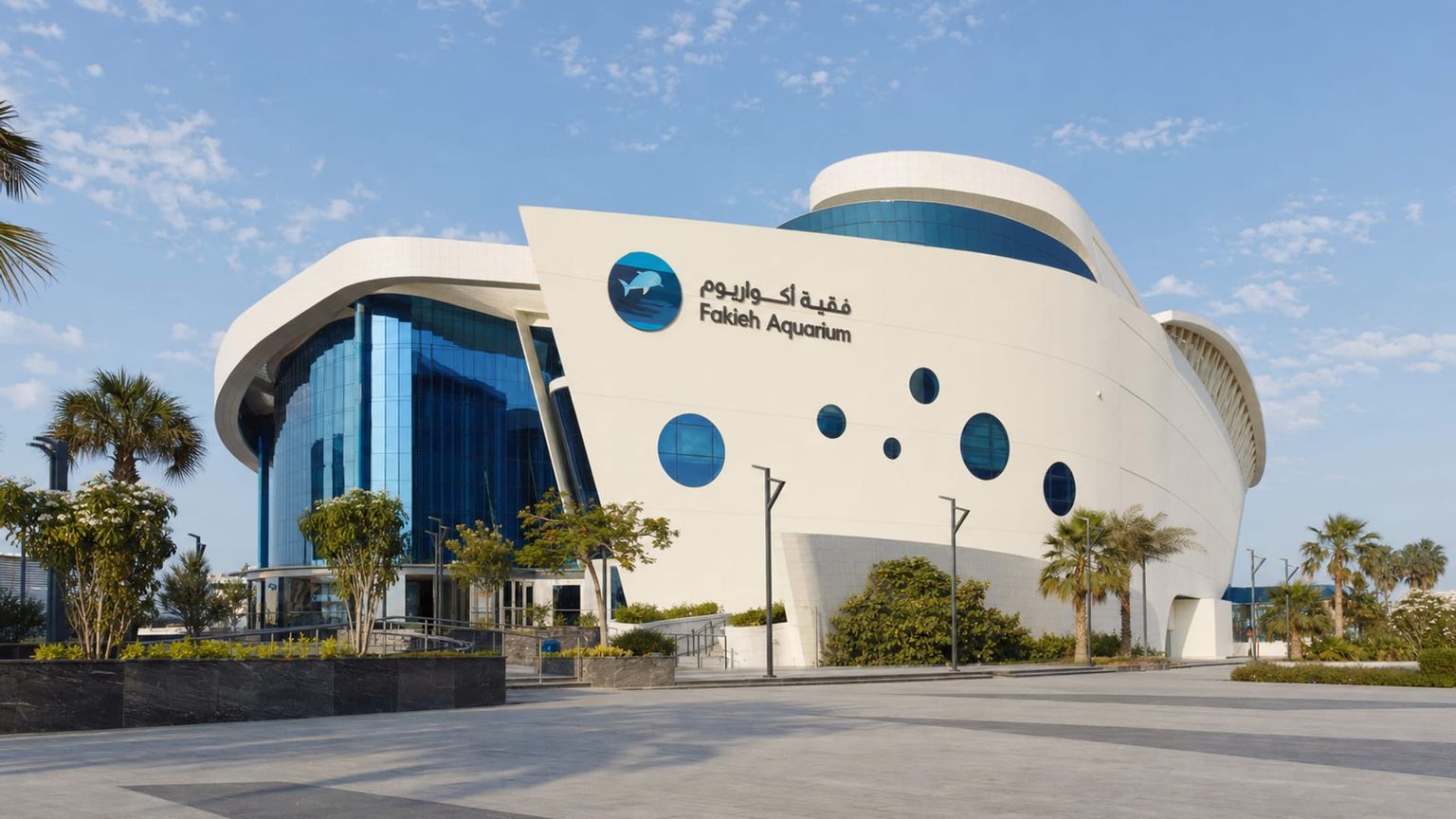
Fakieh Aquarium
Fakieh Aquarium brings together Red Sea species, sharks, and family-friendly shows on Jeddah’s waterfront. The main tanks and marine exhibits make it one of the city’s most popular indoor stops when the heat rises.
Time needed: About 2 hours
Entry: Tickets cost about $19 to $27 (about SAR 72 to SAR 100) for adults, with lower rates for children and some seasonal promotions. Visit the official site for details.
Tip: Plan a midday visit, then pair it with a Corniche walk once the sun eases.
Overlooked sites worth visiting

Jeddah Sculpture Museum
An open-air stretch of modern sculptures lines the waterfront, with works by Henry Moore, Joan Miró, and other international artists. Go at sunset for cooler air and clear views of the Red Sea.
Time needed: About 1 hour
Entry: Free to access along the Corniche, with no ticket required. It suits a self-guided stop, and you can combine several pieces in one walk without paying any entrance fee or using a timed reservation.
Tip: Visit just before sunset for softer light and cooler temperatures.

Biet Nassif
This restored coral-stone house in Al-Balad shows Hejazi domestic architecture, with carved wood screens, courtyards, and a small museum display. It gives a close look at old Jeddah without a long visit.
Time needed: About 1 to 2 hours
Entry: Admission is about $5 ($5) for adults, with prices set at the door for museum entry inside the historic house. Guided visits may cost more, depending on the program offered that day.
Tip: Pair it with an early Al-Balad walk before the heat builds.
Traditional food
Jeddah’s table leans on rice, wheat, and slow-cooked comfort, with kabsa, jareesh, saleeg, and mutabbaq shaping everyday meals. Expect cardamom coffee, grilled seafood, and late dinners that fit the city’s evening pace.
Kabsa
Fragrant rice with spiced meat, often chicken or lamb, is one of the clearest introductions to Saudi home cooking. Al Baik serves a very common local take across Jeddah, with fast-moving branches that make it easy to pair with a busy sightseeing day.
Saleeg
This creamy rice dish cooks until soft and is usually served with chicken, butter, and a light broth note. Al Tazaj is a strong citywide option for a familiar Jeddah meal built around roasted chicken and the kind of comfort food that suits a slower lunch.
Jareesh
Cracked wheat gives jareesh its porridge-like texture, often finished with yogurt, onion, or ghee. Mataam Al Sharq serves traditional Saudi dishes in a setting that fits a more classic sit-down meal in Jeddah.
Mutabbaq
This stuffed, pan-fried pastry can be filled with egg, meat, cheese, or vegetables and works well as a snack or light meal. Al Nakheel is a well-known place to order it in Jeddah, especially if you want a casual stop before an evening on the Corniche.
Best time to visit Jeddah
Jeddah shifts with the weather, so cooler months suit long outdoor walks, while the hotter stretch works better when you build days around mornings, indoor stops, and sunset outings.
Best for: Best for Al-Balad walks and long Corniche evenings
What you get: About 68 to 84°F (20 to 29°C), with pleasant days and heavier visitor traffic at popular waterfront spots
Trade-offs: Evenings can still fill up near the Corniche and fountain viewpoints
Best for: Best for balanced sightseeing across old and new Jeddah
What you get: About 77 to 97°F (25 to 36°C), with rising heat and moderate crowds before summer starts
Trade-offs: Midday outdoor time becomes harder as temperatures climb
Best for: Best for indoor stops, short taxi hops, and late-night waterfront visits
What you get: About 84 to 104°F (29 to 40°C), with lighter daytime crowds and more time spent inside
Trade-offs: Heat and humidity limit long walks and midday exploring
Best for: Best for returning to outdoor plans as the heat eases
What you get: About 77 to 97°F (25 to 36°C), with improving comfort and steady interest in the waterfront
Trade-offs: Early autumn can still feel hot enough to shorten afternoon plans
A realistic 5-day plan in Jeddah
A five-day stay works well in Jeddah because the city rewards a morning-to-evening pattern. This plan starts in the historic core, then moves toward the waterfront, the aquarium, and the Corniche so the longest walks happen when the light and temperature are kinder.
Land at Jeddah (JED), then take a taxi or rideshare to Al-Hamra, about 20 to 30 minutes in normal traffic and roughly $16 to $27 (about SAR 60 to SAR 100). If your hotel is in Al-Balad, expect about 25 to 35 minutes and a similar fare, though the old lanes can complicate curbside drop-offs. Settle in, drink plenty of water, and keep dinner near your base: a seafood restaurant or casual cafe along the Corniche in Al-Hamra works well before an early night.
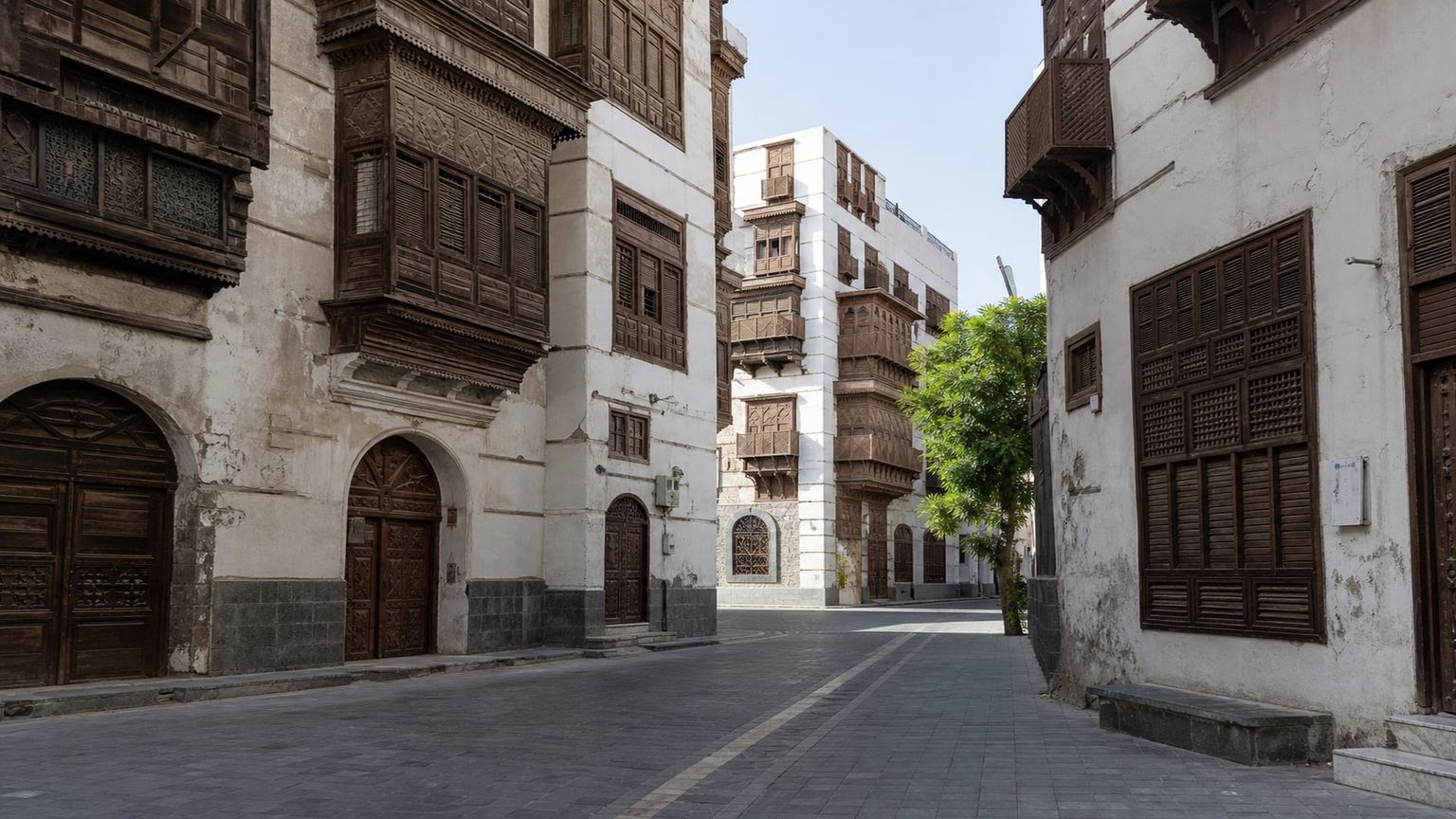
Start early in Al-Balad Historic District, then spend about 1 to 2 hours at Biet Nassif, which sits inside the same old-quarter network. From there, walk or take a short taxi ride, about 5 to 10 minutes, to the wider Al-Balad lanes and Nassif House area for more coral-stone facades and souq browsing. Late in the afternoon, head toward the Corniche, about 10 to 15 minutes by car from Al-Balad, and end near King Fahd’s Fountain after sunset.
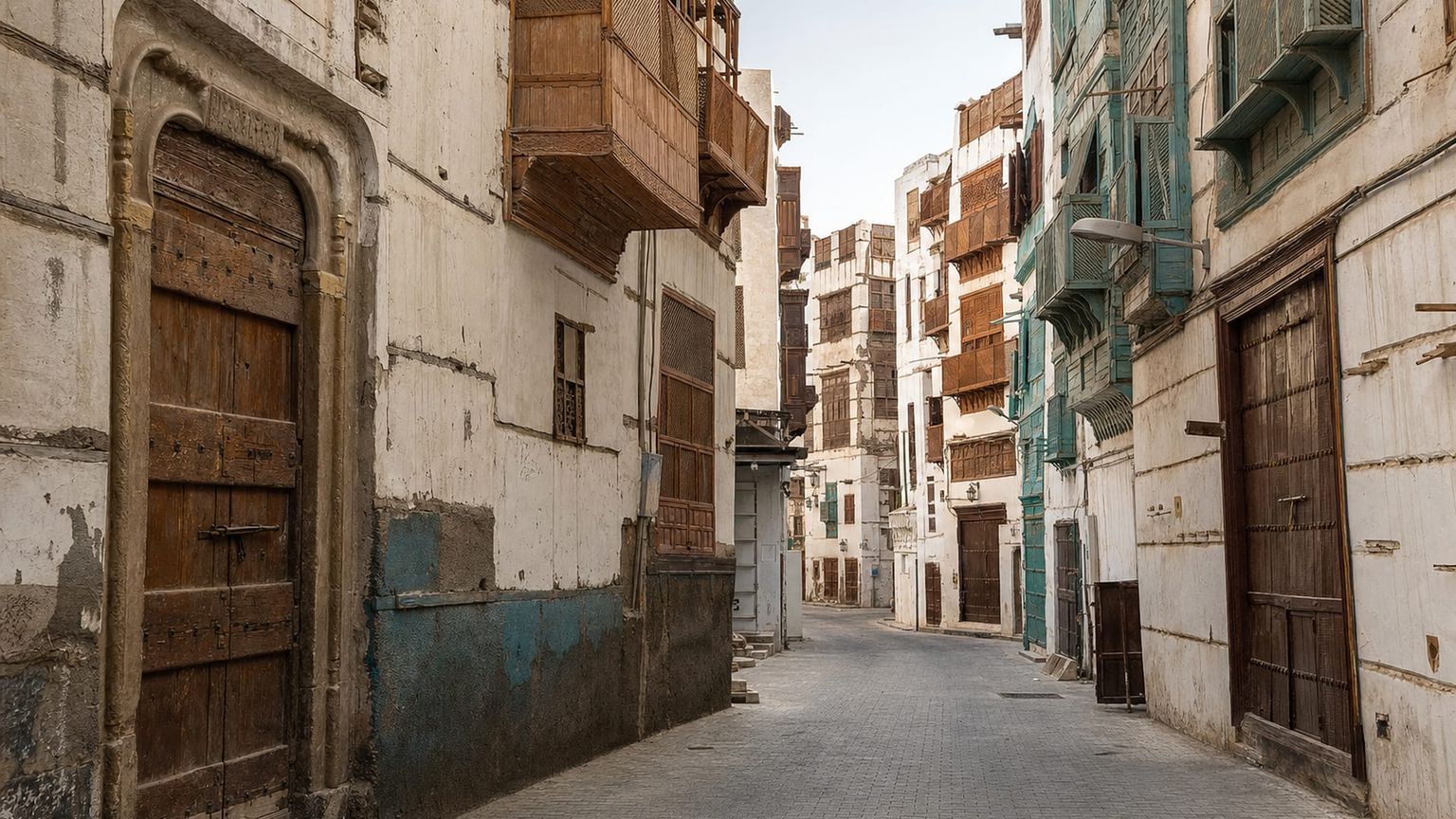
Begin at Fakieh Aquarium, where an indoor morning keeps you out of the heat, and plan on about 2 hours there. Afterward, ride about 5 to 15 minutes to the nearby waterfront for a Corniche walk, then continue to the Jeddah Sculpture Museum, which you can explore in about 1 hour just before sunset. From the sculpture stretch, stay on the Corniche for an easy evening view of the Red Sea and the open-air art line.
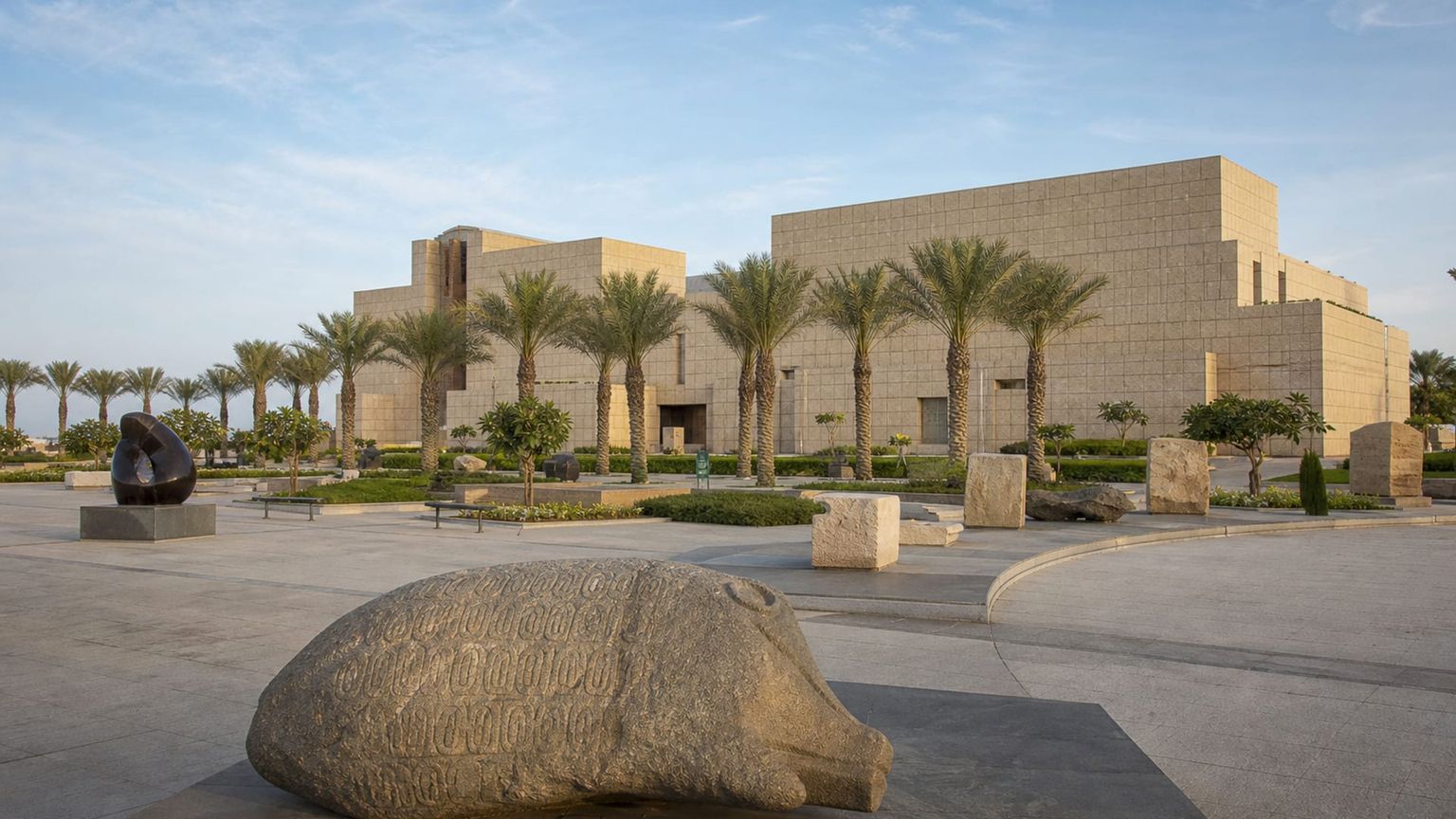
Set out for a waterfront day in Al-Shatea, then head to King Fahd’s Fountain after dark, which is about 5 to 15 minutes away by car from most nearby hotels. Before nightfall, linger along the Corniche and pass the Jeddah Sculpture Museum, then move toward the fountain for the best lit view of the spray. If you want a slower pace, return to the Al-Hamra side for dinner, about 10 to 20 minutes south by taxi depending on traffic.
One final morning pairs well with a short museum stop in Al-Balad, then a relaxed shopping run in Al-Shatea if you want newer malls and easier parking. From Al-Hamra, taxis to Al-Balad usually take about 15 minutes, so you can fit in a last coral-stone house visit before lunch. End with coffee in Al-Hamra or a waterfront cafe near the Corniche, then head back to the airport with enough time for check-in and security.
Business-class flights from the US to Jeddah
For long-haul arrivals, the route options into Jeddah usually depend on where you depart from and how much time you want to spend in the air. New York and Los Angeles both connect through major hubs, but the itinerary shape differs.
From New York, Saudia, Qatar Airways, Emirates, Turkish Airlines, and Etihad Airways all appear on the route list, with nonstop flight time about 11 to 12 hours when available. One-stop itineraries commonly connect through Doha, Dubai, Abu Dhabi, Istanbul, or Madrid, and total travel time usually runs about 15 to 21 hours. Round-trip fares from New York to Jeddah usually start at about $4,800 and can reach $8,500.
Los Angeles travelers usually see Saudia, Qatar Airways, Emirates, Turkish Airlines, Etihad Airways, and Lufthansa on Jeddah itineraries. Nonstop travel takes about 15 to 16 hours, while one-stop trips often connect through Doha, Dubai, Abu Dhabi, Istanbul, or Frankfurt and usually take about 18 to 26 hours. Round-trip fares from Los Angeles to Jeddah usually run from $4,600 to $8,200.
Jeddah feels different when you slow down
A deliberate Jeddah trip ties Al-Balad mornings to Corniche evenings, with taxis filling the gaps and indoor stops like Fakieh Aquarium breaking up the heat. You get the most from the city when you leave time for a slow walk past the coral-stone houses, then return after dark for King Fahd’s Fountain. If that is the kind of route you want, AranGrant experts can help you shape it before you book







