

Chapters:

Need help with your trip?
Our support team is available 24/7. Request a callback or call us directly at (833) 619-0908
Jakarta trips often start with a hotel in Menteng or Kuningan, a taxi from Soekarno-Hatta (CGK), and a list of headline sights. What many visitors miss is how much time the city takes between those points, and how quickly a simple plan can turn into a long cross-town ride.
Distances are real here, but so are traffic surges, guarded entrances, and neighborhoods that serve different purposes at different hours. A day that looks compact on a map can take far longer once office traffic, toll roads, and crowd patterns enter the picture.
This guide keeps the city in view neighborhood by neighborhood, then links each stop to the best time of day and the least wasteful route. The result is a five-day plan that fits Jakarta as it works on the ground, not just on paper.
Useful things to know

Main language(s): Indonesian
Halo (HAH-loh) – Hello
Tolong (TOH-long) – Please
Terima kasih (tuh-REE-mah KAH-see) – Thank you
Apakah Anda bisa berbahasa Inggris? (AH-pah-kah AHN-dah BEE-sah ber-BAH-hah ING-gris) – Do you speak English?
Berapa harganya? (be-RAH-pah har-GAH-nya) – How much does it cost?

Currency: The local currency is the Indonesian rupiah (IDR, Rp).

Cash and cards: Cards and contactless are widely accepted in Jakarta; carry about IDR 200,000 to 500,000 ($13 to $33) in cash.

Tipping: Round up small bills; leave about 5-10% in nicer restaurants if service is not already included.

Traditional food: Nasi goreng, satay, gado-gado, soto Betawi

Water and coffee costs: Water about IDR 10,000 ($0.65), bar espresso about IDR 35,000 ($2.30).

Taxis and ride apps: Grab and Gojek operate here; check airport pickup rules before ordering.

Plug and voltage: Type C/F socket, 230V

Dining and shop opening hours: Breakfast is about 07:00-09:00, lunch 12:00-14:00, and dinner 18:00-21:00. Many casual places stay open later, while some warungs close early in the afternoon.

Emergency number: Call 112 for general emergencies, or 110 police, 118 or 119 ambulance.
Where to stay in Jakarta
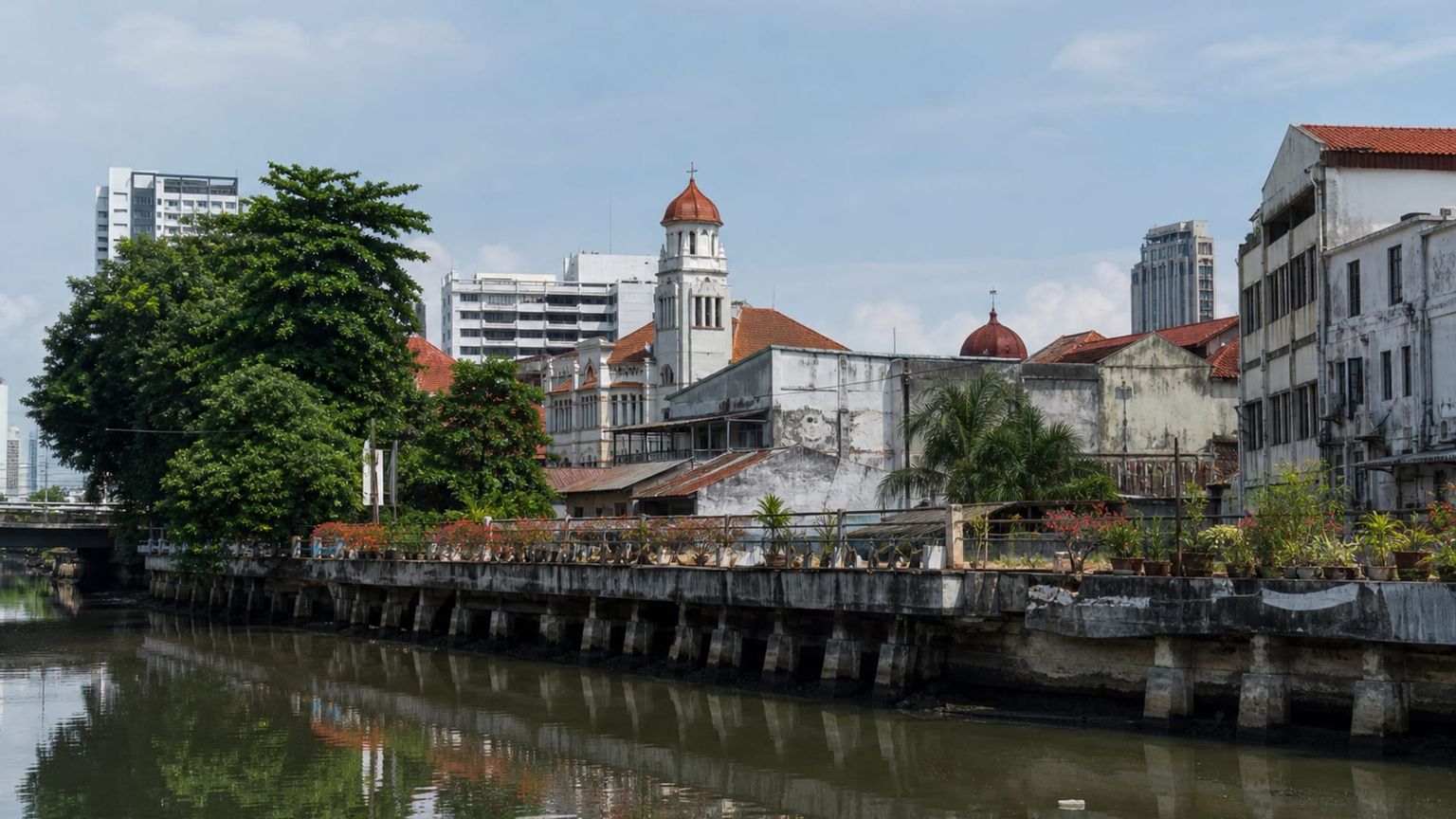
This is the capital’s core, covering Merdeka, Gambir, and the government district around Monas. It suits visitors who want the main museums, transit links, and easy access to business addresses in one base.
Best for: Museums, government districts, and travelers who want central transit access
What to expect: Wide avenues, office traffic, and daytime crowds near monuments and shopping malls, with quieter side streets after dark.
Hotel prices: Usually about $50 to $140 per night for well-rated stays
Distance to major sights: 10 to 20 minutes by taxi to Monas and the National Museum
Quietness: Busy by day, noticeably calmer in the evening once offices close.
Main trade-off: The area is central, but many streets are built for commuting rather than wandering on foot, and restaurant choice thins outside major malls.
Good to know: If you plan late dinners or bars, you will often head to neighboring districts rather than staying entirely within this core.
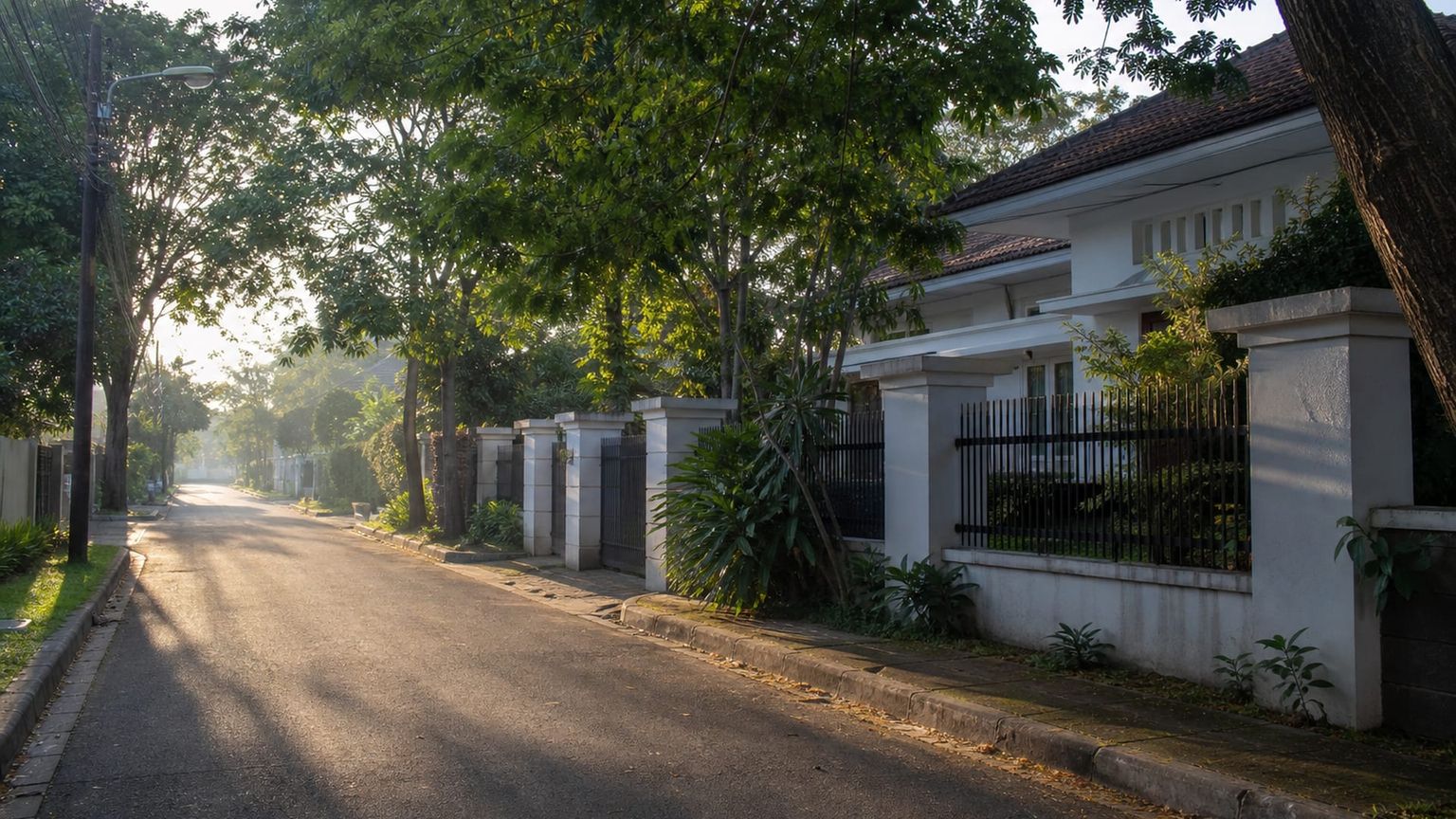
Menteng is a leafy inner-city neighborhood east of the central business district, known for embassies, tree-lined streets, and classic houses. It gives visitors an older residential setting while staying close to museums, government sites, and Sudirman.
Best for: Boutique stays, residential calm, and access to Central and South Jakarta
What to expect: Tree-lined streets, embassy security, neighborhood cafes, and a more local pace than the main business corridors.
Hotel prices: Usually about $60 to $180 per night for well-rated stays
Distance to major sights: 15 to 25 minutes by taxi to Monas and the National Museum
Quietness: Calm in the day, with only modest evening activity on the main streets.
Main trade-off: Stays can cost more than in nearby business areas, and you may still need taxis for most sightseeing and nightlife.
Good to know: Choose it if you value walking a few quiet blocks for coffee or dinner, but budget for car rides when crossing the city.
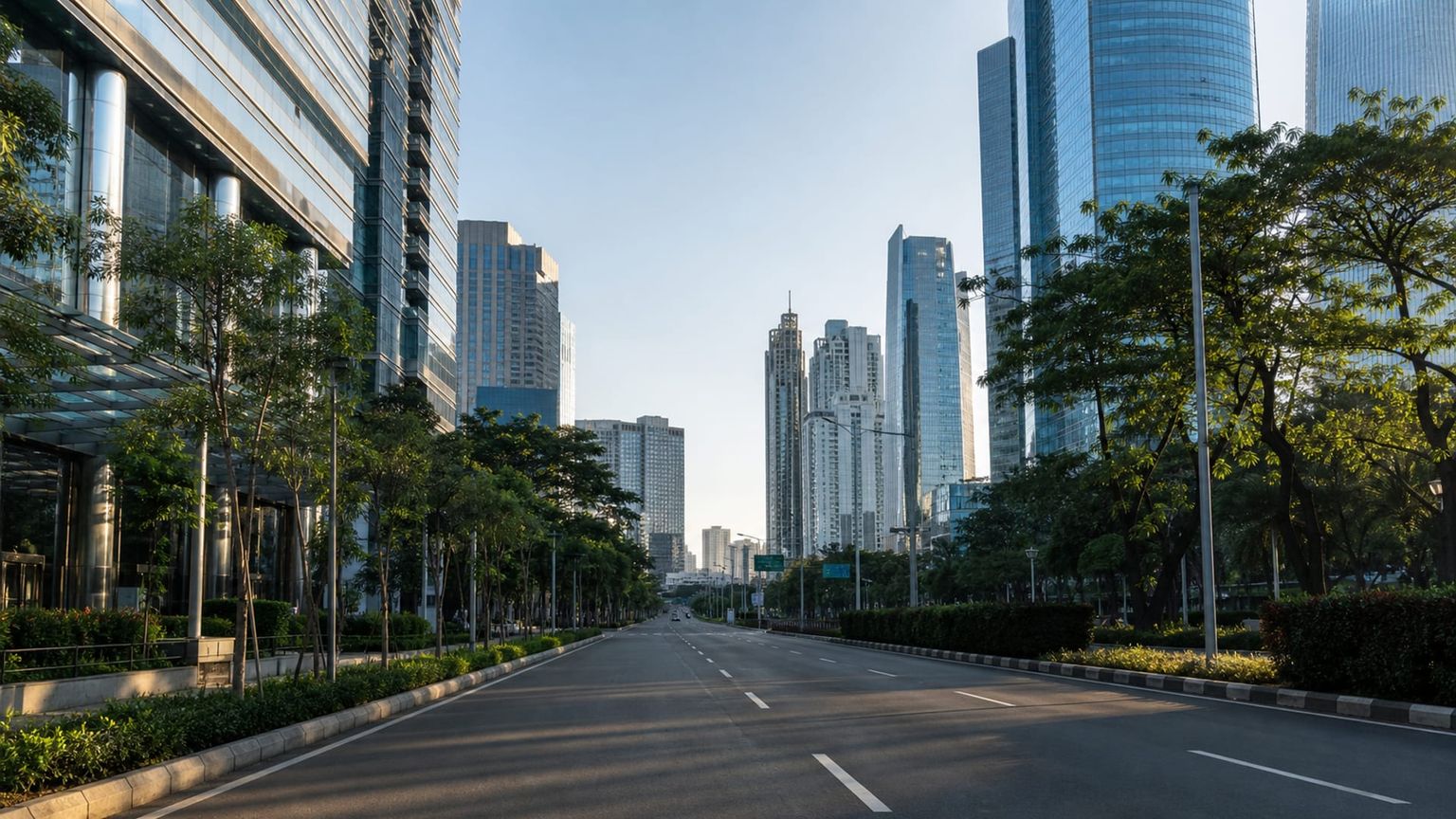
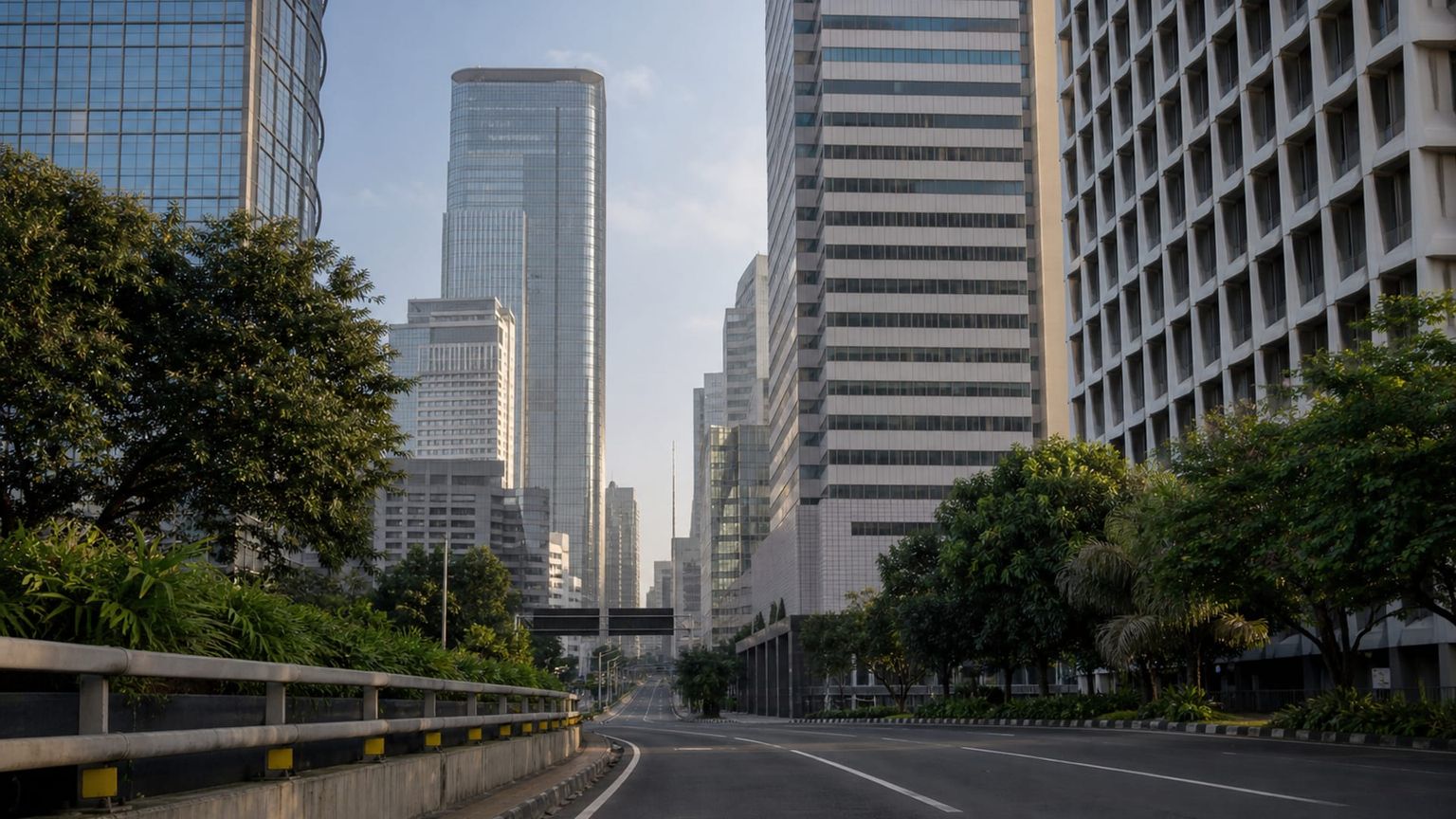
Kuningan sits in South Jakarta at the edge of the main office district, with major hotels, malls, and many embassies. It works well for business travelers and for visitors who want quick taxi access to both central Jakarta and the Sudirman corridor.
Best for: Business trips, malls, and access to both central and southern Jakarta
What to expect: Heavy traffic, tall towers, mall-linked dining, and a steady flow of office workers from morning through evening.
Hotel prices: Usually about $70 to $220 per night for well-rated stays
Distance to major sights: 20 to 30 minutes by taxi to Monas and about 15 minutes to the National Museum
Quietness: Lively all day, then quieter late at night except near hotels and mall entrances.
Main trade-off: The district is convenient, but traffic can make even short trips take much longer during peak hours.
Good to know: Plan extra time for cross-city movement, since a short map distance can turn into a long ride in rush hour.
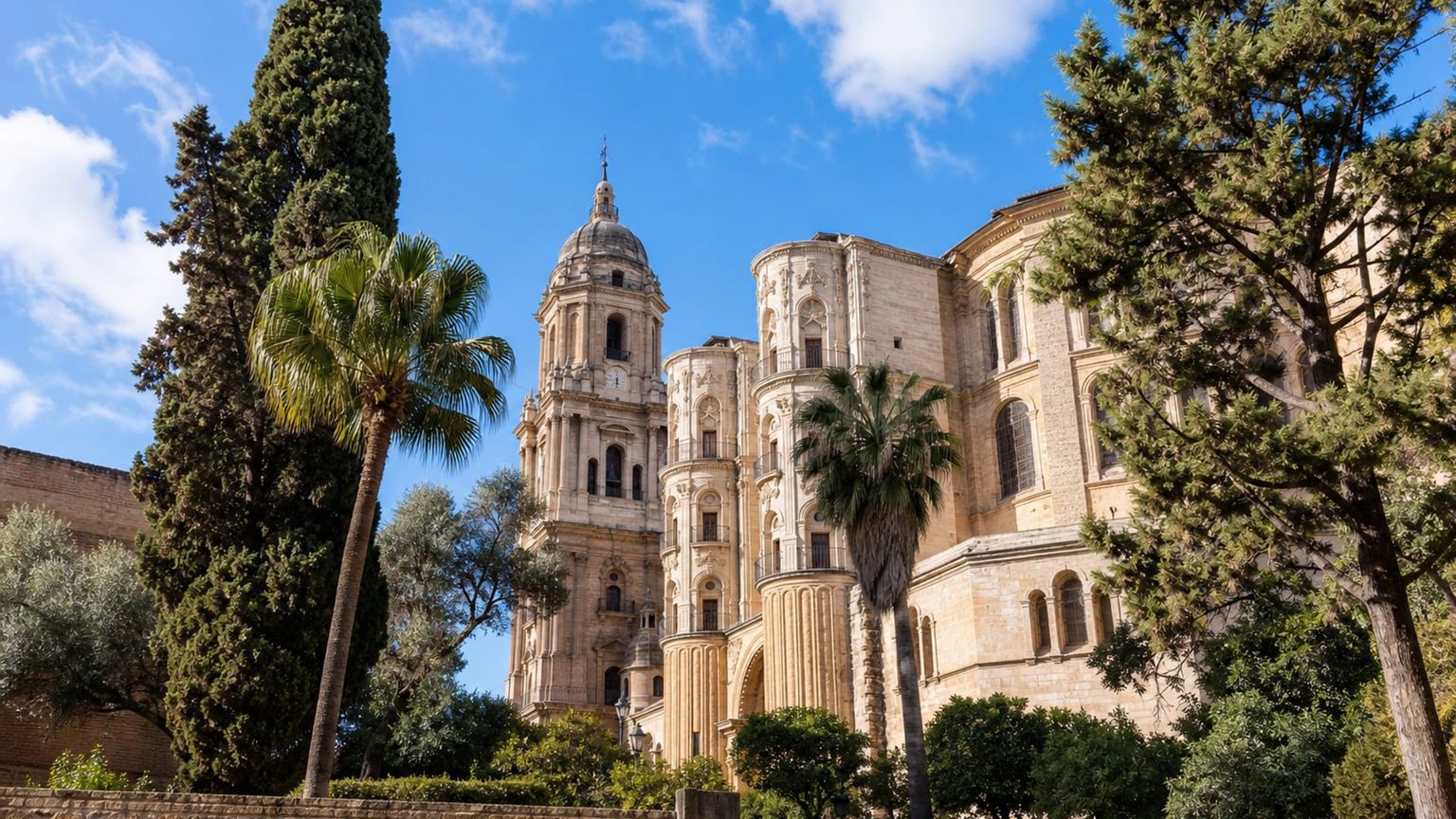
Kemang is a South Jakarta neighborhood known for restaurants, bars, and expatriate housing, with a bigger evening scene than most of the city. It suits travelers who want dining and nightlife nearby rather than a formal central district.
Best for: Dining, nightlife, and longer stays in a neighborhood with many international options
What to expect: Busy streets, late-night venues, and a mix of cafes, local shops, and car traffic on narrow roads.
Hotel prices: Usually about $50 to $160 per night for well-rated stays
Distance to major sights: 30 to 40 minutes by taxi to Monas and the National Museum
Quietness: Moderately active by day, then much louder at night near restaurant and bar strips.
Main trade-off: You gain evening choice, but you also accept longer rides to the historic center and more time spent in traffic.
Good to know: Taxi fares add up here, because most major sights sit well north of the neighborhood.
Travelers usually avoid staying in Jakarta’s outer industrial districts such as Cikarang and Bekasi, plus far west Tangerang, because they sit well outside the main sights in Central Jakarta and often require long cross-city rides. The far north port area around Tanjung Priok is also less convenient for visitors, since it has fewer hotel options near tourist districts and can be awkward for evening travel back from the city center.
Hotel deals
How to get around Jakarta efficiently
Jakarta has no true airport metro, so most arrivals lean on airport rail, buses, app rides, or metered taxis depending on where they are staying.

Metro
for longer distances
Jakarta has no true city metro in the airport area itself, so most travelers use the airport rail link to BNI City or Sudirman from Soekarno-Hatta (CGK), then connect to KAI Commuter or road transport. Airport rail trips take about 45 minutes, and the fare is about $6 ($100,000) one way; trains run roughly every 30 minutes, but late-night coverage is limited.

Bus and tram
for convenience
Damri airport buses cover Central Jakarta, South Jakarta, and select hotel or terminal points, with fares of about $2 to $5 ($40,000 to $80,000) depending on the destination. Journeys can take 60 to 120 minutes in traffic, and tickets usually stay valid for the booked trip rather than a timed transfer window. TransJakarta corridor buses do not reach the airport directly, but they help once you are in the city.

Taxi
for convenience or late hours
Licensed airport taxis use metered fares, while the airport taxi counters also sell fixed-price trips to common Jakarta districts. From Soekarno-Hatta (CGK), expect about $12 to $25 ($200,000 to $400,000) for central areas, with tolls and airport surcharges sometimes added; the ride to central Jakarta usually takes 45 to 90 minutes. Use the official queue or app-based booking, and most taxis accept cash and cards, though it helps to confirm payment before departure.
*Prices are based on rates updated as of June 2026 and may change at the time of travel.
Use airport rail for a cheaper connection to the rail corridor, buses when price matters most, and taxis or ride-hailing when you want door-to-door travel across Jakarta’s wide distances.
Iconic landmarks
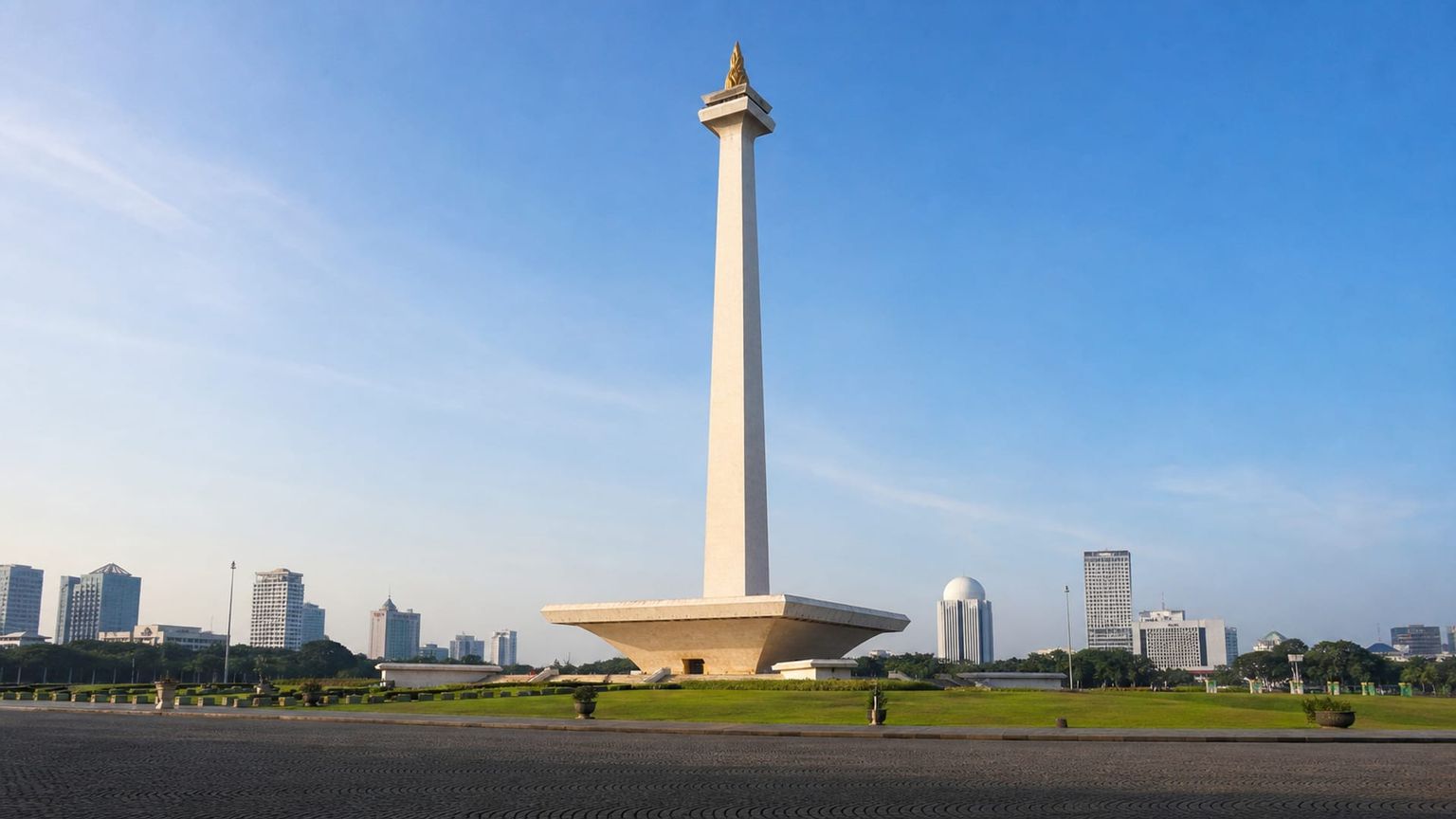
National Monument (Monas)
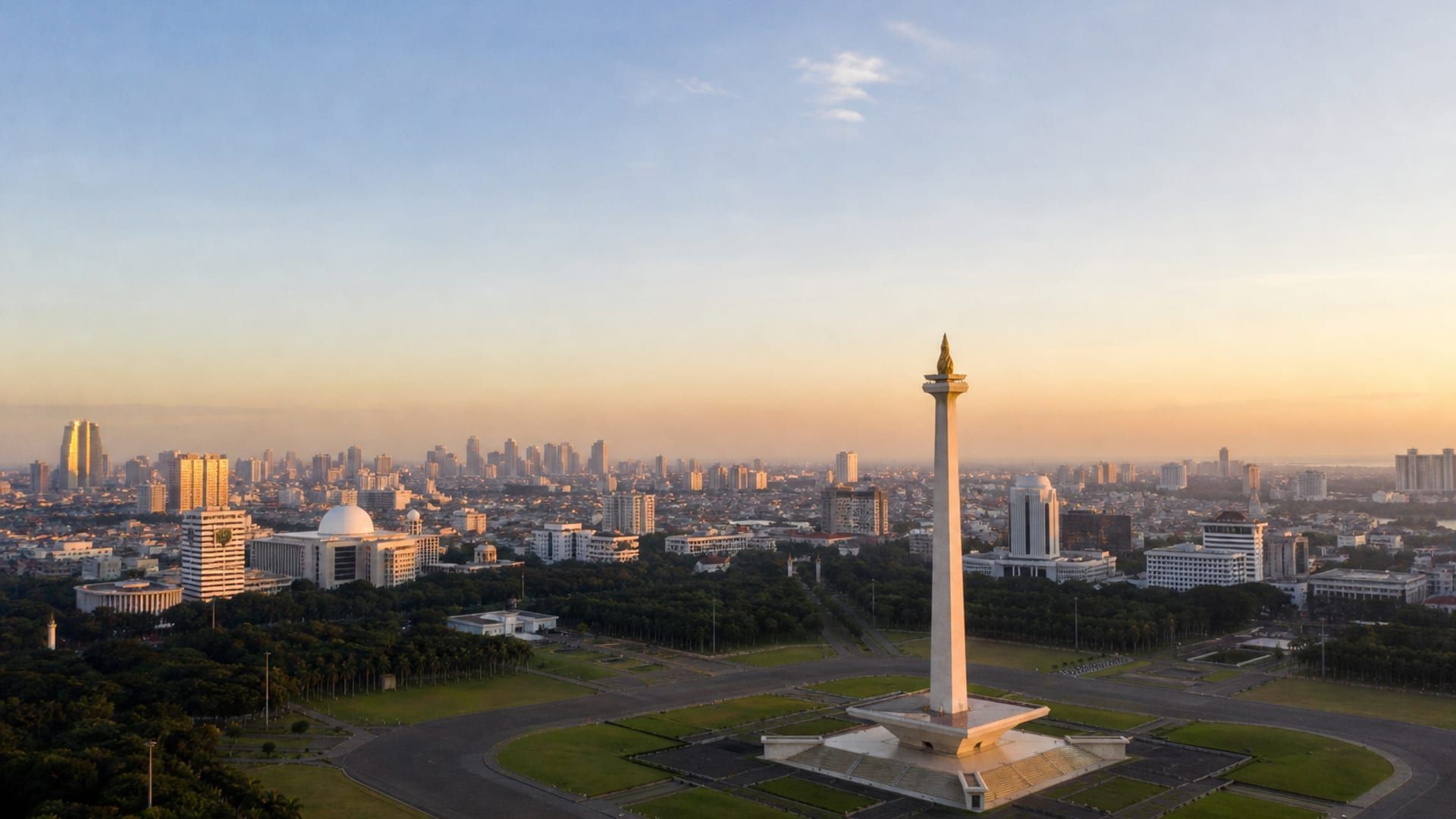
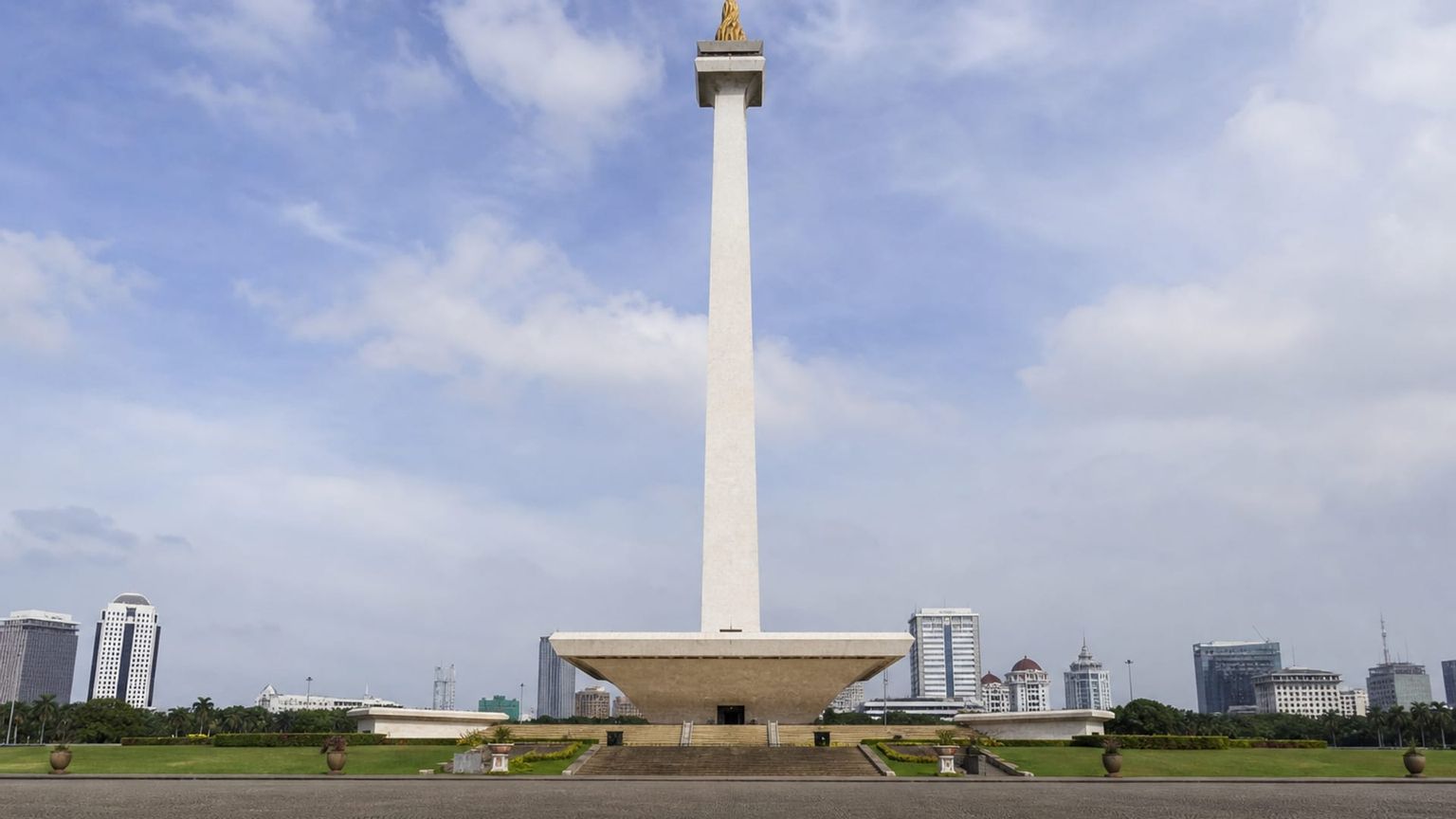
Jakarta’s 132-meter National Monument rises in Merdeka Square, marking Indonesia’s independence struggle. Ride the elevator to the observation deck for city views, then visit the gold-topped flame and the small museum below.
Time needed: About 1 to 2 hours
Entry: Standard admission costs about $1 ($15,000); museum entry is included, and tower access uses a separate ticket with a small additional fee.
Tip: Go early on weekdays for shorter queues and clearer views from the top deck.
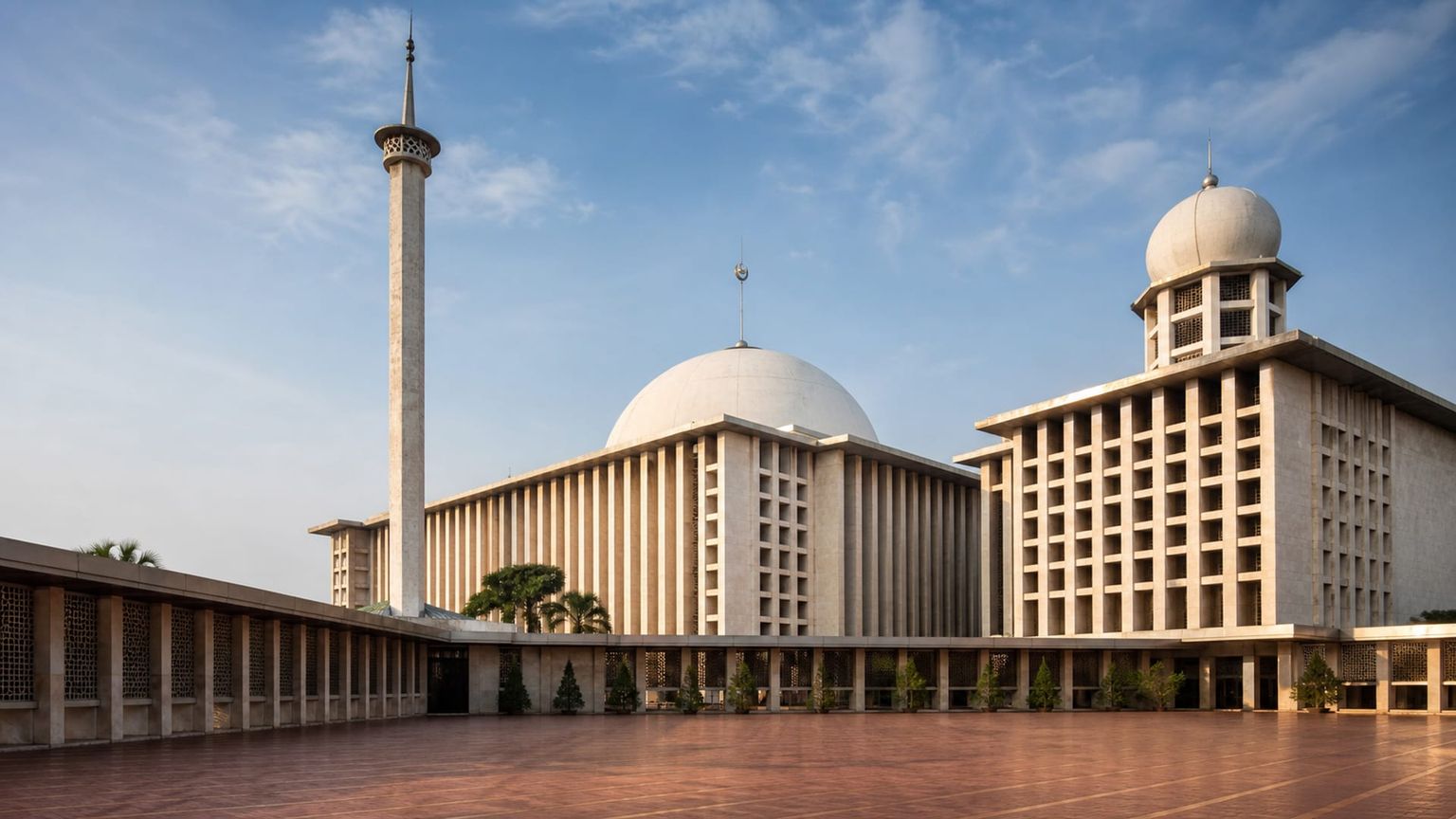
Istiqlal Mosque
Istiqlal Mosque is Southeast Asia’s largest mosque, set beside Jakarta Cathedral in Central Jakarta. Its vast prayer hall, marble interior, and modern design make it one of the city’s most important religious landmarks.
Time needed: About 1 hour
Entry: Free to access, with guided visits sometimes offered for a small voluntary donation; modest dress is required, and shoes are removed before entry Visit the official site for details.
Tip: Visit outside prayer times, and allow extra time for security checks at the entrance.
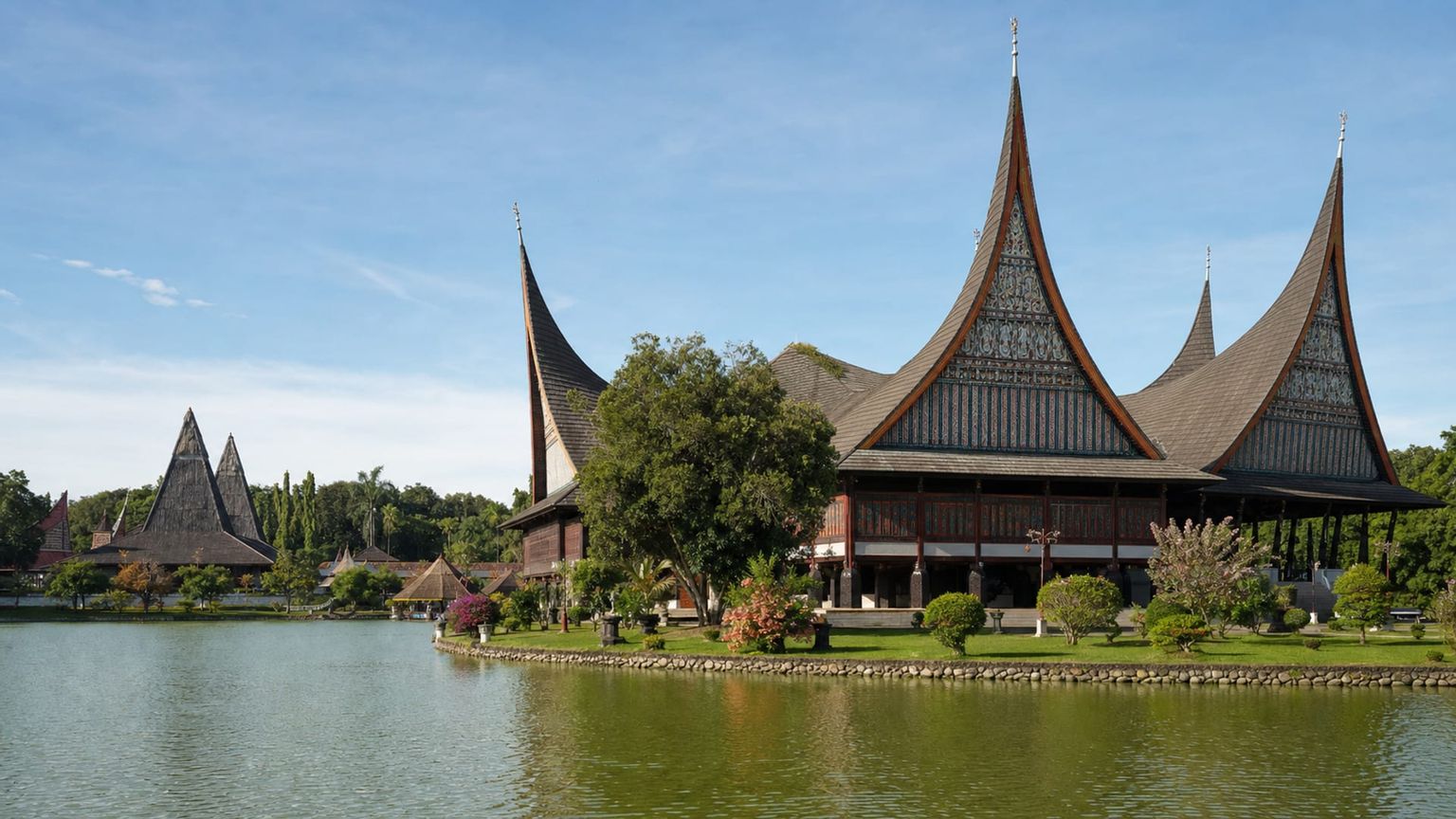
Taman Mini Indonesia Indah
Taman Mini Indonesia Indah spreads across a large park in East Jakarta with regional pavilions, museums, and a cable car over the lake. It gives a compact look at Indonesia’s islands, crafts, and traditional houses in one place.
Time needed: About 4 to 6 hours
Entry: Entrance costs about $2 to $5 ($30,000 to $75,000), with separate fees for some museums, rides, and the cable car inside the park Visit the official site for details.
Tip: Start near the pavilions you care most about, then use the cable car to cover the wider park.
Overlooked sites worth visiting

Taman Suropati
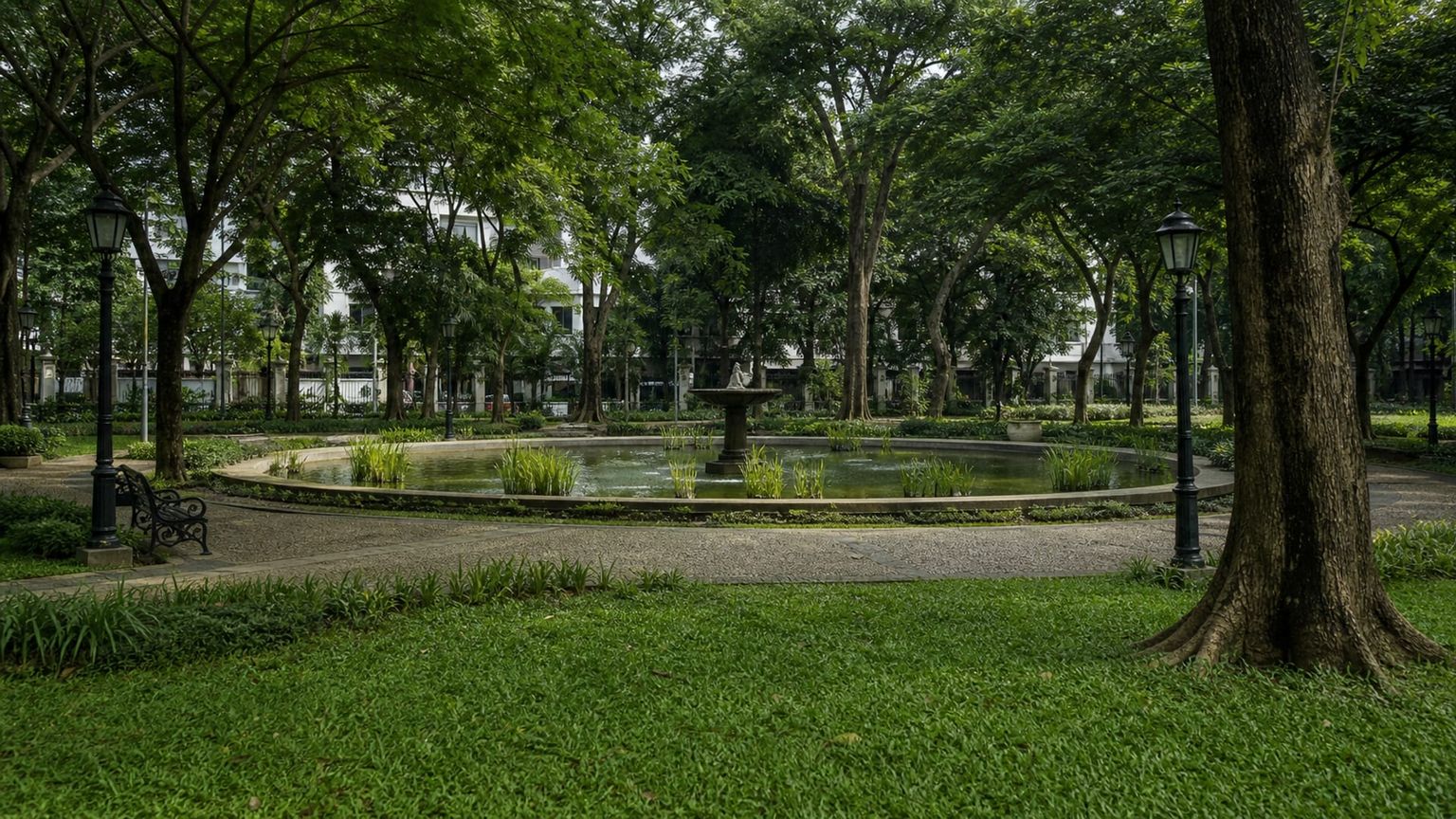
A tree-shaded park in Menteng with a loop path, ponds, and public sculptures. Early mornings bring joggers, while late afternoons work better for a slow walk and photography.
Time needed: About 45 minutes to 1 hour
Entry: Free to access; there is no admission fee for the park, and visitors can enter during daylight hours. Small food stalls and drink vendors line nearby streets, but they charge separately for snacks, bottled water, and other purchases.
Tip: Visit before 8:00 am for cooler air and softer light.

Museum of Fine Arts and Ceramics
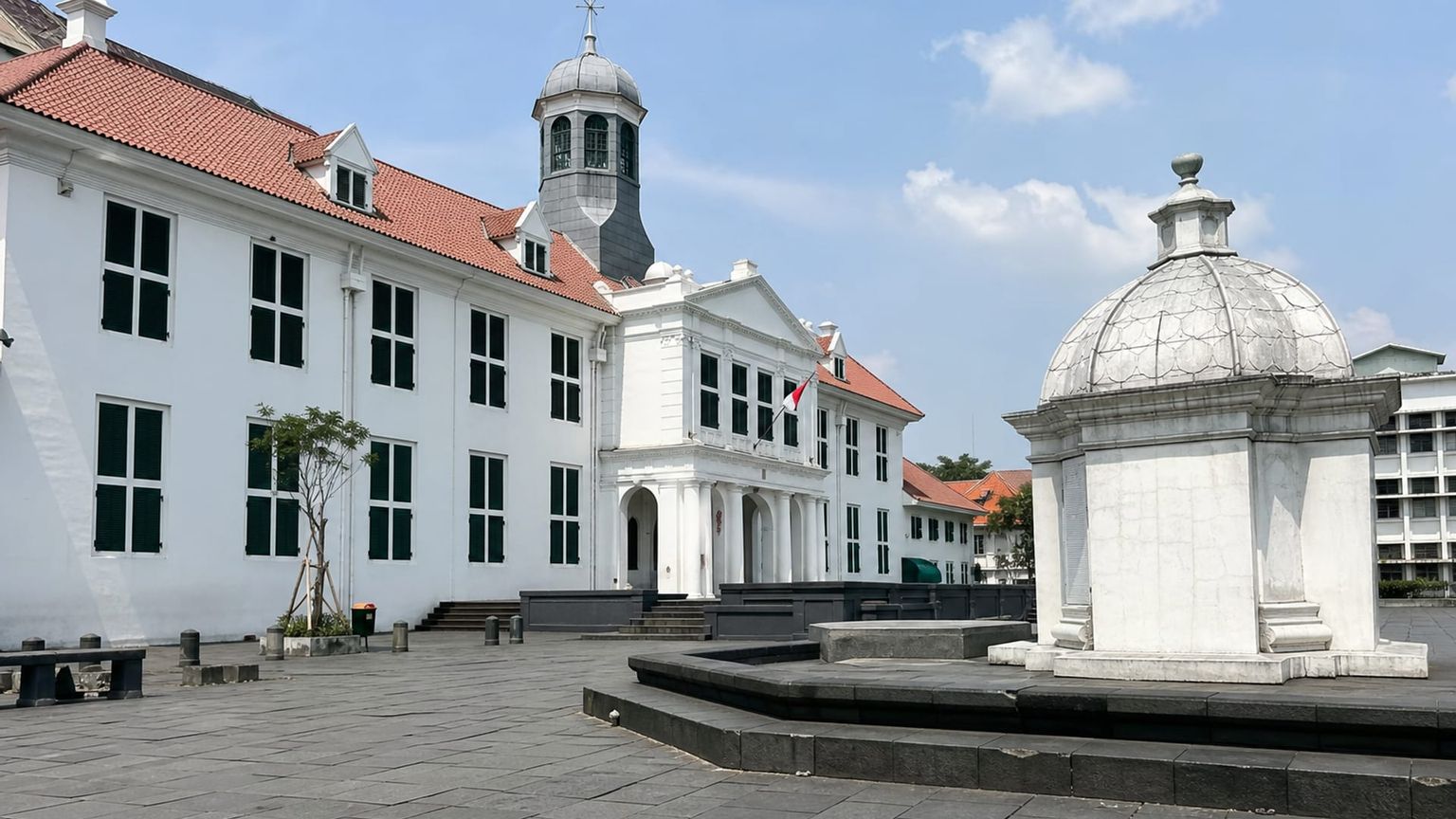
Inside the old courthouse in Kota Tua, this museum pairs Indonesian paintings with Dutch-era tiles, ceramic collections, and workshop rooms. The compact scale suits a short cultural stop.
Time needed: About 1 to 1.5 hours
Entry: Tickets cost about $1 to $3 (about Rp15,000 to Rp50,000) for general admission, with separate fees for special exhibitions, guided sessions, or hands-on pottery activities when offered on site Visit the official site for details.
Tip: Go on a weekday to avoid school-group crowds.
Traditional food
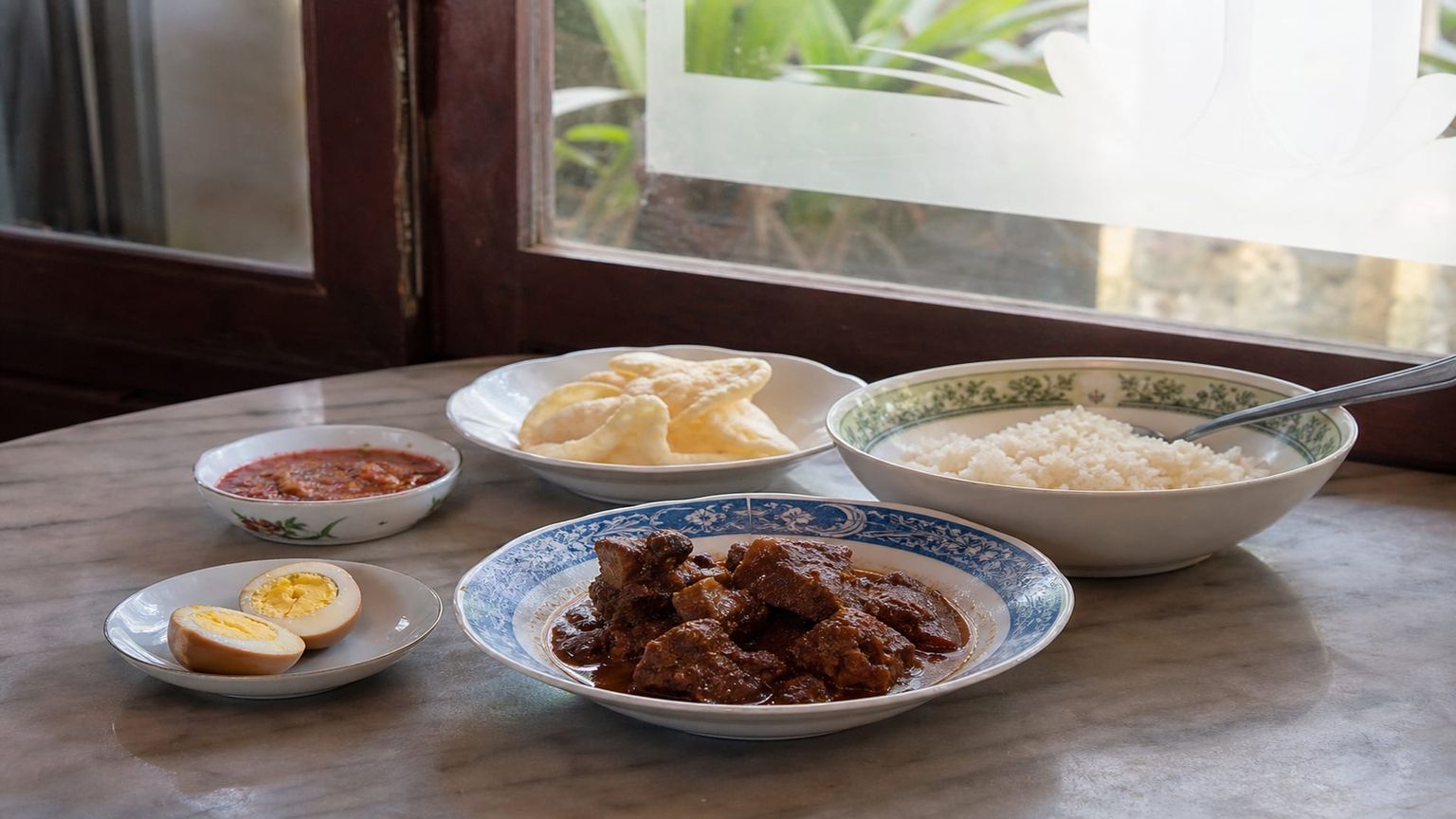
Jakarta’s food leans on rice, peanuts, coconut milk, sweet soy sauce, and spice, so nasi goreng, satay, gado-gado, and soto Betawi appear everywhere from warungs to mall restaurants.
Nasi goreng
This fried rice often comes topped with egg, chicken, shrimp, or pickles, with sweet soy sauce giving it Jakarta-friendly depth. For a canonical plate, look to Sate Khas Senayan, which serves the dish in a polished local-dining setting.
Satay
Skewers of grilled meat arrive with peanut sauce, rice cakes, or lontong, and they show up in many Jakarta meals. Sate Khas Senayan is one of the city’s best-known places to order them in a focused, dependable format.
Gado-gado
This salad of vegetables, tofu, tempeh, eggs, and peanut dressing gives you a lighter counterpoint to richer Jakarta dishes. Gado-Gado Bonbin in Cikini has long been a reference point for the city version.
Soto Betawi
Jakarta’s signature beef soup uses coconut milk or cream for a richer broth, usually with tomatoes and fried potatoes. For a classic bowl, Soto Betawi H. Mamat in South Jakarta is a widely cited stop.
Best time to visit Jakarta
Jakarta’s weather changes less by temperature than by rain and haze, so the best season often comes down to how much wet weather you are willing to build around.
Best for: Best for museum days, city walks, and the clearest overall weather
What you get: About 77-90°F (25-32°C), with lighter rain and more predictable sightseeing days; crowds can rise during holiday periods
Trade-offs: Heat still builds by midday, so long outdoor stops need water and shade
Best for: Good for balanced weather and flexible planning before the heaviest rains
What you get: About 78-89°F (26-32°C), with warm days and a mix of dry spells and passing showers; visitor levels stay moderate
Trade-offs: Rain can interrupt outdoor plans without much warning
Best for: Useful if you are focused on malls, dining, and indoor sights
What you get: About 77-88°F (25-31°C), with humid air, frequent downpours, and traffic that slows more in heavy rain; major attractions stay open
Trade-offs: Storms can stretch taxi times and make afternoon plans harder to keep
Best for: Works for travelers who do not mind short showers and slower moving days
What you get: About 77-89°F (25-32°C), with lingering humidity, periodic rain, and a quieter feel outside peak holiday weeks
Trade-offs: Outdoor sightseeing needs more flexibility than in the dry months
A realistic 5-day plan in Jakarta
The five-day plan below keeps the city in sections, so you can pair central landmarks with nearby neighborhoods and save the longer cross-town trip for the day it matters most.
Land at Jakarta (CGK), then take a taxi or app ride into Central Jakarta or Menteng, which usually takes about 45 to 90 minutes and costs roughly $8 to $20, depending on traffic and tolls. If you are staying in Kuningan, expect a similar ride time but a slightly higher fare in peak hours. Settle in, drink plenty of water, and keep dinner close to your hotel, perhaps in Menteng at a neighborhood cafe or in a mall-linked restaurant in Central Jakarta, so the first evening stays short and easy.
Begin at the National Monument (Monas) in Merdeka Square, where the tower and museum take about 1 to 2 hours; go early on a weekday for smaller crowds. From Monas, take a short taxi ride of about 10 minutes to Istiqlal Mosque, then walk roughly 5 minutes to Jakarta Cathedral if you want to see the two landmarks together from the outside. Finish in Central Jakarta with a relaxed lunch nearby, then head back to your base before rush hour builds.
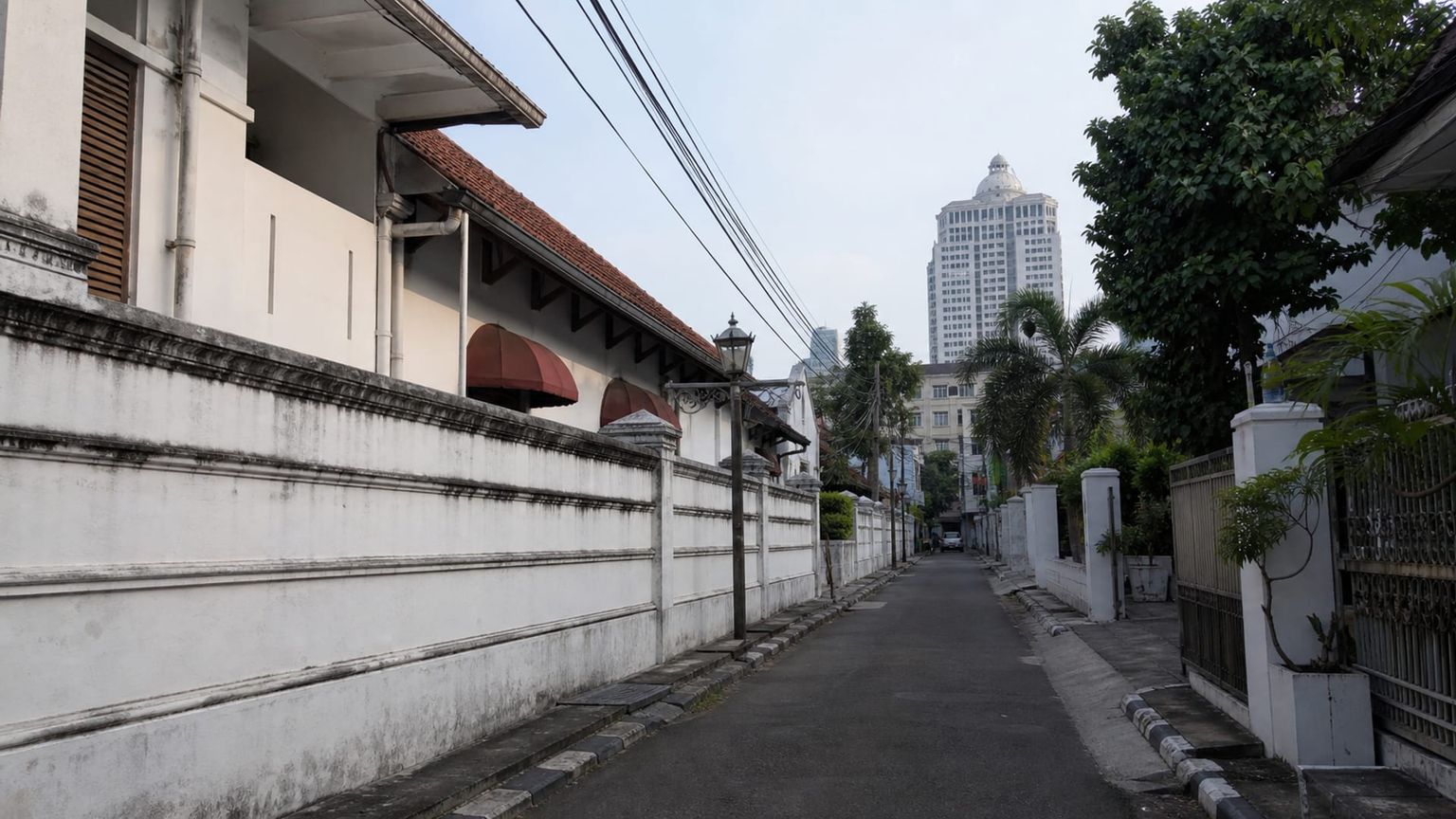
Start with Taman Suropati in Menteng, especially if you can arrive before 8:00 am, when the park is cooler and quieter. From there, it is about a 10-minute taxi ride to the Museum of Fine Arts and Ceramics in Kota Tua, where the old courthouse and compact galleries make an easy 1 to 1.5-hour stop. Stay in the old town area for lunch, then return to Menteng for an early evening walk through its tree-lined streets or a low-key dinner close to your hotel.
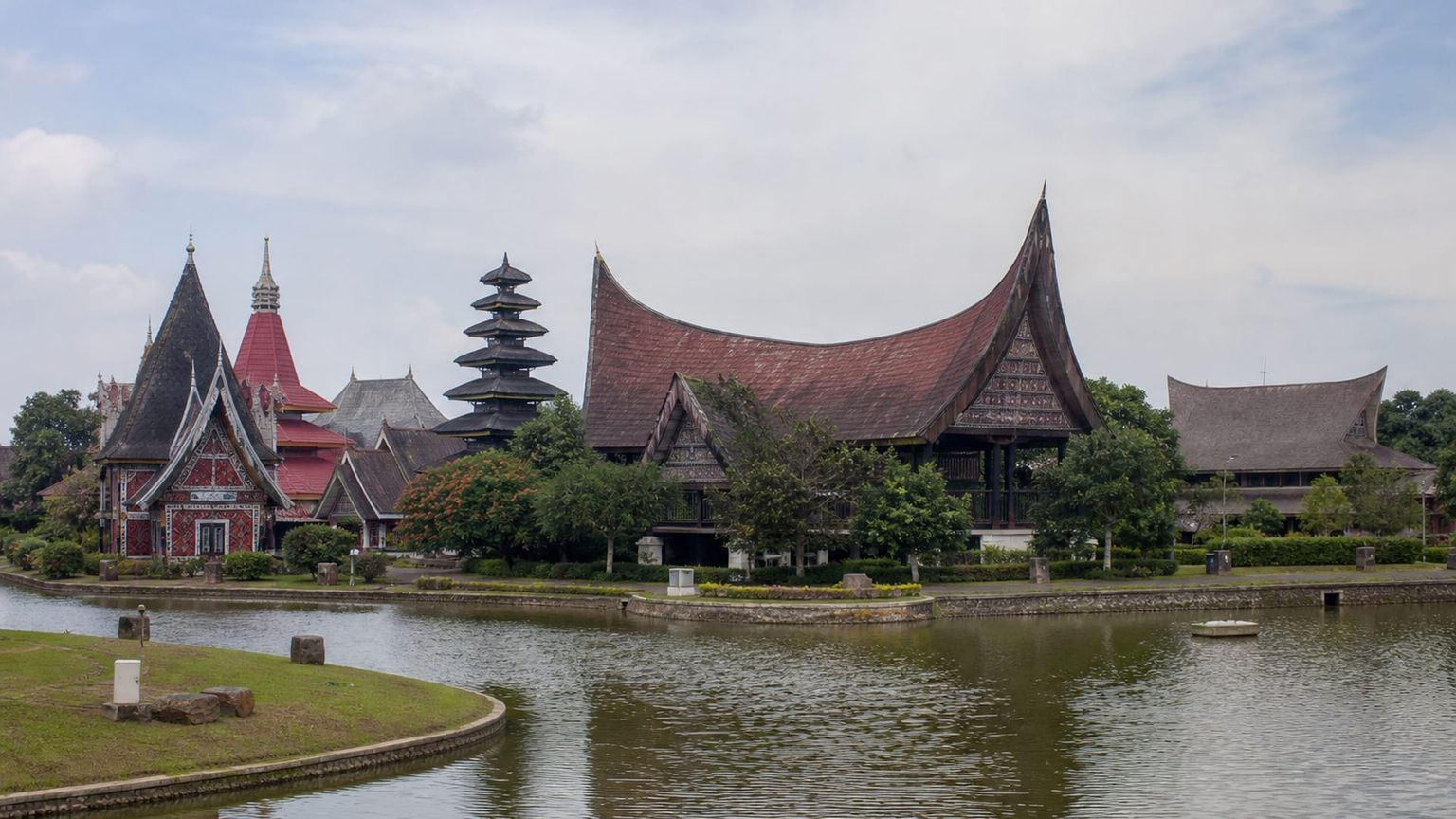
Set aside most of the day for Taman Mini Indonesia Indah in East Jakarta, a large park that rewards an early start and usually needs 4 to 6 hours. Taxi time from Central Jakarta or Menteng is roughly 45 to 75 minutes each way, longer in heavy traffic, so leave after breakfast and plan for a late lunch inside or just outside the park. The regional pavilions, lake, and cable car give you a different side of the city before you head back west.
For your last morning, keep the pace unhurried with one final museum stop or a few hours of shopping in Kuningan, where mall complexes make it easy to browse without crossing the city. If you prefer a quieter close, sit down for coffee in Kemang or Menteng, then return to your hotel to pack and check out. Allow extra time for the drive to Jakarta (CGK), since traffic can change quickly in the late afternoon and evening.
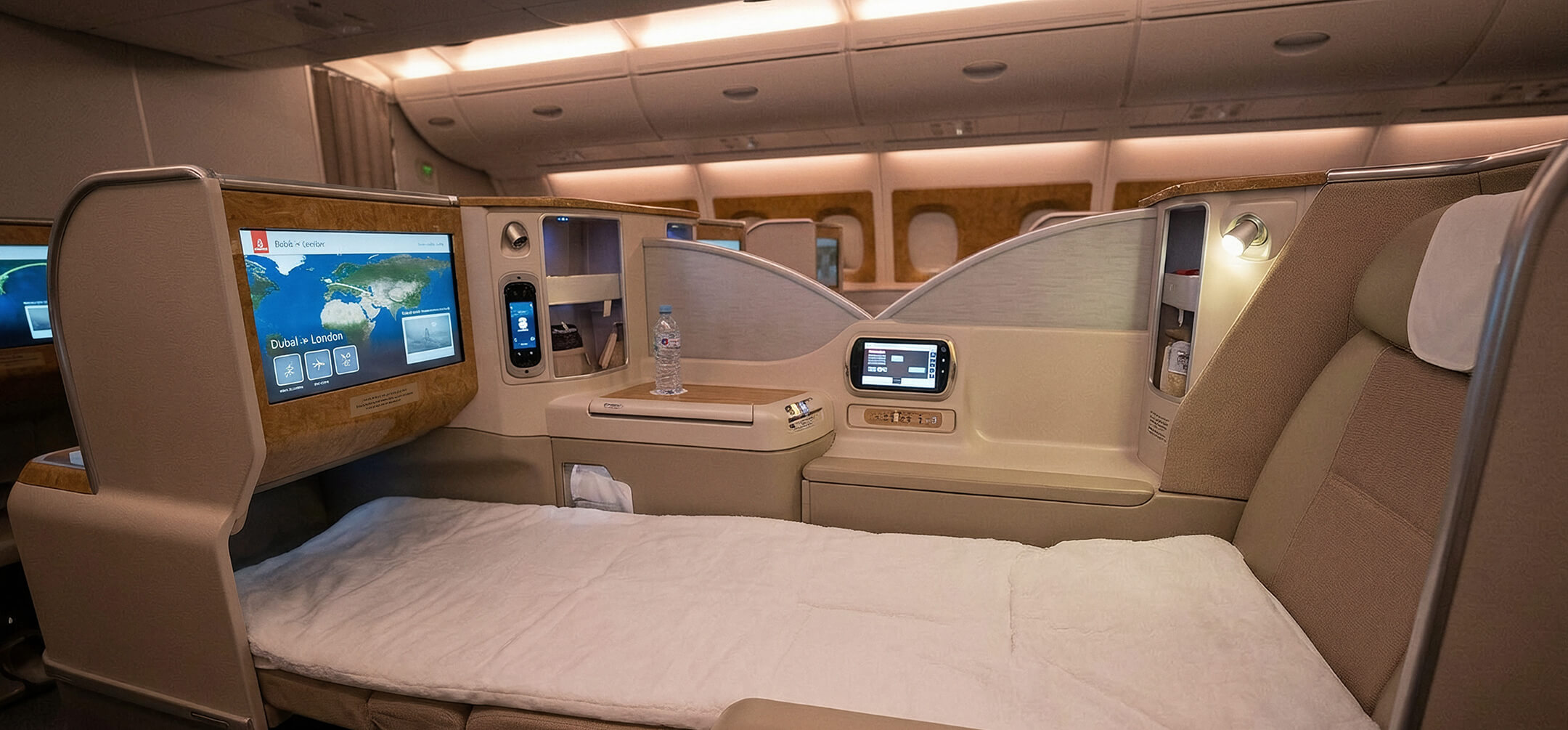
Business-class flights from the US to Jakarta
Long-haul itineraries into Jakarta usually route through one of a few major hubs, and the final price often depends on how many stops you accept. From both coasts of the United States, the main options cluster around Gulf, Asian, and European connection points.
From New York, Garuda Indonesia, Qatar Airways, Emirates, Singapore Airlines, Turkish Airlines, and Cathay Pacific all appear on common one-stop options. Round-trip fares usually run from $4,500 to $8,500, and itineraries via Doha, Dubai, or Singapore often take about 21 to 31 hours, which can bring the total down if you are willing to connect.
Los Angeles travelers usually see Garuda Indonesia, Qatar Airways, Emirates, Singapore Airlines, Korean Air, and Cathay Pacific on the longer options into Jakarta. Round-trip fares often start at $4,200 and can reach $8,000, with connection points through Doha, Dubai, Singapore, Seoul, or Hong Kong shaping both the timing and the price.
Jakarta feels different when you slow down
A good Jakarta trip works in pieces: Monas and Istiqlal in one block, Taman Suropati and Menteng in another, then a full day for Taman Mini Indonesia Indah once you are ready for a longer ride east. Taxis, airport rail, and a few well-timed meals in Central Jakarta or Kuningan make the city easier to read. If you want help matching hotels, flights, and neighborhoods, ask the AranGrant experts for a plan built around your dates and pace