

Chapters:

Need help with your trip?
Our support team is available 24/7. Request a callback or call us directly at (833) 619-0908
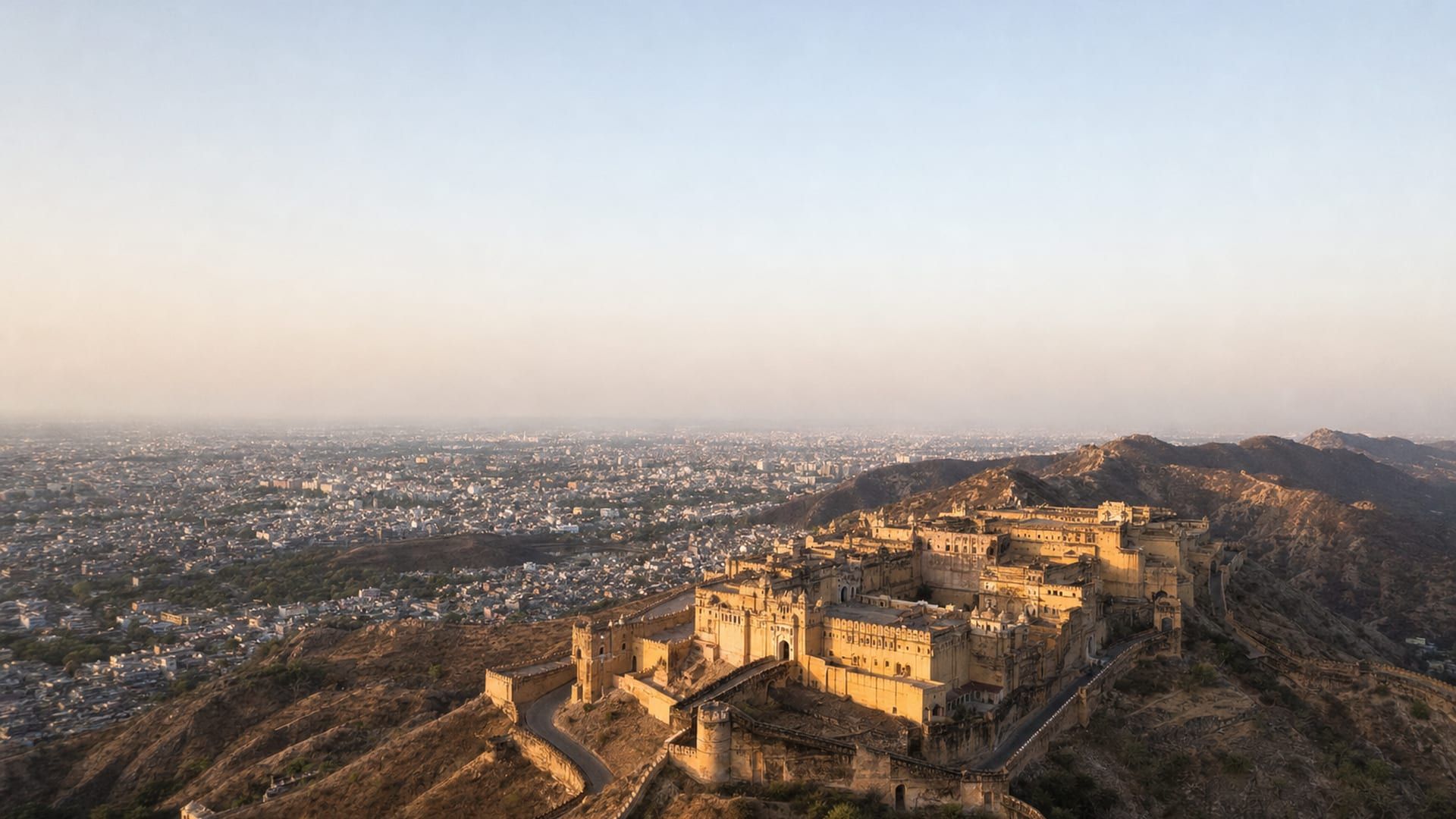
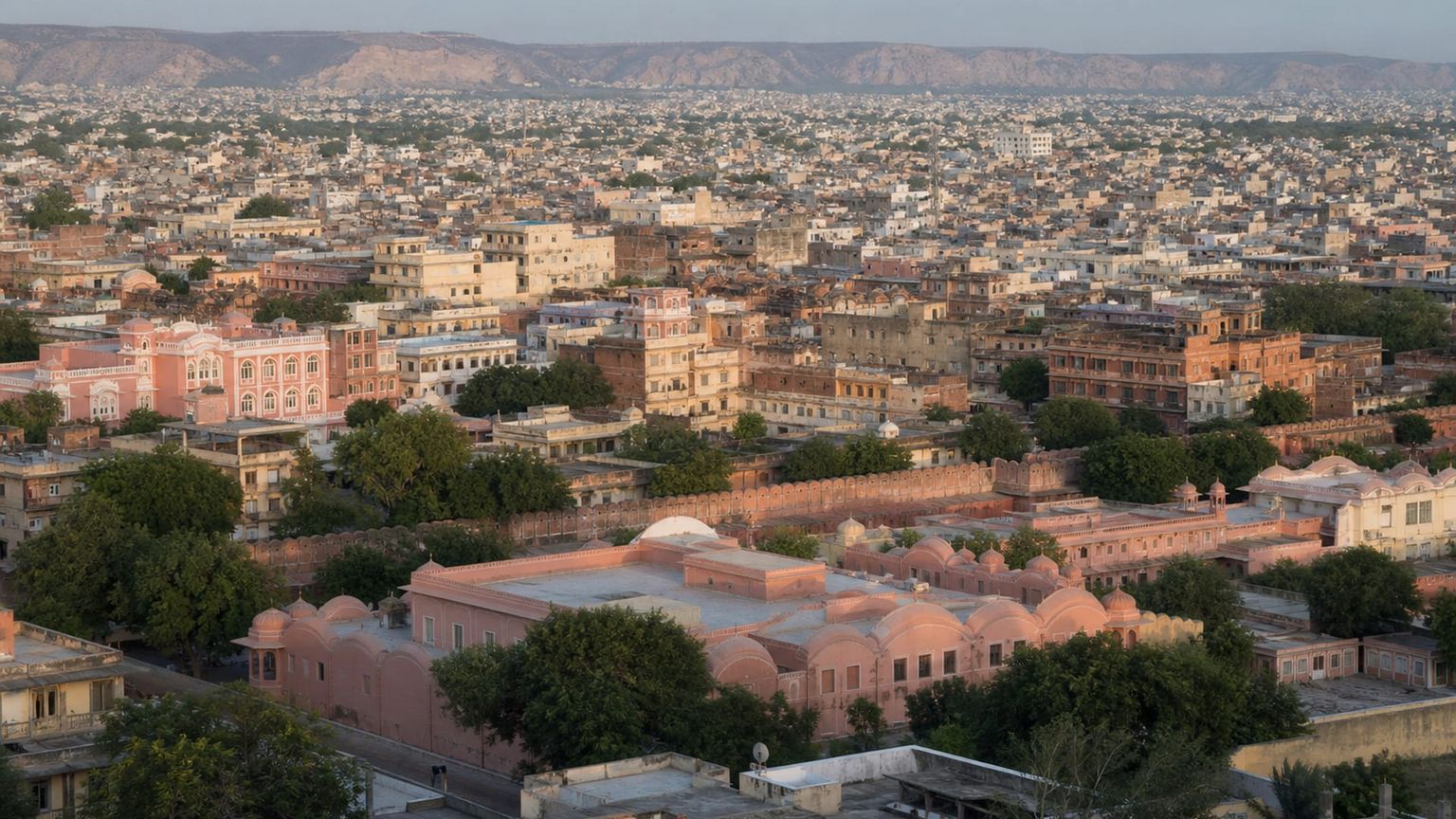
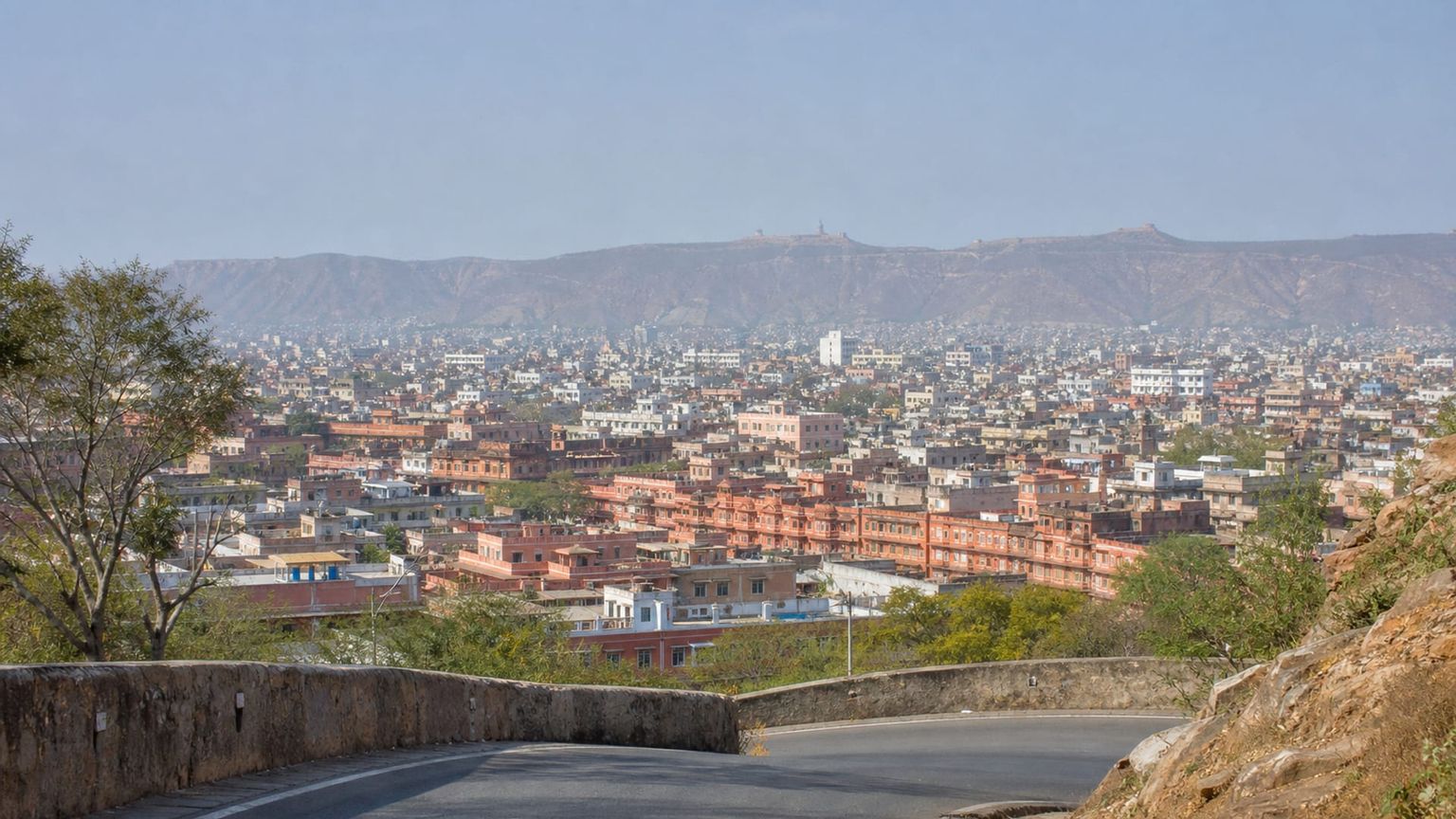
Jaipur falls into two distinct parts: the walled old city, known for its pink sandstone facades and crowded bazaars, and the hilltop forts beyond it. Amber Fort, the most visited of these, lies 7 miles (11 kilometers) northeast of the center and is a 20–30-minute taxi ride, depending on traffic.
The two areas have different rhythms. The old city’s market streets are busiest from midmorning through early evening, while the forts are best visited early, before the heat and crowds build.
This guide follows that natural split: one day for the old city’s palaces and markets, another for Amber Fort and nearby sights, with quieter days set aside for gardens, museums, and shopping.
Useful things to know

Main language(s): Hindi, English
namaste (nah-mas-teh) – hello/good morning
kripya (krip-ya) – please
dhanyavaad (dhan-yah-vaad) – thank you
kya aap angrezi bolte hain? (kya aap un-gray-zee bol-te hain) – Do you speak English?
yeh kitne ka hai? (yeh kit-ne ka hai) – How much does it cost?

Currency: Indian rupee (INR, ₹)

Cash and cards: Hotels and larger venues in Jaipur accept cards and contactless payment widely, but market stalls and small vendors prefer cash, so carry ₹2,000 to ₹3,000 ($21 to $32) for daily spending.

Tipping: Round up small bills and tip 5%–10% at nicer restaurants if service is not included.

Traditional food: Dal baati churma, laal maas, ghevar, and pyaaz kachori rank among the signature dishes of Rajasthani cooking in Jaipur.

Water and coffee costs: A bottle of water in Jaipur costs ₹20 ($0.21), and a bar espresso costs ₹180 ($2).

Taxis and ride apps: Uber and Ola both operate in Jaipur. Set your precise pickup point in the app before requesting a ride, then message the driver to confirm your exact spot.

Plug and voltage: Type C/D socket, 230V

Dining and shop opening hours: Restaurants serve breakfast from 8:00 am to 10:00 am, lunch from 1:00 pm to 3:00 pm, and dinner from 8:00 pm to 10:30 pm. Many kitchens close in the afternoon and reopen for dinner.

Emergency number: 112 for all emergencies, 100 for police, 101 for fire, and 108 for ambulance
Where to stay in Jaipur
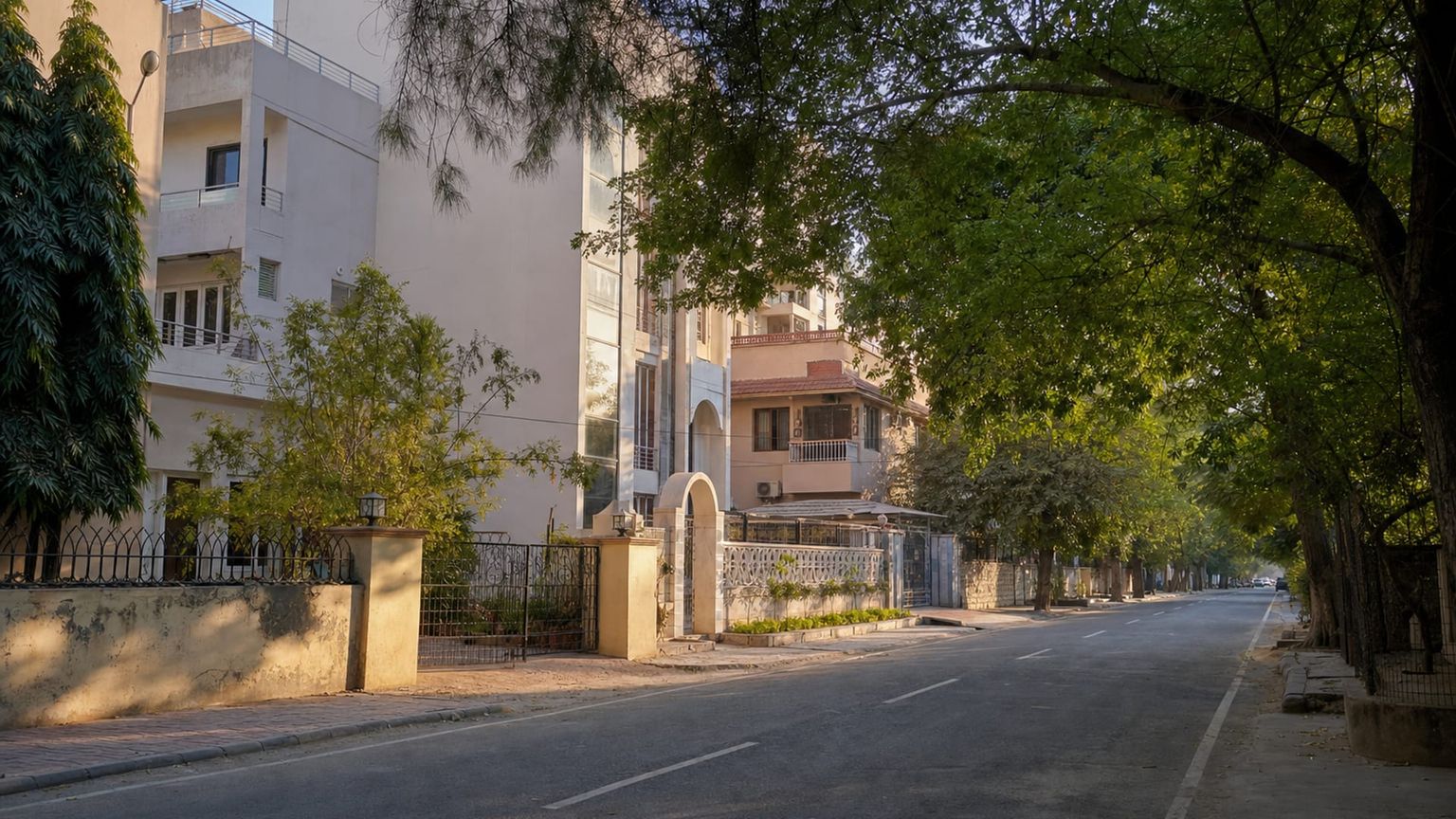
Bani Park is a central residential district known for heritage hotels, converted havelis, guesthouses, and tree-lined streets. The area gives easy access to Jaipur Junction, the old city, and several major roads, and avoids the densest market traffic found deeper in the walled city center.
Best for: Rail travelers, midrange stays, and visitors who want a central location with quick taxi access
What to expect: Hotel-lined streets, moderate traffic, and steady activity near main roads, with quieter residential blocks after dark
Hotel prices: Well-rated hotels in this area cost ₹4,200 to ₹11,300 ($45 to $120) per night.
Distance to major sights: About 15 minutes by taxi to Hawa Mahal and 10 minutes to Jaipur Junction
Quietness: The area is lively by day, then noticeably calmer in the evening on interior streets.
Main trade-off: You will trade some neighborhood character for convenience, and the busiest roads are quite noisy at peak hours.
Good to know: Many heritage hotels stand on wider streets here, so rideshare pickup is easier than in the older walled city.
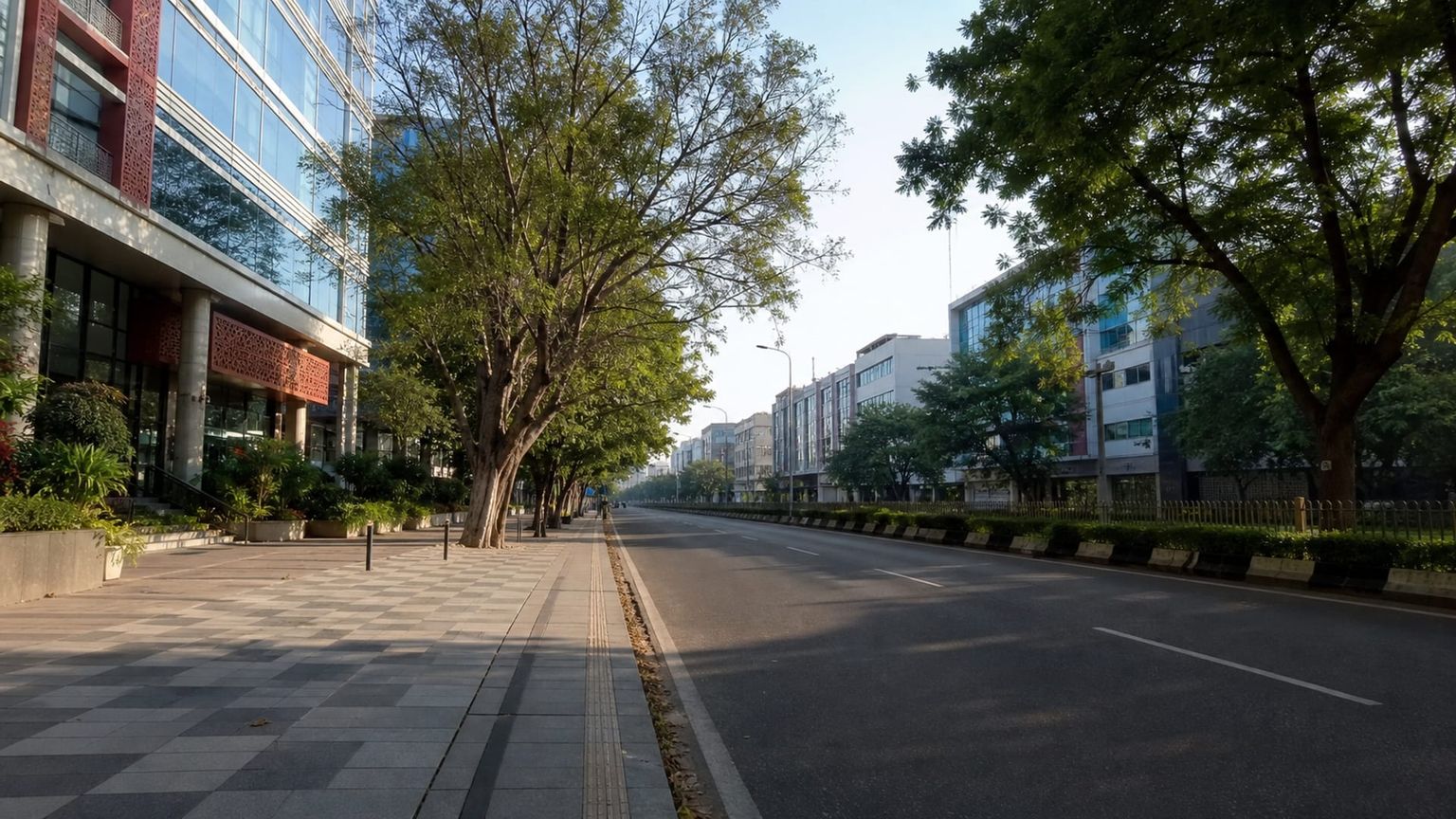
C-Scheme is Jaipur’s modern commercial core, with restaurants, cafes, offices, and high-end hotels near Central Park and Birla Mandir. The area suits travelers who want newer buildings, easy shopping, and a convenient address for dining out after a day of sightseeing in the old city.
Best for: Dining, shopping, business stays, and travelers who prefer newer hotels
What to expect: Busy roads and frequent foot traffic near malls and cafes bring the most activity during the daytime and early evening
Hotel prices: Well-rated hotels in this area cost ₹4,700 to ₹13,200 ($50 to $140) per night.
Distance to major sights: About 15 minutes by taxi to Hawa Mahal and about 10 minutes to Albert Hall Museum
Quietness: The area stays busy through the day and turns calmer late at night once restaurants close.
Main trade-off: It is less atmospheric than the old city, and traffic often slows short hops across central Jaipur.
Good to know: Frequent diners get the widest choice of modern cafes and restaurants here, without long cross-city rides.
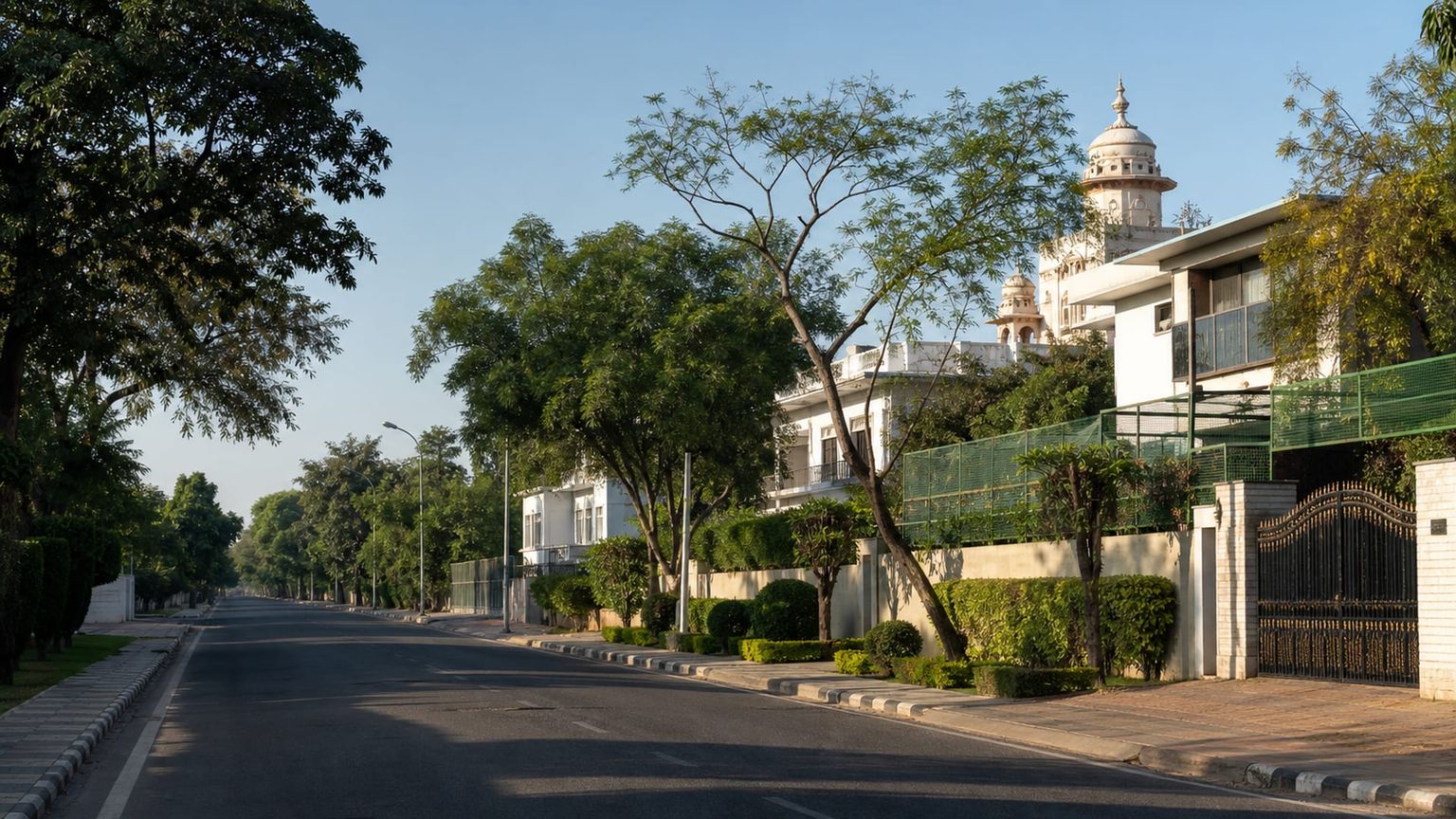
Civil Lines is an upscale, low-density district with large houses, government offices, and several boutique hotels, laid out along broad colonial-era avenues. The area offers more space and a quieter setting than central Jaipur, while still staying close to the main rail station and the old city.
Best for: Calm stays, boutique hotels, and travelers who want space near the center
What to expect: Broad avenues, lighter street life, and fewer late-night crowds set this area apart from Jaipur’s busier commercial zones
Hotel prices: Well-rated hotels in this area cost ₹5,600 to ₹16,900 ($60 to $180) per night.
Distance to major sights: About 10 minutes by taxi to Jaipur Junction and 15 minutes to Hawa Mahal
Quietness: The area stays quiet during the day and turns especially calm at night.
Main trade-off: Reaching most restaurants and attractions requires a taxi, since sights and dining are more spread out here than in the market districts.
Good to know: Few restaurants or shops are within walking distance after dark, so this area suits travelers who are comfortable arranging dinner plans and the return trip by car.
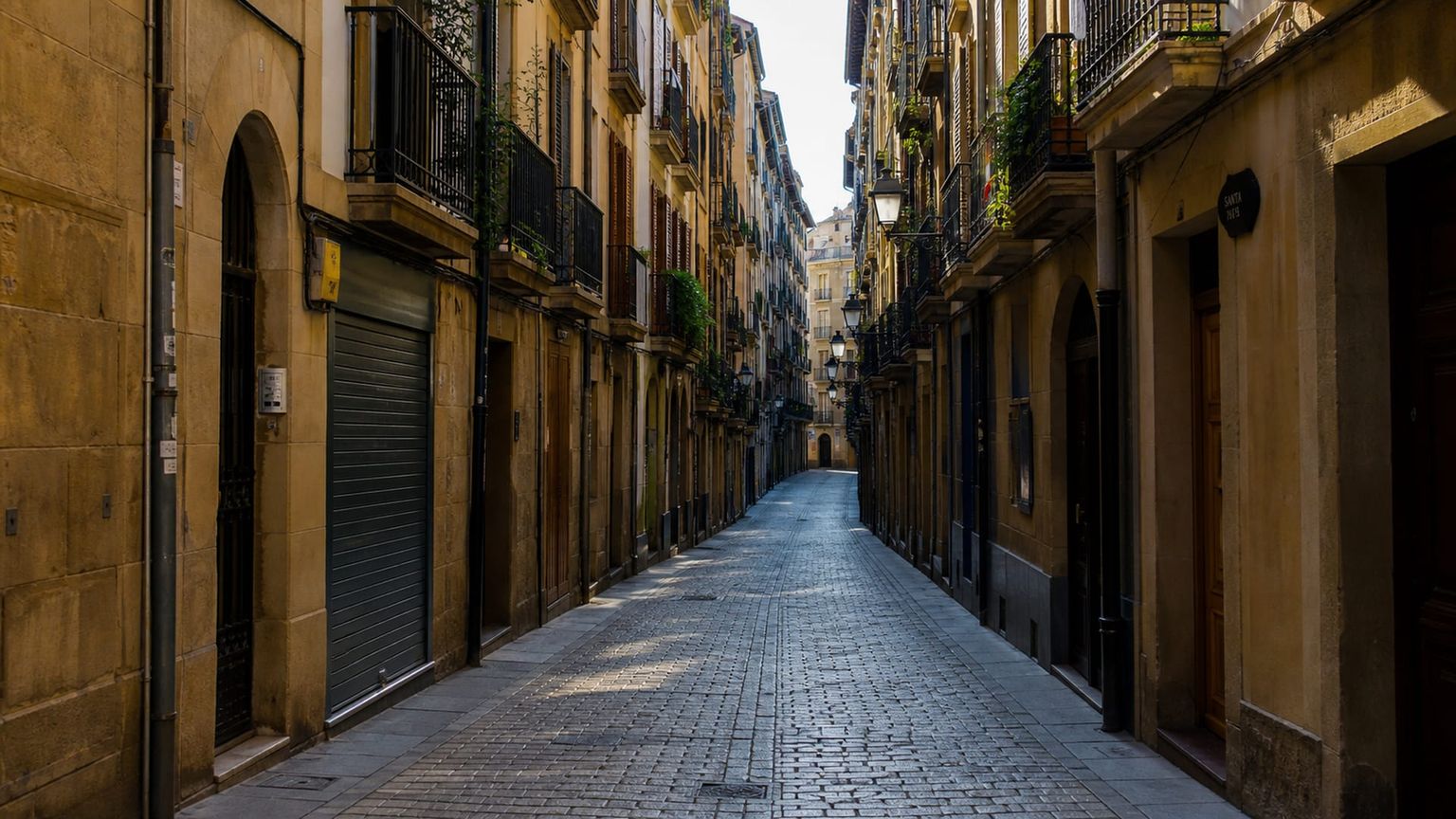
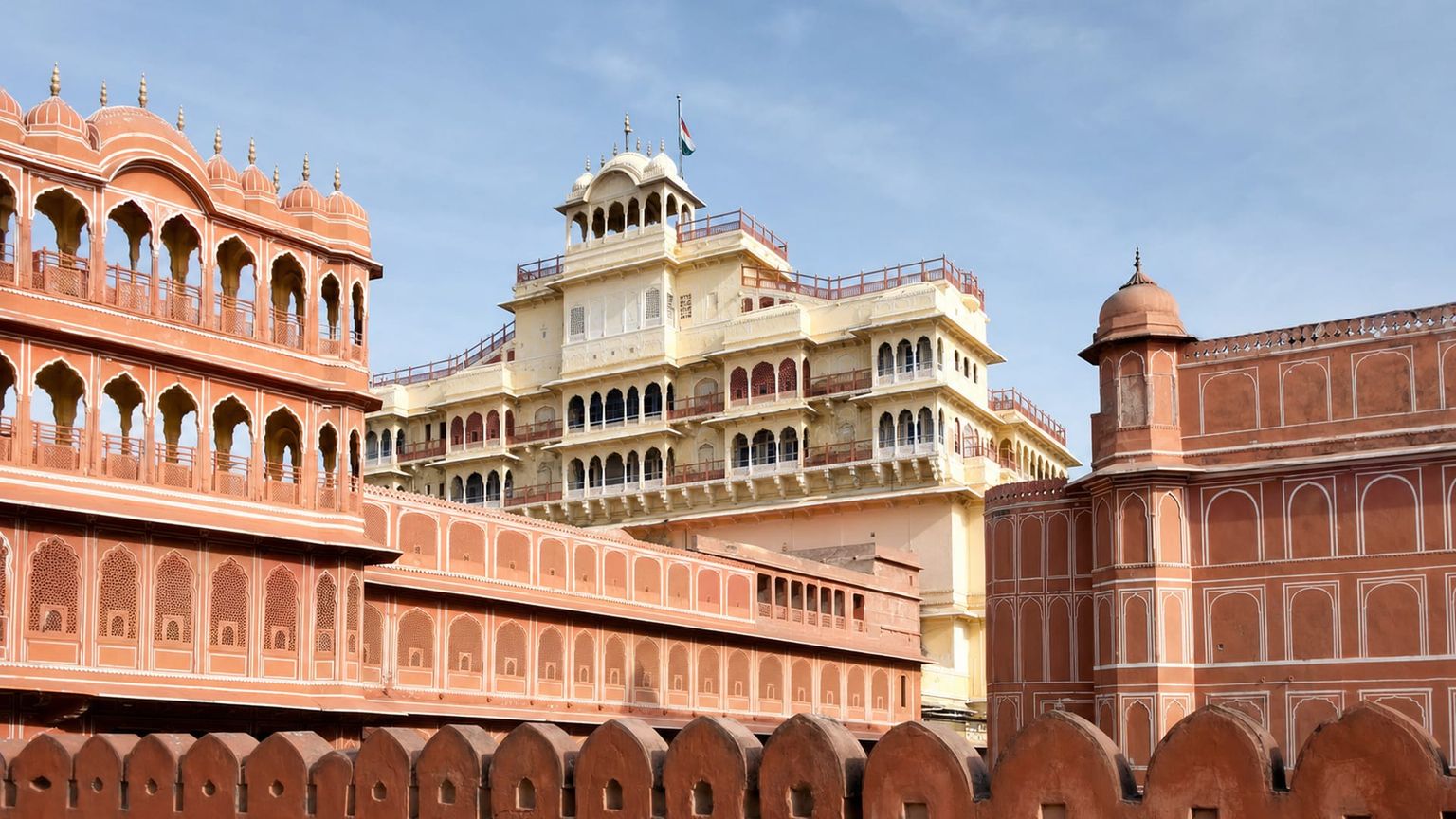
The old city stands behind Jaipur’s pink sandstone facades, with bazaars, temples, and major landmarks such as Hawa Mahal and City Palace set along its right-angled avenues. The area suits travelers who want to stay inside the historic core and step out directly into the city’s main sights.
Best for: Sightseeing, architecture, market browsing, and short walks to major landmarks
What to expect: Dense traffic, busy market streets, and constant foot traffic make this area the busiest for tourists in the city.
Hotel prices: Well-rated hotels in this area cost ₹3,300 to ₹9,400 ($35 to $100) per night.
Distance to major sights: A 5-minute walk to Hawa Mahal and a 10-minute walk to City Palace
Quietness: The area stays very active during the day and remains noisy in the evening near the main bazaars.
Main trade-off: You get the shortest walk to the headline sights, but the streets are usually crowded and vehicle access is slow.
Good to know: If your hotel is located on one of the narrower streets, ask about luggage drop-off before booking, since curb access can be limited.
Avoid Sitapura and the industrial edge of Tonk Road, both far from the main sights with fewer amenities. Jagatpura and the outer stretches of Ajmer Road and Sikar Road also leave you with long drives back from the forts, bazaars, and central dining areas.
Hotel deals
Getting around Jaipur
Jaipur’s single metro line covers one central corridor, so most visitors pair it with city buses or taxis for the rest of the city.

Metro
for longer distances
Jaipur Metro’s single operational line runs about 7.5 miles (12 kilometers) from Mansarovar to Badi Chaupar, with 11 stations reaching the heart of the old city near Hawa Mahal and City Palace. Fares range from ₹6 to ₹23 ($0.06 to $0.24), with trains every few minutes.

Bus
for convenience
Jaipur’s city buses, run by JCTSL, cover the airport, railway station, Sindhi Camp, and suburban routes beyond the metro’s reach. Fares cost ₹10 to ₹90 ($0.11 to $0.96) depending on distance, and most rides take 20 to 60 minutes in traffic.

Taxi
for convenience or late hours
Uber, Ola, and licensed prepaid taxis cover Jaipur around the clock, with the airport counter charging about ₹500 to ₹700 ($5 to $7) to central Jaipur. These suit trips to the forts, late-night returns, and routes outside the metro and bus network.
*Prices are based on rates updated as of October 2026 and may change at the time of travel.
Use the metro for central hops, city buses for low-cost routes across the suburbs, and taxis or app rides for forts, airport transfers, and evening returns.
Iconic places in Jaipur
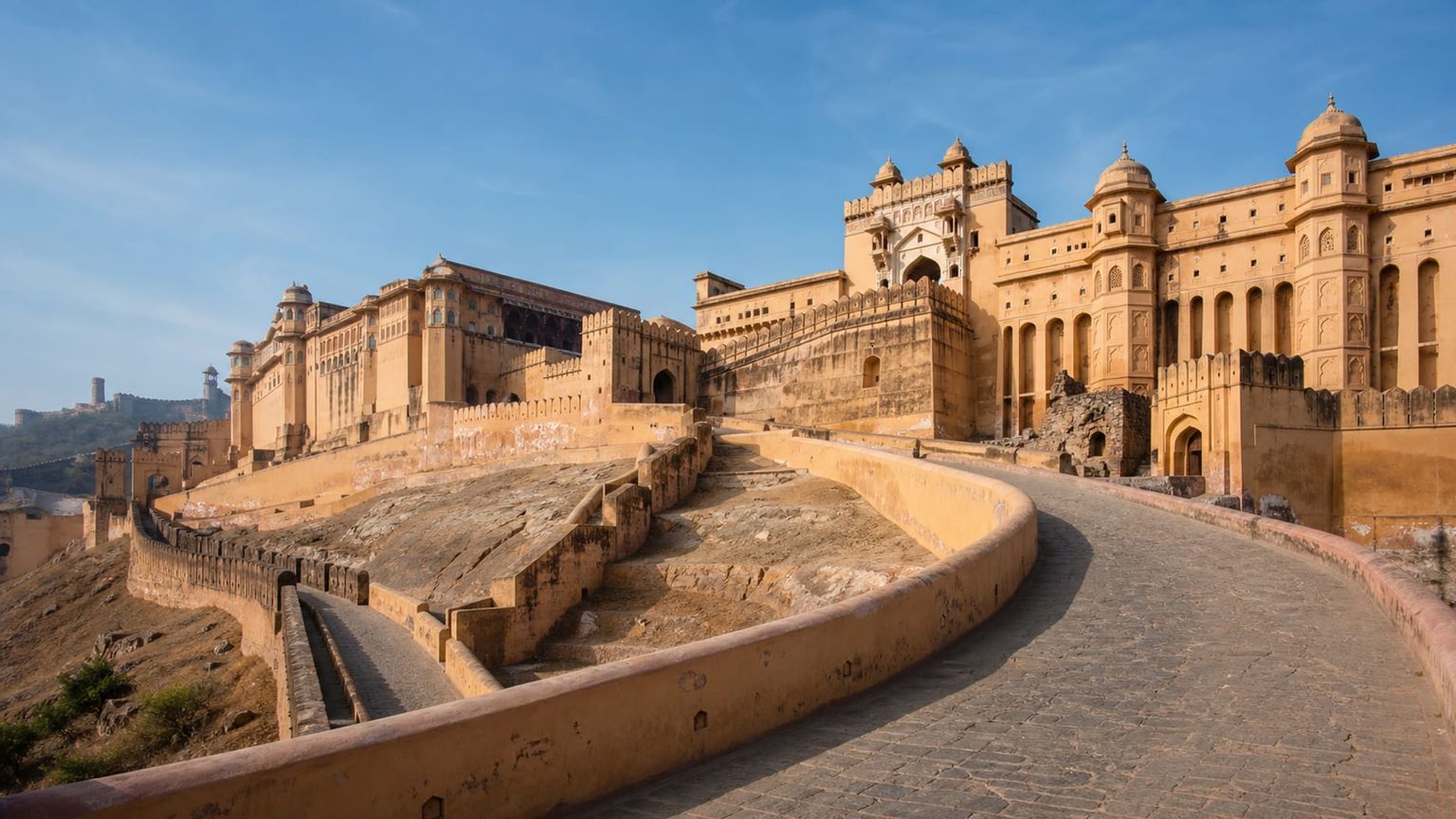
Amber Fort
Amber Fort crowns a hill just outside Jaipur, with mirrored halls, courtyards, and ramparts that overlook Maota Lake. Plan time for the climb or the short uphill drive, then stay for the views from the battlements.
Time needed: About 2 to 3 hours
Entry: Tickets cost ₹200 to ₹600 ($2 to $6), with separate fees for camera use and elephant rides. Visit the official site for details.
Tip: Go at opening time, when light is soft and terraces stay less crowded.
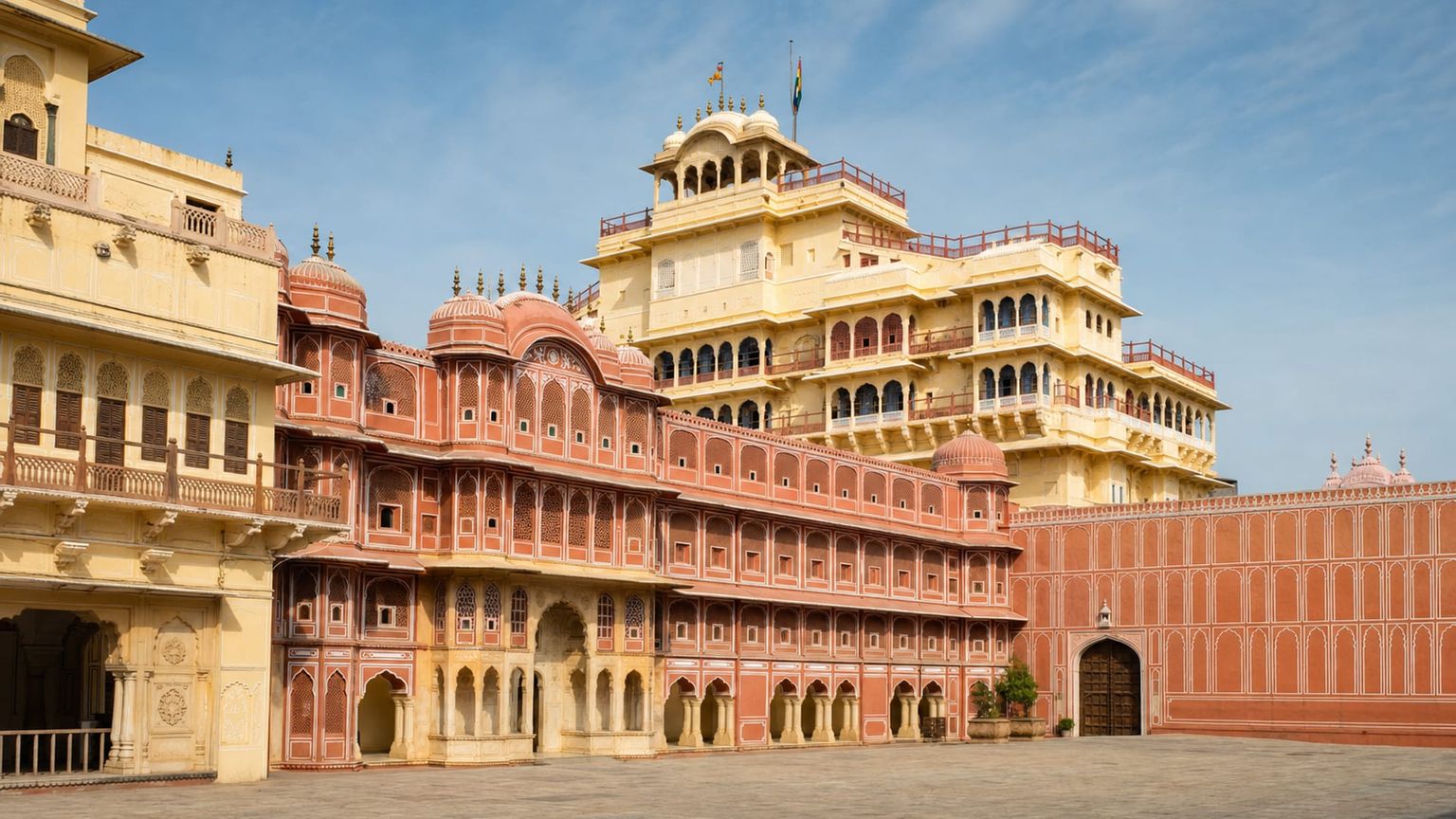
City Palace, Jaipur
City Palace stands at the heart of the old city, where courtyards, gateways, and museum rooms trace Jaipur’s royal history. The complex still holds the royal residence, so public access stays limited to marked sections.
Time needed: About 1.5 to 2.5 hours
Entry: Tickets cost ₹200 to ₹1,000 ($2 to $11), depending on areas included and museum access. Visit the official site for details.
Tip: Visit before midday, because the courtyards get very busy once tour groups arrive.
Hawa Mahal
Hawa Mahal’s honeycomb facade of 953 small sandstone windows is Jaipur’s most photographed sight, built in 1799 so royal women could watch street life below without being seen themselves.
Time needed: About 1 hour
Entry: Tickets cost ₹50 to ₹200 ($0.55 to $2.15), with camera fees separate. Visit the official site for details.
Tip: Visit at sunrise, when morning light deepens the pink sandstone facade.
Overlooked places in Jaipur

Panna Meena ka Kund
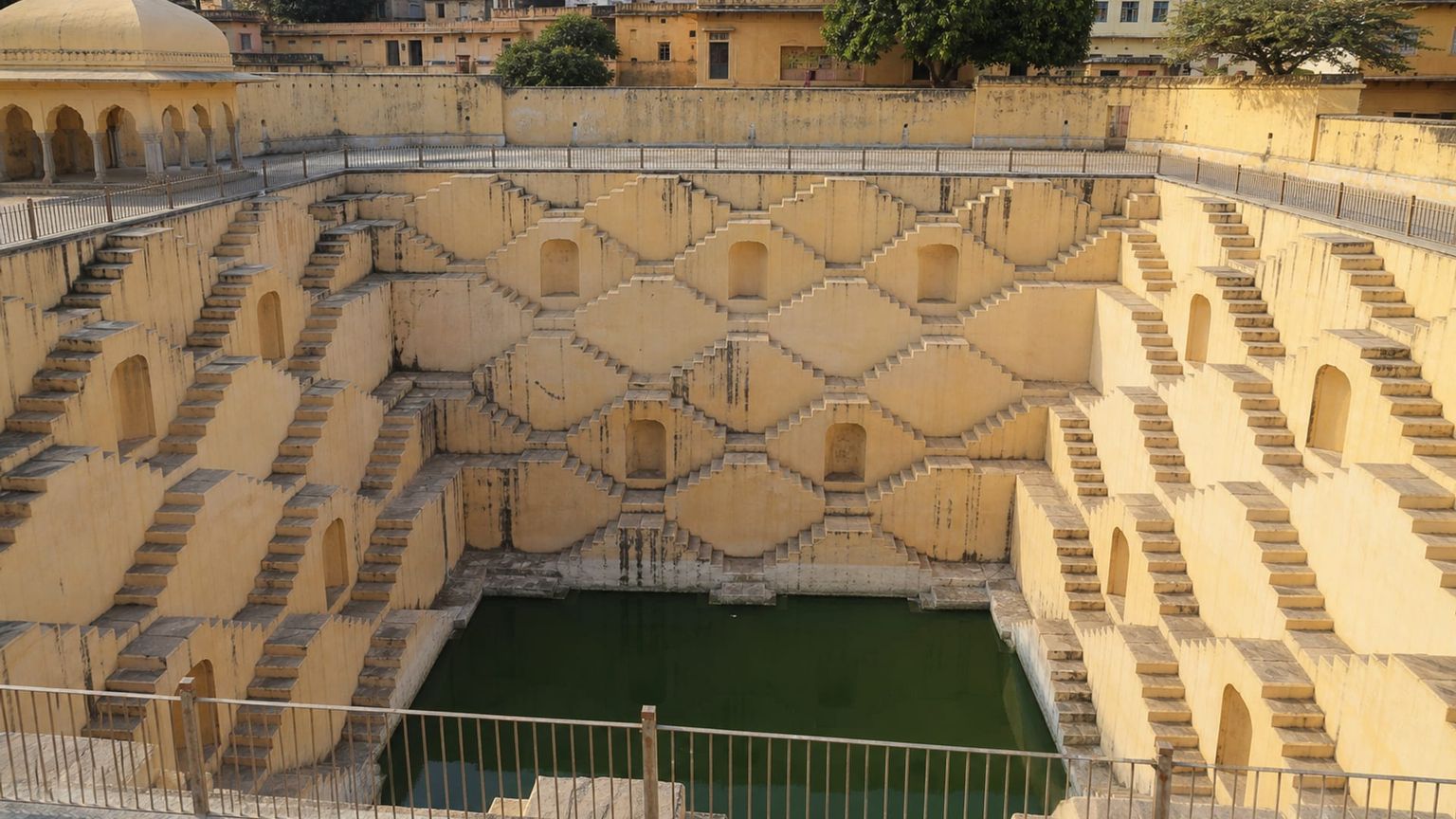
This 16th-century stepwell near Amber, once used for water storage and rainwater harvesting, forms a tight grid of stairs and landings that photograph well from the upper edge.
Time needed: About 30 to 45 minutes
Entry: Free, with no ticket counter or advance booking. Open during daylight hours, a short uphill walk from Amber Road.
Tip: Go early for softer light and fewer people.

Sisodia Rani Garden
Built for a queen in 1728, this hillside garden pairs fountains, painted pavilions, and terraced walks east of the center. It gets fewer visitors than Jaipur’s main palace circuit.
Time needed: About 1 hour
Entry: Entry costs ₹50 ($0.53) for Indian visitors and ₹200 ($2.13) for foreign visitors, plus a small camera fee.
Tip: Visit in the morning to avoid heat on the terraces.
What to eat in Jaipur
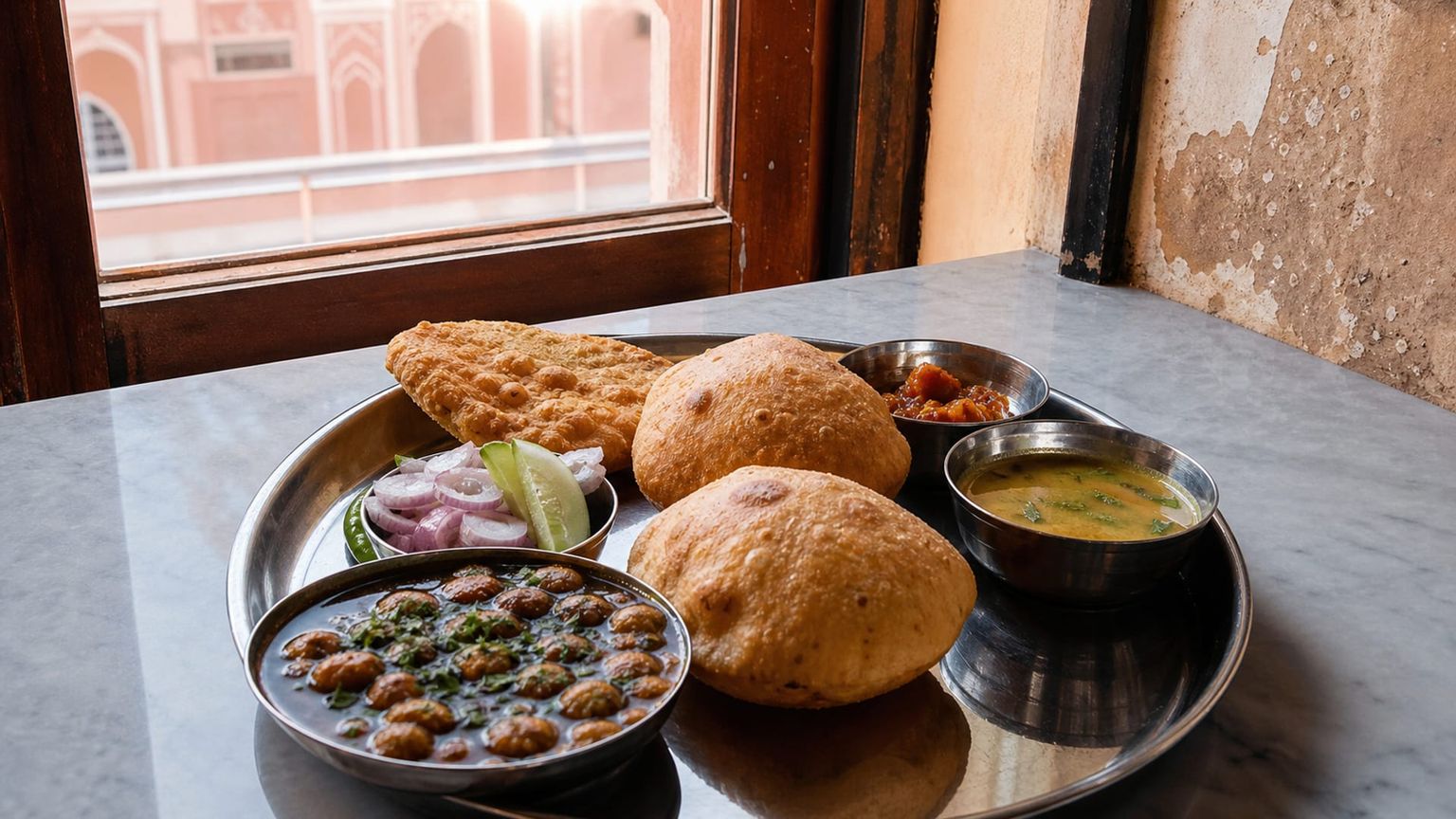
Dal baati churma, laal maas, ghevar, and pyaaz kachori define Jaipur’s food, built on ghee, wheat, lentils, chilies, and slow-cooked meat for daily meals and festivals.
Dal baati churma
Baked baati, spiced dal, and sweet churma make this Jaipur’s signature meal, best eaten hot and in full Rajasthani style. LMB in Johari Bazaar is one of the city’s best-known stops for it.
Laal maas
This red chili mutton curry builds a slow, layered heat, with meat simmered until tender. Handi Restaurant on MI Road, serving Jaipur since 1967, is well known for it.
Ghevar
This crisp, syrup-soaked disc of fried batter turns up as both dessert and festival food, especially during monsoon and Teej. Bombay Misthan Bhandar near Sanganeri Gate is well known for it.
Pyaaz kachori
This onion-filled kachori is a Jaipur breakfast staple, with a sharp savory center inside a brittle fried shell. Rawat Misthan Bhandar on Station Road is the name most travelers hear first for it.
Best time to visit
Jaipur shifts sharply with the seasons, so the same sights can feel very different in winter, spring, summer, and fall.
Best for: Fort visits, old-city market walks, and full-day sightseeing in cool weather
What you get: Temperature ranges from 50°F to 81°F (10°C to 27°C), with clear skies most days and the biggest crowds of the year in December and January
Trade-offs: Cold mornings make early starts less comfortable.
Best for: Short museum visits and early starts before the midday heat rises
What you get: Temperature ranges from 66°F to 106°F (19°C to 41°C), with fewer visitors than winter and steadily rising heat through late April and May
Trade-offs: Afternoon sightseeing becomes difficult as temperatures climb.
Best for: Greener gardens, lower hotel rates, and a quieter, less crowded old city
What you get: Temperature ranges from 79°F to 104°F (26°C to 40°C), with lighter visitor numbers citywide and regular spells of heavy, humid monsoon rain
Trade-offs: Intense heat and humidity often interrupt outdoor plans.
Best for: A balanced mix of warm days, clear light, and comfortably manageable crowds
What you get: Temperature ranges from 63°F to 91°F (17°C to 33°C), with comfortable humidity and crowds steadily building before the peak winter season
Trade-offs: Popular dates fill early near major festivals.
A 5-day plan in Jaipur
Each day below focuses on one area of Jaipur, so mornings in the old city, afternoons near Amber, and quiet garden stops never pull you back across town more than once.
After landing at Jaipur (JAI), take a prepaid taxi into Bani Park, Civil Lines, or the old city to check in and recover from the flight. Keep the afternoon light: unpack, rest, and take a short walk around your hotel’s streets to get oriented before the heat builds. For dinner, order a Rajasthani thali nearby, with dal baati churma, gatte ki sabzi, and ker sangri, so the first night stays close to your hotel without crossing the city.
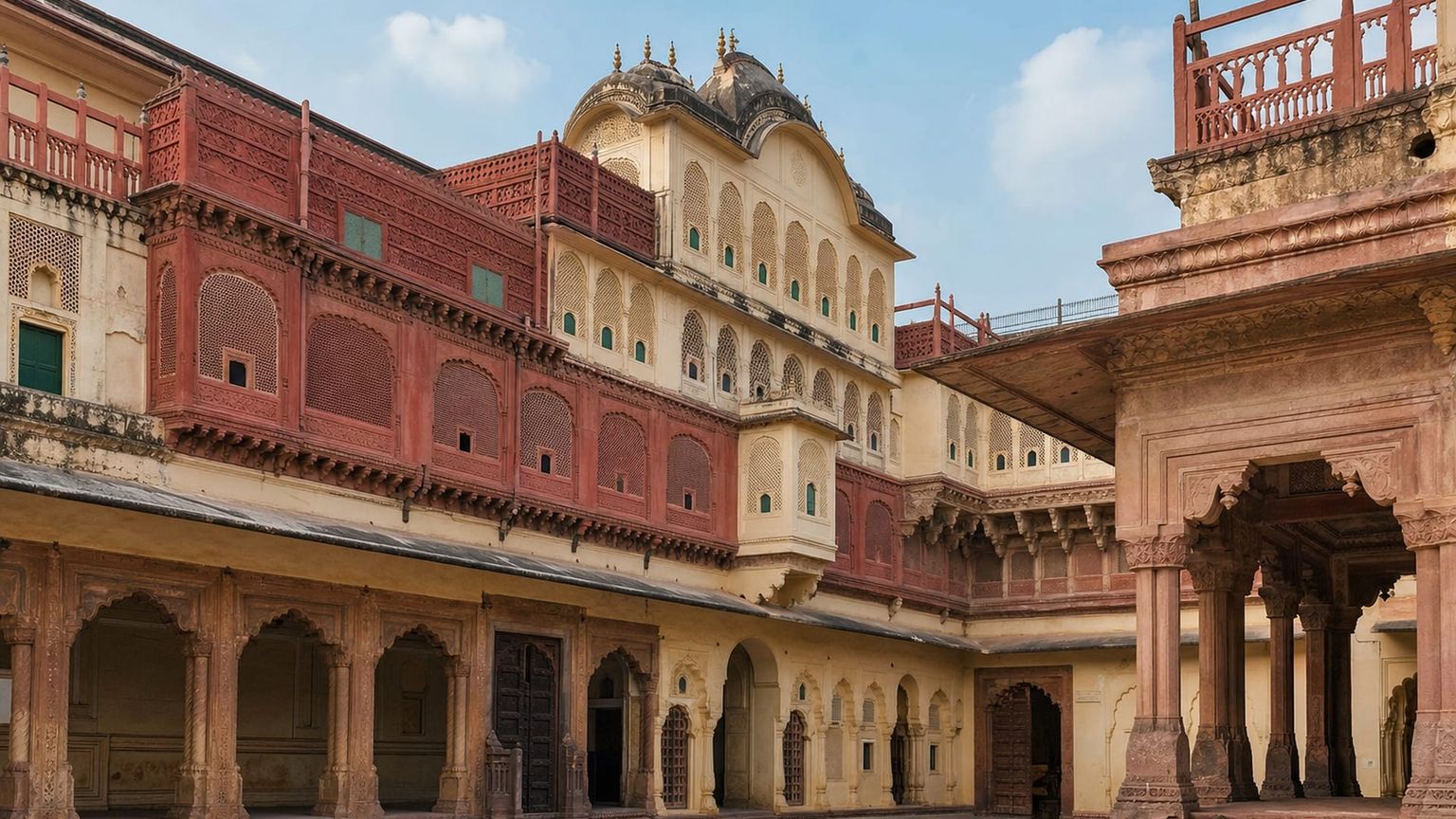
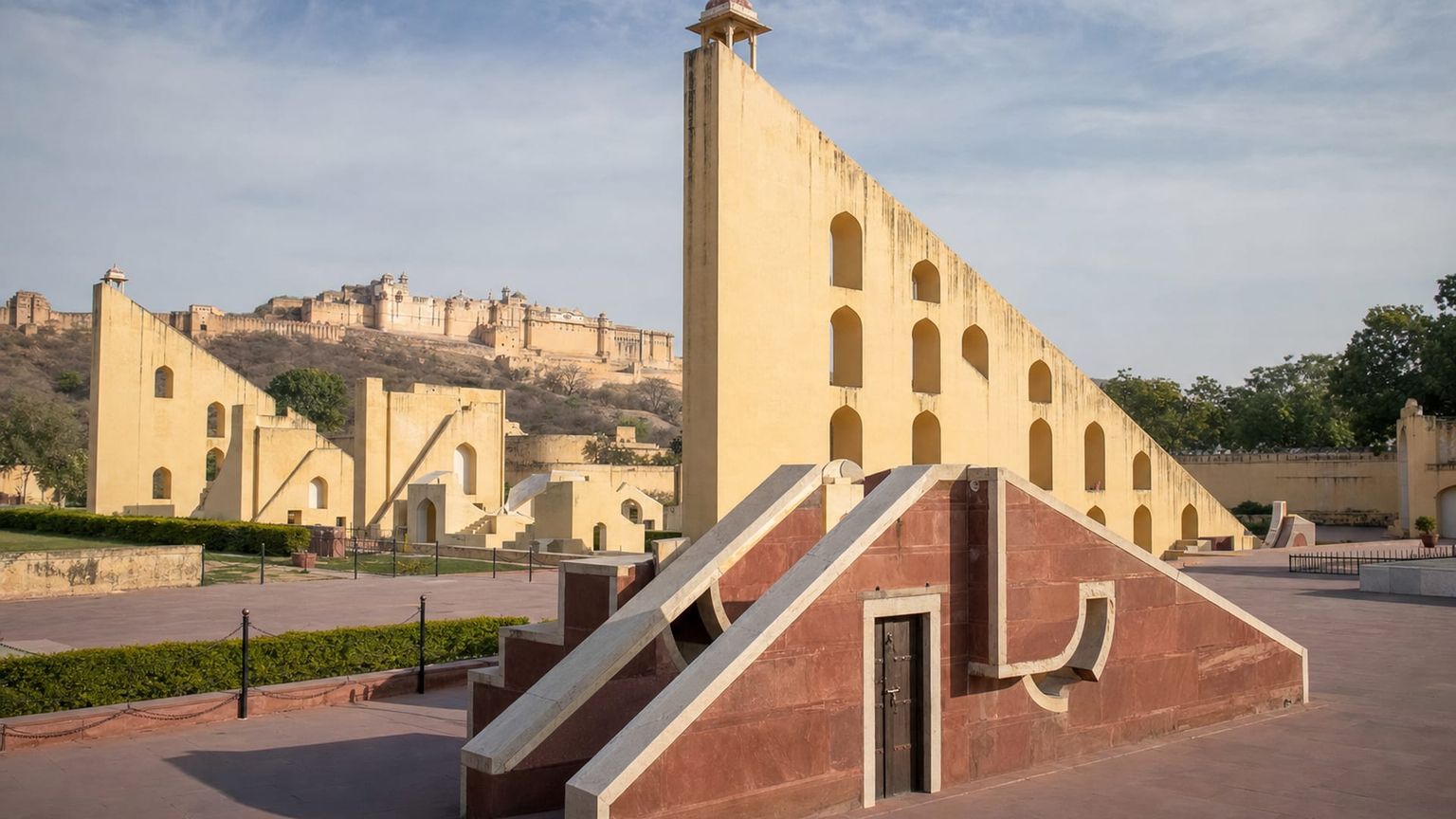
Start in the old city before the crowds build. At City Palace, walk through the Peacock Gate and the Mubarak Mahal textile museum, then continue on foot to Jantar Mantar to see the giant stone sundial and the other astronomical instruments. From there, pass Hawa Mahal for an exterior stop and photos of its honeycomb facade, then take a taxi to Amber Fort for the late-afternoon light, the Sheesh Mahal’s mirrored hall, and the hilltop views over Maota Lake.
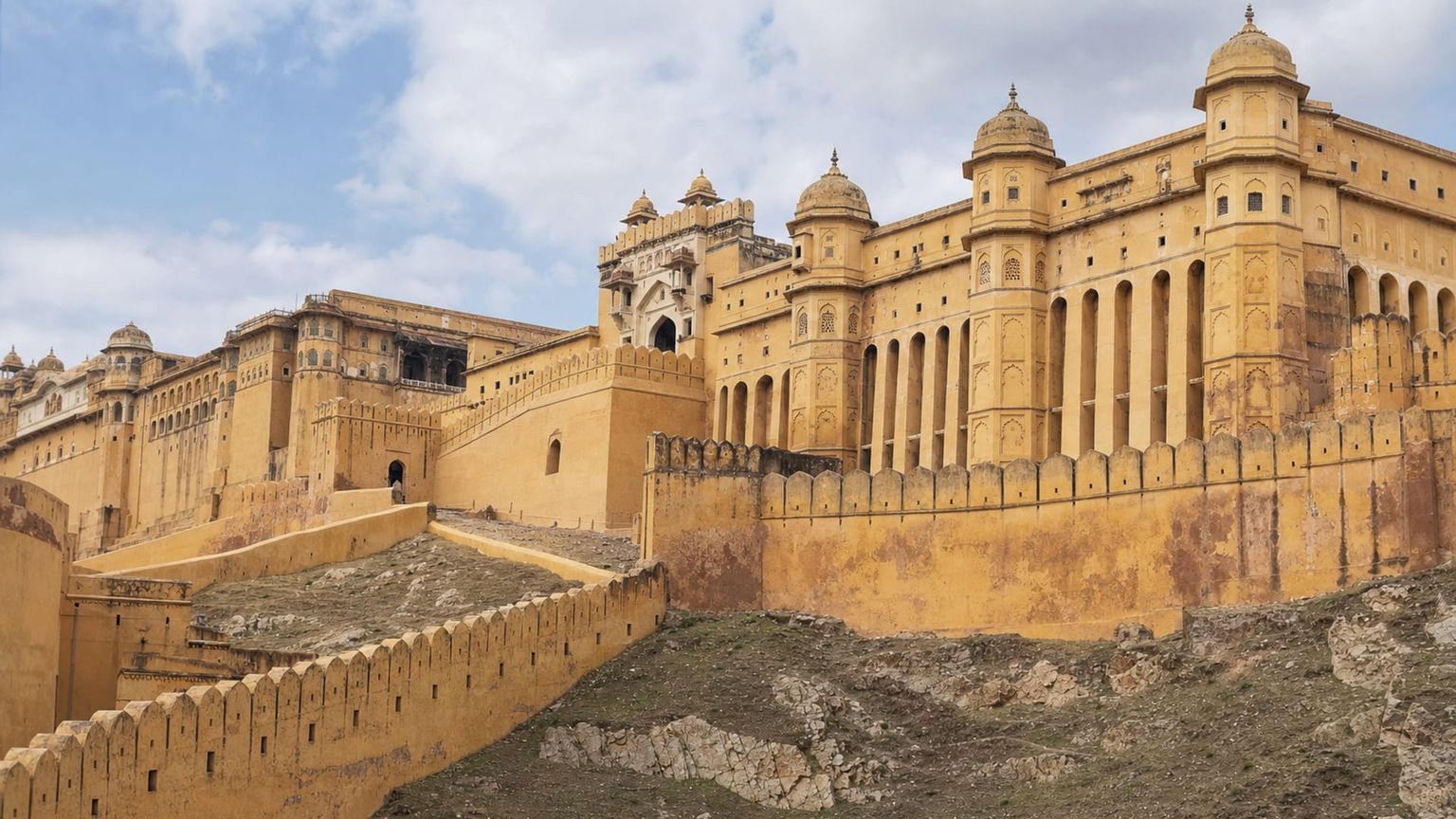
Begin at Panna Meena ka Kund, the geometric stepwell near Amber, best seen from the upper landing in the cooler morning air. A short taxi ride back up the hill lets you revisit Amber Fort without the midday crowds, if you want a second look. After lunch, head to Sisodia Rani Garden to walk the terraced fountains and see the murals in the queen’s pavilion, then return to Bani Park or Civil Lines for an easy evening.
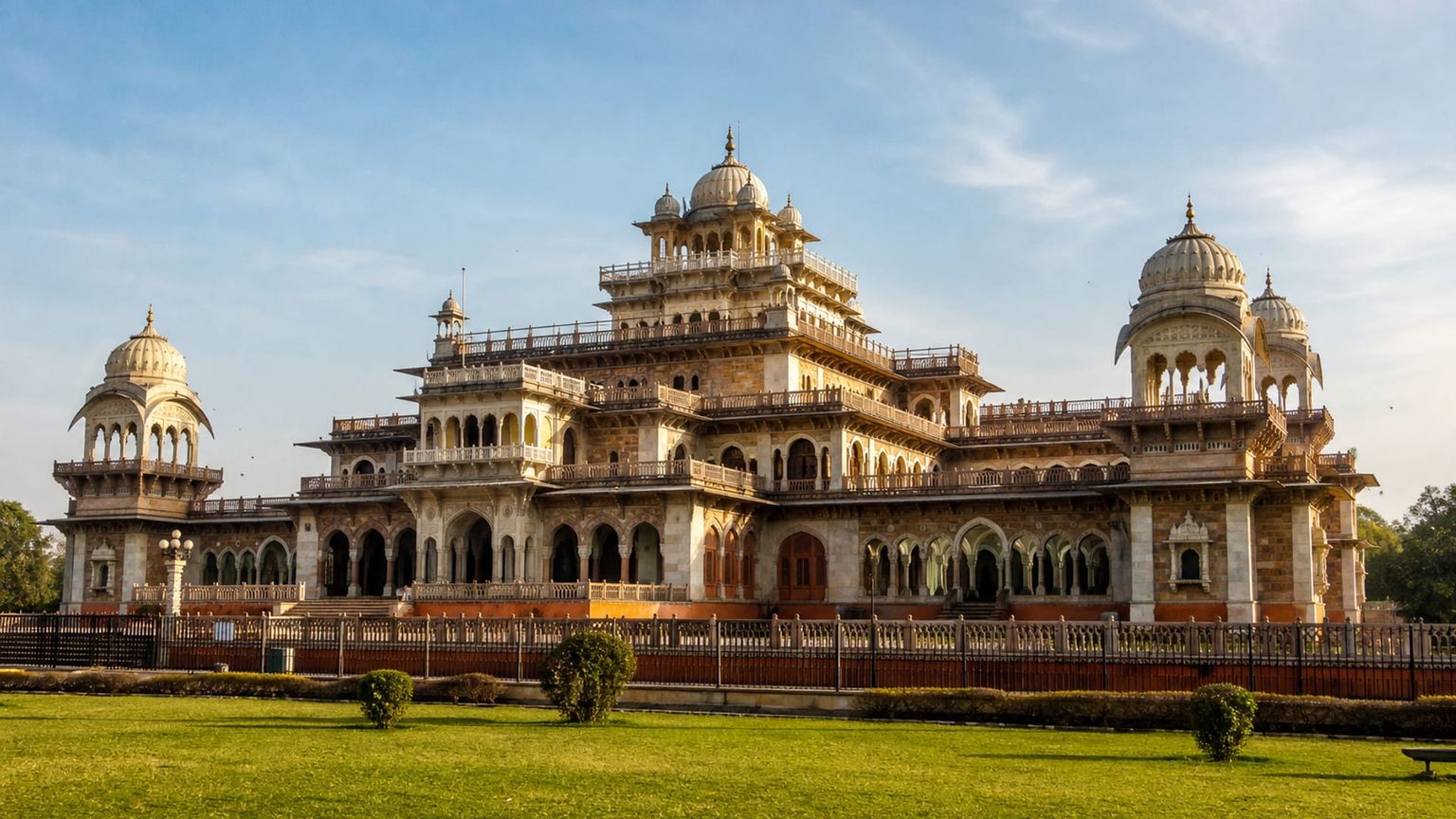
Begin in C-Scheme with coffee or breakfast, then visit Albert Hall Museum to see its Indo-Saracenic architecture and the collection of miniature paintings, armor, and textiles inside. From there, head into the old city to browse Johari Bazaar for jewelry and textiles, or Bapu Bazaar for leather and handicrafts. Finish with an early dinner back in C-Scheme, where the newer restaurants make for an easy end to the day.
Spend the morning on one last stop, whether a quieter museum visit or a return to a palace-area landmark you want to see again. Shift to shopping in C-Scheme for books, block-printed textiles, and gifts before traffic builds. For a final slow moment, settle into a cafe in Civil Lines, where the broad avenues make for a calmer close to the trip, then keep your luggage close by so the taxi to Jaipur (JAI) stays simple later in the day.
Business-class flights from the US to Jaipur
Reaching Jaipur (JAI) from the US in business class means one stop from the East Coast, but two or more stops from the West Coast.
New York (JFK) to Jaipur (JAI)
Air India and American Airlines fly nonstop from New York (JFK) to Delhi (DEL), while United Airlines serves Delhi from Newark (EWR). Air India also flies nonstop from JFK to Mumbai (BOM). From either city, onward flights to Jaipur (JAI) operate on Air India, IndiGo, Air India Express, and SpiceJet, but only Air India offers business class on this short domestic leg. Etihad provides a one-stop alternative via Abu Dhabi (AUH), with business class on both flight legs. Round-trip business-class fares typically range from $5,500 to $8,500, with total travel times of about 18–22 hours.
Los Angeles (LAX) to Jaipur (JAI)
Los Angeles (LAX) has no one-stop itinerary that keeps you in business class all the way to Jaipur (JAI). The main options connect through a European hub such as Paris (CDG) or Amsterdam (AMS), then continue via Delhi (DEL) or Mumbai (BOM) before the final domestic flight to Jaipur, or route through a US East Coast hub such as New York (JFK). Air India, IndiGo, Air India Express, and SpiceJet operate the domestic leg, but only Air India offers business class. Round-trip fares typically range from $6,600 to $11,000, with total travel times of about 27–38 hours depending on the route.
Jaipur reveals itself at a slower pace
A Jaipur trip comes together when you plan it by area: one day for the old city’s palaces and markets, another for Amber Fort, and quieter time in Bani Park, Civil Lines, or C-Scheme for meals and rest. Taxis and app-based rides cover the distances between these areas, so a little planning upfront means fewer long crossings and more time at each stop. Ready to book? AranGrant’s business-class flight deals can get you there in comfort.







