

Chapters:

Need help with your trip?
Our support team is available 24/7. Request a callback or call us directly at (833) 619-0908
Iwakuni trips often start and end at Kintaikyo Bridge, then move quickly to the castle hill and back to the station. Travelers who stay near the riverfront usually see the landmark views, but miss the museum stops and quieter park paths.
That pattern works for a snapshot, yet it can waste time on repeated crossings, ropeway waits, and backtracking between the bridge side and the station district. Dinner planning matters too, because many spots close one weekday and the area thins after commuter hours.
This guide sets out the city in a cleaner order, with stays, food, transport, seasons, flights, and five days arranged so each move has a clear reason.
Useful things to know

Main language(s): Japanese
こんにちは (konnichiwa) – Hello / good afternoon
お願いします (onegaishimasu) – Please
ありがとうございます (arigatou gozaimasu) – Thank you
英語を話せますか? (eigo o hanasemasu ka?) – Do you speak English?
いくらですか? (ikura desu ka?) – How much does it cost?

Currency: The local currency is the Japanese yen (JPY, ¥).

Cash and cards: Cards and contactless are widely accepted, but keep about ¥2,000 to ¥5,000 ($13 to $33) in cash for small shops and transit.

Tipping: No tipping is expected; rounding up is unnecessary.

Traditional food: Iwakuni sushi, sake lees soup, Iwakuni lotus root tempura, anago sushi

Water and coffee costs: Water about ¥120 ($1), bar espresso about ¥450 ($3).

Taxis and ride apps: Uber and JapanTaxi operate here; availability can be limited outside the city center.

Plug and voltage: Type A socket, 100V

Dining and shop opening hours: Breakfast is roughly 7:00-9:00, lunch 11:30-14:00, and dinner 18:00-21:00. Many places close one weekday, often Monday.

Emergency number: Call 110 for police, 119 for fire and ambulance.
Where to stay in Iwakuni
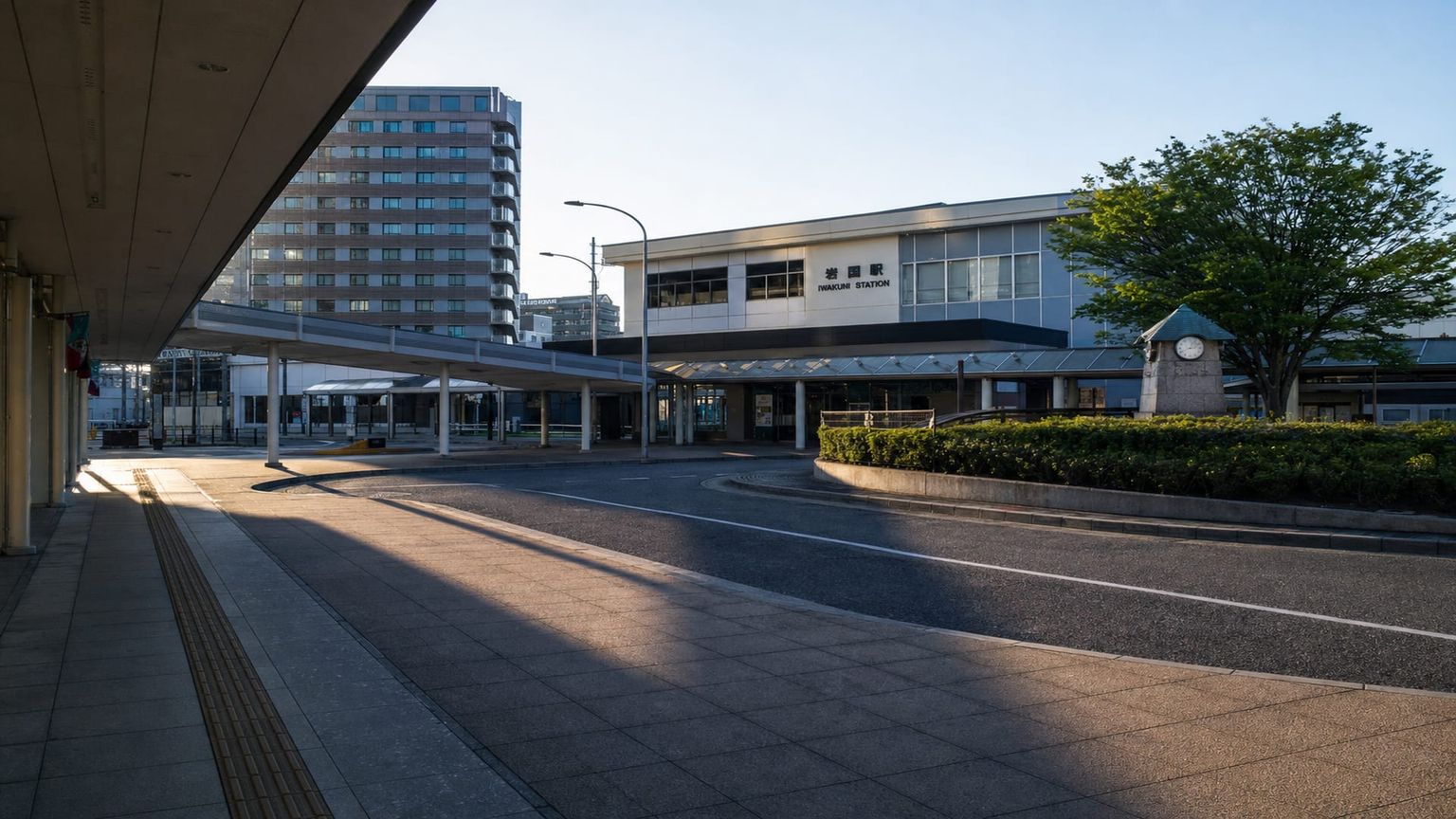
Iwakuni Station puts you beside the city’s main rail hub, with taxis, buses, and frequent local services concentrated nearby. It works well if you want easy arrivals, quick food options, and a simple base for moving between central sights and wider Yamaguchi.
Best for: Rail arrivals, short business trips, and travelers who want the easiest access to transit
What to expect: A busy transport pocket with convenience stores, chain hotels, and steady commuter movement through the day.
Hotel prices: Usually about ¥7,000 to ¥14,000 (~$47 to ~-$94) per night for well-rated stays
Distance to major sights: About 10 to 15 minutes by bus to Kintaikyo Bridge, about 20 minutes to Iwakuni Castle
Quietness: Lively in the morning and evening, quieter between commuter peaks.
Main trade-off: You gain transport convenience, but the immediate area has less atmosphere than the castle-side districts.
Good to know: Late dining options are limited, so plan to eat before the last trains thin out the area.
Travelers usually avoid staying in far-flung parts of the Iwakuni suburbs, because they sit well outside the main sights and can mean long evening trips back from dinner or the station. The outskirts near Iwakuni Kintaikyo Airport and industrial waterfront areas are also less convenient, with fewer visitor amenities and little reason to stay unless you have a specific local errand.
Hotel deals
How to get around Iwakuni efficiently
Iwakuni has no metro, so your choices narrow to JR trains, local buses, taxis, and on-foot links between the bridge, castle hill, and station area.

Metro
for longer distances
Iwakuni Airport has no metro or subway, so the closest equivalent is the JR rail network, with trains on the Sanyo Main Line serving Iwakuni Station and nearby areas. From there, buses or taxis cover the airport side; expect about 20 to 30 minutes from the station to central Iwakuni depending on the stop and connection.

Bus and tram
for convenience
A bus from Iwakuni Station to Iwakuni Kintaikyo Airport is the main public link, with trips taking about 10 to 15 minutes and fares usually about $2 to $4 (¥300 to ¥600). The local bus network is limited but useful for the castle area, Kintaikyo Bridge, and station transfers; check timetables closely, since service gaps can be wide outside peak hours.

Taxi
for convenience or late hours
Licensed taxis use metered fares rather than fixed airport pricing, and a ride between Iwakuni Station and the airport usually costs about $12 to $18 (¥1,800 to ¥2,700), with longer cross-town trips higher. Drivers are typically found at taxi stands near the station and airport, and most cabs accept cash, while card acceptance varies by company.
*Prices are based on rates updated as of June 2026 and may change at the time of travel.
Use buses for the airport and bridge corridor, taxis for late returns or tighter timing, and trains when you are connecting beyond the city.
Iconic landmarks
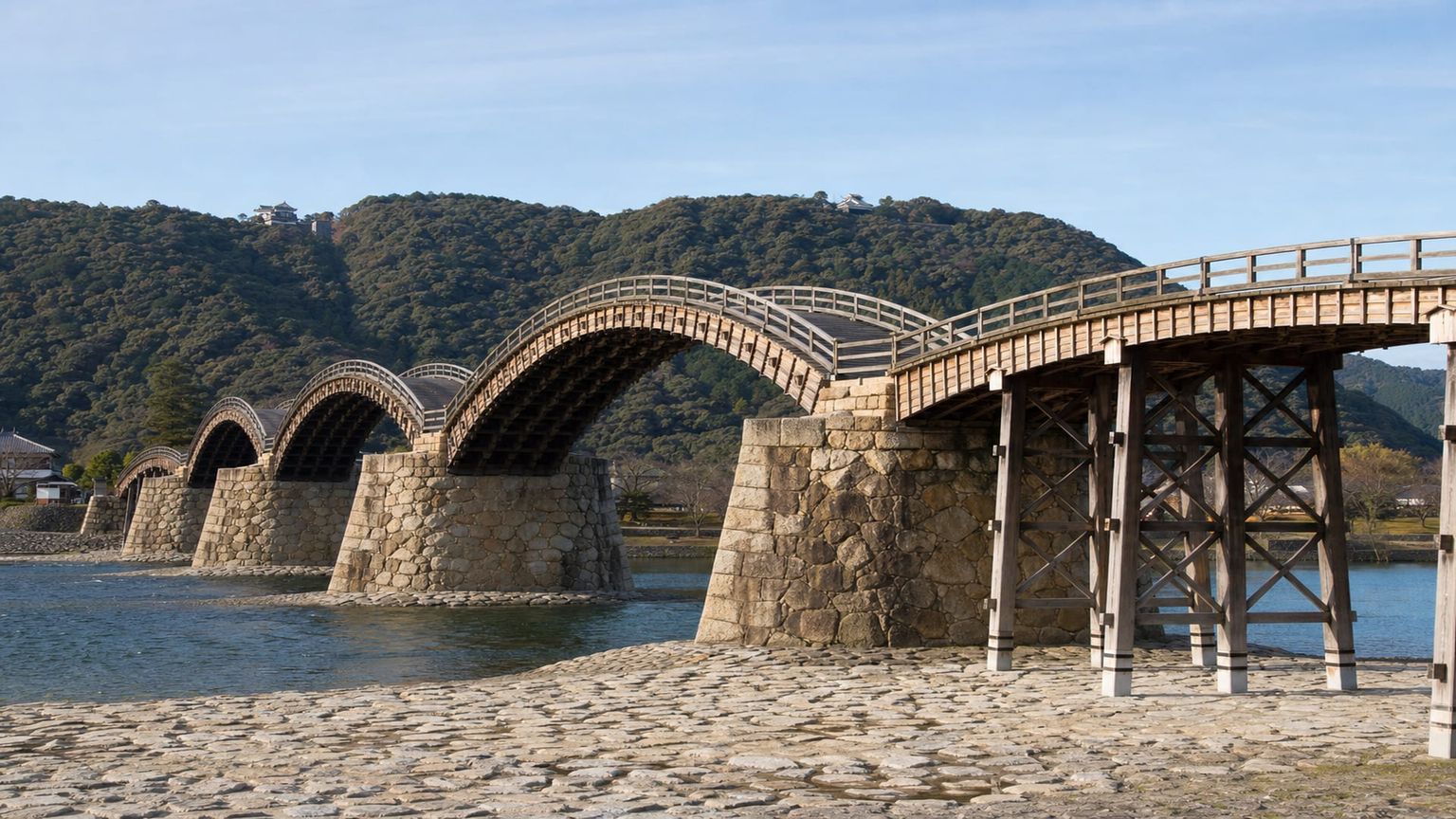
Kintaikyo Bridge
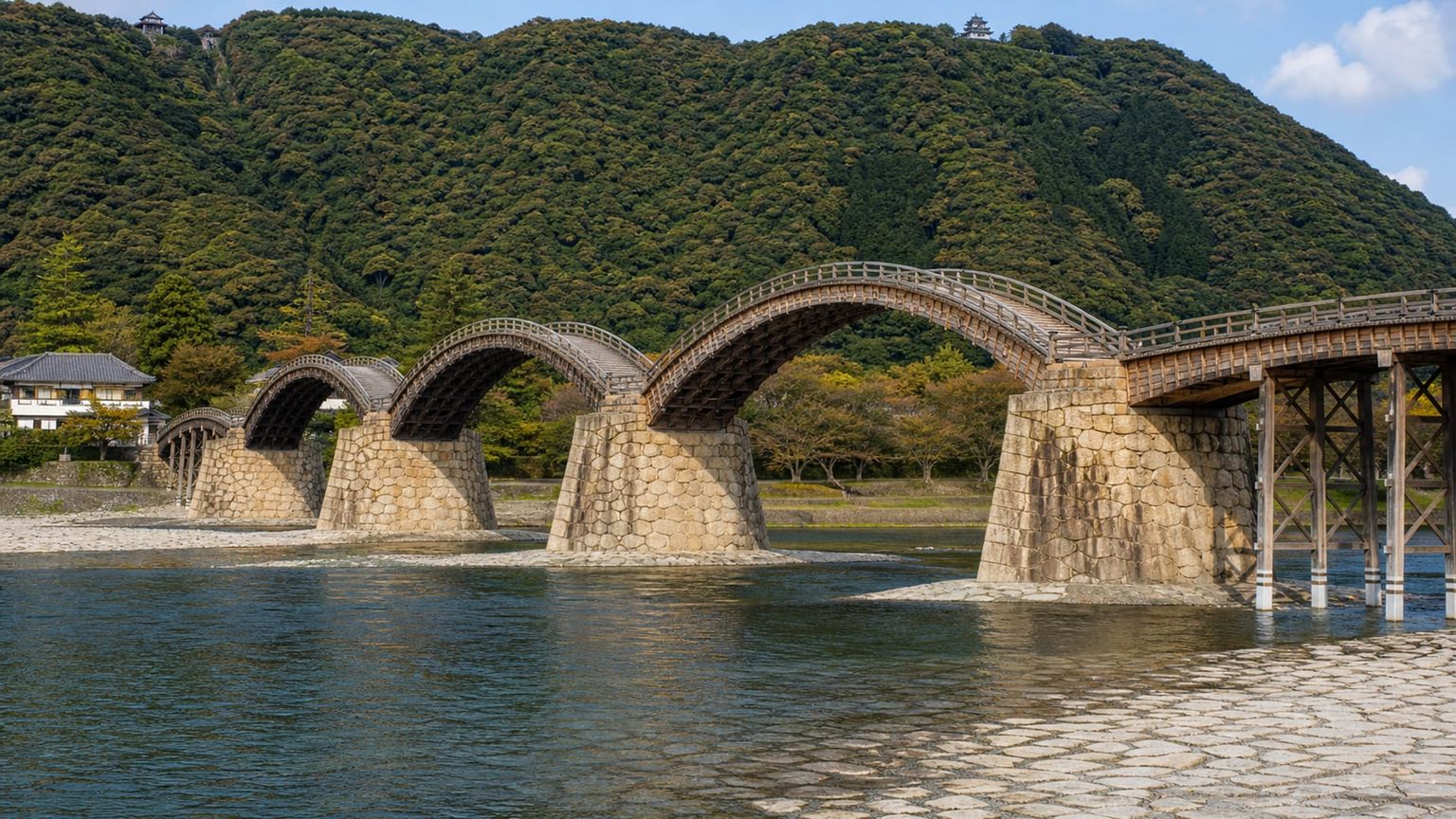
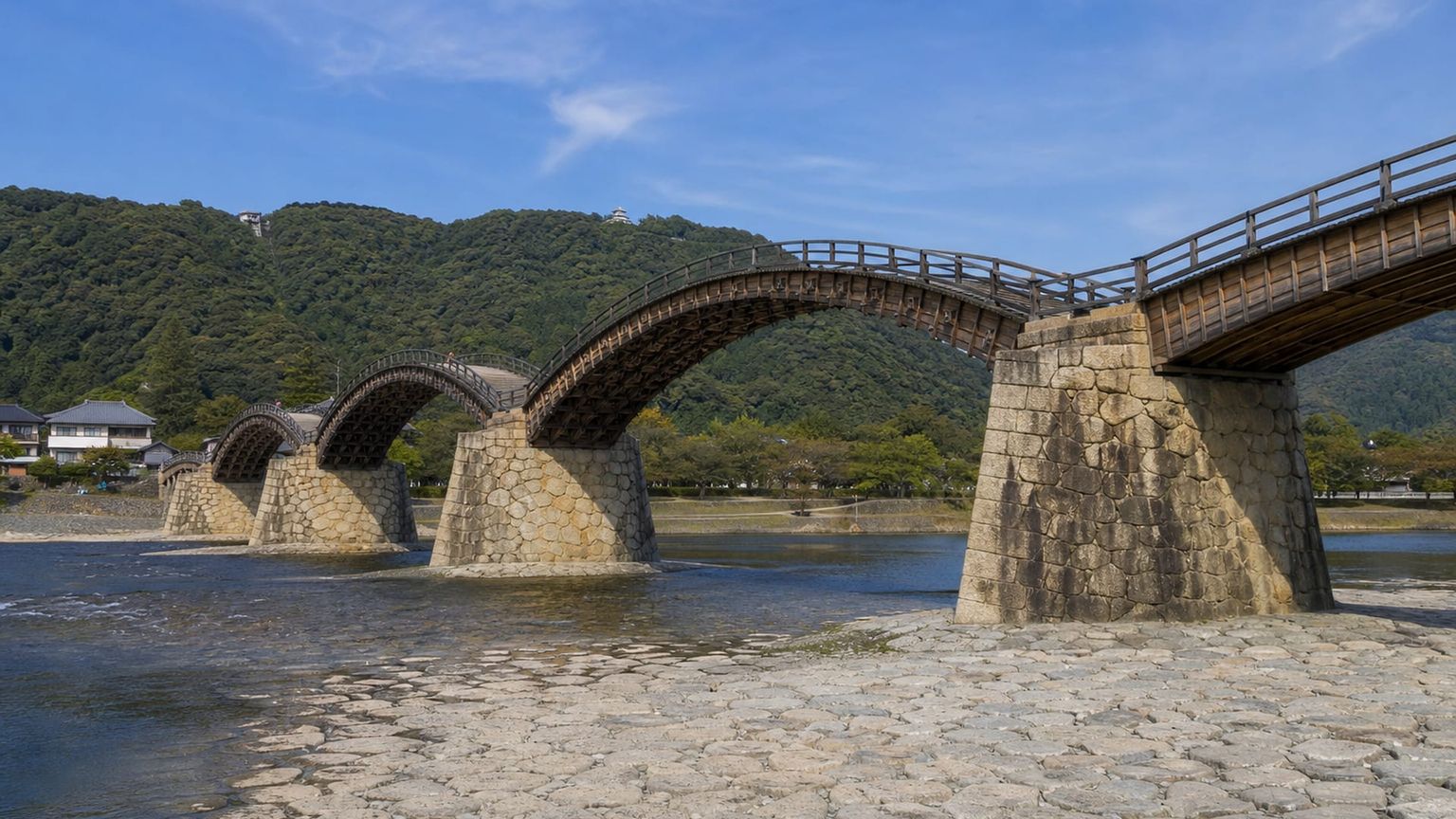
This five-arch wooden bridge spans the Nishiki River with stone piers and a cypress deck, rebuilt after floods and wars yet still tied to the same 1673 design. It connects the castle town to Iwakuni Castle Park.
Time needed: About 1 to 2 hours
Entry: Free to access the bridge; Iwakuni Castle Park above charges separate admission for the cable car and castle area Visit the official site for details.
Tip: Go at sunrise or late afternoon for softer light and fewer tour groups.
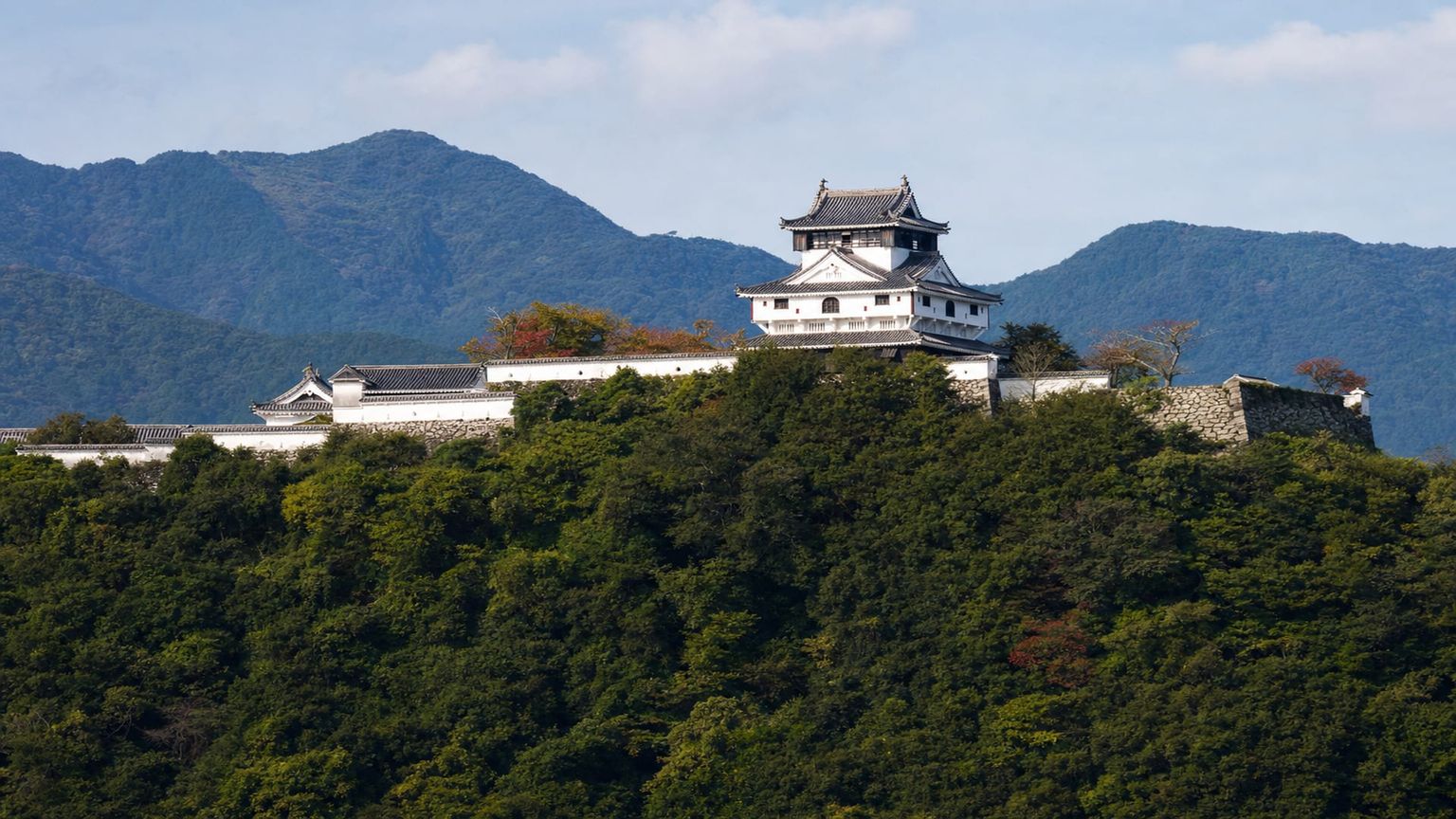
Iwakuni Castle
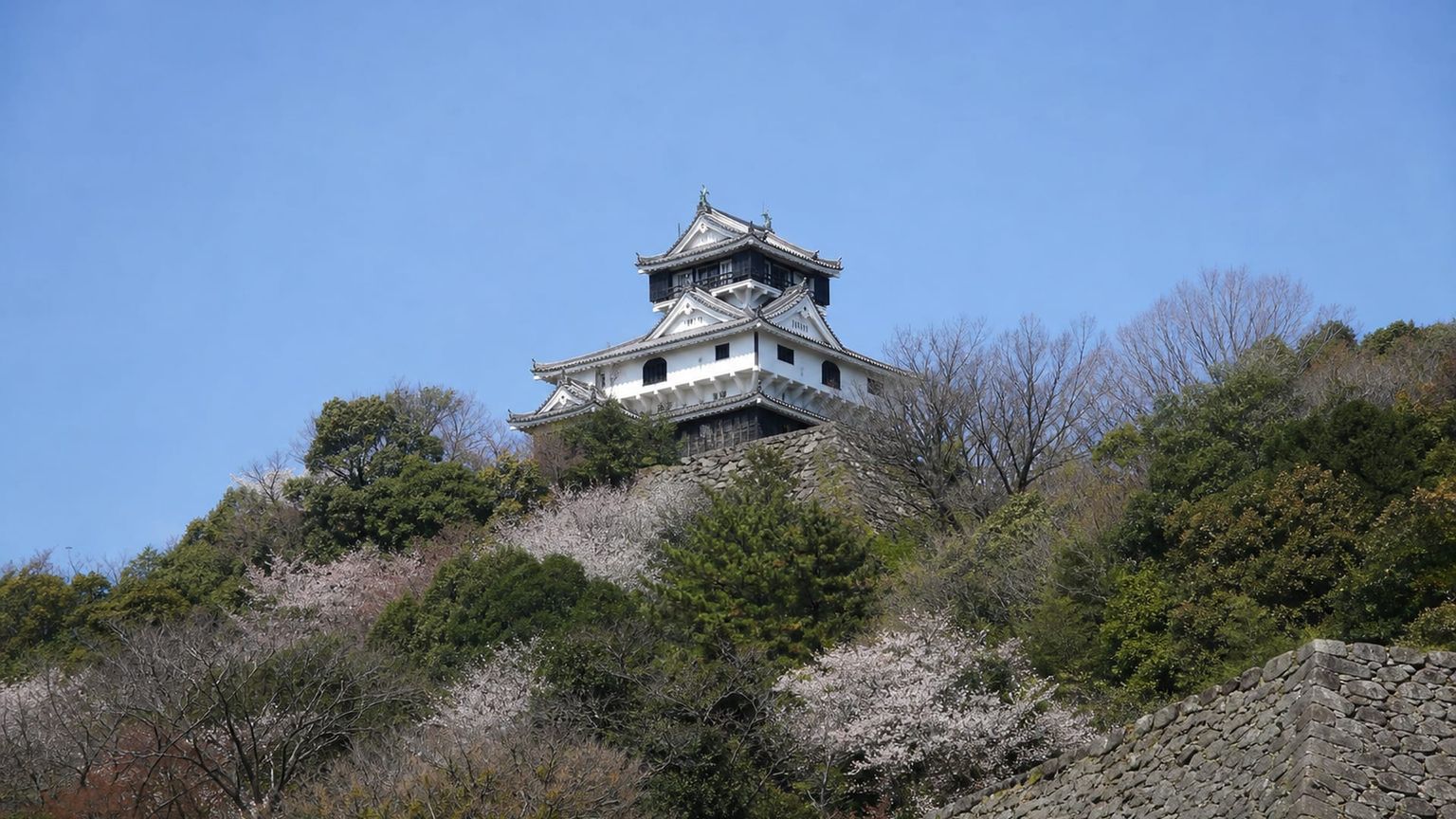
Reached by ropeway from the bridge side, the hilltop castle shows reproductions of the keep and gate on the former samurai site. The museum displays armor, maps, and models that explain the domain’s role in western Honshu.
Time needed: About 1 to 2 hours
Entry: Adults pay $5 ($800); the ropeway costs $9 ($1,000) round trip, with reduced rates for children Visit the official site for details.
Tip: Ride up early, before midday haze softens the river view below.
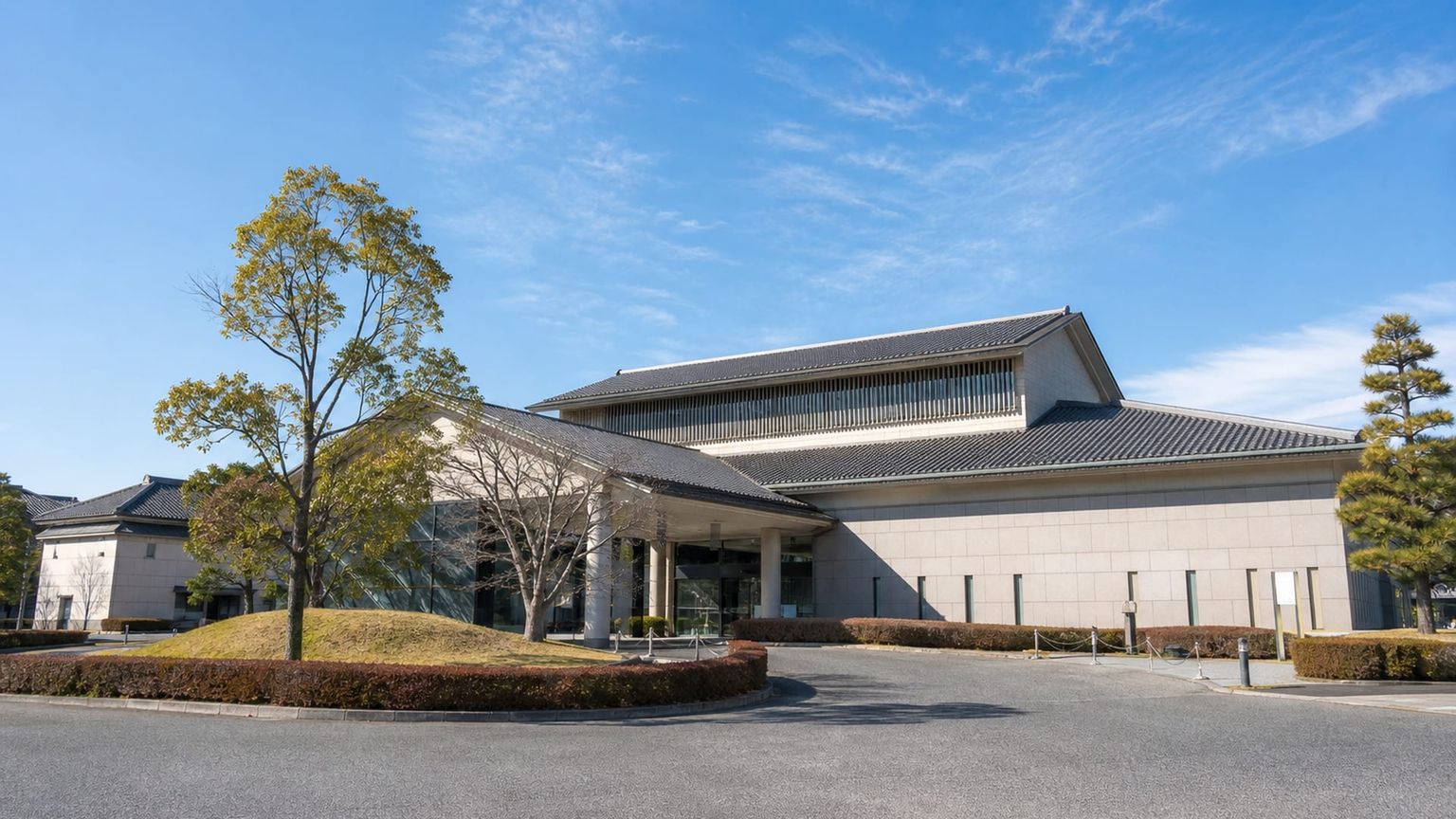
Shimane Museum of Ancient Iwakuni History
This compact museum traces the region’s early settlements, castle-town growth, and local craft traditions through artifacts, maps, and model displays. It offers a concise historical stop close to the bridge and riverfront.
Time needed: About 45 minutes to 1 hour
Entry: Adults pay $3 ($300); students and children pay less, with occasional free admission days for selected exhibits
Tip: Pair it with Kintaikyo Bridge, then keep the visit in the morning before lunch crowds build.
Overlooked sites worth visiting

Kikko Park
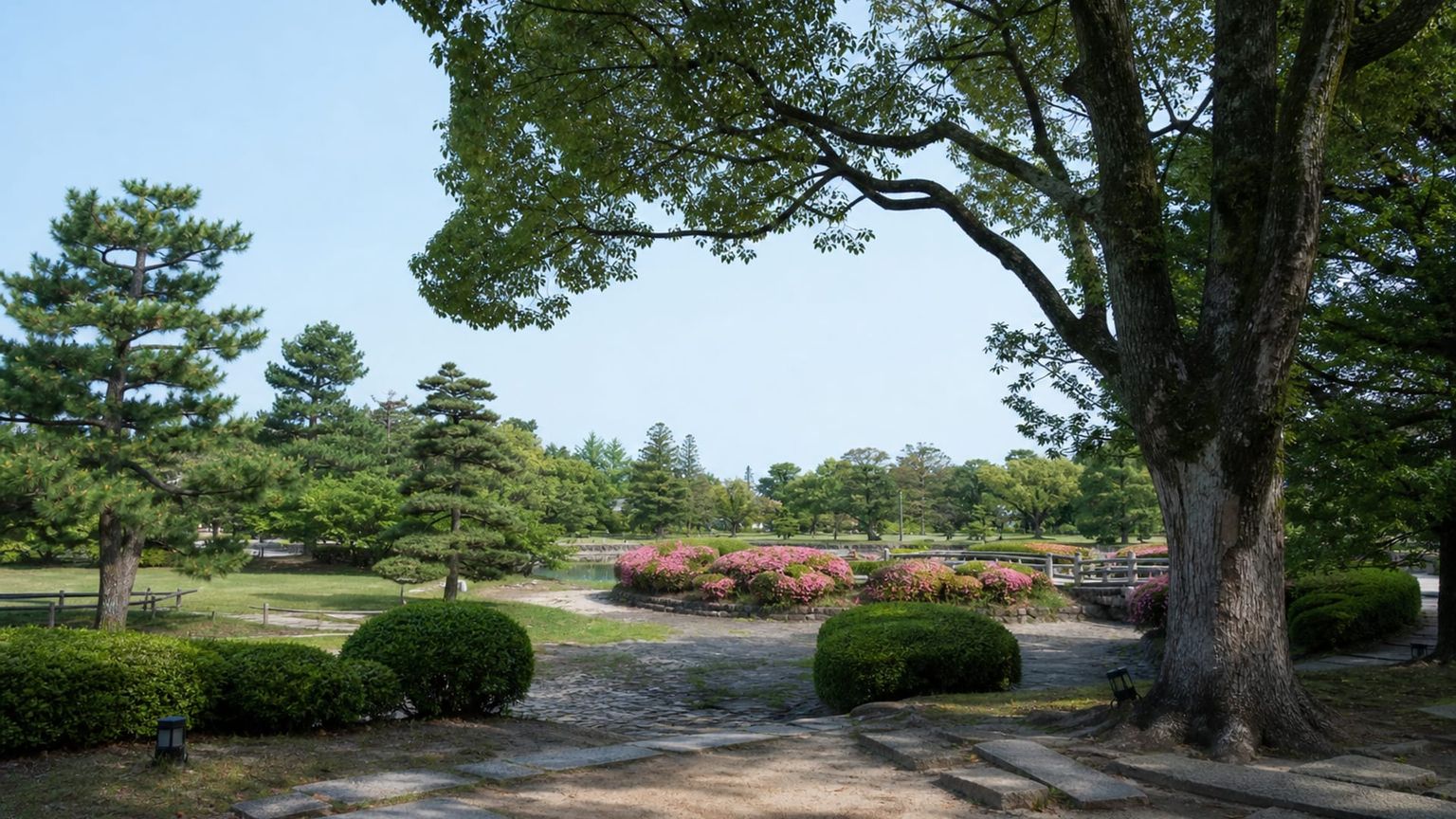
A riverside park shaped by the old castle grounds, with stone walls, a koi pond, and a small rose garden. It suits a slower visit, with shaded paths and views toward the Nishiki River.
Time needed: About 1 to 2 hours
Entry: Free to access; the park has no admission fee, and most areas can be visited at any time. Seasonal spots such as the rose garden and castle remains are open-air and walk-in, with only minor optional costs if you use nearby paid parking.
Tip: Go in late afternoon for softer light on the stone walls.

Iwakuni Art Museum
A compact museum inside Kikko Park, with samurai armor, lacquerware, and pottery linked to local history. Its small galleries make it easy to pair with a park walk without spending half a day indoors.
Time needed: About 45 minutes to 1 hour
Entry: Admission costs about $4 ($600) for adults, with lower rates for students and free or reduced entry on some special days. The museum is small and ticketed at the door, so you can visit without a timed reservation unless a special exhibition changes access. Visit the official site for details.
Tip: Visit before the park closes if you want both in one trip.
Traditional food
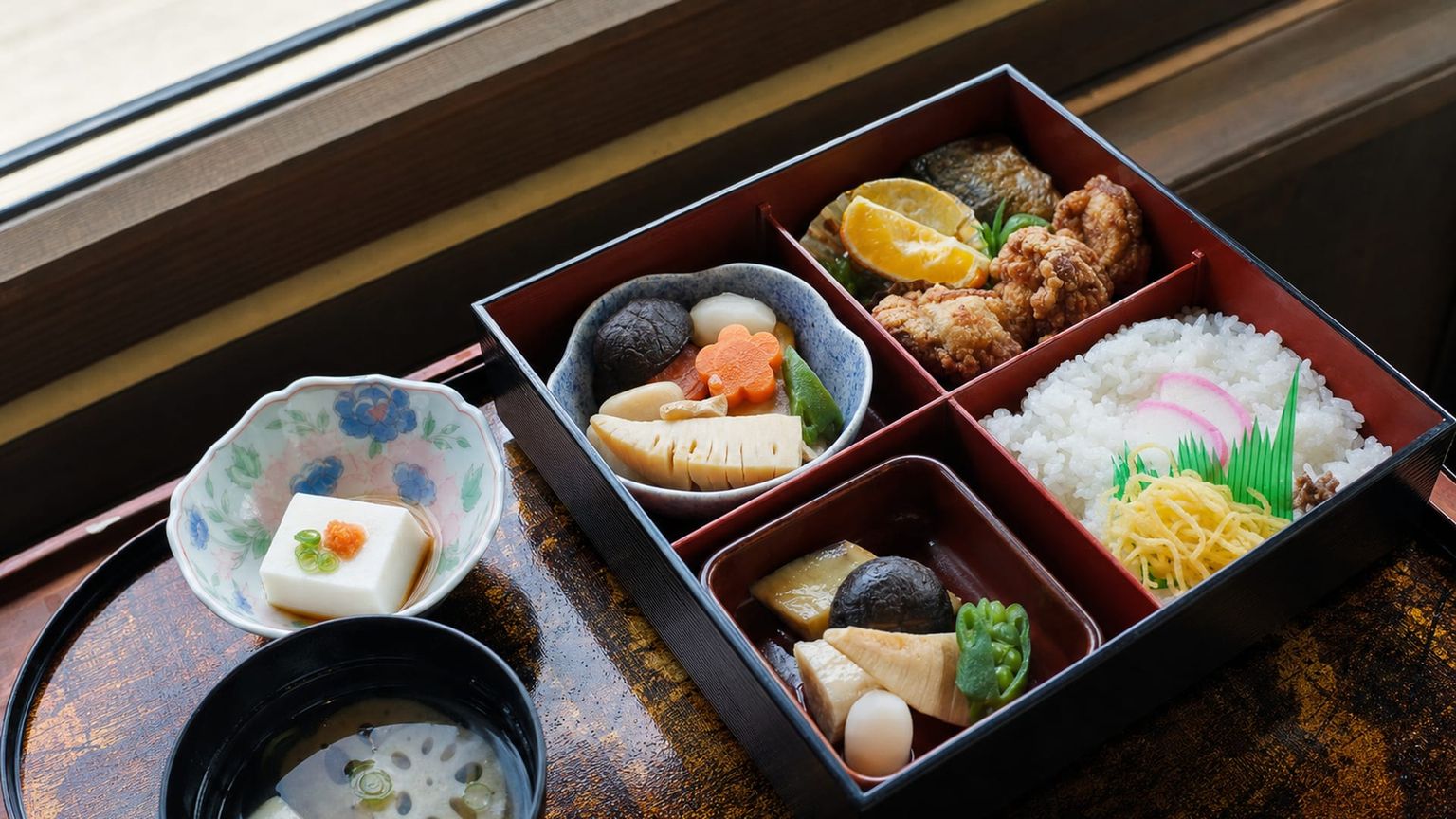
Iwakuni cuisine leans on river fish, lotus root, and sake lees, with clean flavors, crisp tempura, and simple set meals that suit lunch counters and early dinners.
Iwakuni sushi
A local sushi style layered with fish and toppings in neat, pressed portions. Sushi Maru in Iwakuni is a strong canonical stop for it, with an easygoing counter setup that suits a focused lunch.
Sake lees soup
This savory soup uses sake lees for a gentle depth and is often served with seasonal side dishes. Iwakuni Kikko Chaya is a fitting place to try it in a setting close to the bridge and park area.
Iwakuni lotus root tempura
The local lotus root brings a crisp bite and a neat cross-section that works well in tempura. Iwakuni Ryotei Yakumo is a canonical choice if you want a more formal meal built around regional ingredients.
Anago sushi
Saltwater eel sushi appears often in Iwakuni and pairs well with a light lunch or dinner set. Anago no Sato in Iwakuni is a good place to seek it out, especially if you want the dish as a specialty rather than an accent.
Best time to visit Iwakuni
Iwakuni changes more by season than by month, with bridge walks, river light, and park color shifting enough to change when the city feels most open to long visits.
Best for: Bridge walks, castle hill visits, and park flowers
What you get: About 48 to 73°F (9 to 23°C), with moderate crowds and comfortable walking weather
Trade-offs: Cherry blossom periods can fill the bridge and river paths
Best for: Long daylight, river views, and early starts
What you get: About 72 to 91°F (22 to 33°C), with lighter midday crowds but more humidity
Trade-offs: Heat and rain can make hilltop visits tiring
Best for: Clearer air, park color, and slower sightseeing
What you get: About 50 to 79°F (10 to 26°C), with moderate crowds and good visibility
Trade-offs: Typhoon season can affect some days in early autumn
Best for: Quiet bridge visits and unhurried museum time
What you get: About 35 to 52°F (2 to 11°C), with low crowds and crisp walking conditions
Trade-offs: Cold mornings shorten comfortable outdoor time
A realistic 5-day plan in Iwakuni
The five-day plan keeps the city in layers, starting with arrival logistics, then moving through the bridge, castle hill, park, and museum stops before a compact departure day. It gives each area one clear purpose instead of scattering short visits across the map.
Land at Iwakuni Kintaikyo Airport, then take a taxi or airport bus into the Iwakuni Station area in roughly 10 to 20 minutes, usually for about $10 to $20. Settle into a hotel near the station so you can reach trains and buses easily, then keep dinner close by with a simple meal at a chain restaurant or convenience-store stop before the neighborhood quiets after the evening commuter rush. Drink water, unpack only what you need, and save the bridge side for tomorrow.
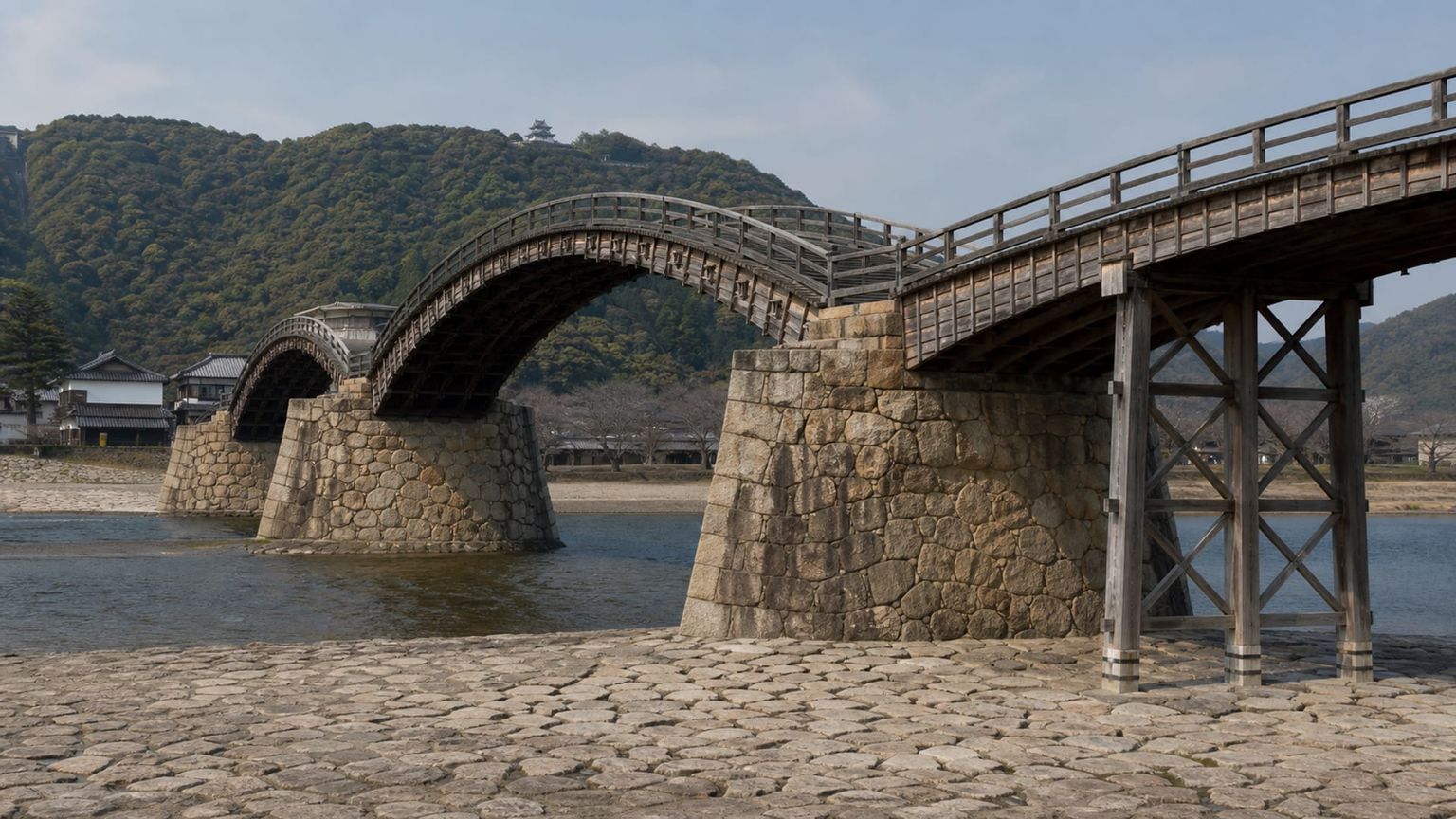
Start with Kintaikyo Bridge in the morning, then walk about 10 to 15 minutes to the Shimane Museum of Ancient Iwakuni History for a compact look at castle-town maps, artifacts, and local craft. From there, continue across the river side to Iwakuni Castle Park by ropeway, about 10 minutes from the bridge area to the base station, then spend 1 to 2 hours on the hill for the castle grounds and museum. Finish with an easy return to the bridge for late-afternoon river views before heading back toward the station area for dinner.
Begin in Kikko Park, where stone walls, the koi pond, and the rose garden give you an easy half-day walk close to the old castle grounds. From the park, it is only a short walk to the Iwakuni Art Museum, so you can move between the two without a transfer and spend about 45 minutes to 1 hour inside the galleries. Afterward, loop back through the park paths toward the river, then cross to the bridge side for a quiet early evening stroll.
Head back to Kintaikyo Bridge at sunrise or late afternoon, then linger on the riverbanks for a different angle before crossing into the castle-side district. From there, ride the ropeway again to Iwakuni Castle if you want a fuller look at the hilltop museum, or spend the time on the lower paths below the bridge for photos and a slower walk. A bus ride back toward Iwakuni Station takes about 10 to 15 minutes, which makes it easy to end the day with dinner near your hotel.
For a final morning, return to the Iwakuni Art Museum or the bridge area if you want one last cultural stop before departure. Then head to the station district for a low-key lunch, a convenience-store snack, or a quick browse through the shops near Iwakuni Station, where the area handles last-minute purchases more easily than the castle side. If your flight or train leaves later, sit down at a café in the station neighborhood and let the day stay compact until you leave.
Business-class flights from the US to Iwakuni
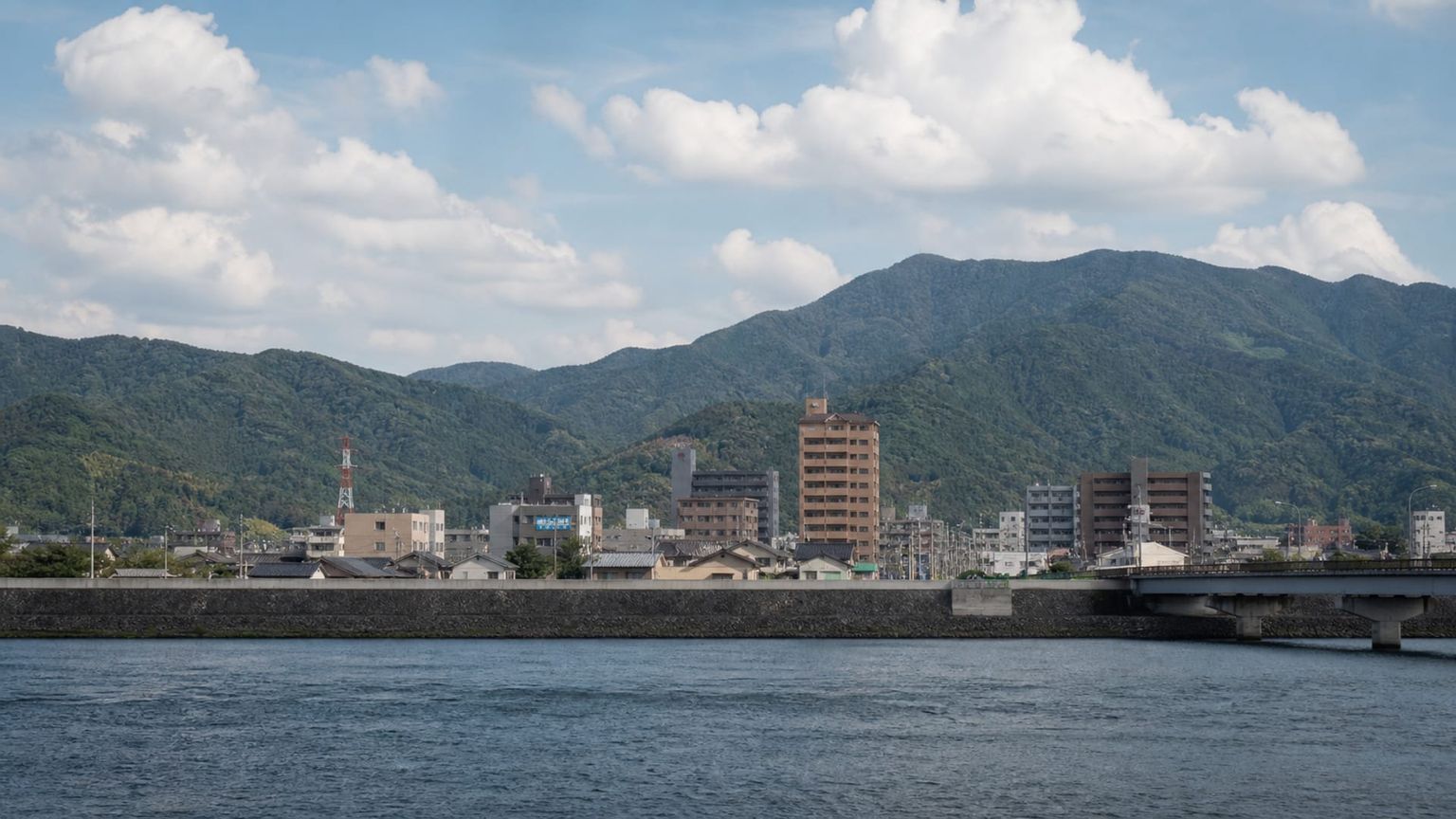
Flights to Iwakuni usually connect through Tokyo or Seoul, so the useful comparison is not nonstop access but how long the layover sits and which airlines keep the trip manageable from each coast.
From New York, All Nippon Airways, Japan Airlines, Delta Air Lines, United Airlines, and Korean Air all show up on one-stop itineraries, and the usual total time runs about 18 to 25 hours. If you do not mind a layover, common routings via Tokyo (NRT) or Seoul (ICN) can bring the fare down to about $3,200 to $5,500.
From Los Angeles, Japan Airlines, All Nippon Airways, Delta Air Lines, United Airlines, and Korean Air are the names to compare, with one-stop trips often taking about 15 to 22 hours. Prices for this route usually land around $4,200 to $7,800 round trip; itineraries via Tokyo (NRT) or Seoul (ICN) can sometimes drop to $3,000 to $5,000.
Iwakuni feels different when you slow down
A deliberate Iwakuni stay uses the city in layers, with one day for Kintaikyo Bridge, another for the castle hill ropeway, and quieter hours in Kikko Park and the Iwakuni Art Museum. Moving by bus, taxi, and short walks keeps the river side and the station district tied together without unnecessary backtracking. If you want to shape the timing more tightly, the AranGrant experts can help you plan a route around bridge light, park time, and an easy departure







