

Chapters:

Need help with your trip?
Our support team is available 24/7. Request a callback or call us directly at (833) 619-0908
Douglas draws most first-timers into the same loop, a hotel on the promenade, a quick museum visit, then a rush to see the main sights without much room for the island’s quieter edges. That pattern skips the places where the Isle of Man shows its character, from mining valleys to harbor towns.
The mistake is not ambition, it is pacing. The island is compact, but buses run on set timetables, some sights sit a half hour apart, and the best days mix Douglas with one focused outing rather than a long chain of stops.
This guide keeps the structure clear, with a Douglas base, a measured route through Laxey, Castletown, Peel, and Onchan, and enough time built in for ferry arrivals, coast walks, and unhurried meals.
Useful things to know

Main language(s): English

Currency: The local currency is the pound sterling (GBP, £).

Cash and cards: Cards and contactless are widely accepted; carry about £20 to £40 ($25 to $50) in cash for small shops or rural stops.

Tipping: Round up small bills; service charges are uncommon.

Traditional food: Manx kippers, Queenies, Manx broth, Bonnag

Water and coffee costs: Water about £1 to £2 ($1 to $3), bar espresso about £2 to £3 ($3 to $4).

Taxis and ride apps: Uber and local taxis operate, but prebook if you are outside Douglas or traveling late.

Plug and voltage: Type G socket, 230V

Dining and shop opening hours: Breakfast is about 07:00-09:00, lunch 12:00-14:00, and dinner 18:00-20:30. Many restaurants close between lunch and dinner, with earlier hours on Sundays.

Emergency number: 999 or 112 for police, fire, ambulance, and coastguard.
Where to stay in Isle of Man
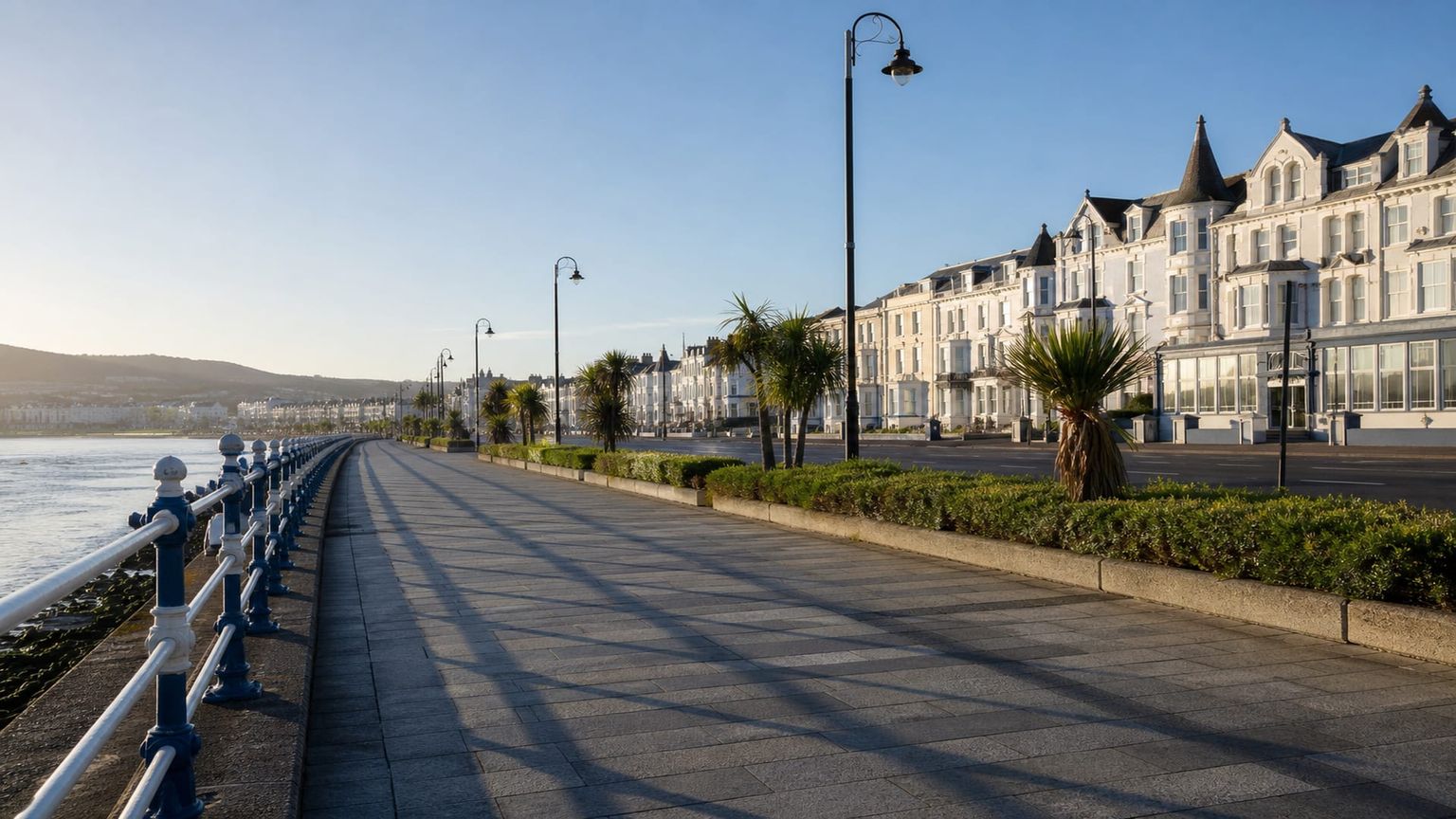
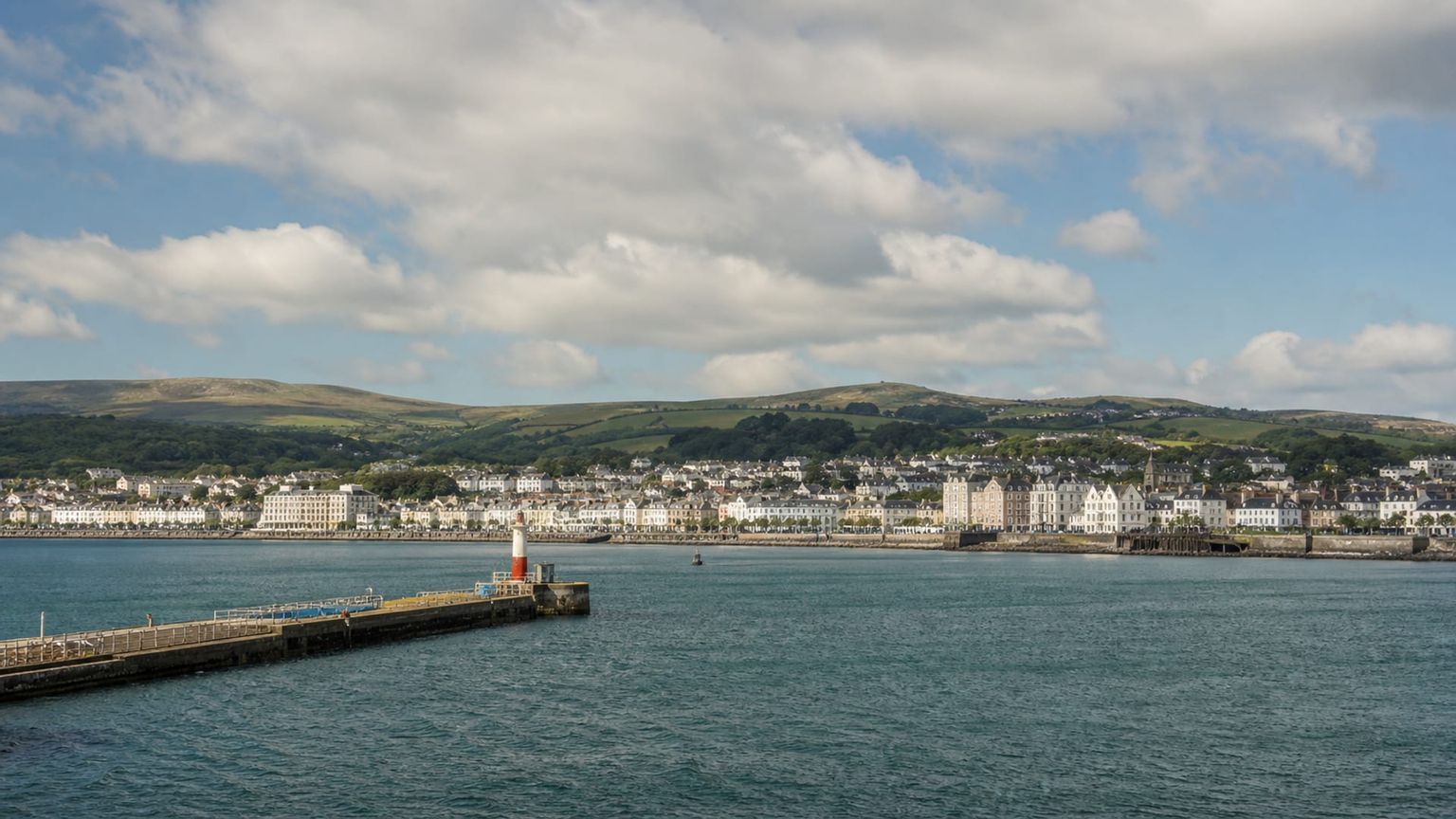
The island’s main seafront strip lines Douglas Bay, with hotels, guesthouses, cafés, and easy access to buses and the ferry terminal. It suits visitors who want the broadest choice of stays and a direct base for walks along the waterfront and evening dining.
Best for: Seafront stays, first-time visits, and easy access to transport
What to expect: A busy waterfront with steady foot traffic by day, more activity near restaurants and bars in the evening, and frequent bus connections.
Hotel prices: Usually about £90 to £180 ($114 to $228) per night for well-rated stays
Distance to major sights: About 10 to 20 minutes on foot to the Manx Museum and the ferry terminal, and about 5 minutes by bus to the town center
Quietness: Quieter in the morning and late evening; livelier in the afternoon and around dinner.
Main trade-off: You pay for the convenience of being on the main promenade, and the seafront road can carry traffic and some late-night noise.
Good to know: If you plan to use buses or arrive by ferry, staying here cuts down on transfers and keeps the waterfront within easy walking distance.
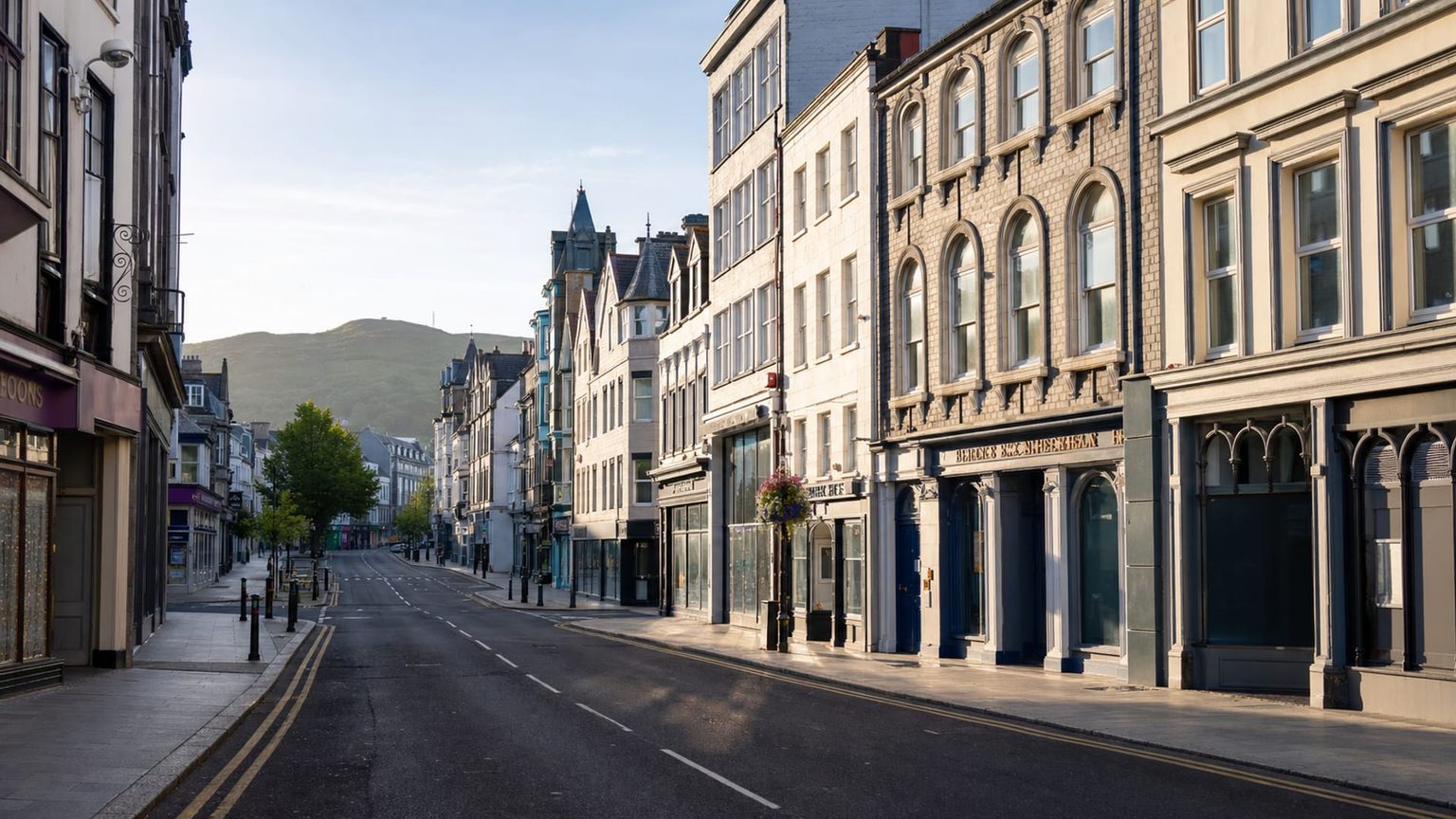
Douglas town center gathers shops, restaurants, offices, and the island’s main bus interchange a short walk inland from the seafront. It works well for visitors who want the most compact everyday access to errands, dining, and onward travel across the island.
Best for: Dining, shopping, and using Douglas as a transport base
What to expect: Active streets in daytime, busier around the interchange and high street, with less of a resort feel than the promenade.
Hotel prices: Usually about £80 to £160 ($101 to $203) per night for well-rated stays
Distance to major sights: About 5 to 10 minutes on foot to the Manx Museum and about 10 minutes on foot to the ferry terminal
Quietness: Lively during the day, then calmer after shops close, though some streets stay active into the evening.
Main trade-off: You gain convenience, but rooms here can sit above shops or near bus traffic rather than on the waterfront.
Good to know: Choose this area if you expect to move around the island often, because the central bus hub sits close to many hotels and guesthouses.
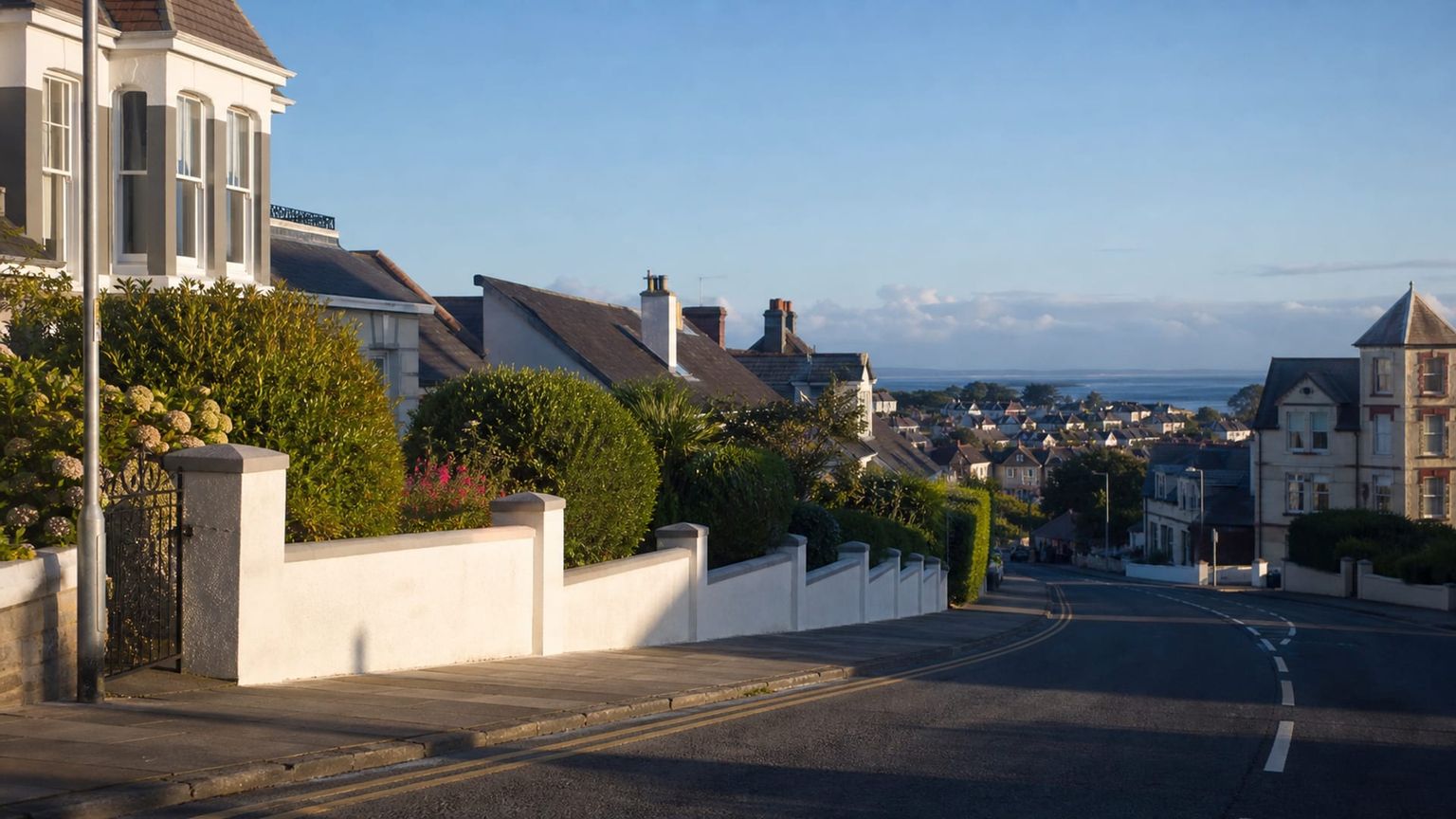
Onchan sits just east of Douglas and combines residential streets, local shops, and stretches of coast near the bay. It suits travelers who want a quieter base than the center, while still staying close to Douglas for dining, museums, and transport.
Best for: Quieter stays, longer visits, and travelers who do not need to be in the center each evening
What to expect: Mostly residential streets, local traffic, and a calmer evening scene than central Douglas, with some seaside foot traffic near the bay.
Hotel prices: Usually about £70 to £140 ($89 to $177) per night for well-rated stays
Distance to major sights: About 10 to 15 minutes by bus to Douglas Promenade and about 20 minutes by bus to the ferry terminal
Quietness: Generally quiet at night, with more movement along main roads and near the coast in daylight.
Main trade-off: You will rely more on buses or taxis for central Douglas, and dining choices are thinner than in the town center.
Good to know: Plan on checking bus times if you stay here, because evening frequency drops compared with the core Douglas stops.
Travelers usually avoid staying in the Upper Douglas hill streets above the promenade, because the climb is steep and late-night walks back from the seafront are inconvenient. Port Erin is also less convenient for first-time visitors who want easy access to Douglas, while Peel and Ramsey can feel far from the island’s main sights and have fewer late-evening amenities than central Douglas.
Hotel deals
How to get around Isle of Man efficiently
Isle of Man has no metro, so the island’s bus network, the Douglas horse tram, and taxis do most of the work between the airport, Douglas, and the main coastal towns.

Metro
for longer distances
Isle of Man (IOM) has no metro, so buses cover the island’s main corridors instead, including Douglas, the airport, Peel, Ramsey, and Port Erin. Buy single fares or day passes on board in cash or by card where accepted, with a typical local ride costing about $2 to $5 (£1.50 to £4) and an all-day ticket about $7 to $10 (£5 to £8), usually valid for the day of issue.

Bus and tram
for convenience
The Isle of Man’s bus network, plus the Douglas horse tram and the Snaefell Mountain Railway in season, handles most visitor trips, with the highest frequency on the Douglas, airport, and Peel routes. Timetables vary by season, so check the timetable before you travel, and expect about 20 to 45 minutes for Douglas to the airport or Peel, with longer cross-island trips taking roughly 45 to 75 minutes.

Taxi
for convenience or late hours
Licensed taxis on the Isle of Man are metered in most cases, with airport and late-night fares commonly landing about $18 to $35 (£14 to £28) for short local trips and roughly $35 to $70 (£28 to £55) for longer rides across Douglas or to Peel and Ramsey. Prebooked minicabs are common, rank availability is limited outside Douglas, and many drivers accept cards, though cash is still worth carrying.
*Prices are based on rates updated as of June 2026 and may change at the time of travel.
Buses suit airport transfers and intertown trips, taxis work best for late arrivals or direct point-to-point journeys, and the horse tram or mountain railway adds a slower, seasonal layer when you want the ride to be part of the day.
Iconic landmarks
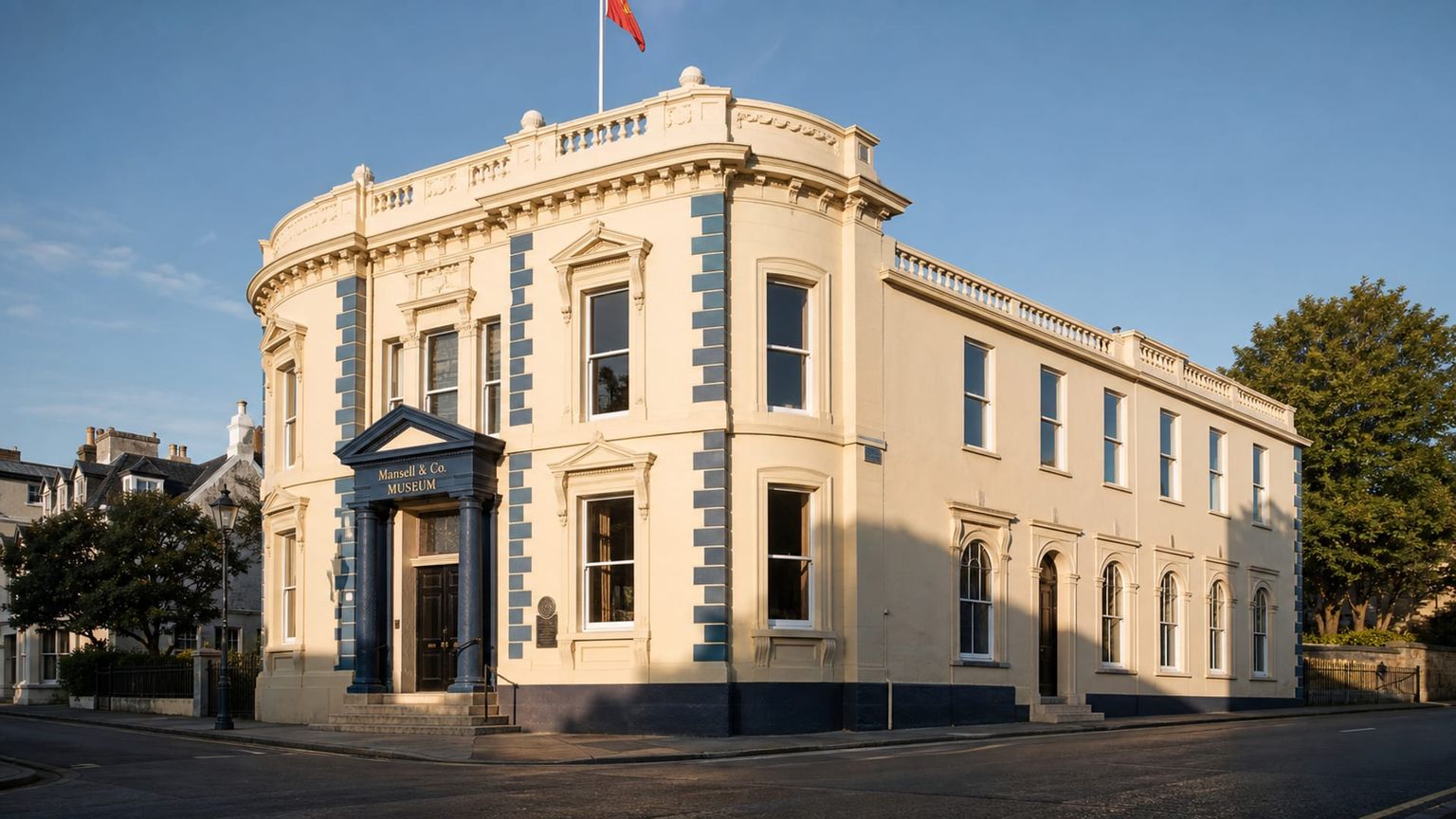
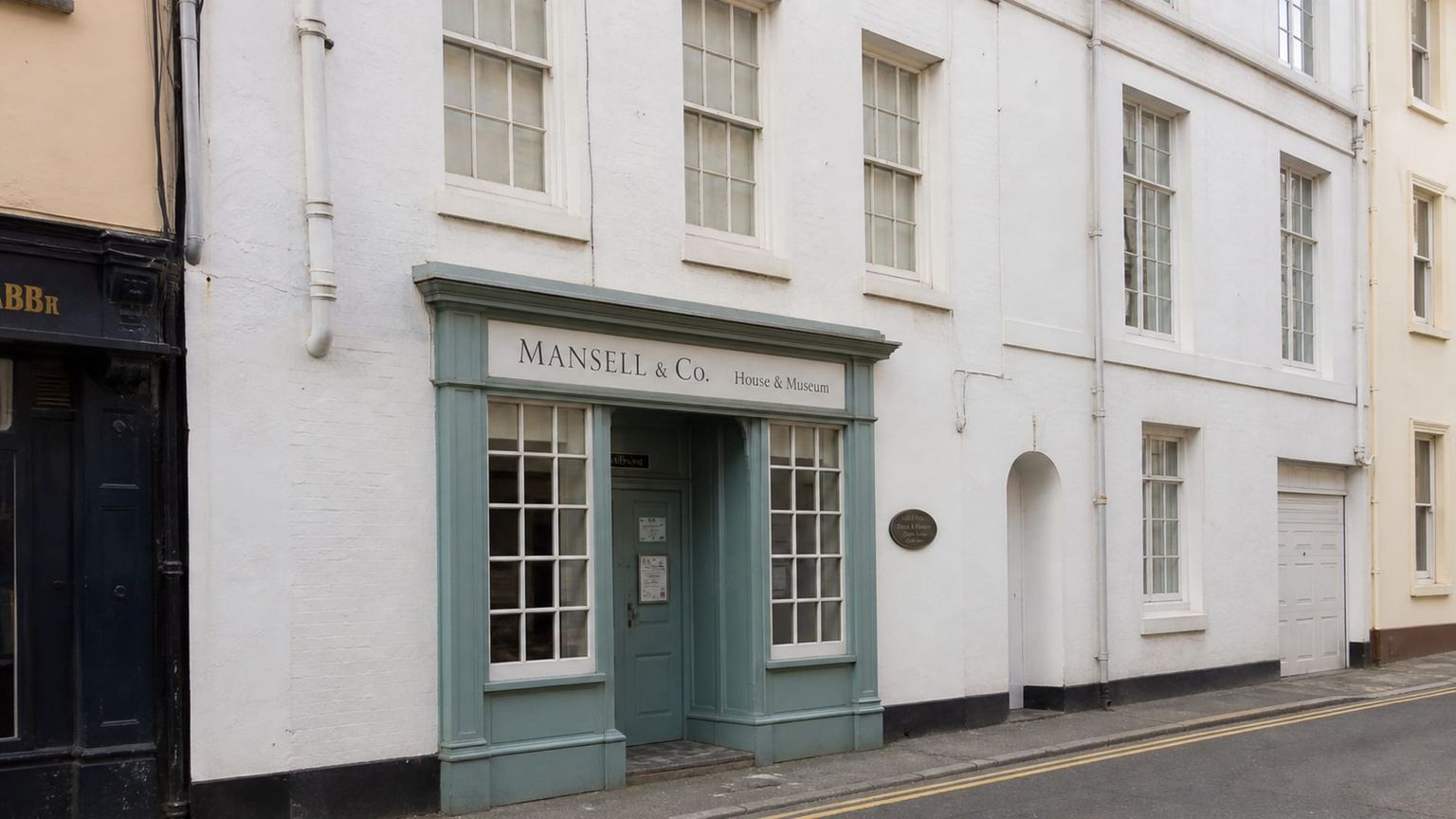
Mansell and Co. house and museum
This preserved 18th-century merchant house in Douglas shows domestic rooms, shop fittings, and Manx social history in one compact visit. Its collections trace local trade, family life, and the island’s links to the wider Irish Sea.
Time needed: About 1 to 2 hours
Entry: Admission costs $10 ($8) for adults, $6 ($5) for seniors, and $4 ($3) for children. Visit the official site for details.
Tip: Visit earlier in the day for quieter rooms and easier photography indoors.
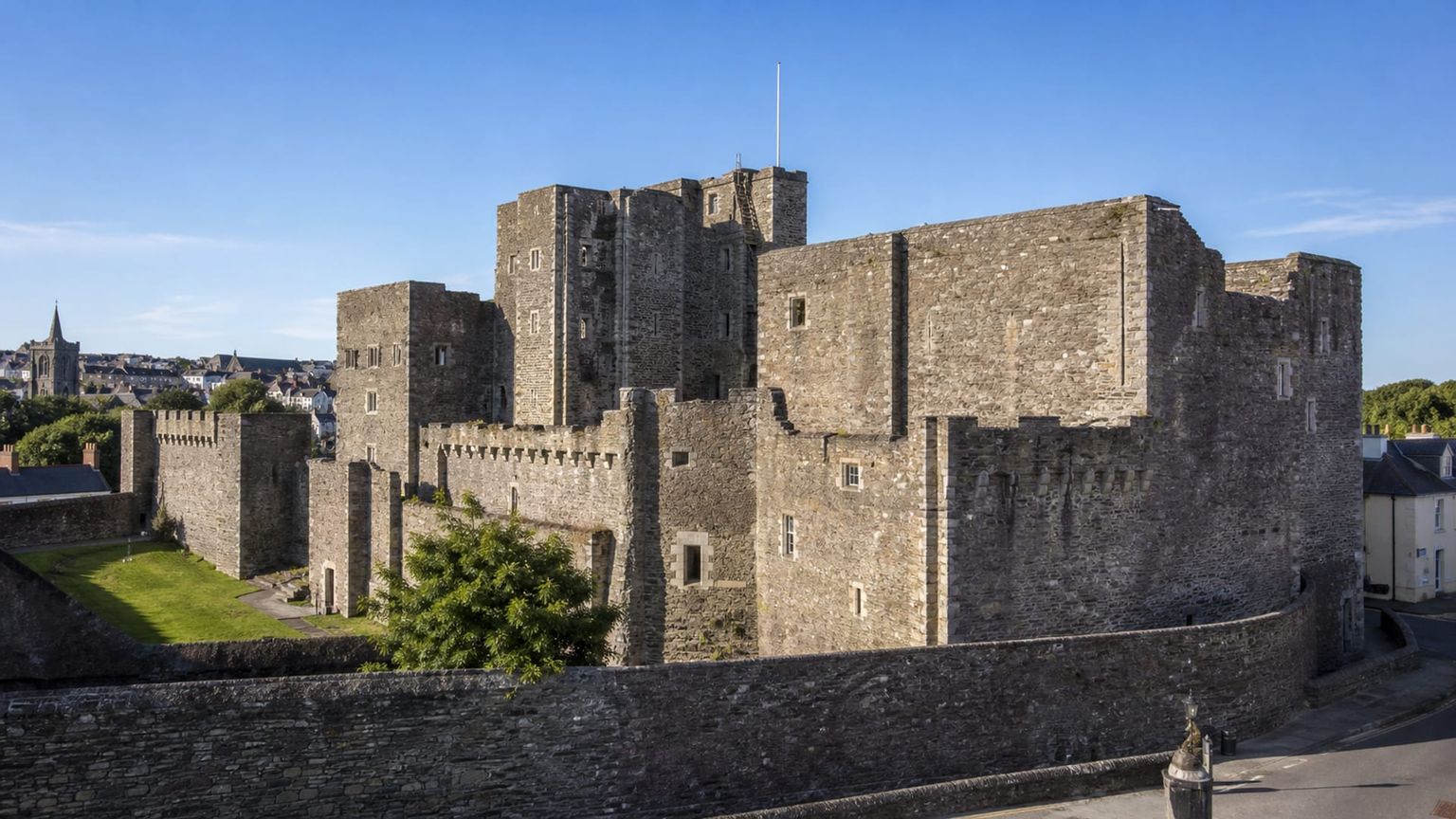
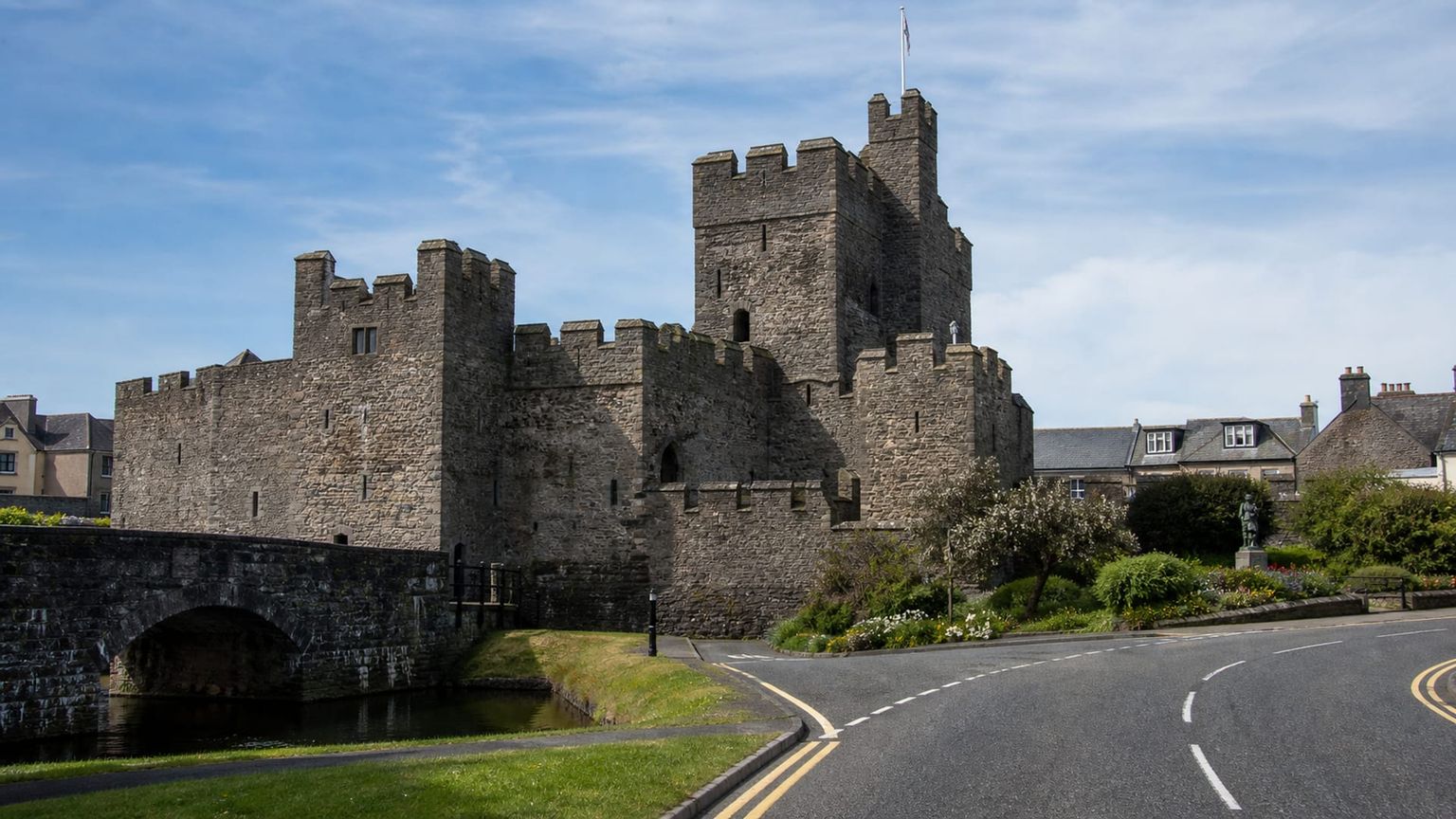
Castle Rushen
Castle Rushen dominates Castletown with thick stone walls, towers, and restored chambers that explain centuries of rule on the island. Exhibits cover prison cells, royal residence, and the town’s role as a former capital.
Time needed: About 2 to 3 hours
Entry: Adult tickets cost $15 ($12), child tickets cost $8 ($6), and family tickets cost $38 ($31). Visit the official site for details.
Tip: Go late morning, when the towers get better light and school groups thin out.
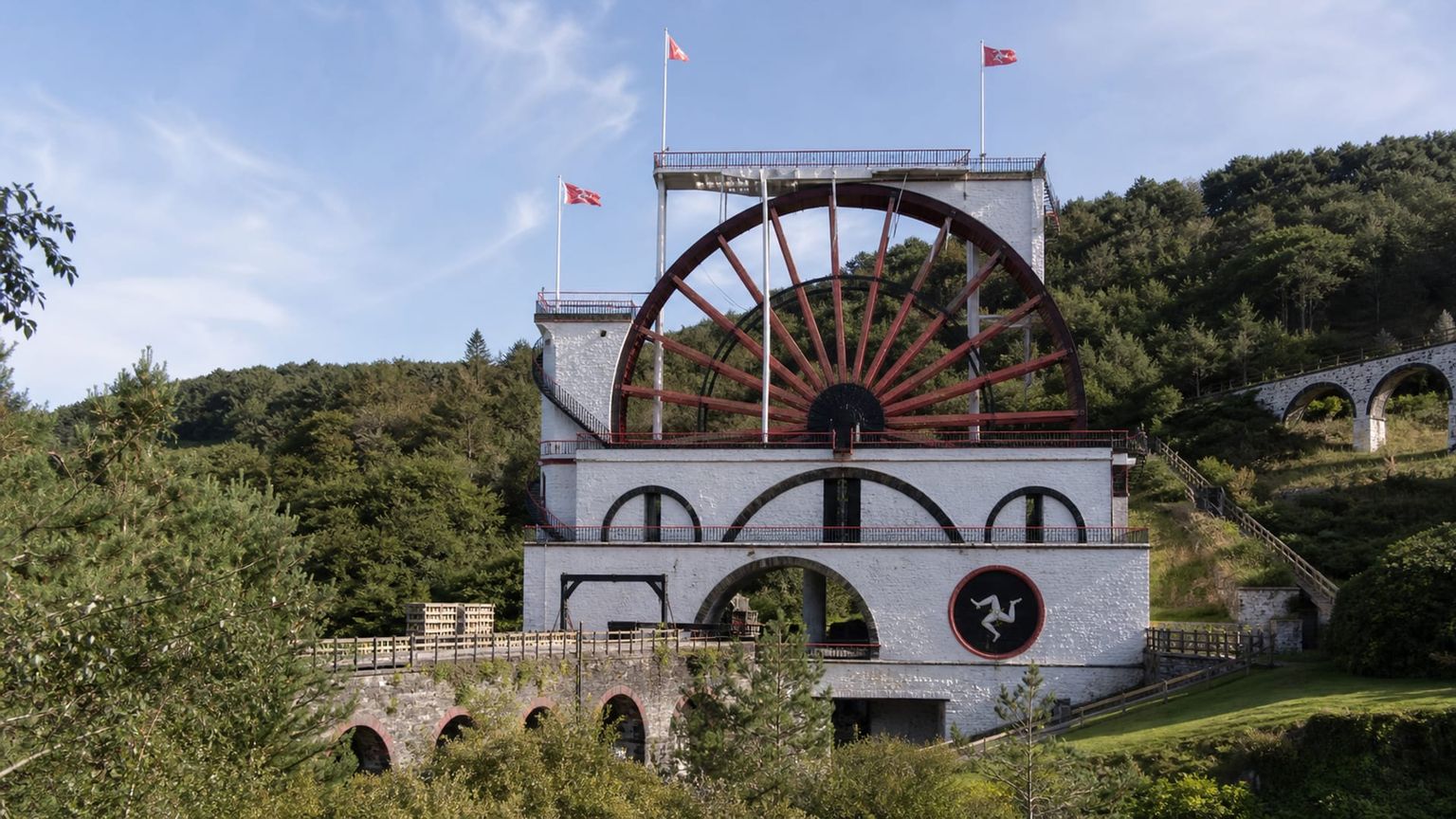
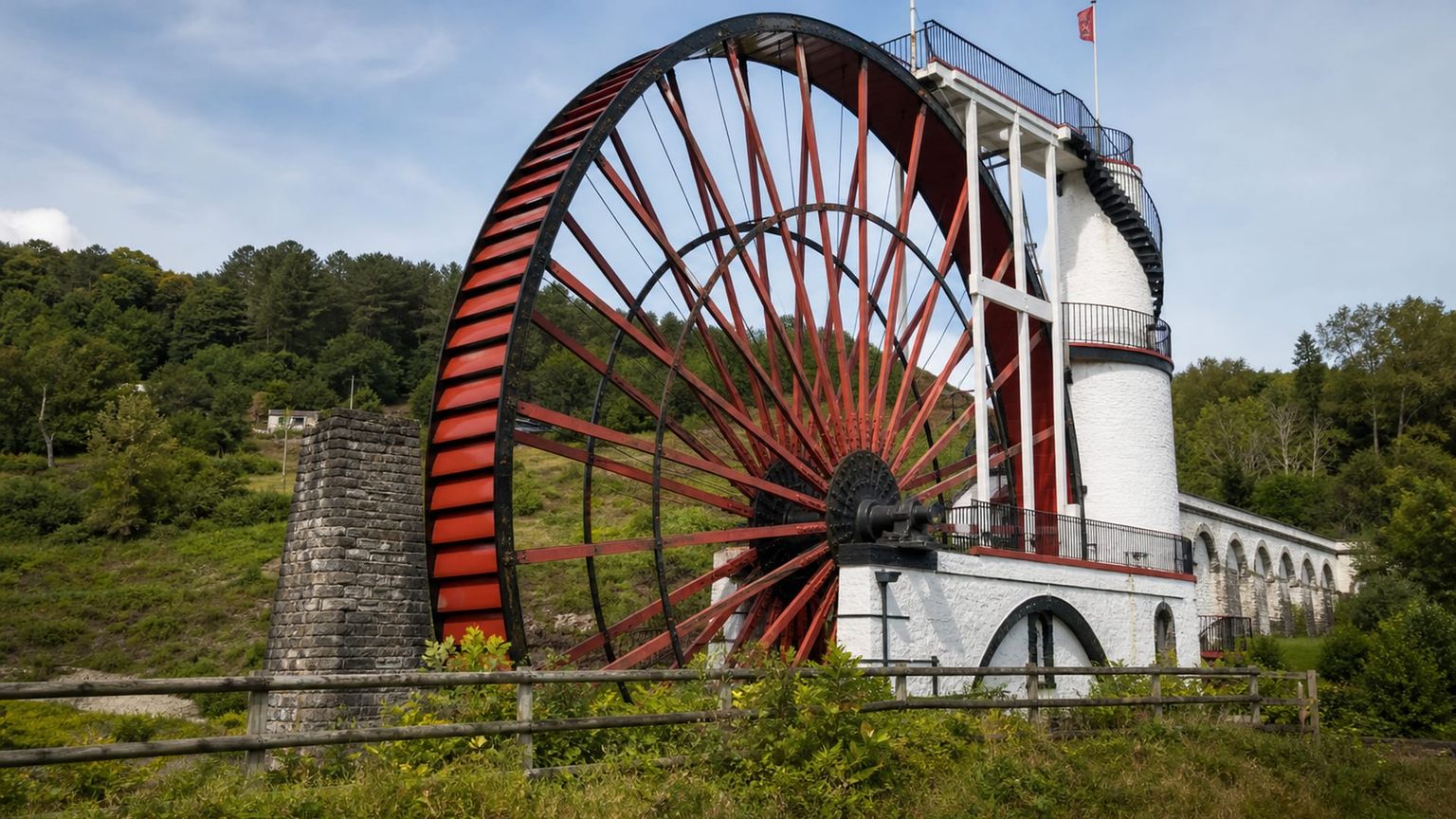
The Great Laxey Wheel
The Great Laxey Wheel, also called Lady Isabella, is the world’s largest working waterwheel and a striking survivor of mining engineering. The site explains how it pumped water from the lead and zinc mines that shaped the valley.
Time needed: About 1 to 2 hours
Entry: Admission costs $12 ($10) for adults, $7 ($6) for children, and $30 ($25) for families. Visit the official site for details.
Tip: Wear sturdy shoes, since the paths and viewing areas can be damp after rain.
Overlooked sites worth visiting

Calf of Man Nature Reserve
A wildlife reserve off the south coast, the Calf of Man has cliff paths, seabird colonies, and seal haul-outs. Visit by boat in season for quiet walks and clear views across the Sound.
Time needed: About 2 to 4 hours
Entry: Boat access is seasonal and operator-dependent; expect roughly $20 to $40 (£16 to £32) for a return crossing, with guided landing fees varying by trip length and whether the day includes landing permissions.
Tip: Go early for calmer crossings and better seabird viewing.

House of Manannan
This compact museum in Peel covers Manx history, sea trade, and the Norse past through artifacts, audio, and full-size displays. It works well as a short indoor stop on a wetter day.
Time needed: About 1 to 2 hours
Entry: Adult admission is about $16 (£13), with reduced rates for children and concessions; check the museum’s current tariff for family tickets, seasonal hours, and any special exhibition pricing before you visit. Visit the official site for details.
Tip: Pair it with Peel Harbour before or after your visit.
Traditional food
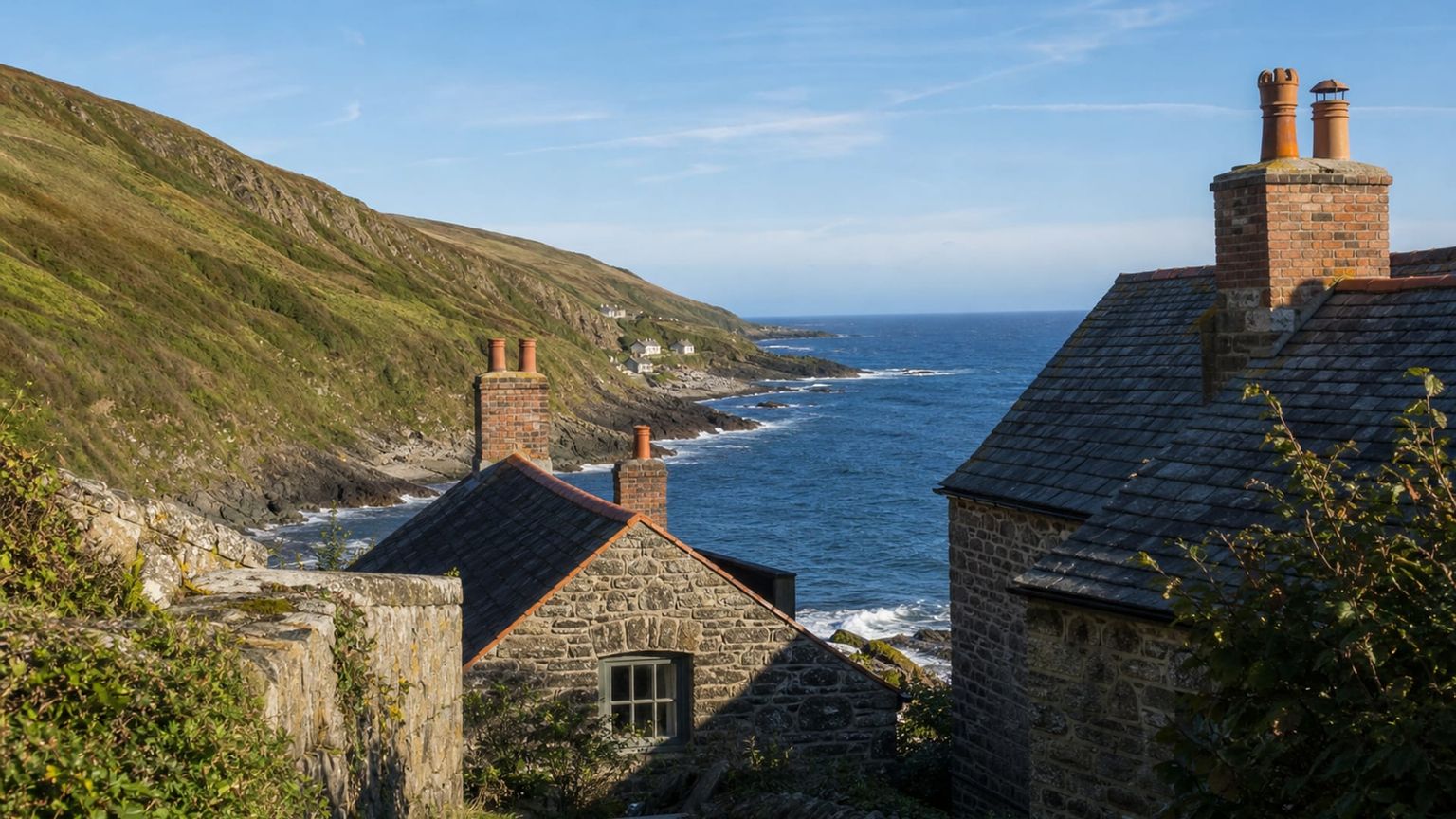
Manx cooking leans on the sea and the farm, with kippers, scallops, broth, and oat-based breads showing up in simple cafés and pubs. Expect short menus, early meal times, and plates that suit a windy island day.
Manx kippers
Smoked herring brings the island’s best-known breakfast flavor, salty and firm without much garnish. The Harbour Lights Cafe in Douglas serves a classic version that fits a first morning on the promenade.
Queenies
These small Manx queen scallops arrive sweet and quick from the pan, often with butter or a light dressing. The Boatyard in Port St Mary is a strong place to try them near the source of the island’s seafood.
Manx broth
This warming soup usually combines lamb or mutton with vegetables and barley, making it well suited to a cool island lunch. The Hydro Hotel in Douglas has a dependable version on its menu.
Bonnag
Bonnag is a traditional Manx bread, often served plain or with butter and jam, and it shows up best as a breakfast or tea-table side. You can usually find it at The Shore in Laxey, where it suits a slower coastal stop.
Best time to visit Isle of Man
The Isle of Man changes more by wind and rain than by heat, so spring and summer favor outdoor plans, while autumn and winter work better for museums, short bus rides, and coastal walks between showers.
Best for: Clearer walking weather and fresh green hills
What you get: About 45 to 58°F (7 to 14°C), with moderate crowds and changeable showers
Trade-offs: Sea breezes can still make the coast feel cold
Best for: Long daylight for the Laxey Wheel, Castletown, and the Calf of Man
What you get: About 55 to 67°F (13 to 19°C), with the highest visitor numbers and fuller buses
Trade-offs: Popular sites and seafront hotels book earlier
Best for: Quieter museum visits and softer light on the harbor towns
What you get: About 48 to 60°F (9 to 16°C), with lighter crowds after summer
Trade-offs: Shorter days narrow the window for outdoor crossings
Best for: Indoor heritage stops and low-key time in Douglas
What you get: About 38 to 48°F (3 to 9°C), with the smallest crowds and some seasonal closures
Trade-offs: Wind and rain can limit coastal plans and boat trips
A realistic 5-day plan in Isle of Man
Five days gives Isle of Man enough space to make sense without turning every transfer into a chore. This plan starts in Douglas, then uses one main outing each day so the island’s buses, harbor towns, and heritage sites stay easy to follow.
Fly into Isle of Man Airport (IOM), then take a taxi or bus into Douglas, which usually takes about 20 to 25 minutes and costs roughly $25 to $35 (£20 to £28) by taxi, or about $4 to $7 (£3 to £6) by bus. Check into a hotel on Douglas Promenade if you want the simplest first night, then keep the rest of the day close to the seafront, drink plenty of water, and have an easy dinner at a café on the promenade or in Douglas town center. If you arrive earlier than expected, a short walk along the bay gives you a first look at the island without turning the day into a full outing.
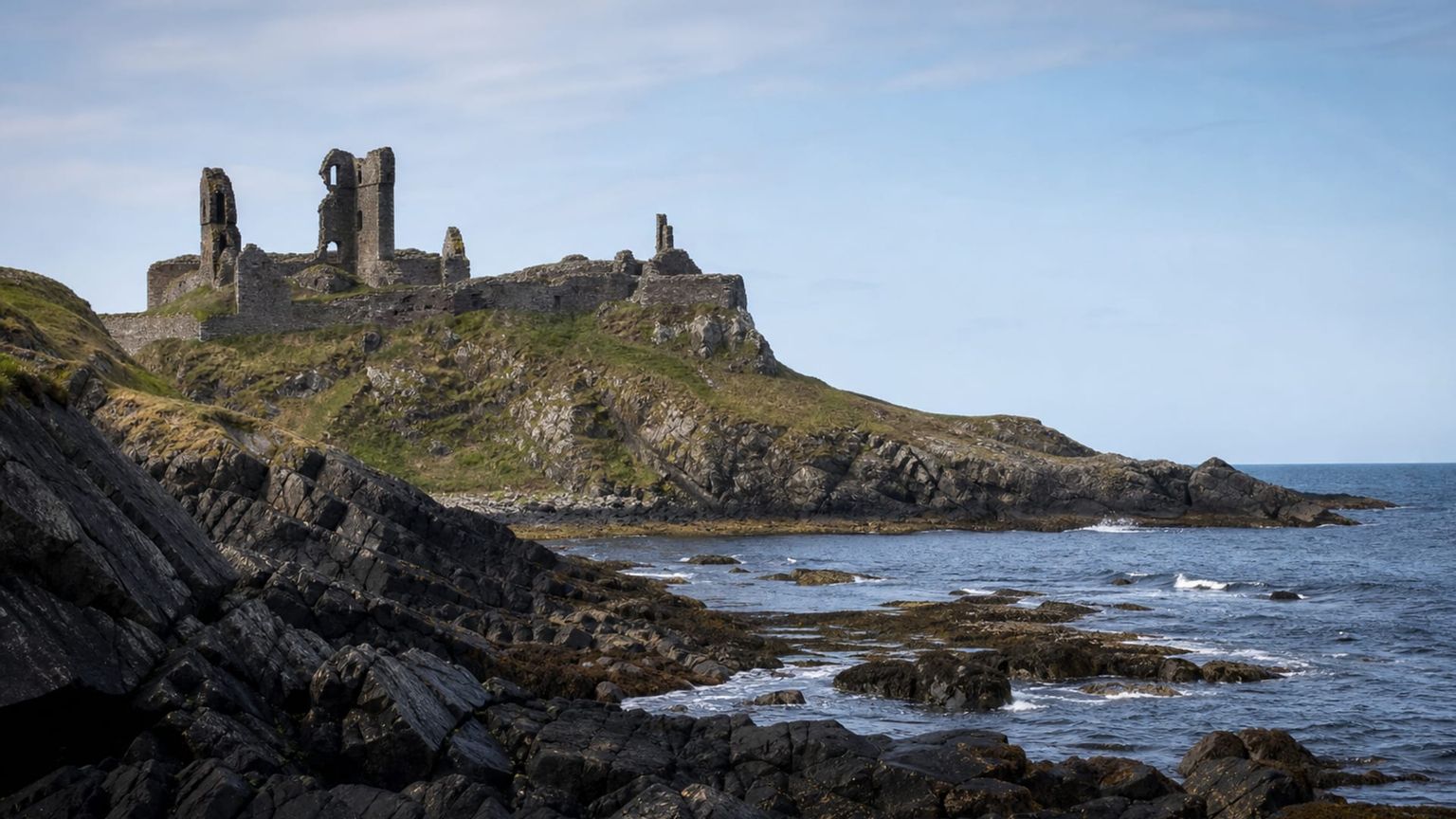
Start with Mansell and Co. house and museum in Douglas, where admission costs $10 ($8) for adults and the visit takes about 1 to 2 hours. From Douglas Promenade, it is about a 10 to 15 minute walk to the museum, and after that you can walk about 10 minutes into Douglas town center for lunch and a slower look at the shops and bus interchange area. In the afternoon, ride the bus about 20 minutes east to Onchan for a quieter stretch of coast near the bay, then return to Douglas for dinner along the waterfront.
A morning train or bus to Laxey sets up the island’s most famous engineering site, The Great Laxey Wheel, which takes about 1 to 2 hours to visit and sits about 30 minutes by bus from central Douglas. Go earlier in the day if you want better light for photos, then continue about 10 minutes onward within the Laxey area to take in the valley setting before heading back to Douglas for a late lunch. Spend the evening on Douglas Promenade, where the seafront walk gives you an easy contrast to the mine history you have already seen.
Head south to Castletown for Castle Rushen, one of the island’s strongest historic stops, and plan on about 2 to 3 hours inside its towers, chambers, and prison spaces. From Douglas, the trip usually takes about 35 to 45 minutes by bus, and once you arrive the castle sits close enough to the town center for a walk to the harbor and lunch nearby. If seas and schedules cooperate, book a seasonal boat trip to the Calf of Man Nature Reserve from the south coast, which adds roughly 2 to 4 hours and gives you cliffs, seabirds, and seal viewing in one outing.
Begin with a final stop at the House of Manannan in Peel, where the compact galleries make a strong closing indoor visit and the admission is about $16 (£13). From Douglas, the bus ride to Peel usually takes roughly 45 to 60 minutes, and once you finish the museum, walk to Peel Harbour for a last look at the waterfront before returning east. Back in Douglas, spend the remaining hours shopping in Douglas town center, then settle into a café on Douglas Promenade or in Onchan for an early supper before departure.
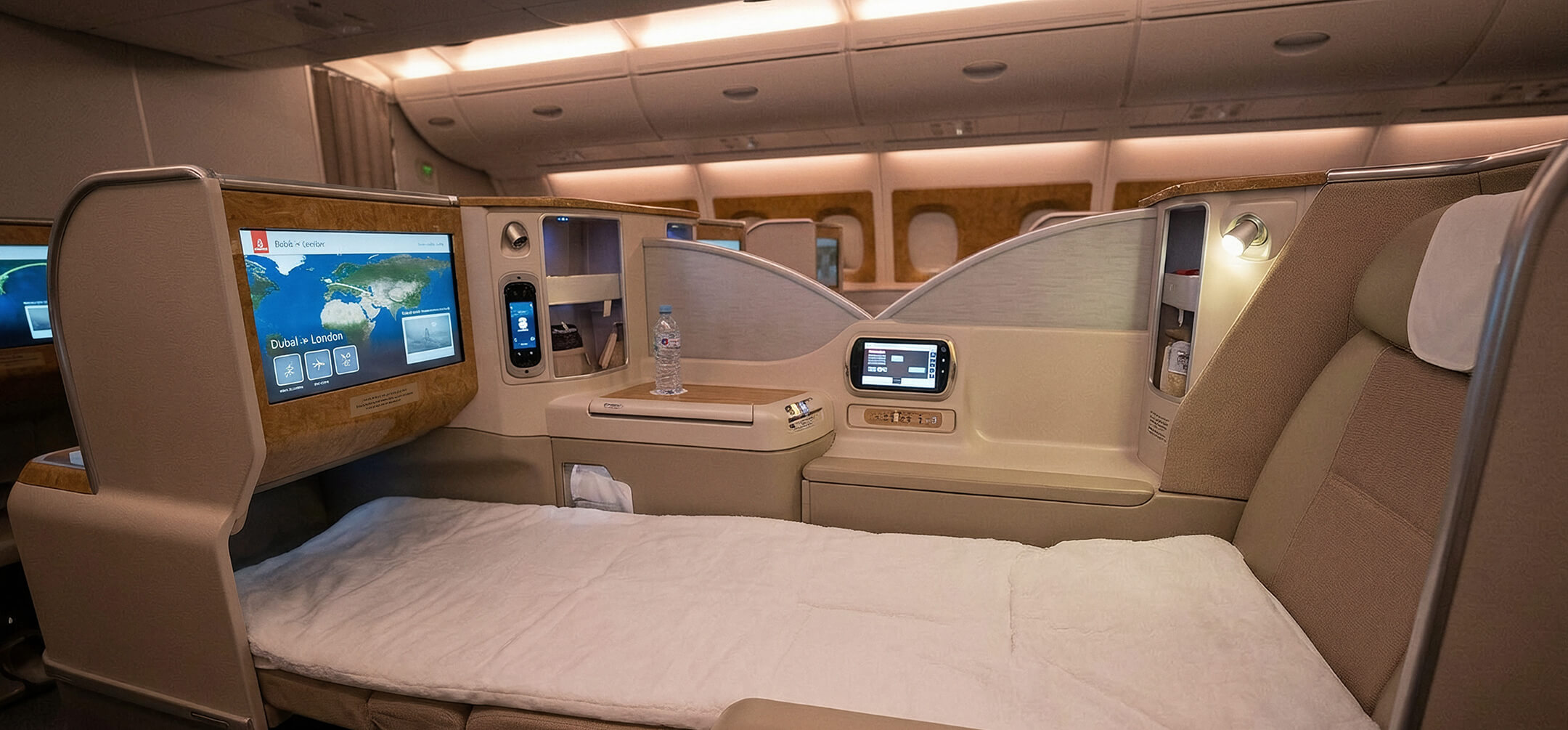
Business-class flights from the US to Isle of Man
Flights to Isle of Man often connect through one of a few familiar hubs, so the route you choose tends to matter more than the airline name alone. From both coasts of the United States, the trip usually involves at least one change.
From New York, British Airways, Aer Lingus, KLM Royal Dutch Airlines, Lufthansa, and Delta Air Lines all appear on one-stop itineraries that commonly connect through London (LHR), Dublin (DUB), Amsterdam (AMS), Frankfurt (FRA), or Munich (MUC). Round-trip fares start from $2,800 and often run to $6,500.
From Los Angeles, British Airways, Aer Lingus, KLM Royal Dutch Airlines, Lufthansa, and Delta Air Lines also route travelers through London (LHR), Dublin (DUB), Amsterdam (AMS), Frankfurt (FRA), or Munich (MUC), with connections typically adding about 13 to 18 hours to the journey. Round-trip fares start from $3,200, and higher prices are common on summer departures.
Isle of Man feels different when you slow down
A deliberate Isle of Man trip gives you time to base yourself on Douglas Promenade, step inland for Mansell and Co. house and museum, then move outward to Laxey, Castletown, and Peel by bus instead of trying to race the map. That pace leaves room for a promenade dinner, a harbor stop, and a weather check before any boat to the Calf of Man. If that balance fits your trip, AranGrant experts can help shape the route around it