

Chapters:

Need help with your trip?
Our support team is available 24/7. Request a callback or call us directly at (833) 619-0908
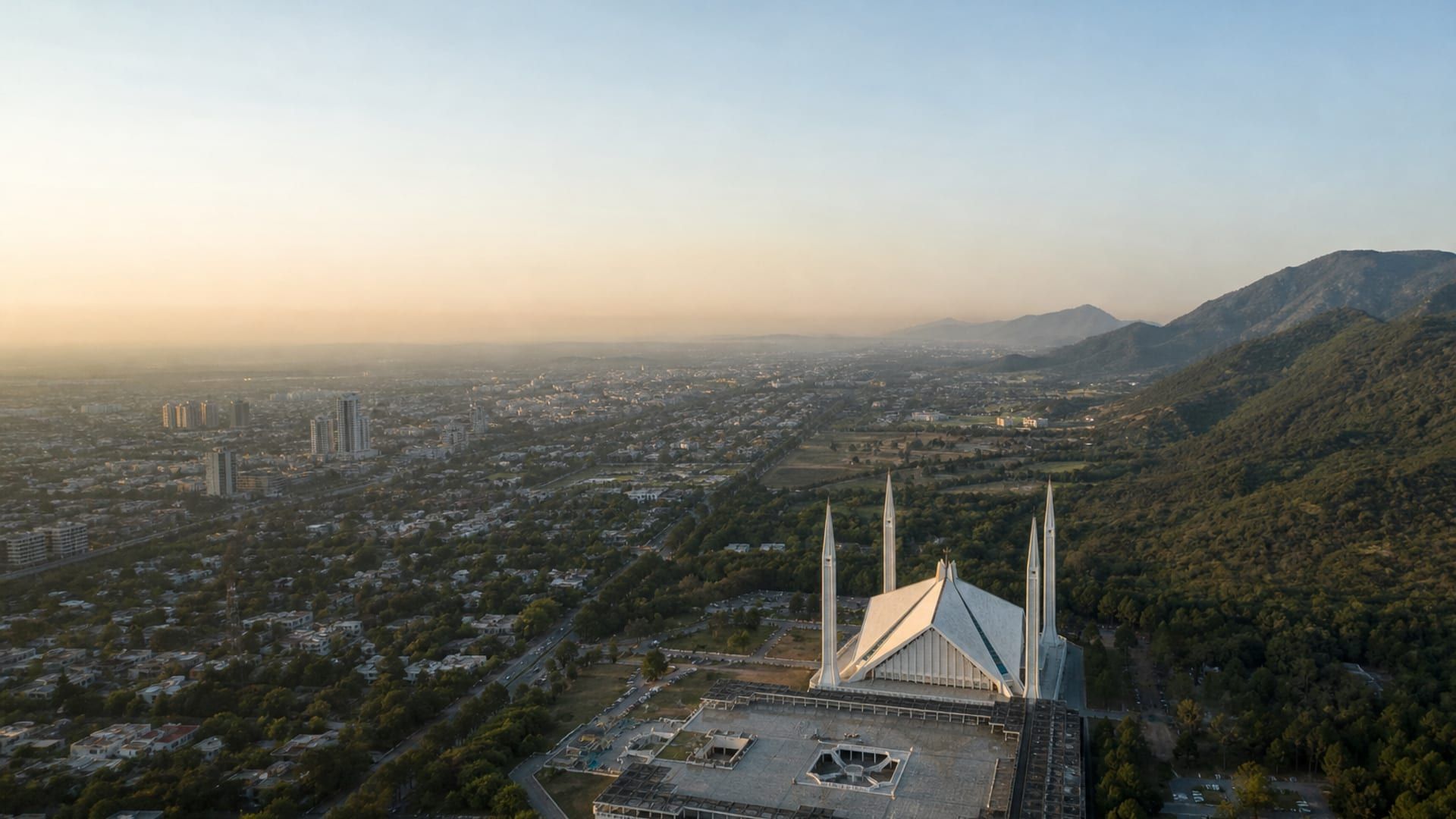
Islamabad often gets treated as a stopover built around Faisal Mosque, a museum, and a quick dinner in F-6 or F-7. Travelers who follow that script usually miss how far the city spreads out, and how much time it takes to move between sectors.
That matters because a short list of sights can still require several car rides, and evenings work best when you plan meals before dark. Blue Area, E-7, and the market sectors each serve a different purpose, so timing shapes the day.
This guide maps the city in a tighter order, pairs each area with the right stop, and builds in the travel time between them so the trip stays organized from arrival to departure.
Useful things to know

Main language(s): English

Currency: The local currency is the Pakistani rupee (PKR, Rs).

Cash and cards: Cards and contactless are accepted at major hotels, malls, and many cafes, but carry about PKR 3,000 to 5,000 ($11 to $18) in cash.

Tipping: Tip 5-10% in restaurants if service is not already included; round up small fares and bills.

Traditional food: Chapli kebab, nihari, seekh kebab, haleem

Water and coffee costs: Water about PKR 100 to 200 ($0.35 to $0.70), bar espresso about PKR 400 to 700 ($1.45 to $2.50).

Taxis and ride apps: Careem and InDrive operate here; confirm the fare before you ride.

Plug and voltage: Type C, Type D, Type G socket, 230V

Dining and shop opening hours: Breakfast is about 07:00-10:00, lunch 13:00-15:00, and dinner 20:00-23:00. Many restaurants close between lunch and dinner, especially outside busy areas.

Emergency number: 15 for police, 1122 for rescue and ambulance.
Where to stay in Islamabad
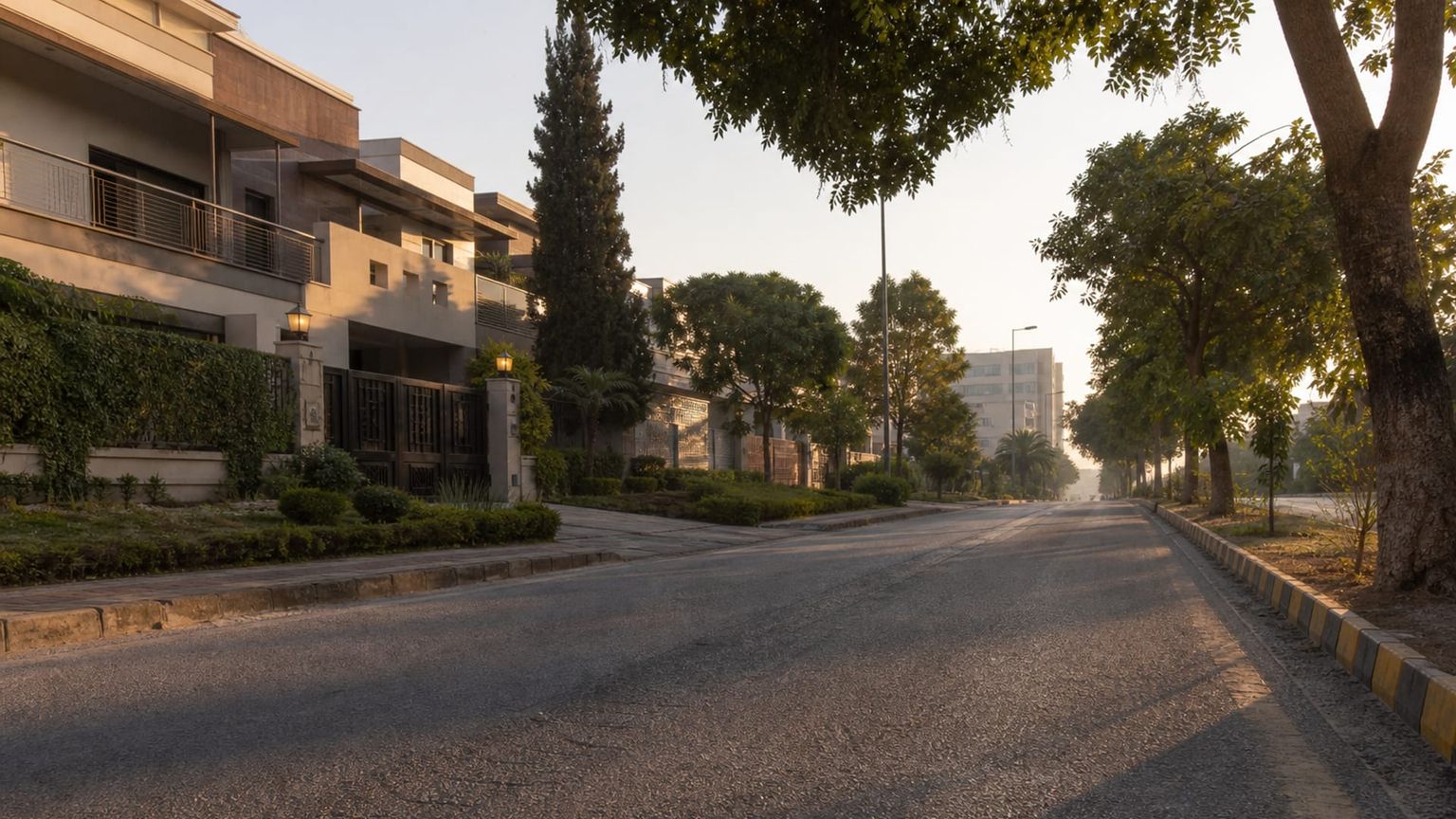
Central Islamabad sector with apartment hotels, cafes, and easy access to Jinnah Super Market. It suits visitors who want a well-connected base for museums, parks, and dinners without staying far from the city’s main roads.
Best for: Dining, shopping, and a central base for exploring Islamabad
What to expect: Ordered blocks, planted avenues, and a steady flow of cars around the market and main intersections.
Hotel prices: Usually about $70 to $180 per night for well-rated stays
Distance to major sights: About 10 to 15 minutes by car to Faisal Mosque, about 20 minutes to Pakistan Monument
Quietness: Calm in the day, with more traffic and restaurant activity in the evening.
Main trade-off: Prices run higher than in outer sectors, and the most convenient streets can feel busy at peak dinner hours.
Good to know: Choose a room on a side street if you want less traffic noise, since the main commercial stretch gets busier after sunset.
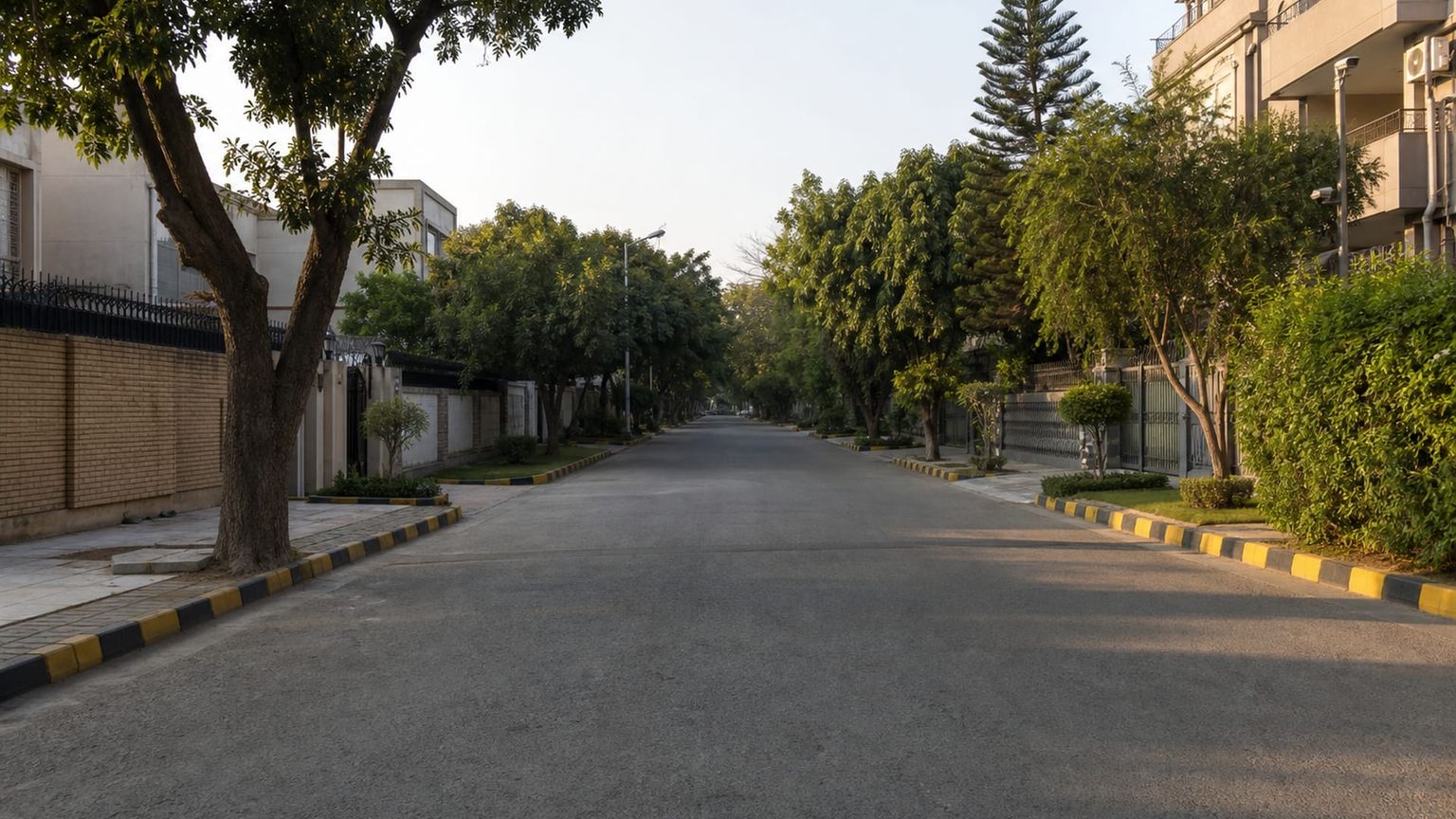
An established residential sector with guesthouses, restaurants, and quick access to Jinnah Super Market. It works well for travelers who want a polished base near shopping and dining while staying within an easy drive of central sights.
Best for: Restaurant hopping, shopping, and a central stay with easy road access
What to expect: Wide avenues, apartment buildings, and steady neighborhood activity near the commercial strips.
Hotel prices: Usually about $65 to $170 per night for well-rated stays
Distance to major sights: About 10 minutes by car to Faisal Mosque, about 18 to 20 minutes to Pakistan Monument
Quietness: Quiet on residential streets by day, with more movement and noise near the market at night.
Main trade-off: You will pay for the location, and the liveliest blocks sit closest to traffic and late-opening eateries.
Good to know: Book near a residential lane rather than the market frontage if you plan to sleep early, because delivery traffic and diners concentrate along the commercial roads.
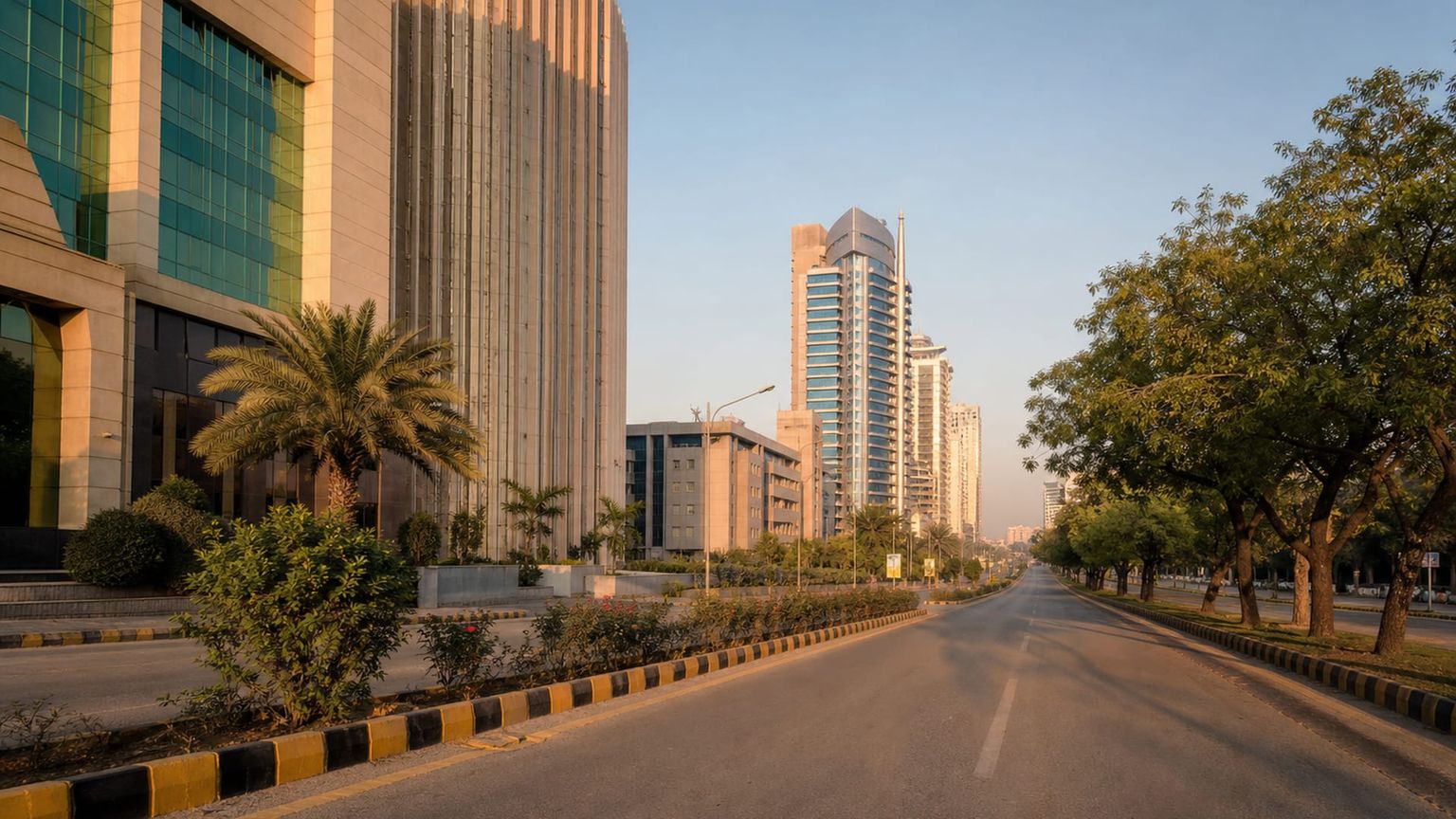
Islamabad’s main commercial corridor, lined with offices, hotels, and restaurants. It is the city’s most direct base for business trips and short stays, with quick access to transit links and a wide range of dining options.
Best for: Business trips, short stays, and quick access to central roads
What to expect: Busy sidewalks, office traffic, and the most constant movement you will find in central Islamabad.
Hotel prices: Usually about $60 to $160 per night for well-rated stays
Distance to major sights: About 10 to 15 minutes by car to Faisal Mosque, about 12 to 18 minutes to Pakistan Monument
Quietness: Active through the day, then quieter after office hours except near the main dining blocks.
Main trade-off: The area is less residential, so evening noise and traffic can be noticeable, especially on weekdays.
Good to know: If your schedule starts early, this is one of the easiest places for same-day meetings, but it gives you fewer neighborhood-style streets to wander after dark.
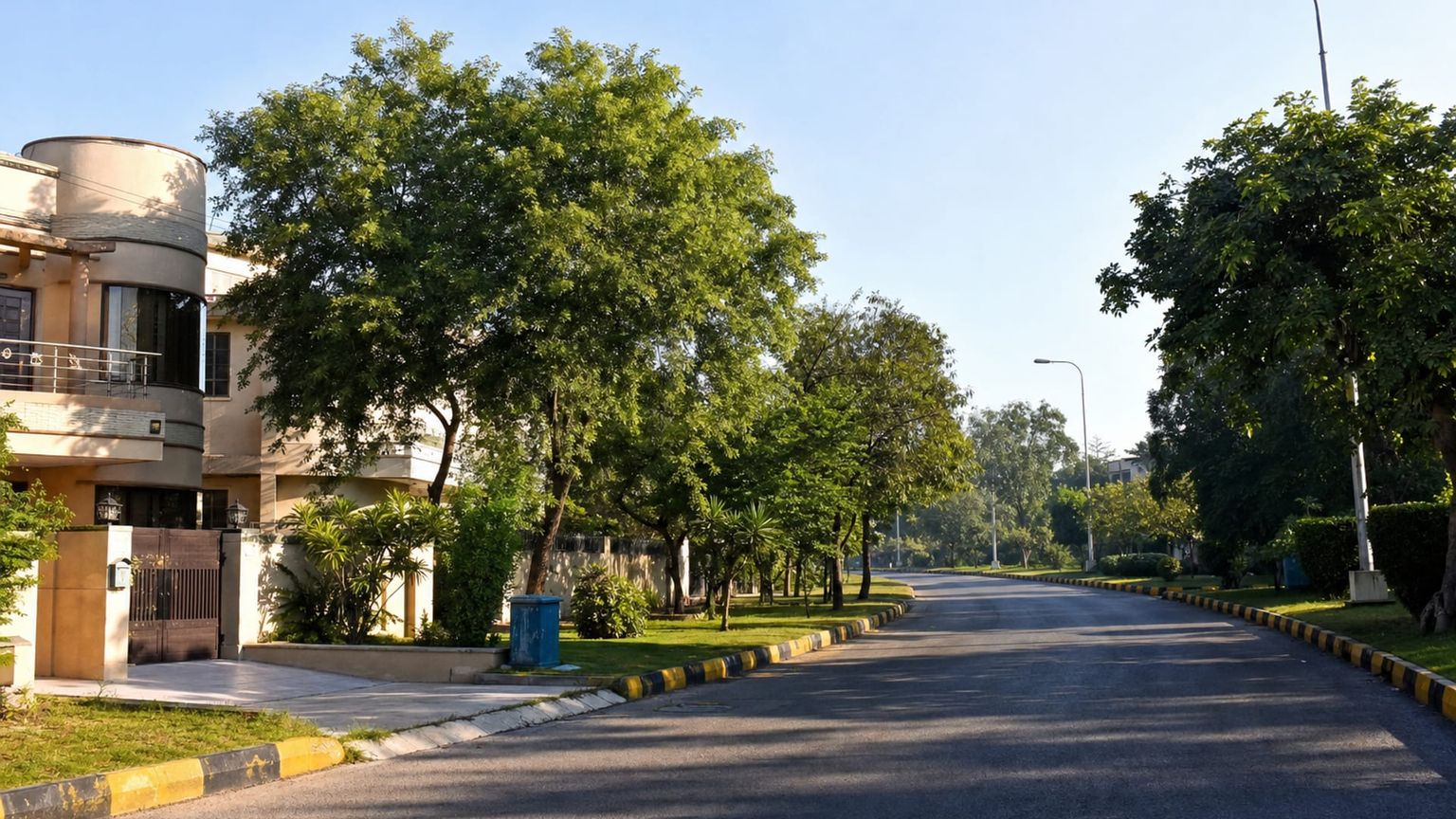
A green, upscale sector near the foothills, known for villas, guesthouses, and views toward the Margalla Hills. It appeals to travelers who want a quieter base with fast access to Faisal Mosque, hiking starts, and embassy areas.
Best for: Quiet stays, hill access, and travelers who prefer a residential setting
What to expect: Low-rise housing, wider plots, and lighter street activity than in the commercial sectors.
Hotel prices: Usually about $80 to $220 per night for well-rated stays
Distance to major sights: About 5 to 10 minutes by car to Faisal Mosque, about 15 to 20 minutes to Daman-e-Koh
Quietness: Very quiet by day and usually even calmer at night, with only limited local traffic.
Main trade-off: Dining and late-night options are thinner here, so you may need a car or ride-hail for most evenings.
Good to know: Plan your meals before returning at night, because many restaurants sit outside the sector and the streets lose activity after dinner.
Travelers usually avoid Rawat, Tarnol, and the outer National Highway 5 corridor, because they sit far from Islamabad’s main sights and have fewer visitor amenities. Parts of I-11 and the industrial stretches near I-9 are also less convenient for overnight stays, since evening travel to central districts takes longer and hotel options are limited.
Hotel deals
How to get around Islamabad efficiently
Islamabad has no metro, so most visitors move between sectors by ride-hail, taxis, and the Metrobus corridor that links Rawalpindi with parts of the capital.

Metro
for longer distances
Islamabad has no metro or subway network, so visitors usually rely on ride-hailing, taxis, and the wide road network between the airport area, Blue Area, and the main sectors. If you need rail, the nearest equivalent is intercity Pakistan Railways, not an urban metro, and it is not useful for getting between neighborhoods.

Bus and tram
for convenience
Rawalpindi-Islamabad Metrobus, the city’s main fixed public-transport spine, links Saddar in Rawalpindi with key stops through Islamabad, with fares of about $0.18 (Rs50) and a loaded card usually valid for the ride only. Buses run at high frequency on the main corridor, but they cover only a slice of the city, so check whether your stop sits near the Metrobus line before you depend on it. Local minibuses and city buses also serve other corridors, though routes can be hard to read, and exact boarding points change more often than the Metrobus stops.

Taxi
for convenience or late hours
Taxis and app-based cars use set or app-quoted fares rather than metered street cabs, and airport trips from Islamabad International Airport to central Islamabad usually cost about $8 to $16 (Rs2,200 to Rs4,500), depending on traffic and pickup point. Licensed airport taxis wait outside the terminal, while ride-hailing apps such as Careem and inDrive are common elsewhere; carry cash in rupees, although app cars often accept cards in the app when available.
*Prices are based on rates updated as of June 2026 and may change at the time of travel.
Use ride-hail for cross-sector hops, the Metrobus for corridor travel, and taxis for airport runs or late returns when you want a direct trip.
Iconic landmarks
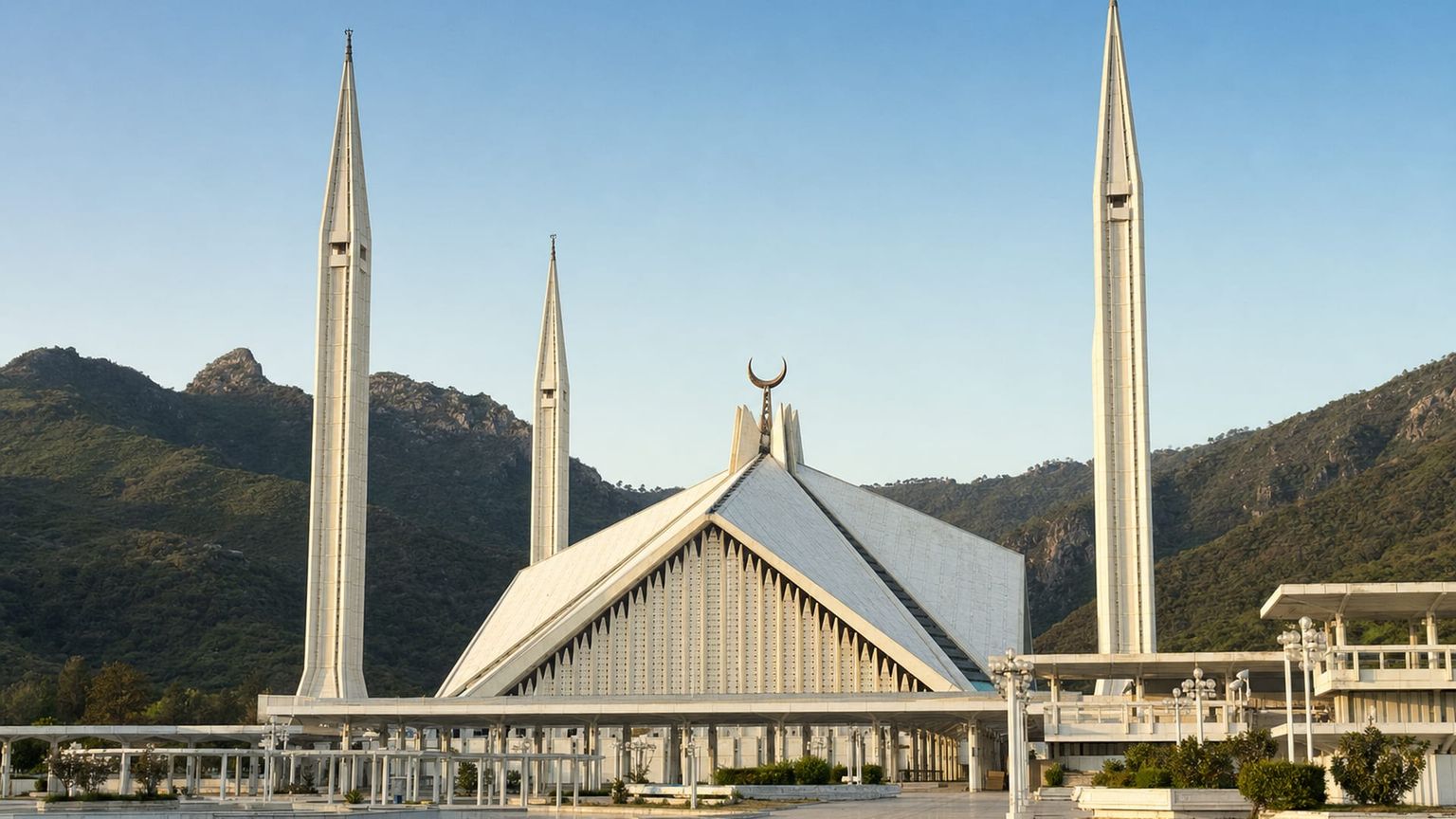
Faisal Mosque
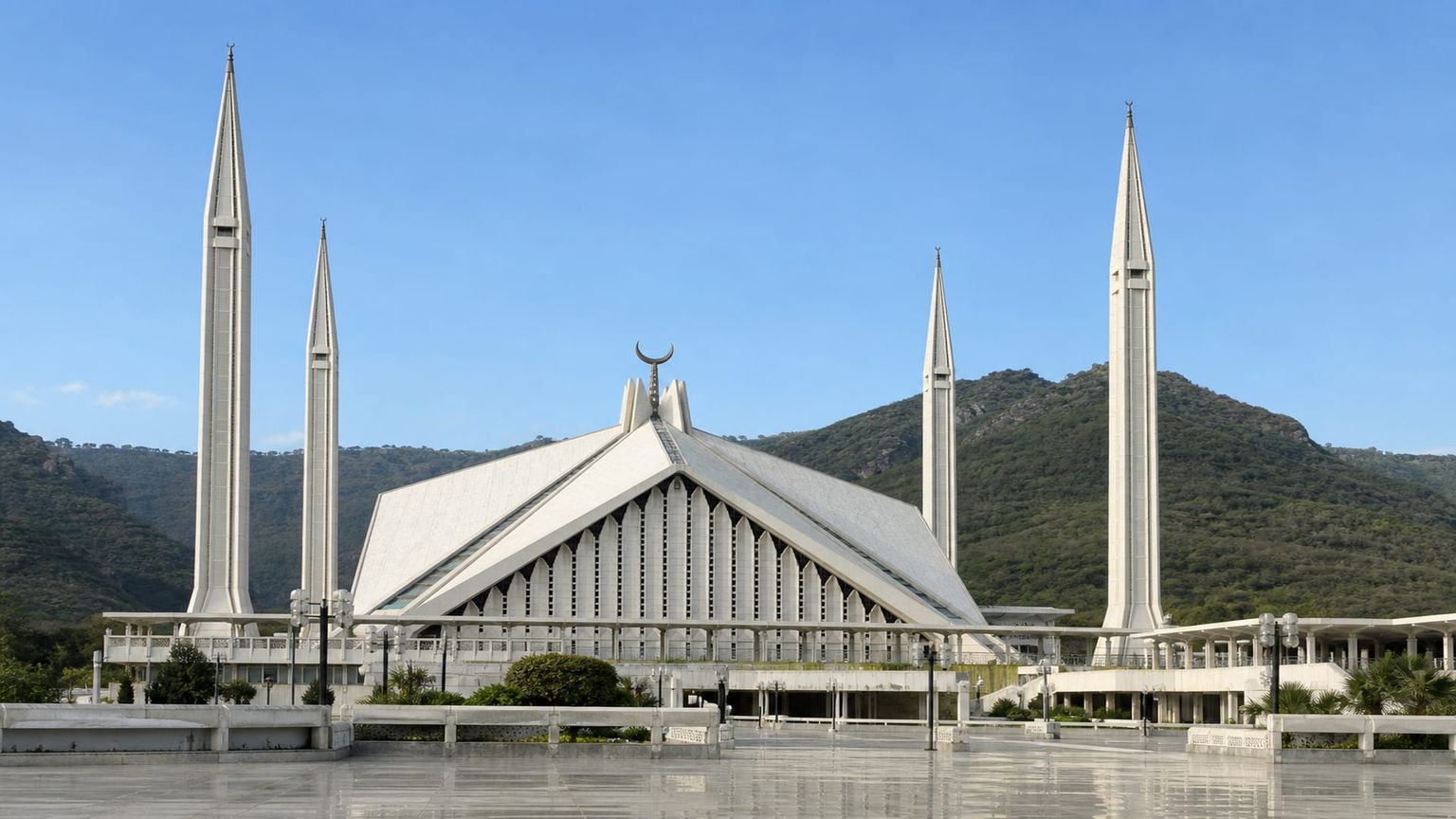
Pakistan’s largest mosque stands at the foot of the Margalla Hills, with a white tent-like form and a vast prayer hall set on a raised terrace. The courtyard and surrounding lawns open broad views across Islamabad.
Time needed: About 1 to 2 hours
Entry: Free to access; visitors may enter the grounds and prayer areas outside worship times, with modest dress and security screening at the gate Visit the official site for details.
Tip: Visit in late afternoon for softer light on the white marble and hills.
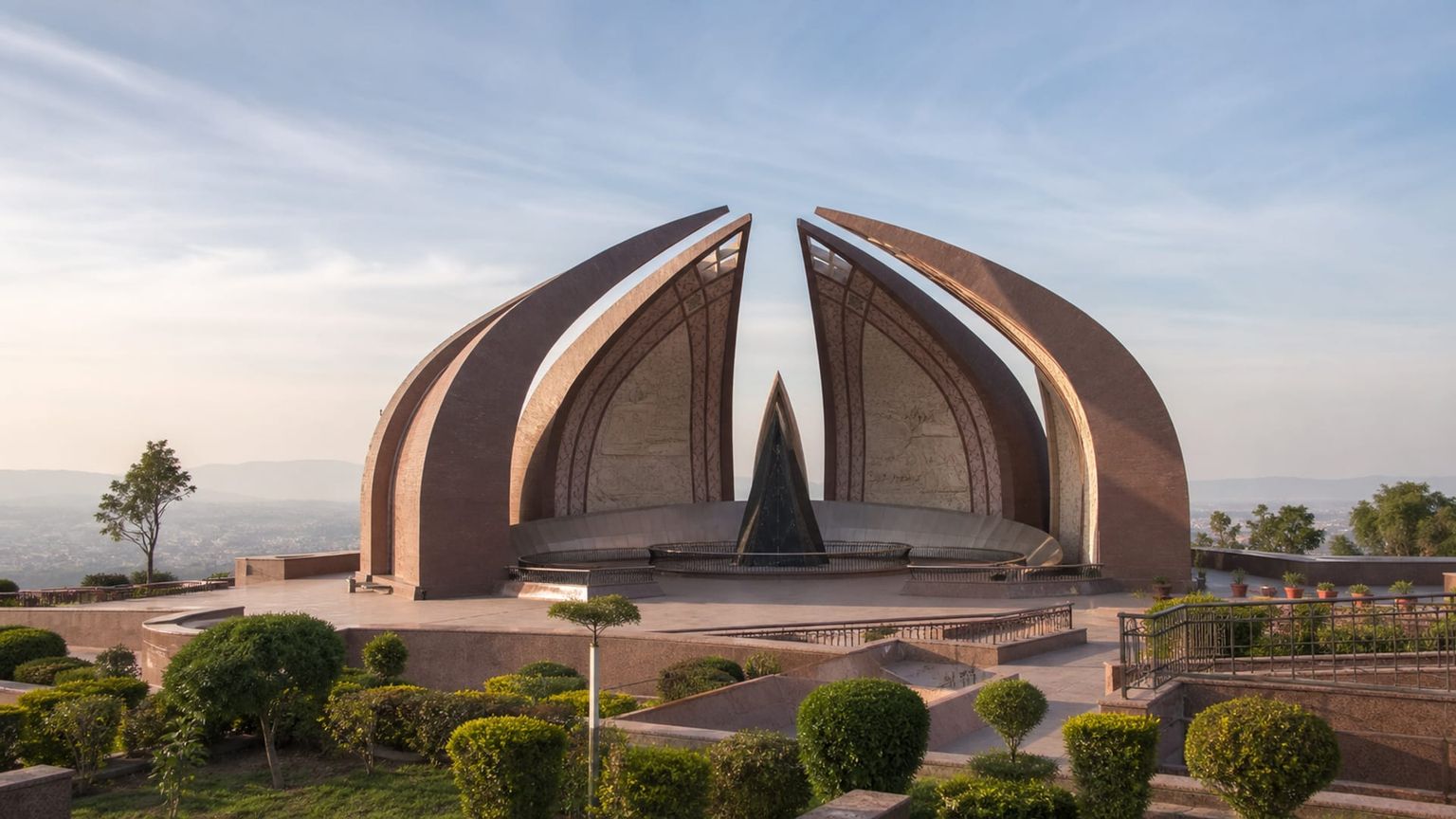
Pakistan Monument
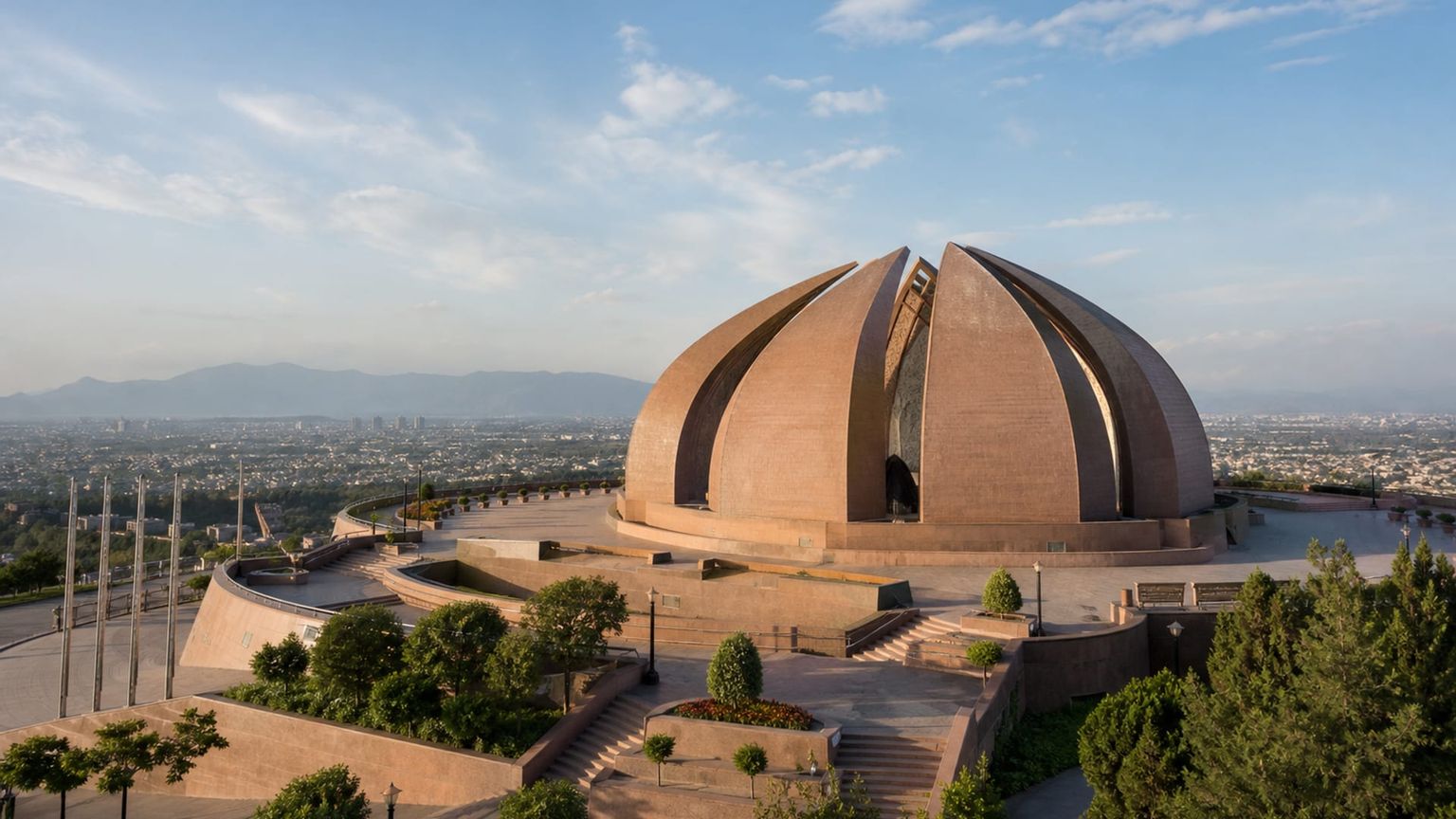
This clover-shaped monument on Shakarparian hill uses petal-like granite panels to represent the four provinces and three territories. The terrace looks over the city, and the adjacent museum explains the national story in clear, compact displays.
Time needed: About 1 to 2 hours
Entry: Museum entry costs $2 to $4 (about PKR 560 to PKR 1,120), while access to the monument platform and grounds is free during opening hours Visit the official site for details.
Tip: Arrive near sunset, when the terrace light is softer and the skyline is clearer.
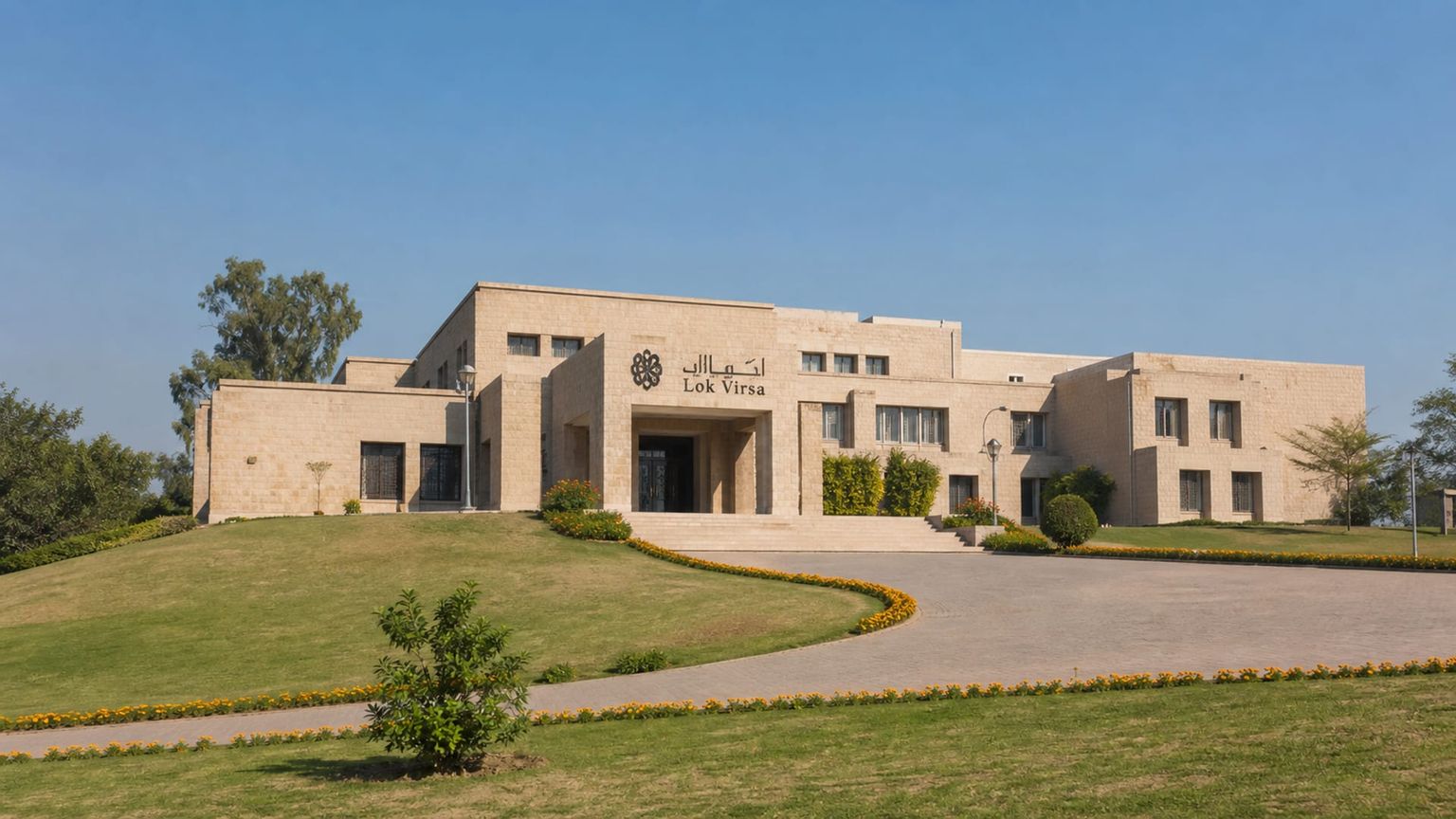
Lok Virsa Museum
Lok Virsa collects folk heritage from across Pakistan, with embroidered textiles, woodwork, jewelry, musical instruments, and village-style exhibits. The complex also includes craft demonstrations and a courtyard that gives the museum an open-air feel.
Time needed: About 2 hours
Entry: Adult tickets cost $1 to $2 (about PKR 280 to PKR 560), with lower rates for children and local students during regular museum hours Visit the official site for details.
Tip: Go midmorning on a weekday, when galleries are quieter and craft rooms are easier to see.
Overlooked sites worth visiting

Shakarparian National Park
A hilltop park with broad city views, tiled terraces, and tree-lined paths above the Potohar plateau. It suits an unhurried visit, with benches, photo stops, and open space for a short walk.
Time needed: About 1 to 2 hours
Entry: Free to access. There is no standard entry fee for the park grounds, and visitors can walk the terraces, paths, and viewpoints without a ticket. Parking and any food stalls, when open, charge separately.
Tip: Go near sunset for clearer views and softer light.

Lok Virsa Heritage Museum
This compact museum packs embroidered textiles, carved wood, metalwork, and folk instruments into a few galleries. The displays give a focused look at Pakistan’s regional crafts without a long visit.
Time needed: About 1 to 2 hours
Entry: Standard tickets cost about $1 to $3 (about PKR 300 to PKR 900) for adults, depending on the gallery or event in view. Some temporary exhibitions, performances, or special programs may carry separate charges Visit the official site for details.
Tip: Check the exhibition calendar before you go.
Traditional food
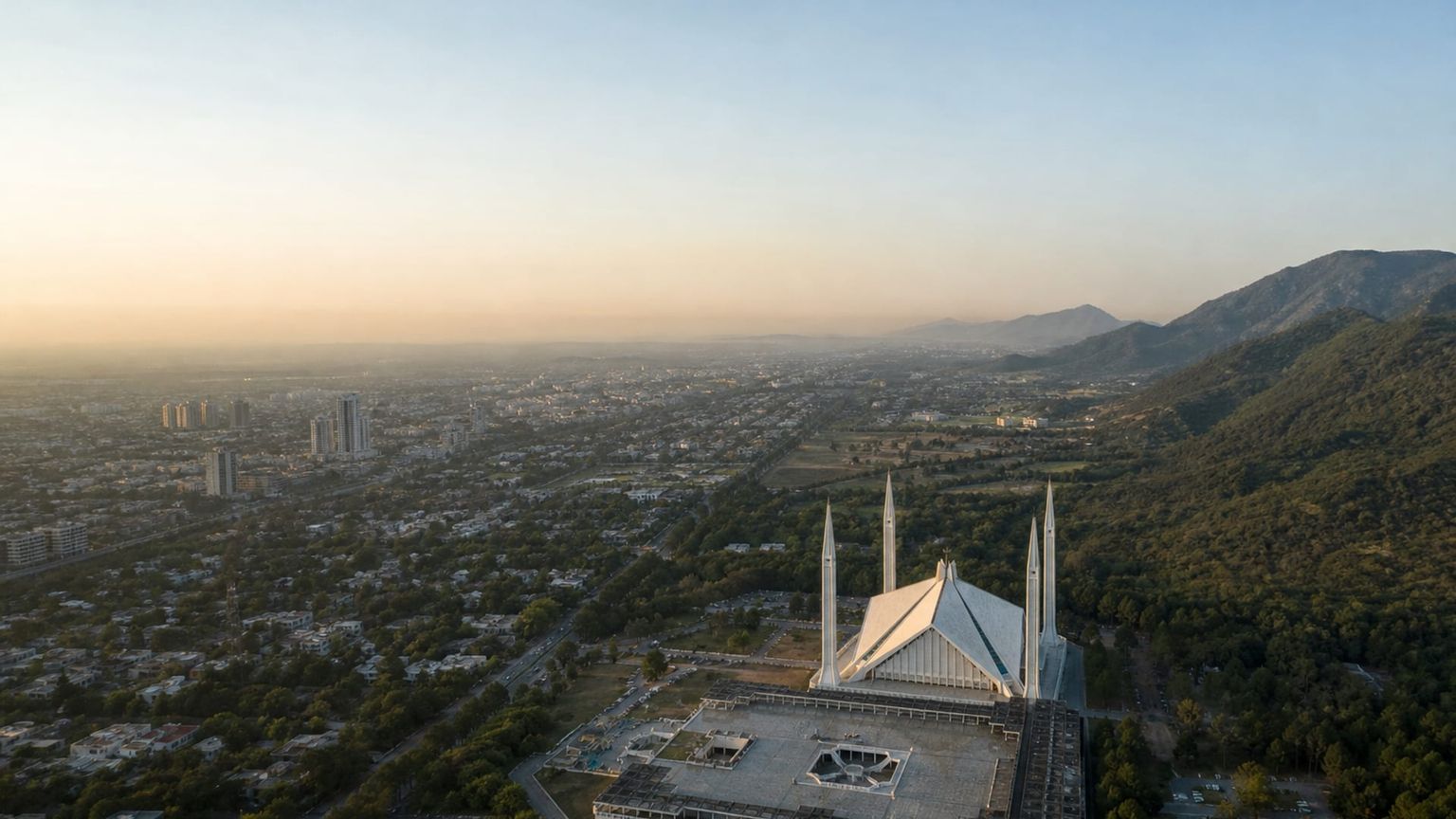
Islamabad’s table leans on grills, slow-cooked curries, and breads that pair well with chapli kebab, nihari, seekh kebab, and haleem. Meals often start late, and the best dinners cluster near market streets and restaurant rows.
Chapli kebab
Spiced minced meat patties, usually crisp at the edges and served with naan or chutney. Monal Islamabad is a strong canonical stop for this dish in the city.
Nihari
A slow-cooked beef stew with deep spice and a rich finish, often eaten at breakfast or lunch. Usmania Restaurant in Islamabad is a well-known place for it.
Seekh kebab
Chargrilled minced meat skewers with a smoky edge and a soft center. Khoka Khola in Islamabad is a solid canonical choice for this classic.
Haleem
A thick, savory blend of wheat, lentils, and meat that cooks down into a dense, spiced bowl. Quetta Tandoori Restaurant in Islamabad serves a dependable version.
Best time to visit Islamabad
Spring and autumn give Islamabad the clearest sightseeing weather, while summer brings heat and monsoon showers that can change how long you want to stay outdoors.
Best for: Mosques, hill parks, and longer outdoor days
What you get: About 59 to 91°F (15 to 33°C), with moderate crowds and clear mornings
Trade-offs: Late May can turn hot by midday
Best for: Museum visits and early or late outings
What you get: About 77 to 100°F (25 to 38°C), with lighter daytime crowds but more weather disruption
Trade-offs: Heat and rain can shorten outdoor plans
Best for: Hilltop views and comfortable city movement
What you get: About 57 to 88°F (14 to 31°C), with steady visitor flow and good visibility
Trade-offs: November nights can feel cool after sunset
Best for: Sunny daytime walks and quieter sightseeing
What you get: About 39 to 66°F (4 to 19°C), with lighter crowds and crisp air
Trade-offs: Early mornings and evenings can be cold
A realistic 5-day plan in Islamabad
Five days gives Islamabad enough room to separate arrival, landmark visits, museum time, and a slower final stretch. The plan below keeps the city in clusters, so you can stay in F-6, F-7, Blue Area, or E-7 without wasting time crossing town repeatedly.
Land at Islamabad (ISB), then take a taxi or ride-hail into F-6, F-7, or Blue Area, with the drive usually taking about 25 to 40 minutes and costing roughly $6 to $12, depending on traffic and the time of day. If you arrive early, settle into a hotel near Jinnah Super Market in F-6 or F-7, drink water, and keep dinner close to your room with a simple meal on the market streets before an early night.
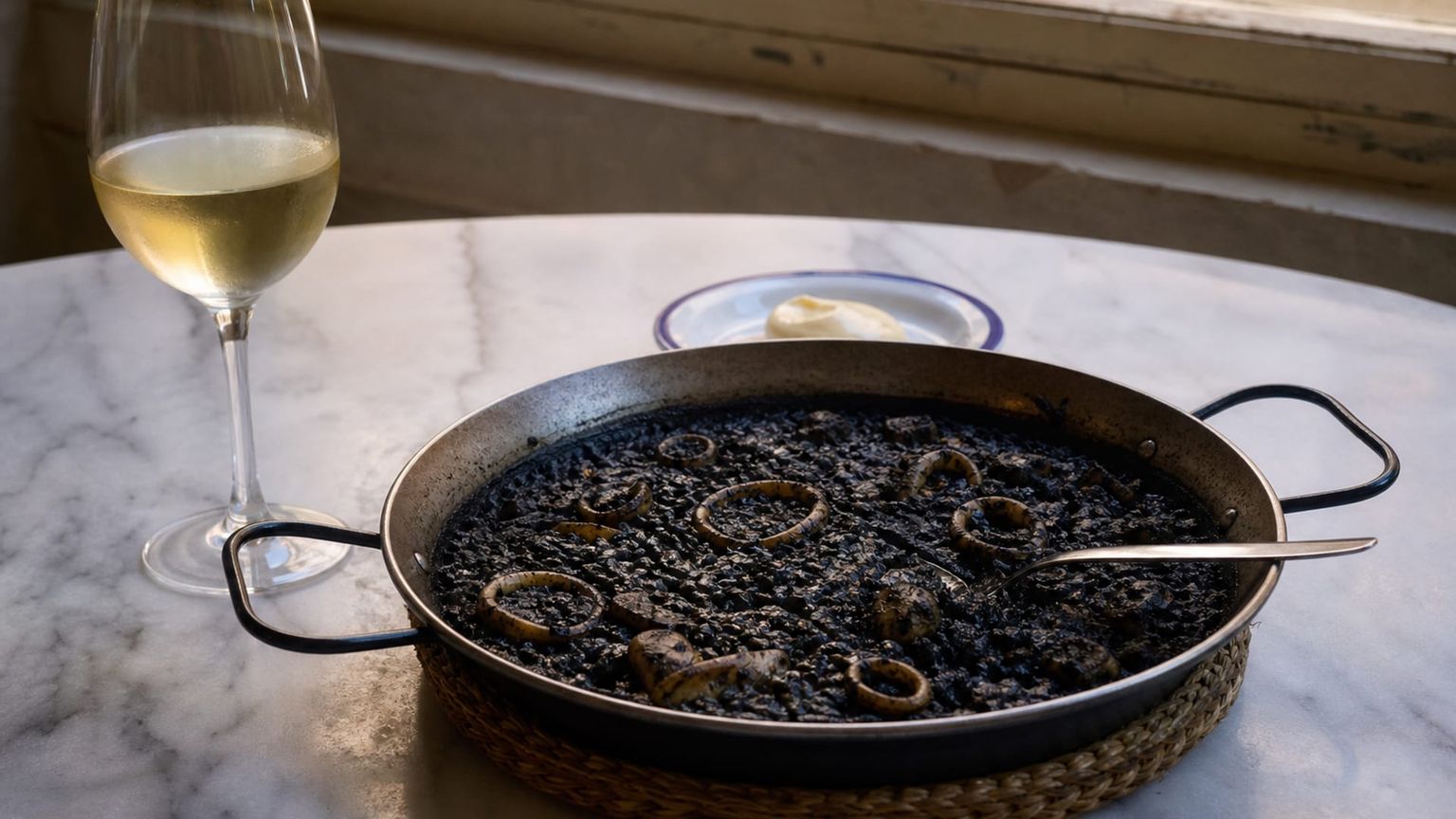
Start at Faisal Mosque in the late morning, then continue by car to Lok Virsa Museum, a trip of about 15 to 20 minutes; plan about 1 to 2 hours at the mosque and another 2 hours at the museum. Stop for lunch between the two, then finish at Shakarparian National Park, about 10 to 15 minutes from Lok Virsa, for sunset views over the city and a short walk before heading back to F-6 or F-7 for dinner.
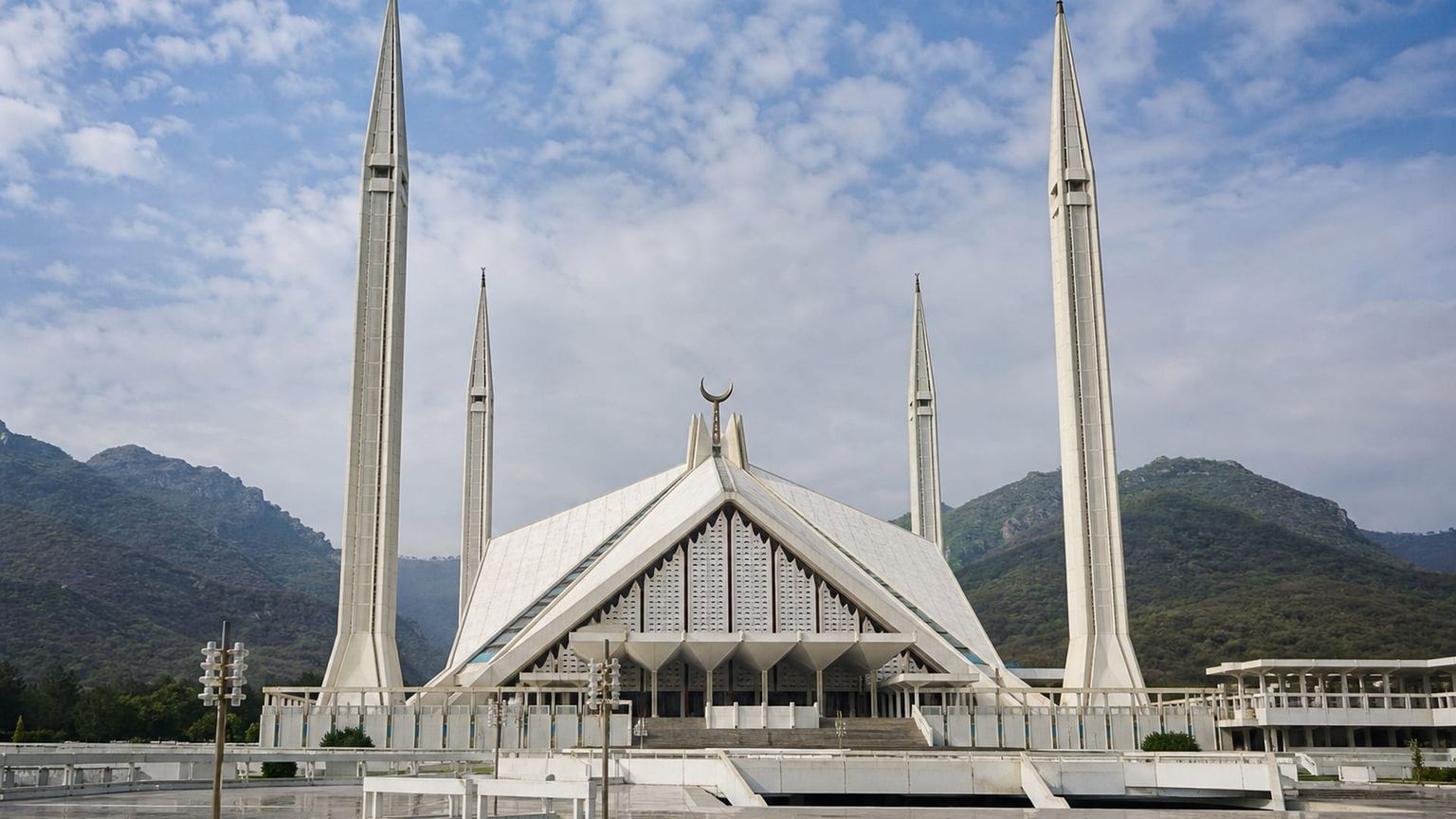
Begin with a midmorning visit to Lok Virsa Heritage Museum, then drive about 10 to 15 minutes to Pakistan Monument for the terrace and museum, where you can spend about 1 to 2 hours. From there, continue to Shakarparian National Park in roughly 5 minutes if you want a longer look at the hilltop views, then return to Blue Area or F-6 for an easy dinner without crossing town again.
Faisal Mosque works best as the first stop today, especially if you arrive in late afternoon for the softer light, and it sits about 10 to 15 minutes by car from Blue Area and roughly 5 to 10 minutes from E-7. Afterward, head to a quieter dinner in E-7, or keep the evening near F-7 if you want more restaurant choice and a shorter ride back to your hotel.
Before you head to Islamabad (ISB), fit in one last museum stop at Lok Virsa Museum or Lok Virsa Heritage Museum, then spend your remaining time shopping and eating in F-6, F-7, or Blue Area, where you can find cafes for a late breakfast or early lunch. If your flight is later in the day, linger over coffee in F-6 near Jinnah Super Market, then return to your hotel for pickup without adding a long cross-city trip.
Business-class flights from the US to Islamabad
Reaching Islamabad usually means a one-stop itinerary from either coast of the United States, and the layover city often matters as much as the airline. The examples below show how the route can change by origin.
From New York, Qatar Airways, Emirates, Turkish Airlines, Etihad Airways, British Airways, and Lufthansa all appear on the route list, with round-trip fares usually starting at $4,500 and reaching $7,500. Doha or Dubai connections often price below the rare nonstop options, and the total journey typically runs about 16 to 21 hours.
Los Angeles travelers usually see Qatar Airways, Emirates, Turkish Airlines, Etihad Airways, Lufthansa, and British Airways, with round-trip fares from $4,200 to $7,200. Most itineraries connect through Doha, Dubai, or Istanbul, and the full trip generally takes about 17 to 23 hours.
Islamabad feels different when you slow down
A deliberate Islamabad trip follows the city’s layout: F-6 and F-7 for meals and hotels, Blue Area for faster movement, E-7 for a quieter stay, and the mosque, museum, and monument stops in a logical sequence. Ride-hail keeps the day moving, while an early dinner near Jinnah Super Market or a sunset stop at Shakarparian gives the trip its clearest breaks. If you want help shaping the right route, the AranGrant experts can build it around your dates and preferred neighborhood







