


Chapters:

Need help with your trip?
Our support team is available 24/7. Request a callback or call us directly at (833) 619-0908
Irákleion trips often start with Knossos, a museum stop, and a harbor dinner, then rush between them without much pause. Travelers sometimes miss how much the old town rewards short walks and timed visits.
That approach can turn simple distances into lost time, especially when museum crowds build after midmorning and the center gets busy near the waterfront. A scattered plan also makes the airport transfer and evening meals feel tighter than they need to be.
This guide breaks the city into clear days, so you can place Knossos, the port, the walls, and the quieter museums in a sequence that keeps each move short and each stop deliberate.
Useful things to know
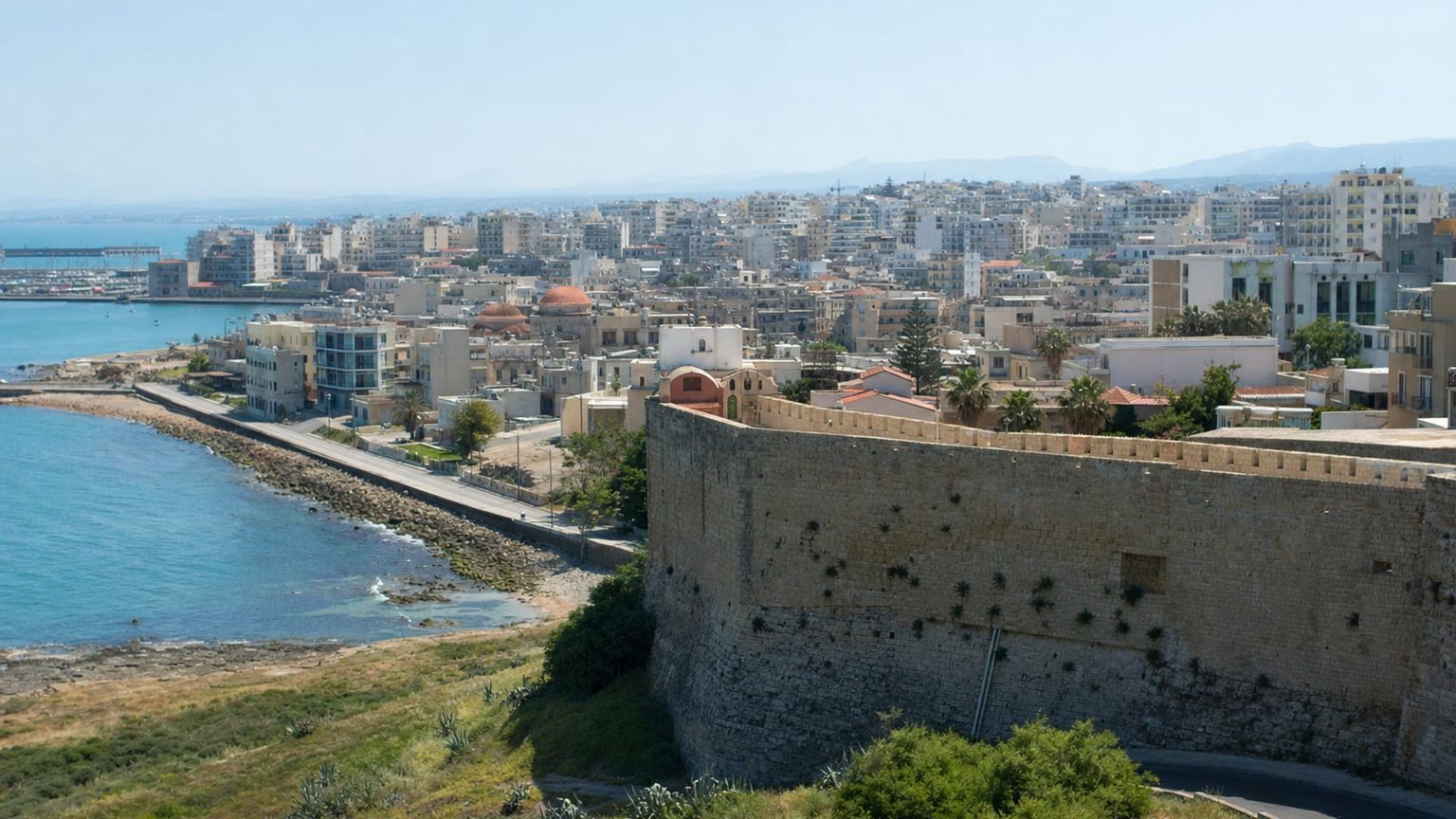

Main language(s): Greek
Γεια σας (YAH-sahs) – Hello / good morning
Παρακαλώ (pah-rah-kah-LOH) – Please
Ευχαριστώ (eff-khah-rees-TOH) – Thank you
Μιλάτε αγγλικά; (mee-LAH-teh ahn-glee-KAH) – Do you speak English?
Πόσο κάνει; (POH-soh KAH-nee) – How much does it cost?

Currency: The local currency is the euro (EUR, €).

Cash and cards: Cards and contactless are widely accepted; carry about €20 to €40 ($22 to $44) in cash for small purchases.

Tipping: Round up small bills; leave about 5 to 10% in restaurants for good service.

Traditional food: Dakos, Cretan snails, Kalitsounia, Gamopilafo

Water and coffee costs: Water ~€1.50 ($2), bar espresso ~€2 ($2).

Taxis and ride apps: Bolt and Uber operate here, but availability can be limited late at night.

Plug and voltage: Type C/F socket, 230V

Dining and shop opening hours: Breakfast is about 7:00-10:00, lunch 13:00-15:00, and dinner 20:00-23:00. Many kitchens close in the afternoon between lunch and dinner.

Emergency number: 112 for police, fire, and medical emergencies.
Where to stay in Irákleion
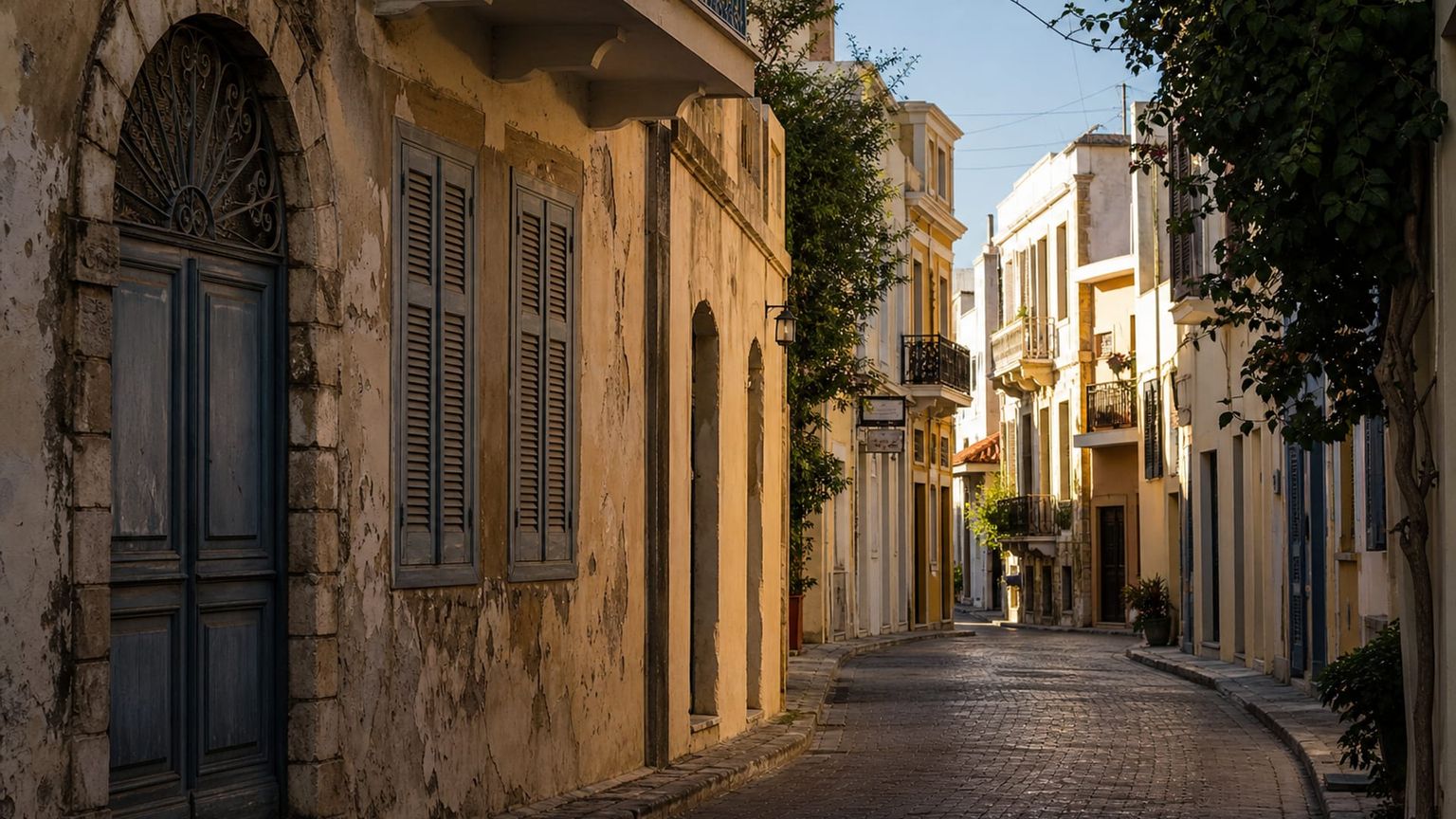
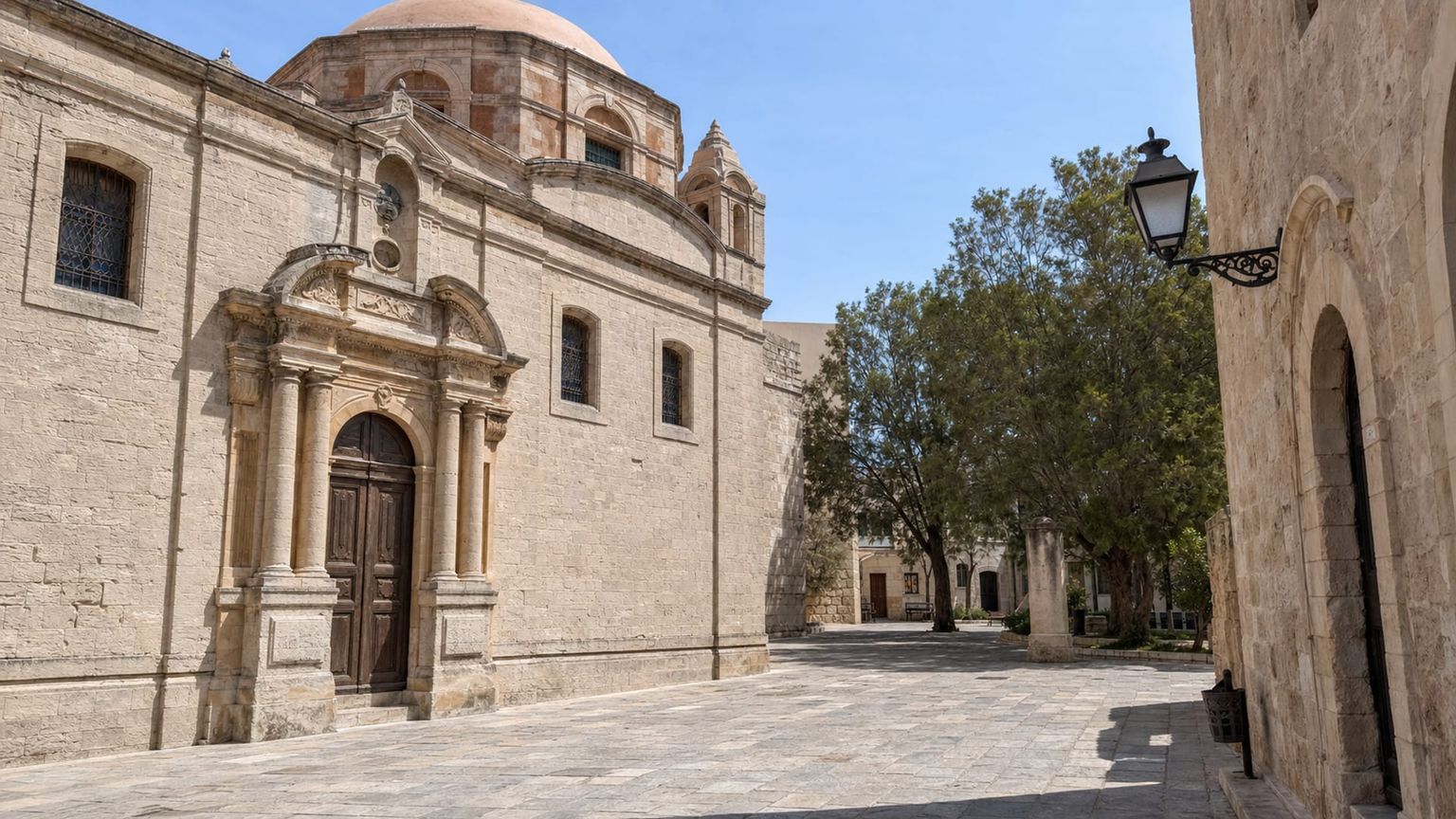
The historic core around Lion Square, 25th August Street, and the Venetian harbor puts museums, cafés, and shopping on foot. It works well if you want the city’s main sights close together and do not mind the busiest streets.
Best for: First-time visits, sightseeing, and travelers who want to move around on foot
What to expect: Busy sidewalks by day, with more pedestrian traffic and restaurant spillover into the evening.
Hotel prices: Usually about €110 to €220 (~$120 to ~$240) per night for well-rated stays
Distance to major sights: 5 to 12 minutes on foot to the Archaeological Museum and Heraklion Archaeological Museum area, about 8 to 15 minutes on foot to the Koules Fortress
Quietness: Lively in the daytime; evenings stay active near dining streets and can run later than in residential blocks.
Main trade-off: Central rooms can be compact, and street noise or weekend foot traffic can affect lighter sleepers.
Good to know: Choose a room away from the main restaurant streets if you want easier sleep, because the liveliest blocks can stay active late.
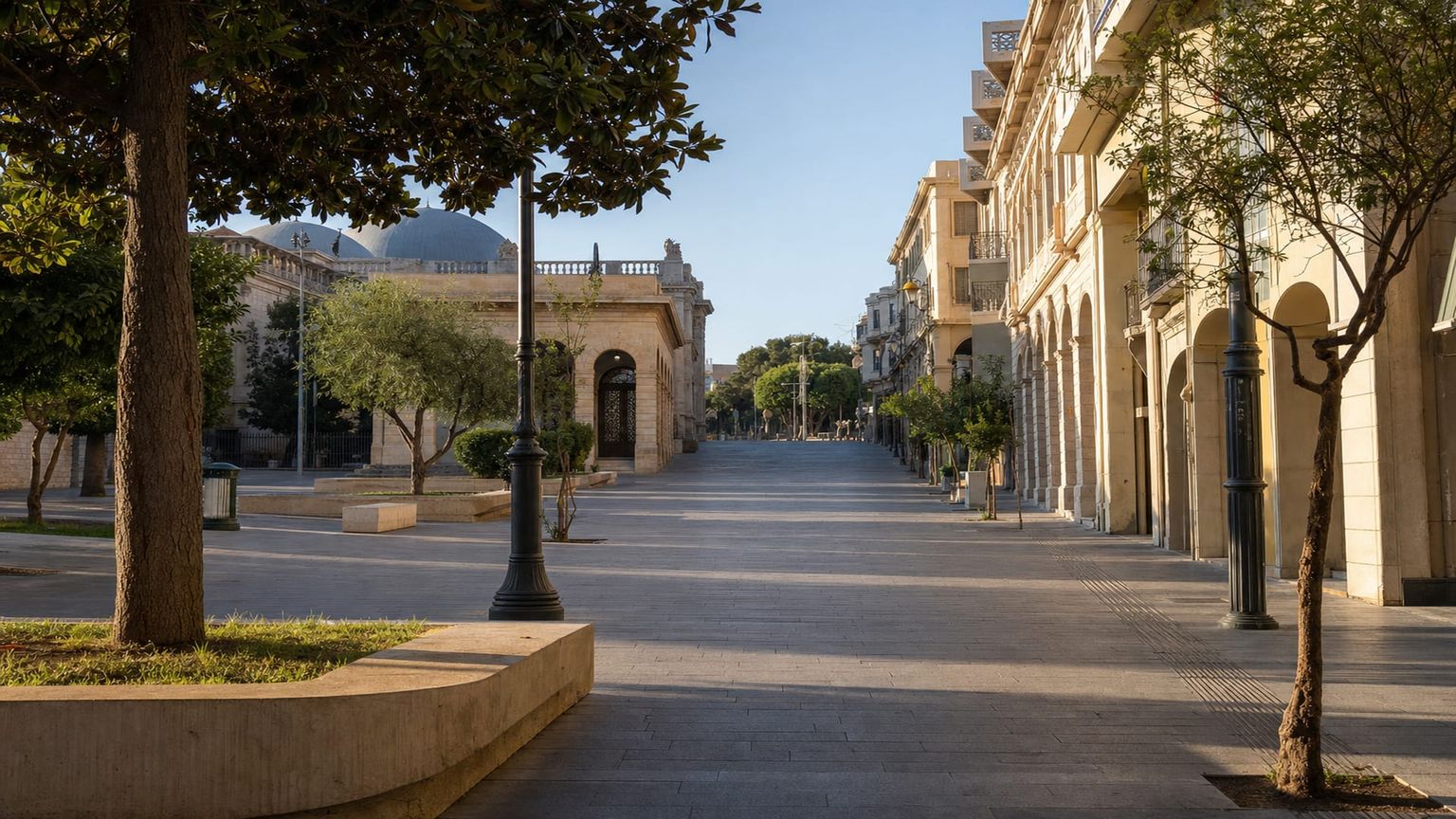
This central district sits just inland from the old town and concentrates hotels, shops, and transit connections. It suits visitors who want quick access to the pedestrian center without staying on the waterfront itself.
Best for: Short stays, shopping, and access to buses and taxis
What to expect: Constant city movement, with commuters, shoppers, and steady foot traffic throughout the day.
Hotel prices: Usually about €90 to €180 (~$98 to ~$197) per night for well-rated stays
Distance to major sights: About 8 to 15 minutes on foot to the Archaeological Museum and Lion Square, roughly 10 to 20 minutes on foot to the harbor
Quietness: Active from morning through evening; nights are calmer than the old town, though main roads still carry traffic noise.
Main trade-off: You gain transit access, but the setting is less atmospheric than the historic core and some streets feel busy rather than scenic.
Good to know: If you plan day trips by bus, staying here cuts down on backtracking to the terminal and taxi stands.
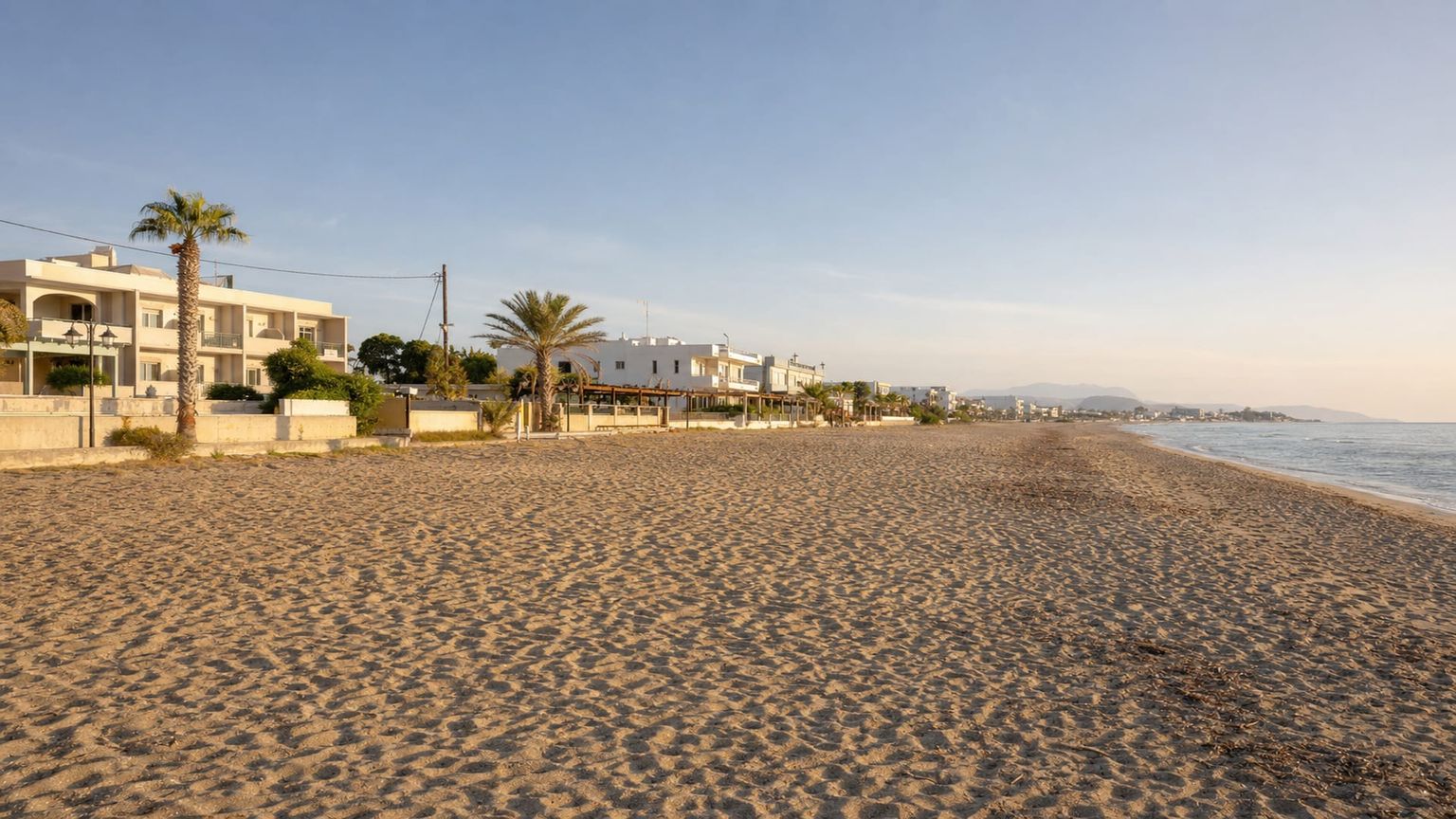
Ammoudara is the long beach district west of central Heraklion, with larger hotels, seafront cafés, and easy access to the coast road. It matters if you want a resort-style base while staying within reach of the city center.
Best for: Beach time, family stays, and travelers who want bigger hotels with parking
What to expect: More resort traffic than neighborhood life, with a steady stream of beachgoers and hotel guests in high season.
Hotel prices: Usually about €80 to €170 (~$87 to ~$186) per night for well-rated stays
Distance to major sights: About 15 to 25 minutes by bus to Lion Square, roughly 10 to 20 minutes by car to the Venetian harbor
Quietness: Quieter in the morning and after dark than central Heraklion, though main seafront roads can be busy in summer.
Main trade-off: You trade walkability to the old town for beach access, and taxis or buses become part of the routine.
Good to know: Book close to the beach if you want an easier water-focused stay, because inland blocks can feel far from the shoreline on foot.
Travelers usually avoid sleeping in the Heraklion Port industrial edge, because it sits far from the main museum and old-town sights and gets little on-foot evening traffic. Karteros and Ammoudara are also less convenient for a city stay, since they sit outside the center and make night outings and early sightseeing more dependent on taxis or buses. The newer eastern suburbs, including Mesampelies and parts of Nea Alikarnassos, have fewer visitor amenities and put you farther from the main pedestrian core.
Hotel deals
How to get around Irákleion efficiently
Heraklion has no metro, so the city works best with a mix of walking, buses, and licensed taxis tied to the airport, port, and old town.

Metro
for longer distances
Irákleion does not have a metro, so visitors depend on buses and taxis for urban travel. There is no suburban rail substitute either, which means most trips from the airport and the harbor stay on road transport.

Bus and tram
for convenience
The main airport bus from Irákleion (HER) into the city center usually takes about 20 to 30 minutes, and a ticket costs about $2 ($1.20). Blue KTEL buses link the airport, port, and downtown streets, with the busiest stops near the harbor, the Archaeological Museum, and the central market; buy from the driver or a kiosk when available, and expect less frequent evening runs.

Taxi
for convenience or late hours
Licensed taxis use set or regulated fares rather than open-ended bargaining, with airport trips to central Irákleion usually costing about $20 to $25 during the day and a bit more late at night. You can take one from the official rank outside Irákleion (HER), from hotel stands, or by phone dispatch, and most drivers accept cash, while card payment is common but not universal.
*Prices are based on rates updated as of June 2026 and may change at the time of travel.
Walk the center when your stops cluster near Lion Square, use buses for the airport and longer cross-town hops, and take taxis when you need a quick return after dinner or a timed museum visit.
Iconic landmarks
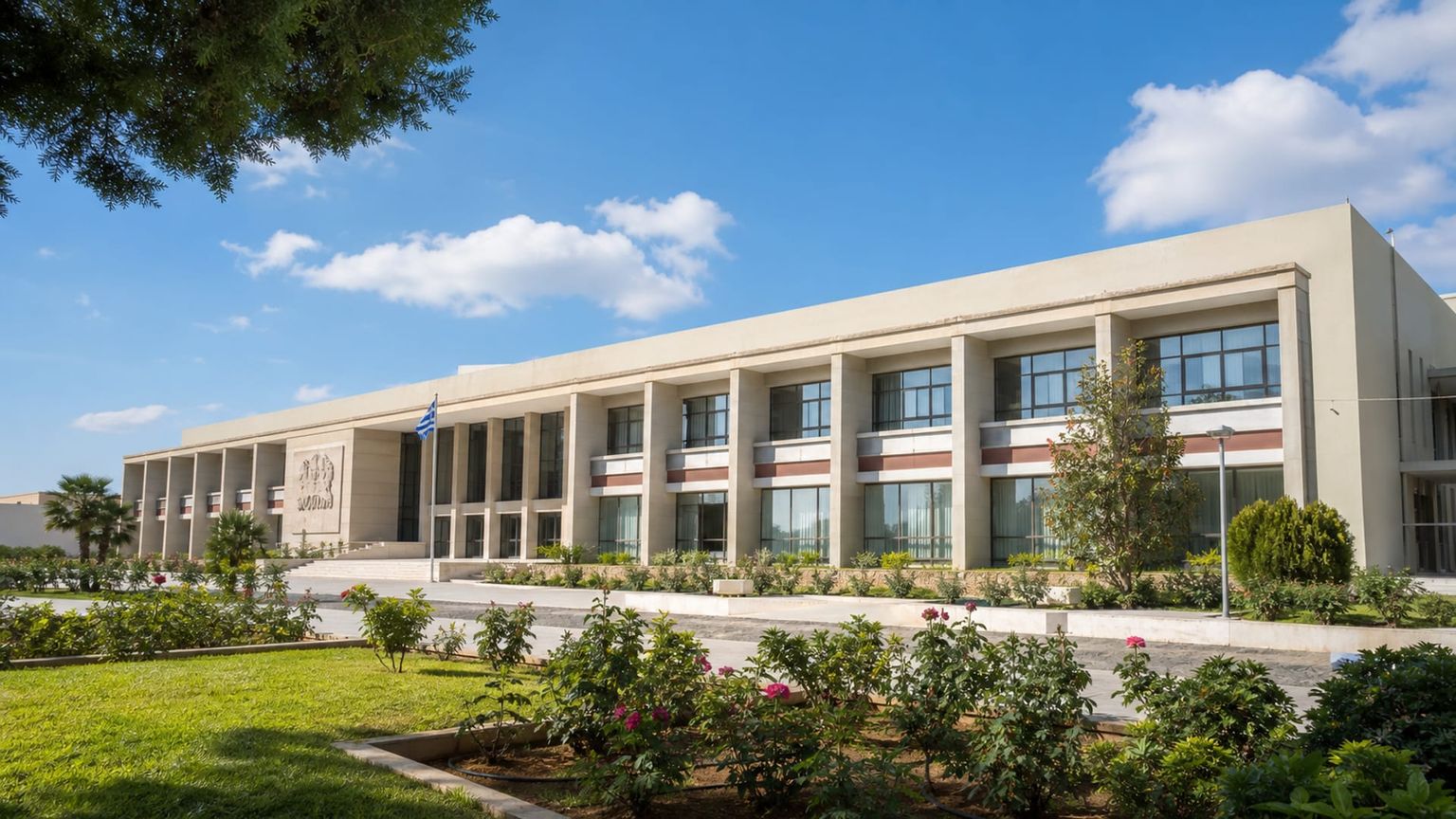
Heraklion Archaeological Museum
This museum holds one of Greece’s best Minoan collections, including the Phaistos Disc, bull-leaping frescoes, and carved ritual vessels. Its galleries give clear context for Knossos and the wider Bronze Age world.
Time needed: About 2 to 3 hours
Entry: Standard tickets cost $17 ($15) to $20 ($18), with reduced admission for eligible visitors and some free entry days. Visit the official site for details.
Tip: Go early, then head to Knossos before noon to avoid the busiest tour waves.
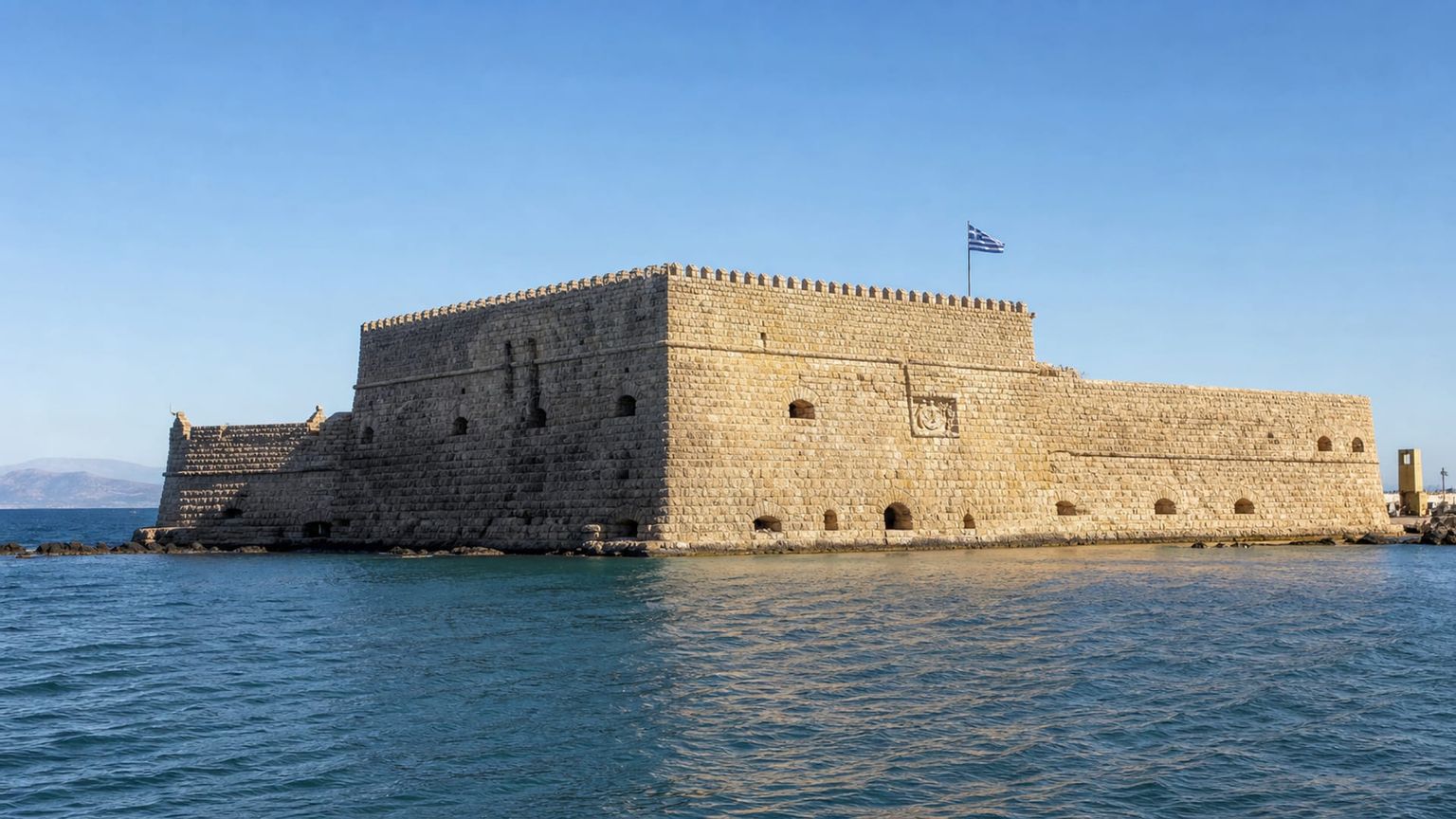
Koules Fortress
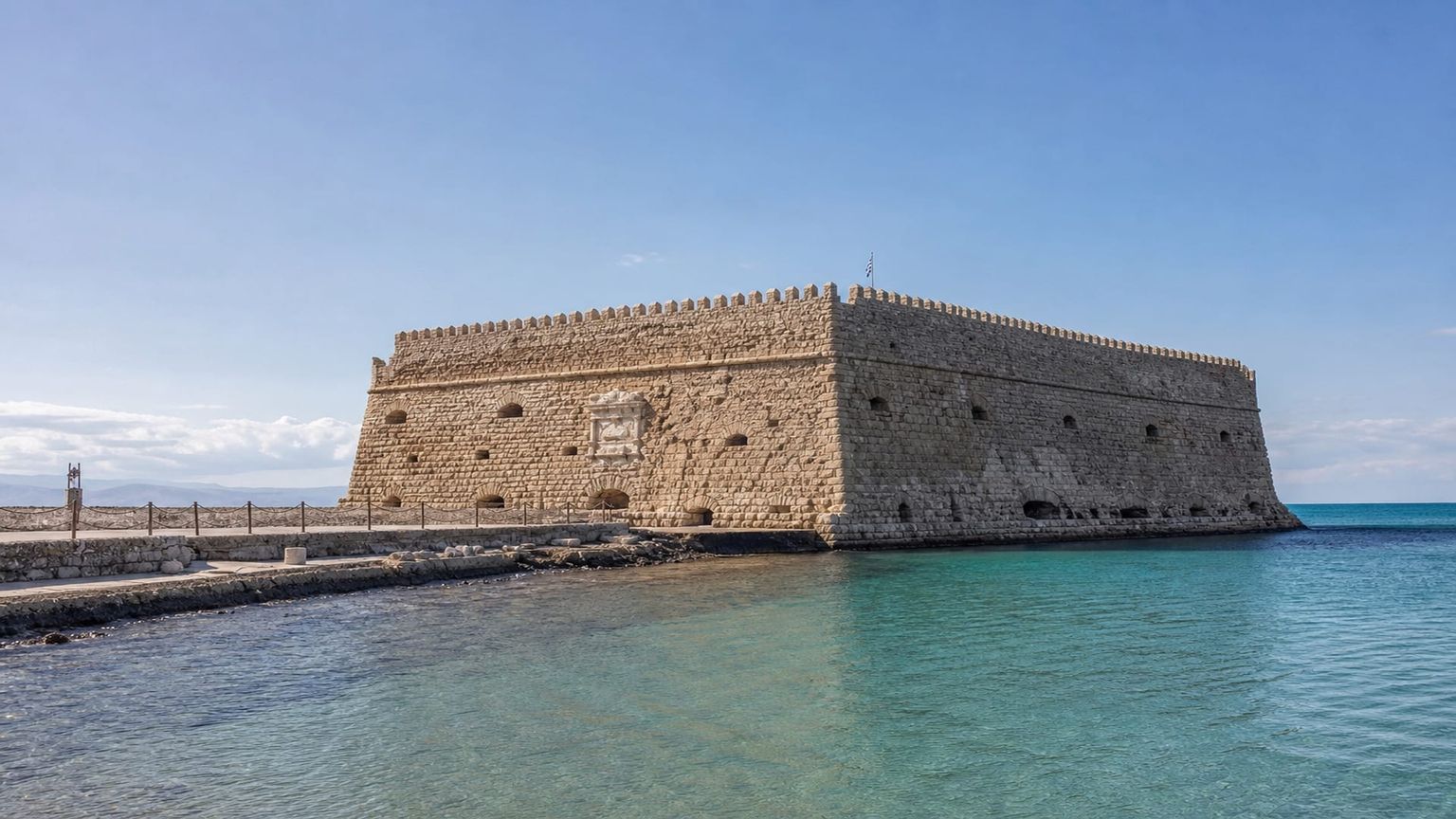
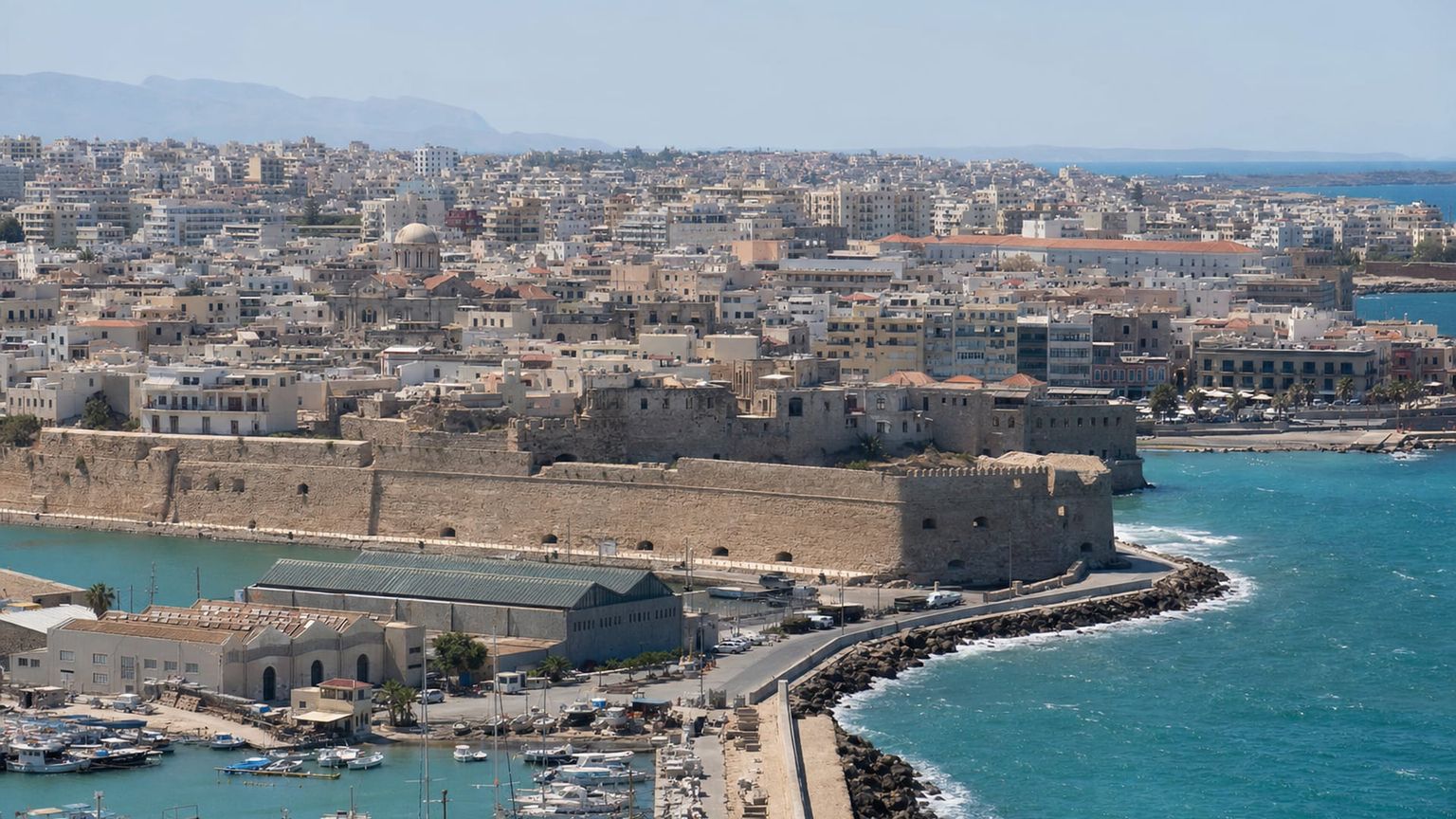
Koules guards Heraklion’s old harbor with thick Venetian walls, sea views, and a compact exhibition on the city’s maritime past. Its ramparts are most striking at sunset, when ferries and fishing boats cross the basin below.
Time needed: About 45 minutes to 1 hour
Entry: Admission costs $5 ($4) for adults, with lower prices for students and seniors and free entry for young children. Visit the official site for details.
Tip: Visit late afternoon, when the light falls across the harbor walls and water.
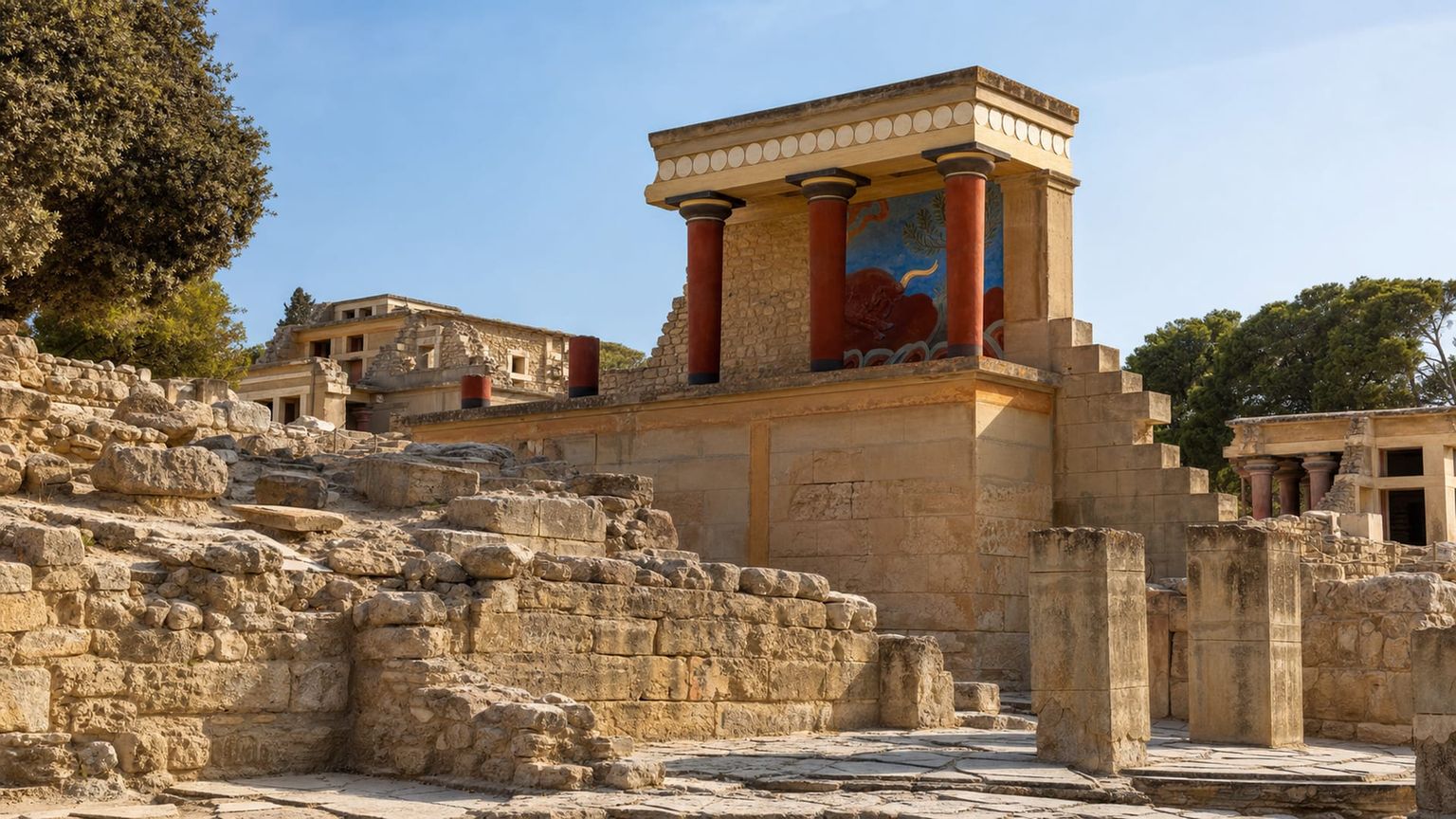
Knossos Palace
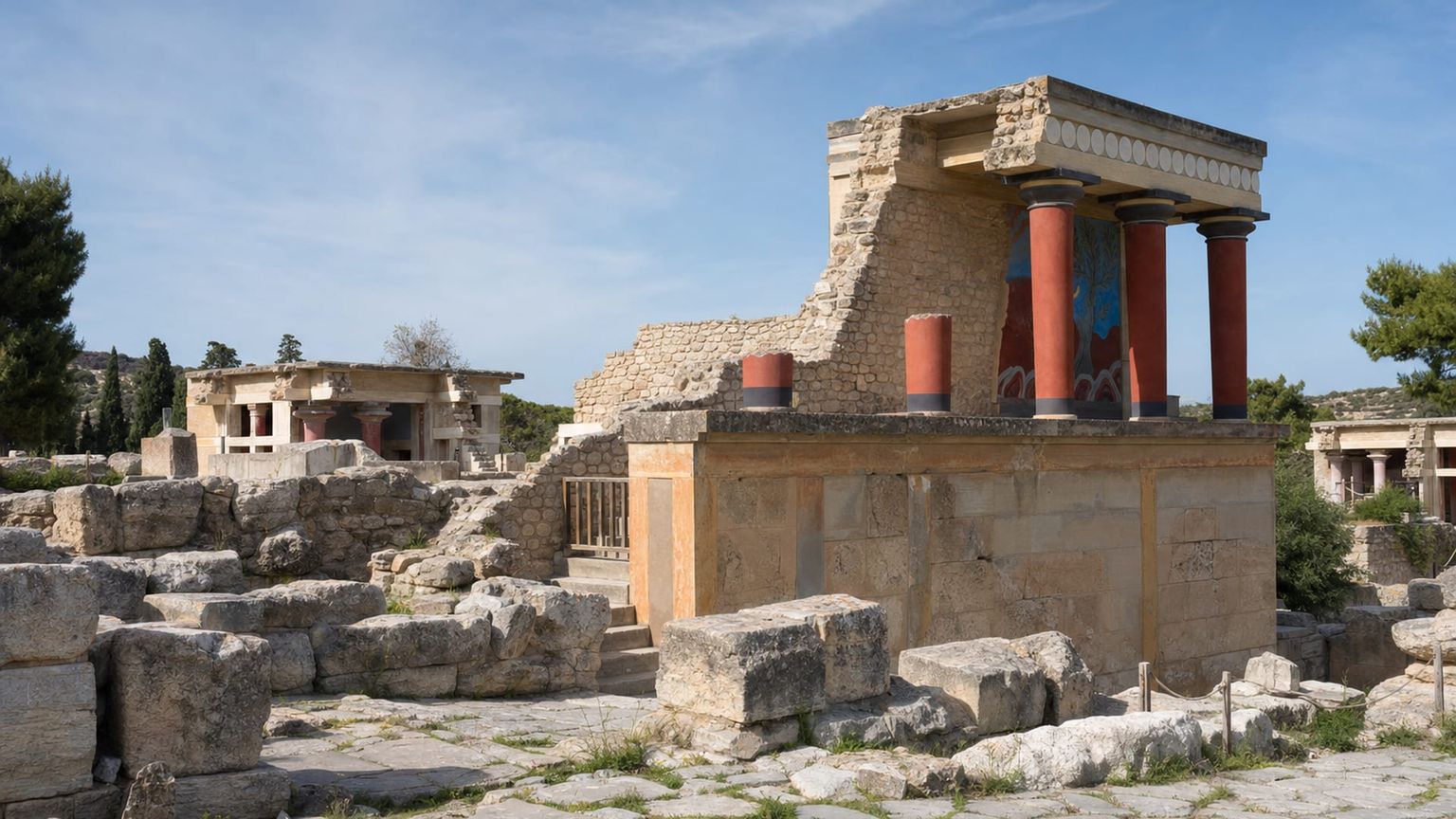
Knossos is the most famous Minoan site in Crete, with reconstructed frescoes, storage magazines, stairways, and the Central Court spread across a hillside complex. The scale and layout make the Bronze Age city easy to picture.
Time needed: About 1.5 to 2.5 hours
Entry: Standard tickets cost $20 ($18) to $25 ($22), with discounted rates for EU students and other eligible visitors. Visit the official site for details.
Tip: Arrive at opening, before coach groups fill the narrow paths and rooms.
Overlooked sites worth visiting

Venetian Walls and Martinengo Bastion
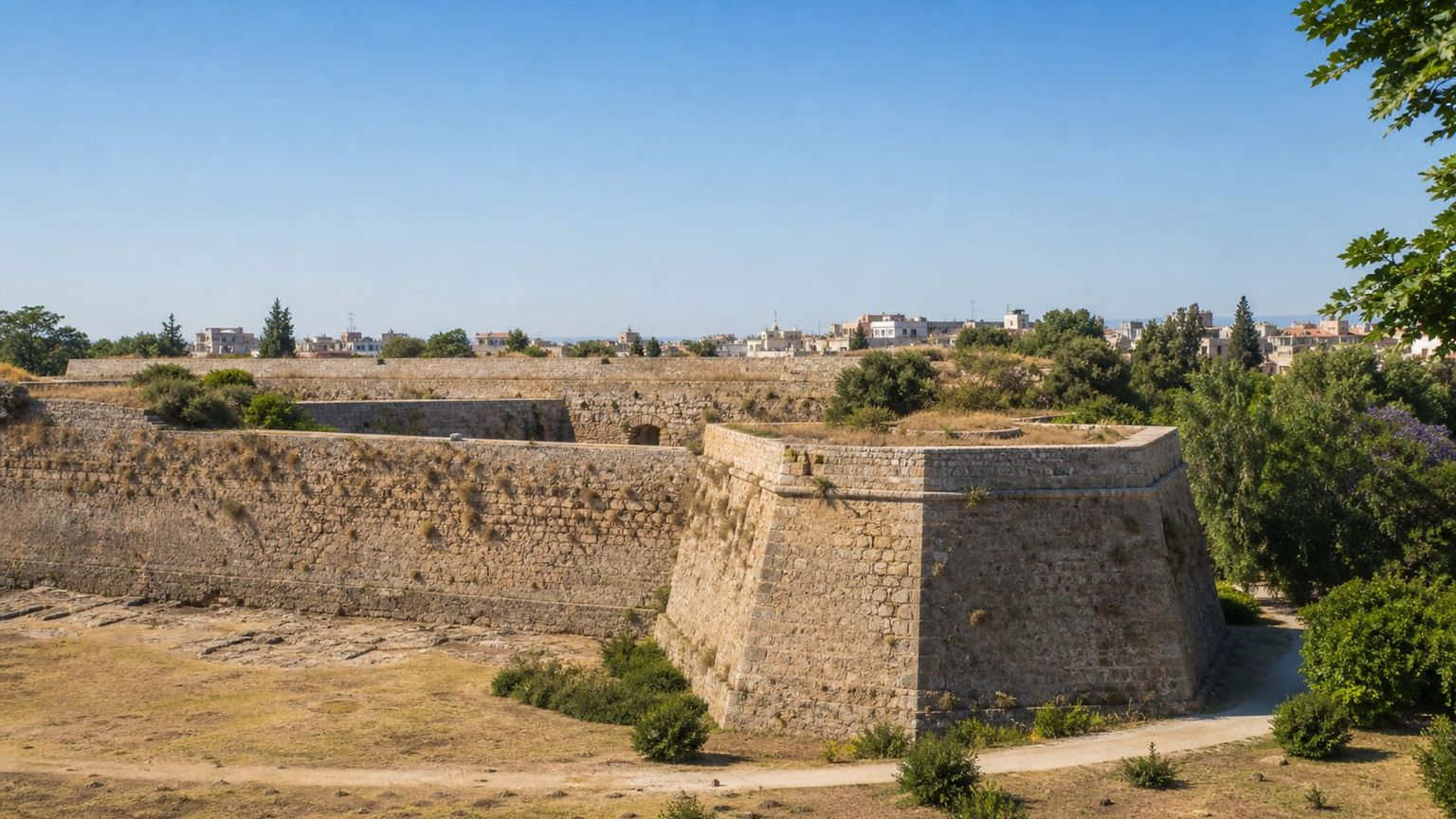
A quiet stretch of Heraklion’s fortifications where you can walk above the old town and look out to the harbor and mountains. The Martinengo Bastion also holds Nikos Kazantzakis’s tomb.
Time needed: About 1 hour
Entry: Free to access; the walls and bastion are open-air public grounds, with no admission charge for walking the route and visiting the Kazantzakis tomb area. Nearby parking and cafés are separate costs.
Tip: Go near sunset for long views over the city rooftops.

Natural History Museum of Crete
This compact museum near the waterfront covers Crete’s geology, marine life, and earthquake history, with a full-size earthquake simulator and a focused exhibit on the island’s wildlife.
Time needed: About 1 to 2 hours
Entry: Standard tickets cost $8 to $10 (€7 to €9) for adults, with reduced rates for students and children; the earthquake simulator is included in the museum admission, and special programs may cost extra. Visit the official site for details.
Tip: Visit earlier in the day to avoid school-group crowds.
Traditional food
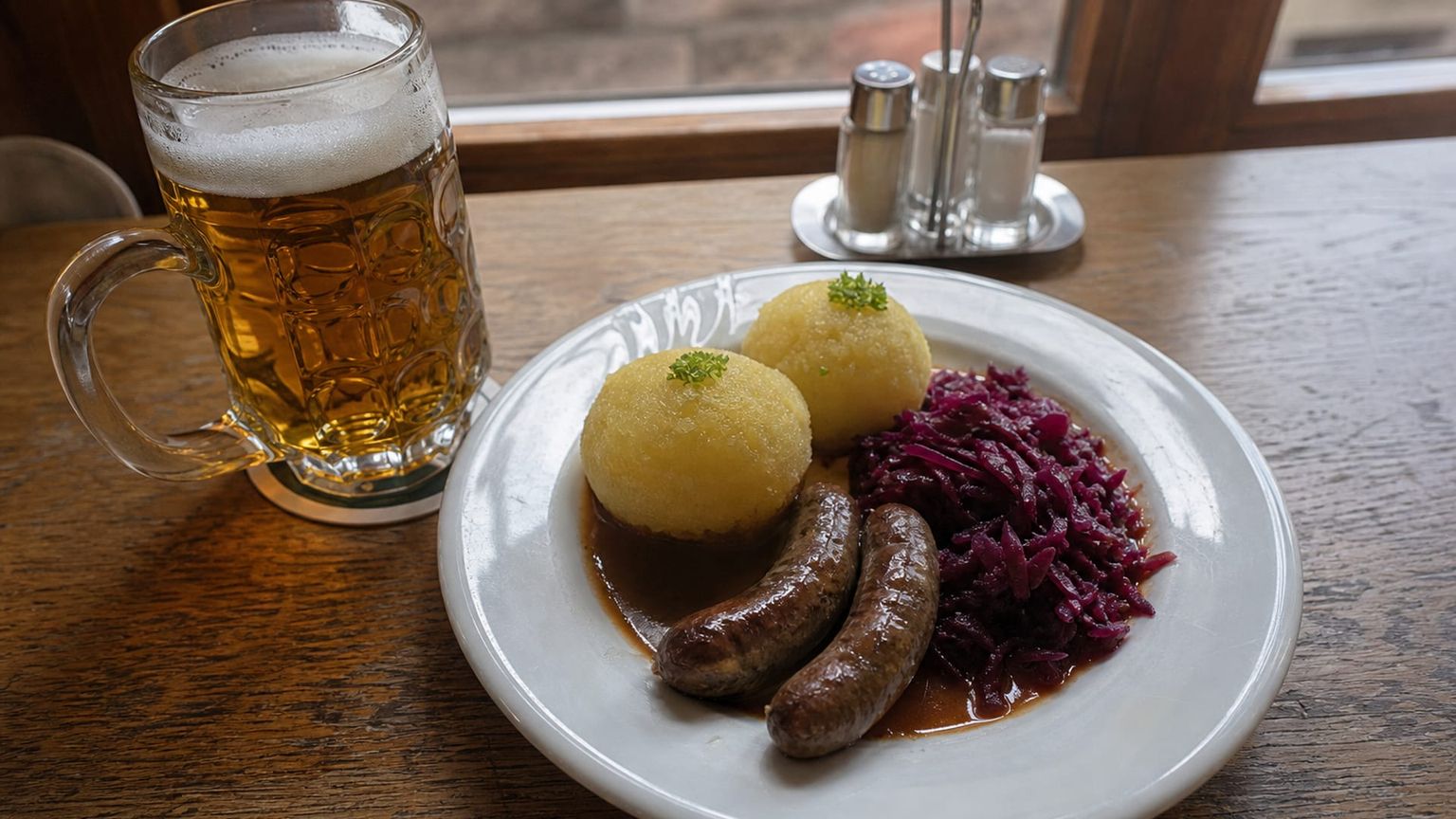
Cretan cooking here leans on olive oil, herbs, barley rusks, cheese, and seafood, with dakos, snails, kalitsounia, and gamopilafo showing up in both tavernas and home-style kitchens. Meals often arrive with a slow pace and a short list of daily specials.
Dakos
This barley rusk topped with tomato, cheese, and olive oil is a classic Heraklion first bite. Peskesi serves a well-known version that fits the city’s Cretan cooking style.
Cretan snails
Snails appear with herbs, garlic, or tomato in dishes that reflect the island’s rural food traditions. Paralia Seaside Restaurant is a solid central choice when you want them in a harbor setting.
Kalitsounia
These small cheese or greens pies work as a snack or a light starter, with crisp pastry and a soft filling. Kouzina e.p.e. in Heraklion Old Town is a good place to order them.
Gamopilafo
This rich rice dish, usually finished with broth, butter, and lemon, shows up at celebratory tables and in traditional tavernas. Ligo Krasi Ligo Thalassa can serve it in a coastal setting near the center.
Best time to visit Irákleion
Irákleion shifts with the season, from bright shoulder-season sightseeing weather to hotter, busier summer days and milder winters that suit museums and harbor walks.
Best for: Museum visits, old-town walks, and day trips before the peak season
What you get: About 59 to 77°F (15 to 25°C), with lighter crowds and easy walking weather
Trade-offs: Occasional rain can interrupt a harbor or wall walk
Best for: Beach time, late dinners, and long daylight for full sightseeing days
What you get: About 77 to 91°F (25 to 33°C), with the busiest streets and fuller attraction queues
Trade-offs: Heat and crowds can make midday sightseeing tiring
Best for: Balanced city days, calmer museums, and comfortable waterfront evenings
What you get: About 64 to 81°F (18 to 27°C), with fewer crowds after the first half of September
Trade-offs: Some beach weather fades by late season
Best for: Quiet museum time, local dining, and low-key city breaks
What you get: About 52 to 64°F (11 to 18°C), with the lightest visitor traffic of the year
Trade-offs: Shorter days and more rain can limit outdoor time
A realistic 5-day plan in Irákleion
Five days in Irákleion work best when you separate the big archaeological stops from the central walks and keep the harbor for slower hours. This plan does that in sequence, so transfer time stays limited and each day has a clear focus.
Land at Heraklion (HER), then take a taxi to Heraklion Old Town for about 15 minutes and roughly $20 to $25. If you are arriving on a tighter budget, the bus into the center usually costs far less, though it takes longer and can add a short walk to your hotel. Check in near Lion Square or along 25th August Street, drink water, and keep dinner close to the harbor with a simple plate of grilled fish or dakos so the evening stays easy after the trip.
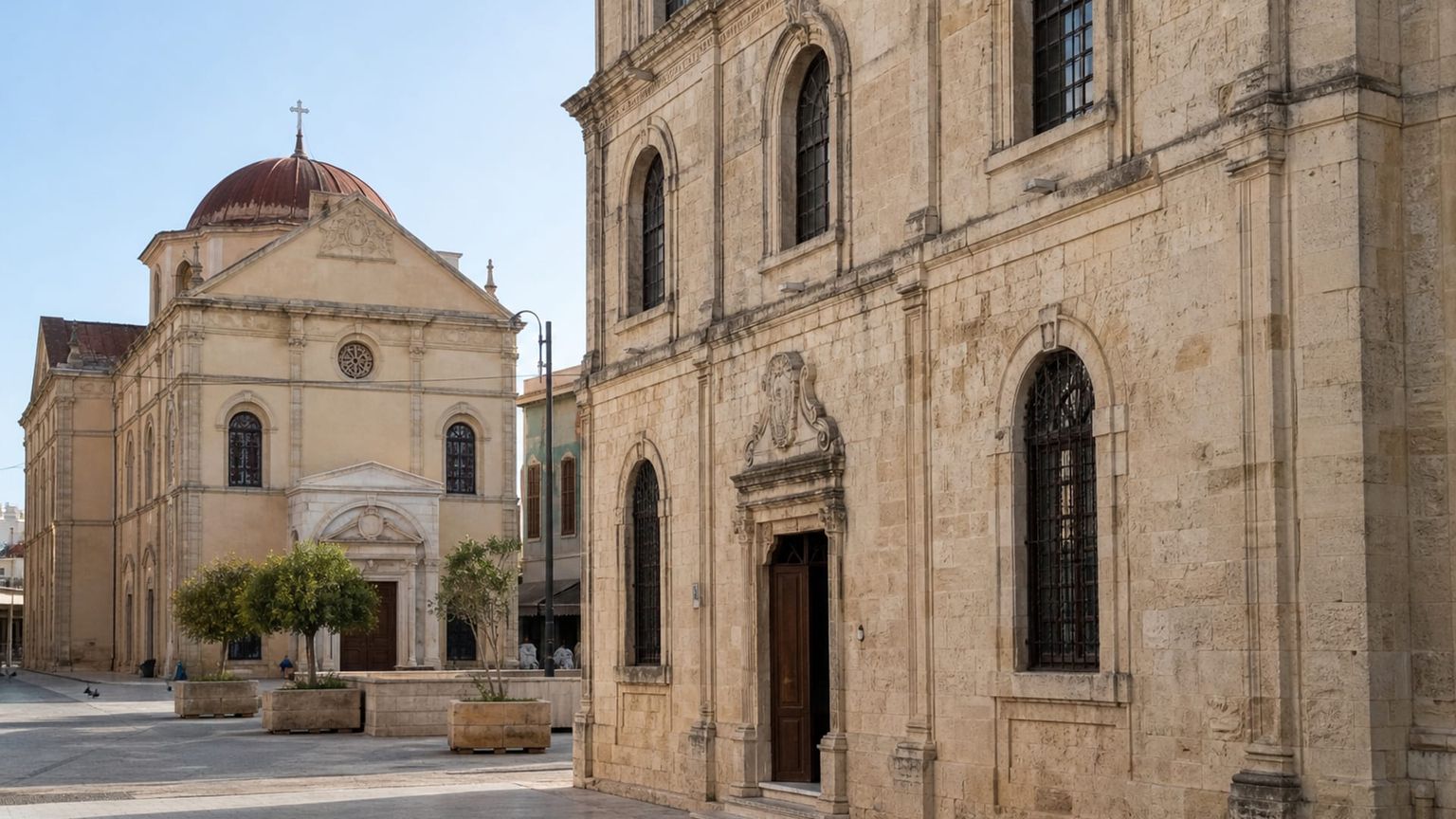
Start at the Heraklion Archaeological Museum, where you can spend about 2 to 3 hours with the Phaistos Disc and the Minoan frescoes before the galleries get crowded. From there, walk about 10 minutes to Lion Square and another 8 to 10 minutes toward the Venetian harbor for lunch and a slow loop along the waterfront. In the late afternoon, continue about 10 minutes on foot to Koules Fortress, then stay for the harbor views when the light falls across the water.
Knossos Palace should come first today, ideally at opening, since the site is about 20 to 25 minutes by taxi or bus from Heraklion Old Town and fills quickly after midmorning. Spend about 1.5 to 2.5 hours moving through the Central Court, stairways, and reconstructed rooms, then return to the center for lunch. Afterward, walk or take a short taxi ride of roughly 10 to 15 minutes to the Natural History Museum of Crete for the earthquake simulator and the island wildlife exhibits.
Begin on the Venetian Walls and Martinengo Bastion, where an hour on the ramparts gives you wide views over the rooftops and the harbor, and the walk also reaches Nikos Kazantzakis’s tomb. From there, head about 10 to 15 minutes down to the old town for coffee and a slow look through the streets near Lion Square. Finish the day with an easy dinner in Heraklion Old Town, staying within the pedestrian core so you can return to your room without a late transfer.
A final museum stop works well before departure, so revisit the Natural History Museum of Crete if you missed it, or spend a last 45 minutes to 1 hour at Koules Fortress for one more look at the harbor. Afterward, browse shops in Kornarou and Plateia Eleftherias, which sit about 8 to 15 minutes on foot from the old town and give you easy access to taxis and buses. End with coffee in Heraklion Old Town, then head to HER with enough time for check-in and security.
Business-class flights from the US to Irákleion
Long-haul flights to Irákleion usually involve at least one stop, and the best option often depends on whether you are flying from the East Coast or the West Coast. The fare gap can widen or narrow once you compare the layover city and total travel time.
From New York, Aegean Airlines, Air France, British Airways, Lufthansa, and Turkish Airlines all appear on common itineraries, with total travel time usually about 11 to 12 hours nonstop or 13 to 17 hours with a connection. If you do not mind a stop, typical hubs include Athens (ATH), CDG, FRA, IST, and LHR, and round-trip fares usually start at $3,200 and can reach $7,500.
Los Angeles itineraries often route through CDG, FRA, IST, LHR, or DXB, and the total journey usually runs about 15 to 16 hours nonstop or 17 to 24 hours with one stop. Air France, British Airways, Emirates, Lufthansa, and Turkish Airlines are the usual names on these longer trips, and round-trip fares generally fall between $3,800 and $8,500.
Irákleion feels different when you slow down
A deliberate Irákleion trip has a clear shape: Knossos at opening, the Archaeological Museum before the midday rush, then a slower turn through Lion Square, the Venetian harbor, and the walls above the old town. Buses and taxis cover the longer hops, while the center works on foot once you are there. If you want help matching your dates to the right neighborhood and flight route, the AranGrant experts can map out the details for a cleaner arrival and a better last day







