

Chapters:

Need help with your trip?
Our support team is available 24/7. Request a callback or call us directly at (833) 619-0908
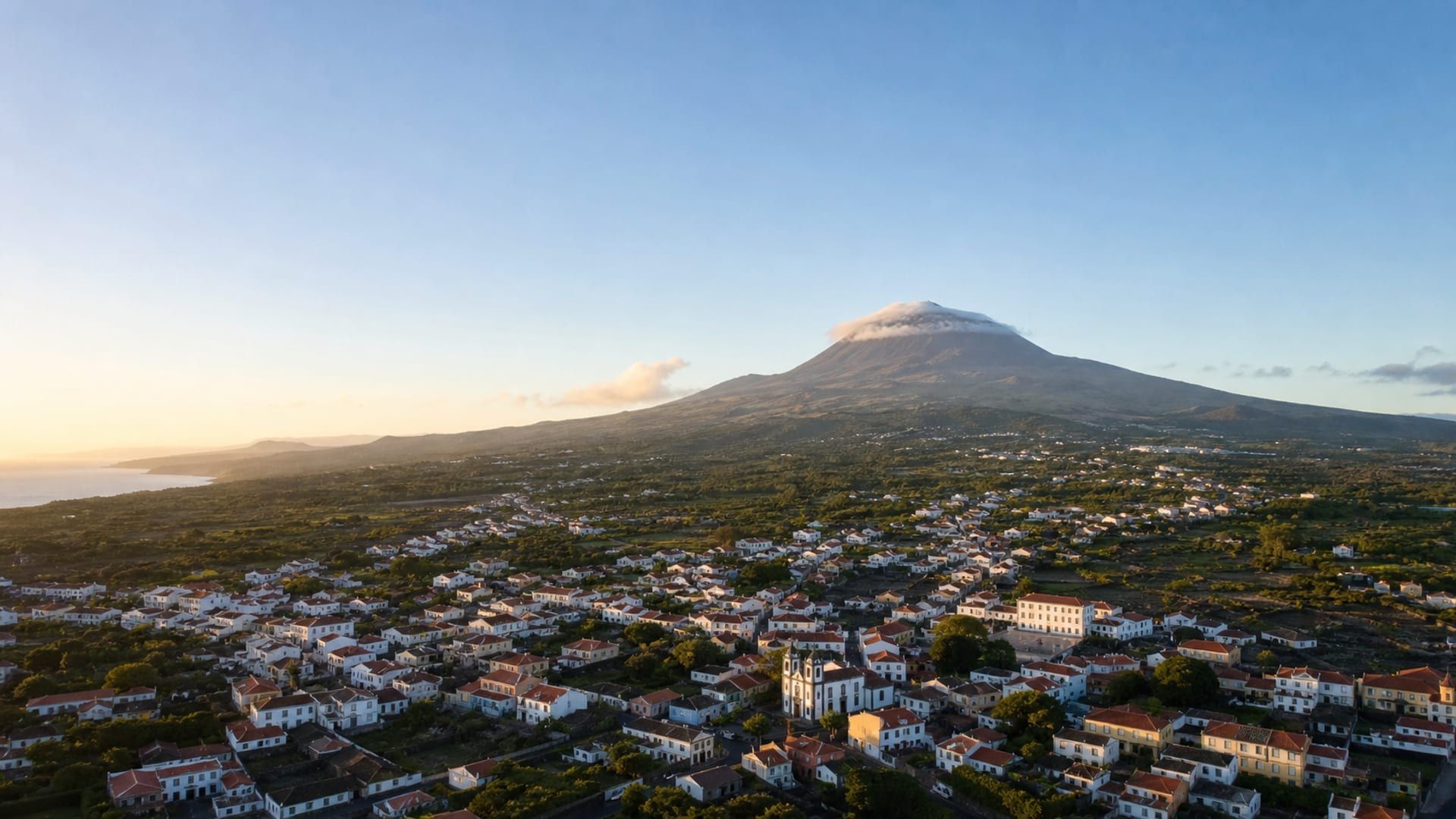
Pico itineraries often start in Madalena, race up Mount Pico, then squeeze the wine landscape and whaling museum into whatever time is left. That sequence covers the headline sights, but it can leave the island’s long drives, weather shifts, and ferry timing underexplained.
Because the road network pulls visitors between the west, north, and south coasts, a hurried plan can waste daylight and push dinner choices into the wrong town. The result is more time in transit and less time in the places that reward an early start or a slow finish.
This guide organizes Pico by base, season, and route, then folds in the mountain, vineyards, lava fields, and harbor towns at a pace that matches the island’s scale.
Useful things to know

Main language(s): Portuguese
Olá (oh-LAH) – Hello / good morning
Por favor (poor fah-VOR) – Please
Obrigado (oh-bree-GAH-doo) – Thank you
Fala inglês? (FAH-lah een-GLAYS?) – Do you speak English?
Quanto custa? (KWAHN-toh KOOSH-tah?) – How much does it cost?

Currency: The local currency is the euro (EUR, €).

Cash and cards: Cards and contactless are widely accepted, but keep about €20 to €40 ($22 to $44) in cash for small cafes and rural spots.

Tipping: Round up small bills; larger tips are uncommon, but a few euros for good table service is appreciated.

Traditional food: Lapas, octopus stew, Alcatra, Queijadas da Ilha

Water and coffee costs: Water ~€1.50 ($2), bar espresso ~€1 ($1).

Taxis and ride apps: Bolt and Uber may work, but availability is limited; taxis are often the fallback.

Plug and voltage: Type C/F socket, 230V

Dining and shop opening hours: Breakfast runs about 8:00-10:00 am, lunch 12:30-2:30 pm, and dinner 7:30-10:00 pm. Many places close one day a week, often Sunday or Monday.

Emergency number: 112 for police, fire, and medical emergencies.
Where to stay in Ilha do Pico
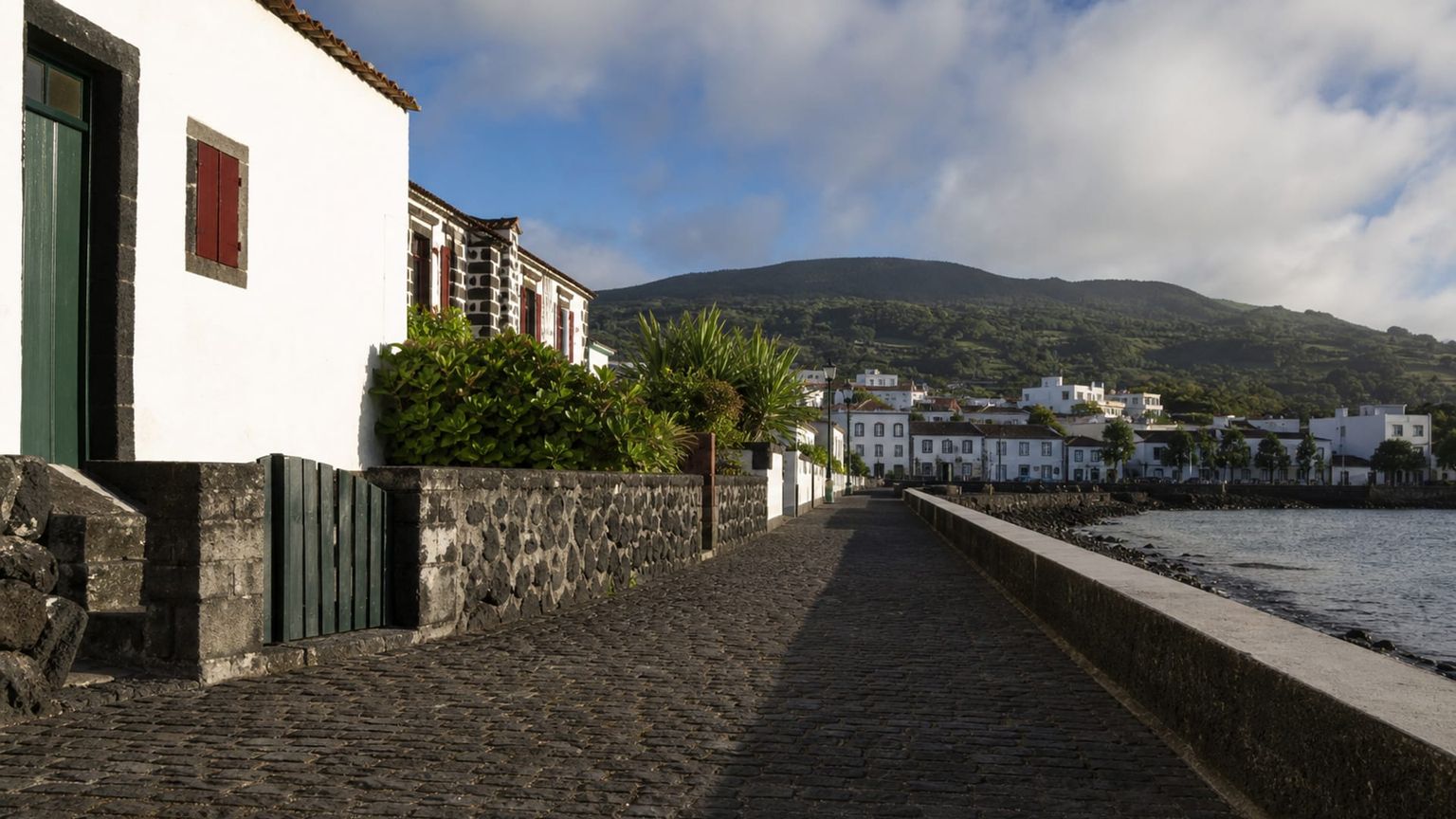
The island’s main town, Madalena puts the ferry port, shops, restaurants, and most practical visitor facilities in one place. It works well if you want the easiest base for arranging island transport and getting around Pico’s west coast.
Best for: Ferry connections, first-time stays, dining, and easy access to west-coast sights
What to expect: The center stays active in the day, with more movement near the port and along the main streets, then quietens after dinner.
Hotel prices: Usually about €90 to €170 (~$99 to ~$187) per night for well-rated stays
Distance to major sights: 5 to 10 minutes on foot to Madalena harbor, about 10 minutes by car to the Pico Museum
Quietness: Busier by day near the waterfront and town center, calmer in the evening once the ferries and shops thin out.
Main trade-off: You pay more for the most convenient location, and some rooms near the port or main road get occasional traffic noise.
Good to know: If you plan to arrive by ferry, staying here cuts down on transfers and makes car pickup, dining, and grocery runs much easier.
São Roque do Pico sits on the north coast and gives you a smaller-town base with harbor views, local restaurants, and access to the island’s central road. It suits travelers who want a quieter setting without feeling far from the rest of Pico.
Best for: Quieter stays, north-coast access, and travelers using a rental car
What to expect: The waterfront sees some local activity, but most streets stay low-key, with more movement around meal times than late at night.
Hotel prices: Usually about €80 to €150 (~$88 to ~$165) per night for well-rated stays
Distance to major sights: About 10 minutes on foot to São Roque harbor, roughly 20 minutes by car to Pico Mountain Visitor Center
Quietness: Calm through the day outside the harbor area, and generally very quiet after dark.
Main trade-off: You will have fewer dining and nightlife choices than in Madalena, so evening plans often depend on driving or booking ahead.
Good to know: If you want an easier start to mountain or north-coast drives, this side of the island shortens the first leg without putting you far from services.
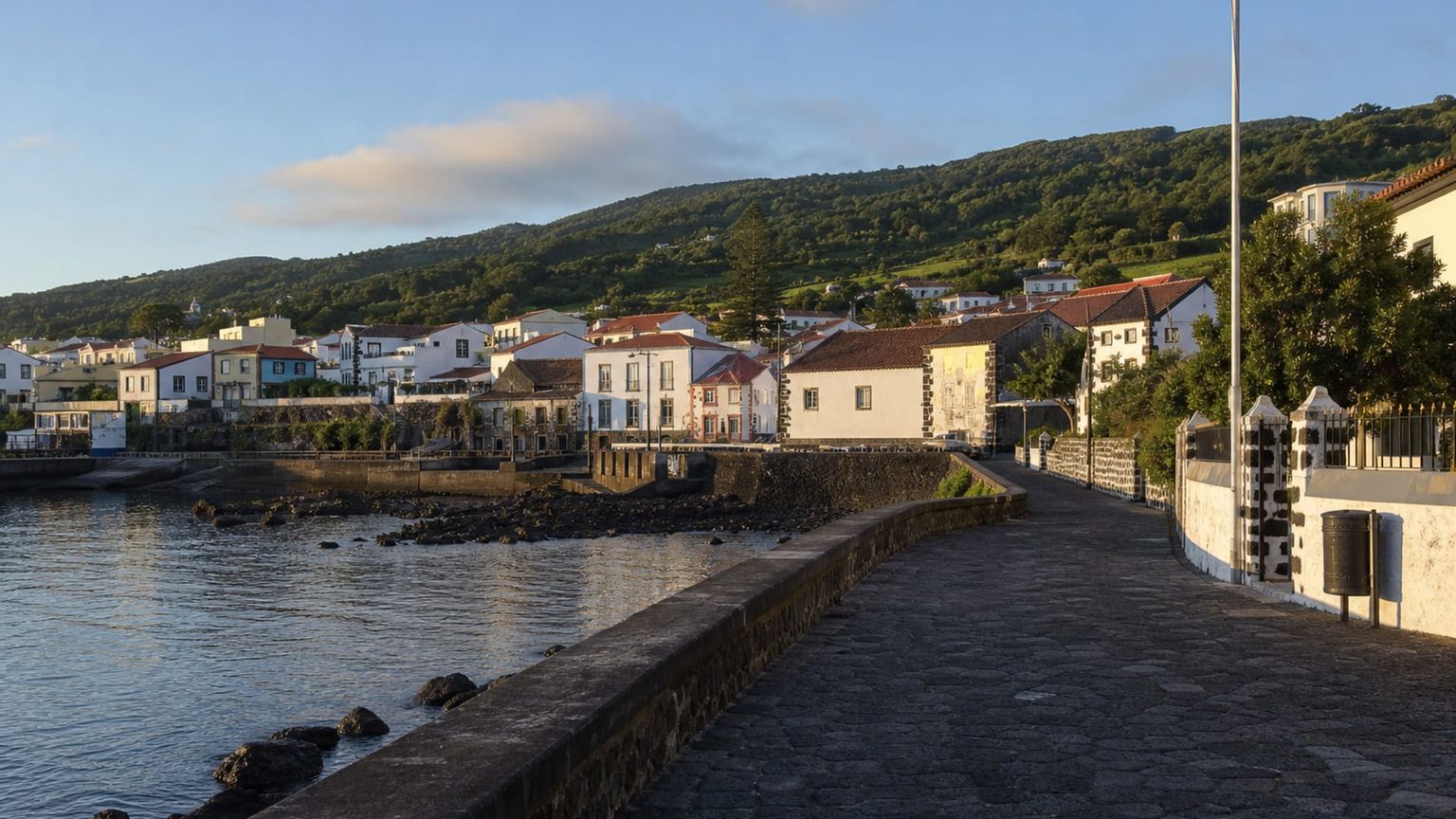
Lajes do Pico is the island’s historic whaling town, with a compact center, sea views, and museums that tell much of Pico’s story. It appeals to travelers who want character, a walkable core, and a base on the south coast.
Best for: Historic interest, waterfront walks, and south-coast stays
What to expect: The center has the most activity near the waterfront, cafés, and museums, while the surrounding streets stay modest and local.
Hotel prices: Usually about €75 to €140 (~$83 to ~$154) per night for well-rated stays
Distance to major sights: About 5 minutes on foot to Lajes harbor, roughly 10 minutes on foot to the Whaler’s Museum
Quietness: Lively in the daytime around the harbor and museum area, then notably quiet in the evening.
Main trade-off: The town is smaller than Madalena, so restaurant choice is narrower and you’ll drive more for some island sights.
Good to know: If museums and waterfront wandering matter to you, staying here keeps the main historic sites within an easy walk and avoids repeated drives.
Travelers usually avoid staying far from Madalena, such as the interior hamlets of Criação Velha and Candelária, because they sit well away from Pico’s main ferry port, wine-country sights, and most restaurants. The upland and eastern parish areas, including São Roque do Pico and Lajes do Pico, are less convenient for short visits if you plan to rely on evenings in Madalena, since late-night options are limited and cross-island driving takes time.
Hotel deals
How to get around Ilha do Pico efficiently
Without rail or metro, Pico depends on roads, taxis, buses, and rental cars, so the right base matters as much as the route you choose.

Metro
for longer distances
Ilha do Pico has no metro or suburban rail, so visitors rely on road transport and coastal roads instead. For airport transfers and longer hops, plan on buses, taxis, or a rental car rather than rail.

Bus and tram
for convenience
Pico’s bus network is limited and geared to local travel, with infrequent weekday links between villages such as Madalena, São Roque, and Lajes. Fares are low, typically about $1 to $3 (€1 to €3) per ride, and service can thin out on weekends, so check departure times in advance and allow extra time for connections.

Taxi
for convenience or late hours
Licensed taxis on Ilha do Pico use set fares on common short and airport trips rather than a full metered city system in many cases. From Pico Airport (PIX), expect roughly $10 to $25 (€10 to €25) to nearby towns, with longer cross-island rides often about $30 to $60 (€30 to €60), and cash is the safest payment option, though some drivers may accept cards if arranged ahead of time.
*Prices are based on rates updated as of June 2026 and may change at the time of travel.
Use taxis for airport and short hops, buses for low-cost village travel when schedules align, and a car when you want to connect Madalena, São Roque, and Lajes in one day.
Iconic landmarks
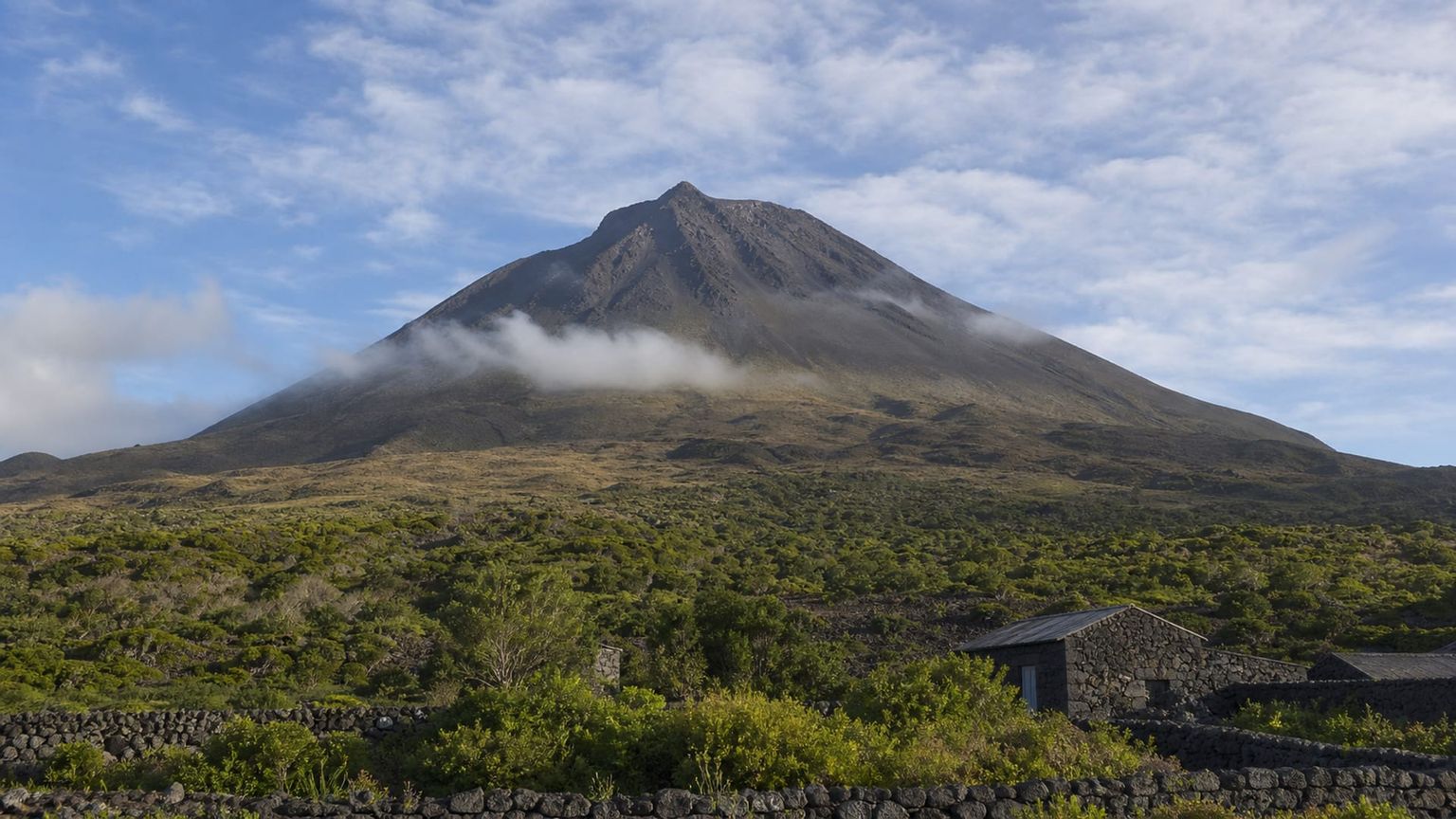
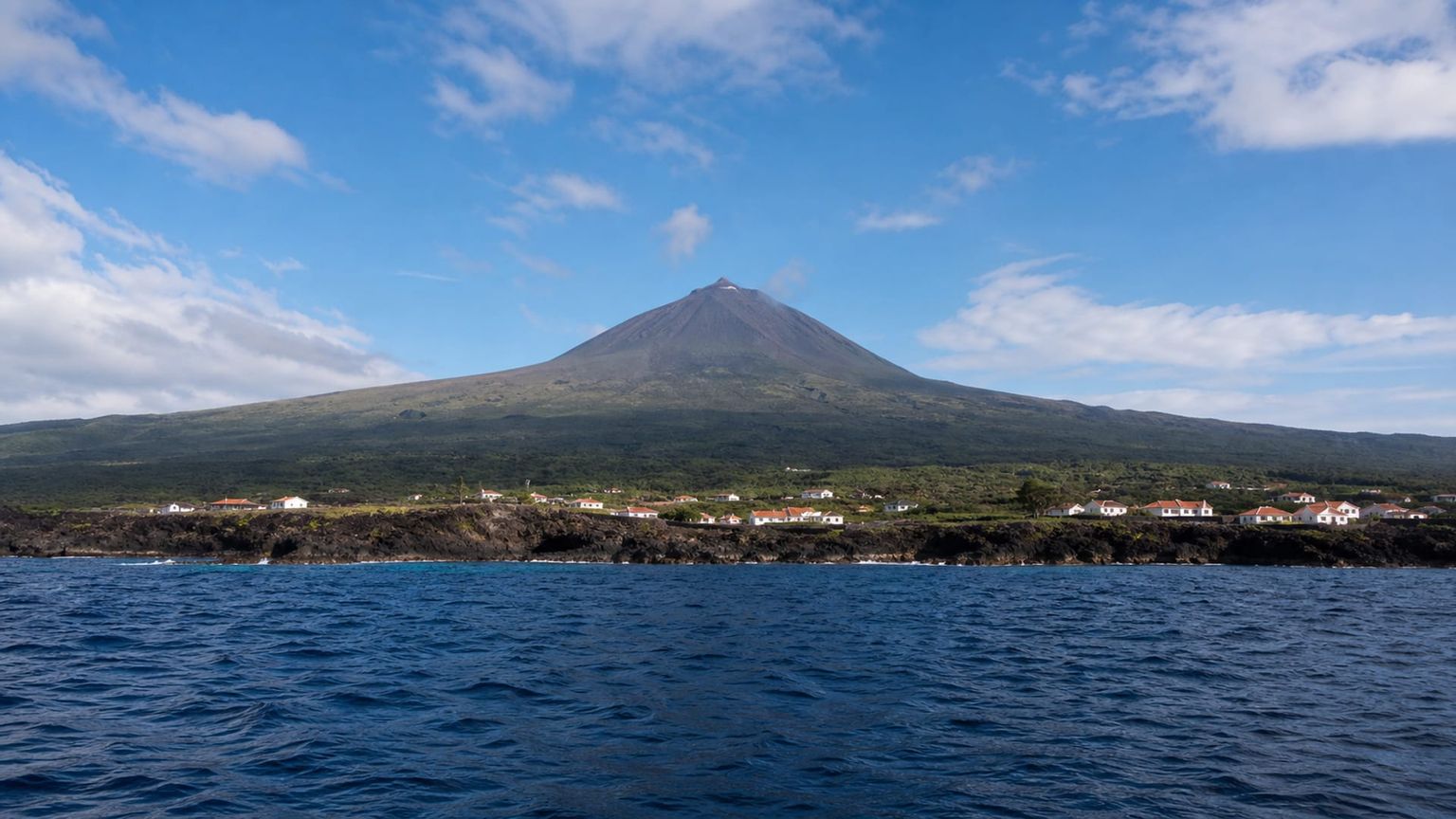
Mount Pico
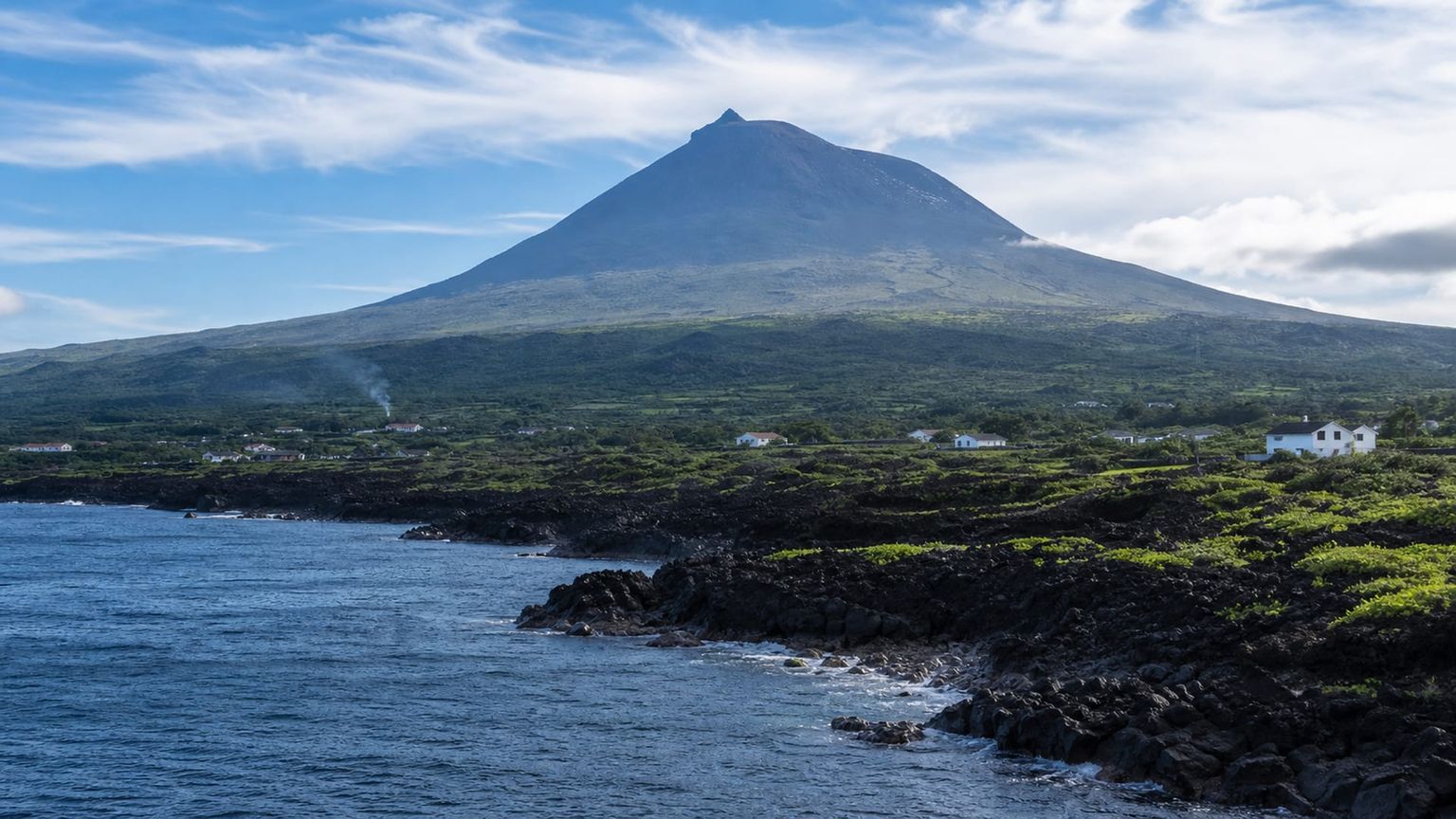
Portugal’s highest peak rises above the island’s vineyards and lava fields, with a marked trail to the summit at 2,351 meters. Clear mornings bring the best views across the central Azores and the neighboring islands.
Time needed: About 6 to 8 hours
Entry: Trail access is free; guided summit climbs usually cost about $45 to $90 (€41 to €83), depending on group size and season. Visit the official site for details.
Tip: Start before dawn in summer, since afternoon cloud often hides the summit and view.
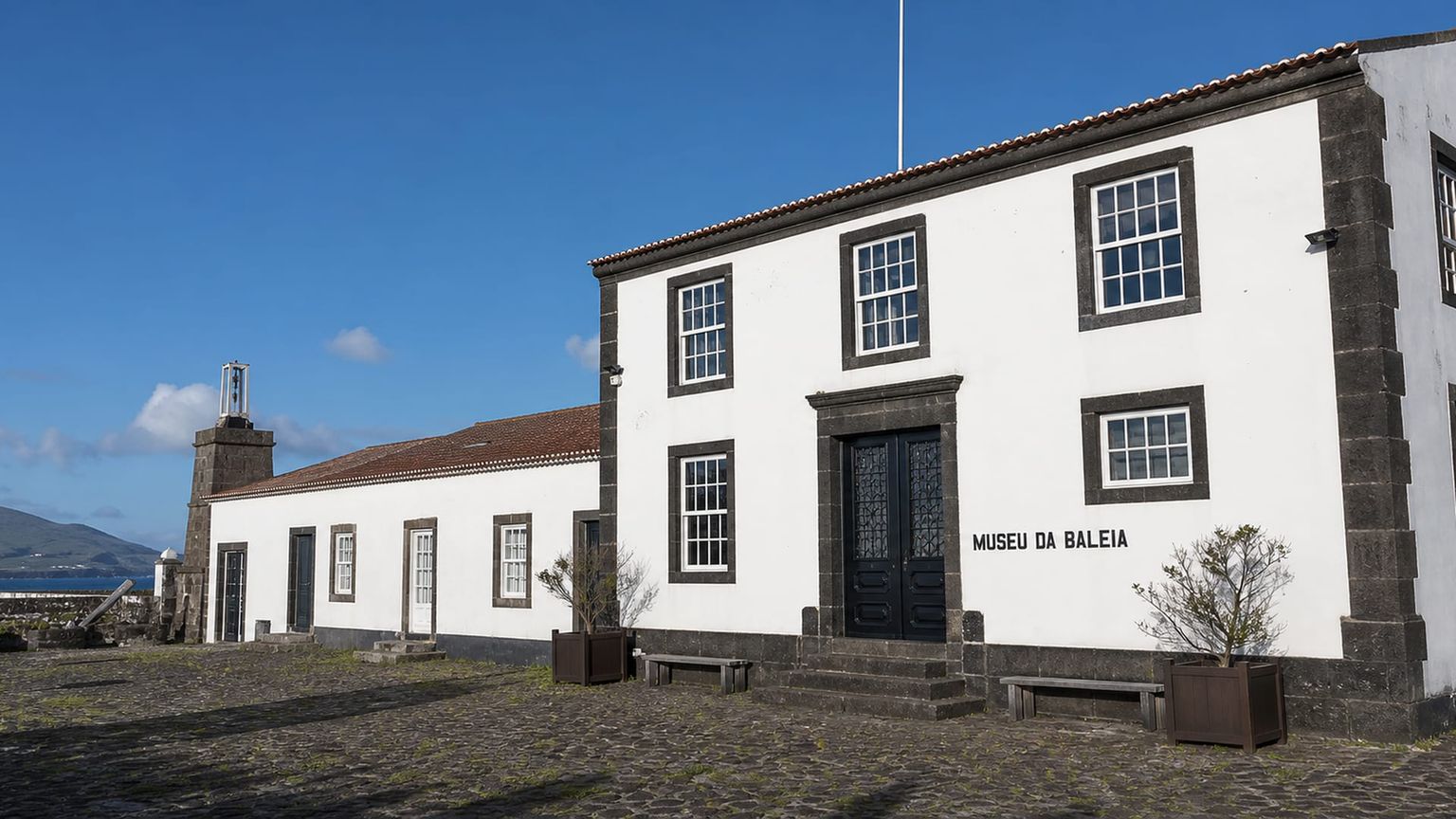
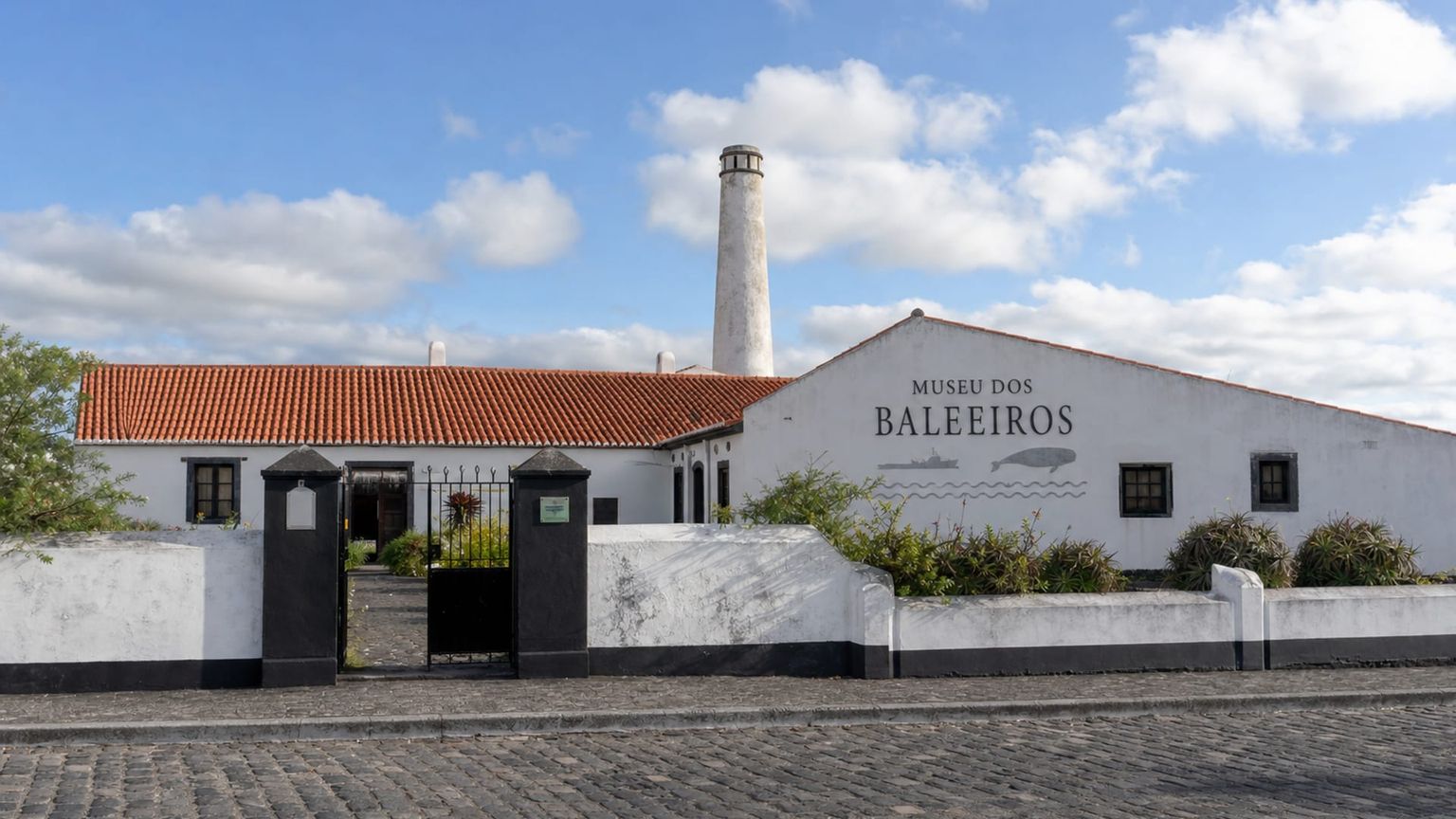
Lajes do Pico Whaling Museum
This museum in Lajes do Pico traces the island’s whaling history through boats, tools, photos, and preserved equipment. It gives clear context for the community that once depended on sperm whale hunting before the industry ended.
Time needed: About 1 to 2 hours
Entry: Admission costs about $5 ($4.20) for adults, with reduced rates for children and local residents. Visit the official site for details.
Tip: Visit in the morning, then walk the harbor afterward while the light is still sharp.
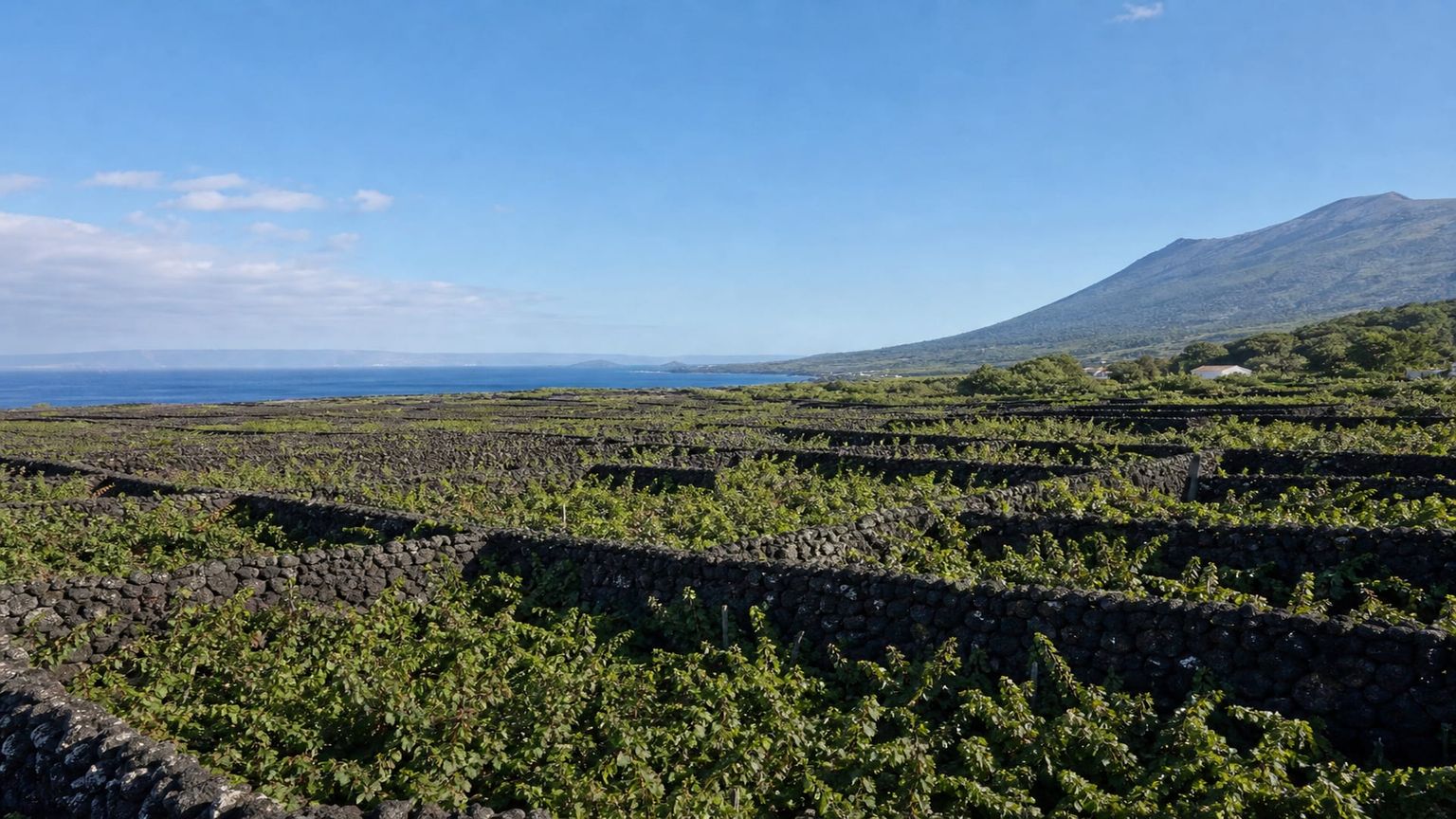
Madalena Wine Landscape
The UNESCO-listed vineyard landscape near Madalena uses black basalt walls to shield vines from wind and salt spray. Short paths and roadside viewpoints show how the island’s wine fields, mills, and dry-stone enclosures fit the coast.
Time needed: About 1 to 2 hours
Entry: Free to access; tastings and cellar visits usually cost about $10 ($8.50) to $20 ($17), depending on the producer.
Tip: Go near sunset for softer light on the lava stone walls and vineyard rows.
Overlooked sites worth visiting

Misterios de São João
A lava field trail of black rock, lava tubes, and wind-shaped pasture, it gives a clear look at Pico’s volcanic ground without a long hike. The route is open, exposed, and quiet.
Time needed: About 1 to 2 hours
Entry: Free to access; this is an open volcanic landscape with no ticket booth or timed admission. Wear sturdy shoes, bring water, and allow extra time if you want to stop at the lava tubes and low stone walls that cut across the field.
Tip: Go in the morning for cooler footing and softer light.

Museu do Vinho do Pico
Set in a restored winery, this compact museum explains Pico’s vineyard culture, stone enclosures, and local wine production with tools and displays. It suits a short stop in Madalena.
Time needed: About 45 minutes to 1 hour
Entry: Admission is about $4 to $6 (€4 to €6), with rates varying by exhibit access and seasonal opening hours. Expect a small indoor visit focused on wine tools, historic press equipment, and the island’s UNESCO-listed vineyard landscape.
Tip: Pair it with a tasting at nearby cellars in Madalena.
Traditional food
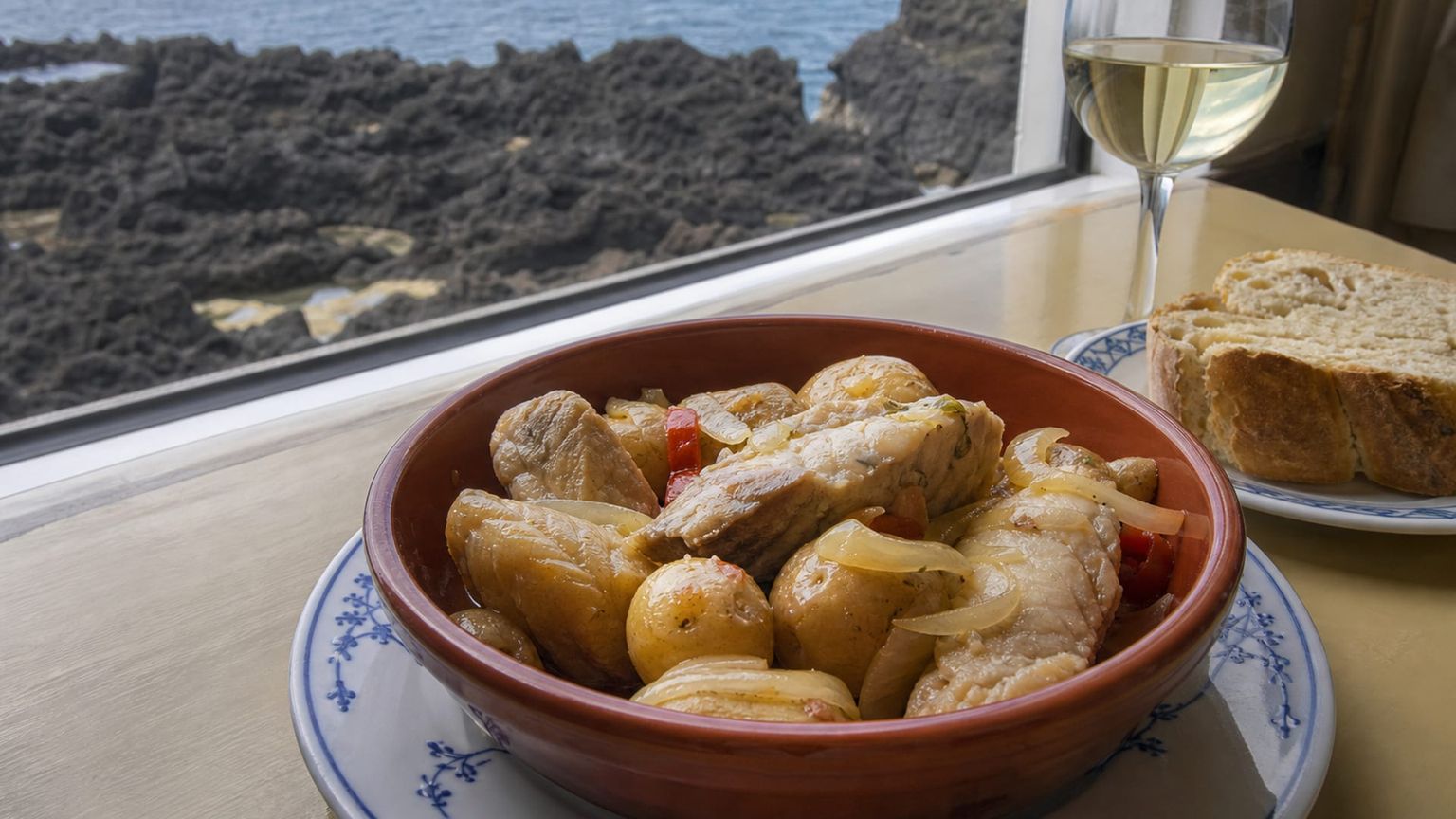
Pico cooking leans on seafood, slow braises, cheese, and simple sweets, with lapas, octopus stew, Alcatra, and Queijadas da Ilha appearing across taverns and family restaurants.
Lapas
These small limpets are usually grilled with garlic, butter, and lemon, then served as a starter with bread. In Madalena, Cella Bar is a strong place to order them by the harbor.
Octopus stew
Slow-simmered octopus brings tomato, onion, wine, and herbs into a rich coastal dish that suits Pico’s taverns. Cella Bar in Madalena is a good canonical stop for it.
Alcatra
This Azorean beef stew cooks slowly with wine, spices, bacon, and onion, often served in a clay dish with bread on the side. Restaurante Ancoradouro in Madalena is a classic place to try it.
Queijadas da Ilha
These small cheese tarts balance a tender crust with a lightly sweet filling and make a common finish to a meal. O Ancoradouro in Madalena is a good place to order them after dinner.
Best time to visit Ilha do Pico
Pico changes by season, with clearer summit days in summer, softer light in spring and fall, and quieter roads when winter weather trims outdoor plans.
Best for: Vineyard walks, light hiking, and fewer crowds
What you get: About 56 to 68°F (13 to 20°C), with moderate visitor levels and changeable weather
Trade-offs: Rain and cloud can interrupt summit views
Best for: Mount Pico climbs and long evenings in Madalena
What you get: About 64 to 77°F (18 to 25°C), with the busiest weeks around August
Trade-offs: Book mountain slots and rooms early
Best for: Wine country, relaxed driving, and milder days
What you get: About 59 to 72°F (15 to 22°C), with lighter crowds after summer
Trade-offs: Stormier spells can narrow the weather window
Best for: Quiet harbor towns and indoor museum time
What you get: About 52 to 61°F (11 to 16°C), with the fewest visitors
Trade-offs: Cloud, wind, and rain limit outdoor plans
A realistic 5-day plan in Ilha do Pico
Five days gives Pico enough room to separate the island’s main zones instead of stacking every stop into one hurried loop. The plan below pairs each base with the road that makes sense for it.
Flying into Pico Airport (PIX), take a taxi or prebooked transfer to Madalena, roughly 10 to 15 minutes and about €15 to €25 ($16 to $27), then settle near the harbor or main streets so dinner stays simple on foot. A first evening in Madalena works well with a short waterfront walk, a grocery stop for water and snacks, and an early meal at a town restaurant before the island quietens down.
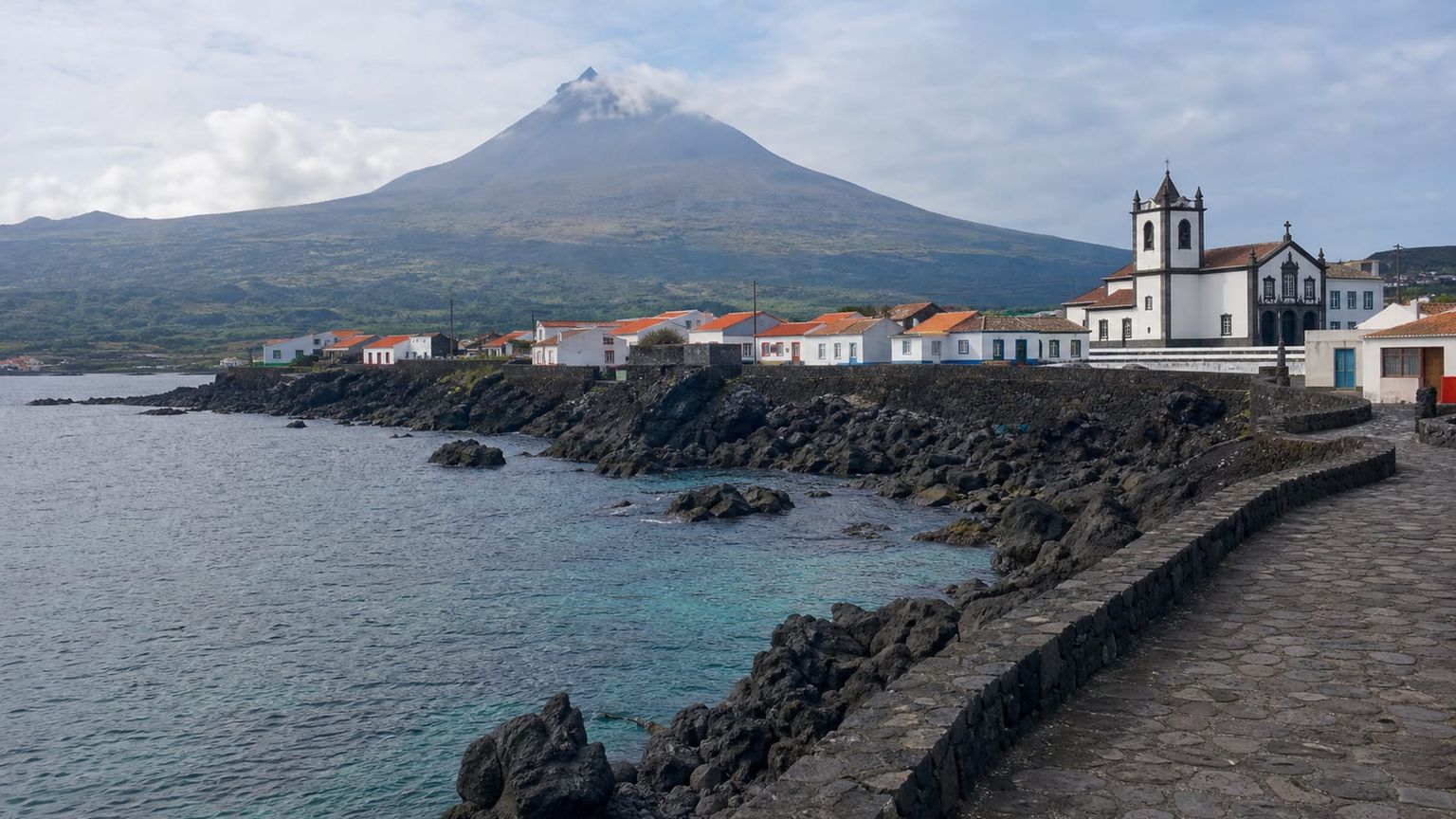
Begin in Madalena, where the UNESCO-listed wine landscape sits a short drive or bike ride from town, then spend the late morning among the basalt walls, roadside viewpoints, and a tasting room. From there, head about 5 to 10 minutes on foot to the Museu do Vinho do Pico for a compact look at local wine tools and cellar history, then finish with sunset at the vineyard edge near Madalena and dinner back in town.
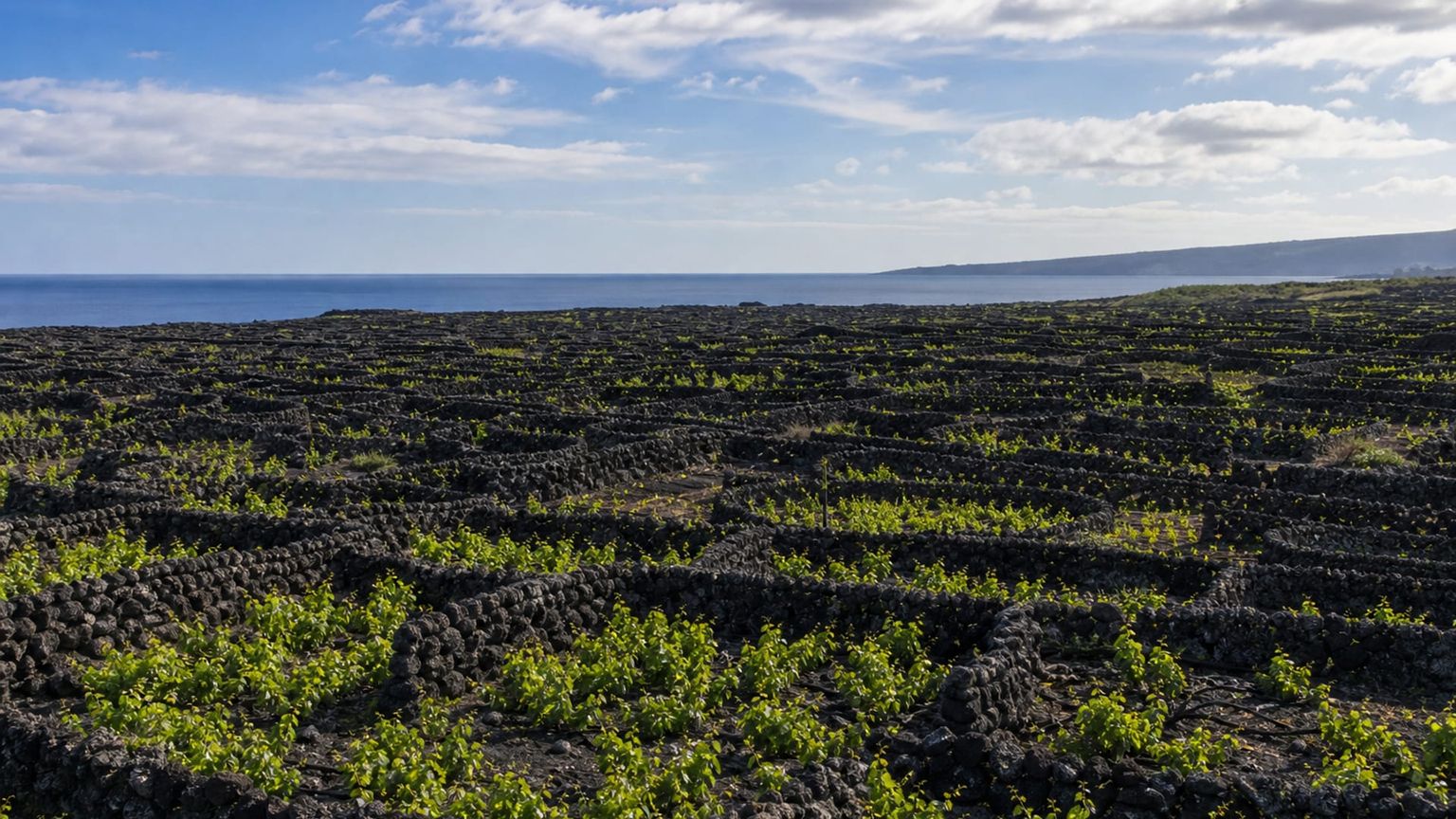
An early start pays off for Mount Pico, so leave Madalena or São Roque before dawn and plan on about 6 to 8 hours for the climb and return, with a guided ascent often costing about $45 to $90 (€41 to €83). After the descent, keep the afternoon low-key with a drive toward São Roque do Pico for a harbor stop, an easy meal, and an early night after a long mountain day.

From the north coast, drive about 20 minutes from São Roque do Pico to the Misterios de São João and walk the black lava field in the cooler morning air, where lava tubes and low stone walls make the landscape easy to read on foot. Later, continue about 25 to 30 minutes south to Lajes do Pico for the Whaling Museum, then spend the rest of the afternoon along the harbor and café-lined center before dinner in town.
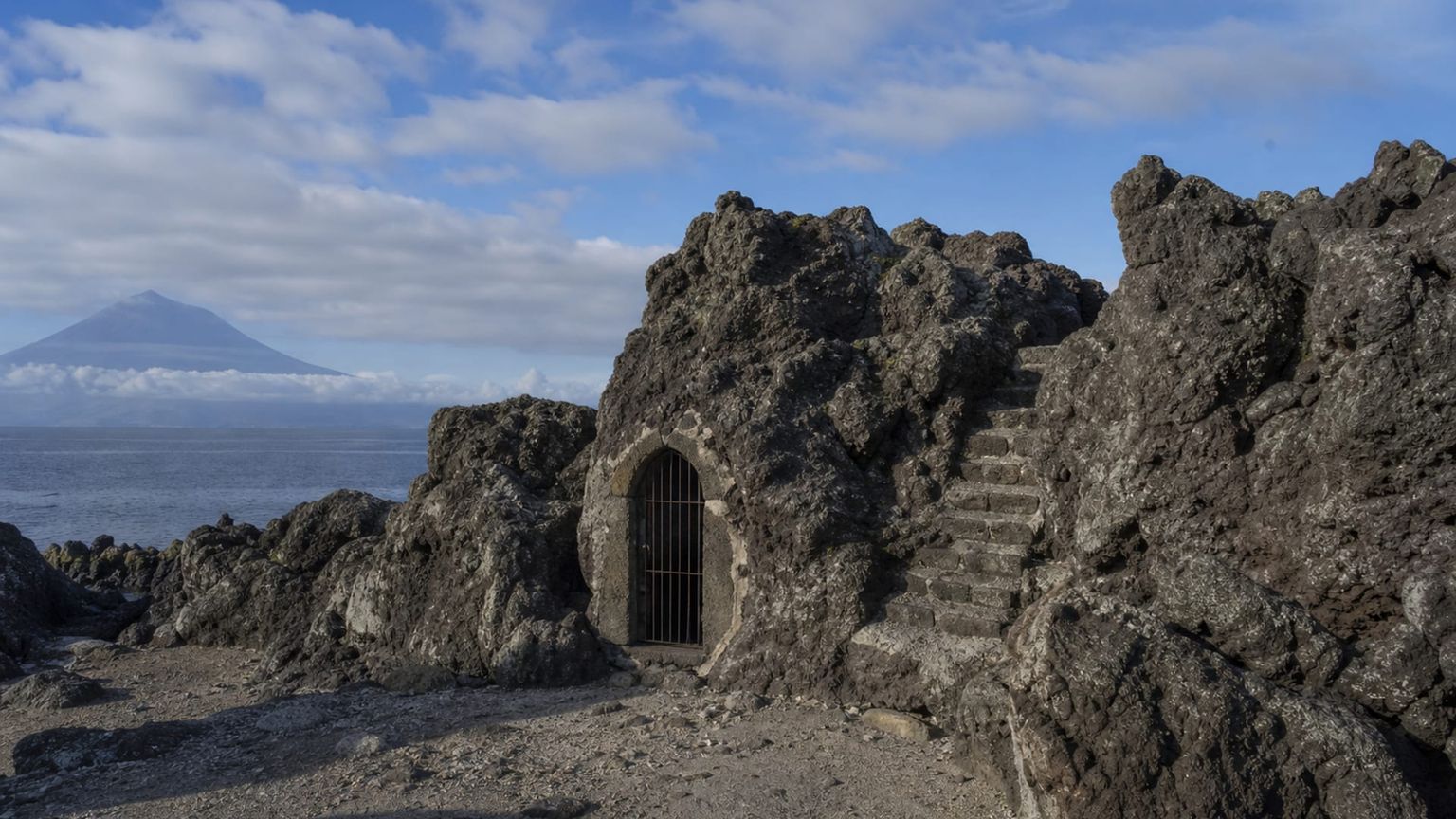
Mornings in Lajes do Pico suit one last museum visit or a slow harbor walk, especially if you want to revisit the Whaling Museum before heading back toward your hotel or the airport. If you have shopping time, browse the small shops near the center, then finish with coffee in Lajes do Pico’s waterfront area before transferring to Pico Airport (PIX) or the ferry port.
Business-class flights from the US to Ilha do Pico
Reaching Pico usually means a one-stop trip, and the best routing depends on whether you start on the East Coast or the West Coast. The strongest fares tend to cluster on through-tickets that connect in mainland Portugal or another European hub.
From New York, TAP Air Portugal, Azores Airlines, SATA Air Acores, Air France, and Iberia all appear on typical one-stop options, with the best fares usually on itineraries that connect through LIS, PDL, TER, OPO, or MAD. Round-trip fares start from $2,300 to $4,800, and the total journey usually takes about 10 to 15 hours.
Los Angeles trips usually run through a single connection, and the common layover points are LIS, PDL, TER, OPO, and MAD. TAP Air Portugal, Azores Airlines, SATA Air Acores, Air France, and Iberia show up on these itineraries, with round-trip fares starting from $2,800 and often rising to $5,800; the full trip generally takes about 13 to 18 hours.
Ilha do Pico feels different when you slow down
A good Ilha do Pico trip gives each part of the island its own day, Madalena for the wine landscape, São Roque for the north coast, and Lajes for the whaling story. Add an early climb on Mount Pico, then leave room for taxis, short drives, and one long harbor evening rather than a packed loop. If you want to refine the route, ask the AranGrant experts to shape the island around the ferry, the mountain, and the best dinner town for your stay







