

Chapters:

Need help with your trip?
Our support team is available 24/7. Request a callback or call us directly at (833) 619-0908
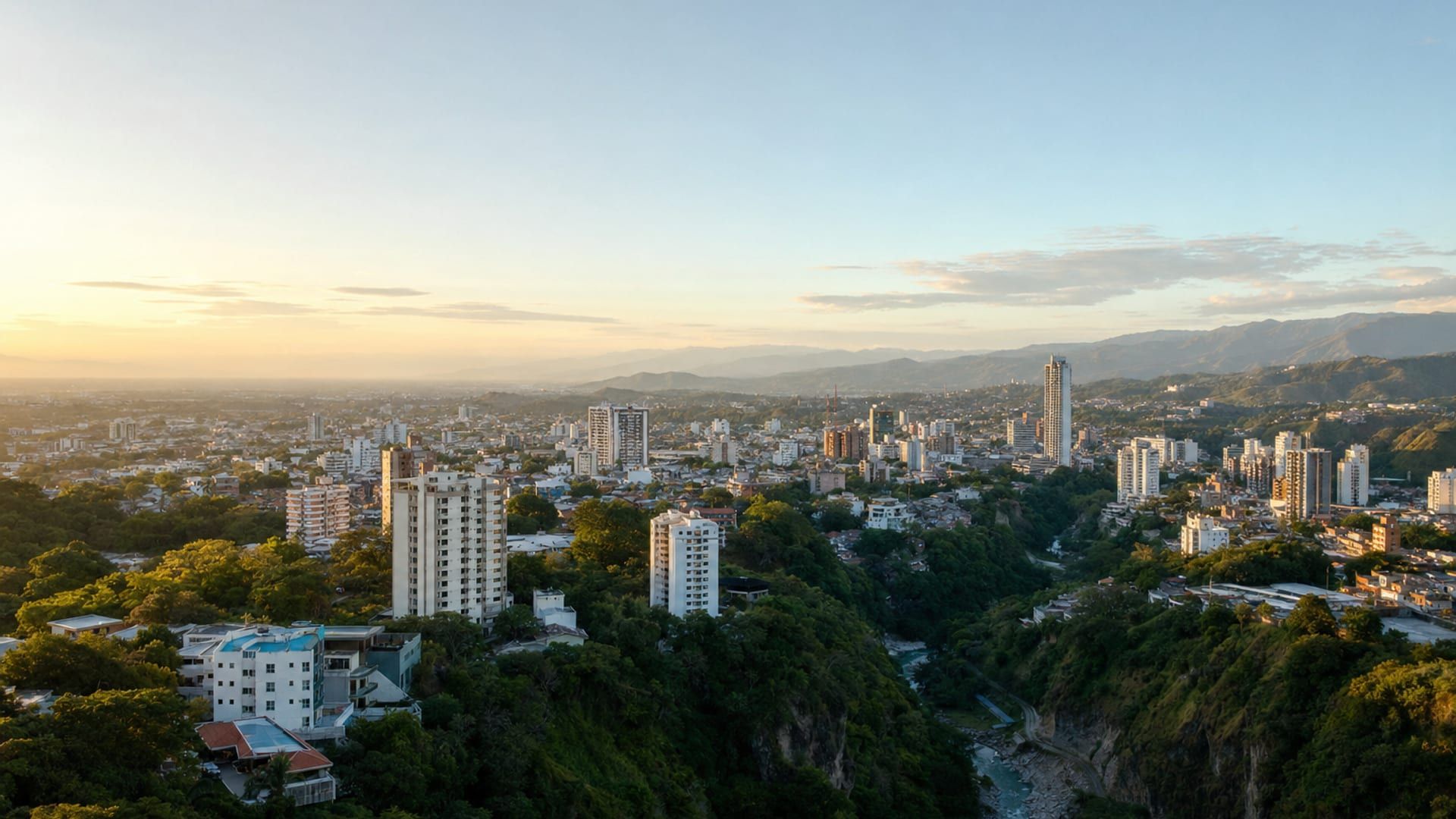
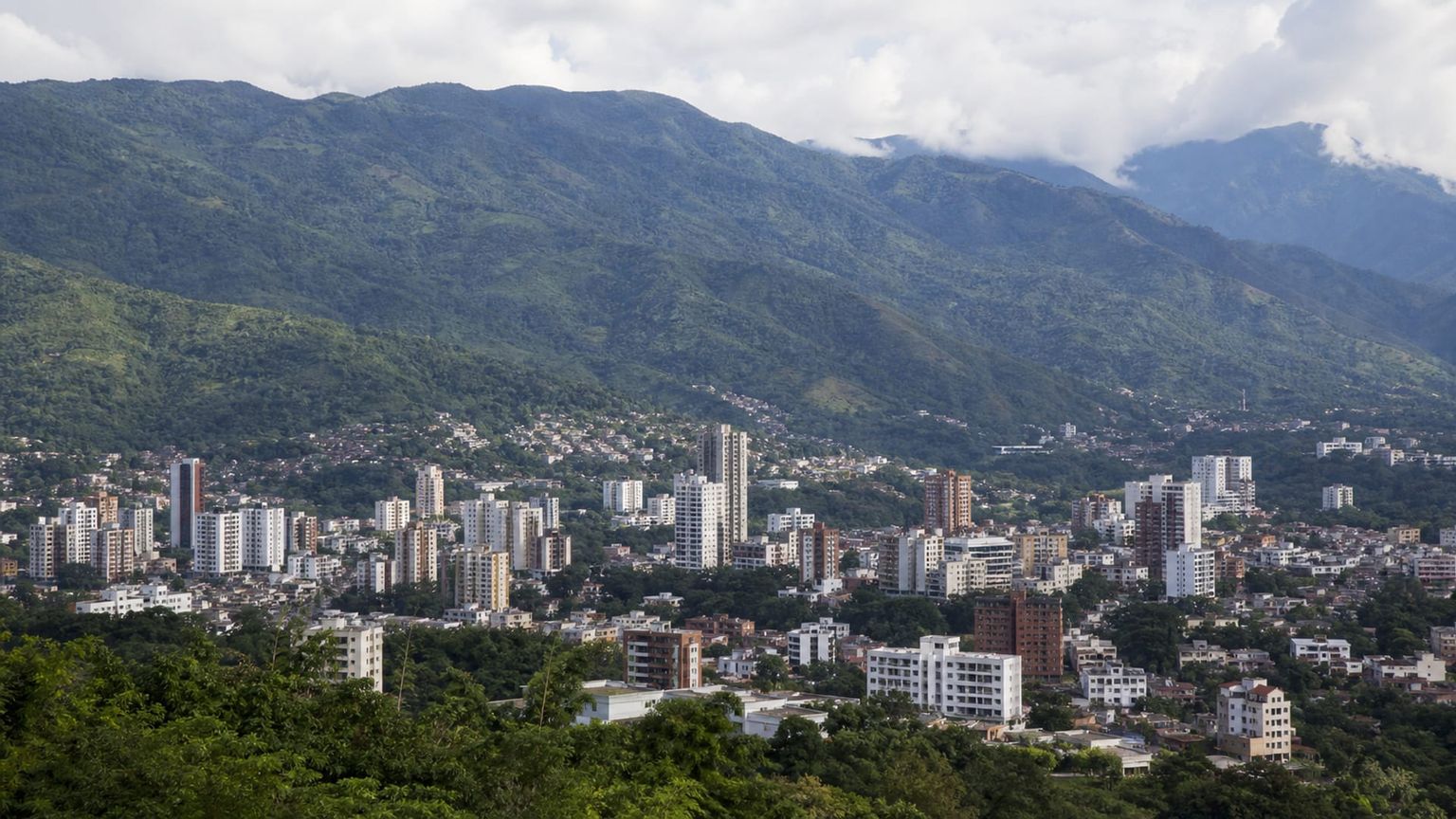
Ibagué rewards travelers who stay close to the center, then make one or two deliberate outings rather than trying to cover the whole city in a rush. Many visitors focus on Plaza de Bolívar and leave the mountain edge for a future trip, which means they miss how the city changes once you add a canyon day.
That approach can waste time, because the downtown grid, neighborhood dining, and outlying nature stops sit at different paces. A short taxi ride may solve one errand, but it does not replace planning around traffic, lunch closures, or the longer road toward Combeima.
This guide keeps the center as the base, then builds outward in a clear order, so the cathedral, museums, canyon, and evening meals fit together without forcing long back-and-forth crossings.
Useful things to know

Main language(s): Spanish
Hola (OH-lah) – Hello
Por favor (por fah-VOR) – Please
Gracias (GRAH-syahs) – Thank you
¿Habla inglés? (AH-blah een-GLAYS) – Do you speak English?
¿Cuánto cuesta? (KWAHN-toh KWEHS-tah) – How much does it cost?

Currency: The local currency is the Colombian peso (COP, $).

Cash and cards: Cards and contactless work in most hotels and larger stores, but carry COP 40,000 to 80,000 ($10 to $20) for taxis and small cafes.

Tipping: Round up small bills; leave about 10% at restaurants if service is not included.

Traditional food: Lechona Tolimense, Tamal Tolimense, Viudo de Pescado, Chorreadas

Water and coffee costs: Water about COP 3,000 to 5,000 ($1 to $1.50), bar espresso about COP 5,000 to 8,000 ($1.25 to $2).

Taxis and ride apps: Uber and DiDi operate here; confirm pickup points, as drivers may avoid some curbside zones.

Plug and voltage: Type A/B socket, 120V

Dining and shop opening hours: Breakfast is about 07:00-09:00, lunch 12:00-14:00, and dinner 19:00-21:00. Many places close between lunch and dinner, especially on quieter weekdays.

Emergency number: 123 for police, fire, and medical emergencies.
Where to stay in Ibagué
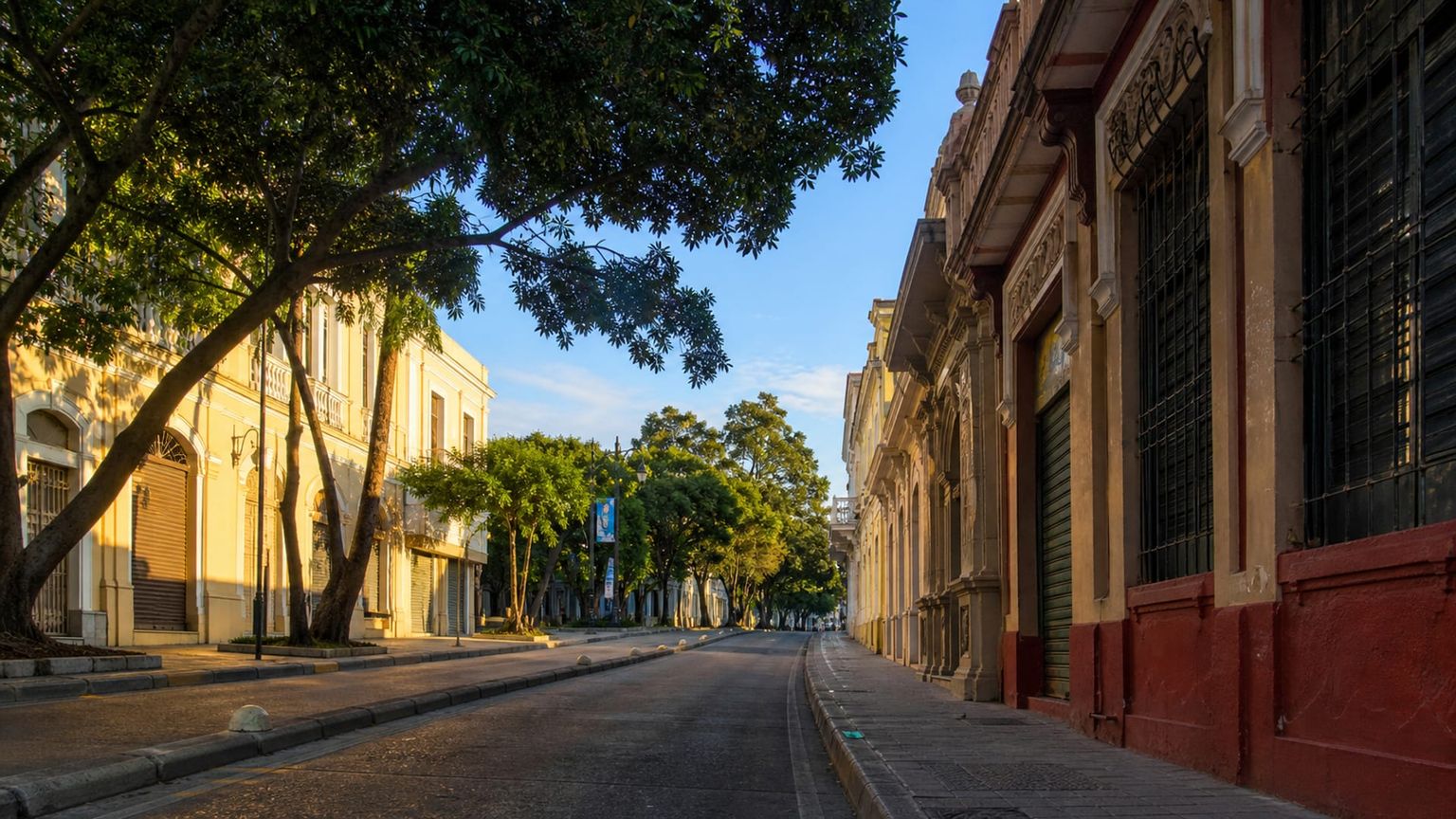
Ibagué’s historic core brings the cathedral, civic buildings, banks, and the main shopping streets into one walkable grid. It matters for a trip because you can handle errands, transit, and daytime sightseeing without crossing the city.
Best for: First-time visits, administrative errands, and travelers who want the city’s main sights close at hand
What to expect: Busy sidewalks, steady traffic, and the most active daytime street life in the city.
Hotel prices: Usually about 120,000 COP to 250,000 COP (~30$ to ~65$) per night for well-rated stays
Distance to major sights: On foot to Catedral Primada and Plaza de Bolívar, about 5 to 10 minutes
Quietness: Lively in the day, noticeably quieter after offices close.
Main trade-off: Parking is limited, and some blocks feel worn after dark, so location can come at the cost of evening comfort.
Good to know: Choose a room on a quieter side street, because the main avenues carry more noise and late traffic.
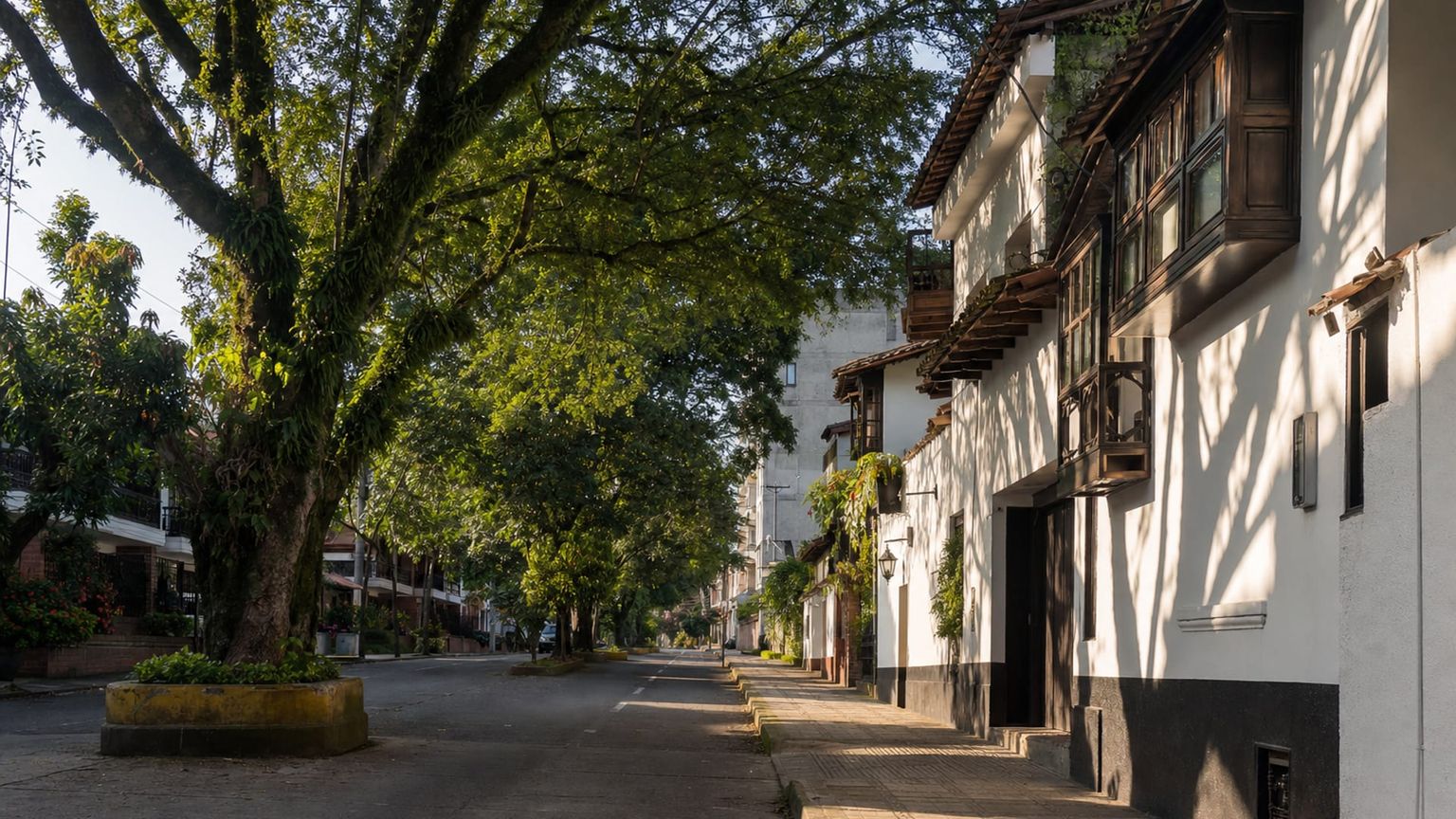
Arboleda is a residential quarter north of the center with apartments, local restaurants, and easy access to the city’s main corridors. It matters for a trip because it gives you a calmer base while keeping the center within a short taxi or bus ride.
Best for: Longer stays, business trips, and travelers who want calmer evenings with easy access to downtown
What to expect: Tree-lined residential streets, neighborhood shops, and moderate evening activity around restaurants.
Hotel prices: Usually about 110,000 COP to 220,000 COP (~28$ to ~57$) per night for well-rated stays
Distance to major sights: About 10 to 15 minutes by taxi to Plaza de Bolívar and the historic center
Quietness: Quieter during the day, with light neighborhood activity in the evening.
Main trade-off: You will depend more on taxis or rideshares, especially if you plan to move between dinner, bars, and the center.
Good to know: If you expect late nights downtown, confirm your return transport in advance, since street activity thins out after dinner.
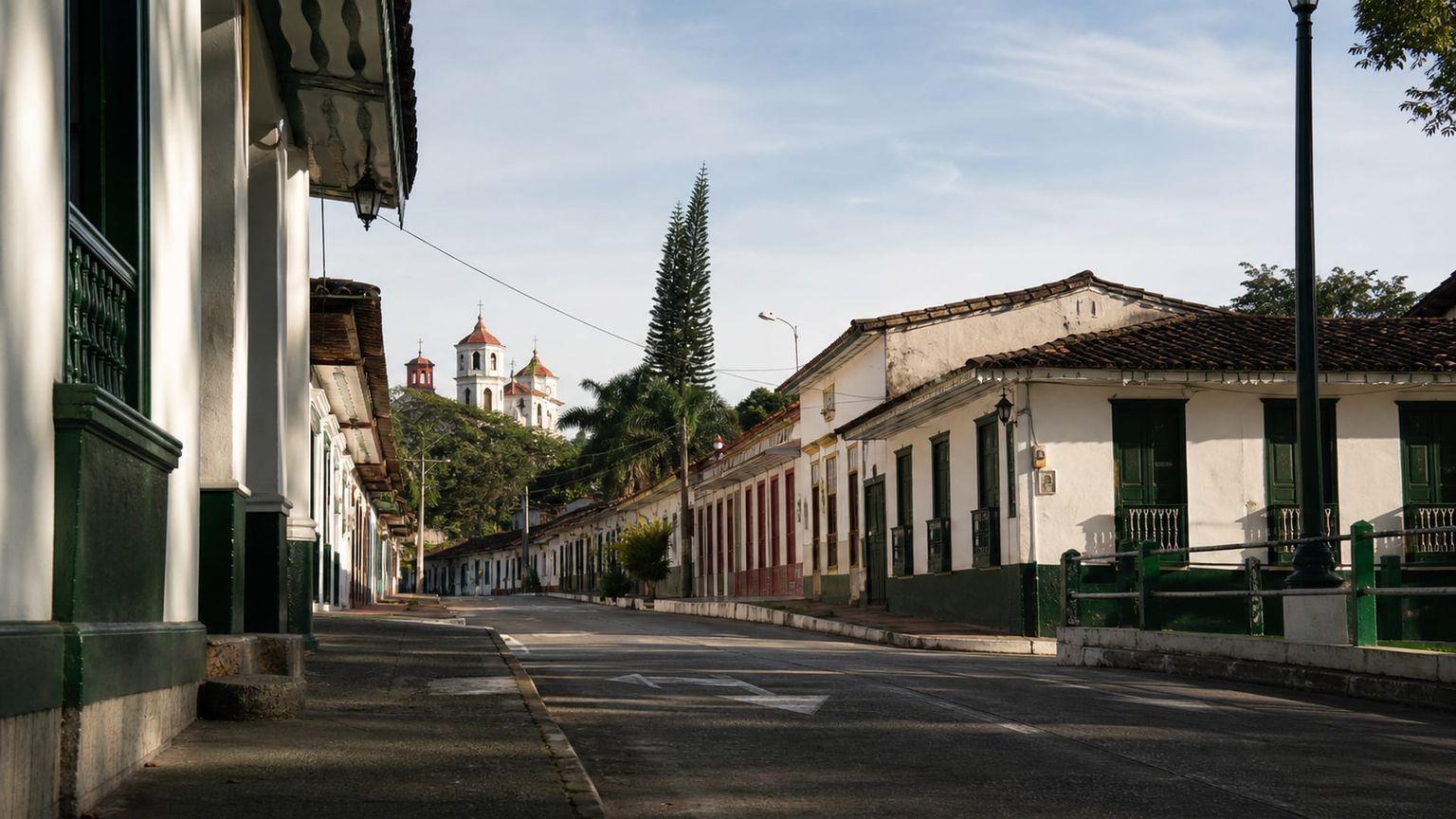
Cadiz sits close to central Ibagué and mixes older housing, small businesses, and quick access to transit routes. It matters for a trip because it keeps you near the core without paying the highest center prices.
Best for: Budget-conscious stays, short city breaks, and visitors who plan to move around by taxi or bus
What to expect: Ordinary neighborhood streets, local commerce, and fewer tourists than in the historic core.
Hotel prices: Usually about 90,000 COP to 180,000 COP (~23$ to ~47$) per night for well-rated stays
Distance to major sights: About 10 minutes by taxi to Plaza de Bolívar, roughly 20 minutes on foot
Quietness: Fairly calm by day, with mixed noise from traffic and neighborhood activity in the evening.
Main trade-off: You give up some immediate access to the most atmospheric blocks, and the streets feel more residential than visitor-oriented.
Good to know: Check the exact block before booking, because proximity to the center can vary a lot from one street to the next.
Travelers usually avoid staying in the far eastern and southeastern neighborhoods of Ibagué, such as El Salado and Picaleña, because they sit well away from the main downtown sights and have fewer visitor-oriented amenities. Areas on the city’s outer edges, including San Bernardo and some parts of Mirolindo, can also be less convenient for evening travel since they are more spread out and require longer taxi rides back from the center.
Hotel deals
How to get around Ibagué efficiently
Ibagué has no metro or suburban rail, so getting around means walking the center, then using buses, taxis, or ride apps for the longer hops between downtown, Arboleda, and the canyon roads.

Metro
for longer distances
Ibagué does not have a metro or suburban rail network. For longer cross-town trips, you will rely on buses, moto-taxis in some neighborhoods, or a licensed taxi, with trip times often about 15 to 35 minutes depending on traffic.

Bus and tram
for convenience
City buses cover the main corridors in Ibagué, with frequent service on the busiest roads and thinner coverage in outer neighborhoods. Fares are typically about $0.50 to $0.70, and a ride usually takes 10 to 30 minutes for central trips, longer if you are crossing the city in peak traffic. Ask the driver or a local for the correct route, because route numbers and stopping points can vary by operator.

Taxi
for convenience or late hours
Licensed taxis use metered fares in Ibagué, with a typical short city ride costing about $2 to $4 and longer cross-town trips about $4 to $8; late-night or airport trips can cost more, depending on distance and traffic. Hail them on the street, use a taxi stand, or book by phone through a local dispatcher. Carry small bills, because many drivers prefer cash in Colombian pesos, although some accept card or transfer if arranged in advance.
*Prices are based on rates updated as of June 2026 and may change at the time of travel.
Buses work best on main corridors, taxis suit cross-town and airport trips, and walking covers the cathedral block and nearby museums without losing time.
Iconic landmarks
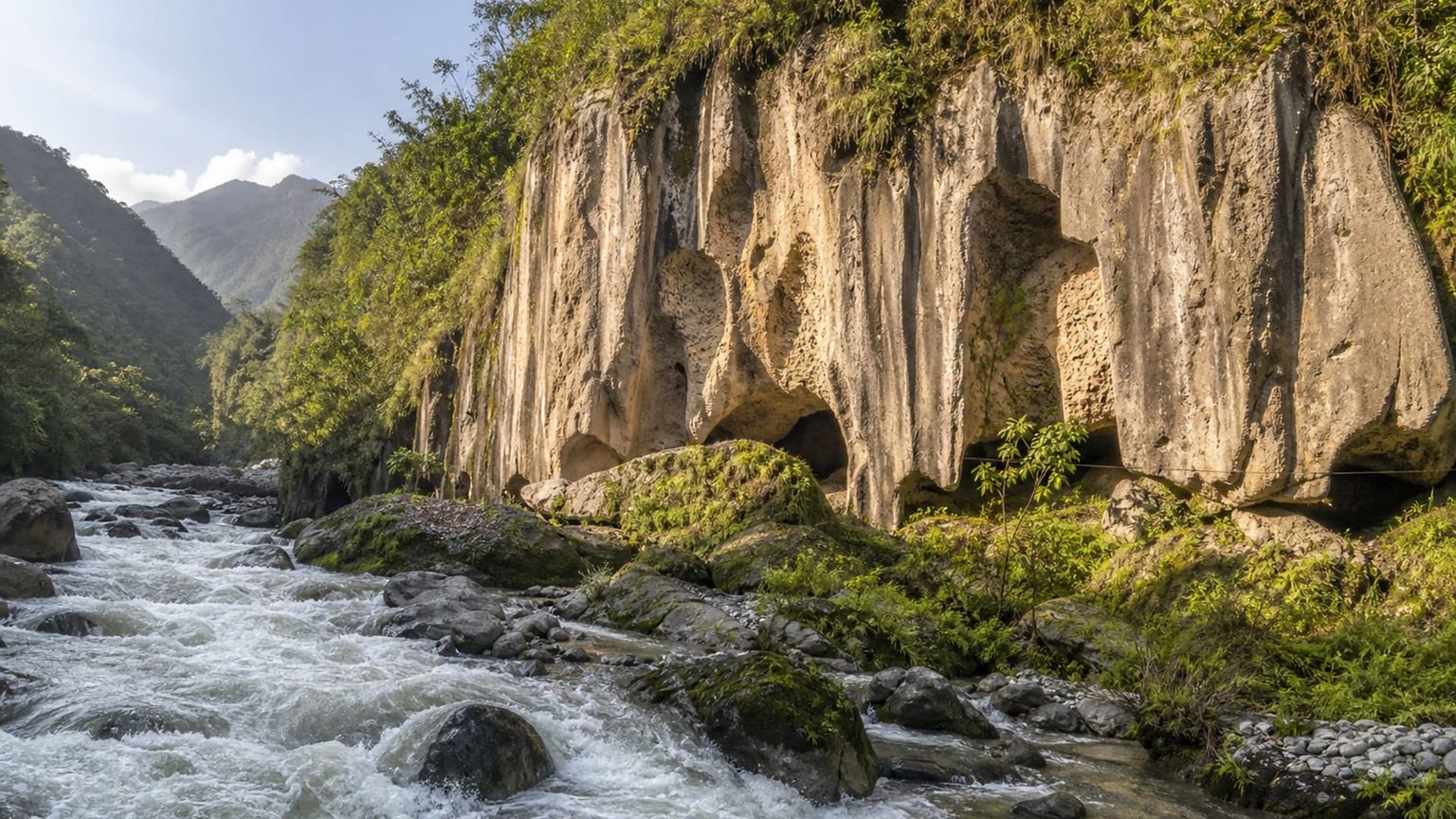
Combeima Canyon
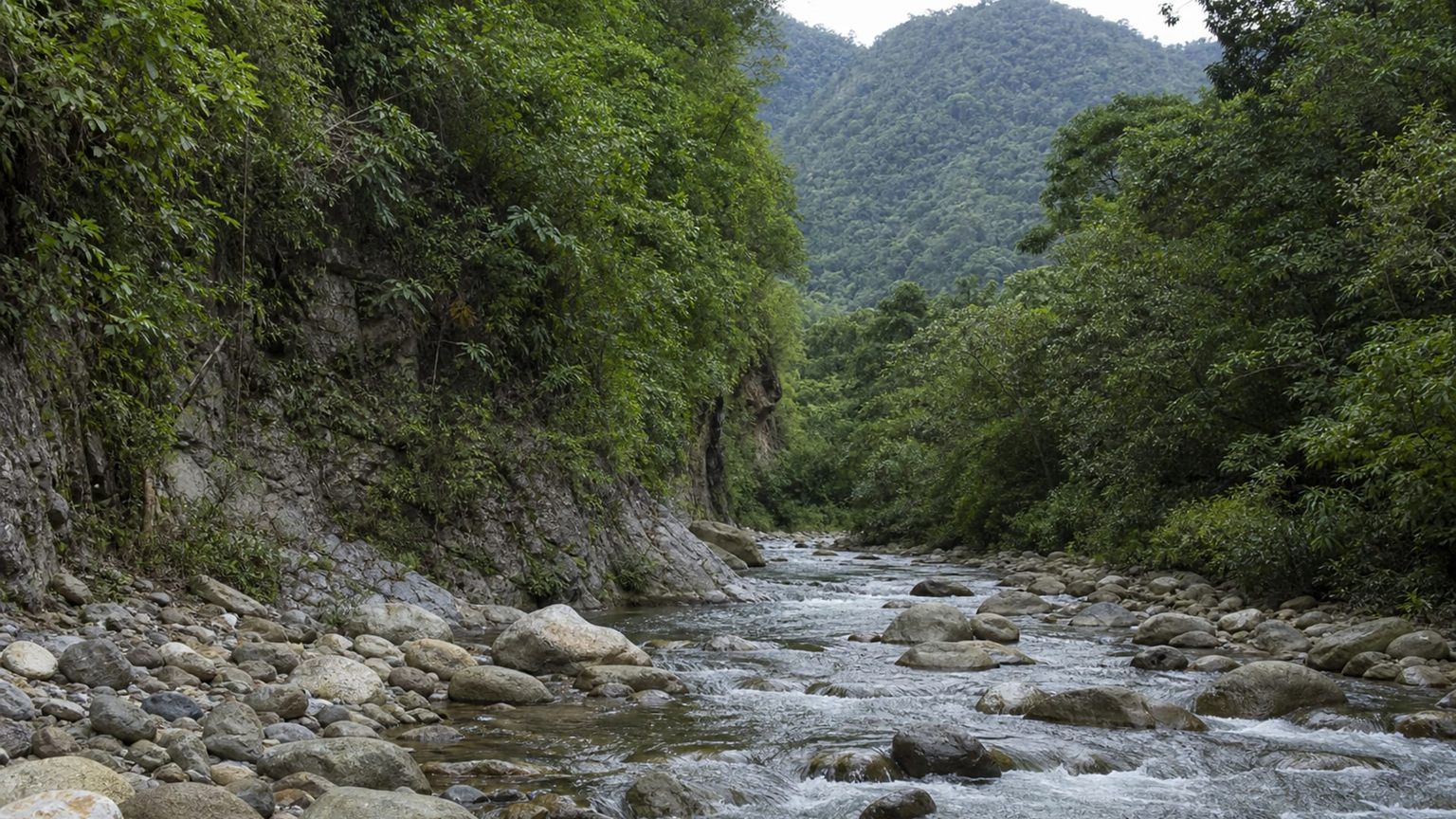
A narrow Andean valley about 30 km west of Ibagué, Combeima Canyon leads toward the snow line of Los Nevados. Roadside viewpoints, trailheads, and the cooler climate make it one of the city’s clearest mountain outings.
Time needed: About 3 to 5 hours
Entry: Free to access; separate fees may apply for guided hikes, transport, or activities offered by local operators
Tip: Go early for clearer views, then leave before afternoon cloud builds over the ridge.
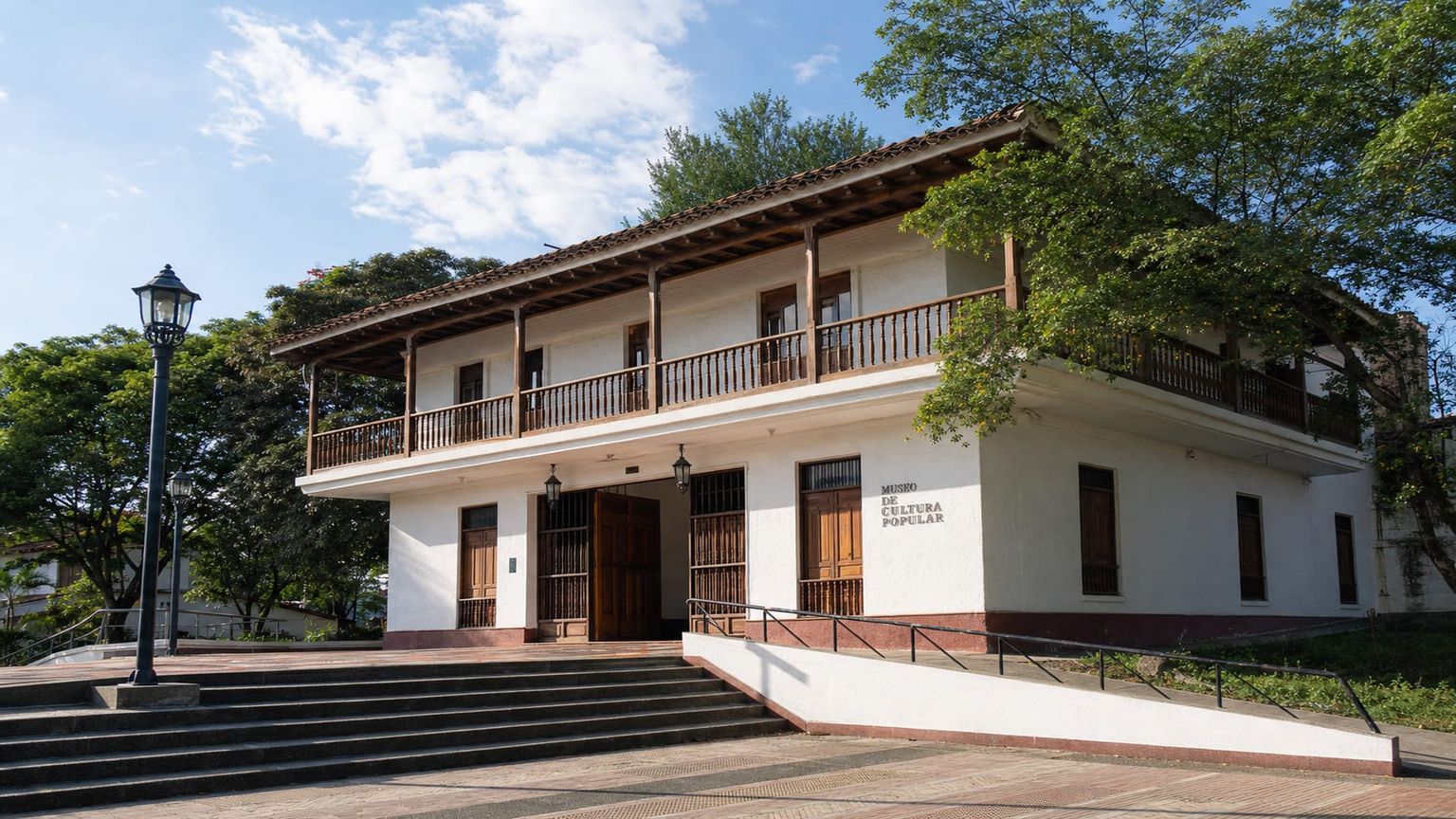
Museum of Folk Culture
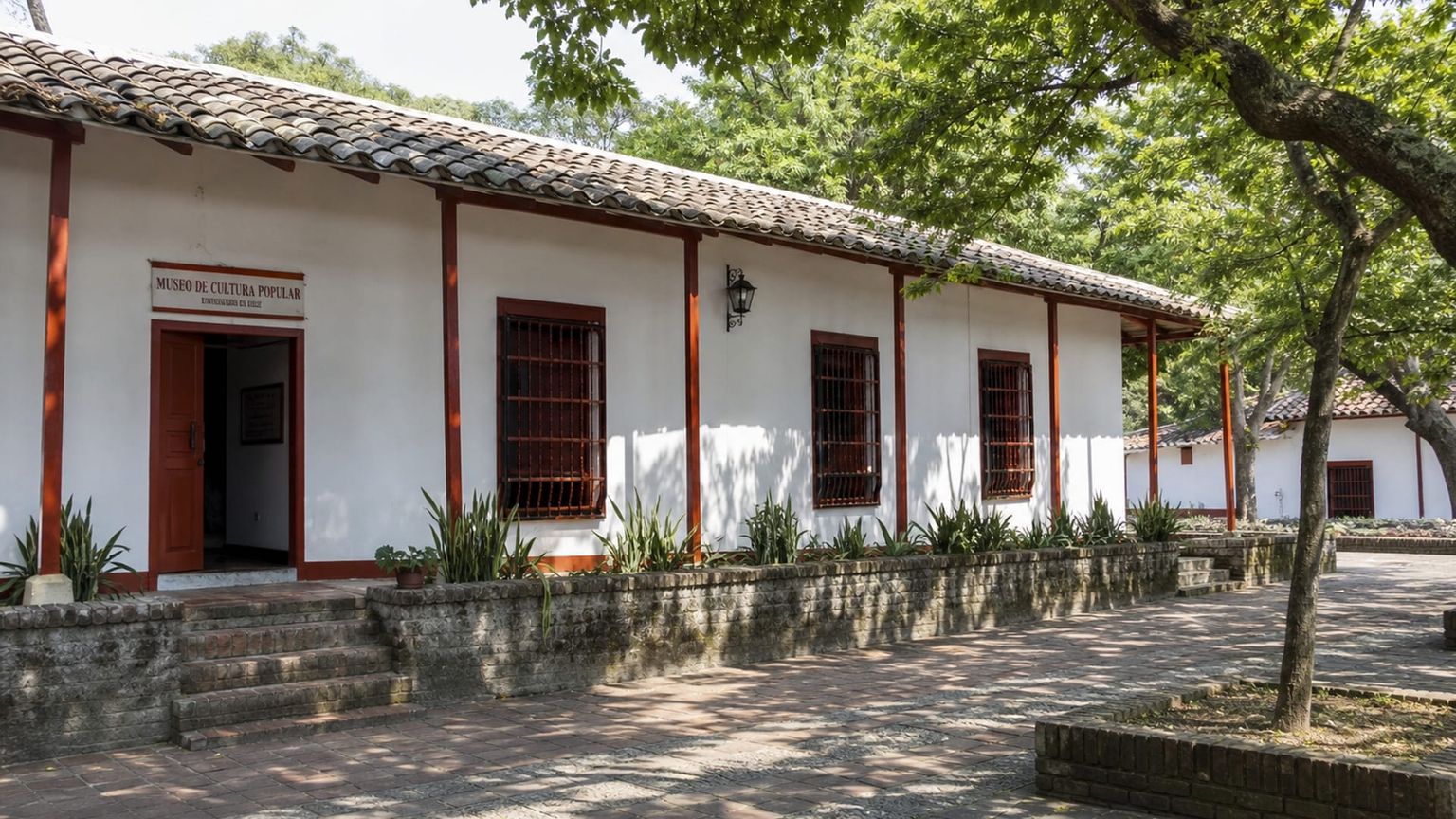
Inside the University of Tolima campus, this museum focuses on Tolima’s music, crafts, and regional traditions. Its compact galleries give a quick but specific look at the cultural identity that shapes Ibagué.
Time needed: About 1 to 2 hours
Entry: Admission is usually free; special exhibitions or guided visits may carry a separate charge on select days Visit the official site for details.
Tip: Visit on a weekday morning, when campus access is easier and galleries are quieter.
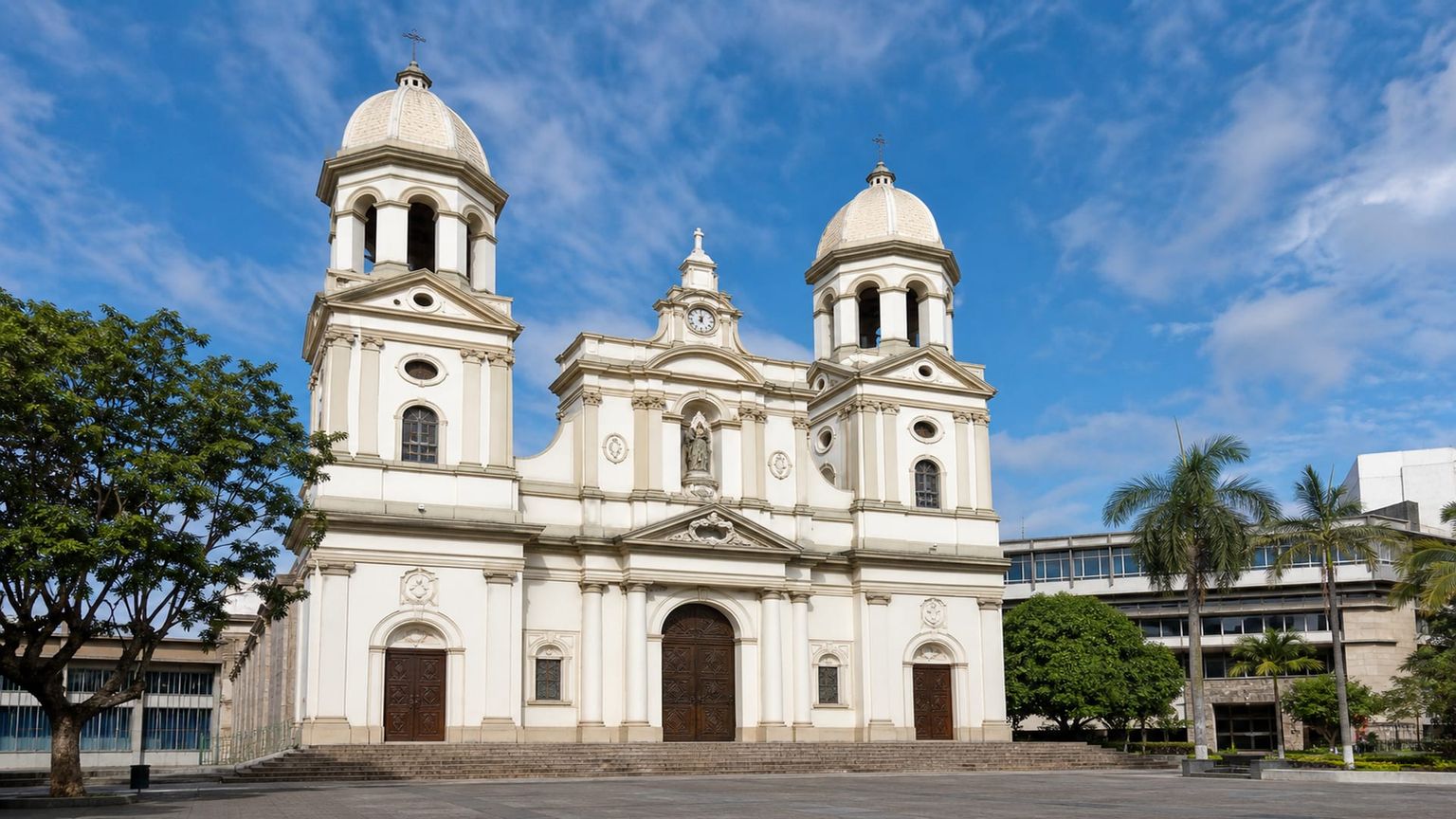
Cathedral of the Immaculate Conception
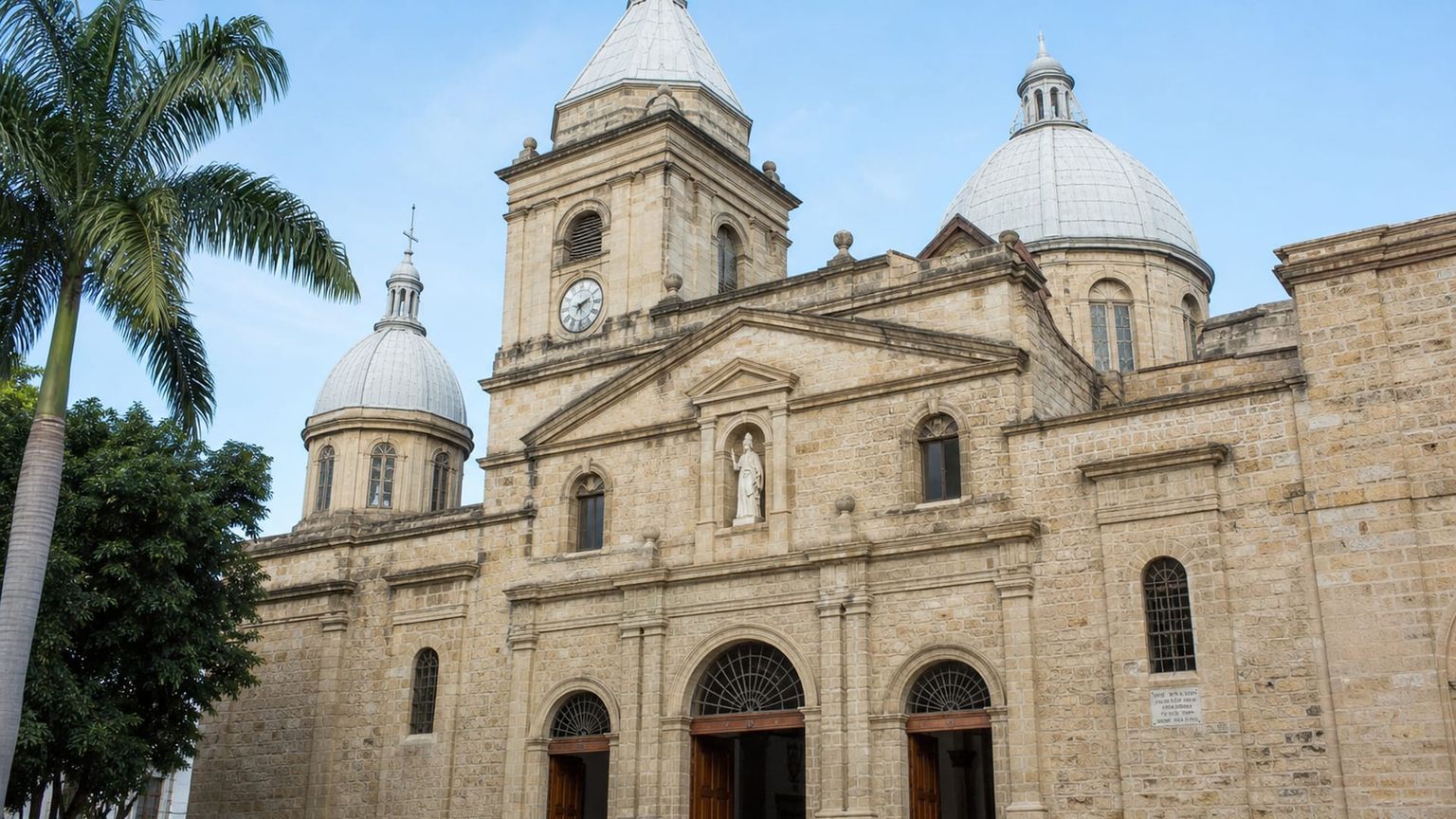
Ibagué’s main cathedral anchors the civic center with a broad facade and a visible dome over Plaza de Bolívar. It is the city’s principal Catholic church and a common starting point for a walk through downtown streets.
Time needed: About 30 to 45 minutes
Entry: Free to enter during public opening hours; donations are welcome, and access may pause for mass or ceremonies
Tip: Stop by between services, then step into Plaza de Bolívar for the best exterior view.
Overlooked sites worth visiting

Combeima Canyon Ecopark
A green corridor on Ibagué’s western edge, with river bends, shaded trails, and picnic spots that draw local families on weekends. It suits a half-day walk, not a rushed stop.
Time needed: About 2 to 3 hours
Entry: Free to access; if you use guided activities, local operators usually charge about $8 to $20 ($32,000 to $80,000 COP) per person, depending on the route and group size.
Tip: Go early for cooler temperatures and quieter trails.

Museo de Arte del Tolima
This compact museum gathers regional painting, sculpture, and rotating exhibits in central Ibagué. Its small scale makes it easy to pair with a coffee stop or short walk nearby.
Time needed: About 1 hour
Entry: Adult admission is usually about $2 to $3 ($8,000 to $12,000 COP), with occasional free entry for temporary exhibits or municipal cultural events. Check the current schedule before visiting. Visit the official site for details.
Tip: Allow extra time for temporary shows, which change often.
Traditional food
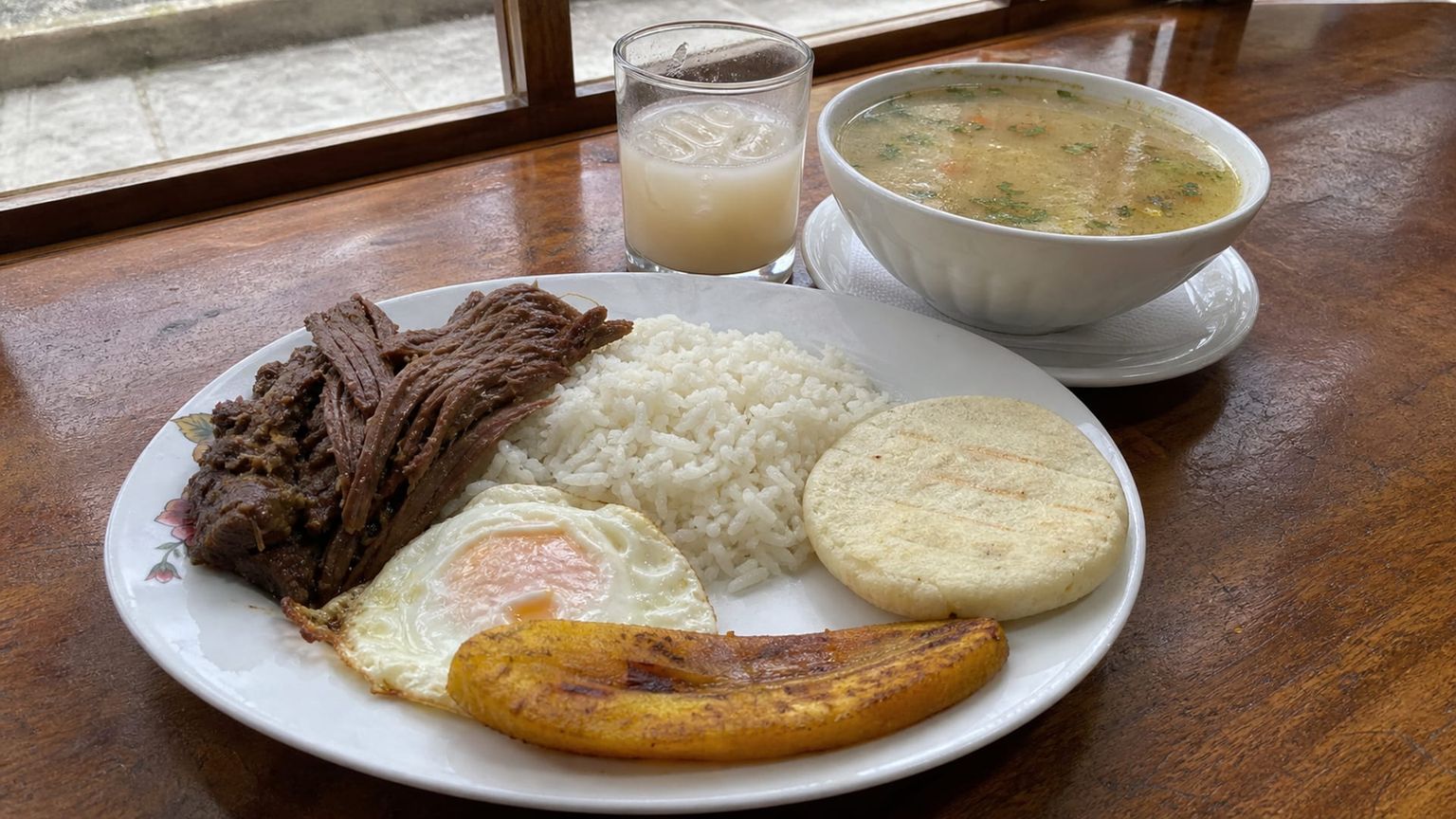
Tolima cooking leans on pork, corn, river fish, and hearty masa dishes, with lechona, tamal, viudo de pescado, and chorreadas anchoring the table. Meals follow a local schedule, so lunch and early dinner matter more than late-night eating.
Lechona Tolimense
This roast pork and rice dish, with peas and a crisp skin, is the signature plate of Tolima. In Ibagué, Restaurante La Casona del Chuzo is a common reference point for a proper serving.
Tamal Tolimense
Wrapped in banana leaf, the local tamal usually brings pork, chicken, vegetables, masa, and a richer broth than many visitors expect. Restaurante La Cava del Chuzo is a well-known place in Ibagué to order it.
Viudo de pescado
This river-fish stew comes with plantain, yuca, and potato, so it reads as a substantial lunch rather than a light bowl. In Ibagué, La Fogata del Tolima is a fitting place to seek it out.
Chorreadas
These sweet corn pancakes often arrive with cheese or a simple topping, making them a common breakfast or snack stop. La Cueva del Chuzo in Ibagué is a practical place to order them with coffee.
Best time to visit Ibagué
Ibagué stays warm through the year, but dry-season months make canyon visits easier, while wetter periods bring more cloud and quicker afternoon showers.
Best for: Best for clearer canyon views and easier outdoor timing
What you get: Expect about 66 to 84°F (19 to 29°C), with lighter rain and more comfortable sightseeing crowds than in wetter months
Trade-offs: Popular dates can fill downtown hotels and weekend dining tables
Best for: Best for museum days and slower city walks
What you get: Expect about 66 to 82°F (19 to 28°C), with humid afternoons and moderate visitor levels
Trade-offs: Showers become more frequent, especially later in the day
Best for: Best for balancing city time and mountain outings
What you get: Expect about 65 to 83°F (18 to 28°C), with steady temperatures and moderate crowds
Trade-offs: Cloud can build over Combeima in the afternoon
Best for: Best for quieter hotels and flexible museum stops
What you get: Expect about 66 to 82°F (19 to 28°C), with warmer rain patterns and thinner tourist traffic
Trade-offs: You should plan around wetter roads and less predictable skies
A realistic 5-day plan in Ibagué
Five days in Ibagué work best as a city-center base with one mountain outing and a few slower urban blocks around it. The sequence below keeps transit simple, leaves room for meals at local hours, and avoids stacking long rides on the same day.
Land in Ibagué, then take a taxi from Ibagué airport area IBE into Centro, about 20 to 30 minutes depending on traffic and roughly $6 to $10. Stay near Plaza de Bolívar or on a quieter street in Arboleda if you want an easier first night, then settle in with water, a short walk around the block, and dinner at a downtown restaurant before 8:30 pm so you are not crossing busier avenues late.
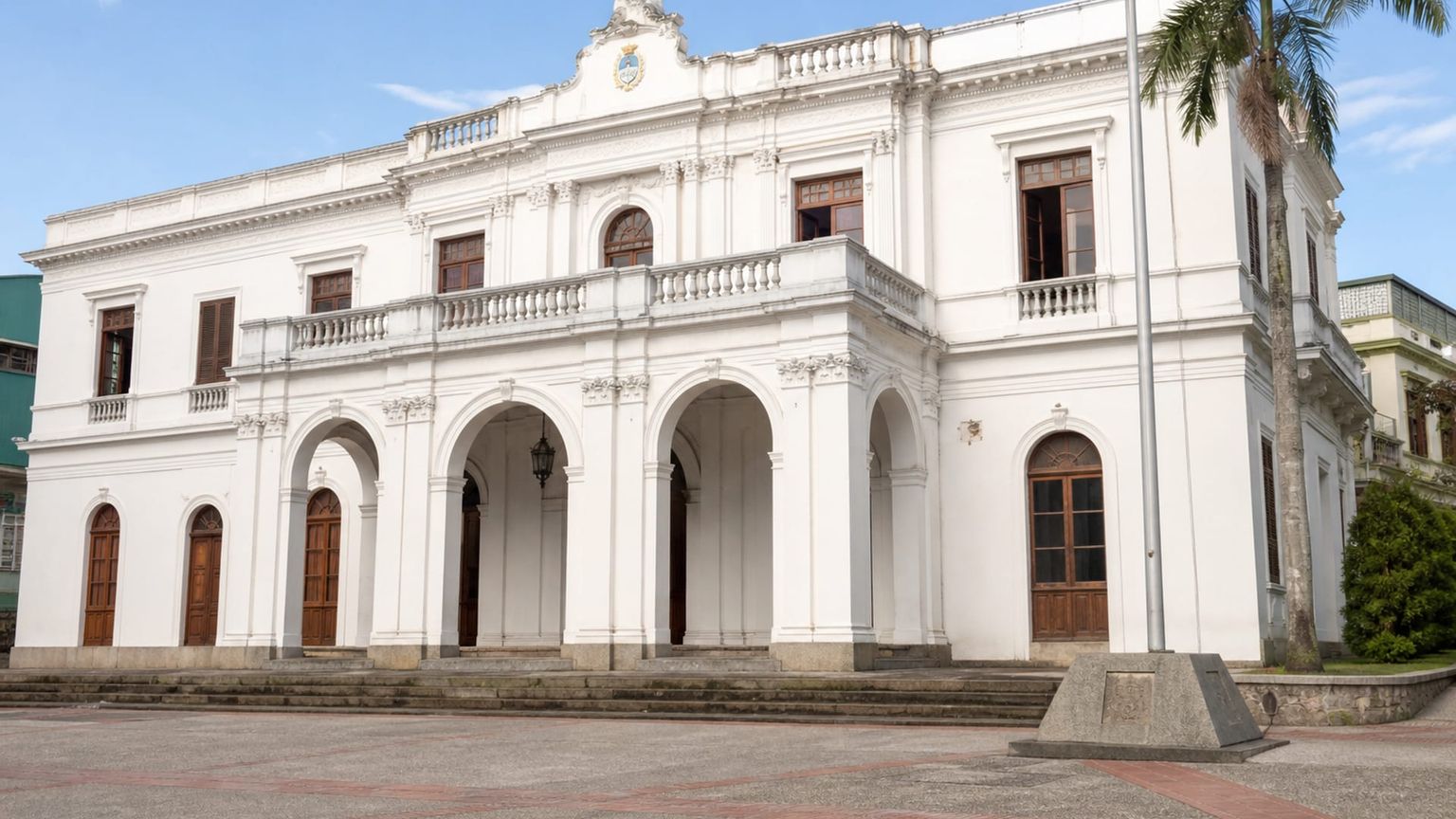
Start at the Cathedral of the Immaculate Conception, which is an easy walk from Plaza de Bolívar, then spend about 30 to 45 minutes inside before stepping back into the square for photos. From there, walk about 5 to 10 minutes to the Museo de Arte del Tolima, where you can spend roughly an hour on the permanent rooms and any temporary show. Finish the afternoon with a taxi, about 15 to 20 minutes, to Arboleda for a calmer dinner and an earlier night.
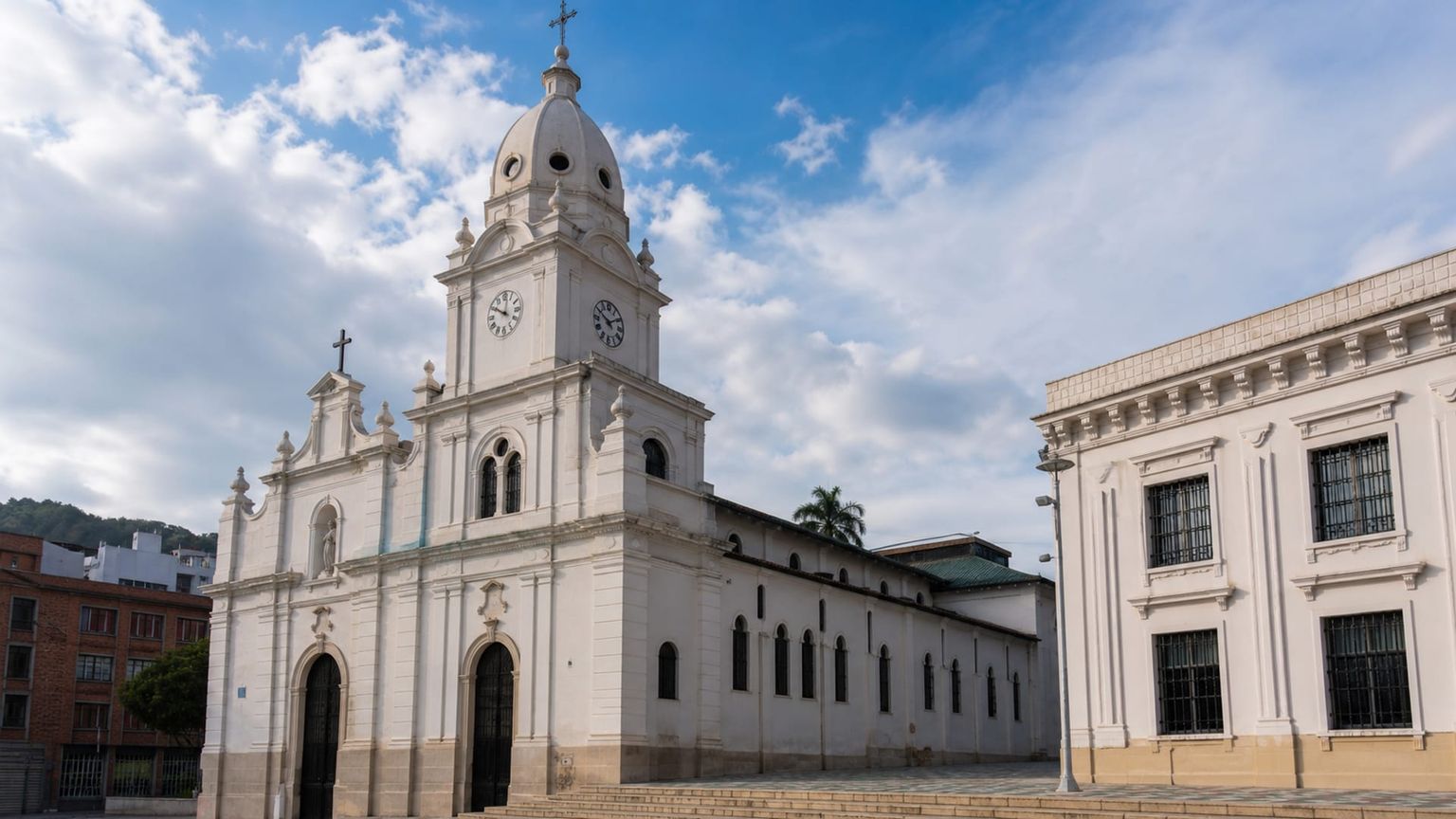
Combeima Canyon gives the trip its mountain day, so leave Centro early and plan on a 45 to 60 minute drive each way from downtown. Spend about 3 to 5 hours on viewpoints and easy walks, then continue to the Combeima Canyon Ecopark if you want a greener, shorter trail stop with river bends and picnic areas. Return to the city before dusk, since weather builds over the ridge later in the day, and eat in Centro or Arboleda once you are back.
A quieter cultural loop works well today, beginning at the Museum of Folk Culture on the University of Tolima campus, about 15 to 20 minutes by taxi from Centro. After 1 to 2 hours with Tolima’s music, crafts, and regional traditions, continue about 10 to 15 minutes to the Museuo de Arte del Tolima for a second, shorter museum stop if a temporary exhibit is on view, or stay in the center for coffee and a slow walk through the civic blocks. End with a downtown dinner near Plaza de Bolívar, where the cathedral and square are best seen at night.
For a final, low-key morning, head back to Centro for a short museum visit or a last pass through the cathedral square, then spend the rest of the day in the shopping streets that branch off Plaza de Bolívar. If you want one more café stop, Arboleda has several neighborhood places that are calmer than the center, and it is about 10 to 15 minutes by taxi from downtown. Leave enough time to return to Ibagué airport area IBE, especially if you are traveling after the evening office rush.
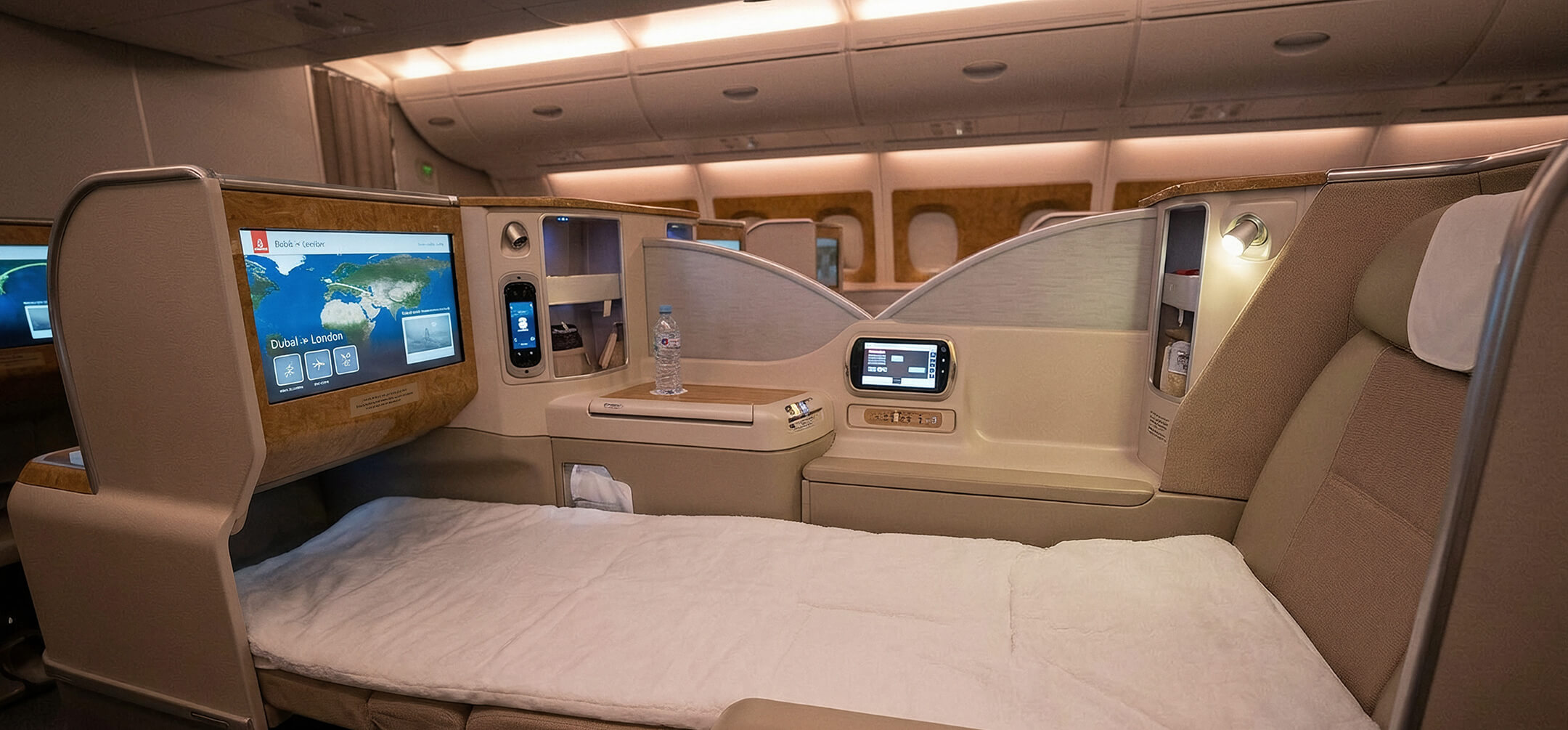
Business-class flights from the US to Ibagué
Flights to Ibagué usually connect through major hubs, so the most useful fare examples are one-stop itineraries from the East Coast and West Coast. The routes below show how long those connections usually take and which airlines most often appear.
From New York, American Airlines, Avianca, Copa Airlines, LATAM Airlines, and United Airlines all appear on one-stop itineraries, with layovers commonly routed through BOG, MIA, PTY, LIM, or CLT. Trips usually take about 7 to 14 hours overall, and round-trip fares generally start at $1,100, with some one-stop dates pricing lower.
Out of Los Angeles, American Airlines, Avianca, Copa Airlines, LATAM Airlines, and United Airlines are the names to watch, usually connecting through BOG, MIA, PTY, LIM, or DFW. Expect roughly 10 to 16 hours total travel time, and plan on about $1,300 to $2,100 for a round trip.
Ibagué feels different when you slow down
A good Ibagué trip starts in Centro, moves by taxi when you cross the city, and saves the longest road for Combeima on the clearest morning you can manage. That mix leaves time for Plaza de Bolívar, the cathedral, the Museum of Folk Culture, and a calm dinner in Arboleda before the city quiets down. If you want help matching your flight timing and hotel choice to that pace, the AranGrant experts can refine the plan around your dates