

Chapters:

Need help with your trip?
Our support team is available 24/7. Request a callback or call us directly at (833) 619-0908
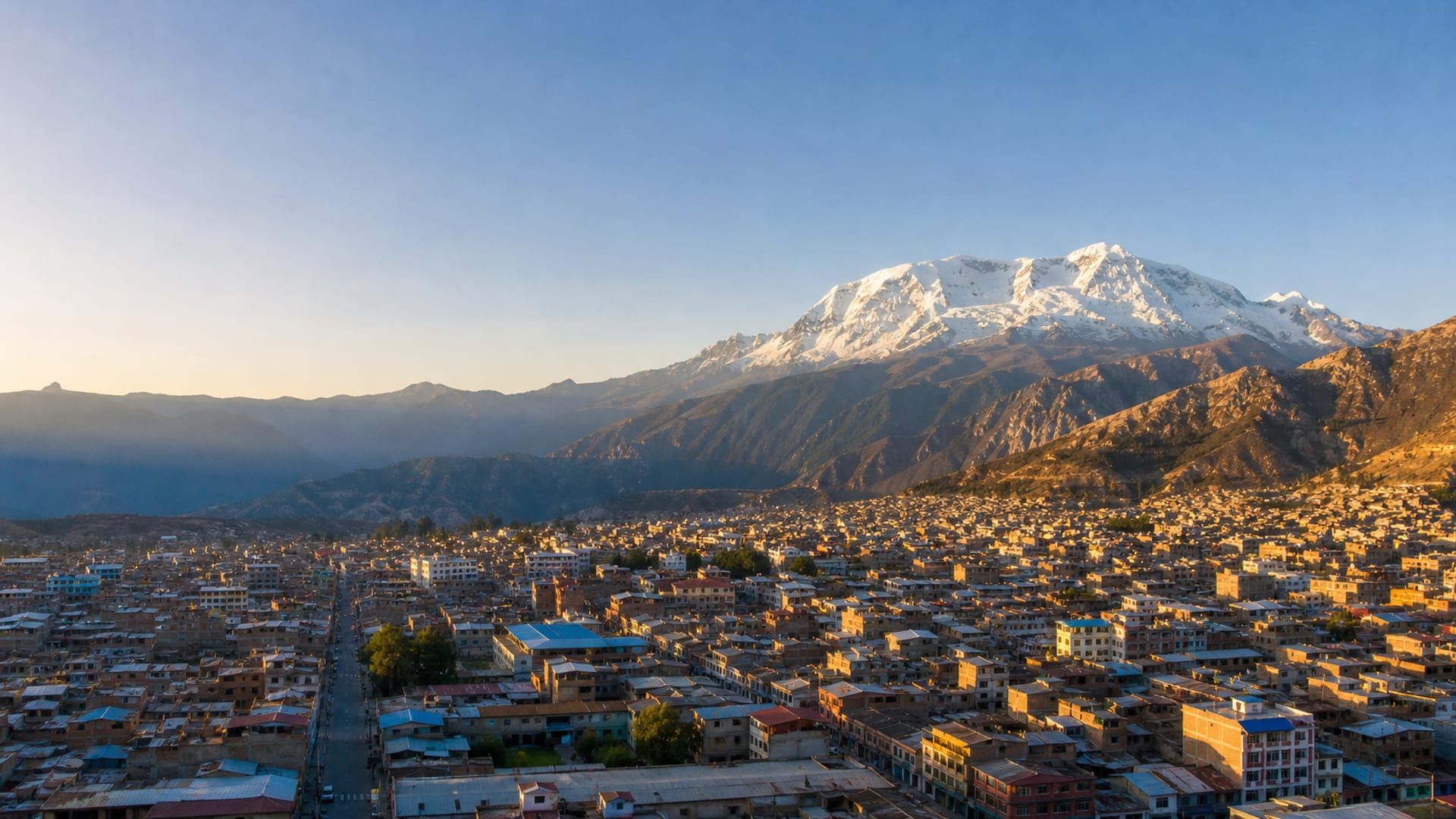
Huaraz itineraries often start with the mountains first, then leave the city itself for brief meals and sleep between day trips. That works until altitude, travel time, and half-day openings make the schedule feel rushed. Travelers also miss how often the best stops sit within a compact central core.
Huaraz rewards a slower sequence because the park roads run long, taxis use negotiated fares, and some museums close between lunch and dinner. If you bounce between the plaza and the outskirts too often, you lose time to transfers and extra planning.
This guide sets out a tighter order, with central bases, morning mountain departures, and short urban stops placed where they fit naturally.
Useful things to know

Main language(s): Spanish
Hola (OH-lah) – Hello
Por favor (por fah-VOR) – Please
Gracias (GRAH-see-ahs) – Thank you
¿Habla inglés? (AH-blah een-GLEHS) – Do you speak English?
¿Cuánto cuesta? (KWAHN-toh KWEHS-tah) – How much does it cost?

Currency: The local currency is the Peruvian sol (PEN, S/).

Cash and cards: Cards are accepted in many hotels and larger restaurants, but carry about S/100 to S/200 for taxis, markets, and smaller spots.

Tipping: Round up small bills, and leave about 10% in nicer restaurants if service is not included.

Traditional food: Trucha frita, pachamanca, rocoto relleno, ceviche de chocho

Water and coffee costs: Water about S/4 to S/8 ($1 to $2), bar espresso about S/8 to S/12 ($2 to $3).

Taxis and ride apps: Uber and Cabify operate here; coverage can be patchy outside the center.

Plug and voltage: Type A/C socket, 220V

Dining and shop opening hours: Breakfast is about 07:00-09:00, lunch 12:30-14:30, and dinner 19:00-22:00. Many restaurants close between lunch and dinner.

Emergency number: 105 for police, 116 for fire, 106 for medical emergencies.
Where to stay in Huaraz
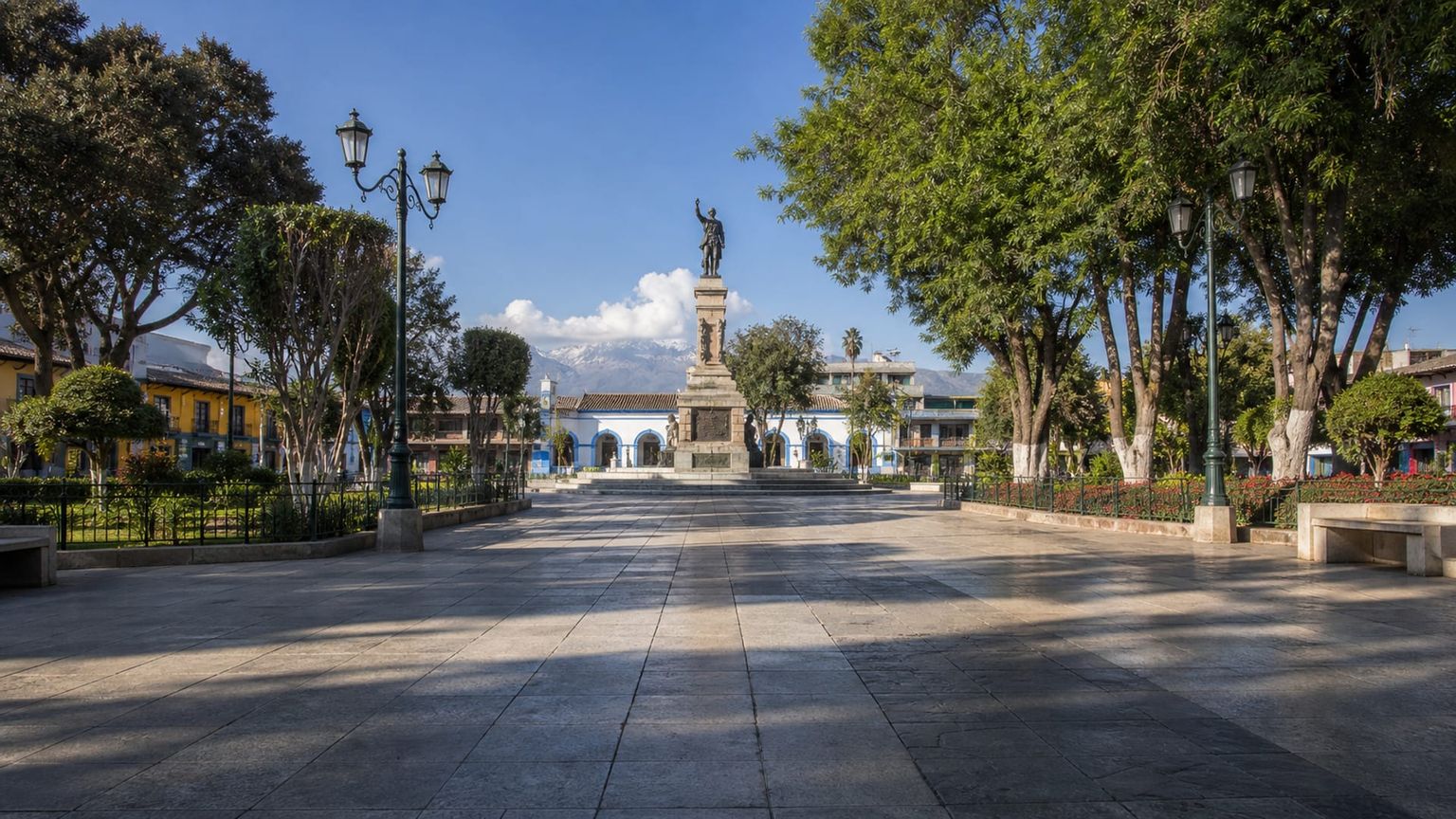
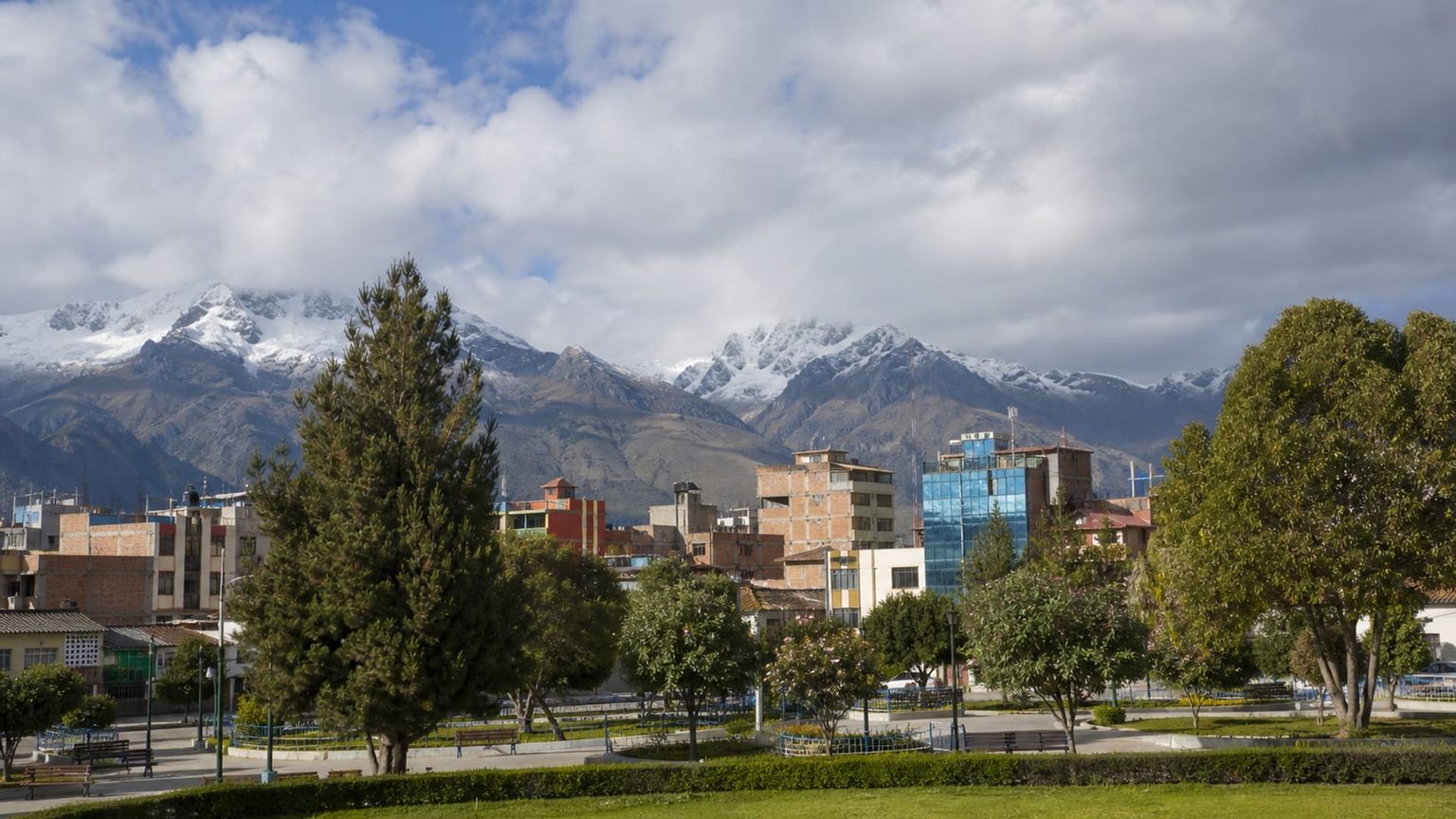
Huaraz’s central square anchors the historic core, with banks, restaurants, travel agencies, and the main pedestrian activity clustered nearby. Staying here puts you closest to the city center and the easiest place to arrange tours, meals, and day-to-day errands.
Best for: First-time visits, easy access to restaurants, and travelers who want the most central base
What to expect: Busy sidewalks by day, with taxis, shops, and tour desks moving people through the square; evenings are active but not late-night heavy.
Hotel prices: Usually about 120 PEN to 260 PEN (~32$ to ~70$) per night for well-rated stays
Distance to major sights: 0 to 5 minutes on foot to Plaza de Armas; about 10 to 15 minutes on foot to Museo Regional de Áncash
Quietness: Lively through the day, then noticeably calmer after dinner, though traffic and plaza activity still continue nearby.
Main trade-off: You pay for the center with more noise and less charm than the quieter outer streets.
Good to know: If you plan early departures, this area makes pickup coordination easy because many tour operators and transport desks cluster nearby.
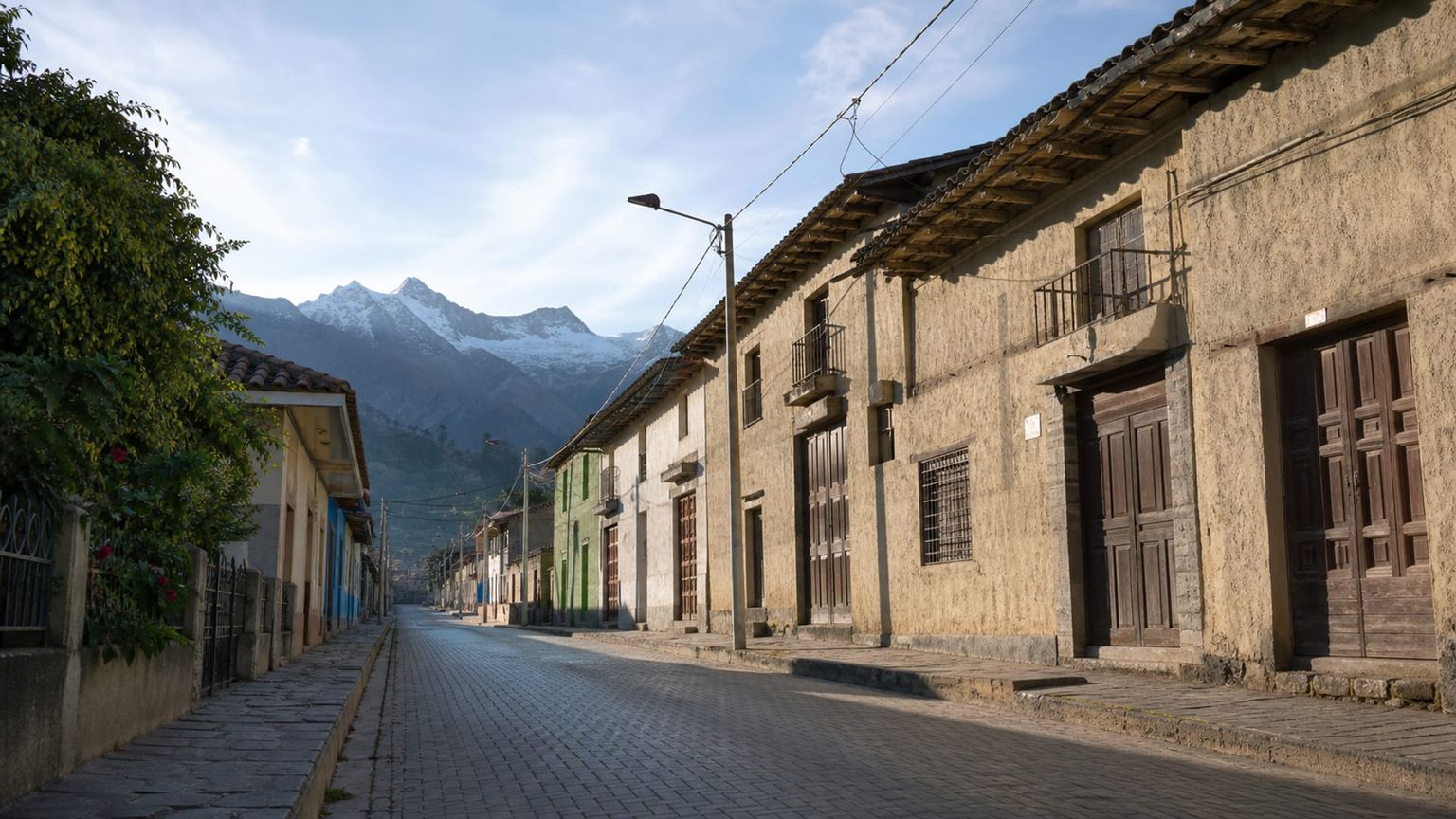
Jose Olaya sits just south of the center and mixes small hotels, local housing, and neighborhood shops on streets that are still close to the main plaza. It works well if you want short walks into the core without staying directly on the busiest blocks.
Best for: Travelers who want walking access to the center with a slightly quieter residential setting
What to expect: Local streets, light traffic, and a more residential pace, with fewer cafes at the door and a more limited evening scene.
Hotel prices: Usually about 90 PEN to 200 PEN (~24$ to ~53$) per night for well-rated stays
Distance to major sights: About 8 to 12 minutes on foot to Plaza de Armas; about 15 to 20 minutes on foot to Museo Regional de Áncash
Quietness: Quieter than the plaza during the day, and generally calm at night with only occasional street noise.
Main trade-off: You gain a calmer block-to-block stay, but you may walk a little farther for the best restaurants and tour counters.
Good to know: Check the exact street before booking, because some blocks sit closer to busier avenues and pick up more traffic noise.
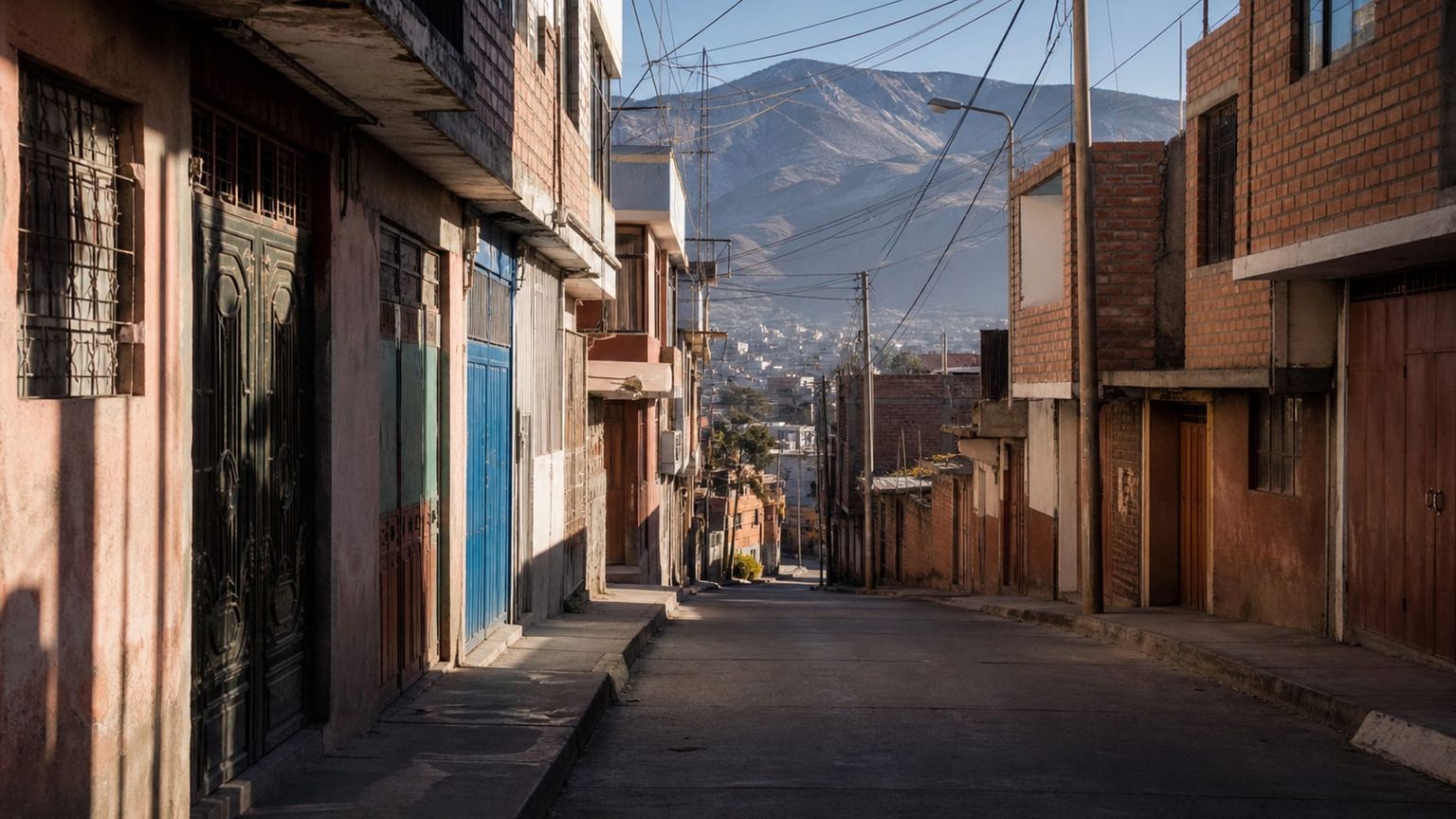
Belén is a central neighborhood on the east side of downtown, with market activity, local eateries, and practical access to the city’s main streets. It gives you a useful base if you want central positioning without staying directly on the plaza.
Best for: Travelers who want central access, local food, and easy movement across town
What to expect: Daytime foot traffic, neighborhood commerce, and a more everyday city feel than the plaza area, with evenings that wind down fairly early.
Hotel prices: Usually about 100 PEN to 220 PEN (~27$ to ~59$) per night for well-rated stays
Distance to major sights: About 10 to 15 minutes on foot to Plaza de Armas; about 10 to 15 minutes on foot to the regional market area
Quietness: Moderately active during the day, then quieter at night once shops close and traffic thins.
Main trade-off: The area is convenient, but the street scene is more functional than scenic, so it suits travelers who care more about access than atmosphere.
Good to know: Some streets are better lit and easier to reach by taxi than others, so confirm the exact address if you will arrive late.
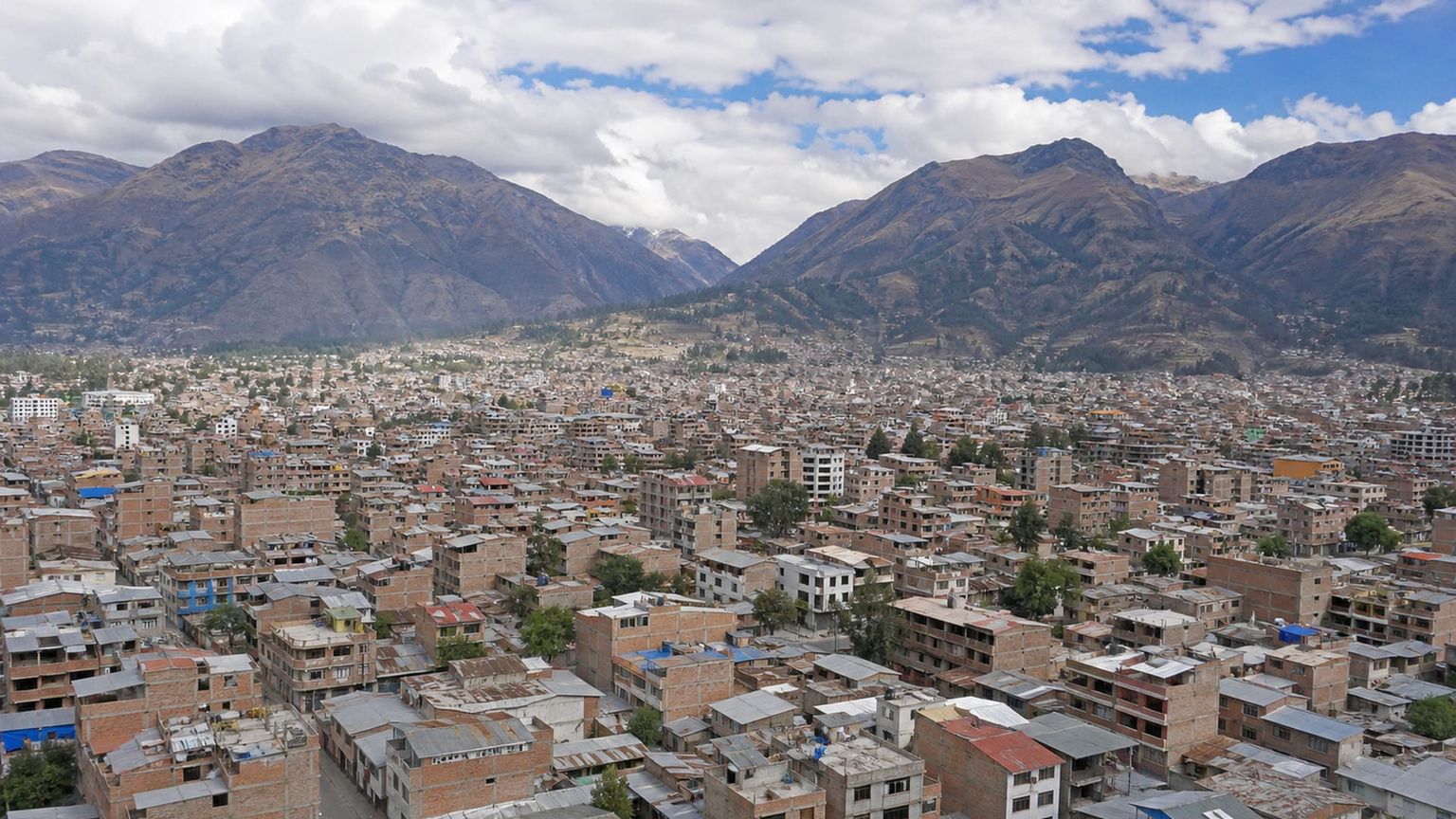
Travelers usually avoid staying in Independencia’s outer residential areas, because they sit farther from Huaraz’s central plaza, restaurants, and agencies, and evening taxi or colectivo trips are less convenient. The same goes for settlements along the north and east edges of the city, including areas toward Anta and the airport road, since they have fewer visitor amenities and add extra time for day tour departures and return travel.
Hotel deals
How to get around Huaraz efficiently
Huaraz has no metro or rail line, so the trip works best with walking in the center, colectivos on the main corridors, and taxis for airport runs and mountain departures.

Metro
for longer distances
Huaraz has no metro or suburban rail, so visitors rely on walking, buses, colectivos, and taxis instead. For trips to the airport area at Anta Airport (ATA), plan on road transfer only, since no rail option serves the city.

Bus and tram
for convenience
Local buses and colectivos cover the main city corridors and nearby towns, with short hops typically costing about $0.30 to $1.00 per ride. Services are not fixed to a subway-style timetable, so check the destination painted on the windshield and confirm with the driver or conductor before boarding; trips to Anta Airport (ATA) usually need a taxi or private transfer, not a bus.

Taxi
for convenience or late hours
Licensed taxis in Huaraz usually use negotiated fares rather than meters, and drivers often quote a set price before departure. In town, short rides commonly cost about $2 to $5, while trips to Anta Airport (ATA) are often about $15 to $25 depending on time of day and luggage; many drivers prefer cash in soles, though some accept dollars or card only by prior arrangement.
*Prices are based on rates updated as of June 2026 and may change at the time of travel.
Walk for the plaza, use colectivos for short city hops, and rely on taxis or private transfers when you need fixed timing, luggage space, or the airport road.
Iconic landmarks
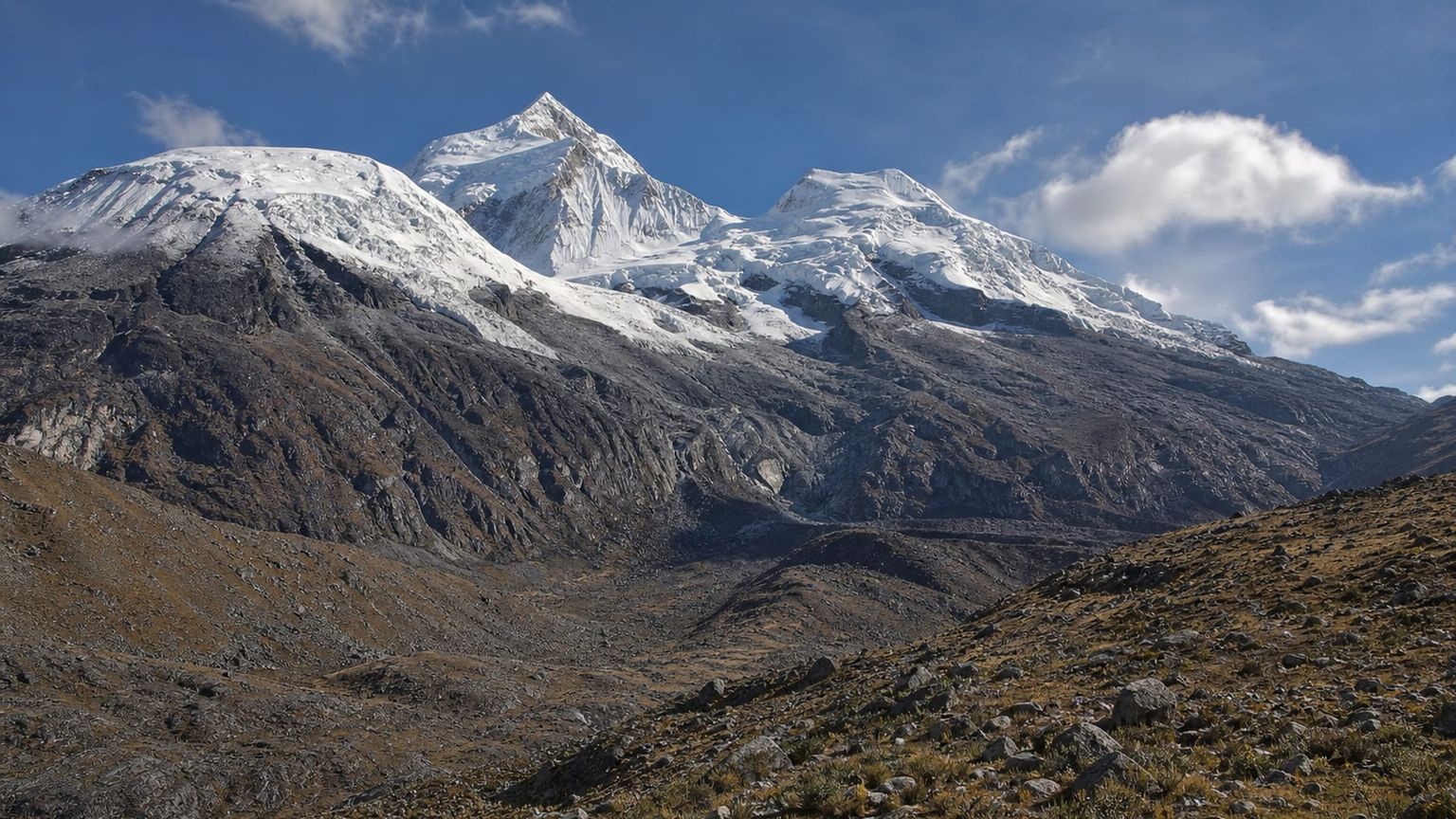
Huascarán National Park
Huascarán National Park sits just outside Huaraz and holds the Cordillera Blanca’s sharpest peaks, glacial lakes, and high-altitude trails. It gives you the Andes at their most dramatic, with day-trip access from the city.
Time needed: About 1 to 2 days
Entry: Nonresidents pay S/30 to S/65 ($8 to $17), depending on the stay length and trail zone; some services charge separately. Visit the official site for details.
Tip: Start early, since afternoon clouds often hide the peaks and slow mountain roads.
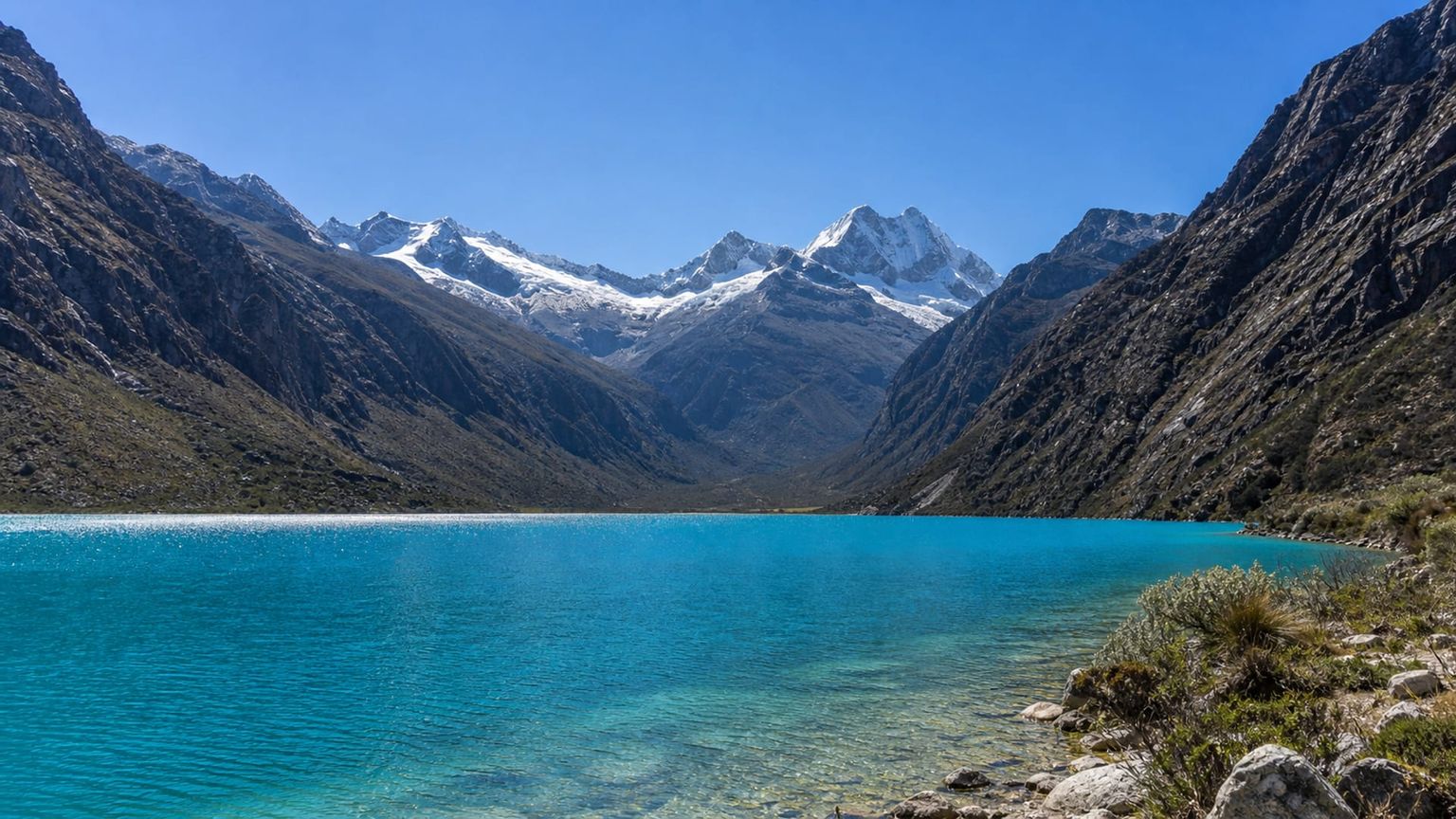
Llanganuco Lakes
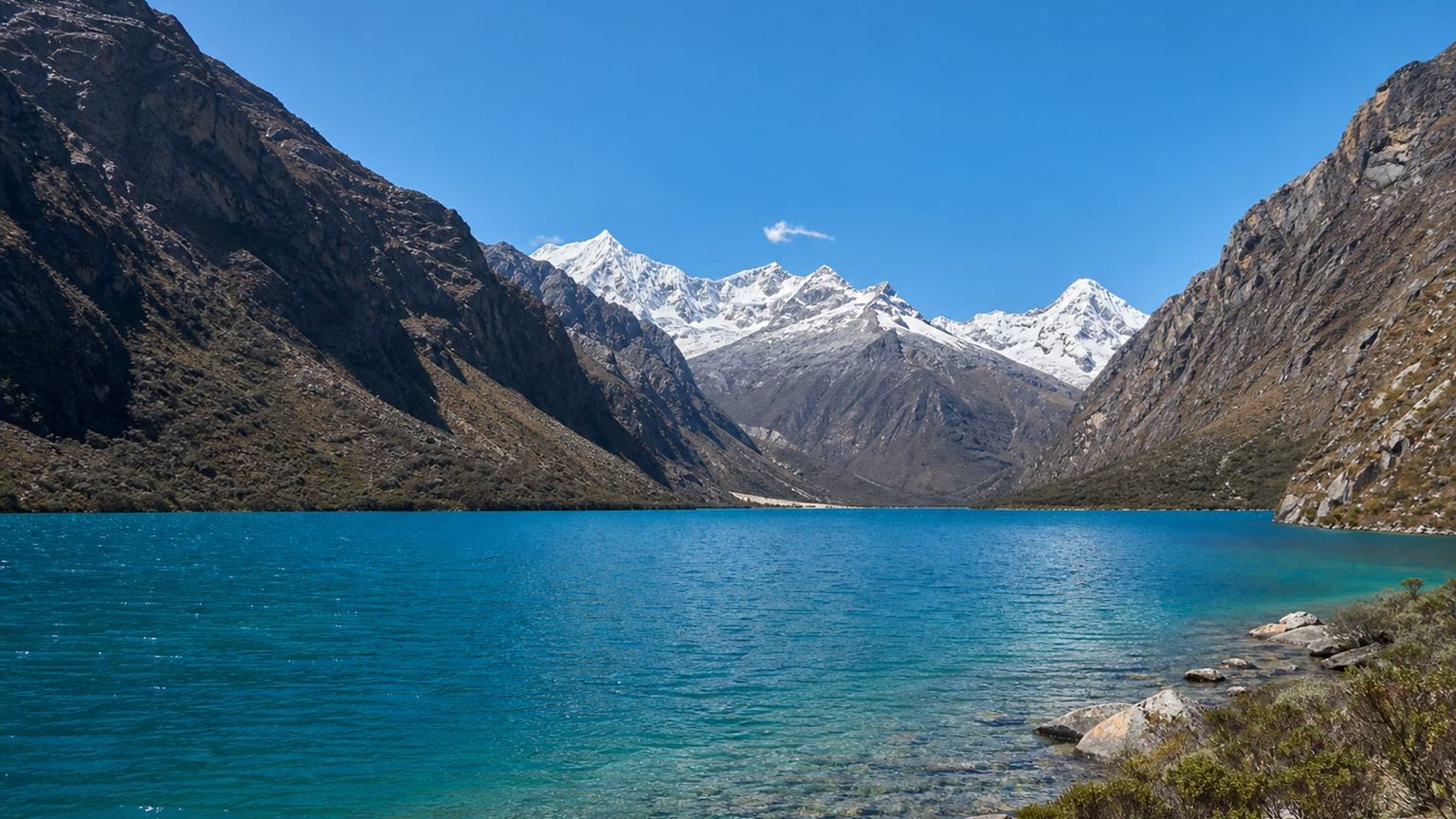
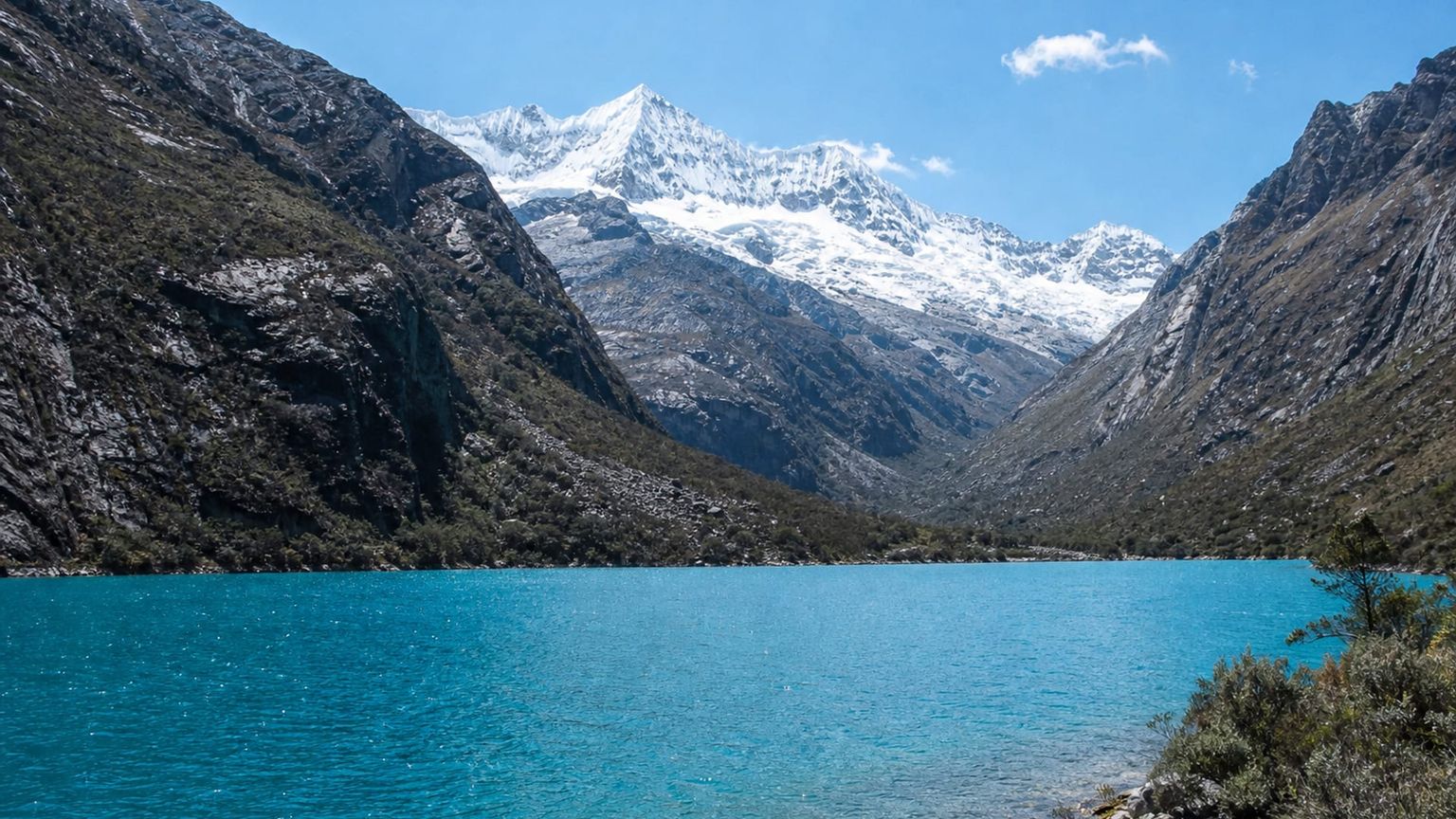
The turquoise Llanganuco lakes sit in Huascarán National Park on the road toward the high passes. Snowy walls rise above the water, and the circuit gives you one of the area’s best-known alpine views without a long hike.
Time needed: About 2 to 3 hours
Entry: Park access is covered by Huascarán National Park fees, usually S/30 to S/65 ($8 to $17) for nonresidents, with separate transport costs. Visit the official site for details.
Tip: Go in the morning for calmer water and better light on the surrounding peaks.
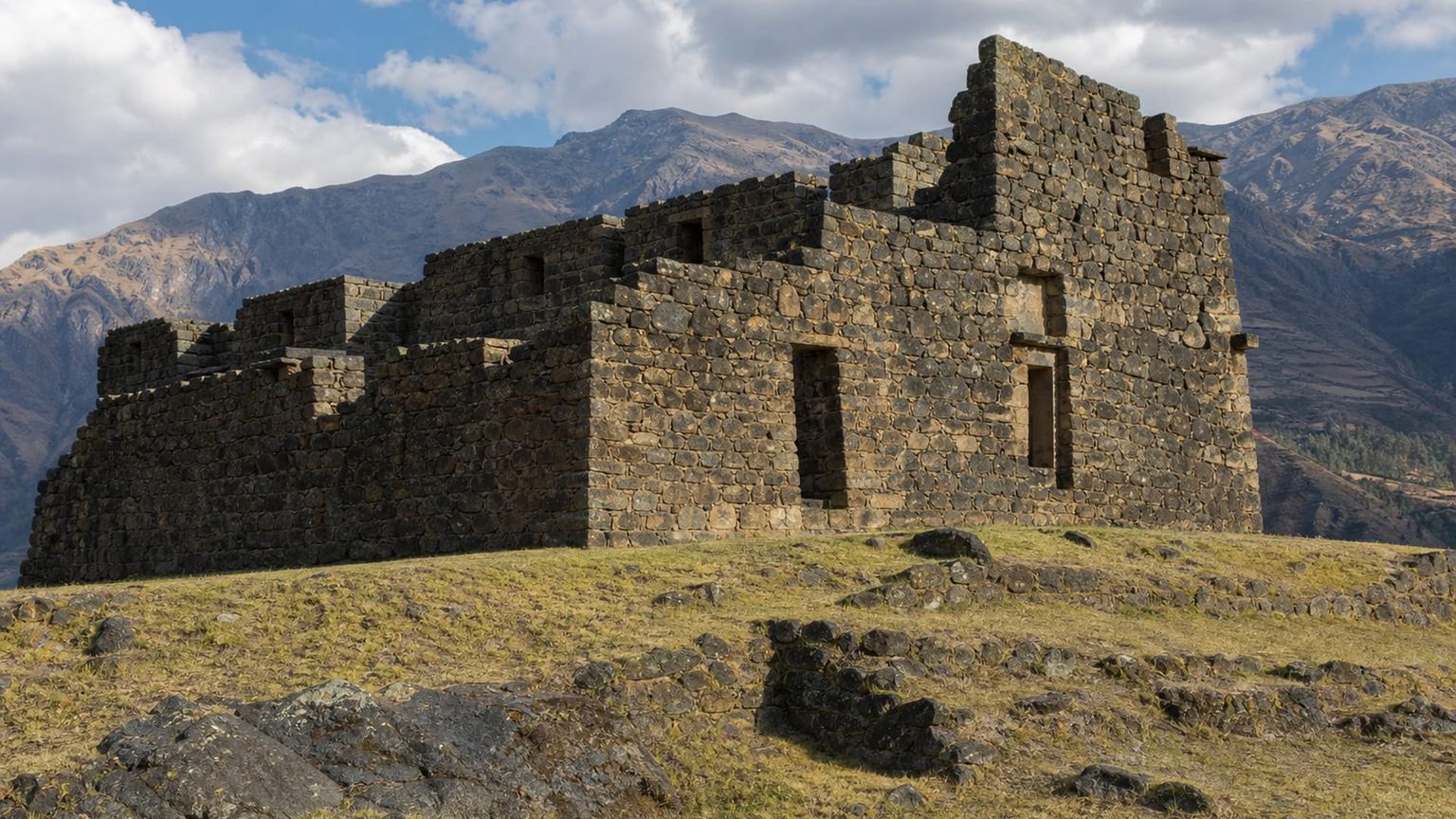
Monumento Nacional Wilcahuain
Monumento Nacional Wilcahuain preserves a pre-Inca stone complex above Huaraz, with thick walls and a compact labyrinth of rooms. The site adds an important archaeological stop to a mountain-focused itinerary, and it sits close enough for a half-day visit.
Time needed: About 1 to 2 hours
Entry: Admission usually costs S/3 to S/10 ($1 to $3), with extra charges if you hire a local guide at the entrance.
Tip: Pair it with a sunny morning, since the stonework photographs best before the light turns flat.
Overlooked sites worth visiting

Monasterio de Santa Teresa
This 17th-century Carmelite monastery has a small museum, cloisters, and chapels with colonial art. It suits a short stop in central Huaraz, away from the busier market streets.
Time needed: About 1 hour
Entry: Admission is usually about $1 ($1) to $2 ($2), with some guided visits or special exhibits priced higher on select days. Cash payment is more common than card payment.
Tip: Visit late morning for better light in the cloisters.

Wilcahuain Archaeological Site
About 8 km north of Huaraz, this compact pre-Inca stone complex has a multi-story tower and a small site museum. The setting is quiet, with mountain views and little foot traffic.
Time needed: About 1 to 2 hours
Entry: Entry is usually about $1 ($1) to $3 ($3), with a small local ticket fee collected at the site. Bring cash, since card payment is rarely available and hours can change with staffing.
Tip: Go early for clearer views and cooler walking conditions.
Traditional food
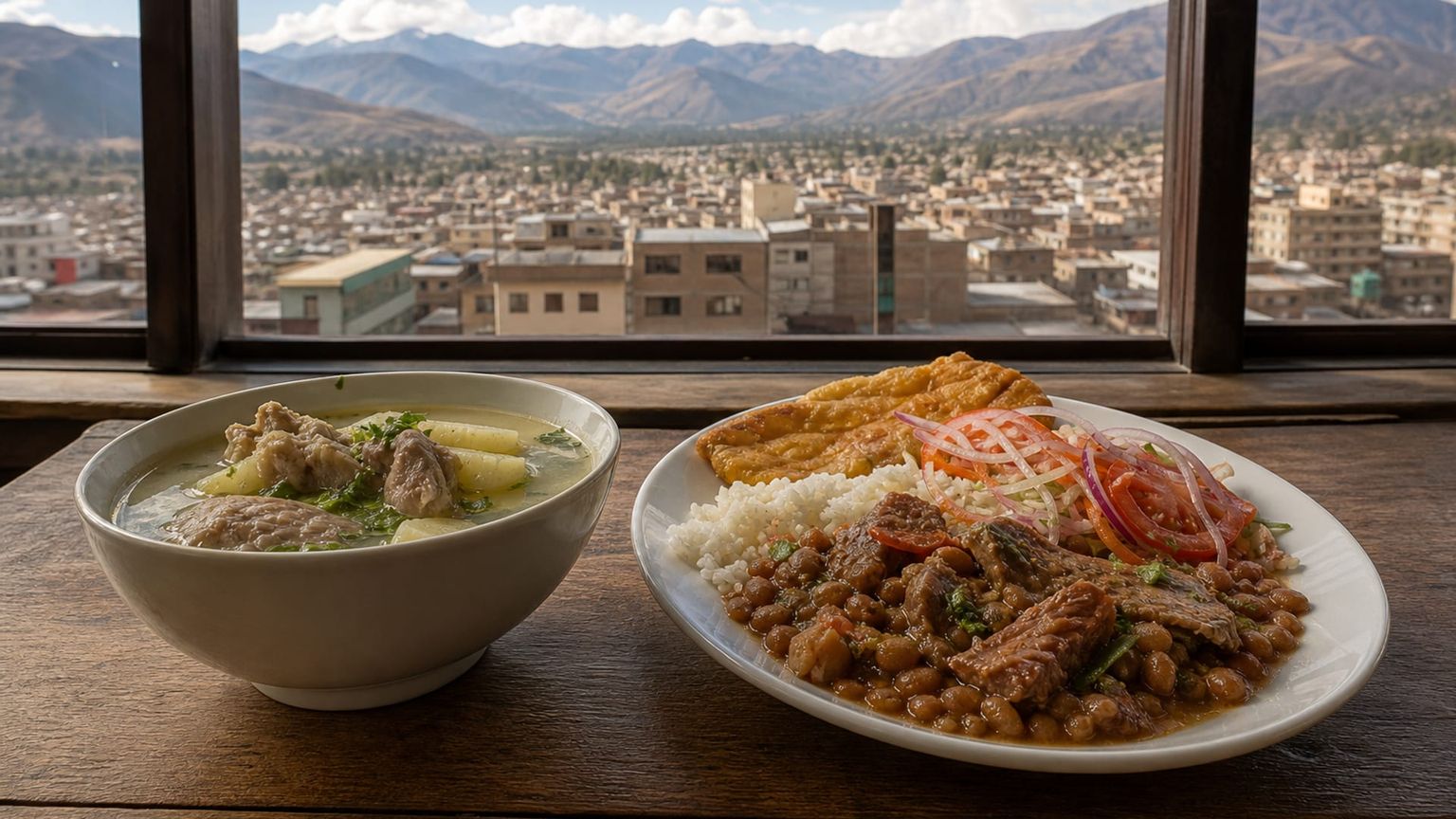
Huaraz cooking leans on trout, Andean potatoes, corn, and peppery sauces, with hearty lunches and early dinners that fit mountain days. Expect simple plates, regional stews, and a pace shaped by altitude and daylight.
Trucha frita
Crisp fried trout is one of the easiest regional plates to order after a day in the hills, usually served with potatoes, salad, or rice. Try it at Restaurant Trivio, a central Huaraz spot that handles classic Andean dishes well.
Pachamanca
Pachamanca brings meat, potatoes, and herbs together in an earth-oven style preparation that suits a highland trip. Huascarán Cafe serves it in Huaraz, making it a practical stop for a fuller regional lunch.
Rocoto relleno
This stuffed pepper dish adds heat, cheese, and a rich baked finish that pairs well with a cold evening in the city. At La Brasa Roja, it appears in a setting that also covers other Andean staples.
Ceviche de chocho
Made with lupin beans, this lighter ceviche-style dish brings acidity and texture without the seafood focus of the coast. Oliver Restaurant in Huaraz is a good place to look for a more contemporary plate.
Best time to visit Huaraz
Huaraz has a clear dry season and a wetter stretch, and the mountain views change more with cloud cover than with heat.
Best for: Best for stronger greenery and warmer city days
What you get: About 55°F to 68°F (13°C to 20°C), with fewer visitors than in the core dry season and more afternoon cloud
Trade-offs: Rain can blur mountain views and complicate road days
Best for: Best for improving visibility and lighter conditions before peak season
What you get: About 52°F to 67°F (11°C to 19°C), with moderate crowds and a good balance of clear mornings
Trade-offs: Some showers can still interrupt late-day plans
Best for: Best for the clearest highland views and the most dependable trekking window
What you get: About 45°F to 63°F (7°C to 17°C), with the heaviest visitor flow on park routes and organized tours
Trade-offs: Cold mornings and fuller day-trip departures
Best for: Best for quieter streets and a strong mix of clear days and manageable demand
What you get: About 50°F to 68°F (10°C to 20°C), with fewer crowds than midwinter and good conditions for city stops
Trade-offs: Weather can shift more quickly as the rainy season approaches
A realistic 5-day plan in Huaraz
The five-day plan below keeps the first night close to the center, then gives the mountains their own full days before returning to smaller sites and a low-key departure morning.
Land at Huaraz’s airport area ATA, then take a taxi or prearranged transfer into the city in about 30 to 45 minutes for roughly $12 to $18. Aim for Plaza de Armas if you want the easiest first-night logistics, or Jose Olaya if you prefer a quieter block after travel. Drink water soon after arrival, then keep dinner close to your hotel with a simple plate of trout, soup, or arroz con pollo in the center, where most restaurants and tour desks sit within a short walk.
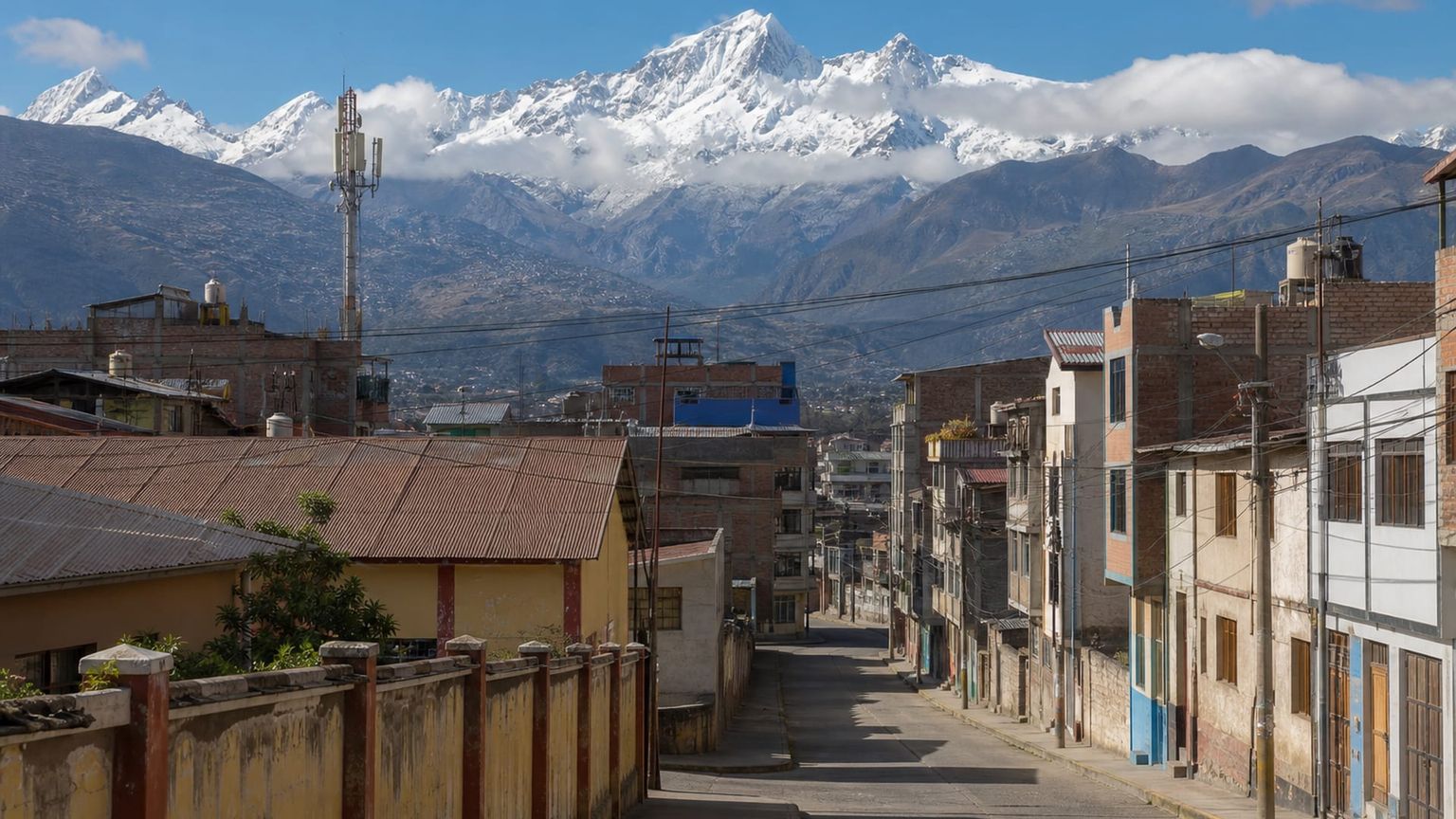
Begin with Huascarán National Park early, because the morning gives you clearer views and less cloud cover. A private day trip or small-group excursion from Huaraz usually takes about 6 to 8 hours door to door, with park fees of S/30 to S/65 ($8 to $17) for nonresidents, plus transport. Spend the morning at Llanganuco Lakes, then continue through the park for another high-altitude stop before returning to the city by late afternoon. From Plaza de Armas, many operators can pick you up on foot or by a short taxi ride, which keeps the day simple without extra city transfers.
Start with Monumento Nacional Wilcahuain in the morning, about a 20 to 30 minute taxi ride from the center, then continue to the Wilcahuain Archaeological Site if you want a smaller, quieter look at the same pre-Inca complex. Admission is inexpensive, and both sites work well before lunch because the stonework and mountain backdrop photograph best in clear light. Back in Huaraz, stop at Monasterio de Santa Teresa, which sits about 10 to 15 minutes from Plaza de Armas on foot, for cloisters, colonial art, and a slower central-afternoon visit.
Head back into the mountains for a second full day in Huascarán National Park, this time centering the outing on the Llanganuco valley if you missed it earlier or want a longer look. Expect about 2 to 3 hours on site, with the drive from Huaraz taking most of the day, so start early and plan for a late lunch back in town. If energy allows after you return, walk the center from Plaza de Armas into Belén in roughly 10 to 15 minutes, then settle into a local dinner near the market streets.
For a final, low-key morning, begin at Monasterio de Santa Teresa if you have not visited yet, or return for a second look at the museum and cloisters before check-out. After that, browse the shops and travel counters around Plaza de Armas, then move east into Belén for one last café stop where local eateries and neighborhood streets give you an easy place to sit with coffee or a pastry. If you are leaving in the afternoon, this route keeps you close to taxis and baggage storage without forcing a long excursion.
Business-class flights from the US to Huaraz
Flights into Huaraz usually connect through Lima or another Latin American hub, so the best option is often the one that balances timing with a manageable connection. From both coasts, the itineraries below show the kind of one-stop trip most travelers end up booking.
From New York, Avianca, Copa Airlines, LATAM Airlines, and United Airlines are the main carriers on this route. Round-trip fares usually start from $1,400 and can reach about $3,200.
Los Angeles itineraries with Avianca, Copa Airlines, LATAM Airlines, and United Airlines typically take roughly 11 to 15 hours with one connection. If you do not mind a layover, common routings via BOG or PTY can trim the fare and still keep the trip within that range, with round-trip business fares from $1,200 to $2,900.
Huaraz feels different when you slow down
A deliberate Huaraz trip starts in the center, not at the edge of the map, with Plaza de Armas, Belén, and short taxi rides doing most of the work between mountain days. That keeps Wilcahuain, Santa Teresa, and the park departures in a sequence that matches the city’s pace. If you want help shaping those connections, the AranGrant experts can refine the plan around your arrival time and the season that fits your trip







