

Chapters:

Need help with your trip?
Our support team is available 24/7. Request a callback or call us directly at (833) 619-0908
Honolulu rewards travelers who slow the pace just enough to notice how the city is arranged, beaches in Waikiki, government streets downtown, and green slopes inland. Many visitors still treat it as a quick resort stop and miss how much time moves between shore, museum, and trail.
That shortcut can work against you. Distances are not huge, but heat, traffic, timed admissions, and patchy parking can make a day feel scattered if you string sights together without a plan.
This guide sets out the city in a cleaner order, with neighborhoods, transit, food, and day trips lined up so you can move through Honolulu with fewer detours and better timing.
Useful things to know

Main language(s): English

Currency: The local currency is the US dollar (USD, $).

Cash and cards: Cards and contactless are widely accepted; carry about $20 to $40 in cash for tips and small purchases.

Tipping: Tip 15 to 20% at sit-down restaurants; round up taxi fares.

Traditional food: Poke, loco moco, kalua pig, haupia

Water and coffee costs: Water about $2 ($2), bar espresso about $4 ($4.50).

Taxis and ride apps: Uber and Lyft operate here; airport pickup zones can be tightly managed.

Plug and voltage: Type A/B socket, 120V

Dining and shop opening hours: Breakfast is about 07:00-10:00, lunch about 11:00-14:00, and dinner about 17:30-21:00. Many kitchens close by 22:00.

Emergency number: Dial 911 for police, fire, and medical emergencies.
Where to stay in Honolulu
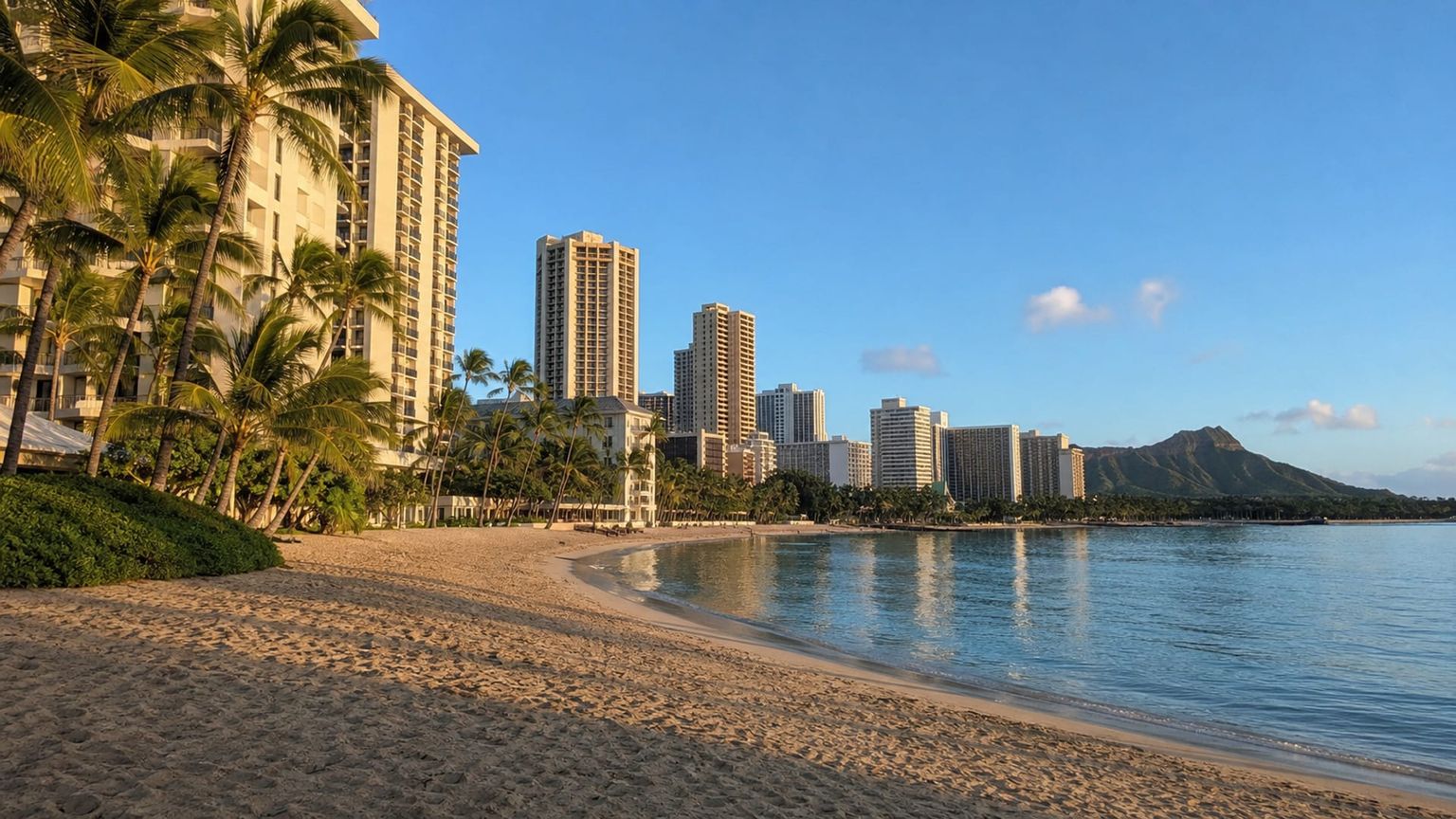
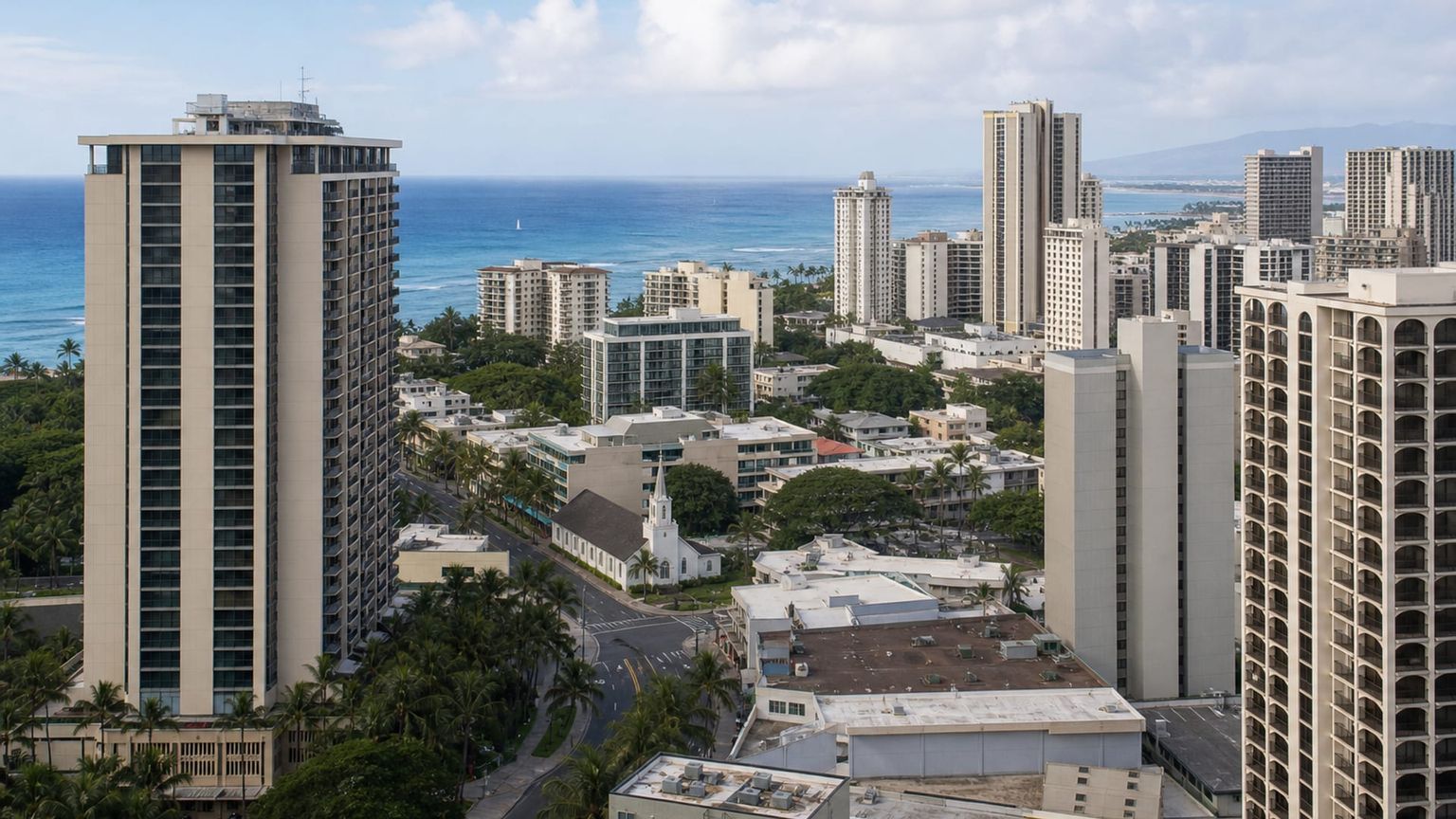
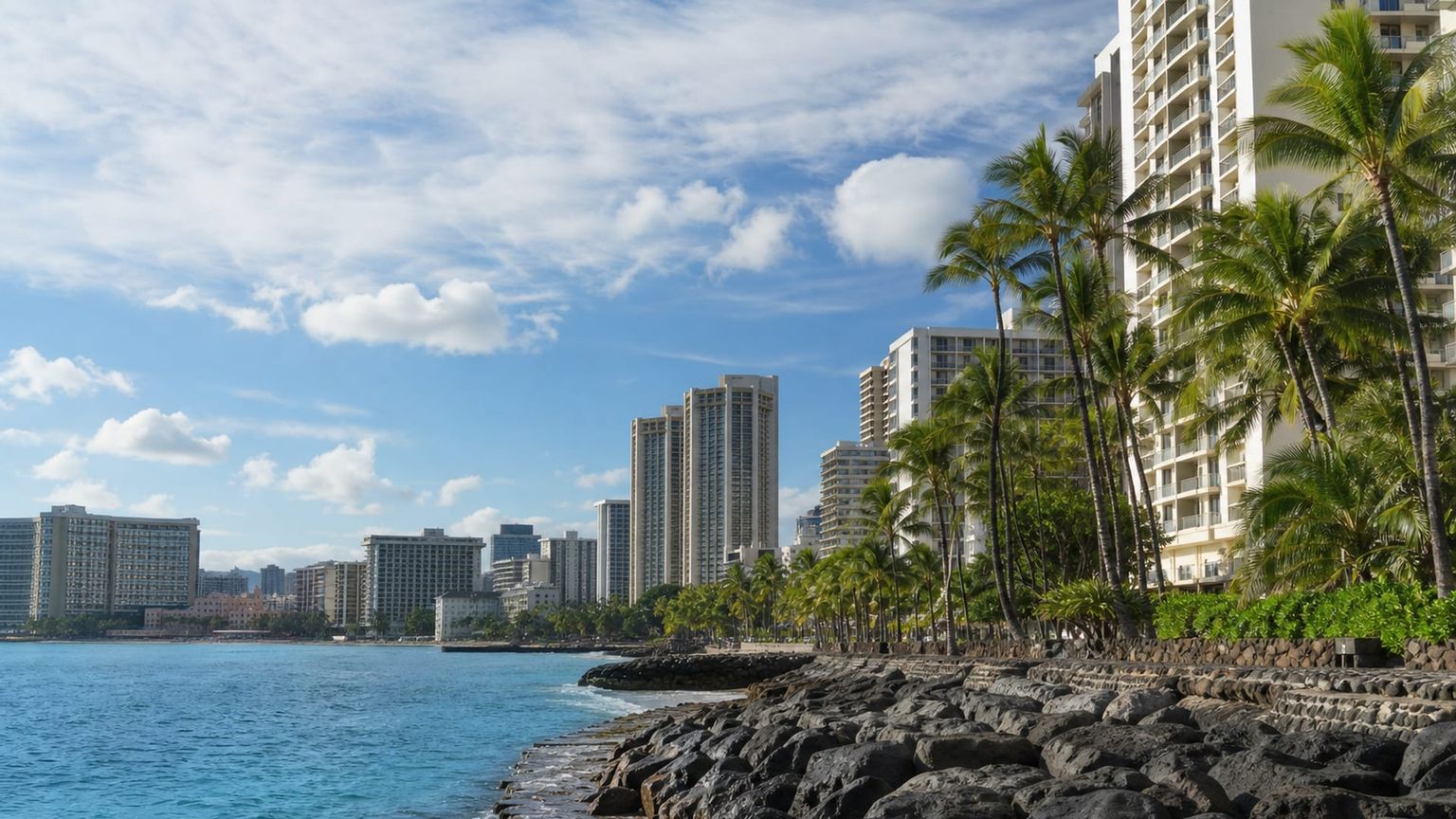
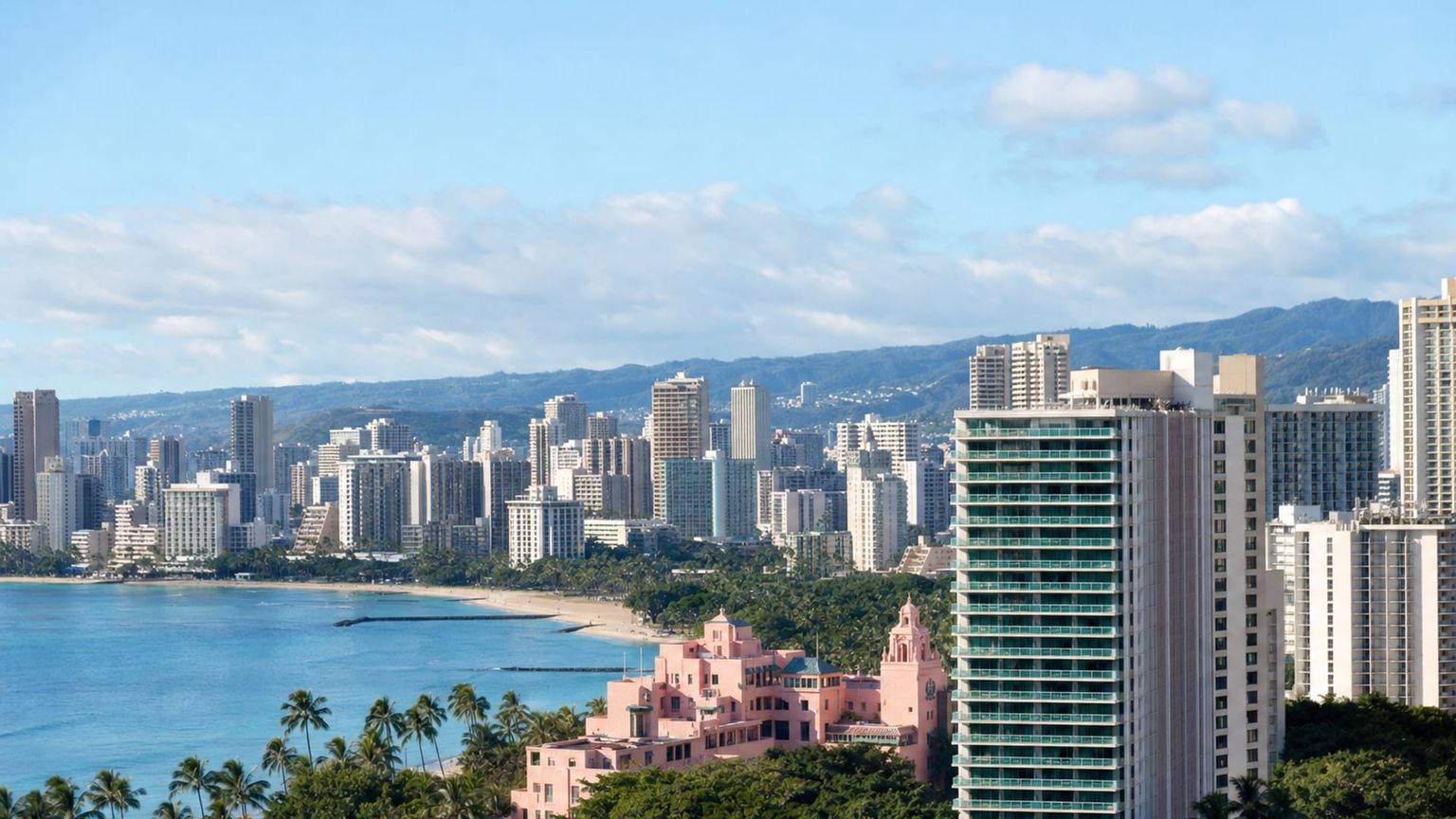
Honolulu’s best-known resort district, Waikiki puts beaches, shops, and a dense dining strip within a short walk of each other. It matters for travelers who want the easiest access to the sand, surf lessons, and frequent bus links across town.
Best for: Beach time, nightlife, shopping, and first-time visitors
What to expect: Busy sidewalks, constant hotel activity, and plenty of restaurant traffic from morning into late evening.
Hotel prices: Usually about $220 to $420 per night for well-rated stays
Distance to major sights: 15 to 25 minutes by transit to downtown Honolulu; about 25 minutes by transit to Pearl Harbor National Memorial
Quietness: Lively by day and still active after dark, with noise from traffic, bars, and beachgoers
Main trade-off: You pay a premium for location, and the most convenient blocks can feel crowded during peak season.
Good to know: Choose a room away from Kalakaua Avenue if you want less street noise at night.
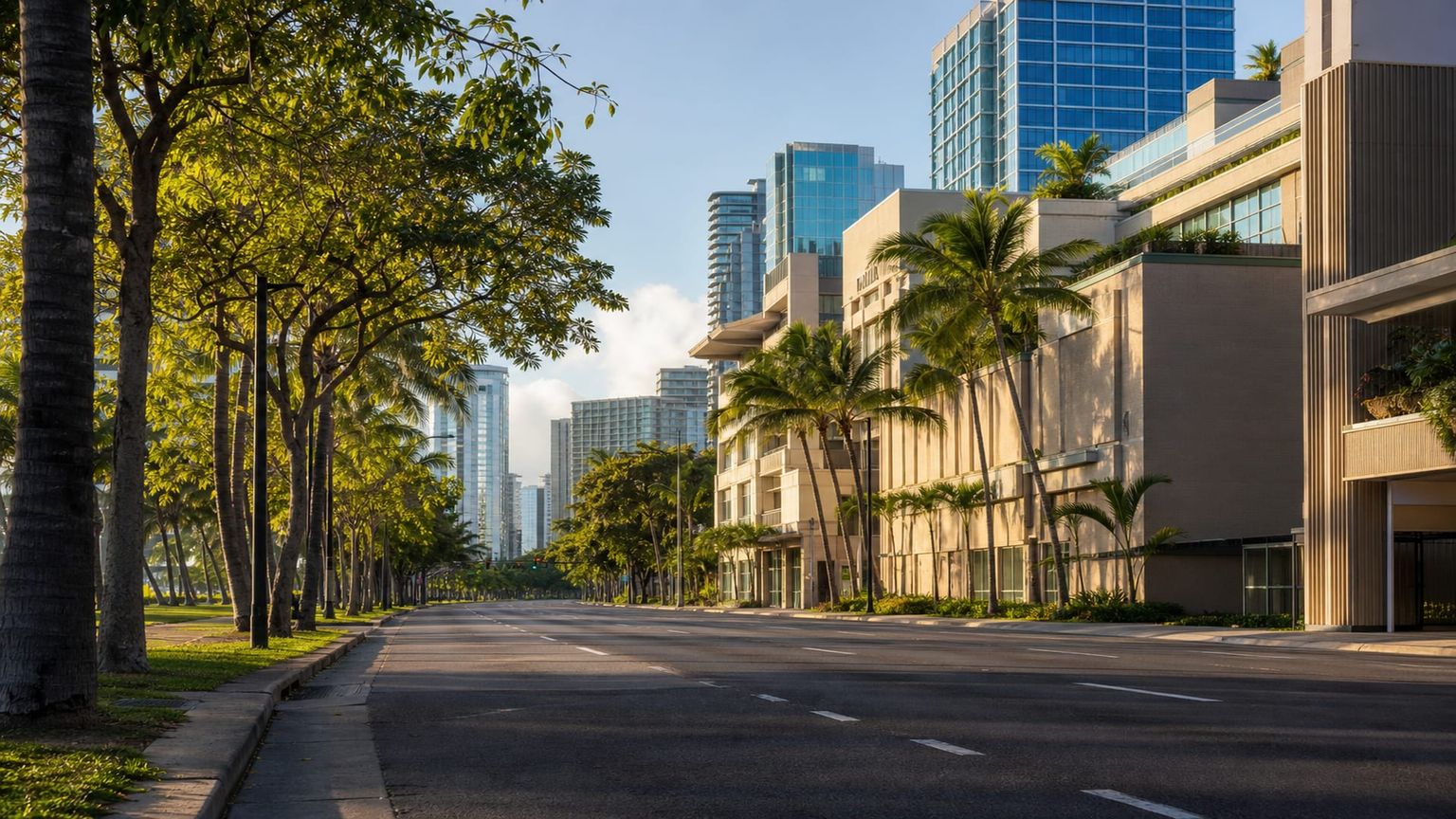
Ala Moana sits between Waikiki and downtown, anchored by Ala Moana Center, the island’s largest shopping mall, plus a broad beach park and marina. It suits travelers who want central access without staying in the thickest resort traffic.
Best for: Shopping, beach access, and travelers who want a central base
What to expect: Retail traffic, office-hour movement, and a steady stream of locals using the mall, park, and bus hub.
Hotel prices: Usually about $200 to $360 per night for well-rated stays
Distance to major sights: 10 to 15 minutes by transit to Waikiki Beach; about 15 minutes by transit to downtown Honolulu
Quietness: Busier in the daytime, with evenings that settle down outside the mall and main roads
Main trade-off: It sits away from the classic postcard beachfront, so you will trade oceanfront atmosphere for easier cross-town movement.
Good to know: If you plan late dinners or shopping, check whether your hotel sits close to the mall or on a quieter side street.
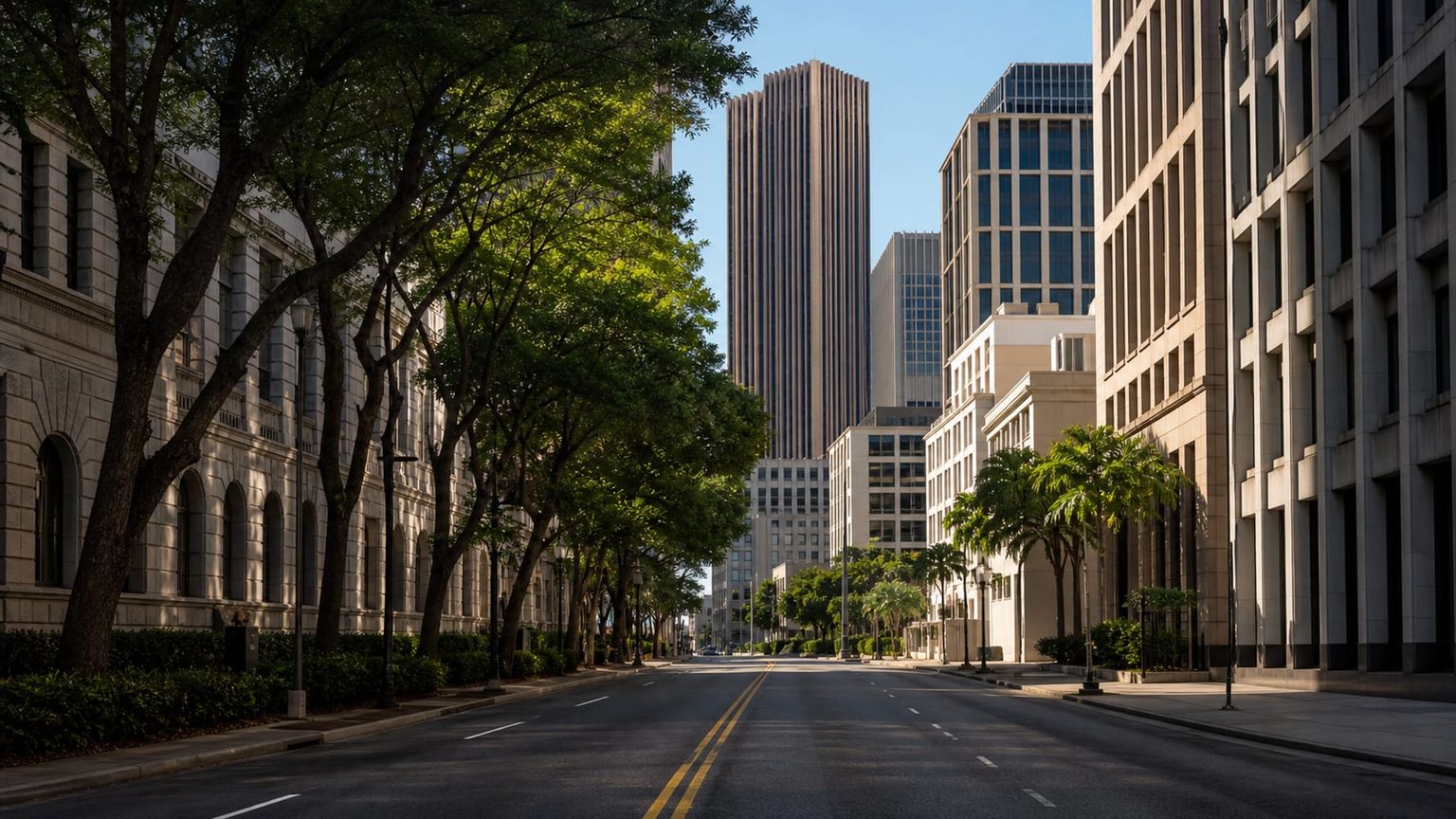
Downtown Honolulu is the city’s business core, with the historic waterfront, civic buildings, and Chinatown nearby. It works well for visitors who want to explore the city’s older streets, museums, and ferry or bus connections in a compact area.
Best for: Business trips, history, museums, and transit access
What to expect: Weekday office crowds, daytime foot traffic, and a quieter scene after business hours in many blocks.
Hotel prices: Usually about $180 to $320 per night for well-rated stays
Distance to major sights: About 10 minutes on foot to Iolani Palace; about 20 to 25 minutes by transit to Waikiki Beach
Quietness: Active on weekdays and noticeably calmer in the evening, especially away from Chinatown and the harbor edge
Main trade-off: You will be farther from the main beach strip, and some blocks feel quiet once offices close.
Good to know: Many restaurants close earlier than in Waikiki, so evening dining choices narrow after the workday ends.
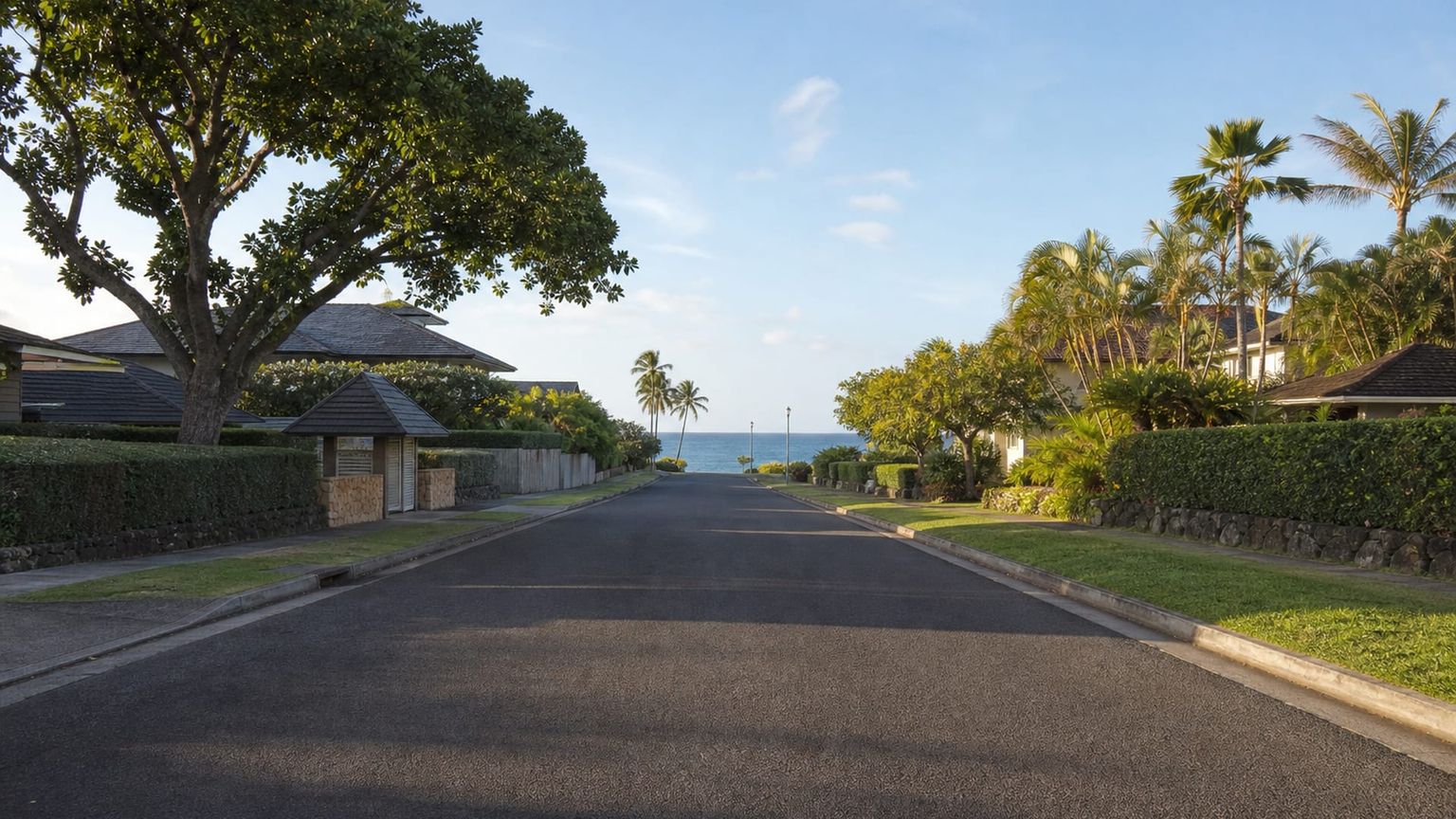
Kahala is a residential east Honolulu neighborhood with large homes, a small retail cluster, and quick access to a quieter stretch of beach. It appeals to travelers who want a more residential setting while staying within easy reach of Waikiki and Diamond Head.
Best for: Calmer stays, beach access, and travelers with a car
What to expect: Tree-lined streets, limited street life, and more residential activity than restaurant or bar traffic.
Hotel prices: Usually about $260 to $500 per night for well-rated stays
Distance to major sights: About 15 minutes by transit to Waikiki Beach; about 10 minutes by transit to Diamond Head State Monument
Quietness: Quiet through the day and even calmer at night, with little late-night activity outside the main roads
Main trade-off: Dining and nightlife options are limited, so you will likely head to Waikiki or elsewhere for more variety.
Good to know: Public transit runs, but trips are less frequent than in Waikiki, so a rental car can save time if you plan multiple outings.
Travelers usually avoid staying far inland in Kalihi and Salt Lake, where hotel options are limited and evening transit to Waikiki, Ala Moana, and the airport corridor is less convenient. Portions of East Honolulu, including Hawaii Kai, are also less convenient for visitors because they sit far from the main sights, dining clusters, and most short-stay hotels.
Hotel deals
How to get around Honolulu efficiently
Honolulu has no metro, so most visitors combine walking with TheBus, taxis, or rideshare, depending on whether they are staying in Waikiki, downtown, or along the airport corridor.

Metro
for longer distances
Honolulu has no subway or metro, so there is no rail link from Honolulu (HNL) into the city center. Visitors usually rely on buses, rideshare, taxis, or a rental car for trips from the airport to Waikiki and downtown, with highway travel often taking about 20 to 40 minutes depending on traffic.

Bus and tram
for convenience
TheBus serves Honolulu and stops near Honolulu (HNL), with single rides at $3.00 ($3.00) and day passes at $7.50 ($7.50), both valid for the stated transfer window on posted terms. Routes connect the airport area with downtown Honolulu, Waikiki, and neighborhoods across Oahu, and airport trips can take about 30 to 60 minutes because of local traffic and stop spacing.

Taxi
for convenience or late hours
Licensed taxis at Honolulu (HNL) use meters rather than flat citywide airport fares, and the airport trip to Waikiki or downtown often costs about $40 to $55, before tip, depending on traffic and exact drop-off point. Cabs line up at the official taxi stands, and most accept credit cards, though it helps to confirm card payment before departure.
*Prices are based on rates updated as of June 2026 and may change at the time of travel.
Walk for short beach-area hops, use TheBus for lower-cost cross-town trips, and choose taxis or rideshare when you need a faster airport transfer or a timed arrival.
Iconic landmarks
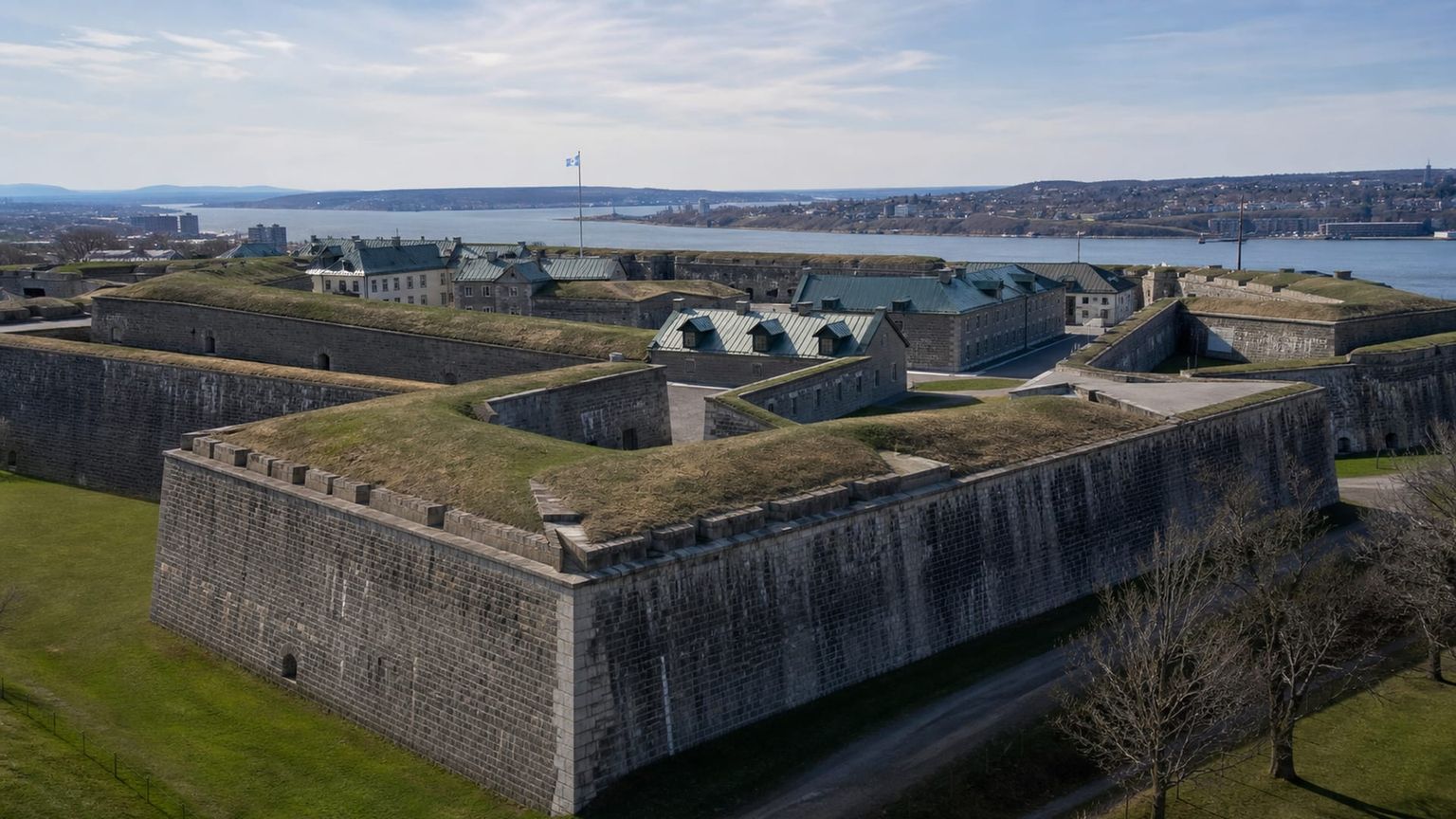
Pearl Harbor National Memorial
This waterfront memorial marks the site of the 1941 attack and includes the USS Arizona Memorial, museum galleries, and harbor views. It sits about 9 miles west of downtown Honolulu, with exhibits that add context before the boat ride.
Time needed: About 2 to 3 hours
Entry: Free to access; boat tickets for the USS Arizona Memorial are free but timed and issued by the National Park Service on a first-come, first-served basis Visit the official site for details.
Tip: Arrive early for the first departures, then spend time in the museum before the boat ride.
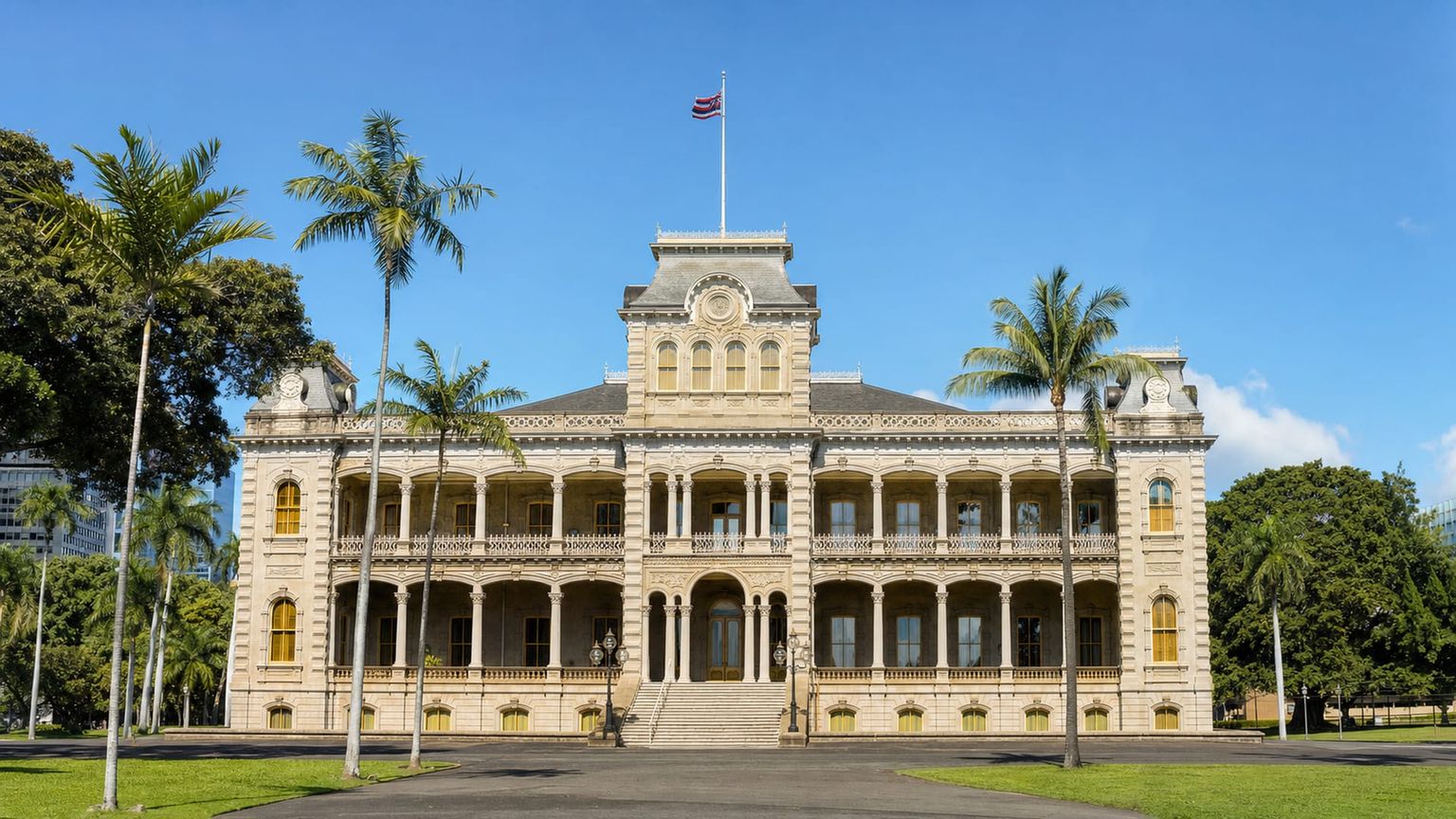
Iolani Palace
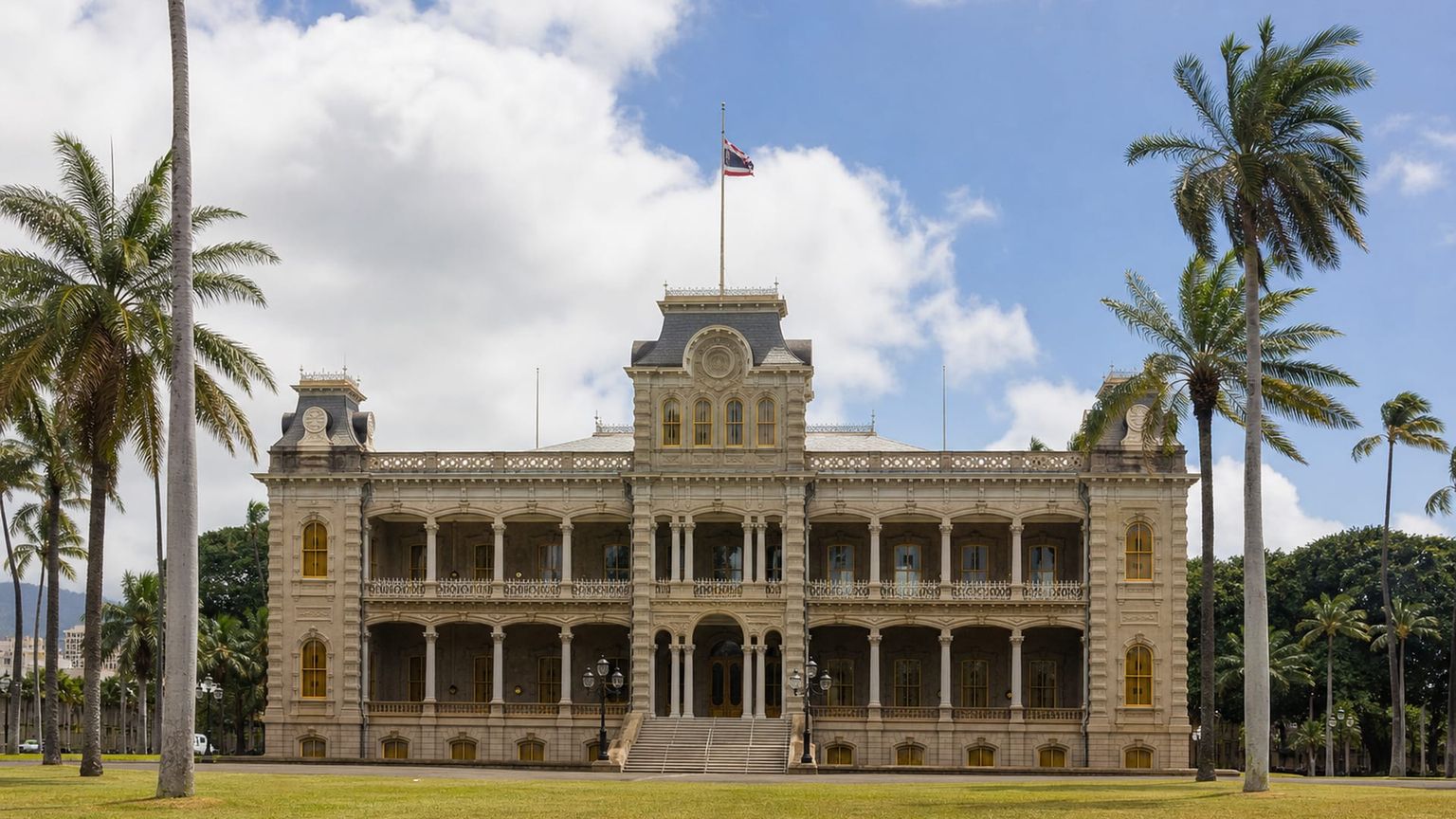
The only official royal palace in the United States, Iolani Palace preserves the former seat of the Hawaiian monarchy in central Honolulu. Guided rooms, historic furnishings, and the palace grounds sit just inland from downtown.
Time needed: About 1 to 2 hours
Entry: Standard tickets cost $25 to $35 ($25 to $35), with guided house tours and grounds access sold separately through the palace Visit the official site for details.
Tip: Late morning visits often work best, since the courtyard is quieter and easier to photograph.
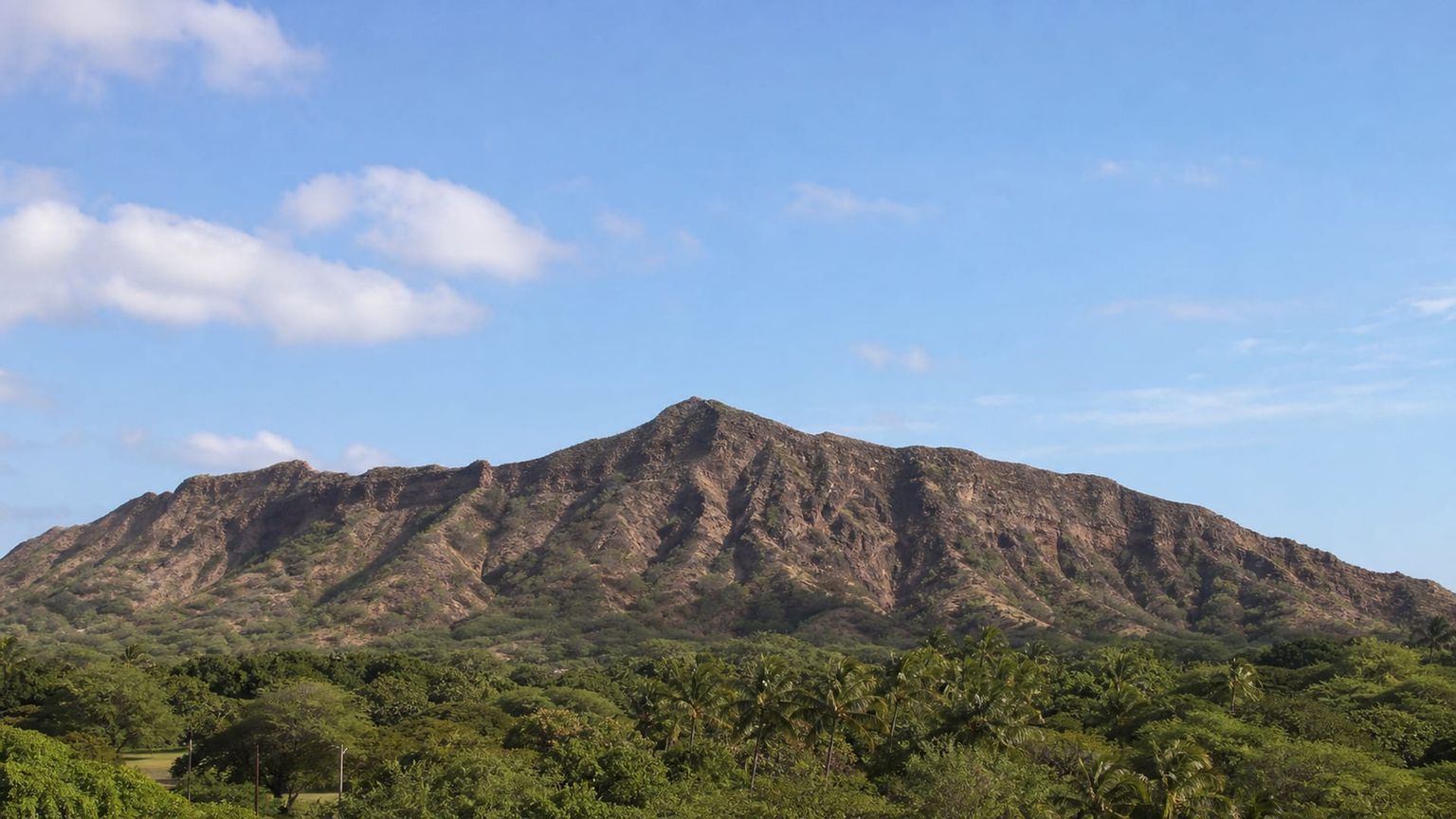
Diamond Head State Monument
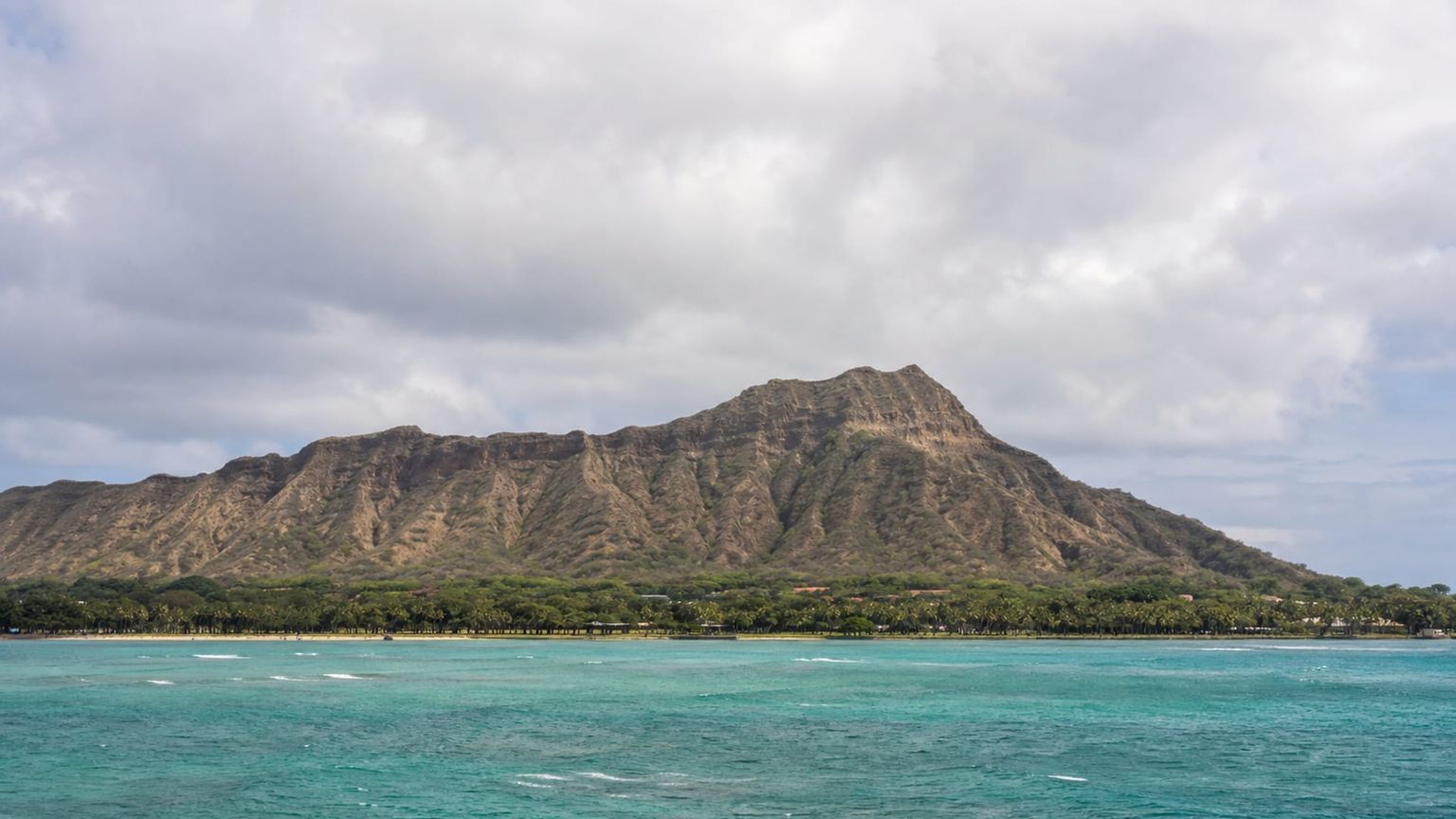
Diamond Head is Honolulu’s best-known volcanic crater, with a steep trail to a summit bunker and wide views over Waikiki and the Pacific. The hike starts about 3 miles east of downtown and rewards an early start.
Time needed: About 1.5 to 2.5 hours
Entry: Standard entry costs $5 ($5) per person plus $10 ($10) per vehicle for nonresidents; reservations are required for entry Visit the official site for details.
Tip: Start before midmorning, because the exposed switchbacks heat up fast after sunrise.
Overlooked sites worth visiting

Lyon Arboretum
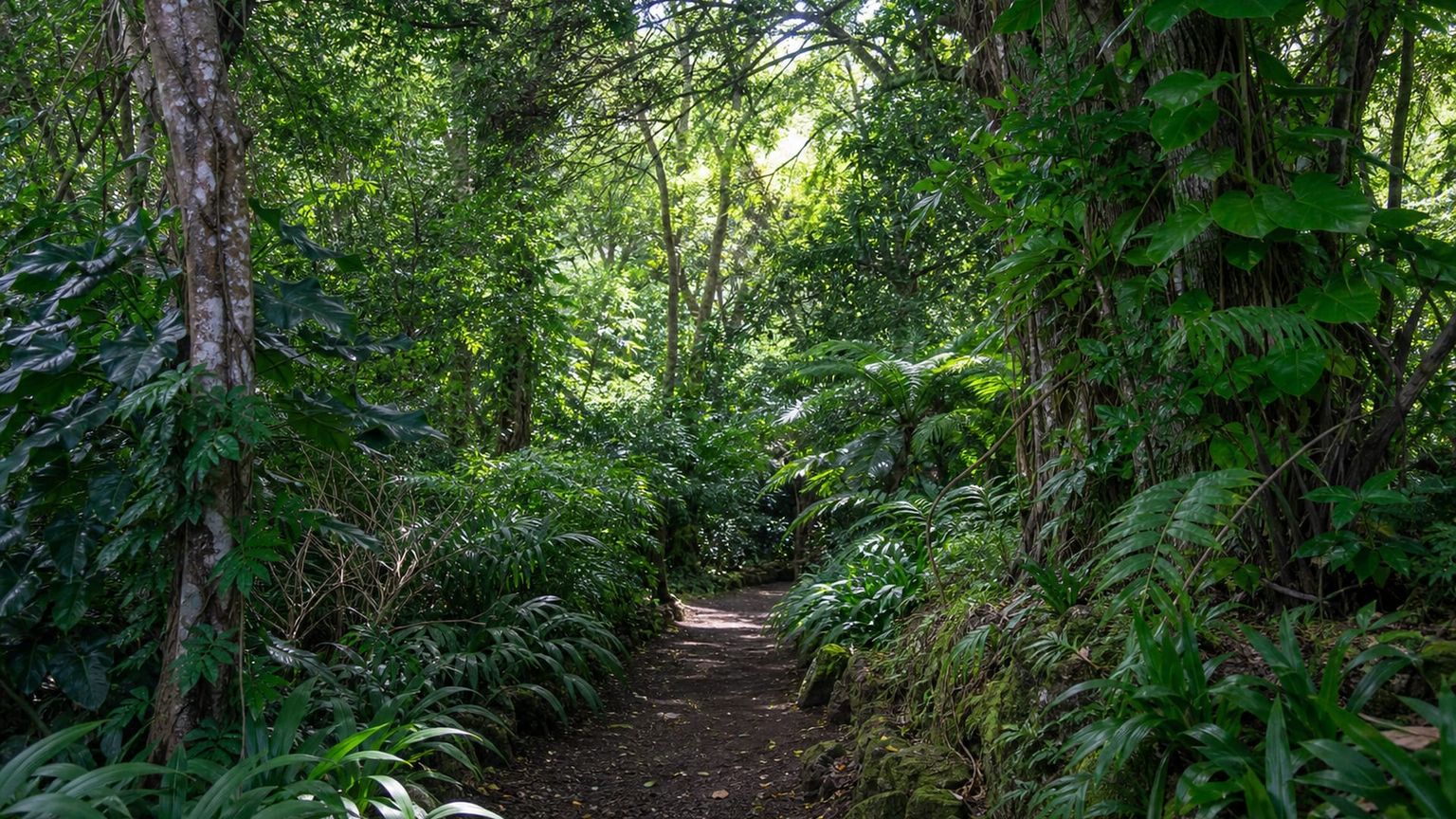
This 194-acre garden in Manoa holds native Hawaiian plants, bamboo, and rainforest trails. Short walks and quiet creek crossings make it a slower stop than Honolulu’s beach sites.
Time needed: About 1 to 2 hours
Entry: Admission is free, and the arboretum opens daily from 9:00 am to 4:00 pm. Parking is limited on site, and the road into Manoa can back up after rain. Donations support plant care and trail upkeep. Visit the official site for details.
Tip: Go early for cooler air and easier parking.

Shangri La Museum of Islamic Art, Culture, and Design
This oceanfront house museum in Black Point pairs decorated rooms with a focused collection of Islamic art. Visits are timed, and the setting feels more intimate than Honolulu’s larger museums.
Time needed: About 2 hours
Entry: General admission is $25 ($25) for adults, $10 ($10) for students and youth, and free for children under 5. Tickets include a guided tour, and reservations are required because entry is by timed appointment only. Visit the official site for details.
Tip: Book an afternoon slot for softer light on the ocean views.
Traditional food
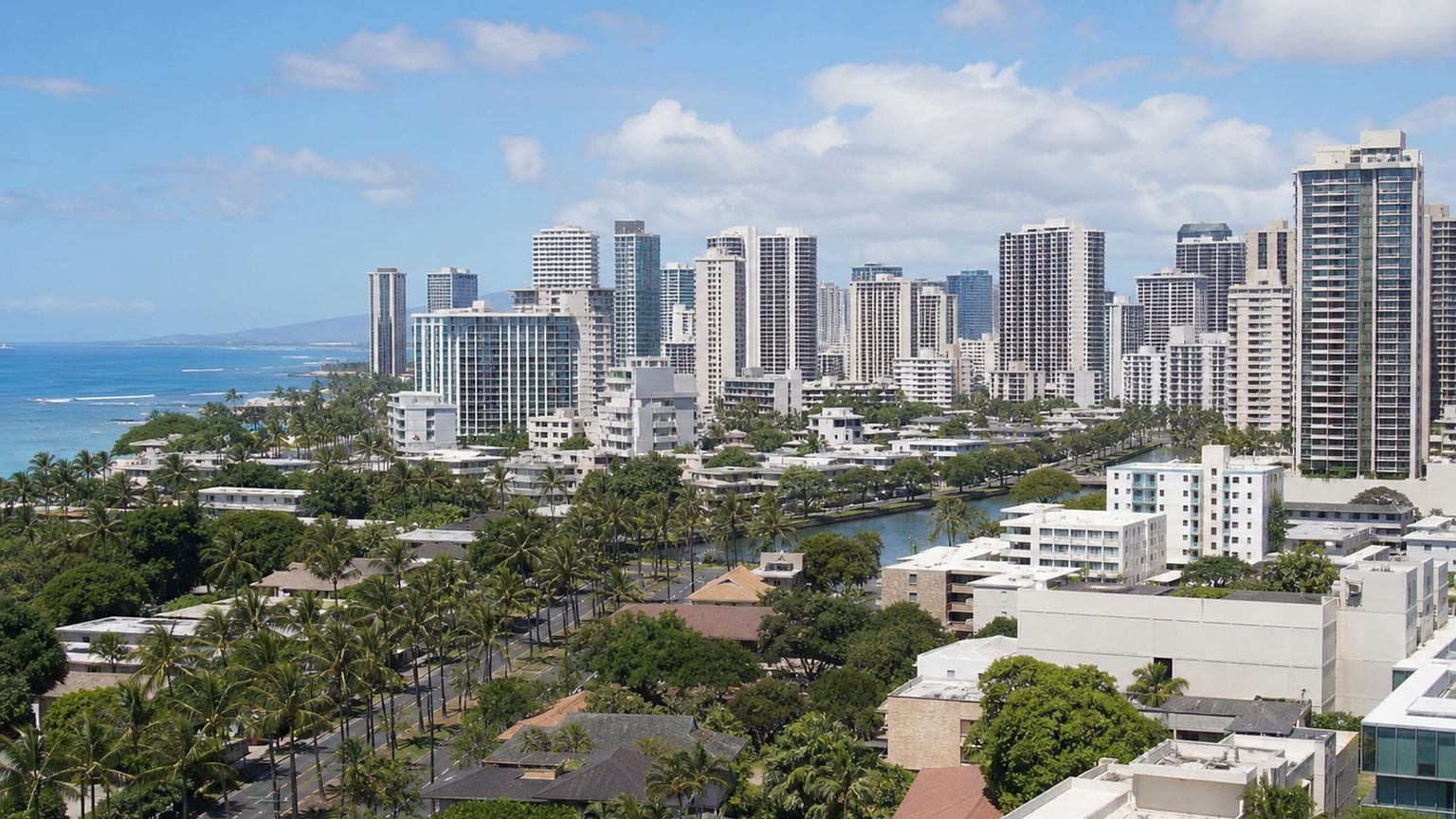
Honolulu’s food mix centers on rice, fish, pork, and tropical desserts, with poke, loco moco, kalua pig, and haupia shaping the casual dining scene from plate lunches to late-afternoon snacks.
Poke
Fresh cubed fish, usually seasoned with soy, sesame, and sea salt, anchors many Honolulu meals. Ono Seafood is a classic stop for a clean, well-regarded version.
Loco moco
This plate lunch of rice, hamburger patty, fried egg, and gravy is one of Honolulu’s best-known comfort dishes. Rainbow Drive-In serves a version that many visitors use as their reference point.
Kalua pig
Slow-cooked shredded pork carries the smoky, salted flavor that defines many Hawaiian plates. Helena’s Hawaiian Food is a longtime standard for a traditional take.
Haupia
This coconut dessert appears as a chilled custard or as a cake filling, and it often closes a meal without much weight. Ted’s Bakery is well known for its haupia pie.
Best time to visit Honolulu
Honolulu stays warm through the year, but winter brings slightly more rain and bigger surf, while summer feels drier and more settled for beaches and hikes.
Best for: Surf watching, whale season, and city sightseeing
What you get: About 68 to 80°F (20 to 27°C), with lighter crowds on some weekdays and more rain showers than summer
Trade-offs: North shore surf can be rough, and showers can interrupt outdoor plans
Best for: Balanced weather for hiking, beaches, and museum visits
What you get: About 70 to 82°F (21 to 28°C), with moderate crowds and comfortable mornings for early starts
Trade-offs: Holiday periods can still fill Waikiki and raise hotel rates
Best for: Beach time and longer daylight for full sightseeing days
What you get: About 75 to 88°F (24 to 31°C), with the busiest beach stretches and steadier weather overall
Trade-offs: Heat and peak-season demand can make midday outings tiring
Best for: Warm water, easier reservations, and slower city movement
What you get: About 72 to 84°F (22 to 29°C), with fewer visitors than summer and pleasant evenings
Trade-offs: Late-season showers can appear more often in November
A realistic 5-day plan in Honolulu
The five-day plan starts in Waikiki, then shifts into crater views, palace history, harbor memory, and a quieter inland morning before departure. That order keeps the longest transfers in check and leaves the final day open for a clean airport run.
Land at Honolulu (HNL), then take a taxi or rideshare to Waikiki in about 20 to 30 minutes for roughly $40 to $60, or use TheBus if you are traveling light and do not mind a slower ride. Check in near Waikiki Beach so you can settle in without a long cross-town trip, drink plenty of water, and keep dinner simple with a casual plate lunch or seafood spot on Kalakaua Avenue before an early night.
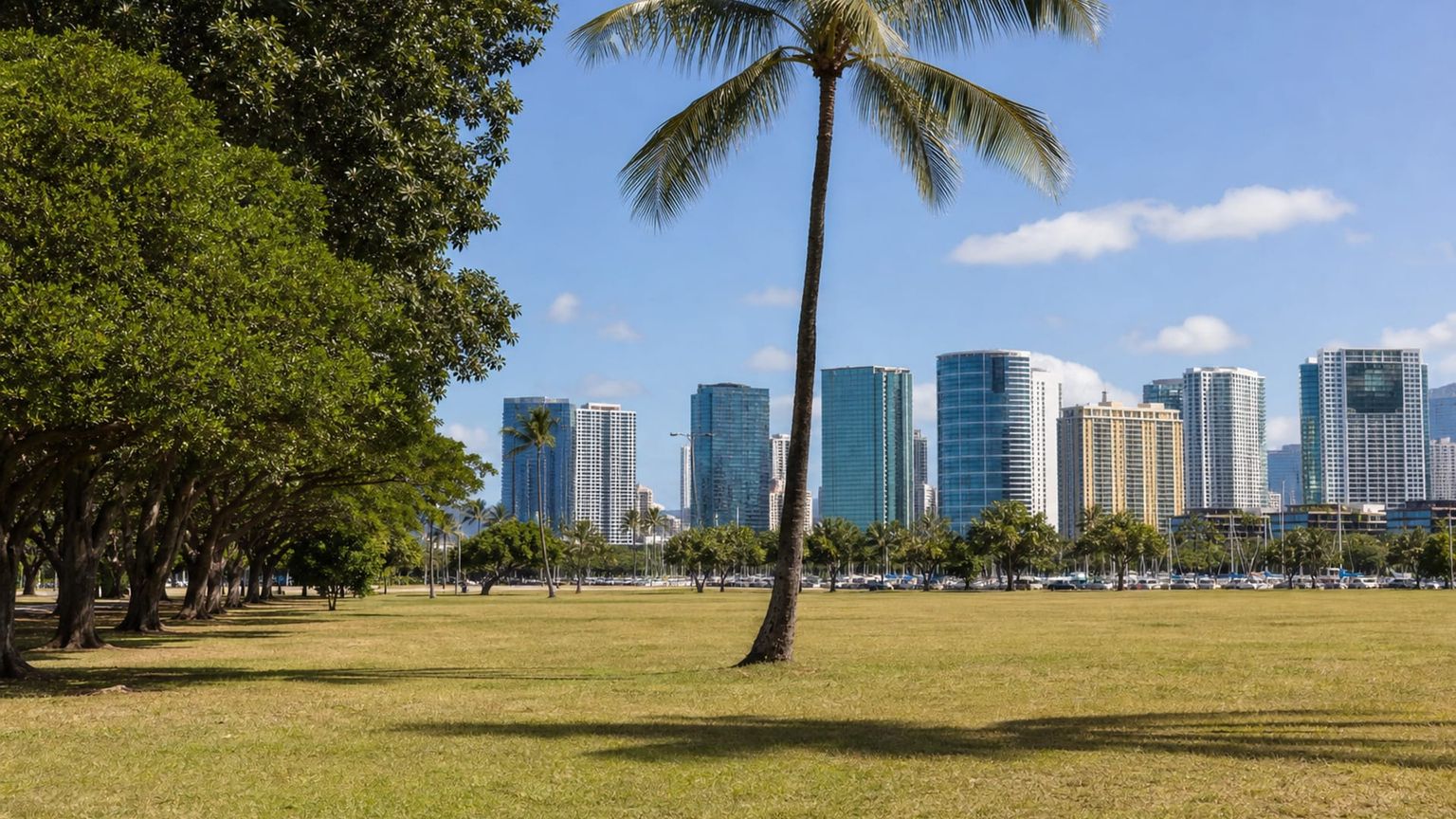
Start early at Diamond Head State Monument, where the trail usually takes about 1.5 to 2.5 hours and the morning heat stays more manageable. From Waikiki, the drive or bus ride takes about 10 to 15 minutes, and you can return to the beach for lunch before heading about 20 to 25 minutes by transit to Shangri La Museum of Islamic Art, Culture, and Design for a timed afternoon visit. End back in Waikiki for sunset and a relaxed dinner within walking distance of your hotel.
Begin downtown with Iolani Palace, which sits about 10 minutes on foot from many central hotels, then continue to the nearby civic and historic streets for an easy morning on foot. Plan on 1 to 2 hours at the palace, then add a short ride to the harbor area if you want a broader look at the waterfront before lunch. In the afternoon, ride about 15 to 20 minutes to Pearl Harbor National Memorial, spend 2 to 3 hours there, and keep dinner simple back in Waikiki or Downtown Honolulu, depending on where you are staying.
A quieter morning in Manoa pairs well with Lyon Arboretum, which is free to enter and usually takes about 1 to 2 hours, with limited parking and a road that can slow after rain. From Waikiki, expect about 20 to 30 minutes by car or bus to reach the arboretum, then head to Kahala, about 10 to 15 minutes away, for a slower beach stop or an unhurried lunch. If you want one more coastal stop, return toward Diamond Head or Waikiki for an easy evening walk rather than packing in more sights.
On your last day, start with a late-morning museum visit at Shangri La Museum of Islamic Art, Culture, and Design or return to Iolani Palace if you missed it earlier, then shift to shopping at Ala Moana Center, about 10 to 15 minutes by transit from Waikiki and about 15 minutes from downtown. Finish with coffee or a light meal in Ala Moana or nearby Waikiki, which keeps the airport run simple and leaves room for a last beach view before you head to Honolulu (HNL).
Business-class flights from the US to Honolulu
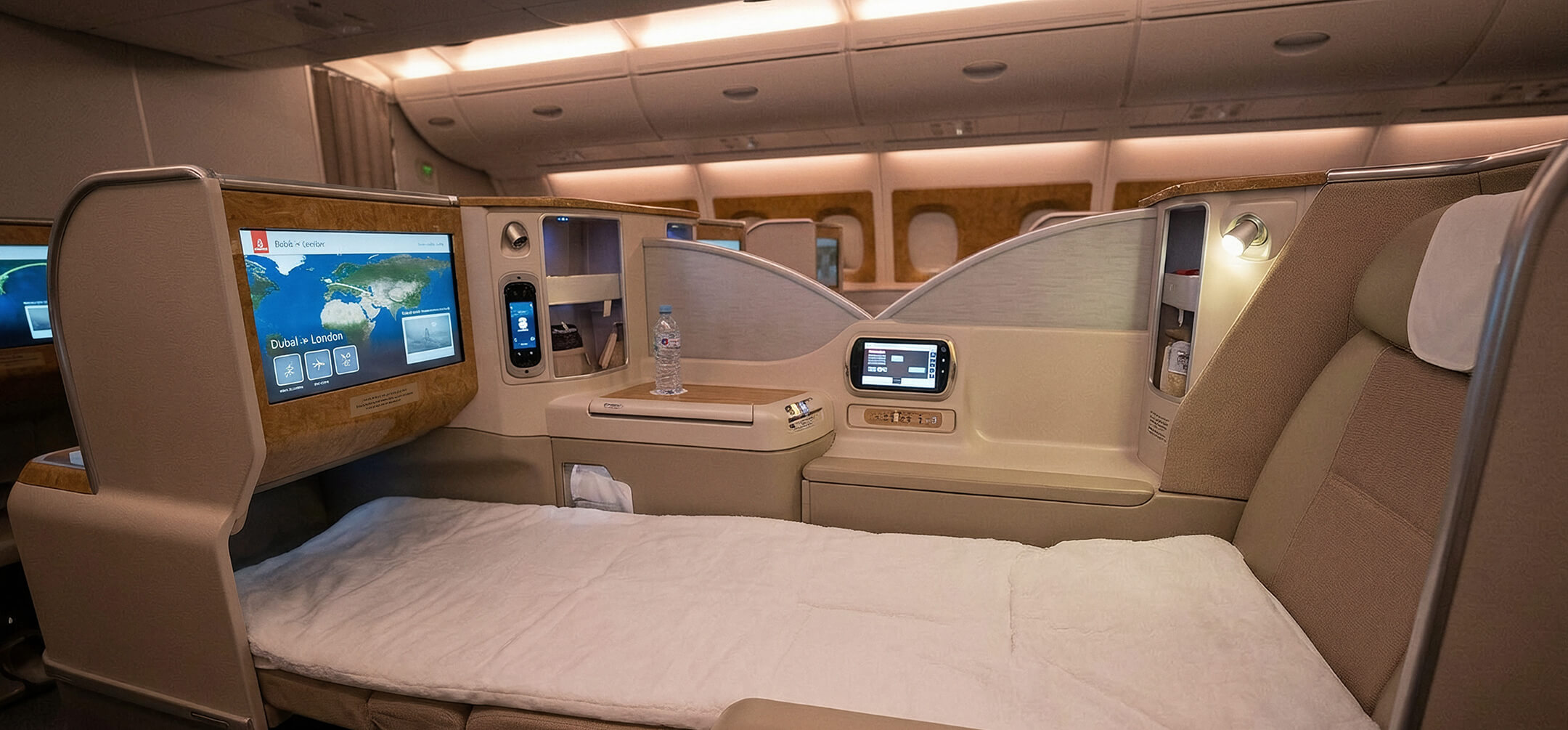
Flights into Honolulu often stretch across a long overwater leg, so the useful comparison is not only price, but whether a nonstop or one-stop option fits your schedule. From both coasts, the best fares and the quickest connections usually hinge on airline and hub choice.
From New York (JFK), Japan Airlines, All Nippon Airways, Hawaiian Airlines, Delta Air Lines, and United Airlines all appear on the route list, with nonstop flying time about 10 to 11 hours. If you accept a connection, common hubs include LAX, SFO, SEA, HND, and NRT, and total travel usually stretches to about 13 to 18 hours. Round-trip fares usually start at about $2,500 and can reach $6,500.
Los Angeles (LAX) has the most direct path, with Hawaiian Airlines, United Airlines, Delta Air Lines, American Airlines, and Alaska Airlines all serving the route. Nonstop flights take about 5.5 to 6 hours, while one-stop itineraries via SFO, SEA, HND, or NRT usually run about 8 to 14 hours and often lower the fare. Round-trip tickets commonly range from $1,200 to $3,500.
Honolulu feels different when you slow down
A good Honolulu trip links Waikiki, downtown, and one inland detour instead of piling sights into one side of the island. That can mean an early Diamond Head climb, a measured visit to Iolani Palace, time at Pearl Harbor National Memorial, and an easy ride back on TheBus or by taxi when the day runs long. If you want help matching neighborhoods, transfers, and timing, the AranGrant experts can shape a Honolulu plan around your dates