Chapters:

Need help with your trip?
Our support team is available 24/7. Request a callback or call us directly at (833) 619-0908
Most trips to Hong Kong follow a familiar pattern: land at HKG, tick off Victoria Peak, a harbour view, and a food list, then leave feeling you saw the skyline but not always the city between the landmarks.
That approach works for a first look, but it can be inefficient here. Distances are short on a map and crowded in practice, steep streets, ferries, and transit links add friction, and the pace of the city rewards a more measured route.
This guide is arranged to cut that friction. It starts gently, groups sights by area, and leaves space for quieter stops, easier transfers, and days that feel connected rather than rushed.
Useful things to know

Main language(s): Cantonese (Yue), English
nei5 hou2 (nay ho) – Hello
m4 goi1 (m-goi) – Please/thank you
nei5 hou2 ma3? (nay ho mah) – How are you?
nei5 sik1 m4 sik1 gong2 Ying1man4 waa2? (nay sick m sick gong ying man wah) – Do you speak English?
go1 do1 cin2? (goh do chin) – How much does it cost?

Currency: The local currency is the Hong Kong dollar (HKD, $).

Cash and cards: Cards, Apple Pay, and Google Pay are widely accepted in hotels, malls, chains, and transit. Keep some cash for small cafés, wet markets, and occasional temple donations; HK$200–HK$500 ($26–$65) is usually enough for a day or two.

Tipping: Tipping is not customary in Hong Kong. Many restaurants and taxis don’t expect tips, though good service may be appreciated if you round up or leave small change. If a service charge is included on the bill, don’t add extra.

Traditional food: 燒味拼盤 (roast meats platter), 雲吞麵 (wonton noodles in broth), 蛋撻 (egg tart, baked custard tart)

Water and coffee costs: Bottled water at convenience stores is usually HK$8–HK$15 ($1.00–$1.95). A takeaway espresso typically costs HK$22–HK$40 ($2.85–$5.15), while a milk tea or local coffee set in a casual café can run a bit more.

Taxis and ride apps: Uber works in Hong Kong and local taxi-hailing options are also available through apps such as HKTaxi. Use official metered taxis when possible; avoid unmarked cars and confirm the meter is running before departure.

Plug and voltage: Type G socket, 220V (UK-style plugs)

Dining and shop opening hours: Breakfast is often quick and available roughly from 7:00–11:00. Lunch is commonly 12:00–2:00, while dinner usually runs about 6:00–10:00. Many tea restaurants and diners serve throughout the day, but some smaller shops may close mid-afternoon and reopen in the evening.

Emergency number: Dial 999 for police, fire, or ambulance. English-language help is generally available, and operators can direct you to the right service quickly.
Where to stay in Hong Kong
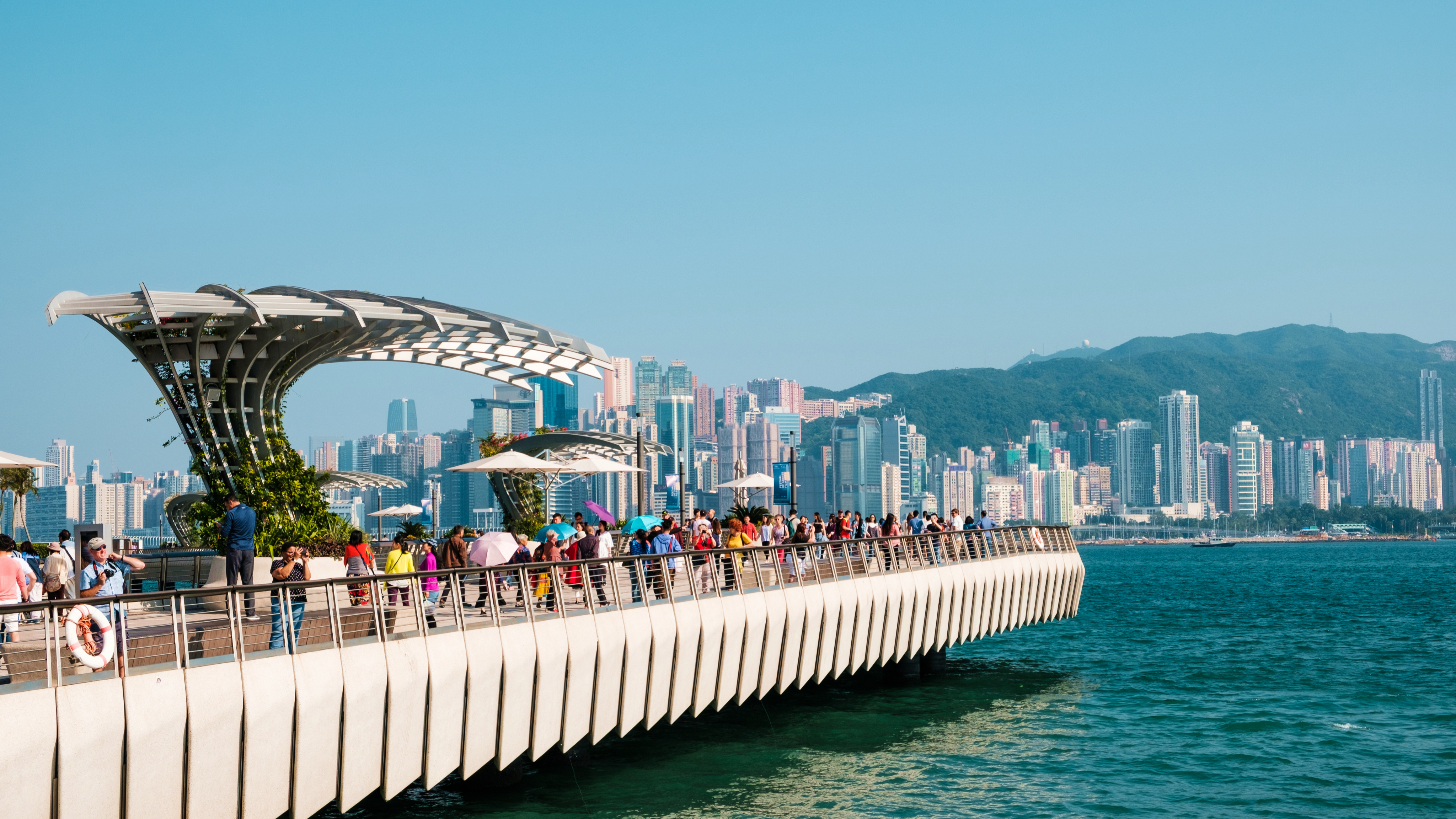
Best for first-time visitors who want landmark views and easy transport. You’re close to Victoria Harbour, Kowloon sights, and the MTR network. Hotels range from value to luxury, with plenty of dining and shops nearby.
Best for: First-time visits, sightseeing, and easy access to major landmarks
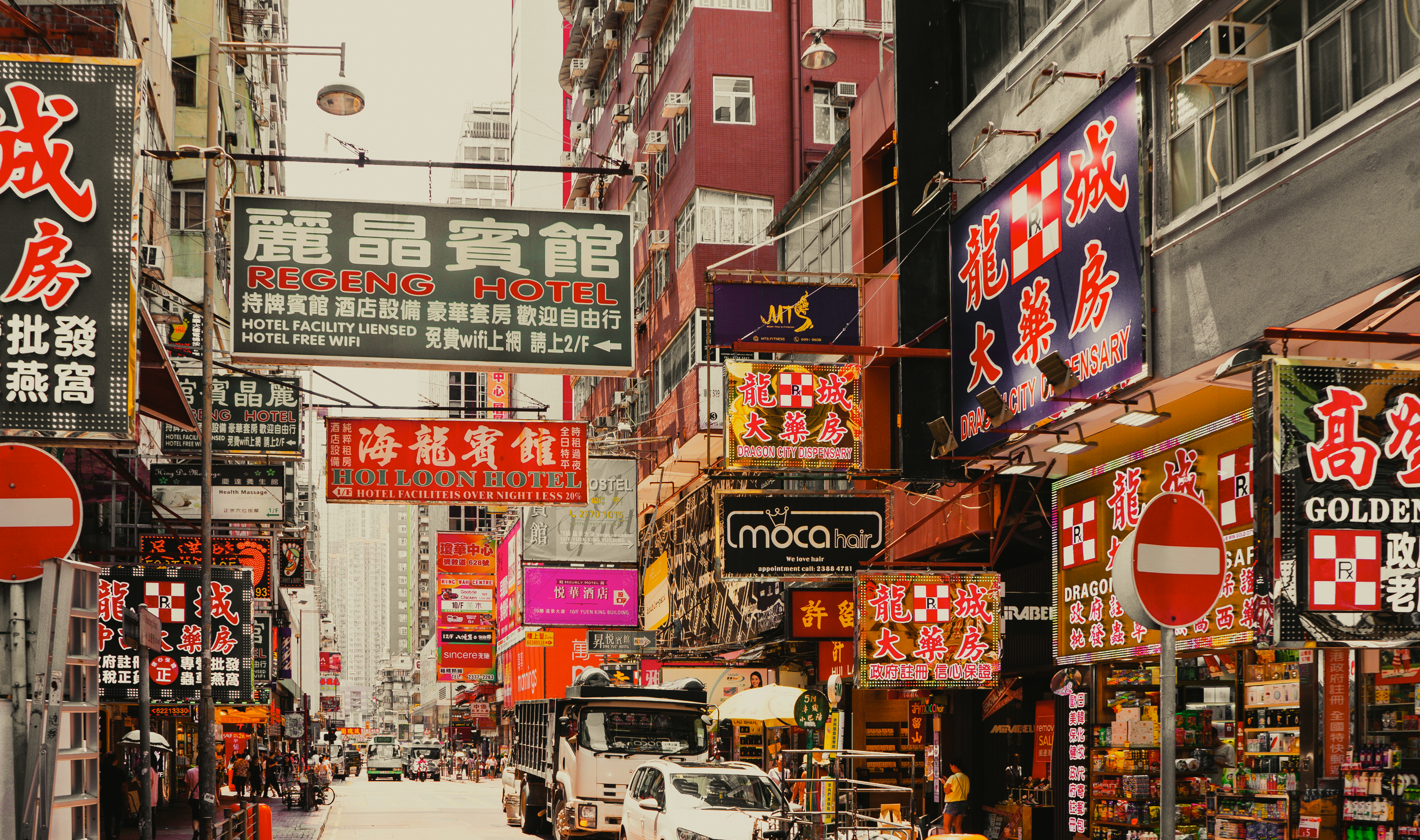
What to expect: Busy, neon-bright streets with constant daytime movement and lively nights
Hotel prices: Usually around €120–€280 per night for well-rated stays
Distance to major sights: About 10 to 20 minutes by MTR or a short ride to central landmarks
Quietness: Lively throughout the day and evening
Main trade-off: Higher hotel demand means higher prices and busy crowds
Good to know: Choose Tsim Sha Tsui for maximum convenience and iconic harbour energy.
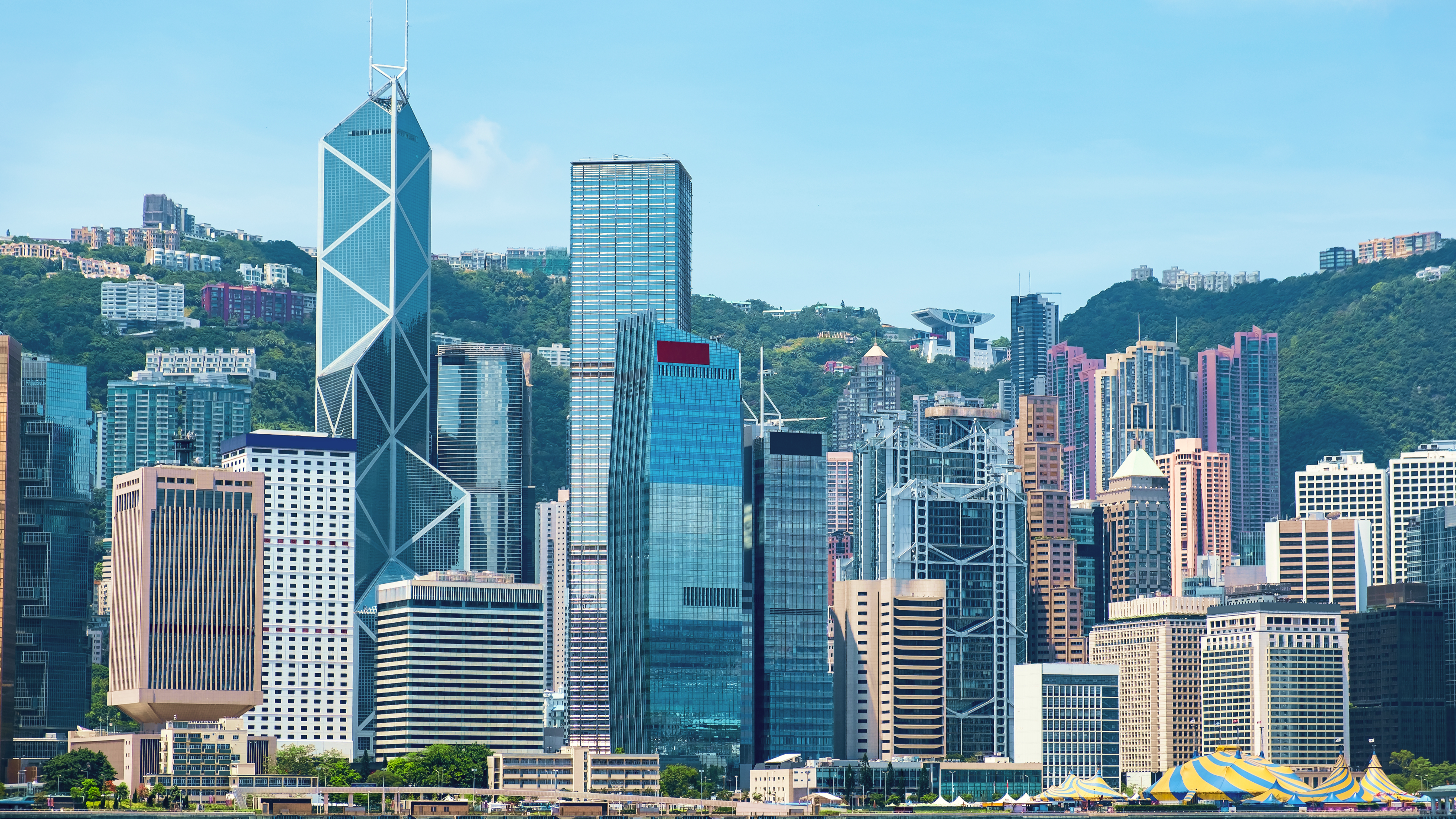
Central is the core business-and-heritage hub, perfect for mixing modern skyline sights with historic streets. It’s walkable to ferries and major MTR lines, with excellent dining and fast access to nearby districts for day planning.
Best for: Luxury-leaning travelers who want walkability and fast transport
What to expect: Energetic, polished streets by day with nightlife clusters in the evening
Hotel prices: Usually around €190–€420 per night for well-rated stays
Distance to major sights: About 5 to 15 minutes by tram, foot, or MTR to most core sights
Quietness: Bustling in the daytime; lively into the evening
Main trade-off: Some areas are premium-priced and can feel crowded at peak hours
Good to know: Ideal if you want maximum convenience in Hong Kong’s heart.
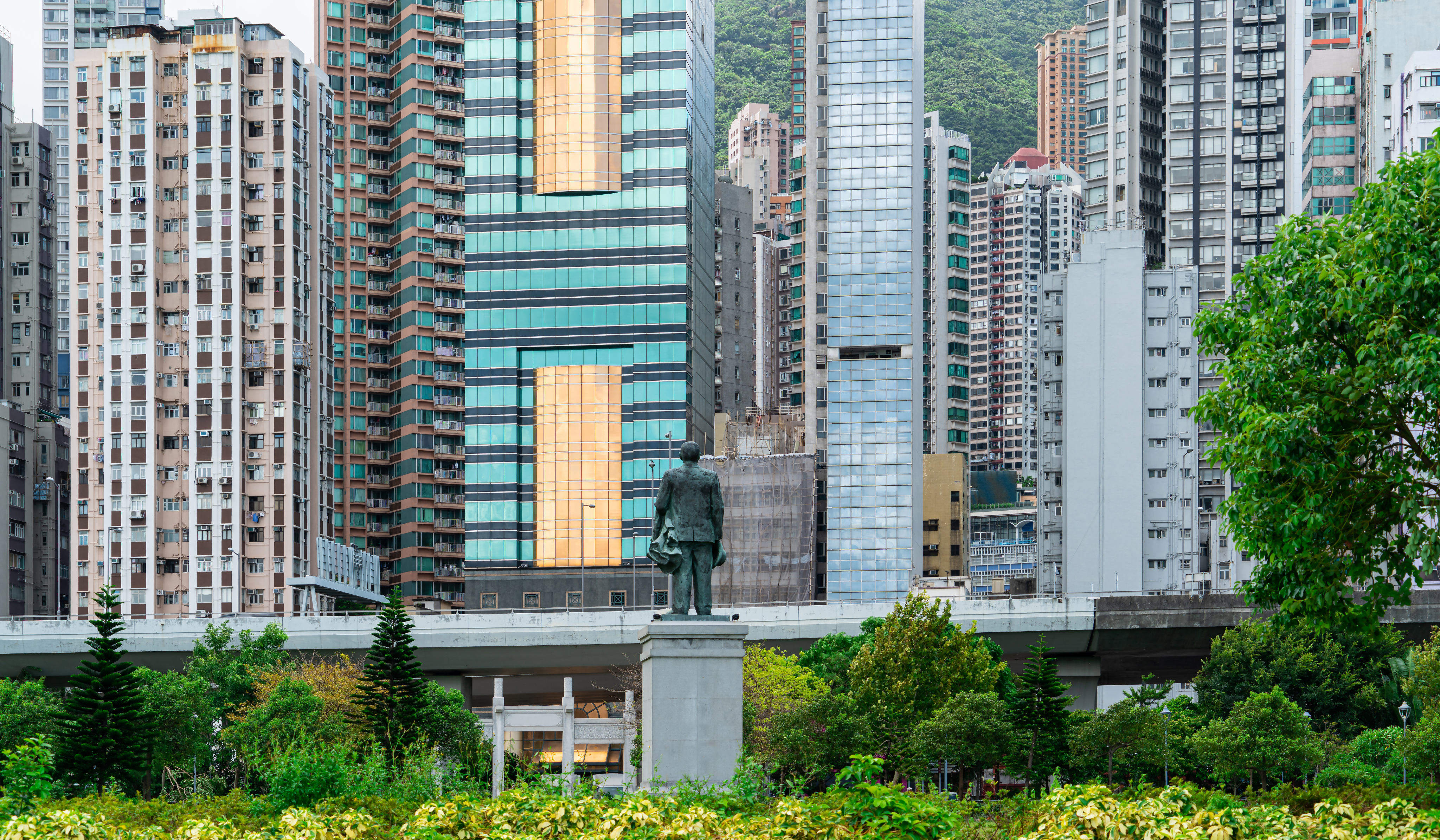
A character-rich base between Central and the Western District, known for traditional streets, cafes, and galleries. You’re close to tram lines, the Mid-Levels area, and the harbour, with boutique stays and local dining.
Best for: Foodies, culture lovers, and travelers seeking local atmosphere
What to expect: Lively but neighborhood-driven, with busy shopfronts by day and calmer evenings
Hotel prices: Usually around €95–€220 per night for well-rated stays
Distance to major sights: About 10 to 25 minutes on foot or a short tram/MTR ride
Quietness: Active during the day; evenings are generally more relaxed
Main trade-off: Some streets are hilly and can involve stairs or short climbs
Good to know: A great pick for blending heritage vibes with efficient access to the center.
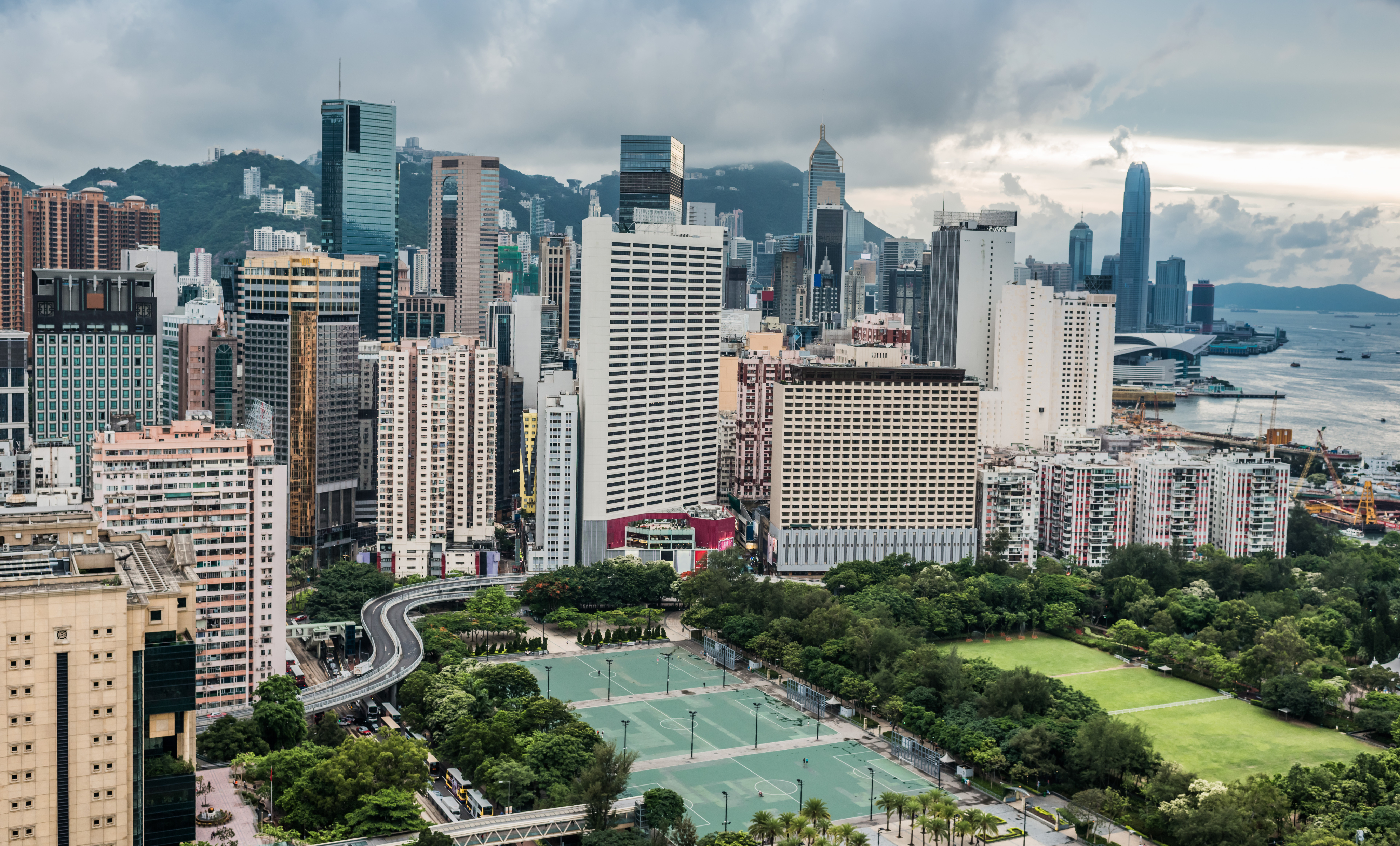
Causeway Bay is Hong Kong’s retail and entertainment hub, ideal for travelers who want variety at every turn. It’s well connected by MTR, with easy access to waterfront promenades and quick rides to central districts.
Best for: Shopaholics, nightlife seekers, and convenient transport users
What to expect: Fast-paced shopping streets with crowds most days and evening buzz
Hotel prices: Usually around €110–€260 per night for well-rated stays
Distance to major sights: About 20 to 35 minutes by MTR to many central sights
Quietness: Busy day and evening, especially near shopping corridors
Main trade-off: Crowds and noise can be intense on weekends and holidays
Good to know: Best for travelers who want energy, convenience, and plenty of options on foot.
Travelers often avoid staying far out in outer districts such as Tung Chung (unless you’re there for Lantau access), Tai Po, Tuen Mun, and Yuen Long because it can take longer to reach central sights and late-night dining. Some North District areas can also be less convenient for transit and evening options.
Hotel deals
How to get around Hong Kong efficiently
Hong Kong is easiest to navigate when you combine walking with short MTR or tram rides and occasional taxis, especially when moving between harbourside districts, hill areas, and outlying island sights.

Metro
for longer distances
Hong Kong’s MTR is the fastest way to move between major districts. A single ride usually costs HK$5–HK$15 ($0.65–$1.95), while Airport Express is much higher. Trains are frequent, clean, and usually the best choice for cross-city travel.

Bus and tram
for neighborhoods beyond the MTR
Double-decker buses cover most of the city and are cheaper than taxis. Fares are commonly HK$5–HK$25 ($0.65–$3.20) depending on distance; trams on Hong Kong Island are a flat HK$3 ($0.40) and are handy for scenic, slow cross-island travel.

Taxi
for airport transfers or late-night travel
Taxis are metered and color-coded by area; urban red taxis are the most useful for visitors. Short hops often cost HK$40–HK$90 ($5–$12), and a ride from the airport to Central or Tsim Sha Tsui often lands around HK$300–HK$450 ($39–$58) with tolls and luggage fees.
*Prices are based on rates updated as of June 2026 and may change at the time of travel.
Use the MTR for speed, buses and trams for lower-cost or scenic movement, and taxis for direct late-day or luggage-heavy trips.
Iconic landmarks
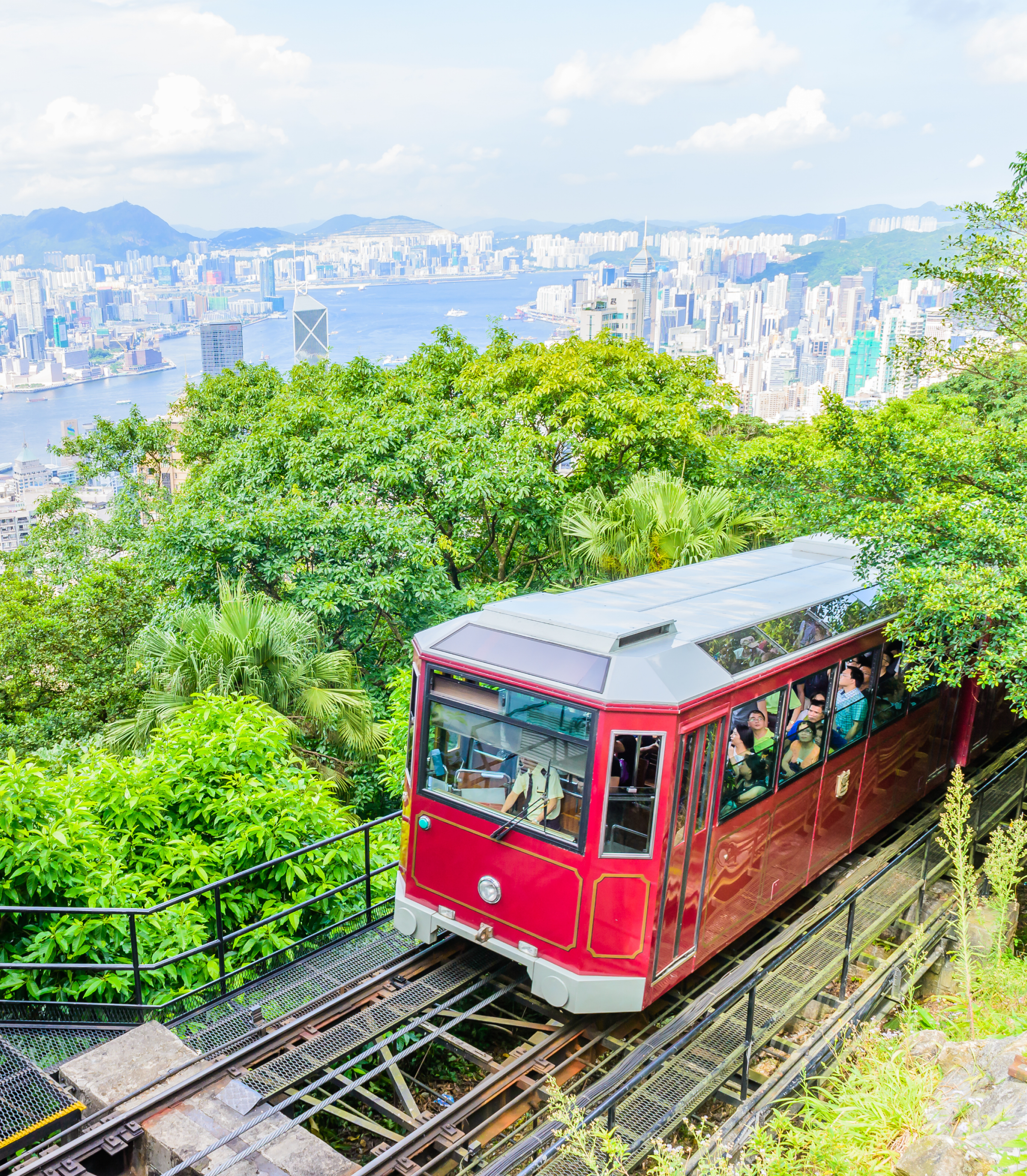
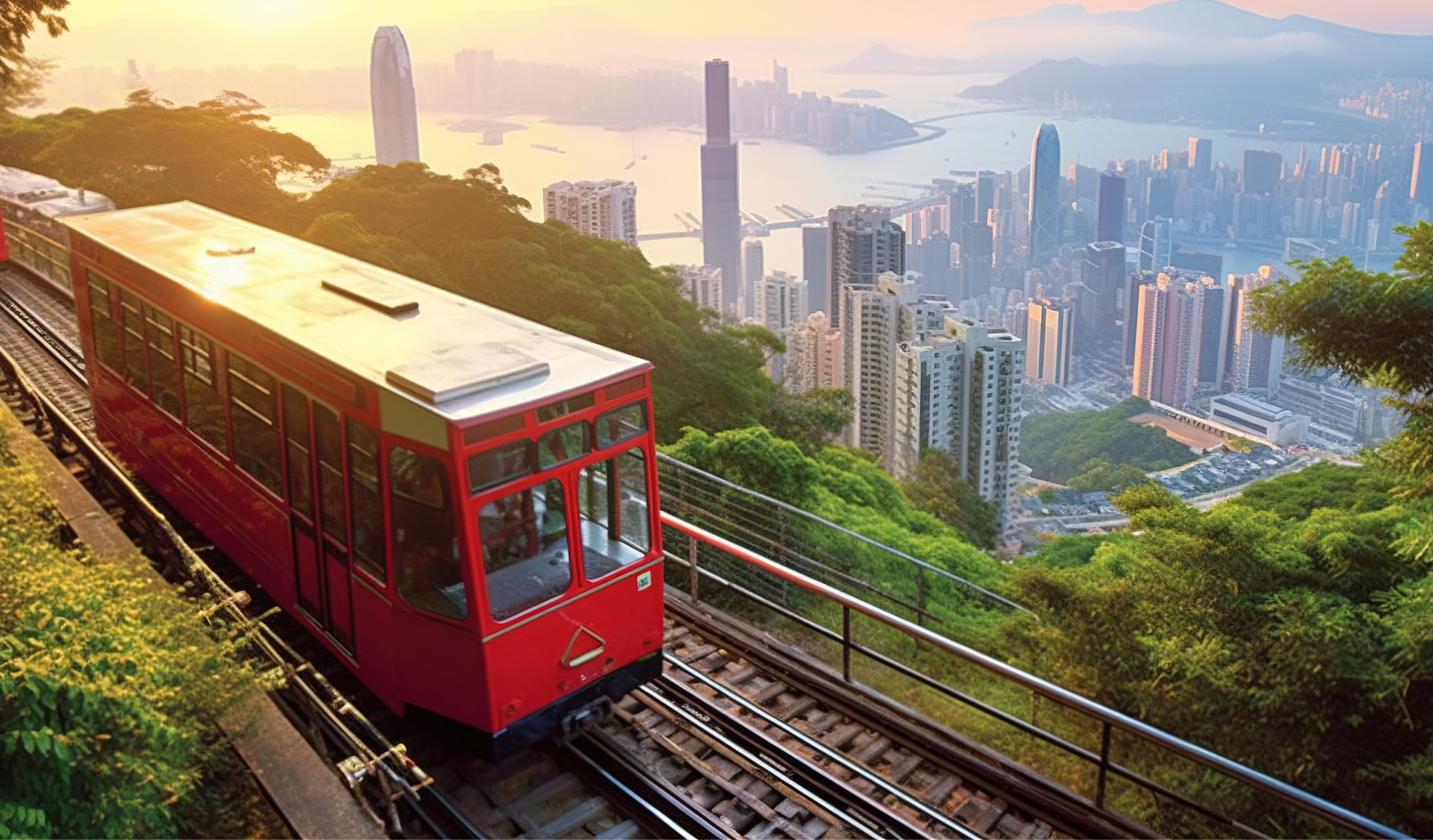
Victoria Peak (The Peak) and Peak Tram
Ride the historic Peak Tram up to Hong Kong’s most famous viewpoint. From The Peak, you’ll get sweeping skyline and harbour views, especially at sunset. It’s one of the city’s defining experiences, blending heritage with panorama.
Time needed: About 2 to 3 hours
Entry: Peak Tram tickets and tower/peak-area experiences vary; entry to most viewpoints is free Visit the official site for details.
Tip: Go for sunset, and book Peak Tram times in advance during peak seasons.
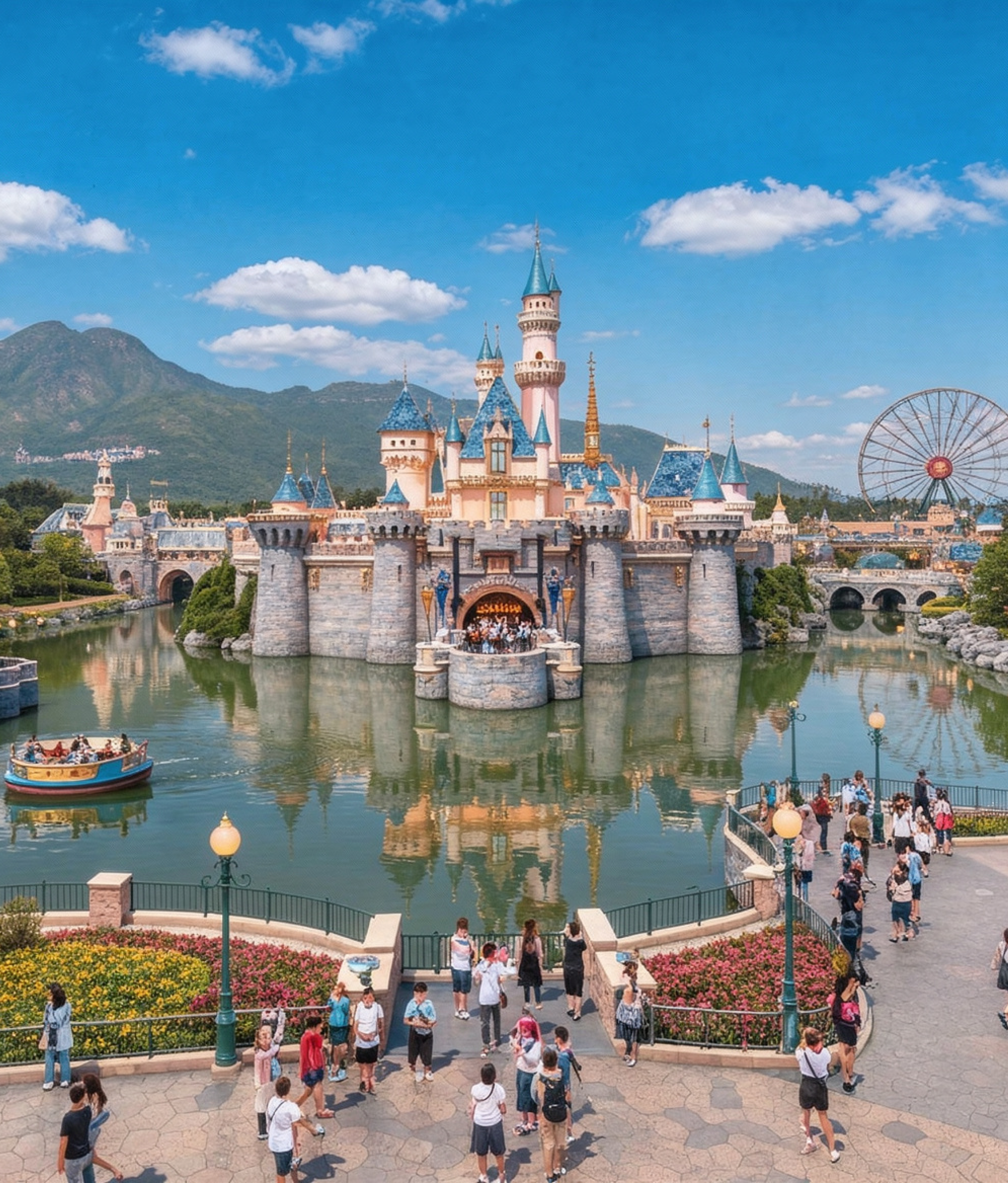
Hong Kong Disneyland Resort (Lantau)
A full-day theme park on Lantau Island with immersive lands, family attractions, and seasonal shows. Even if you’re not a theme-park regular, it’s a uniquely Hong Kong experience with local flavor and bright, well-designed attractions.
Time needed: About 5 to 8 hours
Entry: Tickets vary by date; standard admissions often range from about $70–$120 (€65–€110) Visit the official site for details.
Tip: Buy tickets online and arrive early to beat lines; plan a fixed parade viewing spot.
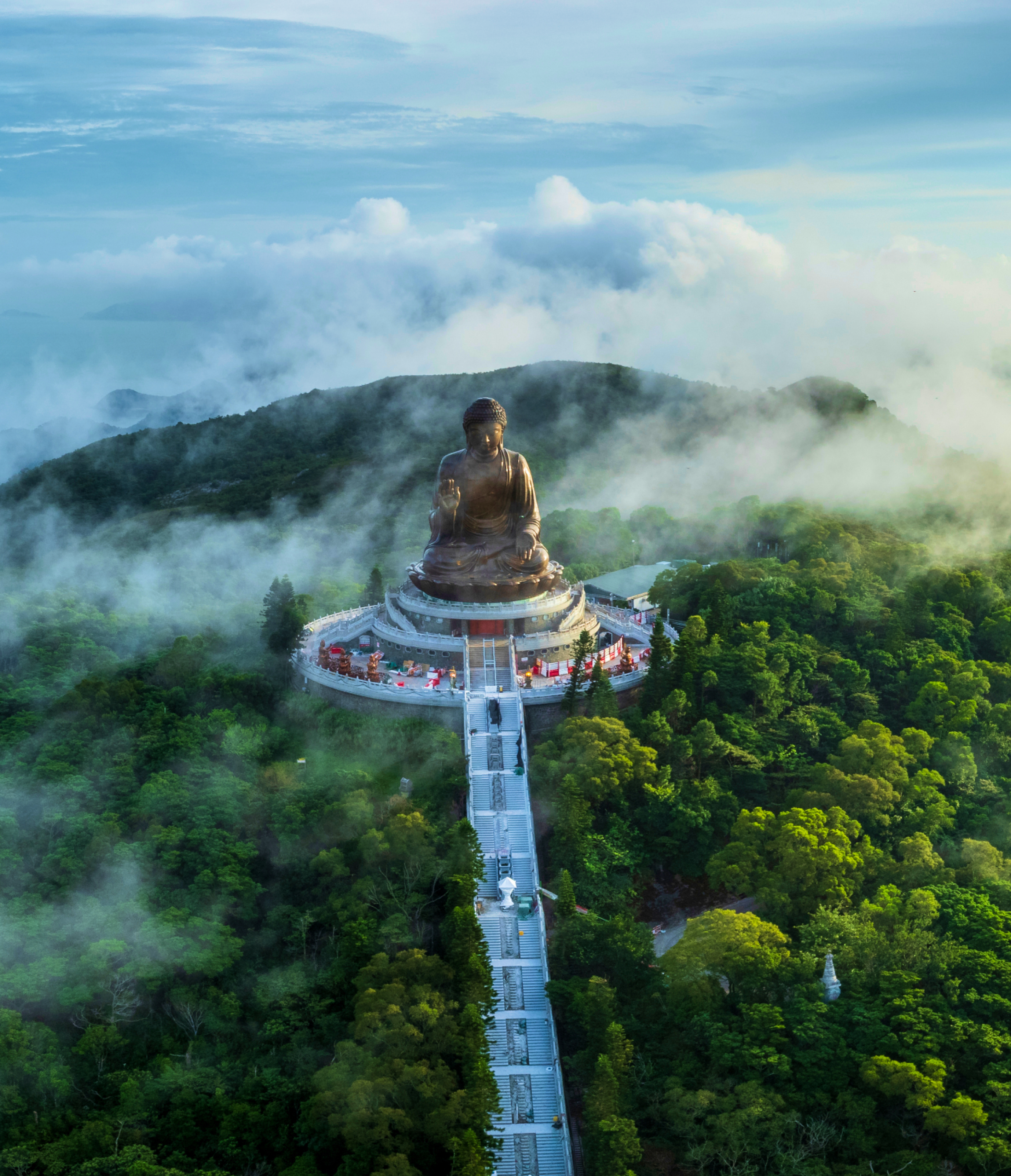
Tian Tan Buddha (Big Buddha) and Ngong Ping 360 (Lantau)
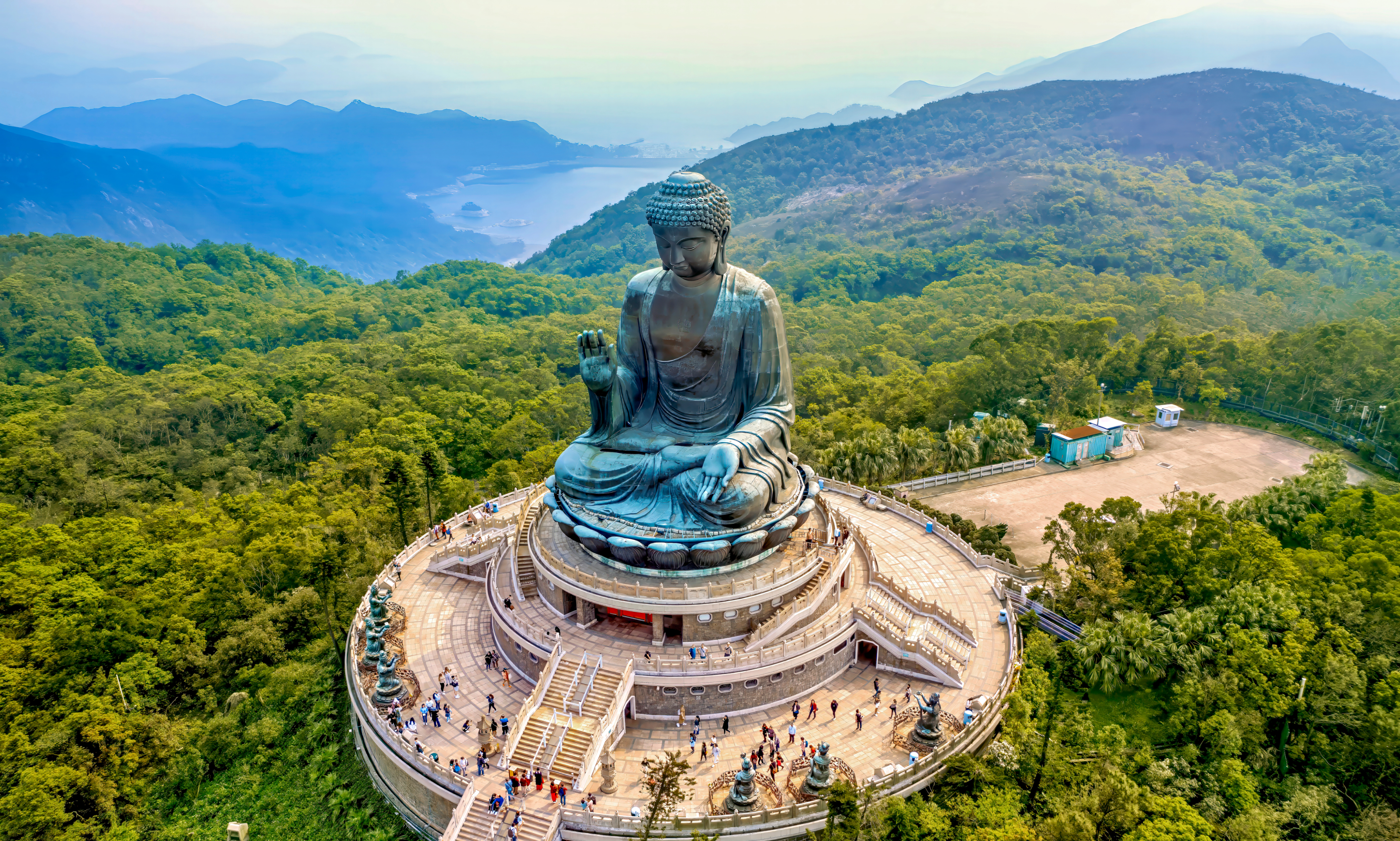
Climb in stages via cable car and paths to reach the Tian Tan Buddha. The views over Lantau are spectacular, and the path is a calm contrast to the city’s bustle. It’s an iconic spiritual and scenic landmark for Hong Kong visitors.
Time needed: About 2 to 4 hours
Entry: Ngong Ping 360 packages and site access vary; many tickets are about $60–$110 (€55–€100) Visit the official site for details.
Tip: Choose mornings for clearer views; bring light layers for cable-car weather swings.
Overlooked sites worth visiting

Chi Lin Nunnery and Nan Lian Garden (Diamond Hill)
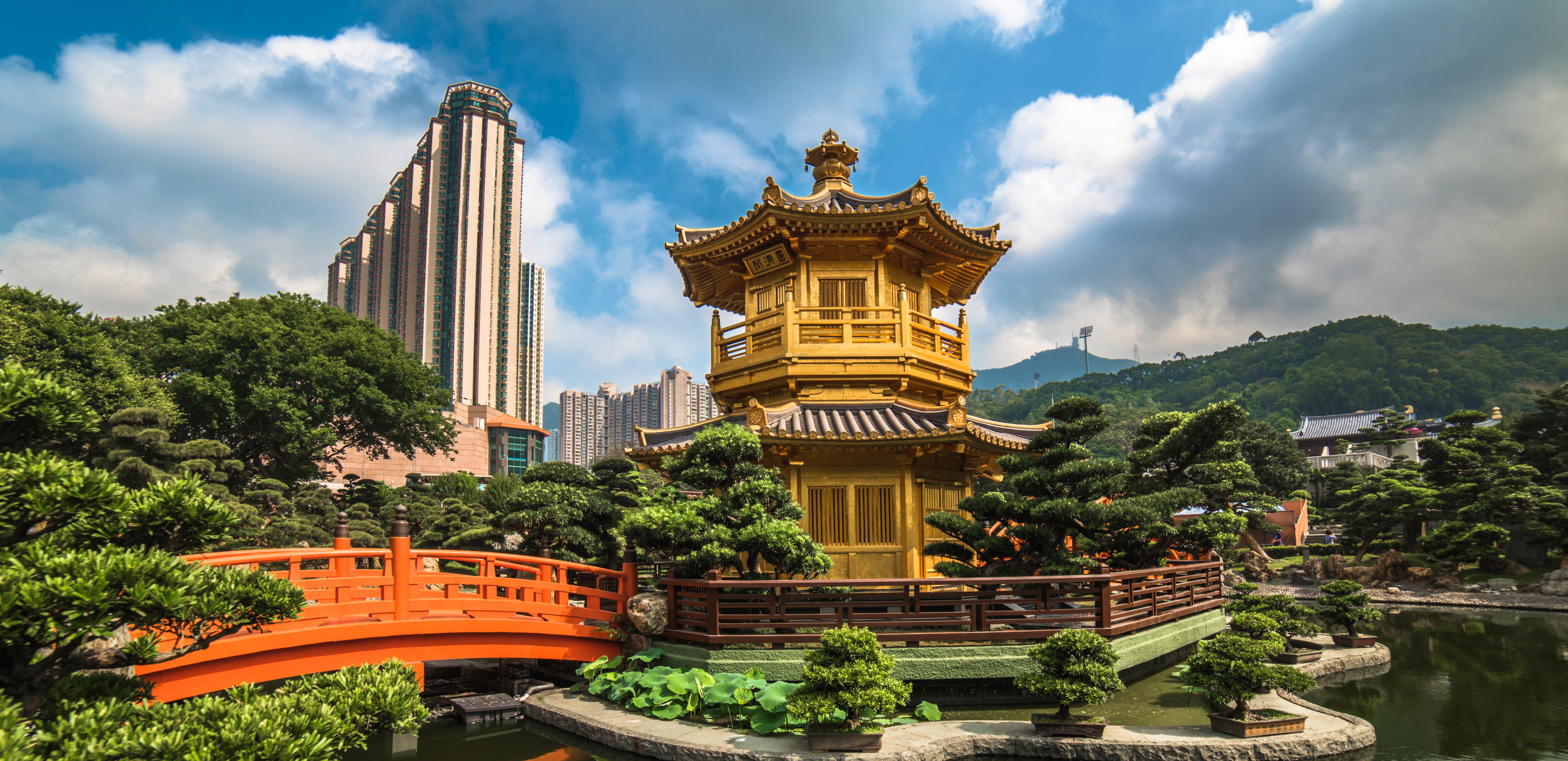
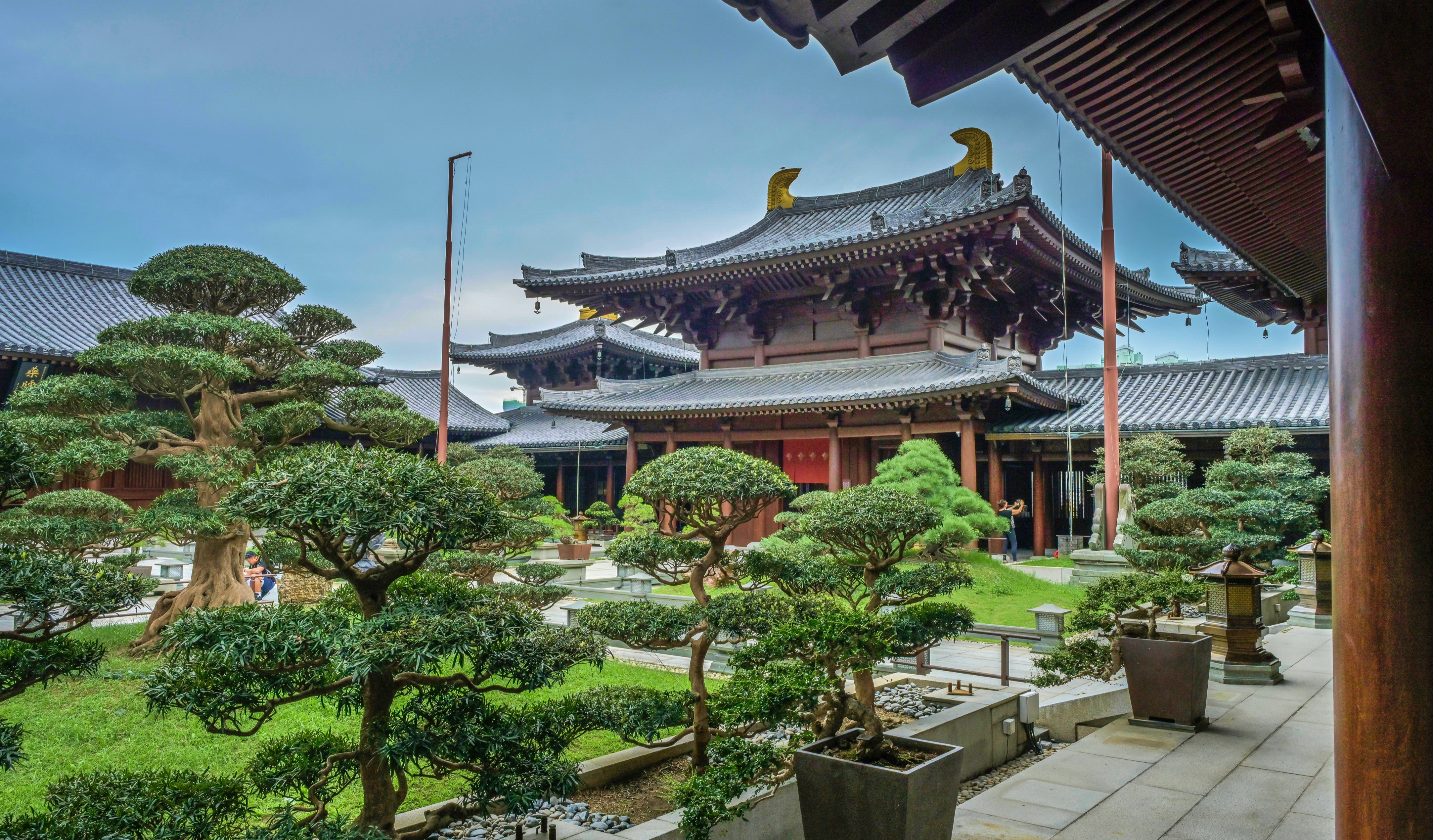
This Tang-style nunnery and its peaceful, landscaped Nan Lian Garden feel like a quiet oasis inside the city. It’s beautifully maintained and less crowded than many headline attractions, making it ideal for a calm morning visit.
Time needed: About 1 to 2 hours
Entry: Free to enter the grounds; donations may be welcomed at the site
Tip: Visit early, and allow time to wander quietly rather than rushing photo stops.

Tin Hau Temple (Mong Kok) and the surrounding side streets
Tucked into a lively district, Tin Hau Temple offers an authentic look at local worship and heritage in a setting that feels very “Hong Kong.” Pair it with nearby street life for a more everyday experience than the usual monument circuit.
Time needed: About 45 to 90 minutes
Entry: Free to access the temple area (donations may be offered) Visit the official site for details.
Tip: Go in late afternoon to catch street energy and a calmer temple interior.
Traditional food
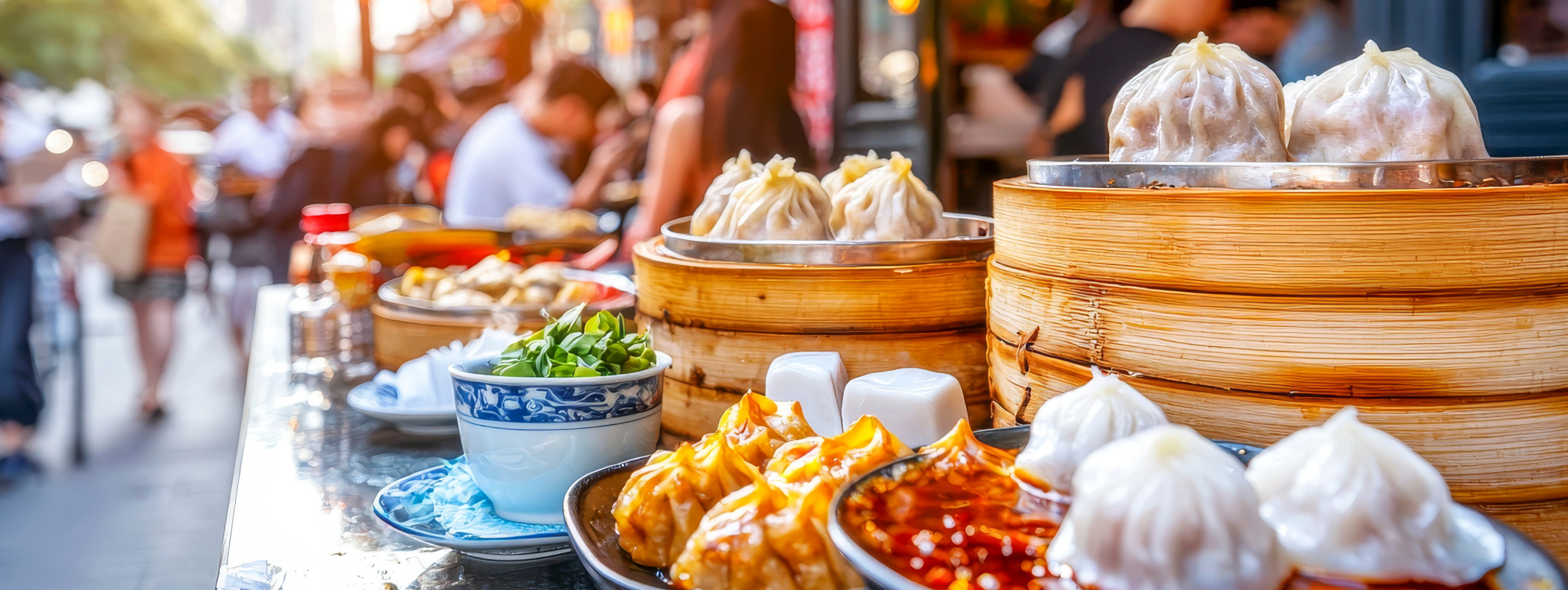
Hong Kong’s food culture is built on Cantonese staples, quick service, and wide-ranging tea house habits. Expect roast meats, noodle soups, baked custard tarts, and a mix of sweet, salty, and smoky flavors that work as well for a rushed breakfast as for a late dinner.
燒味拼盤 (roast meats platter)
A classic Hong Kong plate that usually combines char siu, roast duck, and crispy pork, served with rice or noodles. Joy Hing Roasted Meat has served this style for decades and remains a reference point for the dish.
雲吞麵 (wonton noodles in broth)
Springy egg noodles, clear broth, and delicate shrimp wontons define one of the city’s most beloved everyday meals. Mak’s Noodle is one of Hong Kong’s best-known names for the dish and has long served a classic version.
蛋撻 (egg tart, baked custard tart)
Silky custard in a shortcrust or flaky shell makes this one of Hong Kong’s most recognizable snacks. Tai Cheong Bakery has served a famously popular version for years and is a standard stop for egg tart lovers.
菠蘿包 (pineapple bun)
Despite the name, there is no pineapple in the bun; the top is sweet and crackly, while the inside is soft and airy. Kam Wah Cafe & Cake Shop is a classic Hong Kong address for this everyday treat.
Best time to visit Hong Kong
Hong Kong is usable year-round, but humidity, typhoon risk, and holiday crowds make spring and autumn the most comfortable times for walking and sightseeing.
Best for: Mild weather, good visibility, and comfortable city walks
What you get: Temperatures usually range from 66–82°F (19–28°C), with rising humidity and moderate crowds before the summer peak.
Trade-offs: Rain and haze can increase later in the season.
Best for: Indoor sightseeing, malls, and nightlife with air-conditioning breaks
What you get: Temperatures usually range from 81–92°F (27–33°C), with high humidity, frequent showers, and heavier visitor flow around major attractions.
Trade-offs: Heat, humidity, and typhoon disruptions can affect outdoor plans.
Best for: Clearer views, easier walking, and the most balanced sightseeing weather
What you get: Temperatures usually range from 70–86°F (21–30°C), with lower humidity and some of the year’s most comfortable conditions.
Trade-offs: Popular travel dates can be busy, especially on weekends and holidays.
Best for: Cooler city exploring and calmer weather for long days on foot
What you get: Temperatures usually range from 57–68°F (14–20°C), with generally lower humidity and lighter crowds outside holiday periods.
Trade-offs: It can feel cool indoors and on exposed waterfronts, especially after dark.
A realistic 5-day plan in Hong Kong
This five-day plan keeps the first day light, groups sights by district, and leaves room for one major island outing and one quieter final morning. It is built to match Hong Kong’s geography rather than fight it.
Hong Kong’s main airport is Hong Kong International Airport (HKG) on Lantau. Fastest into town is Airport Express: about 24 minutes to Central, with fares from HK$115–HK$130 ($15–$17). Taxis to Central or Tsim Sha Tsui usually take 30–45 minutes and cost HK$300–HK$450 ($39–$58), depending on traffic and tolls. After arrival, keep the first day light: check in, rest, and explore near your hotel.
Start with Victoria Peak and the Peak Tram, the city’s most classic panorama. Reserve extra time at sunset; the ride and viewpoints usually take 2 to 3 hours, and Peak Tram tickets or tower-area experiences vary, while many lookout areas are free. If you’re staying in Central or Sheung Wan, this is an easy first full outing and a perfect introduction to the skyline.
Plan this day around Central and Sheung Wan: historic streets, ferry connections, galleries, cafés, and harbour access are all close together. Ride the Star Ferry for one of the cheapest iconic views in the city, then walk through Central’s heritage lanes and down into Sheung Wan’s older shopfronts. Expect ferry fares of about HK$4–HK$6 ($0.50–$0.80) and plenty of easy half-day wandering.
Use this day for Lantau Island. Pair Tian Tan Buddha and Ngong Ping 360 for mountain views, the cable-car ride, and a calm cultural stop; allow 2 to 4 hours and budget roughly HK$430–HK$850 ($55–$110) depending on package choices. If you prefer a full-family day instead, Hong Kong Disneyland Resort is a strong alternative at about HK$550–HK$940 ($70–$120) for admission, and it works well as an all-day outing.
Keep the last day flexible and departure-friendly. If your flight is late, fit in an easy neighborhood stop such as Chi Lin Nunnery and Nan Lian Garden for a quiet morning, or use the time for shopping and a final meal near your hotel. Leave enough margin for airport transfer and check-in, especially on weekday evenings.
Business-class flights from the US to Hong Kong
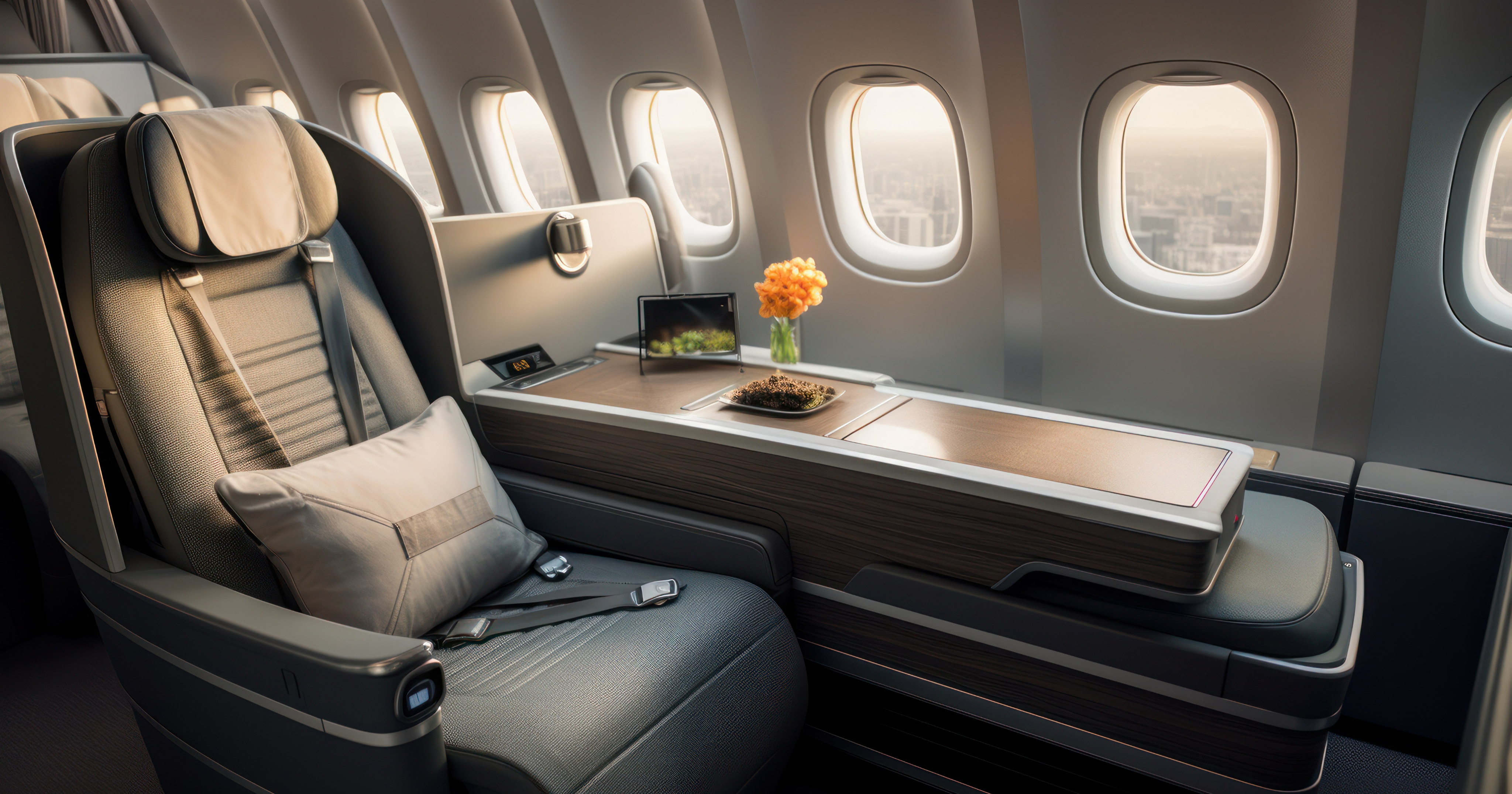
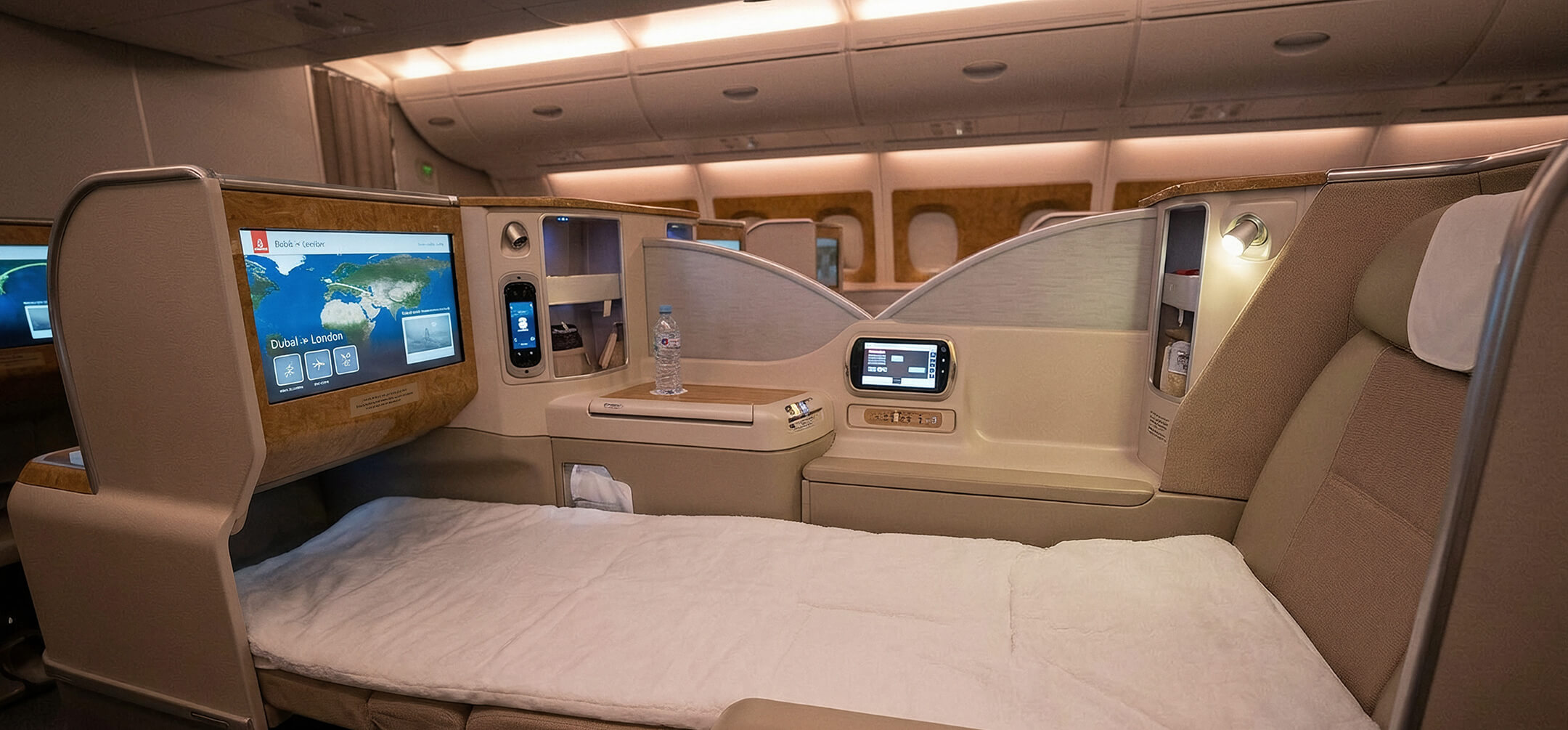
Hong Kong is well connected to both New York and Los Angeles, with nonstop service on one route and common one-stop options on the other. The mix of flight times and routing hubs makes it straightforward to compare speed against price.
Cathay Pacific, United Airlines, American Airlines, Delta Air Lines, Japan Airlines, ANA operate nonstop flights on this route, with a duration of 15 to 16 hours. Round-trip business-class tickets typically range from $3,997 to $5,427, with last-minute bookings often higher. Round-trip economy tickets typically range from $774 to $1,265, with one-stop itineraries sometimes pricing lower in shoulder periods. If you don’t mind a layover, common routings via NRT, HND, ICN, TPE, SIN, DOH take 18 to 24 hours and often reduce the cost.
Cathay Pacific, American Airlines, United Airlines, Japan Airlines, ANA, Korean Air operate nonstop flights on this route, with a duration of 14 to 15 hours. Round-trip business-class tickets typically range from $3,880 to $4,906, with last-minute bookings often higher. Round-trip economy tickets typically range from $416 to $937, with some one-stop itineraries lowering the fare in off-peak periods. If you don’t mind a layover, common routings via NRT, ICN, TPE, HND, SIN, BKK take 16 to 22 hours and often reduce the cost.
Hong Kong feels clearer when you slow the pace.
Hong Kong rewards travelers who let each district hold its own day. When you reduce backtracking and build in time for ferries, hill views, and quieter stops, the city becomes easier to read and more enjoyable to move through. That is the advantage of a structured trip: less time spent sorting logistics, more time spent in the places that define the experience. If you are planning your trip to Hong Kong, our AranGrant experts can help you review routes, book hotels, and shape the itinerary so it feels balanced from arrival to departure.