

Chapters:

Need help with your trip?
Our support team is available 24/7. Request a callback or call us directly at (833) 619-0908
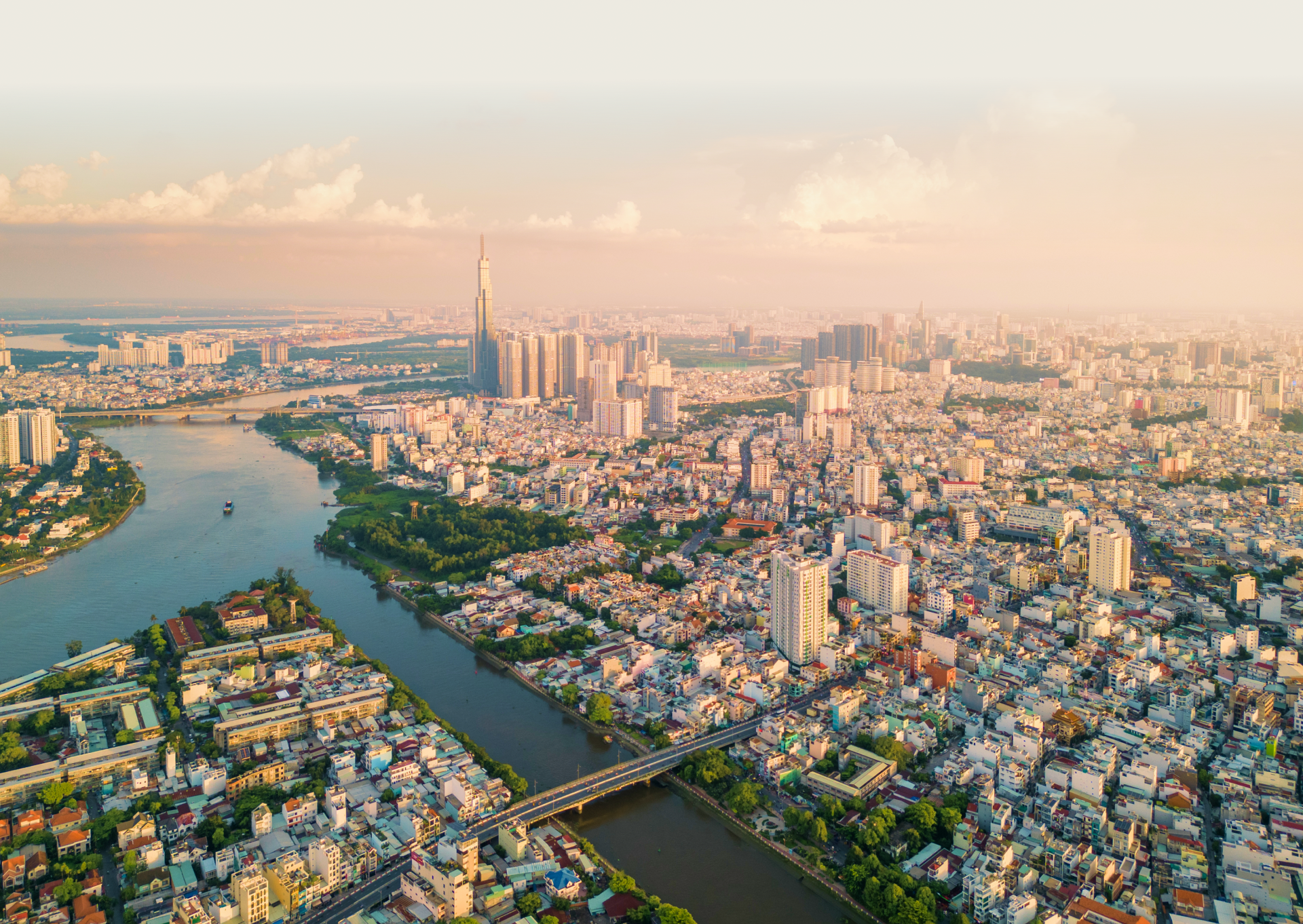
Ho Chi Minh City’s main sights are closer together than most visitors expect. District 1 holds the colonial architecture, war history museums, and riverfront within a walkable core, while Cho Lon in District 5 adds a Chinatown of pagodas, herbal medicine shops, and food streets a short Grab ride west.
Distance is rarely the problem here. Temperatures regularly reach 95°F (35°C) by midmorning, and the heat and humidity that follow cut outdoor time significantly. Thus, early mornings and late afternoons are the best times for outdoor activities.
In this guide, you will find an itinerary that opens with the cooler morning hours outdoors, shifts to museums, cafés, or lunch during the midday heat, and steps back outside in the late afternoon when temperatures drop and the streets come back to life.
Useful things to know

Main language(s): Vietnamese
xin chào (sin chow) – hello
làm ơn (lahm urn) – please
cảm ơn (gahm uhn) – thank you
bạn có nói tiếng Anh không? (bahn koh noy teeeng ahn khong) – Do you speak English?
bao nhiêu tiền? (bao nyeeoo tee-en) – How much does it cost?

Currency: Vietnamese dong (VND, ₫)

Cash and cards: Card and contactless payments are widely accepted in hotels and larger venues. You might still need VND200,000 to VND500,000 ($8 to $20) in cash for small purchases at local shops.

Tipping: Tipping is not expected, but rounding up the bill or leaving about 5% is appreciated in restaurants.

Traditional food: Traditional dishes include phở (noodle soup), bánh mì (filled baguette sandwich), cơm tấm (broken rice with grilled meat), and gỏi cuốn (fresh spring rolls).

Water and coffee costs: You can expect to pay VND 10,000 ($0.40) for a bottle of water and about VND 50,000 ($2) for an espresso at a bar.

Taxis and ride apps: Grab, Be, and Xanh SM (VinFast’s electric fleet) operate here. You can download these apps before arrival. Cash payments are preferred.

Plug and voltage: A/C/F socket, 220V

Dining and shop opening hours: Breakfast is served between 6:00 am and 9:00 am, lunch between 11:30 am and 1:30 pm, and dinner from 6:00 pm to 9:00 pm. Some late-night places stay open past 10:00 pm.

Emergency number: Call 113 for police, 114 in case of fire, and 115 for an ambulance.
Where to stay in Ho Chi Minh City
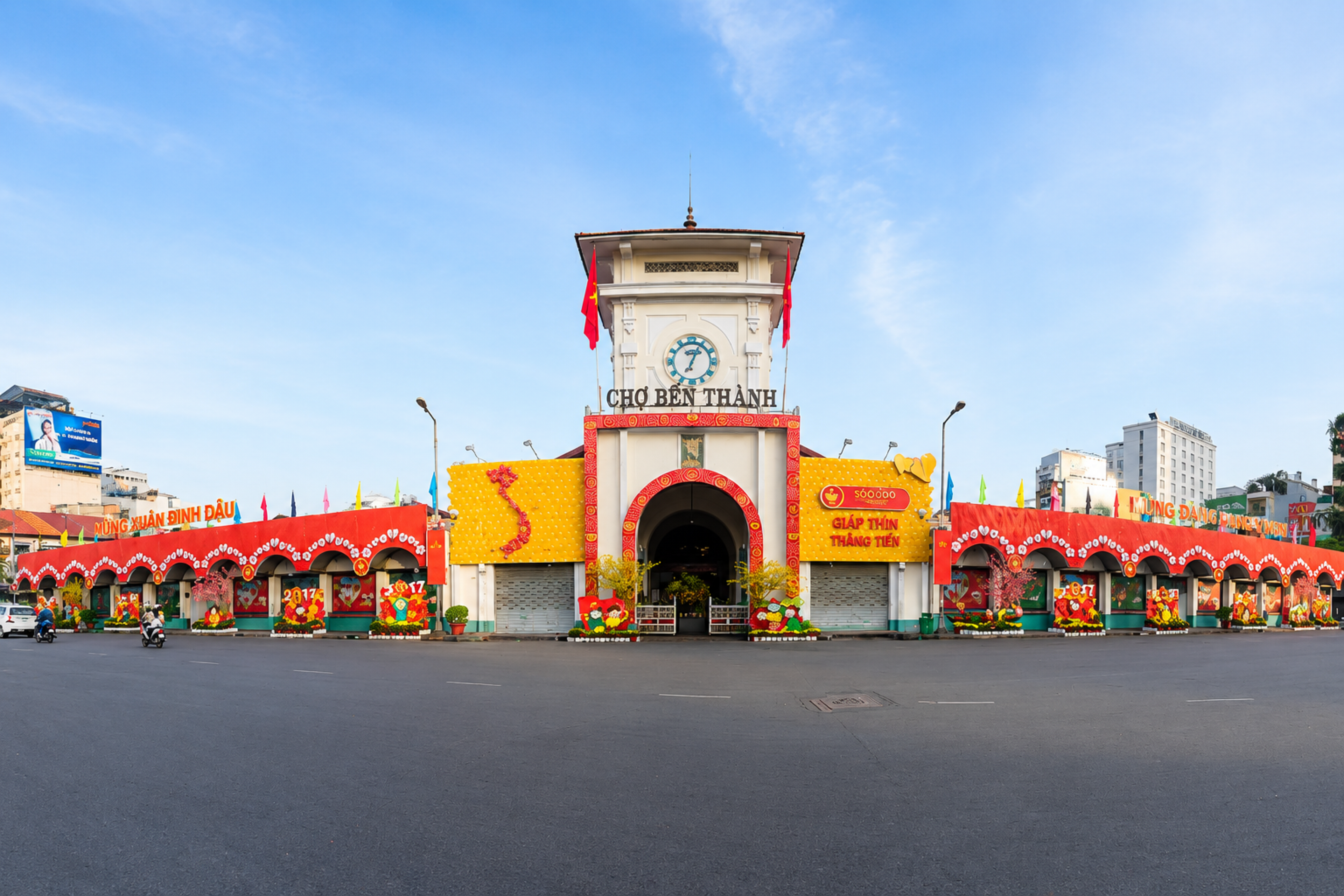
Ho Chi Minh City’s central core, District 1, brings major sights, embassies, and business addresses together. It suits visitors who want to walk to Ben Thanh Market, Nguyen Hue, and the riverfront, then use short rides for dinners and late-night plans.
Best for: First-time visits, short stays, dining, and nightlife access
What to expect: Busy sidewalks, constant traffic, and the highest concentration of visitors, office workers, and hotel guests in the city
Hotel prices: Usually about VND 1,200,000 to VND 3,500,000 ($48 to $140) per night for well-rated stays
Distance to major sights: Up to 15 minutes on foot to Ben Thanh Market; about 10 minutes by taxi to the Saigon Opera House
Quietness: The area is lively and noisy during the day, still active late in the evening on the main streets, and calmer on side lanes.
Main trade-off: You pay more for central addresses, and the busiest blocks can feel noisy well past dinner.
Good to know: If you would like to have walking access to your hotel, book a room on a side street instead of a main avenue, since traffic and nightlife concentrate on the big roads.
District 3 is west and north of the central core, with leafy avenues, old villas, and a strong local restaurant scene. It offers you easy access to District 1 without the noise of heavy traffic.
Best for: Longer stays, multiple dining options in the neighborhood, and travelers who want easy access to the city center
What to expect: Tree-lined streets, mixed local traffic, and a steady flow of cafés, schools, and small shops
Hotel prices: Usually about VND 900,000 to VND 2,800,000 ($36 to $112) per night for well-rated stays
Distance to major sights: About 10 to 20 minutes by taxi to Ben Thanh Market; 10–15 minutes on foot to the War Remnants Museum
Quietness: District 3 is quieter than District 1 during the day and has a calmer evening pace once restaurant visitors return to their hotels.
Main trade-off: You will rely more on taxis or rideshares after dark, especially if you stay away from the main streets.
Good to know: Choose a hotel on or near a main road so taxi drivers have a clear pickup point. Narrow residential lanes can prevent cars from reaching the entrance directly.
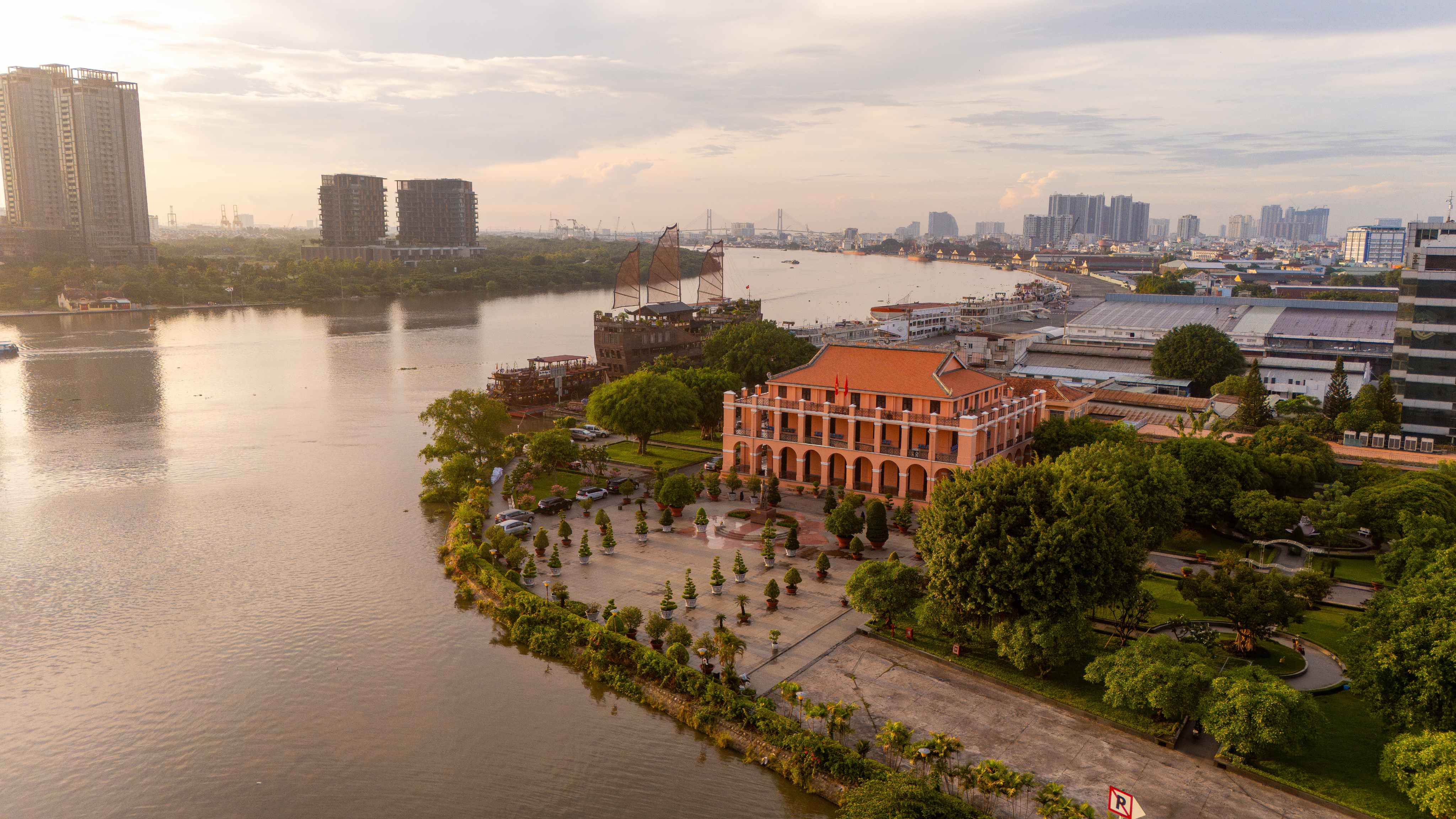
District 4 is situated between the river and District 1, with compact streets, apartment blocks, and a growing food scene. It is suitable for travelers who want a low-key location close to the center and easy access to the main sightseeing zone via the bridge.
Best for: Food-focused stays, short rides into District 1, and travelers who do not mind a more local setting
What to expect: Dense streets, strong motorbike traffic, and busy evening food spots, especially near the bridges and main intersections
Hotel prices: Usually VND 800,000 to VND 2,200,000 ($32 to $88) per night for well-rated stays
Distance to major sights: Up to 12 minutes by taxi to Ben Thanh Market; about 15 minutes on foot to the riverfront in District 1 from the nearest bridge area
Quietness: Busy during the day and lively at night near restaurants, although some residential areas quiet down earlier.
Main trade-off: The area has more traffic noise and you will have to cross into District 1 to visit major sights.
Good to know: If you plan late dinners, check how far your hotel is from the main bridge, since small streets can make it harder for taxis to reach your hotel after dark.
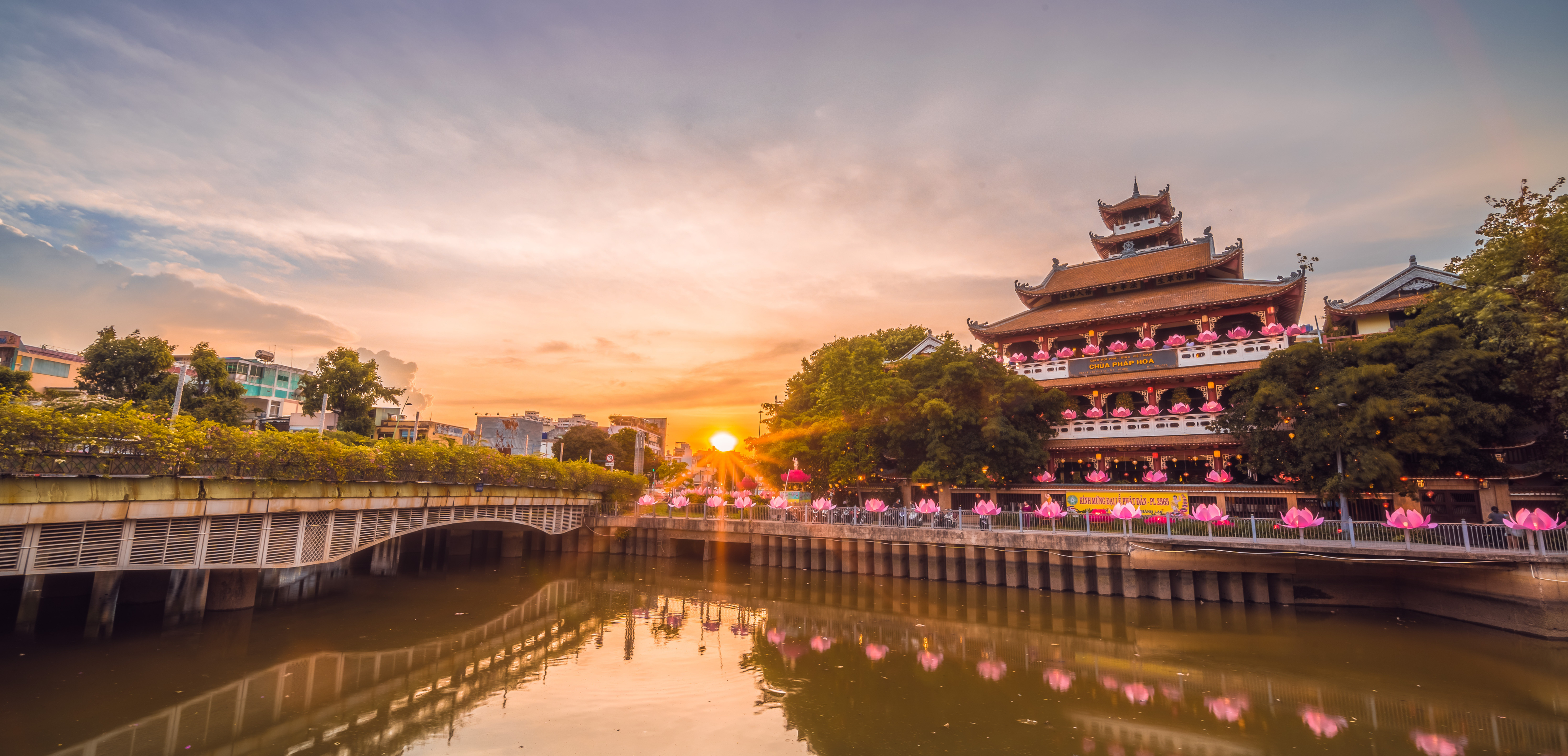
Phu Nhuan lies northwest of the center and is a residential district with cafés, local diners, and airport access. It suits travelers who want to stay close to the Tan Son Nhat airport while still keeping District 1 within a short ride.
Best for: Airport access, business trips, and visitors who want a local neighborhood with lower central-city prices
What to expect: Ordinary city streets, morning commuter traffic, and plenty of small shops and cafés
Hotel prices: Usually about VND 700,000 to VND 2,000,000 ($28 to $80) per night for well-rated stays
Distance to major sights: About 10 to 20 minutes by taxi to Tan Son Nhat Airport (SGN); 20–30 minutes by taxi to Ben Thanh Market
Quietness: The area is quieter than the city center in the evening, although main roads stay active with traffic and food stalls.
Main trade-off: You save money and shorten airport transfers, but you will spend more time reaching the main riverfront and central landmarks.
Good to know: Pick this area if you have an early flight, but confirm taxi pickup rules with the hotel because curb access can vary by street.
Travelers who want easy access to the main sights usually avoid District 7, Binh Tan, District 12, and the far northern edge of Thu Duc City. These areas are far from the city core and have fewer visitor-focused hotels and amenities.
Hotel deals
How to get around Ho Chi Minh City efficiently
Getting around Ho Chi Minh City means walking the central streets, using ride-hailing apps, taking the metro line, and calling a taxi for late nights or airport trips.

Metro
for longer distances
Ho Chi Minh City’s first metro line, Ben Thanh–Suoi Tien, opened in December 2024. It runs 14 stations between District 1 and Thu Duc City, with fares ranging from VND 7,000 to VND 20,000 ($0.30–$0.80).

Bus and tram
for convenience
Bus 152 links Tan Son Nhat airport to District 1 and Pham Ngu Lao, with fares of about VND 5,000 to VND 6,000 ($0.20 to $0.25) and a journey of roughly 30 to 60 minutes in light traffic. Other city buses cover most districts, though stops can be hard to read at first. Use a map app, check the route number before boarding, and carry small bills for the fare box.

Taxi
for convenience or late hours
Licensed taxis use metered fares, and trips from the airport to District 1 usually cost VND 210,400 to VND 395,000 ($8 to $15), depending on traffic and the company; some operators also offer fixed airport rates, so confirm the price before you leave the curb. Use official taxi ranks or app-based cars, look for company markings such as Vinasun or Mai Linh.
*Prices are based on rates updated as of June 2026 and may change at the time of travel.
Ho Chi Minh City transport is easiest when you do not rely on one option. Walk in central areas, use ride-hailing for longer trips, and take the metro when it fits the route.
Iconic landmarks
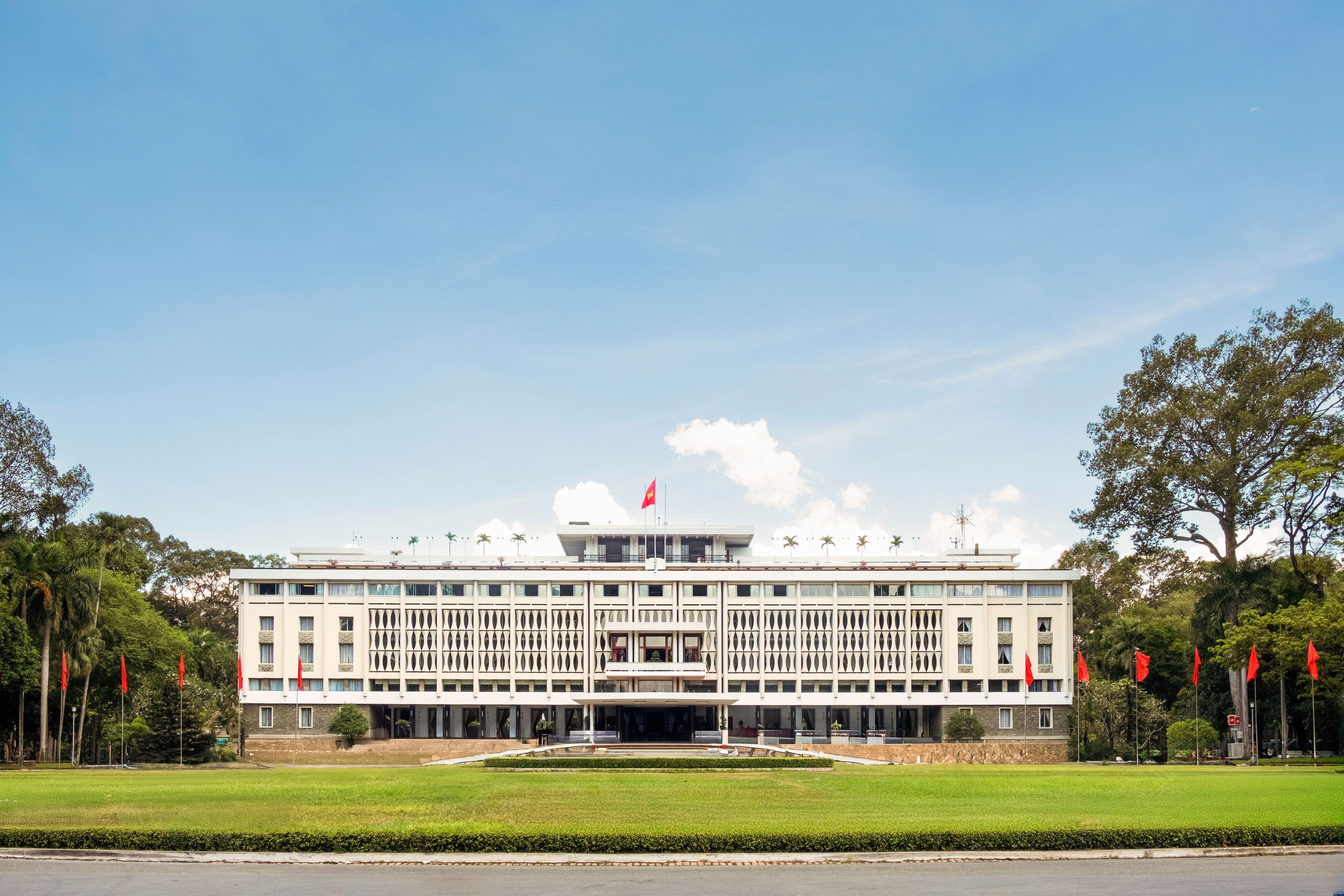
Reunification Palace
This former presidential palace opened to the public after the 1975 fall of Saigon, and its preserved war rooms, reception halls, and command bunker show the last years of South Vietnam in place. The grounds are beside central District 1 landmarks.
Time needed: About 1 to 2 hours
Entry: Admission costs VND 80,000 ($3.20) for adults and VND 20,000 ($0.80). Visit the official site for details.
Tip: Go early in the day, then visit the nearby cathedral and post office on foot.
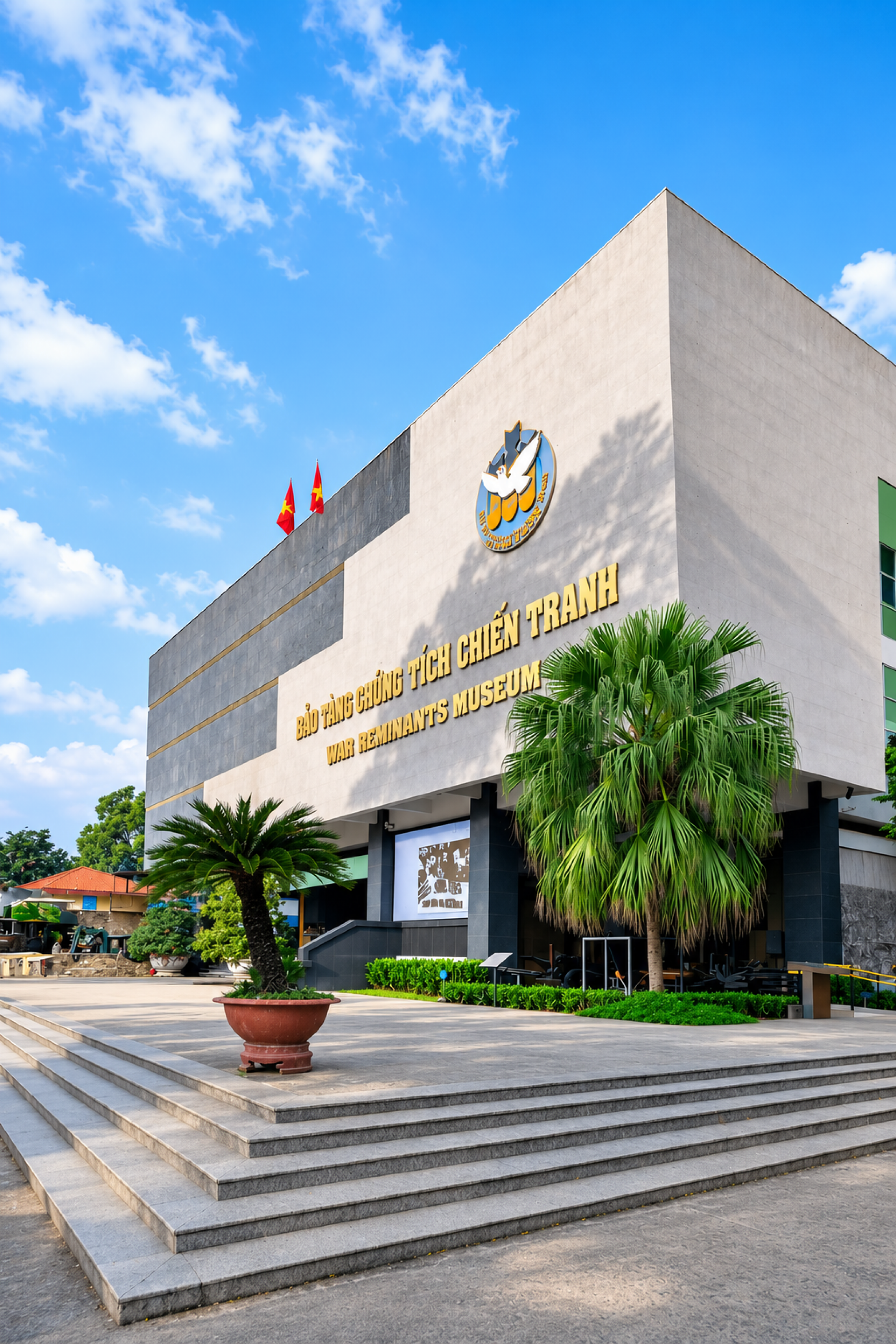
War Remnants Museum
This museum presents the Vietnam War through photographs, military equipment, and Vietnamese reporting from the period. Outdoor displays include aircraft and armored vehicles, while the galleries cover civilian loss, wartime damage, and political aftermath.
Time needed: About 2 to 3 hours
Entry: Admission costs VND 40,000 ($2.40) for adults and VND 20,000 ($0.80) for children. Visit the official site for details.
Tip: Visit in the morning, when the galleries are quieter and the outdoor yard is cooler.
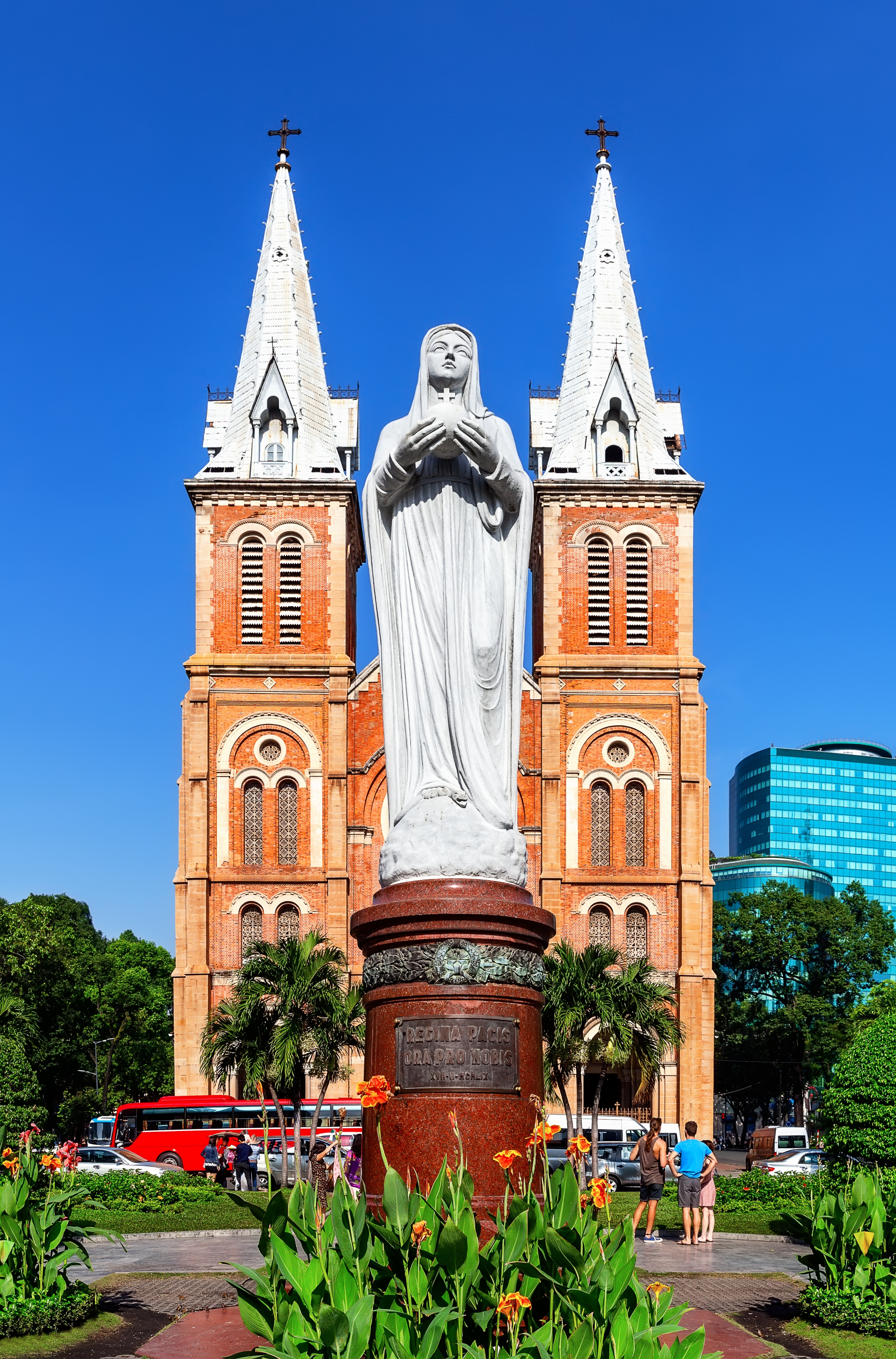
Saigon Notre-Dame Cathedral Basilica
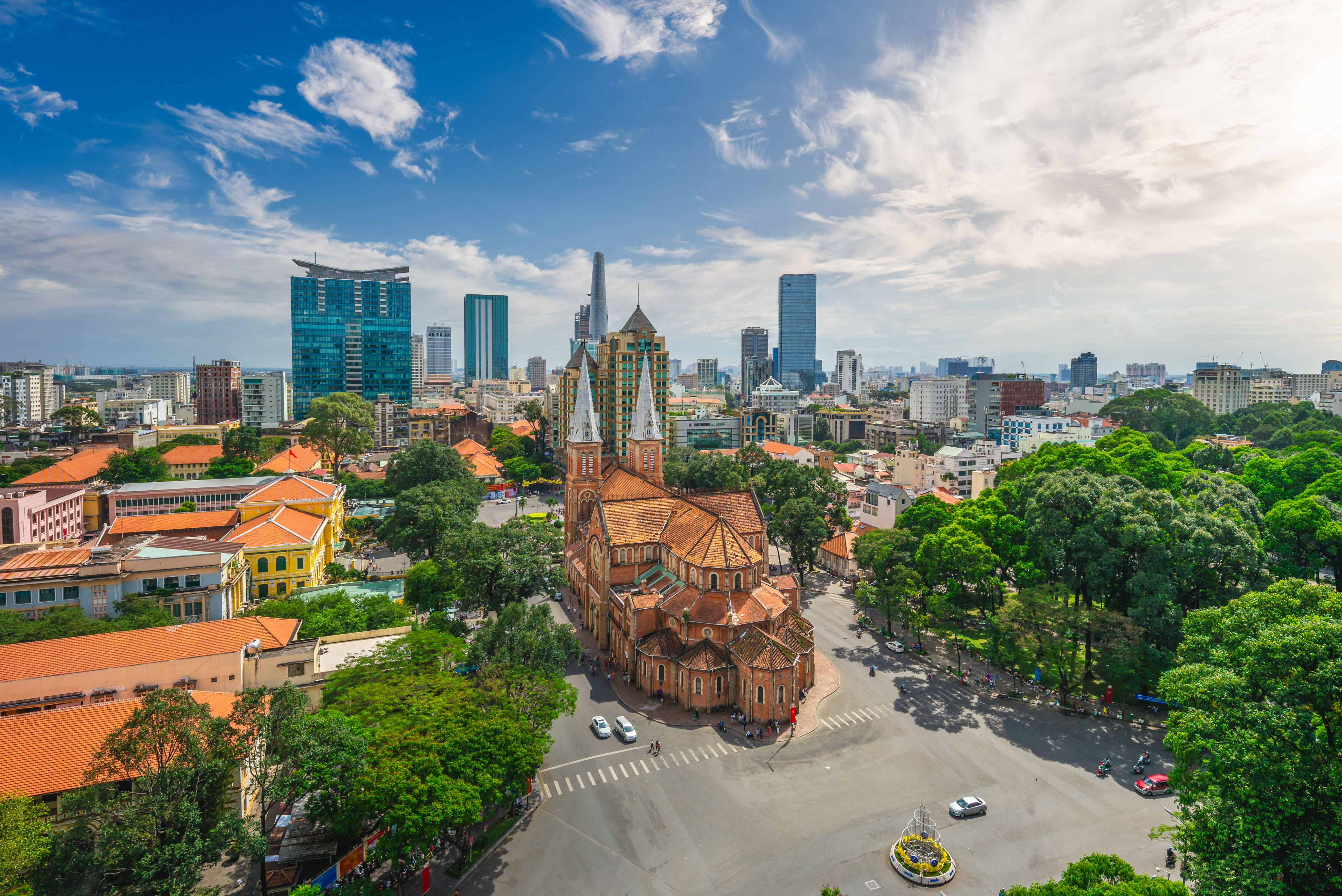
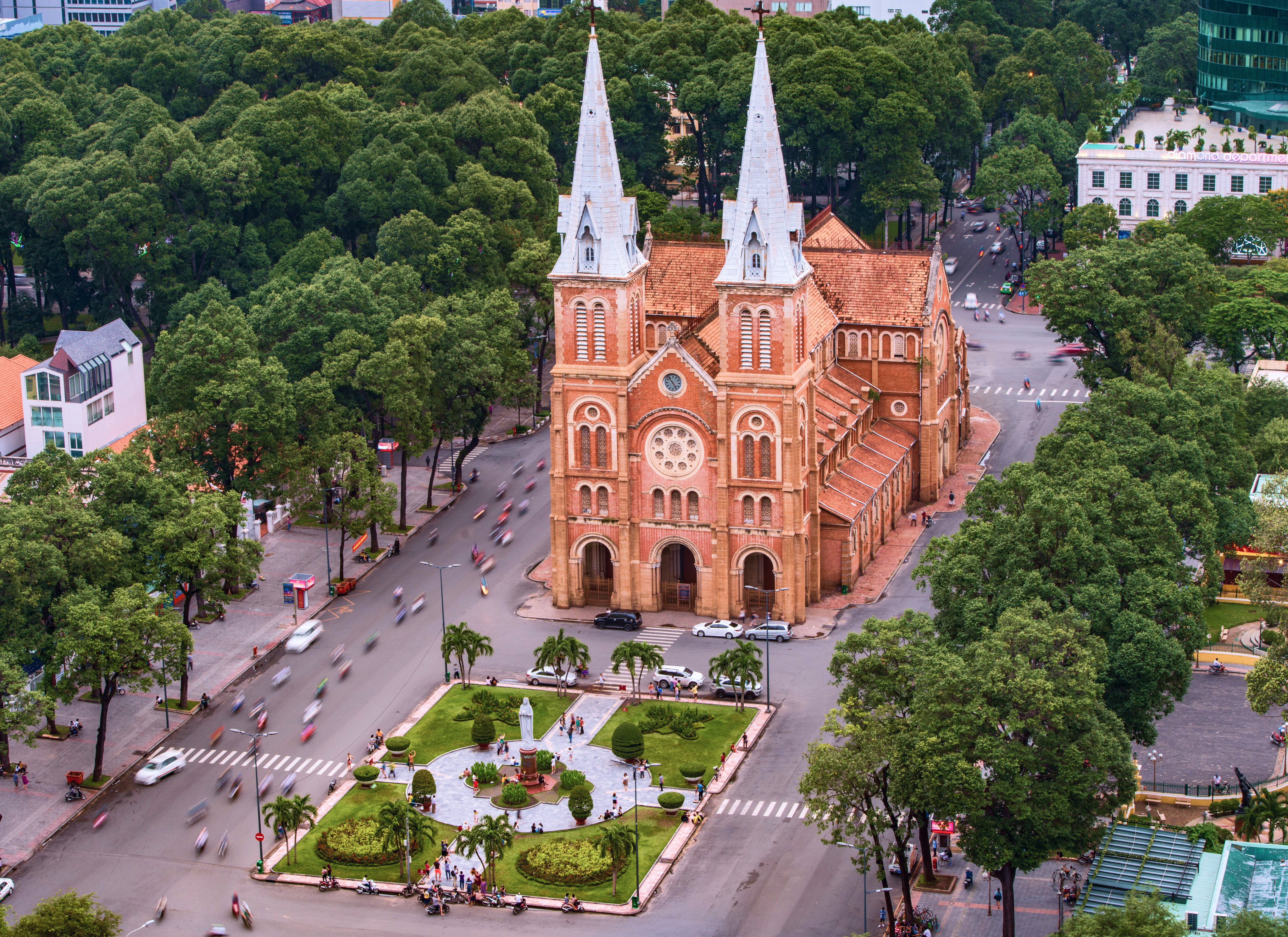
Built in the late 19th century from imported materials, this red-brick cathedral anchors the old French Quarter and faces a busy civic square. Its twin bell towers and central rose window make it one of the city’s best-known landmarks.
Time needed: About 30 to 45 minutes
Entry: Free to access. The cathedral has been under major restoration since 2017, so interior access may be limited.
Tip: Stop by in the early morning for softer light and fewer tour groups in the square.
Overlooked sites worth visiting
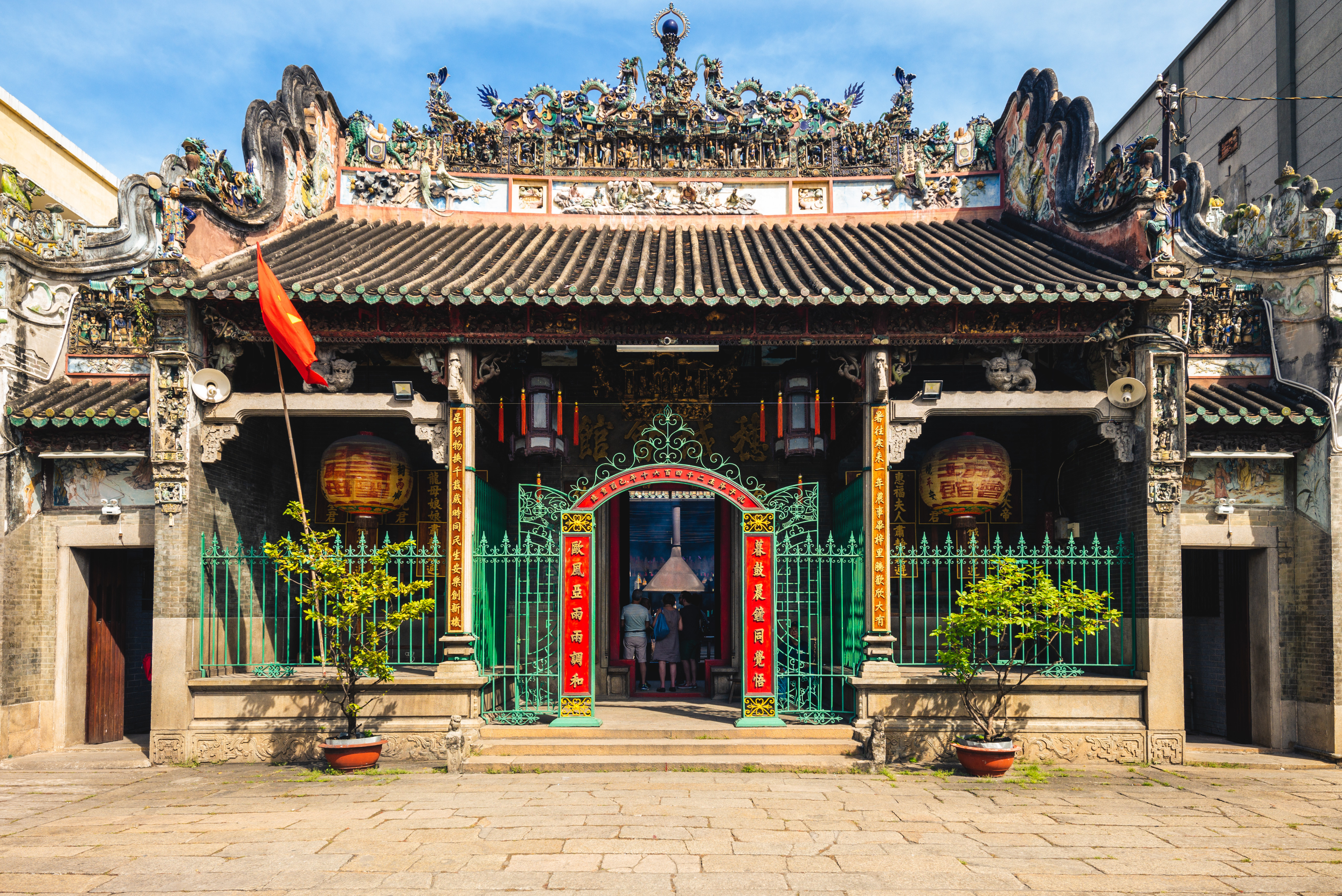
Thien Hau Temple
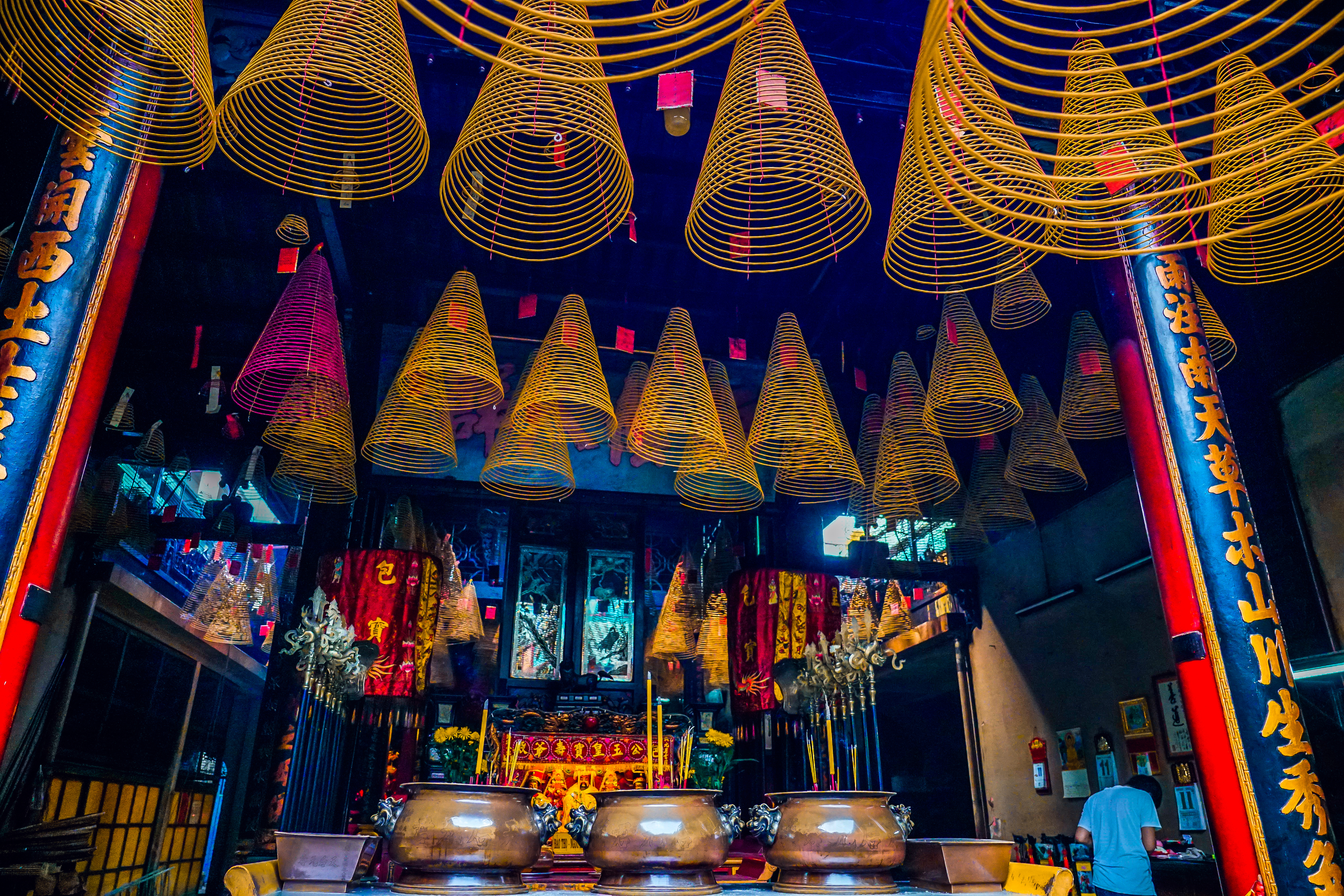
This Chinese temple in Cho Lon has fewer tourists than the central temples, yet its incense coils, carved beams, and glazed-roof figures reward a slow look. Visit in the morning for quieter prayer halls.
Time needed: About 45 minutes
Entry: Entry is free. You can donate if you want to support the temple’s upkeep.
Tip: Visit before 10:00 am for softer light and fewer tour groups.
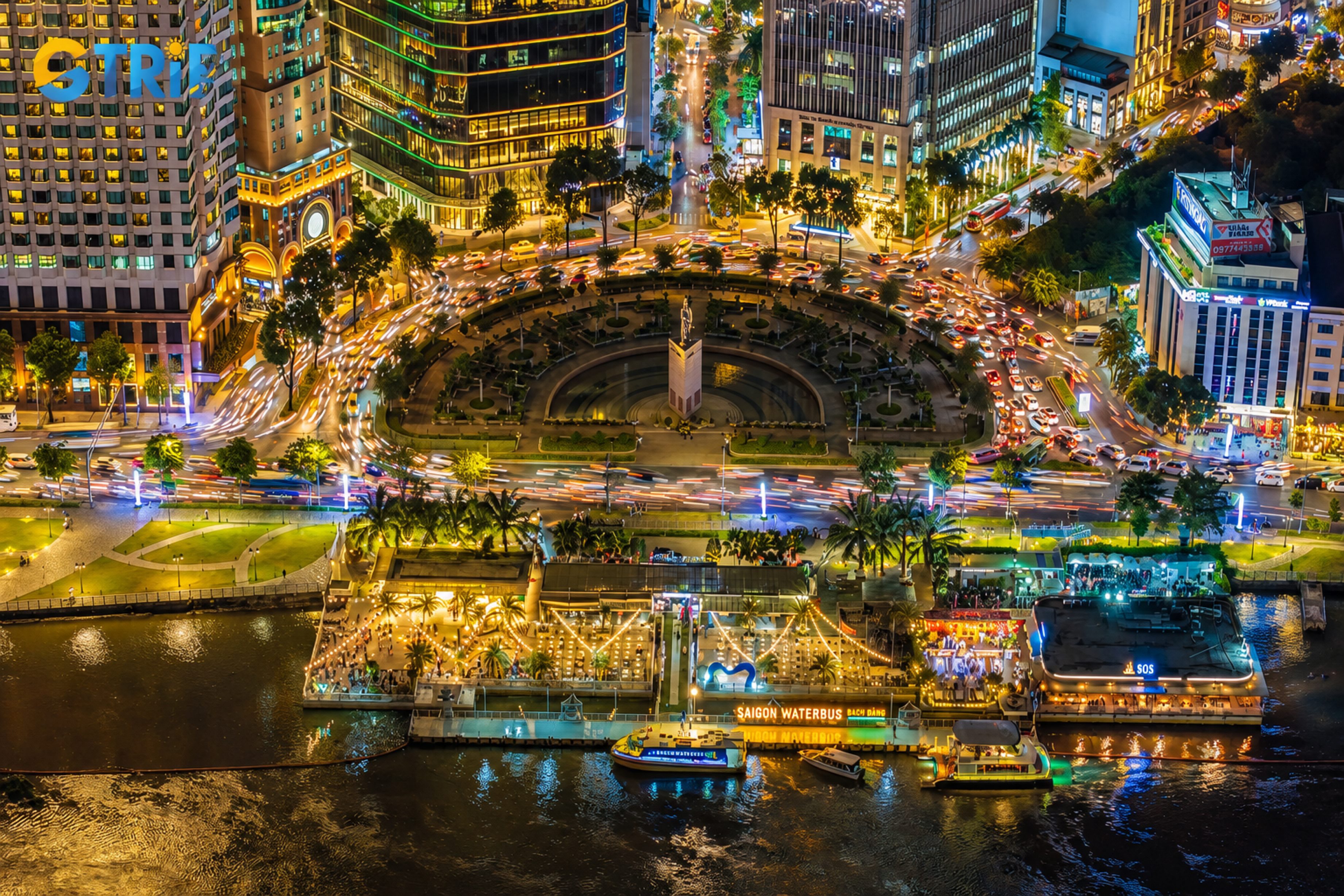
Bach Dang Wharf Park
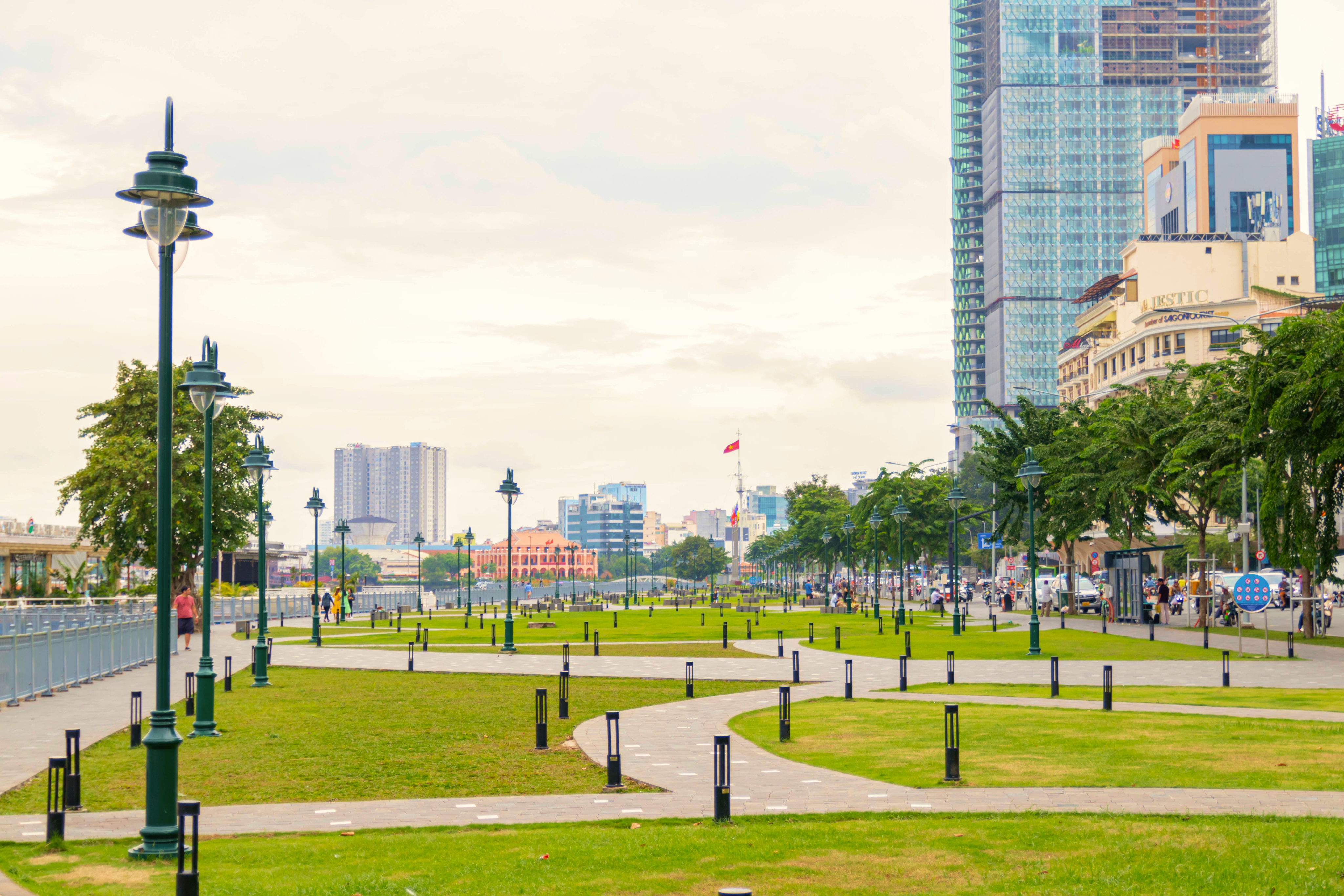
This riverfront strip gives you open space, shade, and views of the Saigon River without leaving the center. Here, you can walk the promenade, sit on the river steps, and watch the ferries.
Time needed: About 1 hour
Entry: Free to access. For a fee, you can take a boat ride on the Saigon River.
Tip: Visit it close to the sunset for cooler air and the clearest river views.
Traditional food
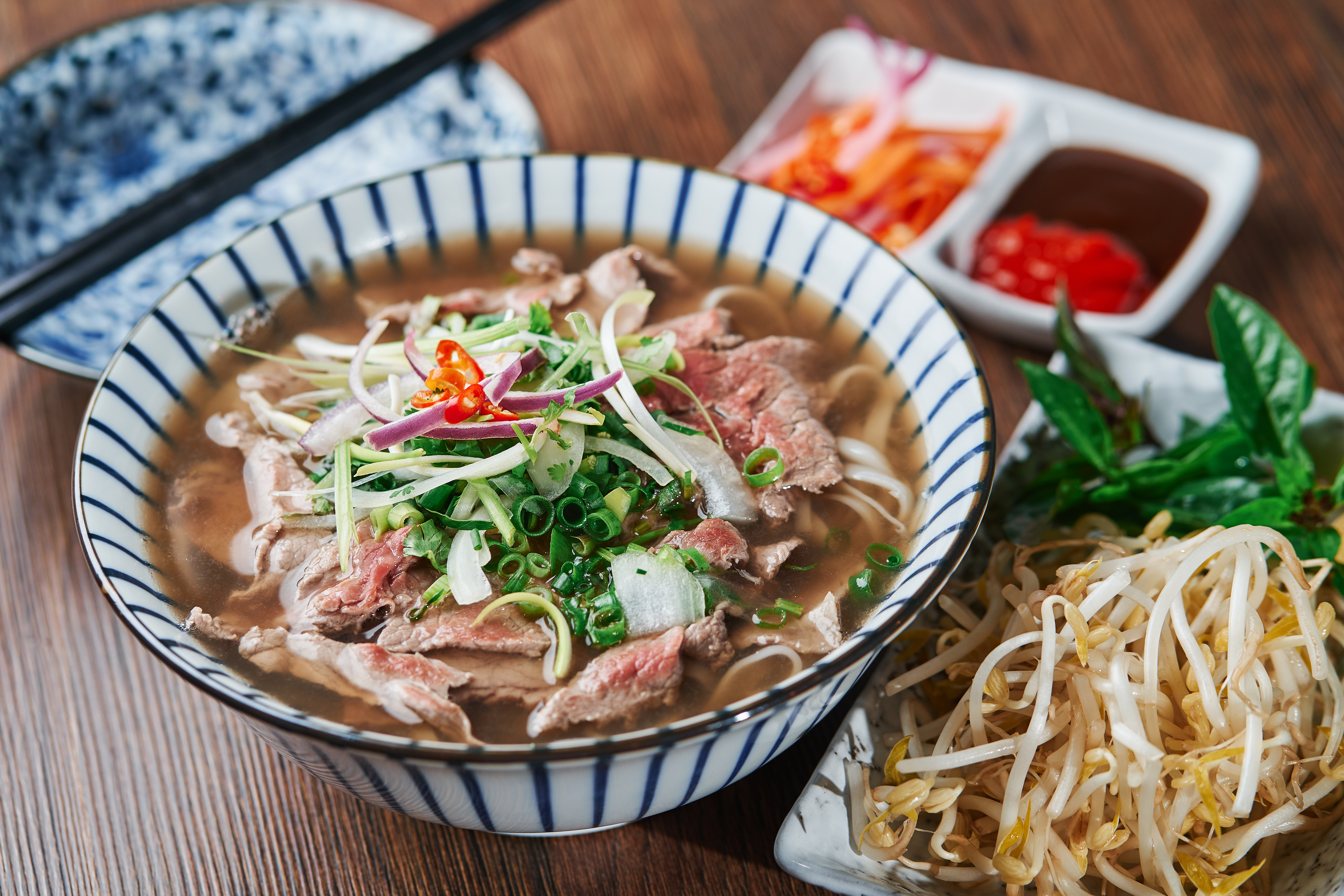
Rice, herbs, noodles, and bright dipping sauces define much of Saigon’s everyday cooking. Meals usually arrive quickly, with fresh ingredients and street stalls giving the city’s food culture its pace.
Phở
This rice-noodle soup is served for breakfast and early lunch across the city, with clear broth, herbs, and slices of beef or chicken. De Tham Restaurant is a well-known stop for a classic bowl.
Bánh mì
Vietnamese baguettes come packed with pork, pate, pickled vegetables, and herbs, and they could be a fast meal any time of day. Banh Mi Huynh Hoa in District 1 is one of the city’s best-known sandwich shops.
Cơm tấm
Broken rice with grilled pork, egg, and pickles is served on a hearty local plate for lunch or dinner. Com Tam Ba Ghien is a long-running favorite in Ho Chi Minh City for this dish.
Gỏi cuốn
Fresh spring rolls with shrimp, pork, noodles, and herbs show the lighter side of the local table, especially when dipped in peanut sauce. Quan Bui is a trustworthy place to order them, along with other southern dishes.
Best time to visit Ho Chi Minh City
Ho Chi Minh City is warm year-round, with a dry season that makes riverfront walks enjoyable and a rainy season that requires more indoor breaks.
Best for: Warm sightseeing weather, café breaks, and long lunch stops
What you get: About 83°F to 100°F (28°C to 38°C), with lighter crowds in March before the first heavy rains in April and May
Trade-offs: Afternoon temperatures are high, and walks outside might be uncomfortable.
Best for: Museum days, food tours, and staying in hotels close to District 1
What you get: About 77°F to 93°F (25°C to 34°C), with fewer tourists than in the peak dry season and frequent rain
Trade-offs: It is a deep monsoon season, so it rains for over 20 days a month.
Best for: Balanced city days with better riverfront weather
What you get: About 75°F to 93°F (24°C to 34°C), with manageable crowds and less frequent rain starting from October
Trade-offs: September still brings heavy rain.
Best for: Market walks, terrace cafés, and the most comfortable walking weather
What you get: About 72°F to 93°F (22°C to 34°C), with the busiest visitor period and the driest weather
Trade-offs: Hotels and flights cost more, and key sights attract larger crowds.
A realistic 5-day plan in Ho Chi Minh City
Across five days, the city works best when you group sights by district and leave room for meals between them. This plan starts with the central core, moves into history and Cho Lon, then returns to the riverfront and a final coffee before departure.
Land at Ho Chi Minh City (SGN), then take a taxi or ride-hail into District 1, which takes 25–50 minutes, depending on traffic, and costs up to VND 316,000 ($12). If you arrive late, stay near Ben Thanh Market or the riverfront so you can check in, drink plenty of water, and keep dinner close to the hotel, perhaps at a sidewalk place on Nguyen Hue or a quiet lane off Le Thanh Ton.
Begin with the War Remnants Museum in the morning, then walk about 10 minutes to the Reunification Palace for a second historical stop before lunch. After that, continue on foot about 10 minutes to Saigon Notre-Dame Cathedral Basilica, then spend another 5 minutes walking to the Saigon Central Post Office area for photos and a short coffee break. End the afternoon in District 1 for an early dinner.
Head into Cho Lon for a temple-and-market day, starting at Thien Hau Temple before the mid-morning crowds build. From District 1, expect 15–25 minutes by taxi to reach the temple, then another short ride to nearby food streets for lunch. Return toward the center afterward and finish with Bach Dang Wharf Park, up to 10 minutes on foot from the riverfront hotels, so that you can walk the promenade near sunset.
Start in the central river district with a walk along Bach Dang Wharf Park, then continue to nearby Nguyen Hue on foot for broad pedestrian views and café stops. From there, ride about 10 minutes to District 3 for a slower afternoon among tree-lined streets, older villas, and local restaurants, with a pause at a café before dinner. If you still have energy, head back to District 1 for a late meal, since the central core keeps the widest choice of restaurants open after dark.
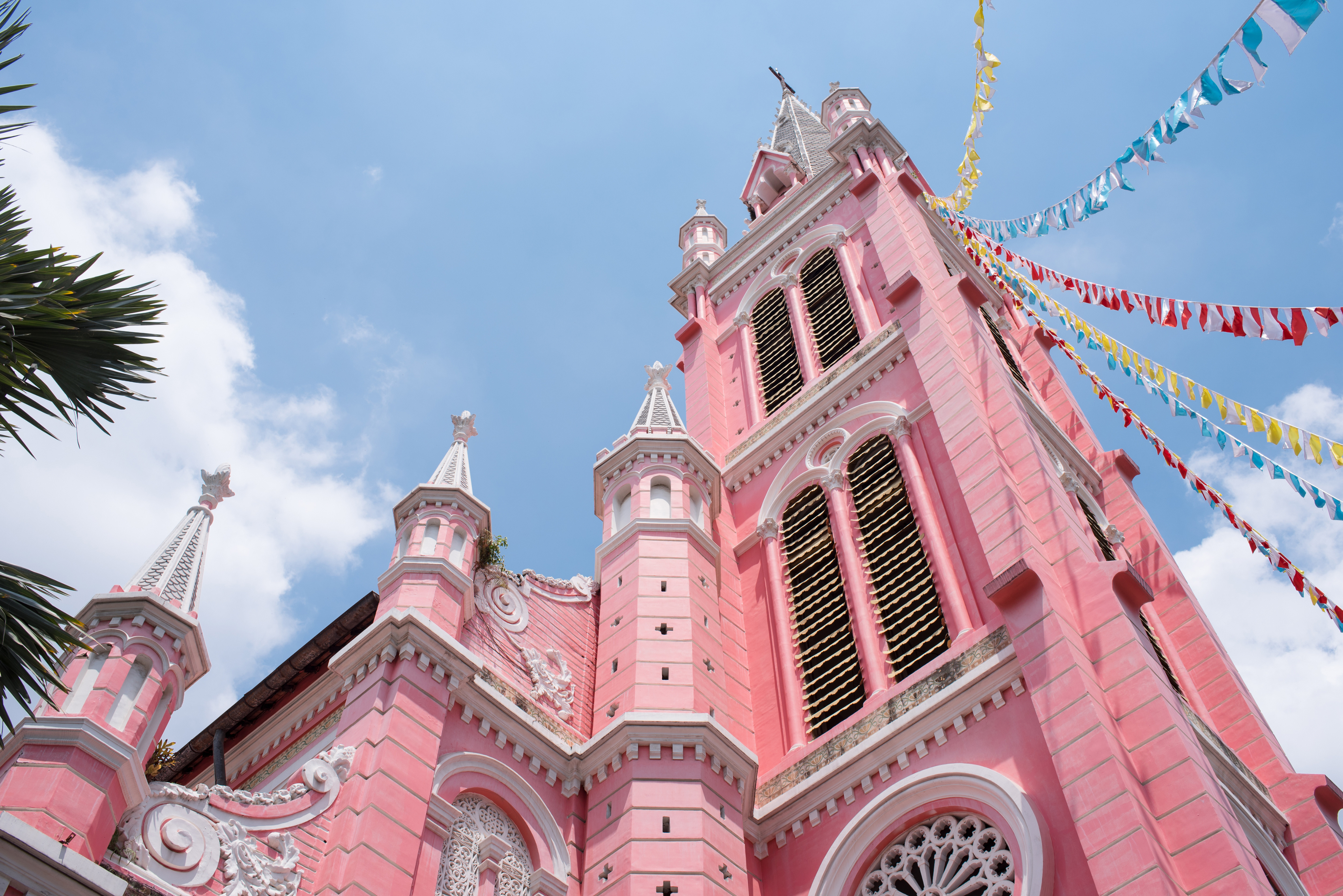
Finish with one last museum visit if you have not yet seen it, or return for a shorter final look at the War Remnants Museum before heading to the shops near Ben Thanh Market in District 1. Then settle into a café in District 3 to savor a coffee, or choose a place near Nguyen Hue if you want to stay closer to the riverfront. Keep your bags ready and leave for Tan Son Nhat Airport (SGN) with enough time for a 25- to 45-minute taxi ride from the center, longer if you are traveling in the evening.
Business-class flights from the US to Ho Chi Minh City
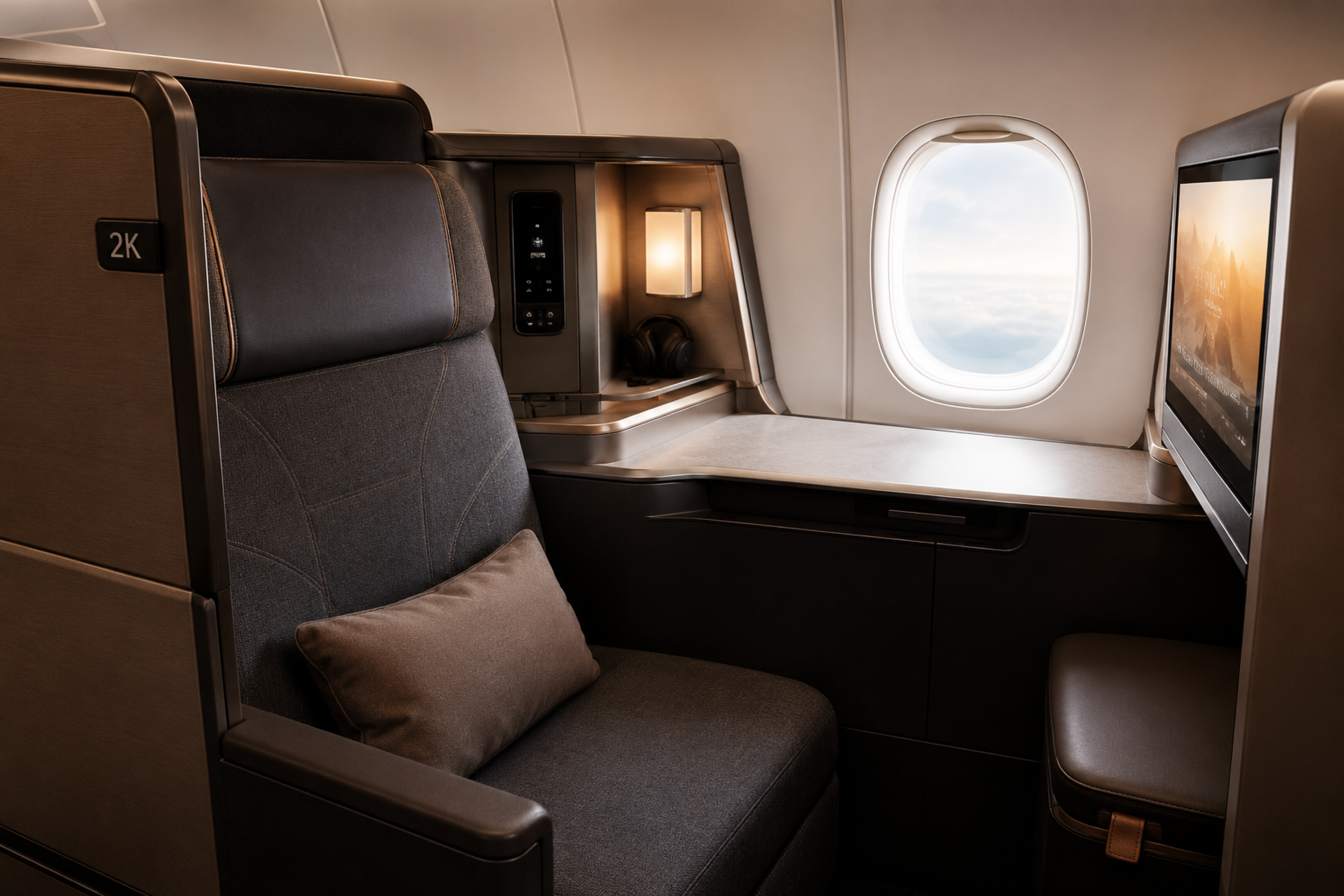
Most flights from the US to Ho Chi Minh City (SGN) include at least one layover, usually through an East Asian or Middle Eastern hub.
New York (JFK) to Ho Chi Minh City (SGN)
Multiple airlines, including Cathay Pacific, Singapore Airlines, Korean Air, EVA Air, Qatar Airways, and United Airlines, offer flights on this route through hubs such as Hong Kong (HKG), Singapore (SIN), Seoul (ICN), and Doha (DOH). The journey takes roughly 20 to 26 hours. Business-class round trips typically range from $4,500 to $9,500.
Los Angeles (LAX) to Ho Chi Minh City (SGN)
EVA Air, China Airlines, Cathay Pacific, Singapore Airlines, and Korean Air are among the main airlines connecting Los Angeles to Ho Chi Minh City. Flights with these airlines include layovers in Taipei (TPE), Tokyo (NRT), Seoul (ICN), Hong Kong (HKG), Singapore (SIN), or Bangkok (BKK). Total journey time is roughly 19 to 27 hours. Business-class round-trip fares are within a similar price range to JFK, broadly $4,500 to $9,500 depending on carrier and season.
Ho Chi Minh City opens up at a slower pace
A focused Ho Chi Minh City trip gives each area a clear role: District 1 for the War Remnants Museum and the Cathedral Square, Cho Lon for Thien Hau Temple, and the riverfront for a sunset walk at Bach Dang Wharf Park. Taxis, ride-hails, and short walks connect them, while District 3 adds quieter meals and coffee. If you want to explore flight options to Ho Chi Minh City from the US, you can reach out to our experts at AranGrant. They will help you choose a flight that suits your preferences and travel dates.







