

Chapters:

Need help with your trip?
Our support team is available 24/7. Request a callback or call us directly at (833) 619-0908
Helsinki itineraries often begin at the station, move to Senate Square and Suomenlinna, then leave the city’s quieter design streets for another trip. Travelers who follow that loop usually see the headline sights, but they miss how much the center changes once you build in tram rides, ferry timing, and neighborhood meals.
That matters because Helsinki spreads key stops across harbor edges, compact districts, and island crossings. A day can disappear in backtracking if you pair the wrong sights, and the most crowded hours tend to land where routes converge.
This guide arranges the city by movement and neighborhood, so each day connects cleanly, with room for transit, meals, and the right stop at the right hour.
Useful things to know

Main language(s): Finnish, Swedish
Hei (hay) – Hello
Ole hyvä (OH-leh HOO-vah) – Please
Kiitos (KEE-tohs) – Thank you
Puhutko englantia? (POO-hoot-koh eng-LAHN-tee-ah) – Do you speak English?
Paljonko se maksaa? (PAHL-yohn-koh seh MAHK-sah) – How much does it cost?

Currency: The local currency is the euro (EUR, €).

Cash and cards: Cards and contactless are widely accepted; carry about €20 to €40 ($22 to $43) for small kiosks or backups.

Tipping: Round up taxi fares and small bills; leave about 5-10% in restaurants only for very good service.

Traditional food: Karjalanpiirakka, salmon soup, reindeer, Finnish cinnamon bun

Water and coffee costs: Water about €2 ($2), bar espresso about €3 ($3).

Taxis and ride apps: Uber and Bolt operate here; taxi apps also work, but pick licensed cars only.

Plug and voltage: Type C/F socket, 230V

Dining and shop opening hours: Breakfast is about 7:00-10:00, lunch 11:00-14:00, and dinner 17:00-21:00. Many restaurants close earlier on Sundays, and some kitchens stop serving by 21:00.

Emergency number: Call 112 for police, fire, or medical emergencies.
Where to stay in Helsinki
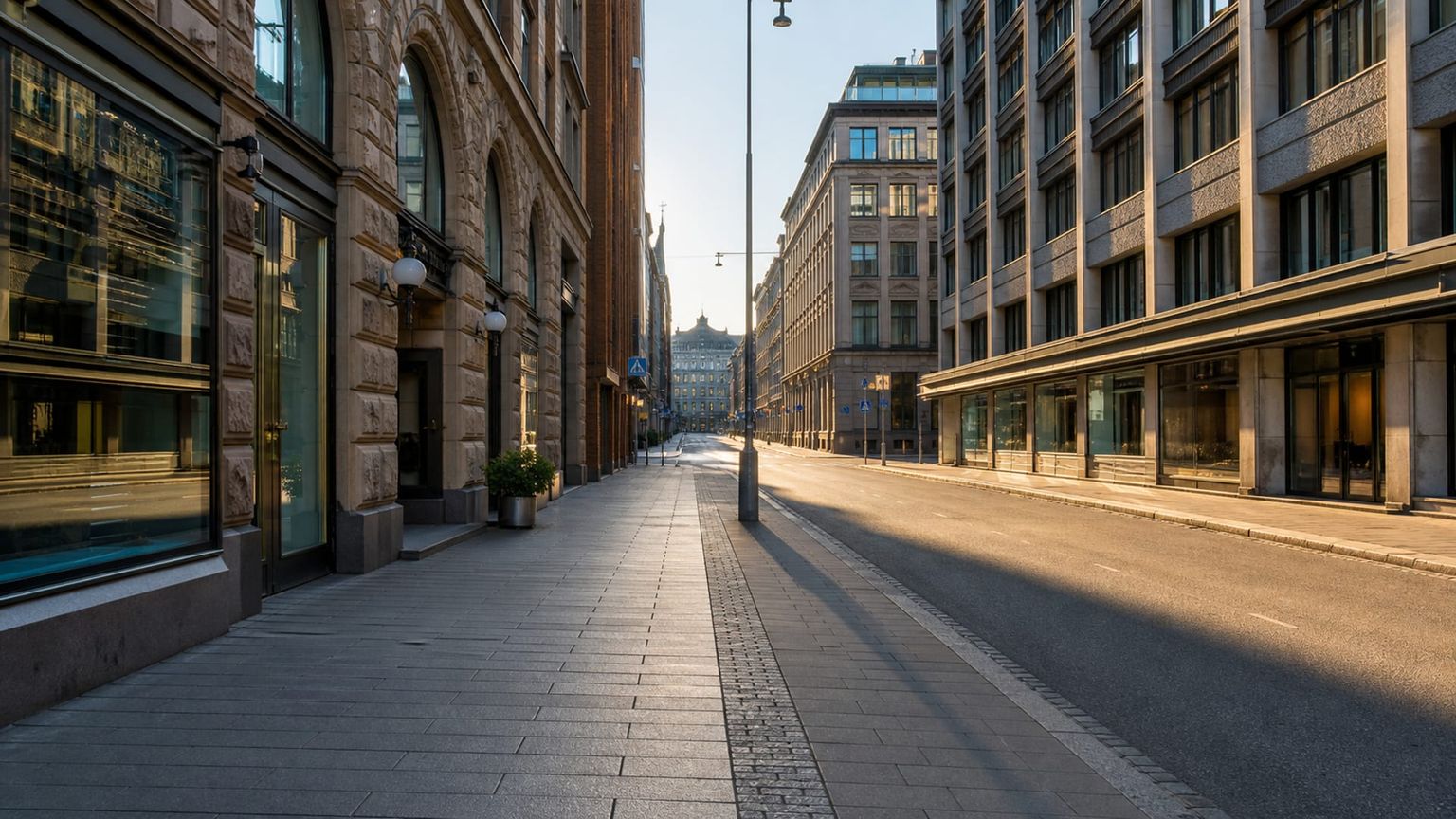
Kluuvi sits in Helsinki’s center, beside the Central Railway Station, Esplanadi, and the main shopping streets. It puts museums, department stores, trams, and the harbor within an easy walk, so you can spend less time crossing the city and more time seeing it.
Best for: First-time visits, short stays, and travelers who want the city’s main sights within walking distance
What to expect: Busy sidewalks, late-opening restaurants, and a constant flow of commuters and shoppers.
Hotel prices: Usually about €170 to €280 (~$185 to ~$305) per night for well-rated stays
Distance to major sights: 5 minutes on foot to Helsinki Central Railway Station, 10 minutes on foot to Esplanadi, 12 minutes on foot to Market Square
Quietness: Busy through the day, with noticeably less foot traffic late at night once shops close.
Main trade-off: Hotels here cost more than in outer districts, and the busiest streets can feel crowded during shopping hours.
Good to know: If you plan to use the train, this area cuts arrival and departure time to a minimum, and many sights sit close enough for easy walks.
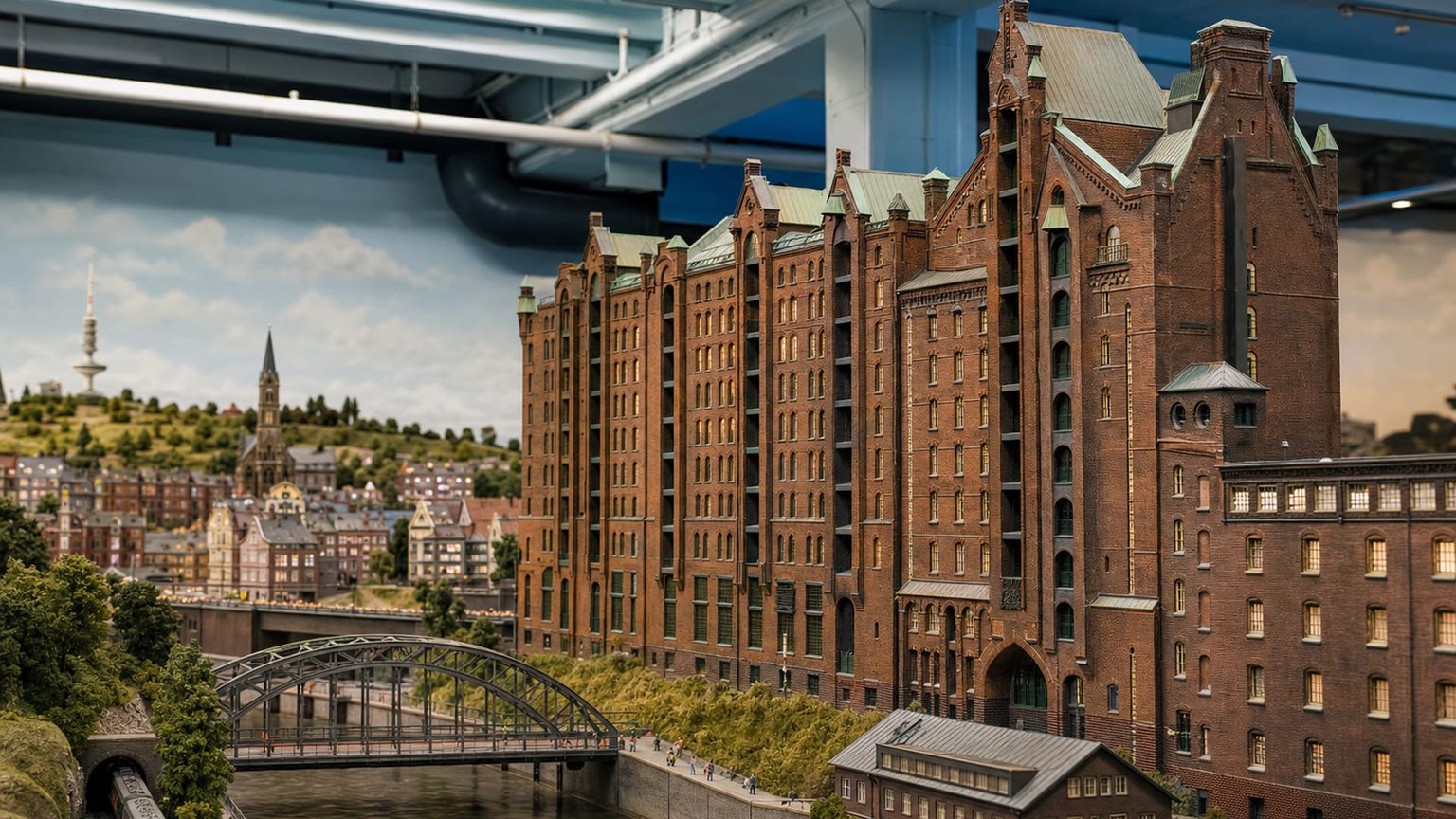
Kamppi is Helsinki’s transport hub, with the main bus terminal, Metro access, and a dense mix of hotels, restaurants, and offices. It matters because you can move quickly across the city while still staying close to the center and the design district.
Best for: Transport access, short stays, and travelers who want easy Metro and bus connections
What to expect: Active streets, steady commuter traffic, and a mix of chain hotels, cafes, and casual dining spots.
Hotel prices: Usually about €150 to €250 (~$165 to ~$275) per night for well-rated stays
Distance to major sights: 8 minutes on foot to Helsinki Central Railway Station, 12 minutes on foot to Esplanadi, 15 minutes on foot to the Design Museum
Quietness: Lively by day, then quieter after office hours, although hotels near the terminal can stay busy late.
Main trade-off: The area is convenient, but some blocks look functional rather than scenic, and traffic near the terminal can add noise.
Good to know: Choose a room away from the bus terminal if you want less late-night noise, since the busiest streets funnel arrivals and departures.
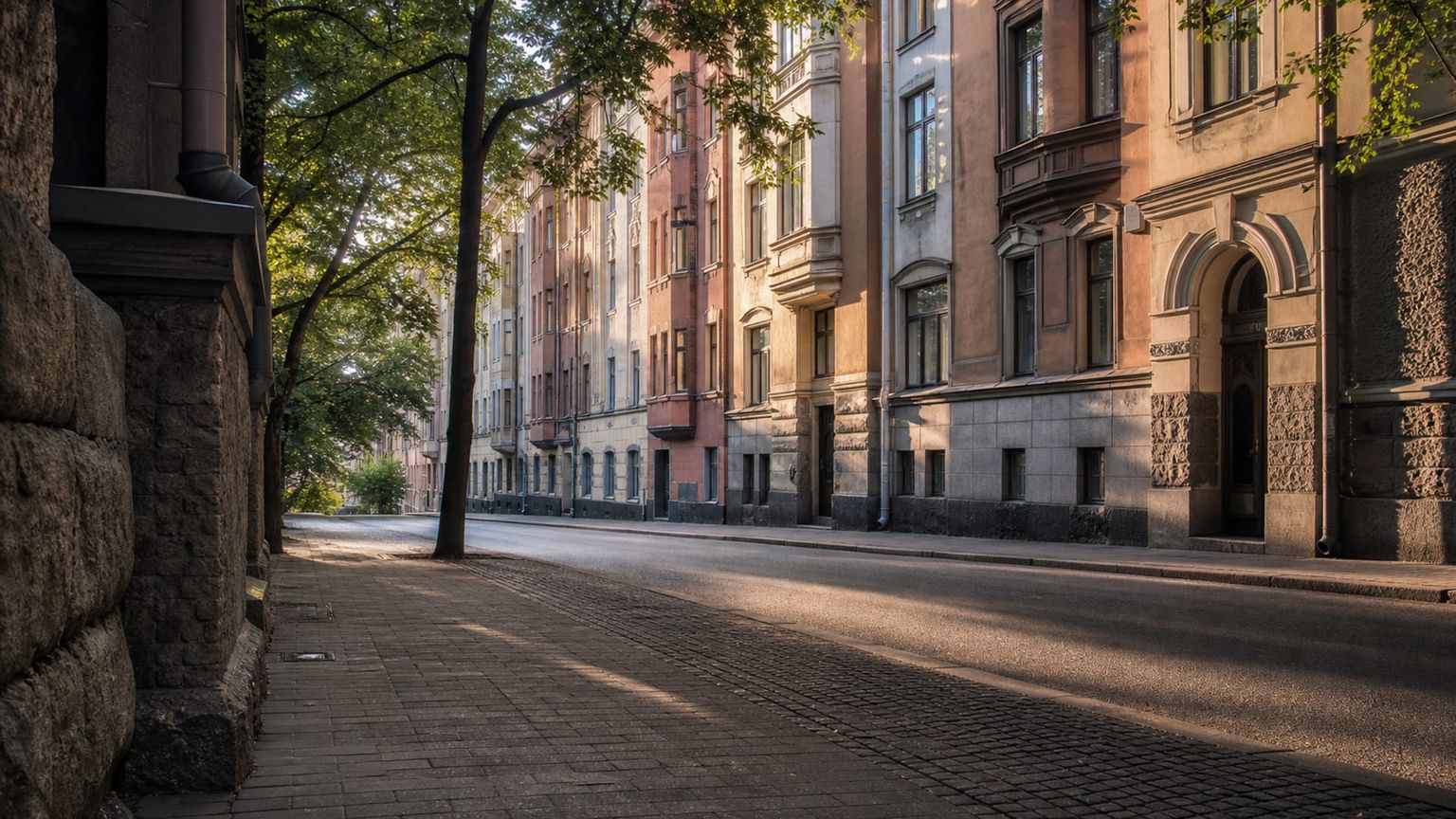
Punavuori is a compact south-central district known for cafes, independent shops, galleries, and older apartment buildings. It works well for travelers who want a neighborhood with more local dining and an easy walk to the Design Museum, the harbor edge, and central Helsinki.
Best for: Dining, design shopping, and travelers who prefer a neighborhood base with local character
What to expect: Small streets, active cafe terraces, and a steady evening crowd that gathers for dinner and drinks.
Hotel prices: Usually about €140 to €240 (~$155 to ~$265) per night for well-rated stays
Distance to major sights: 12 minutes on foot to Esplanadi, 15 minutes on foot to Market Square, 10 minutes on foot to the Design Museum
Quietness: Calm in the morning, then busier at dinner and on weekend evenings near the main restaurant streets.
Main trade-off: You gain a stronger dining scene, but you will walk a bit more to the Central Railway Station and some harbor sights.
Good to know: If you plan to eat out often, book near the tram lines, because dinner and late returns become easier without relying on taxis.
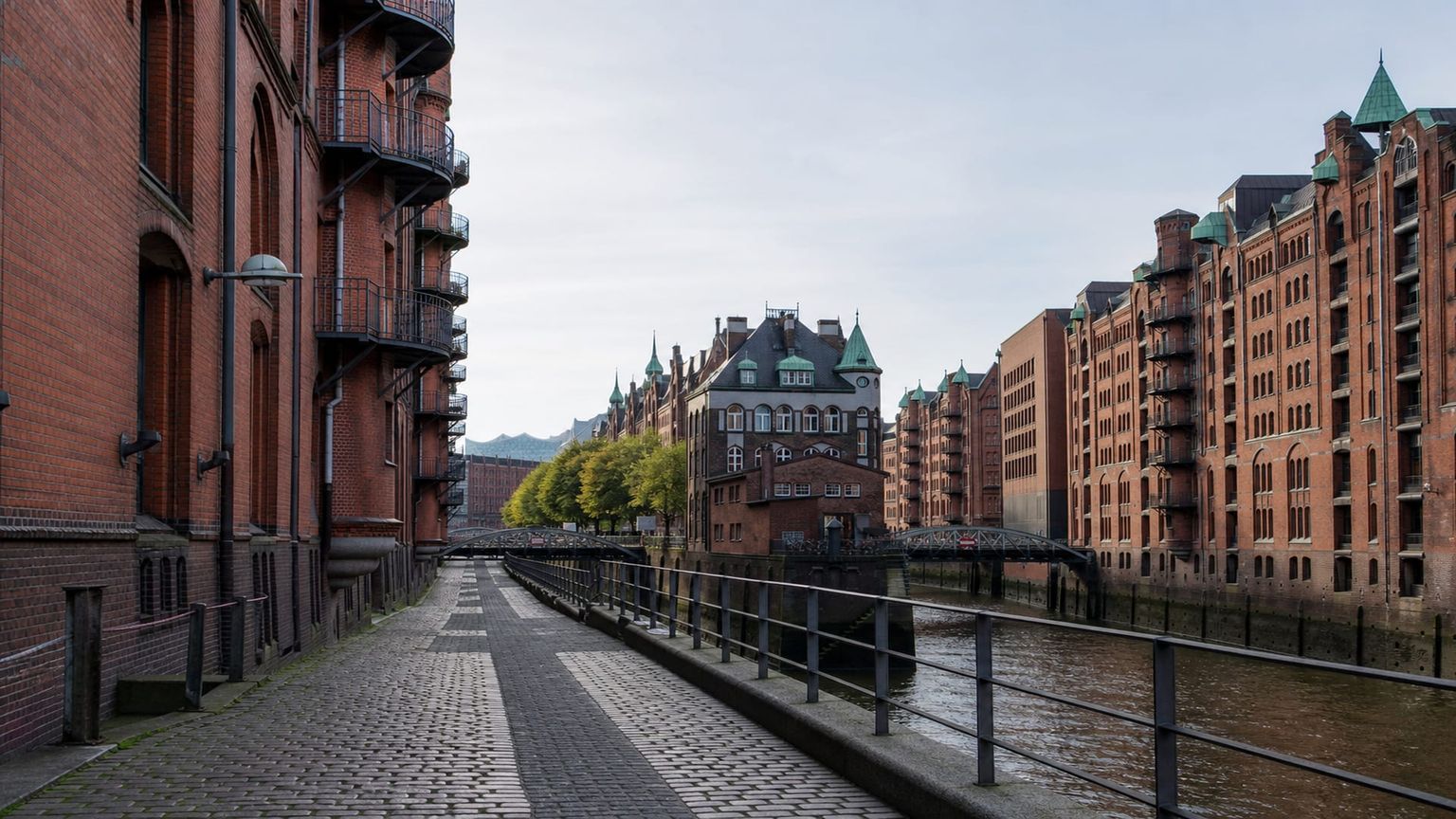
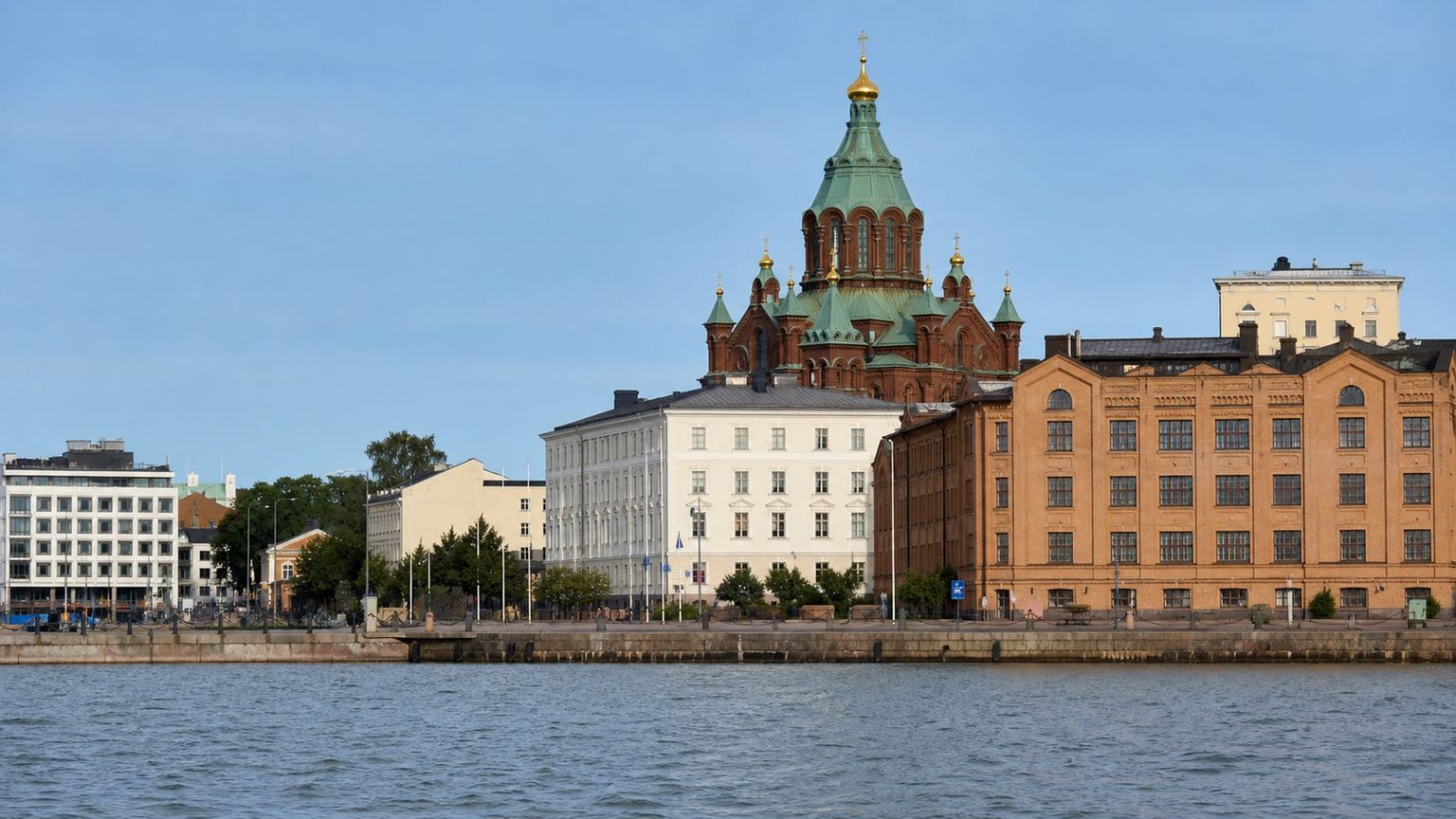
Katajanokka is a waterfront peninsula east of the center, known for its Art Nouveau apartment blocks, ferries, and harbor views. It suits visitors who want a quieter residential base with quick access to Market Square, the ferry terminals, and the Uspenski Cathedral area.
Best for: Harbor views, ferry departures, and travelers who want a quieter base near the center
What to expect: Residential streets, cruise and ferry traffic near the quays, and a slower pace than the core shopping areas.
Hotel prices: Usually about €150 to €260 (~$165 to ~$285) per night for well-rated stays
Distance to major sights: 10 minutes on foot to Market Square, 12 minutes on foot to Uspenski Cathedral, 18 minutes on foot to Helsinki Central Railway Station
Quietness: Quiet on residential streets, with more activity near the ferry docks and quays during the day.
Main trade-off: The setting is calmer, but most shopping streets and the main station sit a longer walk away than in the core.
Good to know: Check ferry schedules if you are leaving early, since the harbor edge can add extra walking time even when the center looks close.
Travelers usually avoid Vuosaari, Mellunmäki, and Kontula for a hotel base, because they sit far from Helsinki’s main sights and have fewer visitor-oriented hotels, restaurants, and late-night options. Pitäjänmäki and Malmi are also less convenient for short stays, since they are mainly residential or commuter areas and require longer metro or train trips into the center.
Hotel deals
How to get around Helsinki efficiently
Helsinki’s transport network works best when you treat the center as walkable and use the I and P train, trams, ferries, and taxis only for the longer links or late returns.

Metro
for longer distances
The metro runs east from Helsinki city center to eastern districts, with service to the western extension in Espoo; it does not serve Helsinki Airport, so travelers usually switch to the I or P train at Helsinki Central or to a bus if they are heading to the airport. Tickets are valid for about 80 to 110 minutes depending on the zone, and a single adult zone ticket costs about $3 to $6 (€2.80 to €5.60), with airport trips priced by zone rather than by a separate airport fare.

Bus and tram
for convenience
Helsinki’s trams cover the center, Töölö, and nearby waterfront neighborhoods, while buses fill in the outer districts and late-night links; buy a HSL ticket in the app or from machines before boarding, then use it for transfers within the validity window, which is roughly 80 to 110 minutes. A single adult ticket usually costs about $3 to $6 (€2.80 to €5.60), and airport-bound buses and the ring-road routes tie the terminal to the city without needing a taxi.

Taxi
for convenience or late hours
Licensed taxis use metered fares rather than set citywide prices, and the meter starts with a base charge plus distance and time, so a ride from central Helsinki to Helsinki Airport usually costs about $45 to $60 (€42 to €56), with late-night traffic pushing the total higher. You can hail one at designated ranks, book by phone or app, or use the airport taxi stands; most cabs take cards, and fixed-price airport offers from operators are common, though you should confirm the quote before entering.
*Prices are based on rates updated as of June 2026 and may change at the time of travel.
Use the train for Helsinki Airport, trams for the center and nearby districts, ferries for Suomenlinna, and taxis when you want the simplest end to an evening.
Iconic landmarks
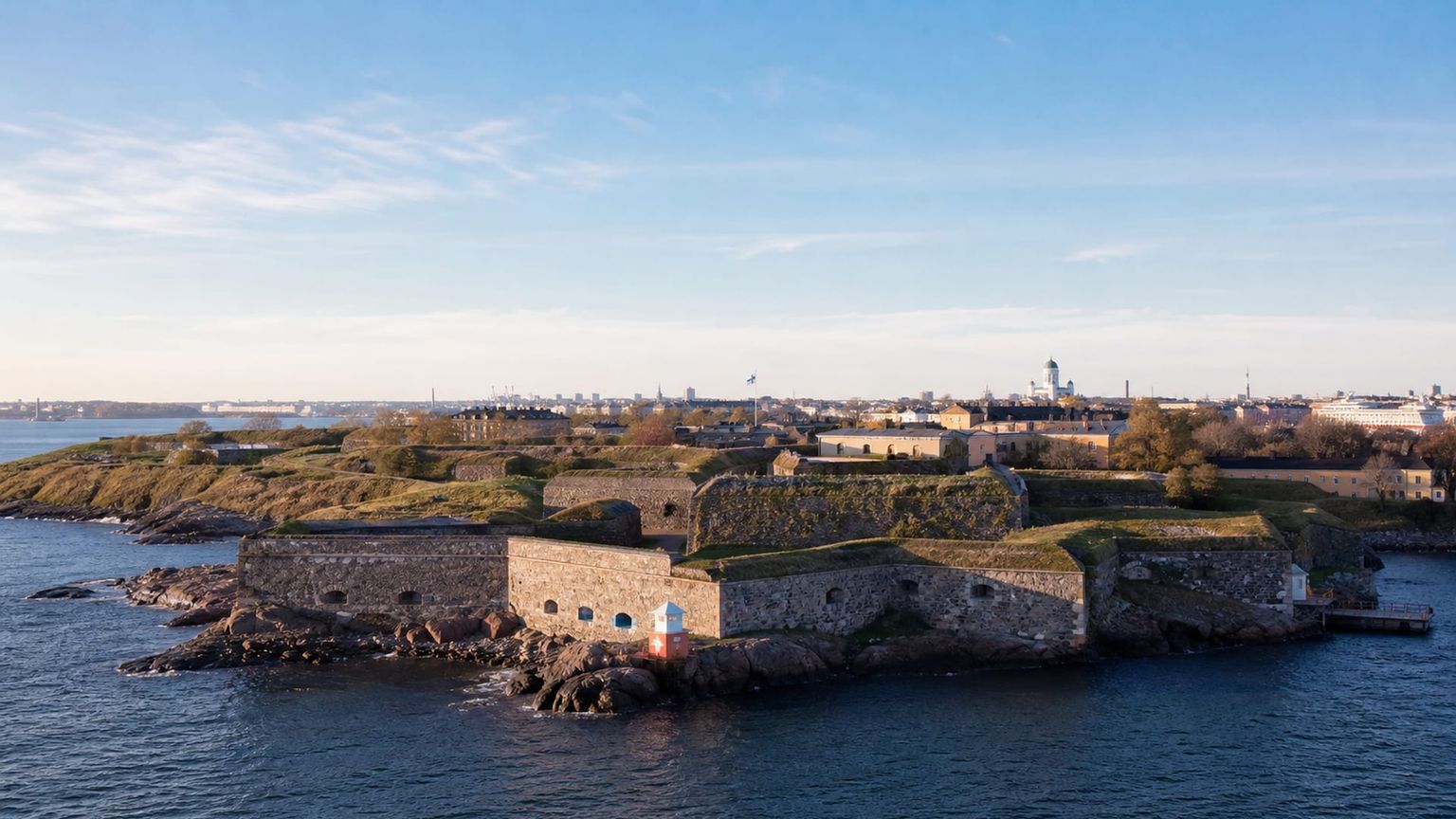
Suomenlinna Sea Fortress
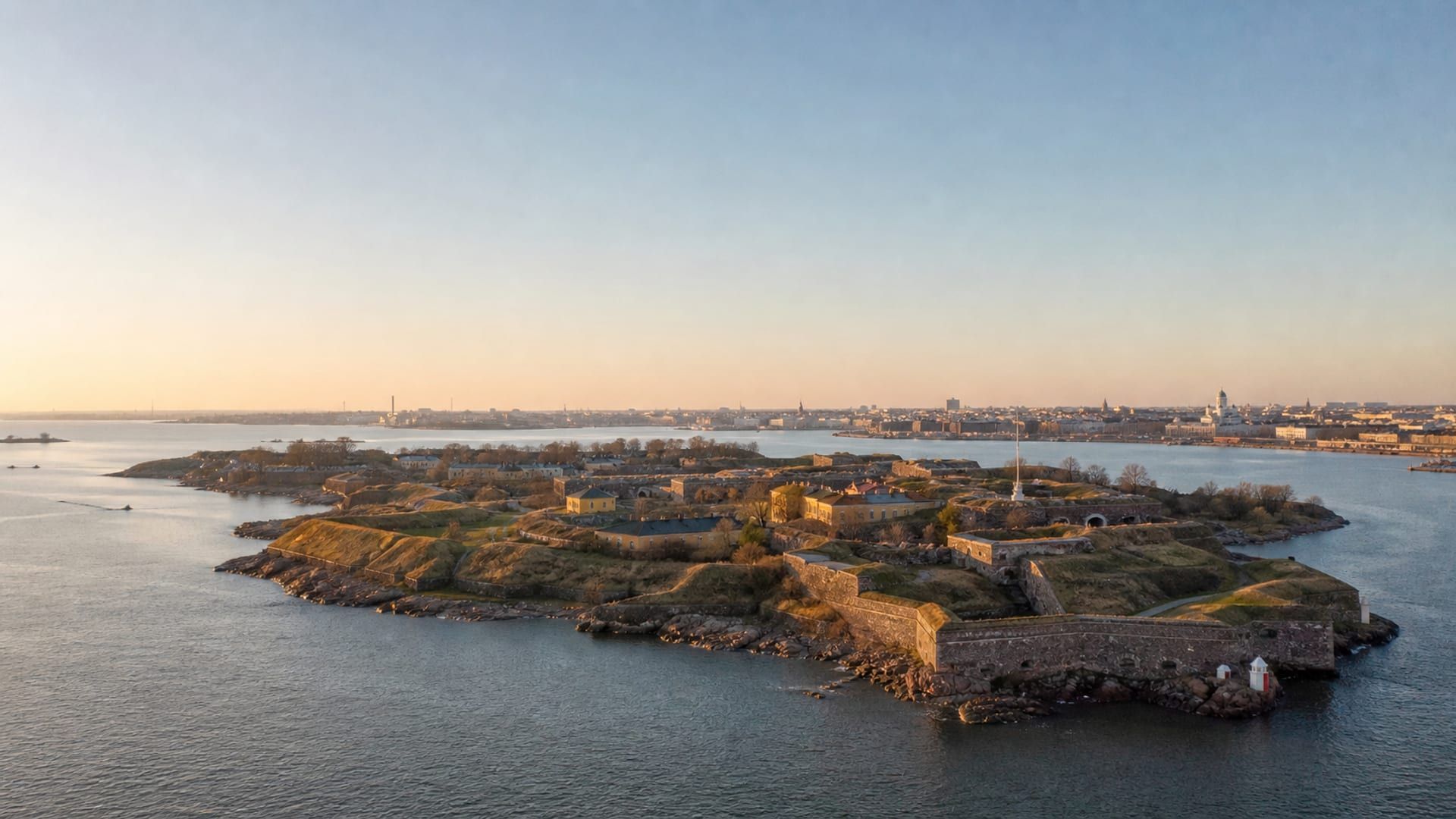
This 18th-century sea fortress spans six linked islands, with walls, barracks, tunnels, and sea views across the harbor. Its museums and walking paths show Helsinki’s military history and island setting in one compact visit.
Time needed: About 3 to 4 hours
Entry: HSL ferry fares start at $4 ($3.20) for a single adult zone ticket; island museums charge extra, while outdoor fort grounds are free to enter. Visit the official site for details.
Tip: Go early for quieter paths and better light on the sea walls and towers.
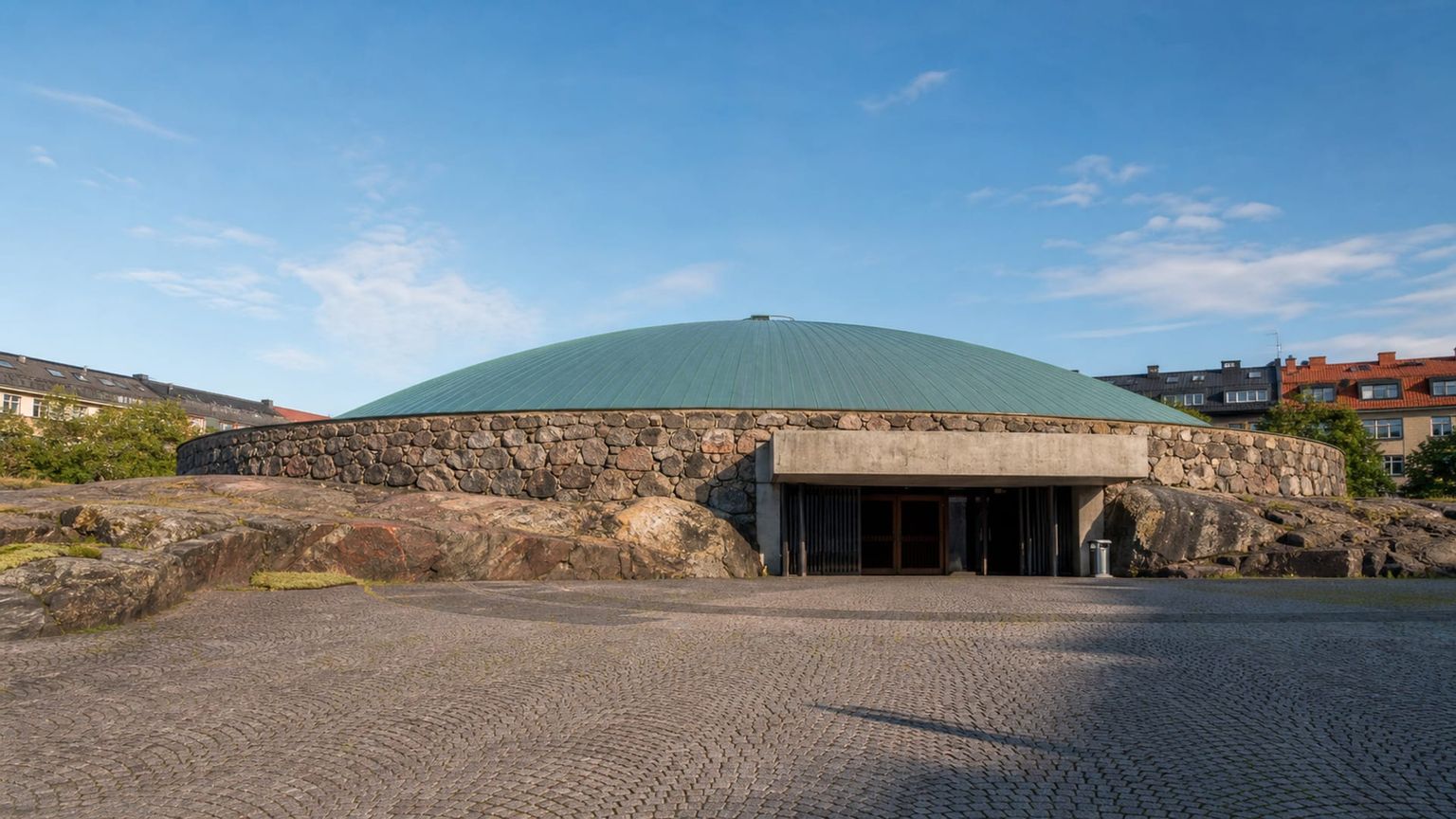
Temppeliaukio Church
This rock-cut Lutheran church is carved directly into solid bedrock, with a copper dome set on a circular skylight ring. Its rough stone walls and clear acoustics make it one of Helsinki’s most distinctive interior spaces.
Time needed: About 45 to 60 minutes
Entry: Admission costs $8 to $10 (€7 to €9), with reduced rates for children and students; guided visits and concerts cost extra when offered. Visit the official site for details.
Tip: Visit between services, since daylight from the skylight defines the interior best.
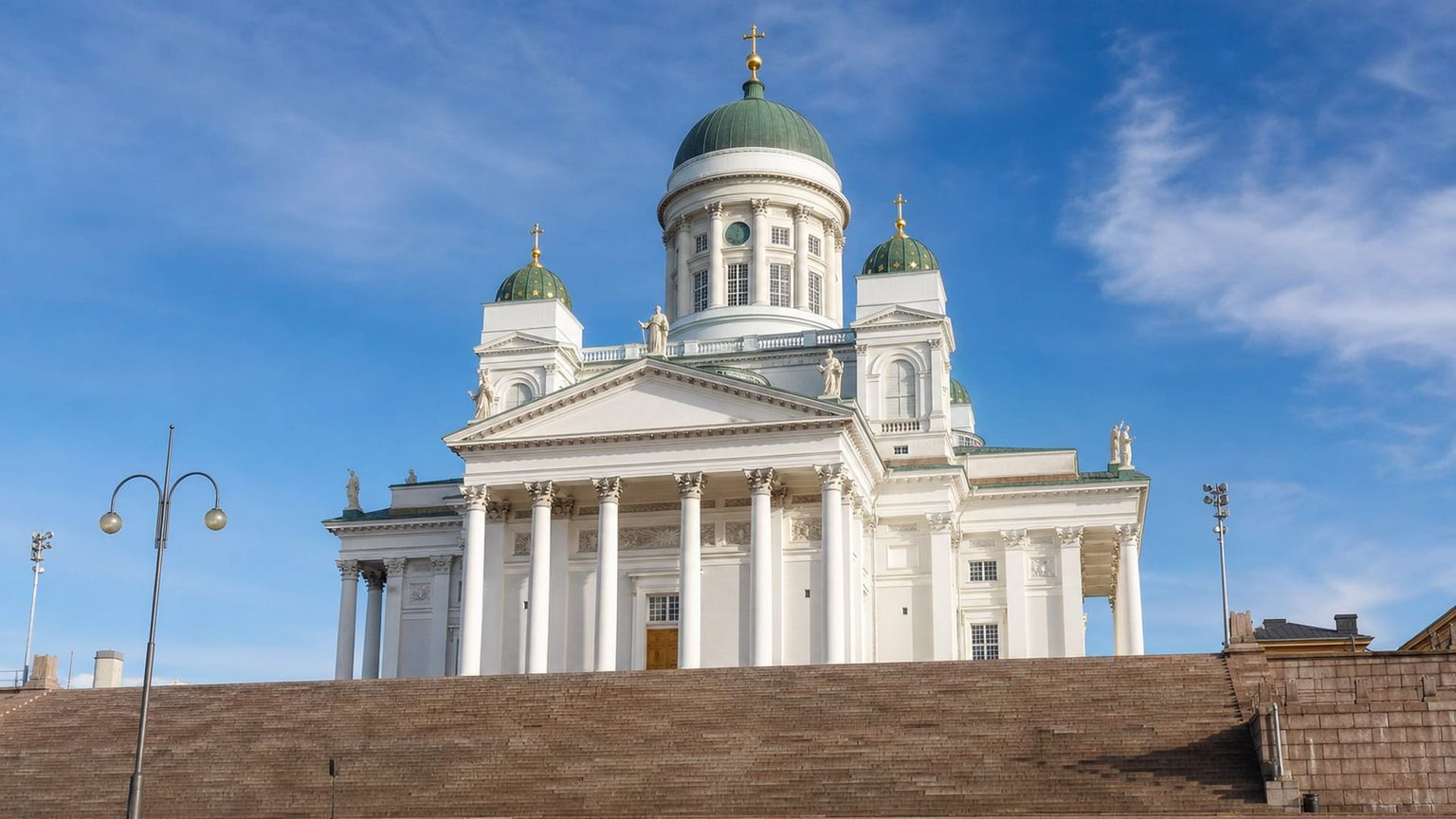
Helsinki Cathedral
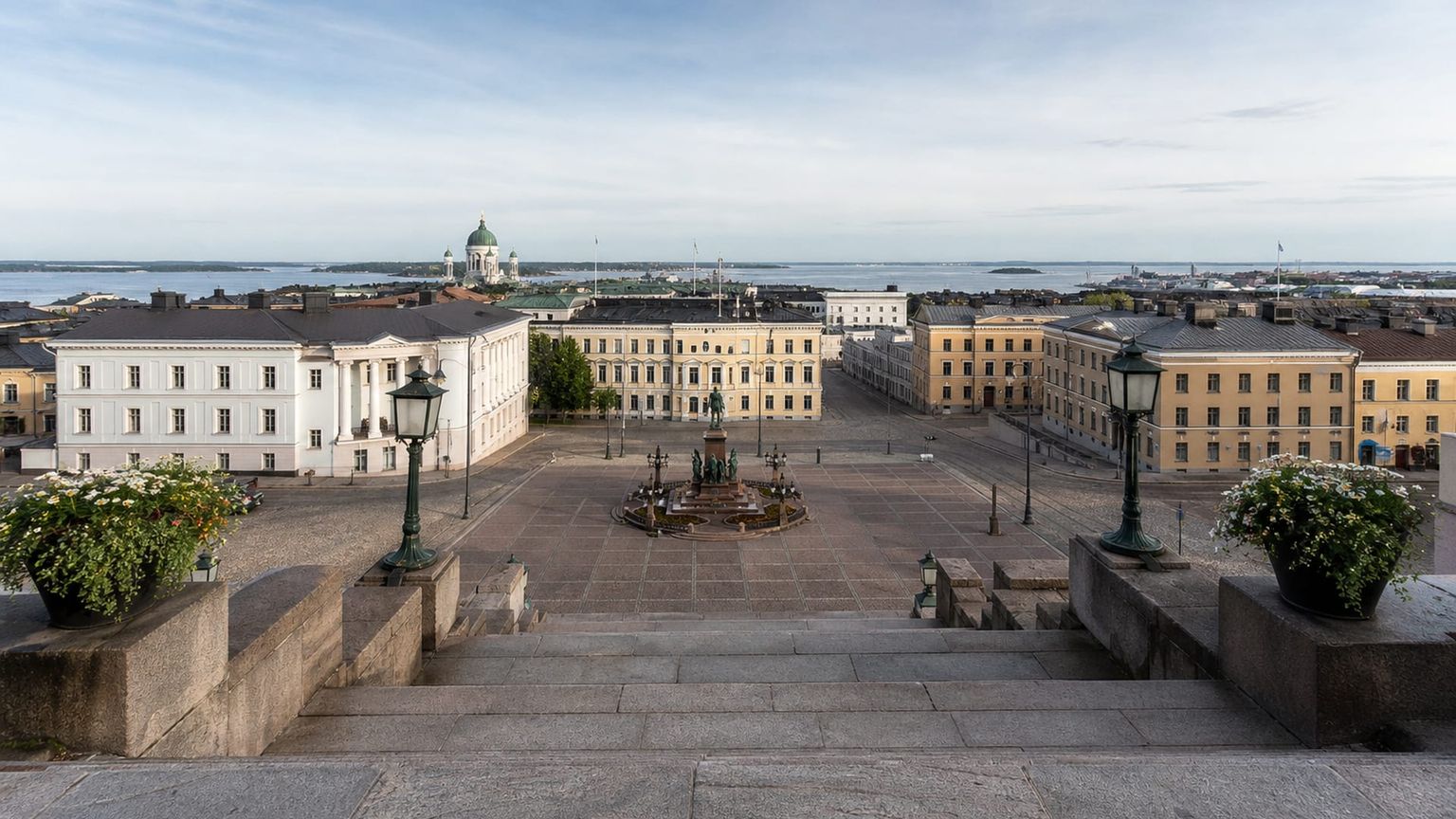
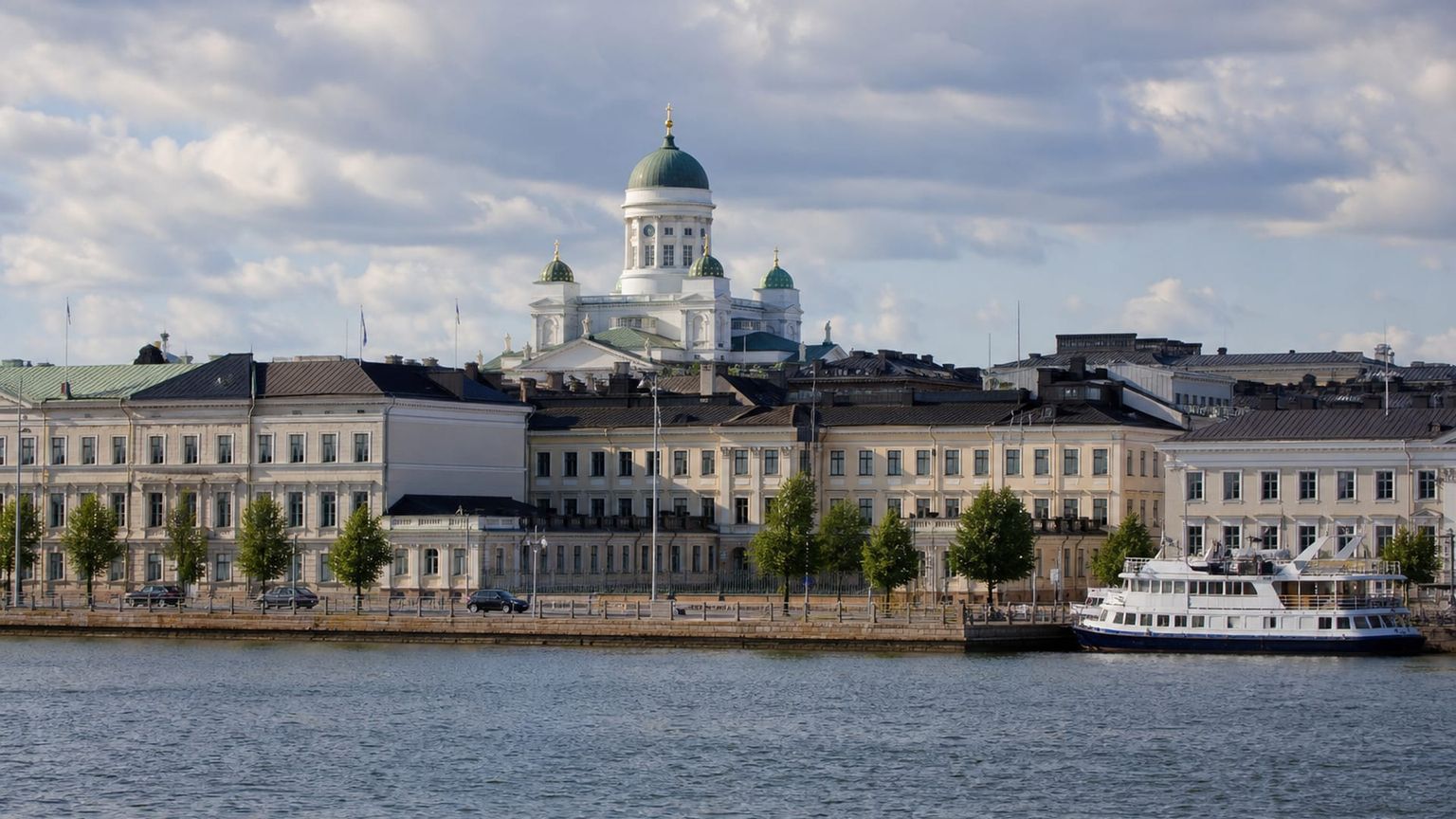
Rising above Senate Square, this white neoclassical cathedral anchors the city center with a broad stairway and green copper domes. The interior is spare, while the square below frames one of Helsinki’s most recognizable views.
Time needed: About 30 to 45 minutes
Entry: Free to enter the cathedral nave; tower access, when open, costs $6 to $8 (€5 to €7) and may close during weather or events. Visit the official site for details.
Tip: Arrive near sunset, when the facade glows and the square has fewer tour groups.
Overlooked sites worth visiting

Seurasaari Open-Air Museum
On Seurasaari island, wooden houses from across Finland line wooded paths and shoreline boardwalks. It pairs well with a quiet walk, and the summer museum season adds live demonstrations.
Time needed: About 2 to 3 hours
Entry: Adult admission is about $14 (€13), with reduced rates for children and seniors; prices vary by season and by special events. The island itself is open for walking year-round, but museum buildings use seasonal opening hours. Visit the official site for details.
Tip: Visit late afternoon for softer light on the red timber buildings.

Didrichsen Art Museum
This compact museum on Kuusisaari pairs modern art with a low-key lakeside setting and a small sculpture garden. Its size makes it easy to see in one visit without rushing.
Time needed: About 1 to 1.5 hours
Entry: Standard tickets cost about $16 (€15), with lower prices for students and children; some exhibitions can carry separate fees. Check current opening days before you go, since the museum closes between exhibition periods. Visit the official site for details.
Tip: Go on a weekday morning to avoid the busiest gallery hours.
Traditional food
Helsinki cooking leans on fish, rye, root vegetables, and dairy, with Karjalanpiirakka, salmon soup, reindeer, and cinnamon buns showing up across cafes, market halls, and neighborhood restaurants.
Karjalanpiirakka
This Karelian pasty pairs a thin rye crust with rice porridge, often served with egg butter. Ravintola Kuu is a strong Helsinki address for a classic version.
Salmon soup
Lohikeitto combines salmon, potatoes, leeks, and dill into a creamy, lightly brined bowl that fits Helsinki’s market and harbor setting. Savotta serves a well-known version near Senate Square.
Reindeer
Reindeer often arrives as a seared main with root vegetables, berries, or mash, bringing a deeper northern flavor to the table. Nokka is a strong choice for a refined Helsinki plate.
Finnish cinnamon bun
Pulla, the Finnish cinnamon bun, appears in cafes as a cardamom-scented bake with coffee. Café Ekberg is one of the city’s classic stops for it.
Best time to visit Helsinki
Helsinki shifts clearly by season, with long summer light for ferries and walks, while winter favors museums, cafes, and shorter sightseeing blocks between cold, dark hours.
Best for: Museums, sauna breaks, and compact city-center days
What you get: About 21 to 34°F (-6 to 1°C), with fewer visitors and short daylight hours
Trade-offs: Cold winds and limited light can shorten outdoor plans
Best for: Cathedral squares, harbor walks, and the first comfortable ferry days
What you get: About 31 to 55°F (-1 to 13°C), with moderate crowds that build toward May
Trade-offs: Weather can change quickly, especially near the water
Best for: Suomenlinna, Seurasaari, and long evenings in outdoor cafes
What you get: About 55 to 72°F (13 to 22°C), with the heaviest visitor numbers in July
Trade-offs: Popular sights and ferry departures can be busy
Best for: Design District walks, gallery visits, and calmer restaurant nights
What you get: About 36 to 55°F (2 to 13°C), with fewer crowds after early September
Trade-offs: Rain and early darkness become more common by late autumn
A realistic 5-day plan in Helsinki
The five-day plan below keeps Helsinki compact without flattening it into a checklist. It starts with the center, then moves to the harbor, the design district, and the museum-heavy west side before easing into departure day.
Land at Helsinki (HEL) and head into the center by train or taxi, then check in near Kluuvi or Kamppi so you can reach the station, the harbor, and Esplanadi without a long first walk. The train from Helsinki Airport to Helsinki Central Railway Station takes about 30 minutes and costs about $5 to $6, while a taxi to Kluuvi usually takes about 25 to 35 minutes and costs about $50 to $70, depending on traffic and time of day. Once you are settled, walk to Esplanadi for a short stretch, then have an easy dinner near Market Square or along the Kluuvi side streets, and finish with water and an early night.
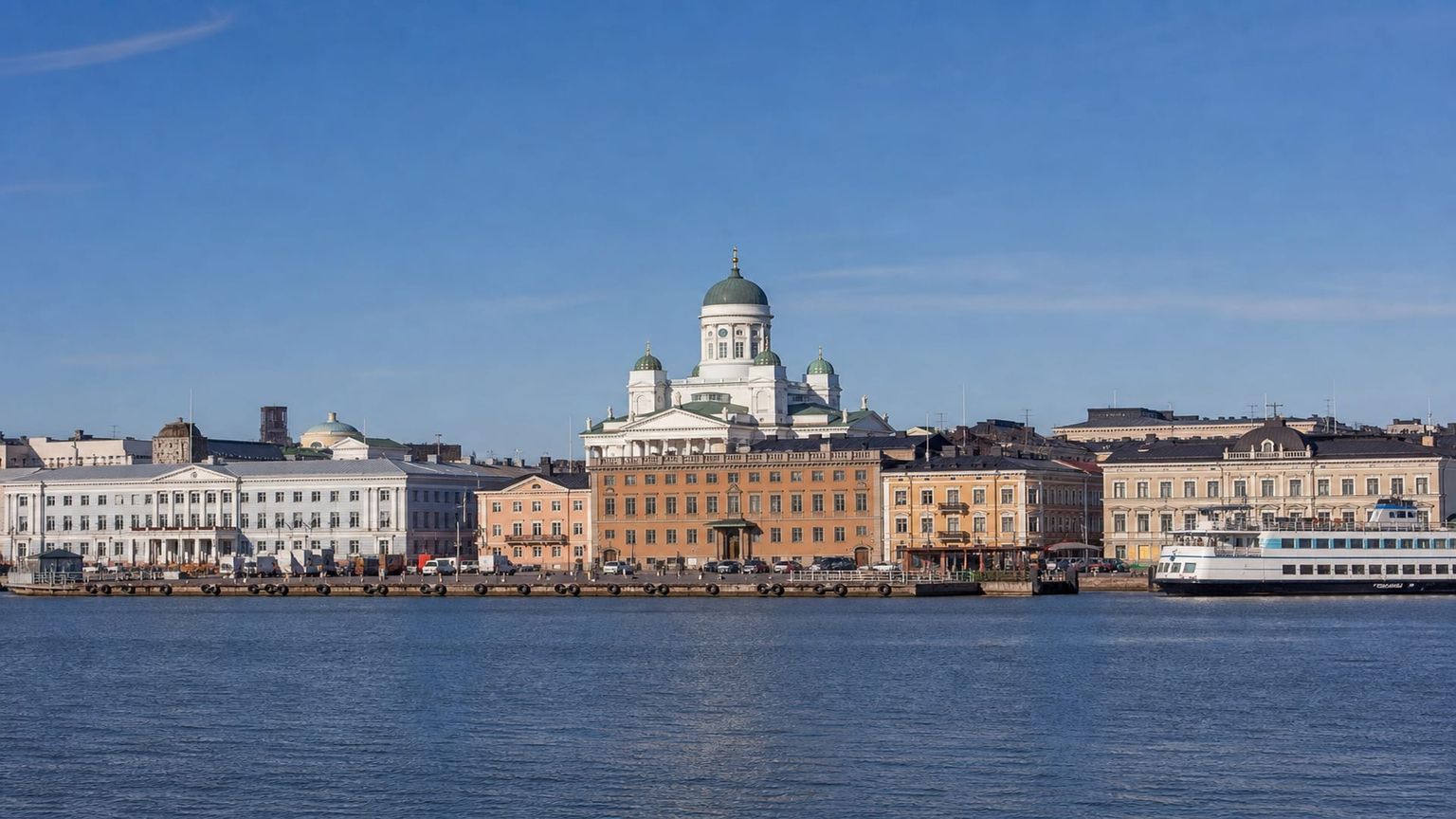
Start with Helsinki Cathedral at Senate Square, then walk about 10 minutes to Market Square for the harbor edge and a coffee stop before taking the HSL ferry to Suomenlinna Sea Fortress. Plan roughly 3 to 4 hours on the island, including the ferry ride and time on the walls, paths, and tunnels, then return to the center and spend the late afternoon in Kluuvi or Kamppi for a low-key meal near your hotel. If you still have energy, a tram or short walk back through Esplanadi gives you an easy final look at the center without adding much distance.
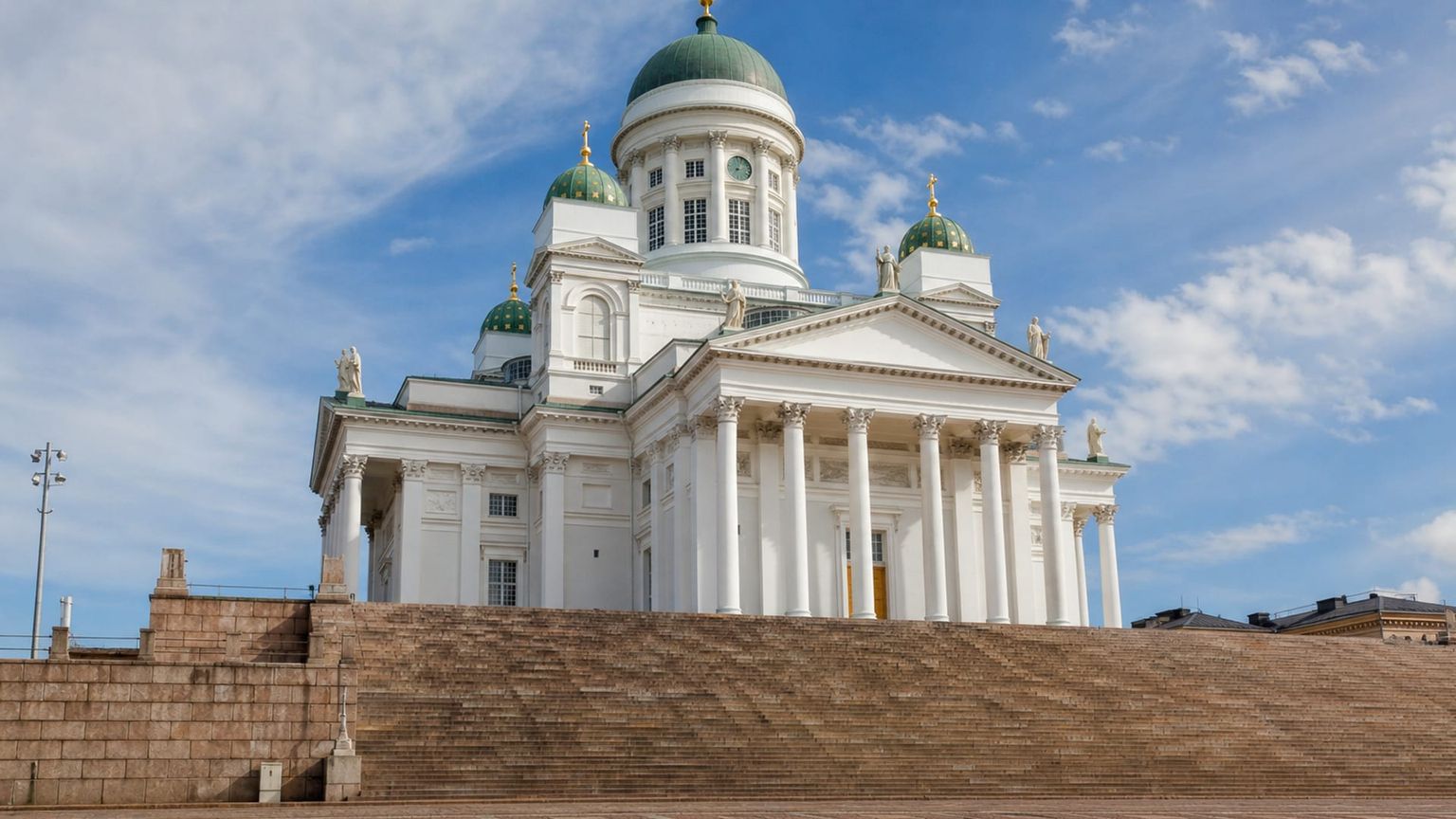
Begin in Punavuori, where the streets around the Design Museum make a good first stop, then continue on foot toward the nearby Design District shops and cafes. From there, walk about 15 minutes to Temppeliaukio Church, allowing 45 to 60 minutes inside for the rock-cut interior and skylight. Afterward, return toward Kamppi in about 10 minutes by foot or a short tram ride, then end the day with dinner in Punavuori, where the restaurant streets stay busiest in the evening.
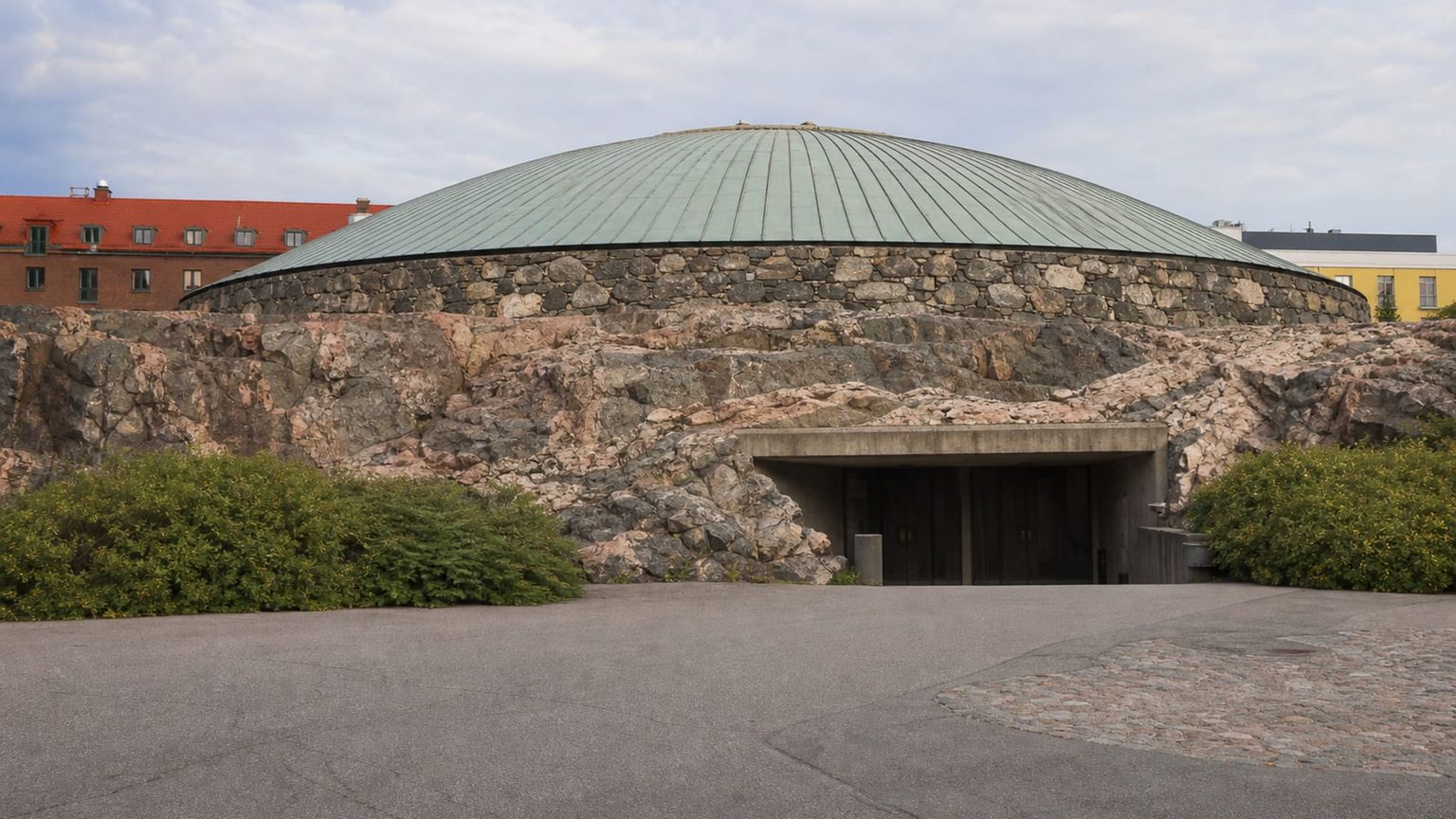
A morning ferry or tram ride to Seurasaari Open-Air Museum sets up a slower day, and the island walk takes about 2 to 3 hours once you factor in the paths, shoreline boardwalks, and museum buildings. After lunch, continue to the Didrichsen Art Museum on Kuusisaari, which takes about 1 to 1.5 hours and pairs well with a quieter late afternoon. On the way back, a bus or taxi to the center takes roughly 20 to 30 minutes, so you can finish with an early dinner in Kluuvi or a harbor-side walk near Katajanokka.
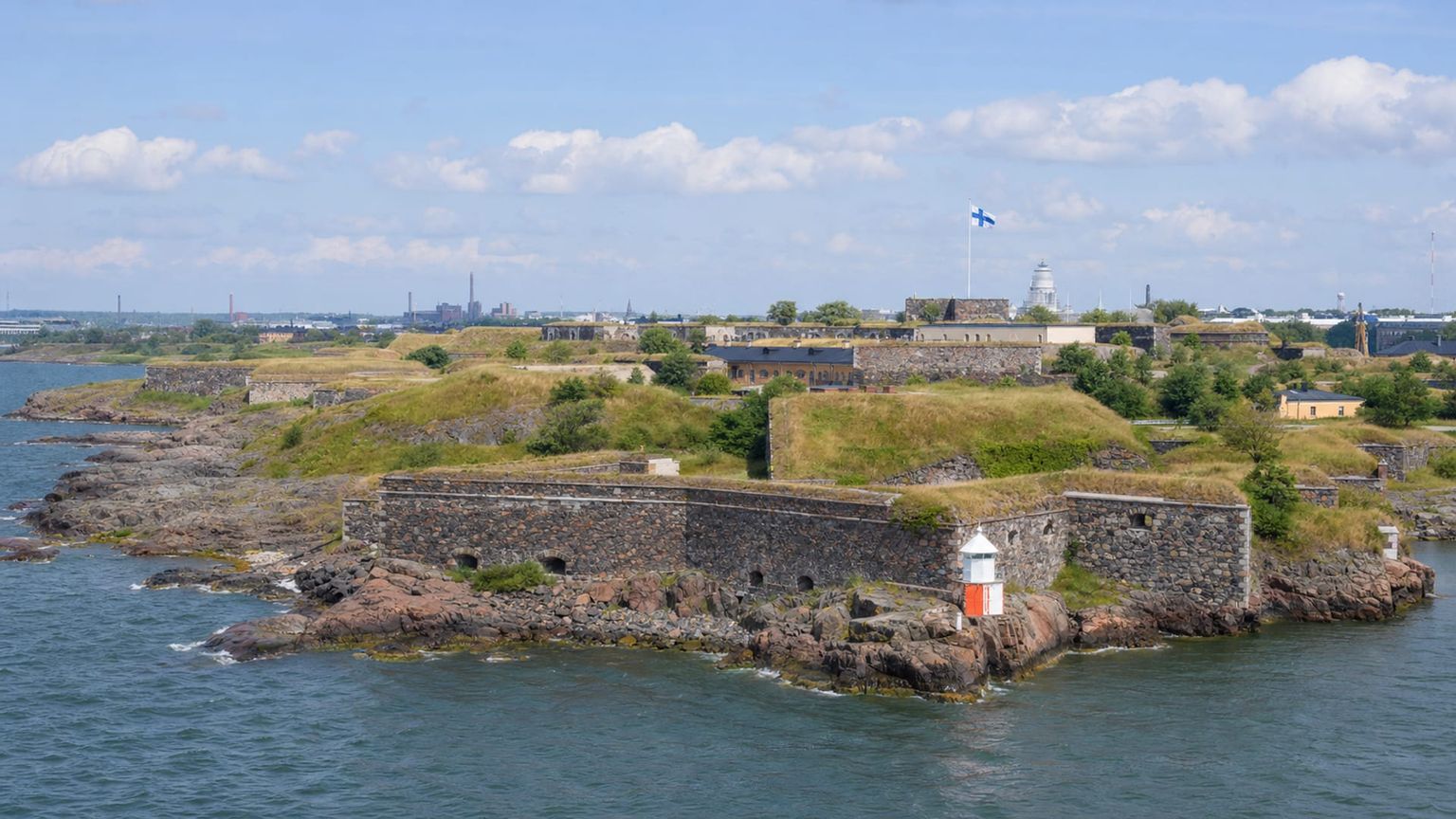
Finish with a final museum stop or a last neighborhood pass through the city center, then spend the rest of the morning in Punavuori or Kluuvi if you want design shops, bookstores, and cafes within an easy walk. If your flight leaves later in the day, a short harbor walk near Market Square or a coffee near Esplanadi fits neatly before collecting bags and heading back to Helsinki (HEL). Keep enough time for the airport train or taxi, then build in a buffer before check-in and security.
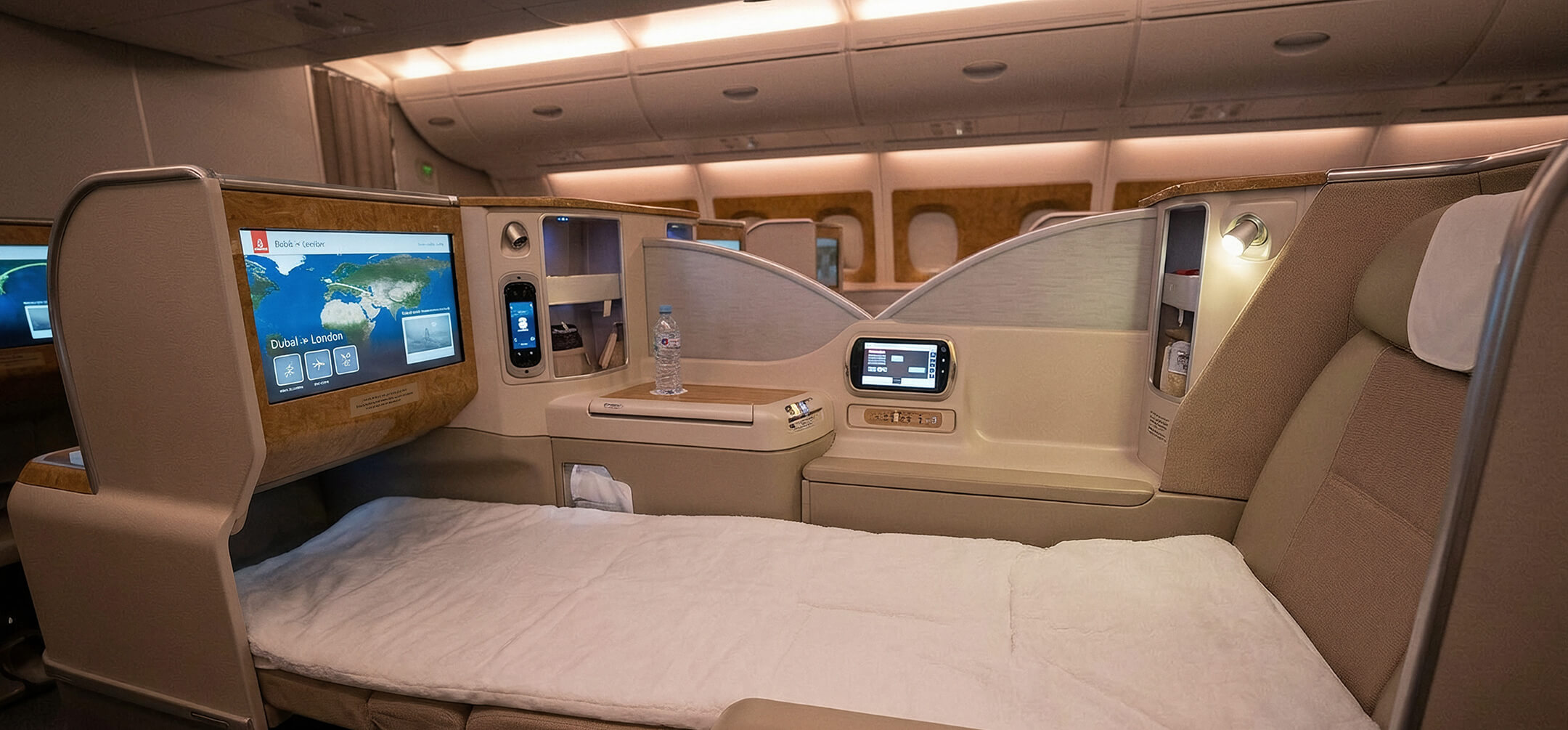
Business-class flights from the US to Helsinki
Helsinki works well as a long-haul trip from both coasts of the United States, but the route shape changes by origin. The East Coast usually keeps the journey shorter, while Los Angeles often adds one stop and a longer airborne day.
From New York, Finnair, Icelandair, Lufthansa, SAS, Turkish Airlines, and British Airways serve the route, with nonstop flying taking about 8 to 9 hours. One-stop itineraries commonly connect through KEF, FRA, MUC, CPH, or IST, and layovers usually run about 10 to 15 hours. Round-trip fares from New York usually start at $3,200 and can reach $7,000, with nonstop options priced at the top end.
Los Angeles travelers can look at Finnair, Icelandair, Lufthansa, SAS, British Airways, and KLM, and the nonstop flying time is about 10 to 11 hours. Many itineraries connect through KEF, FRA, AMS, CPH, or LHR, with layovers of about 13 to 18 hours. From Los Angeles, expect roughly $3,400 to $7,500 round-trip; the lowest fares usually come with one stop.
Helsinki feels different when you slow down
A thoughtful Helsinki trip usually links Kluuvi, Kamppi, Punavuori, and the harbor instead of bouncing across the map. You spend one day on Senate Square and Suomenlinna, another in the Design District, then slow down for Seurasaari or a coffee near Esplanadi before the train back to Helsinki (HEL). If you want help shaping that kind of route, the AranGrant experts can build it around the season and neighborhoods you will actually use