

Chapters:

Need help with your trip?
Our support team is available 24/7. Request a callback or call us directly at (833) 619-0908
Harbin itineraries often start and end with the same pair of stops, Central Avenue by day and Ice and Snow World after dark, while the riverfront, station areas, and meal timing get less attention.
That pattern can work, but it often ignores winter closure times, long cross-city transfers, and the way the city spreads visitors between the cathedral square, the Songhua River, and the rail district.
This guide lays the trip out in a tighter order, so each day matches distance, light, and opening hours instead of forcing you to backtrack across Harbin.
Useful things to know

Main language(s): Mandarin Chinese
Nǐ hǎo (nee how) – Hello / good morning
Qǐng (cheeng) – Please
Xièxie (shyeah-shyeah) – Thank you
Nǐ huì shuō Yīngyǔ ma? (nee hway shwaw ying-yoo ma) – Do you speak English?
Duōshao qián? (dwaw-shaow chyen) – How much does it cost?

Currency: The local currency is the Chinese yuan (CNY, ¥).

Cash and cards: Cards and contactless are accepted at many hotels and chain stores, but carry roughly ¥300 to ¥500 ($42 to $70) in cash.

Tipping: Tipping is not customary; round up small taxi fares and leave a little at upscale hotels if you want.

Traditional food: Harbin sausage, Guo Bao Rou, stewed pork bones, Russian bread

Water and coffee costs: Water about ¥3 ($0.40), bar espresso about ¥25 ($3.50).

Taxis and ride apps: DiDi works here; Baidu Maps helps with routing, and some drivers may prefer cash or Alipay.

Plug and voltage: Type A/C socket, 220V

Dining and shop opening hours: Breakfast is about 07:00-09:00, lunch 11:30-13:30, and dinner 17:30-20:30. Many restaurants close earlier in winter, and some small spots shut between meals.

Emergency number: 110 police, 120 ambulance, 119 fire.
Where to stay in Harbin
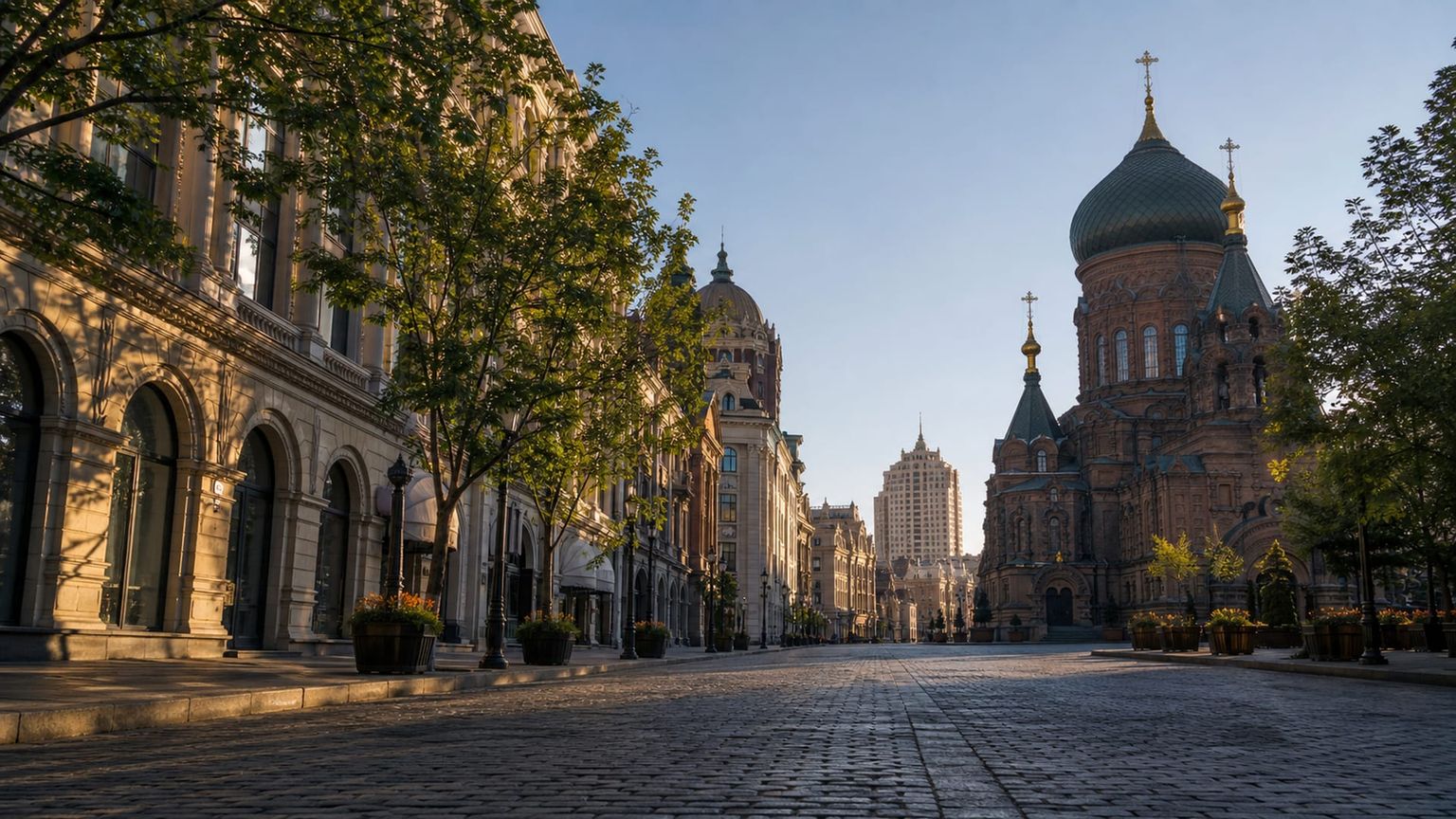
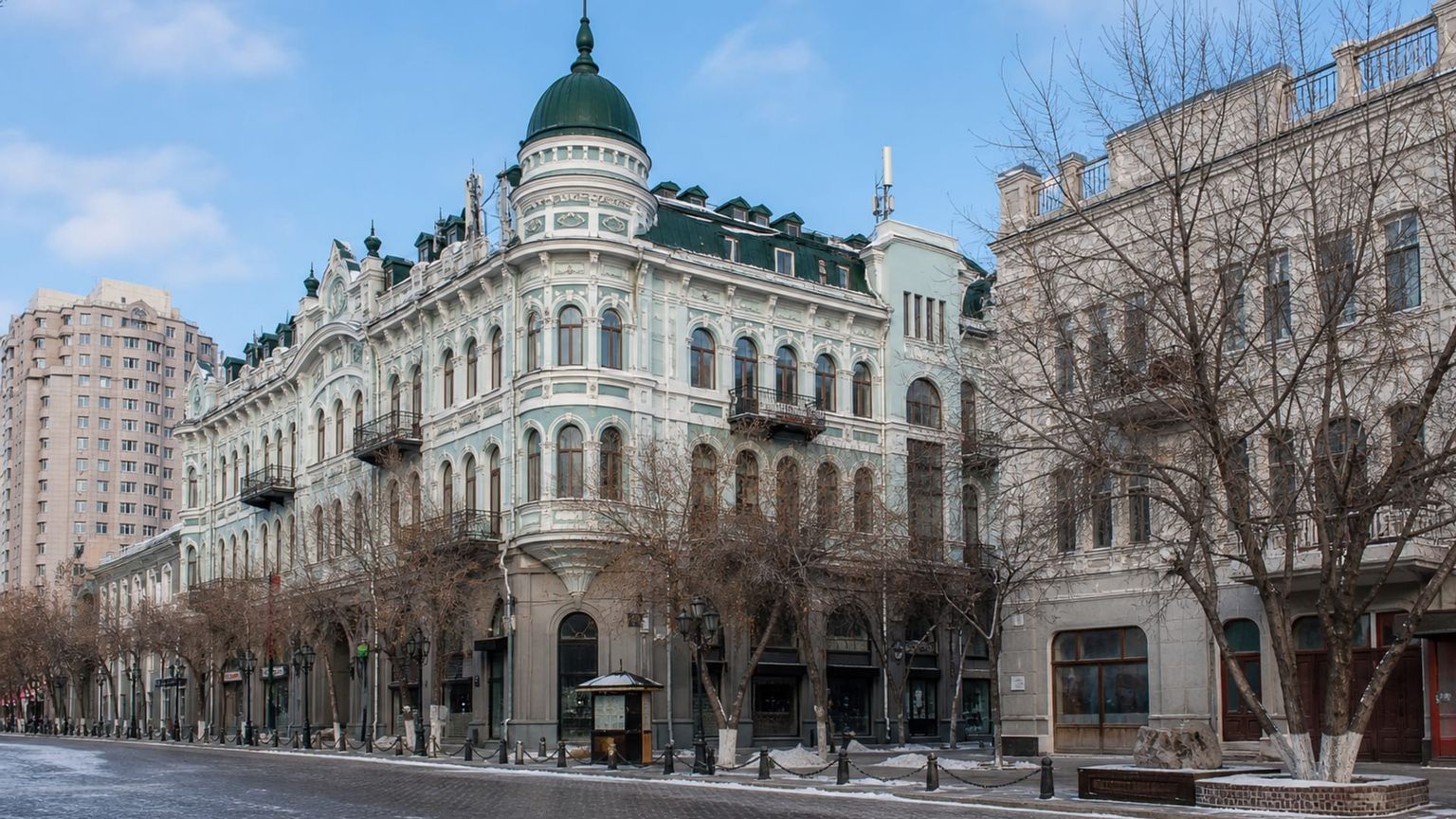
Harbin’s grandest stay area lines the pedestrian stretch of Central Avenue, with European-era facades, food shops, and easy access to Sophia Square. It suits visitors who want the city’s main sights, winter lights, and riverfront access within a short ride or walk.
Best for: First-time visits, winter sightseeing, and staying near the city’s most recognizable landmarks
What to expect: Heavy foot traffic by day, especially on weekends and during the ice festival season, with busy cafes, souvenir shops, and evening strolls
Hotel prices: Usually about $70 to $180 per night for well-rated stays
Distance to major sights: 5 to 10 minutes on foot to Sophia Square; about 15 minutes by taxi to the Songhua River waterfront
Quietness: Noisy by day and lively into the evening, then noticeably calmer late at night once shops close
Main trade-off: This is the most convenient area for landmarks, but rooms near the pedestrian street can cost more and pick up street noise
Good to know: Choose a room off the main pedestrian strip if you plan to sleep early, because the busiest blocks stay active after dinner
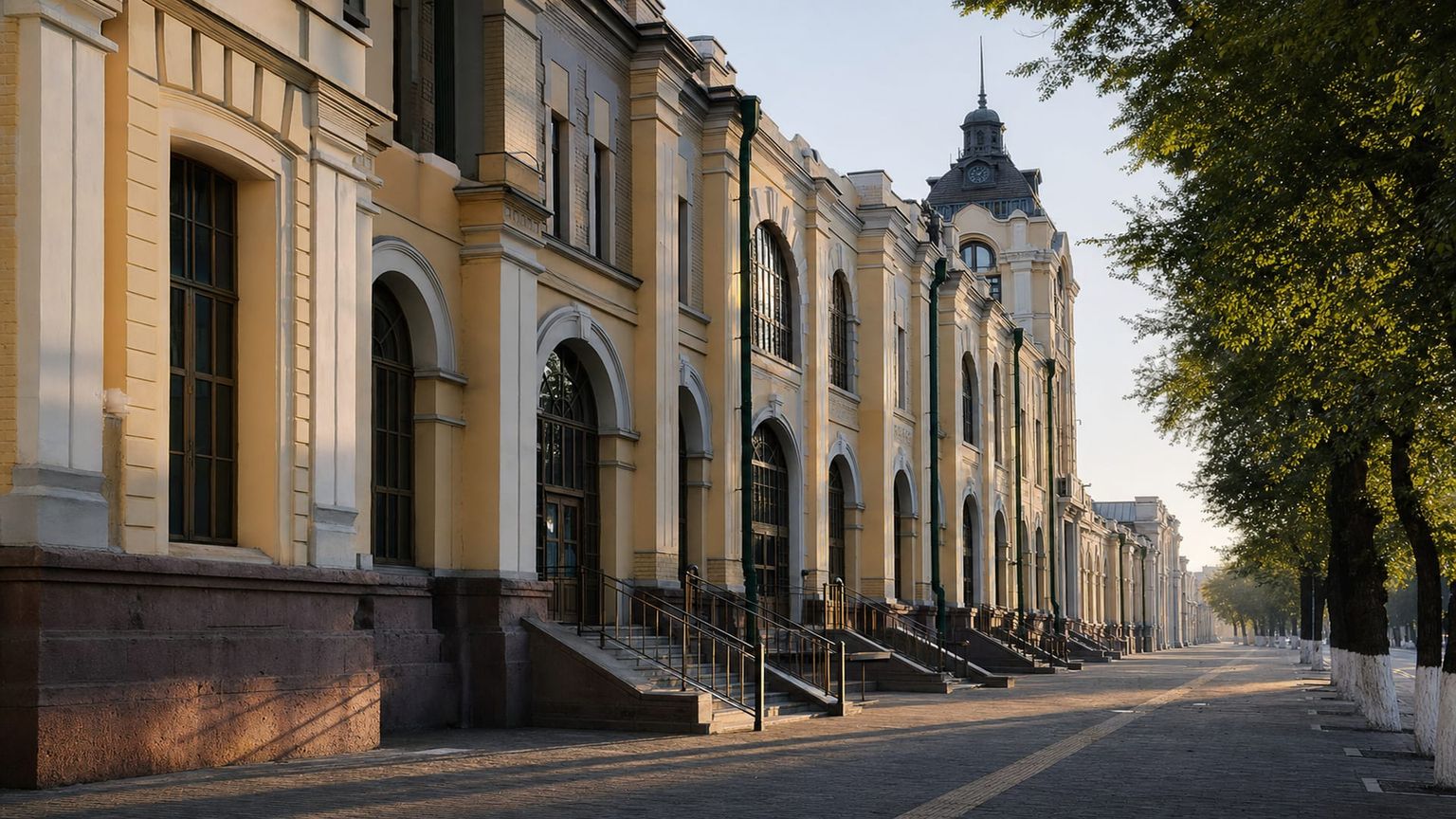
Daoli Station and the surrounding rail district give you easy metro and rail access without staying in the most tourist-heavy core. The area works well for travelers who value transport links, ordinary dining, and a less crowded base between sightseeing stops.
Best for: Transit access, budget-minded stays, and travelers arriving or leaving by train
What to expect: Busy around the station, with taxis, local eateries, and hotel blocks; streets quiet down a few blocks away from the platforms
Hotel prices: Usually about $45 to $110 per night for well-rated stays
Distance to major sights: About 15 to 20 minutes by taxi to Central Avenue; roughly 25 minutes by metro to Harbin Ice and Snow World
Quietness: Active in the daytime near the station, quieter at night outside the main roads
Main trade-off: You save money and gain transport access, but you will need extra time for the main tourist streets and riverfront
Good to know: If you plan early departures, this area cuts down on transfer time because the station and metro are close by
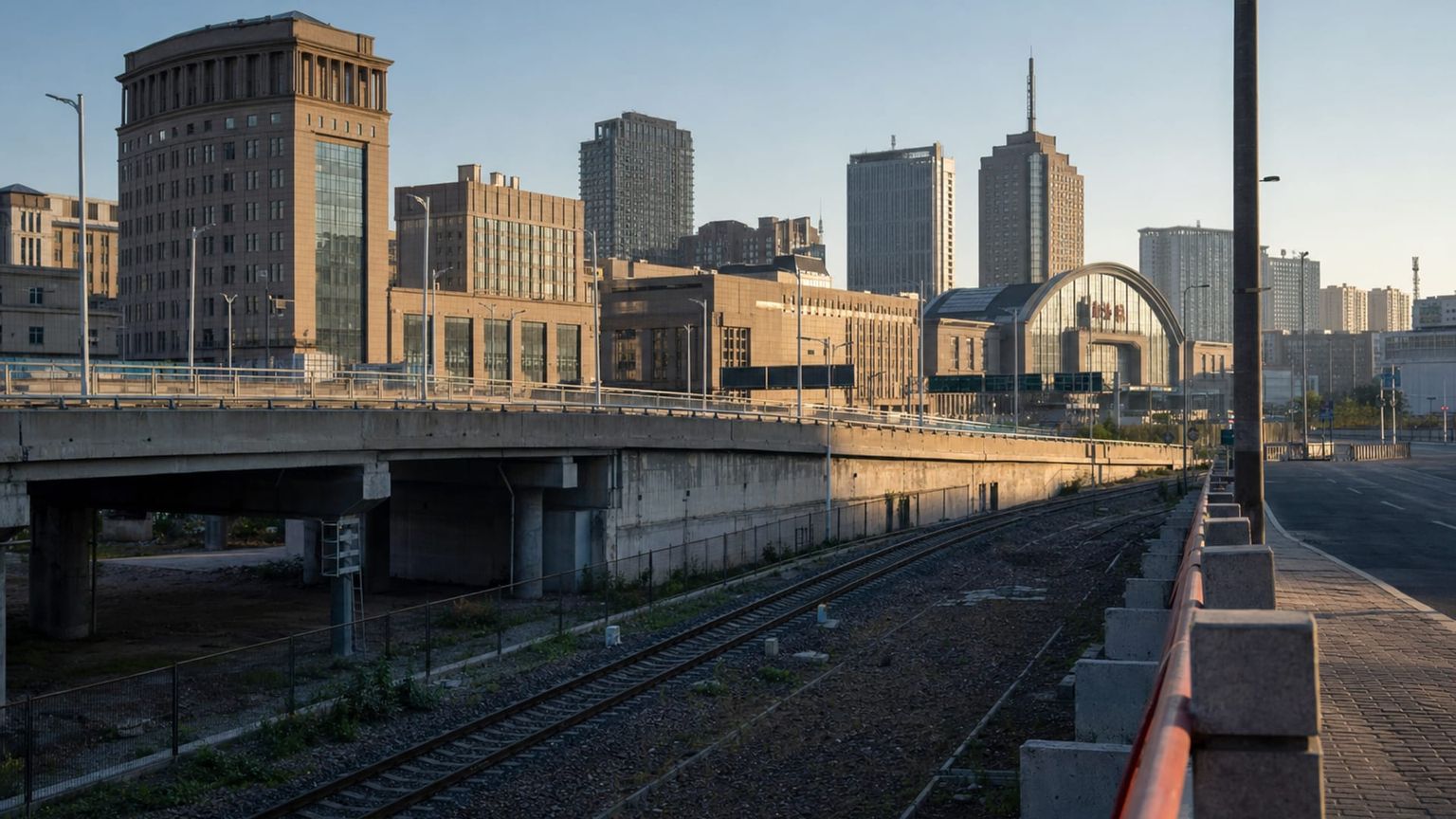
Nangang around Harbin Railway Station sits on the city’s southern edge of the core and puts you close to major rail connections, shopping streets, and multiple bus corridors. It suits travelers who want an efficient overnight base with easy access to both local transit and central sights.
Best for: Rail travelers, short stays, and visitors who want transit connections over atmosphere
What to expect: Constant movement near the station, with taxis, buses, office workers, and business hotels; side streets are more subdued
Hotel prices: Usually about $40 to $100 per night for well-rated stays
Distance to major sights: About 20 minutes by taxi to Sophia Square; roughly 25 to 30 minutes by metro to the Ice and Snow World area
Quietness: Busy and functional by day, then quieter late at night except for station traffic and main-road hotels
Main trade-off: The area is convenient for transfers, but it lacks the charm and walkable landmark density of Central Avenue
Good to know: Book here if your train timing is tight, because the station area makes late arrivals and early departures easier to manage
Travelers usually avoid staying in Acheng District, Shuangcheng District, and Hulan District, because they sit well outside Harbin’s main sightseeing areas and add a long trip into the city center. Pingfang District is also less convenient for most visitors, since it is geared more to local residential and industrial activity and has fewer visitor amenities near the main tourist corridors.
Hotel deals
How to get around Harbin efficiently
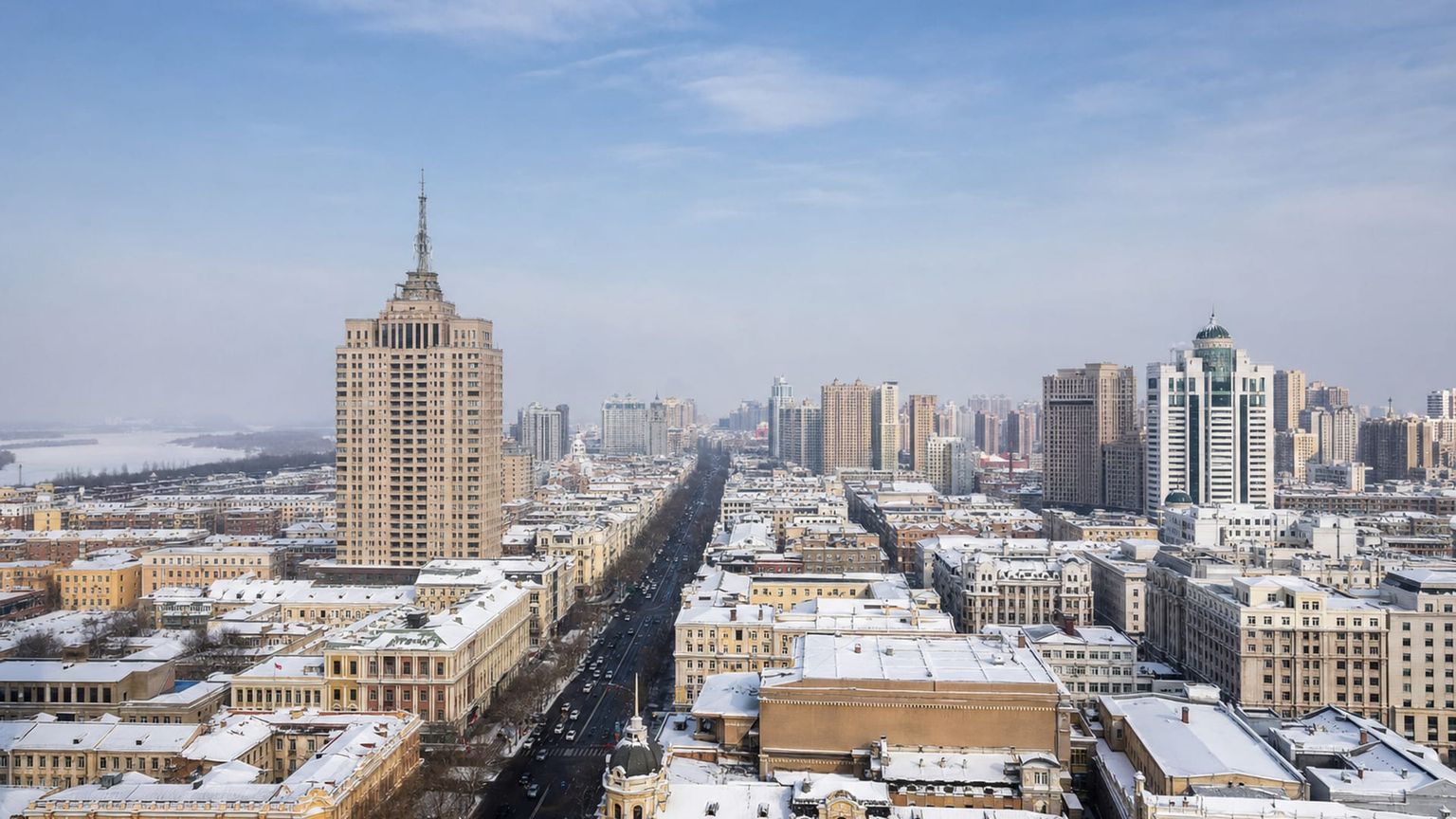
Harbin’s metro, buses, taxis, and ride-hailing all matter, since the main sights sit several stops or a short drive apart rather than inside one compact center.

Metro
for longer distances
Harbin does have a metro network, with Line 2 serving Harbin (HRB) via connections in the city, while Line 1 links key downtown stations. Fares typically start at about $0.30 (RMB 2) for short trips and rise with distance, and single rides are usually valid for one journey only. Expect about 20 to 40 minutes for central trips, with airport access usually handled by rail plus a taxi or bus transfer rather than a direct metro ride.

Bus and tram
for convenience
Harbin’s buses cover the widest reach, including the railway stations, Central Avenue, Ice and Snow World, and many hotel districts, while the tram network is limited and not the main option for visitors. Fares are usually about $0.20 to $0.40 (RMB 1 to 3), often paid with a transit card or mobile payment, and transfer rules depend on the route. Buses can take roughly 30 to 90 minutes depending on traffic, and winter schedules may run less often than daytime city routes.

Taxi
for convenience or late hours
Licensed taxis in Harbin use metered fares, not set fares, with a flag fall of about $1.90 to $2.20 (RMB 14 to 16) for the first few kilometers, then per-kilometer charges after that, plus possible nighttime surcharges. A ride from Harbin Taiping International Airport to central Harbin often costs about $16 to $27 (RMB 120 to 200) and takes roughly 40 to 60 minutes, while shorter central trips usually fall in the $3 to $10 (RMB 20 to 70) range. Hail cabs at official stands or use a ride-hailing app, and carry cash plus a mobile payment option because not every driver accepts cards.
*Prices are based on rates updated as of June 2026 and may change at the time of travel.
Use taxis for airport runs and winter nights, the metro for central cross-town trips, and buses when you want the widest reach at the lowest fare.
Iconic landmarks
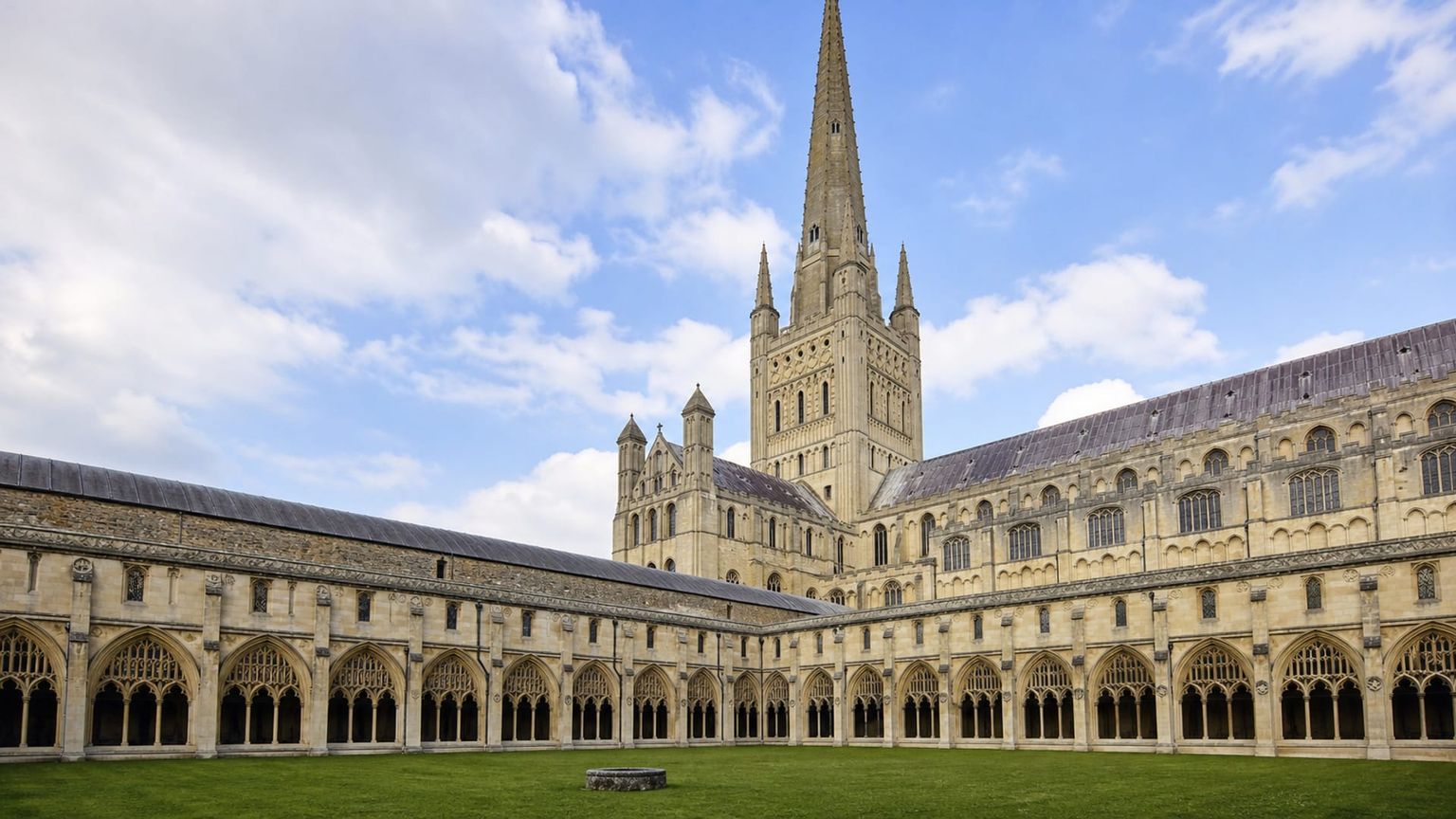
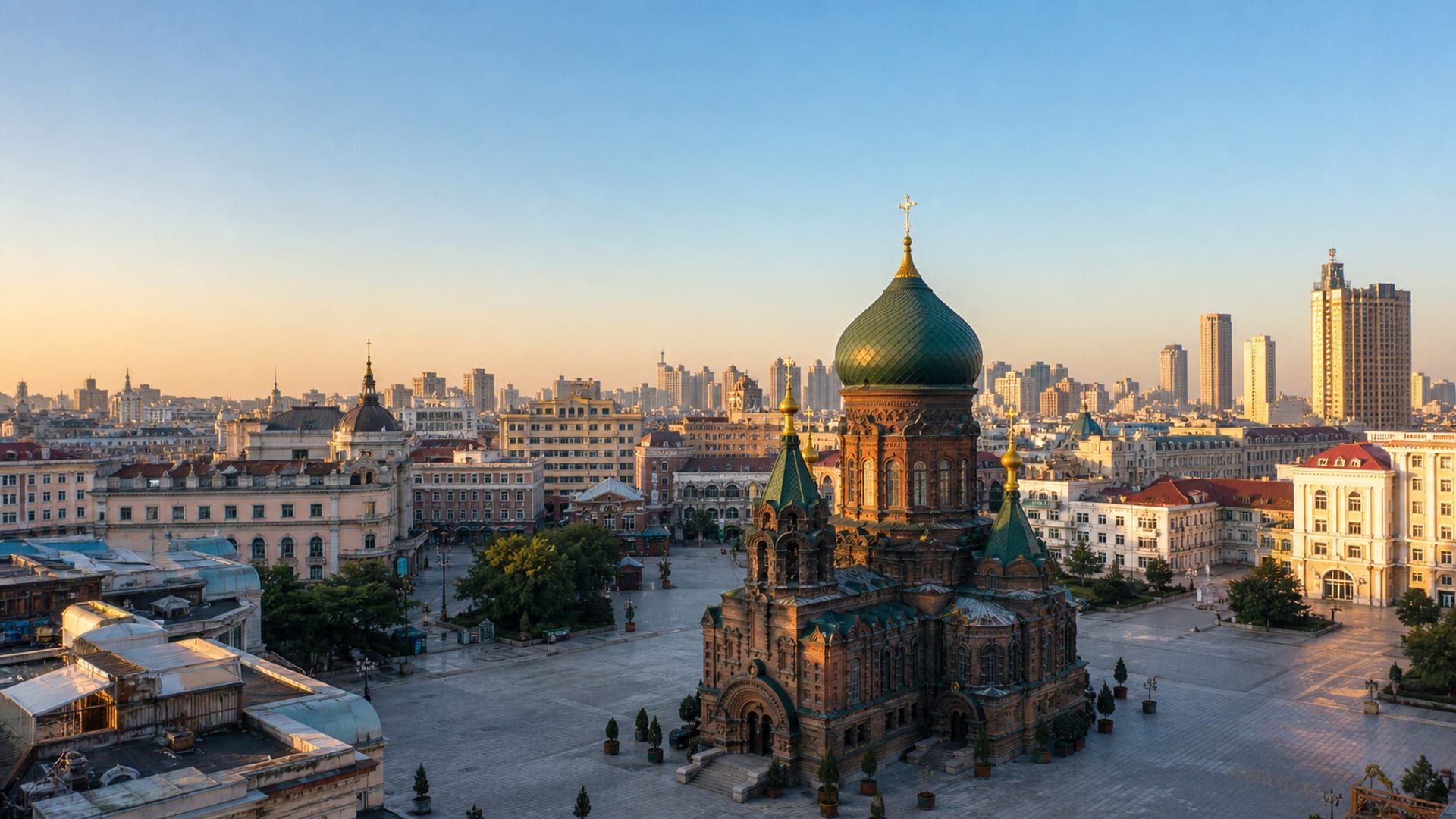
St. Sophia Cathedral
This 1907 Russian Orthodox church now houses the Harbin Architecture Art Museum, with red brick walls, a green dome, and a square that frames the skyline. Its interior exhibits trace the city’s early-20th-century urban history.
Time needed: About 1 to 2 hours
Entry: Admission costs about $6 to $8 (¥40 to ¥55), with separate museum pricing for some exhibits and seasonal hours that can change. Visit the official site for details.
Tip: Go near sunset for the best exterior light and fewer tour groups in the square.
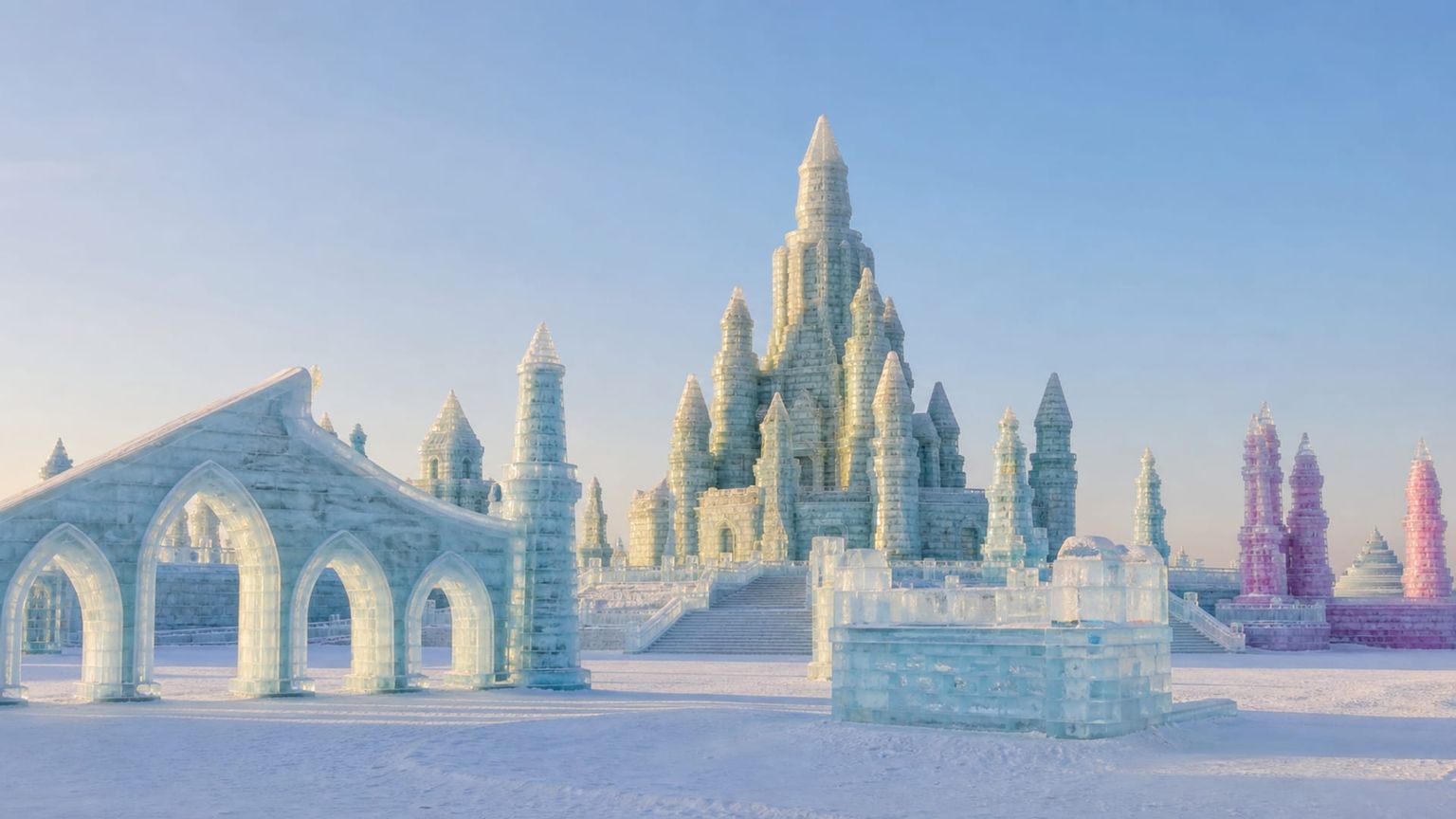
Harbin Ice and Snow World
This winter park turns into a city-scale display of carved ice towers, illuminated gates, and themed pavilions built from frozen blocks. It opens in cold months only, when night lighting gives the sculptures their clearest detail.
Time needed: About 2 to 4 hours
Entry: Tickets usually cost about $45 to $90 (¥300 to ¥620), with pricing higher on peak evenings and lower on earlier weekday visits. Visit the official site for details.
Tip: Arrive before dusk, then stay after dark, since the lighting defines the entire visit.
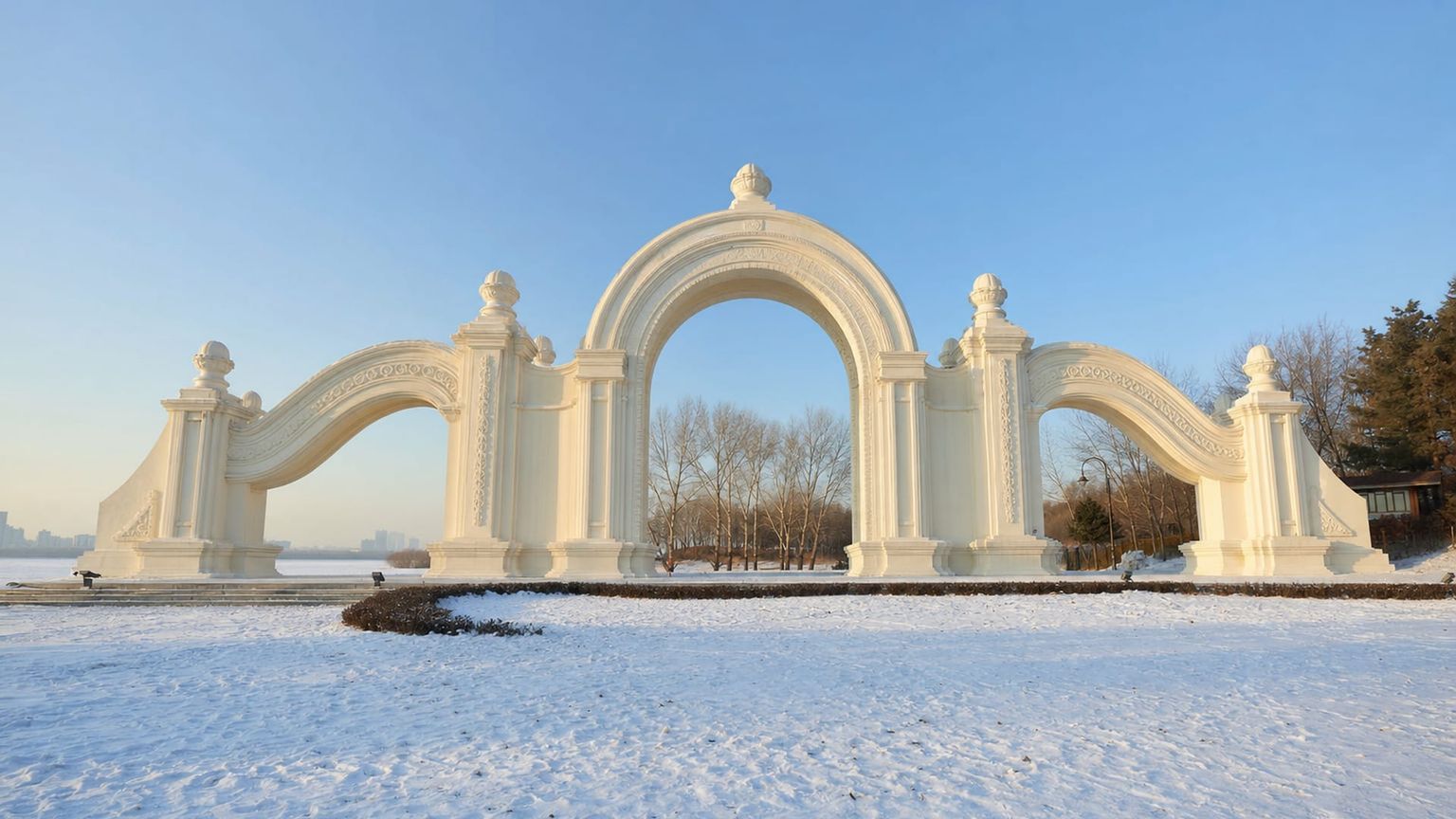
Sun Island Scenic Area
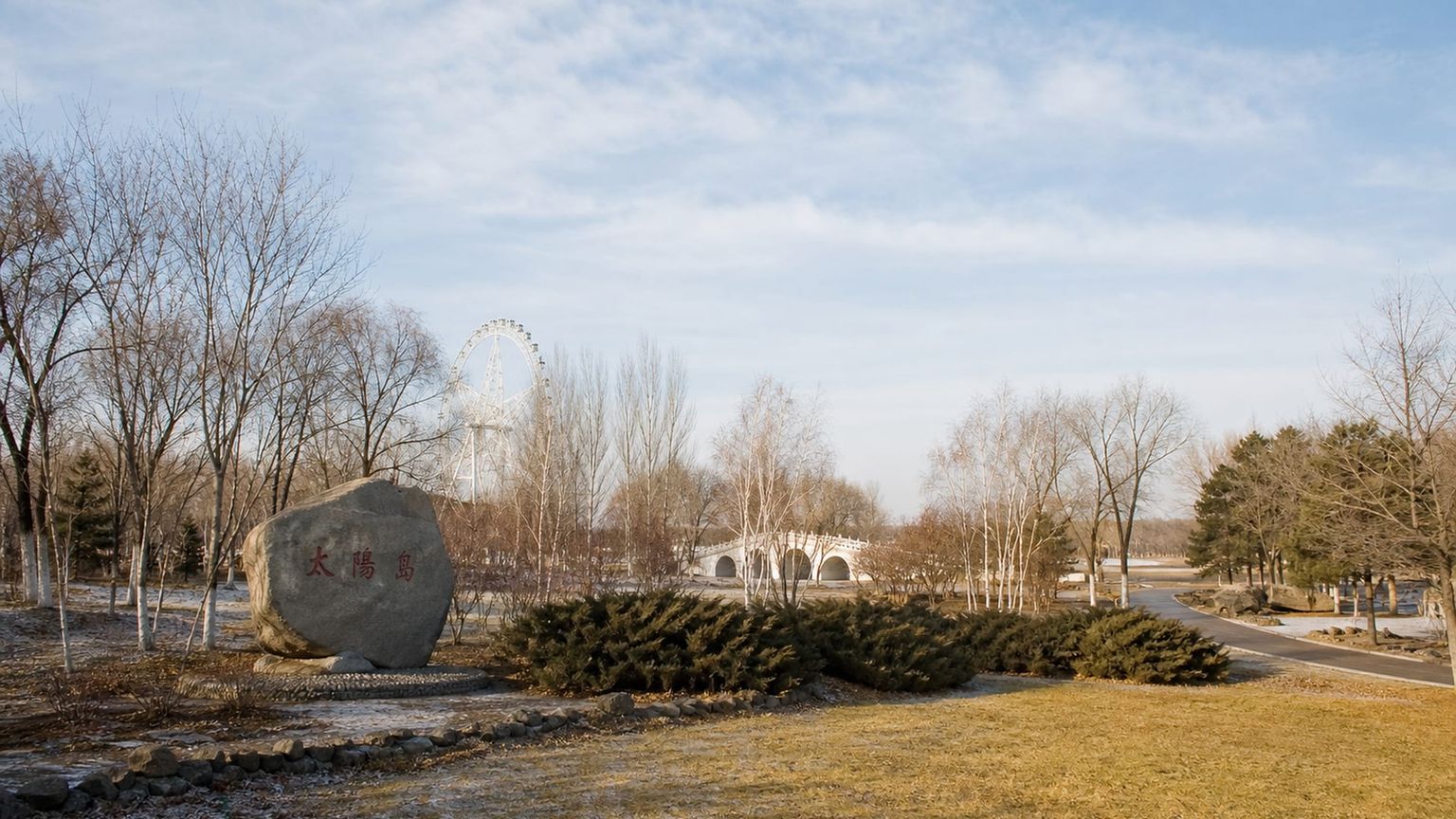
This riverfront park on the Songhua River packs gardens, walking paths, and the Sun Island Snow Sculpture Art Expo in winter. In warmer months, it works as a large green escape with views back toward central Harbin.
Time needed: About 2 to 4 hours
Entry: Admission costs about $4 to $9 (¥25 to ¥60), with some winter sculpture areas and seasonal displays priced separately. Visit the official site for details.
Tip: Take the cable car or ferry only when operating, since schedules change by season and weather.
Overlooked sites worth visiting

Saint Sophia Cathedral
A red-brick Russian Orthodox church from 1907, now a museum, anchors one of Harbin’s most photographed squares. Step inside for icon displays, then circle the exterior to study its dome, arches, and brickwork.
Time needed: About 1 hour
Entry: Admission is about $6 to $7 (CNY 40 to 50) for the museum interior; the square outside is free. Tickets are sold on site, and opening hours vary by season, so check current times before you go.
Tip: Go near sunset for the best light on the brick facade.

Harbin Polarland
This compact indoor complex focuses on polar animals and staged shows, making it a quick contrast to the city center. It suits a short visit, with sea lion and penguin exhibits in an air-conditioned setting.
Time needed: About 2 hours
Entry: Standard tickets cost about $22 to $33 (CNY 158 to 238), with prices changing by season and package. Buy tickets at the entrance or through major Chinese travel platforms; some combo passes include shows, so verify what your ticket covers before entering. Visit the official site for details.
Tip: Visit earlier in the day to avoid the busiest show times.
Traditional food
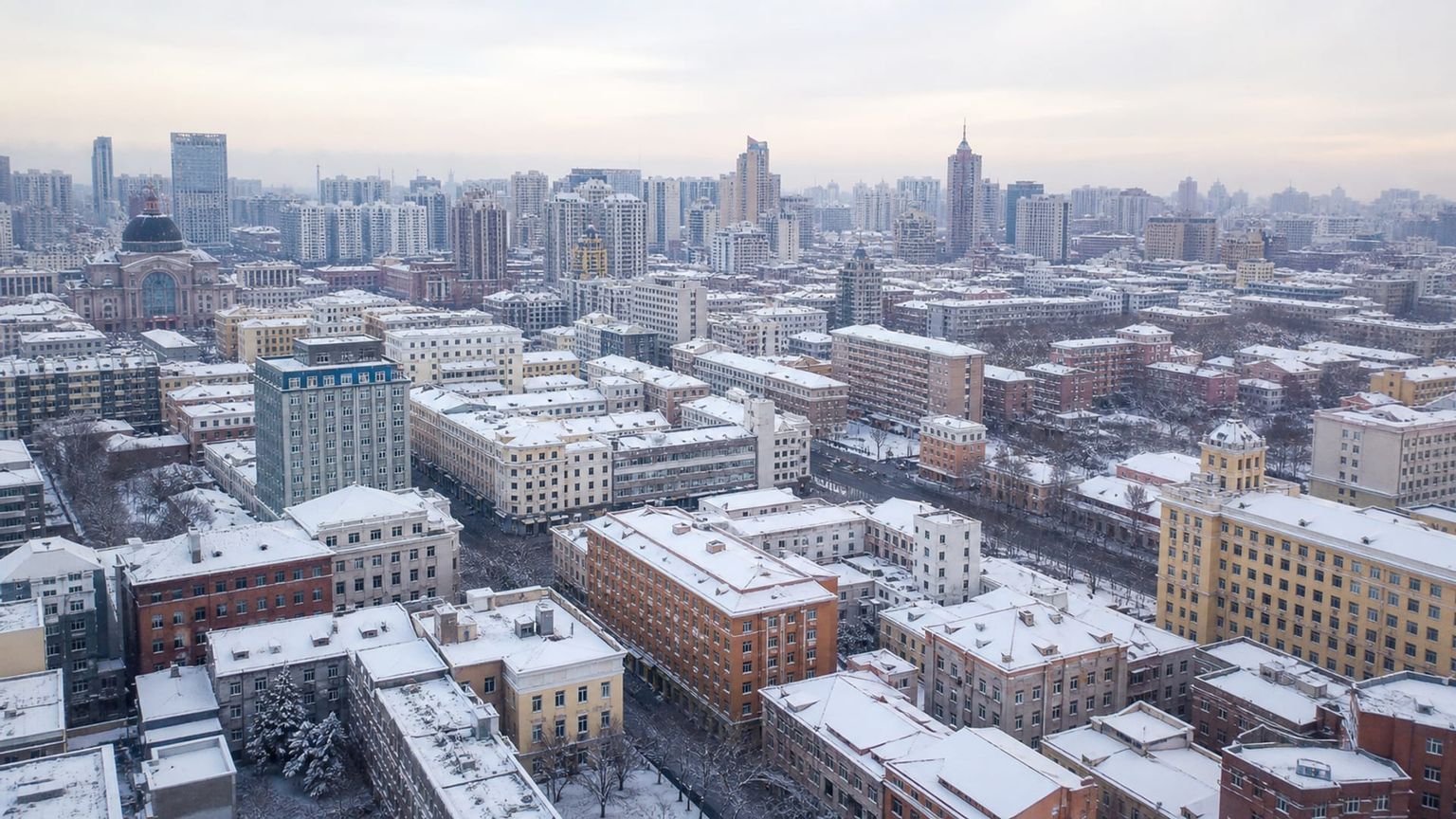
Harbin’s table leans on northeast China staples, with smoked sausage, pork, bread, and hearty stews shaped by cold weather. Russian bread and sweet-and-sour dishes fit the city well, and dinner often stays focused on warm, filling plates.
Harbin sausage
This smoky, garlicky sausage is one of the city’s signature bites and works well as a snack or a simple meal with bread. Modern-style plate service at Lao Chang Chun Bing often pairs it with other northeast dishes.
Guo Bao Rou
Crisp pork in a glossy sweet-and-sour sauce is a Harbin favorite, especially when the coating stays light and the pork stays tender. Hongzhuan Morning Market Food Street is a dependable place to look for a strong local version at a casual counter.
Stewed pork bones
This cold-weather dish arrives rich and savory, with meat that loosens from the bone after slow cooking. Hua Mei Western Restaurant in Harbin has long been associated with hearty Russian-influenced meals that suit this style.
Russian bread
Dense, slightly tangy Russian bread reflects Harbin’s historic food mix and shows up in bakeries and old-style dining rooms across the center. Qiulin Company Food Hall is a classic place to buy it alongside other local specialties.
Best time to visit Harbin
Harbin changes quickly with the season, from river breezes and flowered parks to long subzero stretches that shape what you can comfortably see in a day.
Best for: River walks, cathedral squares, and lighter sightseeing days
What you get: About 26°F to 68°F (-3°C to 20°C), with thinner crowds and variable weather
Trade-offs: Wind and late cold snaps can still interrupt outdoor plans
Best for: Sun Island, riverside walks, and longer daylight for cross-city touring
What you get: About 61°F to 84°F (16°C to 29°C), with moderate crowds outside holiday peaks
Trade-offs: Warm afternoons can feel humid, and major sites draw more visitors
Best for: Clear skies, comfortable walks, and easy sightseeing between districts
What you get: About 23°F to 72°F (-5°C to 22°C), with lighter crowds before winter
Trade-offs: Temperatures fall quickly once November arrives
Best for: Ice and Snow World, snow sculpture season, and Harbin’s most distinctive skyline
What you get: About -22°F to 18°F (-30°C to -8°C), with peak crowds during festival weeks
Trade-offs: Cold limits time outside, and transfers take longer in snow and ice
A realistic 5-day plan in Harbin
Five days gives Harbin enough room for its main cathedral square, riverfront parks, ice attractions, and a calmer departure day. The plan below keeps the winter pieces in their best light and avoids stacking long transfers back to back.
Land at Harbin Taiping International Airport (HRB), then take a taxi into Central Avenue and Sophia Square, which usually takes about 40 to 60 minutes and costs roughly $18 to $30. If you arrive by airport shuttle, expect a slower trip with a transfer into the city center before the final taxi ride, so a door-to-door total can run about 60 to 90 minutes. Check in near Central Avenue if you want an easy first evening, then keep the night simple with a soup-based dinner on Zhongyang Street, buy bottled water, and walk only as far as the cathedral square before turning in.
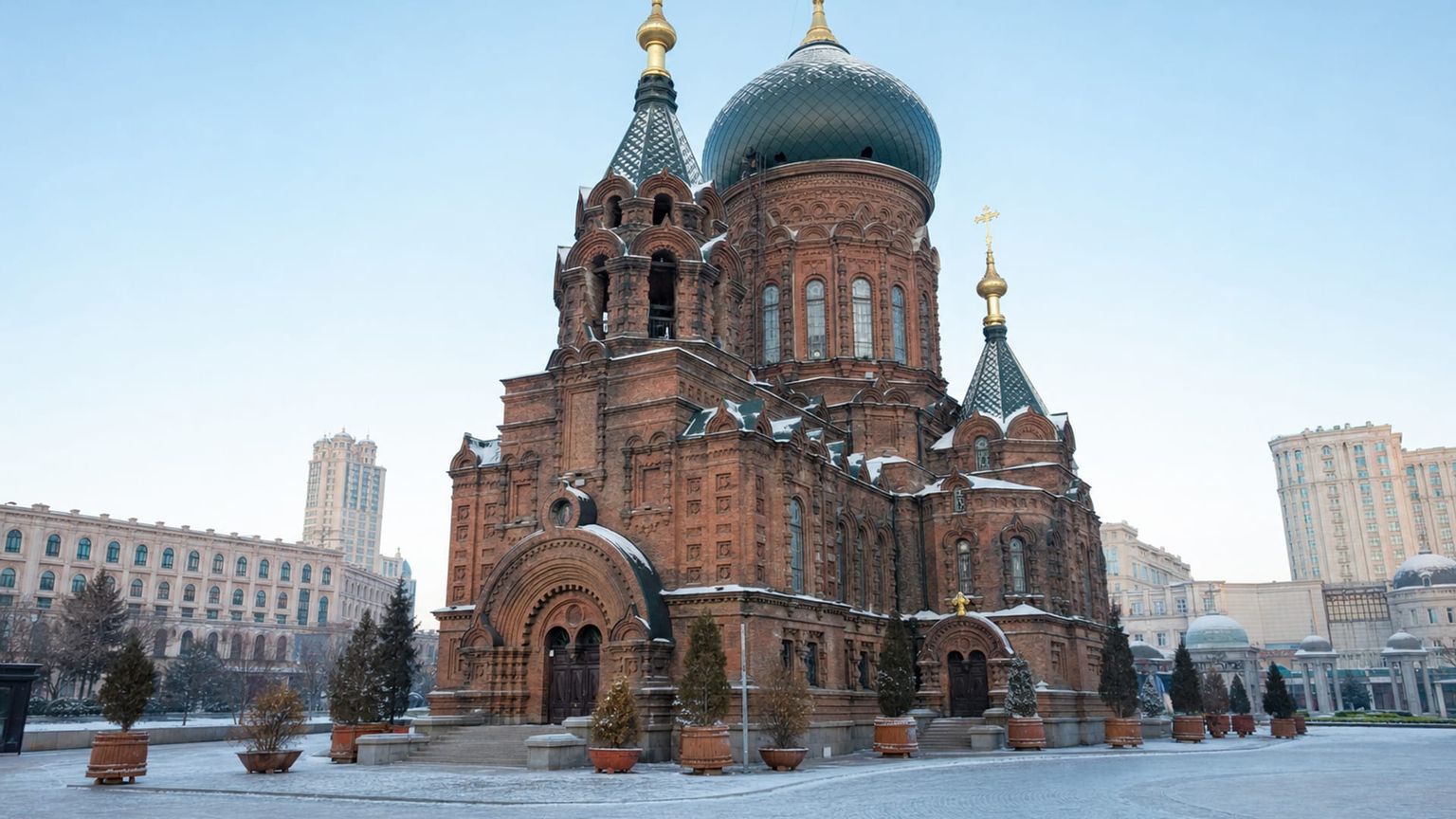
Start at St. Sophia Cathedral near sunset light, then spend about 1 hour inside the museum and another 20 minutes circling the square for the brickwork and dome views. From there, walk about 10 minutes along the pedestrian stretch of Central Avenue for lunch and a coffee stop, then continue about 15 minutes on foot toward the riverfront or return to your hotel for a short rest before an evening stroll through the same district. If you want one indoor break, add a brief stop for Harbin-style pastry or tea on the avenue, where you can stay close to your room and avoid a long cross-city ride.
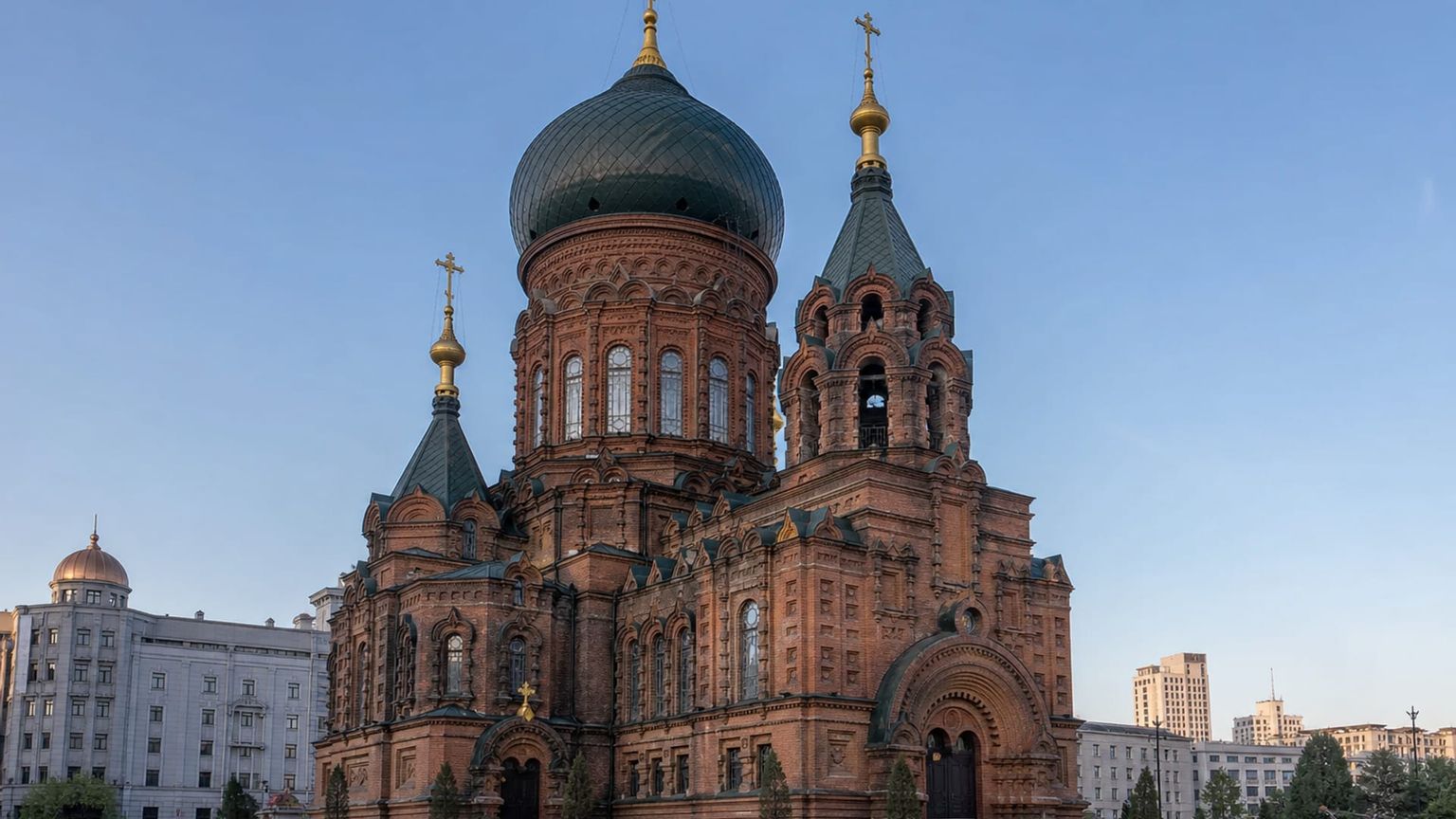
Head to Harbin Ice and Snow World in the late afternoon, since the park looks best after dusk and the lighting changes the whole site. From Central Avenue, a taxi usually takes about 25 to 35 minutes, while a metro-plus-walk combination can take about 45 to 60 minutes depending on transfers. Plan about 3 hours on site, enough for the major ice towers, gates, and photo stops, then return toward the city center for a late dinner near Sophia Square rather than lingering far from your hotel.
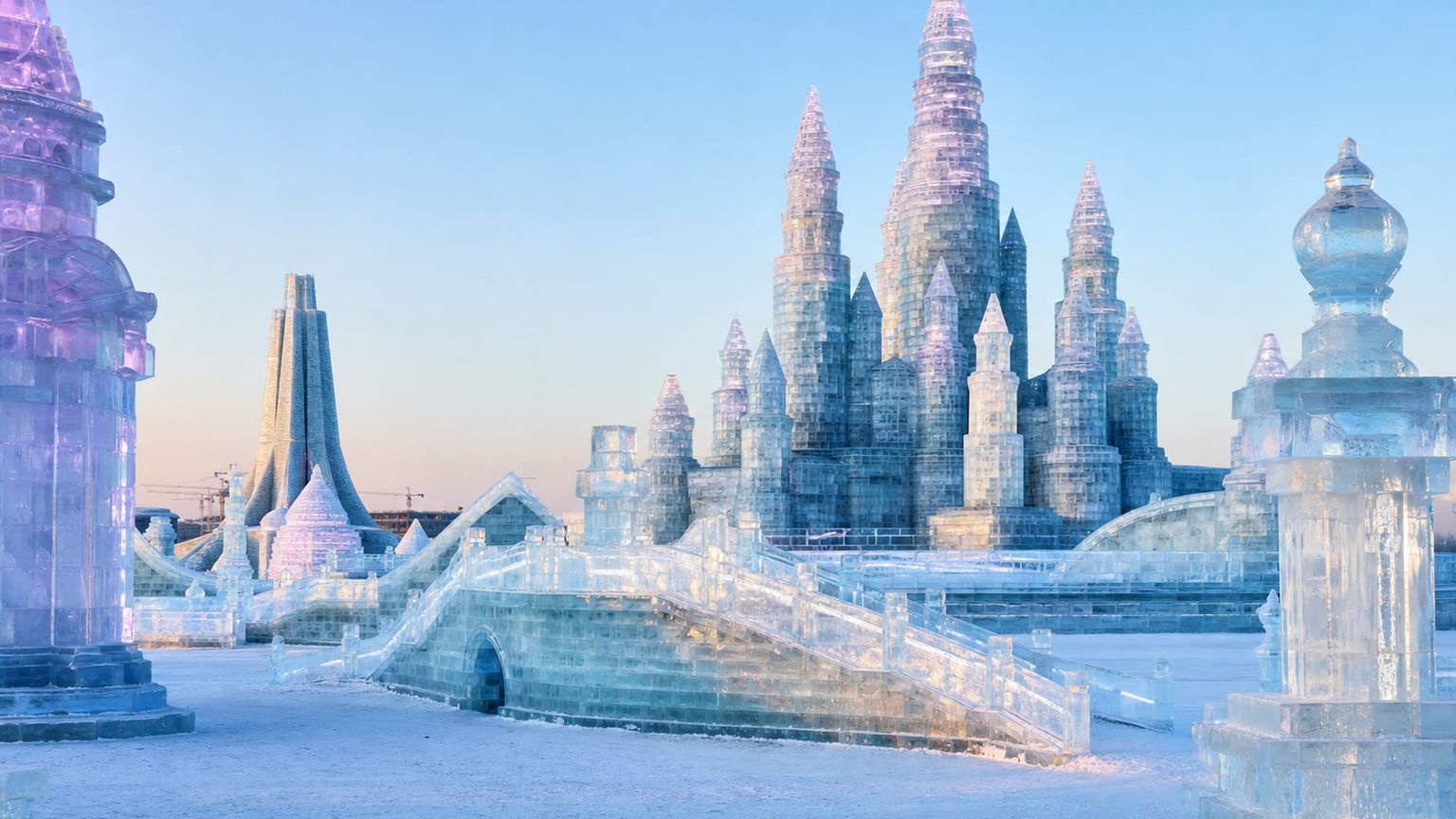
Begin with Sun Island Scenic Area, where a taxi from Central Avenue takes roughly 20 to 30 minutes, or use seasonal ferry or cable car options only if they are running that day. Spend about 2 to 4 hours on the paths and river views, then continue to Harbin Polarland by taxi in about 15 to 20 minutes for a compact afternoon visit of roughly 2 hours. End back in the central district for dinner, leaving enough time to cross the Songhua River area and return before the evening gets too late.
For a slower last day, start with one final stop at Saint Sophia Cathedral if you want a last look at the square, then move to a café in Central Avenue for coffee and a pastry. If you are departing by train, Daoli Station and the railway district make an easy last base for luggage storage, ordinary lunch, and a short round of shopping near the station, while travelers with more time can browse Central Avenue souvenir shops before heading to Harbin Taiping International Airport (HRB). Build in about 40 to 60 minutes to the airport from the center, plus extra time if you are leaving during evening traffic.
Business-class flights from the US to Harbin
Long-haul itineraries to Harbin usually connect through major Asian hubs, so the most useful examples are the routes that keep transit time within reason. From both coasts, the best options typically trade a direct path for one solid connection and a tolerable layover.
From New York, Air China, Korean Air, China Eastern Airlines, China Southern Airlines, and Hainan Airlines all appear on typical routings. With no nonstop option, the trip usually runs about 17 to 24 hours total and connects through PEK, ICN, PVG, CAN, or HKG. Round-trip fares from New York to Harbin usually start at about $3,200 and can reach $6,500.
Air China, Korean Air, China Eastern Airlines, China Southern Airlines, and Hainan Airlines all serve the Los Angeles market on the usual one-stop patterns, and the trip often takes about 16 to 23 hours overall. Round-trip fares from Los Angeles usually run $3,000 to $6,200.
Harbin feels different when you slow down
A well-paced Harbin trip usually follows the city’s own geography, a night near Central Avenue, a day at Sophia Square, one cold-weather outing to Ice and Snow World, and time on the Songhua River side when the weather allows. Taxis, the metro, and short walks each matter at different points, especially once winter slows movement between districts. If you want help matching that plan to your dates, ask the AranGrant experts for a Harbin itinerary built around Central Avenue or the ice festival season







