

Chapters:

Need help with your trip?
Our support team is available 24/7. Request a callback or call us directly at (833) 619-0908
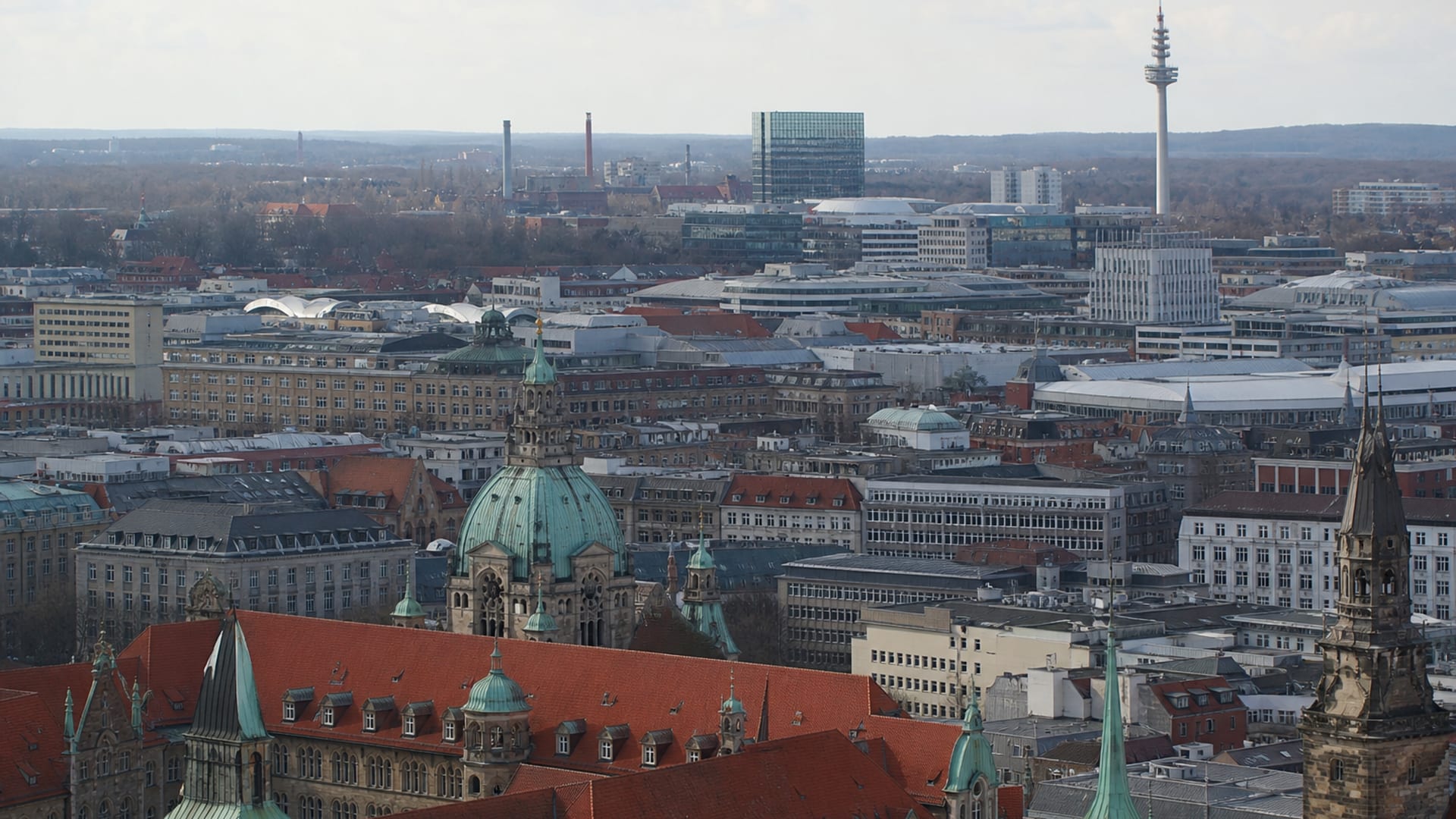
Hannover is easy to underestimate if you only pass through its main station. The city has a compact center, but its strongest sights spread beyond it, from Herrenhausen Gardens in the northwest to Maschsee and Südstadt in the south.
That layout shapes how a visit feels. One day can focus on Baroque gardens and the New Town Hall, another on the Old Town, museums, and the lake, while List adds cafés, shops, and residential streets. Short Stadtbahn rides link these areas without turning sightseeing into a series of long transfers.
A little structure helps the city unfold at a comfortable pace. Choosing the right area, grouping nearby sights, and planning for seasonal weather leaves more time to enjoy Hannover itself instead of spending the trip moving back and forth.
Useful things to know

Main language(s): German
Hallo (HAH-loh) – Hello
Bitte (BIT-teh) – Please
Danke (DAHN-keh) – Thank you
Sprechen Sie Englisch? (SHPREH-khen zee ENG-lish) – Do you speak English?
Wie viel kostet das? (vee feel KOS-tet dahs) – How much does it cost?

Currency: Euro (EUR, €)

Cash and cards: Cards and contactless payments are widely accepted, but carrying some cash is useful for smaller shops, cafés, and markets.

Tipping: Tipping is optional. In restaurants, about 10% is common for good service, while smaller café and taxi bills are often rounded up.

Traditional food: Hannoversches Zungenragout, Grünkohl mit Bregenwurst, Calenberger Pfannenschlag, and Welfenspeise are traditional dishes in Hannover.

Water and coffee costs: Bottled water is about €2.50–€4 ($3–$4.70), while an espresso usually costs €2–€3.70 ($2.30–$4.30).

Taxis and ride apps: Uber and FREENOW operate in Hannover alongside licensed taxis. Both apps show the estimated fare before you confirm the ride.

Plug and voltage: Germany uses Type C and F sockets with a 230V, 50Hz supply. US travelers need a plug adapter.

Dining and shop opening hours: Many restaurants serve lunch from 12:00 pm and dinner from 5:00 or 6:00 pm. Many shops open 10:00 am–8:00 pm Monday–Saturday and close on Sundays and public holidays.

Emergency number: Call 110 for police emergencies and 112 for fire or ambulance services.
Where to stay in Hannover
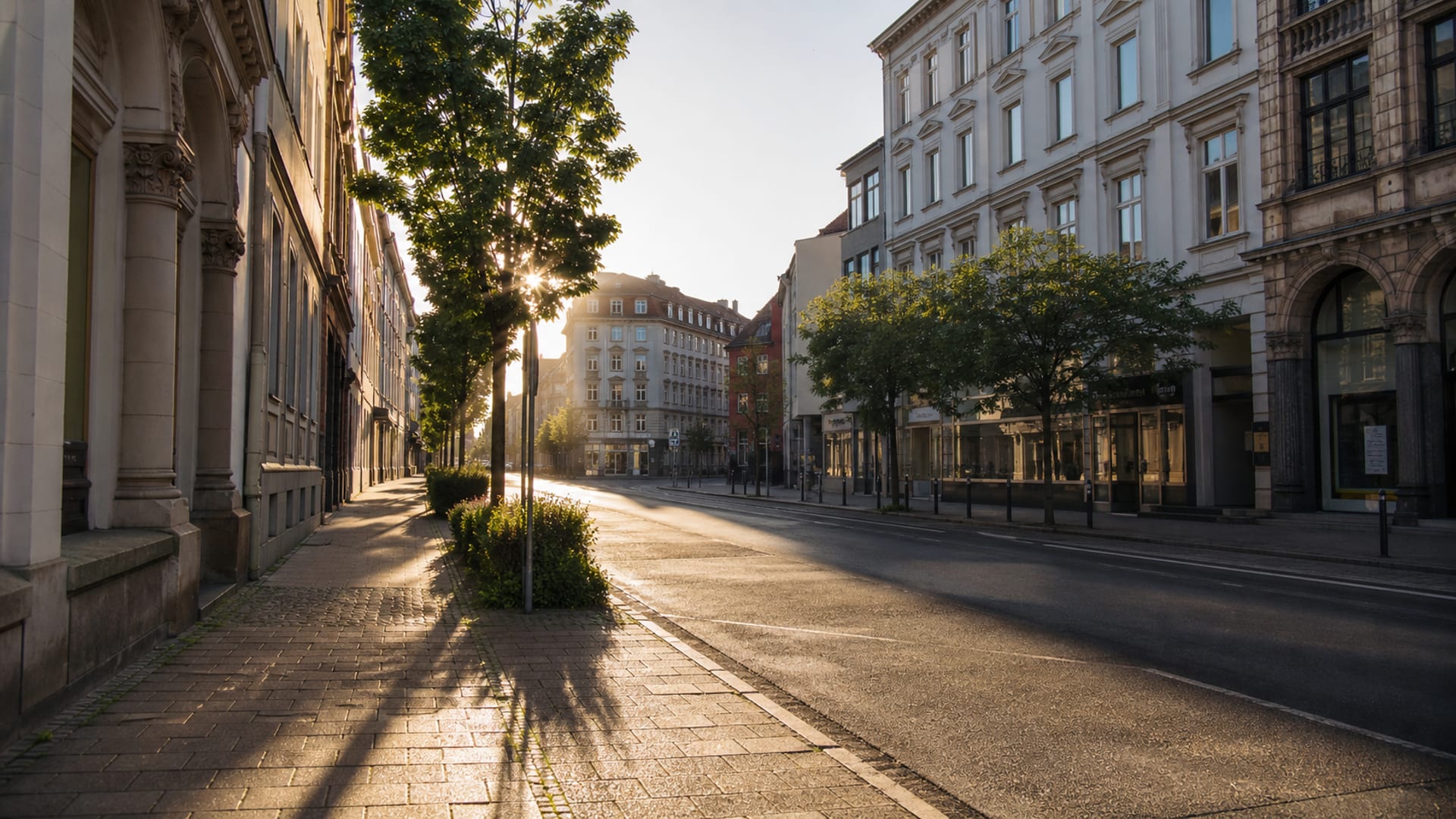
Mitte covers Hannover’s central core, including Hauptbahnhof, Kröpcke, the main shopping streets, and the Old Town. Hotels here keep rail, Stadtbahn, restaurants, shops, and several major sights close, while streets near the station and Raschplatz have more daytime and evening activity.
Best for: First-time visits, rail arrivals, and travelers who want the shortest transit times
What to expect: Busy sidewalks by day, late-night foot traffic near the station, and the fullest mix of hotels and chain restaurants.
Hotel prices: Usually about 120€ to 220€ (~$132 to ~$242) per night for well-rated stays
Distance to major sights: 10 to 15 minutes on foot to the Old Town, about 10 minutes by transit to Herrenhausen Gardens
Quietness: Lively through the day and into the evening, then calmer on side streets after restaurants close.
Main trade-off: The station area brings more noise and some rougher edges, especially at night.
Good to know: If noise is important, check the hotel’s exact street and room direction, especially near Hauptbahnhof, Raschplatz, and busy shopping streets.
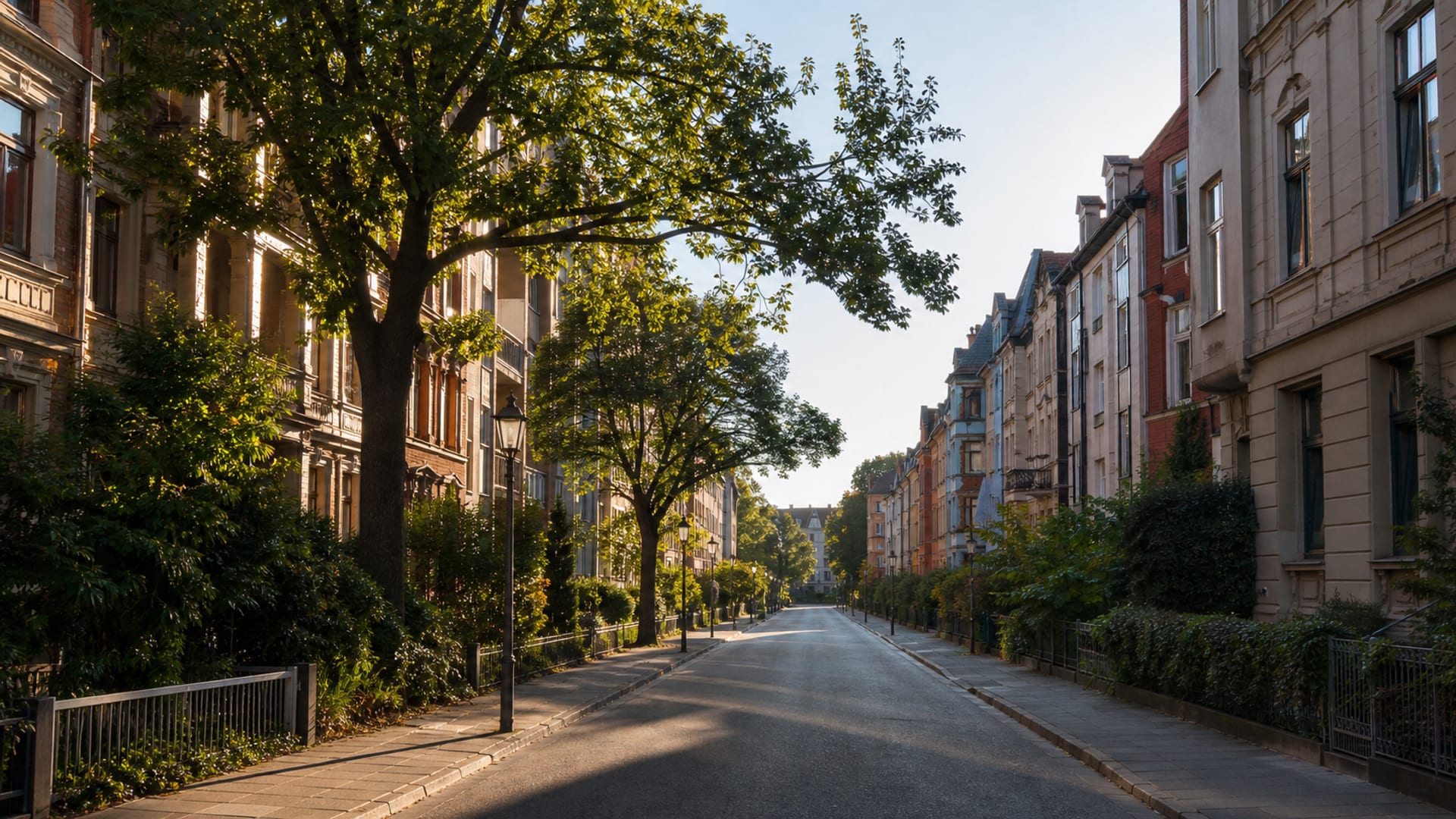
List lies north of central Hannover, with Lister Meile as its main shopping and dining street and residential blocks stretching toward Eilenriede. Cafés, restaurants, shops, and historic apartment buildings shape the area, while Stadtbahn lines provide direct access to the city center.
Best for: Cafés, local dining, and travelers who want an urban neighborhood feel
What to expect: Busy around Lister Meile, quieter on the residential blocks, with more locals than tourists.
Hotel prices: Usually about 110€ to 200€ (~$121 to ~$220) per night for well-rated stays
Distance to major sights: About 10 minutes by transit to the Old Town, roughly 20 minutes on foot to the Hauptbahnhof
Quietness: Brisk on the main strip by day, calmer in the evening once the shops close.
Main trade-off: You will rely on transit or walking for the main sights, since you are not in the historic core.
Good to know: Check the exact address before booking, since List covers a large area and travel time to the center changes depending on the nearest stop.
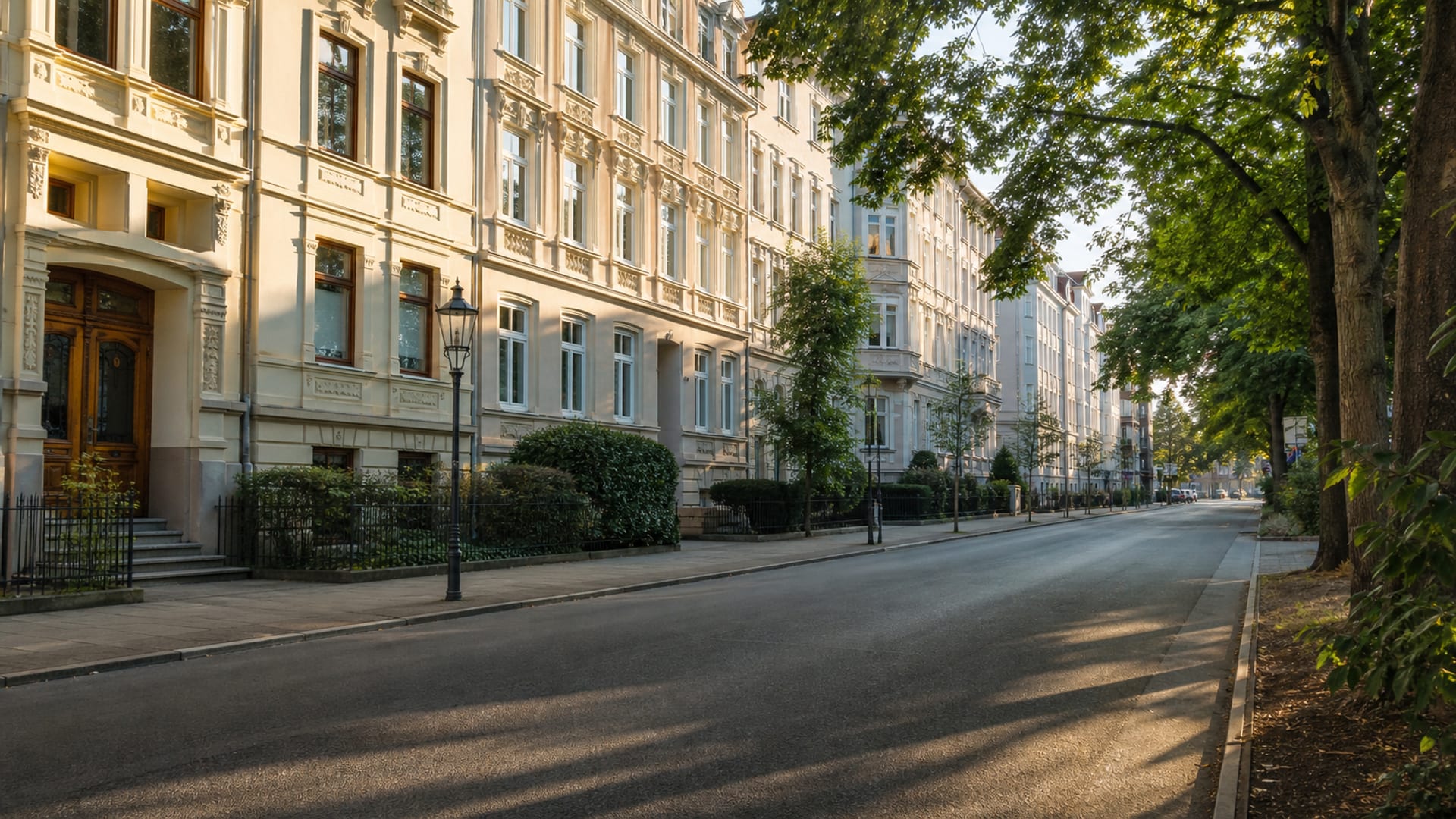
Südstadt stretches south of central Hannover toward Maschsee, with residential streets, cafés, bakeries, small shops, and quick Stadtbahn links into the center. Northern blocks are close to Aegidientorplatz, while hotels farther south place the lake and its 3.73 miles (6 km) path within easier reach.
Best for: Couples, longer stays, and travelers who prefer a quieter residential base
What to expect: Mostly local foot traffic, few late-night crowds, and a neighborhood pace centered on errands and cafés.
Hotel prices: Usually about 100€ to 180€ (~$110 to ~$198) per night for well-rated stays
Distance to major sights: About 15 minutes by transit to the Old Town, roughly 10 minutes on foot to Maschsee
Quietness: Calm during the day and generally quiet at night, with only light activity near main streets.
Main trade-off: You trade immediate access to the station and Old Town for a more residential location.
Good to know: Check the exact address before booking, since northern Südstadt shortens trips into the center while southern blocks are nearer Maschsee.
For a sightseeing-focused stay, Lahe, Misburg-Nord, and Wülferode are less practical because trips to the Altstadt and Hauptbahnhof take longer. Herrenhausen suits garden visits, while Linden-Nord and Vahrenwald have direct transit to the center.
Hotel deals
How to get around Hannover efficiently
Hannover has a reliable public transport network, with the S-Bahn for the airport, Stadtbahn and buses for city trips, and taxis for direct rides.

S-Bahn
for airport trips
S-Bahn line S5 links Hannover Airport with Hannover Hauptbahnhof in about 18 minutes. The station is below Terminal C. A single ticket costs €4.70 ($5.45). The train goes directly to the main station, so you do not need to change trains on the way into central Hannover.

Stadtbahn and bus
for city trips
Hannover’s Stadtbahn covers the center, many neighborhoods, and the trade fair grounds, while buses reach areas beyond the rail lines. A Zone A single ticket costs €3.70 ($4.30), and a day ticket costs €7.40 ($8.60). This is the main public transport option for sightseeing across the city.

Taxi
for luggage, direct trips, and late hours
Licensed taxis wait outside the airport and are useful if you travel with luggage, arrive late, or want a direct ride to your accommodation. The fare starts at €4.50 ($5.20), then adds €2.80 ($3.25) per kilometer. The final cost depends on the distance, route, traffic, and any waiting time during the journey.
*Prices are based on rates updated as of September 2026 and may change at the time of travel.
Use the S-Bahn for the airport, Stadtbahn and buses for most city trips, and taxis when you have luggage, arrive late, or want a direct ride to your hotel.
Iconic landmarks
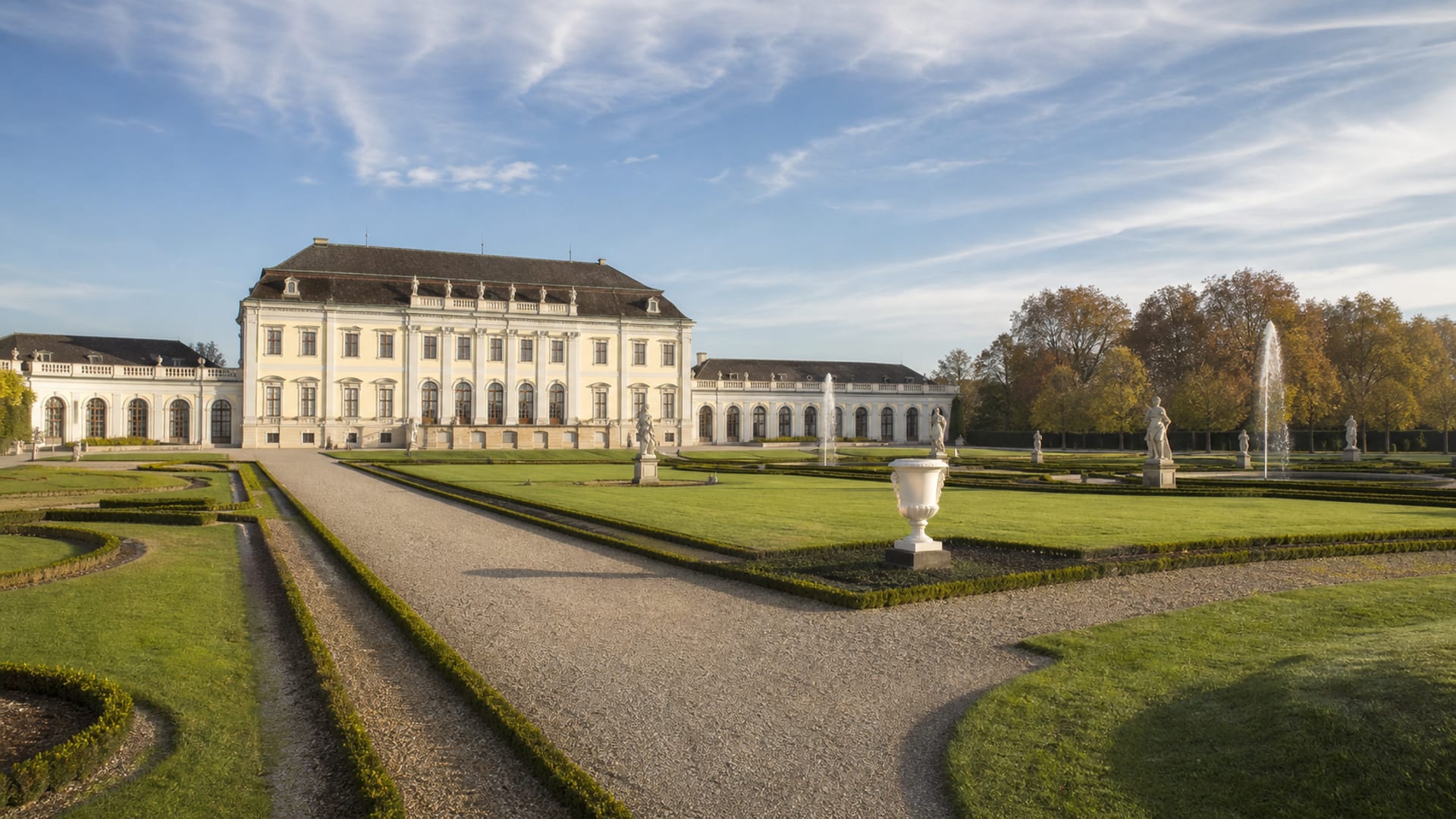
Herrenhausen Gardens
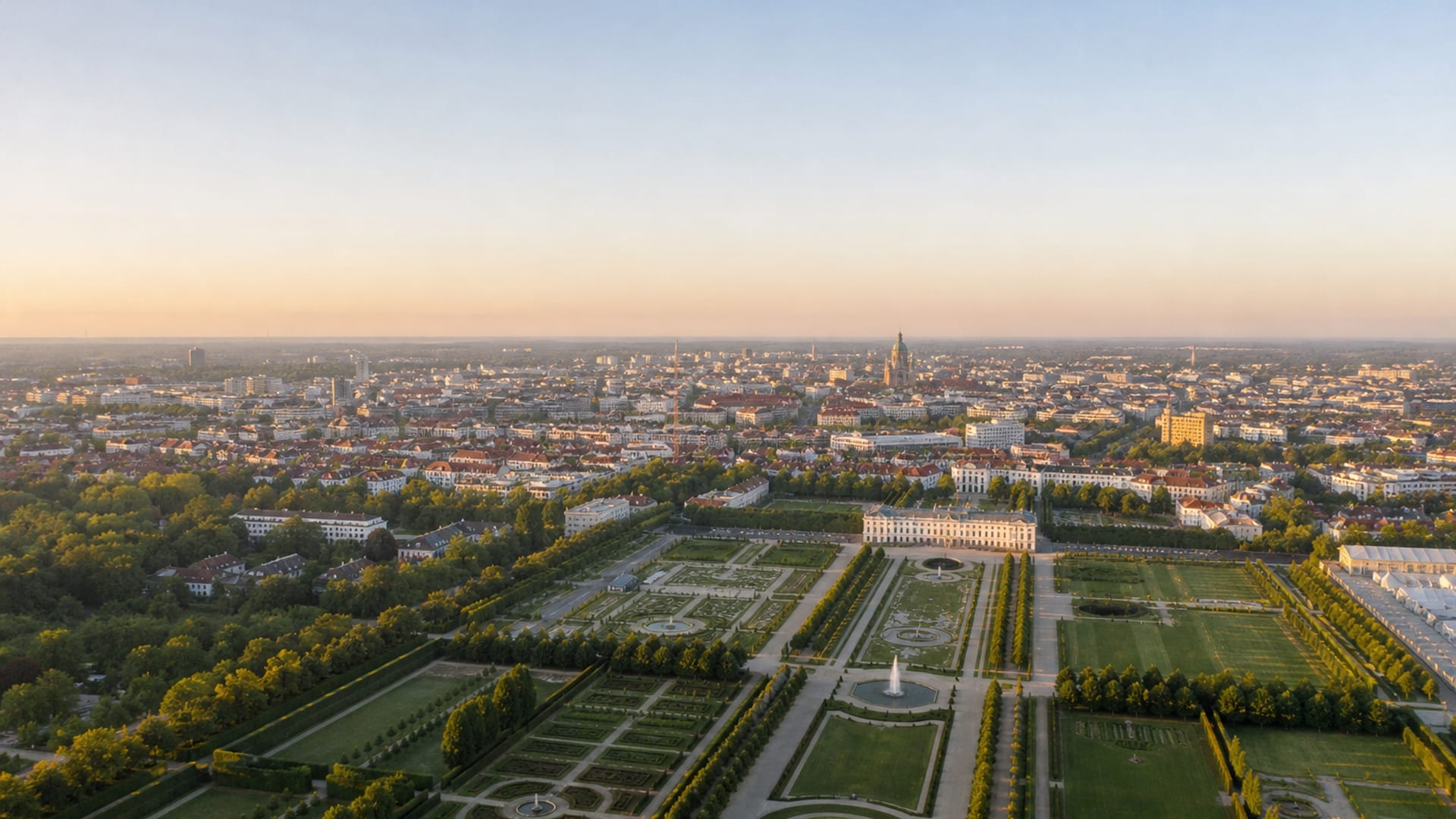
Herrenhausen Gardens include the formal Great Garden, Berggarten, and Museum Schloss Herrenhausen. The Great Garden has Baroque parterres, fountains, sculptures, and long avenues, while Berggarten is known for botanical collections, glasshouses, and seasonal displays throughout the year.
Time needed: Plan on 2–4 hours for the gardens and museum.
Entry: Great Garden entry is about $12 ($11) for adults; Berggarten entry is about $9 ($8); combination tickets cost about $17 ($16). Visit the official site for details.
Tip: Allow time for both gardens, and check the seasonal fountain schedule before visiting.
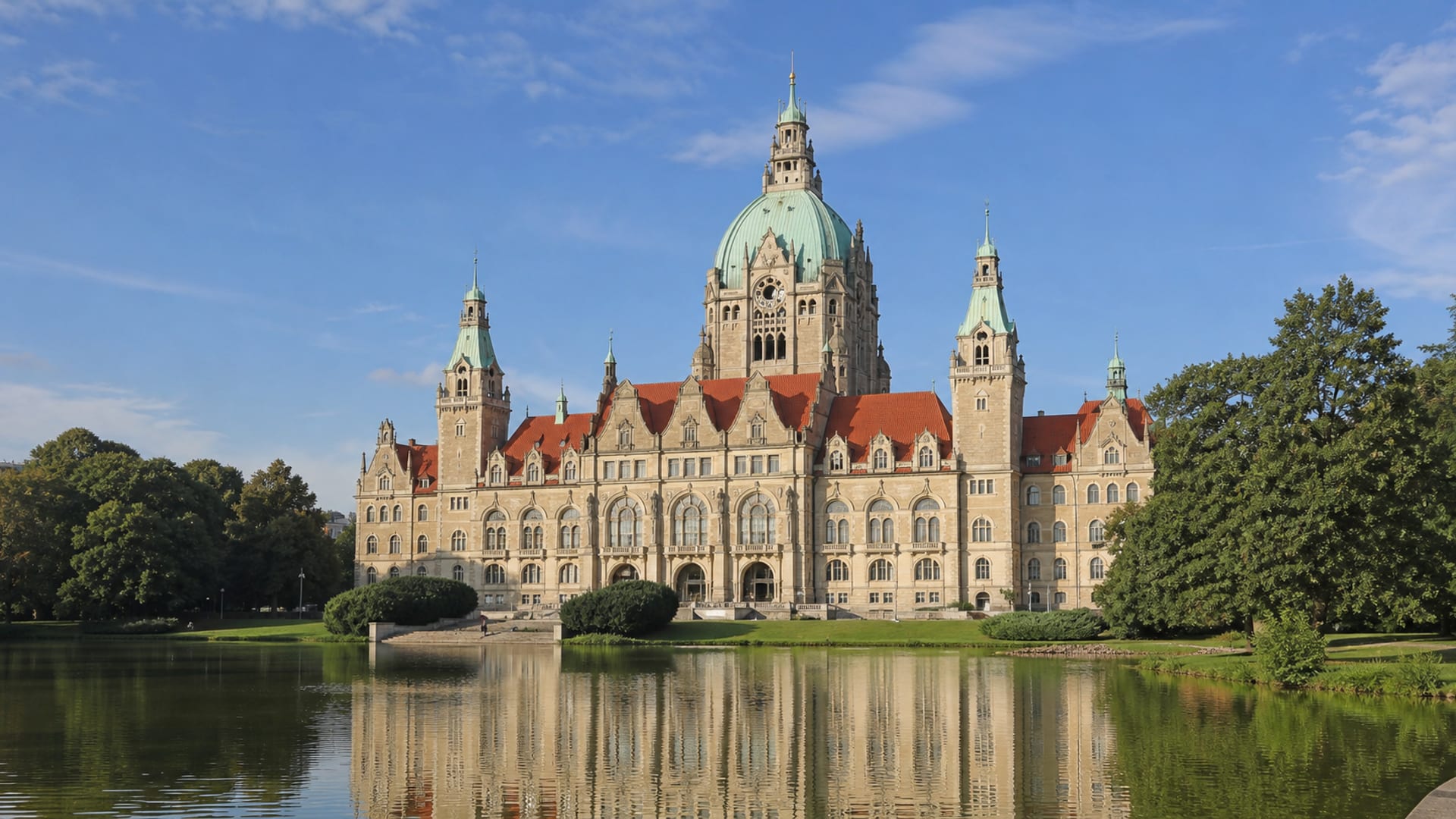
New Town Hall
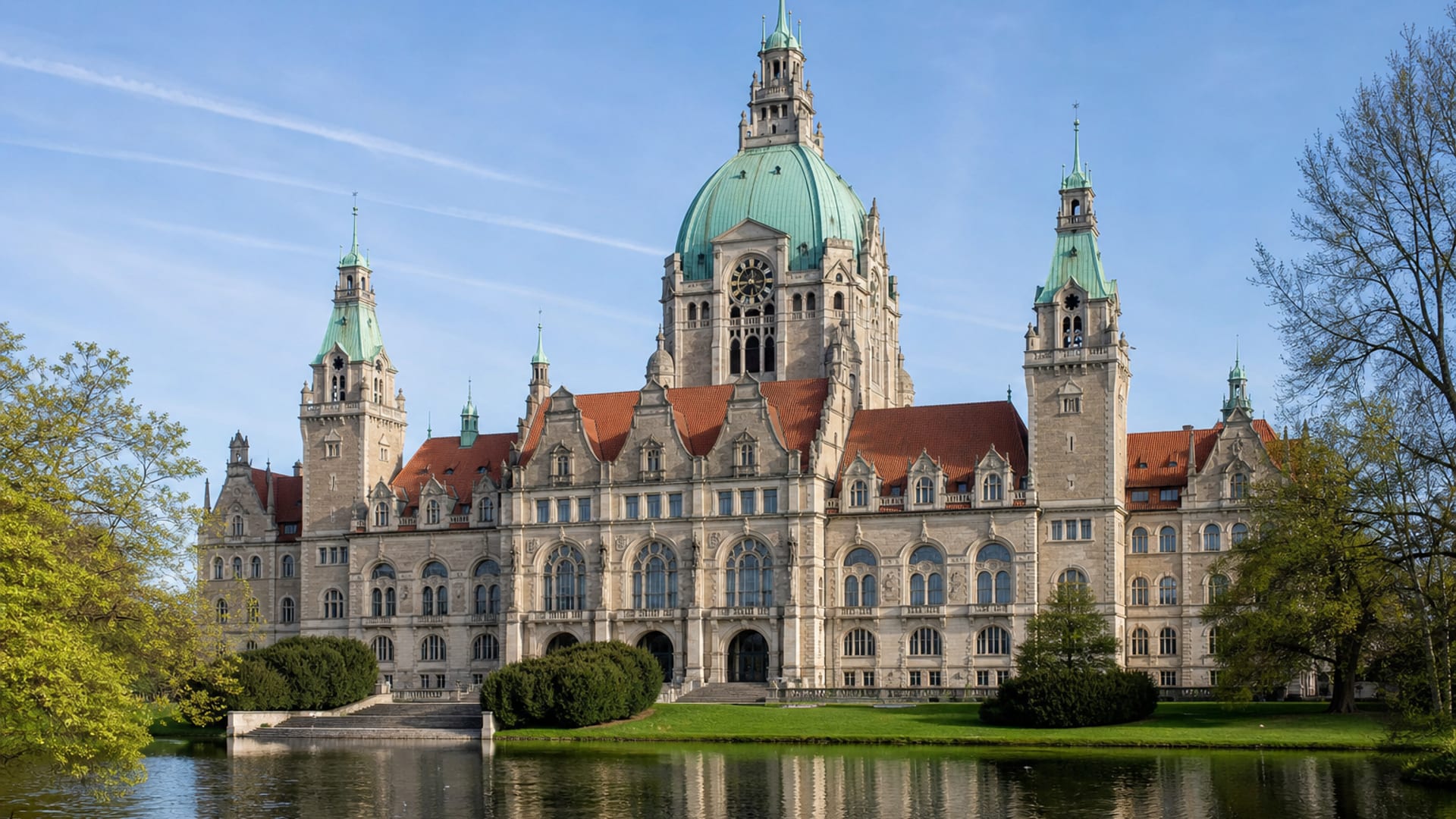
Opened in 1913, Hannover’s New Town Hall has a large dome, four city models showing Hannover in 1689, 1939, 1945, and today, and an unusual curved lift. The lift reaches a viewing platform 295 feet (90 meters) high, with views over the city, Maschsee, Eilenriede, and the surrounding region on clear days.
Time needed: About 1 to 2 hours
Entry: Tower admission costs about $6 ($5) for adults; children, students, and family tickets are priced lower. Visit the official site for details.
Tip: Visit earlier in the day if taking the dome lift is a priority, as queues can form.
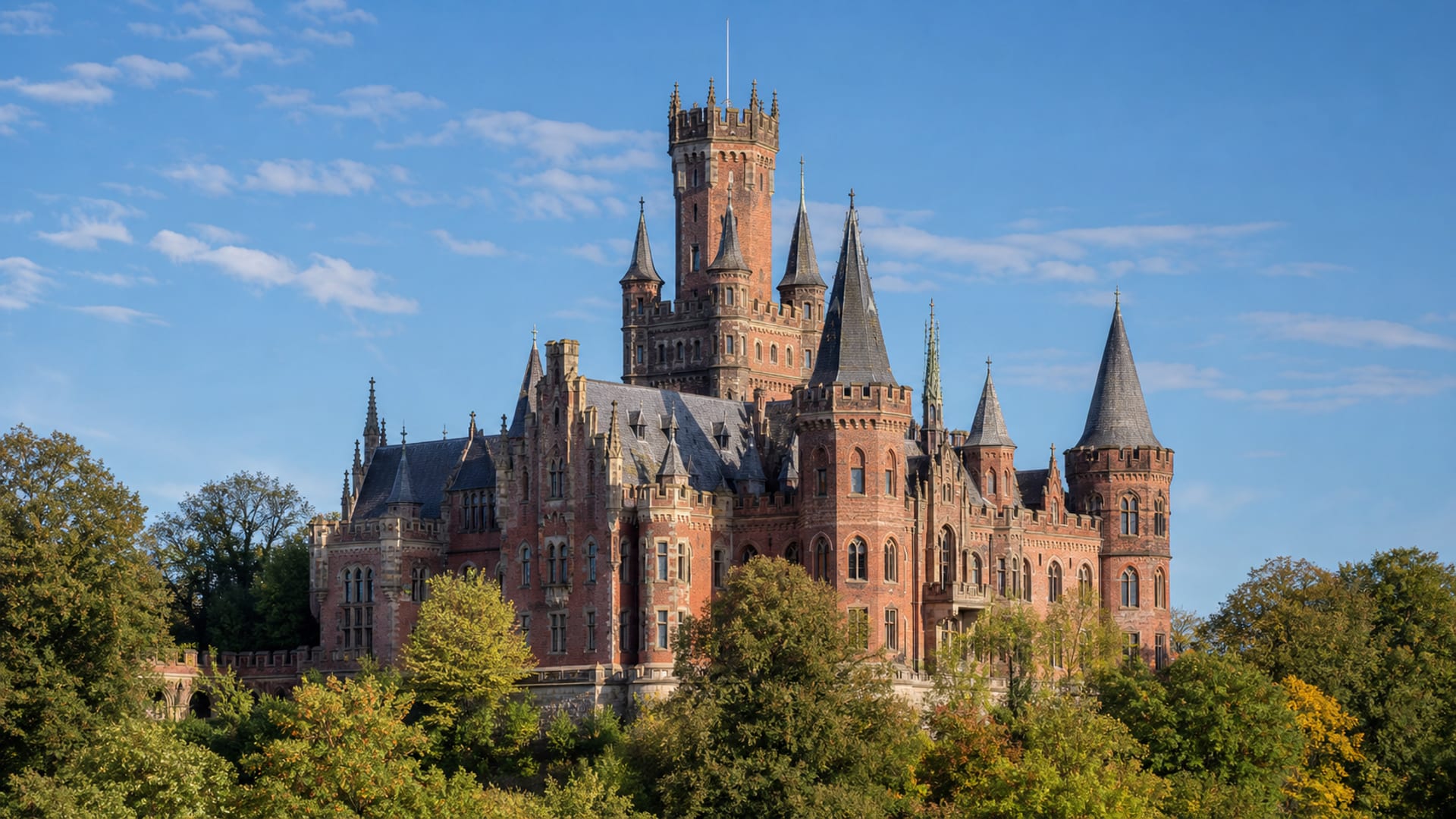
Marktkirche
Marktkirche has stood at the center of Hannover’s Old Town since the 14th century and is a landmark of North German Brick Gothic. The hall church has a tall brick tower and a simple, high interior, and it stands beside the Old Town Hall on the historic market square near several central sights.
Time needed: About 1 to 2 hours
Entry: Guided tour tickets cost about $16 ($15) for adults; reduced tickets for children and concessions cost less. Visit the official site for details.
Tip: Check the church calendar before visiting, as services and events can limit access.
Overlooked sites worth visiting

Aegidienkirche
Aegidienkirche is a 14th-century church ruin in central Hannover, left unrestored after World War II as a memorial to victims of war and violence. Its Hiroshima Peace Bell stands inside the shell.
Time needed: About 20 to 30 minutes
Entry: Free to access during regular opening hours, with no ticket required for the ruin itself. Donations are welcome at the site, and special concerts or commemorations may have separate charges announced locally.
Tip: Look for the Hiroshima Peace Bell and the memorial artworks inside the ruin.

Museum August Kestner
Museum August Kestner, beside the New Town Hall, holds Egyptian and classical antiquities, coins, applied art, and design. Its compact size makes it easy to add to a central sightseeing day.
Time needed: About 2 to 3 hours
Entry: Admission to the Great Garden and Berggarten costs about $11 ($10) for adults; children 12 and under enter free. Combined tickets often include both areas, and special exhibits may cost extra on top of the standard garden entry. Visit the official site for details.
Tip: Visit on Friday for free entry, especially if you are already seeing the New Town Hall.
Traditional food
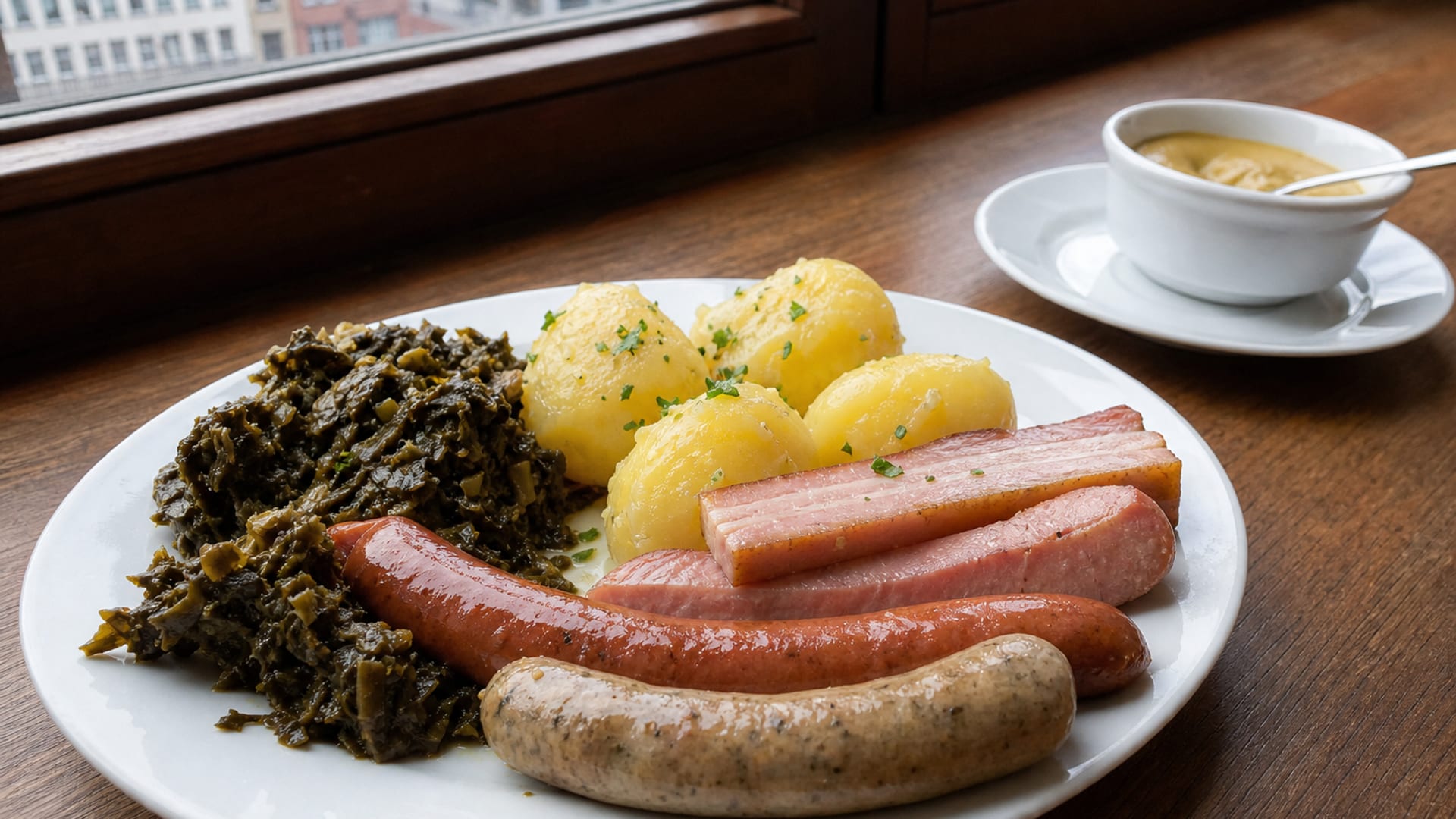
Hannover’s traditional dishes range from substantial meat and sausage plates to a delicate local dessert, with several recipes closely tied to the city and surrounding Lower Saxony.
Hannoverscher Zungenragout
Hannoversches Zungenragout is a rich stew of beef tongue, meatballs, mushrooms, pearl onions, and small sausages in a thick savory sauce, often served with potatoes. Berggasthaus Niedersachsen in nearby Gehrden currently lists the dish.
Grünkohl mit Bregenwurst
Grünkohl mit Bregenwurst is a winter dish of slow-cooked kale served with smoked sausage, Kassler, boiled potatoes, and mustard. Teichhûs in Hannover serves the classic combination from autumn, when kale returns to its seasonal menu.
Calenberger Pfannenschlag
Calenberger Pfannenschlag is a seasoned grain sausage made with oats, beef, pork, onions, and spices, then pan-fried before serving. Max Walloschke in central Hannover serves the dish as part of its long-running traditional German menu.
Welfenspeise
Welfenspeise is a two-layer dessert with vanilla milk cream underneath and a light white-wine foam on top, creating its traditional white-and-yellow appearance. Senses in Hannover serves a modern version finished with blackcurrant.
Best time to visit Hannover
Hannover is most rewarding from spring through fall, when gardens, parks, lake walks, and outdoor events are easiest to enjoy fully.
Best for: Gardens, park walks, mild afternoons, and the start of outdoor café season
What you get: Average highs rise from 48°F to 65°F (9°C to 18°C), while lows range from 35°F to 47°F (2°C to 8°C), with longer days by May.
Trade-offs: Cool mornings and changing weather can interrupt garden visits and outdoor plans, especially early in spring.
Best for: Maschsee, Herrenhausen Gardens, long daylight, and outdoor summer festivals
What you get: Average highs are near 69°F to 73°F (21°C to 23°C), while lows stay near 52°F to 56°F (11°C to 13°C), with long summer daylight hours.
Trade-offs: Maschsee and festival areas can get crowded during major summer events, especially in late July and August.
Best for: Museums, early fall color, city walks, and cooler days for sightseeing
What you get: Average highs fall from about 66°F to 47°F (19°C to 8°C), while lows drop from 50°F to 37°F (10°C to 3°C) as the season advances slowly.
Trade-offs: Days shorten quickly, and large trade fairs can push up hotel prices on selected dates in fall.
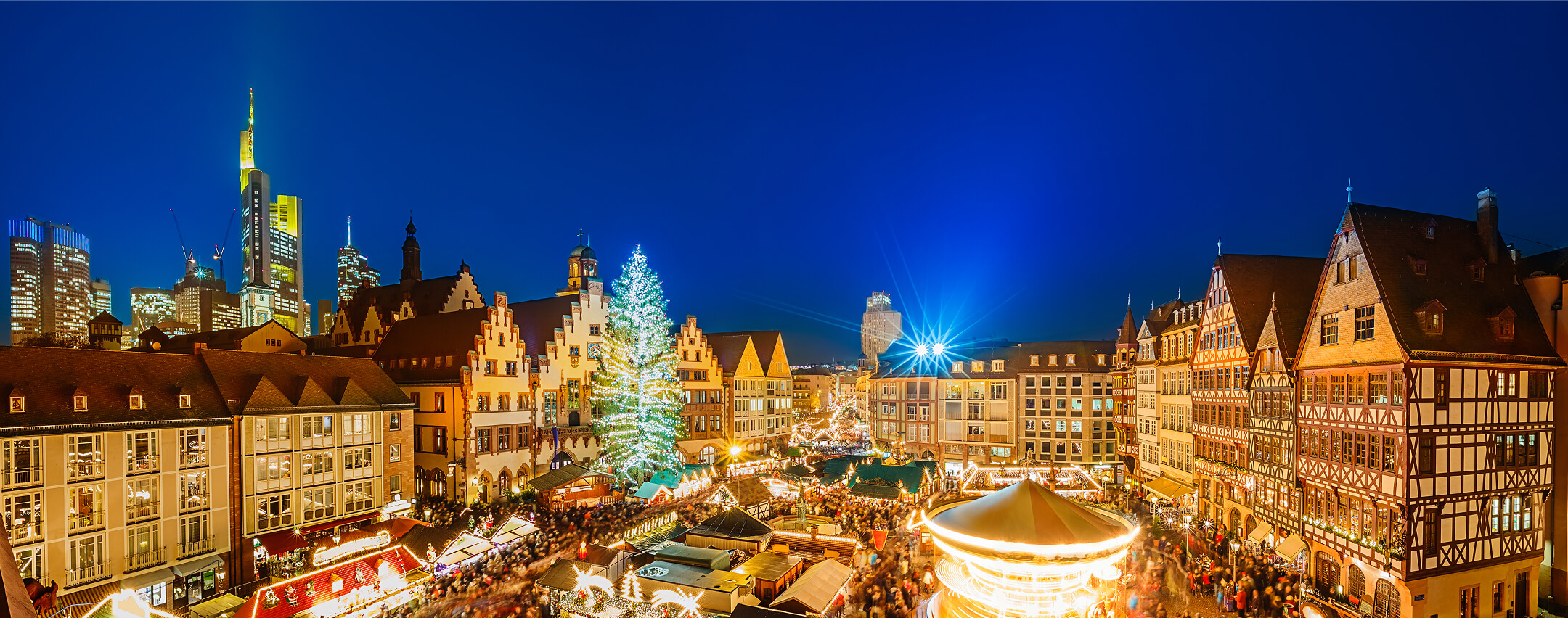
Best for: Christmas markets in December, museums, and short winter sightseeing days
What you get: Average lows are near 31°F to 33°F (-1°C to 1°C), while highs remain near 39°F to 41°F (4°C to 5°C), with limited daylight in winter.
Trade-offs: Short daylight and cold, gray weather limit outdoor time, especially in January and February.
A realistic 5-day plan in Hannover
Five days in Hannover leave enough time for the city center, Herrenhausen Gardens, the Old Town, Maschsee, and a few quieter neighborhoods. This plan keeps each day focused, with short transfers and enough time to enjoy each stop without rushing.
Arrive at Hannover Airport and take S-Bahn line S5 to Hannover Hauptbahnhof in about 18 minutes. An AB ticket costs €4.70 ($5.45). After checking in, walk along Bahnhofstraße through Kröpcke and into the Old Town for an easy first look at the center. Browse the main shopping streets, stop for coffee if you feel like it, then have dinner near your hotel. Keep the rest of the evening free so the first day feels relaxed after the flight.
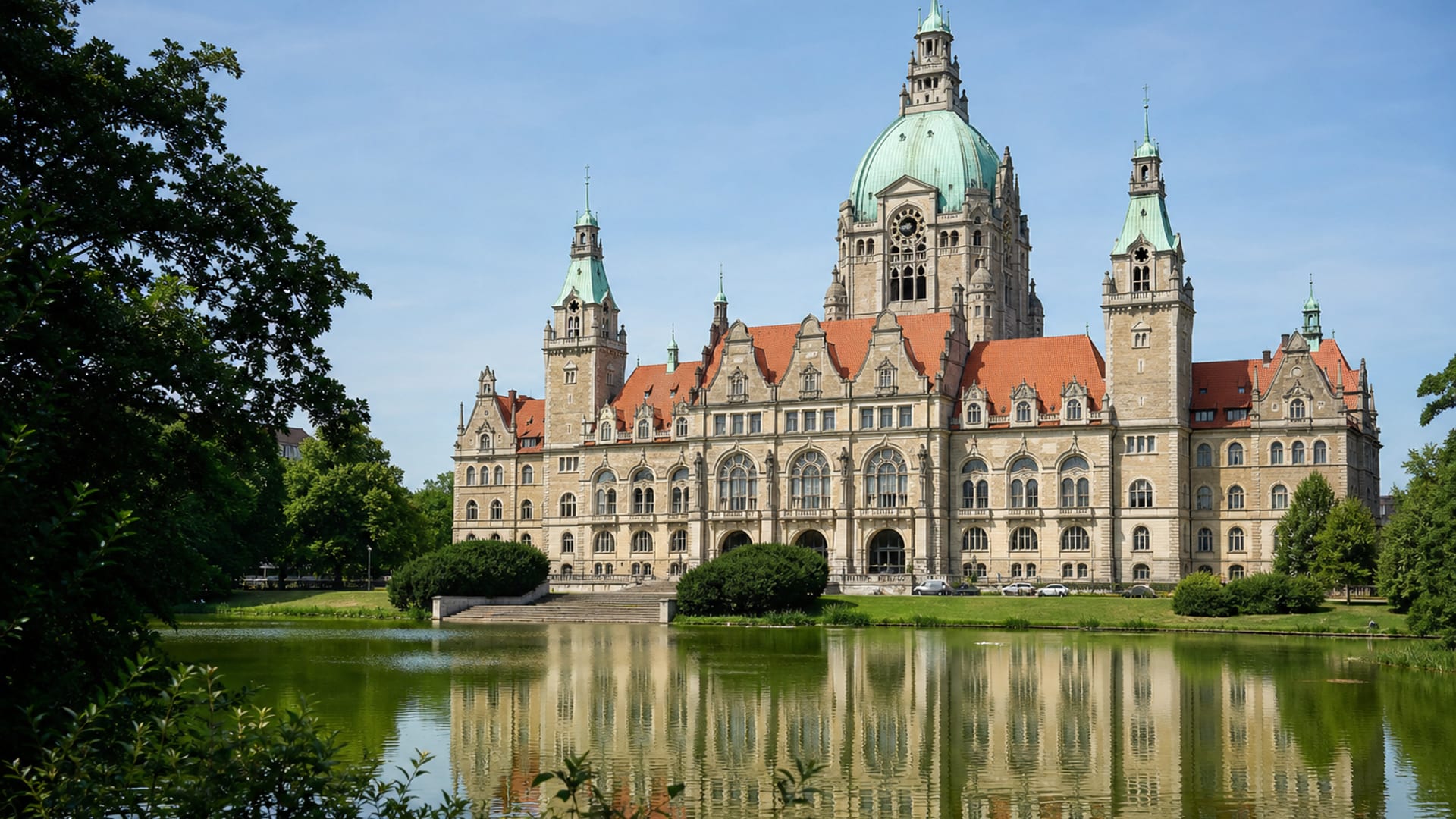
Begin at Herrenhausen Gardens and spend the morning in the Great Garden, Berggarten, and Museum Schloss Herrenhausen. Allow 2–4 hours for the parterres, fountains, glasshouses, plant collections, and museum rooms. After lunch, take the Stadtbahn back toward the center and visit the New Town Hall. If the dome lift is operating, ride up for views over Hannover and Maschsee, then take a short walk through the nearby streets before dinner in Mitte.
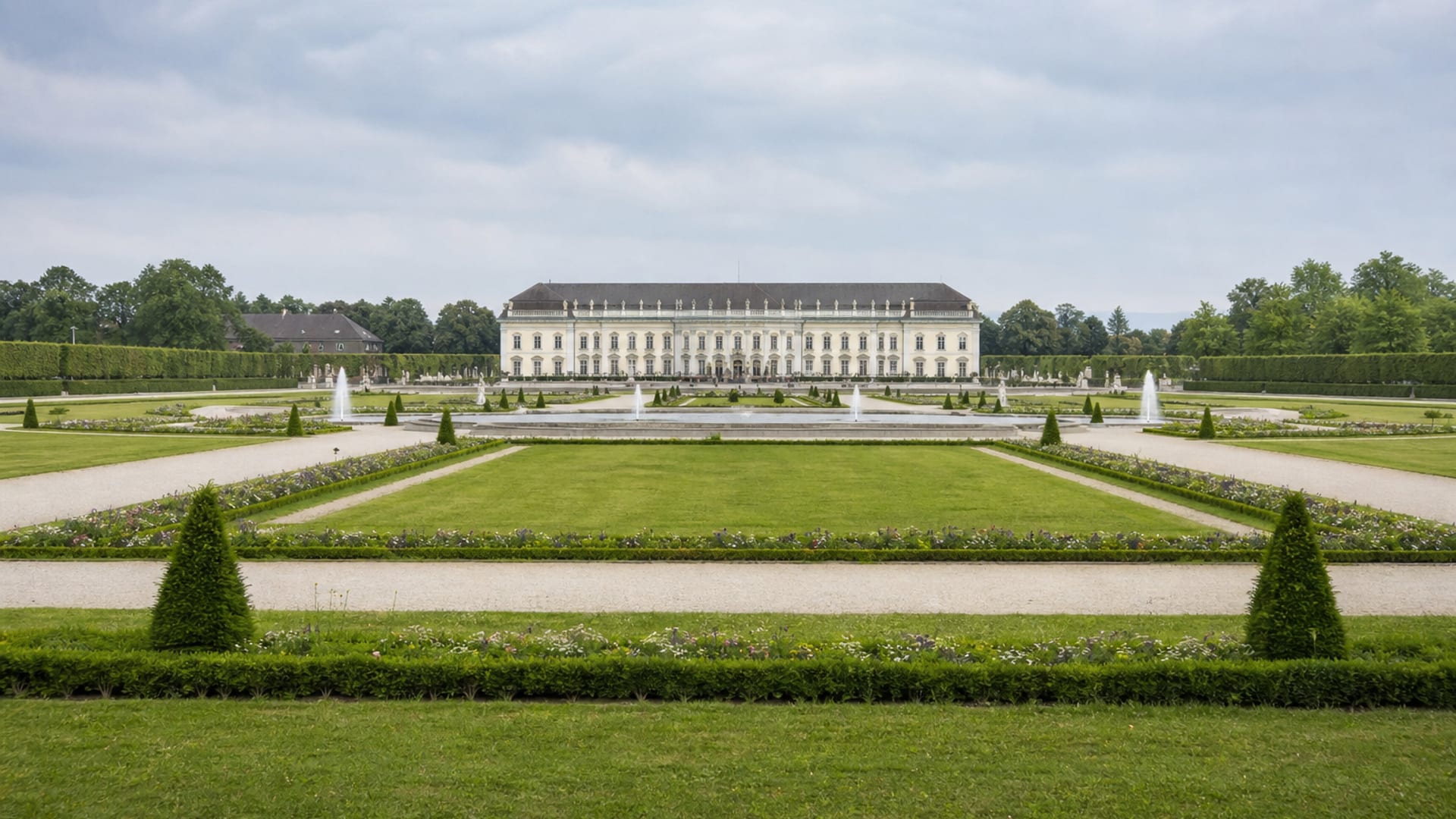
Start in Hannover’s Old Town at Marktkirche and the Old Town Hall, then continue to Hohe Ufer and the historic streets nearby. Walk on to Aegidienkirche to see the ruined church and Hiroshima Peace Bell, then visit the Museum, August Kestner beside the New Town Hall. Spend time in the galleries before returning to the Old Town for dinner. The stops are close together, so the day feels full without requiring much travel between them.
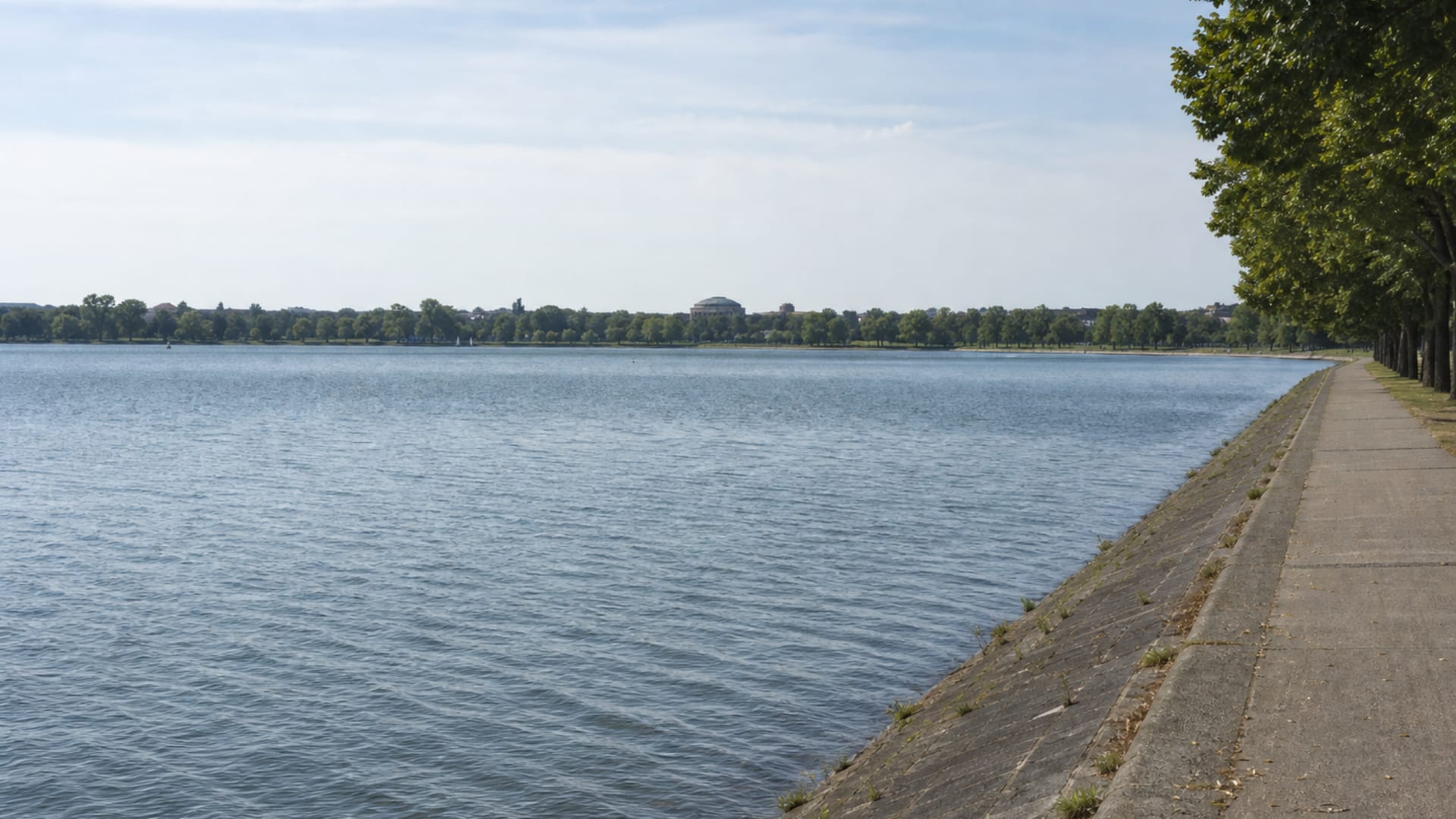
Spend the morning at Sprengel Museum beside Maschsee, then head outside to the lake after you finish with the collection. Walk part of the waterfront, or follow the full 3.73-mile (6-km) loop for a longer afternoon outdoors. Continue into Südstadt for cafés, small shops, and residential streets. Stop for coffee or a late lunch, then have dinner in the neighborhood. The mix of art, time by the water, and a relaxed evening gives the day a different rhythm from the center.
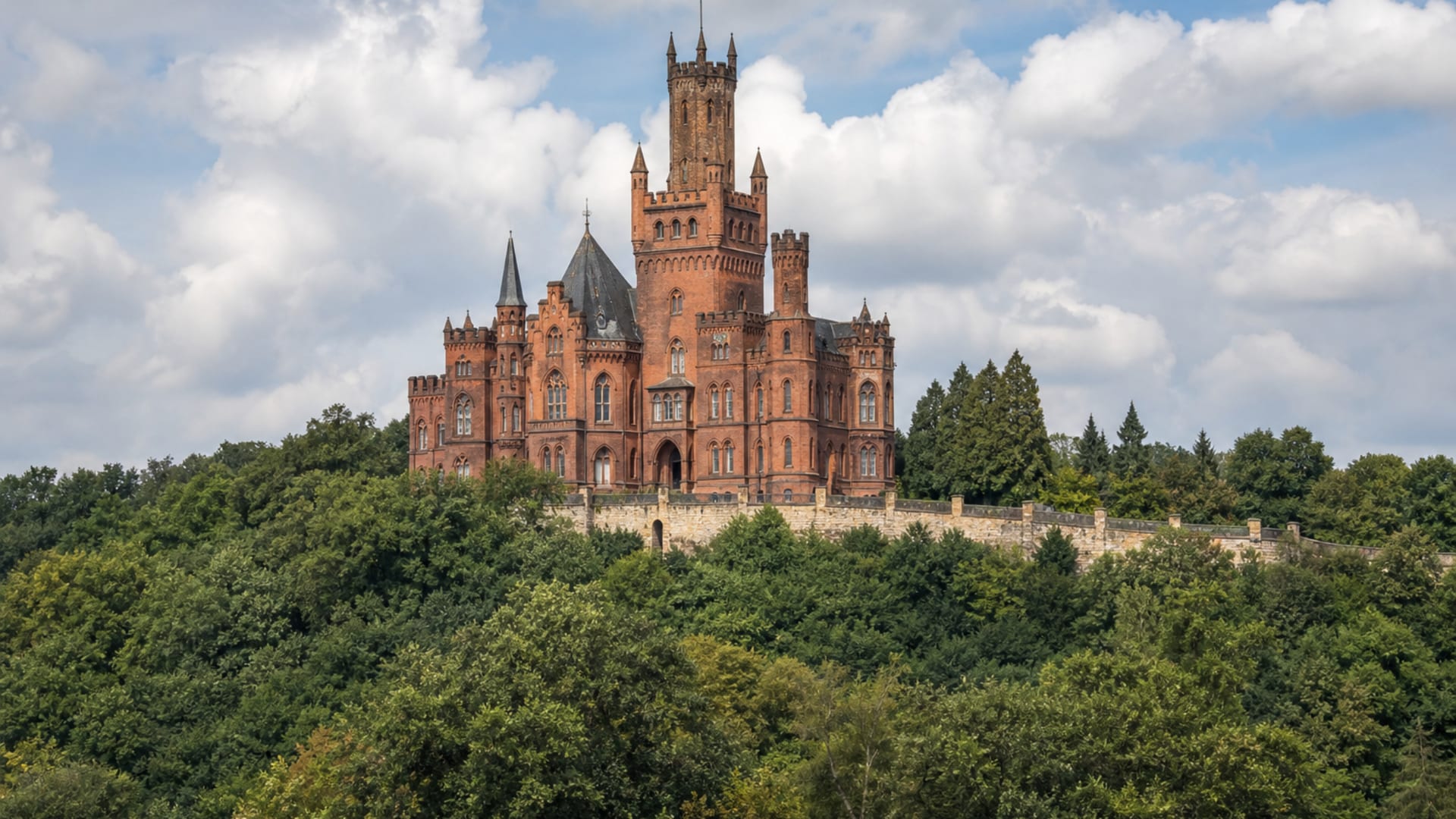
Keep the final day light with List and Lister Meile. Browse the shops, stop for coffee, and walk through the residential streets toward Eilenriede if time allows. Return to the center for any last shopping near Kröpcke and Hauptbahnhof, then collect your luggage and take S-Bahn line S5 to Hannover Airport. The train takes about 18 minutes from the main station, so there is no need to build a long transfer into the final part of the day.
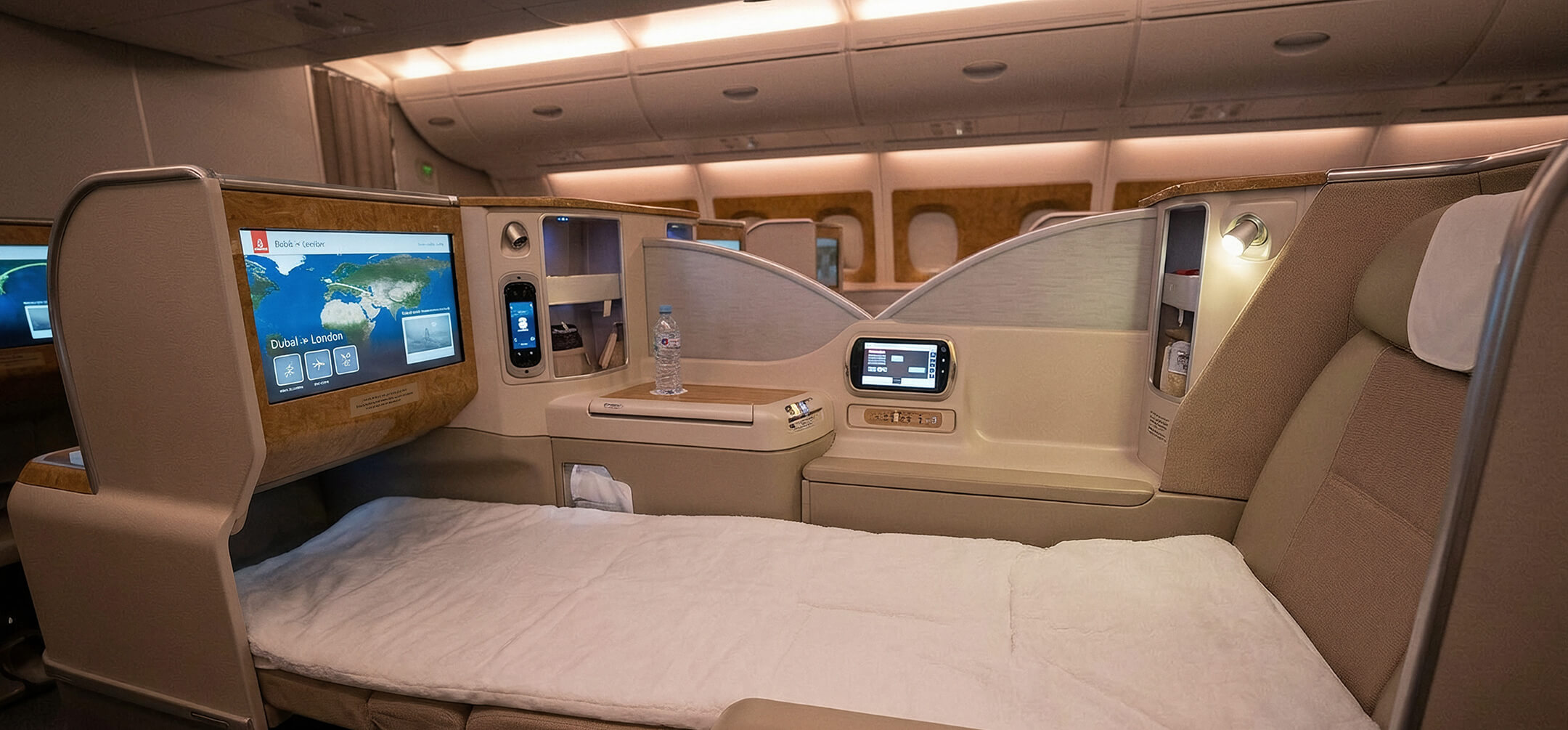
Business-class flights from the US to Hannover
There are no nonstop flights from JFK or LAX to Hannover, so business-class trips require one stop at a major European hub.
New York (JFK) to Hannover (HAJ)
From New York (JFK), all business-class itineraries to Hannover (HAJ) require one stop. Options include SWISS via Zurich (ZRH), Austrian Airlines via Vienna (VIE), KLM via Amsterdam (AMS), SAS via Copenhagen (CPH), American Airlines with British Airways via London (LHR), and Delta with KLM via Amsterdam. Trips take about 10 to 21 hours, with round-trip business-class fares of roughly $3,600 to $10,100.
Los Angeles (LAX) to Hannover (HAJ)
From Los Angeles (LAX), one-stop choices to Hannover (HAJ) include Lufthansa via Munich (MUC), Air France via Paris (CDG), KLM via Amsterdam (AMS), Turkish Airlines via Istanbul (IST), British Airways via London (LHR), and SAS via Copenhagen (CPH). Travel times generally range from about 14 to 20 hours, while round-trip business-class fares typically range from $4,000 to $11,200.
Planning Hannover with time to enjoy it
Hannover is easiest to enjoy when each day has a clear focus, with time for the gardens, historic center, Maschsee, and neighborhoods beyond Mitte. A simple structure keeps travel time under control and leaves room for long lunches, museum visits, and an unhurried evening. Once your dates are set, AranGrant can help you compare business-class flights and hotels, so the practical side is in place before you arrive and the days themselves never feel overloaded.