

Chapters:

Need help with your trip?
Our support team is available 24/7. Request a callback or call us directly at (833) 619-0908
Haikou trips often begin with Qilou Old Street, a seafood dinner, and a taxi back to the hotel. Travelers usually see the old facades and the waterfront, then miss how much the city changes once you move between Longhua, the museum district, and the volcanic outskirts.
That simple loop can hide long transfer times, heavier traffic at peak hours, and busy heritage lanes that reward better timing. If you treat every sight like a quick stop, you spend more time in transit and less time in the parts of Haikou that actually need an early start or a slower pace.
This guide sets a clearer order: where to stay, how to move, what to eat, when to visit each landmark, and how to shape five days so the city’s distances and timing work in your favor.
Useful things to know

Main language(s): Chinese
Nǐ hǎo (nee hao) – Hello
Qǐng (ching) – Please
Xièxie (shieh-shieh) – Thank you
Nǐ huì shuō Yīngyǔ ma? (nee hway shwoh ying-yoo ma) – Do you speak English?
Duōshǎo qián? (dwor-shaow chyen) – How much does it cost?

Currency: The local currency is the Chinese yuan (CNY, ¥).

Cash and cards: Cards and contactless are accepted in most hotels, malls, and larger restaurants; carry about ¥200 to ¥400 ($28 to $56) in cash for smaller spots.

Tipping: Tipping is not customary; round up small bills only in tourist spots.

Traditional food: Hainanese chicken rice, Wenchang chicken, Jiaji duck, Hainan powder

Water and coffee costs: Water about ¥3 to ¥8 ($0.40 to $1.10), bar espresso about ¥18 to ¥28 ($2.50 to $3.90).

Taxis and ride apps: DiDi works here; use it with mobile data and a Chinese pickup point if your app asks for one.

Plug and voltage: Type A/C socket, 220V

Dining and shop opening hours: Breakfast runs about 07:00-09:00, lunch 11:30-13:30, and dinner 18:00-20:30. Some late-night seafood places stay open past 22:00.

Emergency number: 110 police, 120 ambulance, 119 fire.
Where to stay in Haikou
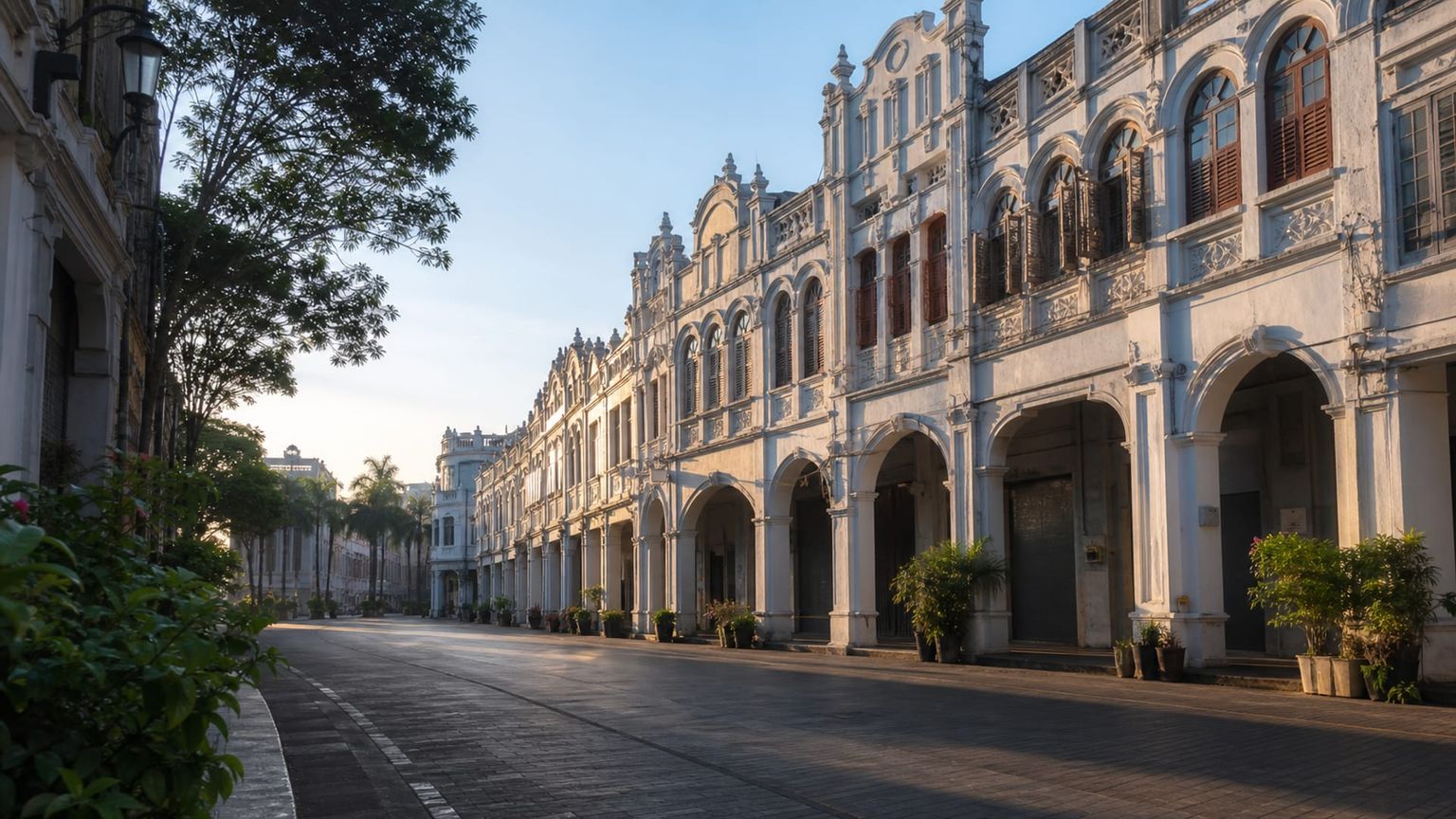
Haikou’s civic and commercial core puts you close to the main shopping streets, government offices, and several business hotels. It suits travelers who want the city’s busiest core and easy access to dining, taxis, and transport.
Best for: Business trips, central access, and travelers who want the broadest choice of hotels and dining
What to expect: Busy sidewalks, frequent traffic, and the most activity after office hours.
Hotel prices: Usually about $45 to $120 per night for well-rated stays
Distance to major sights: About 10 to 20 minutes by taxi to Qilou Old Street and about 20 to 30 minutes to Haikou East Railway Station
Quietness: Busy by day and active into the evening, especially on main roads and shopping streets.
Main trade-off: You gain the widest range of hotels, but the best rooms can sit on noisier streets and budget choices vary in quality.
Good to know: Choose a room off the main road if you want less traffic noise at night.
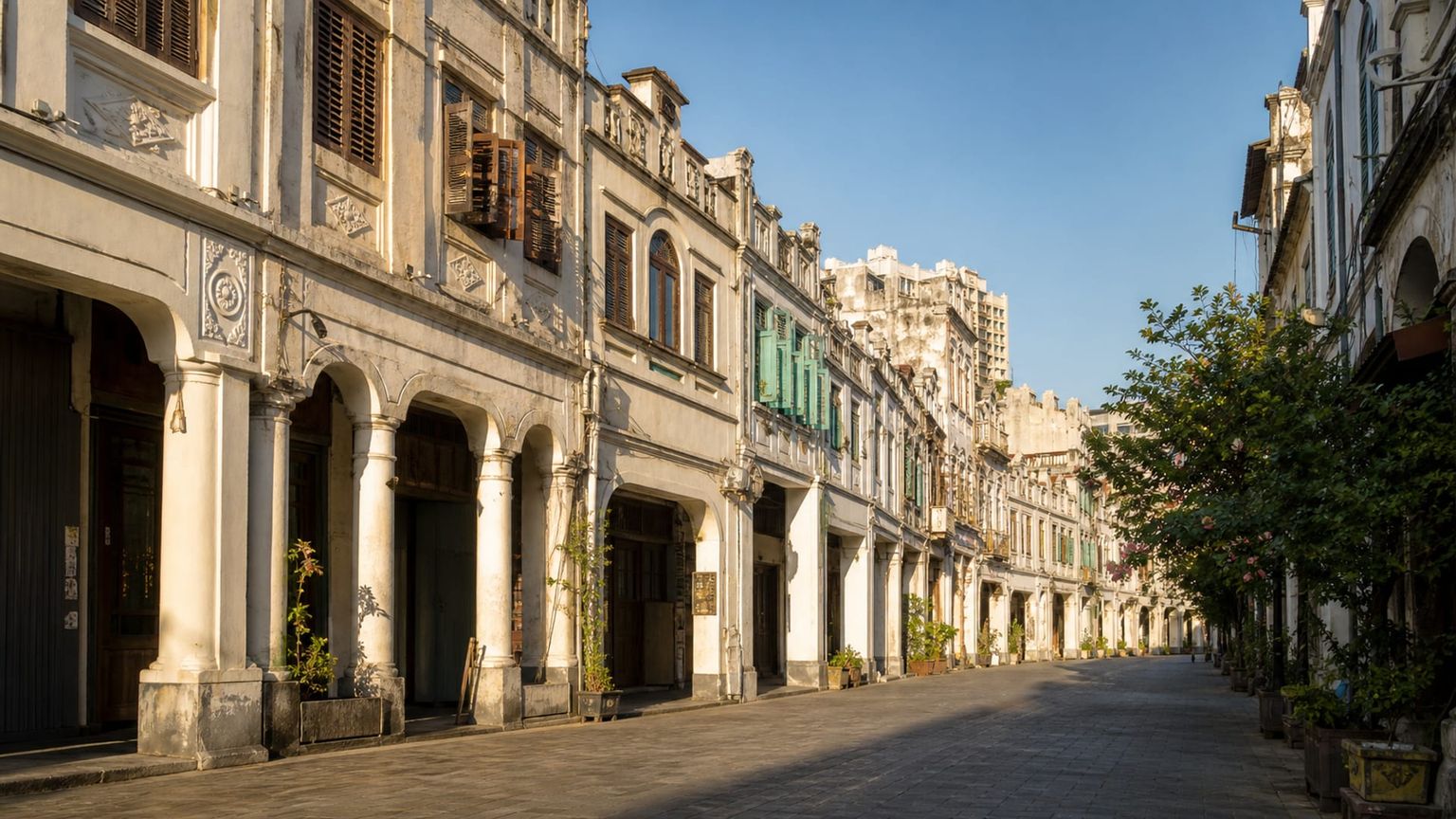
This historic district centers on arcade-fronted lanes, preserved shophouses, and easy walking access to some of Haikou’s oldest streets. It matters if you want to step out into heritage scenery, street snacks, and short taxi rides to nearby sights.
Best for: First-time visits, walking short heritage streets, and travelers who want evening food nearby
What to expect: Tour groups, snack vendors, and a steady flow of visitors around the most photogenic streets.
Hotel prices: Usually about $55 to $140 per night for well-rated stays
Distance to major sights: On foot to Qilou Old Street, about 10 to 15 minutes to the waterfront, about 25 minutes by taxi to Haikou Meilan International Airport (HAK)
Quietness: Lively through the day and early evening, then quieter once shops close.
Main trade-off: Rooms in the oldest blocks can be smaller, and the liveliest streets bring more foot traffic and occasional late noise.
Good to know: Some heritage lanes are pedestrian-heavy, so arriving by taxi is easier than trying to park nearby.
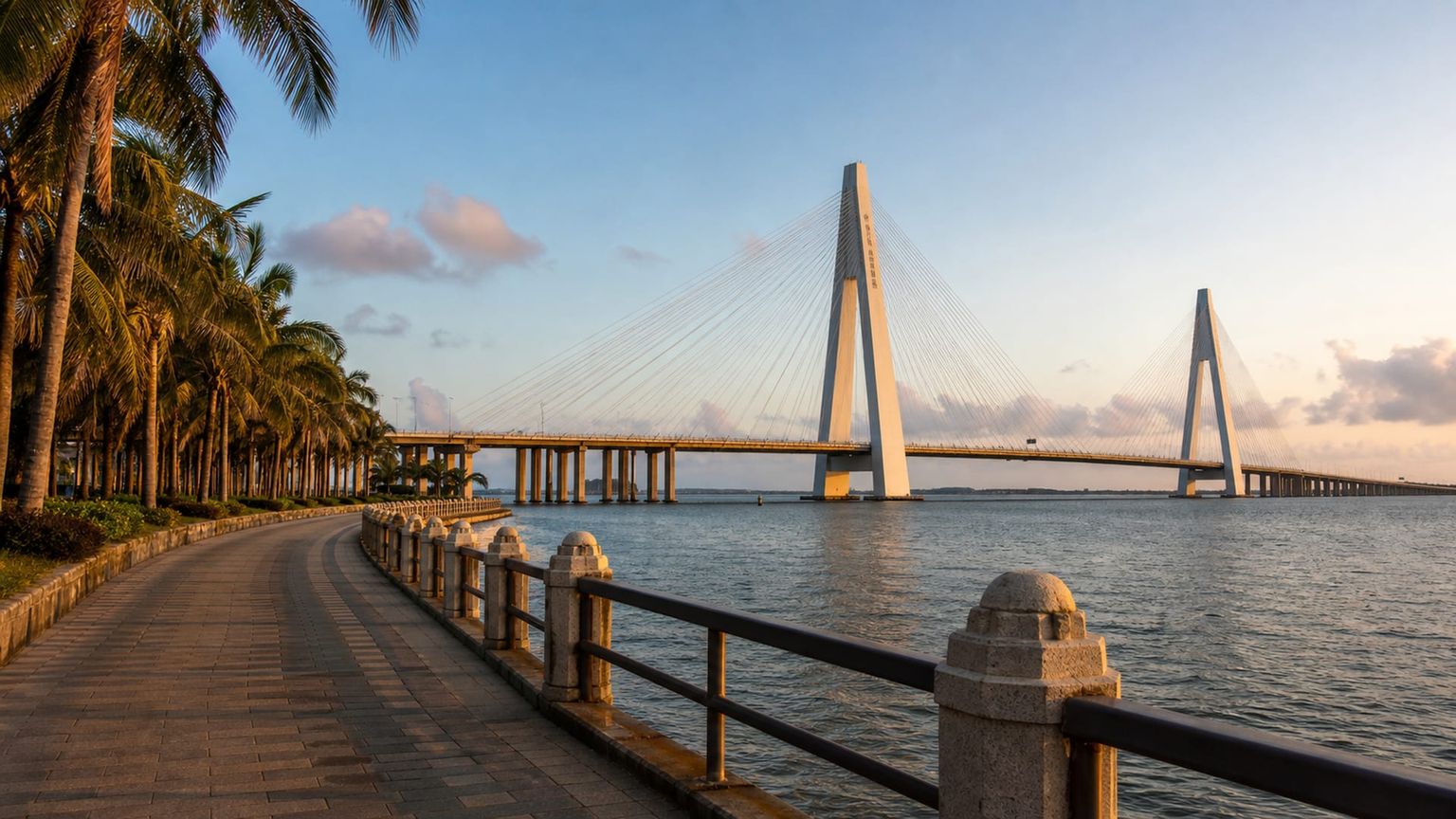
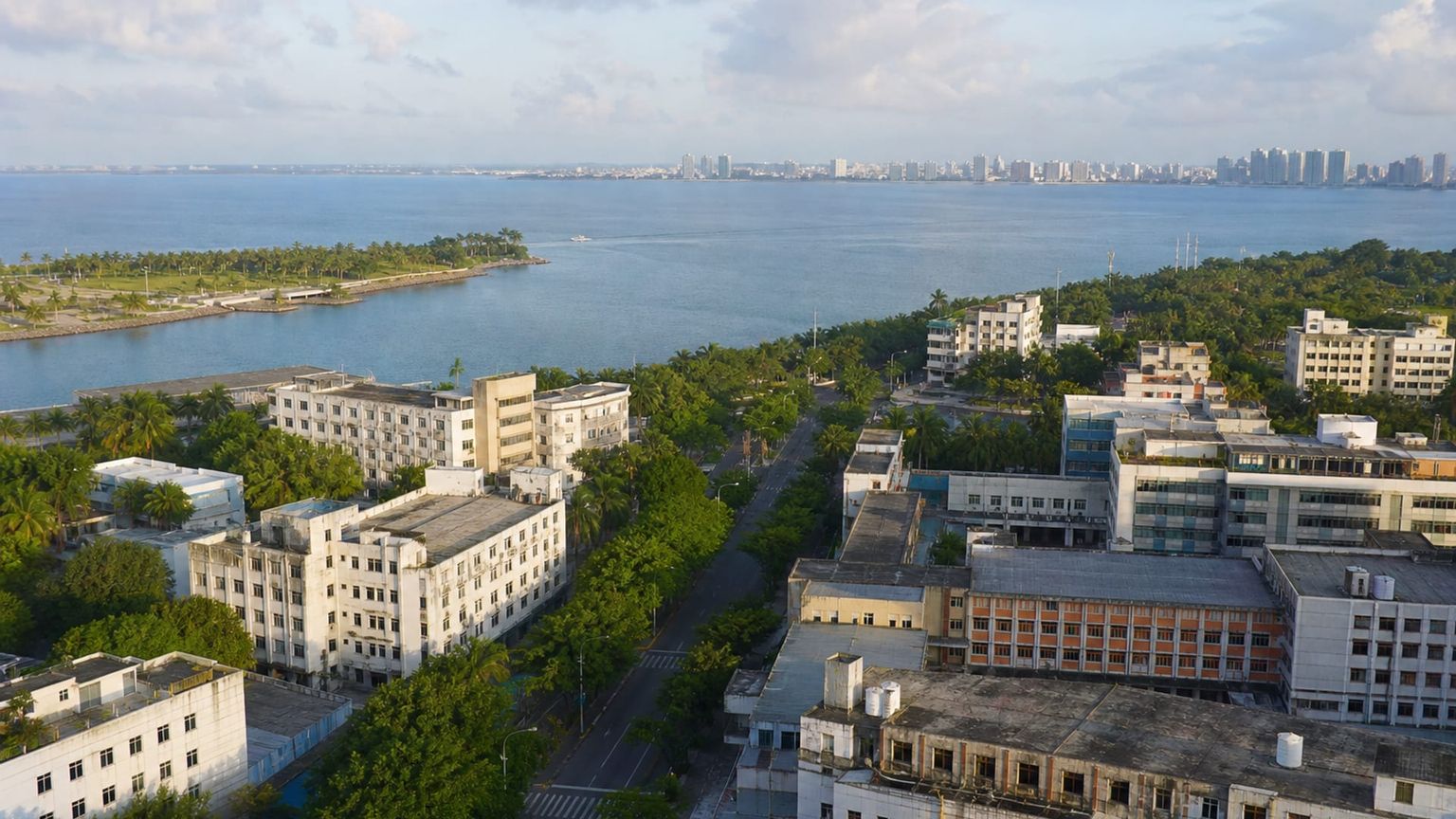
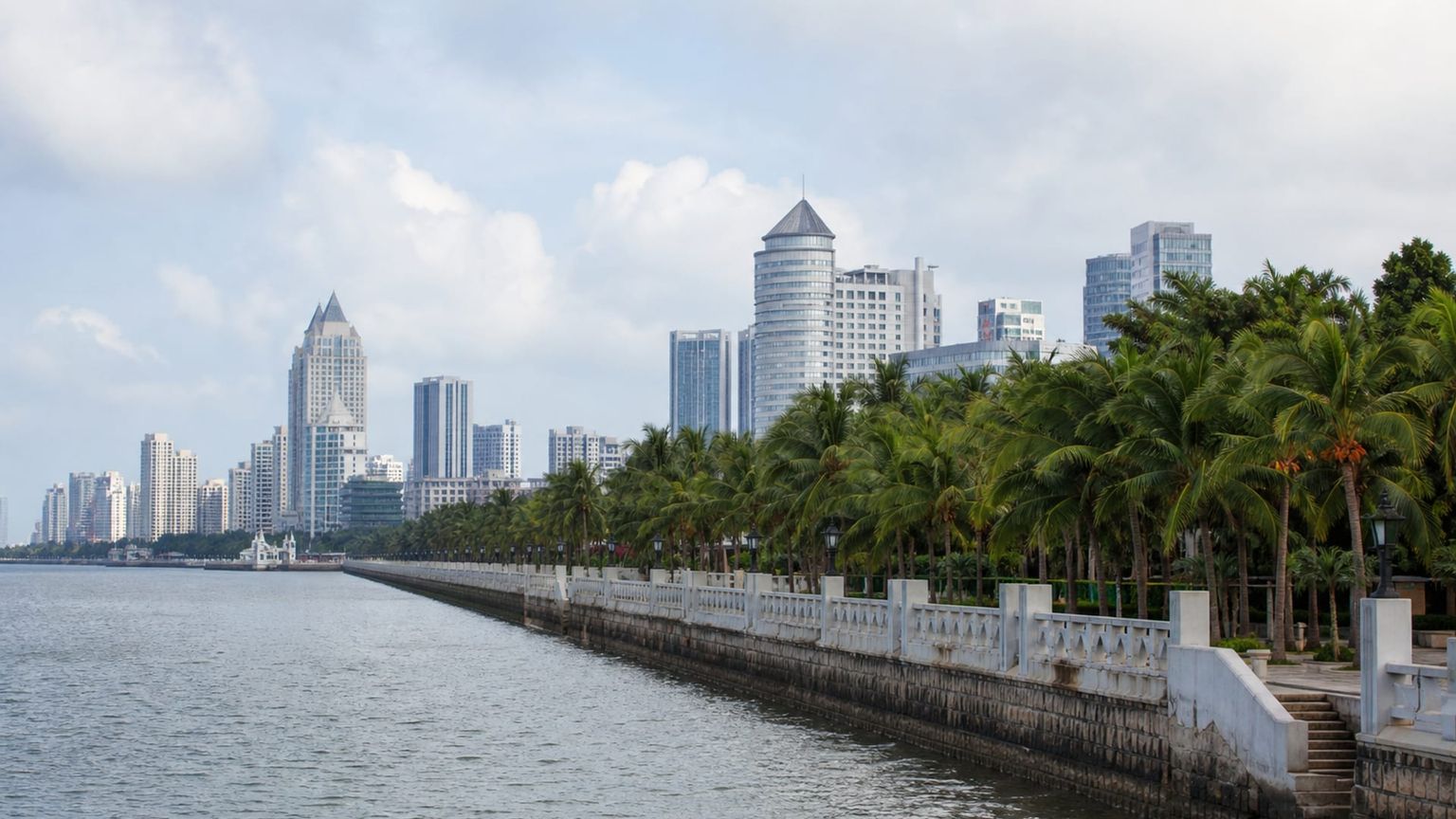
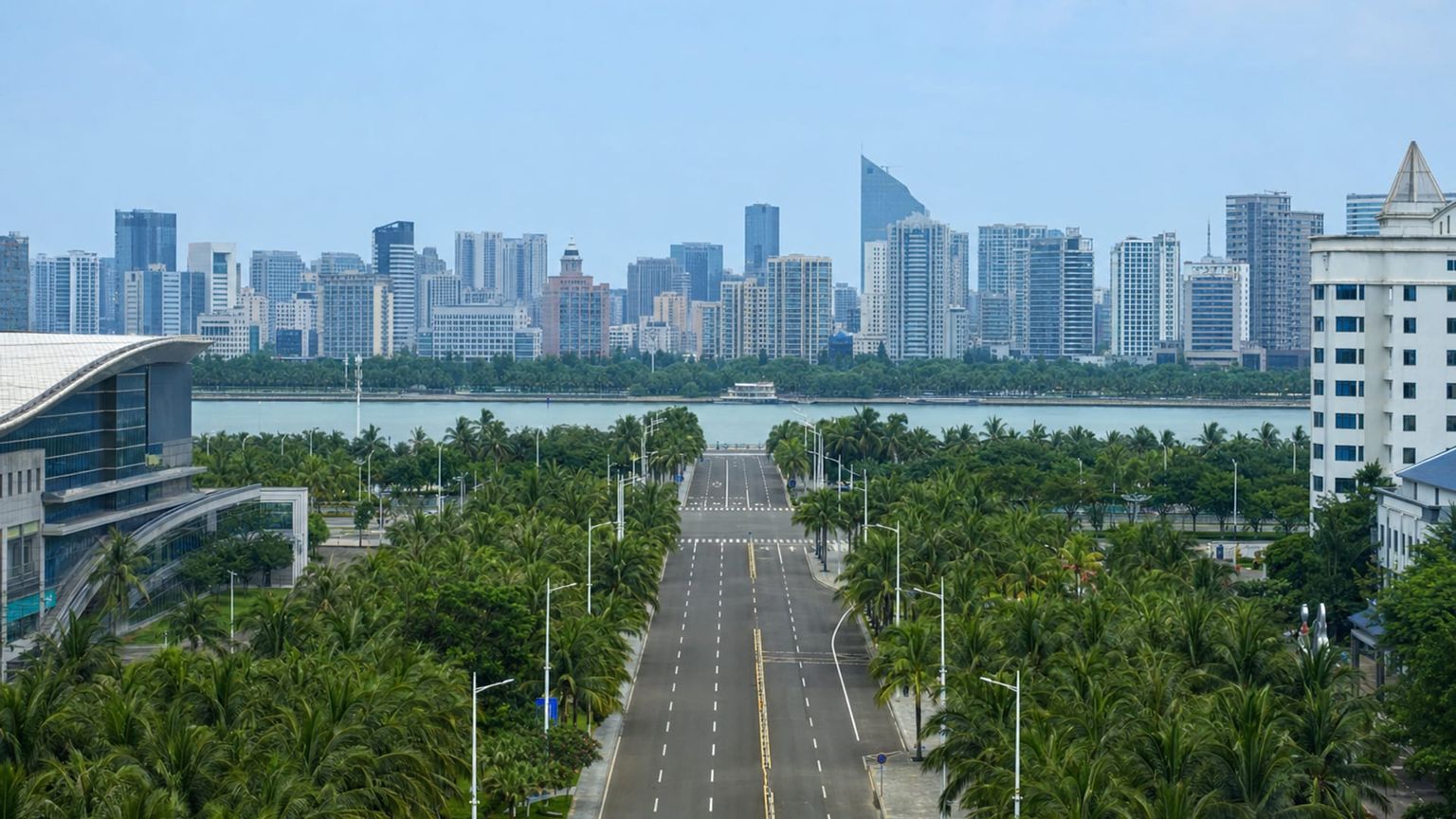
This newer waterfront strip sits near the harbor side of central Haikou, with hotels, sea views, and access to parks and broad roads. It works well if you want a quieter base than the historic core but still want to reach central sights quickly.
Best for: Waterfront stays, longer hotel stays, and travelers who prefer newer buildings with easier vehicle access
What to expect: Open roads, hotel towers, and lighter street life than the old city center.
Hotel prices: Usually about $50 to $130 per night for well-rated stays
Distance to major sights: About 15 to 20 minutes by taxi to Qilou Old Street and about 20 to 25 minutes to Haikou People’s Park
Quietness: Quieter in the evening, with more movement around hotels than on the streets.
Main trade-off: You are farther from the most atmospheric old streets, and some blocks feel sparse after dark.
Good to know: If you plan to rely on taxis, this area is easier than the tighter lanes of the old center.
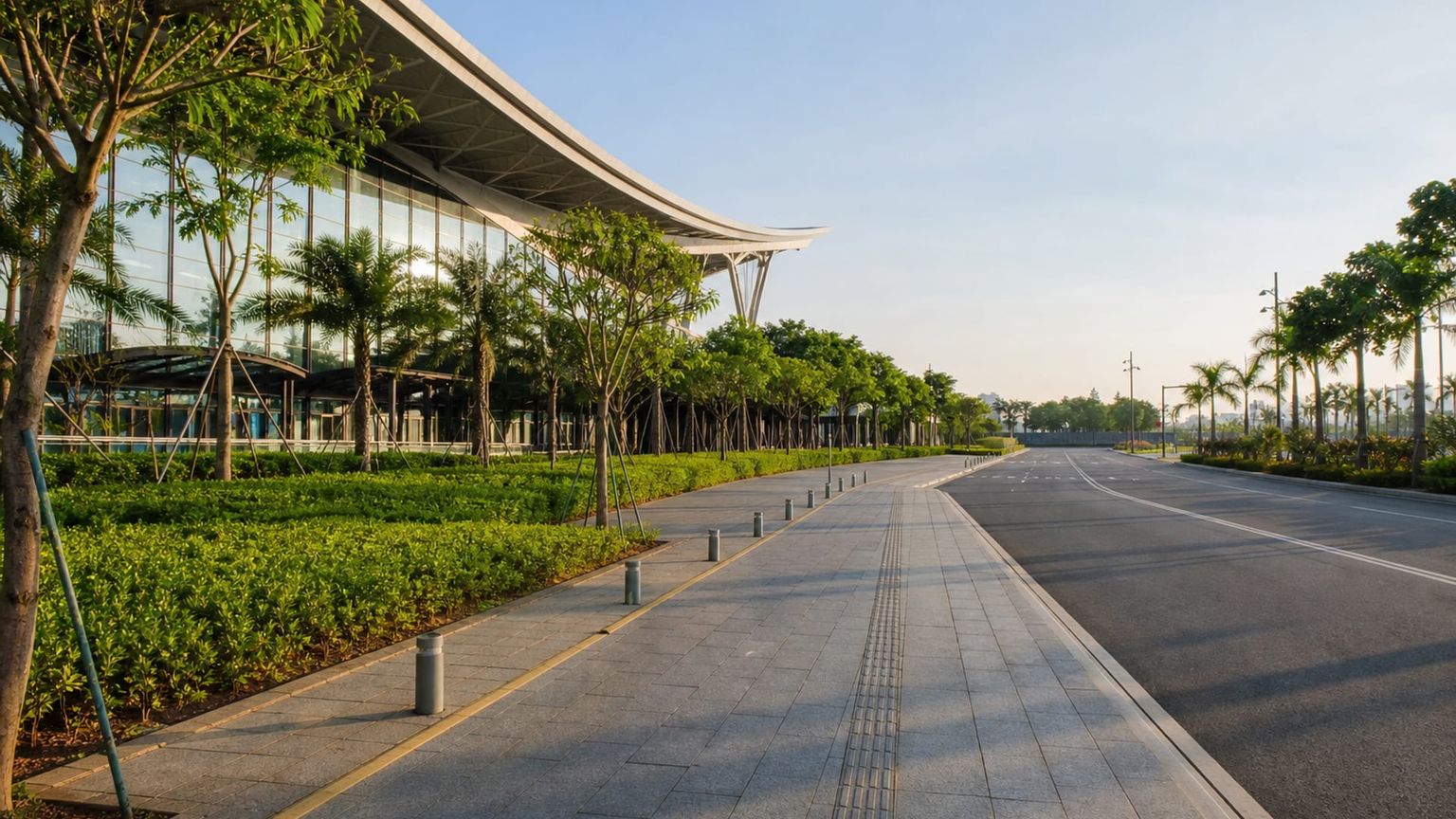
This transport-focused district sits around the city’s main rail gateway, with business hotels and quick road links to the airport and central Haikou. It matters for short stays, early departures, and travelers connecting to other parts of Hainan by train.
Best for: Train connections, early flights, and one-night stopovers
What to expect: Functional streets, taxis at the station, and less evening activity than in central districts.
Hotel prices: Usually about $35 to $95 per night for well-rated stays
Distance to major sights: About 15 minutes by taxi to Haikou People’s Park and about 30 to 40 minutes to Haikou Meilan International Airport (HAK)
Quietness: Busy around the station in the daytime, then notably calmer at night.
Main trade-off: You save time on rail transfers, but you will be farther from Haikou’s historic streets and waterfront dining.
Good to know: Book with care if you have a late arrival, since some hotels here cater mainly to very short stays.
Travelers usually avoid Xiuying’s industrial waterfront and the outer suburbs west of Haikou New Port, because they sit far from Qilou Old Street, Evergreen Park, and the main dining strips, with limited visitor amenities after dark. Meilan’s airport-side districts are also less convenient for a sightseeing stay, since they work better for early flights than for reaching the city center in the evening; the same goes for the far south of Chengmai near the border with Haikou, where hotel choices are sparse and taxi rides into town are long.
Hotel deals
How to get around Haikou efficiently
Haikou has no metro, so most visitors rely on taxis, buses, and the Hainan Roundabout rail line for longer connections, with ride-hailing useful when you want a fixed pickup point.

Metro
for longer distances
Haikou has no metro network. The closest fixed-guideway option is the Hainan Roundabout high-speed rail line, which links Haikou East, the city center, and suburban stops, but it does not function like an urban subway for short hops.

Bus and tram
for convenience
Bus fares in Haikou are usually about $0.30 to $0.45 (CNY 2 to 3), with city routes covering the waterfront, commercial districts, and Haikou East station; many services are cashless through mobile payment or transit cards, and ride times inside the urban core are often 20 to 40 minutes.

Taxi
for convenience or late hours
Licensed taxis use metered fares, typically about $2.10 to start, then roughly $0.40 to $0.50 per kilometer, with airport trips from Haikou Meilan about $13 to $20 depending on traffic and destination; you can hail one on the street, at ranks, or use ride-hailing apps, and most drivers accept cash and mobile payment.
*Prices are based on rates updated as of June 2026 and may change at the time of travel.
Use taxis for airport runs and cross-town hops, buses for low-cost movement inside the core, and walking for Qilou Old Street and nearby blocks once you are already in place.
Iconic landmarks
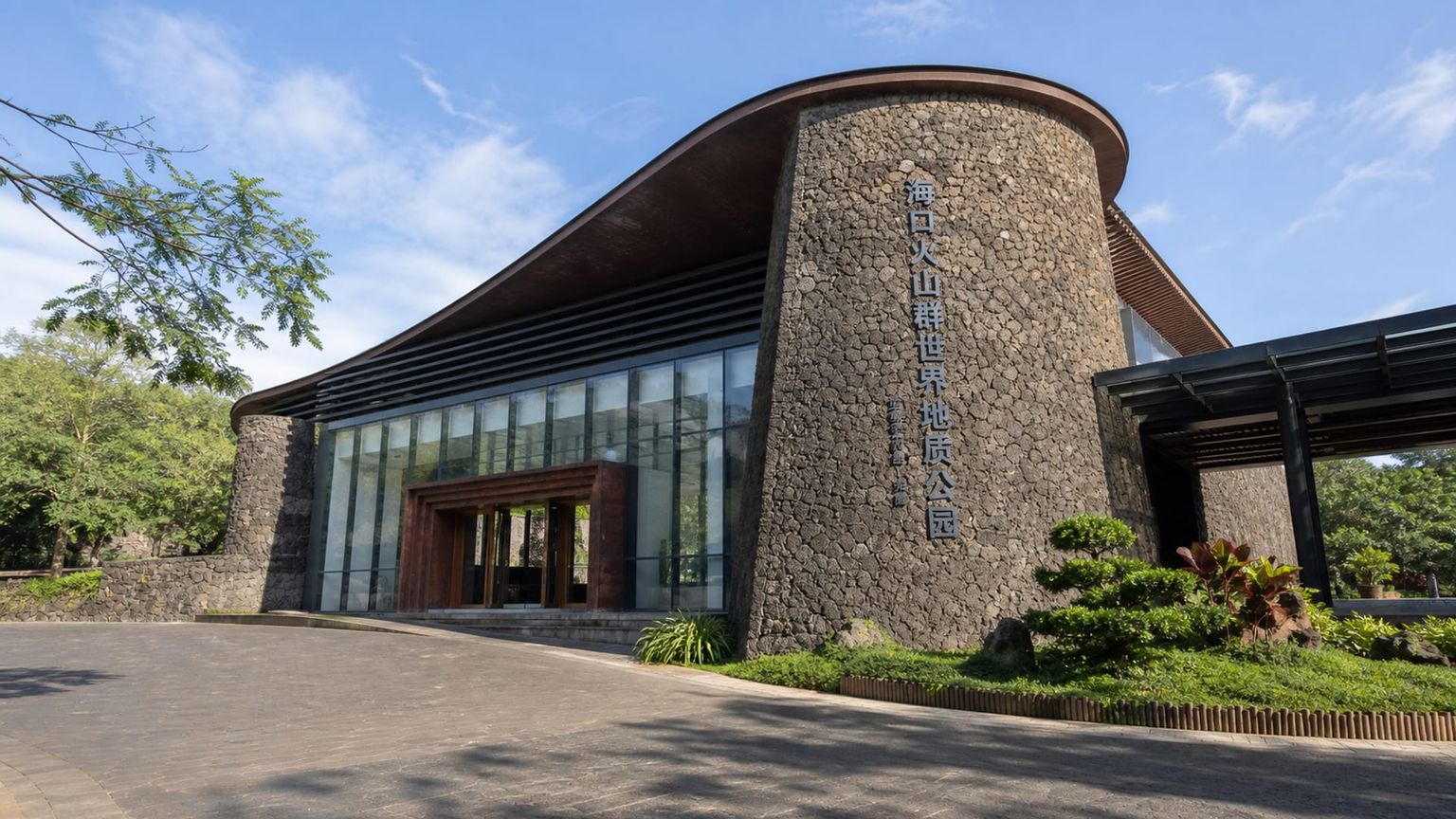
Haikou Volcanic Cluster Global Geopark
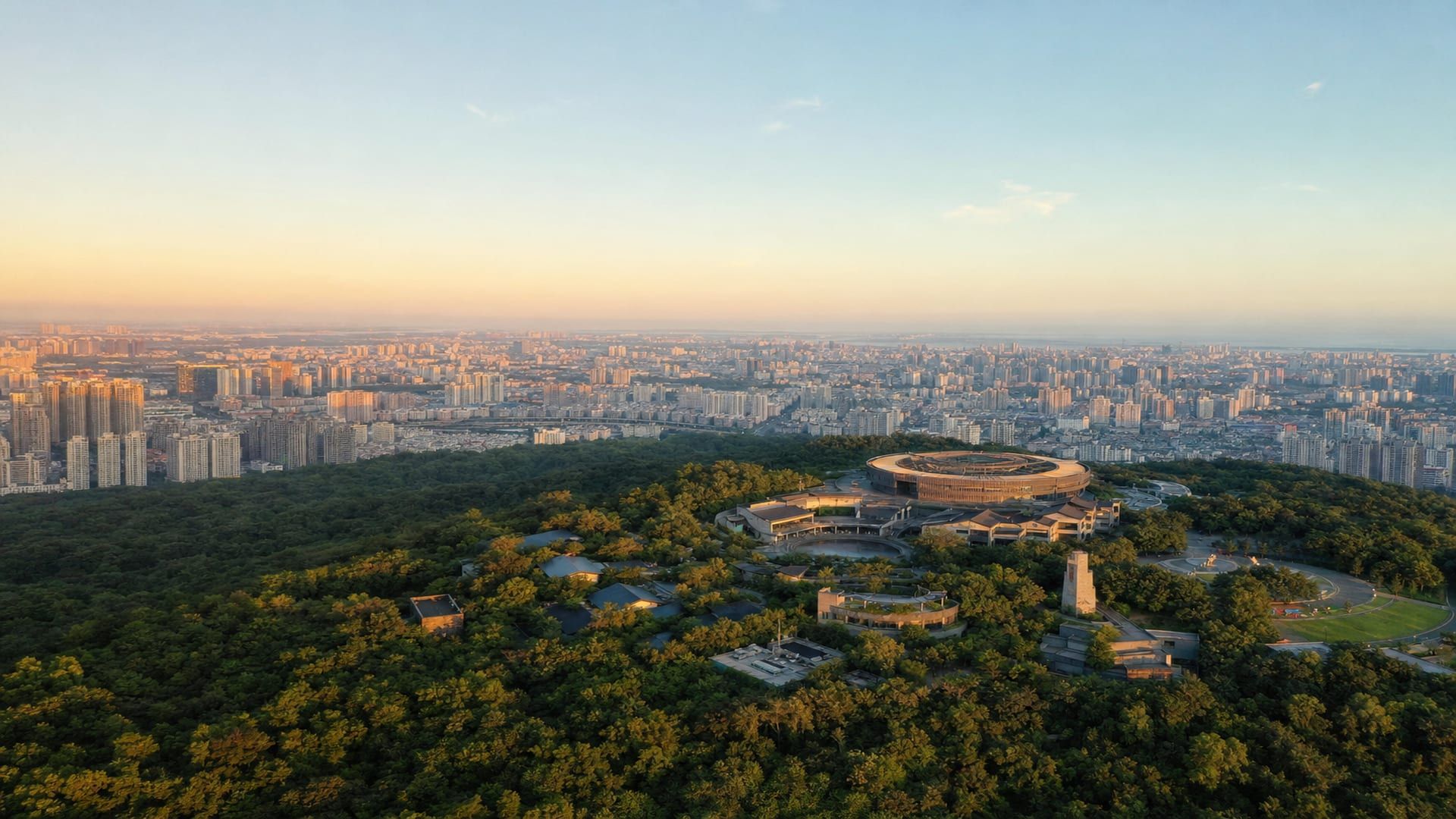
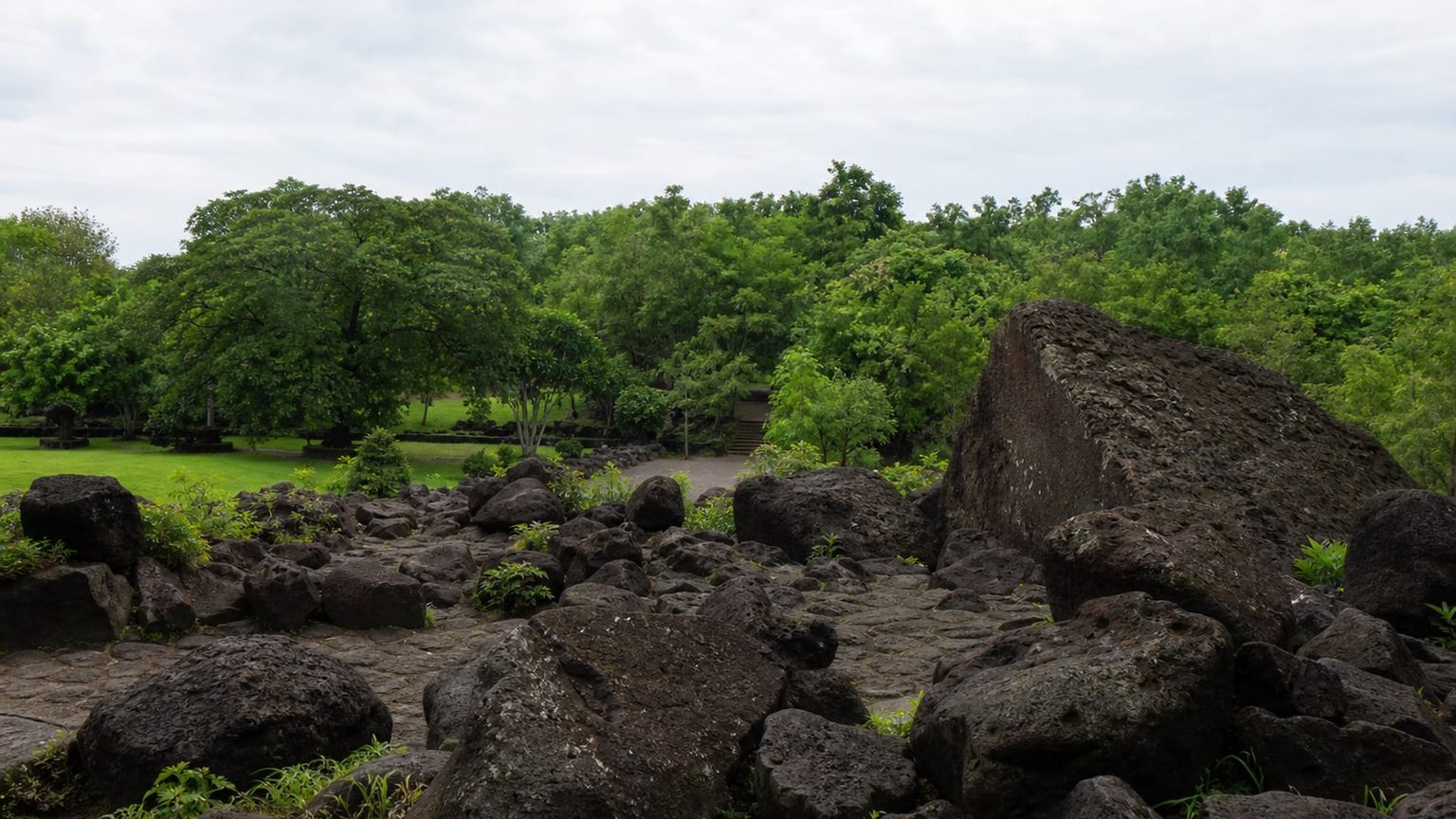
Haikou Volcanic Cluster Global Geopark preserves basalt cones, lava tubes, and craters about 25 km from the center. The site adds boardwalks, lookouts, and interpretive signs to a landscape shaped by ancient eruptions.
Time needed: About 2 to 4 hours
Entry: Admission costs about $11 to $18 (approximately ¥80 to ¥130), depending on the route, exhibits, and any bundled shuttle transport. Visit the official site for details.
Tip: Go in the morning for softer light and cooler paths before the midday heat builds.
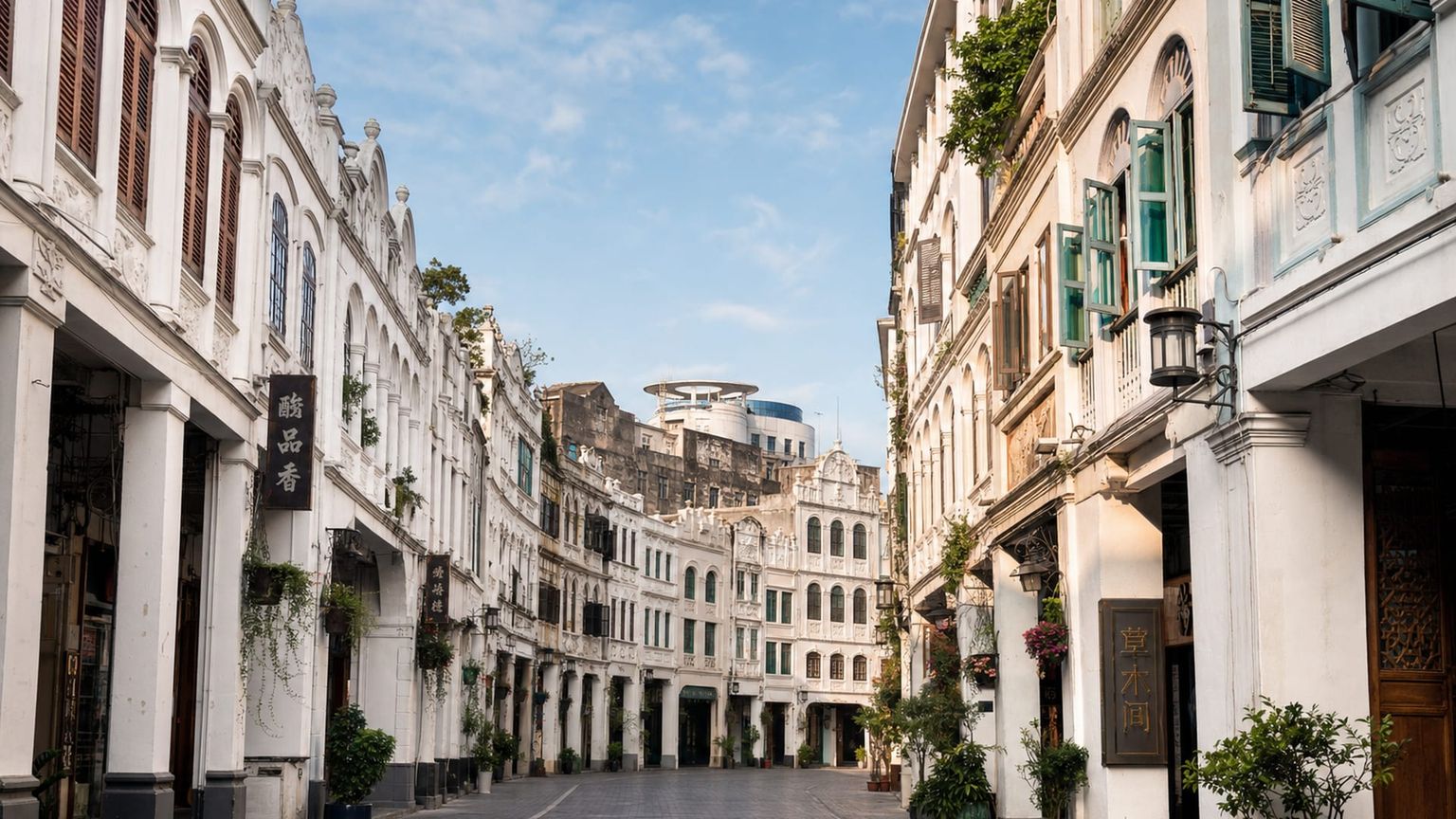
Qilou Old Street
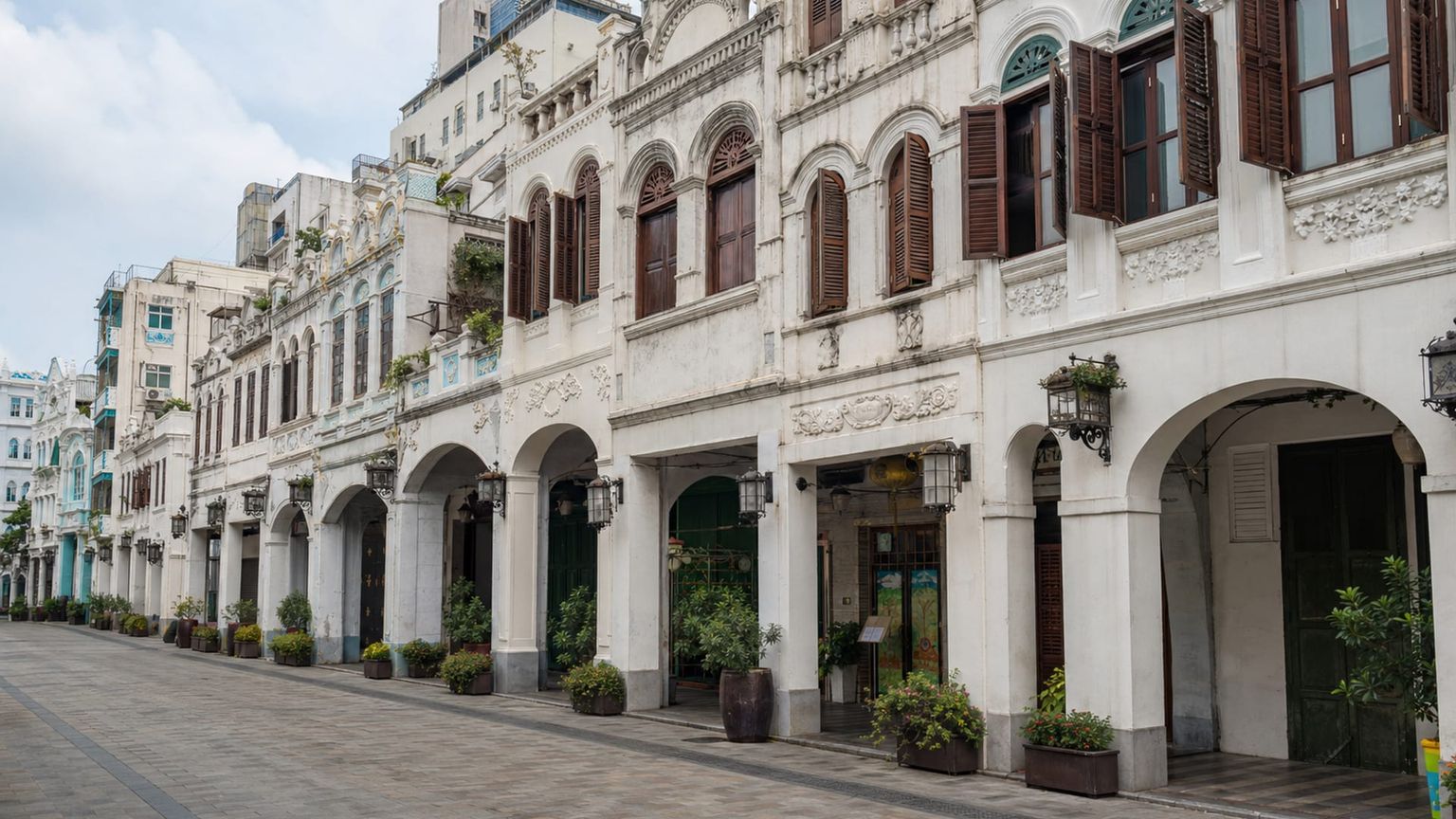
Haikou’s Qilou Old Street lines a handful of preserved arcade buildings with covered walkways, combining early 20th-century South China shopfronts, snack stalls, and small courtyards in the city center.
Time needed: About 1 to 2 hours
Entry: Free to access, with separate charges for snacks, drinks, and any small exhibits inside select shopfronts along the street.
Tip: Visit after sunset for cooler temperatures and brighter facade lighting along the arcades.
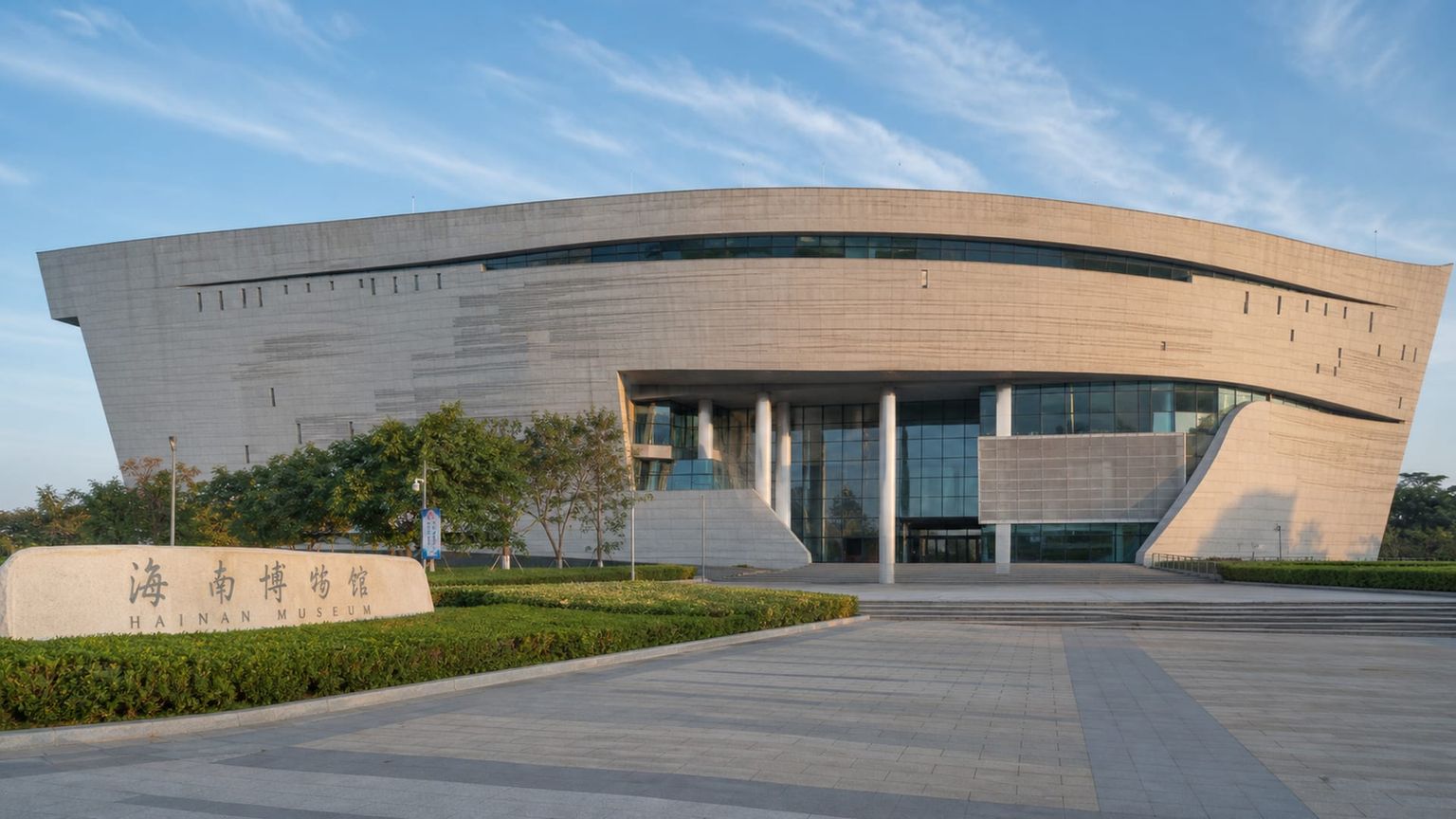
Hainan Museum
Hainan Museum presents the island’s archaeology, tropical ecology, and immigrant history in a modern building east of downtown. The galleries focus on Hainan’s local cultures, trade links, and coastal development.
Time needed: About 2 to 3 hours
Entry: Admission is free, though some special exhibitions may charge a separate fee on site. Visit the official site for details.
Tip: Go on a weekday morning, when the galleries are quieter and school groups are less common.
Overlooked sites worth visiting

Haikou Volcanic Cluster Global Geopark
Black lava paths, old banyan shade, and preserved volcanic homes make this an easy half-day outside central Haikou. The area also has small exhibits on basalt formations and local farming history.
Time needed: About 2 to 3 hours
Entry: Admission is about $8 to $15 (RMB 60 to RMB 110), depending on the section you enter and whether you add a shuttle or guided area visit. Some viewpoints and village paths are free, while museum or cave access may carry separate tickets.
Tip: Go early for cooler walking and clearer lava textures.

Hainan Provincial Museum
This compact museum covers Hainan’s island history, Li and Miao culture, and maritime trade in a few well-organized galleries. It works well when you want a cultural stop that does not take a full day.
Time needed: About 1 to 1.5 hours
Entry: Admission is free with a passport or ID check at the entrance. Temporary exhibitions or special programs can have separate fees, but the main permanent galleries usually open without charge for general visitors. Visit the official site for details.
Tip: Visit midmorning, then pair it with nearby civic-plaza walks.
Traditional food
Haikou cooking leans on fresh seafood, light broths, tropical produce, and Hainan staples such as chicken rice and noodles. Meals tend to be simple, local, and timed to the city’s breakfast, lunch, and dinner windows.
Hainanese chicken rice
Poached chicken, fragrant rice, and ginger-scallion sauce make this the city’s best-known everyday plate. Try it at Hainan Wenchang Chicken Restaurant in Haikou, a canonical stop for a classic island meal.
Wenchang chicken
This island chicken comes with firm meat, light seasoning, and sauces that keep the focus on texture. Ba Luo Hainan Restaurant in Haikou is a strong canonical choice for a proper local version.
Jiaji duck
Jiaji duck is richer than Hainan chicken, with a deeper roast flavor and tender meat that works well with rice. Hainan Renjia Restaurant in Haikou is a dependable place to order it.
Hainan powder
Hainan powder usually means a bowl of rice noodles in a clear, savory broth with herbs, pickles, and optional toppings. Qing Bu Liang Restaurant in Haikou is a good canonical stop for this regional staple.
Best time to visit Haikou
Haikou is warm for much of the year, with the most comfortable sightseeing in the cooler months and the most heat, humidity, and rain in summer.
Best for: Best for walking the old streets and keeping museum days comfortable
What you get: About 61 to 75°F (16 to 24°C), with lighter crowds than peak holiday periods and easier sightseeing pace
Trade-offs: Some days can feel damp or breezy near the water
Best for: Best for balanced weather, volcanic day trips, and waterfront walks
What you get: About 70 to 86°F (21 to 30°C), with moderate crowds before the hottest months arrive
Trade-offs: Humidity rises toward late spring
Best for: Best for indoor museums and evening street food
What you get: About 77 to 91°F (25 to 33°C), with lighter daytime sightseeing crowds but more heat and rain
Trade-offs: Afternoon showers and humidity can shorten outdoor visits
Best for: Best for a second comfortable window on beaches, parks, and city walks
What you get: About 73 to 88°F (23 to 31°C), with moderate crowds and a generally workable pace
Trade-offs: Typhoon-related weather can affect some days
A realistic 5-day plan in Haikou
The five-day plan below keeps the heaviest walking in the right places and uses taxis where they save time. It starts with the old street core, adds museums before the volcanic outing, and finishes with a slower day in Longhua before departure.
Land at Haikou Meilan International Airport (HAK), then take a taxi to your hotel in the Qilou Old Street area or Longhua District center, which usually costs about $12 to $18 and takes roughly 25 to 40 minutes depending on traffic. Settle into a room off the main road if you want less late noise, then keep dinner close to the hotel with a simple Hainan noodle bowl or seafood rice near the old street blocks. If you still have energy, take a short evening walk only after you drop your bags, then call it an early night so the next day starts cleanly.
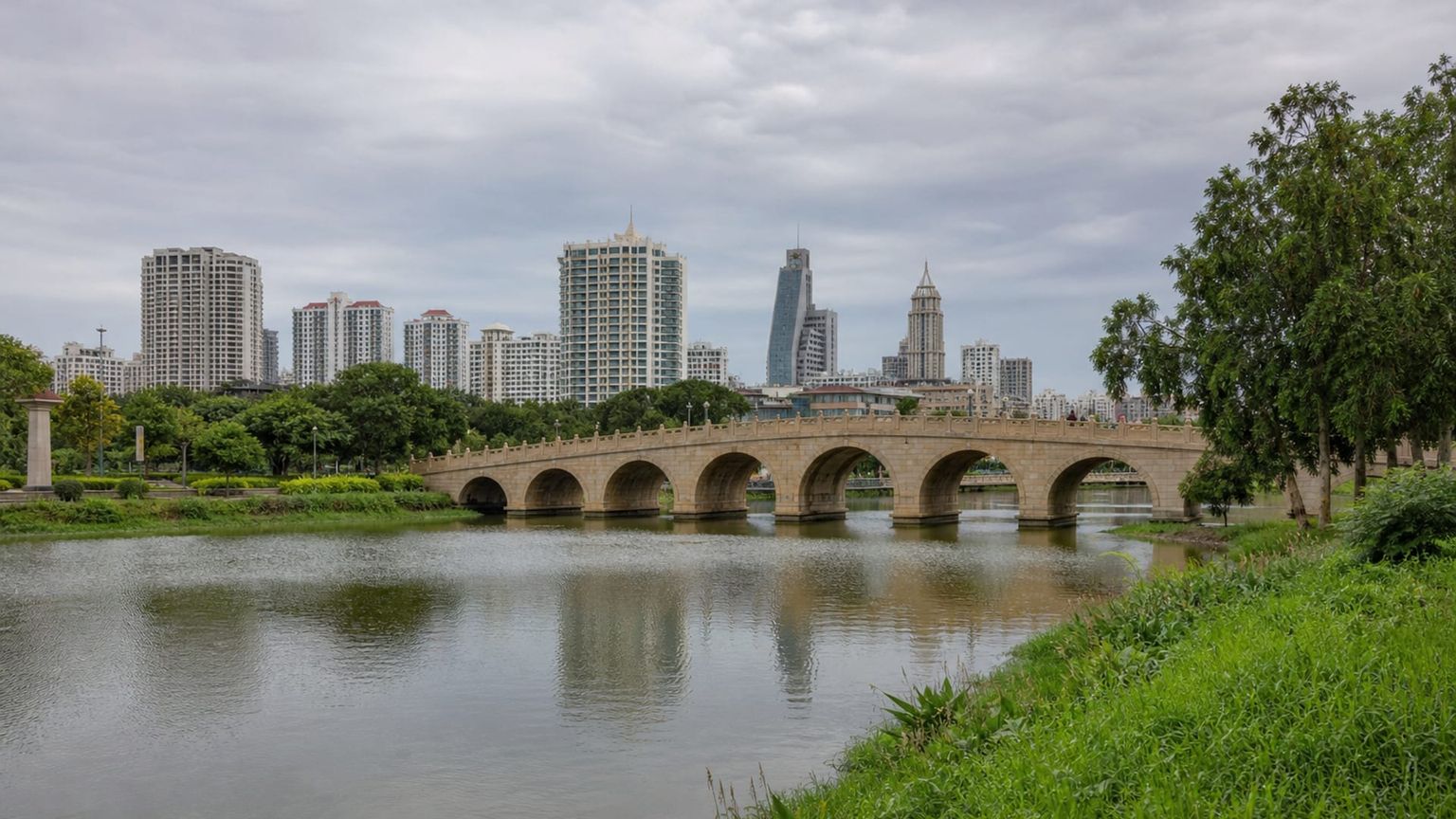
Start with Hainan Museum in the morning, where the galleries work well before the midday heat, then ride a taxi to Qilou Old Street in about 20 to 25 minutes. Spend 1 to 2 hours under the arcade-fronted facades, then stay for snacks and a slow look at the preserved shopfronts before heading back toward the riverfront or your hotel for an unhurried dinner. If you are staying in the Qilou Old Street area, you can walk back in roughly 10 to 15 minutes from the busiest lanes.
A morning taxi to Haikou Volcanic Cluster Global Geopark takes about 40 to 50 minutes from central Haikou, and the site rewards an early start with cooler paths and clearer views of the basalt cones and lava tubes. Plan for 2 to 4 hours on the boardwalks and lookouts, then return toward the city for a late lunch in Longhua District center, about 45 minutes back by car. In the evening, head to the waterfront or your hotel area for a quieter meal rather than trying to stack more sightseeing after the day trip.
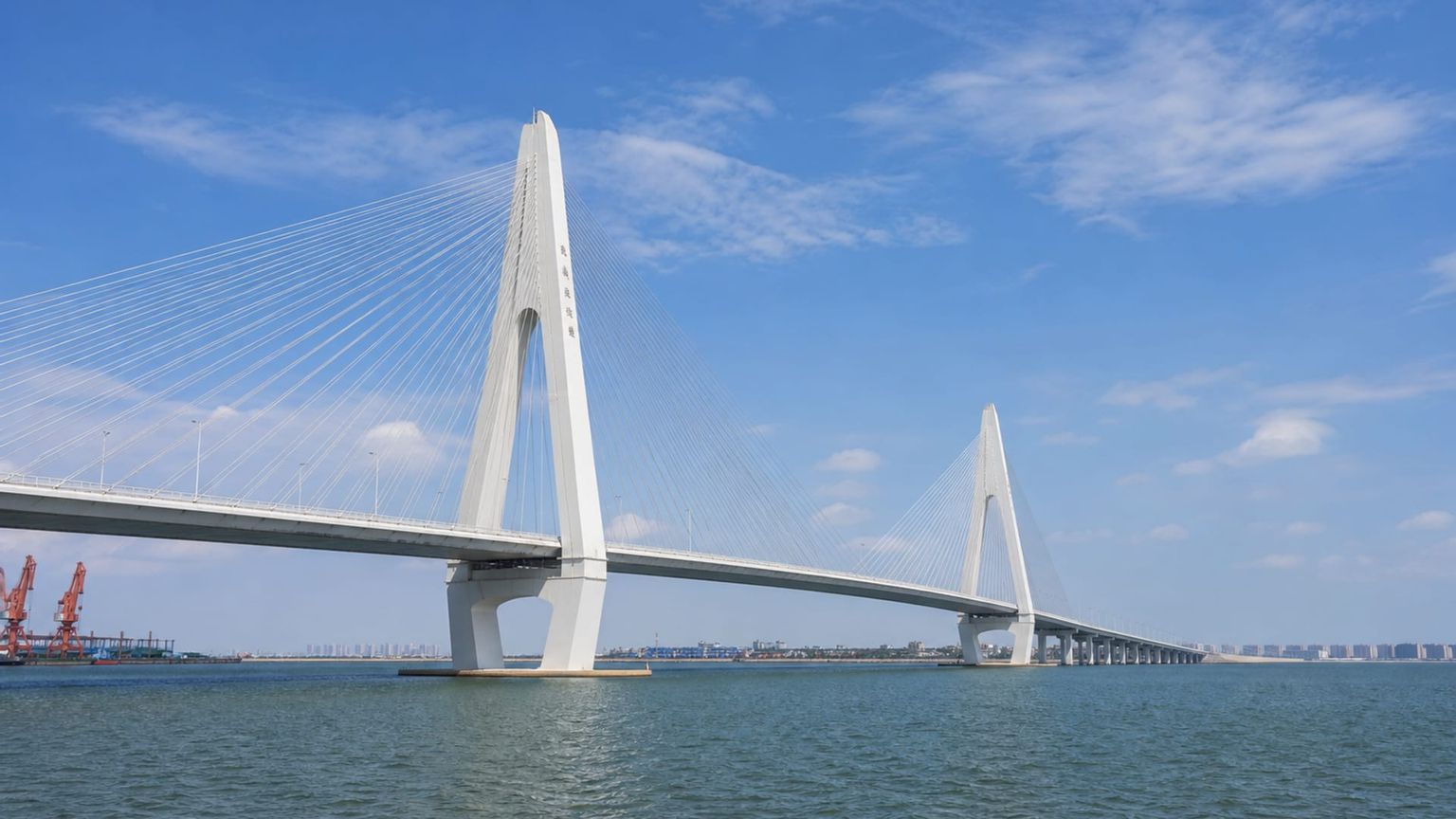
Begin at the Hainan Provincial Museum, where a midmorning visit keeps the galleries calmer, then follow it with a taxi ride of about 15 to 20 minutes to the waterfront side of the city for a relaxed lunch. After that, continue to the Century Bridge and west coast waterfront for open road views and a longer walk along the harbor side, with the ride from the museum taking about 20 minutes if traffic stays light. End the day with sunset light on the water and a dinner stop near the bridge area or back in Longhua District center, where taxis are easy to find.
For a final day that stays low-pressure, begin with a last museum stop if you missed Hainan Museum or the Hainan Provincial Museum, then move into a shopping and café afternoon in Longhua District center, where malls, small local bakeries, and coffee shops cluster near the main roads. A taxi from the old street area to Longhua usually takes about 10 to 20 minutes, so you can fit in one last lunch, a short browse for tea or island snacks, and an early dinner before heading to Haikou Meilan International Airport (HAK). Leave enough time for a 25 to 40 minute airport transfer, longer if you are traveling during the evening rush.
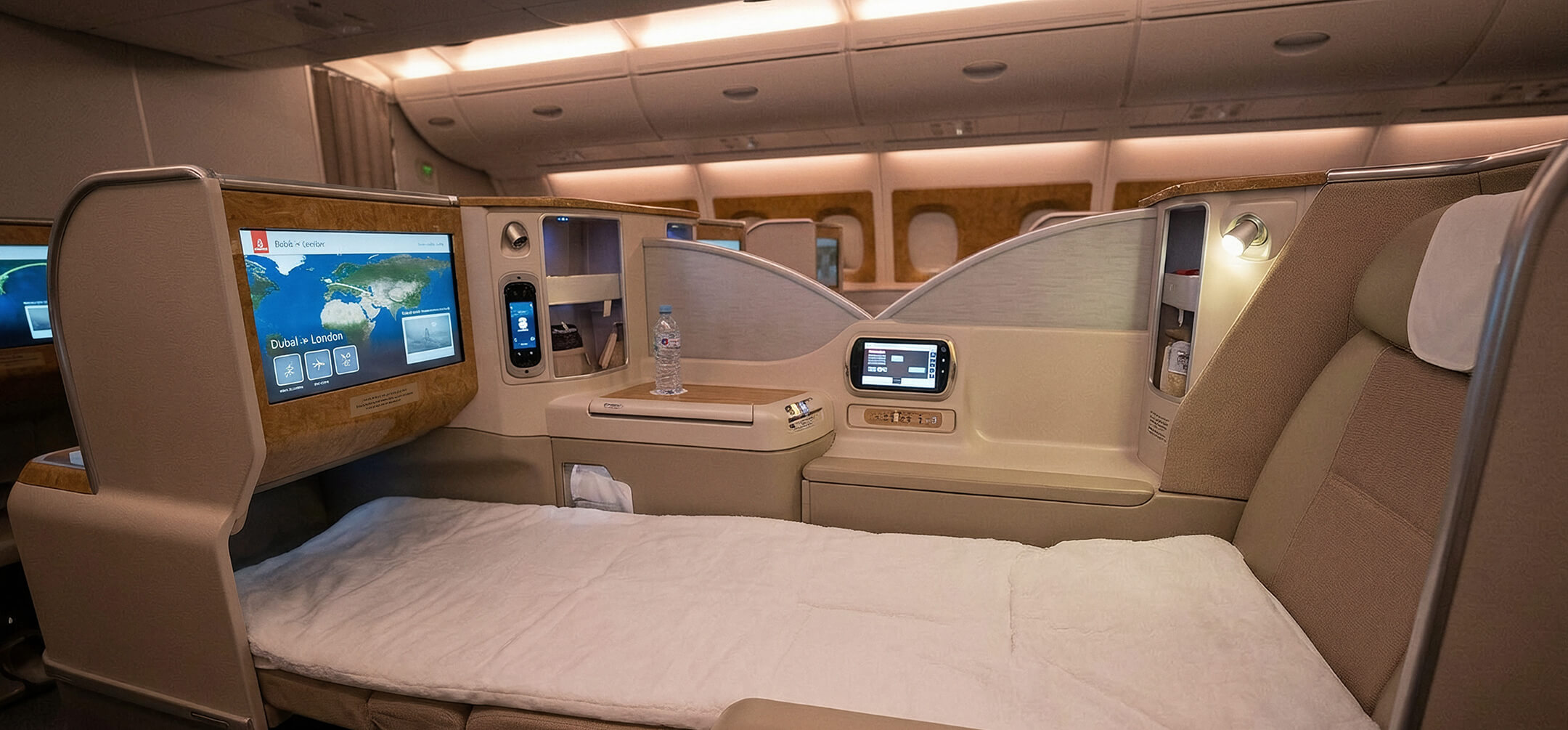
Business-class flights from the US to Haikou
Reaching Haikou from the United States usually means a connection through one of several major Asian hubs. The fare spread is wide enough that route choice matters as much as departure city.
From New York, Air China, Cathay Pacific, China Eastern Airlines, Hainan Airlines, Korean Air, and Singapore Airlines all appear on typical itineraries. There is no nonstop, and common connections run via HKG, ICN, PEK, PVG, or SIN, with total travel time usually about 20 to 28 hours. Business-class fares from New York usually start at about $4,200 and can reach $7,800 round trip. If you do not mind a layover, common routings via HKG, ICN, or PVG often cut the fare to about $2,900 to $4,900.
Air China, China Eastern Airlines, EVA Air, Hainan Airlines, Korean Air, and Singapore Airlines all operate typical one-stop options from Los Angeles. The usual layover hubs are HKG, ICN, NRT, PVG, and TPE, with total journey time about 16 to 23 hours. From Los Angeles, fares usually land in the $3,600 to $6,800 range for round trip tickets.
Haikou feels different when you slow down
A good Haikou trip gives each district a role, Qilou Old Street for heritage walks, Hainan Museum for context, Haikou Volcanic Cluster Global Geopark for the day trip, and Longhua for meals, taxis, and one last café stop. That mix keeps the city legible without rushing it. If you want help matching hotel location, transfer timing, and flight connections, the AranGrant experts can build the trip around your arrival window and your preferred neighborhood