

Chapters:

Need help with your trip?
Our support team is available 24/7. Request a callback or call us directly at (833) 619-0908
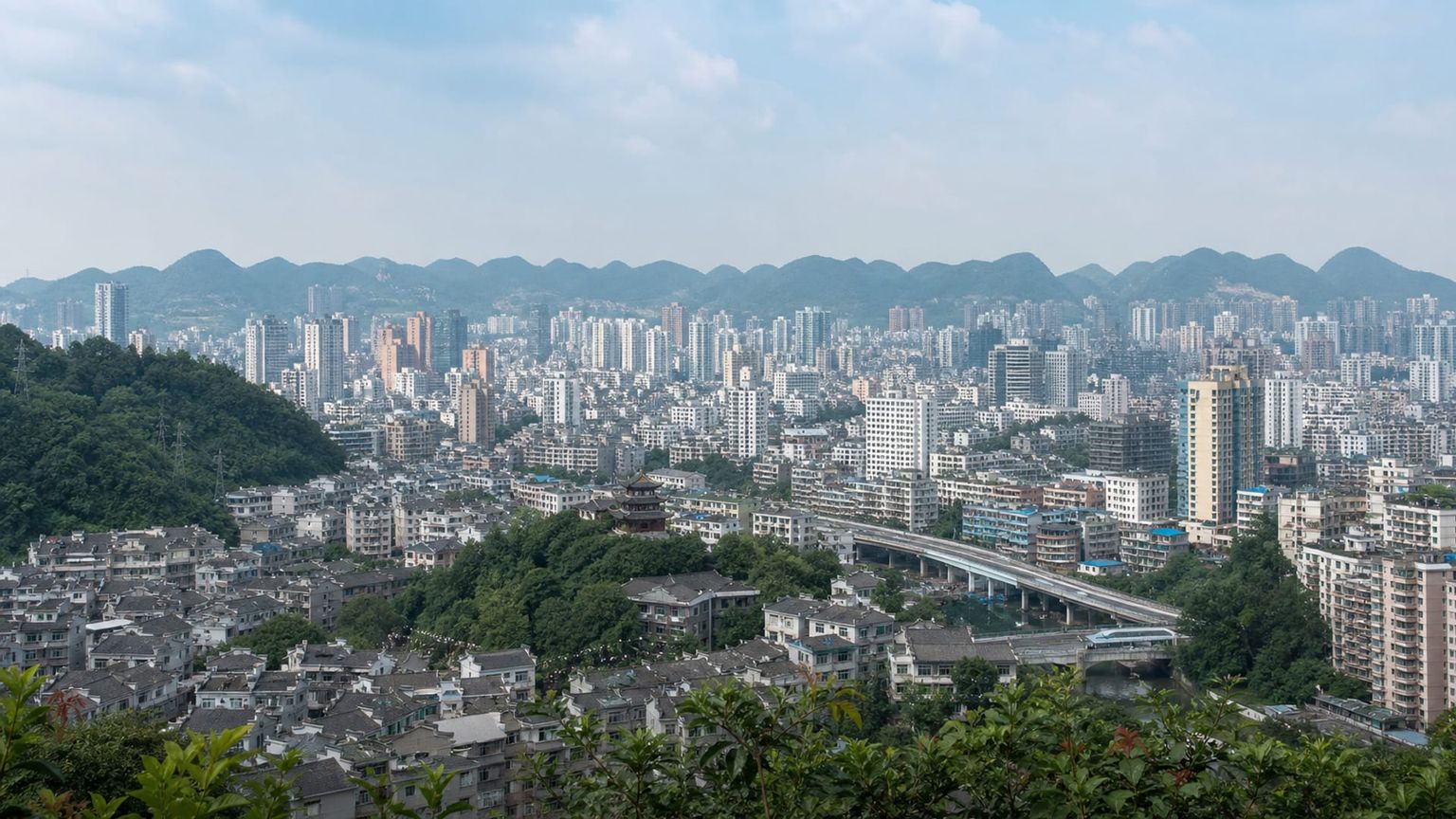
Guiyang trips often begin with the airport transfer, a night in Nanming District or near Jiaxiu Tower, and then a rush through the city’s best-known sights. That pattern works, but it can also hide how much time the hill parks, riverfront walks, and cross-town taxi rides actually take.
Without a plan, visitors spend too long moving between districts and too little time in places that reward a slower pace, such as Qianling Park, Hongfu Temple, and the Nanming River. Evening crowds at Jiaxiu Tower and longer rides to outlying neighborhoods can also compress a short stay.
This guide sets out a steadier five-day route, with clear hotel areas, food stops, seasonal timing, and flight options. It gives Guiyang room to unfold in a way that fits its distances and its mix of central landmarks and neighborhood life.
Useful things to know

Main language(s): Chinese
你好 (nǐ hǎo) – Hello/good morning
请 (qǐng) – Please
谢谢 (xièxie) – Thank you
你会说英语吗? (nǐ huì shuō yīngyǔ ma?) – Do you speak English?
多少钱? (duōshao qián?) – How much does it cost?

Currency: The local currency is the Chinese yuan (CNY, ¥).

Cash and cards: Cards and contactless work in many hotels and malls, but carry roughly ¥200 to ¥400 ($28 to $56) in cash.

Tipping: Tipping is not expected; rounding up is appreciated in taxis and small bills.

Traditional food: Sour soup fish, spicy chicken hotpot, tofu pudding, glutinous rice cake

Water and coffee costs: Water ~¥3-¥6 ($0.40-$0.85), bar espresso ~¥20-¥35 ($2.80-$5).

Taxis and ride apps: DiDi operates here; have a local SIM and payment method set up before you land.

Plug and voltage: Type A/C socket, 220V

Dining and shop opening hours: Breakfast is roughly 07:00-09:00, lunch 12:00-14:00, and dinner 18:00-21:00. Many restaurants close late, but some smaller spots may shut between meal periods.

Emergency number: 110 police, 120 ambulance, 119 fire.
Where to stay in Guiyang
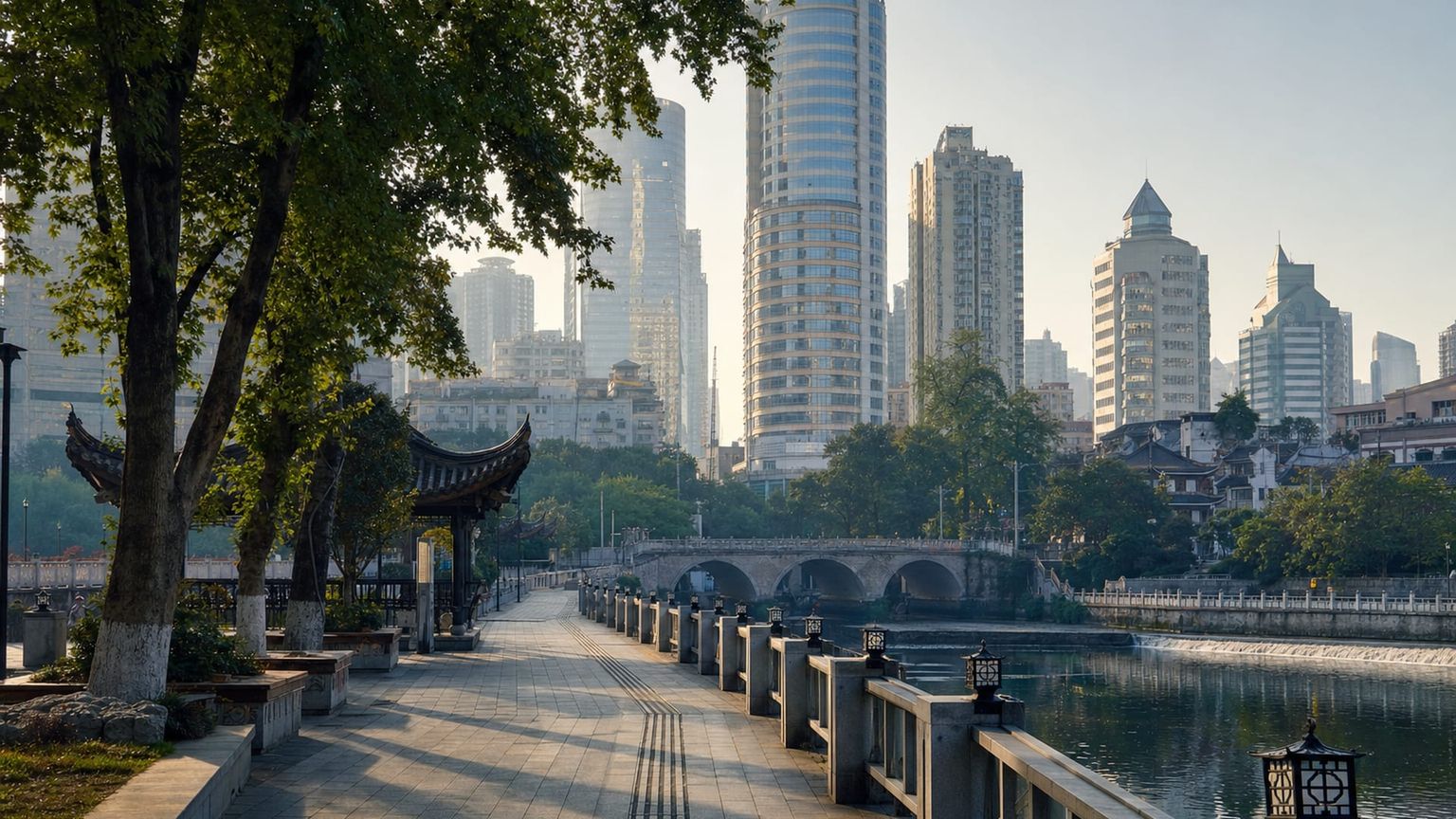
This central stretch of Nanming District sits close to Guiyang’s main commercial streets, government offices, and the city’s older hotel stock. It works well for visitors who want easy access to shops, transit, and the core of the city without staying far from daily services.
Best for: Shopping, transit access, and travelers who want a central base for city exploring
What to expect: Busy roads, frequent foot traffic, and plenty of local restaurants, with the most activity near shopping blocks and transport hubs.
Hotel prices: Usually about ¥250 to ¥500 ($35 to $70) per night for well-rated stays
Distance to major sights: About 15 to 25 minutes by taxi to Jiaxiu Tower and roughly 25 minutes by metro or taxi to Qianlingshan Park
Quietness: Daytime is lively and traffic-heavy; evenings are calmer on side streets, though the main commercial roads stay active.
Main trade-off: You gain central access, but the strongest hotel options can sit on streets with more traffic noise and older building stock.
Good to know: Choose a room off the main road if you are sensitive to sound; street-facing rooms can pick up late traffic and delivery activity.
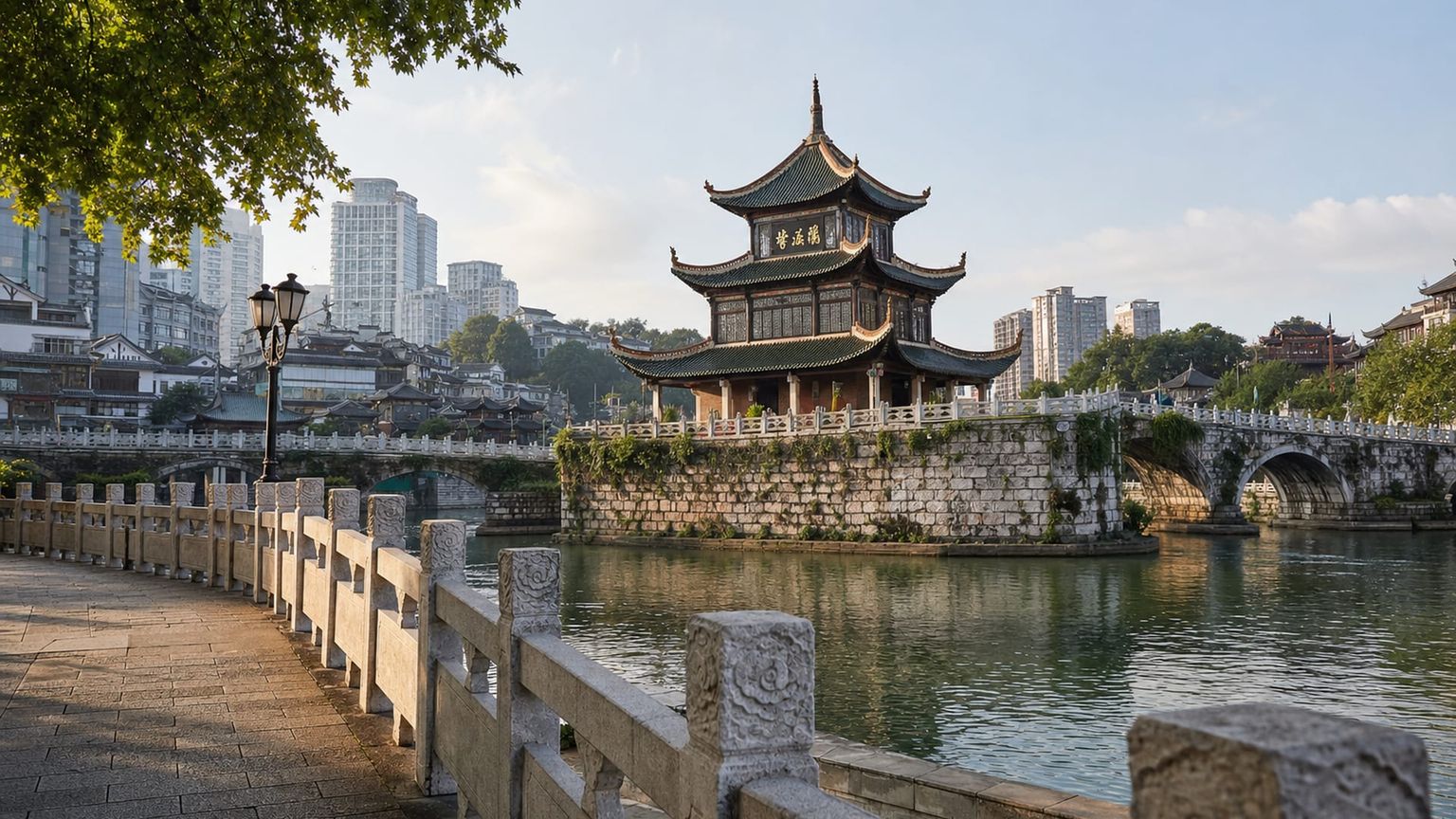
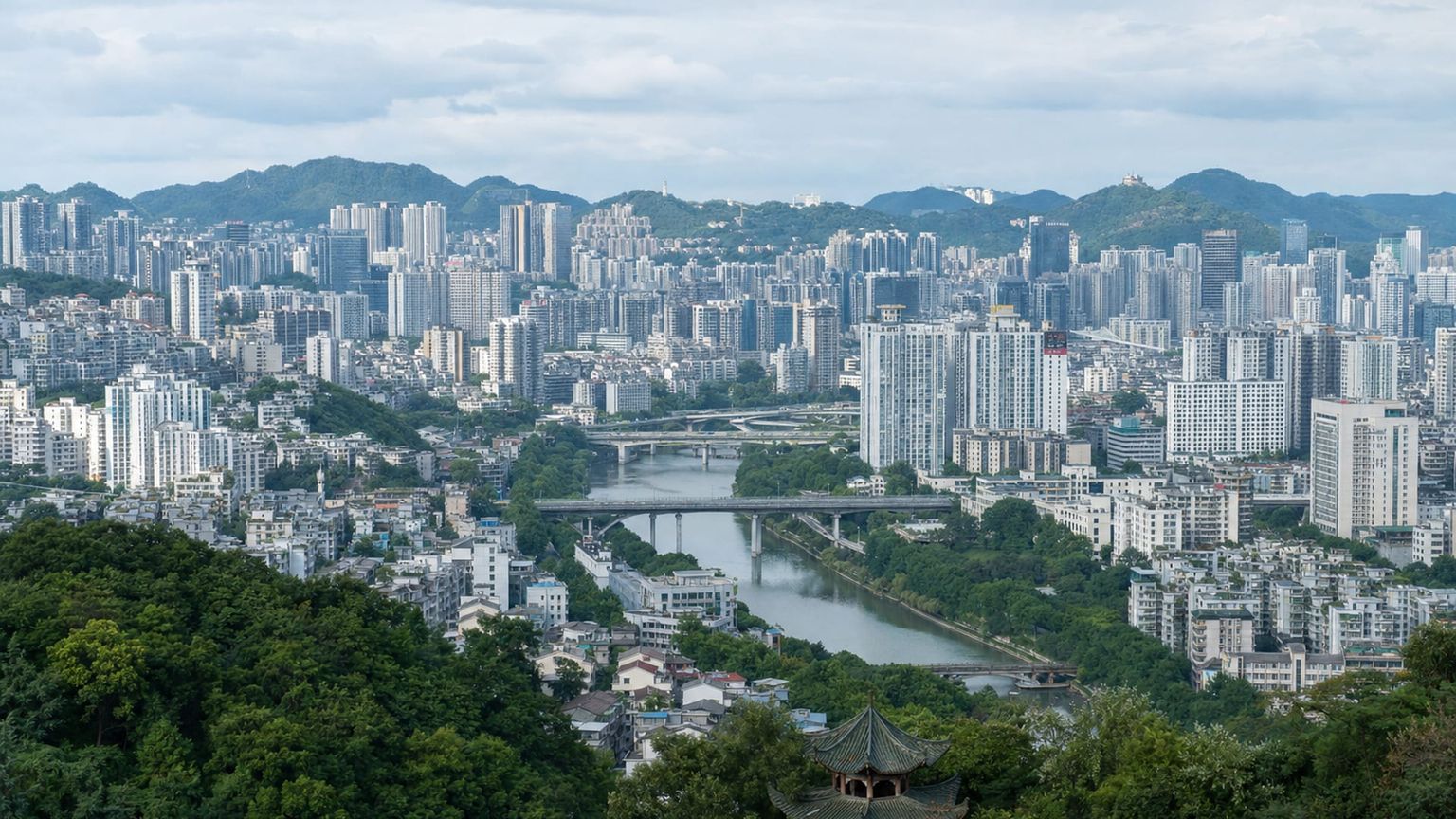
The Jiaxiu Tower area sits by Nanming River and one of Guiyang’s best-known landmarks, with river views, older commercial streets, and easy access to central sightseeing. It suits travelers who want a postcard setting and short rides to the city center.
Best for: Sightseeing, river views, and short stays centered on the city’s main landmark
What to expect: Tourist foot traffic, riverside strolling, and steady activity near cafés and viewpoints, especially in the early evening.
Hotel prices: Usually about ¥300 to ¥600 ($42 to $84) per night for well-rated stays
Distance to major sights: On foot to Jiaxiu Tower, about 20 to 30 minutes by taxi to Qianlingshan Park
Quietness: Daytime is busy with visitors; evenings are quieter along the river, though nearby streets still see people out for dinner.
Main trade-off: The area is scenic and central, but hotel choice is narrower and the most appealing rooms can cost more.
Good to know: If you plan to sleep early, ask for a room away from the river promenade, since evening walkers and traffic can linger nearby.
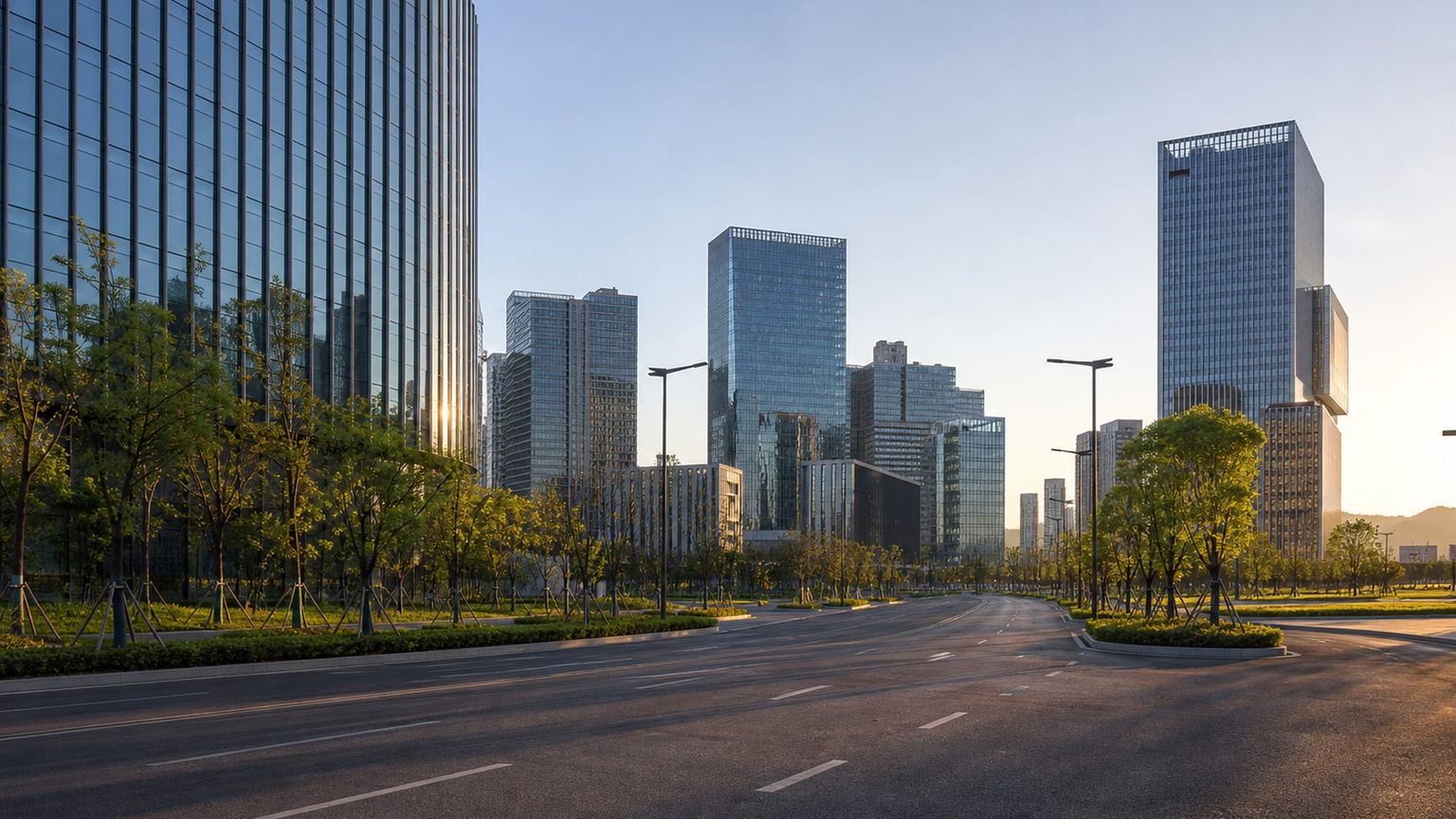
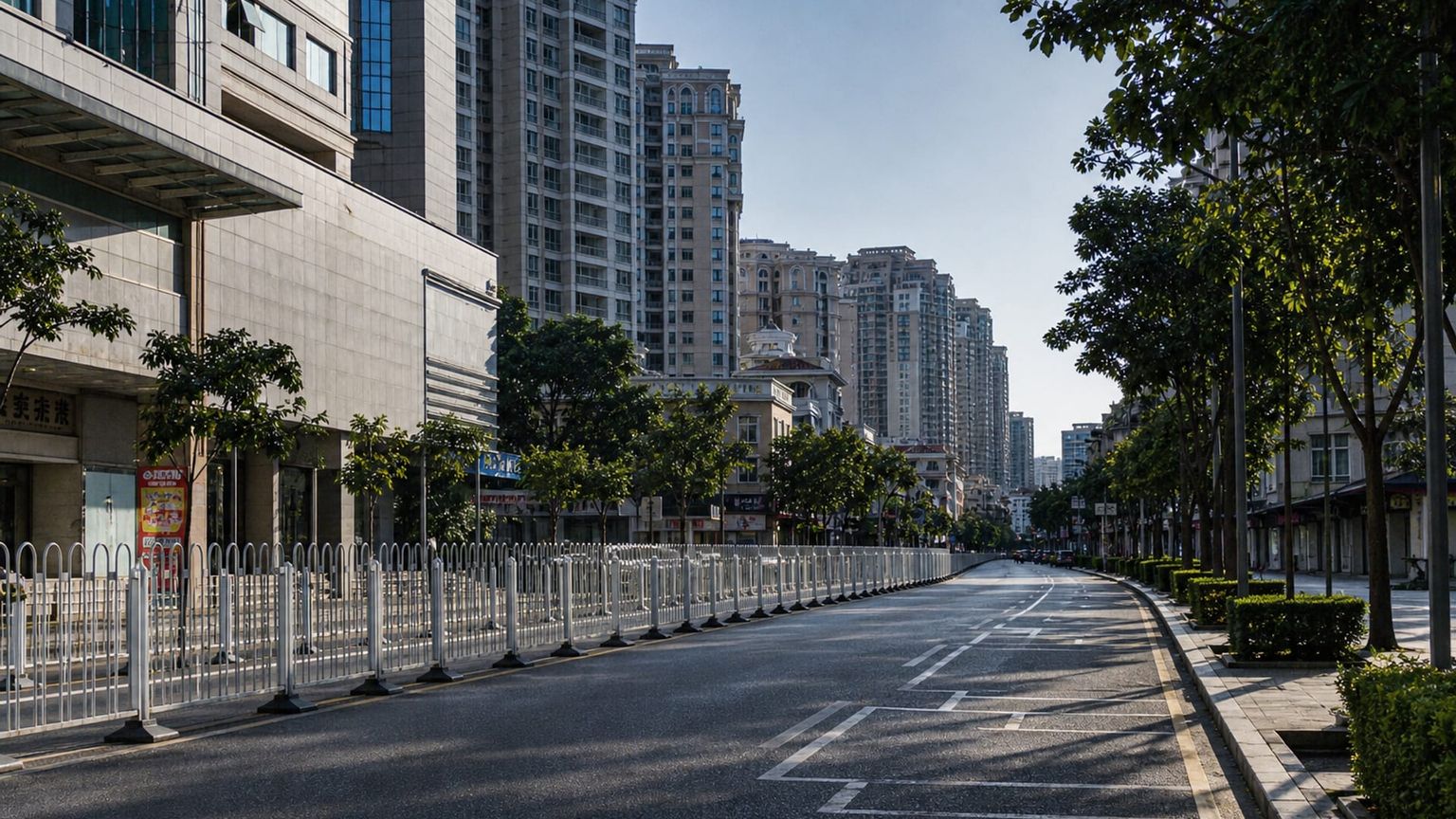
Guanshan Lake New District is Guiyang’s newer business and administrative zone, with wide roads, modern malls, office towers, and newer hotels. It matters for travelers who prefer larger rooms, newer buildings, and easier airport or rail access than in the older center.
Best for: Business travel, newer hotels, and visitors who do not need to stay in the historic core
What to expect: Broad avenues, office traffic, shopping malls, and a more modern city feel than the older central districts.
Hotel prices: Usually about ¥280 to ¥650 ($39 to $91) per night for well-rated stays
Distance to major sights: About 20 to 35 minutes by taxi to Jiaxiu Tower and roughly 25 to 40 minutes to Qianlingshan Park
Quietness: Daytime can be busy around offices and malls; evenings are quieter, with activity concentrated in shopping and dining zones.
Main trade-off: You get newer accommodation and more space, but you will spend longer getting to the oldest sights and riverfront areas.
Good to know: Check the exact metro stop or taxi access before booking, because the district is large and some blocks sit far from the most useful transport links.
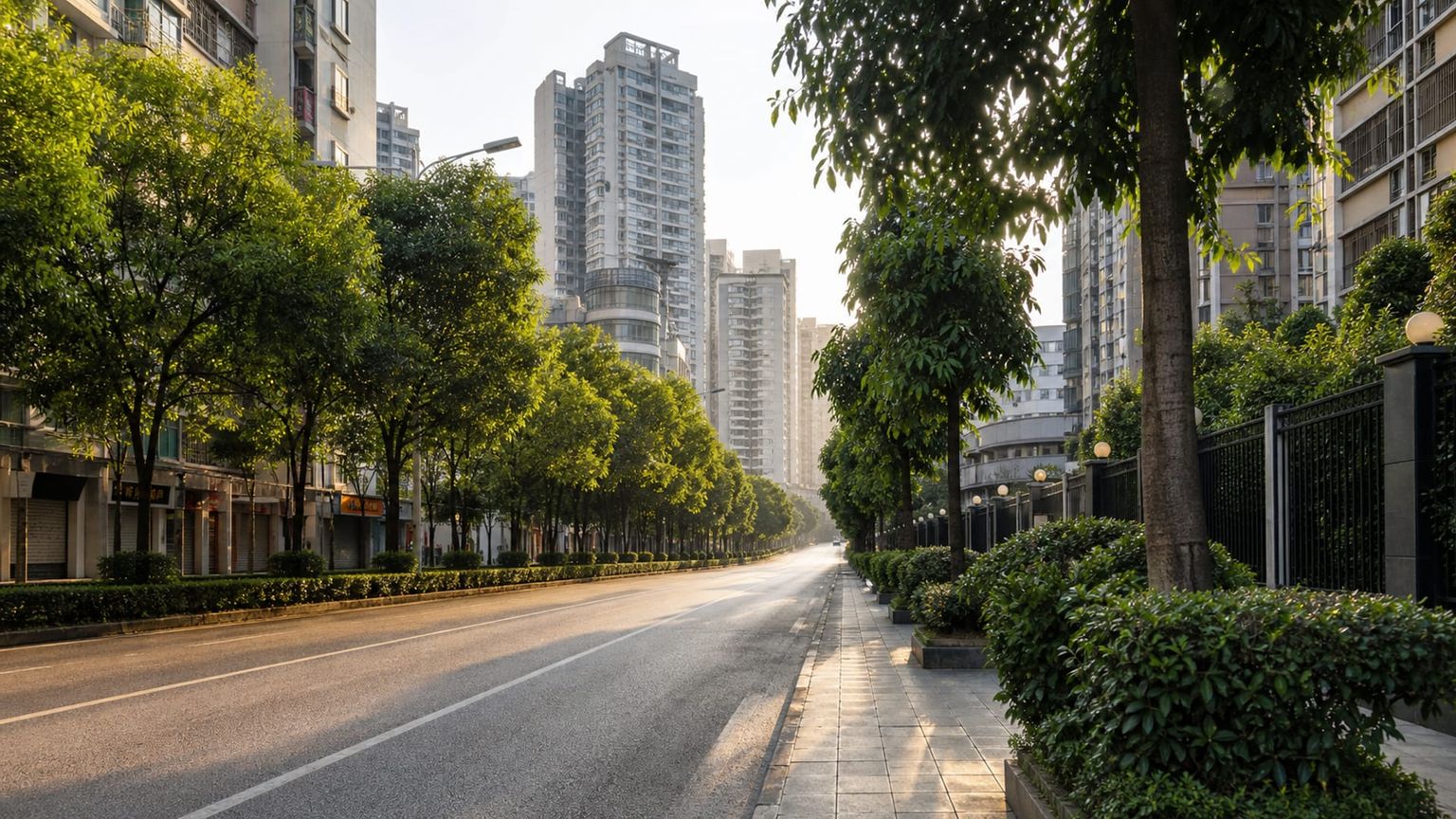
Baiyun District sits in Guiyang’s western urban area and combines residential neighborhoods, local shopping, and easier access to parts of the metropolitan ring. It fits travelers looking for a less central stay with lower hotel prices and a more local feel.
Best for: Longer stays, lower-cost hotels, and travelers comfortable using taxis or metro to reach sights
What to expect: Local apartment blocks, neighborhood eateries, and modest shopping streets, with fewer tourists than in the central districts.
Hotel prices: Usually about ¥180 to ¥380 ($25 to $53) per night for well-rated stays
Distance to major sights: About 35 to 50 minutes by taxi to Jiaxiu Tower and roughly 30 to 45 minutes to Qianlingshan Park
Quietness: Days are active around markets and residential streets; evenings are quieter once local dinner spots wind down.
Main trade-off: Room prices are often lower, but you will trade away direct access to central attractions and spend more time in transit.
Good to know: Taxi fares can add up if you go into the center often, so this area works best when you plan fewer cross-city outings.
Travelers usually avoid staying in Longdongbao Airport, because it sits far from Guiyang’s main sights and most evening plans require a long taxi ride. Baiyun District is less convenient for first-time visitors, since it is out on the city’s north side, while Huaxi and Qingzhen are better for day trips than for central sightseeing because they sit well away from the core hotel and dining area.
Hotel deals
How to get around Guiyang efficiently
Guiyang has no metro at the KWE airport area, so most visitors move between the center, parks, and districts by airport bus, taxi, or DiDi.

Metro
for longer distances
Guiyang has no metro system at the KWE airport area, so travelers rely on buses, taxis, and app-based rides instead. If you are heading into the city, Guìyáng Railway Station and major commercial districts such as Yunyan and Nanming are best reached by road, with trip times usually about 30 to 50 minutes depending on traffic.

Bus and tram
for convenience
Airport buses link Guiyang Longdongbao Airport to central districts and the main rail stations, with fares usually about $2 to $4 (¥15 to ¥30) and tickets valid for one ride only. Routes change by terminal and operating schedule, so check the airport counter or posted timetable before boarding; daytime trips to the city center typically take about 40 to 70 minutes, longer in peak traffic. City buses cover most neighborhoods, but they are slower than rail or taxi, and exact boarding points can be less obvious for first-time visitors.

Taxi
for convenience or late hours
Metered taxis are the norm in Guiyang, with a low starting fare and distance-based charges that make airport trips to central Guiyang land about $10 to $18 (¥70 to ¥130), depending on traffic and destination. Licensed cabs line up outside the terminal, and app-booked cars are also common; most drivers accept cash, Alipay, and WeChat Pay, though it is wise to confirm payment before departure. Late-night rides and heavy-rain periods can push the fare higher, and the trip into the city usually takes about 25 to 45 minutes.
*Prices are based on rates updated as of June 2026 and may change at the time of travel.
Use airport buses for lower-cost arrivals, taxis for direct trips to Nanming or the riverfront, and DiDi when you want app-based pickup; walking works best once you are already inside the central sightseeing area.
Iconic landmarks
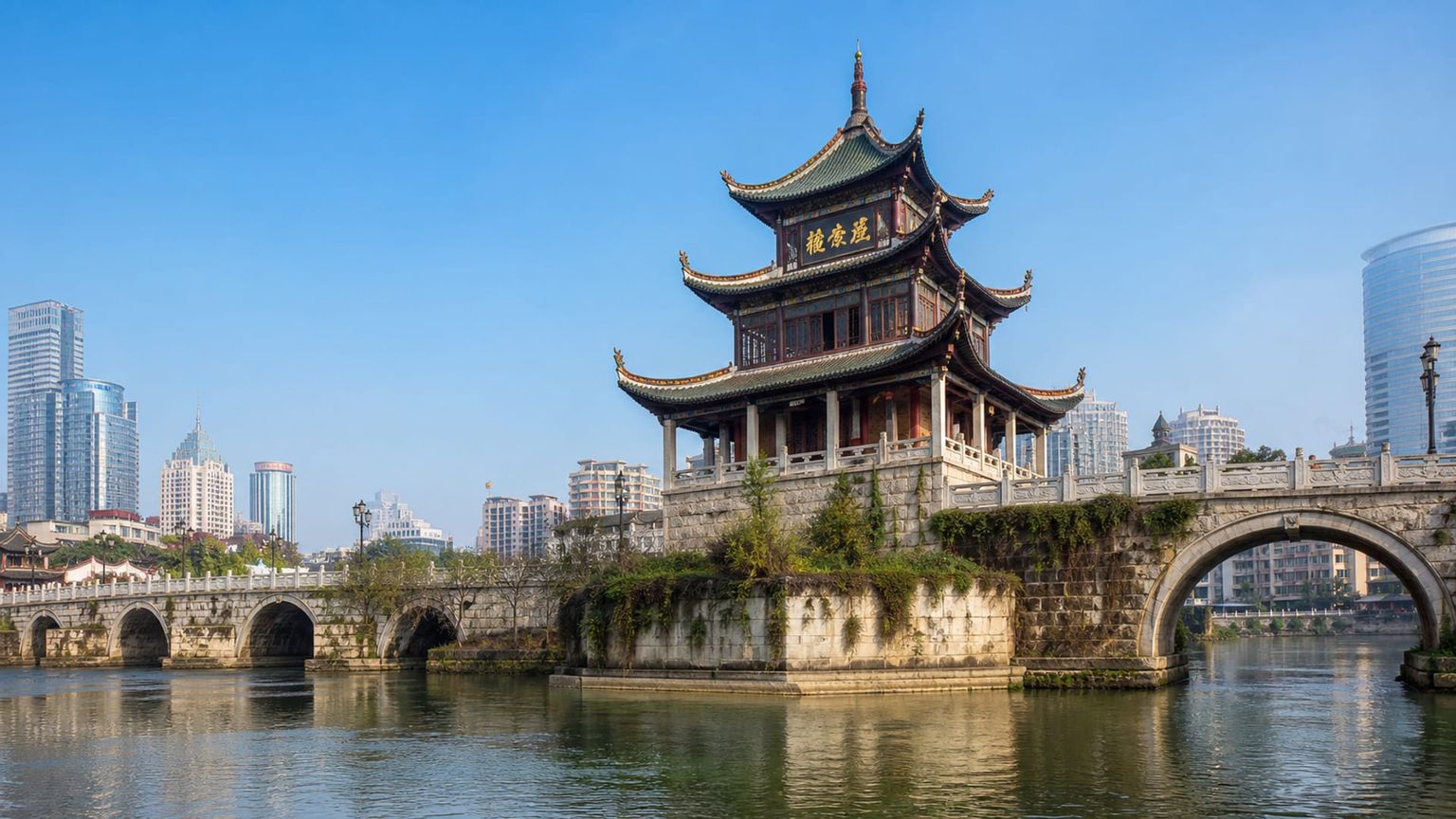
Jiaxiu Tower
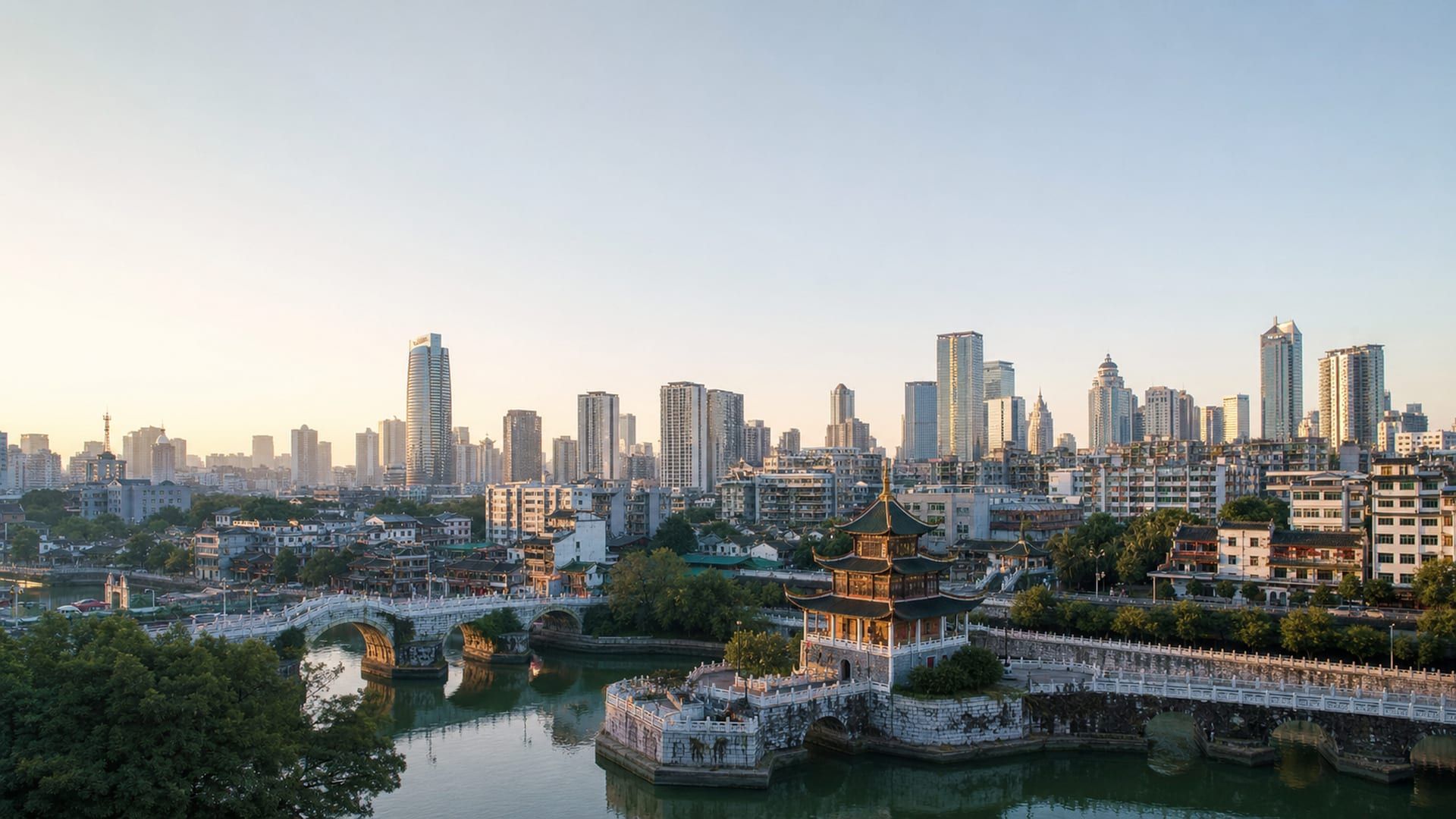
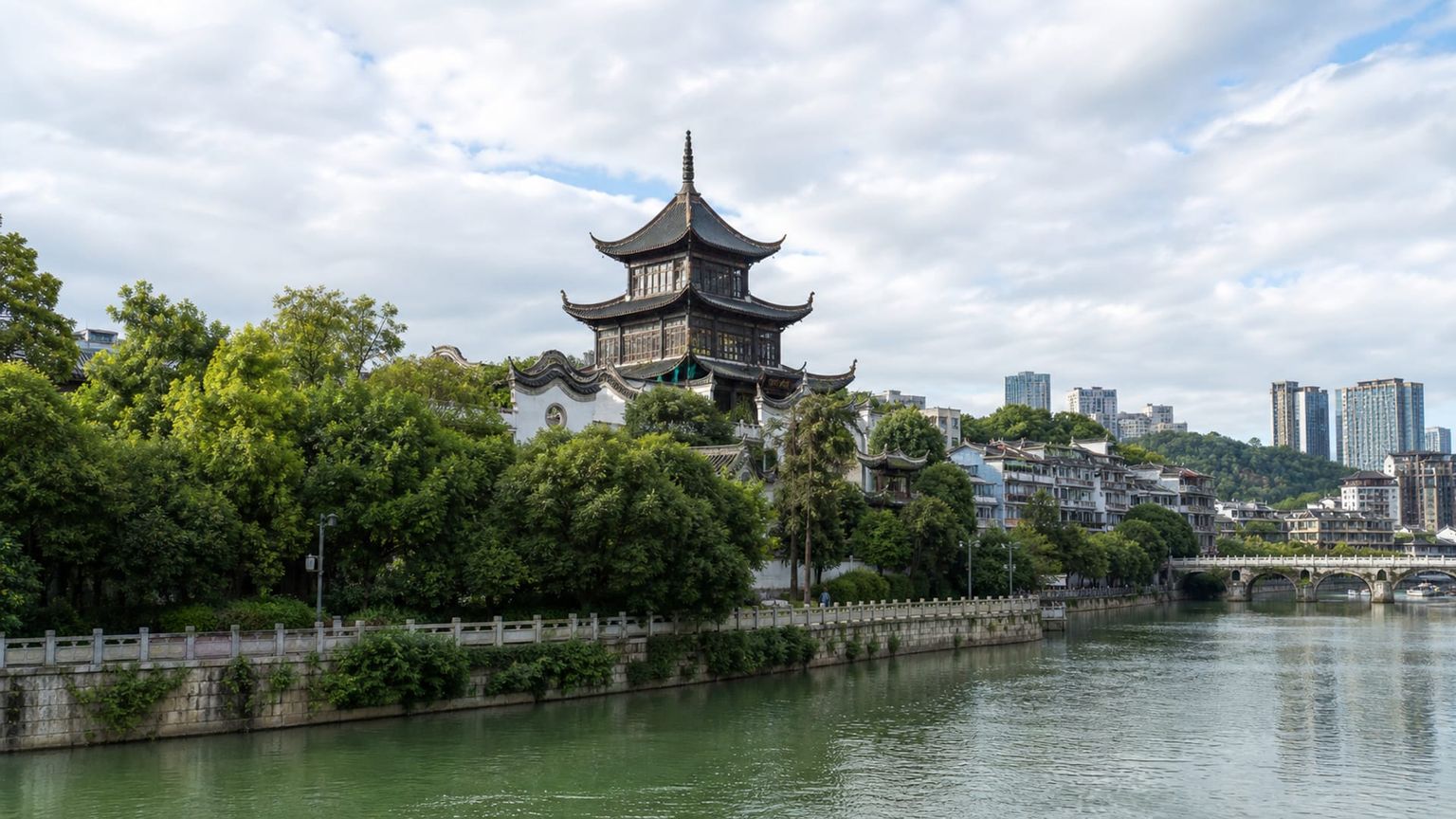
Set on the Nanming River, Jiaxiu Tower is Guiyang’s best-known landmark, with white stone arches, tiered pavilions, and the Fuyu Bridge beside it. The night lighting draws crowds, while the riverside park gives clear views of the tower.
Time needed: About 1 to 2 hours
Entry: Admission is free for the riverside park and tower exterior; interior access, when open for events or exhibitions, follows posted on-site notices.
Tip: Visit after dusk for the lit tower, then cross the river for a wider angle.
Qianling Park
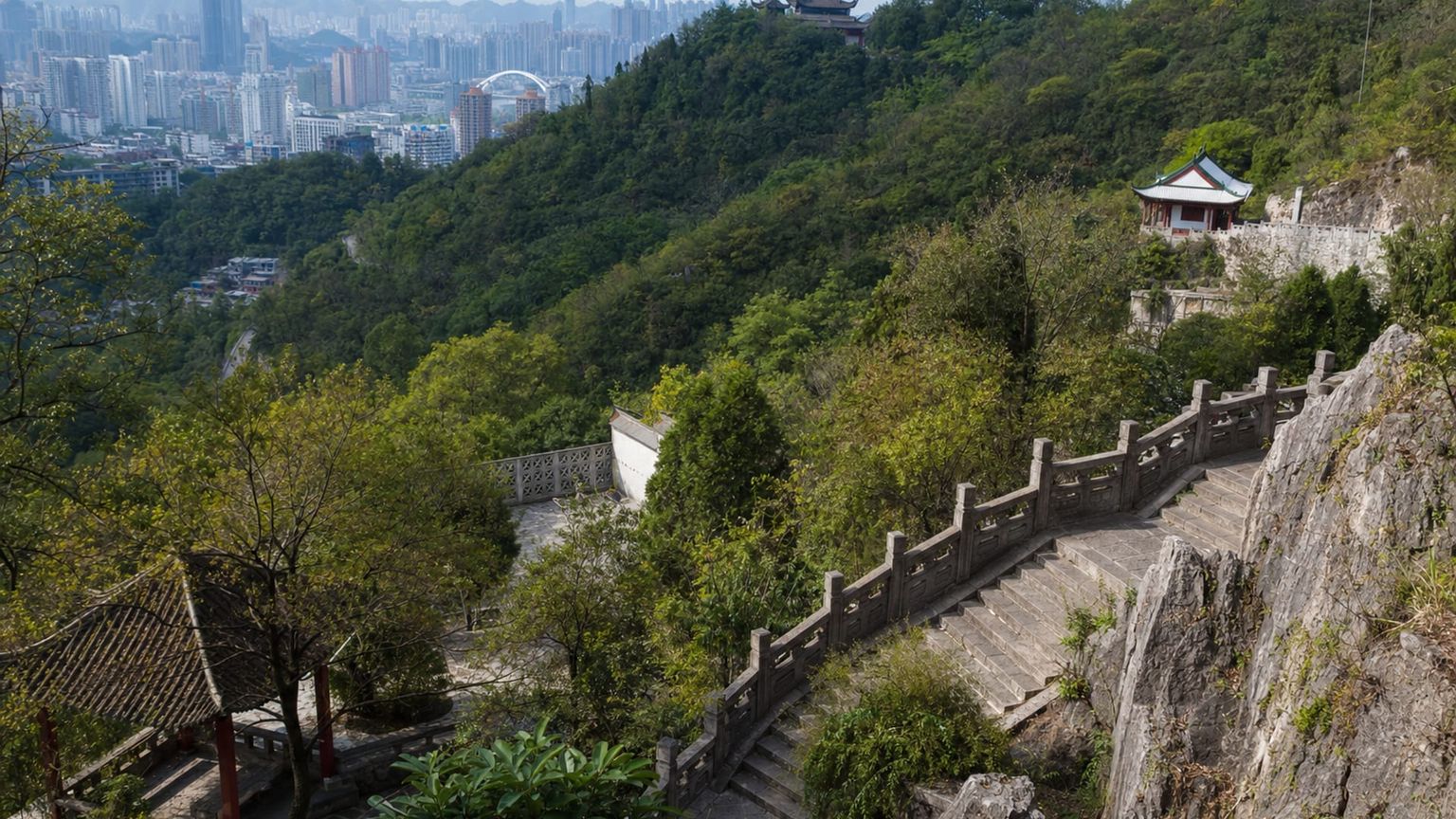
Qianling Park folds a hillside zoo, lake paths, and dense forest into one central city park. Hongfu Temple sits on the slope, and macaques often gather near the trails, so expect a lively route between the lake and the summit.
Time needed: About 2 to 3 hours
Entry: Admission costs $0 to $3 (about ¥0 to ¥20), depending on the gate and any separate areas or temporary exhibits open on the day.
Tip: Go early for cooler paths and fewer visitors on the climb to Hongfu Temple.
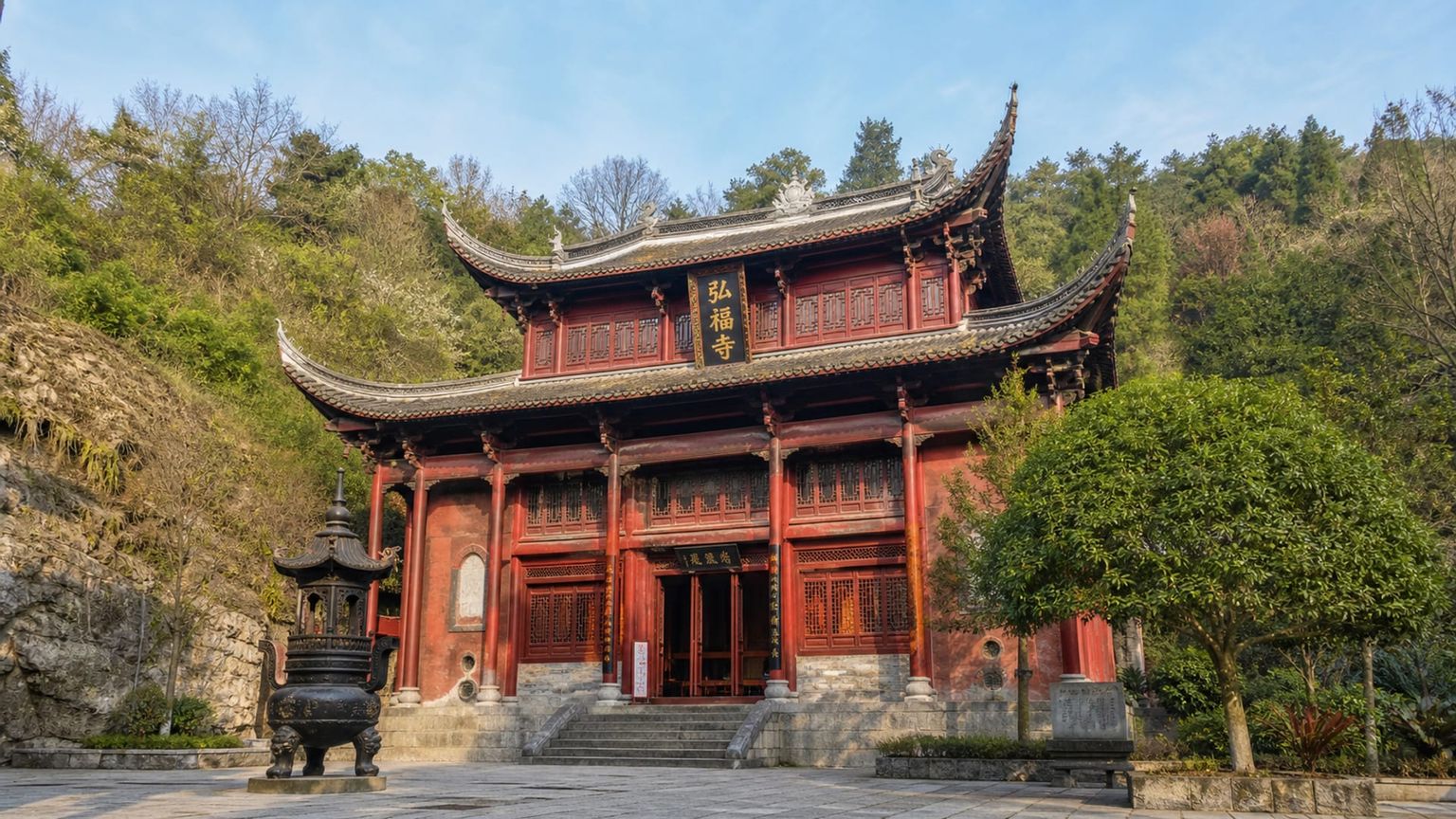
Hongfu Temple
Hongfu Temple sits inside Qianling Park and dates to the Qing dynasty. Its halls, incense courtyards, and carved roofs make it one of Guiyang’s most important Buddhist sites, and the uphill setting adds a clear sense of place.
Time needed: About 1 to 2 hours
Entry: Admission is usually free; some special exhibitions, incense offerings, or park-linked facilities may carry separate posted fees on site.
Tip: Arrive before midday to avoid the steepest heat on the climb from the park.
Overlooked sites worth visiting

Qianling Mountain Park
A city park with wooded slopes, a lake, and macaques, Qianling Mountain gives you an easy uphill walk without leaving Guiyang. The monastery area and pavilions add stops between shaded paths.
Time needed: About 2 to 3 hours
Entry: Admission is about $2 to $3 (CNY 15 to 20), with small extra charges for some park facilities and seasonal boat use. Cashless payment is common, and prices can change for special exhibitions or holiday periods.
Tip: Go early to avoid crowds and catch clearer views from the upper paths.

Jiaxiu Pavilion
Jiaxiu Pavilion sits on the Nanming River and pairs stone arches with riverfront views in a compact stop. At night, its lighting and the surrounding bridges make the site easy to visit in under an hour.
Time needed: About 45 minutes to 1 hour
Entry: Admission is about $1 to $2 (CNY 5 to 10). Some nearby displays or evening riverfront activities may cost extra, but the pavilion area itself is low-cost and easy to pair with a walk along the river.
Tip: Visit after sunset if you want the pavilion lit against the river.
Traditional food
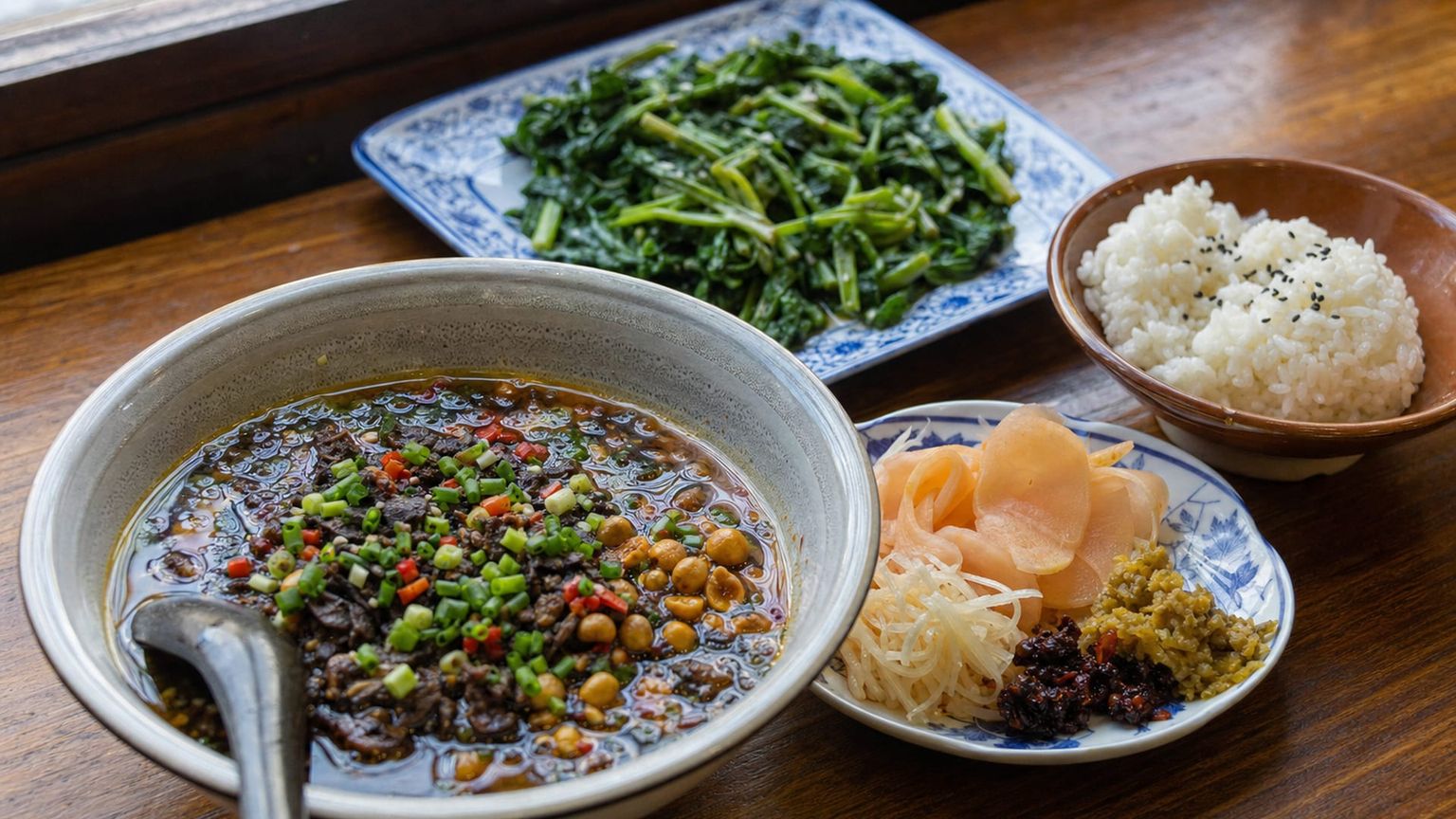
Guiyang cooking leans on sour broth, chili heat, tofu, and rice-based snacks, then pairs them with casual dining rooms and late-hours noodle counters. Sour soup fish and spicy chicken hotpot show the city’s appetite for bold flavors.
Sour soup fish
This Guizhou staple combines a tangy, chili-bright broth with freshwater fish and vegetables. In Guiyang, the canonical stop is Qingyan A Gui Fish, where the dish fits the city’s sour-and-spicy style.
Spicy chicken hotpot
The pot comes to the table with chicken, chilies, and a layered sauce that deepens as it cooks. Lao Kaili Hotpot in Guiyang is a strong place to order it and see how the city handles heat.
Tofu pudding
Soft tofu pudding arrives with savory or lightly spiced toppings, making it a useful breakfast or snack dish. Huaxi Wangwang Tofu Pudding in Guiyang is the canonical name to keep in mind for this local favorite.
Glutinous rice cake
Chewy rice cake often appears as a snack or light dessert, sometimes with sweet bean, sesame, or peanut notes. Guiyang locals often point to old-town snack stalls around Qingyan Ancient Town for a dependable version.
Best time to visit Guiyang
Guiyang’s hills, rain, and river views change shape by season, so the best months depend on whether you want cooler walks, clearer sightseeing, or fewer weather delays.
Best for: Good for park walks and riverfront sightseeing
What you get: About 50 to 77°F (10 to 25°C), with rising visitor numbers on clear weekends
Trade-offs: Showers can interrupt outdoor plans
Best for: Best for shade, evening outings, and food-focused days
What you get: About 68 to 86°F (20 to 30°C), with the heaviest crowds on major holidays
Trade-offs: Humidity and rain can slow cross-town movement
Best for: The best balance for hill parks and central sightseeing
What you get: About 55 to 75°F (13 to 24°C), with moderate crowds and clearer walking weather
Trade-offs: Popular dates can book up early
Best for: Good for quieter streets and lower hotel rates
What you get: About 36 to 55°F (2 to 13°C), with lighter crowds outside festival periods
Trade-offs: Cold rain can limit long outdoor walks
A realistic 5-day plan in Guiyang
The five-day plan below keeps the airport arrival separate from the main sightseeing circuit, then groups riverfront, park, and district visits so you are not repeating the same taxi rides. It also leaves room for a slower final day before departure.
Fly into Guiyang (KWE), then take a taxi into the center, which usually takes about 20 to 35 minutes and costs roughly ¥60 to ¥100 ($8 to $14). If you want the easiest first night, stay near Nanming District center or the Jiaxiu Tower area, drop your bags, drink some water, and head out for a light dinner on a nearby commercial street rather than planning a full evening out. A simple noodle shop or rice restaurant close to your hotel keeps the first night short and leaves time to adjust before a fuller sightseeing day.
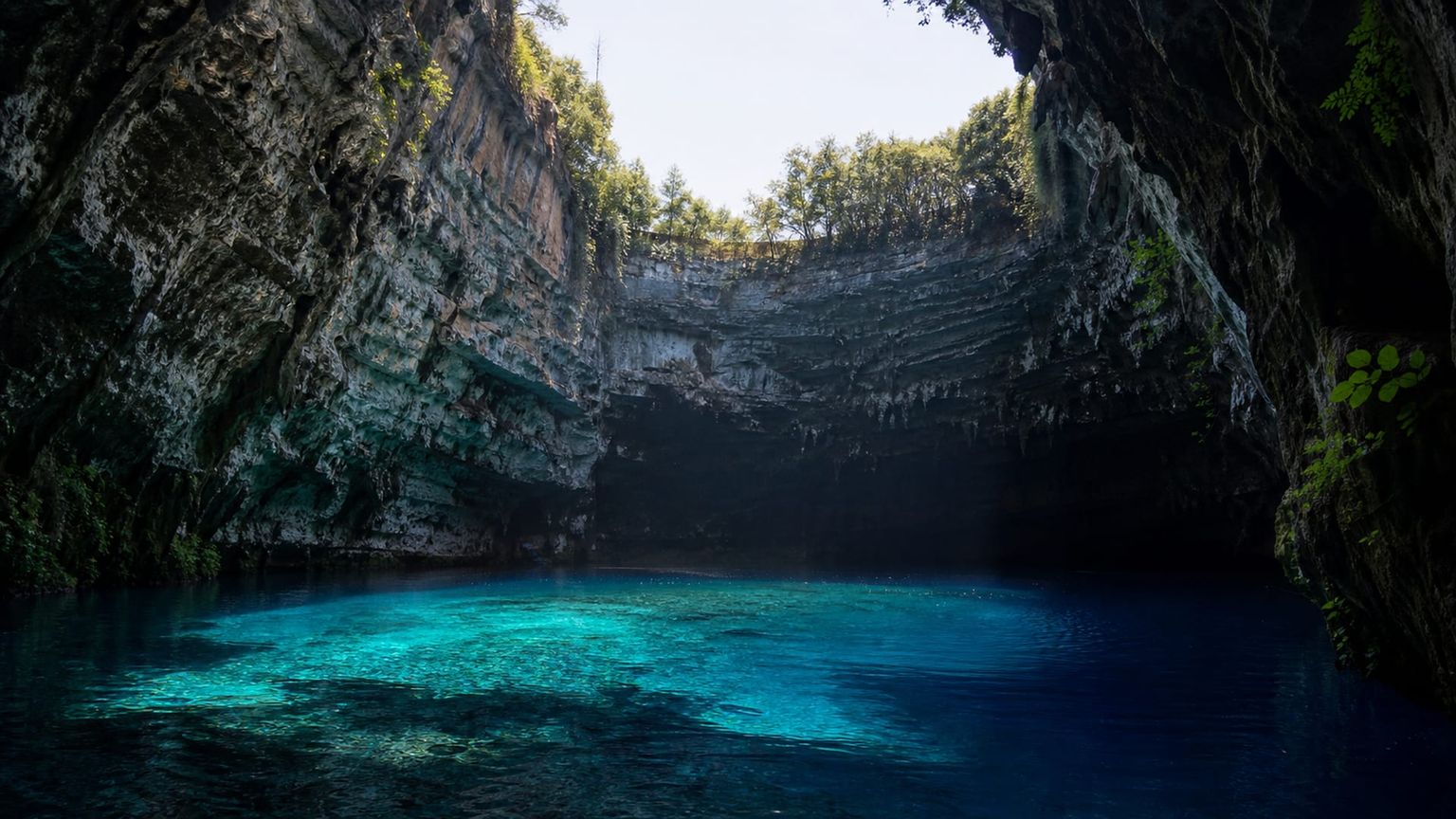
Start at Jiaxiu Tower after breakfast, then walk through the riverside park and along the Nanming River for about 1 to 2 hours. From there, take a taxi to Qianling Park in about 15 to 20 minutes, then continue uphill to Hongfu Temple, which sits inside the park and usually takes another 20 to 30 minutes on foot from the lower paths. Plan 2 to 3 hours for the park and temple together, with time for the lake paths, shaded viewpoints, and a slower descent back through the main gates.
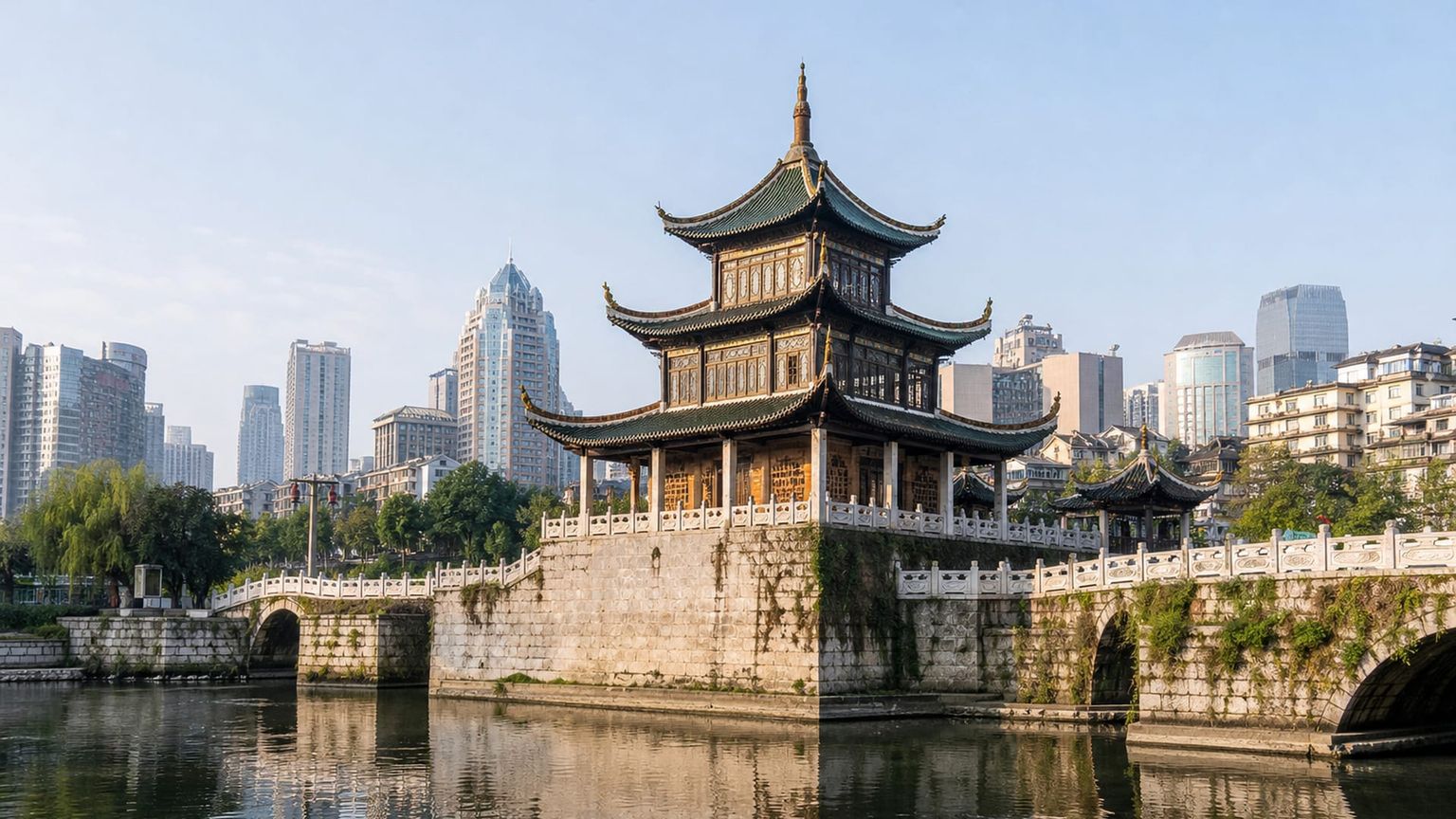
Begin in Qianling Mountain Park early, before the paths warm up, and spend about 2 to 3 hours moving between the wooded slopes, lake, and macaque areas. After lunch, take a taxi to Jiaxiu Pavilion, which usually takes about 15 to 25 minutes, then stay for the river views and evening lighting for roughly 45 minutes to 1 hour. That pairing gives you a hill walk in the morning and a compact night stop by the water without repeating the same route as the previous day.
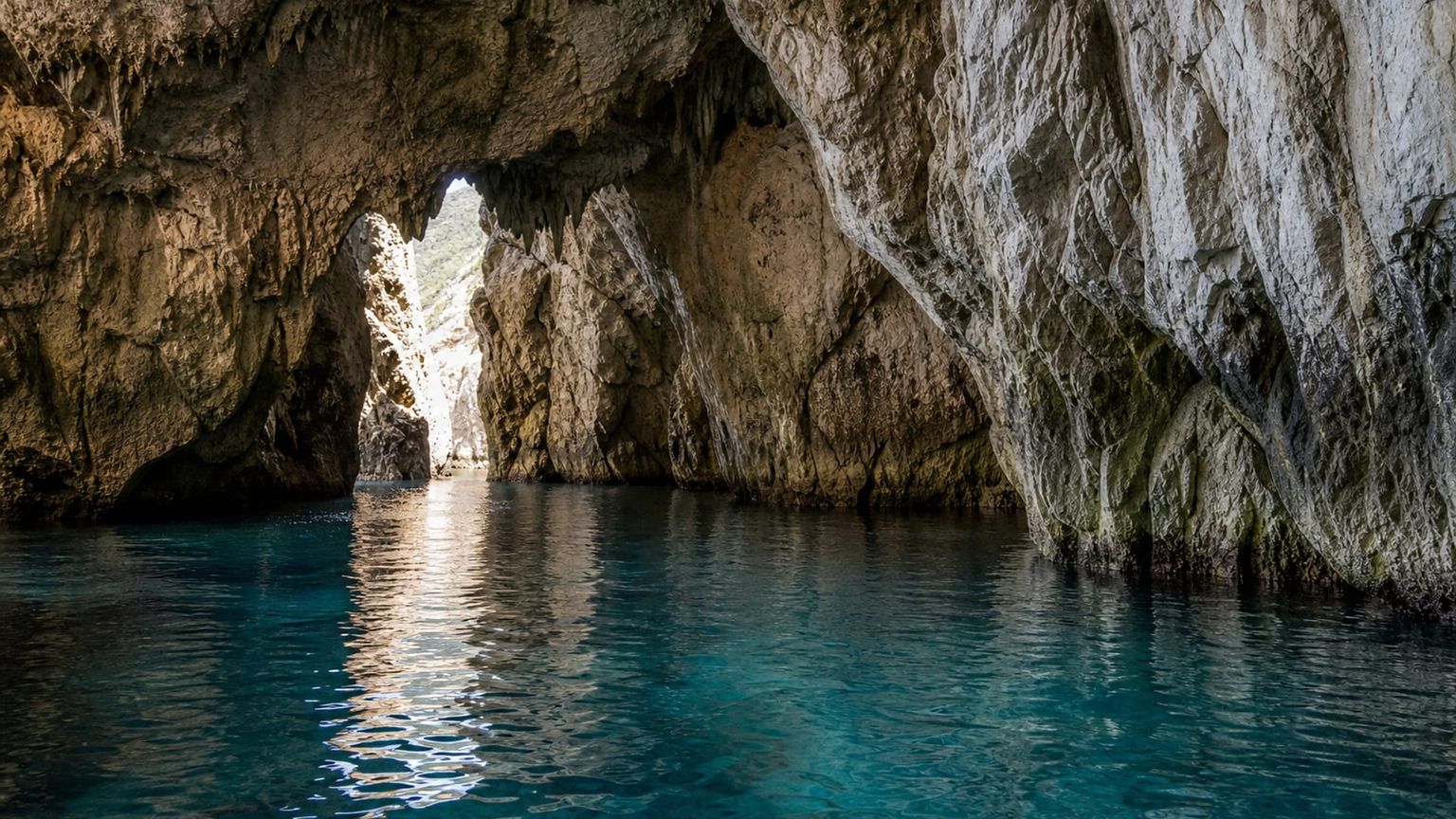
If you want a slower, more local-feeling day, stay in Baiyun District or move there by taxi in the morning, then spend the day in neighborhood streets before returning to the center for dinner. Start with a relaxed breakfast near your hotel, ride about 30 to 45 minutes into Qianling Park if you missed a part of it earlier, then come back through Nanming District center for shopping and a late lunch, with the drive usually taking about 20 to 35 minutes depending on traffic. The day works best when you keep the transport simple and let the city center, park access, and local dining do most of the work.
Before you head to the airport, fit in one last short stop at Jiaxiu Tower if you want a final river view, then spend your remaining hours in Guanshan Lake New District for shopping or in Nanming District center for a café break and last-minute purchases. A taxi from the center to Guiyang (KWE) usually takes about 20 to 35 minutes, so leaving after an early lunch still gives room for a calm departure. If your flight is later, sit down at a café near your hotel, pack at an unhurried pace, and keep the afternoon centered on whatever district is closest to your room.
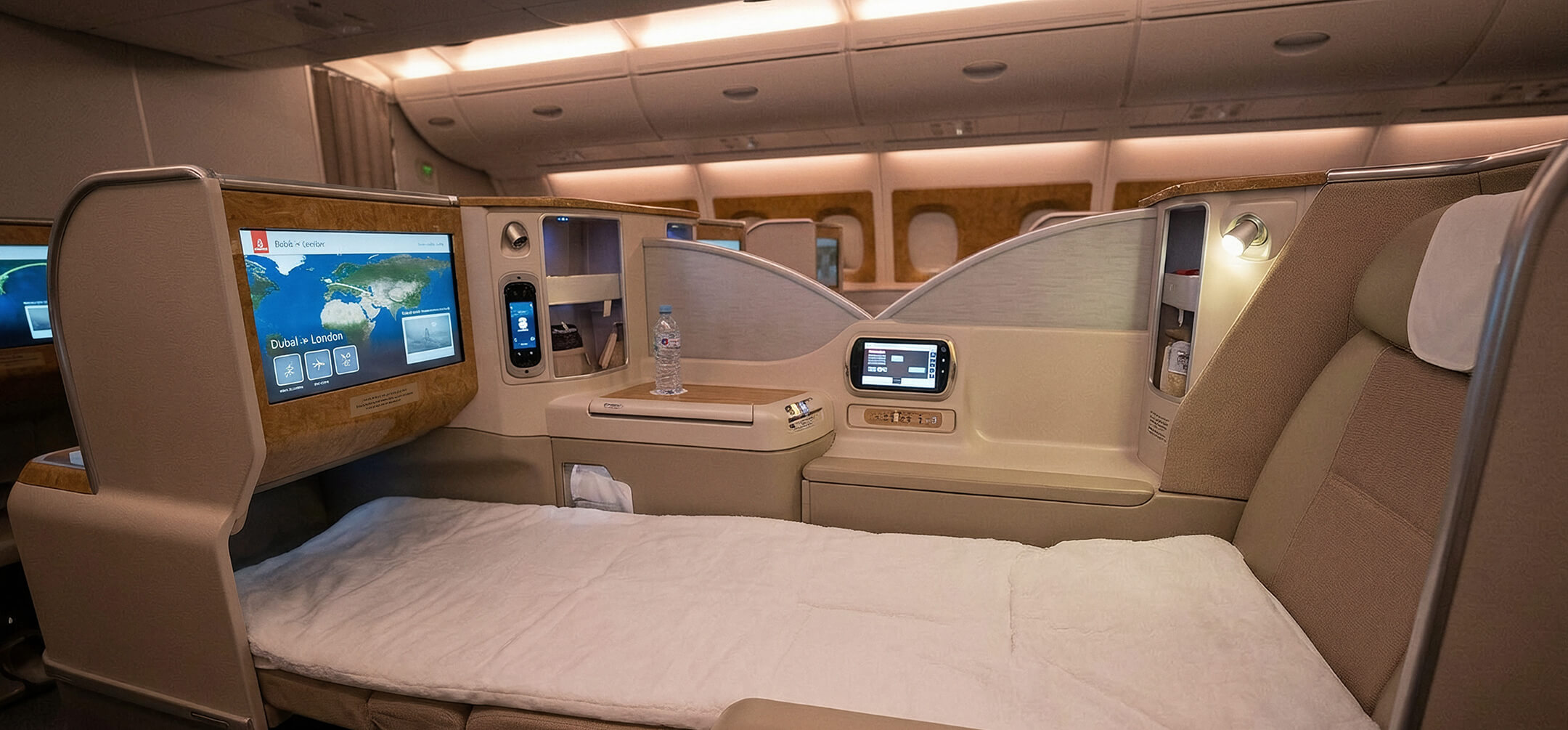
Business-class flights from the US to Guiyang
For long-haul arrivals, Guiyang usually appears as a one-stop itinerary rather than a direct link. The routes below show how East Coast and West Coast travelers can compare carriers, layovers, and total ticket cost.
From New York, carriers including China Eastern Airlines, Cathay Pacific, Korean Air, Qatar Airways, and Turkish Airlines typically route you through hubs such as HKG, ICN, DOH, IST, or PVG, with total travel times about 19 to 28 hours. Round-trip fares start at $3,800 and reach $6,900.
Los Angeles travelers can choose among China Eastern Airlines, Cathay Pacific, Korean Air, Qatar Airways, Turkish Airlines, and EVA Air, with layovers in HKG, ICN, DOH, IST, or TPE. The trip usually takes about 16 to 23 hours, and round-trip fares usually start at $3,200 and reach $6,200.
Guiyang feels different when you slow down
A deliberate Guiyang stay gives each district a clear role, Nanming for an easy first night, Jiaxiu Tower for the riverfront, Qianling Park for shaded climbing, and Baiyun if you want a quieter residential base. Taxis and DiDi do the heavy lifting between those stops, while the city’s food culture fills the gaps between outings. If you want help shaping the route, AranGrant experts can help you line up the right neighborhood, season, and flight