

Chapters:

Need help with your trip?
Our support team is available 24/7. Request a callback or call us directly at (833) 619-0908
Guangzhou trips often start with a tower, a late flight, and a hotel in Tianhe, then leave the older west side for a rushed half day. Travelers who do that usually see the skyline and miss how much of the city works through neighborhood food streets, museum courtyards, and riverfront blocks.
That approach can waste time because Guangzhou covers large distances, and the busiest districts pull you in different directions. Metro transfers help, but walking between sights can take longer than the map suggests, and some of the best meals sit away from the newest hotel clusters.
This guide orders the city by district and by pace. It sets out where to stay, how to move, what to eat, when to go, and how to fit the main sights into five days without turning each day into a cross-city scramble.
Useful things to know

Main language(s): Cantonese, Mandarin, English
Nei5 hou2 (nay ho) – Hello/good morning
M4 goi1 (m-goy) – Please/thank you
Doh jeh (doh jeh) – Thank you
Nei5 sik1 m4 sik1 gong2 Ying1man4 waa6? (nay sik m sik gong ying-man wah) – Do you speak English?
Gei2 do1 cin2? (gay doh chin) – How much does it cost?

Currency: The local currency is the Chinese yuan (CNY, ¥).

Cash and cards: Cards and contactless are widely accepted; carry about CN¥100 to CN¥200 ($14 to $28) for small shops and taxis.

Tipping: Tipping is not expected; round up small bills or leave about 10% in higher-end restaurants.

Traditional food: dim sum, Cantonese roast goose, wonton noodles, clay pot rice

Water and coffee costs: Water about CN¥3 to CN¥6 ($0.50 to $0.85), bar espresso about CN¥25 to CN¥35 ($3.50 to $5).

Taxis and ride apps: DiDi works here; let the app match you to the pickup point.

Plug and voltage: Type A/C socket, 220V

Dining and shop opening hours: Breakfast runs about 07:00-09:00, lunch 12:00-14:00, and dinner 18:00-21:00. Many restaurants stay open late, but some dim sum spots close midafternoon.

Emergency number: Dial 110 for police, 120 for ambulance, 119 for fire.
Where to stay in Guangzhou
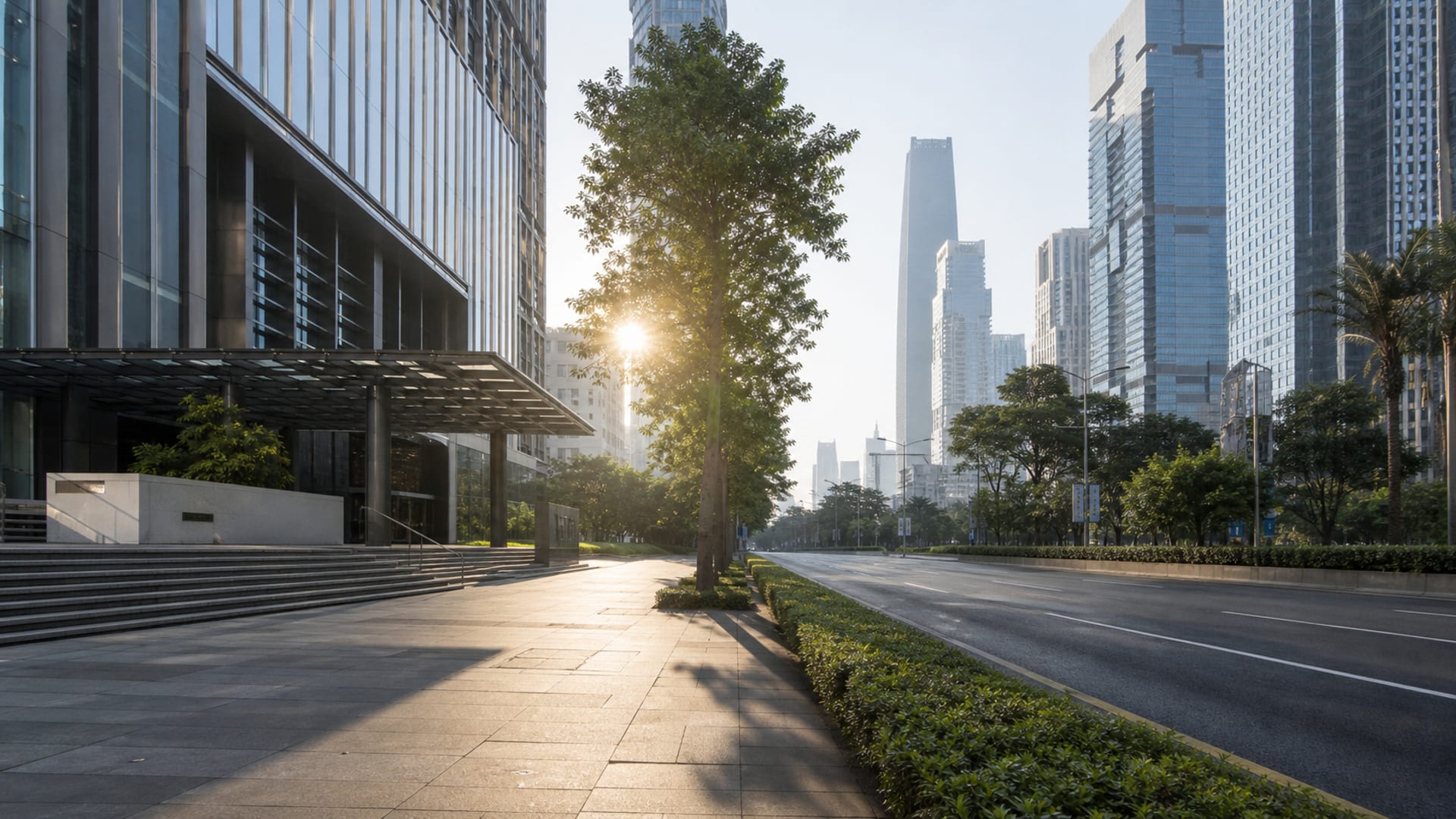
Guangzhou’s main business and shopping district, Tianhe puts you near high-rise malls, major offices, and the city’s modern transit web. It works well for visitors who want easy metro access to Canton Tower, Zhujiang New Town, and the east side of the city.
Best for: Business trips, shopping, and travelers who want fast metro access to the east side
What to expect: Busy sidewalks, large malls, office towers, and heavy foot traffic near stations.
Hotel prices: Usually about ¥500 to ¥1,200 (~$70 to ~$170) per night for well-rated stays
Distance to major sights: 15 to 20 minutes by metro to Canton Tower; about 10 minutes by metro to Zhujiang New Town
Quietness: Daytime is crowded and active, while evenings calm down on side streets after mall hours.
Main trade-off: Rates are higher than in older districts, and the most convenient blocks can feel busy late into the evening.
Good to know: Choose a hotel close to a metro station, since some long blocks between major towers and malls make walking slower than the map suggests.
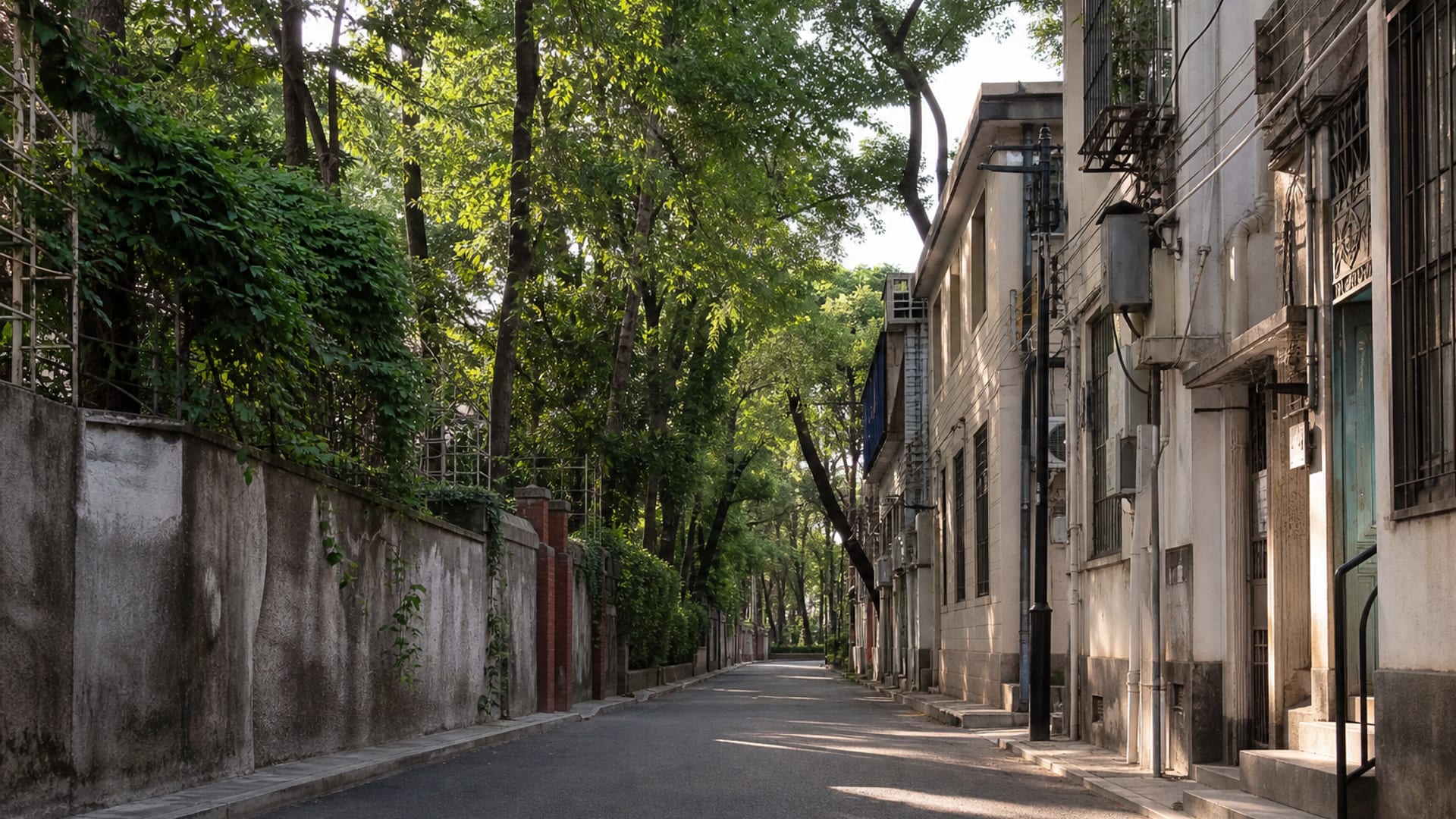
Yuexiu is Guangzhou’s historic core, with older streets, government buildings, and easy access to parks and museums. It suits travelers who want to reach Beijing Road, the city museum, and major rail connections without staying in the newest business districts.
Best for: Sightseeing, museum visits, and travelers who want a central base near older landmarks
What to expect: Mixed residential and commercial streets, local eateries, and a steady daytime flow of residents and visitors.
Hotel prices: Usually about ¥350 to ¥900 (~$50 to ~$125) per night for well-rated stays
Distance to major sights: 10 to 15 minutes on foot to Beijing Road; about 20 minutes by metro to Canton Tower
Quietness: Daytime stays lively near the main streets, while residential lanes are noticeably calmer after dinner.
Main trade-off: You give up some polished new-build hotel options, and the area is farther from the city’s tallest tower district.
Good to know: Nightlife is limited compared with newer districts, so plan late dinners and bars elsewhere if that matters to your trip.
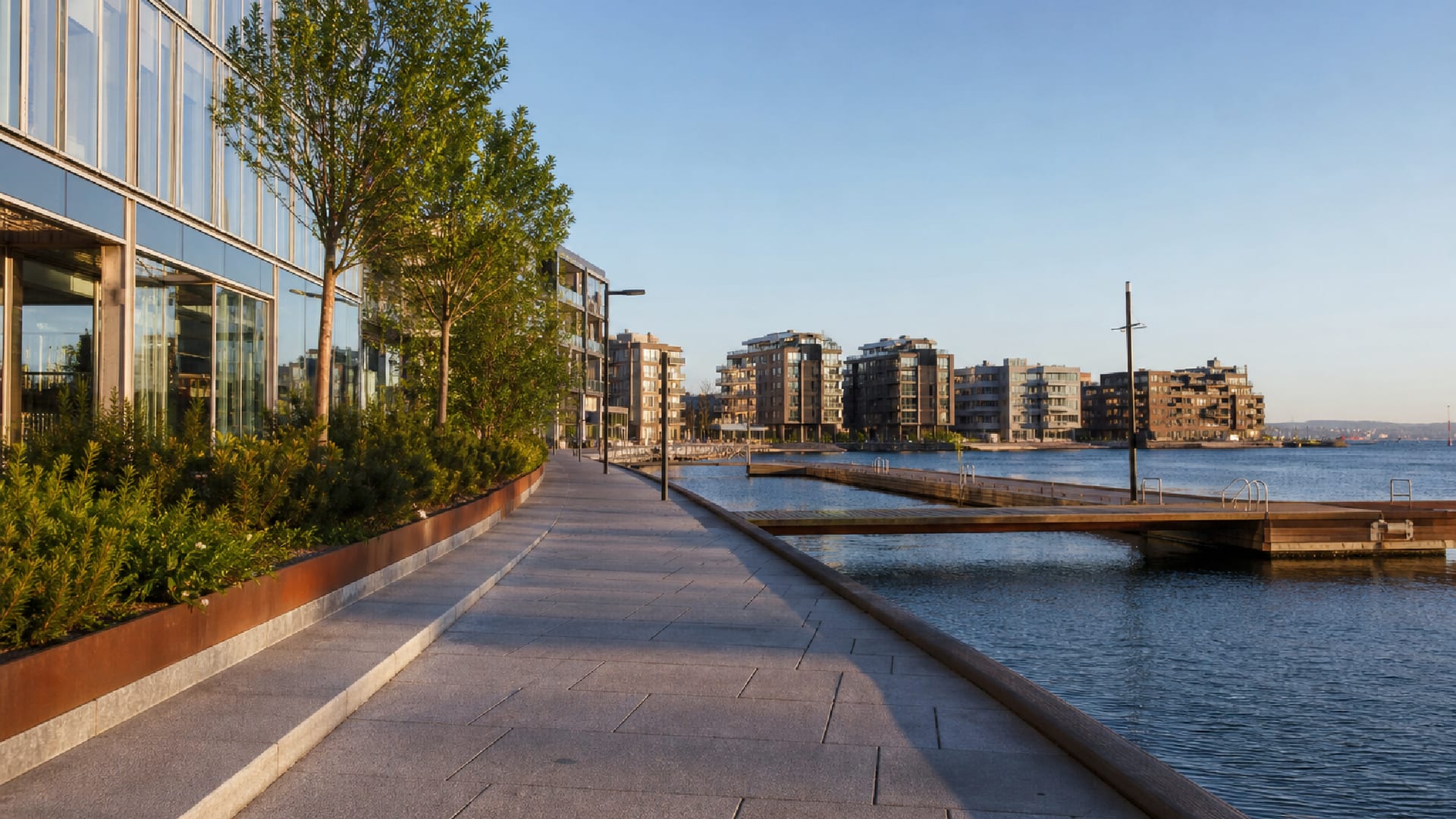
Liwan centers on Guangzhou’s older west side, with traditional markets, riverfront history, and the atmospheric lanes near Shangxiajiu and Shamian. It is a strong fit for travelers who want to walk through heritage streets and sample local food without a heavy commute.
Best for: Heritage walks, food-focused trips, and travelers who prefer older streets over business towers
What to expect: Dense street life, busy food lanes, and a mix of tourists, shoppers, and local families.
Hotel prices: Usually about ¥300 to ¥800 (~$40 to ~$110) per night for well-rated stays
Distance to major sights: 10 to 20 minutes on foot to Shamian Island; about 15 minutes by metro to Beijing Road
Quietness: The main shopping streets stay animated into the evening, but smaller lanes and riverside blocks are quieter at night.
Main trade-off: Traffic and footfall can be heavy on weekends, and many of the best-known streets draw tour groups.
Good to know: Some hotels sit in older buildings with smaller rooms, so check photos carefully before booking.
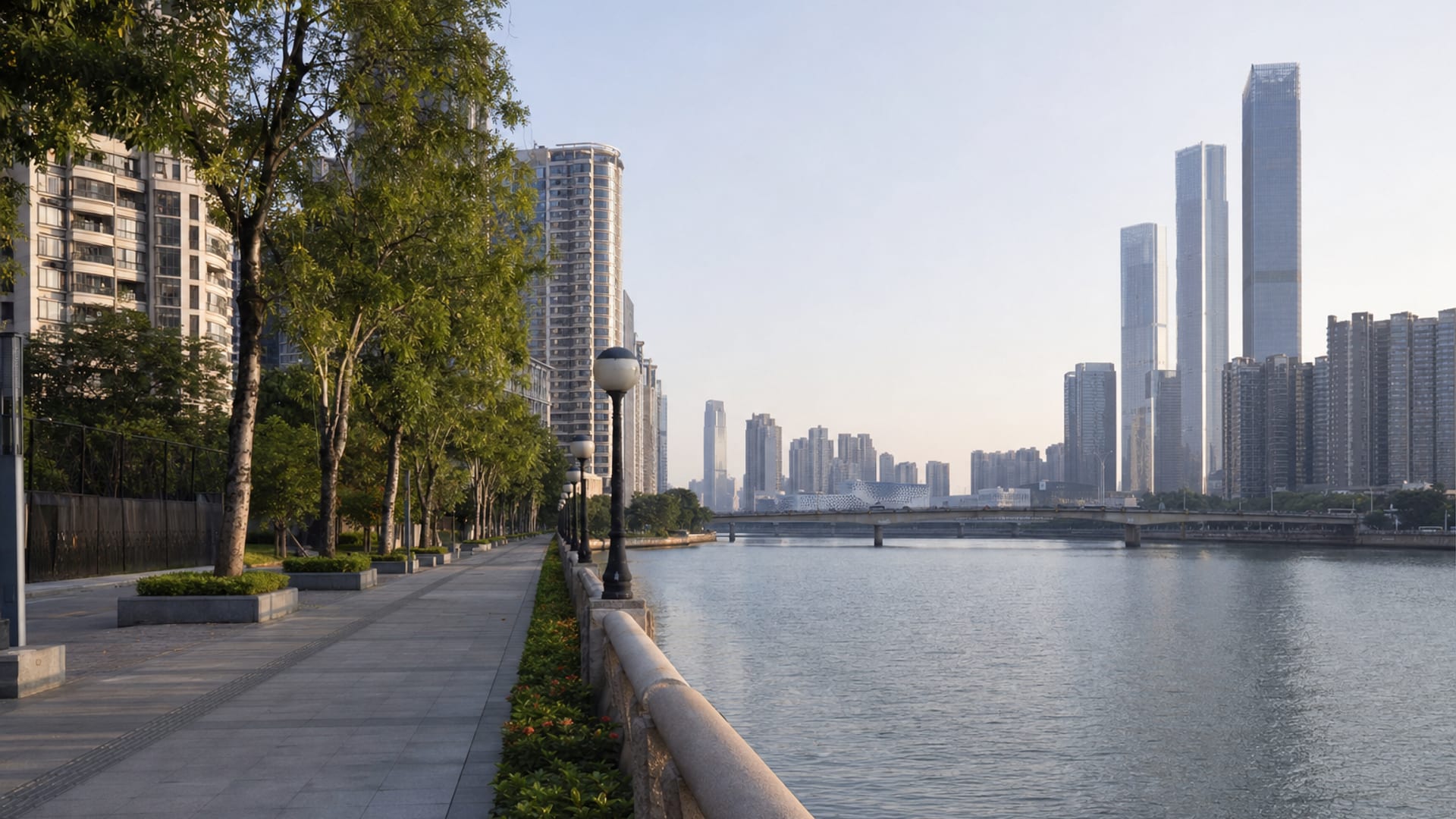
Haizhu sits south of the Pearl River and gives you access to riverside walks, exhibition venues, and a broad range of local neighborhoods. It is a sensible base if you want to stay near Canton Fair venues or reach central Guangzhou without paying top-tier rates.
Best for: Canton Fair visits, riverside walks, and travelers seeking a midrange base near central Guangzhou
What to expect: A mix of residential towers, neighborhood restaurants, and busy arterial roads near major transit stops.
Hotel prices: Usually about ¥350 to ¥900 (~$50 to ~$125) per night for well-rated stays
Distance to major sights: 15 to 25 minutes by metro to Canton Tower; about 20 minutes by taxi to the Canton Fair Complex
Quietness: Residential blocks are fairly calm at night, while streets near major roads and exhibition sites stay active later.
Main trade-off: You may need more transit time for older sightseeing areas, especially if your hotel is deep in the district.
Good to know: If you are attending a trade show, confirm the nearest metro exit in advance, because station complexes can be large.
Travelers usually avoid staying in Conghua District, Zengcheng District, and northern Baiyun District if they want quick access to the main sights, since these areas sit well outside the central museum, riverfront, and shopping districts. Nansha District is also less convenient for most first-time visitors because it is far south of downtown, with fewer visitor-focused amenities and longer evening trips back from the city center.
Hotel deals
How to get around Guangzhou efficiently
Guangzhou Baiyun International Airport connects directly to the metro, while taxis, DiDi, and airport buses fill the gaps when your hotel sits beyond the easiest rail link.

Metro
for longer distances
Guangzhou’s metro reaches Guangzhou Baiyun International Airport, with Airport South, Airport North, and nearby interchange stations linking the airport area to the city center and major rail hubs. A one-way metro ride usually costs about $0.40 to $1.50 (¥3 to ¥10), stored-value cards and mobile payments are accepted, and most tickets stay valid for the same day of purchase. Trains run roughly from early morning until late evening, and the trip to central Guangzhou takes about 30 to 50 minutes depending on the line and transfer.

Bus and tram
for convenience
Airport and city buses cover the widest share of Guangzhou beyond the rail network, with express links from Baiyun airport to major districts, long-distance coach stations, and some nearby cities. Fares usually start at about $1 to $4 (¥8 to ¥30), and city buses typically accept exact cash, transit cards, or mobile payment, while airport shuttles may use point-to-point tickets with timed departures. Look for route numbers at major stops and stations, then allow about 45 to 90 minutes for cross-city trips, longer at rush hour.

Taxi
for convenience or late hours
Licensed taxis at Guangzhou Baiyun International Airport use the meter for most daytime trips, with a base fare of about $1.90 (¥14) plus distance and time charges; airport pickups may add a small toll or highway fee, and late-night tariffs can raise the total. A ride into central Guangzhou usually lands in the $14 to $35 (¥100 to ¥250) range, while shorter hops near the airport cost less. Hail marked cabs at official ranks or use ride-hailing apps, and most drivers accept cash, Alipay, WeChat Pay, or app-linked cards.
*Prices are based on rates updated as of June 2026 and may change at the time of travel.
Use the metro for budget-conscious cross-city rides, taxis or DiDi for airport runs and late evenings, and buses when you need a wider reach than the rail map provides.
Iconic landmarks
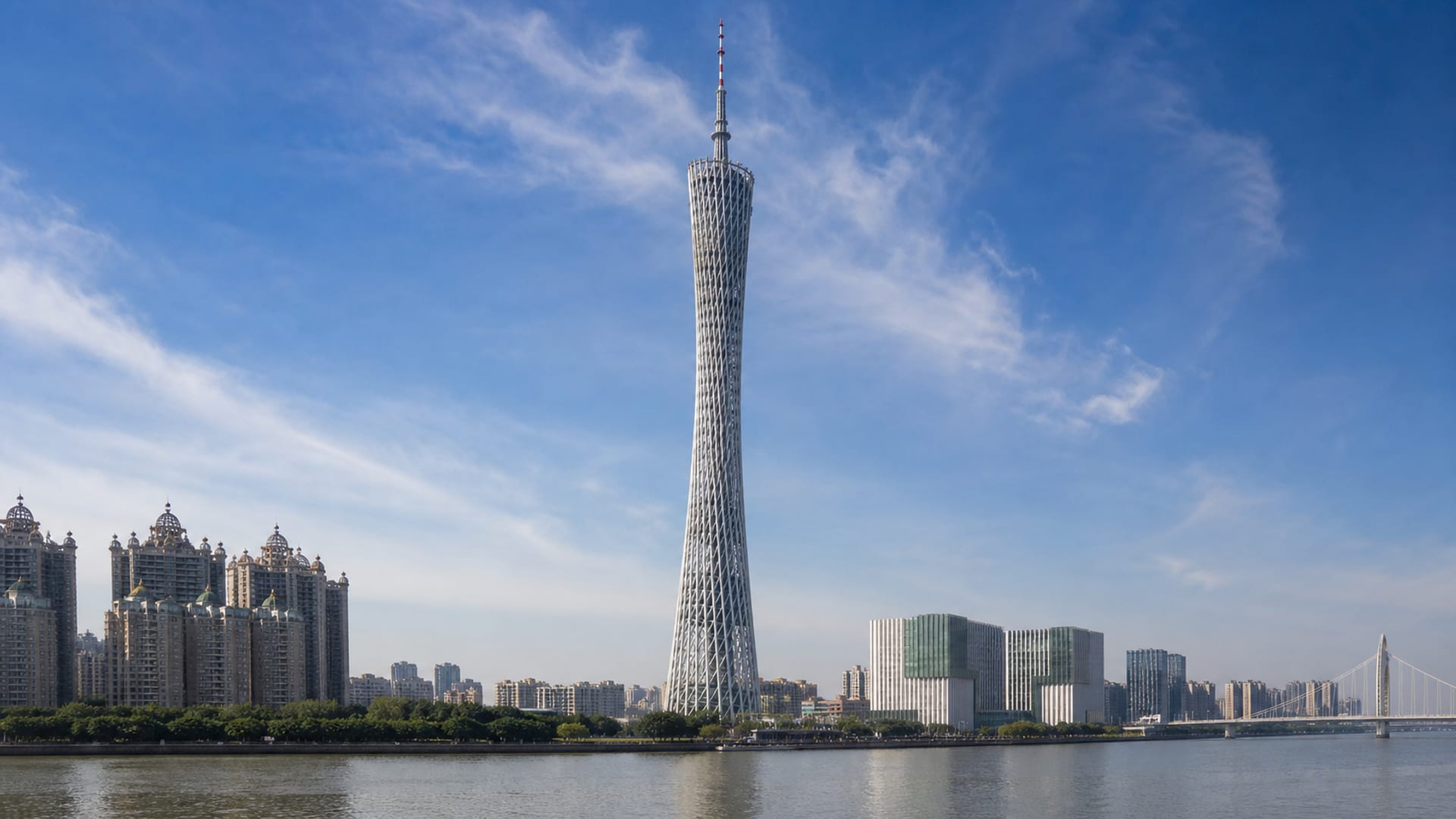
Canton Tower
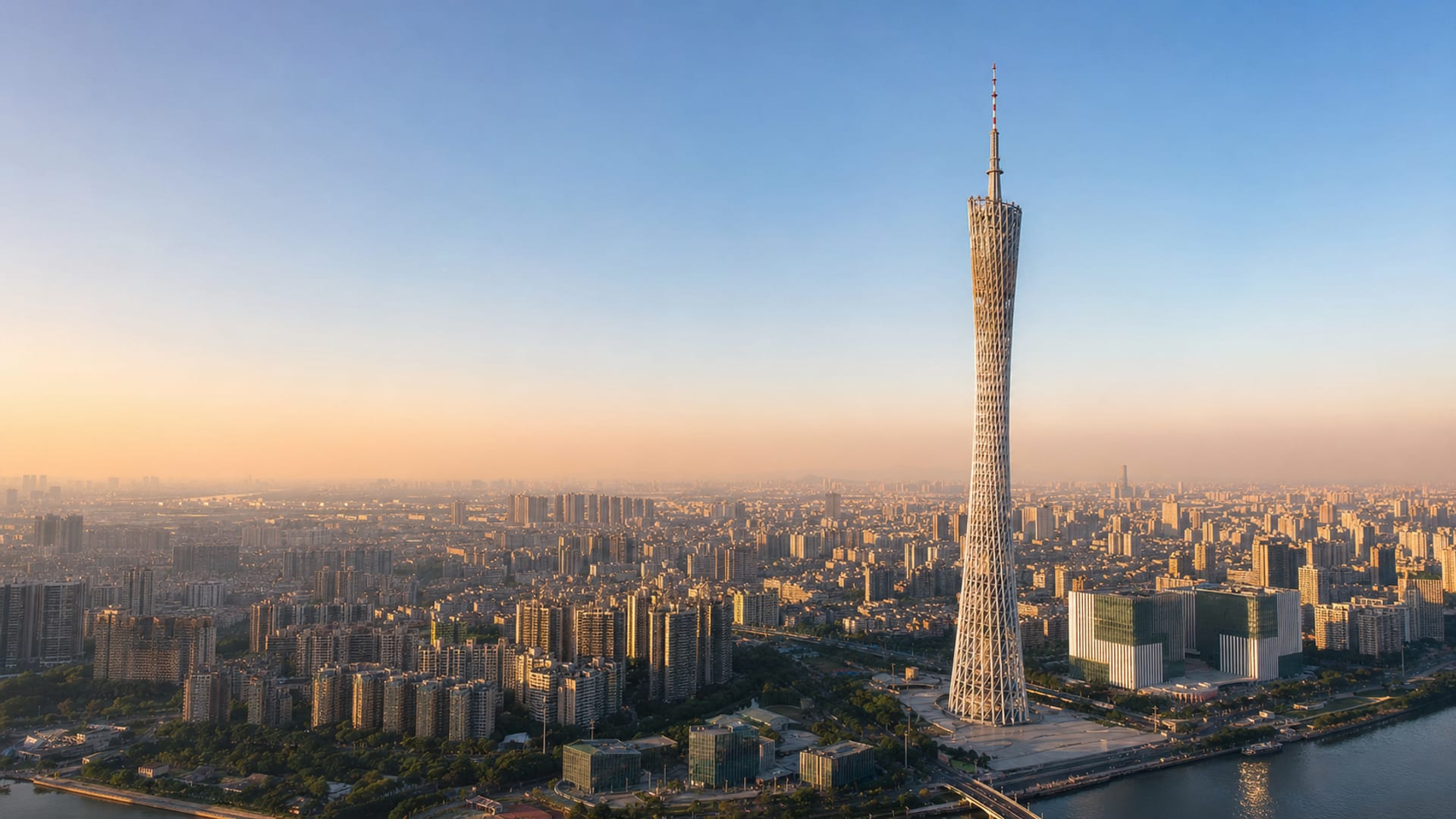
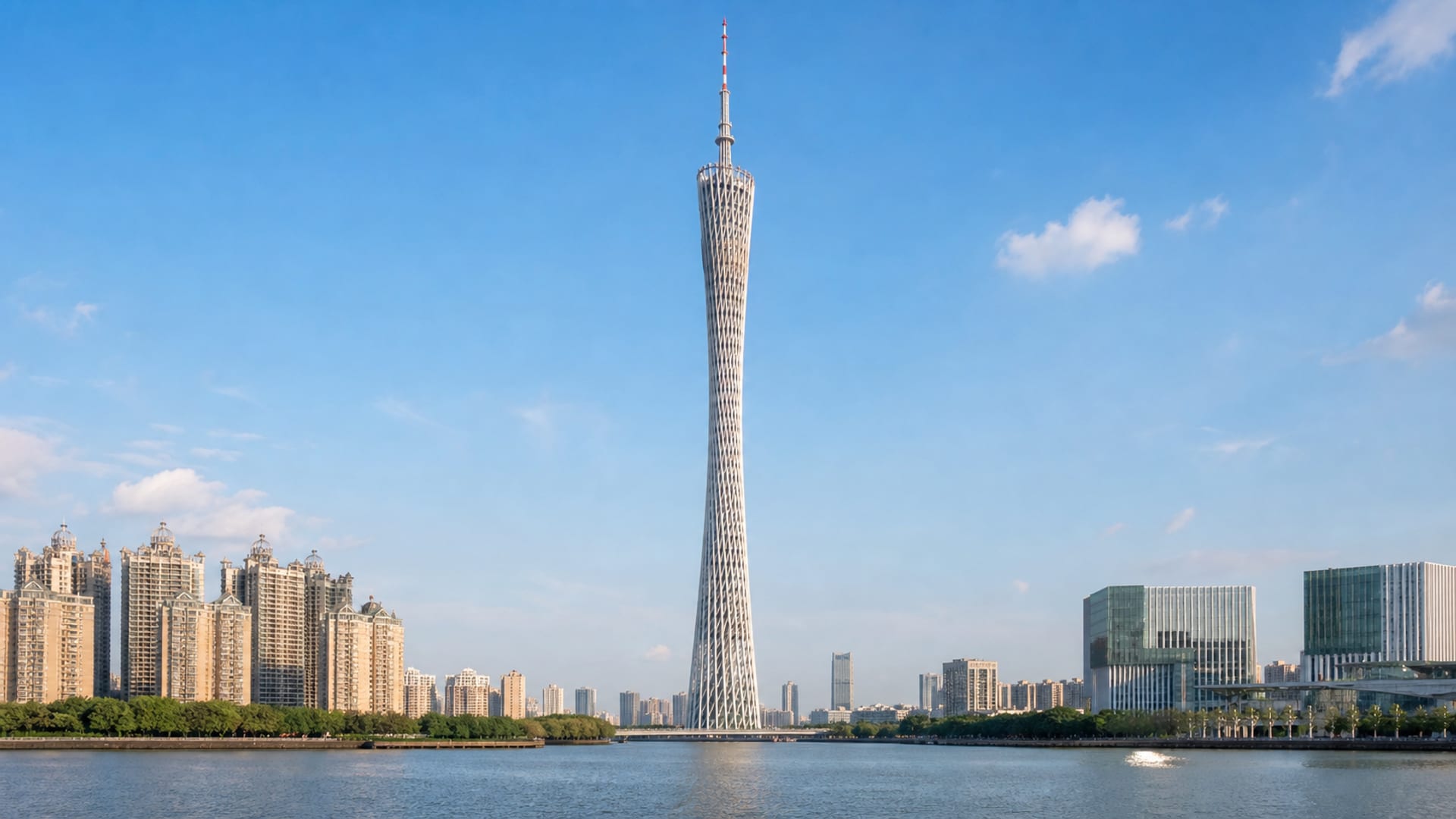
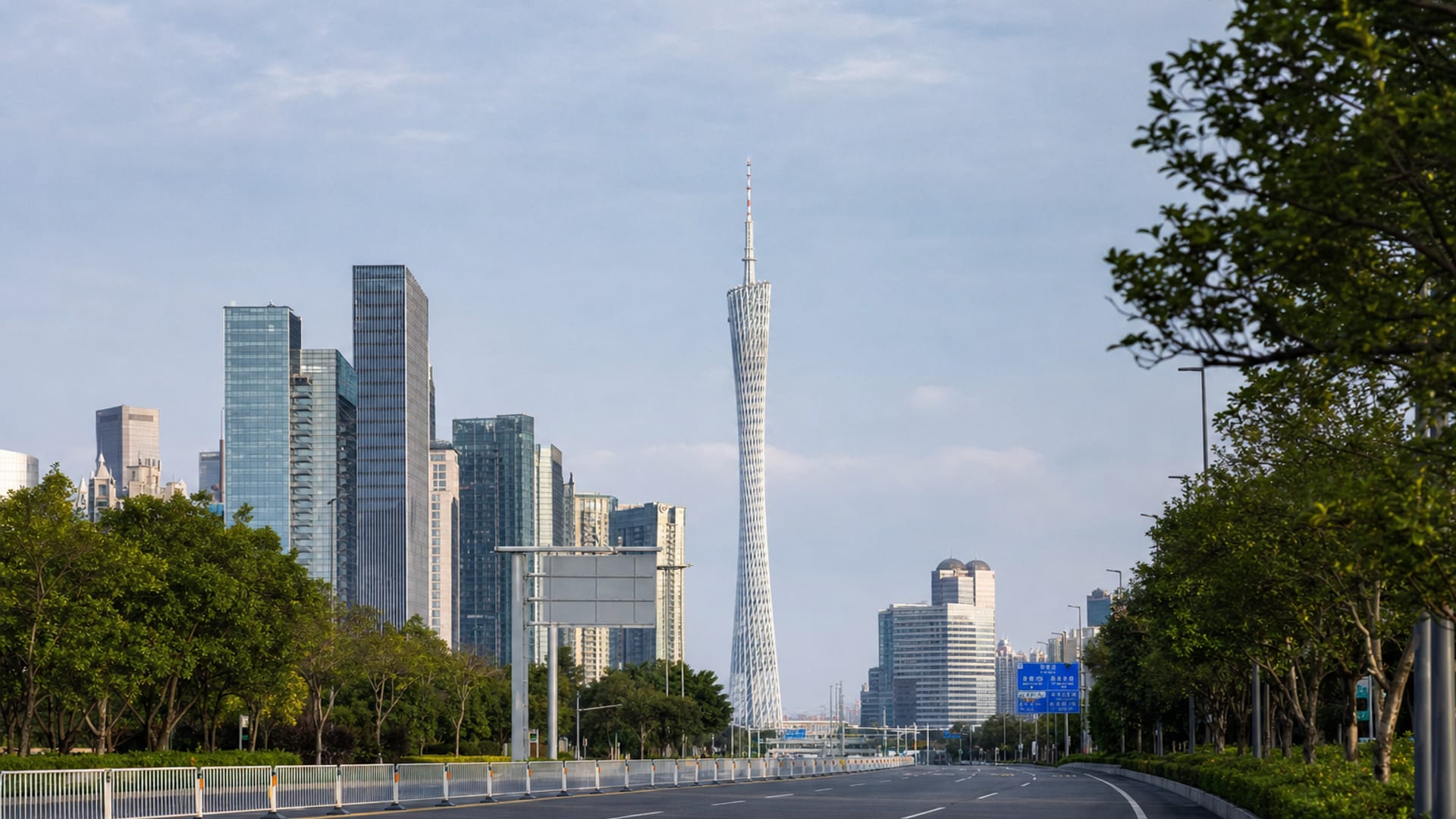
Guangzhou’s tallest landmark rises beside the Pearl River at about 604 meters. Visitors come for the observation decks, glass-floored Sky Walk, and night views over Zhujiang New Town and Haixinsha Island.
Time needed: About 2 to 3 hours
Entry: Standard tickets cost $21 to $47 (about 150 to 336 yuan), depending on deck access and time slot; extra charges apply for rides and specialty experiences Visit the official site for details.
Tip: Visit just before sunset, then stay for the first hour of city lights and river reflections.
Chen Clan Ancestral Hall
This late Qing clan hall, now the Guangdong Folk Art Museum, stands out for carved wood, brick, and stone work across courtyards and halls. It sits in central Guangzhou and offers a detailed look at Lingnan craft traditions.
Time needed: About 1.5 to 2 hours
Entry: Admission costs about $4 ($4) for adults; discounts may apply for students and seniors, and some special exhibitions carry separate fees Visit the official site for details.
Tip: Go early on a weekday, when the courtyards are quieter and the carvings are easier to study.
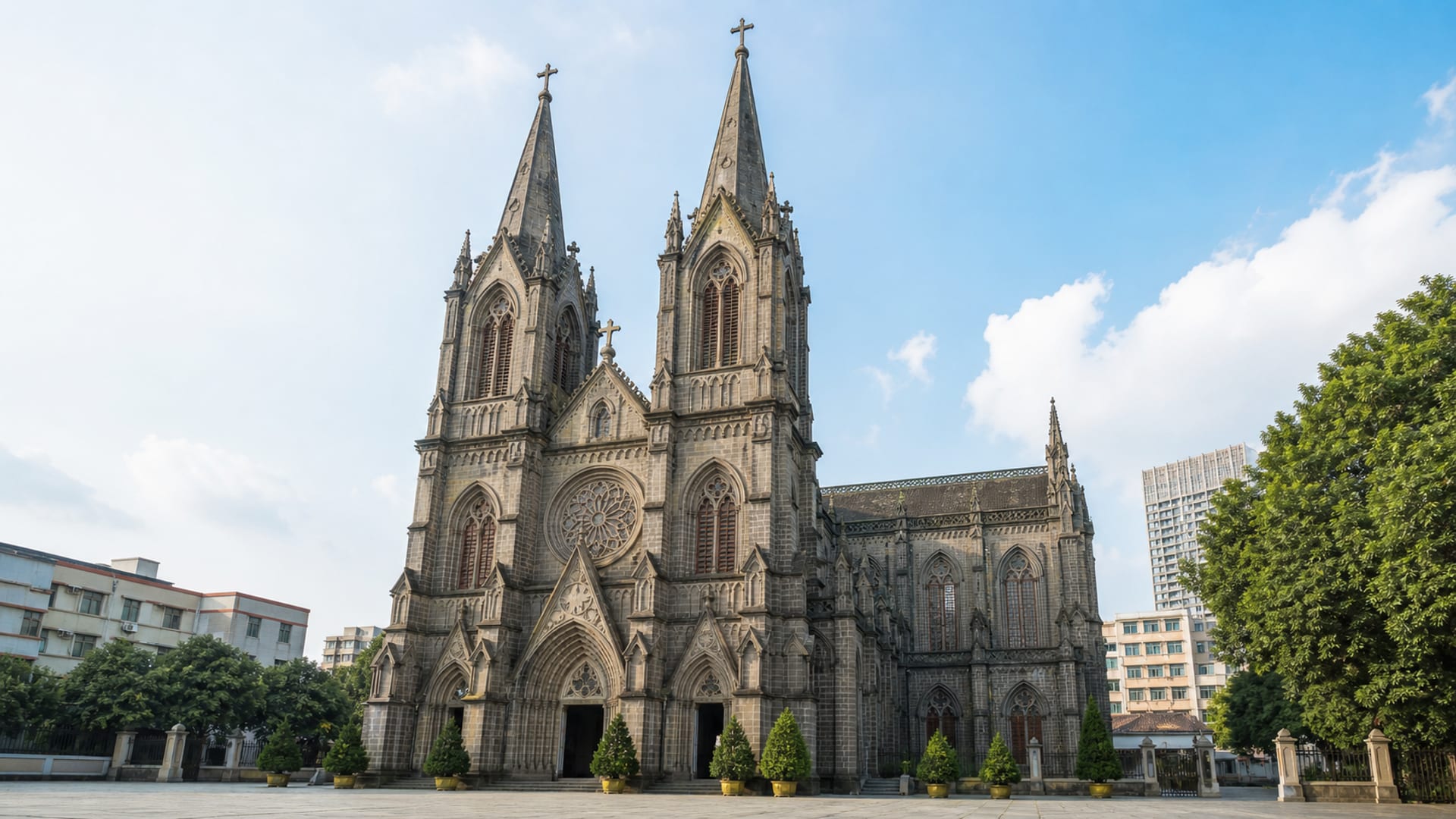
Sacred Heart Cathedral
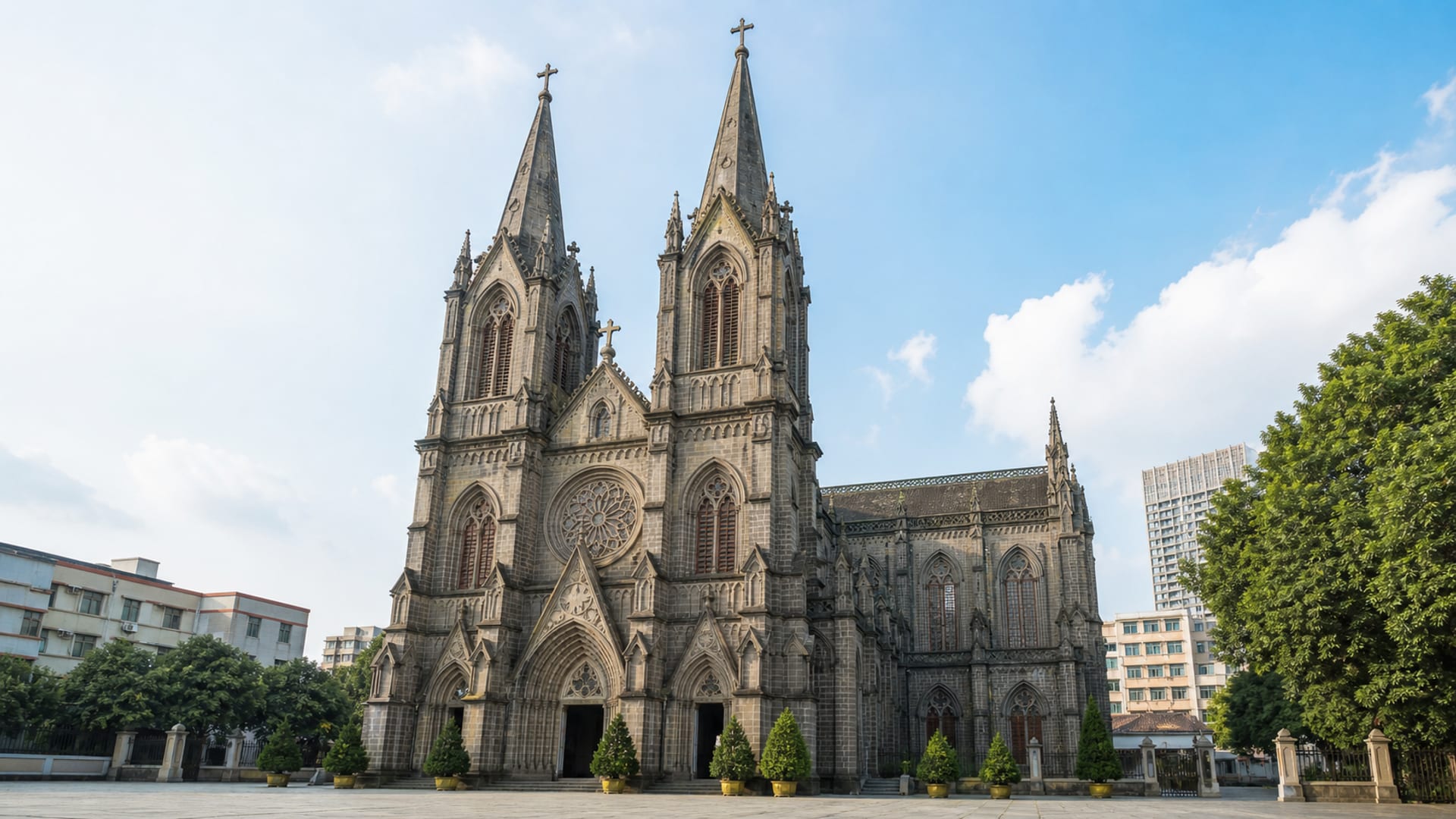
Guangzhou’s Sacred Heart Cathedral is a Gothic Revival church built with granite and cast-iron structure, unusual in southern China. It anchors the old riverfront area and gives you a strong contrast to the city’s newer towers.
Time needed: About 45 to 60 minutes
Entry: Free to access; donations are welcome, and guided interior visits may have separate schedules during religious services or special events.
Tip: Check service times before you go, then arrive in daylight for the best view of the stained glass.
Overlooked sites worth visiting

Haizhu Lake National Wetland Park
A large urban wetland with boardwalks, reed beds, and open water on Guangzhou’s south side. Birdwatching is strongest in the cooler months, and the raised paths keep the walk quiet.
Time needed: About 2 to 3 hours
Entry: Admission is free for the main park, while some boat rides, exhibition halls, and special event areas charge separately; expect about $0 to $6 ($0 to ¥40) depending on what you add.
Tip: Go early for softer light and fewer cyclists.

Xiguan Folk Residence Area
This compact pocket of Liwan district preserves Ancestral Hall courtyards, gray brick lanes, and Qilou facades. It rewards slow walking, with teahouses and old homes packed into a few blocks.
Time needed: About 1 to 2 hours
Entry: Street access is free, and entrance fees only apply to a few preserved mansions, museums, or exhibition rooms inside the neighborhood; budget about $0 to $7 ($0 to ¥50) if you step into paid sites.
Tip: Visit on a weekday morning for quieter lanes.
Traditional food
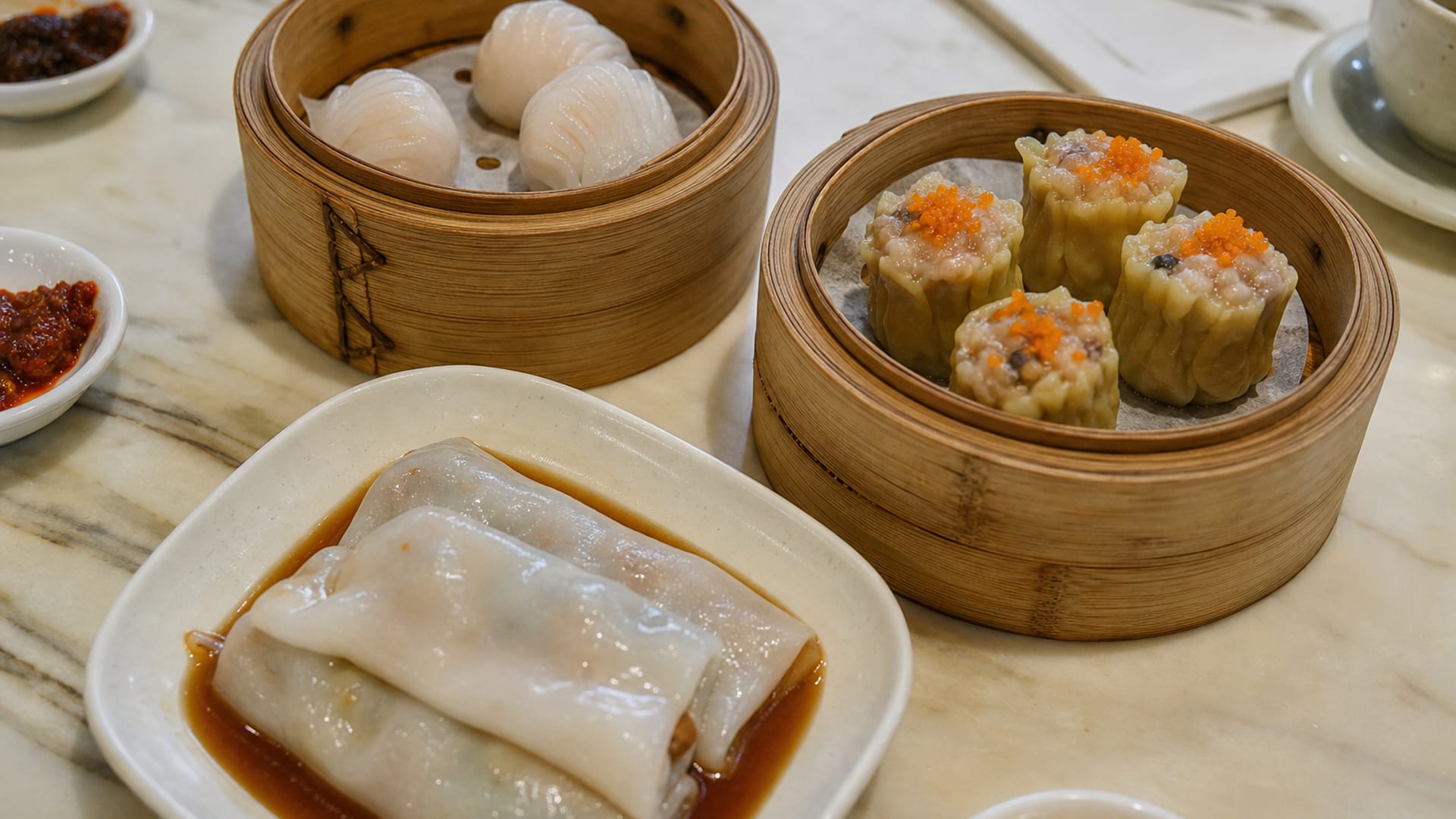
Cantonese cooking in Guangzhou leans on fresh seafood, clear broth, roast meats, and noodles, with dim sum anchoring mornings and clay pot rice or wonton noodles carrying the rest of the day.
Shrimp dumplings
Crystal-skinned har gow show the city’s dim sum craft at its best, with thin wrappers and a clean seafood filling. Tao Tao Ju on Dishuiyan Street is a classic place to order them with tea.
Cantonese roast goose
Roast goose brings crisp skin, lacquered meat, and a sweet-salty glaze that suits Guangzhou’s preference for clean, direct flavors. The dish fits naturally at Panxi Restaurant, where the setting matches the city’s old-school dining style.
Wonton noodles
Wonton noodles pair springy egg noodles with shrimp-filled dumplings and a light broth, often served as a quick meal rather than a heavy one. Yinji Rice Noodle Roll Restaurant in Guangzhou is a good stop for this sort of bowl.
Clay pot rice
Clay pot rice arrives with charred edges, sausage or chicken, and a soy finish that pulls in the savory side of Cantonese home cooking. Guangzhou Restaurant is a dependable place to order it alongside other regional dishes.
Best time to visit Guangzhou
Guangzhou stays usable year-round, but spring and autumn bring milder weather for lane walking and river views, while summer heat and winter dampness change how long you will want to stay outdoors.
Best for: Best for museum days, riverfront walks, and outdoor dining before the heat builds
What you get: Temperatures usually run about 59 to 86°F (15 to 30°C), with moderate crowds and occasional rain
Trade-offs: Humidity rises fast, and showers can interrupt longer walks
Best for: Best for long indoor sightlines, evening skyline stops, and late meals
What you get: Expect about 77 to 95°F (25 to 35°C), with heavier crowds around major attractions and strong afternoon heat
Trade-offs: Rain, humidity, and heat can make midday sightseeing tiring
Best for: Best for the most comfortable weather across heritage streets and parks
What you get: Temperatures usually sit near 63 to 84°F (17 to 29°C), with manageable crowds outside holiday periods
Trade-offs: Golden weeks and weekends can still bring busy trains and packed landmarks
Best for: Best for lighter sightseeing pressure and cooler days in the city center
What you get: Expect about 48 to 66°F (9 to 19°C), with fewer visitors and occasional damp, gray weather
Trade-offs: Some days feel cool indoors and outside, so you may want to plan extra café stops
A realistic 5-day plan in Guangzhou
Five days gives Guangzhou enough room to separate arrival, heritage, food, riverfront, and departure into distinct blocks. The schedule below keeps the east side, the historic core, and the south bank in their own lanes so you spend more time in each district and less time crossing the city.
Land at Guangzhou Baiyun International Airport, then take a taxi or ride-hailing car to Tianhe for about 40 to 60 minutes, usually roughly ¥120 to ¥180 (~$17 to ~$25) depending on traffic and the exact hotel address. If you arrive by metro instead, plan on closer to 60 to 75 minutes with one or two changes, which makes Tianhe the easiest area for a first night if you want a hotel near a major station. Check in, drink plenty of water, and keep dinner simple at a mall food court or a noodle shop near Zhujiang New Town, since both areas have late hours and easy station access.
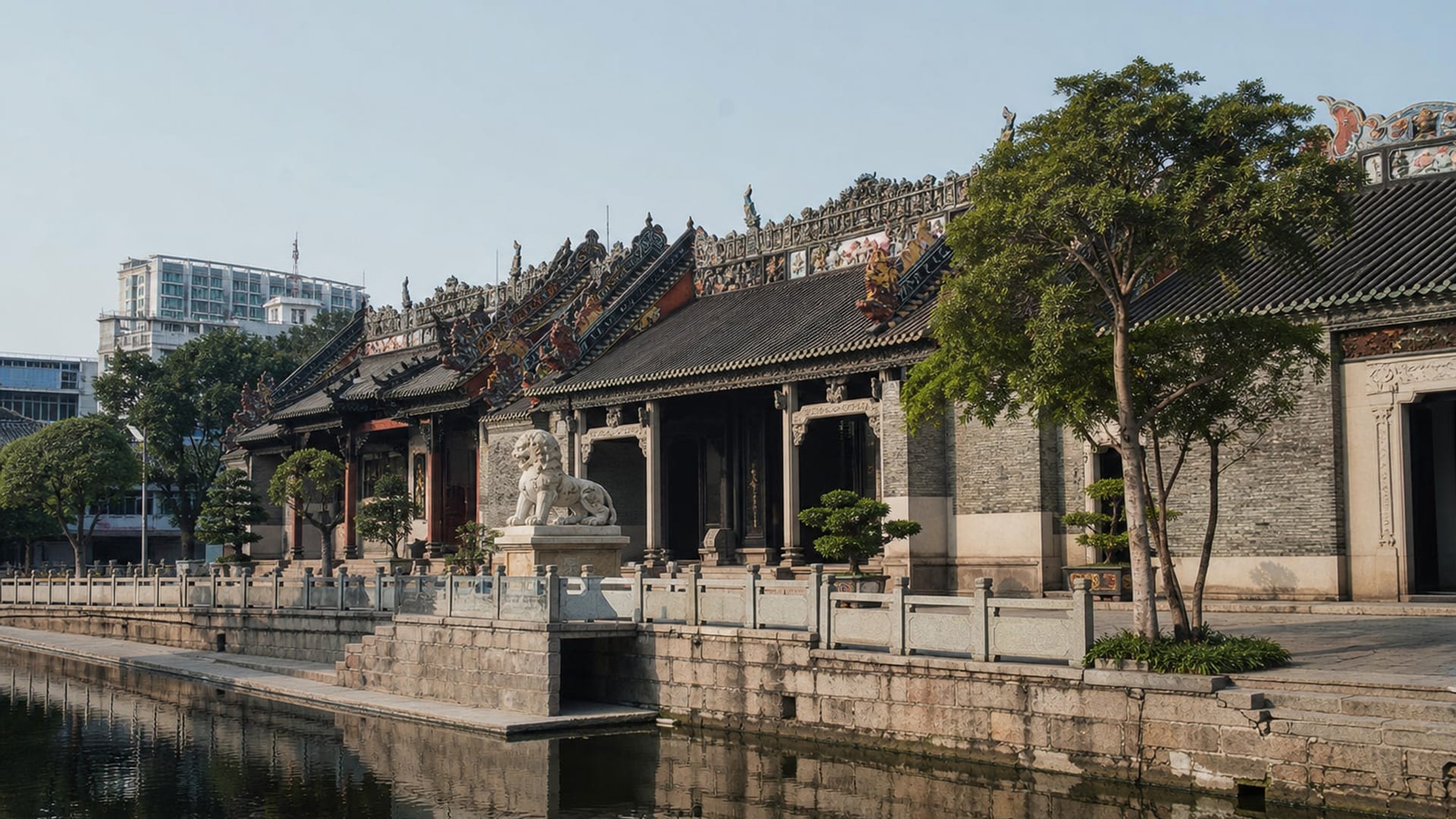
Start early in Yuexiu at the Chen Clan Ancestral Hall, where the carved courtyards and museum rooms take about 1.5 to 2 hours. From there, ride about 15 minutes by metro to Beijing Road for a walk through the pedestrian zone and the surrounding old-city blocks, then continue by taxi in roughly 10 minutes to the Sacred Heart Cathedral for a daylight visit. Finish with dinner in Liwan, about 15 to 20 minutes away by taxi, so you can sample Cantonese dishes near Shangxiajiu or head back toward Shamian for a quieter evening stroll.
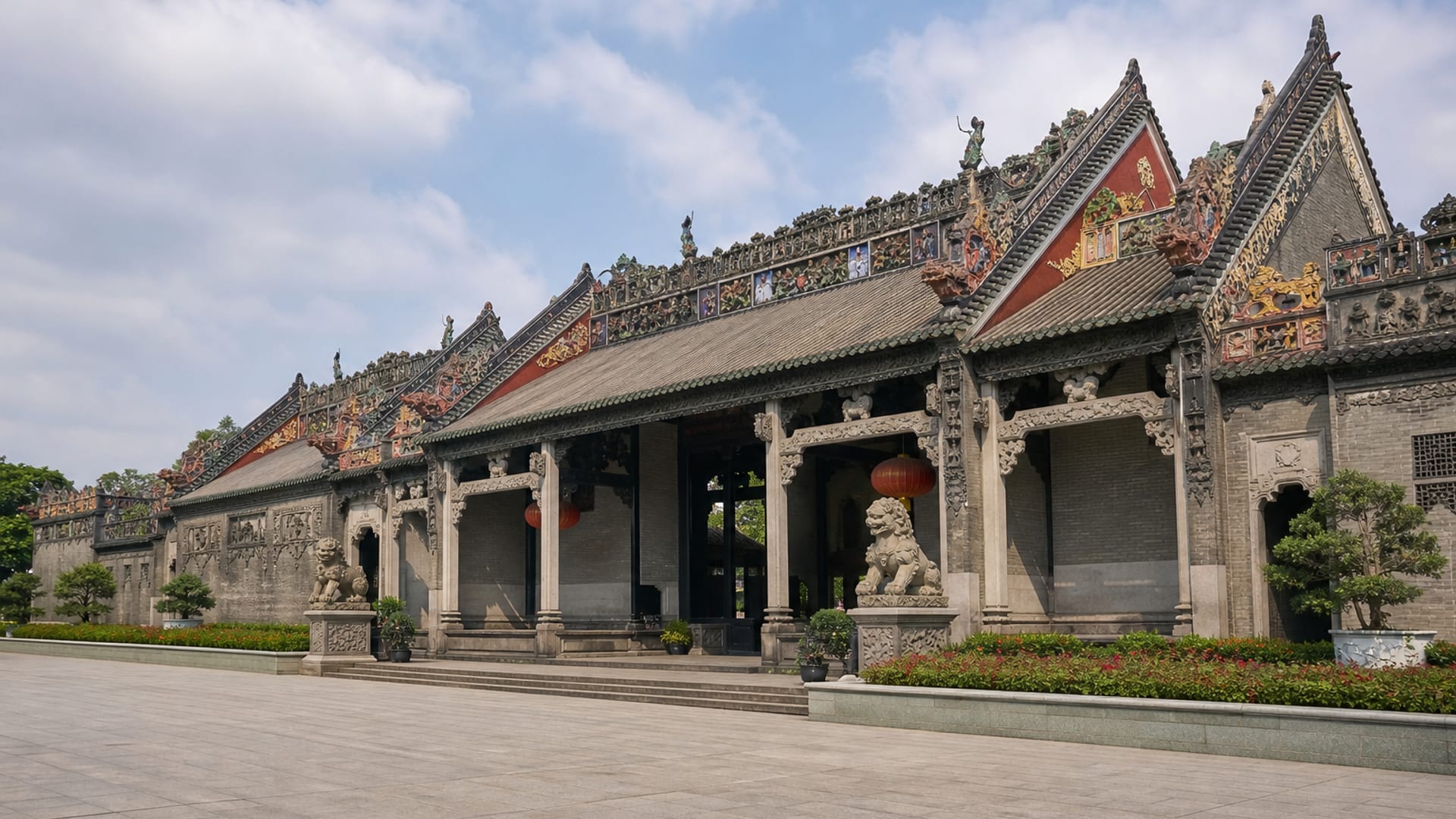
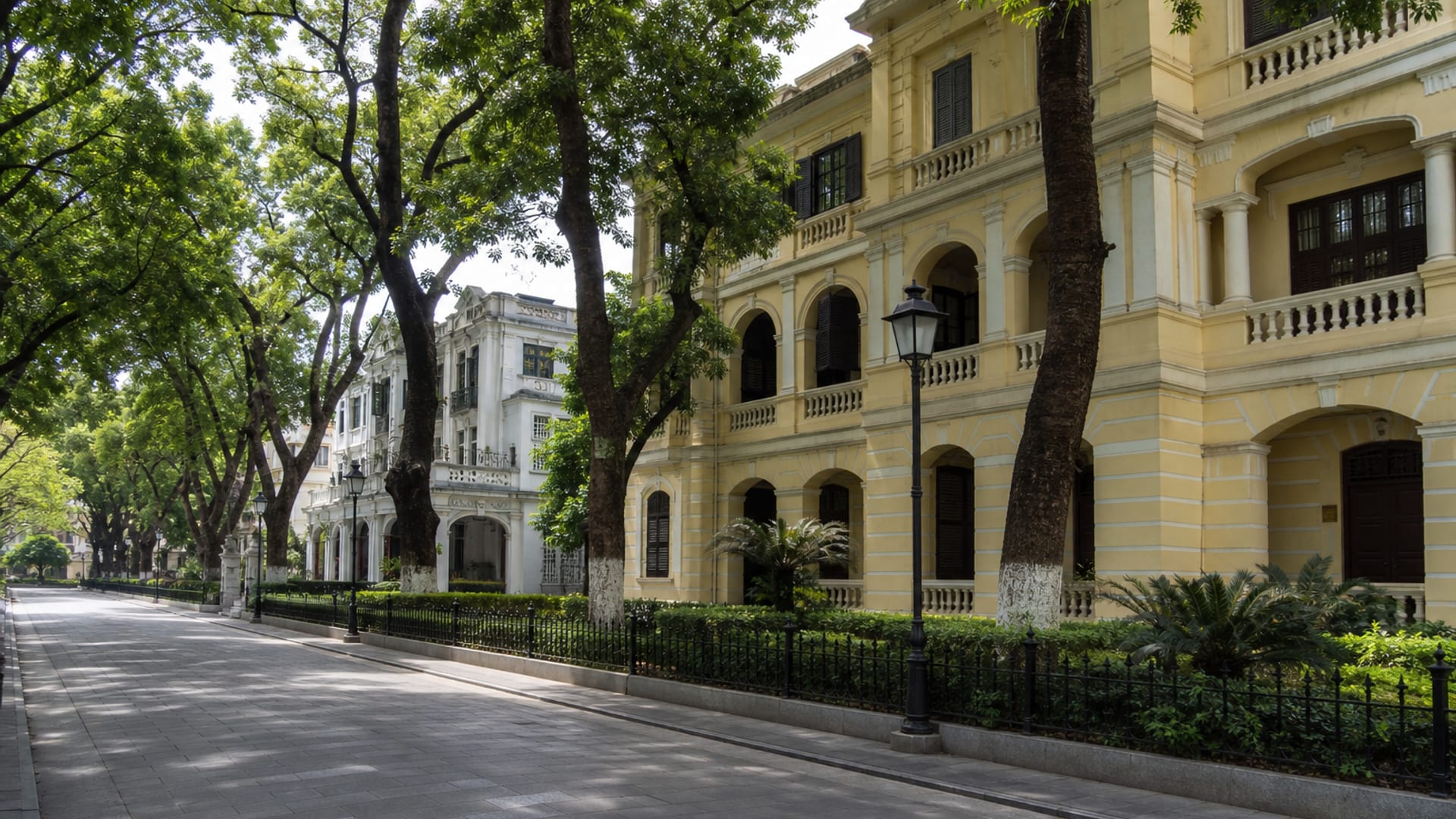
An easy third day starts with Xiguan Folk Residence Area in Liwan, where you can spend 1 to 2 hours moving through gray-brick lanes and preserved ancestral courtyards. From Xiguan, walk or take a short taxi ride of about 10 minutes to Shamian Island, then stay for the riverfront façades and tree-lined streets for another hour or so. End the afternoon with food in Liwan, where the distance between the heritage streets and the main dining blocks stays short enough to keep the day compact without rushing between stops.
Begin with Haizhu Lake National Wetland Park, which takes about 2 to 3 hours if you want boardwalks, open water, and a slower morning in the south side of the city. After lunch, head north to Canton Tower, about 15 to 25 minutes by metro from Haizhu or roughly 20 minutes by taxi, and time your visit for late afternoon so you can stay through sunset and the first hour of city lights. If you want a final stop, walk or ride a short taxi hop to Zhujiang New Town for dinner, where the skyline views stay strongest after dark.
For the last morning, pair one final museum stop with a bit of shopping, then keep the rest close to your hotel in Tianhe or Yuexiu so you do not lose time to cross-city transfers. If you stayed in Tianhe, spend your final hours in a mall near Zhujiang New Town, then settle into a café for coffee and a pastry before heading to the airport; if you based yourself in Yuexiu, fit in a slow walk through Beijing Road and a nearby tea shop before check-out. From central Guangzhou, leave for Guangzhou Baiyun International Airport with plenty of margin, since taxi time can stretch well past an hour in busy traffic.
Business-class flights from the US to Guangzhou
For long-haul arrivals, Guangzhou usually works best through a handful of major Asian and Gulf connections rather than a single clean nonstop pattern. From both coasts, the route choice often comes down to whether you prefer a shorter total journey or a lower fare with a transfer.
From New York, Cathay Pacific, Emirates, Qatar Airways, Turkish Airlines, and Singapore Airlines are common names on the route. Direct flying takes about 16 to 17 hours, while one-stop trips often connect through HKG, DOH, DXB, IST, or SIN. Round-trip fares usually start at $4,200 and climb to $8,500; if you do not mind a stop, common routings via HKG, DOH, DXB, or IST can cut the fare to roughly $2,800 to $4,500.
Los Angeles travelers usually see Cathay Pacific, China Southern Airlines, Singapore Airlines, Korean Air, and EVA Air in the mix. The nonstop option runs about 15 to 16 hours, while one-stop trips typically route through HKG, TPE, ICN, SIN, or PVG and take about 18 to 26 hours overall. Round-trip fares for the longer itineraries are commonly about $3,600 to $7,500, with the best nonstop departures usually priced at the upper end.
Guangzhou feels different when you slow down
A deliberate Guangzhou trip gives each district its own purpose: Tianhe for the first and last hotel hours, Yuexiu for Chen Clan Ancestral Hall and Beijing Road, Liwan for Xiguan lanes and Shamian, and Haizhu for wetlands before Canton Tower at sunset. The metro ties those pieces together without forcing every day into the same loop. If you want help shaping the route, the AranGrant experts can build a Guangzhou plan around your flights, hotel base, and season







