

Chapters:

Need help with your trip?
Our support team is available 24/7. Request a callback or call us directly at (833) 619-0908
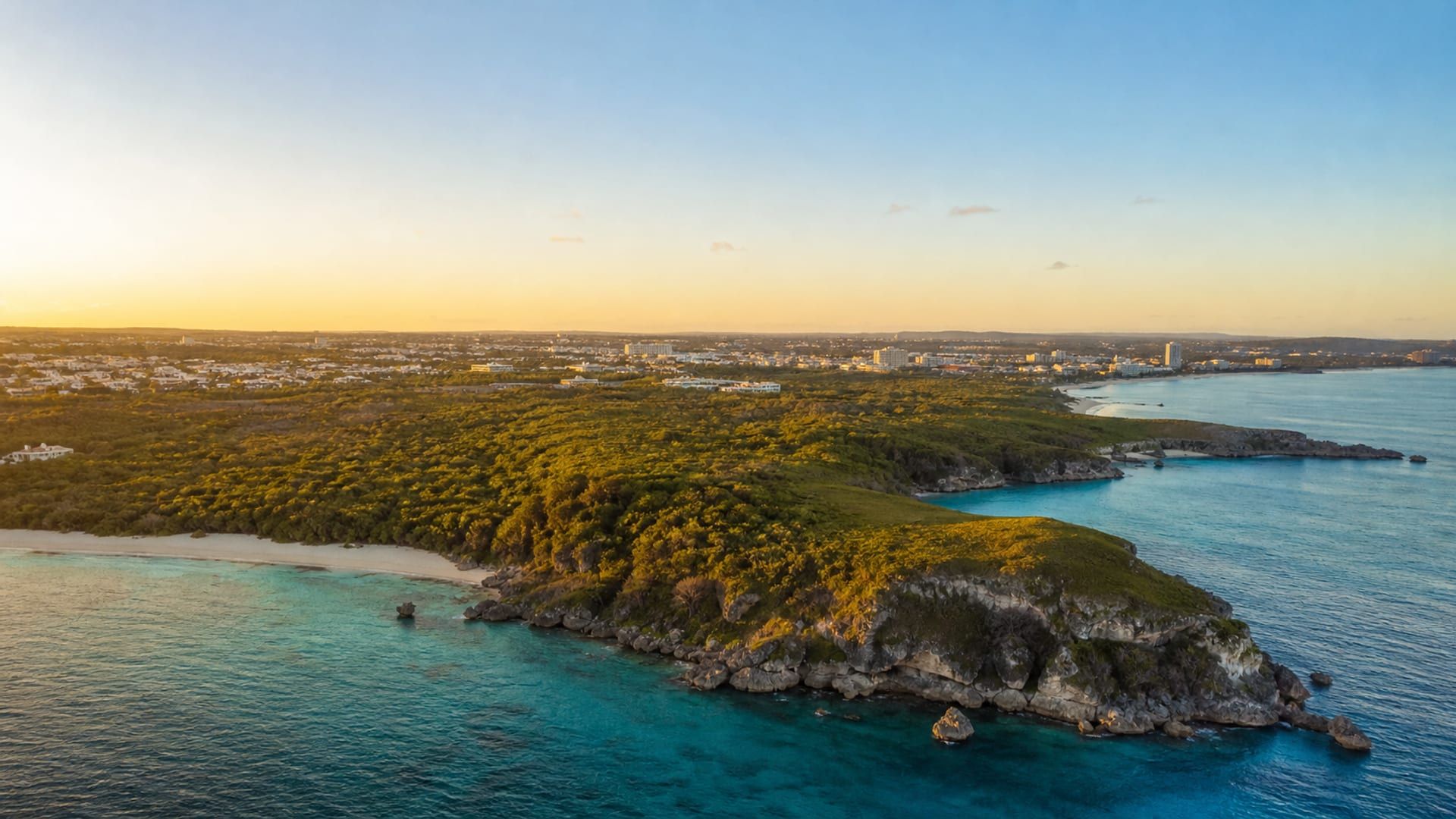
Guam trips often start with Tumon, a rental car, and a quick list of beaches, yet many visitors still miss how much time the island asks between stops. They also underestimate how early some sights work best, before heat, traffic, and full parking lots build up.
That matters because Guam stretches into a true drive-around trip, with hotel clusters in one part of the island and history, cliffs, and north shore scenery in another. If you move without a plan, short distances on a map can turn into long days on the road.
This guide keeps the island in a clear order, from where to sleep and eat to how to pace five days, choose the right season, and line up flights that make sense for Guam’s route structure.
Useful things to know

Main language(s): English

Currency: The local currency is the US dollar (USD, $).

Cash and cards: Cards and contactless are widely accepted; carry about $20 to $40 in cash for small buys, tips, or places that prefer cash.

Tipping: Tipping is not expected; round up small amounts or leave 10 percent for good service.

Traditional food: kelaguen, red rice, kadun pika, finadene

Water and coffee costs: Water about $1 to $3; bar espresso about $3 to $5.

Taxis and ride apps: Uber and local taxis operate here; confirm pickup at Guam (GUM) because coverage can vary.

Plug and voltage: Type A/B socket, 110V

Dining and shop opening hours: Breakfast is about 06:30-09:00, lunch 11:00-14:00, and dinner 18:00-21:00. Many places keep shorter hours on Sundays and public holidays.

Emergency number: Call 911 for police, fire, or medical emergencies.
Where to stay in Guam Island
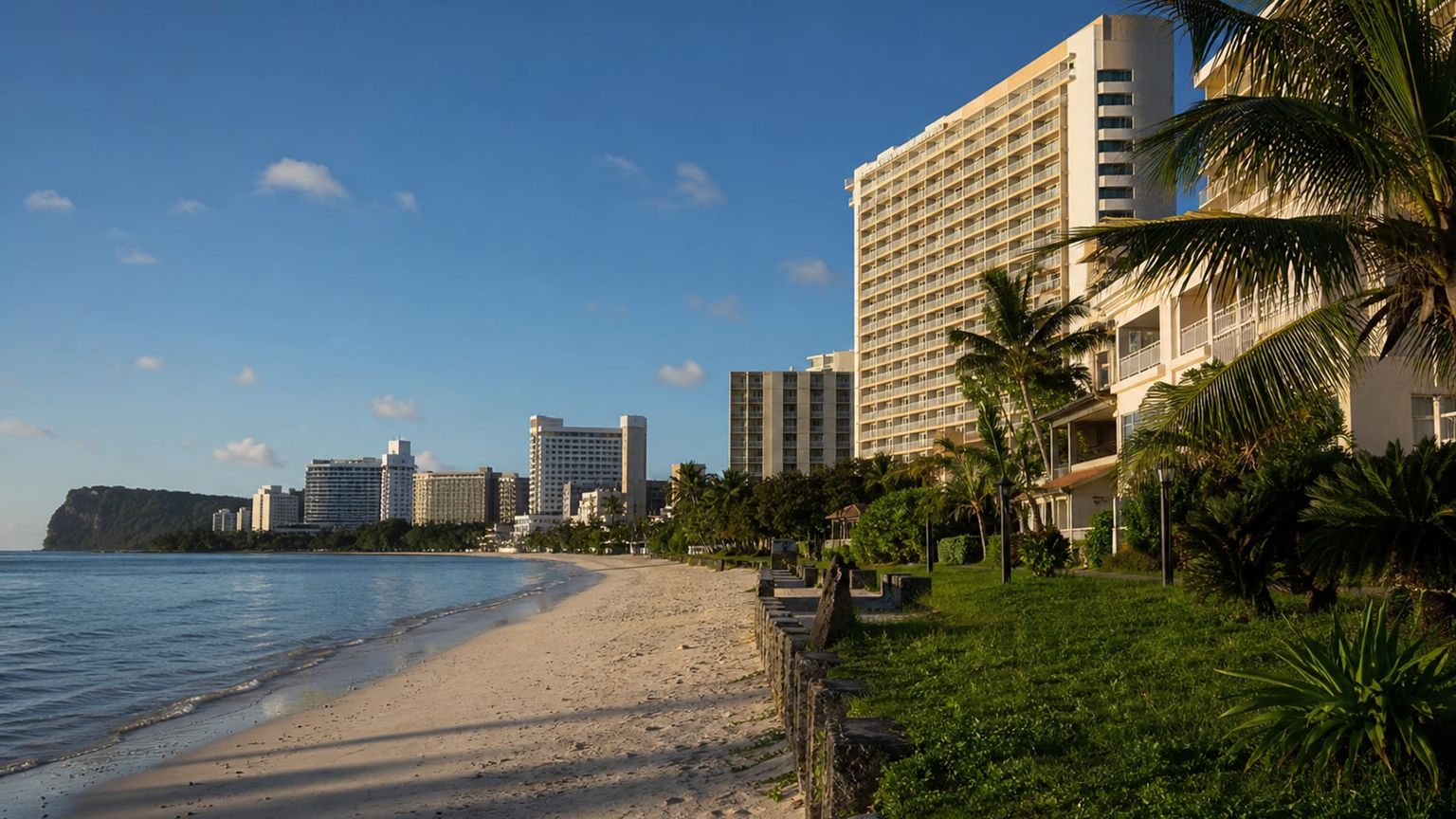
Tumon is Guam’s main resort strip, centered on Tumon Bay’s beaches, large hotels, and shopping. It matters because most first-time visitors stay here for direct beach access, easy dining, and the shortest hop to the island’s main retail and entertainment cluster.
Best for: Beach time, shopping, and first-time stays
What to expect: Expect wide sidewalks, resort traffic, and the busiest pedestrian scene on the island, especially near malls and hotel entrances.
Hotel prices: Usually about $180 to $380 per night for well-rated stays
Distance to major sights: 10 to 20 minutes on foot to Tumon Bay; about 15 minutes by car to Guam Museum
Quietness: Busy by day and active into the evening, with the loudest stretches near bars and big hotels.
Main trade-off: You pay more here, and the most attractive beachfront rooms book early, especially in peak travel periods.
Good to know: Choose the inland side of Tumon if you want lower nightly noise, since oceanfront hotels and bar-heavy blocks can stay lively late.
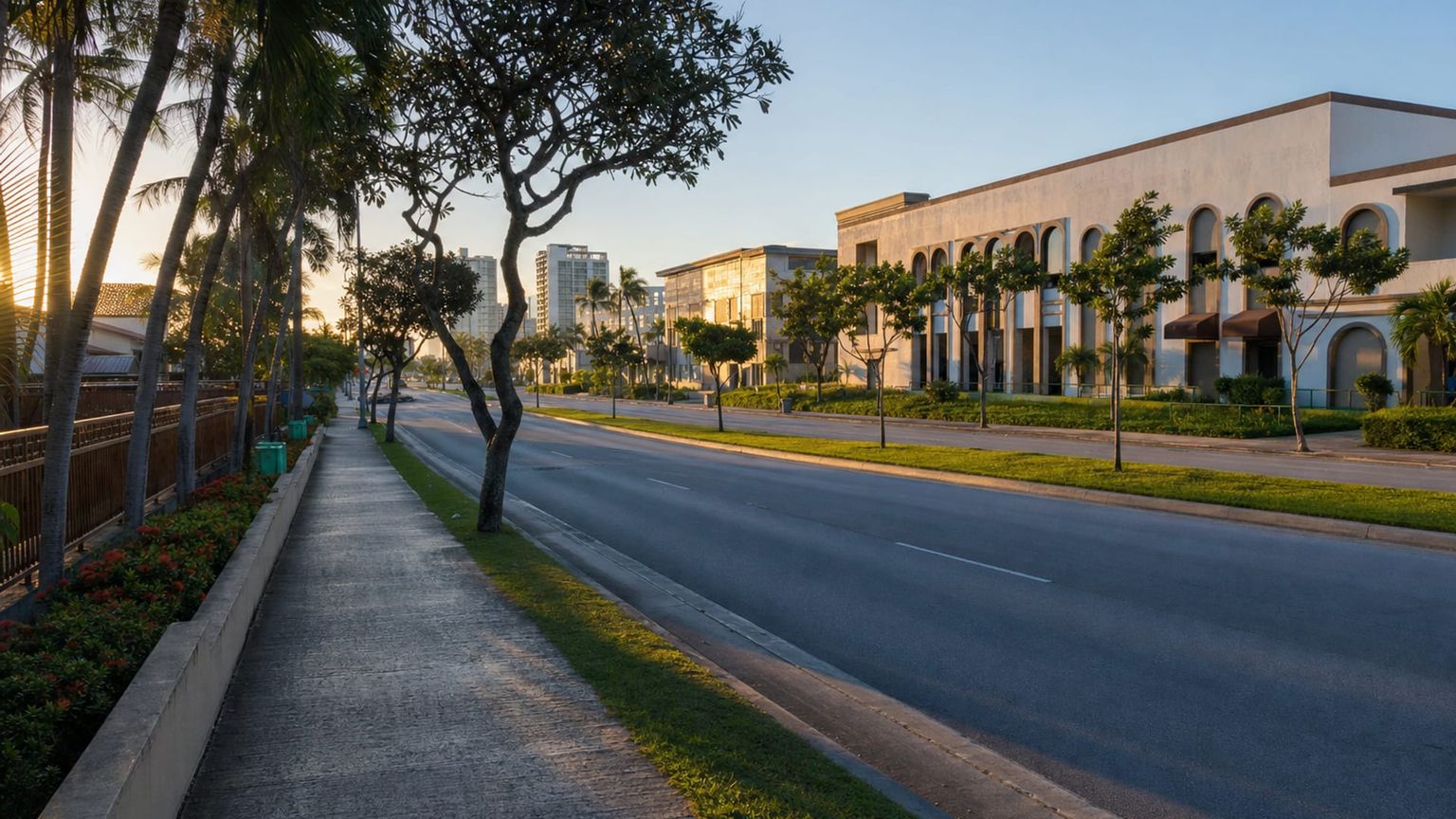
Tamuning sits just south of Tumon and serves as Guam’s shopping and business corridor. It matters for visitors who want lower hotel rates than the beach strip while staying close to malls, supermarkets, and the airport side of the island.
Best for: Airport access, shopping, and value-conscious stays
What to expect: Expect busy arterial roads, strip-mall frontage, and a local working district rather than a resort setting.
Hotel prices: Usually about $120 to $260 per night for well-rated stays
Distance to major sights: 10 to 15 minutes by car to Tumon Bay; about 15 minutes by car to Antonio B. Won Pat International Airport (GUM)
Quietness: Moderately busy in the daytime, then quieter at night once offices and shops close.
Main trade-off: You save money, but most beach time and nightlife still require a car or rideshare.
Good to know: Book close to Marine Corps Drive if you plan to move around the island, because cross-island driving is faster from this corridor than from the resort core.
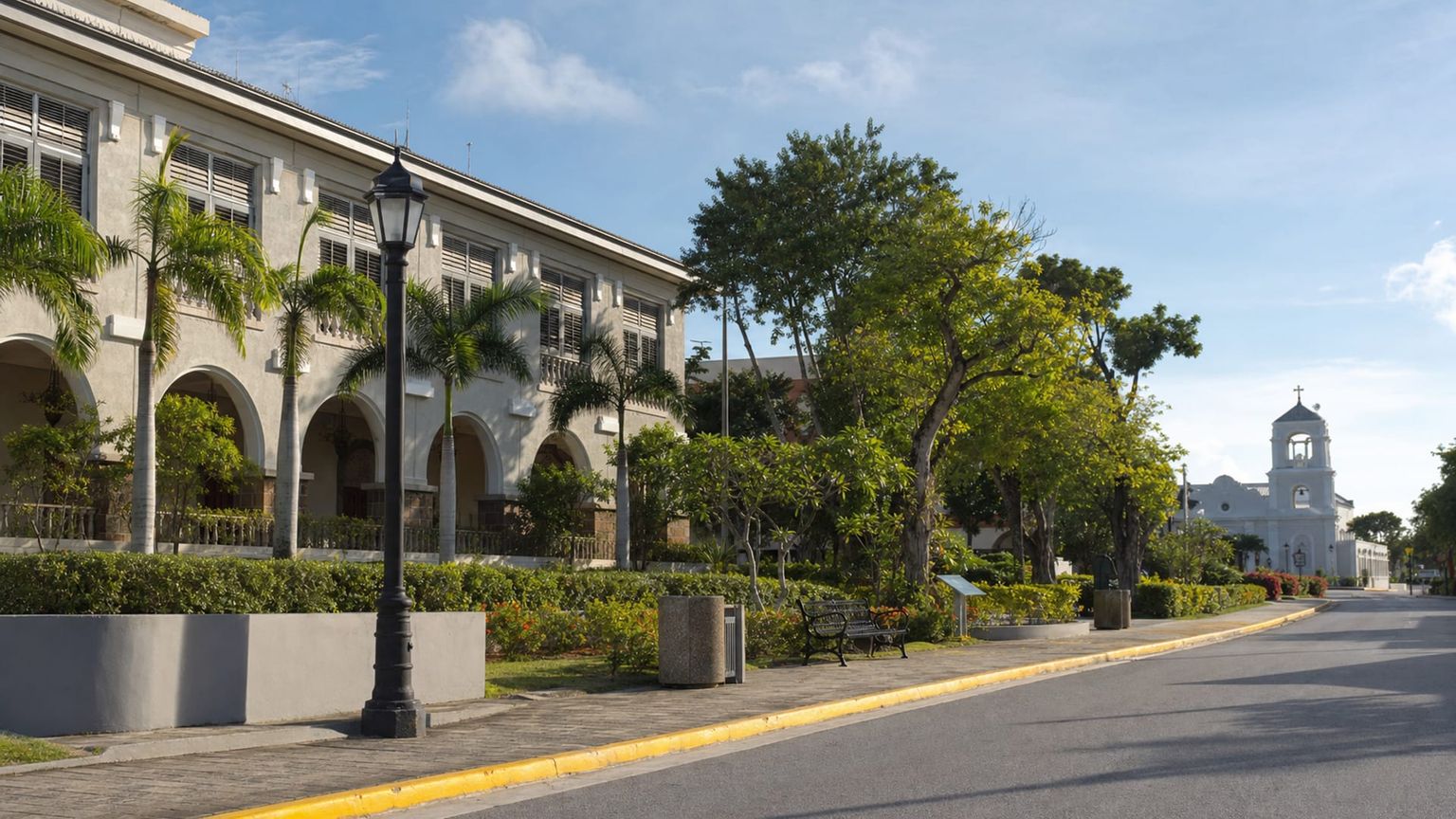
Hagåtña is Guam’s capital district, home to government buildings, historic sites, and the island’s main museums. It matters if you want a central base with easy access to cultural stops and a walkable waterfront without staying in the resort zone.
Best for: History, museums, and a central base for short stays
What to expect: Expect a small downtown with government offices, a few restaurants, and far less foot traffic than Tumon.
Hotel prices: Usually about $110 to $220 per night for well-rated stays
Distance to major sights: About 10 minutes by car to Tumon Bay; about 5 minutes on foot to Guam Museum
Quietness: Quiet most evenings, with only brief weekday activity around offices and civic buildings.
Main trade-off: Accommodation choice is limited, so you may need to compromise on hotel style or proximity to dining.
Good to know: Dinner options thin out after office hours, so plan to eat earlier or expect to head toward Tumon for a wider choice.
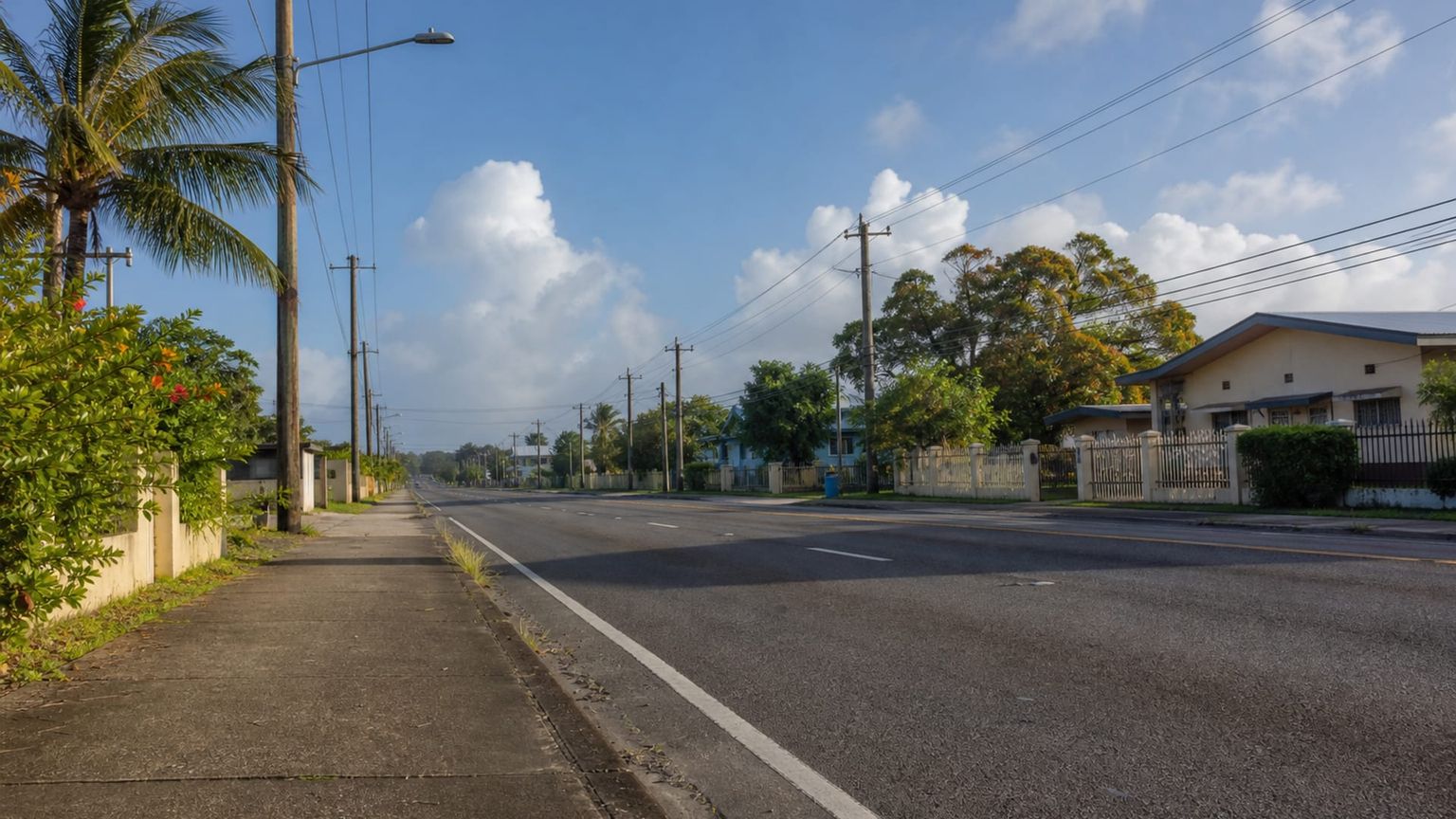
Dededo is Guam’s largest northern village and a residential-commercial area with markets, local eateries, and a more everyday pace. It matters for travelers who prefer a lower-cost base and do not mind driving to beaches and major sights.
Best for: Budget stays, local dining, and longer island visits
What to expect: Expect suburban roads, shopping centers, and a local crowd rather than visitor-heavy streets.
Hotel prices: Usually about $90 to $190 per night for well-rated stays
Distance to major sights: About 20 to 25 minutes by car to Tumon Bay; about 25 minutes by car to Antonio B. Won Pat International Airport (GUM)
Quietness: Generally quiet at night, though main roads stay active in the daytime.
Main trade-off: You will spend more time in transit, and most beach, nightlife, and museum visits need a car.
Good to know: If you want a cheaper base for a longer stay, check parking first, because many daily trips from Dededo depend on driving.
Travelers usually avoid staying in Dededo, Yigo, and parts of southern Guam such as Umatac and Merizo, since they sit far from Tumon, Hagåtña, and most visitor amenities. The northwest and southern edges also mean longer evening drives for dining and entertainment, with fewer hotel options and limited walkable infrastructure.
Hotel deals
How to get around Guam Island efficiently
Guam has no metro or suburban rail, so buses, taxis, rideshares, and self-drive plans matter more than they do on denser islands.

Metro
for longer distances
Guam has no metro or suburban rail, so visitors rely on road transport for all cross-island trips.

Bus and tram
for convenience
Guam Public Transit runs fixed bus routes with limited coverage, mainly linking Dededo, Tumon, Tamuning, Hagatna, and the airport area; fares are usually about $1 ($1) per ride, with passes available, but service is infrequent and timetables can be sparse, so check current schedules before you go.

Taxi
for convenience or late hours
Licensed taxis use metered fares, usually with an airport surcharge and possible extra charges for luggage or late-night trips; a ride from Guam (GUM) to Tumon typically costs about $20 to $35, while longer cross-island trips can reach roughly $40 to $60, and drivers commonly accept cash, with some also taking cards.
*Prices are based on rates updated as of June 2026 and may change at the time of travel.
Use the bus for the cheapest point-to-point rides, taxis or rideshares for airport and late-night transfers, and a car when you want to link Hagåtña, Tumon, and the north shore in a single day.
Iconic landmarks
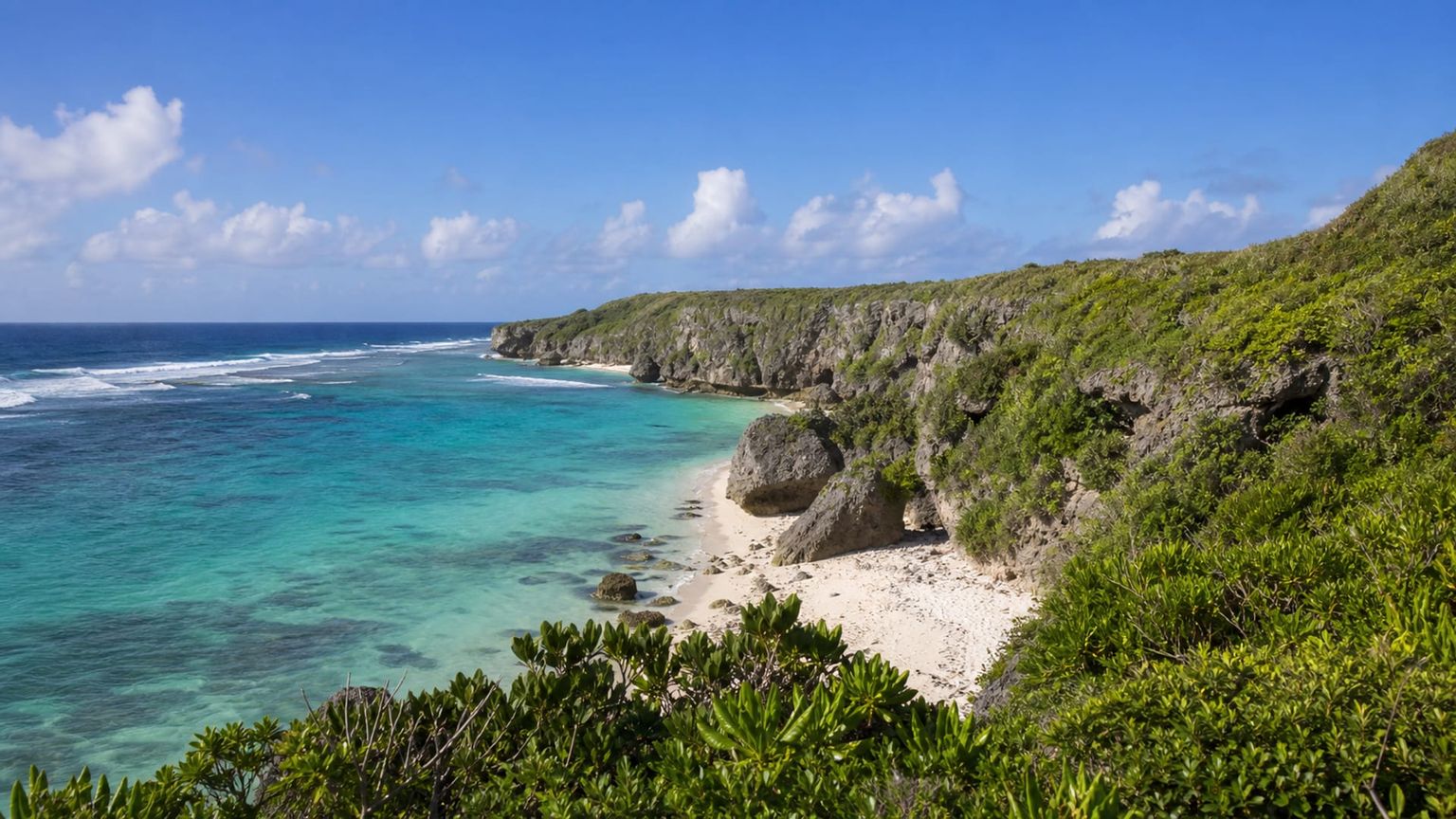
Ritidian Point
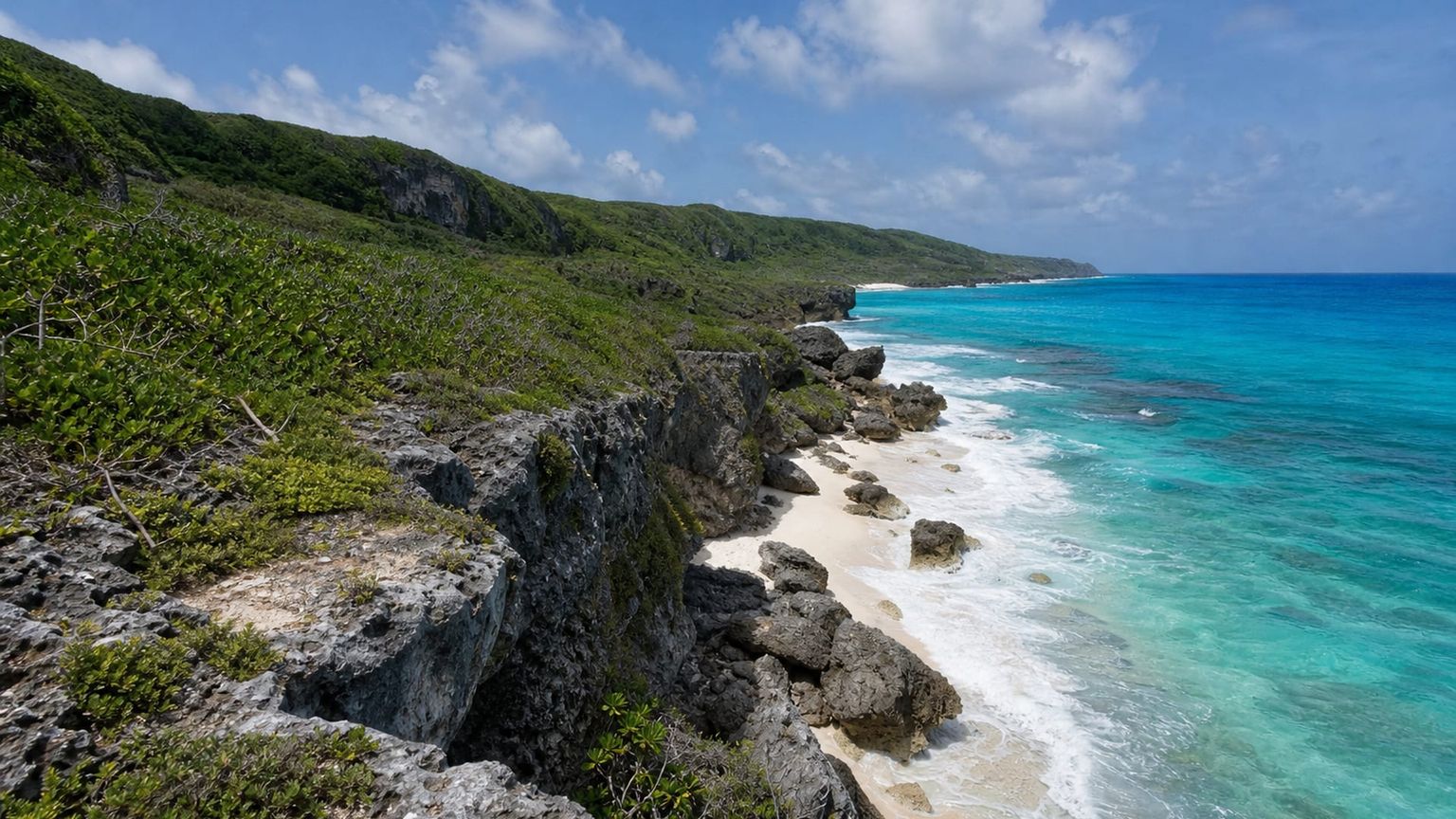
At Guam’s northern tip, Ritidian Point pairs white sand with a coral-fringed shoreline and the Guam National Wildlife Refuge. Trails lead to limestone cliffs, native forest, and clear views over the Philippine Sea.
Time needed: About 2 to 3 hours
Entry: Free to access; no timed ticket is required, though the refuge road can close after heavy rain and sometimes for maintenance work. Visit the official site for details.
Tip: Go early, the road and beach get hotter by late morning, and shade is limited.
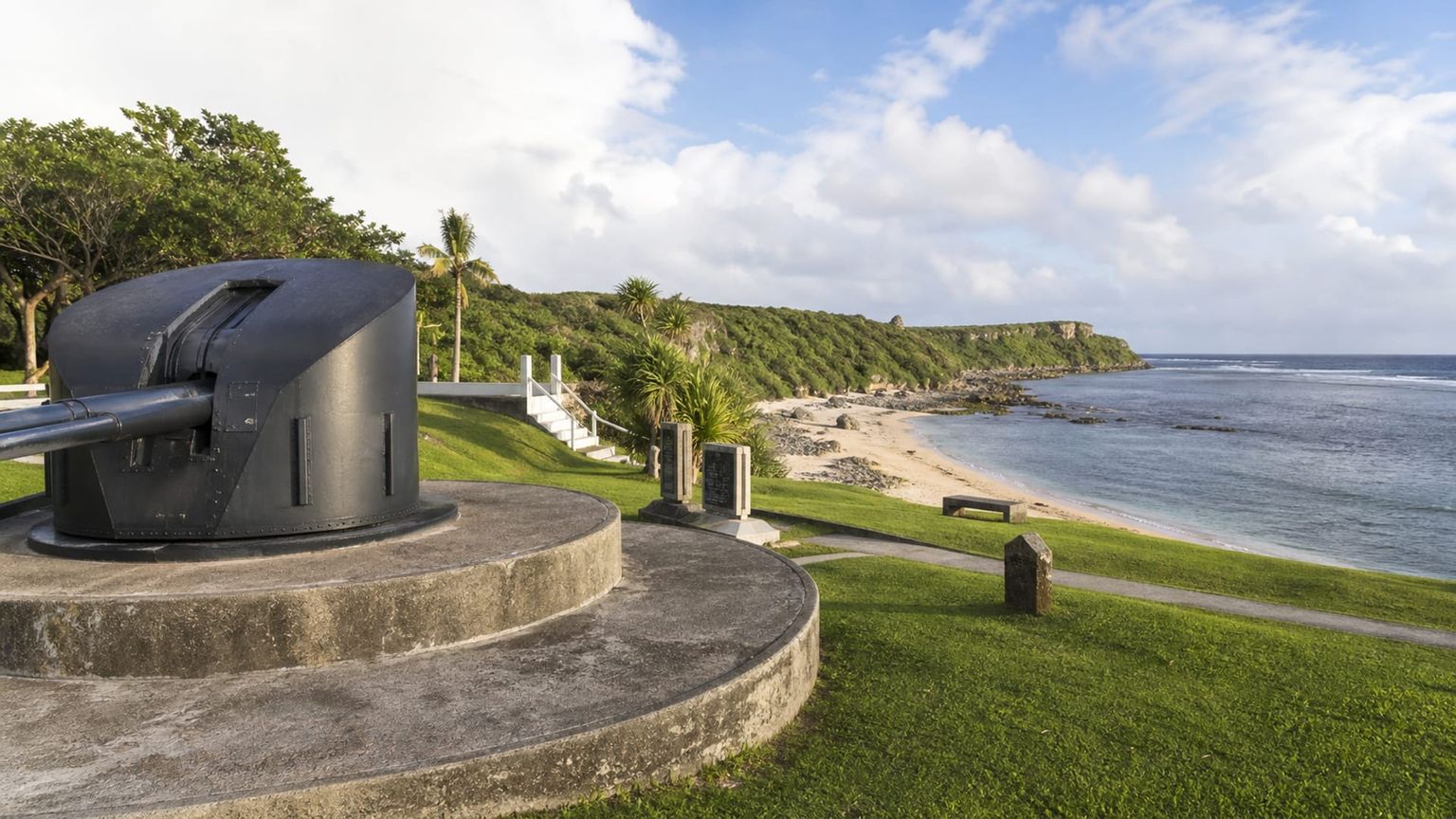
War in the Pacific National Historical Park, Asan Beach Unit
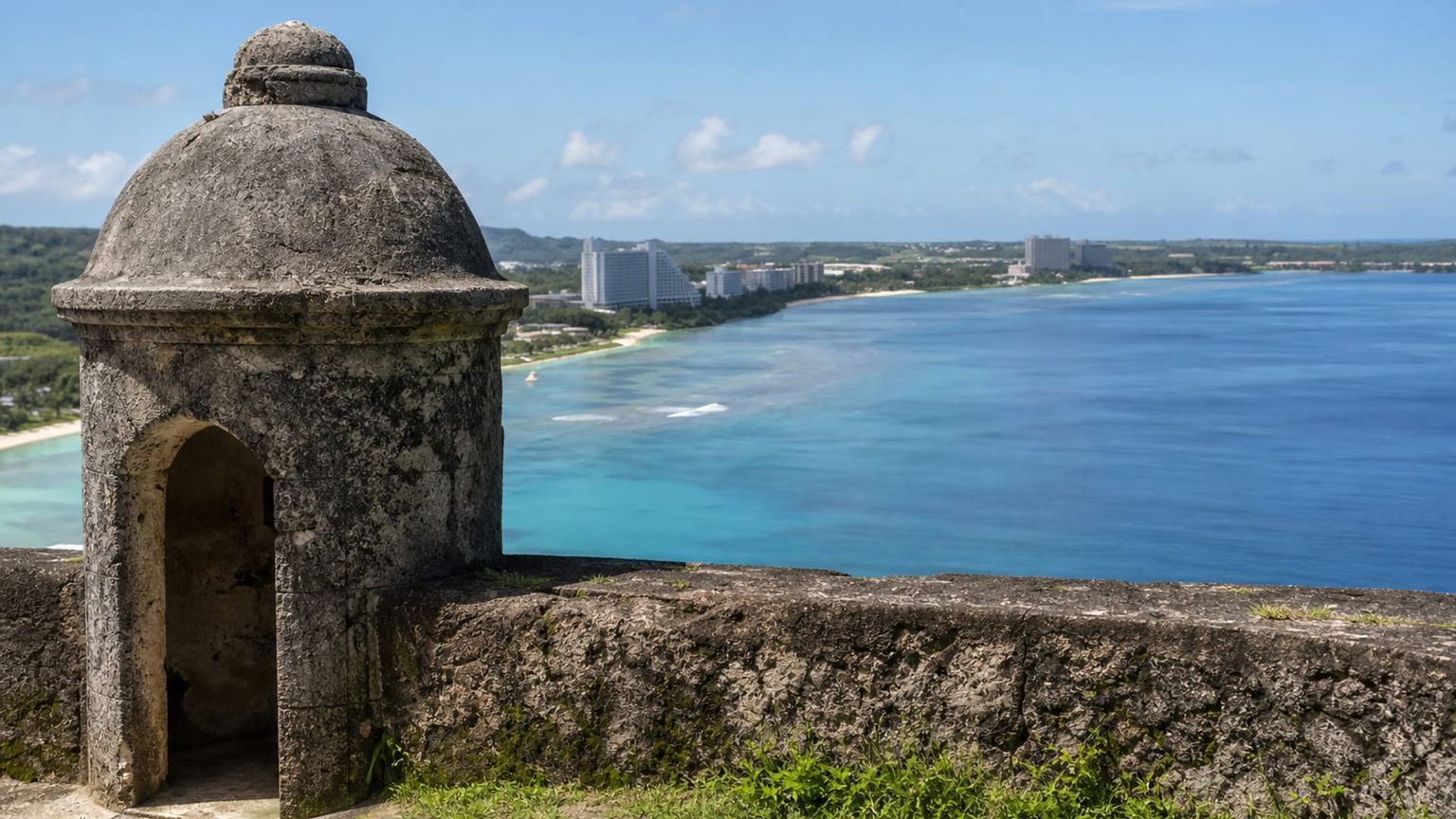
This shoreline park marks the 1944 landing at Asan with memorials, interpretive signs, and a beach backed by steep green hills. It gives a clear view of Guam’s WWII history without leaving the island’s west coast.
Time needed: About 1 to 2 hours
Entry: Free to access; no timed ticket is required, and the main grounds are open during daylight hours. Visit the official site for details.
Tip: Visit in the morning for cooler walking and clearer light on the memorials.
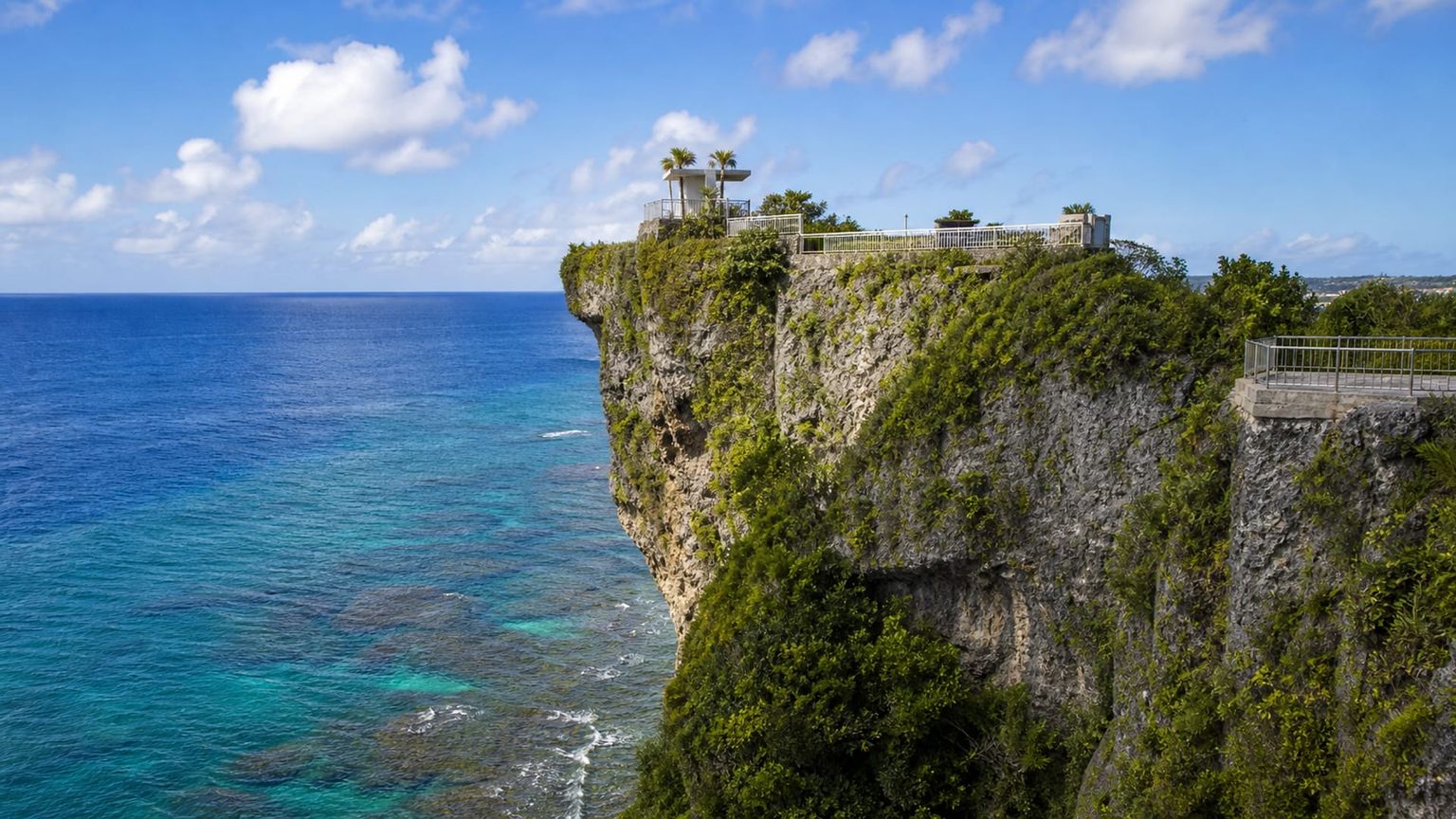
Two Lovers Point
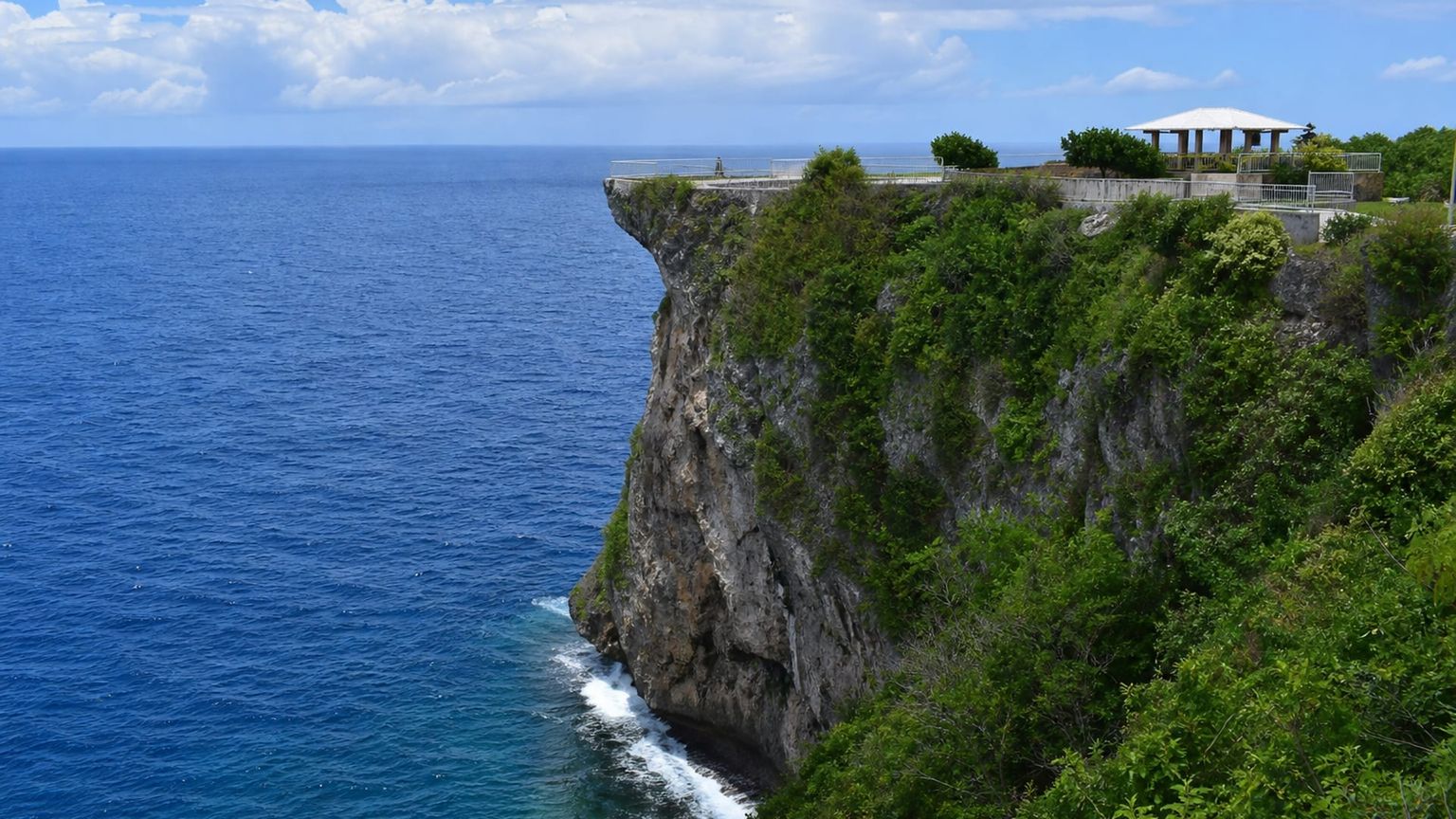
Two Lovers Point rises above Tumon Bay with a cliff-edge platform, wide Pacific views, and a local legend tied to the lookout’s name. It is one of Guam’s most recognizable places for sunset and coastal panoramas.
Time needed: About 1 to 2 hours
Entry: Admission costs $3 ($3) for adults and $1 ($1) for children, with extra fees for the observation tower and some special areas. Visit the official site for details.
Tip: Arrive before sunset, when parking is easier and the bay view has the best light.
Overlooked sites worth visiting

War in the Pacific National Historical Park, Asan Beach Unit
A quiet stretch of shoreline with inland trails, concrete gun emplacements, and memorial markers tied to the 1944 landings. The beach sits about 12 km from Hagåtña and stays far calmer than Guam’s resort strip.
Time needed: About 1 to 2 hours
Entry: Free to access, with no ticket required for the Asan Beach Unit. The park is open daily during daylight hours, and visitors can walk the beach, trails, and memorial areas without an admission fee or timed reservation.
Tip: Visit in the morning for softer light and cooler trail conditions.

Dulce Nombre de Maria Cathedral-Basilica
This compact cathedral in Hagåtña pairs Spanish colonial history with a painted ceiling, carved altar details, and a central plaza setting. It gives a clear look at Guam’s Catholic heritage in a short stop.
Time needed: About 30 to 45 minutes
Entry: Free to enter, with no admission charge for regular visiting hours. The cathedral sits in central Hagåtña, and donations are optional if you want to leave one after viewing the interior and the adjacent plaza. Visit the official site for details.
Tip: Stop by outside Mass times for the easiest interior viewing.
Traditional food
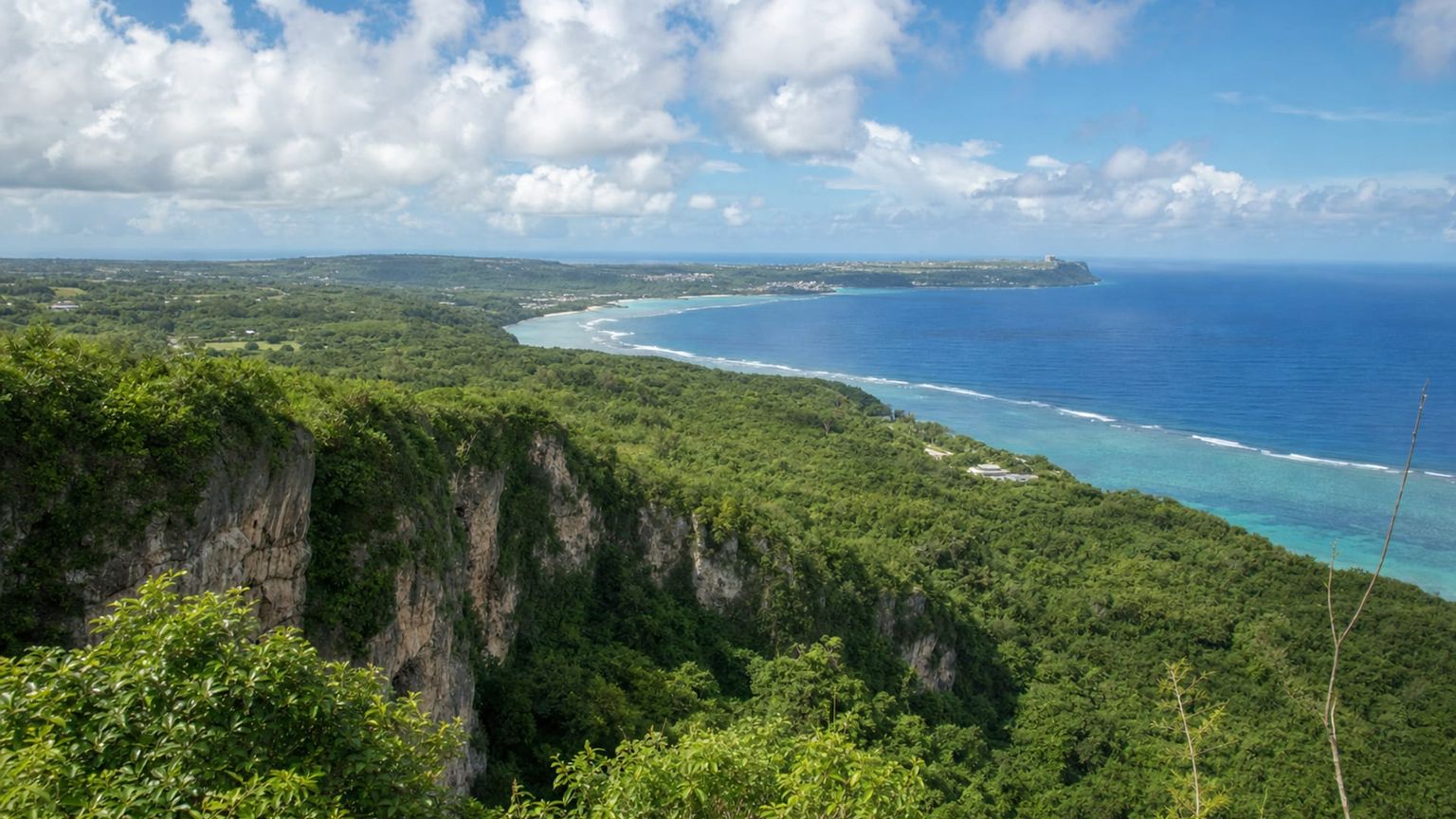
Guam’s table leans on grilled seafood, coconut, vinegar, and chile heat, with kelaguen, red rice, kadun pika, and finadene anchoring many meals. Diners often pair home-style plates with casual resort-area meals.
Kelaguen
A chopped, citrus-dressed dish with chile and coconut, often served with tortillas or titiyas. At PROA Restaurant in Tumon, it works well as a local starting point.
Red rice
A Guam staple colored with achote and usually served beside grilled meat or fish. Meskla Dos in Hagåtña is a strong place to try it with island-style mains.
Kadun pika
This spicy stew brings chile, coconut, and slow-cooked meat together in a rich, home-cooked style. Jamaican Grill in Tamuning serves a version that fits the dish’s bold profile.
Finadene
A sharp sauce of soy, vinegar, onion, and chile that appears across Guam meals, from grilled fish to rice plates. KING’s Restaurant in Tamuning is a dependable place to see it on the table.
Best time to visit Guam Island
Guam stays warm all year, but the driest months bring easier beach days and clearer views, while the wet season adds heavier showers and more humidity.
Best for: Drier weather and clearer beach days
What you get: About 75-86°F (24-30°C), with lower rainfall and the busiest travel periods
Trade-offs: Hotels cost more, and popular sunset spots fill earlier
Best for: Balanced conditions for beaches and sightseeing
What you get: About 76-87°F (24-31°C), with warm days and moderate visitor numbers
Trade-offs: Humidity starts to build before the wet season settles in
Best for: Long beach days and flexible daytime plans
What you get: About 77-88°F (25-31°C), with heavier showers and thinner crowds outside holiday weeks
Trade-offs: Afternoon rain can interrupt north-shore or cliff-side outings
Best for: Quieter beaches and easier booking
What you get: About 77-87°F (25-31°C), with warm water and lighter crowds after peak summer travel
Trade-offs: Storm activity can increase, so plans need some flexibility
A realistic 5-day plan in Guam Island
A good five-day Guam plan works by zone, not by wishful clustering. Stay near Tumon or Tamuning, set aside one day for Hagåtña and one for the north shore, then leave room for a slower return to the memorials and viewpoints that reward a second look.
From Antonio B. Won Pat International Airport (GUM), take a taxi or rideshare to Tumon, about 15 to 20 minutes and usually roughly $20 to $30. Check into a hotel on the inland side of Tumon if you want less late-night noise, then keep the first evening simple, with water, a walk along Tumon Bay, and an early dinner at one of the beachfront or mall-area restaurants in Tumon.
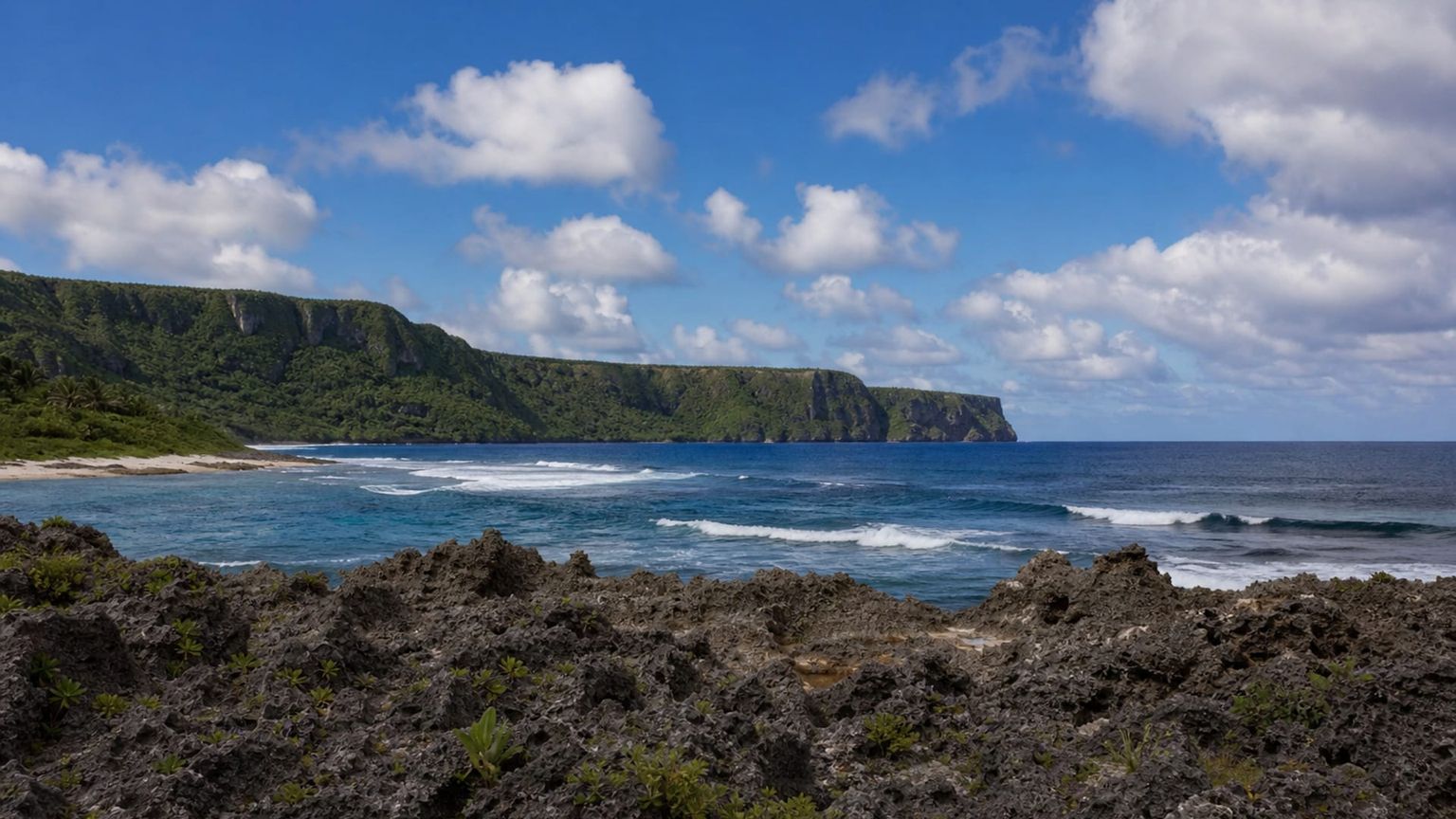
Start in Hagåtña with the Dulce Nombre de Maria Cathedral-Basilica, then walk about 5 minutes to the Guam Museum for a longer look at island history. After lunch in Hagåtña, drive about 10 minutes west to the War in the Pacific National Historical Park, Asan Beach Unit, and spend 1 to 2 hours on the memorials, shoreline, and trails before returning to Tumon for dinner. The day works best with a hotel near Tumon or Hagåtña, since both keep the cross-town drive short.
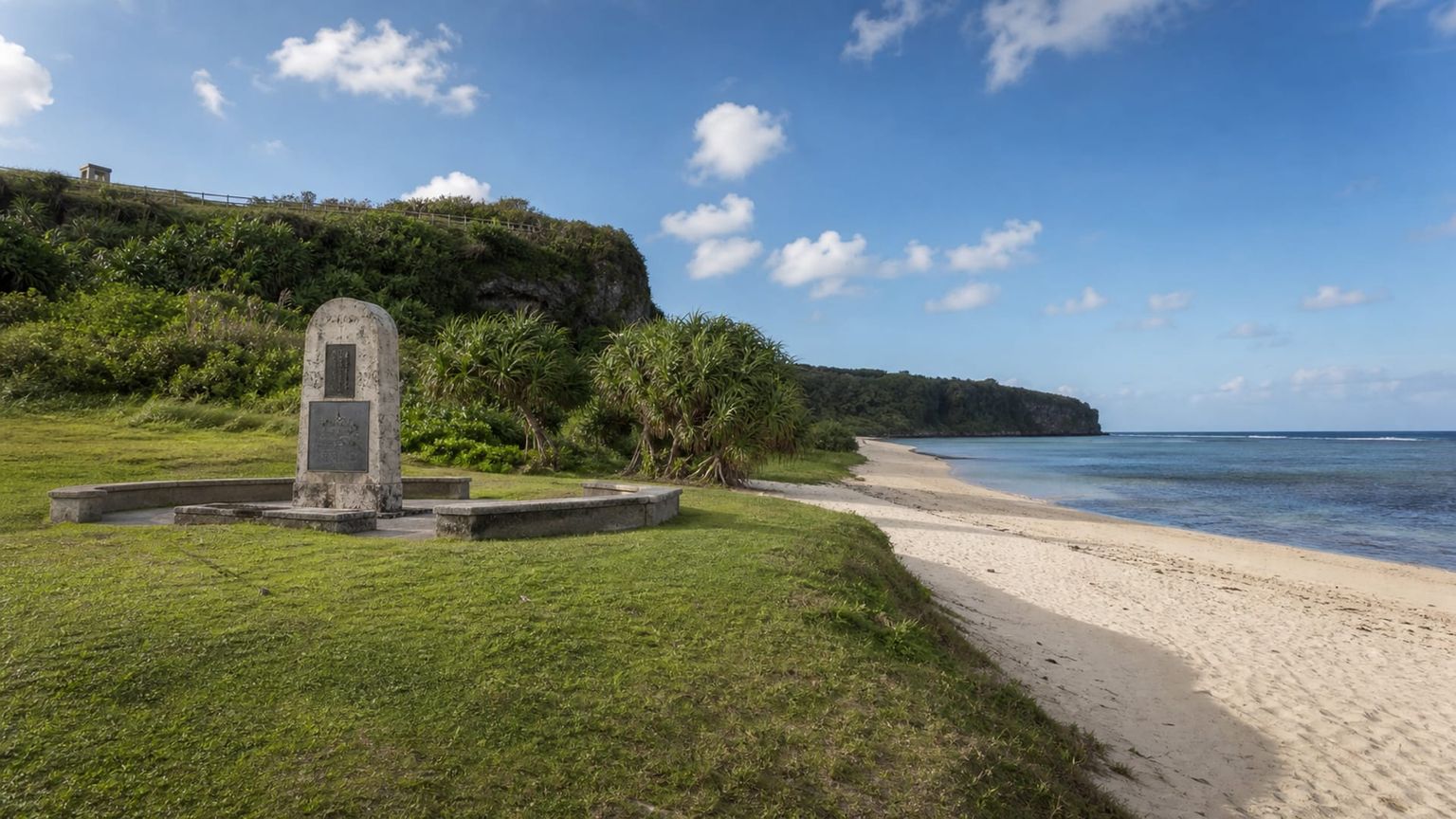
Begin early at Ritidian Point, since the drive north from Tumon takes about 35 to 45 minutes and shade is limited later in the morning. Stay for 2 to 3 hours on the beach and short trails, then return south to Tumon, about the same drive time, for lunch, a swim, and an unhurried sunset stop at Two Lovers Point, which sits roughly 10 minutes by car from the main Tumon hotel zone.
Head back to the War in the Pacific National Historical Park, Asan Beach Unit for a second, slower visit, then continue about 15 minutes by car to Tamuning for an afternoon of shopping and errands along the Marine Corps Drive corridor. If you want one more scenic stop, finish with Two Lovers Point, about 15 minutes from Tamuning, so the day ends with cliffs and open bay views before dinner in Tumon or Tamuning.
A final morning in Hagåtña gives you one last museum stop, so start at the Guam Museum if you missed it earlier or want a second, shorter visit. After that, spend time in Tumon for last-minute shopping in the resort district, then settle into a café in Hagåtña for a slow coffee before heading to the airport. From central Tumon or Hagåtña, Antonio B. Won Pat International Airport (GUM) is usually about 15 to 20 minutes away by car.
Business-class flights from the US to Guam Island
Guam sits far enough from the mainland that routing matters as much as fare. From New York and Los Angeles, the useful options are the ones that trim long-haul strain and keep the layover sensible.
From New York, United Airlines, Delta Air Lines, American Airlines, All Nippon Airways, and Japan Airlines serve the route, with round-trip fares usually starting from $4,500 and climbing to $8,500. Travelers from New York should expect about 14 to 16 hours nonstop where available, or 18 to 24 hours with a stop via NRT, HND, ICN, HKG, or TPE.
Los Angeles has the shorter West Coast journey, and United Airlines, Japan Airlines, All Nippon Airways, Korean Air, and Asiana Airlines often price round trips at about $3,800 to $7,500. If you do not mind a layover, common routings via NRT or ICN can bring the total down to roughly $2,800 to $5,000, compared with about 12 to 14 hours nonstop or 15 to 22 hours with a stop.
Guam Island feels different when you slow down
The best Guam trip ties Tumon, Hagåtña, and the north shore into one route instead of treating the island as a series of isolated stops. That means an early start for Ritidian Point, an efficient museum day in Hagåtña, and sunset at Two Lovers Point after a practical drive from Tumon or Tamuning. If you want help shaping those pieces into one itinerary, ask the AranGrant experts to map it out for your dates







