

Chapters:

Need help with your trip?
Our support team is available 24/7. Request a callback or call us directly at (833) 619-0908
Guadalajara is Mexico’s second-largest city, known for tequila, mariachi music, and a colonial-era historic center built around Spanish plazas.
Colonia Americana’s design hotels and cafes are a short walk from the cathedral and murals of Centro Histórico, while Providencia and Zapopan spread into newer, quieter streets to the north.
A five-day visit is easier when you group the historic core, the canyon, and the newer districts into separate days, since crossing the city repeatedly eats into sightseeing time. This guide breaks down where to stay, what to see, and how to move between neighborhoods.
Useful things to know

Main language(s): Spanish
Hola (OH-lah) – Hello
Por favor (por fah-VOR) – Please
Gracias (GRAH-see-ahs) – Thank you
¿Habla inglés? (AH-blah een-GLAYS) – Do you speak English?
¿Cuánto cuesta? (KWAN-toh KWES-tah) – How much does it cost?

Currency: Mexican peso (MXN, $)

Cash and cards: Most restaurants and hotels accept cards, but carry MXN 500 to MXN 1,000 ($30 to $60) in cash for markets, street food, and small shops.

Tipping: Round up small bills, leave 10% in restaurants when service is good, and round up taxi fares too.

Traditional food: Torta ahogada, birria, carne en su jugo, jericalla

Water and coffee costs: A bottle of water costs about MXN 20 ($1), and an espresso at a bar costs MXN 45 ($3).

Taxis and ride apps: Uber and Didi operate here. Verify the plate before getting in.

Plug and voltage: Type A/B socket, 127V

Dining and shop opening hours: Restaurants serve breakfast from 8:00 am to 11:00 am, lunch from 2:00 pm to 4:00 pm, and dinner from 8:00 pm to 11:00 pm. Many close one afternoon a week, often Sunday.

Emergency number: 911 for police, fire, and medical emergencies
Where to stay in Guadalajara
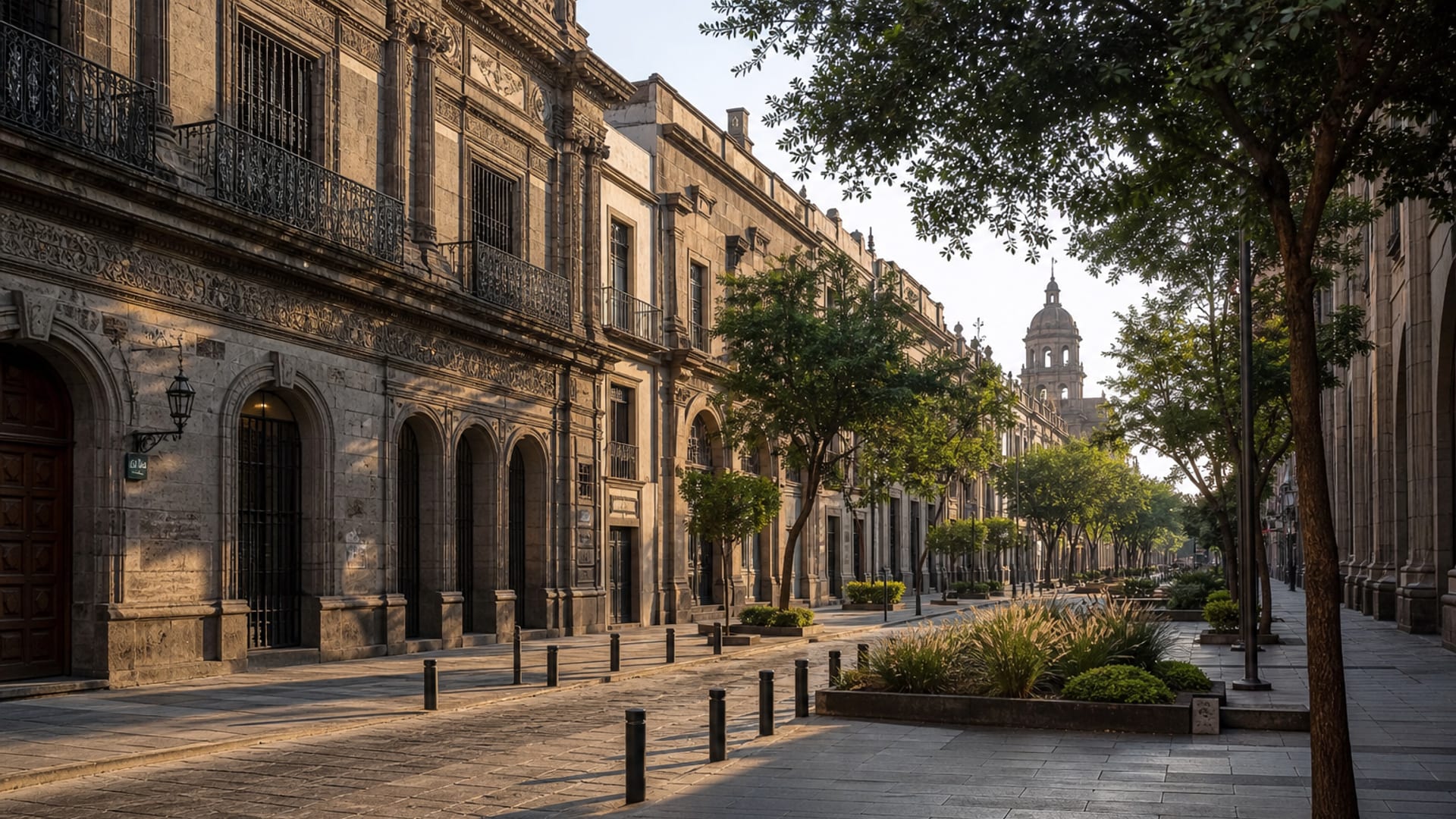
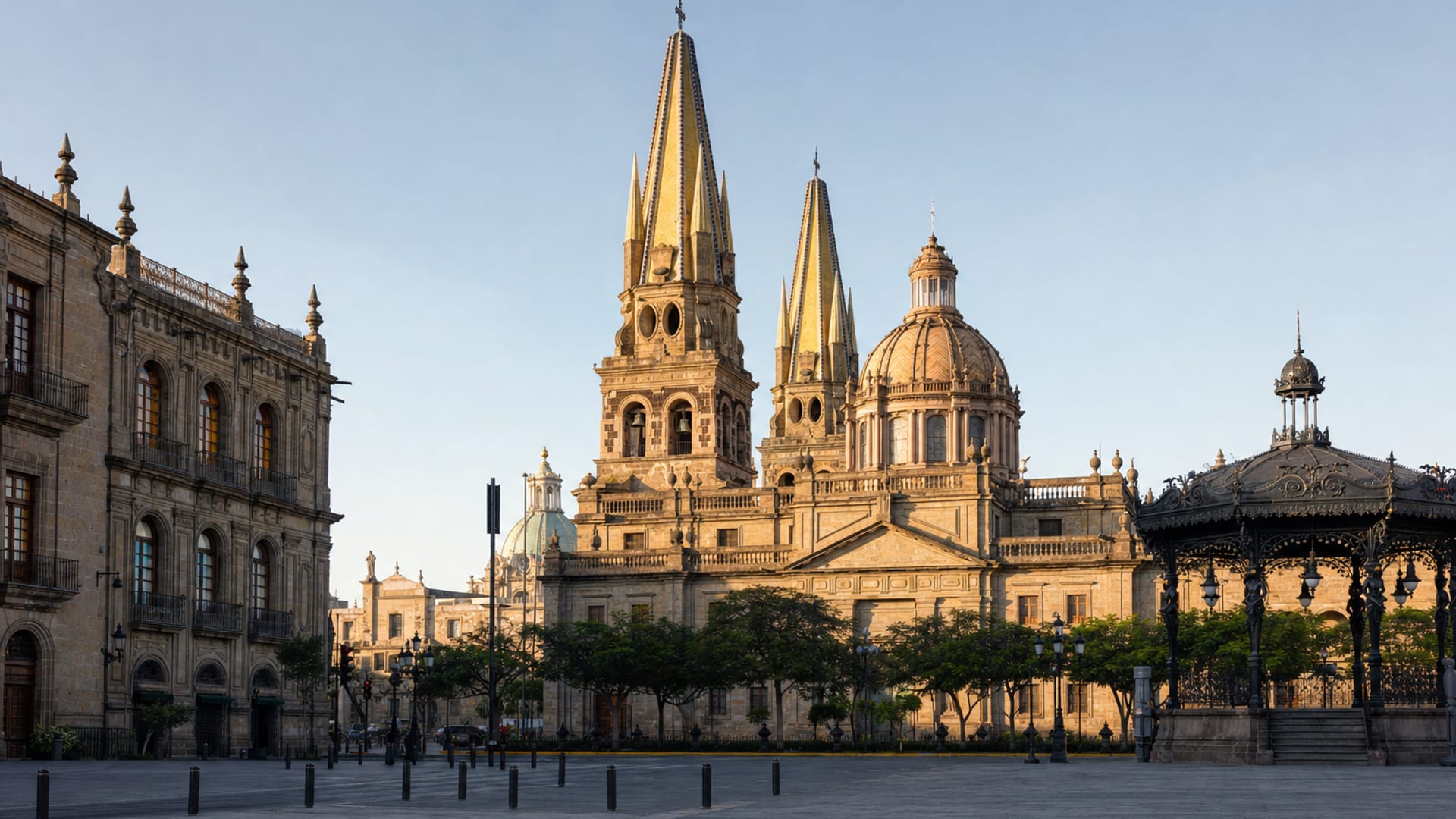
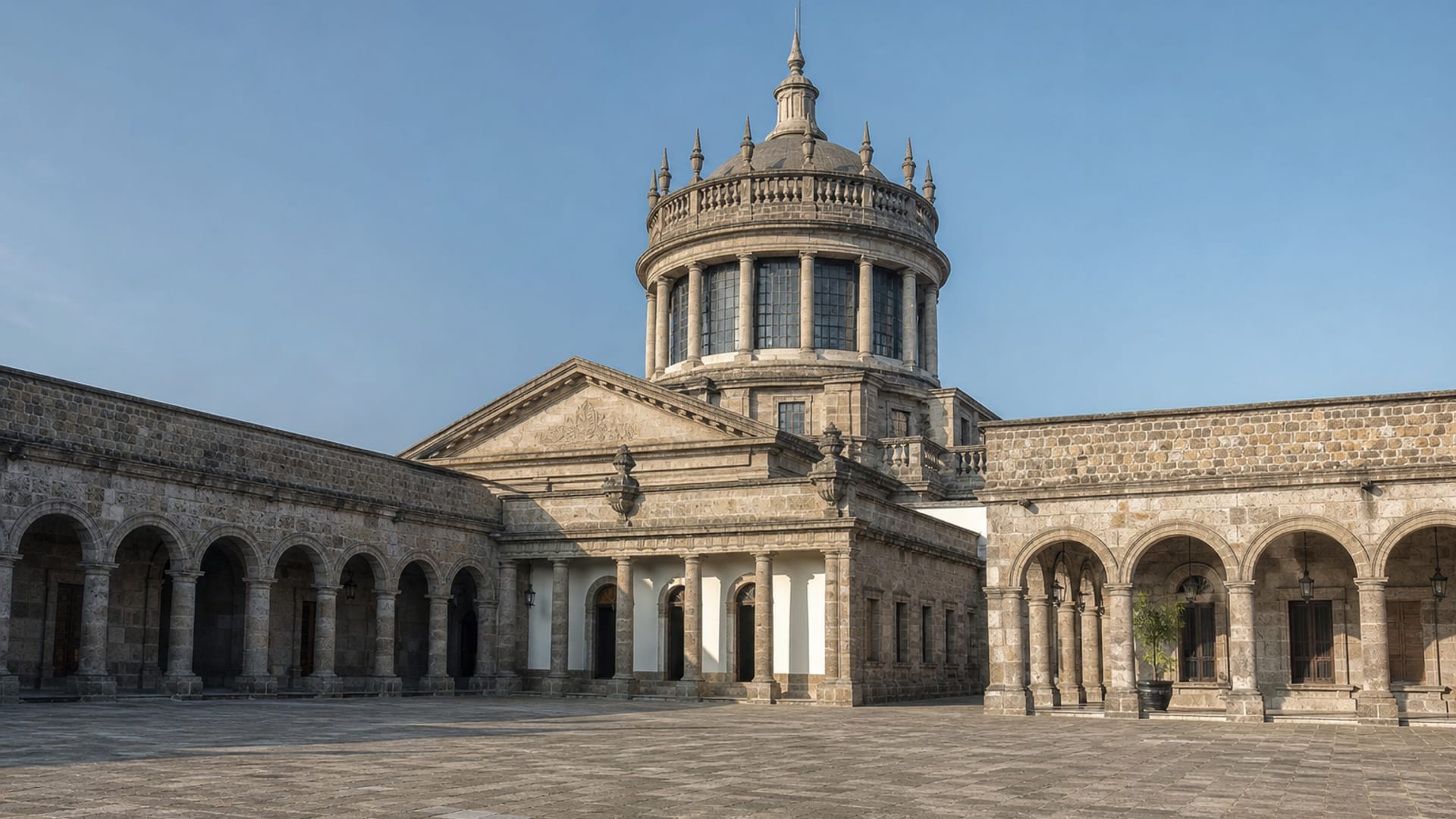
Centro Histórico is Guadalajara’s oldest district, home to the cathedral, plazas, and most of the city’s museums, all within a walkable grid of colonial buildings and busy streets. It suits travelers who want the main sights, dining, and public transportation within walking distance.
Best for: Sightseeing, first-time visits, and easy access to major landmarks
What to expect: Dense foot traffic and street vendors by day, with a quieter scene once shops close in the evening
Hotel prices: Well-rated stays cost MXN 1,275 to MXN 2,550 ($75 to $150) per night.
Distance to major sights: 5 to 10 minutes on foot to Guadalajara Cathedral; about 15 minutes by bus to Mercado San Juan de Dios
Quietness: Busy and lively by day, with noticeably quieter streets after evening business hours
Main trade-off: Older buildings often have smaller rooms, and the busiest blocks get noisy at peak hours.
Good to know: Book a room a few blocks off the main plazas for better sleep, since windows facing major streets pick up traffic noise.
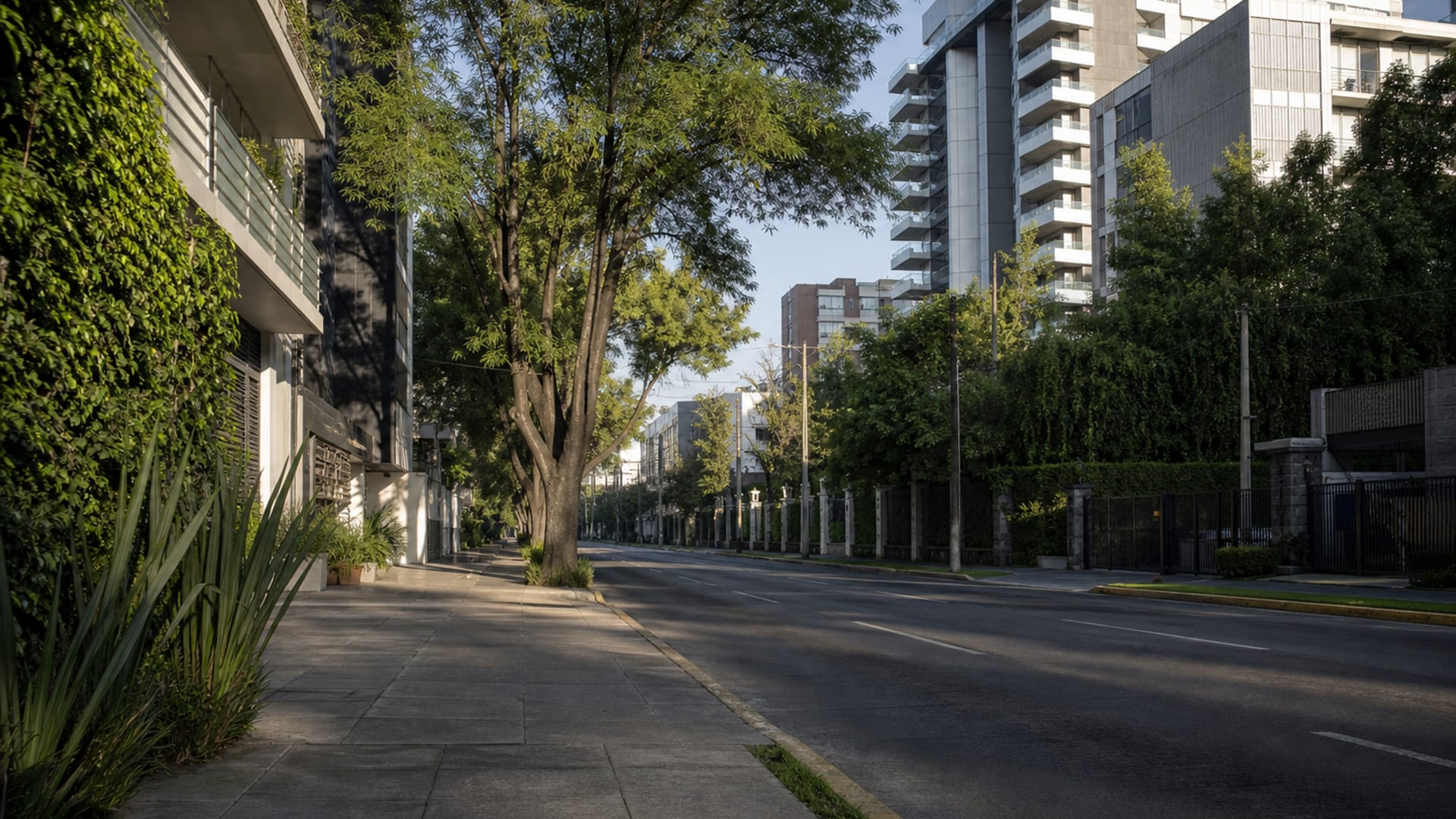
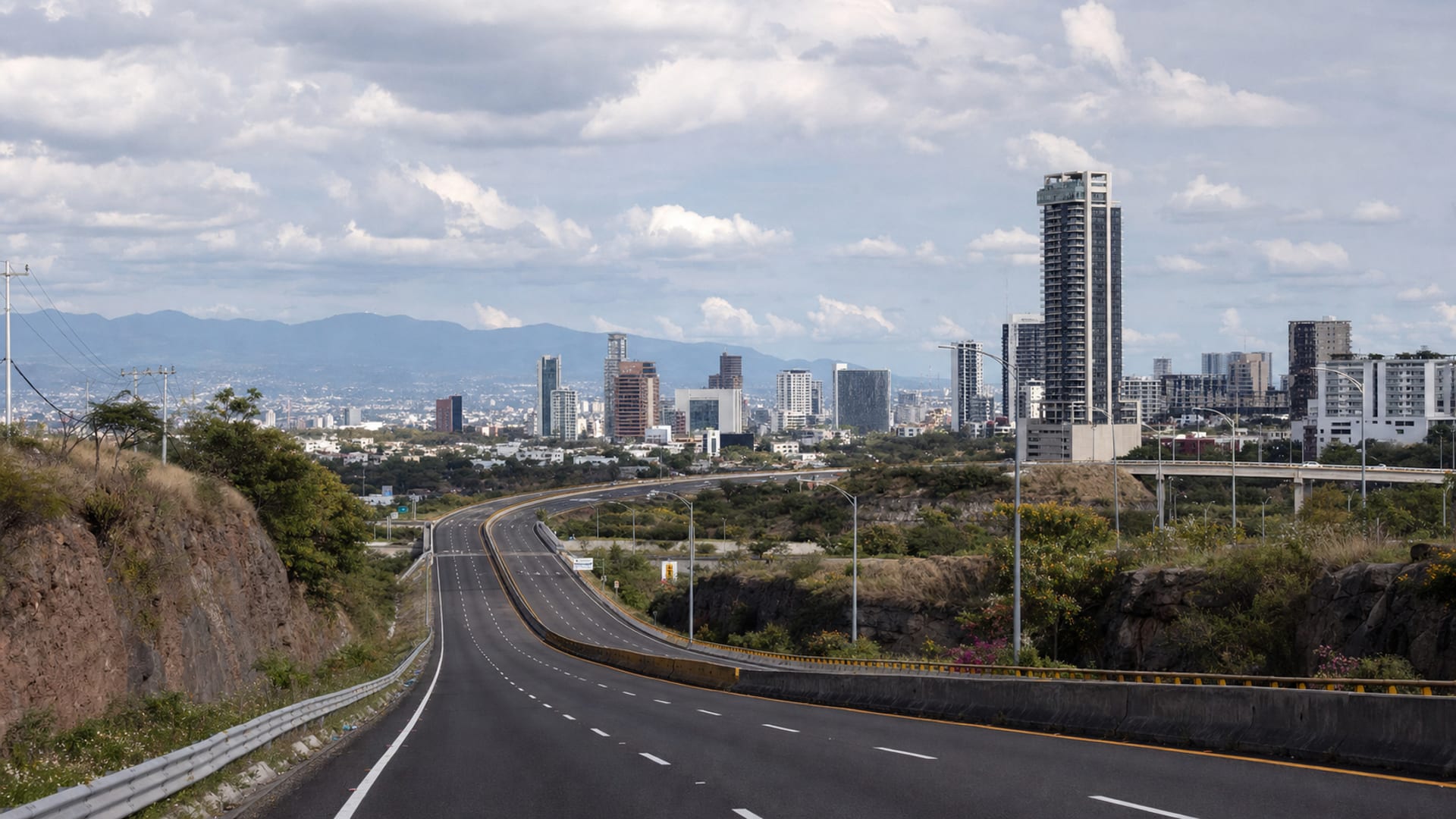
Providencia is an upscale residential and commercial district north of Centro Histórico, with wide avenues, corporate offices, restaurants, and shopping malls. Part of it is the Punto Sao Paulo financial district, offering easy rides into the historic core and the airport corridor.
Best for: Dining, shopping, and travelers who prefer a newer residential area
What to expect: Steady restaurant traffic and office activity, with a calmer street scene than the historic center
Hotel prices: Well-rated stays cost MXN 1,700 to MXN 4,250 ($100 to $250) per night.
Distance to major sights: 15 to 20 minutes by taxi to Guadalajara Cathedral; about 25 minutes by car to Hospicio Cabañas
Quietness: Moderately active during the day, then generally quieter at night except near major restaurant areas
Main trade-off: You will spend more on hotel stays, and many trips to museums or plazas need a taxi or rideshare.
Good to know: Pick this area if you plan to split time between dinners, malls, and the center, since most sights are not within a short walk.
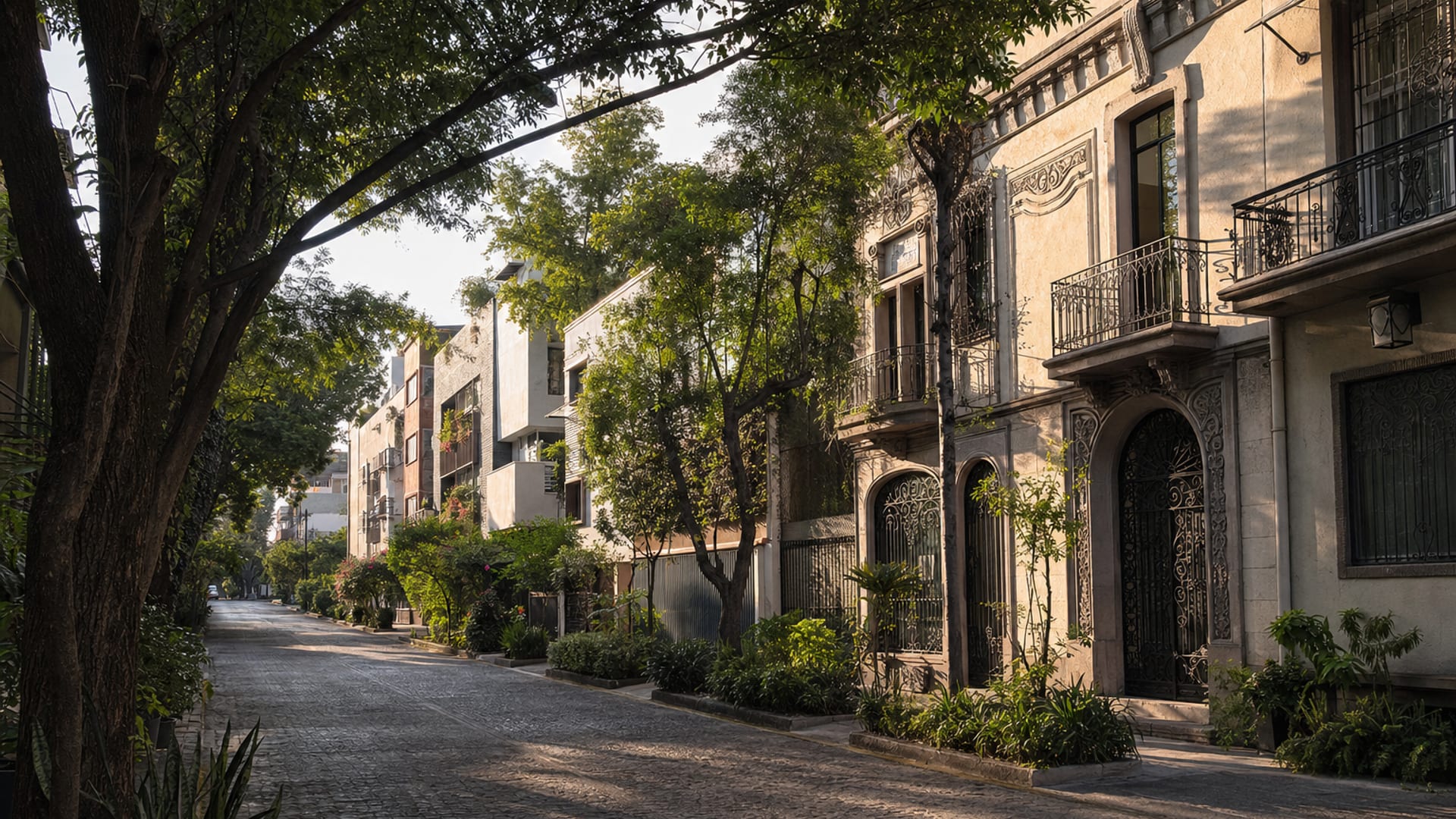
Colonia Americana blends early 20th-century mansions, cafes, bars, and design hotels west of Centro Histórico. Time Out ranked it the world’s coolest neighborhood in 2022, and it gives travelers a walkable area with strong dining and nightlife close to many of Guadalajara’s main sights.
Best for: Restaurants, nightlife, design hotels, and walkable evenings
What to expect: Lively sidewalks, busy bars, and plenty of people out late, especially on weekends
Hotel prices: Well-rated design hotels cost MXN 1,870 to MXN 4,250 ($110 to $250) per night.
Distance to major sights: 10 to 15 minutes by taxi to Guadalajara Cathedral; about 20 minutes on foot to the center from eastern blocks
Quietness: Active through the evening and late night, then quieter on side streets after the bars close
Main trade-off: Noise can be an issue near nightlife streets, and parking is limited in many parts of the neighborhood.
Good to know: For an easier night out, choose the quieter residential streets over the busiest restaurant and bar corridors.
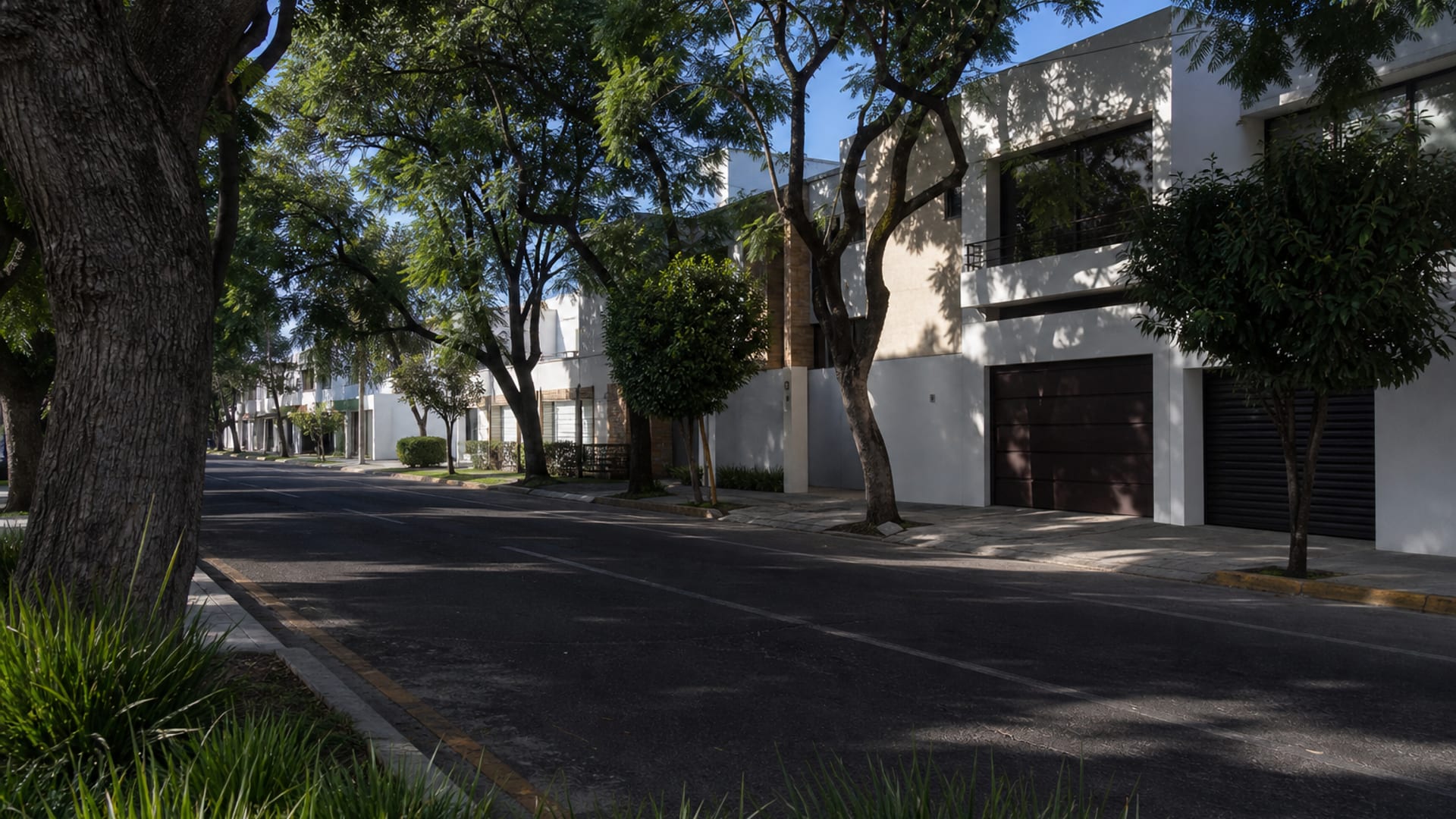
Chapalita is a leafy west-side neighborhood with local restaurants, parks, and a residential feel. It suits travelers who want a calmer area with decent access to shopping, Expo Guadalajara, and rides into the center.
Best for: Calm stays, business trips, and access to Expo Guadalajara
What to expect: Tree-lined streets, neighborhood cafes, and less late-night activity than in the central districts
Hotel prices: Well-rated stays cost MXN 1,090 to MXN 2,280 ($64 to $135) per night.
Distance to major sights: About 15 minutes by taxi to Expo Guadalajara; about 25 minutes by car to Guadalajara Cathedral
Quietness: Quieter than the center both day and evening, with mild restaurant activity near main avenues
Main trade-off: You will rely on taxis or rideshares for most sightseeing, and the area is less convenient for walking between attractions.
Good to know: This is a better pick if your trip centers on events or meetings, because the best-known museums and plazas are not close enough for daily walks.
Avoid Tlaquepaque’s southern industrial edges, Zapopan north of Andares, Tonalá’s outskirts, and the airport corridor. These areas are far from the historic center and Chapultepec, with fewer hotels and longer evening transfers.
Hotel deals
Getting around Guadalajara
Guadalajara’s transport system pairs light rail, buses, and taxis. A new Bus Rapid Transit (BRT) line now links the city directly to the airport.

Mi Tren
for longer cross-city trips
Mi Tren, Guadalajara’s light rail, has four lines reaching the historic center, Zapopan, Tlaquepaque, and Tlajomulco. The flat fare is MXN 11 ($0.65), with free transfers between lines. It runs from 5:00 am to 11:00 pm and suits longer cross-city trips.

Bus and airport BRT
for low-cost transfers and airport access
City buses and the Mi Macro Aeropuerto BRT cover routes the light rail does not reach, including a direct link to Guadalajara International Airport (GDL). The flat fare is MXN 11 ($0.65), and travel time depends heavily on traffic.

Taxi
for convenience or late hours
Licensed airport taxis charge fixed zone fares from the terminal, while street taxis in the city use metered or negotiated pricing. Trips from the airport downtown cost MXN 306 to MXN 425 ($18 to $25). Use taxis for late hours or direct point-to-point rides.
*Prices are based on rates updated as of June 2026 and may change at the time of travel.
Take Mi Tren for longer cross-city trips, buses or the airport BRT for low-cost transfers, and taxis for late-night or point-to-point travel around town.
Iconic places in Guadalajara
Hospicio Cabañas
This 19th-century UNESCO World Heritage complex centers on a neoclassical chapel and vaulted courtyards. José Clemente Orozco’s murals give the main nave its strongest draw, and the museum spaces trace the building’s history as a former orphanage.
Time needed: About 1.5 to 2 hours
Entry: General admission costs MXN 160 ($9), discounted MXN 110 to MXN 140 ($6 to $8), Tuesday through Sunday from 10 am to 5 pm. Visit the official site for details.
Tip: Go early on a weekday for quieter courtyards and better mural light.
Guadalajara Cathedral
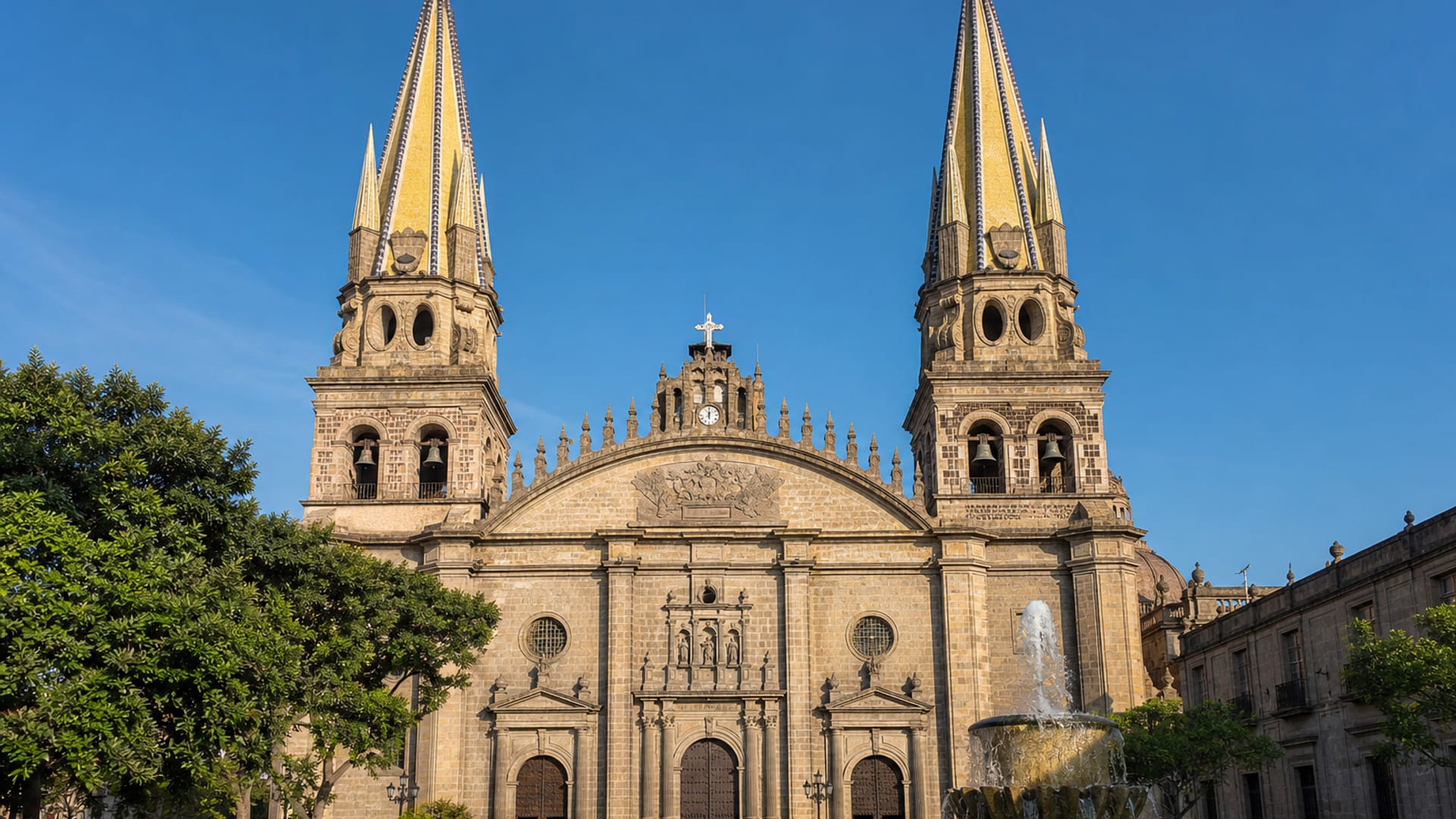
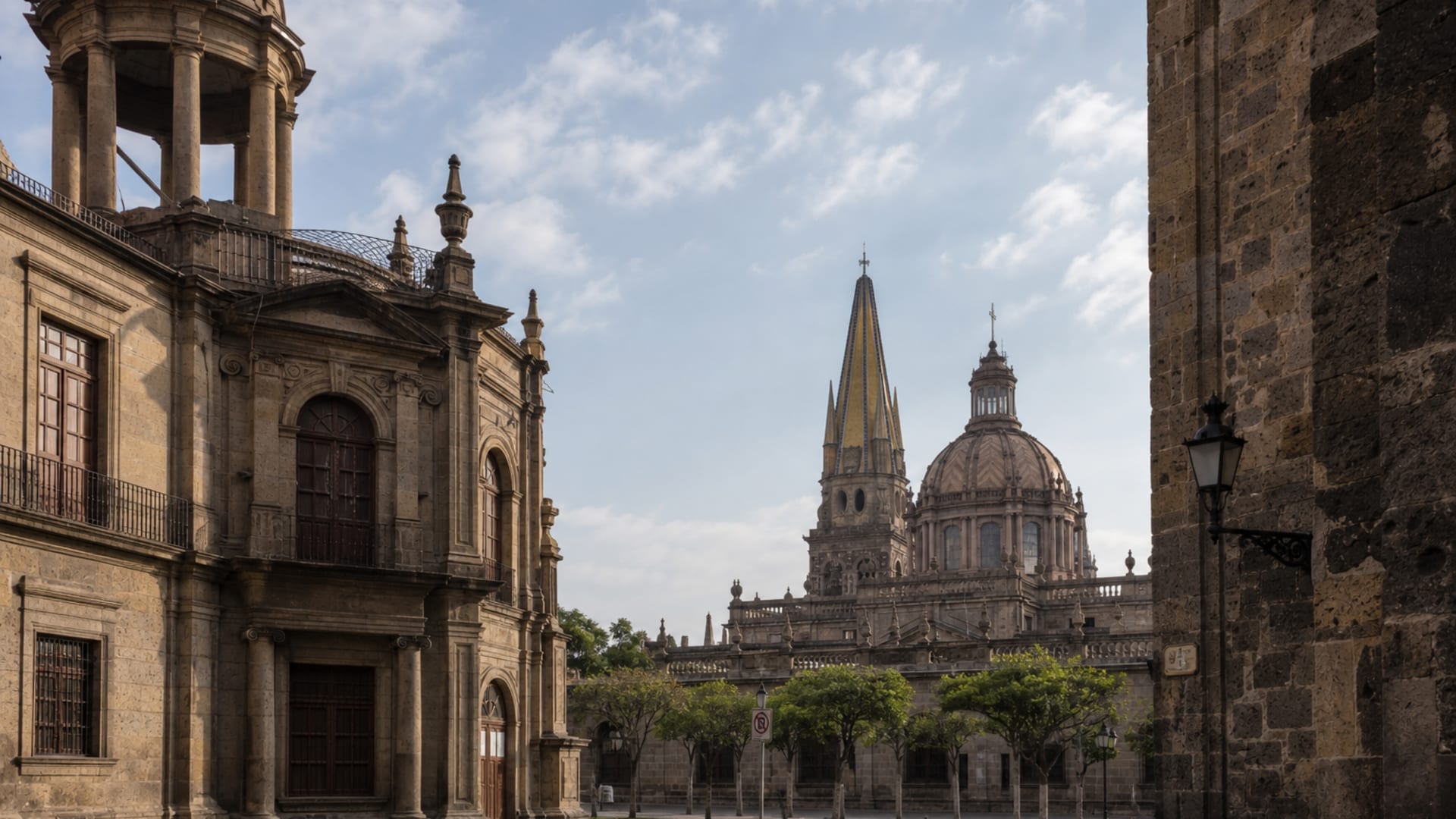
The twin neo-Gothic towers dominate the historic center, while the interior combines Gothic, Neoclassical, and Baroque elements. The cathedral stands beside the plazas and arcades that shape the city’s oldest civic core.
Time needed: About 45 minutes to 1 hour
Entry: Free. A paid guided tour covers the choir area and crypt beneath the altar.
Tip: Visit before noon, when the facade is brightest and the plaza is less crowded.
Teatro Degollado
Teatro Degollado is a neoclassical theater from 1866, with a Corinthian facade and a domed fresco based on Dante’s Divine Comedy. It hosts opera, ballet, and orchestra performances, and stands directly behind the cathedral in the historic center.
Time needed: 30 to 45 minutes; longer if you visit for a show
Entry: Free on most mornings; performance tickets vary by show and date. Visit the official site for details.
Tip: Check the schedule before visiting, since interior access outside show times is limited.
Overlooked places in Guadalajara

Barranca de Huentitán
A steep canyon on Guadalajara’s north edge with hiking trails, cliff viewpoints, and the historic Arcediano Bridge visible below.
Time needed: About 2 to 3 hours
Entry: Free; bring cash for parking if you use a nearby lot.
Tip: Go early for cooler temperatures and less glare on the canyon walls.

Museo del Periodismo y las Artes Gráficas
This compact museum in the historic center, also known as La Casa de los Perros, displays antique printing presses and traces Guadalajara’s journalism history.
Time needed: About 1 hour
Entry: Entry is free, Tuesday to Sunday, 10 am to 6 pm. No advance booking needed. Visit the official site for details.
Tip: Pair it with a walk through nearby Plaza de Armas.
What to eat in Guadalajara
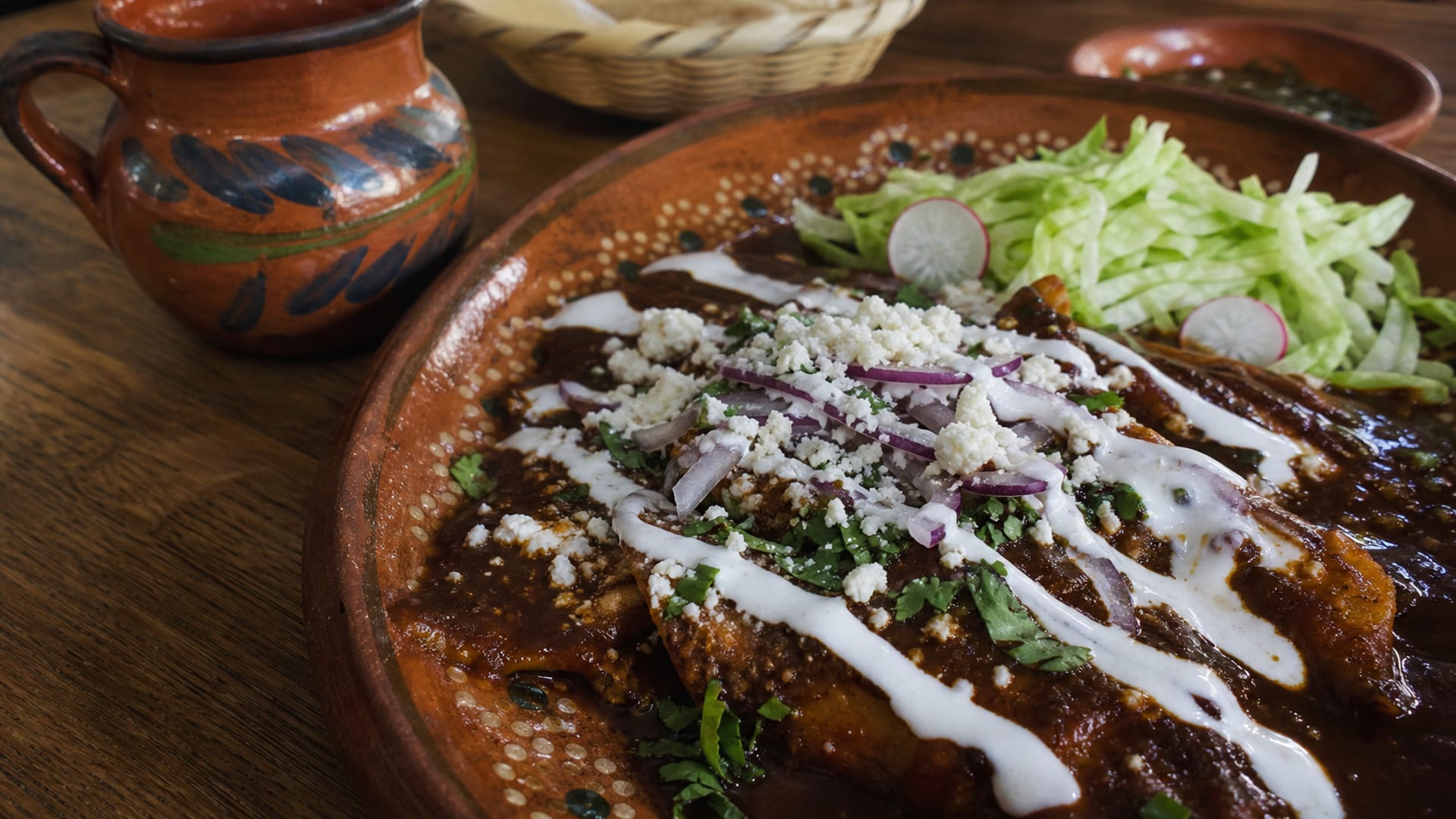
Chile, slow-cooked meats, corn, and rich sauces define Guadalajara’s kitchen, from street-corner tortas ahogadas to the birria simmering in neighborhood cantinas.
Torta ahogada
Torta ahogada drenches a crusty birote roll with pork in a spicy tomato-chile sauce until fully submerged. Tortas Toño has served the sandwich since 1990 and is Guadalajara’s best-known spot for it.
Birria
Birria is tender, chile-braised beef or goat served in a rich broth with tortillas, onion, and cilantro. La Chata de Guadalajara has served it since 1942 alongside other Jalisco classics.
Carne en su jugo
Carne en su jugo combines thin beef strips, bacon, and beans in a savory broth, part soup and part stew. Karne Garibaldi invented the dish in 1970 and holds a Guinness record for fastest service.
Jericalla
Jericalla is a baked custard with a caramelized top, firmer and more rustic than flan. Café Benito/Sala Juárez, set in a converted 1940s cinema, serves it on its dessert menu.
Best time to visit
At 5,100 feet (1,554 meters) of elevation, Guadalajara is milder year-round than Mexico’s coastal cities, even in summer.
Best for: Dry weather, clear skies, and easy walking through the historic center
What you get: Temperatures range from 45°F to 78°F (7°C to 26°C), with cool nights and moderate holiday crowds.
Trade-offs: Mornings feel cool, and holiday periods raise hotel demand.
Best for: Clear mornings for plazas, museums, and canyon viewpoints before the heat sets in
What you get: Temperatures range from 52°F to 90°F (11°C to 32°C) in April and May, the hottest, driest months, with manageable crowds before summer.
Trade-offs: Late spring heat builds quickly by midday.
Best for: Green hillsides, longer evenings, and lower hotel rates across the city
What you get: Temperatures range from 60°F to 88°F (16°C to 31°C) from June through August, the wettest months, often with short afternoon storms.
Trade-offs: Afternoon rain can interrupt outdoor plans.
Best for: Comfortable, walkable city days once the heaviest summer rains ease off
What you get: Temperatures range from 54°F to 84°F (12°C to 29°C) as skies improve steadily and humidity drops, while visitor numbers hold steady.
Trade-offs: Early fall days can still bring heavy rain.
A 5-day plan in Guadalajara
A five-day stay in Guadalajara groups the historic core early, then moves out to the canyon, design districts, and newer shopping streets on separate days.
Land at Guadalajara Airport (GDL) and take a taxi or rideshare to Centro Histórico, a 25- to 35-minute ride that costs MXN 260 to MXN 430 ($15 to $25). If you prefer a newer area, Providencia takes about the same time in lighter traffic and often suits an early dinner near your hotel. Settle in, drink plenty of water, then keep dinner close to your room, perhaps in the historic center or on a quieter street in Colonia Americana so you can turn in early.
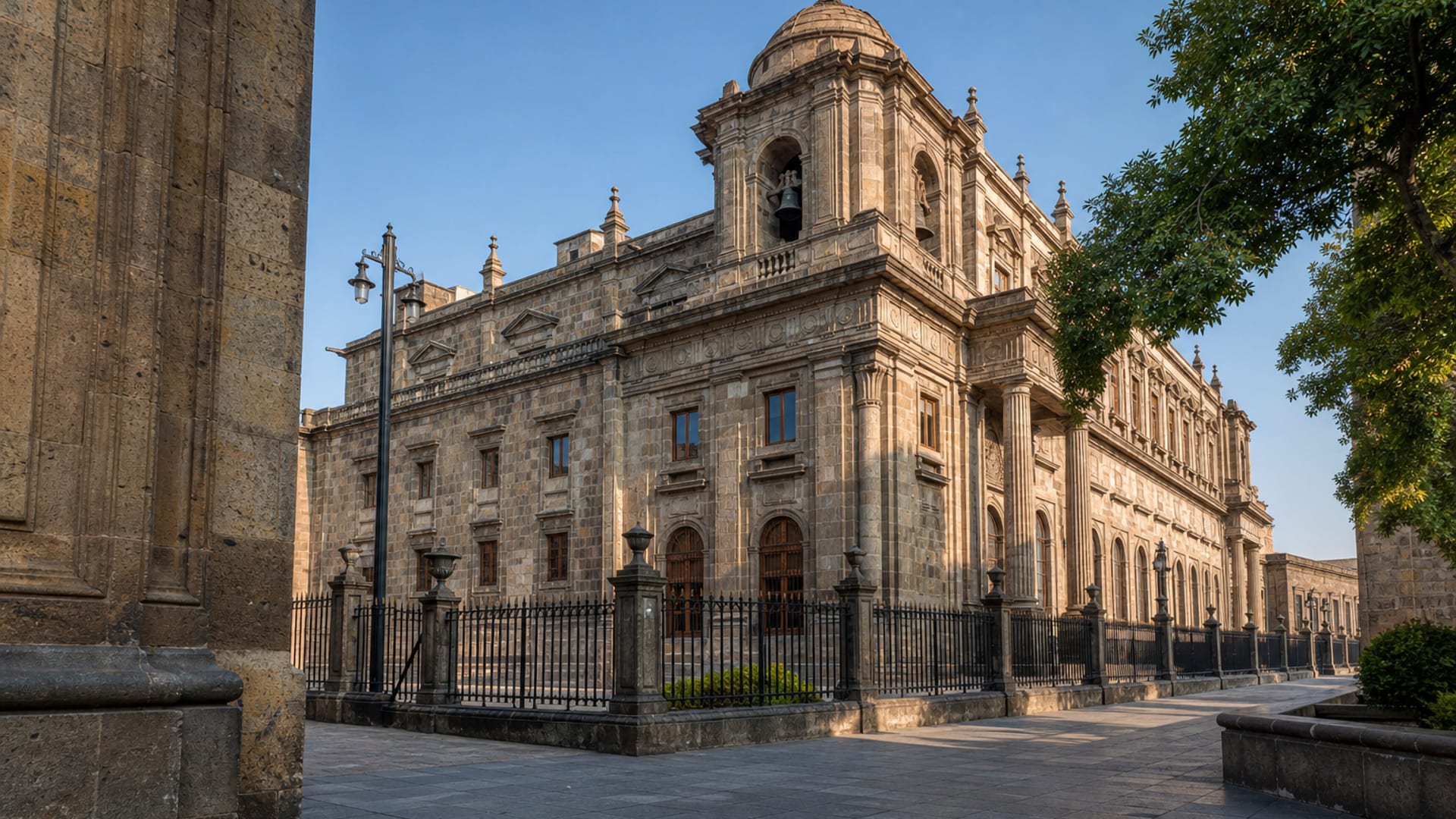
Begin at Guadalajara Cathedral, where the yellow towers look best before noon, then walk 5 minutes to Plaza de Armas and another 5 minutes to the Museo del Periodismo y las Artes Gráficas. From there, continue 10 minutes on foot to Hospicio Cabañas for the murals and courtyards, and allow 1.5 to 2 hours inside. Finish with a relaxed lunch nearby in Centro Histórico, then head back to your hotel before the evening crowd thickens.
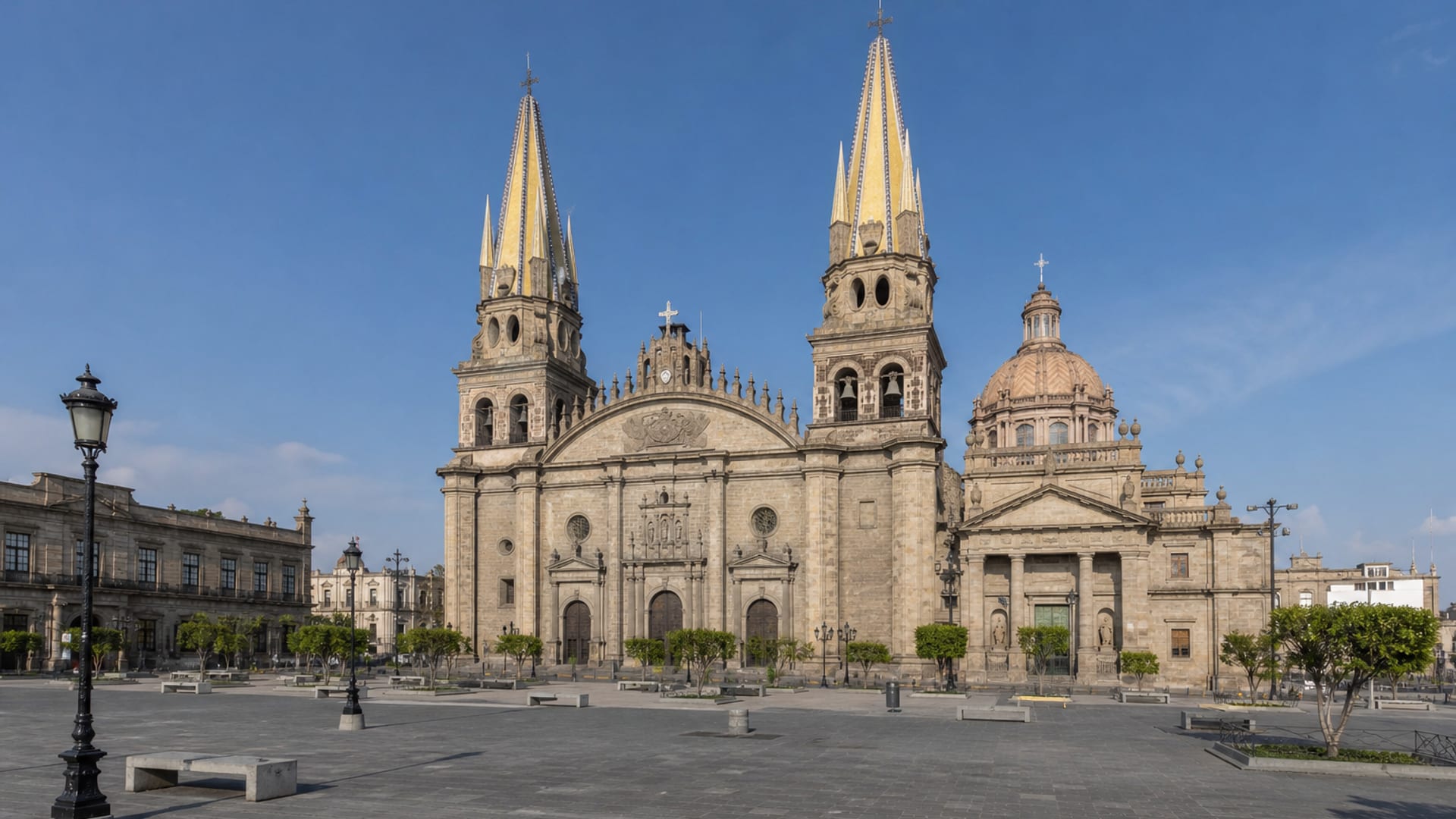
Start at Barranca de Huentitán while the air is still cool, since the canyon trails and viewpoints are best in the morning. From Centro Histórico, the ride takes 25 to 35 minutes by taxi or rideshare, and plan for 2 to 3 hours on site. Return to the city for an easy afternoon in Colonia Americana, where a late coffee or early dinner is a 10- to 15-minute taxi ride from the center.
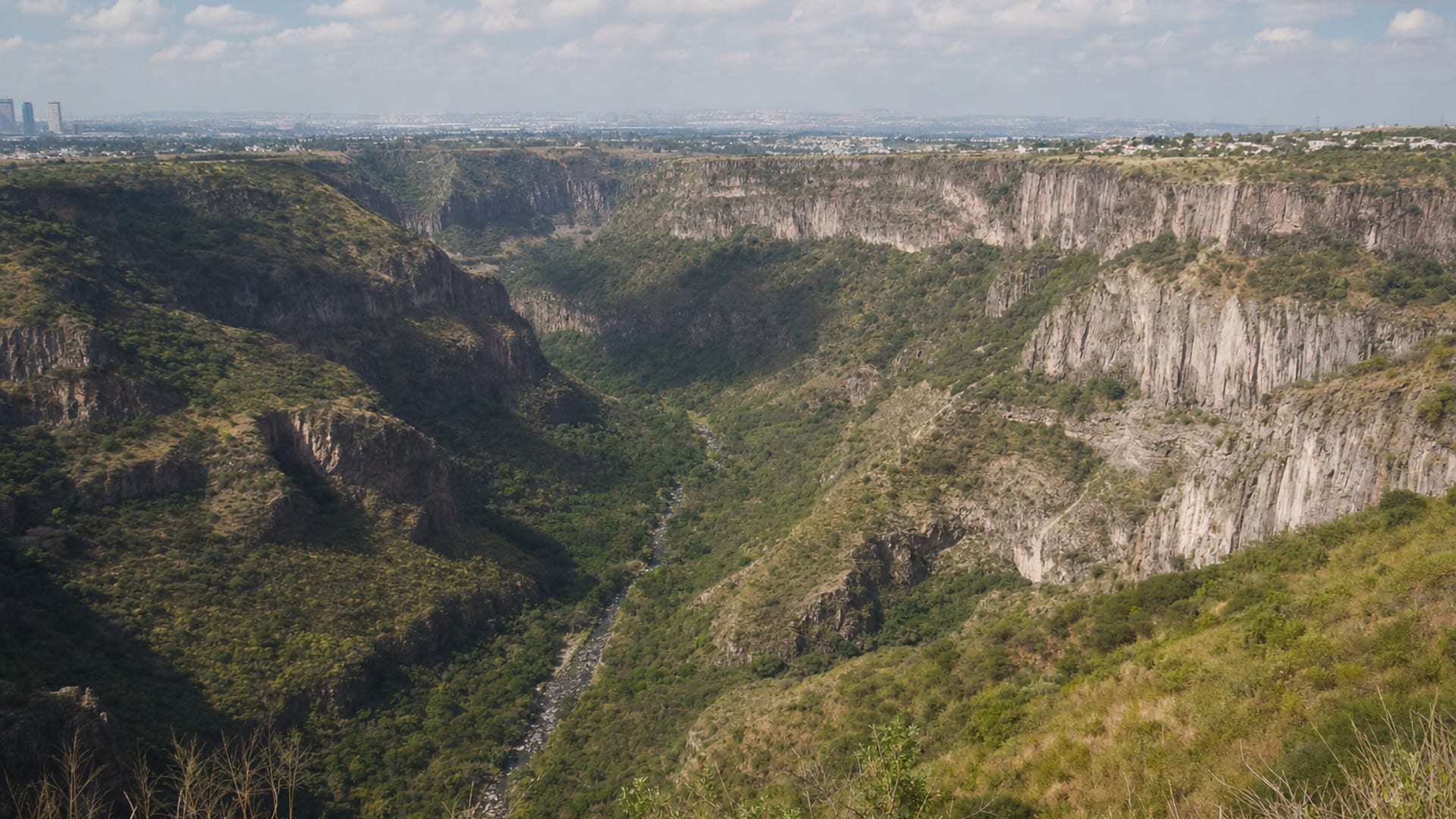
Spend the morning at Teatro Degollado, Guadalajara’s 1866 neoclassical theater, checking ahead for free viewing hours or a guided tour. Walk 10 minutes to Guadalajara Cathedral for one more look at the historic core, then cross into Providencia for shopping and dinner, about 15 to 20 minutes away by taxi from Centro Histórico. Stay there long enough to browse the malls and restaurant corridors without rushing back across town.
Start with a slow breakfast in Colonia Americana, then visit a final museum or gallery in Centro Histórico before the afternoon gets busy, since the taxi ride from Colonia Americana takes 10 to 15 minutes. If you want a few last purchases, head to Providencia for malls and department stores, then finish with coffee in Chapalita, where tree-lined streets make an easy last stop before your transfer to Guadalajara Airport (GDL).
Business-class flights from the US to Guadalajara
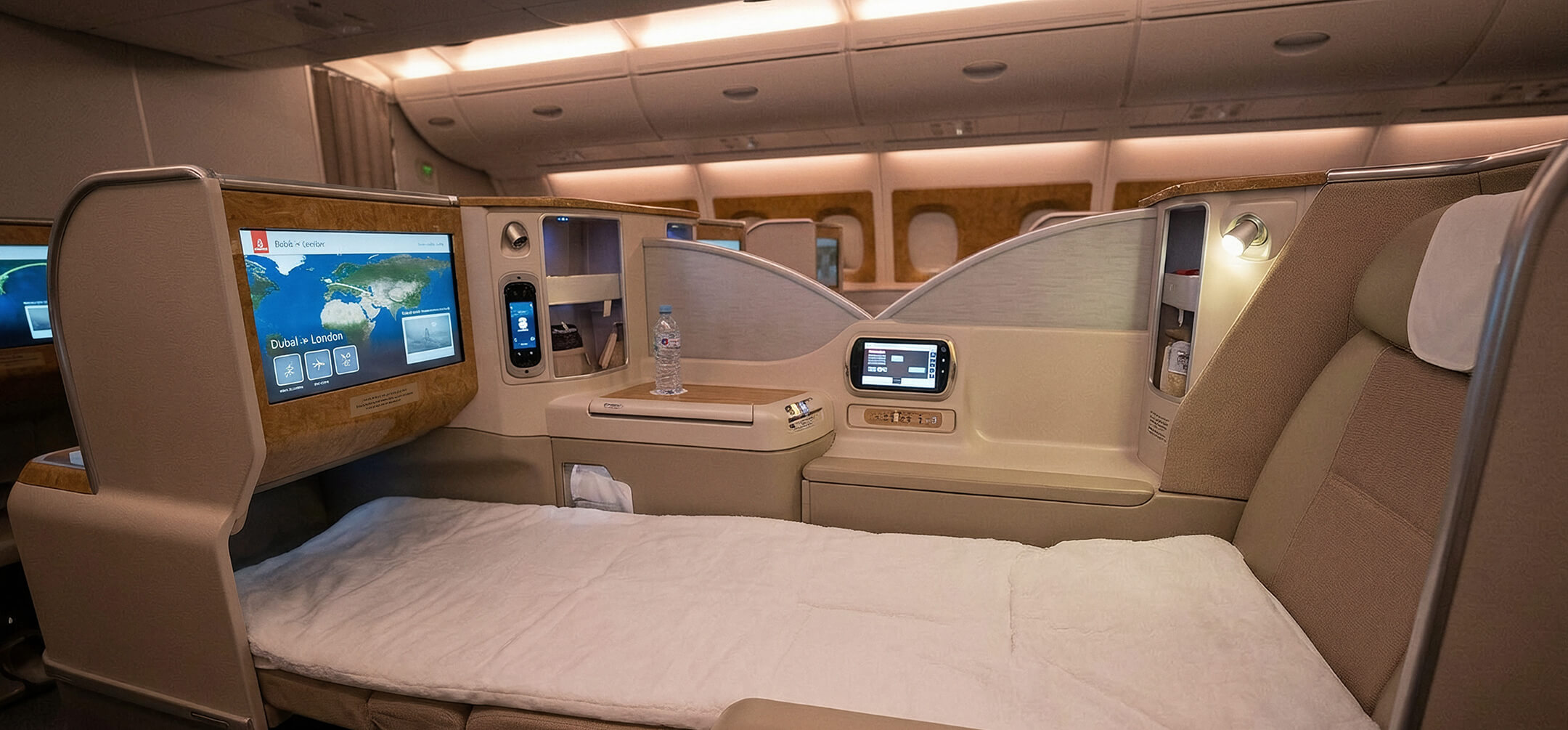
Business-class cabin availability on flights to Guadalajara (GDL) depends on the route. On routes from New York and Los Angeles, business-class cabins are most common on one-stop flights.
New York (JFK) to Guadalajara (GDL)
Delta Air Lines, United Airlines, and American Airlines offer business-class flights from New York (JFK) to Guadalajara (GDL), connecting through Atlanta (ATL), Houston (IAH), or Dallas/Fort Worth (DFW). Round-trip fares typically range from $1,100 to $1,800, with total travel time of 7 to 12 hours.
Los Angeles (LAX) to Guadalajara (GDL)
Aeromexico and Alaska Airlines offer nonstop flights with a business-class cabin from Los Angeles (LAX) to Guadalajara (GDL). These flights take 3 to 4 hours. American Airlines, Delta Air Lines, and United Airlines reach Guadalajara (GDL), connecting through hubs such as Phoenix (PHX), Atlanta (ATL), and Houston (IAH). Round-trip fares typically range from $700 to $1,300.
The right pace for five days in Guadalajara
Five days in Guadalajara come together when you group areas by proximity, keeping the historic core for early mornings and saving the canyon, Providencia, and Chapalita for when taxis make more sense than walking. That structure limits cross-town backtracking. When your dates are set, AranGrant travel experts can help with business-class flights and hotel bookings for the trip.