

Chapters:

Need help with your trip?
Our support team is available 24/7. Request a callback or call us directly at (833) 619-0908
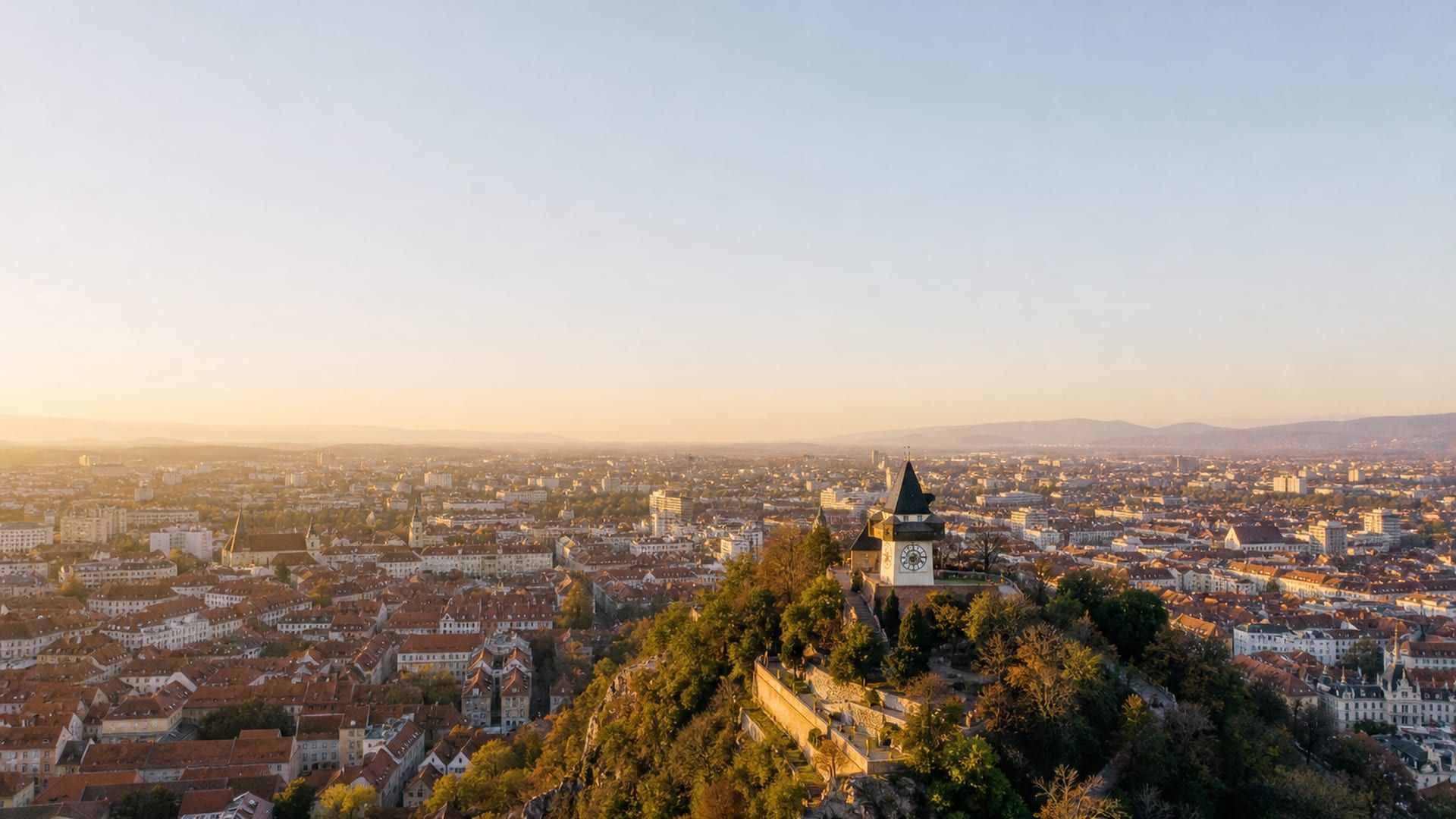
Graz is compact enough to cross its historic center on foot, but the city changes noticeably once you move between the Old Town, Schlossberg, and the neighborhoods across the Mur. Hauptplatz and Herrengasse keep the busiest sights close together, while Kunsthaus Graz, riverside streets, and farther stops such as Eggenberg pull the day in different directions.
Trams make those shifts easy, yet trying to combine too many areas can turn a relaxed city into a sequence of short transfers. A better approach is to keep the center, riverfront, hill, and outer districts on separate parts of the day.
This guide follows that geography, giving each area enough time without overloading the schedule.
Useful things to know

Main language(s): German is the main language. Austrian German and the Styrian dialect are common in everyday conversation.
Hallo (HAH-loh) – Hello
Bitte (BIT-teh) – Please
Danke (DAHN-keh) – Thank you
Sprechen Sie Englisch? (SHPRAY-khen zee EN-glish?) – Do you speak English?
Wie viel kostet das? (vee feel KOS-tet dahs?) – How much does it cost?

Currency: Euro (EUR, €)

Cash and cards: Cards are widely accepted, but cash is useful at markets and smaller businesses. Carry €20–€40 ($23–$46) as a backup.

Tipping: Round up the bill or leave 5%–10% in restaurants when the service is good.

Traditional food: Backhendl, Steirisches Wurzelfleisch, Kürbiscremesuppe, and Käferbohnensalat are among the best-known Styrian dishes served in Graz.

Water and coffee costs: Bottled water at cafes commonly costs €2–€4 ($2.30–$4.60), while an espresso is usually €2.50–€3.50 ($2.90–$4).

Taxis and ride apps: Uber and Bolt operate in Graz, while licensed taxis are available at the airport, main station, Hauptplatz, and Jakominiplatz.

Plug and voltage: Austria uses Type C and F plugs with a 230V, 50Hz supply. US travelers should bring an adapter and check device voltage compatibility.

Dining and shop opening hours: Lunch is commonly served from noon and dinner from 6:00 pm. Most shops close by 6:00 pm on weekdays and earlier on Saturdays; Sunday shopping is limited.

Emergency number: Call 112 for general emergencies, 133 for police, 122 for fire, and 144 for ambulance services.
Where to stay in Graz
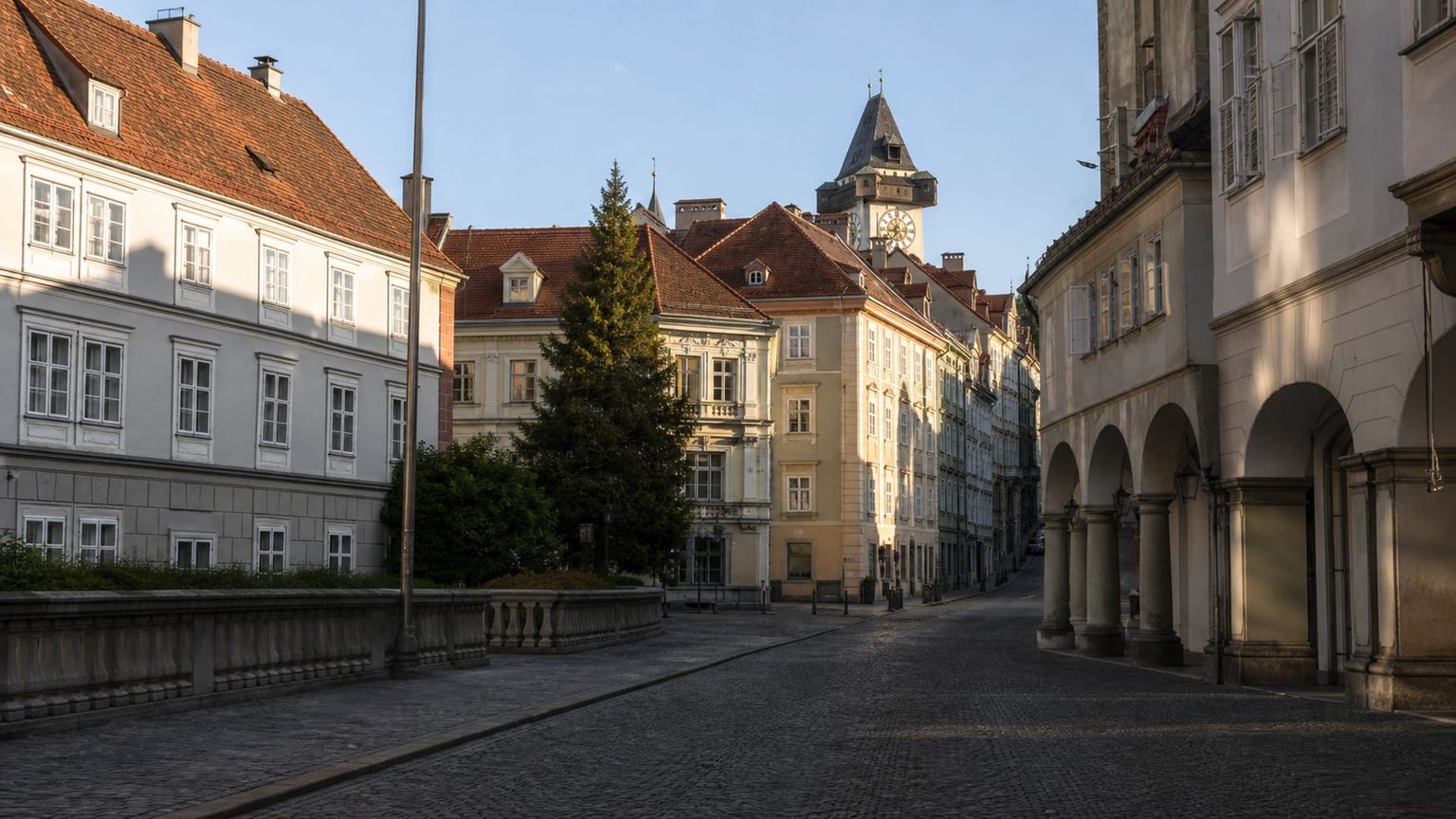
Innere Stadt is Graz’s historic center, with Hauptplatz, Herrengasse, the Landhaus, courtyards, shops, and restaurants packed into a compact pedestrian core. Schlossberg rises directly beside it, while bridges across the Mur put Kunsthaus Graz and Lend within easy walking distance.
Best for: First-time visits, car-free stays, and easy access to Graz’s main sights
What to expect: Busy daytime streets, cafés, and shop traffic, with a calmer pace after dinner.
Hotel prices: Usually about €130 to €220 (~$143 to ~$242) per night for well-rated stays
Distance to major sights: 5 to 10 minutes on foot to Hauptplatz and the Landhaus; about 15 minutes on foot to Schlossberg
Quietness: Livelier in the day, quieter late at night once shops close.
Main trade-off: Rooms can cost more, and the most central streets bring some evening foot traffic.
Good to know: A room on a side street gives you the same central location with less late-night foot traffic.
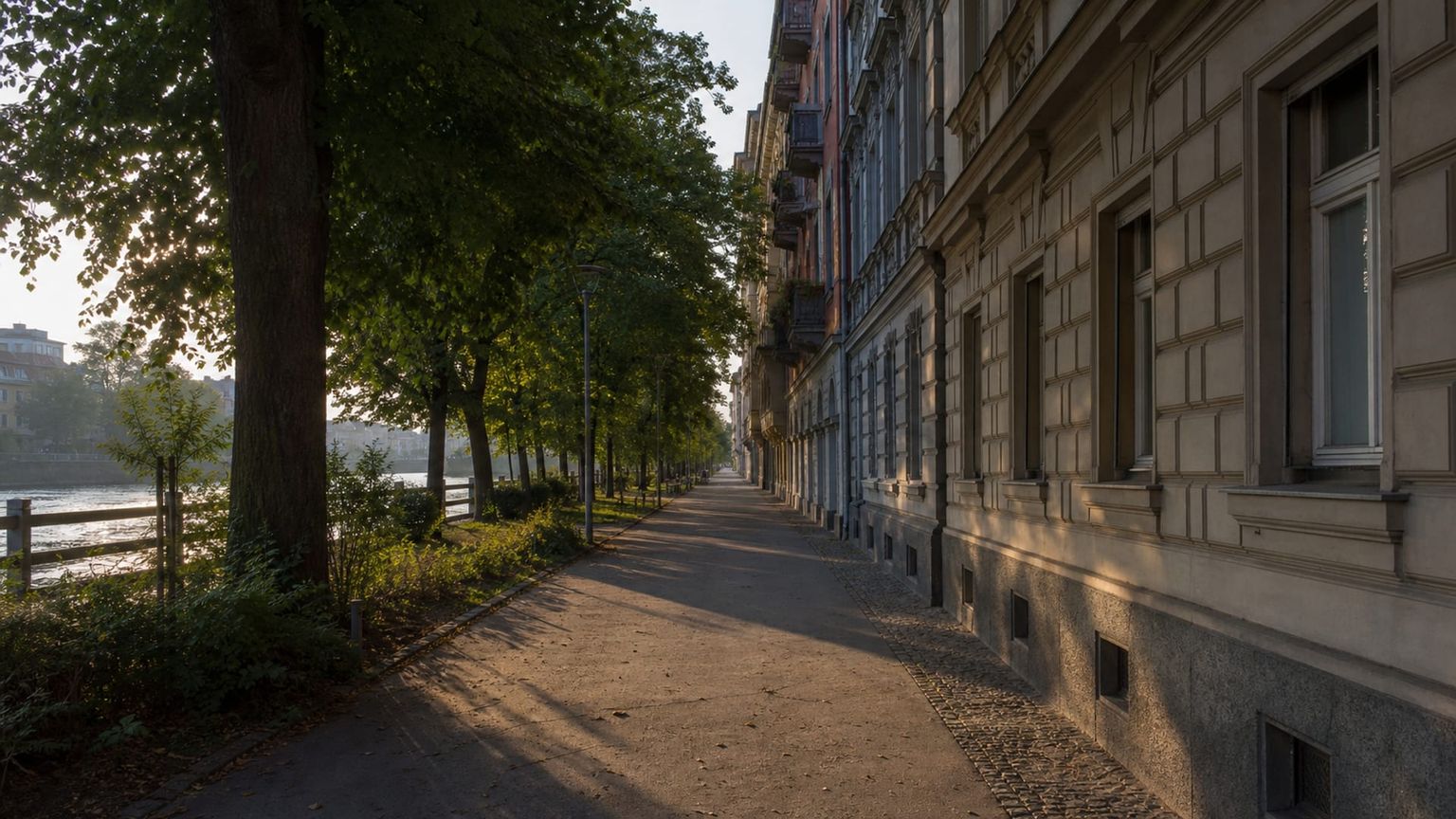
Lend sits on the west bank of the Mur opposite the Old Town, centered on Lendplatz, Mariahilferstraße, and the area near Kunsthaus Graz. Farmers’ market stalls, design shops, cafes, bars, and residential streets give it a more contemporary feel while keeping the historic center close.
Best for: Dining, nightlife, and travelers who want quick access to the center without staying in the core
What to expect: Active evenings near restaurants and bars, then quieter side streets and apartment blocks.
Hotel prices: Usually about €90 to €170 (~$99 to ~$187) per night for well-rated stays
Distance to major sights: 10 to 15 minutes on foot to Hauptplatz; about 15 to 20 minutes on foot to Schlossberg
Quietness: Busier near nightlife streets in the evening, calmer on residential blocks and after midnight.
Main trade-off: You may cross the Mur often, and the liveliest streets can bring late noise.
Good to know: Check the exact address because hotels only a few blocks apart can have very different noise levels.
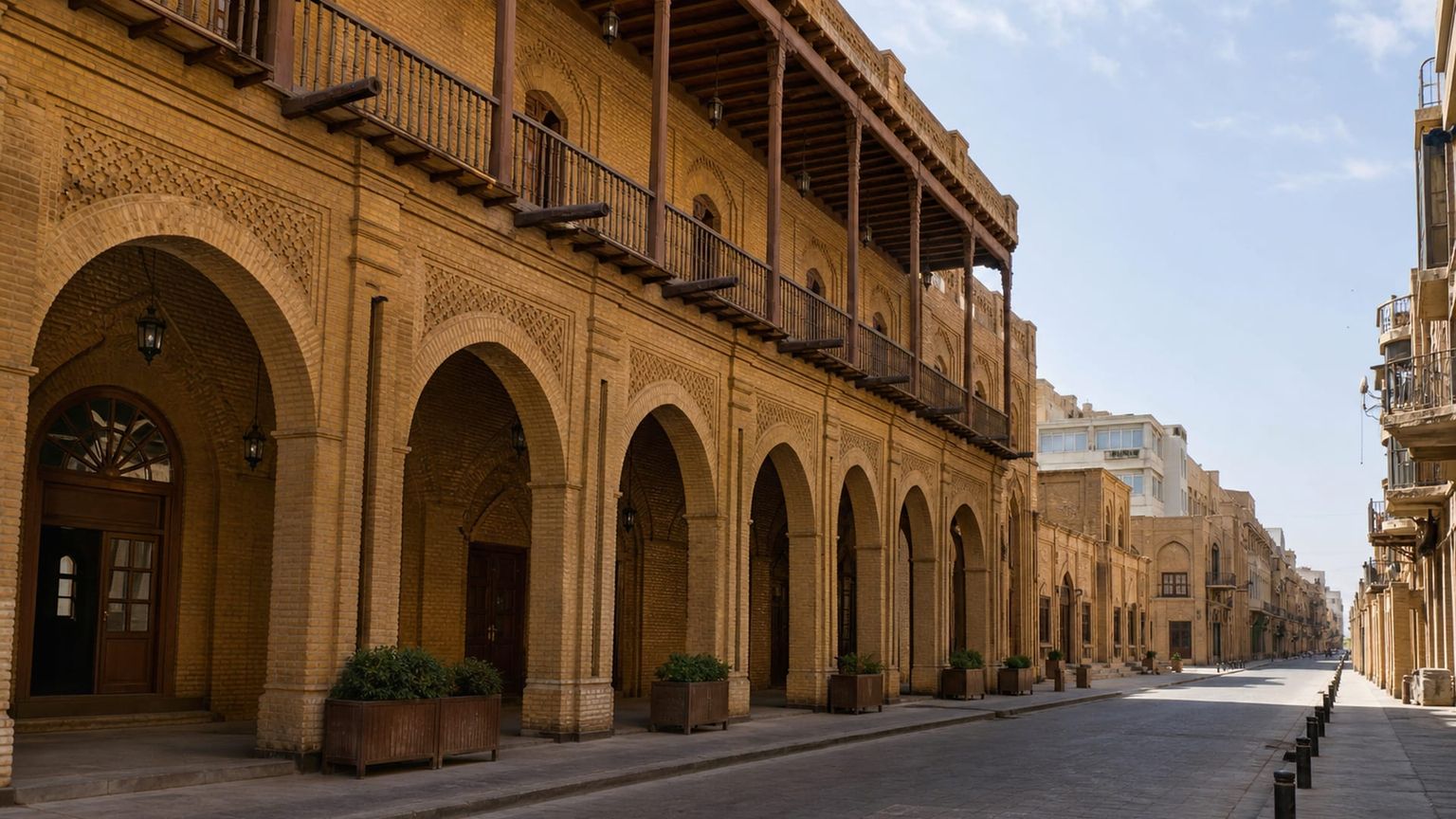
Geidorf lies north of the historic center near the University of Graz, with leafy residential streets, cafes, older apartment buildings, and quieter local squares. Its southern edge stays close to Schlossberg and the Old Town, while trams make the university and central sights easy to reach.
Best for: Longer stays, quieter nights, and travelers who do not mind a short walk or tram ride to the center
What to expect: Student activity near campus, neighborhood cafés, and less tourist density than the old town.
Hotel prices: Usually about €85 to €160 (~$94 to ~$176) per night for well-rated stays
Distance to major sights: About 10 minutes by tram to Hauptplatz; roughly 20 to 25 minutes on foot to Schlossberg
Quietness: Calm through the day on residential streets, with modest evening activity near the university.
Main trade-off: You will rely more on trams or walking for central dining and evening plans.
Good to know: Staying near the southern university area keeps you closer to both Schlossberg and the historic center.
For a city-focused stay, look for hotels in Innere Stadt, Lend, or southern Geidorf. Puntigam and southern Liebenau have fewer sights nearby, so you will spend more time on trams getting back to the historic center.
Hotel deals
How to get around Graz efficiently
Graz is compact, with trams and buses handling most city trips, while S-Bahn trains and taxis cover the airport and longer transfers.

Trams and buses
for everyday sightseeing
Trams and buses cover the center, main station, university, and districts such as Eggenberg. A 1-hour ticket costs €3.30 ($3.80) and a 24-hour ticket costs €7.20 ($8.30). Buy through GrazMobil or ticket machines; central Altstadtbim rides are free.

S-Bahn and airport buses
for airport transfers
S-Bahn line S5 links Graz Airport with Graz Hauptbahnhof, while buses 630 and 631 stop directly outside the terminal. The airport lies in zone 101, so a €3.30 ($3.80) hourly ticket applies. Buy through GrazMobil, ÖBB, or station machines.

Taxis and ride apps
for direct trips and late hours
Licensed taxis use regulated meters, starting at €4.90 ($5.70) plus €2.30 ($2.65) per kilometer by day or €2.50 ($2.90) at night. Use taxi ranks, phone dispatch, or apps; Uber and Bolt also operate in Graz for direct trips and late returns.
*Prices are based on rates updated as of June 2026 and may change at the time of travel.
Use trams and buses for everyday sightseeing, S-Bahn or airport buses for flights, and taxis or ride apps when you need a direct trip late at night or early.
Iconic landmarks
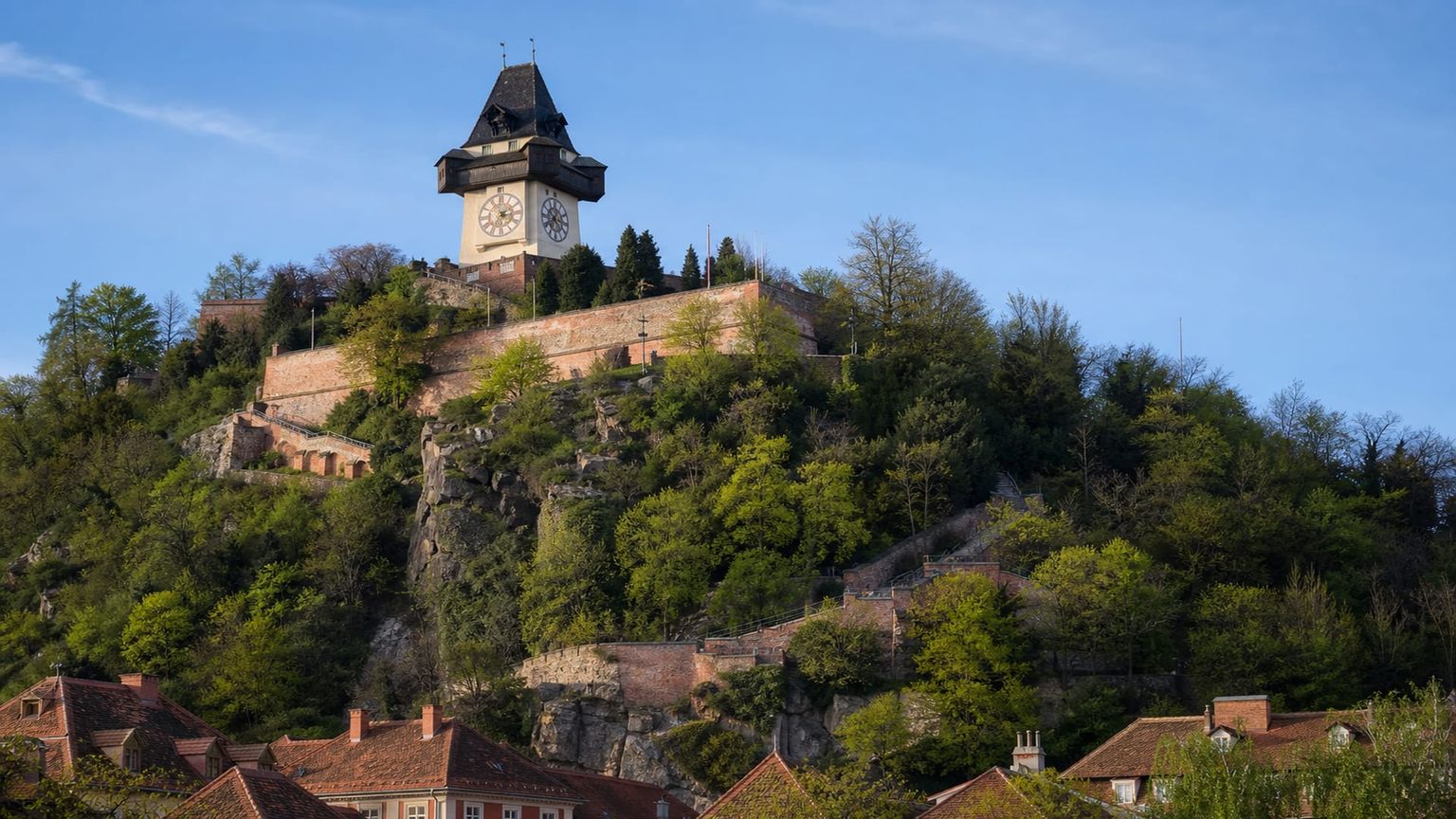
Schlossberg and Uhrturm
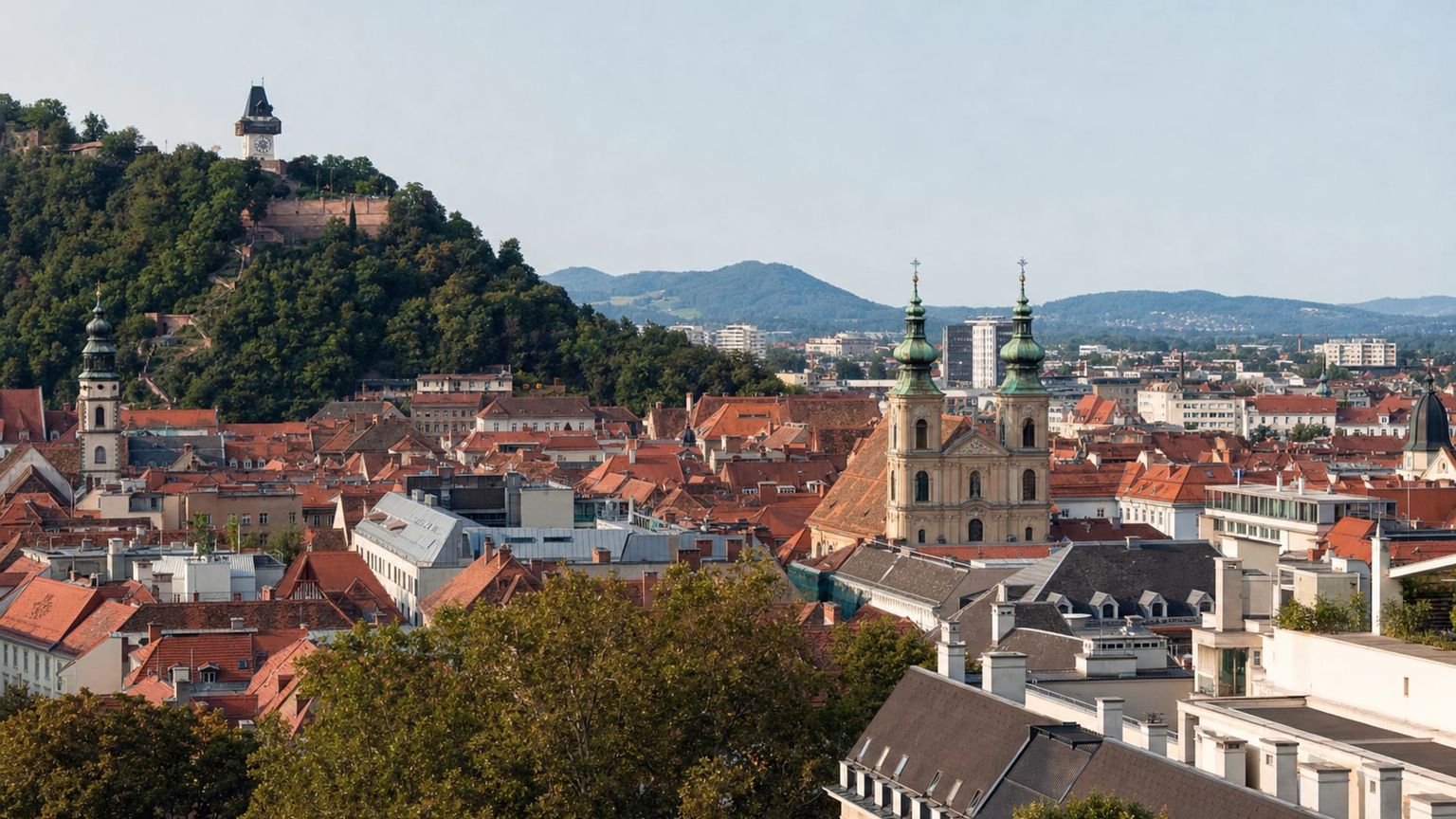
Schlossberg rises directly above Graz’s Old Town, crowned by the 95-foot (29-meter) Uhrturm, the city’s best-known landmark. Former fortress paths, gardens, viewpoints, and surviving walls spread across the hill, with the funicular, glass lift, or steep paths providing several ways to reach the top.
Time needed: 2–3 hours
Entry: The hill and Clock Tower exterior are free. A lift ticket costs €2.60 ($3), while a funicular ticket costs €3.30 ($3.75). Find information on the official website.
Tip: Go in late afternoon for city views, then stay through sunset.
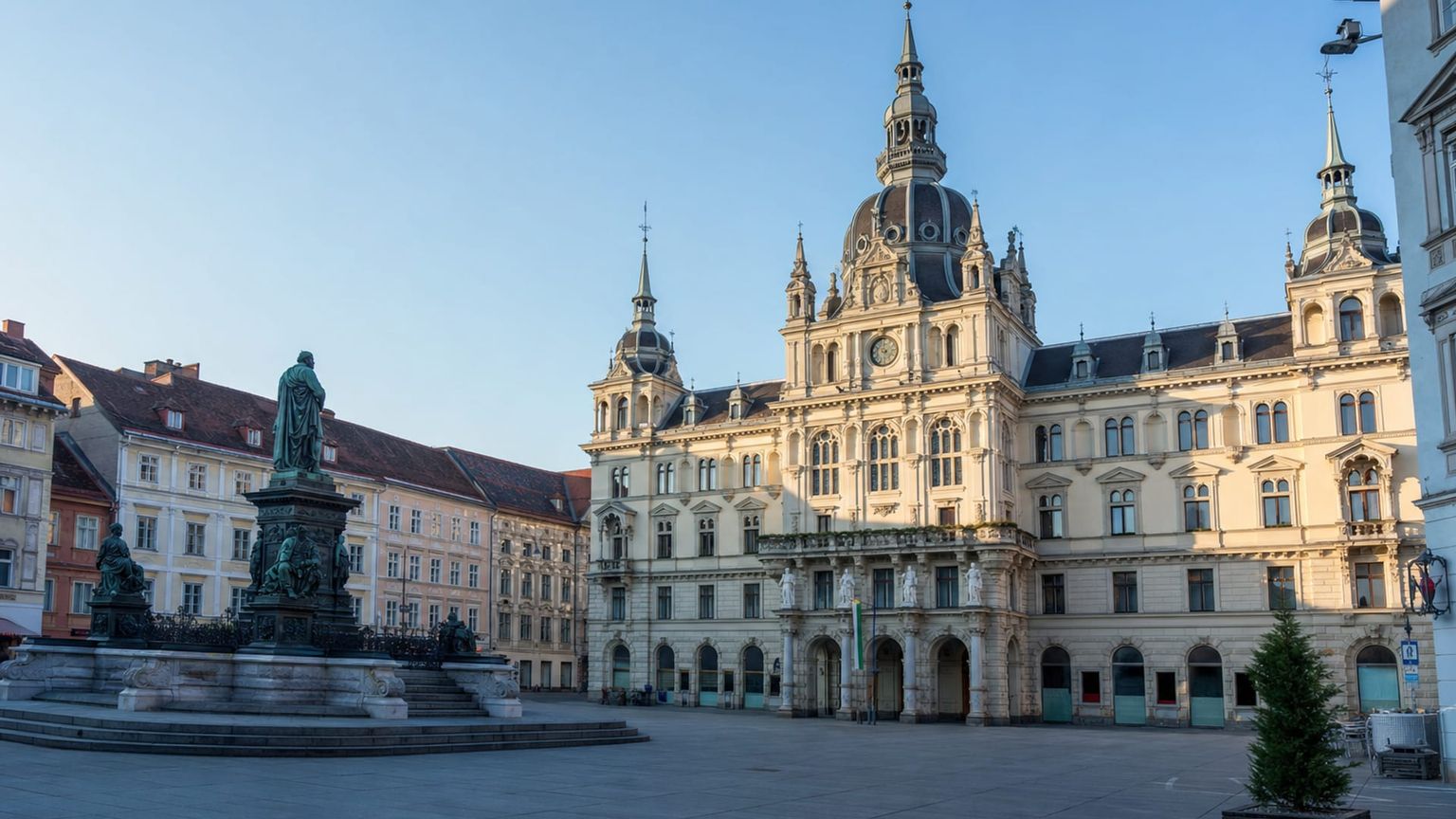
Old Town and Hauptplatz
Graz’s UNESCO-listed Old Town centers on Hauptplatz and extends through Herrengasse, arcaded courtyards, Renaissance façades, and narrow lanes beneath Schlossberg. The Town Hall, Landhaus courtyard, shops, cafés, and historic passages make this the architectural and civic heart of the city.
Time needed: 2–3 hours
Entry: The streets, squares, and courtyards are free to explore. Individual museums and attractions charge separately. Find information on the official website.
Tip: Walk beyond Hauptplatz into the courtyards and side streets off Herrengasse.
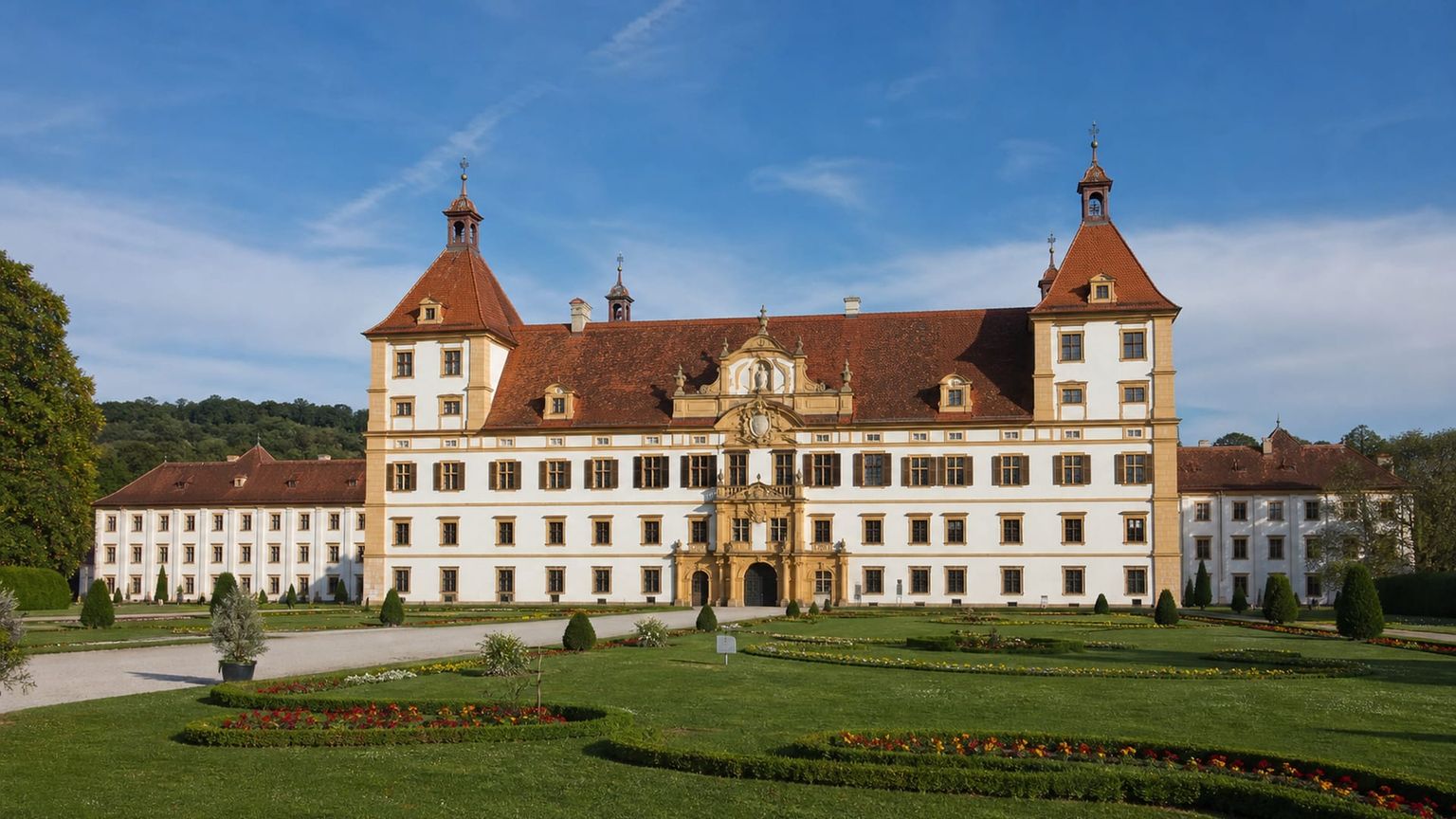
Eggenberg Palace
Eggenberg Palace is Graz’s grand Baroque residence and part of the city’s UNESCO World Heritage Site. Its 24 State Rooms preserve original furnishings and more than 500 ceiling paintings, culminating in the Planetary Room, while landscaped gardens and museums spread across the estate.
Time needed: 2–3 hours
Entry: A State Rooms ticket costs €20 ($23) and includes the guided tour. A park ticket costs €3 ($3.40). Find information on the official website.
Tip: Check tour times before you go, since the State Rooms require a guided visit.
Overlooked sites worth visiting

University of Graz Botanical Garden
The University of Graz Botanical Garden combines modern glasshouses, a historic greenhouse, and outdoor collections with 7,500 plant species spread across four climate zones.
Time needed: 60–90 minutes
Entry: Admission is free; no booking is required. Find information on the official website.
Tip: Check seasonal closing times, since the garden closes earlier from mid-September.

Museum der Wahrnehmung
Museum der Wahrnehmung explores sight, sound, space, and the senses through permanent perception installations and changing art exhibitions in a compact museum beside Augarten.
Time needed: 60 minutes
Entry: Adult tickets cost €5 ($6); no advance booking is normally required. Find information on the official website.
Tip: Check current dates first, since exhibition changeovers can temporarily close the museum.
Traditional food
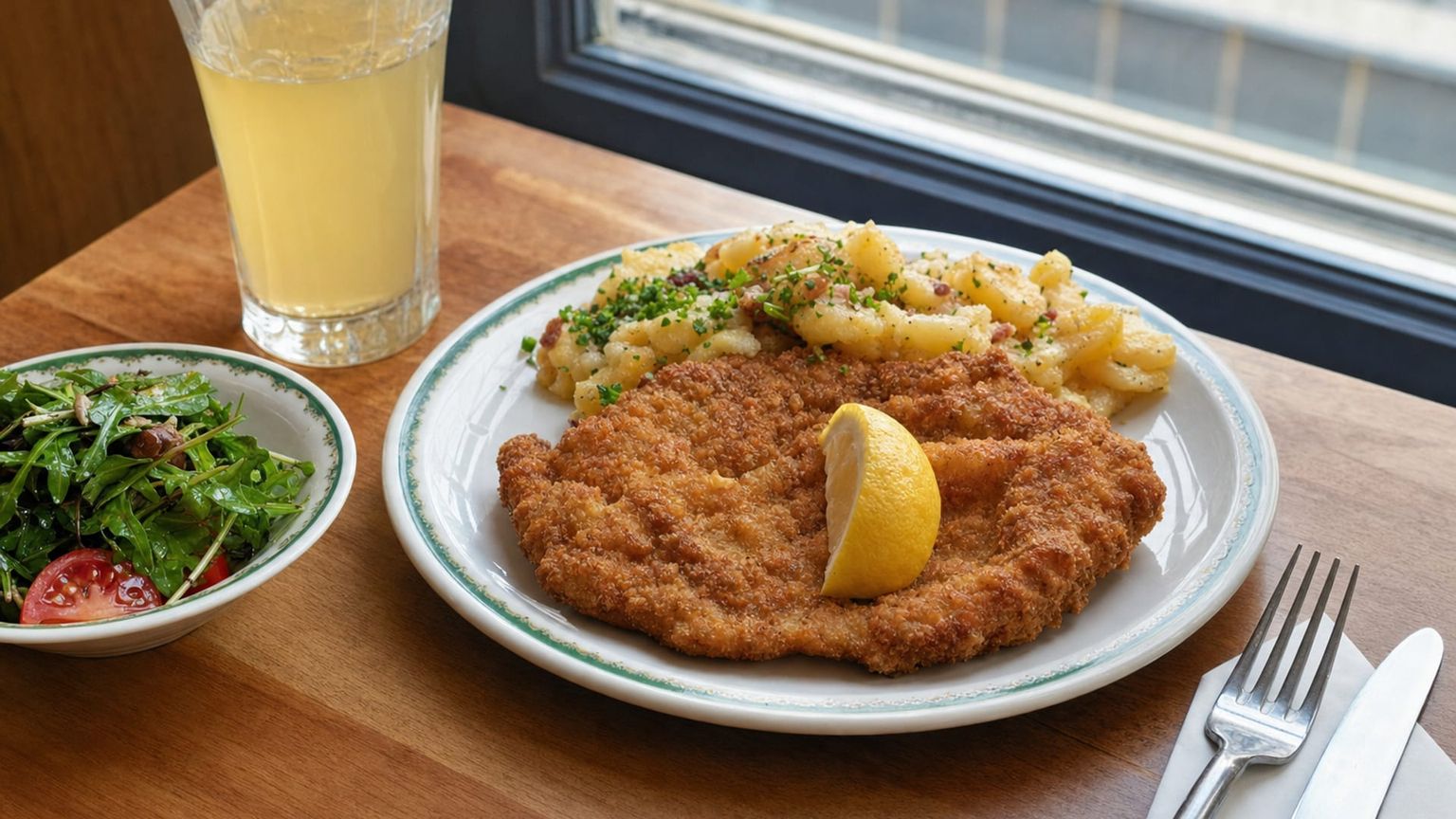
Graz cuisine draws heavily on Styrian produce, with pumpkin seed oil, root vegetables, beans, pork, and fried chicken appearing across traditional inns and seasonal menus.
Backhendl
Backhendl is chicken cut into pieces, breaded, and fried until crisp, usually served with potato or leaf salad and Styrian pumpkin seed oil. Der Steirer serves a classic version made with Styrian chicken.
Steirisches Wurzelfleisch
Steirisches Wurzelfleisch combines tender pork with root vegetables, potatoes, broth, and freshly grated horseradish for a warming, savory dish. Glöckl Bräu includes it among its traditional Styrian dishes.
Kürbiskernsuppe
Kürbiscremesuppe is a smooth pumpkin soup, often finished with Styrian pumpkin seed oil or roasted seeds for a rich, nutty flavor. Gasthaus Stainzerbauer serves a seasonal pumpkin cream soup.
Styrian Brettljause
A Styrian Brettljause is a cold platter of smoked meats, ham, sausages, cheese, spreads, horseradish, and dark bread, often eaten with local wine. Heurigenschenke Sattler serves a traditional version.
Best time to visit Graz
Graz changes clearly with the seasons, from mild spring walks and long summer evenings to fall food trips and winter markets.
Best for: Old Town walks, Schlossberg views, café terraces, and longer sightseeing days
What you get: By May, daytime highs reach about 71°F (22°C); blooming parks, longer daylight, and milder weather make spring ideal for long walks.
Trade-offs: Rain becomes more frequent in late spring, so outdoor plans need some flexibility.
Best for: Open-air dining, riverfront time, festivals, parks, and long evening walks
What you get: Long daylight keeps terraces and outdoor events active into the evening, while daytime highs typically reach 77°F–80°F (25°C–27°C) in midsummer.
Trade-offs: Hot afternoons and summer rain can make exposed walks and Schlossberg climbs less comfortable.
Best for: Food-focused trips, palace visits, city walks, and excursions into wine country
What you get: September can still reach about 70°F (21°C), then cooler weeks bring autumn color, harvest menus, local wine, and crisp walking weather.
Trade-offs: Daylight shortens quickly later in the season, and November turns noticeably cooler and damper.
Best for: Museums, cafés, Christmas markets, historic interiors, and shorter city walks
What you get: Christmas markets shape December, while colder January and February days typically sit near 37°F–43°F (3°C–6°C), with freezing nights.
Trade-offs: Cold, damp weather can shorten outdoor visits, especially after sunset.
A realistic 5-day plan in Graz
Five days in Graz is enough to see the main sights without packing several parts of the city into the same day. This plan starts gently, gives the historic center and Eggenberg their own time, then moves into Lend and Geidorf before departure.
After arriving at Graz Airport (GRZ), take the S-Bahn, airport bus, or a taxi to your hotel and keep the first evening easy. Walk through Hauptplatz and Herrengasse, stop for dinner nearby, and get a first look at the Old Town without planning any timed visits. If you are staying in Lend, cross the Mur after dinner and follow the riverside for a short walk before heading back. The goal is simply to settle in, get oriented, and leave the main sightseeing for the next morning.
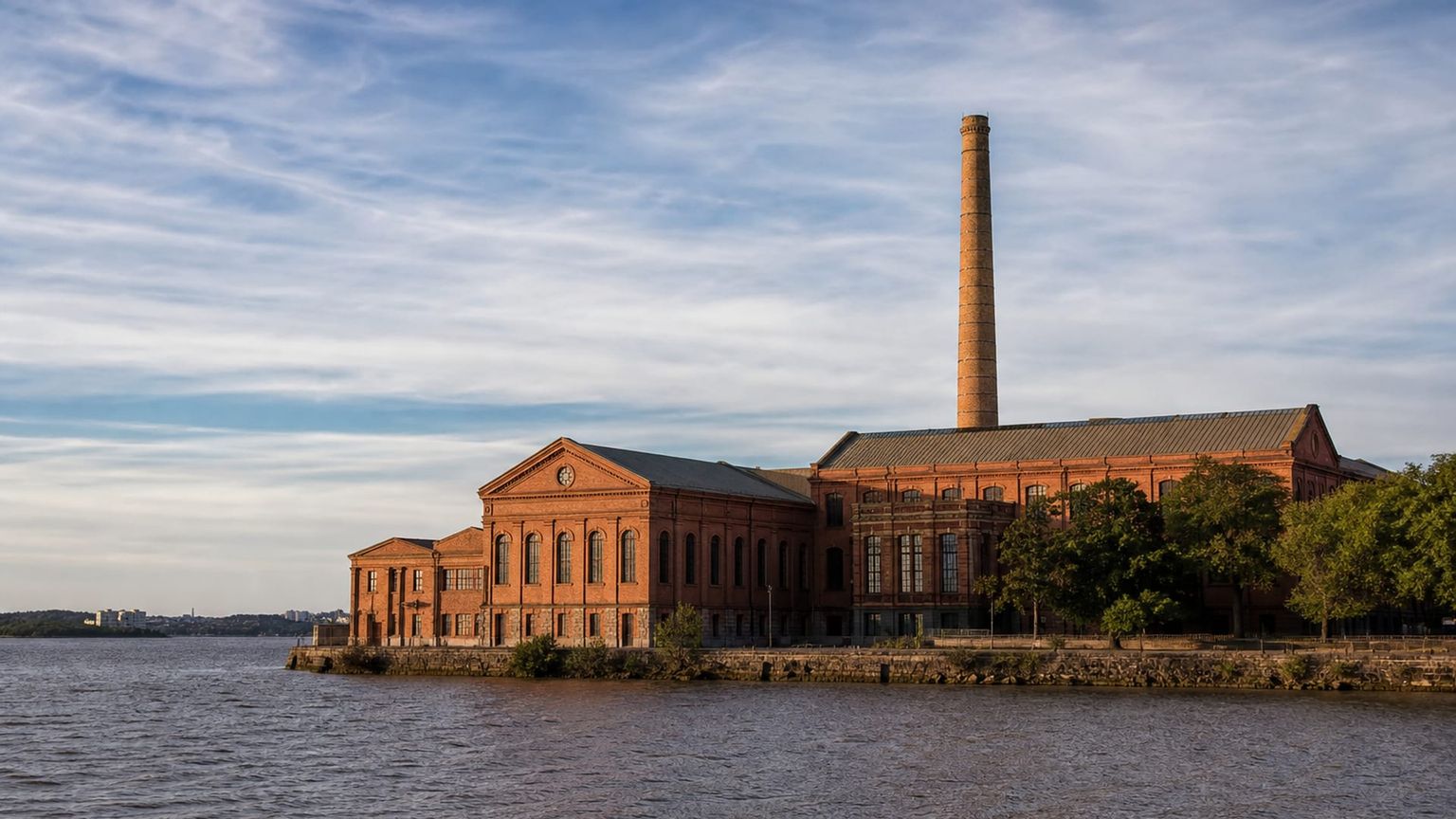
Spend the morning at Eggenberg Palace, where the State Rooms, gardens, and museum collections can last several hours. Check the guided-tour schedule before you go, since the State Rooms are only accessible with a tour. Afterward, take tram 1 back toward the center and stop for lunch before continuing through the streets west of the Old Town. Leave the late afternoon open for a café, a quiet walk, or an early dinner instead of adding another major sight.
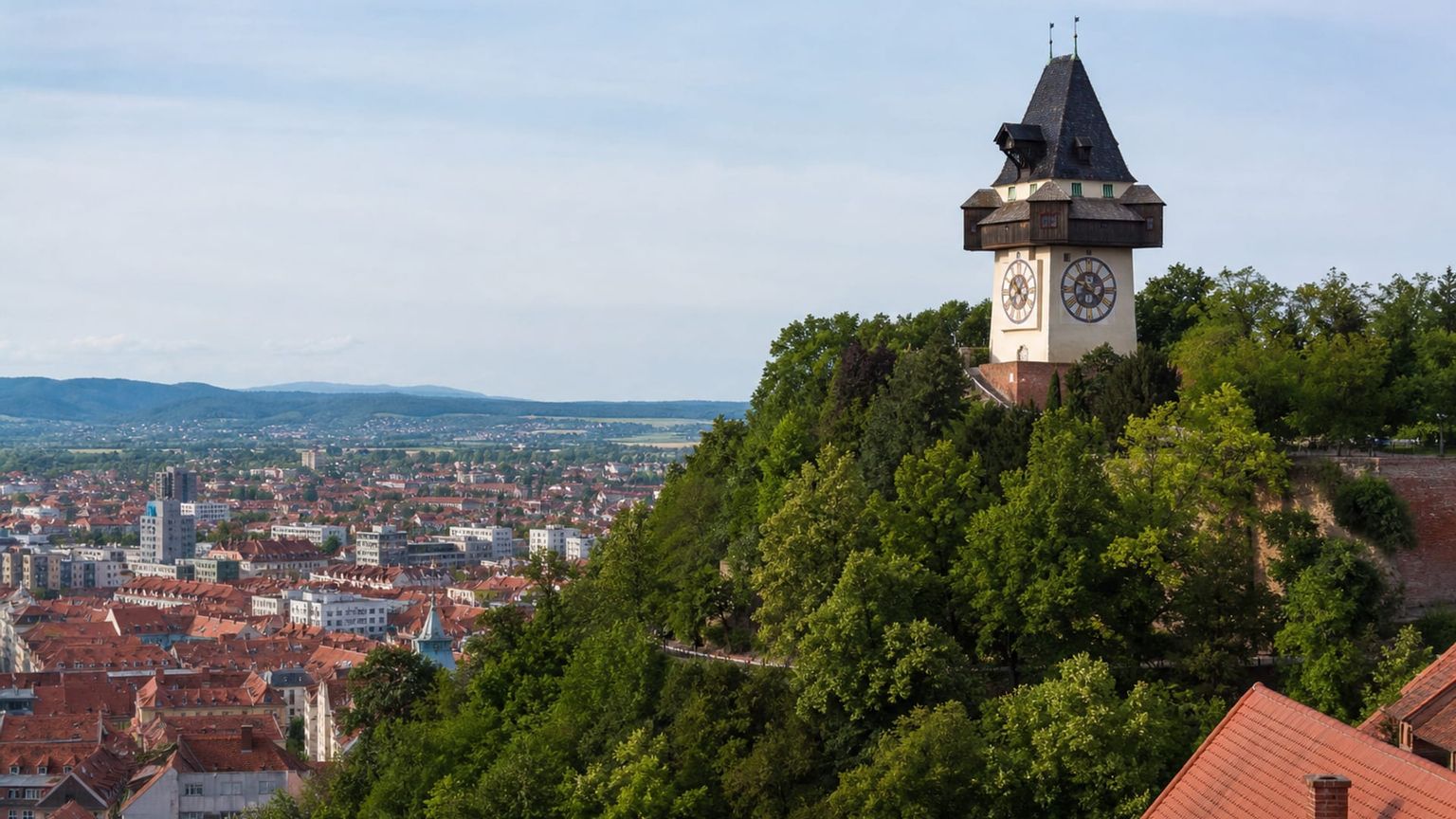
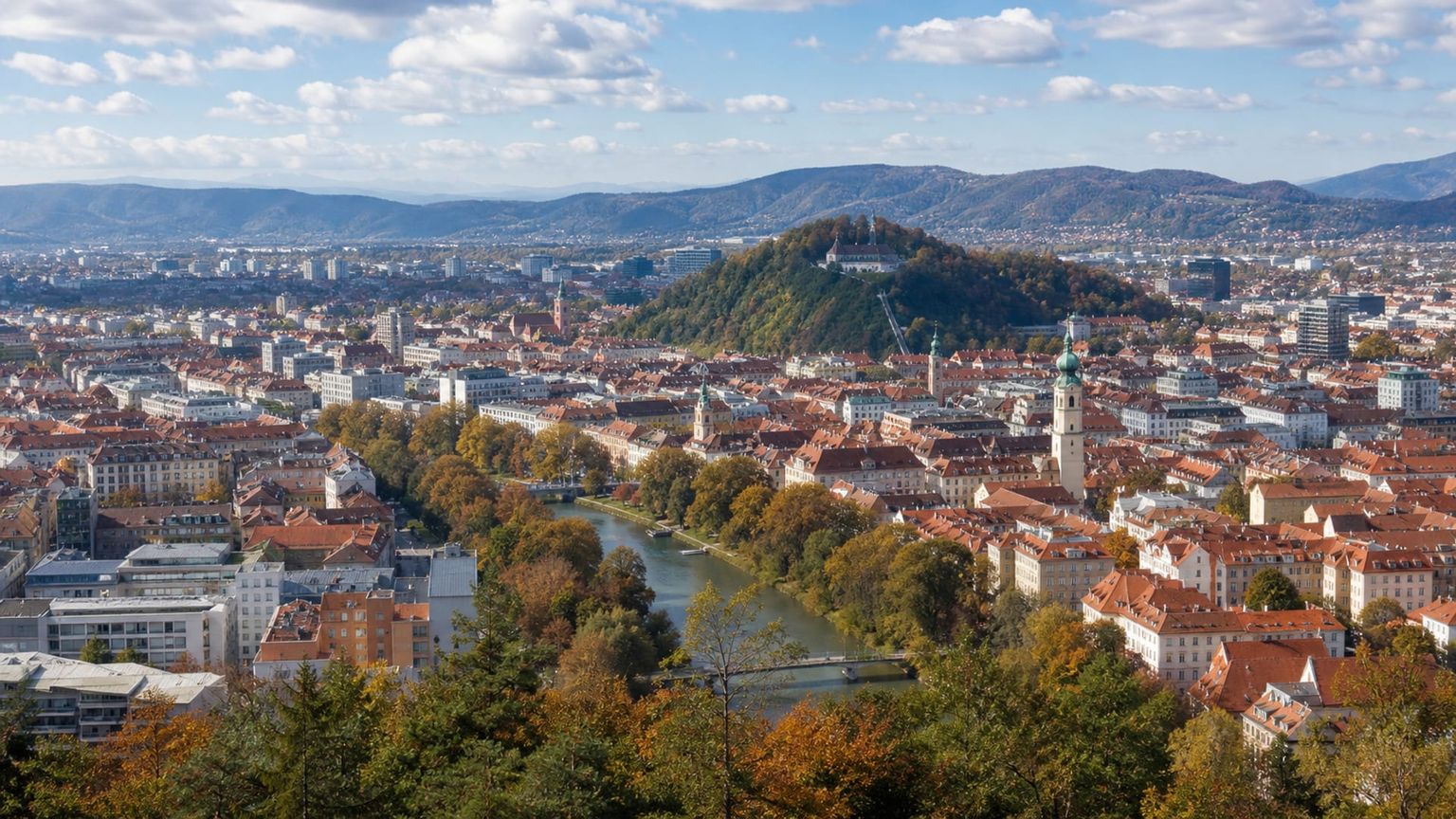
Make the historic center the focus of the day. Start at Hauptplatz, continue along Herrengasse, and step into the Landhaus courtyard before exploring the smaller lanes nearby. After lunch, go up Schlossberg by foot, funicular, or lift and spend time near the Uhrturm, gardens, and viewpoints. Come back down in the early evening and stay in Innere Stadt for dinner, when you can enjoy the center at an easier pace without adding another transfer across the city.
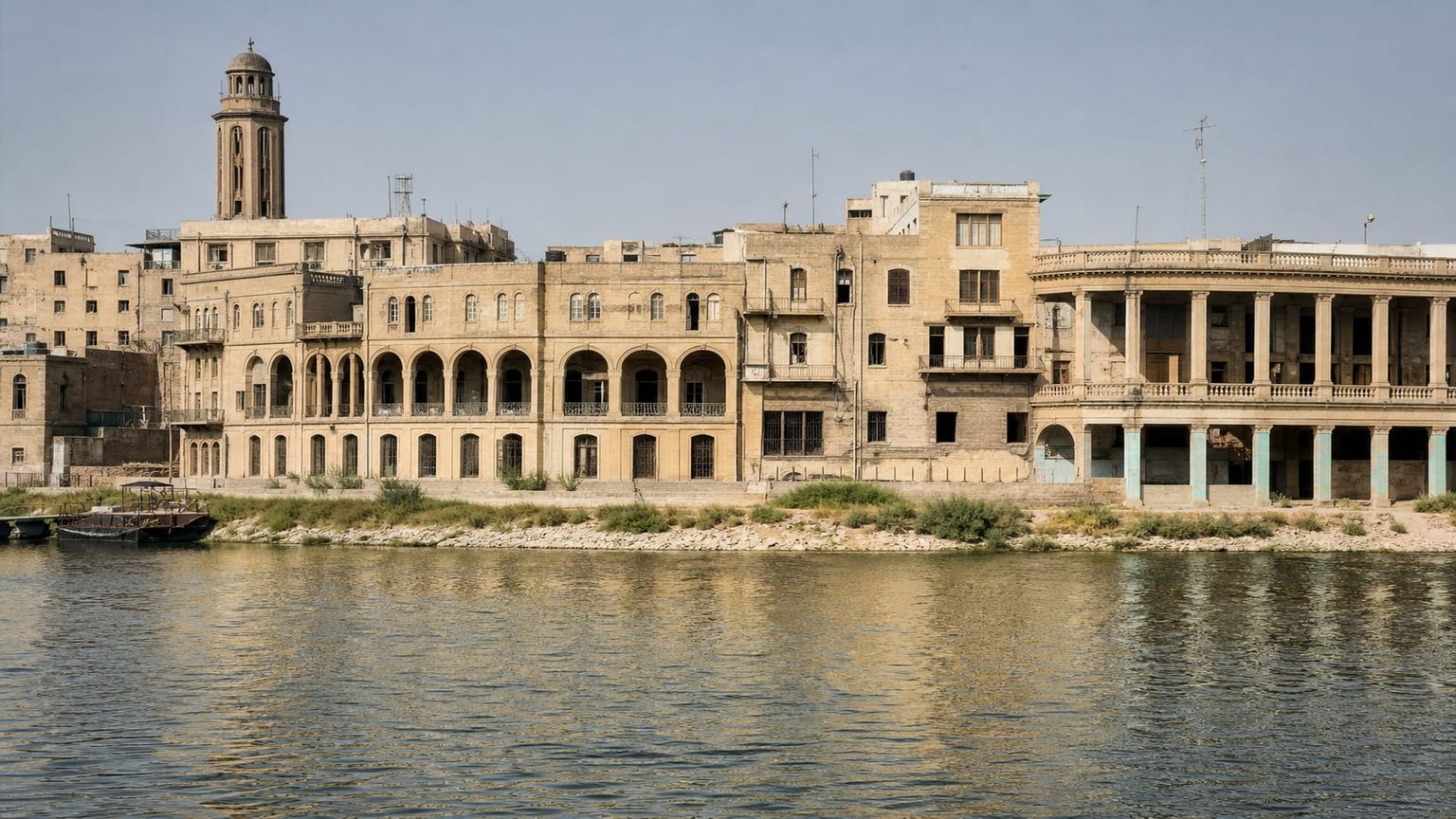
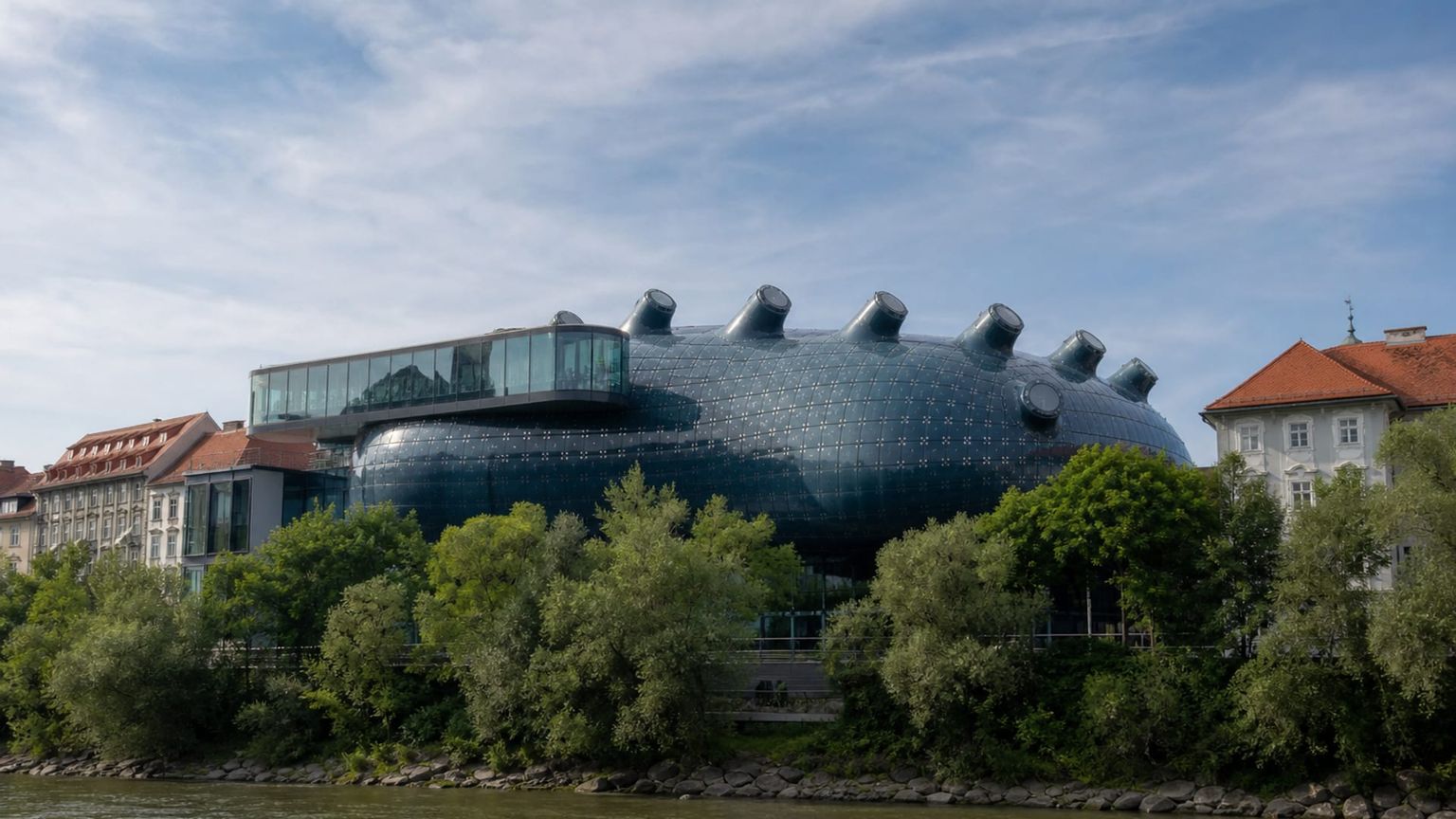
Cross to the west side of the Mur for a day focused on contemporary Graz. Visit Kunsthaus Graz in the morning, walk across Murinsel, then continue into Lend for Lendplatz, independent shops, cafés, and street art. You can spend most of the day on foot, so stop whenever something looks interesting instead of following a fixed route. Stay in the neighborhood for dinner around Lendplatz or Mariahilferstraße before walking back toward the center.
Keep the final day flexible enough for your departure time. Visit the University of Graz Botanical Garden in the morning, then spend an hour or two in Geidorf for coffee, lunch, or a walk near the university. If you still have time before leaving, return to Innere Stadt for shopping along Herrengasse or one last café stop. Collect your bags afterward and head to Graz Airport with enough time for check-in and security, instead of squeezing in another attraction before the flight.
Business-class flights from the US to Graz
Business-class flights to Graz generally include one layover in a European city; Frankfurt, Munich, Vienna, and Zurich are common layover cities for itineraries to Graz (GRZ).
New York (JFK) to Graz (GRZ)
From John F. Kennedy International Airport (JFK), Lufthansa, Austrian Airlines, and SWISS offer one-stop trips to Graz through Frankfurt (FRA), Munich (MUC), Vienna (VIE), or Zurich (ZRH). Flights on this route take roughly 10–13 hours, depending on the layover. Round-trip business-class tickets typically cost $2,100–$3,600; last-minute fares can climb higher.
Los Angeles (LAX) to Graz (GRZ)
From Los Angeles International Airport (LAX), Lufthansa, Austrian Airlines, and SWISS operate one-stop flights to Graz through Frankfurt (FRA), Munich (MUC), Vienna (VIE), or Zurich (ZRH). Shorter flights have a duration of 13 to 16 hours; longer layovers can extend the journey to over 20 hours. Business-class tickets on this route range from $2,400 to $4,800.
Graz is best explored one area at a time
Graz is easier to enjoy when you separate its historic center, Schlossberg, Lend, and outer sights instead of trying to combine them into the same day. A clear structure keeps walking manageable and leaves room for cafés, parks, and slower meals between major stops. Once your schedule is set, AranGrant can help you compare business-class flights to Graz and find hotels that fit the way you plan to spend your time.







