

Chapters:

Need help with your trip?
Our support team is available 24/7. Request a callback or call us directly at (833) 619-0908
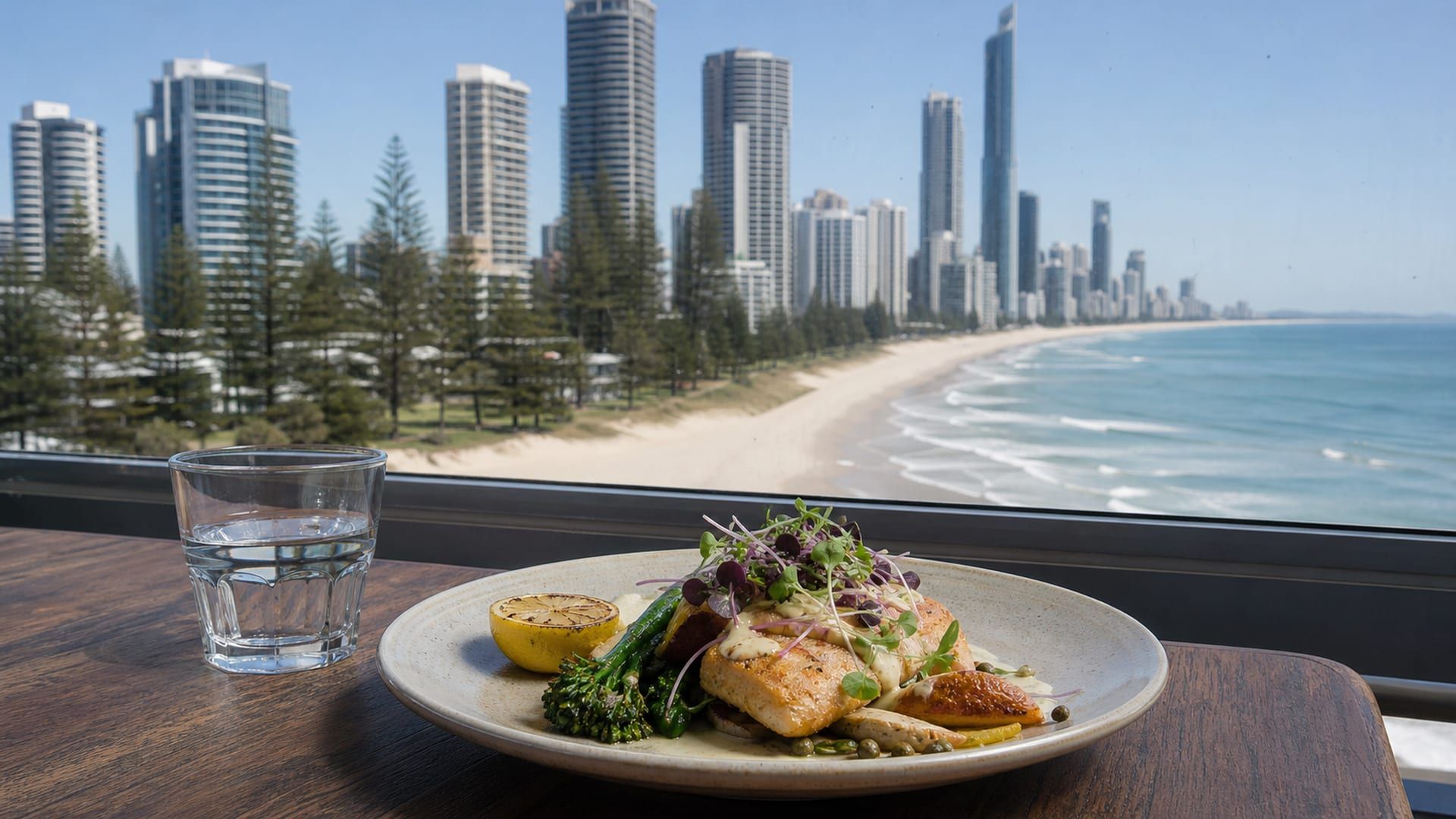
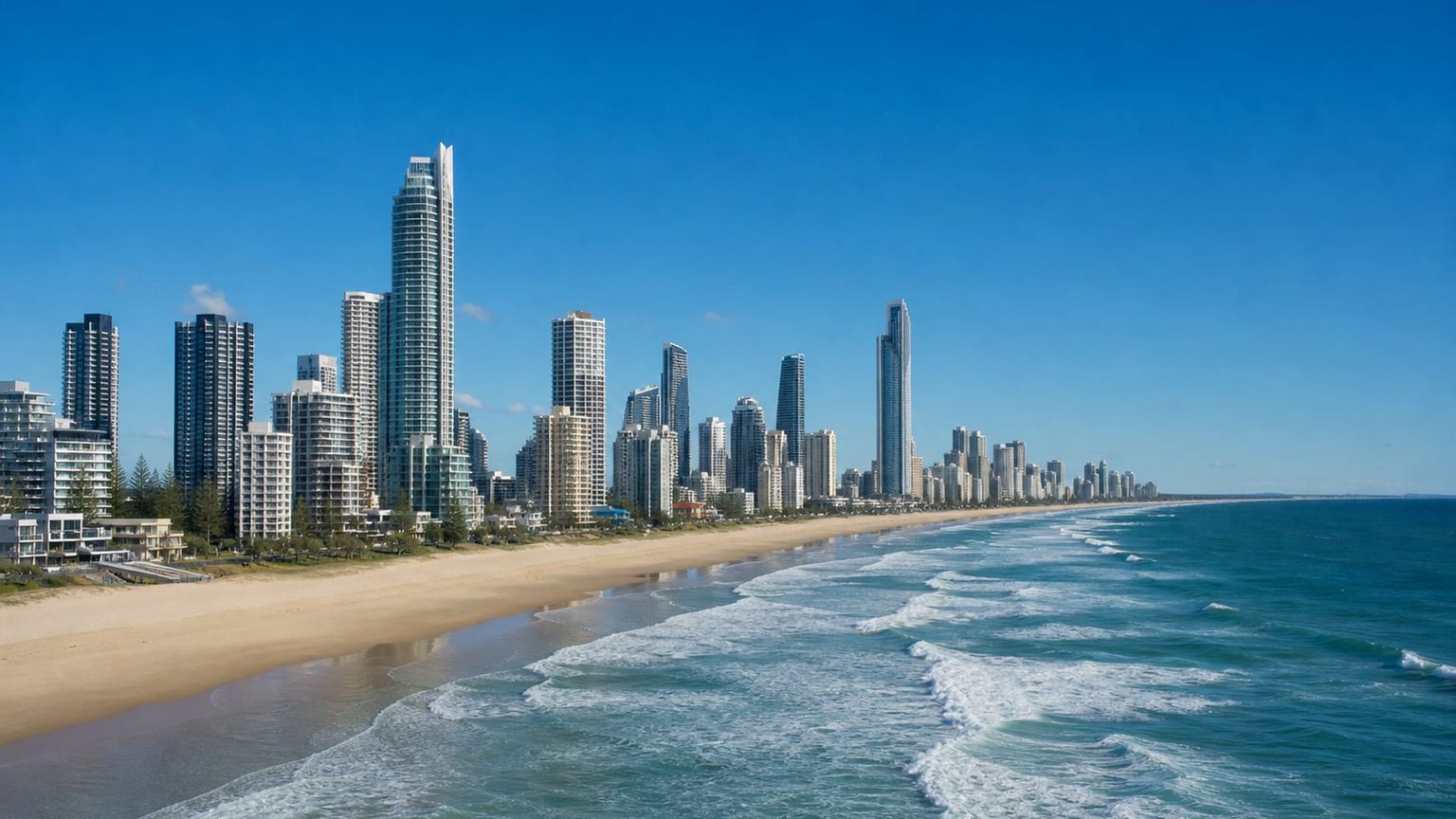
The Gold Coast stretches well beyond the high-rises of Surfers Paradise, combining long beaches, surf neighborhoods, wildlife attractions, coastal parks, shopping districts, and a dining scene shaped by Queensland seafood. Broadbeach adds restaurants and shopping farther south, while Burleigh Heads and Currumbin bring headland walks, quieter beaches, and wildlife experiences.
This guide compares the city’s main neighborhoods, explains the tram and bus network, highlights key attractions and local food, and sets out a five-day itinerary that reaches the southern beaches without filling every day with long transfers.
Useful things to know

Main language(s): English

Currency: Australian dollar (AUD, A$)

Cash and cards: Cards and contactless payments are accepted almost everywhere. Carry A$20–A$50 (US$14.30–US$36) for markets, small purchases, and places where cash is more convenient.

Tipping: Tipping is optional in Australia. Leaving 10% for particularly good restaurant service is appreciated but not expected.

Traditional food: Fish and chips, Moreton Bay bugs, mud crab, and barramundi

Water and coffee costs: Bottled water generally costs A$3–A$5 (US$2.10–US$3.30), while espresso drinks commonly cost A$4.50–A$6 (US$3.20–US$4.30).

Taxis and ride apps: Uber and DiDi operate across the Gold Coast. Gold Coast Airport (OOL) has dedicated taxi and rideshare pickup areas outside the terminal.

Plug and voltage: Type I socket, 230V

Dining and shop opening hours: Cafés often open between 6:00 am and 7:00 am. Lunch commonly starts from 11:30 am, while many restaurants begin dinner service between 5:00 pm and 6:00 pm.

Emergency number: Dial 000 for police, fire, or ambulance.
Where to stay in Gold Coast
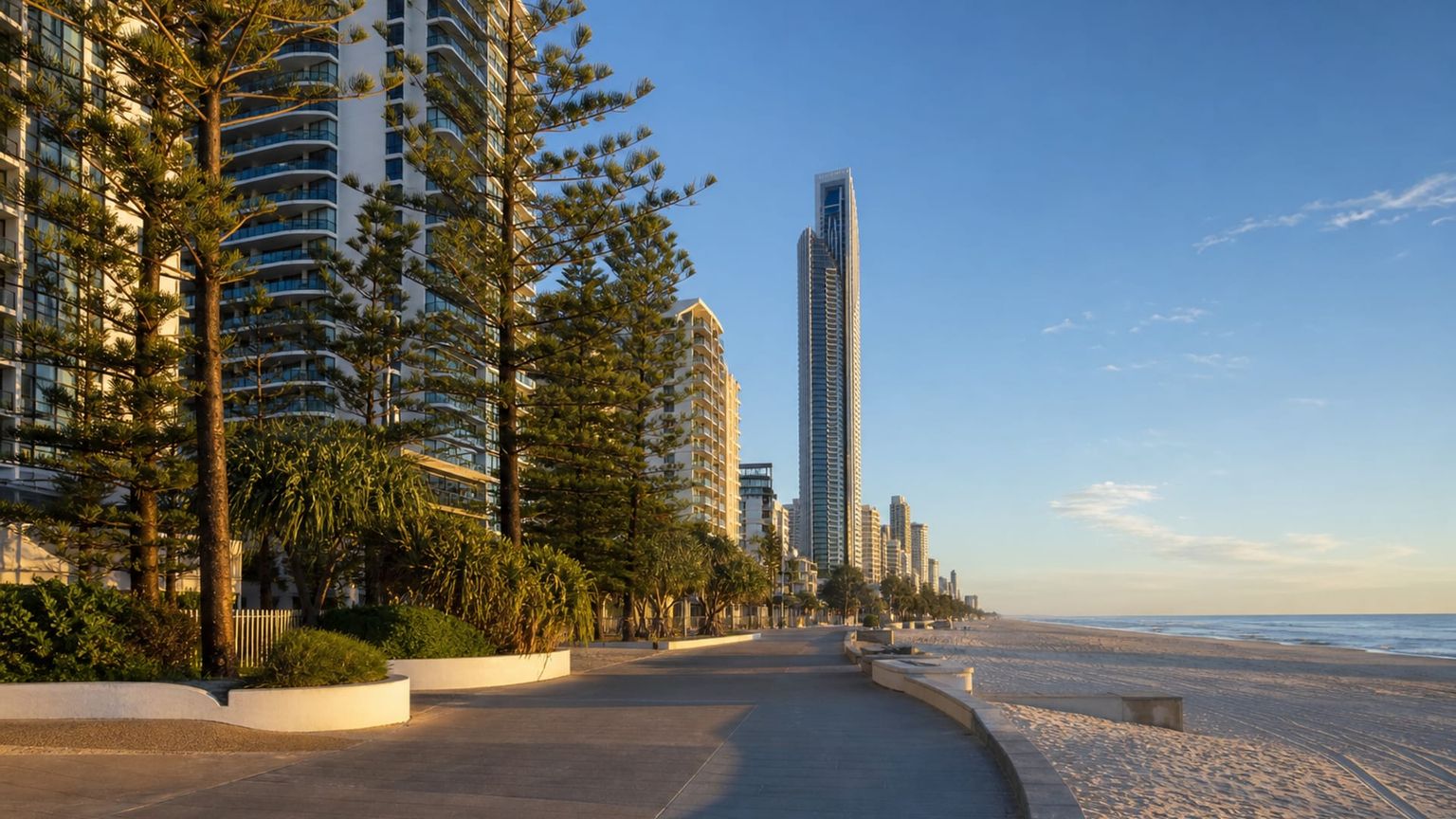
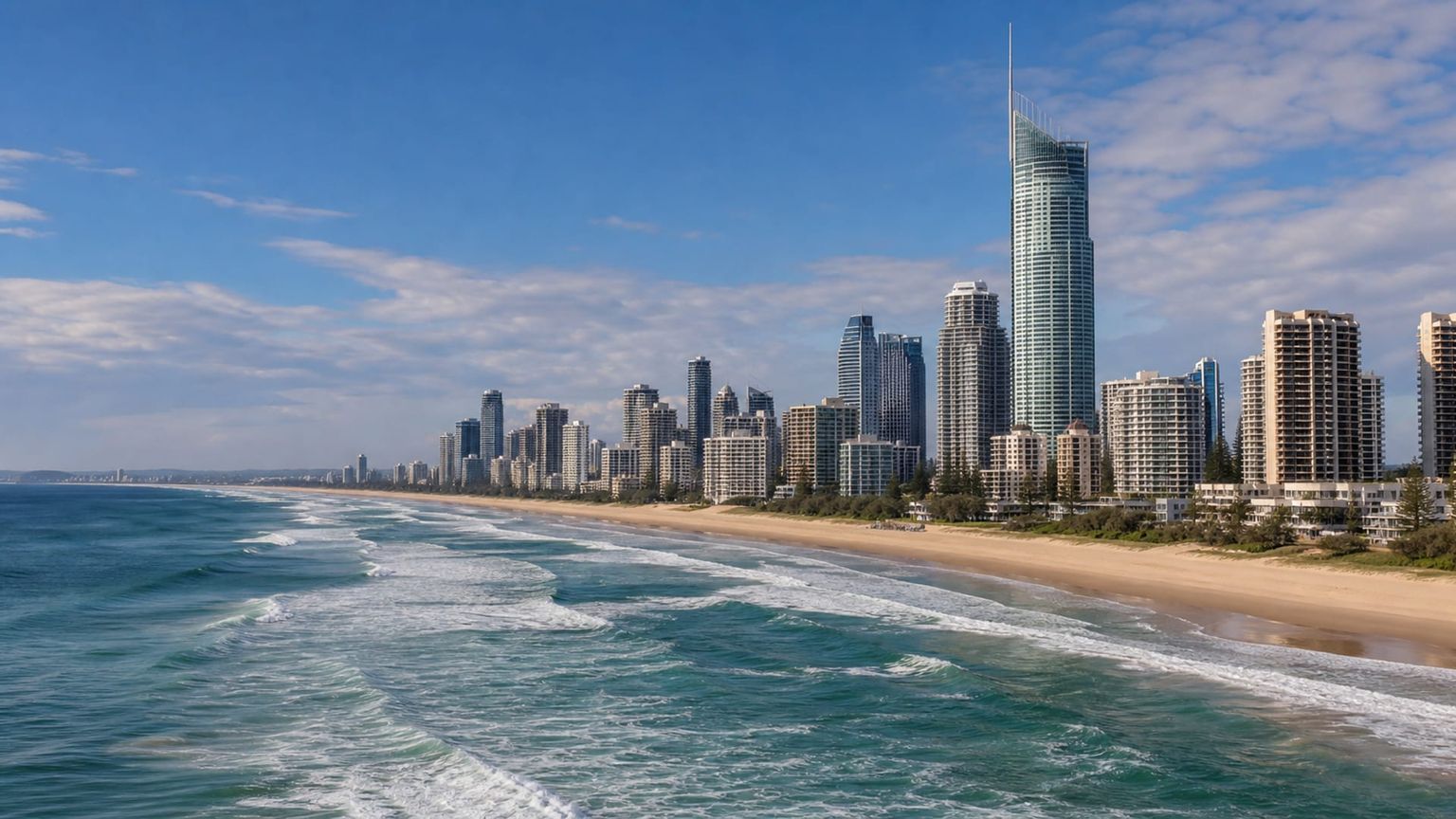
Surfers Paradise features high-rise hotels, a long swimming beach, restaurants, nightlife, and direct G tram service. It suits first-time visitors who want the best-known beachfront district and easy tram access to Broadbeach, Southport, and other northern neighborhoods.
Best for: First visits, beach time, nightlife, and tram access
What to expect: High-rise hotels, busy sidewalks, restaurants, bars, shops, and a heavily visited beachfront
Hotel prices: Nightly rates at well-reviewed properties typically range from A$160 to A$320 (US$114–US$230).
Distance to major sights: SkyPoint is within the district, while Broadbeach is approximately 10 to 15 minutes south by G:link.
Quietness: Streets a few blocks from Cavill Avenue and the beachfront are usually quieter at night.
Main trade-off: Holiday periods bring heavier crowds, traffic, and higher beachfront hotel prices.
Good to know: Choose a hotel several blocks from Cavill Avenue if nightlife noise is a concern.
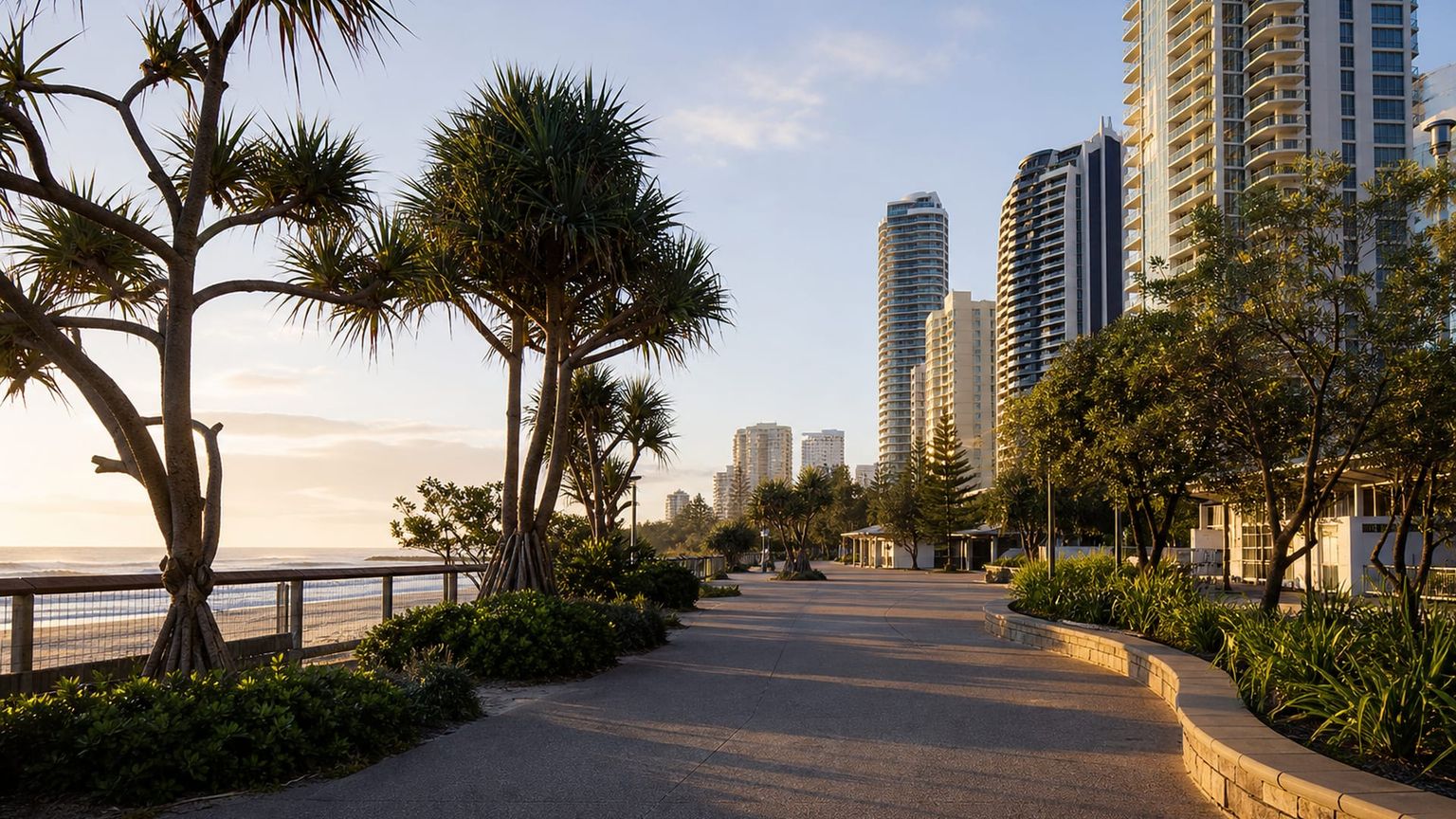
Broadbeach offers a wide beach, restaurant precincts, Pacific Fair, the convention center, and direct G:link service without the density of central Surfers Paradise. It suits travelers who want many dining and shopping choices while staying close enough to reach the main resort district quickly.
Best for: Restaurants, shopping, beach access, and convention trips
What to expect: Beachfront apartments, restaurants, cafés, shopping, event traffic, and several tram stops
Hotel prices: Rooms in well-reviewed properties generally cost A$170–A$340 (US$120–US$240) per night.
Distance to major sights: Pacific Fair is within the district, while Surfers Paradise is a short G:link ride north.
Quietness: Residential and beachfront streets are generally quieter than the central dining blocks.
Main trade-off: Event nights can increase traffic and hotel demand around the convention center.
Good to know: Staying near a tram stop makes trips to Surfers Paradise and Southport considerably easier.
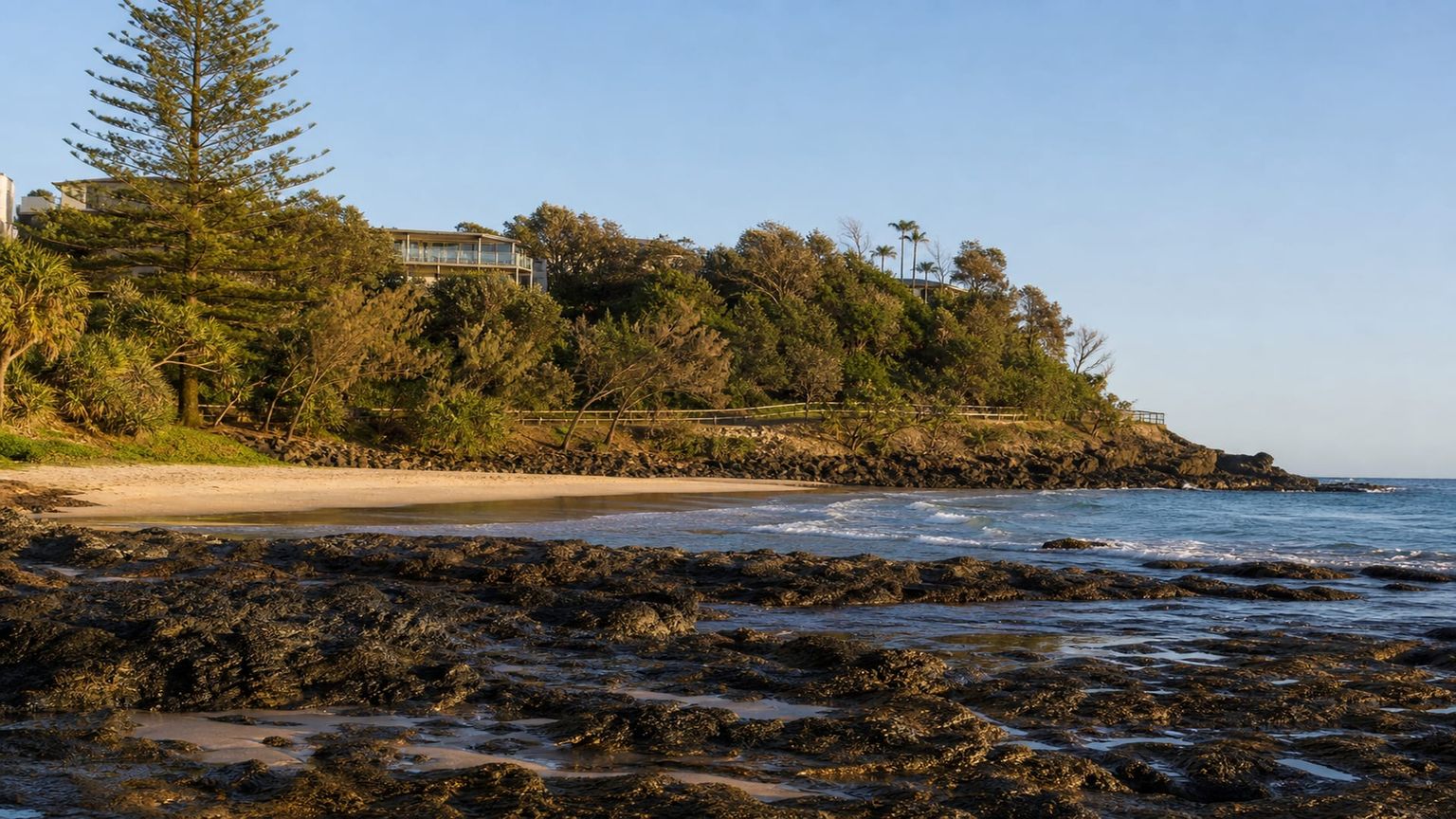
Burleigh Heads has one of the Gold Coast’s best-known surf beaches with a national park, village-style shopping streets, cafés, and an increasingly strong restaurant scene. It offers a smaller neighborhood feel than Surfers Paradise while keeping Tallebudgera Creek and several southern attractions nearby.
Best for: Surfing, coastal walks, restaurants, and longer beach stays
What to expect: Cafés, local shops, beach traffic, park trails, surfers, and busy weekends near the headland
Hotel prices: Expect to pay A$150–A$300 (US$110–US$210) per night at many well-reviewed properties.
Distance to major sights: Burleigh Head National Park is beside the beach, while Currumbin lies farther south along the coast.
Quietness: Streets away from James Street and the beachfront become quieter after dinner.
Main trade-off: Central Surfers Paradise requires a longer bus, taxi, or rideshare trip.
Good to know: Weekend accommodation near the beach can fill quickly, so book earlier for Friday and Saturday stays.
Main Beach lies north of Surfers Paradise. This area has a broad beach with residential towers, Marina Mirage, Tedder Avenue restaurants, and access toward the Spit. It suits travelers who want a less crowded beachfront while keeping Surfers Paradise and the Broadwater within a short drive.
Best for: Couples, quieter beach stays, marina dining, and northern Gold Coast access
What to expect: Apartment towers, beach access, restaurants, residential streets, and fewer tour groups than Surfers Paradise
Hotel prices: Hotels and apartments commonly charge A$190–A$380 (US$135–US$270) per night.
Distance to major sights: Marina Mirage is nearby, while Surfers Paradise is several minutes south by taxi or rideshare.
Quietness: Residential blocks generally have less late-night activity than the main resort districts.
Main trade-off: G:link access is less convenient than in Surfers Paradise or Broadbeach.
Good to know: This area makes more sense if beach access matters more than being beside a tram stop.
Coomera, Pimpama, Oxenford, and Upper Coomera are good options if you want to visit certain theme parks, but they are located well north of the main beach districts.
Hotel deals
Getting around Gold Coast
The G:link, Translink buses, taxis, and rideshare cover most visitor journeys, while Gold Coast Airport (OOL) connects to the tram network by bus rather than rail.

G:link tram
for Surfers Paradise and Broadbeach
G:link connects Helensvale, Southport, Surfers Paradise, and Broadbeach. Translink fares, which apply to trams, buses, ferries, and trains, cost A$0.50 (US$0.40) per journey. To pay, tap the card reader with the same contactless card, device, or go card.

Bus
for the airport and southern beaches
Route 777 links Gold Coast Airport with Broadbeach South, where you can transfer to G:link. Route 760 serves Varsity Lakes. Bus fares are A$0.50 (US$0.30) per journey, and cash is not accepted. Pay with a contactless card, device, or go card.

Taxi and rideshare apps
for convenience or late hours
Taxis, Uber, and DiDi serve Gold Coast Airport and the main beach districts. Surfers Paradise is approximately 30 minutes from the airport by car. You can hail a car at the airport’s marked taxi or rideshare zones. A trip from the airport to the city center typically costs A$75–A$90 (US$54–US$64).
*Prices are based on rates available in September 2026 and may change before your visit.
Use G:link for the main resort area, buses for the airport and southern neighborhoods, and taxis for direct, convenient trips.
Iconic places in Gold Coast
SkyPoint Observation Deck
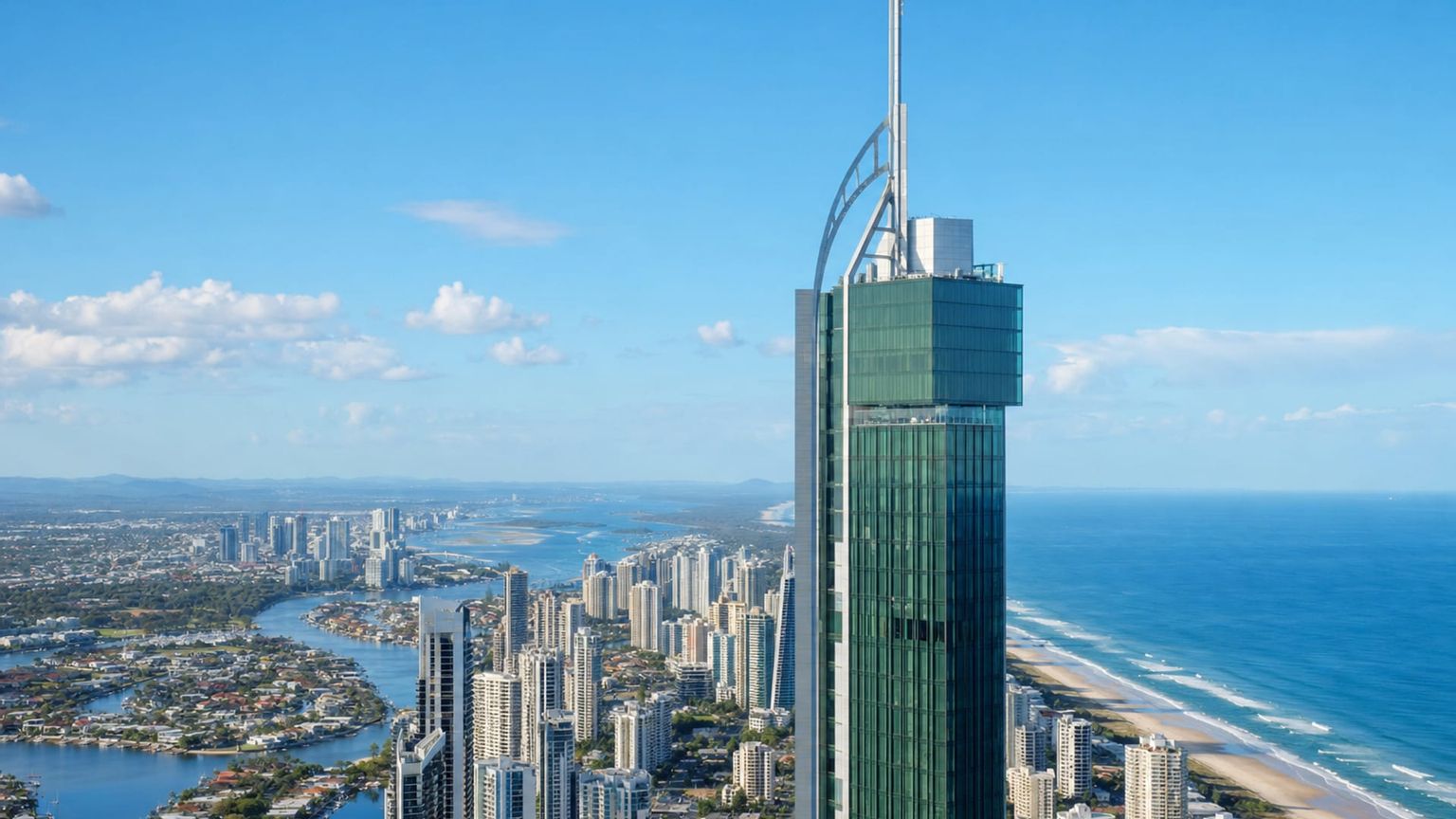
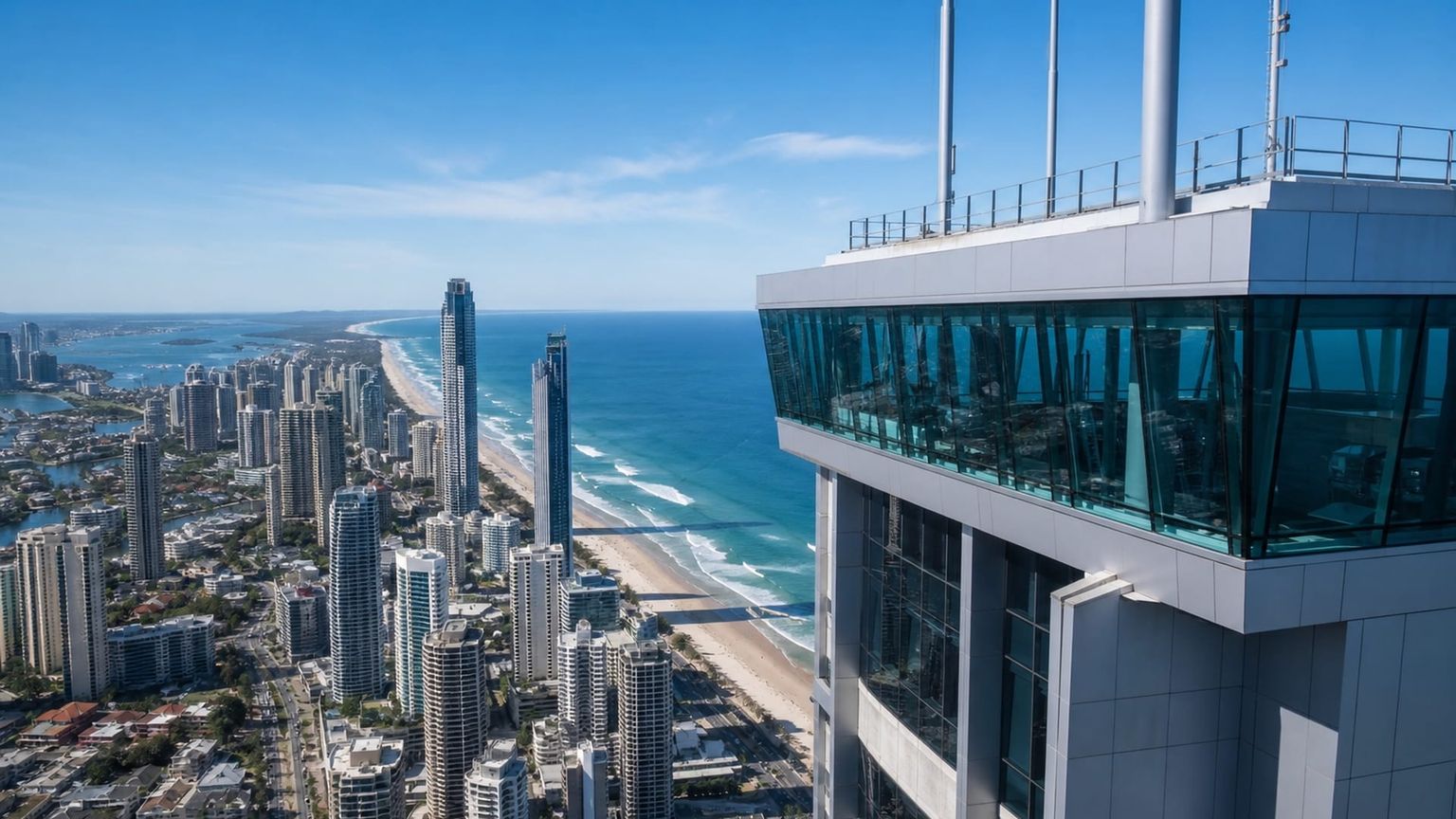
SkyPoint occupies Level 77 of the Q1 tower and looks across the Gold Coast coastline, hinterland, waterways, and Surfers Paradise skyline from 755 feet (230 meters) above the ground. The deck is open after dark, so you can pair skyline views with a sunset visit.
Time needed: 1 to 1.5 hours
Entry: Tickets start at A$33 (US$24) for adults. Visit the official website for more details.
Tip: Arrive before sunset so you can see the coast in daylight and after dark.
Currumbin Wildlife Sanctuary
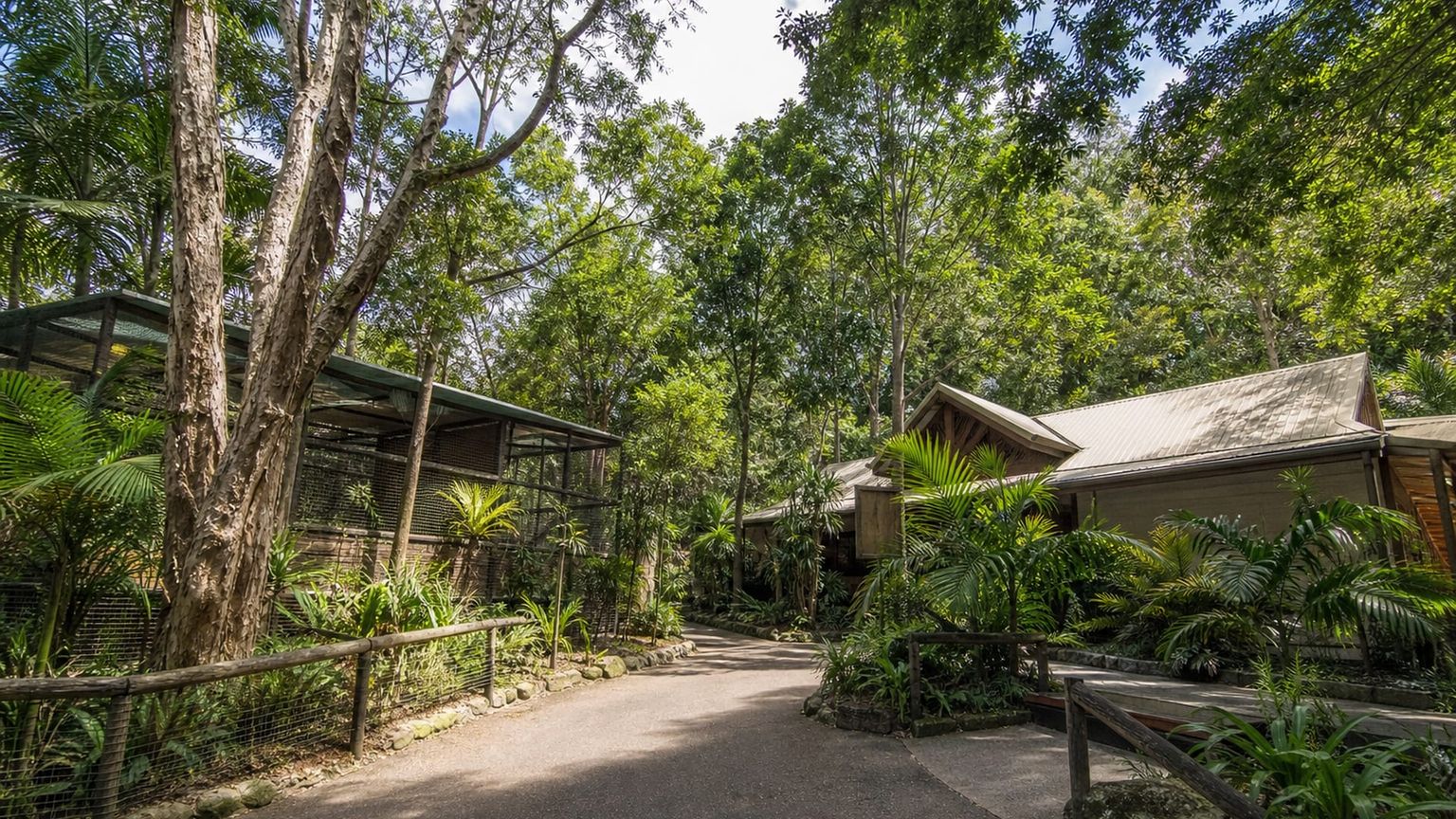
This long-running wildlife park in Currumbin pairs native animal encounters with a rainforest setting and the daily lorikeet feeding. It operates as a National Trust property and requires several hours if you want to see its main precincts.
Time needed: 3 to 4 hours
Entry: Adult admission starts at A$50 (US$36). Visit the official website for more details.
Tip: Check the day’s presentation schedule before deciding your arrival time.
Burleigh Head National Park
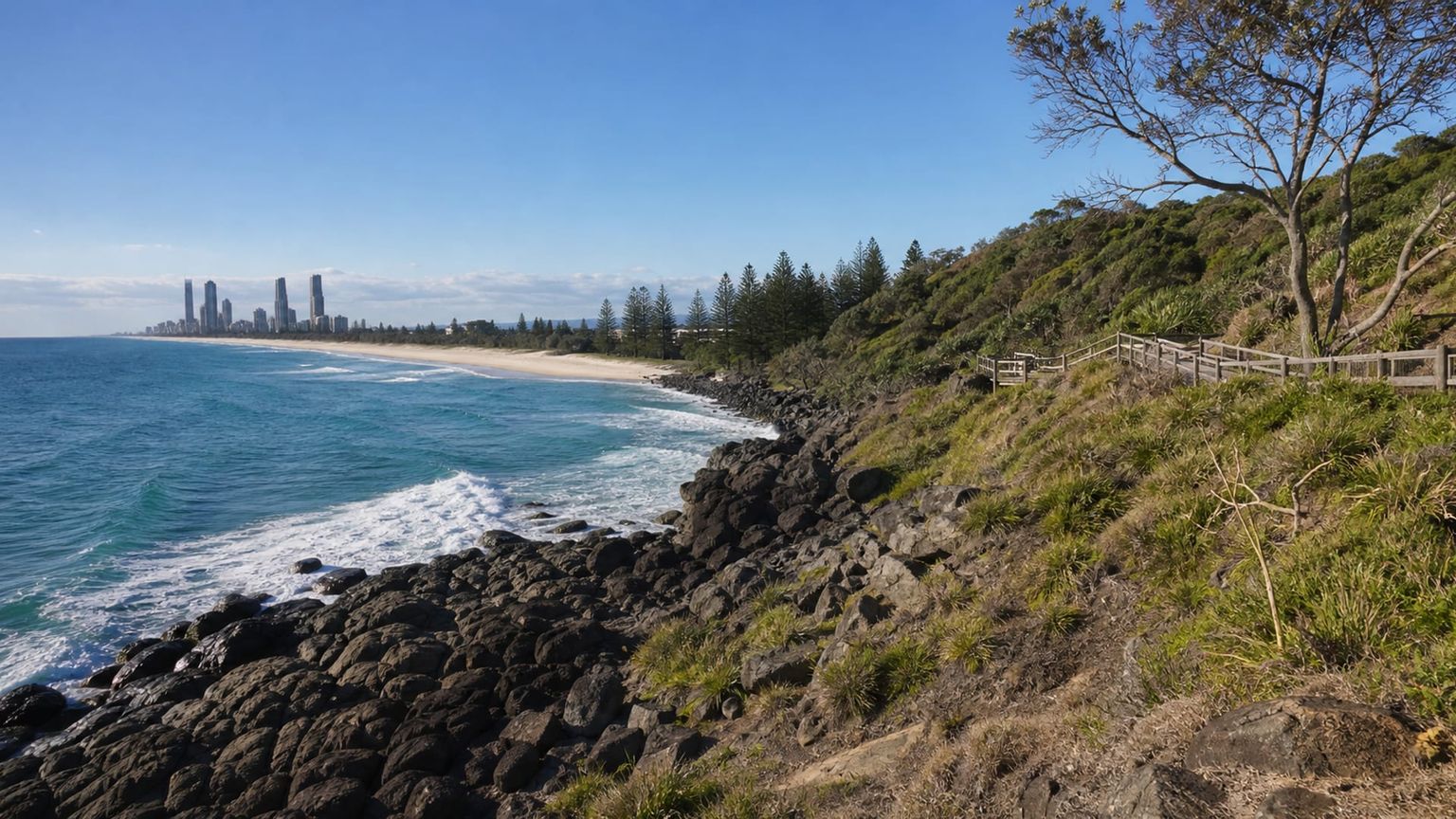
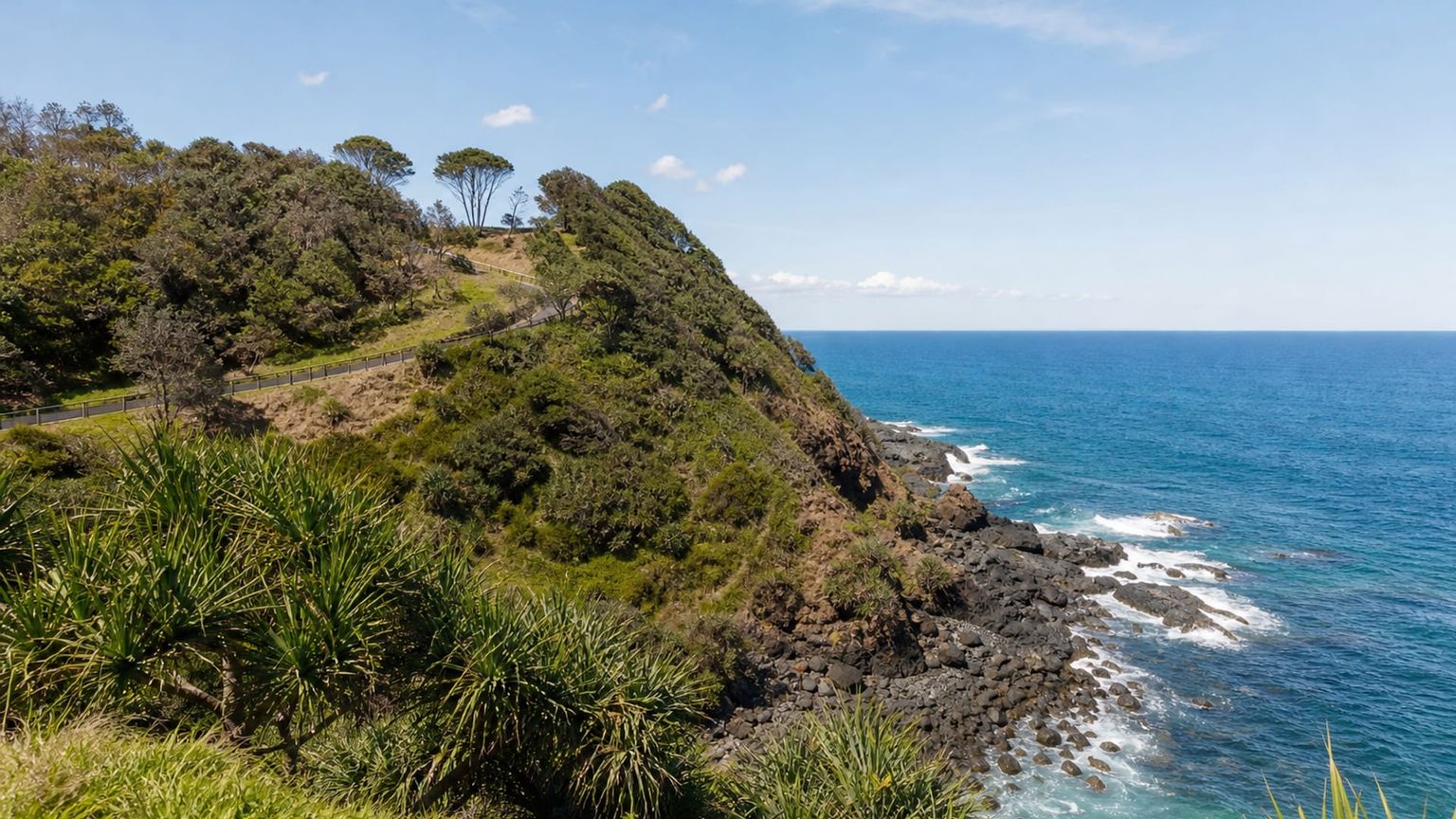
Burleigh Head National Park protects rainforest, pandanus, basalt headland, and coastal walking tracks between Burleigh Beach and Tallebudgera Creek. Lookouts along the trails open toward the Pacific and are also used for seasonal whale watching.
Time needed: 1 to 2 hours
Entry: Free
Tip: Visit early for lower temperatures and less traffic around the trailheads.
Overlooked places in Gold Coast

David Fleay Wildlife Park
The park focuses on native and threatened Australian wildlife, including platypuses, cassowaries, and wallabies, with ranger talks and boardwalks through natural habitat.
Time needed: 1.5 to 2 hours
Entry: Tickets cost A$27 (US$19).
Tip: Time your visit around a ranger presentation.

Jellurgal Aboriginal Cultural Centre
Jellurgal Cultural Centre showcases Yugambeh history, culture, and Dreaming stories beside Burleigh Head, with guided walks connecting the center to the surrounding country.
Time needed: 1.5 hours
Entry: Tickets cost A$59 (US$42) per adult. Visit the official site for details.
Tip: Book the guided walk in advance because departures are scheduled.
What to eat in Gold Coast
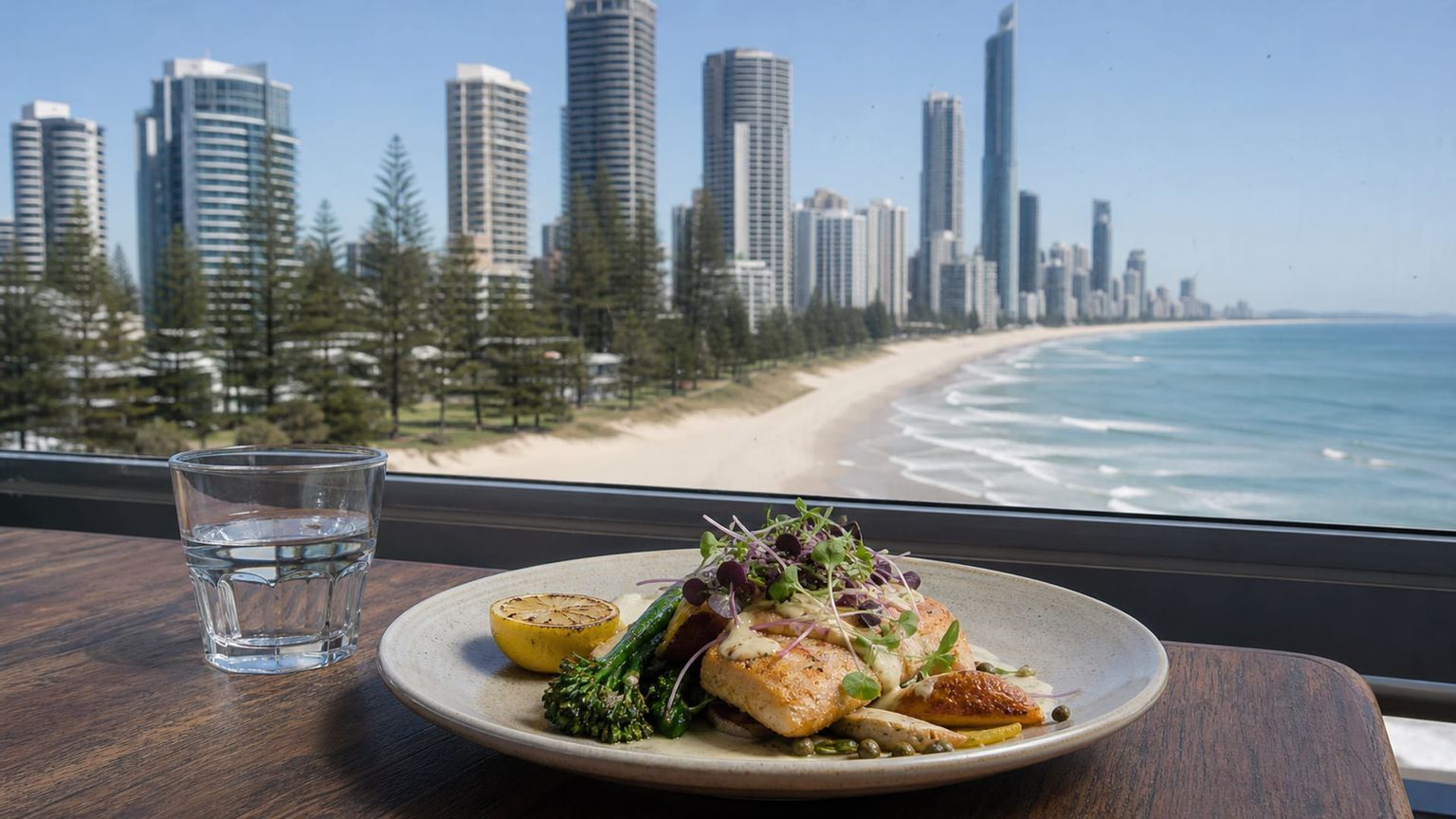
Gold Coast dining uses local seafood often, with fish and chips, local shellfish, barramundi, and mud crab being sold in the city’s beach cafés and modern coastal restaurants.
Fish and chips
Fish and chips remain one of the simplest beach meals, with battered or grilled fish served alongside chips, lemon, and tartar sauce. You can enjoy it at Charis Seafoods in Labrador.
Moreton Bay bugs
Moreton Bay bugs are sweet, firm-fleshed shellfish usually grilled, buttered, or served with richer sauces. Rick Shores in Burleigh Heads serves its well-known Rick’s Bug Roll with bug mayonnaise, sriracha, lettuce, and brioche.
Mud crab
Mud crab has firm, sweet meat and is commonly served whole with sauces that range from garlic butter to Asian-style preparations. Seafood-focused restaurants around the Broadwater and northern Gold Coast are the best places to look for it.
Barramundi
Barramundi is a mild Australian fish that is served grilled, fried, or served as part of mixed seafood meals. Peters Fish Market at Main Beach is a local seafood market where travelers can choose from fresh and cooked seafood, including barramundi.
Best time to visit Gold Coast
The weather is mild in the winter and hot in the summer; humidity and water temperatures influence how much time you can spend outdoors.
Best for: Swimming, long beach days, water activities, and warm evenings
What you get: Temperatures commonly range from 77°F to 87°F (25°C–31°C), with warm seas and humid afternoons.
Trade-offs: Holiday crowds, strong sun, humidity, and storms can interrupt plans.
Best for: Beach days, Burleigh walks, wildlife parks, and outdoor dining
What you get: Temperatures generally range from 68°F to 82°F (20°C–28°C), with warm water and less intense heat.
Trade-offs: Evenings and sea temperatures become cooler later in the season.
Best for: Headland walks, wildlife parks, sightseeing, and lower humidity
What you get: Temperatures commonly range from 54°F to 73°F (12°C–23°C), with mild afternoons and cooler mornings.
Trade-offs: The water may be too cold for swimming early in the day.
Best for: Beaches, coastal walks, outdoor dining, and wildlife attractions
What you get: Temperatures rise from roughly 64°F to 80°F (18°C–27°C), with warmer water and longer afternoons.
Trade-offs: Humidity and weekend demand increase toward summer.
A 5-day plan in Gold Coast
Five days give you enough time to visit Surfers Paradise, Broadbeach, Burleigh Heads, Currumbin, and two wildlife or cultural stops without spending every day moving up and down the entire coastline.
Land at Gold Coast Airport (OOL), then take Route 777 to Broadbeach South and transfer to G:link if your hotel is in Surfers Paradise. Both Translink services cost A$0.50 (US$0.30) per journey and accept contactless payment. A taxi or rideshare to Surfers Paradise takes approximately 30 minutes and costs A$75–A$90 (US$54–US$64). After check-in, stay nearby for a beach walk and dinner instead of heading farther south on arrival day.
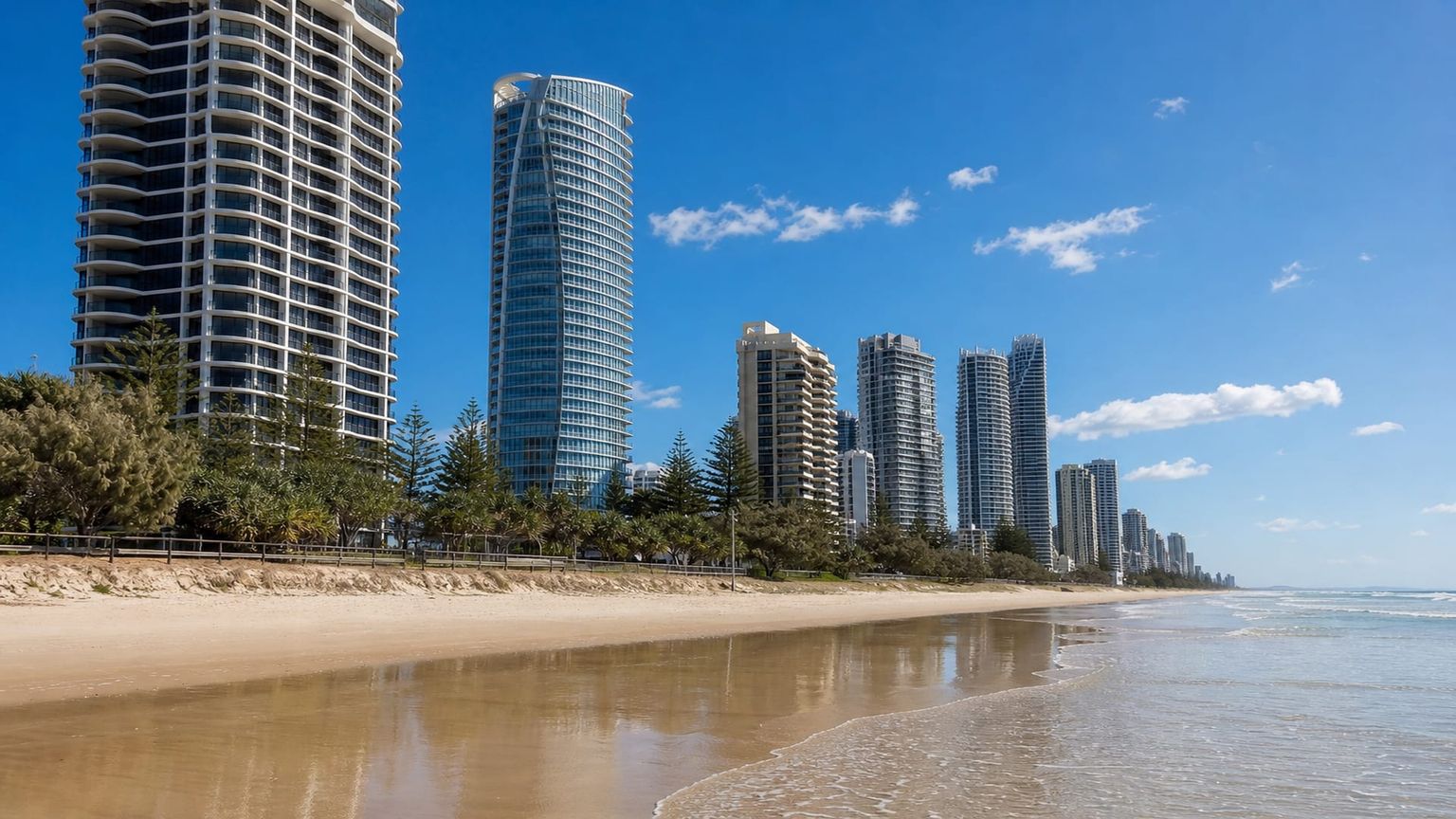
Start at SkyPoint Observation Deck and allow 1 to 1.5 hours for the views from Q1. Fixed-date tickets start from A$33 (US$24). Walk along Surfers Paradise Beach afterward, then take the G:link south to Broadbeach for lunch. Spend the afternoon between the beach, Pacific Fair, and the restaurant streets before having dinner in the district. The tram keeps the return to Surfers Paradise simple and avoids an extra taxi ride.
Travel south to Burleigh Heads in the morning and allow 1 to 2 hours for Burleigh Head National Park, including the coastal paths and lookouts above Tallebudgera Creek. Have lunch near James Street, then join a Jellurgal Walkabout to learn about Yugambeh culture and the stories connected with the headland. Adult tours cost A$59 (US$42). Stay in Burleigh for dinner, with Rick Shores among the options if you want to try its Moreton Bay bug roll.
Spend the morning at Currumbin Wildlife Sanctuary and allow 3 to 4 hours for wildlife precincts, keeper presentations, and the lorikeet feeding. Adult admission is A$50 (US$36), and checking the daily schedule before arrival helps you organize the larger grounds. Have lunch around Currumbin, then use the afternoon for the beach or return north. Keep dinner near your hotel after the longer southern-coast day instead of adding another attraction.
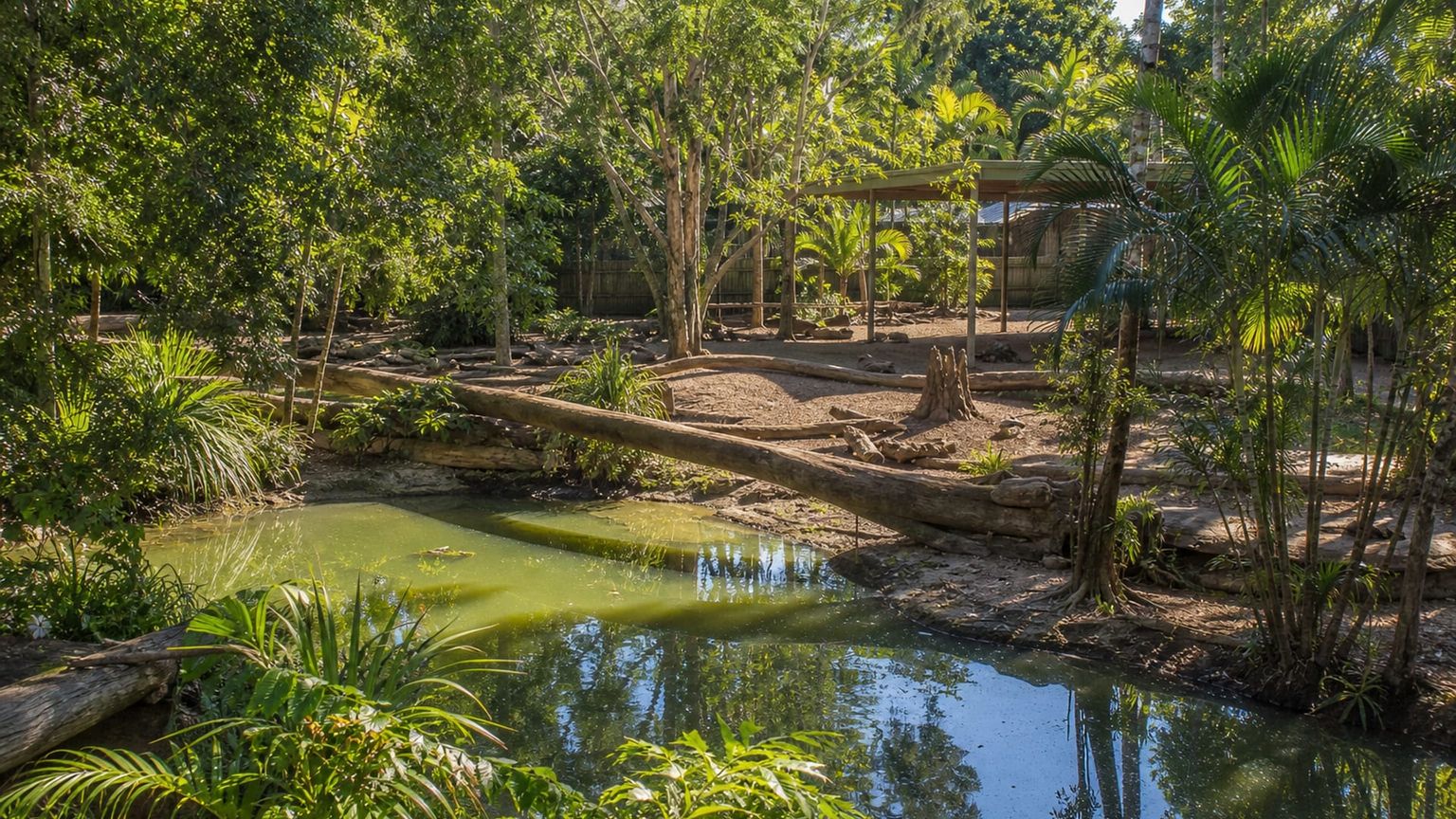
Check out of your accommodation, store your luggage, and then travel to David Fleay Wildlife Park in West Burleigh if your departure time allows. Spend 1.5 to 2 hours on the boardwalks and check the ranger presentation schedule before entering. Return for your bags, then continue to Gold Coast Airport by taxi, rideshare, or bus. The airport recommends arriving three hours before an international flight, so avoid adding another beach stop if your schedule is tight.

Business-class flights from the US to Gold Coast
There are no nonstop flights from New York (JFK) or Los Angeles (LAX) to Gold Coast Airport (OOL); both routes require at least two layovers.
New York (JFK) to Gold Coast (OOL)
Travelers departing from John F. Kennedy International Airport (JFK) can fly to Gold Coast with carriers such as Qantas, United Airlines, American Airlines, Air New Zealand, and partner airlines. These flights have either two or three layovers in cities like Los Angeles (LAX), Sydney (SYD), Melbourne (MEL), Auckland (AKL), or Brisbane (BNE). They can take between 27 and 45 hours. Round-trip business-class tickets on this route typically cost US$6,200–US$13,700.
Los Angeles (LAX) to Gold Coast (OOL)
Qantas, United Airlines, American Airlines, Air New Zealand, Virgin Australia, Fiji Airways, and partner carriers operate connecting flights from Los Angeles International Airport (LAX) to Gold Coast. These flights have a duration of 18 to 28 hours, with layovers most often in Sydney (SYD), Brisbane (BNE), Auckland (AKL), and Nadi (NAN). Current round-trip business-class tickets from the airlines range from US$7,100 to US$11,000.
Beaches, wildlife, and easy coastal days
The Gold Coast attracts visitors with long beaches, surf culture, waterfront dining, wildlife parks, and neighborhoods that range from busy Surfers Paradise to the smaller-scale streets of Burleigh Heads. Five days leave time for both the best-known resort areas and a few quieter stops farther south. If you are planning a Gold Coast trip soon, our AranGrant experts can help you compare and book business-class flights that fit your dates, preferences, and budget.







