

Chapters:

Need help with your trip?
Our support team is available 24/7. Request a callback or call us directly at (833) 619-0908
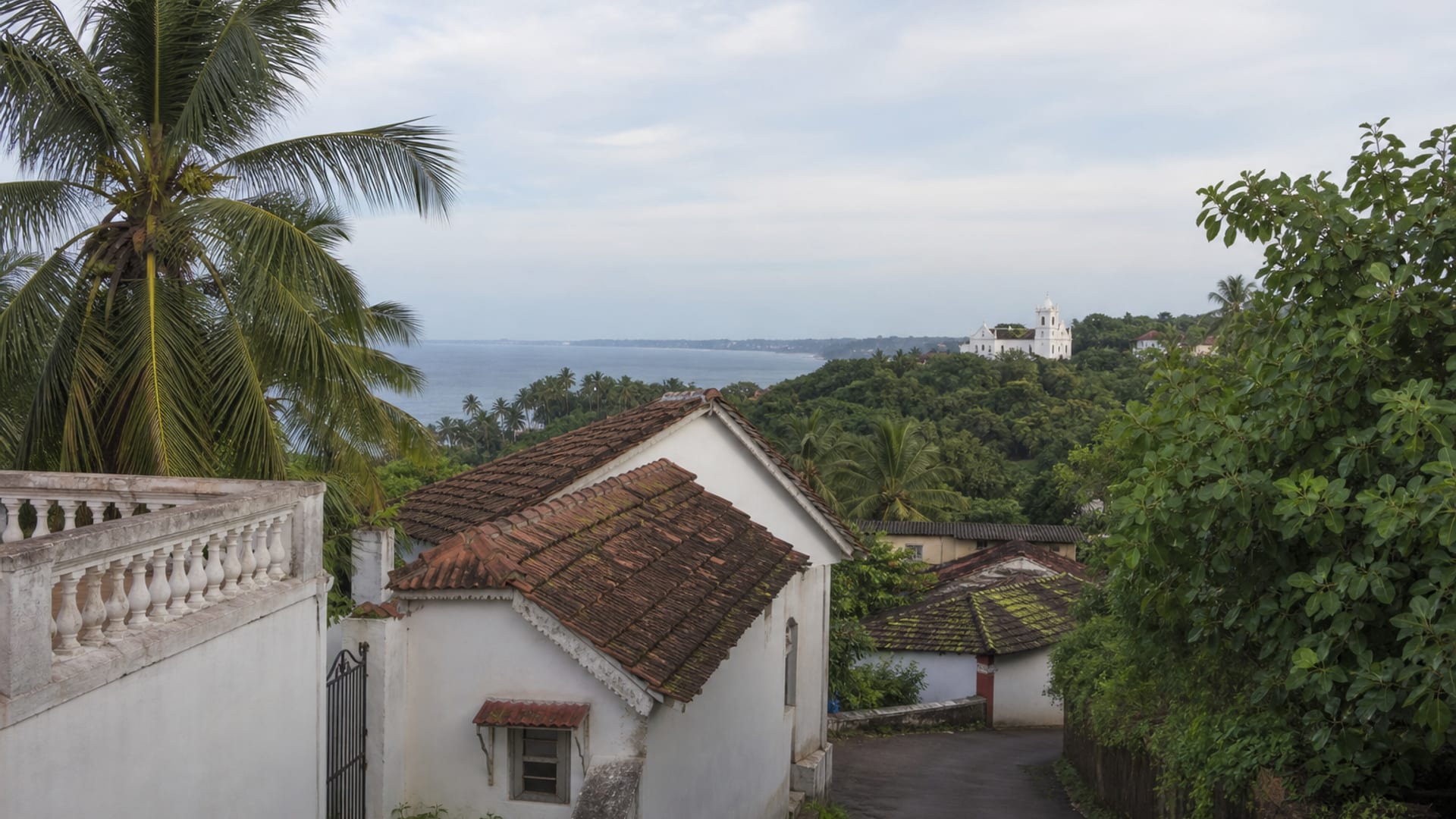
Goa is known for its long Arabian Sea coastline, Portuguese-era churches, forts, riverside towns, and a food culture shaped by seafood, coconut, spice, and vinegar. Panaji gives you access to museums and the Mandovi River, Old Goa contains the state’s best-known religious landmarks; while Candolim and Calangute introduce a busier side of the northern coast.
This guide provides the essential information that travelers need to plan an efficient five-day stay in Goa. This includes where to stay, how to get around, what to see and eat, the best time to visit, and business-class flights from the US.
Useful things to know
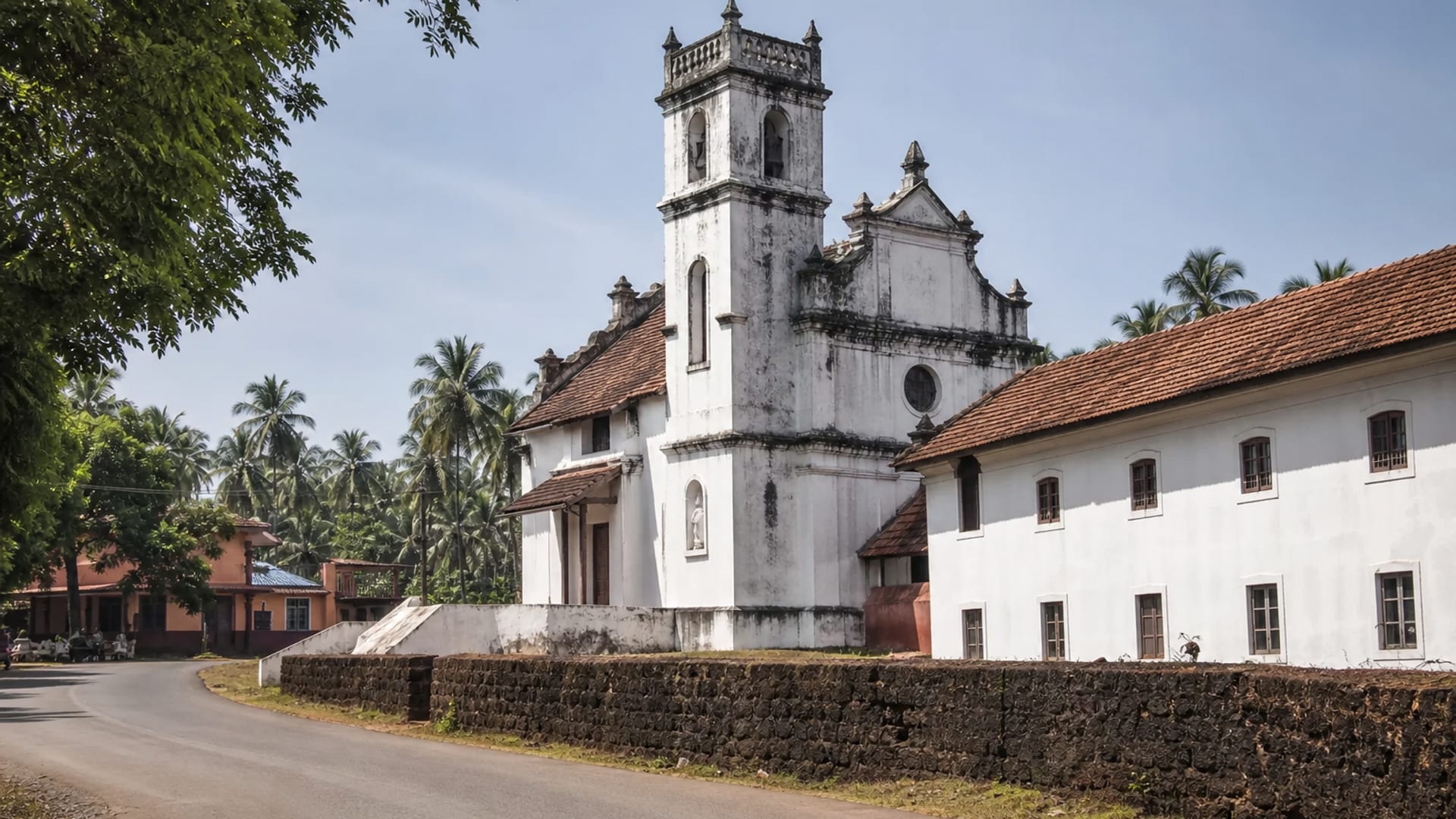

Main language(s): Konkani, Marathi, Hindi, English
Namaskar (nah-MAS-kar) – Hello / good morning
Dev borem korum (dehv bo-REM KOR-um) – Please
Dev borem korum (dehv bo-REM KOR-um) – Thank you
Tumkam English ieta? (TOOM-kum ENG-glish EE-eh-ta) – Do you speak English?
Kitlo zaata? (KIT-lo ZAA-ta) – How much does it cost?

Currency: Indian rupee (INR, ₹)

Cash and cards: Larger hotels, restaurants, and shops generally accept cards and digital payments. Carry ₹1,000–₹2,000 ($10.50–$21) for smaller restaurants, markets, ferries with vehicle tolls, and cash-only purchases.

Tipping: Check restaurant bills for a service charge before adding a tip. When service is not included, 5%–10% is appropriate.

Traditional food: Goan fish curry, prawn balchão, pork vindaloo, and bebinca

Water and coffee costs: Bottled water commonly costs ₹20–₹40 ($0.20–$0.40). Espresso drinks in cafés cost ₹120–₹200 ($1.30–$2.10).

Taxis and ride apps: Registered tourist taxis operate throughout Goa, while GoaMiles allows app-based bookings. The Goa government lists more than 3,100 taxis.

Plug and voltage: Type C/D/M socket, 230V

Dining and shop opening hours: Many cafés open between 8:00 am and 9:00 am. Lunch usually starts around noon, while dinner commonly begins at 7:00 pm. Some beach businesses reduce working hours or close during the monsoon season.

Emergency number: Dial 112 for police, fire, or medical emergencies.
Where to stay in Goa
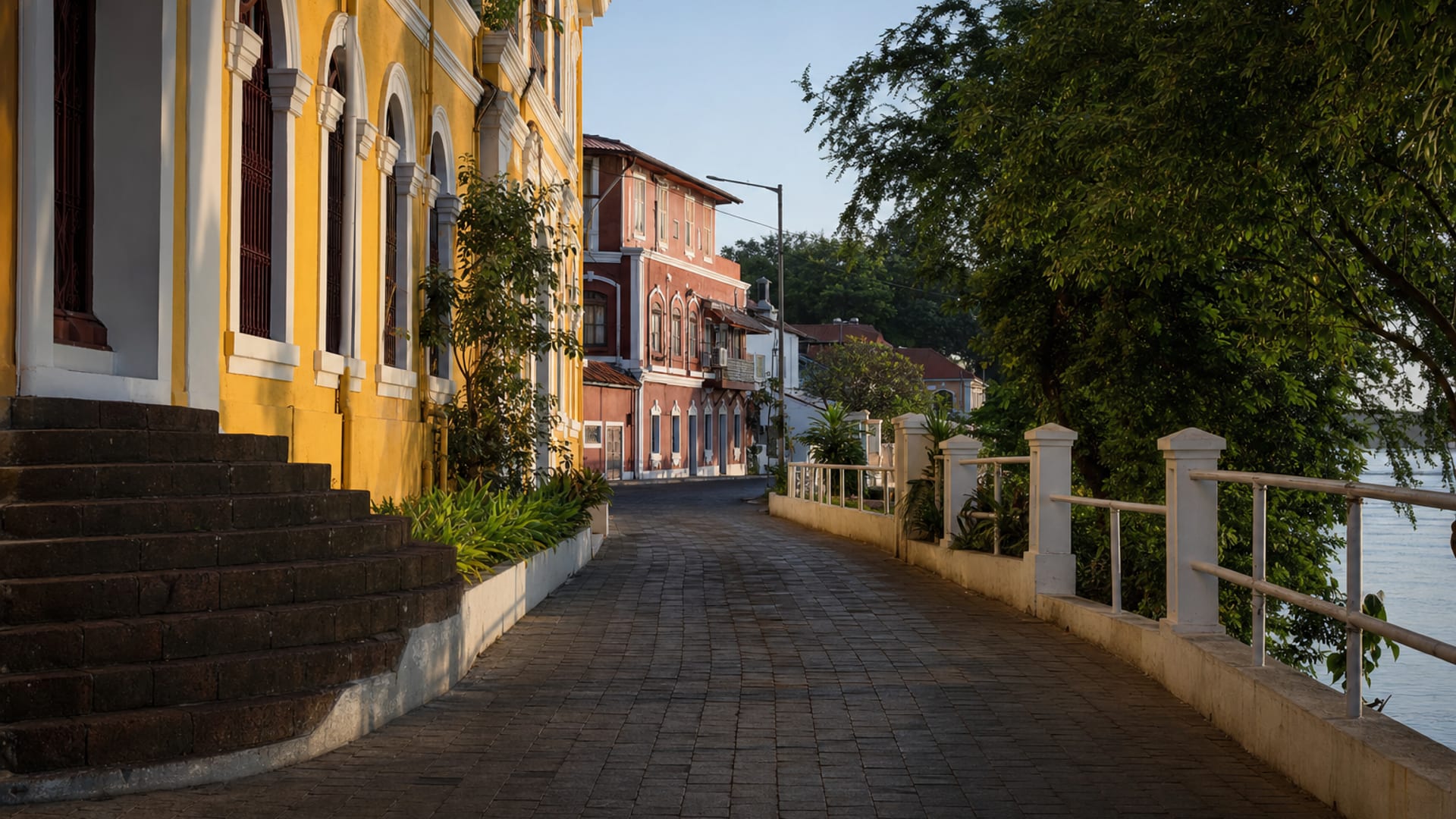
Panaji is Goa’s state capital and one of the most convenient areas for sightseeing, with the Mandovi River, churches, markets, restaurants, and bus stations close together. Hotels range from smaller heritage properties to full-service stays. Old Goa is a short drive away.
Best for: Museums, heritage streets, restaurants, and a central sightseeing location
What to expect: Government buildings, riverfront activity, markets, restaurants, historic lanes, and regular local traffic
Hotel prices: Nightly rates at well-reviewed properties typically range from ₹3,800 to ₹11,700 ($40–$122).
Distance to major sights: The Immaculate Conception Church is within central Panaji, while Miramar Beach is approximately 10 to 15 minutes away by car.
Quietness: Residential and heritage lanes generally have less nighttime traffic than the principal commercial roads.
Main trade-off: Beach visits require transport, and waterfront hotels can cost more than inland properties.
Good to know: Staying near the center makes restaurants, buses, and evening walks easier to manage without repeated taxi trips.
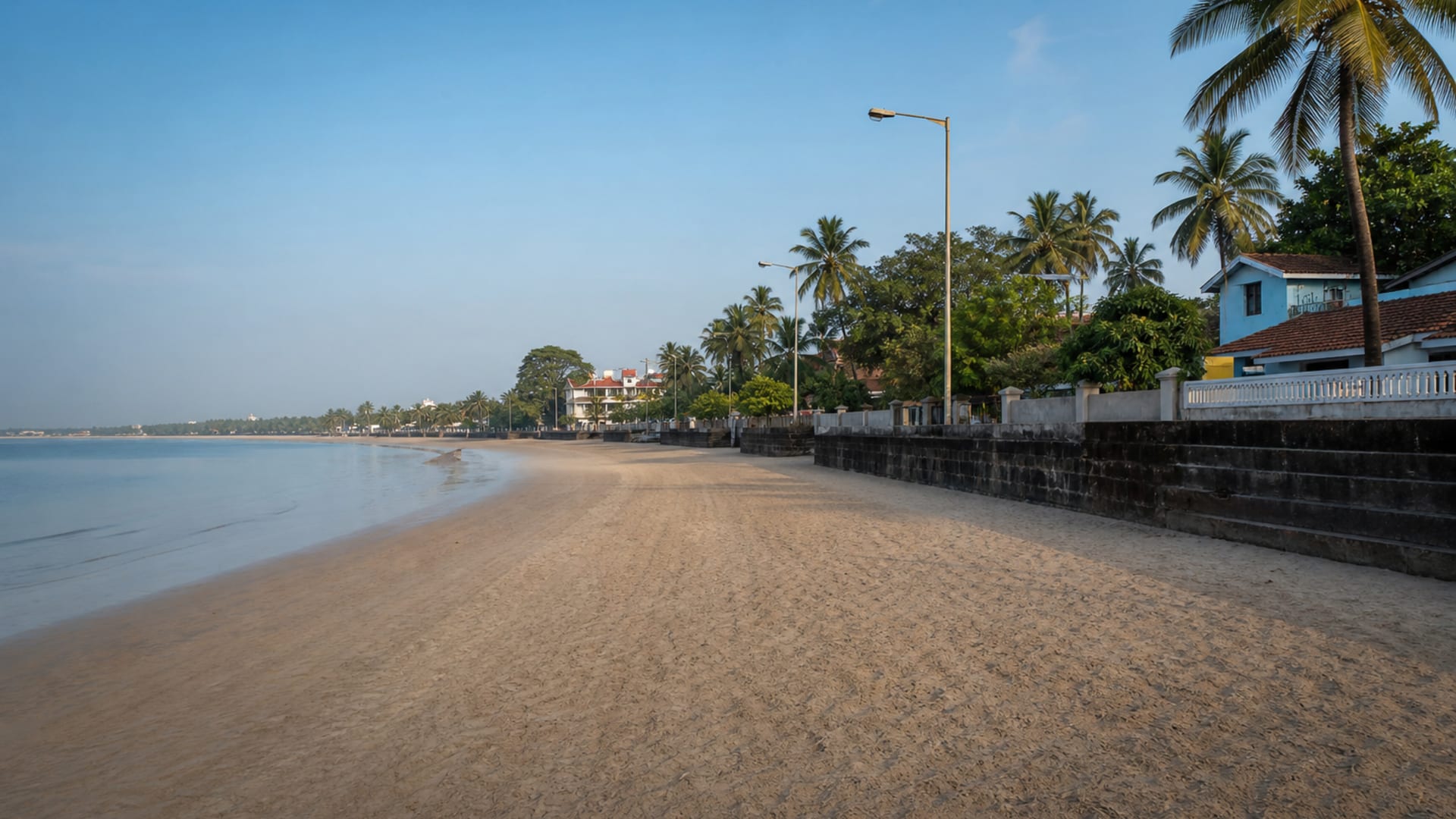
Miramar stretches west of Panaji along a broad urban beach and has sea-facing hotels, apartments, residential streets, and quick road access back to the capital. It suits travelers who want to stay near the coast without giving up Panaji’s restaurants and museums, which are a short drive away.
Best for: Beach walks, sea views, Panaji access, and longer stays
What to expect: A long beachfront, residential streets, hotels, evening walkers, and lighter commercial activity than in central Panaji
Hotel prices: Rooms at well-reviewed properties generally cost ₹4,600–₹14,200 ($48–$148) per night.
Distance to major sights: Panaji center generally takes 5 to 10 minutes to reach by car, while Fontainhas is approximately 15 minutes away.
Quietness: Residential streets have less evening activity than the beachfront road around sunset.
Main trade-off: The area has fewer restaurants and shops within a compact walking radius than Panaji.
Good to know: Choose a property close to the beach road if you want evening walks without arranging another ride.

Calangute is one of North Goa’s busiest beach districts, with many hotels, guesthouses, restaurants, shops, bars, and holiday rentals close to the coast. Accommodation ranges from inexpensive stays to larger resorts, making it a good choice if you want plenty of options and easy access to neighboring Baga.
Best for: Beaches, nightlife, restaurants, and a broad hotel selection
What to expect: Busy roads, shops, beach vendors, restaurants, bars, and heavy visitor numbers during peak season
Hotel prices: Expect to pay ₹2,900–₹10,000 ($31–$105) per night at many well-reviewed properties.
Distance to major sights: Calangute Beach is close to the main hotel area, while Baga generally takes 10 to 15 minutes to reach by car.
Quietness: Side streets away from the beach and main road usually receive less late-night noise.
Main trade-off: Traffic and crowds can make short journeys take longer during busy evenings.
Good to know: Check your hotel’s exact location before booking, since properties near the busiest roads can receive traffic and nightlife noise.
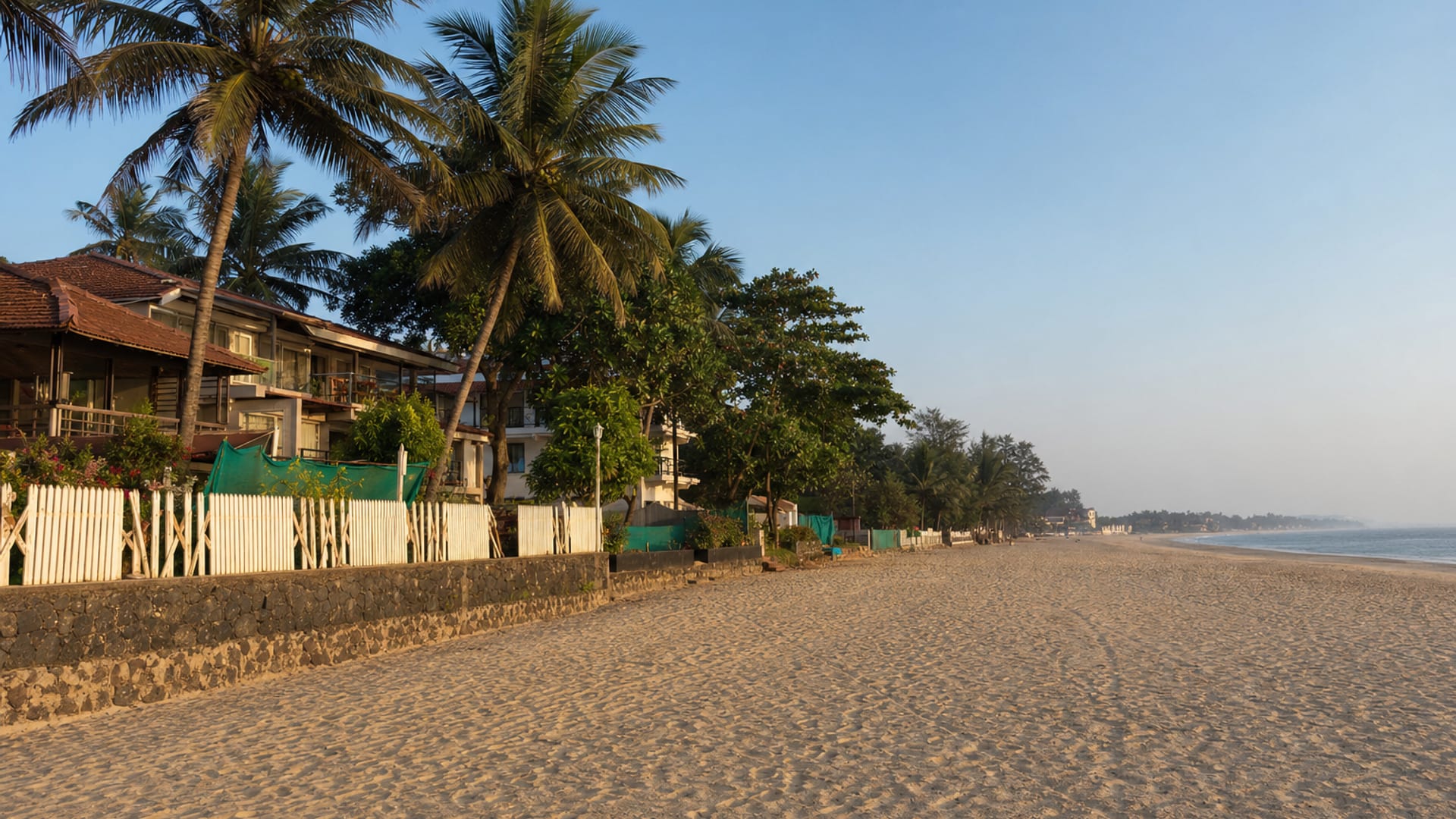
Candolim runs along the North Goa coast south of Calangute and features hotels, villas, restaurants, and shops. It is a good area to stay in if you want to avoid the busiest resort streets while still being close to the beach.
Best for: Beach time, couples, Fort Aguada, and North Goa restaurants
What to expect: Hotels, villas, restaurants, beach roads, and regular evening activity without Calangute’s highest visitor density
Hotel prices: Hotels in the area commonly charge ₹3,800–₹12,500 ($40–$130) per night.
Distance to major sights: Candolim Beach is close to most coastal hotels, while Fort Aguada generally takes 10 to 15 minutes to reach by car.
Quietness: Streets farther from the main road generally have less evening traffic and restaurant noise.
Main trade-off: Panaji and Old Goa require longer taxi journeys than they do from a central stay.
Good to know: Choose accommodation near the beach road if you expect to walk to dinner rather than arrange taxis each evening.
Vasco da Gama, Mormugao, and more distant inland districts can add unnecessary road time to a sightseeing-focused stay. Panaji, Miramar, Calangute, and Candolim provide easier access to the main heritage areas, beaches, and restaurants.
Hotel deals
Getting around Goa
Visitors mainly use buses, taxis, GoaMiles, and government ferries to travel between Panaji, Old Goa, the beaches, and river islands.

Metro
for longer distances
Government ferries connect routes such as Panaji–Betim, Ribandar–Chorao, and Old Goa–Piedade. The Ribandar–Chorao ferry is particularly useful when visiting the Salim Ali Bird Sanctuary. Prices range from ₹500 to ₹6,800 ($5–$71), depending on the length of the ferry trip.

Bus and tram
for convenience
Kadamba Transport Corporation and private buses connect Panaji with Old Goa, Mapusa, Margao, Vasco da Gama, and several coastal areas. Fares typically start at ₹300 ($3), depending on the distance. You can pay for tickets online or on board.

Taxi
for convenience or late hours
Registered tourist taxis and GoaMiles are the easiest choices when you are traveling with luggage, have a night flight, or want to reach Panaji, Old Goa, Candolim, and Calangute. Prices depend on distance and vehicle type, but they usually start at ₹1,150 ($12).
*Prices are based on rates updated as of August 2026 and may change at the time of travel.
Use buses when their route is convenient, taxis or GoaMiles for direct cross-state journeys, and ferries for Mandovi River crossings.
Iconic places in Goa

Basilica of Bom Jesus
Completed in 1605, the Basilica of Bom Jesus is one of Old Goa’s defining religious landmarks. Its unplastered stone façade contrasts with a richly gilded interior, while the Chapel of St. Francis Xavier houses the saint’s relics in an elaborate silver casket.
Time needed: 1 to 2 hours
Entry: Free Visit the official site for details.
Tip: Visit in the morning, then continue across Old Goa to Se Cathedral.
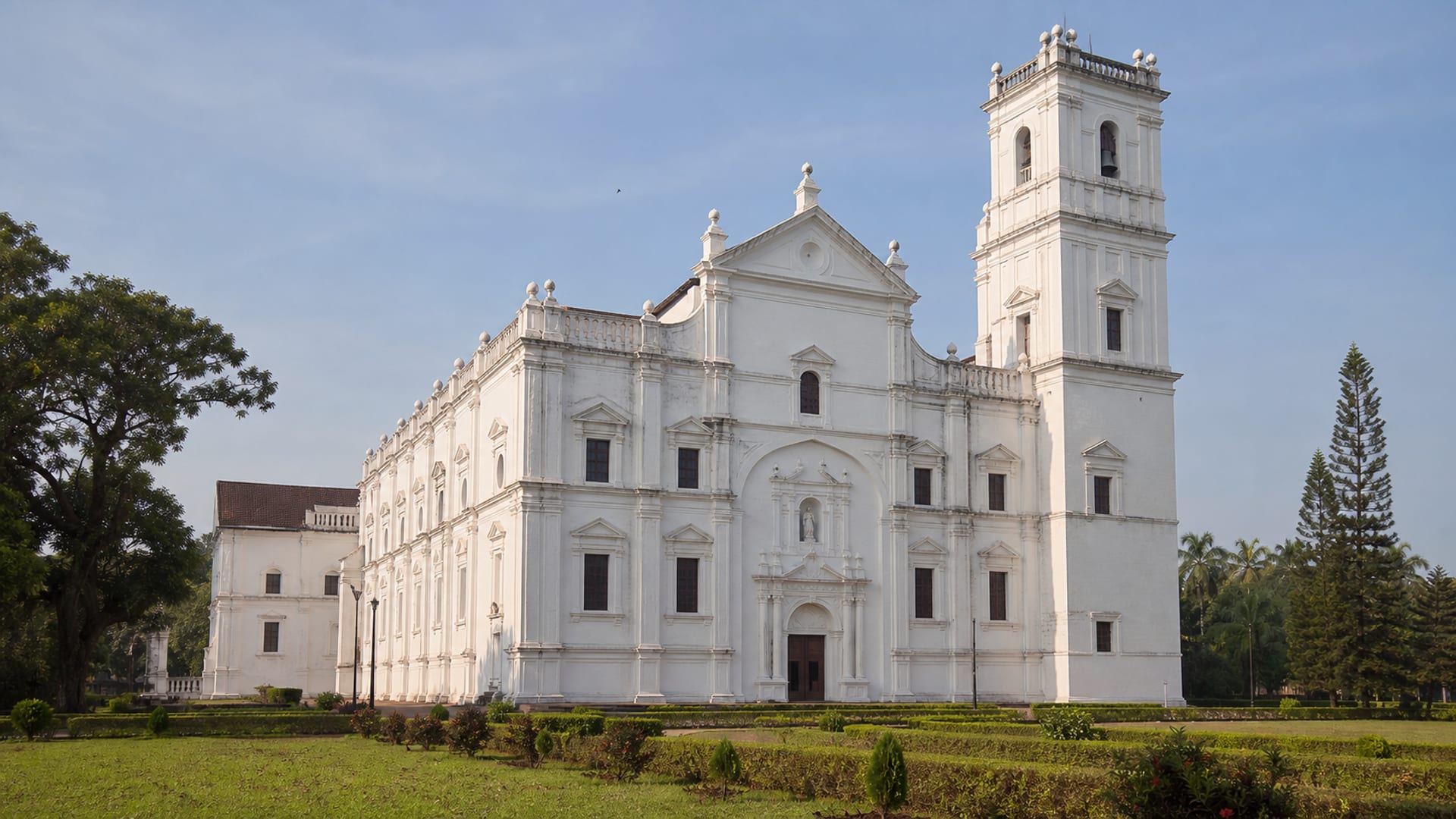
Se Cathedral
Construction of Se Cathedral began in 1562 and continued for decades. The cathedral is now one of Old Goa’s largest churches. Its broad white façade, vaulted interior, gilded chapels, carved screens, and surviving bell tower dominate the open square beside the Basilica of Bom Jesus.
Time needed: 45 minutes to 1 hour
Entry: Free Visit the official site for details.
Tip: Visit after the Basilica so both churches fit into one visit to Old Goa.
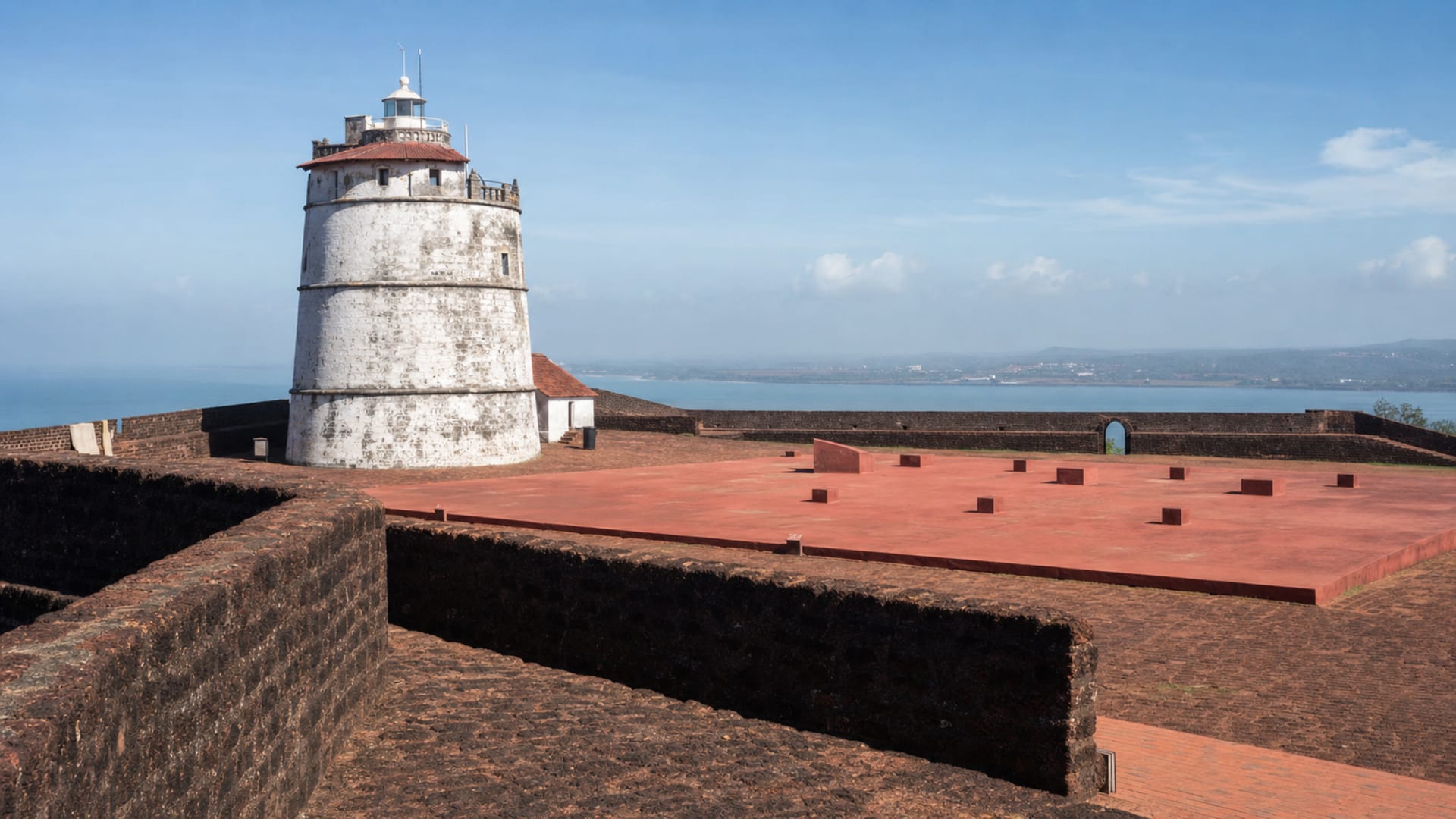
Fort Aguada
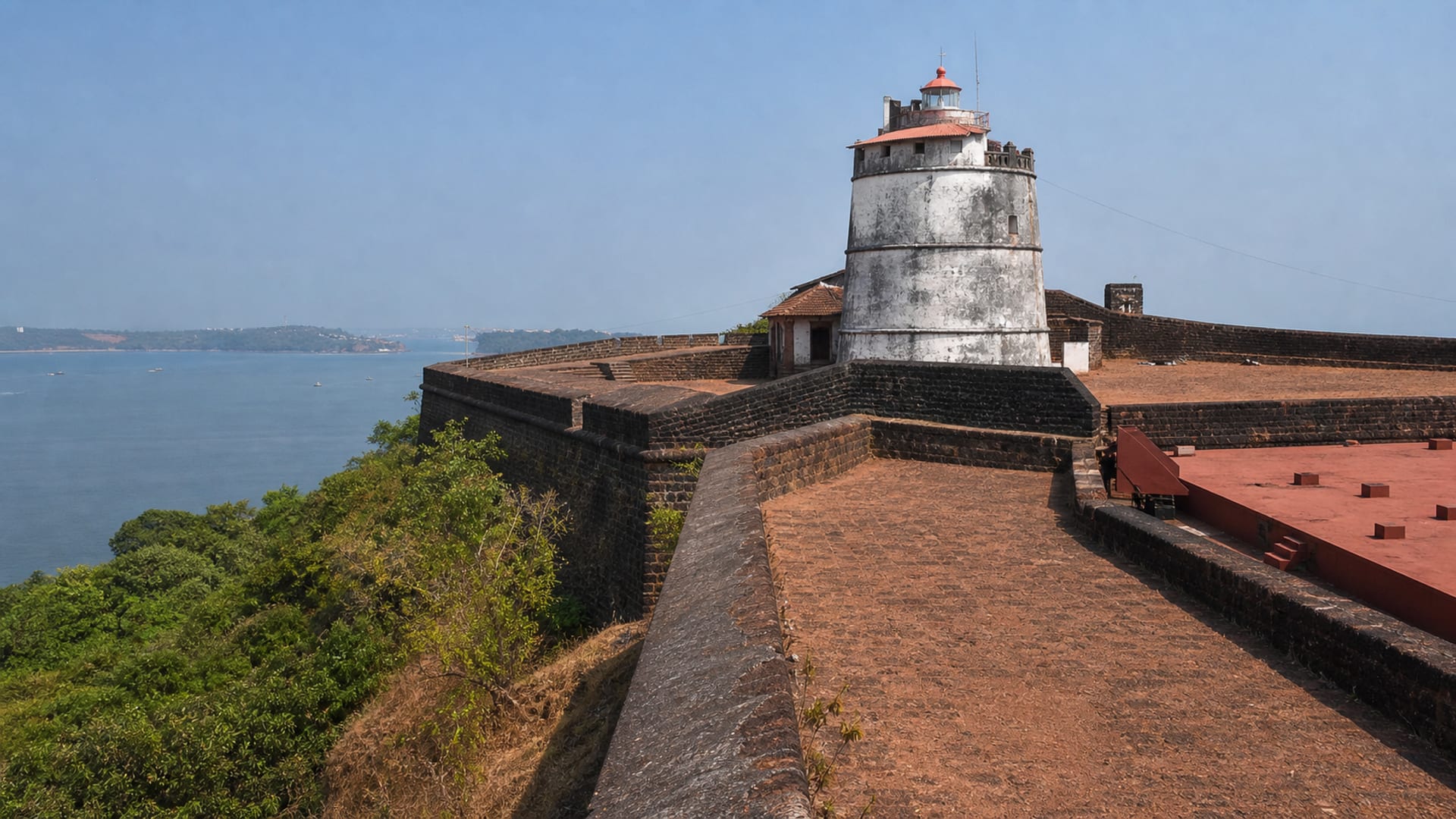
Built by the Portuguese in the 17th century, Fort Aguada overlooks where the Mandovi River meets the Arabian Sea. Its laterite ramparts, former water-storage system, hillside position, and lighthouse explain why the site became one of Goa’s most important coastal defenses.
Time needed: 1 to 2 hours
Entry: Fort access costs ₹300 ($3) for foreign nationals, and guided tours cost extra.
Tip: Visit in the late afternoon, then continue to Candolim for dinner.
Overlooked places in Goa

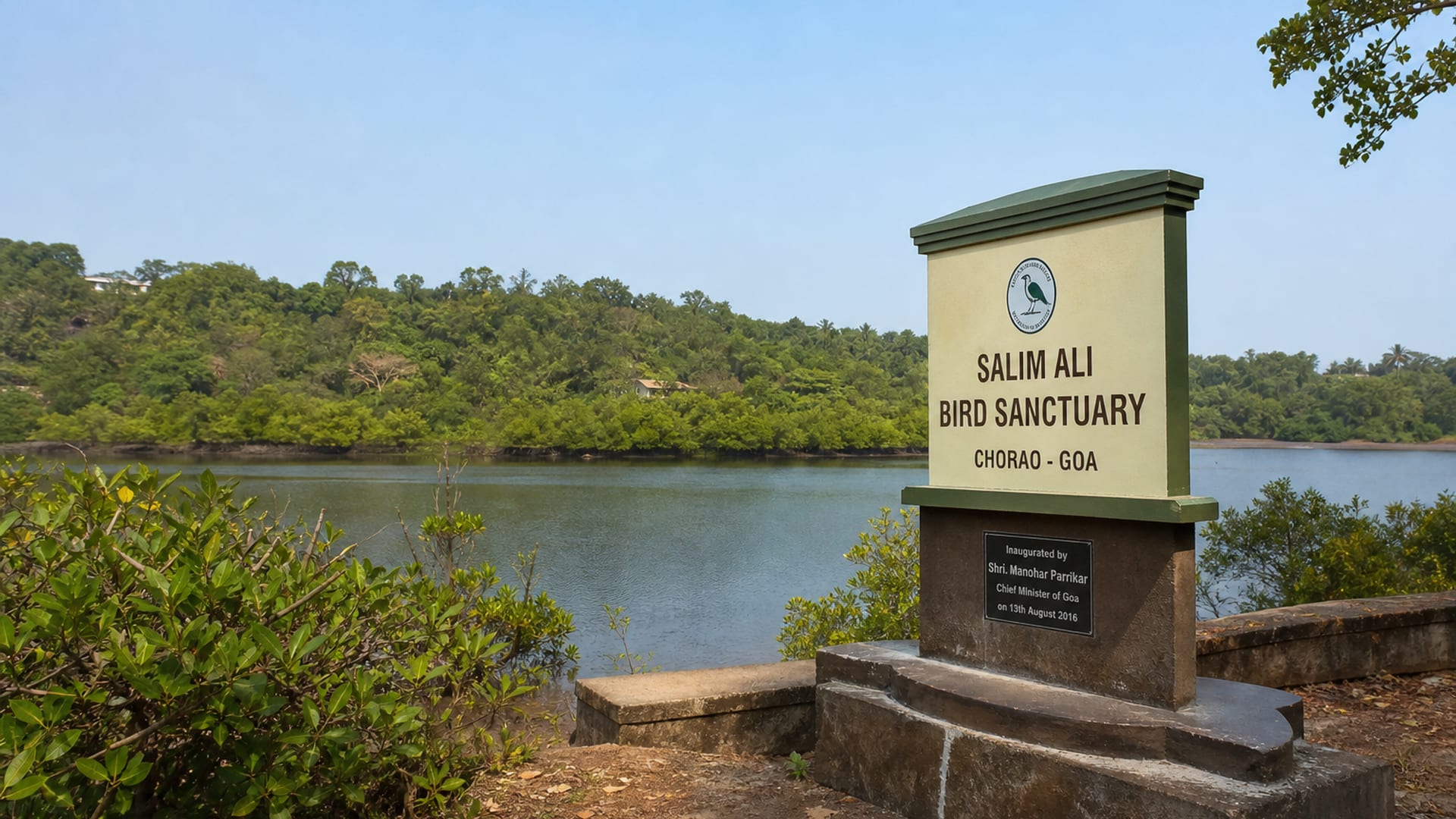
Salim Ali Bird Sanctuary
The Salim Ali Bird Sanctuary protects mangrove habitat on Chorao Island, with narrow waterways that attract kingfishers, egrets, and other birdlife along the Mandovi estuary.
Time needed: 1 to 2 hours
Entry: Entry costs ₹300 ($3). The Sanctuary closes often during monsoon season. Visit the official site for details.
Tip: Visit early during low tide, when bird activity is easier to observe.

Museum of Christian Art
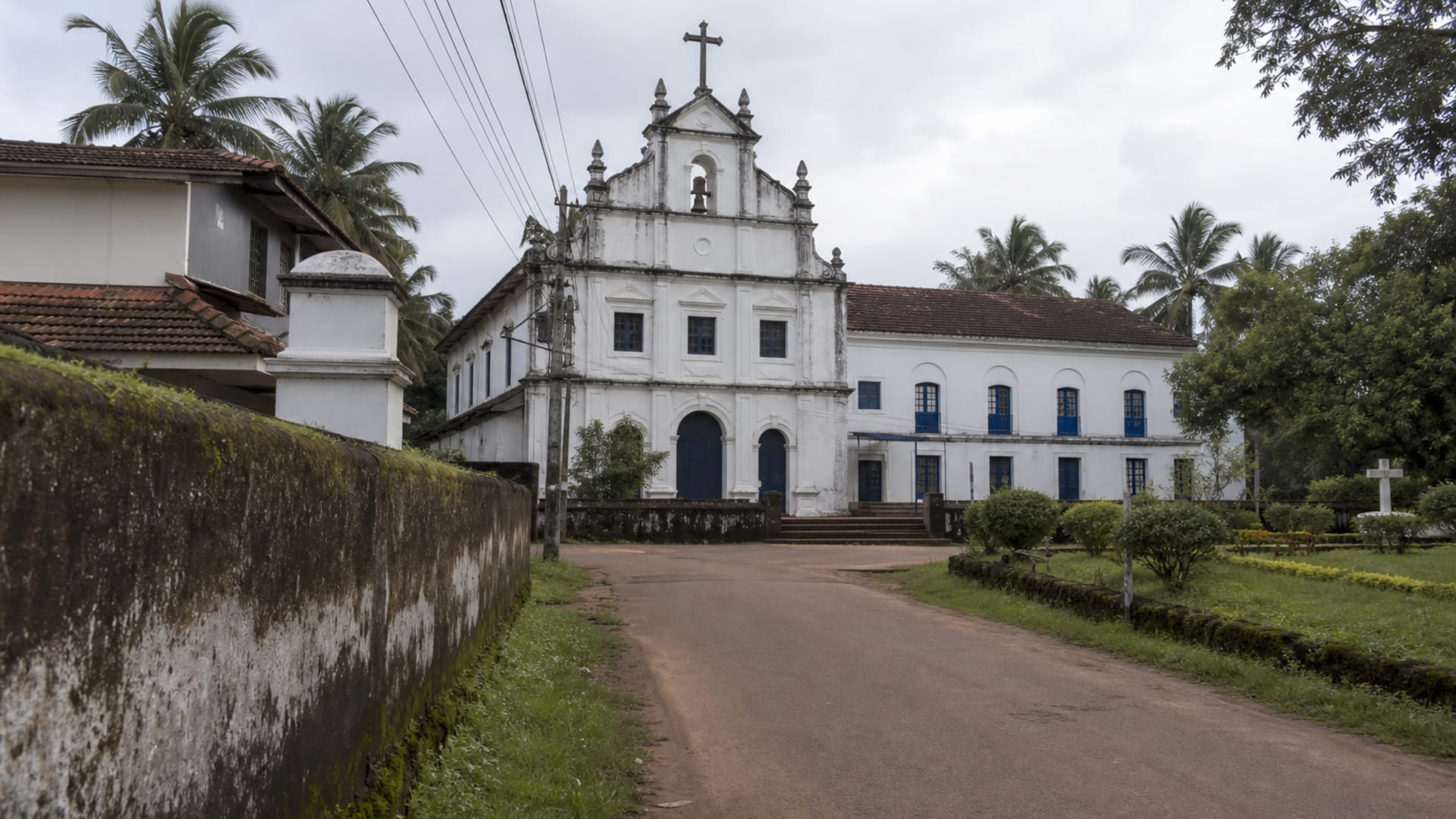
The Museum of Christian Art occupies the Convent of Santa Monica in Old Goa and displays centuries of Indo-Portuguese religious sculpture, textiles, paintings, and decorative art.
Time needed: 1 to 1.5 hours
Entry: Adult tickets cost ₹100 ($1).
Tip: Visit it after Se Cathedral while you are exploring Old Goa.
What to eat in Goa
Goan cuisine is shaped by both local traditions and centuries of Portuguese influence. Main ingredients include seafood, coconut, rice, vinegar, spices, and pork.
Goan fish curry
Goan fish curry combines seafood with coconut, spices, tamarind, or kokum to create a sharp, lightly creamy sauce usually served with rice. Martin’s Corner in Betalbatim has served Goan food since 1989 and remains known for seafood dishes.
Goan prawn balchão
Prawn balchão uses prawns, vinegar, chile, and spices to create a richly flavored dish that is both savory and slightly sweet. Britto’s at Baga Beach serves prawn balchão alongside other seafood dishes and has operated in the area since 1965.
Pork vindaloo
Pork vindaloo combines pork with vinegar, garlic, chile, and spices, producing one of Goa’s best-known meat dishes. You can enjoy it at Mum’s Kitchen in Panaji, which focuses on recipes collected from Goan Hindu and Catholic homes.
Bebinca
Bebinca is a layered dessert made with coconut milk, egg yolks, flour, sugar, ghee, and nutmeg, with each layer baked separately. Confeitaria 31 de Janeiro in Panaji sells traditional bebinca alongside other Goan sweets.
Best time to visit Goa
Goa has a tropical monsoon climate, with the driest weather lasting from October to March and the heaviest rain season from June to September.
Best for: Beaches, forts, Old Goa, markets, and full outdoor sightseeing days
What you get: Temperatures generally range from 68°F to 90°F (20°C–32°C), with clearer skies and the busiest visitor period.
Trade-offs: Christmas and New Year bring higher hotel prices and heavier beach traffic.
Best for: Churches, beaches, restaurants, and travelers who prefer fewer peak-season crowds
What you get: Temperatures can rise from approximately 79°F to 97°F (26°C–36°C), with increasing humidity toward May.
Trade-offs: Long outdoor walks become tiring during the hottest part of the afternoon.
Best for: Green landscapes, museums, food, and visitors comfortable with frequent rain
What you get: Temperatures generally stay near 75°F–88°F (24°C–31°C), with heavy rainfall and much greener scenery.
Trade-offs: Beach activity decreases, some seasonal businesses close, and heavy rain can affect road plans.
Best for: Beaches, heritage sites, and the transition into Goa’s main travel season
What you get: Temperatures commonly range from 76°F to 91°F (24°C–33°C), with rainfall decreasing in October.
Trade-offs: Some seasonal beach businesses may still be reopening after the monsoon.
A 5-day plan in Goa
Five days give you enough time to enjoy Panaji, Old Goa, the Mandovi River, Fort Aguada, and a North Goa beach area at a leisurely pace.
Land at Goa International Airport in Dabolim (GOI), then take a prepaid taxi or GoaMiles car to Panaji or Miramar. The drive generally takes 30 to 45 minutes, depending on traffic. After check-in, stay near your hotel and walk around the Mandovi riverfront or Miramar Beach. Have dinner nearby, and save Old Goa and North Goa for separate days so you don’t add another long transfer after the flight.
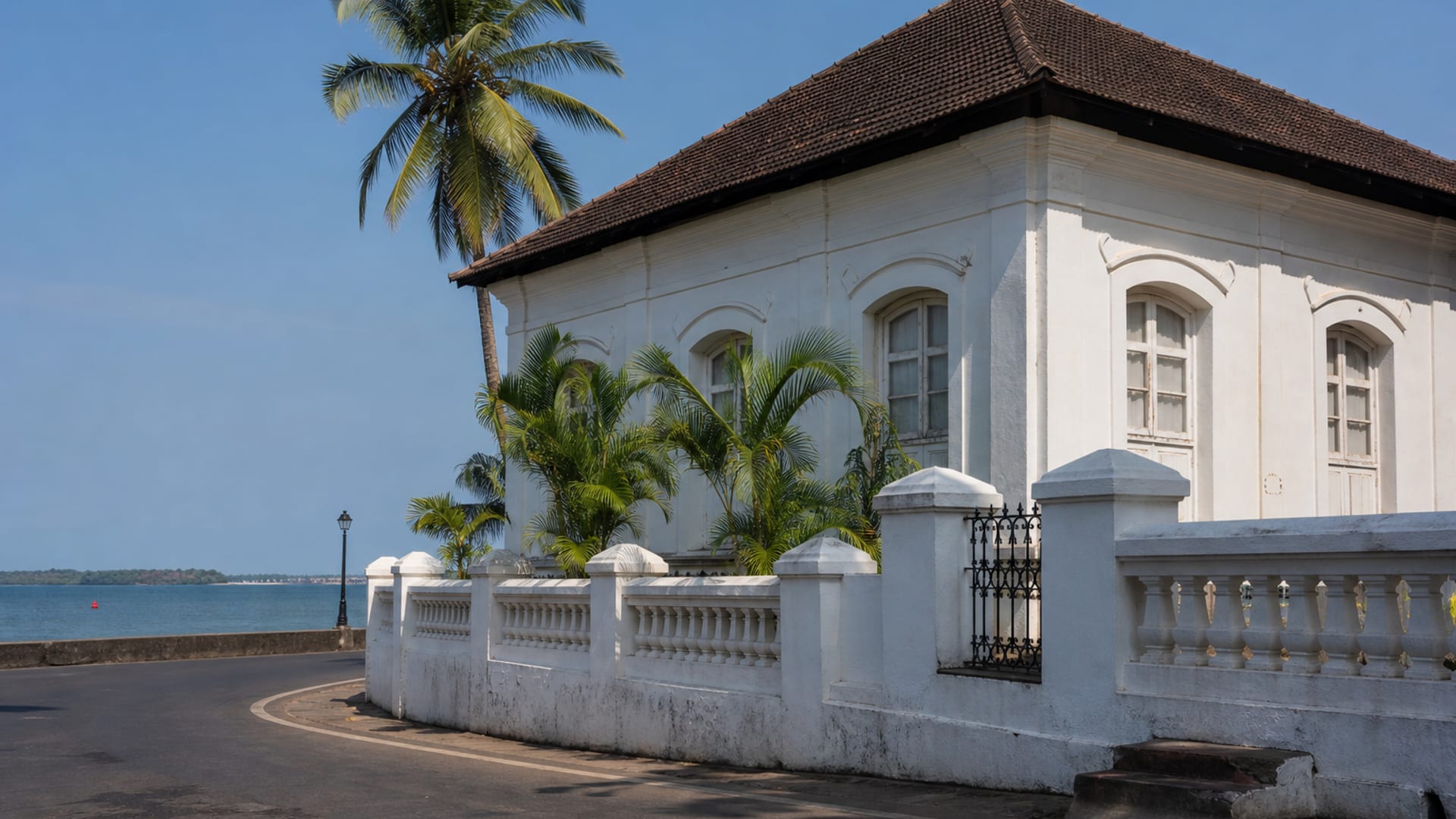
Take a taxi from Panaji to Old Goa, a ride that usually takes 20 to 30 minutes. Begin at the Basilica of Bom Jesus and allow 1 to 1.5 hours, then walk a few minutes to Se Cathedral for a 45-minute to 1-hour visit. Continue uphill to the Museum of Christian Art and spend up to 1.5 hours there. Have lunch in Old Goa or return to Panaji, keeping the afternoon free for Fontainhas, the latter city’s historic Latin Quarter.

Begin with a morning ferry from Ribandar to the Salim Ali Bird Sanctuary, a trip that takes about 10 to 15 minutes on the water before you reach the mangrove trails. Spend 1 to 2 hours watching the low-tide bird activity, then return to Panaji for a late lunch and a relaxed riverfront walk, or continue to Miramar, about 15 to 20 minutes by car, for sunset on the beach.
Ride a taxi for 30 to 40 minutes from Panaji to Fort Aguada. Allow 1 to 2 hours for the ramparts and coastal views, or more if you opt for a guided tour of the area. Then, walk for 10–15 minutes to Candolim for lunch and beach time. Calangute is another 10 to 15 minutes north by car if you want a busier evening. Stay in North Goa for dinner before returning to Panaji instead of making multiple trips along the same road.
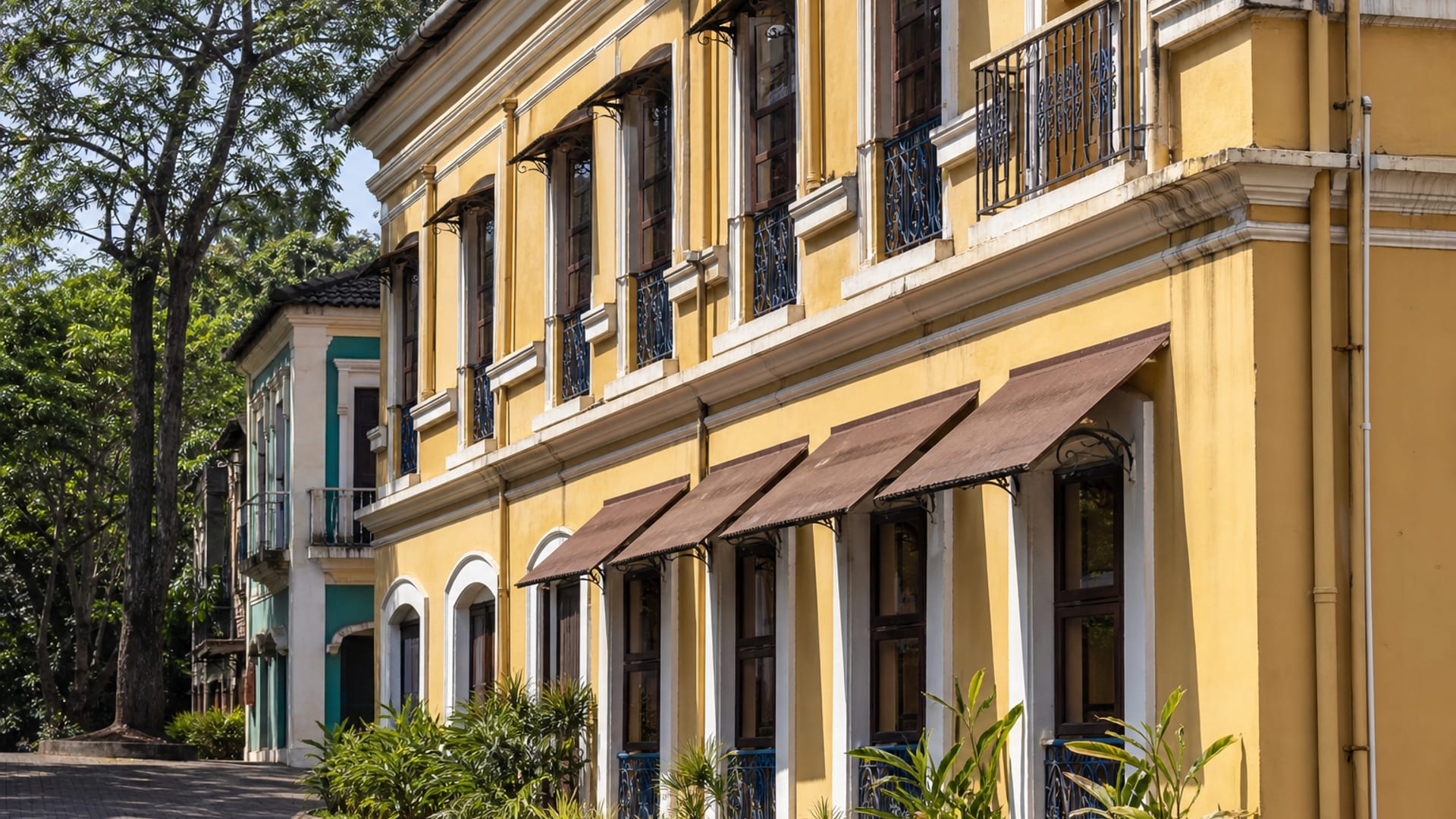
Keep the last morning close to Panaji or Miramar. Use the time for the market, Fontainhas, a final riverfront walk, or breakfast near your hotel, and keep your luggage stored until departure. A taxi from Panaji to Dabolim Airport generally takes 30 to 45 minutes, although traffic can increase the journey. Leave additional time for the drive, check-in, and security.
Business-class flights from the US to Goa
There are no nonstop flights from the US to Goa (GOI).
New York (JFK) to Goa (GOI)
Air India, Qatar Airways, British Airways, Gulf Air, and Lufthansa offer connecting flights from John F. Kennedy International Airport (JFK) to Dabolim Airport (GOI). These flights usually have one or two layovers in cities like Delhi (DEL), Mumbai (BOM), Bahrain (BAH), Doha (DOH), and Frankfurt (FRA). The travel time ranges from 18 to 26 hours, depending on the airport and layover. Round-trip business-class tickets on this route commonly cost between $3,000 and $7,300.
Los Angeles (LAX) to Goa (GOI)
Travelers departing from Los Angeles International Airport (LAX) to Goa (GOI) can opt for connecting flights with carriers like Alaska Airlines, Qatar Airways, American Airlines, and Cathay Pacific. The flights have a duration of 21 to 30 hours and have layovers in Seattle (SEA), Doha (DOH), San Francisco (SFO), or Amsterdam (AMS). Round-trip business-class tickets from the airlines commonly range from approximately $5,300 to $7,800.
Goa comes together one region at a time
Goa becomes easier to explore when each part of the trip has a clear purpose: Panaji for the riverfront and heritage streets, Old Goa for its churches and museums, Chorao for the mangroves, and Candolim or Calangute for the northern coast. Keeping those areas on separate days reduces repeated road time. If you are planning a visit to the state soon, our AranGrant experts can help you compare business-class flights and hotels that fit your dates, preferences, and budget.