

Chapters:

Need help with your trip?
Our support team is available 24/7. Request a callback or call us directly at (833) 619-0908
Glasgow trips often start with the center, a museum stop, and dinner near Buchanan Street, yet many visitors miss how quickly the city opens out into the West End, the Clyde, and the Southside.
That narrow focus can leave you crossing town at busy hours, doubling back between sights, or underestimating how long it takes to move from a cathedral visit to a park, then back to dinner.
This guide sets out the days by neighborhood and transfer time, so each stretch has a clear purpose and the longer moves fall where they cause the least interruption.
Useful things to know

Main language(s): English

Currency: The local currency is the pound sterling (GBP, £).

Cash and cards: Cards and contactless are widely accepted; carry about £20 to £40 ($25 to $50) in cash for small purchases.

Tipping: Round up small bills; 10% is common in sit-down restaurants.

Traditional food: Scottish breakfast, fish supper, haggis, cullen skink

Water and coffee costs: Water about £1.50 to £2 ($2 to $3), bar espresso about £2.50 to £3.50 ($3 to $4).

Taxis and ride apps: Uber and Bolt operate here; black cabs are also widely available.

Plug and voltage: Type G socket, 230V

Dining and shop opening hours: Breakfast 07:00-09:30, lunch 12:00-14:00, dinner 17:30-21:00. Many kitchens close by 21:30, later in the city center.

Emergency number: Dial 999 or 112 for police, fire, ambulance, or coastguard.
Where to stay in Glasgow
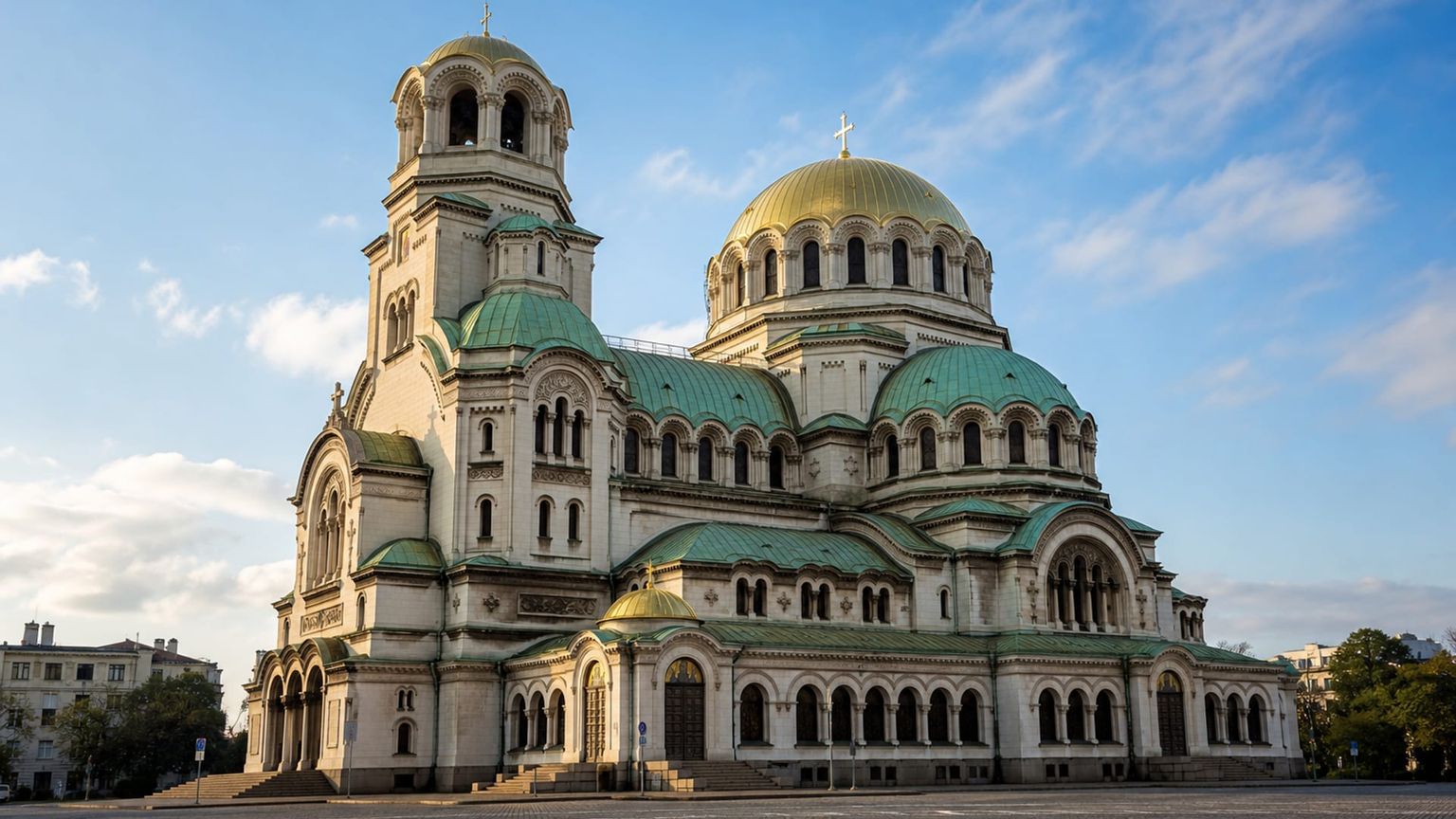
Glasgow’s City Centre puts you among Buchanan Street, George Square, and the main rail hubs. It suits visitors who want the broadest choice of shops, theaters, and restaurants within an easy walk or short ride.
Best for: First-time visits, shopping, theater, and short stays with easy transit access
What to expect: Busy pavements by day, with office traffic, shoppers, and late openings around the main streets.
Hotel prices: Usually about $140 to $260 per night for well-rated stays
Distance to major sights: 5 to 10 minutes on foot to George Square, about 10 to 15 minutes on foot to Buchanan Street
Quietness: Lively through the day and into the evening, then quieter on side streets after closing time.
Main trade-off: Central hotels can cost more, and the busiest blocks bring traffic and late-night noise.
Good to know: Choose a room off the main shopping streets if you want less street noise after dinner.
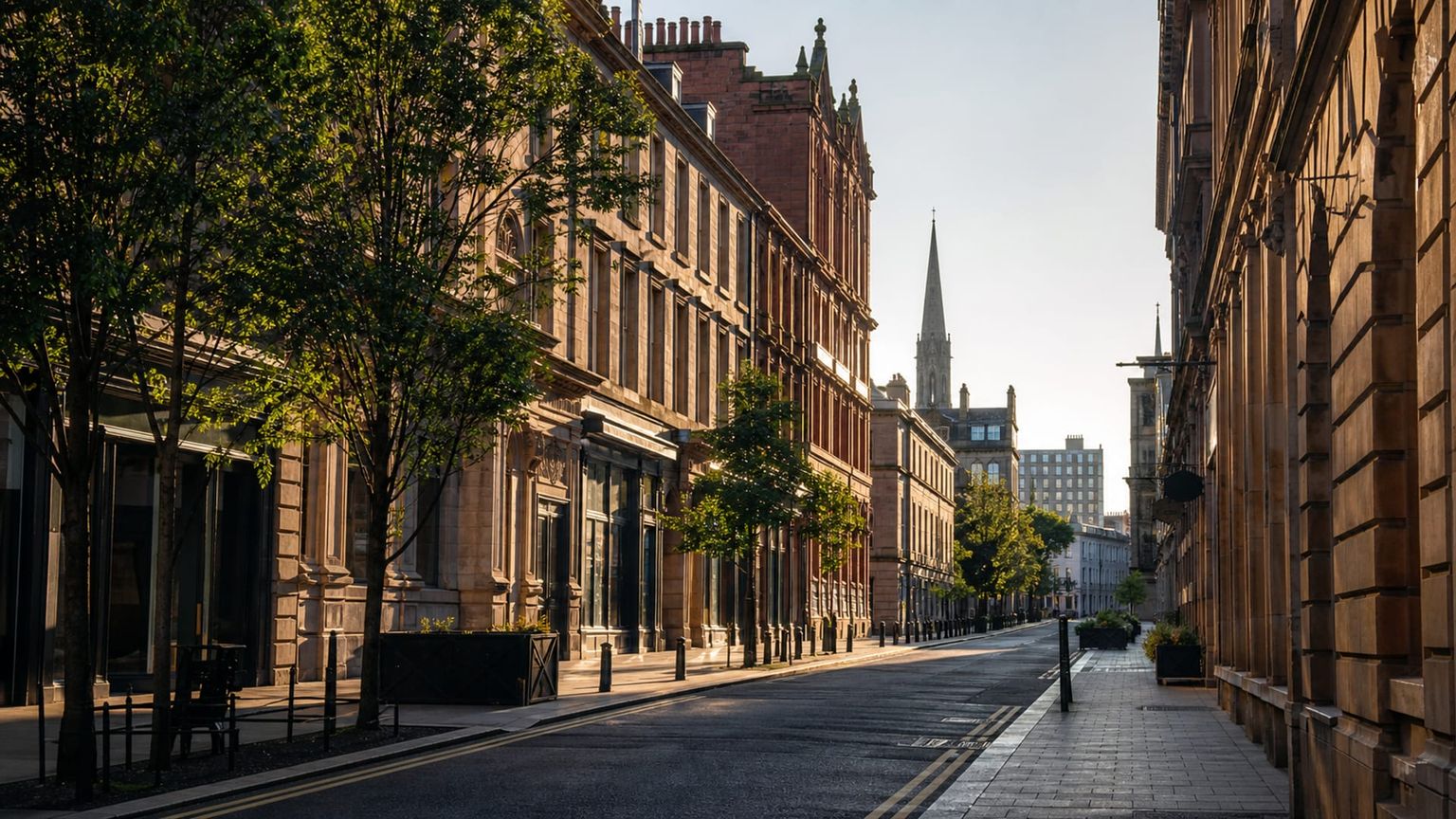
Merchant City sits just east of the core, with converted warehouses, designer shops, galleries, and dining streets. It gives you a walkable base for central sights while keeping a more residential feel than the main retail spine.
Best for: Dining, nightlife, design-led hotels, and travelers who want to walk to the center
What to expect: Stylish streets and steady evening footfall, with restaurants, bars, and hotel guests moving between venues.
Hotel prices: Usually about $150 to $280 per night for well-rated stays
Distance to major sights: 10 to 15 minutes on foot to George Square, about 15 to 20 minutes on foot to Buchanan Street
Quietness: Brisk during the day and active at night, then calmer on side streets later in the evening.
Main trade-off: You pay for the central setting, and the liveliest blocks can run noisy after dark.
Good to know: Dinner spots fill up here, so book ahead if you want a popular table on a weekend.
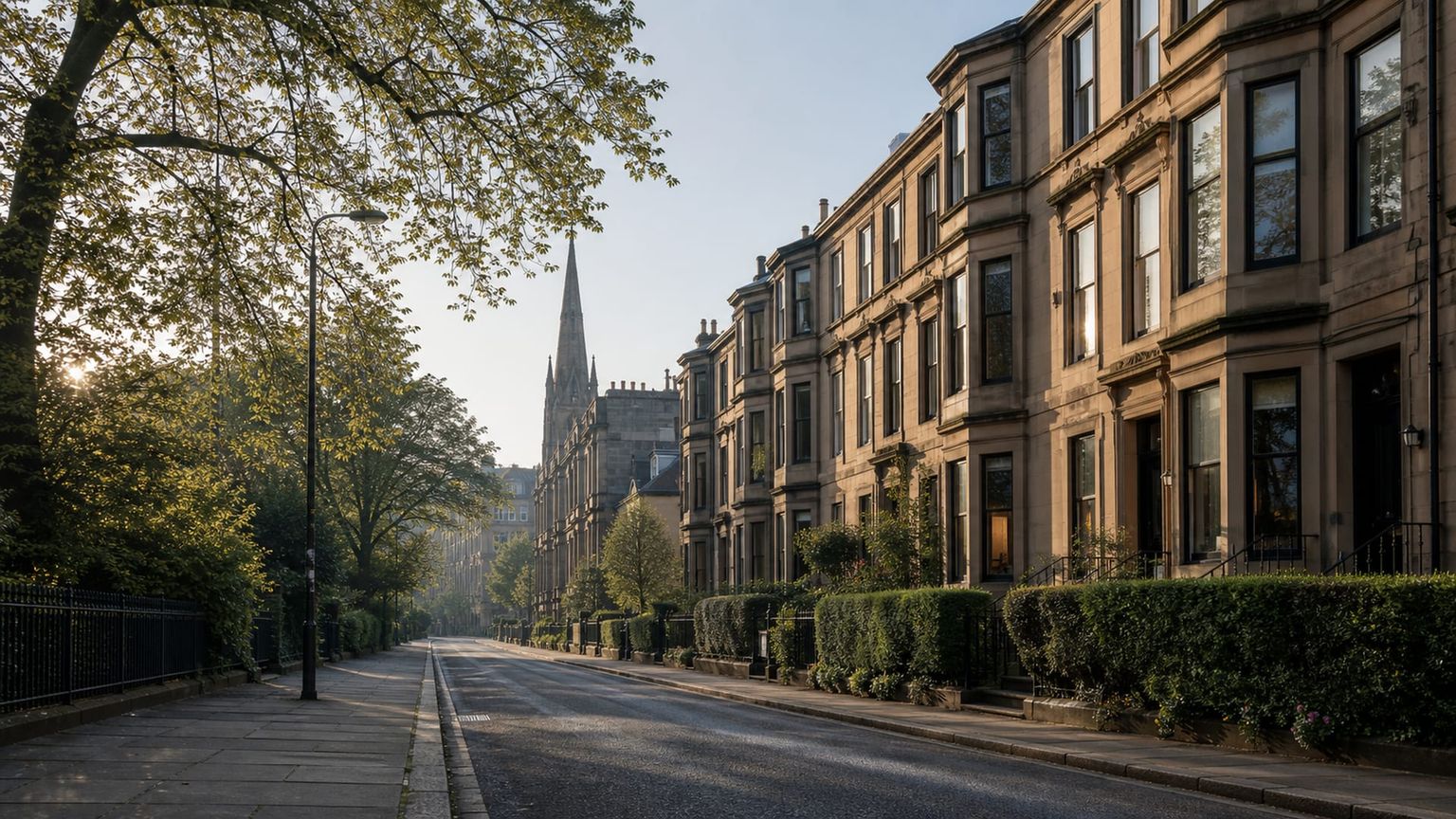
The West End stretches around Kelvinbridge, Byres Road, and the University of Glasgow, with museums, leafy streets, and independent cafes. It works well if you want a local neighborhood base with easy access to the river parks and museums.
Best for: Museum visits, relaxed dining, longer stays, and travelers who prefer a neighborhood setting
What to expect: Cafe traffic, students, and residents on the main roads, with quieter side streets and busy evenings near bars.
Hotel prices: Usually about $130 to $240 per night for well-rated stays
Distance to major sights: 15 to 20 minutes by transit to George Square, about 20 to 30 minutes on foot to Kelvingrove Art Gallery and Museum
Quietness: Calmer than the center by day, then busier at night around Byres Road and Ashton Lane.
Main trade-off: It takes longer to reach the central shopping streets, especially if you rely on buses at peak times.
Good to know: If you plan late dinners in the center, check the last evening return options before you book.
Travelers usually avoid staying in Glasgow Airport, because it sits far from the city center and has limited after-hours dining and sightseeing access. Easterhouse, Drumchapel, Possilpark, and parts of the south side near the M74 are less convenient for first-time visitors, since they sit well away from the main sights and can mean longer evening journeys back from dinner or the riverside.
Hotel deals
How to get around Glasgow efficiently
Glasgow has no metro, so most visitors move between walks, the subway loop, buses, and taxis rather than relying on one line across the city.

Subway
for longer distances
Glasgow has no metro, so the closest equivalent is the subway: the circular Underground links 15 stations on the West End and city-center loop, with trains every few minutes at peak times. A single journey costs about $2.70 (£2.15), a day ticket about $6.30 (£5), and a round trip from Buchanan Street to Hillhead takes roughly 10 minutes.

Bus
for convenience
First Bus and McGill’s cover most of Glasgow by bus, while the one tram-free city network reaches the airport, the university area, Southside, and suburbs such as Partick and Shawlands. Buy on board or in the app, and expect about $2.70 (£2.15) for a single, about $5.30 (£4.20) for a day ticket, and roughly 25 to 35 minutes from the center to Glasgow Airport by bus depending on traffic.

Taxi
for convenience or late hours
Licensed black cabs queue at ranks, can be flagged in the street when their light is on, and use a meter rather than a fixed fare; private-hire cars must be prebooked by phone or app. A center-to-airport taxi usually costs about $35 to $45 (£28 to £36), while short city rides often run about $9 to $18 (£7 to £14), and most drivers take cards as well as cash.
*Prices are based on rates updated as of June 2026 and may change at the time of travel.
Use the subway for quick hops to the West End, buses for broader coverage, and taxis when you want the fastest cross-town return after dinner.
Iconic landmarks
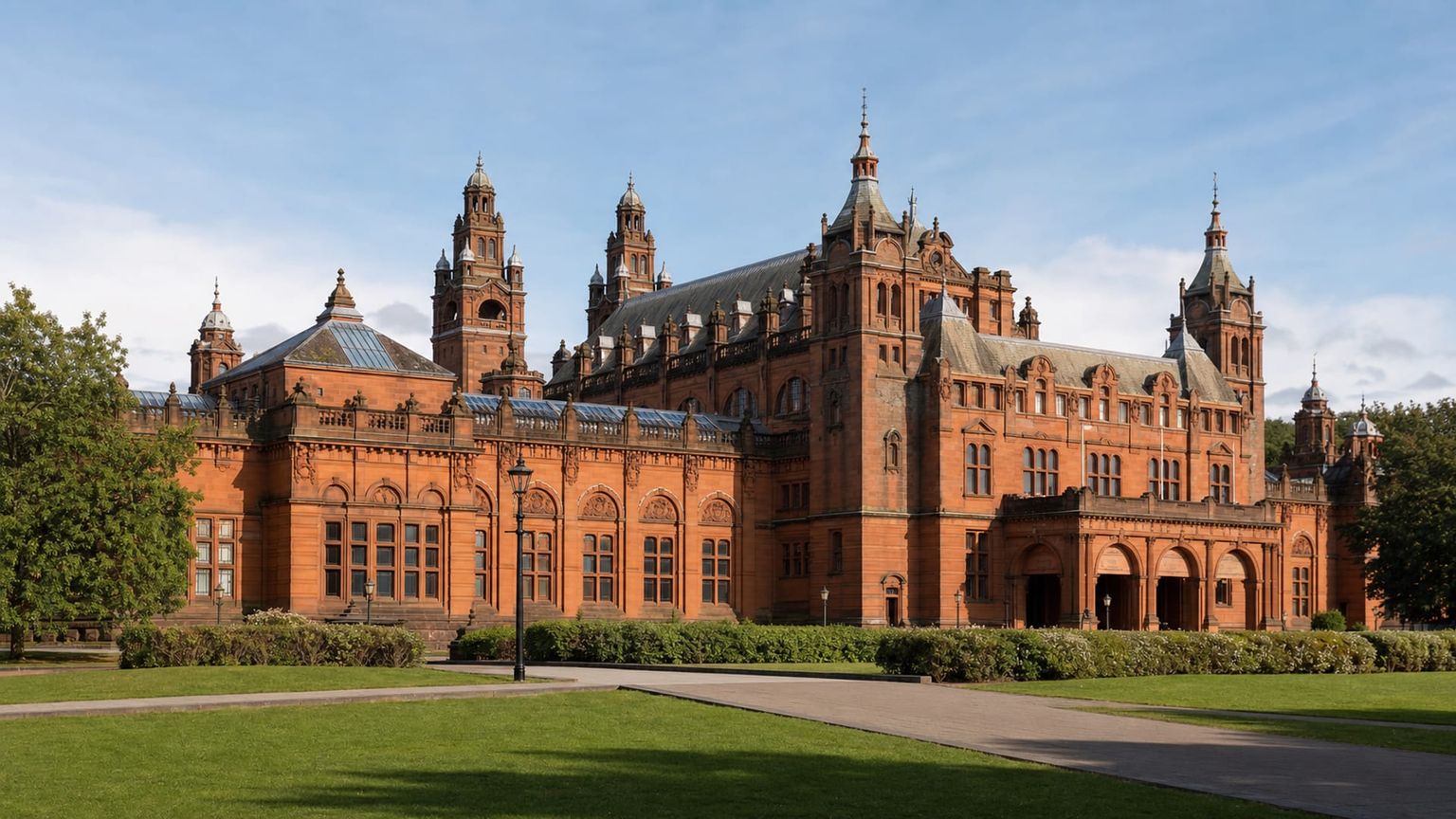
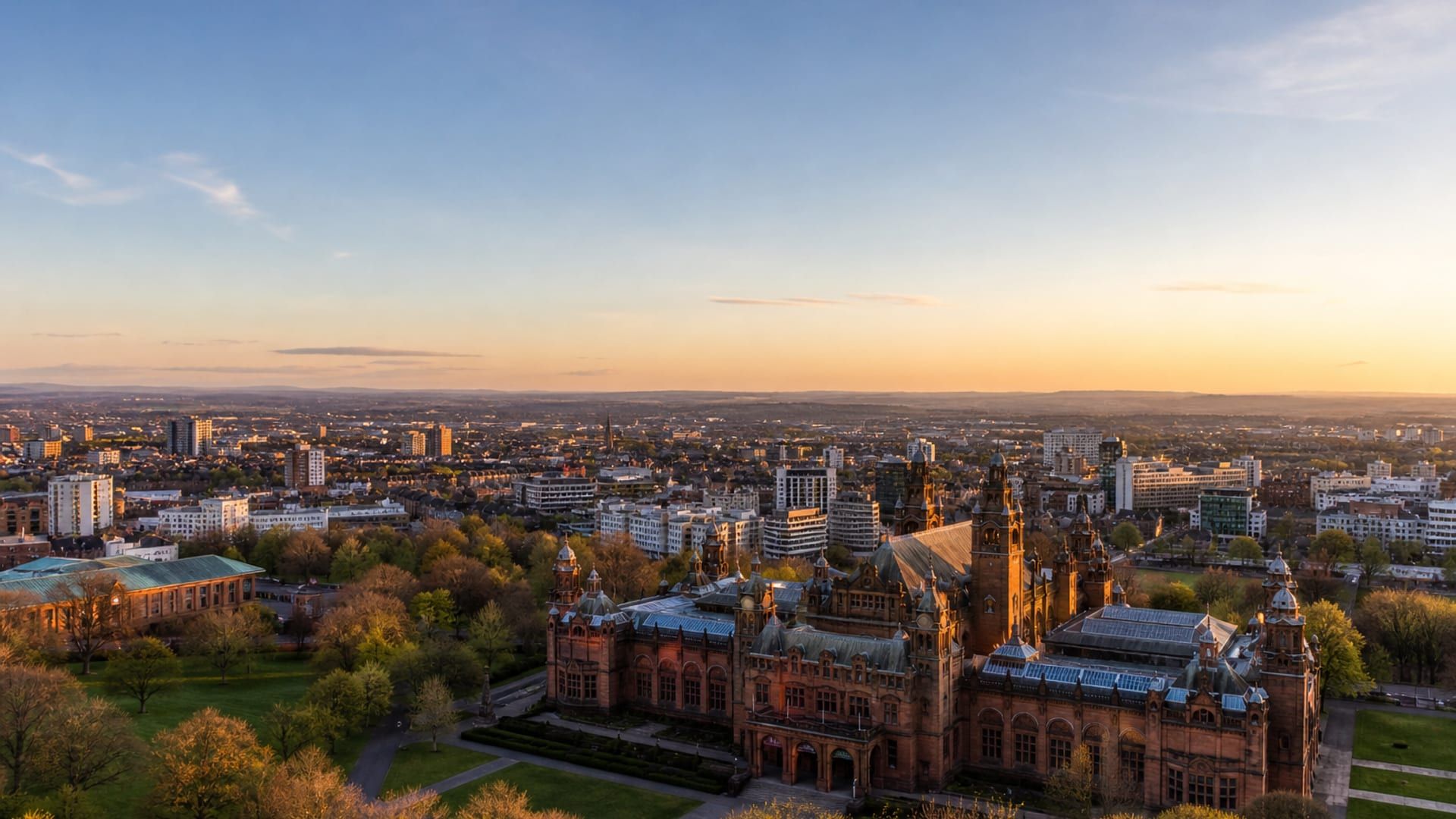
Kelvingrove Art Gallery and Museum
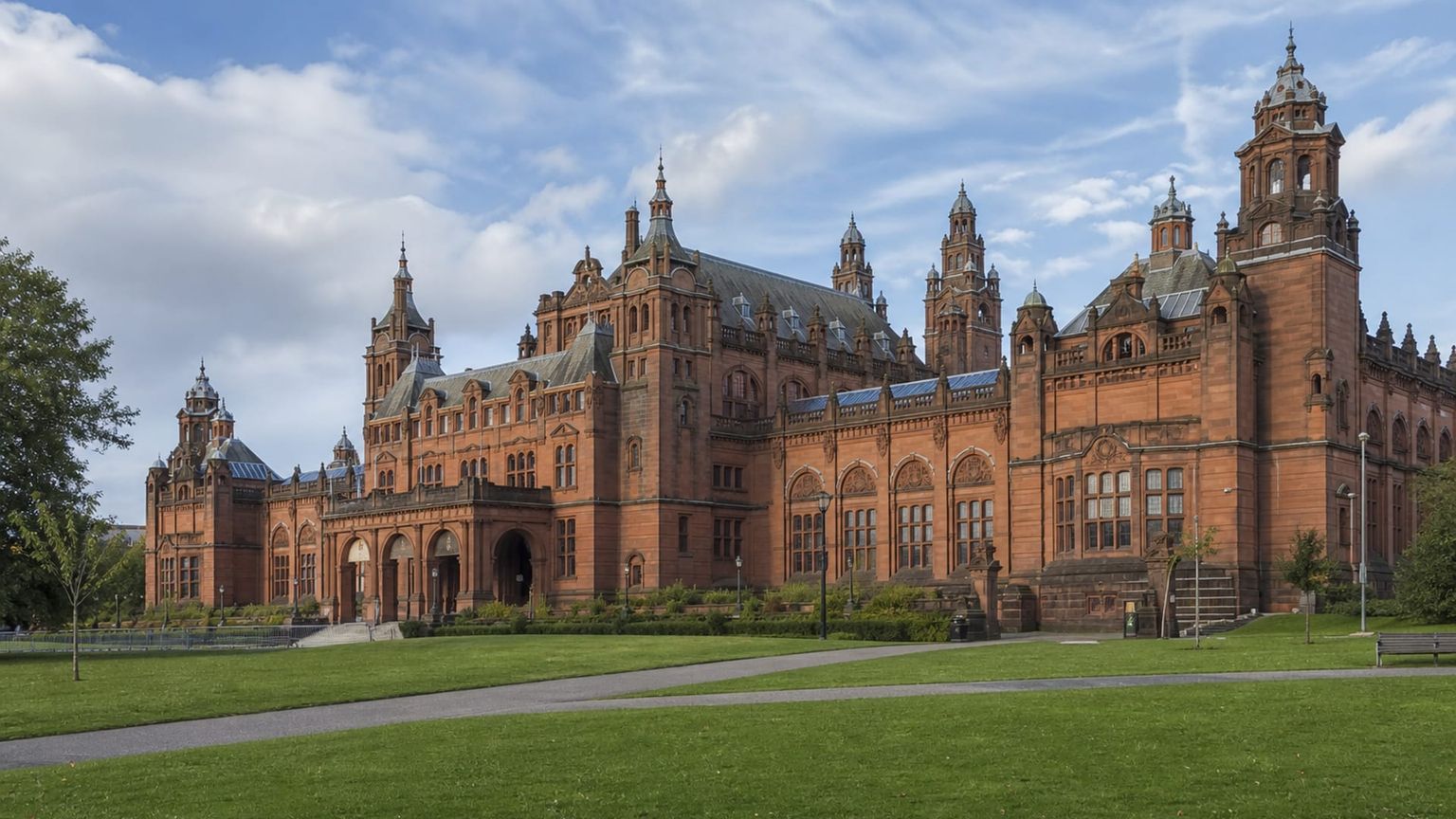
Glasgow’s best-known museum pairs a vast natural history and art collection with the red sandstone grandeur of its 1901 building. Highlights include Spitfire, Salvador Dalí, and Scottish design galleries.
Time needed: About 2 to 3 hours
Entry: Free to access, with donations welcomed; some special exhibitions may charge separate admission or timed-entry fees Visit the official site for details.
Tip: Go early on weekdays, then cross the park for a quieter approach back downtown.
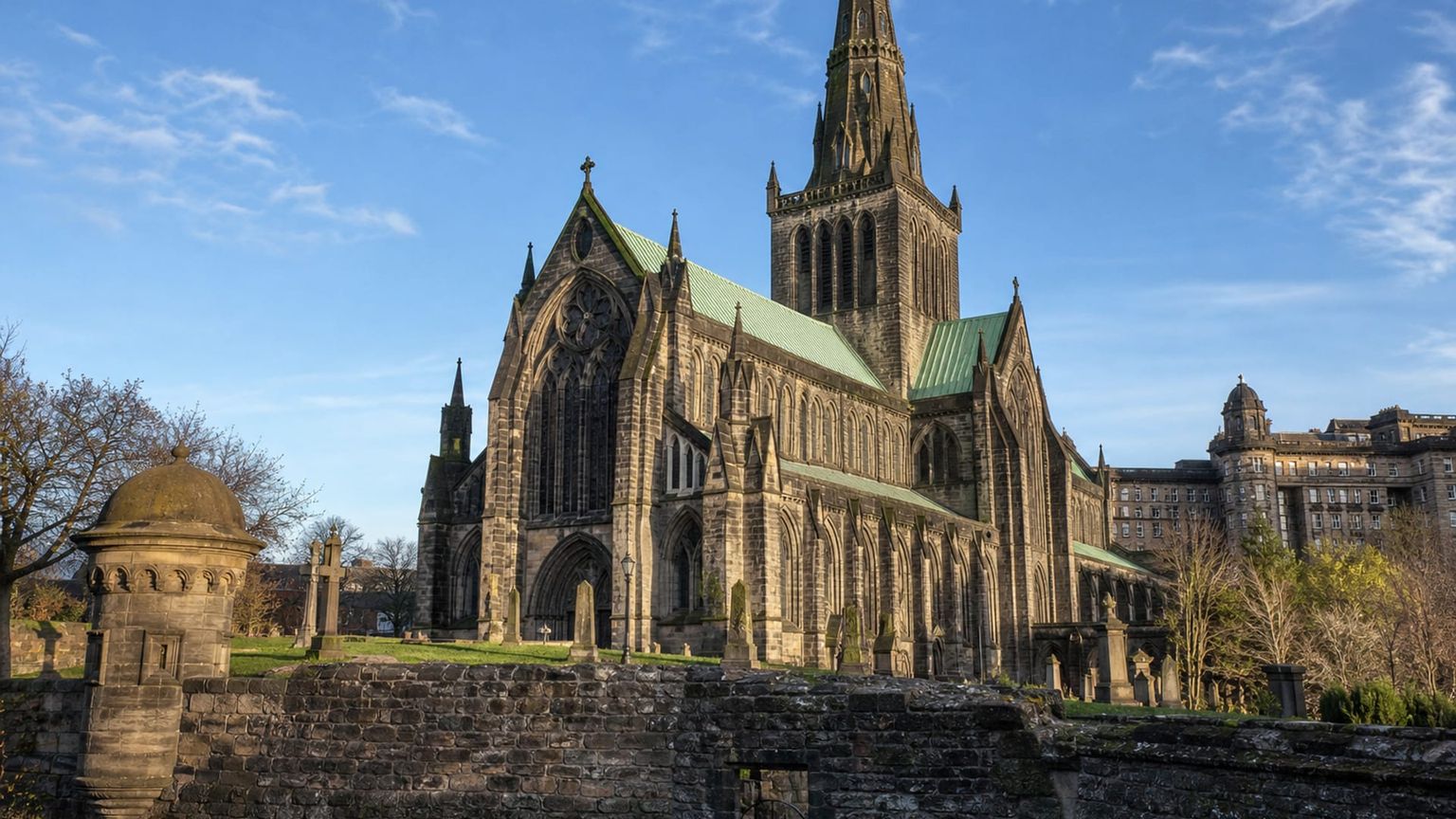
Glasgow Cathedral
The city’s medieval cathedral survived the Reformation and still holds one of Scotland’s finest church interiors. Its stone vaulting, stained glass, and crypt reward a slower visit before or after the nearby Necropolis.
Time needed: About 1 to 2 hours
Entry: Free to access, though donations are encouraged and some guided tours or crypt access may carry separate charges Visit the official site for details.
Tip: Arrive in the morning for softer light through the windows and fewer group visits.
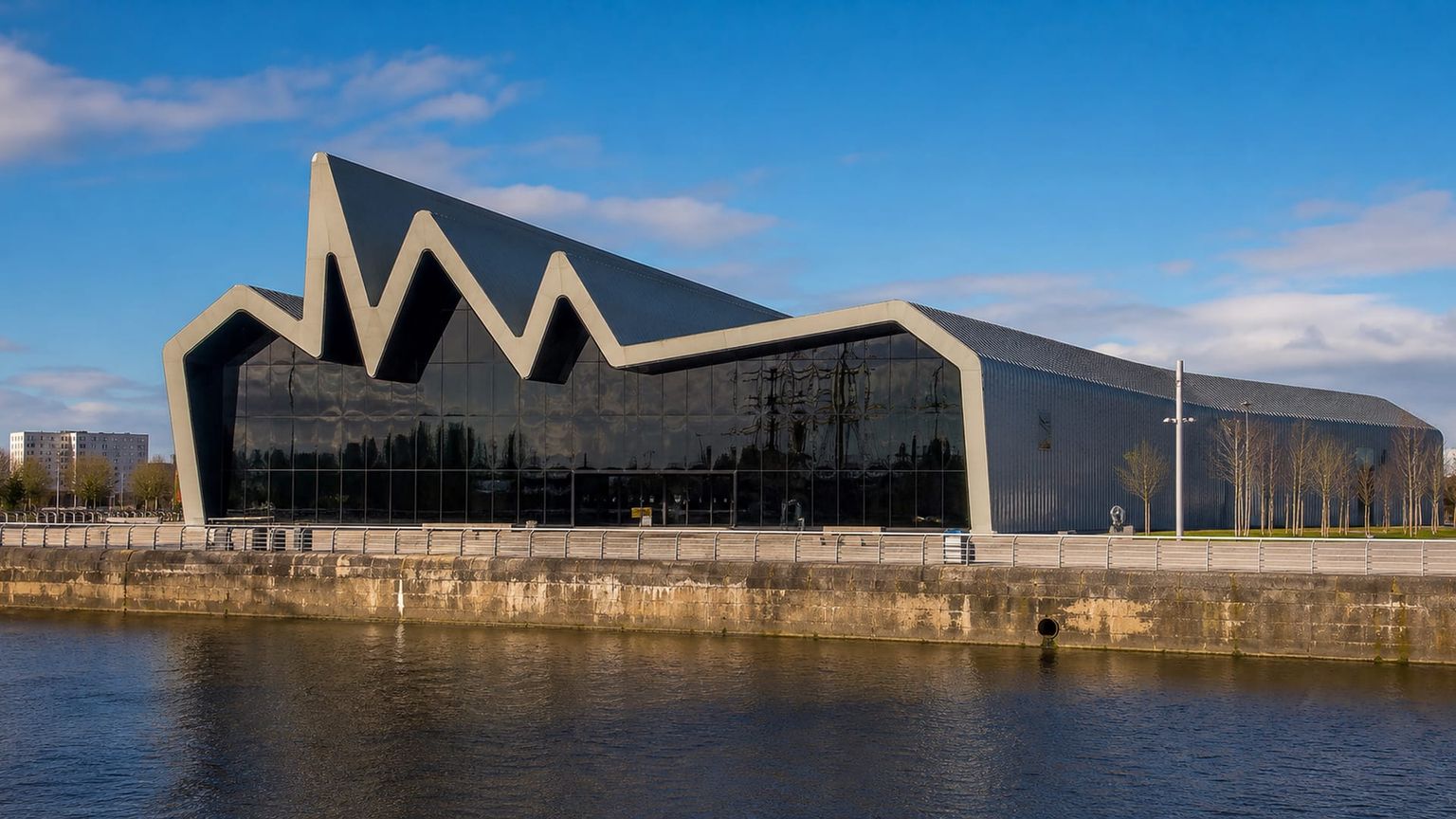
The Riverside Museum
This transport museum on the River Clyde brings Glasgow’s industrial story into focus with historic trams, cars, bicycles, and a recreated street. The angular Zaha Hadid building also gives the waterfront a strong modern landmark.
Time needed: About 2 to 3 hours
Entry: Free to access, with optional charges for some special events, guided experiences, or temporary exhibitions Visit the official site for details.
Tip: Pair it with the Tall Ship next door, then stay for late afternoon light on the Clyde.
Overlooked sites worth visiting

The Tenement House
This preserved 1890s flat shows Glasgow domestic life through original furnishings, tiled halls, and period details. Guided access keeps the visit compact, and the rooms reveal how one family lived for decades.
Time needed: About 1 hour
Entry: Adult admission costs $13 (£10); concessions cost $10 (£8); family tickets cost $33 (£26). Guided entry runs at set times, and the National Trust for Scotland sells tickets on site and online. Check the calendar for current slots before you go Visit the official site for details.
Tip: Arrive at opening for the quietest guided slots.

Pollok Country Park
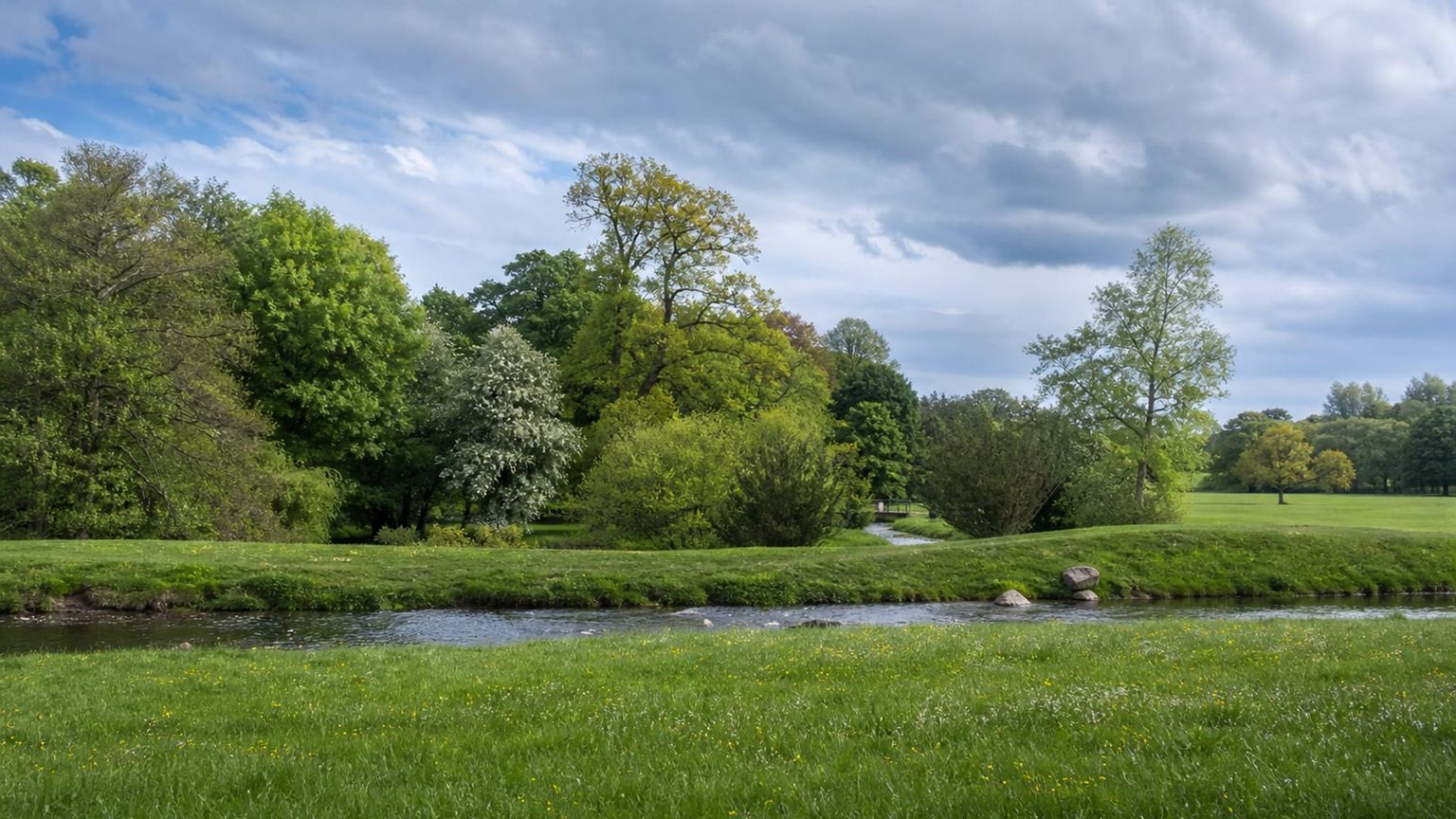
Pollok Country Park covers woodland paths, formal gardens, and riverside walks west of the center. The river loops and estate grounds make it an easy place to spend unhurried time outdoors.
Time needed: About 2 to 3 hours
Entry: Free to access. The park has no admission charge for walking, cycling, or visiting the grounds. Separate charges may apply for events or nearby attractions such as the Burrell Collection, so check ahead if you plan to combine visits.
Tip: Go in late afternoon for softer light along the river.
Traditional food
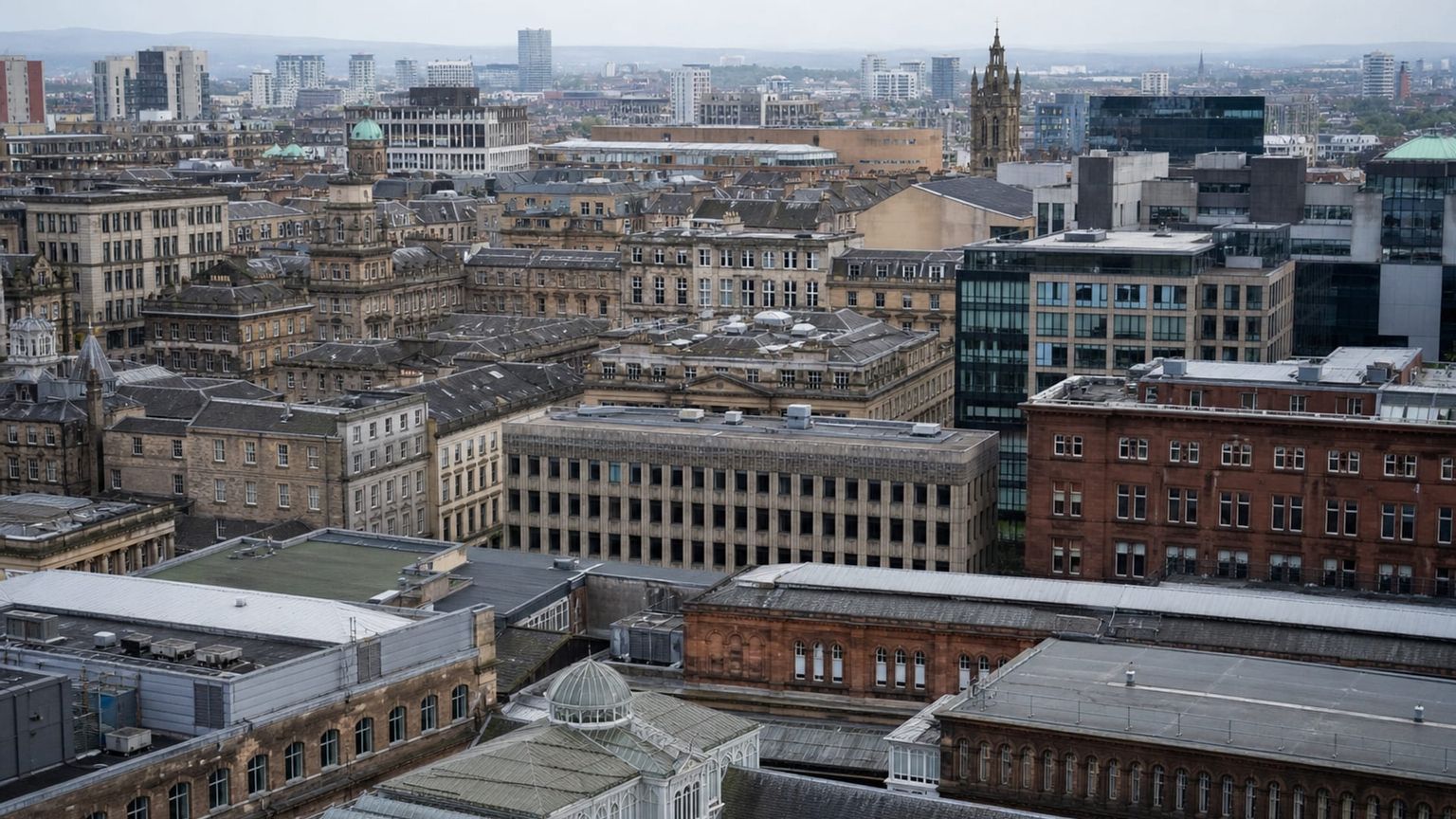
Glasgow’s table leans on oatcakes, smoked seafood, root vegetables, and rich broths, with Scottish breakfast, fish supper, haggis, and cullen skink anchoring the day. Pubs and brasseries keep portions generous and the pace unhurried.
Scottish breakfast
A full plate of eggs, bacon, sausage, black pudding, tattie scones, and beans sets the tone for a Glasgow morning. The Dandelion, on Buchanan Street, is a strong central stop for it.
Fish supper
This classic chippy order pairs fried fish with chips and a generous shake of salt and vinegar. The Crabshakk serves a well-regarded version in the West End.
Haggis
Peppered, savory, and best with neeps and tatties, haggis shows up in both traditional plates and more modern interpretations. Ubiquitous Chip in the West End has long served it as a signature Scottish dish.
Cullen skink
This smoked haddock soup is creamy, comforting, and distinctly Scottish, with potatoes and onions giving it body. The Gannet is a good Glasgow restaurant to seek it out.
Best time to visit Glasgow
Glasgow changes most noticeably between the wetter shoulder months and the brighter late-spring and summer window, when outdoor walks and park time become easier to plan.
Best for: Museums, cathedral visits, and first green spaces
What you get: About 45 to 60°F (7 to 16°C), with lighter crowds than summer and mixed weather that can change by the hour
Trade-offs: You still need to plan for rain and cool evenings
Best for: Long daylight for the West End, riverfront, and parks
What you get: About 55 to 70°F (13 to 21°C), with the busiest streets, fuller hotels, and more outdoor dining
Trade-offs: Popular sights and restaurants need more advance planning
Best for: City walks, gallery time, and restaurant evenings
What you get: About 45 to 60°F (7 to 16°C), with moderate crowds and crisp days that suit layered clothing
Trade-offs: Shorter days arrive quickly by late October
Best for: Indoor time in museums, cafes, and theaters
What you get: About 35 to 45°F (2 to 7°C), with the lightest crowds and the strongest chance of cold rain
Trade-offs: Outdoor sightseeing needs tighter timing and warmer layers
A realistic 5-day plan in Glasgow
A five-day Glasgow stay works best when the center, the West End, the river, and the Southside each get their own day. That keeps the city moving at a manageable pace and avoids packing long cross-town rides into every outing.
Land at Glasgow (GLA), then take a taxi or prebooked car into the City Centre or Merchant City, about 20 to 30 minutes and roughly $32 to $44 (£25 to £35). If you are staying in the West End, expect about 25 to 35 minutes and roughly $38 to $51 (£30 to £40). Settle in, fill a water bottle, and keep dinner simple near George Square or Buchanan Street, where hotel cafes and casual brasseries make an easy first stop after travel.
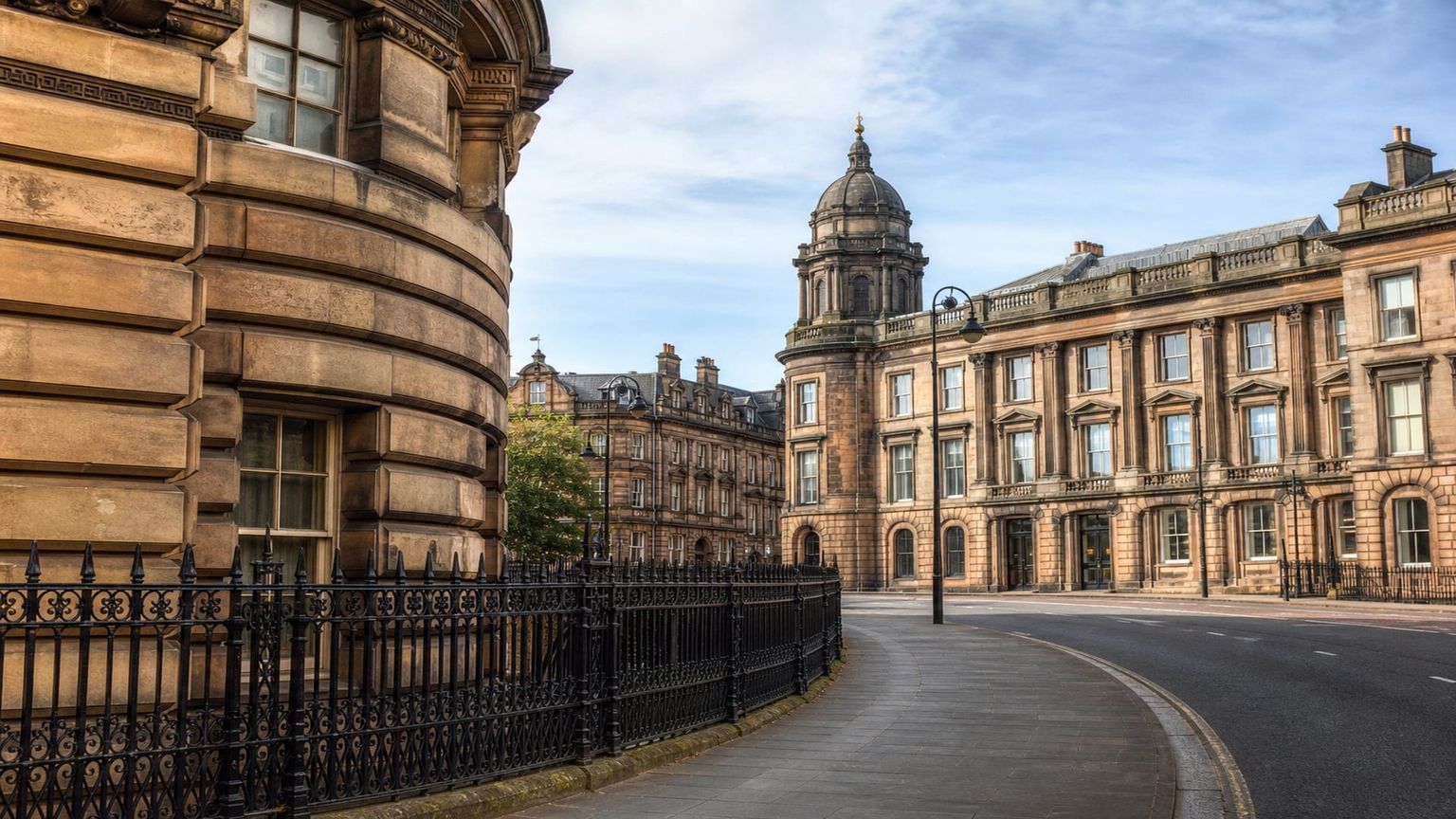
Start with Glasgow Cathedral in the morning, then walk about 10 minutes to the nearby Necropolis for the hilltop views and stonework. From there, it is about a 15-minute walk back toward the core for lunch near George Square, followed by the Tenement House, which sits roughly 20 minutes away on foot or about 10 minutes by taxi from the city center. End the afternoon in Merchant City for dinner, where the converted warehouses and dining streets are close enough to reach in about 10 minutes from George Square.
Begin in the West End at Kelvingrove Art Gallery and Museum, then spend about 20 to 30 minutes on foot crossing through the park back toward the neighborhood streets. After lunch, continue to the University of Glasgow and Byres Road, which are about 10 to 15 minutes apart on foot, for a look at the gothic campus and nearby cafes. If you want a fuller evening, stay in the West End for dinner on Ashton Lane, where the walking routes stay short and the late openings make the area easy to navigate without rushing.
Head west to Pollok Country Park for a morning outdoors, reaching it in roughly 15 to 25 minutes by transit from the center. Pair that with the Riverside Museum later in the day, about 20 to 30 minutes away by bus or taxi depending on where you start, and plan time for the riverfront setting and the Tall Ship next door. Finish with late-afternoon light on the Clyde, then return to the City Centre or Merchant City for dinner, where the ride back is usually about 15 to 20 minutes by transit.
One last morning fits the Riverside Museum if you missed it earlier, or a return to Kelvingrove for a final look at the galleries before checkout. If you have a few hours before heading to Glasgow (GLA), browse Buchanan Street and the surrounding City Centre shops, then settle into a cafe in Merchant City or the West End for coffee and an early lunch. That gives you an easy final stretch near transit, with enough time to reach the airport by taxi or rail without rushing.
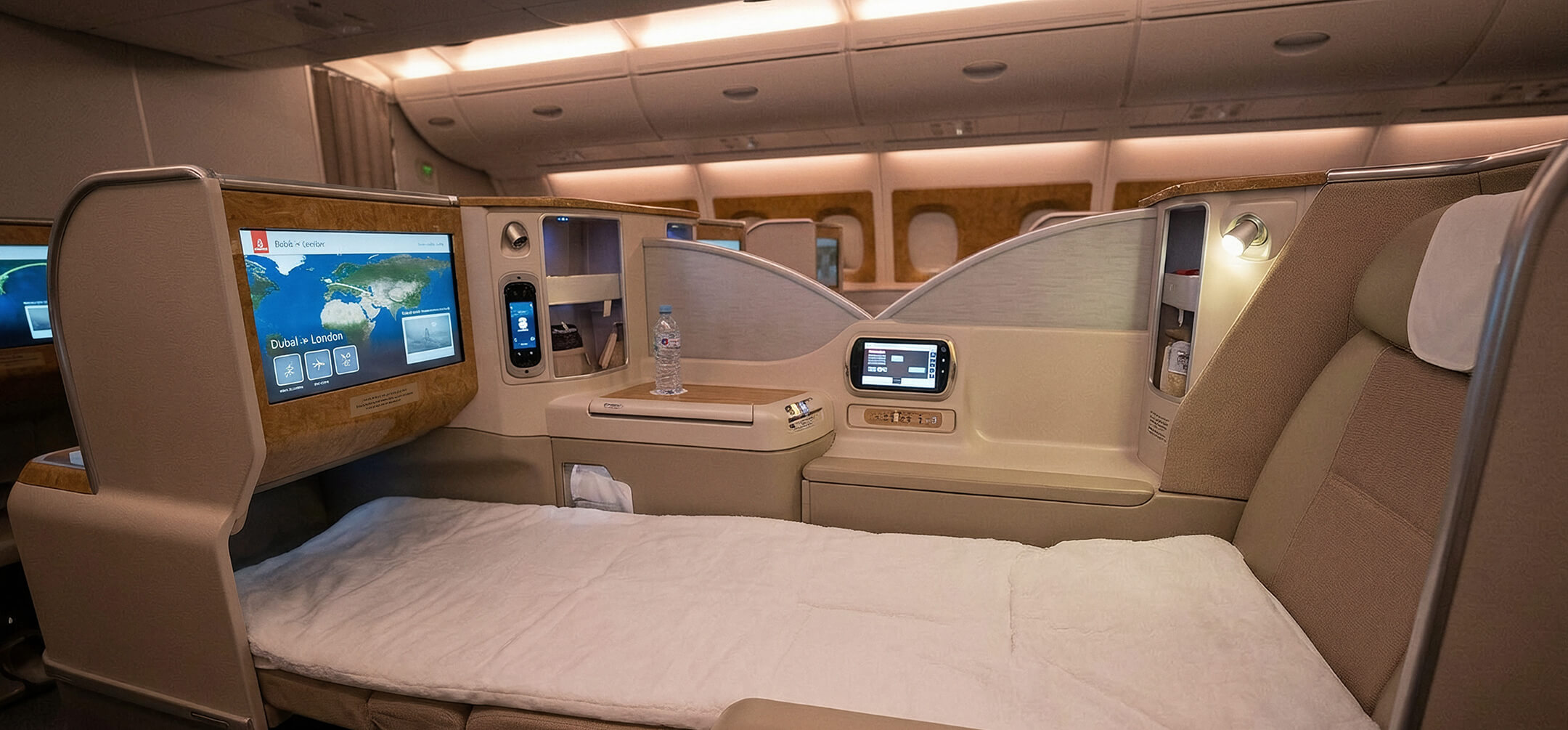
Business-class flights from the US to Glasgow
For long-haul arrivals, the main question is how much time you want to spend on a connection before reaching Glasgow. From New York and Los Angeles, the price bands and total journey times can differ sharply depending on whether you choose a nonstop or a routed itinerary.
From New York, British Airways, Lufthansa, Air France, KLM, Virgin Atlantic, and Aer Lingus price round-trip fares from $2,200 to $5,500, with nonstop fares usually sitting near the middle of that range. A direct trip takes about 6 to 7 hours, while common itineraries via London (LHR), Frankfurt (FRA), Paris (CDG), Amsterdam (AMS), or Dublin (DUB) take about 8 to 13 hours and often cut the fare.
Los Angeles itineraries usually start at $2,700 and can reach $6,500 round-trip on British Airways, Lufthansa, Air France, KLM, or Virgin Atlantic. If you want the lower end of that spread, look at connections through London (LHR), Frankfurt (FRA), Paris (CDG), Amsterdam (AMS), or Dublin (DUB), which commonly take about 13 to 18 hours total.
Glasgow feels different when you slow down
A well-paced Glasgow trip gives each district a clear role, from the Cathedral and Necropolis to Kelvingrove, Ashton Lane, and the paths in Pollok Country Park. Subway rides, short taxi hops, and walkable dinner plans in Merchant City or the City Centre keep the days linked without packing them too tightly. For a trip shaped this way, ask the AranGrant experts to help you build the right flight and hotel pairing for Glasgow