

Chapters:

Need help with your trip?
Our support team is available 24/7. Request a callback or call us directly at (833) 619-0908
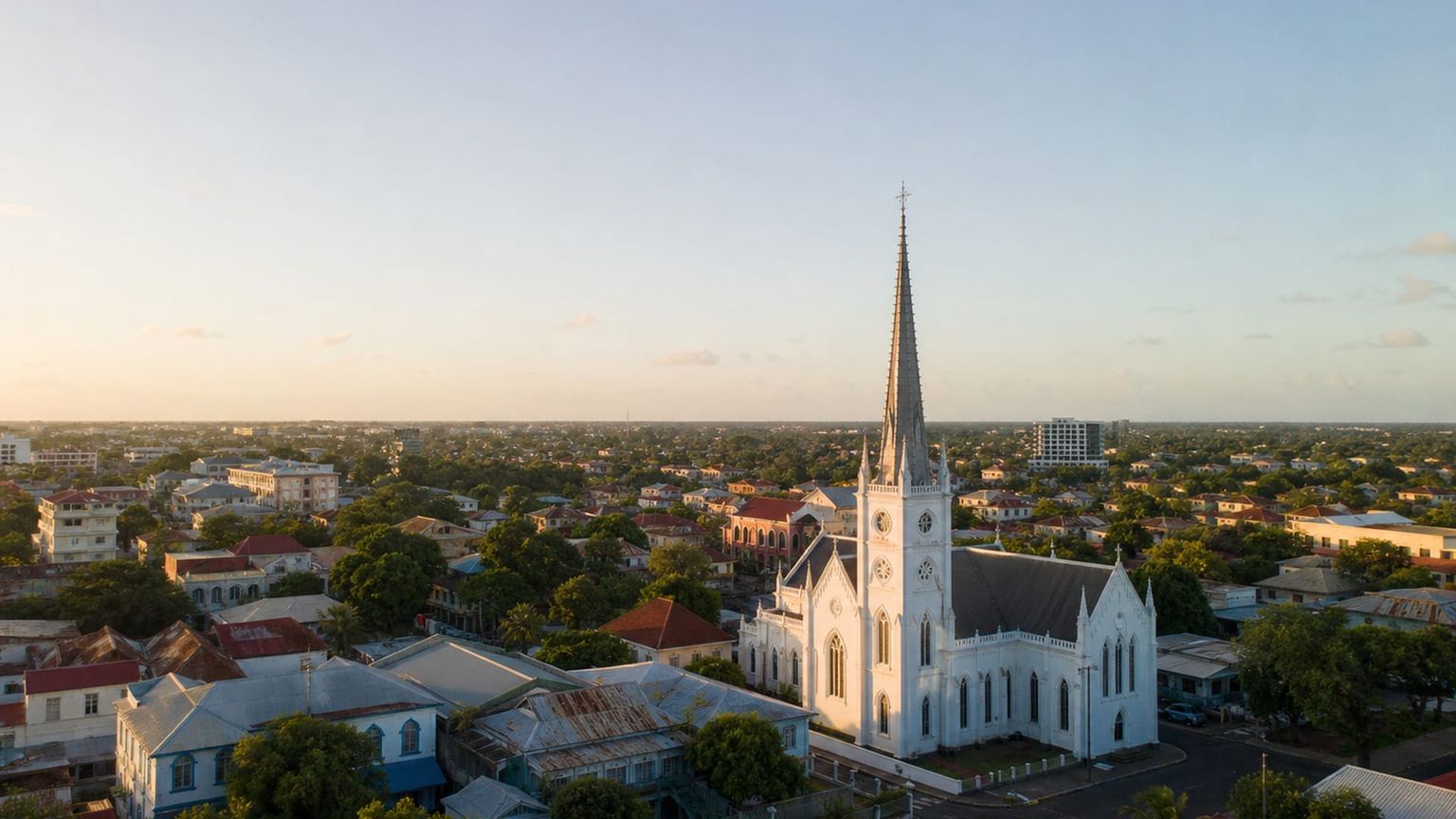
Georgetown moves from the commercial streets around Stabroek Market to wooden churches, small museums, residential districts, and the Atlantic waterfront. St. George’s Cathedral stands among the city’s best-known historic buildings, while Kingston, Promenade Gardens, and the National Park add quieter spaces beyond downtown.
This guide helps you plan five days in Georgetown, including where to stay, how to get around, what to eat, and which sights to visit.
Useful things to know

Main language(s): English is the official language, while Guyanese Creole is widely used in everyday conversation.

Currency: Guyanese dollar (GYD, G$)

Cash and cards: Hotels, supermarkets, restaurants, and larger shops commonly accept cards. Keep Guyanese dollars for taxis, minibuses, markets, and smaller businesses.

Tipping: A 10% tip is appreciated at restaurants when service is not already included.

Traditional food: Pepperpot, cook-up rice, metemgee, and black pudding are among the best-known Guyanese dishes.

Water and coffee costs: Prices vary by venue, with hotels and international-style cafés generally charging more than supermarkets and local shops.

Taxis and ride apps: Local taxis operate in Georgetown.

Plug and voltage: Type A and B outlets; 120V and 240V are both used.

Dining and shop opening hours: Many restaurants open from 7:00 to 11:00 am and serve until about 10:00 pm. Shops commonly open at 8:00 am and close by 4:30–5:00 pm, with shorter weekend hours.

Emergency number: Call 911 for police, 912 for fire, and 913 for an ambulance.
Where to stay in Georgetown
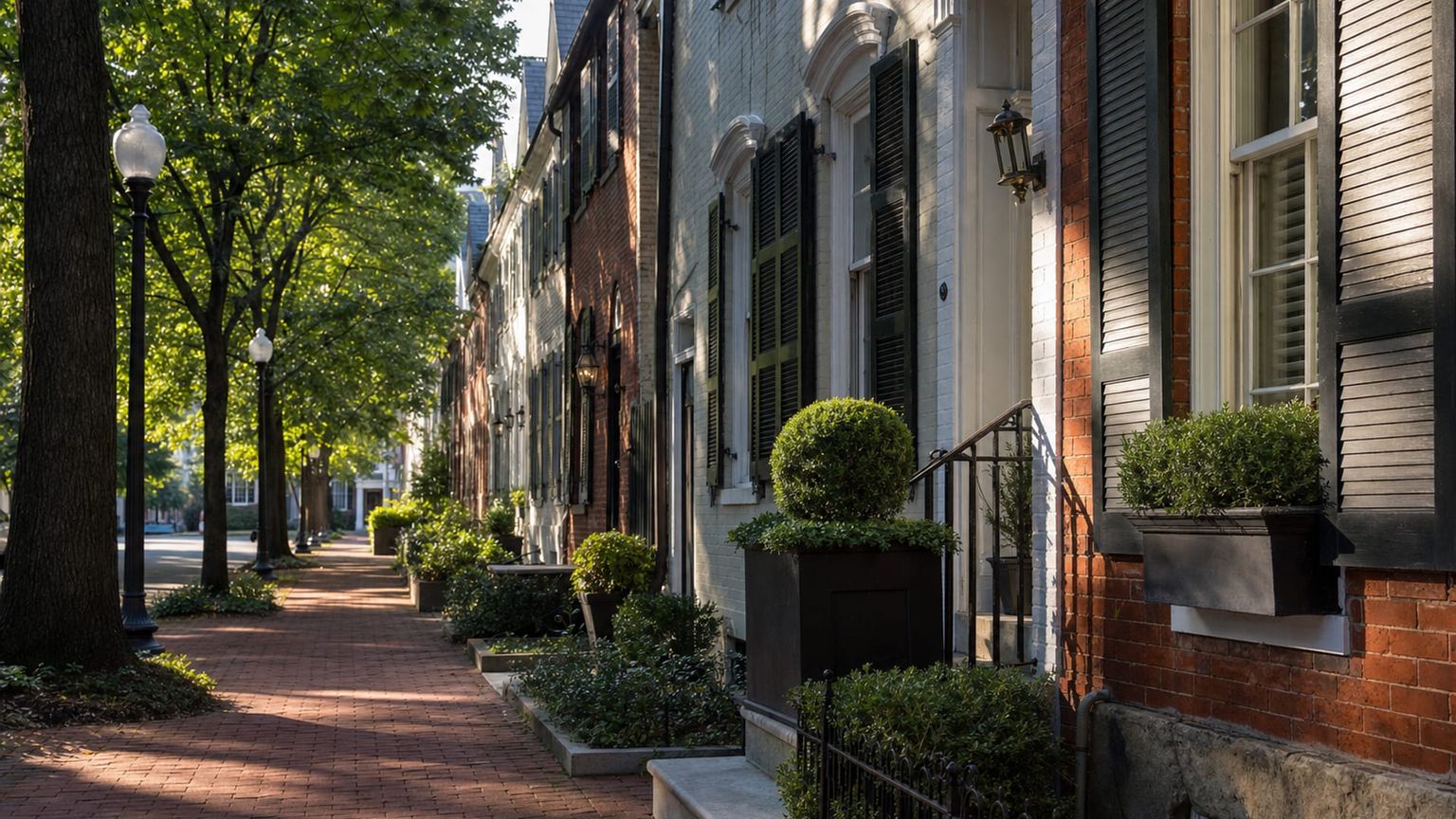
Central Georgetown contains Stabroek Market, St. George’s Cathedral, government buildings, shops, and several museums within a compact part of the capital. Staying here keeps much of the daytime sightseeing close together and reduces the need for repeated taxi trips between central attractions.
Best for: First visits, historic sights, markets, and travelers prioritizing daytime sightseeing
What to expect: Vendors, office traffic, older buildings, commercial streets, and busy weekdays
Hotel prices: Rates vary from G$18,800 to G$37,600 (US$90–US$180), depending on the property, room category, and travel dates.
Distance to major sights: Stabroek Market and St. George’s Cathedral are close by.
Quietness: Streets are busiest by day and become much calmer after businesses close.
Main trade-off: Some blocks are less comfortable for extended walks after dark.
Good to know: Choose a hotel that can arrange taxis for late-evening returns.
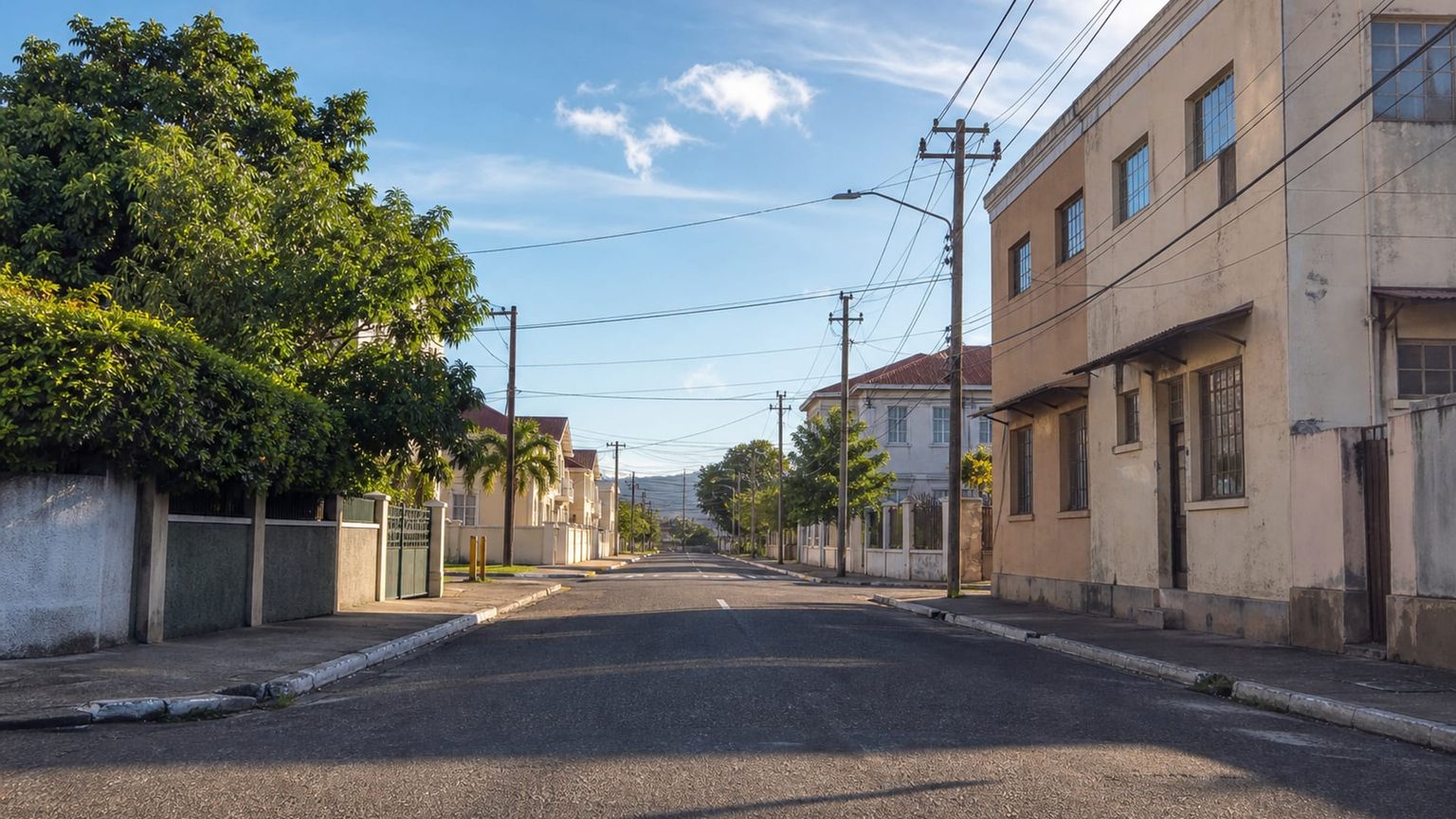
Kingston lies along the northern side of central Georgetown near the Atlantic waterfront. Hotels, offices, restaurants, diplomatic buildings, and government properties occupy the district, while road connections make it easy to reach downtown without staying in the busiest commercial streets.
Best for: Business trips, larger hotels, waterfront access, and quieter evenings
What to expect: Wider roads, office buildings, hotel properties, and lighter pedestrian traffic
Hotel prices: Rooms in well-reviewed properties generally cost G$17,800–G$35,500 (US$85–US$170).
Distance to major sights: Downtown Georgetown is a short taxi ride away.
Quietness: Kingston is generally calmer than the Stabroek Market area outside work hours.
Main trade-off: Fewer historic attractions are immediately outside your hotel.
Good to know: Kingston suits travelers who value hotel facilities and easier road access.
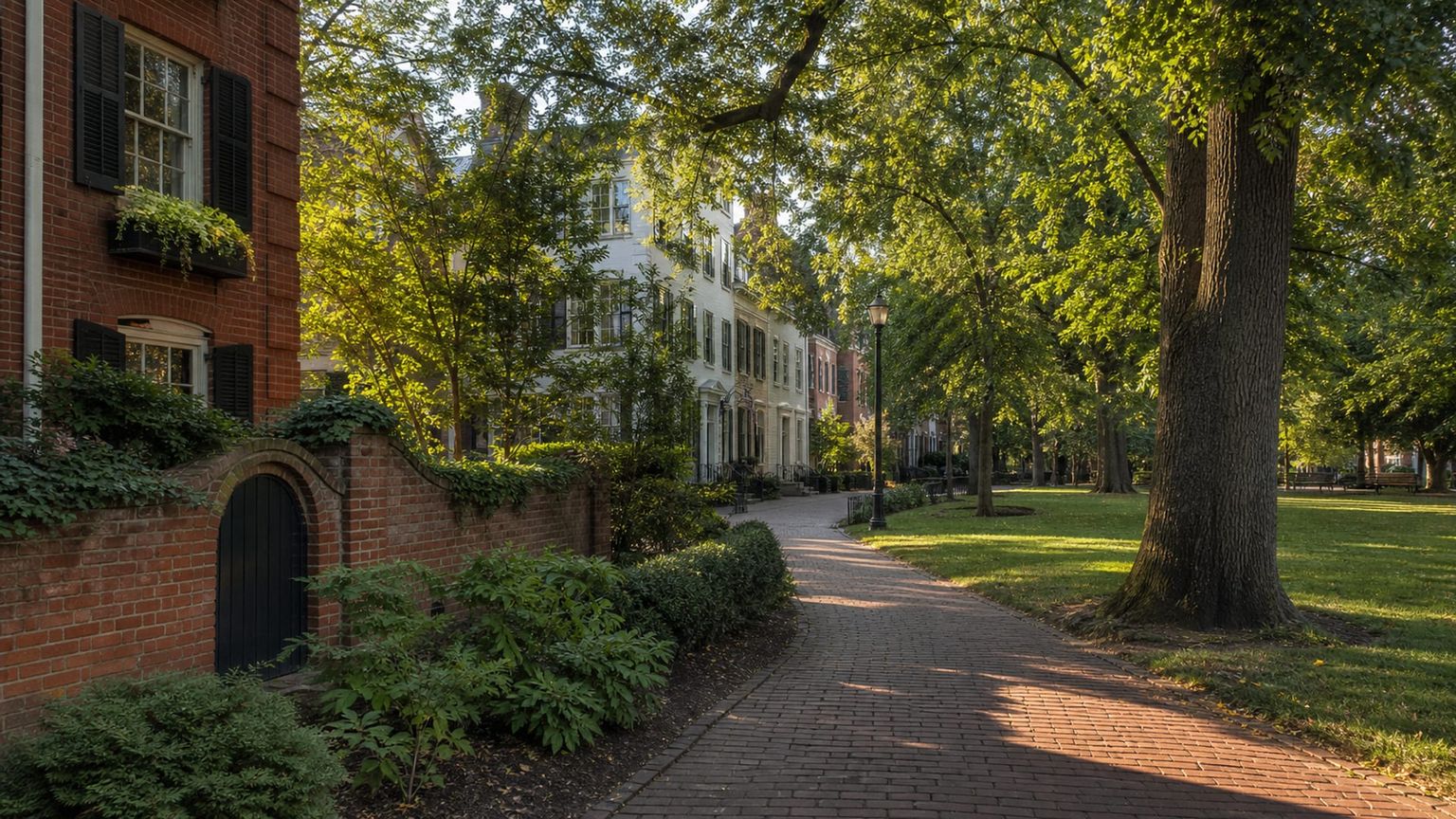
Bel Air Park is a residential district east of Georgetown’s historic center, with homes, quieter streets, and access to the city’s northern and eastern parts. It offers a more residential stay than downtown but requires greater reliance on taxis for sightseeing and evening plans.
Best for: Longer stays, quieter surroundings, and travelers using private transport
What to expect: Residential streets, homes, small businesses, and little tourist foot traffic
Hotel prices: Options are limited, with prices ranging from G$16,700 to G$33,400 (US$80–US$160) per night.
Distance to major sights: Most downtown attractions require a taxi.
Quietness: Streets are generally calmer than those in the commercial center.
Main trade-off: Museums, markets, and waterfront sights require more road travel.
Good to know: Taxis don’t operate 24/7 in Bel Air.
Cummingsburg, Alberttown, and Kitty are relatively close to central Georgetown. Sophia and Diamond require longer road journeys if most of your sightseeing is downtown.
Hotel deals
Getting around Georgetown
Georgetown’s minibuses, taxis, app-based cars, and rental vehicles handle most journeys across the city.

Rental car
for travel beyond Georgetown
Rental cars are available at Cheddi Jagan International Airport. Standard cars and SUVs cost G$8,000–G$12,000 (US$38–US$57) per day. A car is most useful when Georgetown is part of a wider Guyana trip, since taxis are usually more convenient for city-only travel.

Minibus
for inexpensive daytime travel
Minibuses follow numbered routes through Georgetown and nearby communities. Several short city routes cost G$100 (US$0.50), although fares vary by destination. Pay in cash and check the route before boarding, since buses often depart once they are full.

Taxi
for evenings and cross-city journeys
Street taxis generally quote a fare before departure, so confirm the price before getting in. Local app-based services can provide an upfront fare. A 3-mile (5 km) ride can cost G$2,750 (US$13) or more, depending on the route, provider, and vehicle category.
*Prices are based on rates updated as of October 2026 and may change at the time of travel.
Use minibuses for low-cost daytime trips, taxis for direct rides, and a rental car for travel beyond the capital.
Iconic places in Georgetown
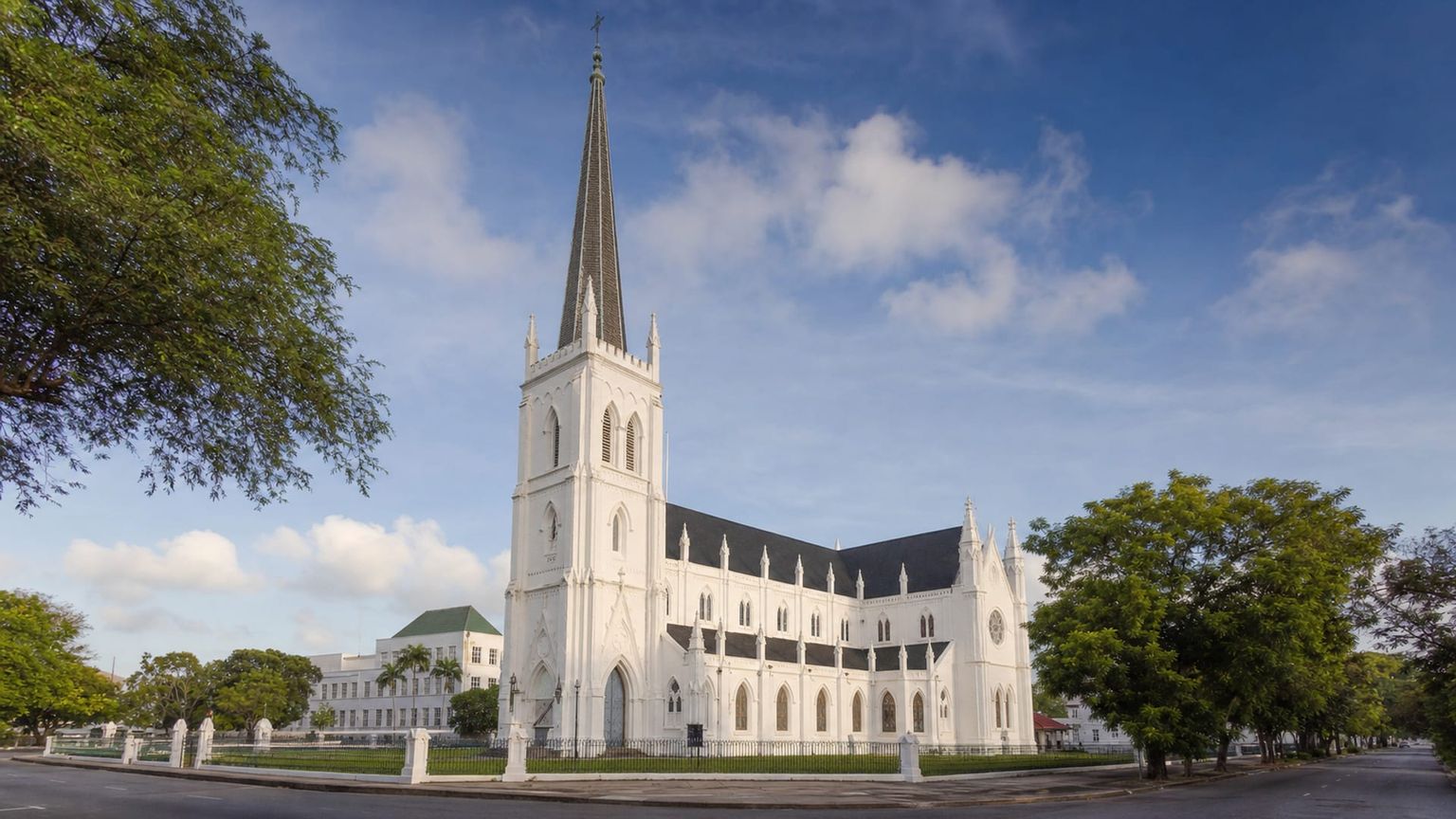
St. George’s Cathedral
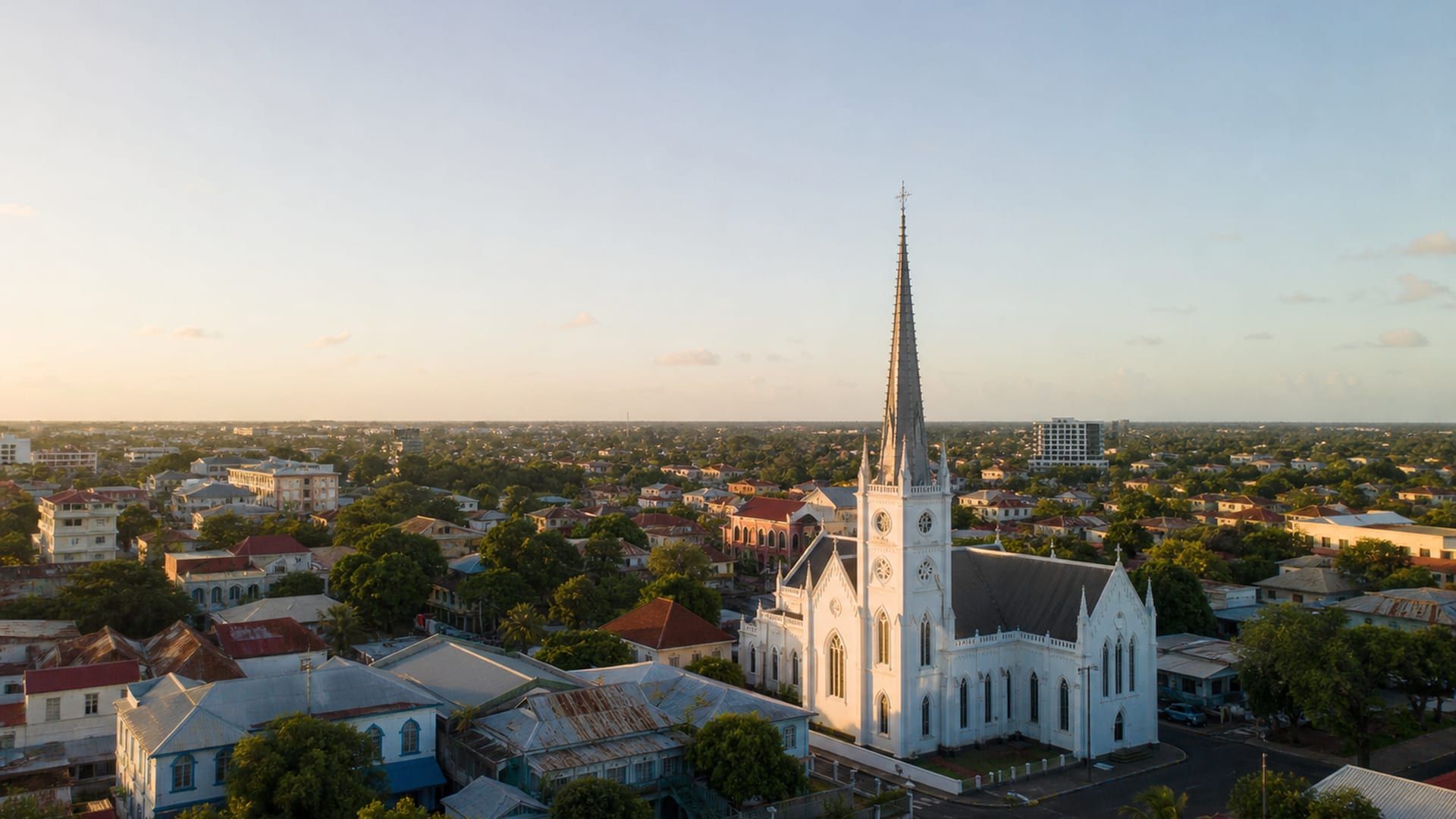
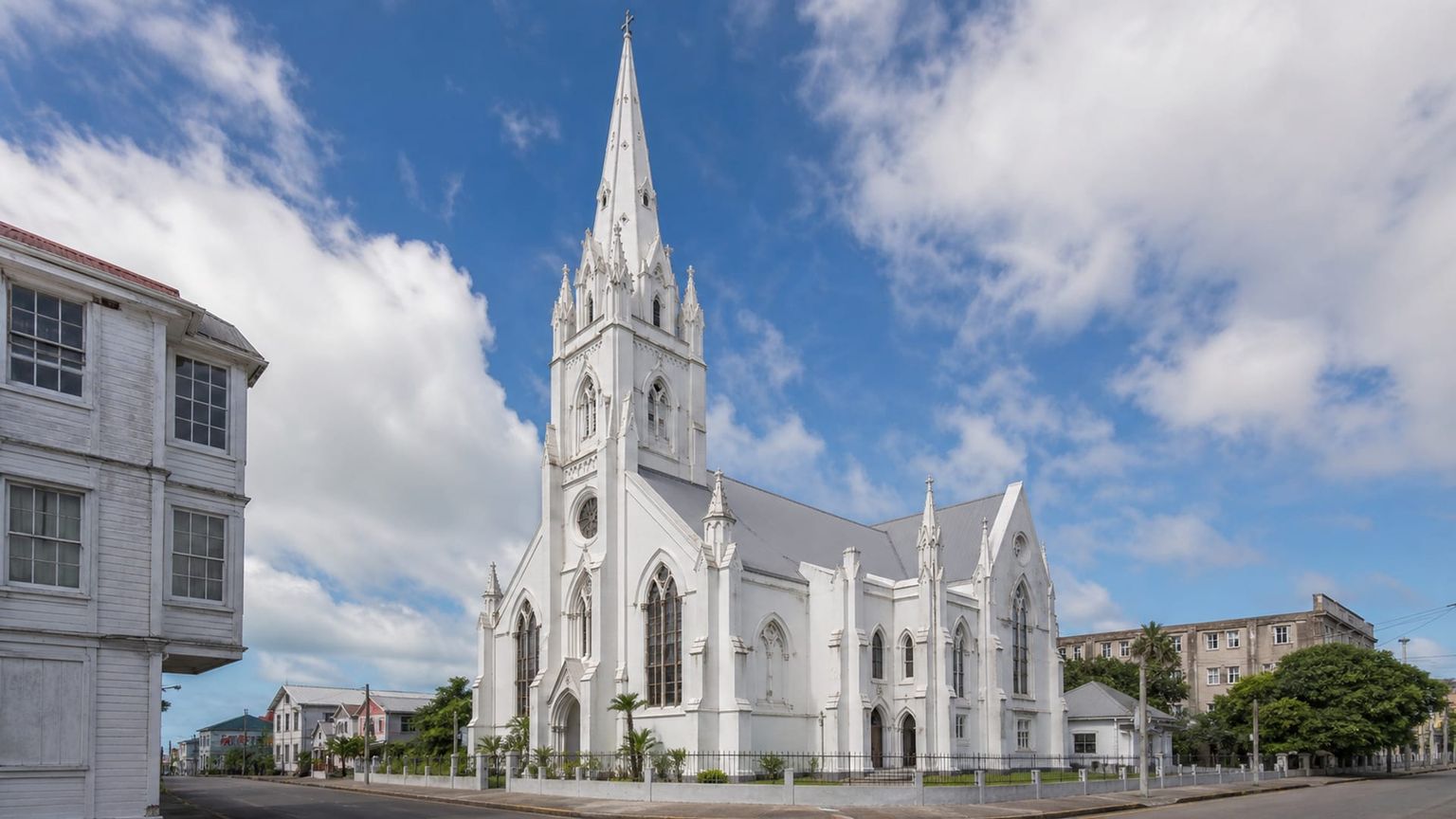
St. George’s Cathedral is one of Georgetown’s defining landmarks, with a white wooden exterior, Gothic details, stained glass, and a tall central spire. Its scale and timber construction make it one of the most distinctive buildings in the capital.
Time needed: 30 to 45 minutes
Entry: General visits are usually free.
Tip: Pair it with nearby downtown sights instead of making a separate trip.
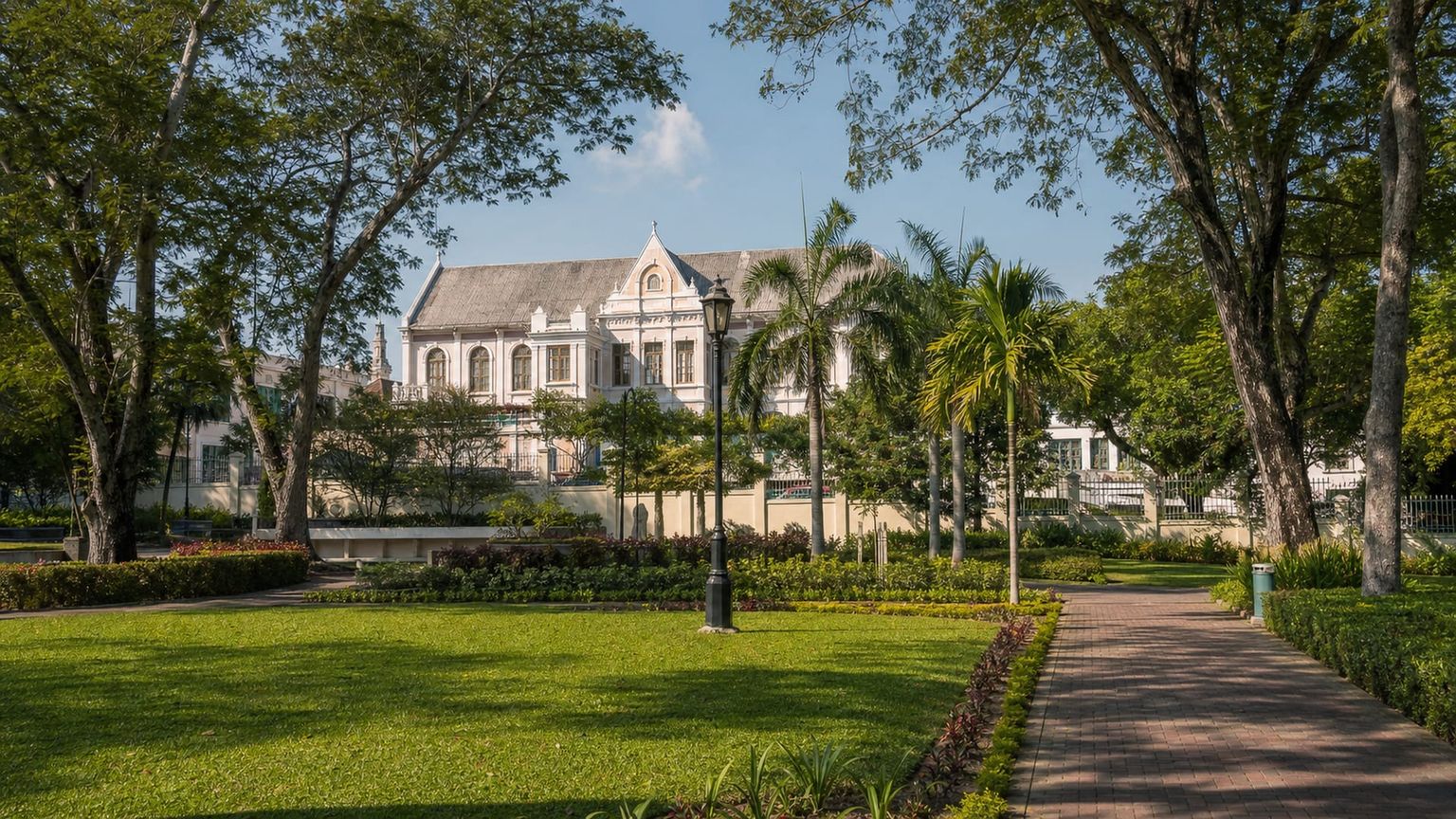
Promenade Gardens
Promenade Gardens provide a compact green space in central Georgetown, with mature trees, palms, formal paths, and links to the city’s colonial history. The gardens offer a quieter stop between museums and downtown streets.
Time needed: 45 minutes to 1 hour
Entry: Free
Tip: Visit before midday or later in the afternoon for lower temperatures.
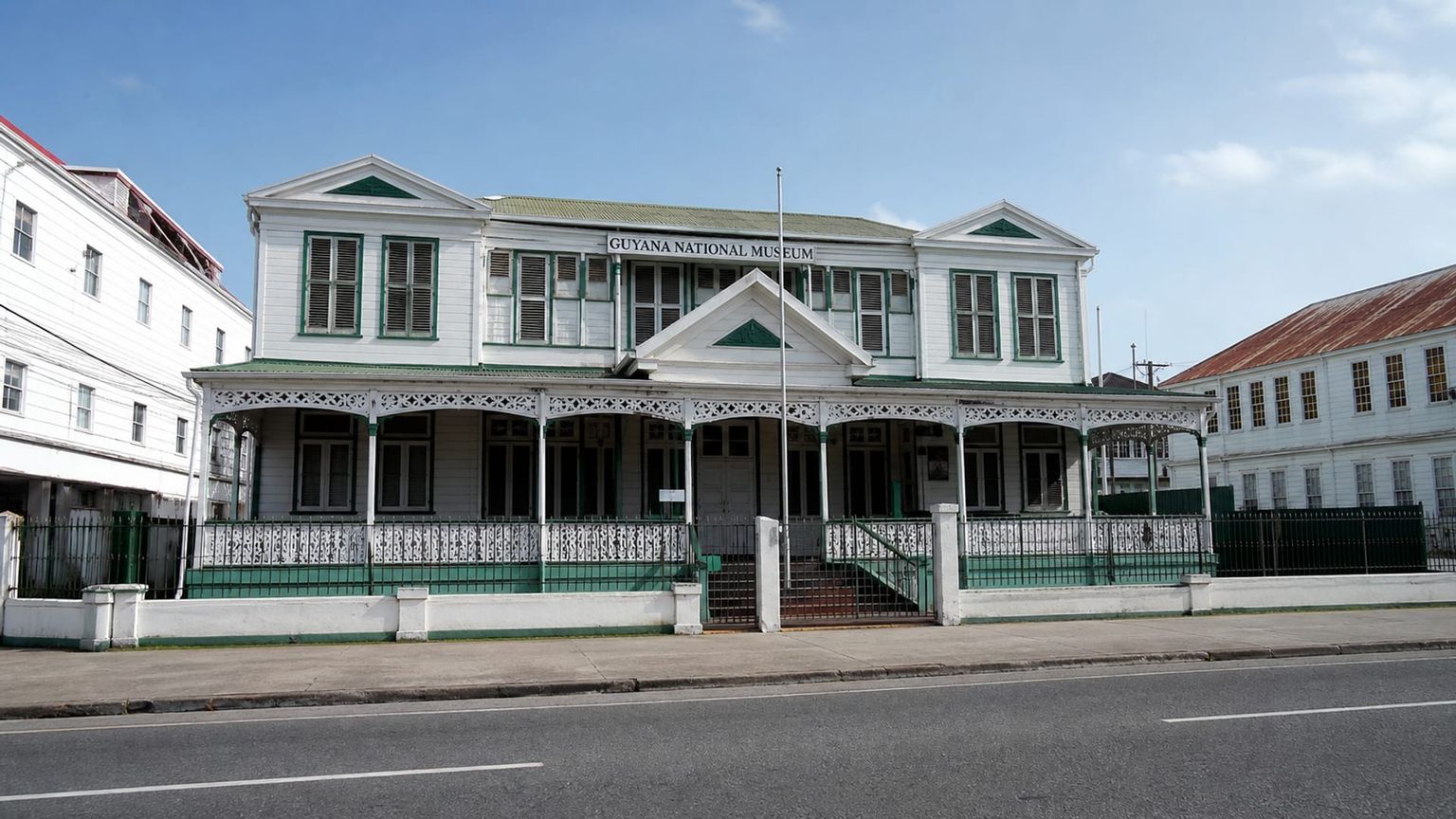
Guyana National Museum
The Guyana National Museum covers the country’s wildlife, natural history, Indigenous cultures, industries, and social development. Fossils, archaeological material, taxidermy, and historical objects give visitors a broader introduction to Guyana beyond the capital.
Time needed: 1 to 2 hours
Entry: Admission costs about $2 ($400) for adults, with lower rates for children and school groups.
Tip: Combine it with St. George’s Cathedral while you are already downtown.
Overlooked places in Georgetown

Walter Roth Museum of Anthropology
The Walter Roth Museum focuses on Guyana’s Indigenous peoples and archaeological heritage. Its ethnographic and archaeological collections provide many details on communities across the country.
Time needed: About 1 hour
Entry: Free, yet small donations are welcome.
Tip: Add it to a downtown museum day instead of making a separate trip.

National Park
Georgetown’s National Park occupies a large green space in Thomas Lands, with walking paths, sports areas, community facilities, and recreation grounds. The park is also known for its manatees.
Time needed: About 1 hour
Entry: Free
Tip: Visit early or late in the day to avoid the strongest heat.
What to eat in Georgetown
Guyanese cooking reflects African, Indigenous, Indian, European, Chinese, and Caribbean influences, with cassareep, rice, coconut milk, beans, meat, and pepper sauces used in local dishes.
Pepperpot
Pepperpot is a dark, slow-cooked stew made with cassareep, meat, spices, and seasonings. It is especially associated with Christmas. You can enjoy it at German’s Soup Restaurant.
Cook-up rice
Cook-up rice combines rice, peas or beans, coconut milk, meat, and seasonings in one pot. Fireside Grill offers a version of this dish.
Metemgee
Metemgee combines coconut milk with root vegetables, plantain, cassava, dumplings, and other ingredients. The result is a rich, filling dish that reflects Guyana’s tradition of substantial home-style meals. Backyard Cafe serves metemgee.
Black pudding
Guyanese black pudding is a seasoned sausage traditionally made with blood, rice, herbs, and spices. It is commonly served with pepper sauce and is easy to find at markets, local food counters, and traditional eateries.
Best time to visit Georgetown
Georgetown stays hot and humid year-round, with two wetter periods shaping when outdoor sightseeing is easiest.
Best for: Holiday travel, cultural events, food, and sightseeing between wetter periods
What you get: Temperatures usually stay near 77°F–86°F (25°C–30°C), with wetter conditions in December and January.
Trade-offs: Holiday demand can raise hotel prices, while rain can interrupt outdoor plans.
Best for: Historic sights, markets, gardens, and city walks before the main rains intensify
What you get: Temperatures commonly reach 79°F–88°F (26°C–31°C), with March and April generally drier.
Trade-offs: Humidity and rainfall increase as May approaches.
Best for: Museums, Guyanese food, and travelers comfortable adjusting outdoor plans
What you get: Conditions usually stay near 77°F–86°F (25°C–30°C), with June and July among the wetter months.
Trade-offs: Heavy rain can affect roads, outdoor sightseeing, and longer walks.
Best for: Markets, parks, historic streets, and outdoor sightseeing in relatively drier weather
What you get: Temperatures stay near 79°F–88°F (26°C–31°C), with September and October generally drier.
Trade-offs: High heat and humidity continue even during the drier period.
A 5-day plan in Georgetown
Five days give you time for Georgetown’s downtown landmarks, museums, markets, waterfront areas, and quieter northern districts without repeating the same central sights.
Land at Cheddi Jagan International Airport (GEO) in Timehri and take an authorized airport taxi or prearranged transfer to Georgetown. The airport is 25 miles (40 km) south of the city, and the drive typically takes 45–70 minutes. After checking in, keep the first evening close to your hotel and have dinner nearby. Save Stabroek Market, the museums, and the central historic streets for the following morning when businesses and attractions are open.
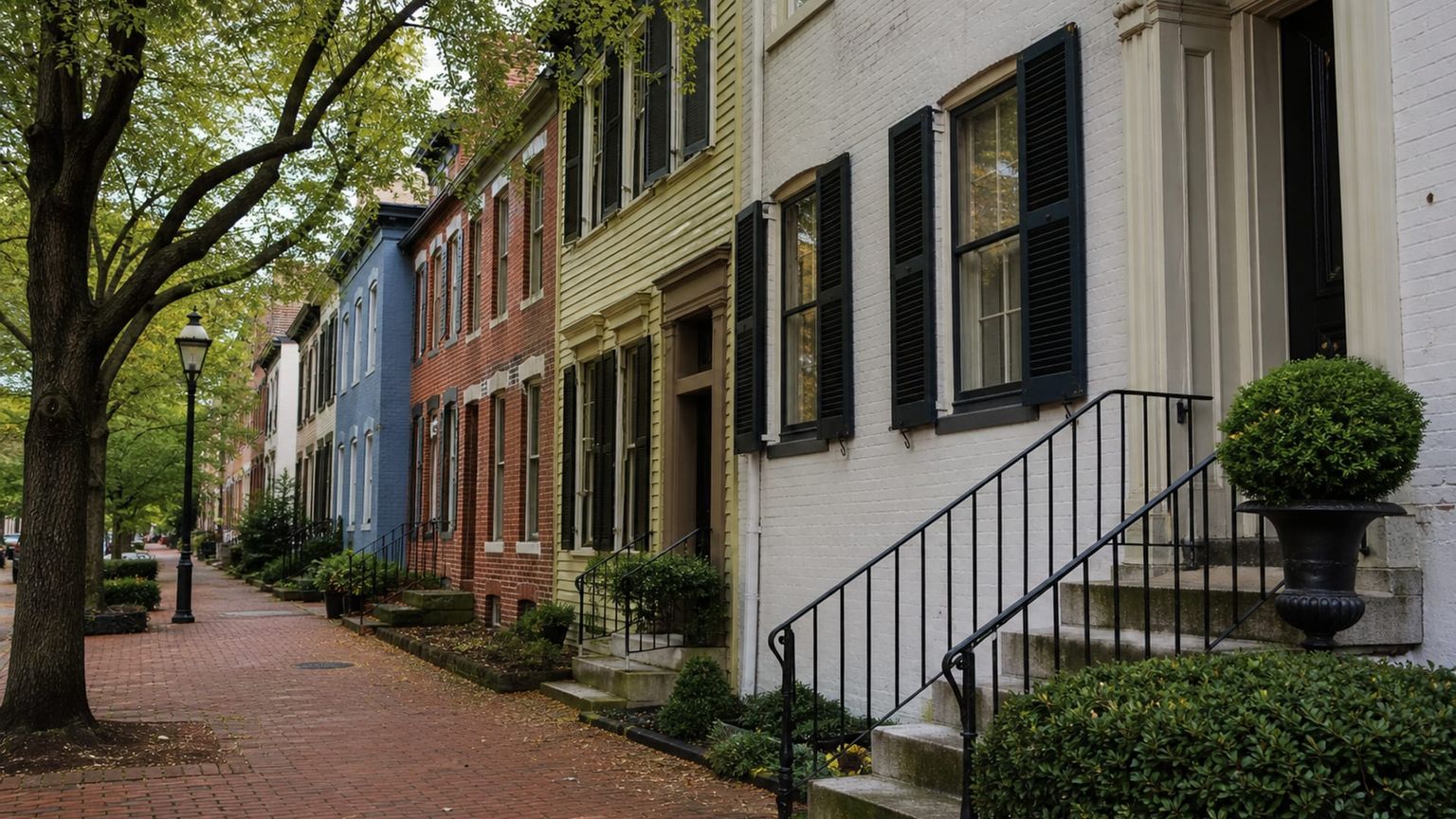
Begin at St. George’s Cathedral and spend some time looking at its white timber exterior and Gothic details before continuing through the central streets. Visit the Guyana National Museum for 1–2 hours to see collections covering wildlife, fossils, Indigenous cultures, and national history. After lunch, continue to Promenade Gardens for a quieter outdoor stop. Finish the afternoon nearby instead of adding another part of the city before dinner.
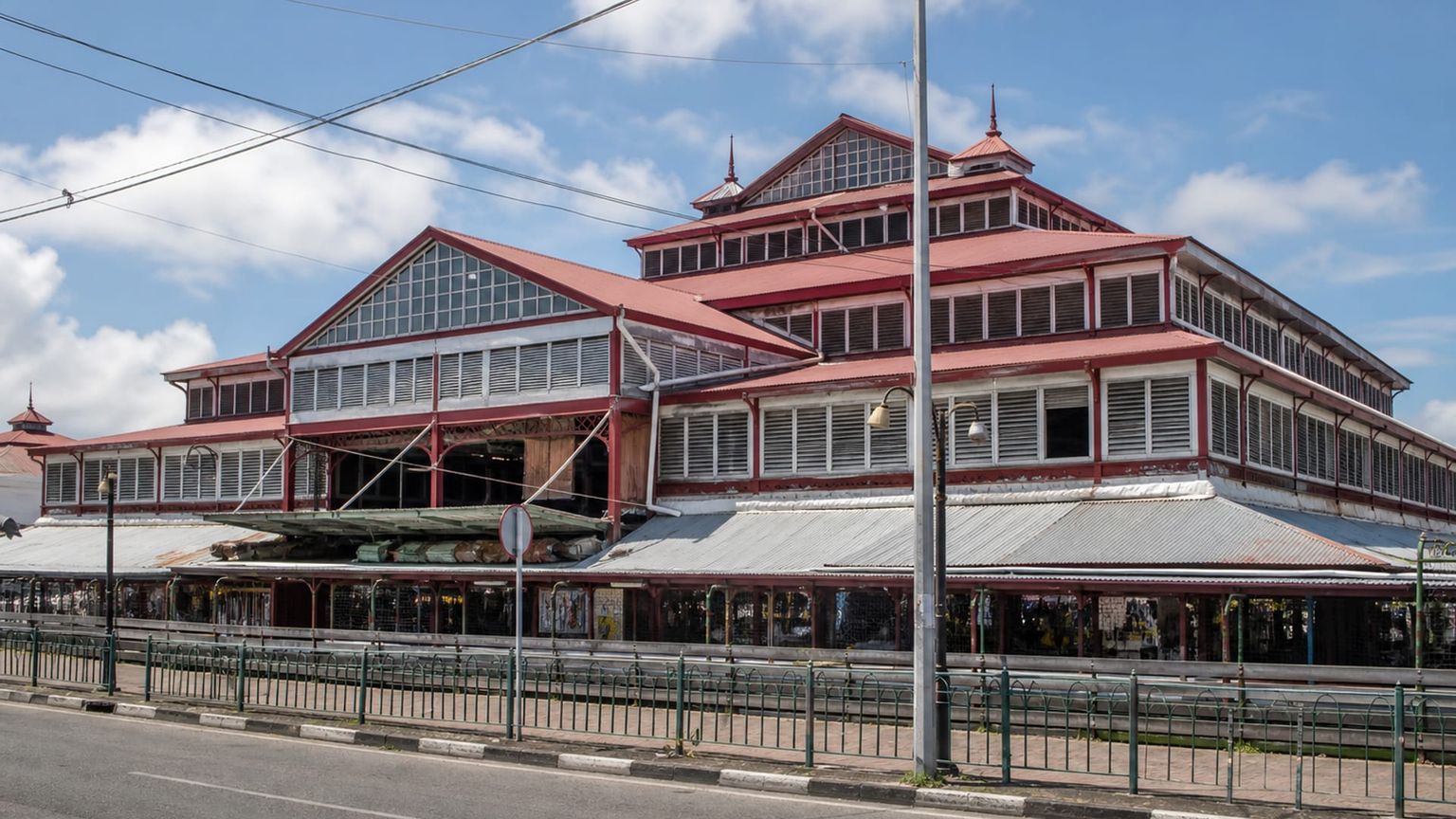
Start near Stabroek Market while the commercial streets are active and spend time exploring the market area and surrounding downtown blocks. Continue toward the riverfront and nearby historic buildings before stopping for lunch. In the afternoon, visit the Walter Roth Museum of Anthropology to learn more about Guyana’s Indigenous peoples and archaeological heritage. Keep the evening near your hotel and use a taxi if you return after dark.
Take a taxi to Kingston in the morning and spend time along the northern side of central Georgetown, where hotels, offices, government buildings, and the Atlantic waterfront create a different setting from downtown. Later, continue to National Park in Thomas Lands for walking paths, recreation areas, and the park’s manatees. Later, return to your hotel for dinner.
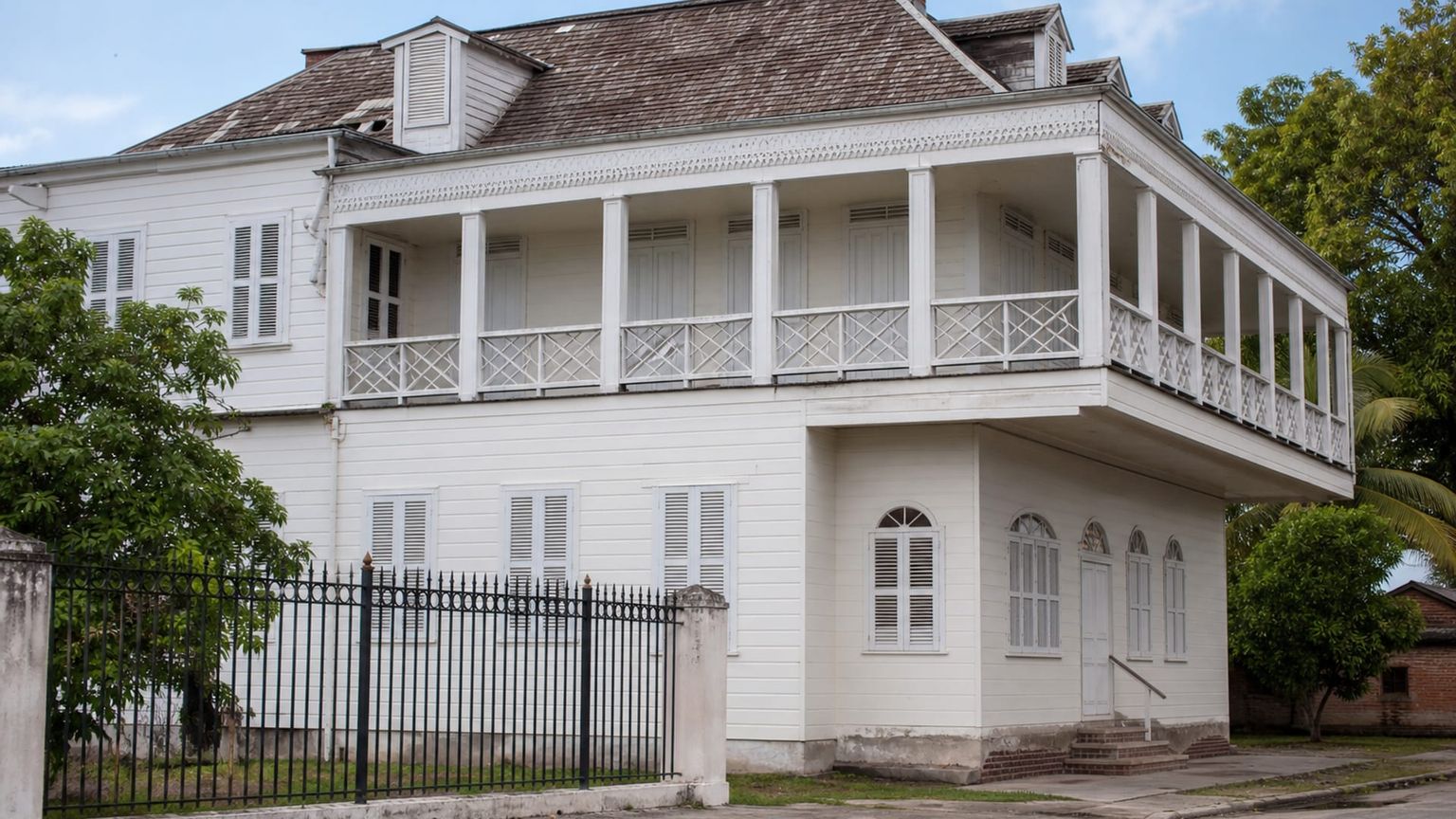
Keep the final morning close to your hotel and use it for Guyanese food, shopping, or a central attraction you did not reach earlier. Stop for pepperpot, cook-up rice, or another local dish if it is available, then collect your luggage before leaving for Cheddi Jagan International Airport. The road transfer commonly takes 45–70 minutes, so give yourself additional time when traffic is heavier and avoid adding a distant attraction before departure.
Business-class flights from the US to Georgetown
New York (JFK) has nonstop service to Georgetown (GEO), while flights from Los Angeles (LAX) to this destination require at least one layover.
New York (JFK) to Georgetown (GEO)
American Airlines and Caribbean Airlines operate nonstop flights from New York to Georgetown. The flights take approximately 6 hours. The airlines also offer connecting itineraries with stops in Miami (MIA) or Panama City (PTY). These usually take 10–25 hours. Round-trip business-class fares on this route cost $1,000–2,000.
Los Angeles (LAX) to Georgetown (GEO)
American Airlines and Copa Airlines also offer connecting flights from Los Angeles to Georgetown. Common layover cities include Miami (MIA), Dallas/Fort Worth (DFW), and Panama City (PTY). The shortest flights take 10 hours, while longer itineraries exceed 15 hours. Round-trip business-class fares with these airlines range from $1,200 to $2,700.
Experience Georgetown from Stabroek Market to the Atlantic
Georgetown combines the busy streets and iron clock tower of Stabroek Market with the white timber architecture of St. George’s Cathedral, the quieter roads of Kingston, tropical green spaces, and museums that trace Guyana’s Indigenous and natural history. If you are planning a visit to Georgetown, our AranGrant experts can help you compare business-class flights and hotels that suit your dates and budget.