

Chapters:

Need help with your trip?
Our support team is available 24/7. Request a callback or call us directly at (833) 619-0908
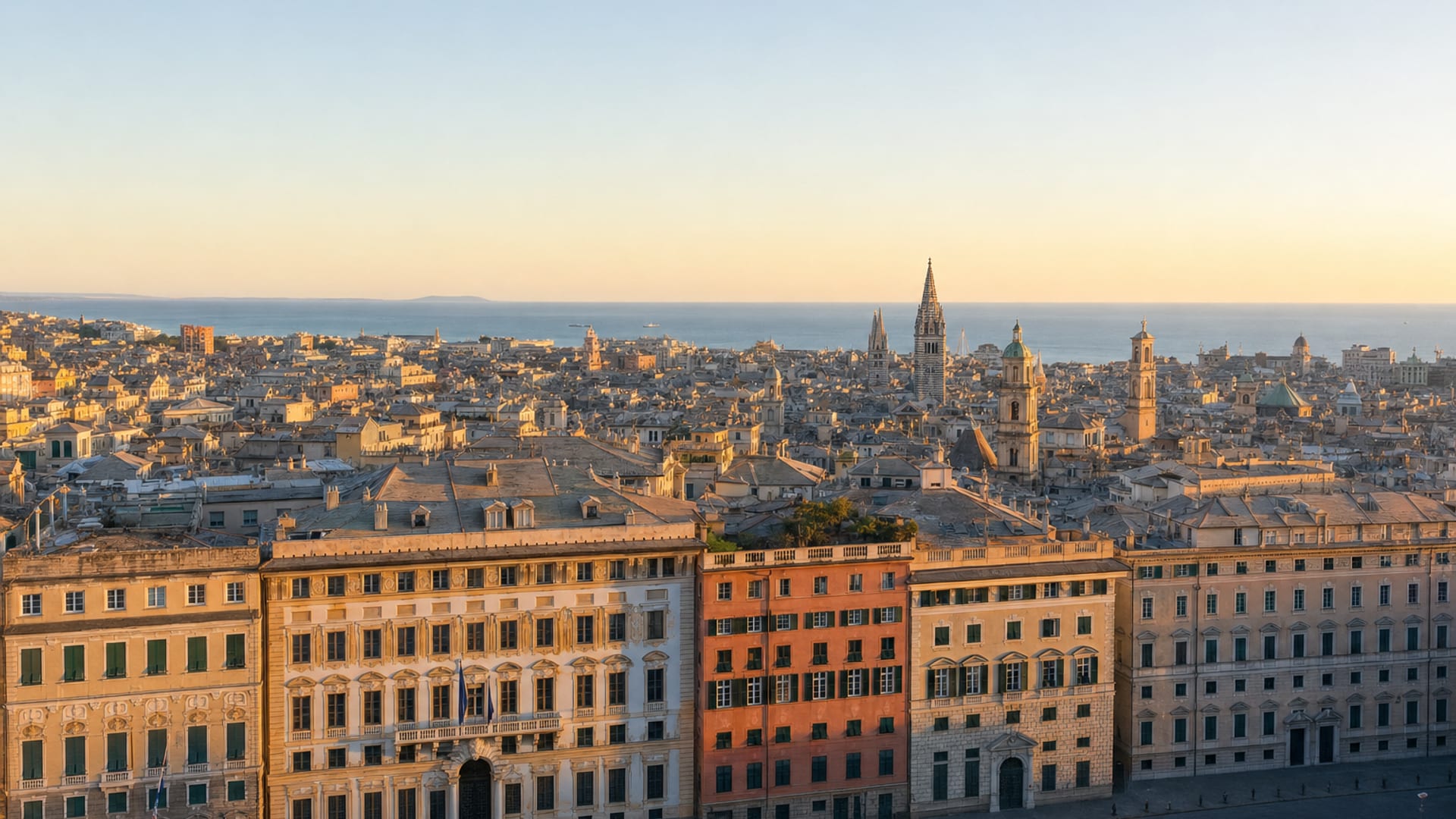
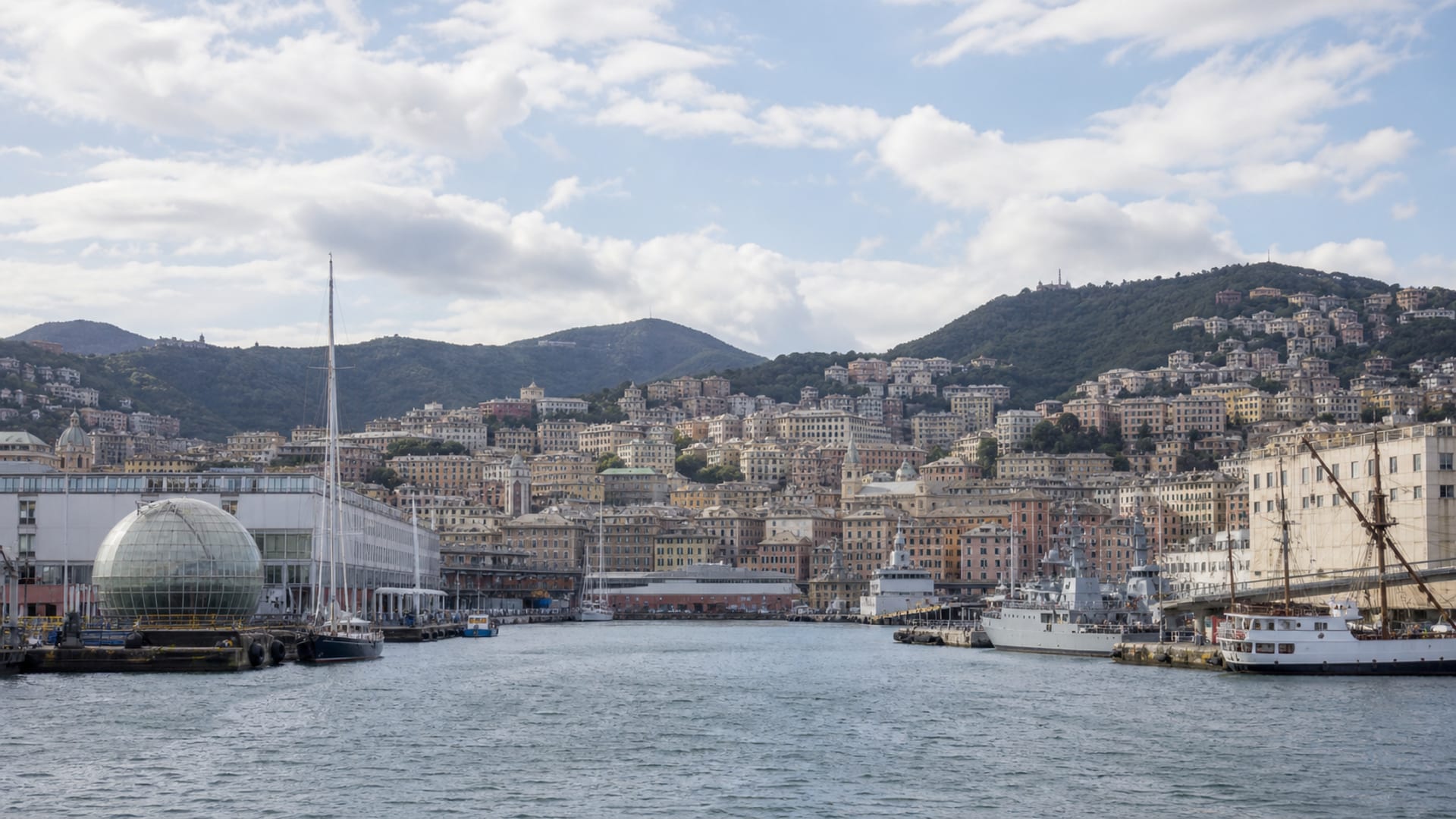
Many Genoa trips begin with the Old Port, a cathedral stop, and one evening in the lanes, then miss how much the city spreads across hills, harbor edges, and east-side neighborhoods.
That shorthand can leave you rushing between sites, losing time to steep streets, and skipping places that need a slower approach, such as Via Garibaldi, Boccadasse, or Staglieno.
This guide opens up those layers in a set order, pairing central sights with coastal and hillside detours so the city reads as more than a quick port call.
Useful things to know

Main language(s): Italian
Ciao (chow) – Hello
Per favore (pehr fah-VOH-reh) – Please
Grazie (GRAH-tsee-eh) – Thank you
Parla inglese? (PAHR-lah een-GLEH-zeh) – Do you speak English?
Quanto costa? (KWAN-toh KOH-stah) – How much does it cost?

Currency: The local currency is the euro (EUR, €).

Cash and cards: Cards and contactless are widely accepted; keep about €20 to €40 ($22 to $44) in cash for small purchases and transit.

Tipping: Round up small bills, and leave 5-10% at sit-down restaurants when service is good.

Traditional food: Pesto alla genovese, focaccia di Recco, trofie al pesto, pansoti con salsa di noci

Water and coffee costs: Water ~€1.50 to €2 ($2), bar espresso ~€1.20 to €1.80 ($1 to $2).

Taxis and ride apps: Free Now and taxi apps operate here; Uber is limited to licensed cars, not standard rides.

Plug and voltage: Type C/F socket, 230V

Dining and shop opening hours: Breakfast is about 7:00-10:00 am, lunch 12:30-2:30 pm, and dinner 7:30-9:30 pm. Many restaurants close midafternoon and some stay closed on Sunday or Monday.

Emergency number: 112 for police, fire, and medical emergencies.
Where to stay in Genoa
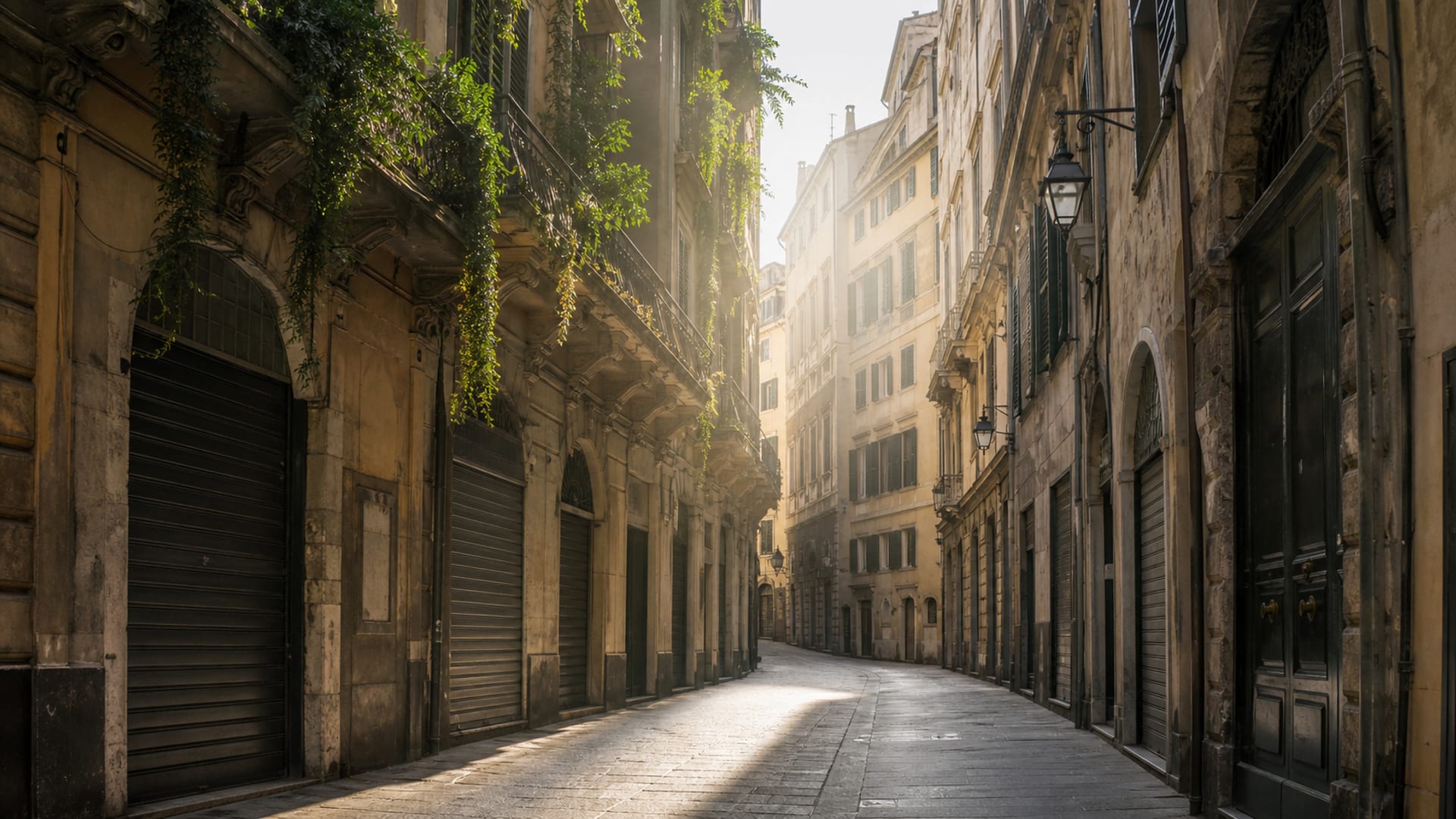
Genoa’s historic core is a maze of narrow lanes, small squares, and centuries-old palaces packed close to the port. Staying here puts you within walking distance of the Old Port, major churches, and many of the city’s best-known sights.
Best for: First-time visits, sightseeing, and travelers who want to stay close to major sights
What to expect: Dense pedestrian lanes, late-night foot traffic, and plenty of cafés, bars, and small shops
Hotel prices: Usually about 140€ to 240€ (~$154 to ~$264) per night for well-rated stays
Distance to major sights: 5 to 15 minutes on foot to the Old Port, Aquarium, and Palazzo Ducale
Quietness: Busy through the day and lively into the evening, especially near the main piazzas
Main trade-off: The narrow streets can feel noisy at night, and some buildings lack elevators or modern layouts
Good to know: Choose a room on a side street if you are sensitive to nightlife noise, because the busiest lanes stay active late
Travelers usually avoid staying in Cornigliano, Sampierdarena, and parts of Val Polcevera, because they sit west or northwest of the historic center and put you farther from Porto Antico, the Old Port, and the main museum and shopping streets. Nervi is scenic but less convenient for a short city stay, since it sits far east of the core sights and evening trips back from dinner or the waterfront take longer.
Hotel deals
How to get around Genoa efficiently
Genoa works best as a mix of walking and selective transit, because the center is dense, the hills are steep, and the bus and metro network both funnel through key squares and stations.

Metro
for longer distances
Genoa does not have a metro network in the city center, so most visitors rely on the suburban rail lines and the narrow metro line that links Brignole, De Ferrari, Principe, Dinegro, and the west side of town. A single ticket costs about $2.20 (€2.00) and stays valid for 100 minutes on urban transit; rail and metro are useful for crossing the city quickly, while many central hills and lanes still require walking or a bus connection.

Bus and tram
for convenience
AMT runs the main bus and tram network, and many routes funnel through Piazza De Ferrari, Piazza Principe, Brignole, and the seafront. A standard ticket costs about $2.20 (€2.00) for 100 minutes, with day passes also sold; buses cover the port, hillside neighborhoods, and outlying districts, though departures can be slower in rush hour and on steep streets.

Taxi
for convenience or late hours
Licensed taxis queue at the airport, main stations, and stands in the center, and you can also call one by phone or through dispatch. Fares are metered rather than set citywide, with most center trips costing about $11 to $25 (€10 to €23) and Genoa Cristoforo Colombo Airport (GOA) to downtown usually about $25 to $35 (€23 to €32), depending on traffic, luggage, and time of day; cards are often accepted, but it helps to confirm before departure.
*Prices are based on rates updated as of June 2026 and may change at the time of travel.
Walk for the historic core, use the metro and buses for cross-town moves and hillier stretches, and take a taxi when you want the airport or an outlying neighborhood without extra transfers.
Iconic landmarks
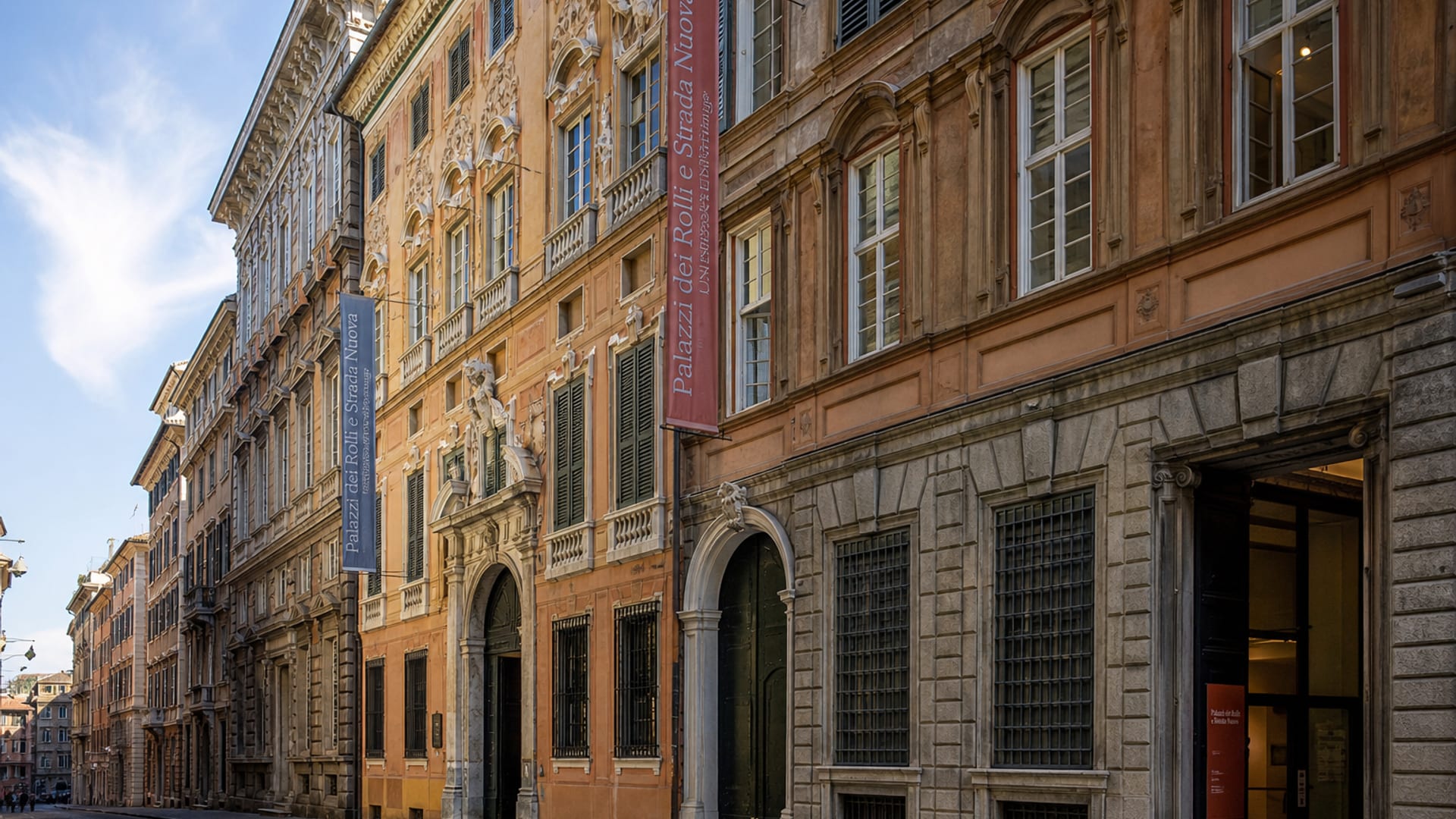
Palazzi dei Rolli and Strada Nuova Museums
Genoa’s Rolli Palaces line Via Garibaldi and nearby streets, where Renaissance and Baroque homes once hosted state guests. Several palaces now hold museum collections, with frescoes, courtyards, and marble staircases open to visitors.
Time needed: About 2 to 3 hours
Entry: Museum tickets typically cost $9 to $15 (€8 to €13), with some palaces free on selected days and combined passes available for multiple sites. Visit the official site for details.
Tip: Start early, then walk the street in daylight to see interiors before the crowds build.
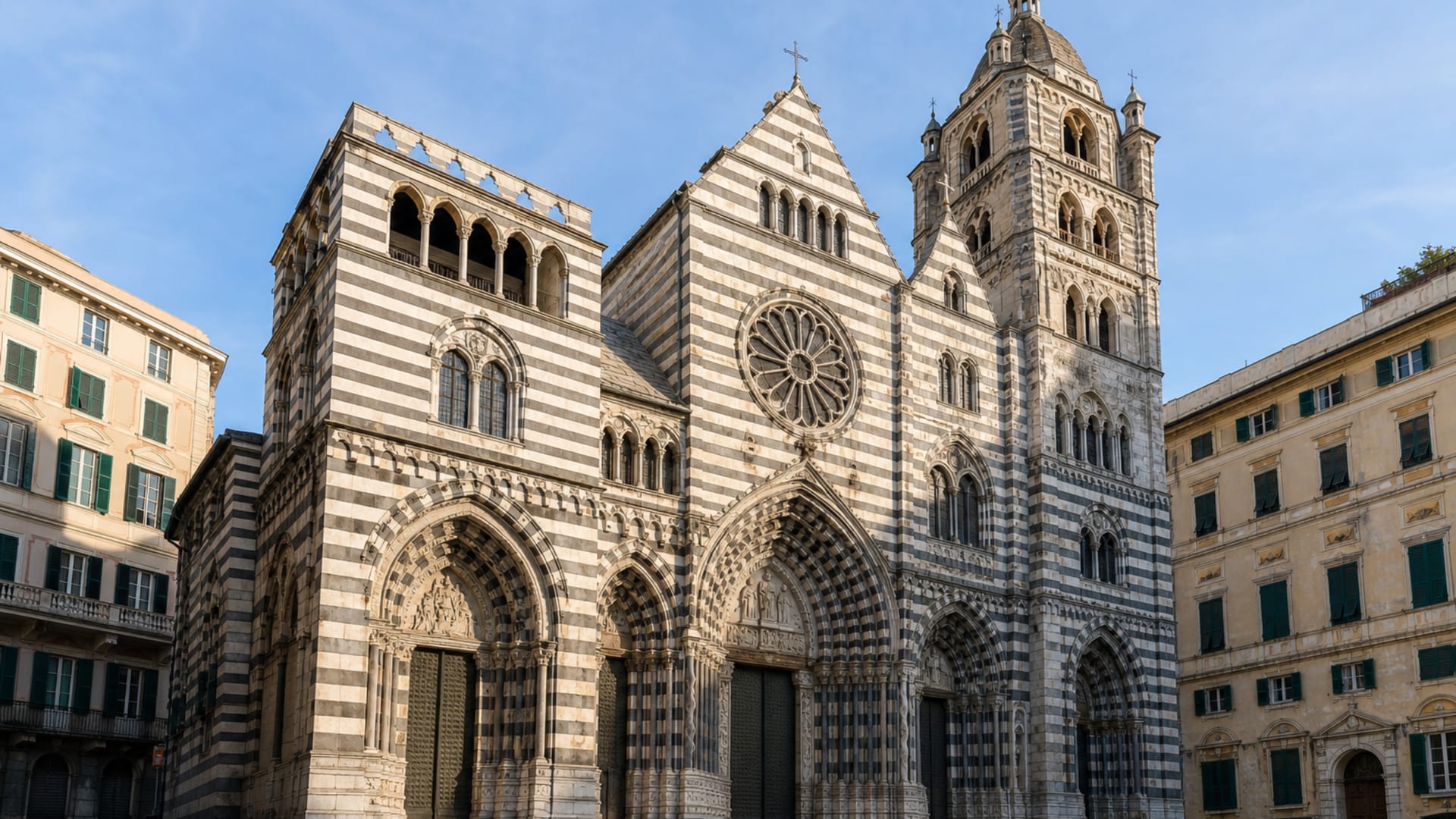
Cathedral of San Lorenzo
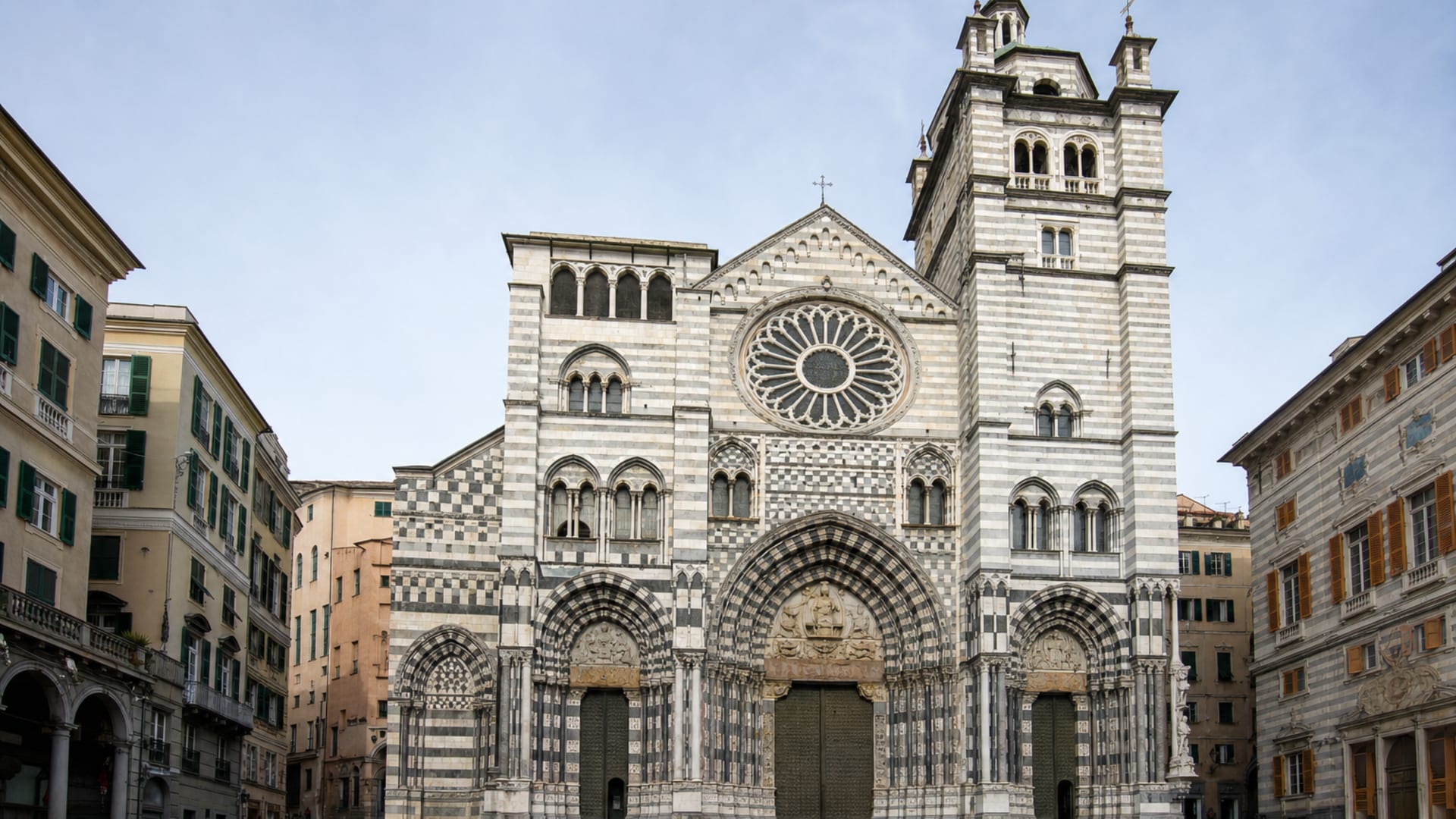
Genoa’s striped Cathedral of San Lorenzo anchors the old center with Romanesque and Gothic details, a chapel said to hold relics of St. John the Baptist, and a small museum route that adds context to the church interior.
Time needed: About 1 to 2 hours
Entry: Entry to the cathedral is free, while access to the treasury and museum usually costs about $7 to $11 (€6 to €10) per person. Visit the official site for details.
Tip: Go late morning, when the facade is lit and the square is less busy for photos.
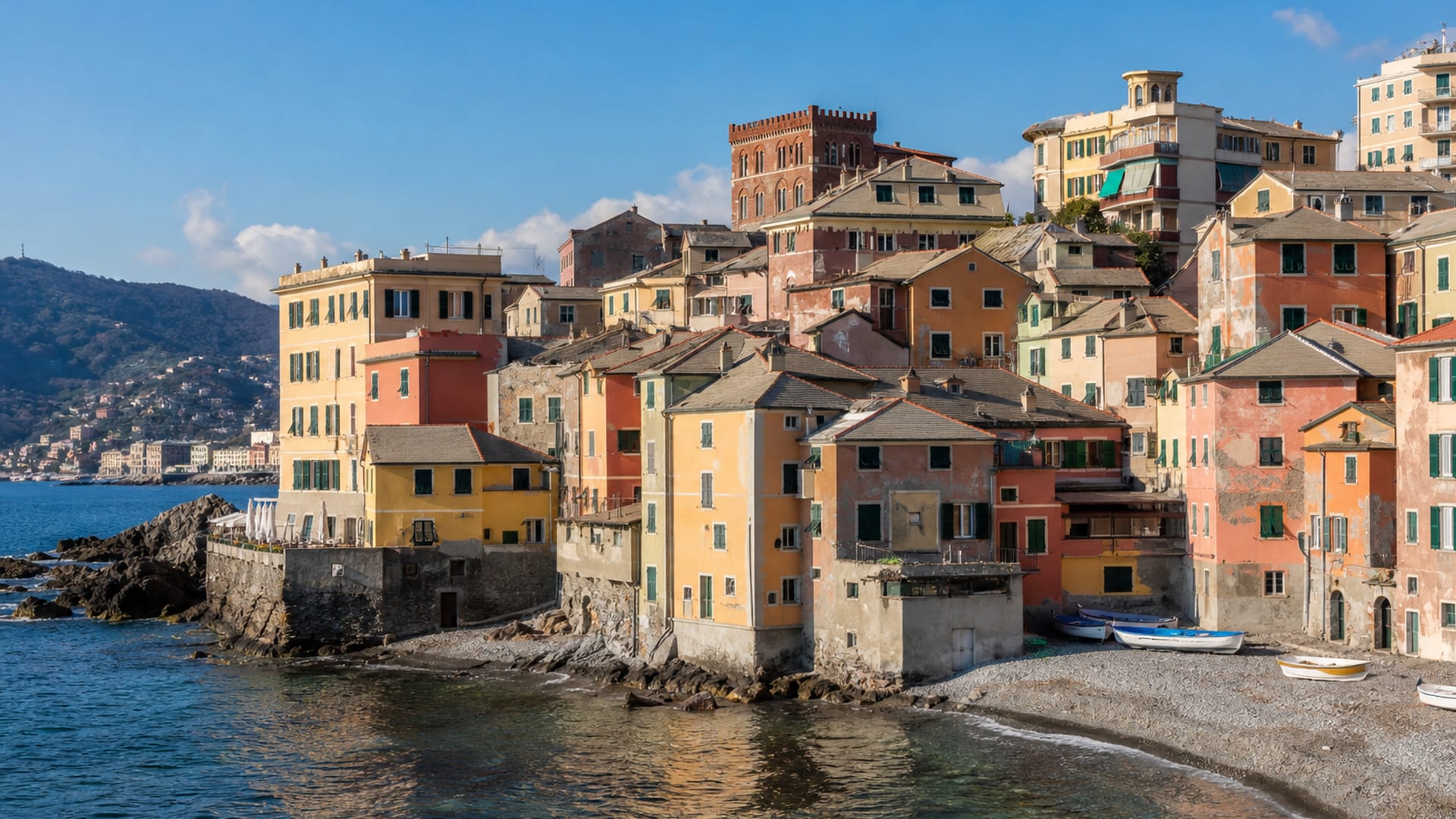
Boccadasse
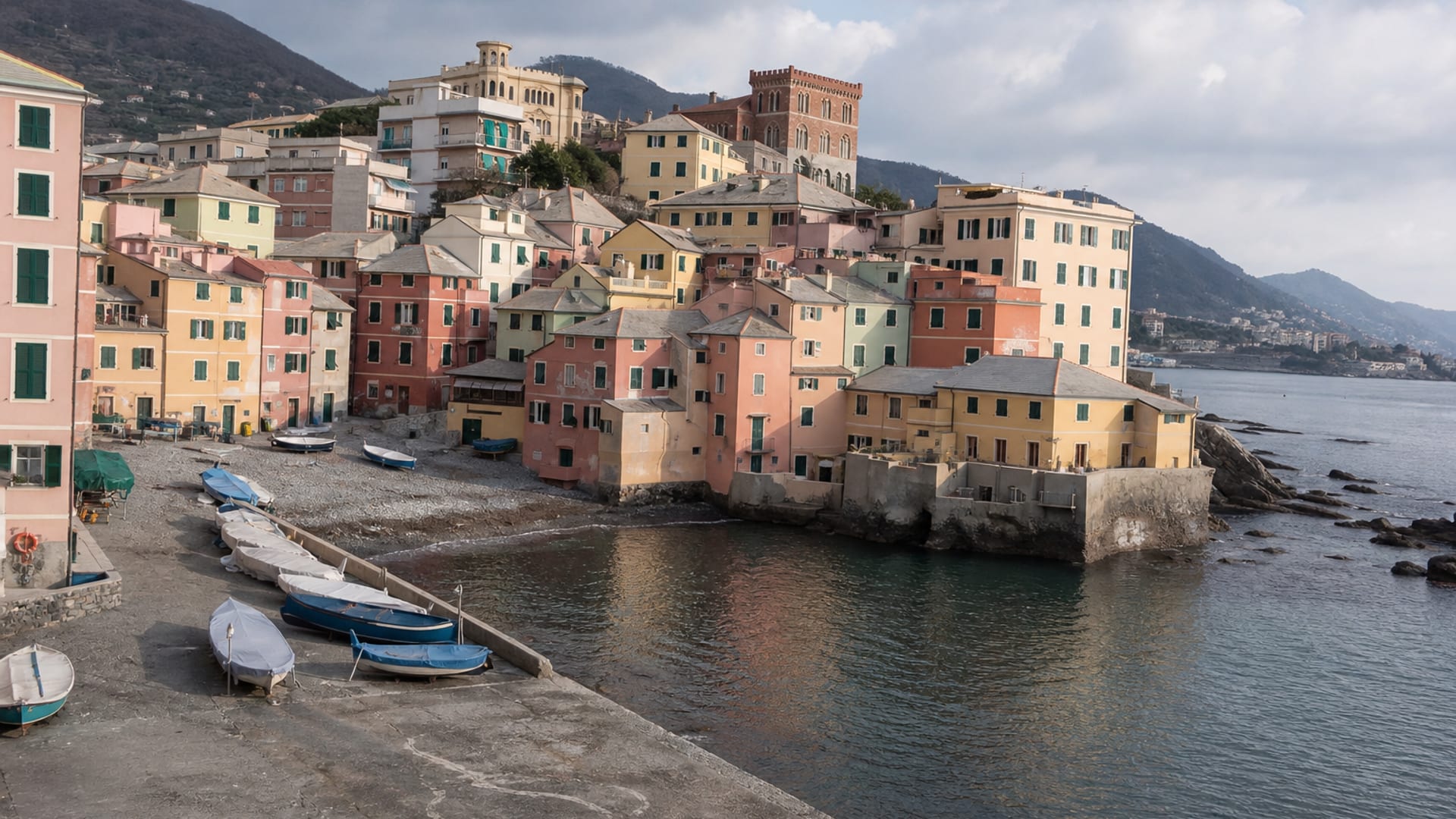
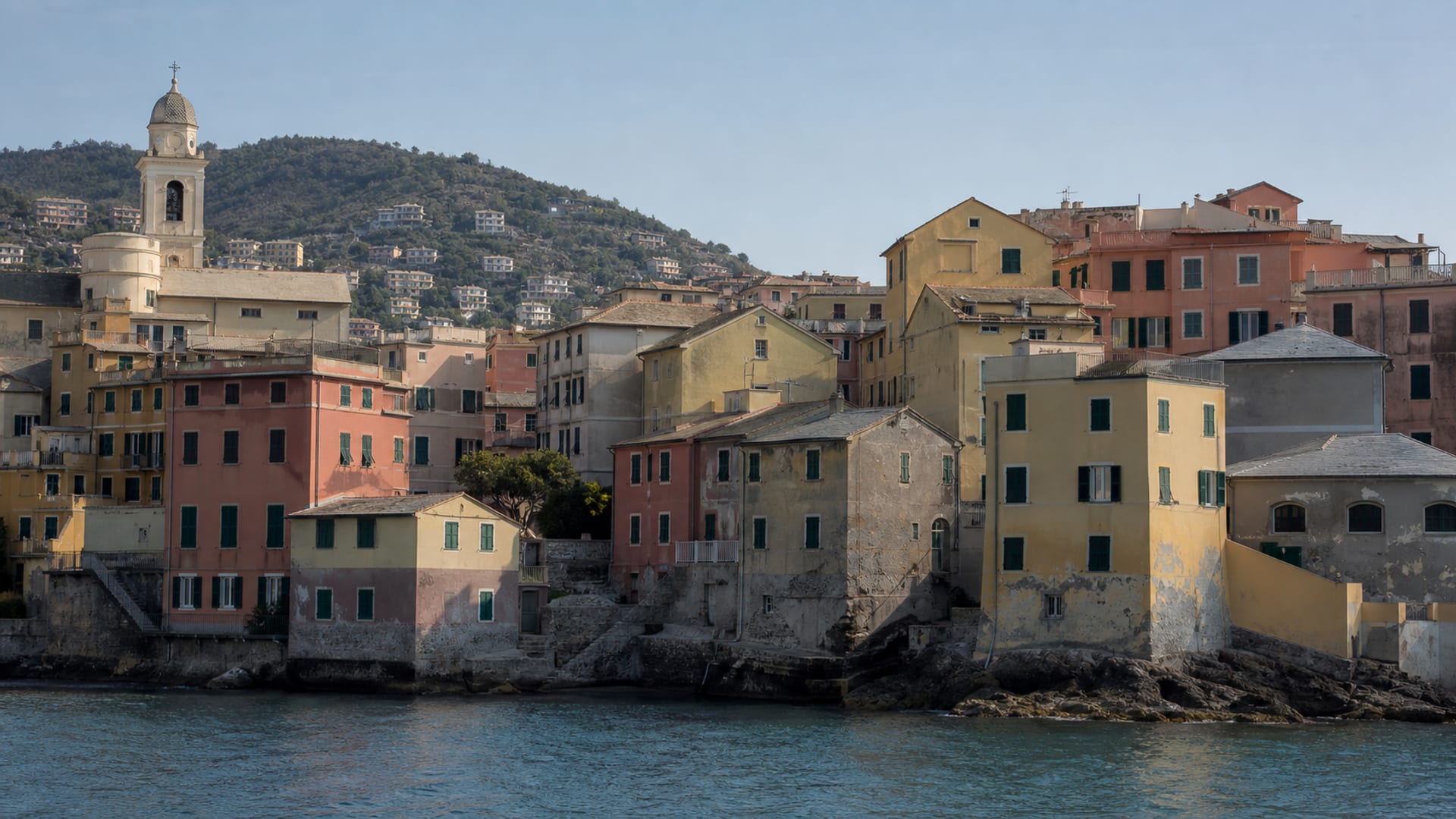
Boccadasse is Genoa’s old seaside village, with pastel houses, a tiny pebble beach, and a harbor framed by boats and fishing nets. It sits within the city limits and gives you a clear look at the Ligurian coast without leaving Genoa.
Time needed: About 1 to 2 hours
Entry: Free to access, with no timed entry; cafés, gelato, and seaside dining are priced separately and vary by season.
Tip: Come near sunset, when the pastel facades face the best light and the promenade is calmer.
Overlooked sites worth visiting

Via Garibaldi
This Renaissance street packs a run of UNESCO-listed palaces into a short walk, including Palazzo Rosso, Palazzo Bianco, and Palazzo Tursi. The facades hide courtyards, frescoes, and museums.
Time needed: About 1 to 2 hours
Entry: Free to walk the street; museum entry inside individual palaces usually costs about $8 to $15 (€7 to €14) each, with combination tickets available for some museum circuits.
Tip: Go early for quieter courtyards and better light on the facades.

Cimitero Monumentale di Staglieno
Staglieno’s terraced cemetery holds 19th-century marble sculpture, long arcades, and grave monuments by noted Genoese artists. It rewards slow walking and close attention to detail.
Time needed: About 1 to 2 hours
Entry: Free to enter the cemetery grounds; some guided tours or special access visits may charge a fee, and private donations are optional at the site.
Tip: Wear shoes with grip, since the upper paths can be uneven.
Traditional food
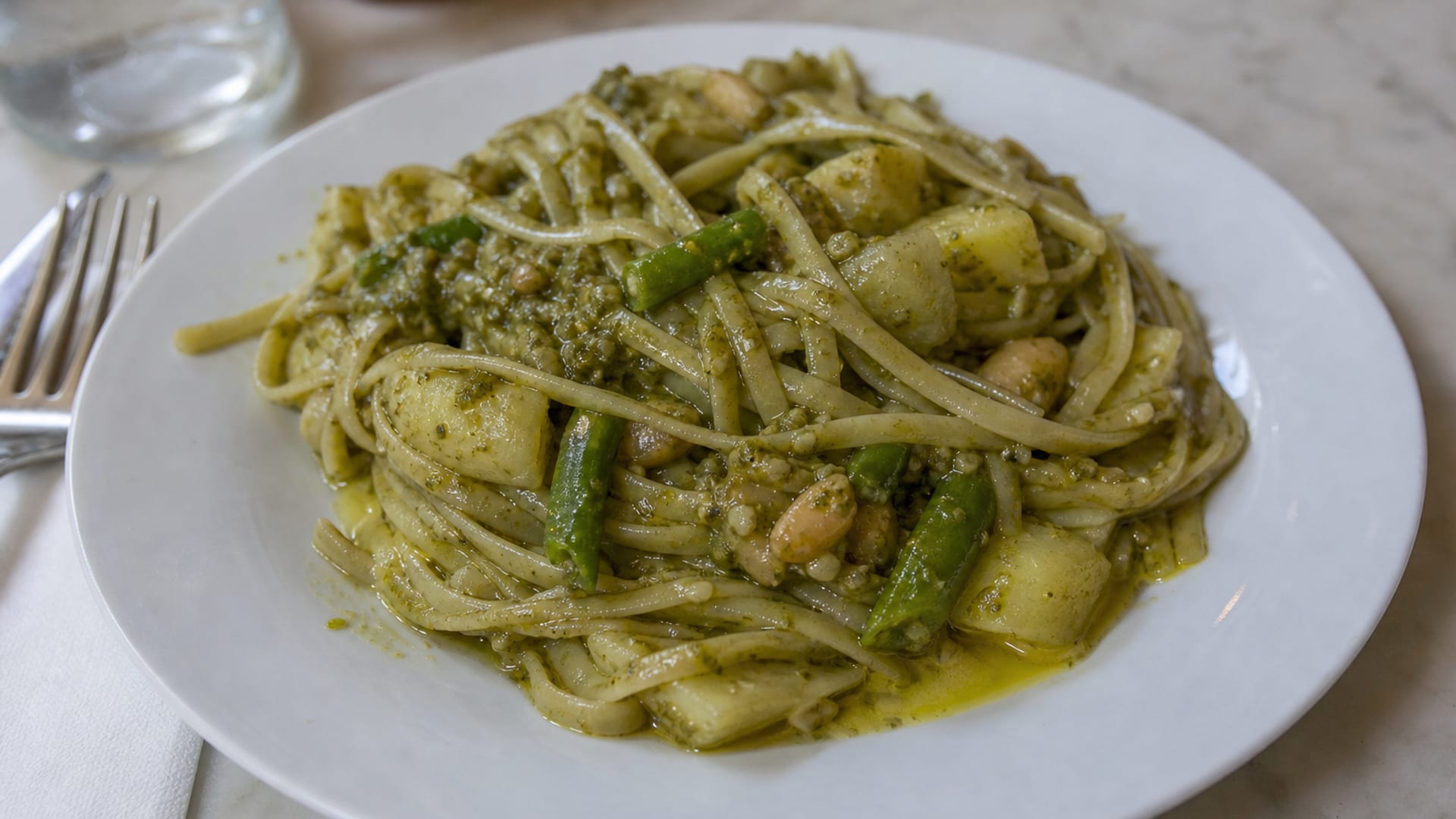
Genoa’s cooking leans on basil, olive oil, walnuts, chickpeas, and seafood, so pesto, focaccia, and pasta dishes arrive with sharp herbal flavor and a coastal edge. Meals often follow the city’s bar-and-tavola pace, with simple dishes done well.
Pesto alla genovese
The city’s signature sauce blends basil, pine nuts, garlic, olive oil, and cheese into a vivid green finish for pasta. Trattoria da Maria in the historic center serves a version many visitors use as their Genoa benchmark.
Focaccia di Recco
This thin, cheese-filled focaccia comes from the Ligurian coast and lands crisp at the edges and rich in the middle. Manuelina, in Recco just outside Genoa, is one of the classic names tied to the dish.
Trofie al pesto
Twisted trofie pasta holds pesto in its ridges and gives you the clearest version of the city’s best-known pairing. Trattoria Rosmarino in central Genoa is a strong place to order it.
Pansoti con salsa di noci
These filled pasta parcels usually come with a walnut sauce that tastes rich, earthy, and distinctly Ligurian. Antica Osteria di Vico Palla near the Old Port is a well-known place to try them.
Best time to visit Genoa
Genoa shifts by season, with spring and early fall offering the best mix of walkable weather, quieter streets, and clear harbor light.
Best for: Museum days, harbor walks, and first warm evenings
What you get: About 50 to 68°F (10 to 20°C), with moderate crowds and some rain
Trade-offs: Showers can interrupt coastal plans
Best for: Sea views, Boccadasse, and longer evening dinners
What you get: About 68 to 84°F (20 to 29°C), with the heaviest crowds of the year
Trade-offs: Heat and packed waterfront areas can slow sightseeing
Best for: Balanced city walks, palaces, and food-focused visits
What you get: About 54 to 75°F (12 to 24°C), with lighter crowds after early September
Trade-offs: Later autumn brings more wet days
Best for: Indoor sightseeing and quiet lanes around the center
What you get: About 41 to 56°F (5 to 13°C), with low crowds and shorter days
Trade-offs: Some coastal walks feel less appealing in cold, damp weather
A realistic 5-day plan in Genoa
A good five-day Genoa plan alternates the compact center with the coast and the eastern edge of town, so you can cover major sights without packing every day too tightly. The sequence here keeps the heaviest walking in manageable blocks.
From Genoa (GOA), a taxi into Centro Storico usually takes about 20 to 30 minutes and costs roughly $28 to $40 (€25 to €36), while the Volabus airport coach reaches the city center in about 30 to 40 minutes for about $7 (€6). Settle into a room near the Old Port or a side street off Via Garibaldi, then stay close to the lanes on foot for an easy first evening. Hydrate, take a short walk toward Piazza de Ferrari if you still have energy, and keep dinner simple with focaccia and a bowl of trofie pesto in the historic core before turning in early.
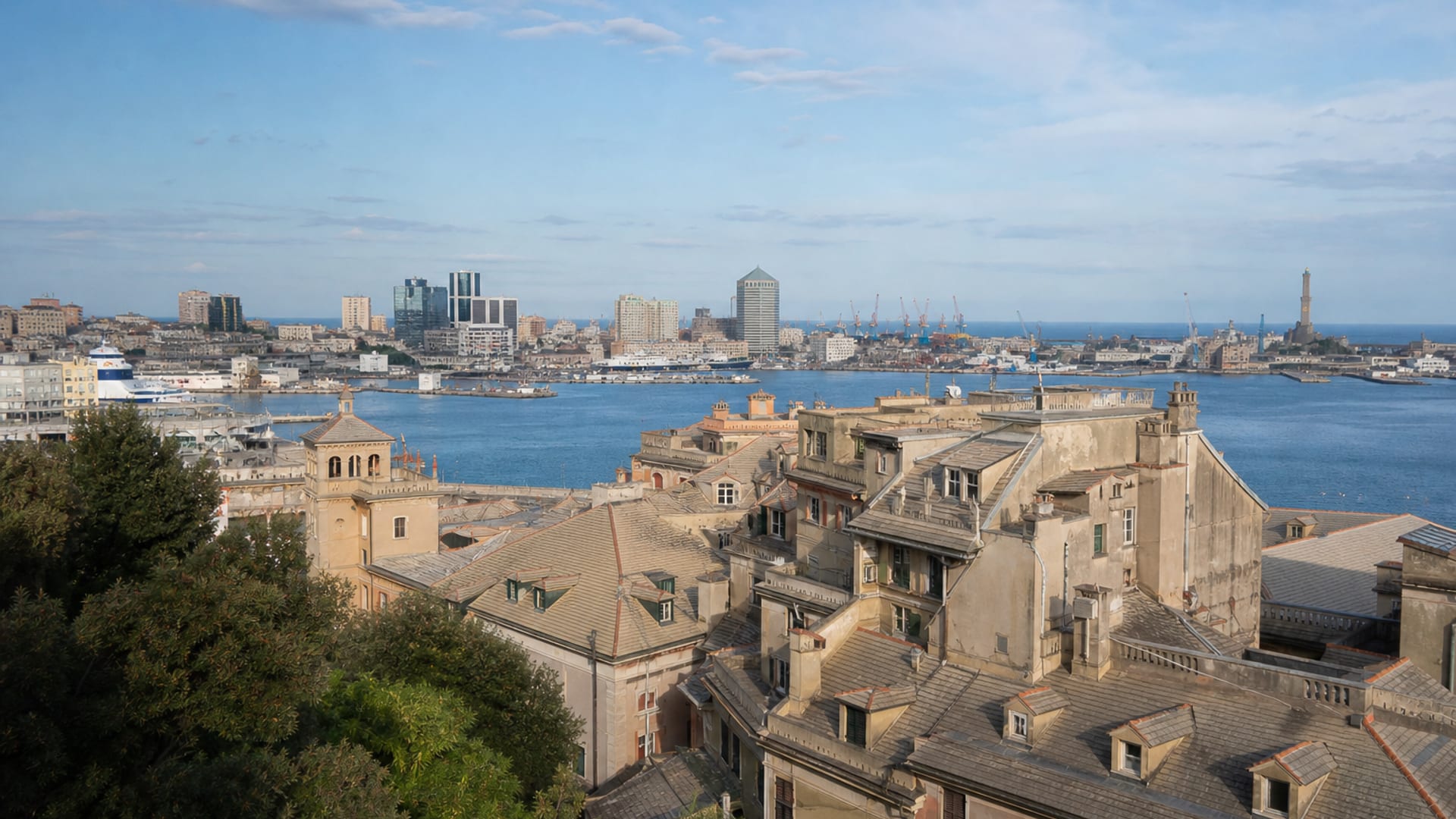
Begin on Via Garibaldi, where the Rolli palaces line the street in roughly 10 minutes on foot from most Centro Storico stays, and spend about 2 to 3 hours inside Palazzo Rosso, Palazzo Bianco, or Palazzo Tursi if you want frescoes and courtyard views. From there, walk about 8 minutes to the Cathedral of San Lorenzo for the striped facade and treasury route, then continue about 12 minutes to the Old Port for a waterfront lunch. End the day with a slow loop through the harbor area before dinner nearby, so you stay within an easy walk of your hotel.
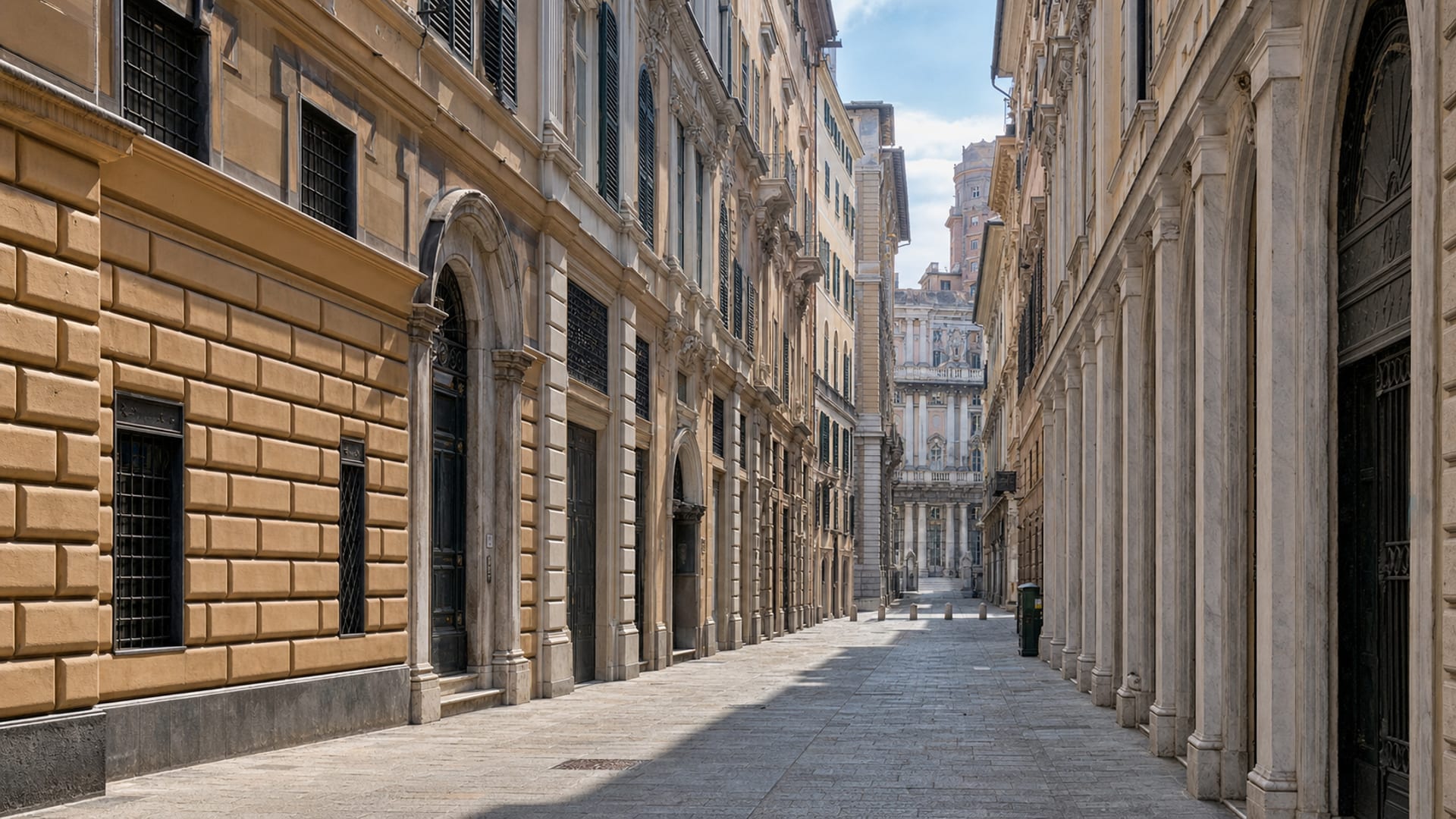
Start with Boccadasse in the late morning, about 20 to 30 minutes from Centro Storico by bus or taxi, and give yourself 1 to 2 hours for the pebble beach, harbor, and pastel houses. After that, ride back toward the center and head to the Cimitero Monumentale di Staglieno, which takes roughly 25 to 35 minutes by bus or taxi from Boccadasse and rewards about 1 to 2 hours of careful walking among the arcades and marble sculpture. Return to the city center for a relaxed dinner, with plenty of time left for an early night.
An early start pays off on Via Garibaldi, because the palaces open onto quieter courtyards and the street is about 5 minutes from much of Centro Storico on foot. Spend the morning revisiting any museum rooms you missed, then walk about 7 minutes to nearby side streets for coffee before heading back toward Piazza de Ferrari and the cathedral quarter for a second look at the old center. If you want a gentler finish, take a late-afternoon walk through the harbor lanes and keep the evening near your base.
For a final day, pair one last museum stop with unhurried shopping and coffee in the center rather than packing in another full route. Start with whichever Rolli palace you skipped on Via Garibaldi, then browse nearby specialty shops in Centro Storico for olive oil, candied fruit, and Ligurian pantry goods, all within about 5 to 10 minutes on foot. Finish with espresso or a final pastry in a café near Piazza de Ferrari or the Old Port, then collect your bags and head to Genoa (GOA) with enough time for the airport transfer.
Business-class flights from the US to Genoa
Flights to Genoa usually connect through major European hubs, and the best routing depends on whether you start on the East Coast or the West Coast. The examples below show how long the trip usually takes and what that means for your fare range.
From New York, ITA Airways, Lufthansa, Swiss International Air Lines, Turkish Airlines, Air France, and KLM all sell one-stop options, with total travel times usually about 10 to 14 hours. Round-trip fares from New York usually start at $1,700 and can reach $4,500.
Los Angeles travelers typically route through FRA, MUC, ZRH, CDG, AMS, or IST, with itineraries that usually run about 13 to 18 hours end to end. Round-trip fares from Los Angeles start at $2,000 and can rise to $5,000.
Genoa feels different when you slow down
A deliberate Genoa trip gives each part of the city its own pace, from the lanes around Centro Storico to Via Garibaldi, then outward to Boccadasse and Staglieno by bus or taxi. You eat pesto, walk the cathedral quarter, and leave time for the harbor instead of racing through it. If you want help shaping the right base and flight plan, talk with the AranGrant experts and build your Genoa trip around the streets you want most to linger on







