

Chapters:

Need help with your trip?
Our support team is available 24/7. Request a callback or call us directly at (833) 619-0908
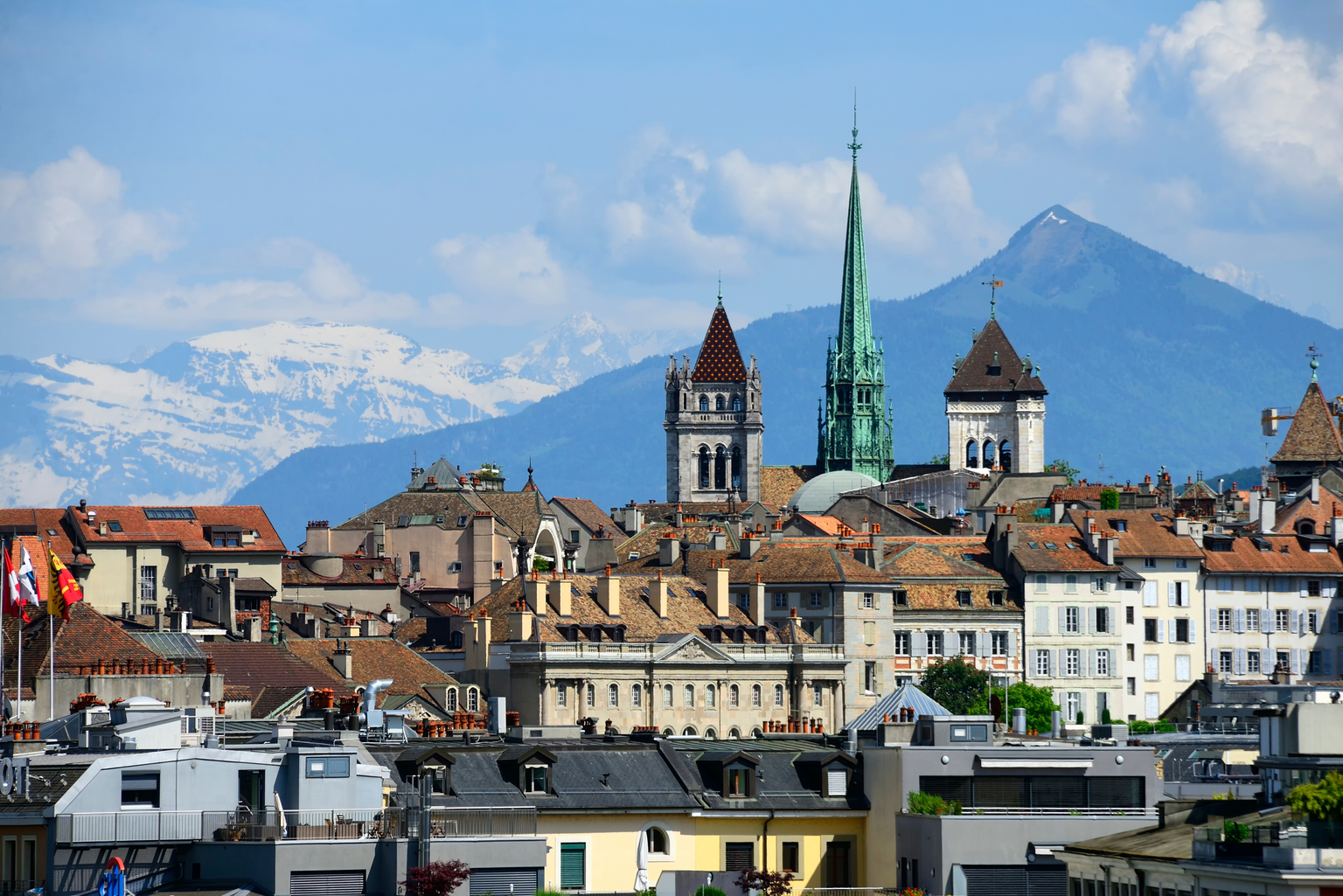
Geneva itineraries often start with the lake, the cathedral hill, and a quick look at the fountain, then stop before the city opens up beyond the postcard views. Travelers often miss how much time the tram network, district boundaries, and early-closing kitchens shape the day.
That approach can leave you crossing town more than you planned, waiting out lunch-hour closures, or compressing museums and waterfront walks into the same stretch. Geneva rewards shorter moves and a clearer order.
This guide spaces the city across five days, so you can pair the right neighborhood with the right sight, then pace the meals, transit, and departures without rushing the center.
Useful things to know

Main language(s): French
Bonjour (bohn-zhoor) – Hello / good morning
S'il vous plaît (seel voo pleh) – Please
Merci (mehr-see) – Thank you
Parlez-vous anglais ? (par-lay voo ahn-gleh) – Do you speak English?
C'est combien ? (say kohm-byen) – How much does it cost?

Currency: The local currency is the Swiss franc (CHF, CHF).

Cash and cards: Cards and contactless are widely accepted; keep about CHF 20 to 50 ($22 to $55) in cash for small purchases.

Tipping: Round up the bill; add about 5-10% in restaurants if service was good.

Traditional food: Cheese fondue, raclette, fillet of perch, papet vaudois

Water and coffee costs: Water about CHF 2 to 4 ($2 to $5), bar espresso about CHF 4 to 6 ($5 to $7).

Taxis and ride apps: Uber operates here; local taxis are common at the airport.

Plug and voltage: Type C/F socket, 230V

Dining and shop opening hours: Breakfast is about 07:00-09:00, lunch 12:00-14:00, and dinner 19:00-22:00. Many kitchens close between lunch and dinner, and service can end early on Sundays.

Emergency number: 112 or 144 for emergencies, covering police, fire, and ambulance.
Where to stay in Geneva
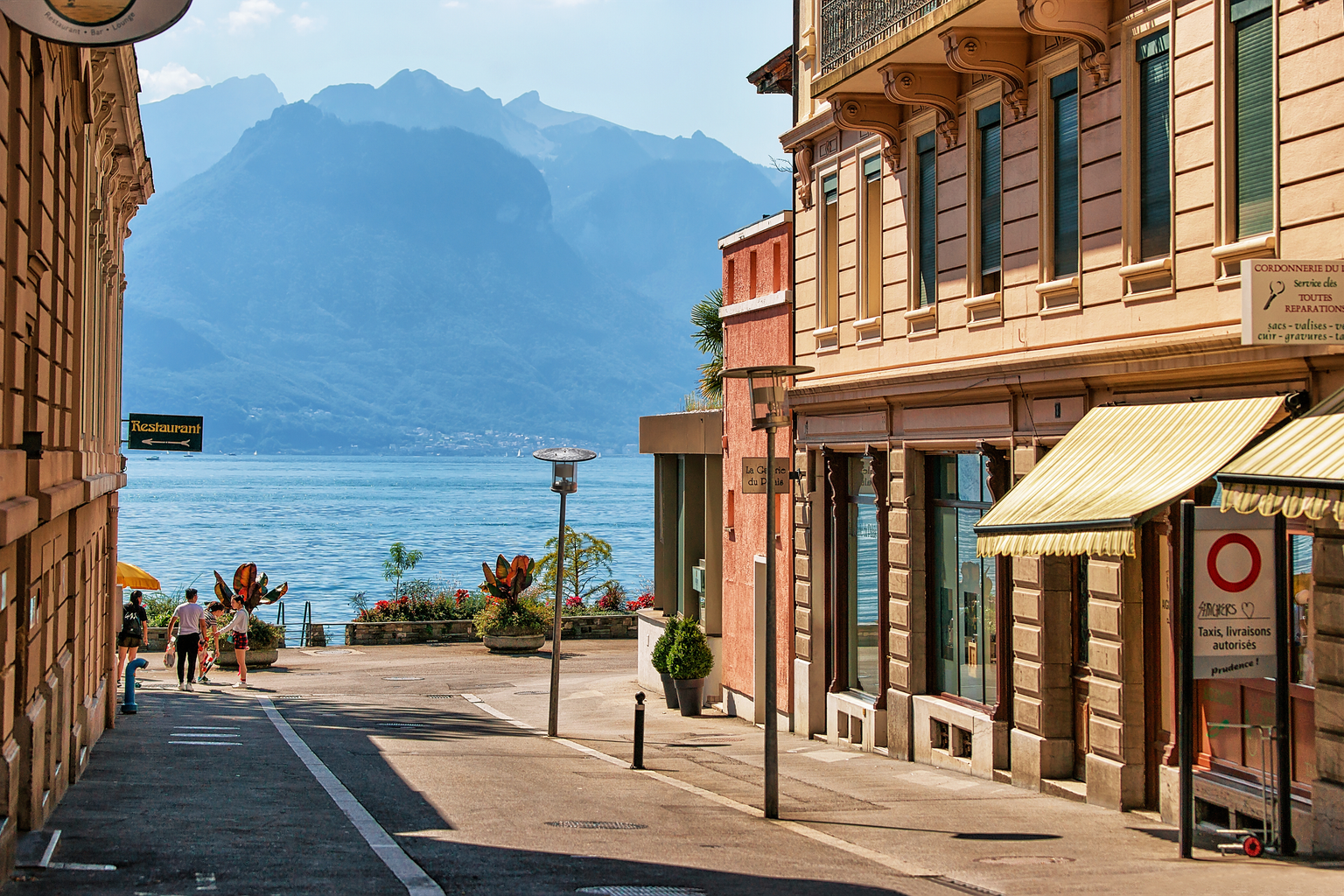
Geneva’s Old Town centers on the cathedral hill, with narrow lanes, historic squares, and the city’s most atmospheric architecture. It suits travelers who want to walk to museums, the lake, and the main shopping streets without giving up a classic setting.
Best for: Historic sightseeing, first-time stays, and travelers who want to walk to central sights
What to expect: Stone streets, small cafes, and steady daytime foot traffic, with a quieter pace after dinner.
Hotel prices: Usually about 220 CHF to 420 CHF (~$255 to ~$485) per night for well-rated stays
Distance to major sights: 10 minutes on foot to St. Pierre Cathedral, about 15 minutes on foot to Lake Geneva
Quietness: Quiet at night, busier in the daytime when visitors and office workers pass through.
Main trade-off: Many buildings are older, so rooms can be smaller and some properties lack elevators.
Good to know: If you plan late dinners or lakeside nightlife, expect a walk or short taxi ride back after dark.
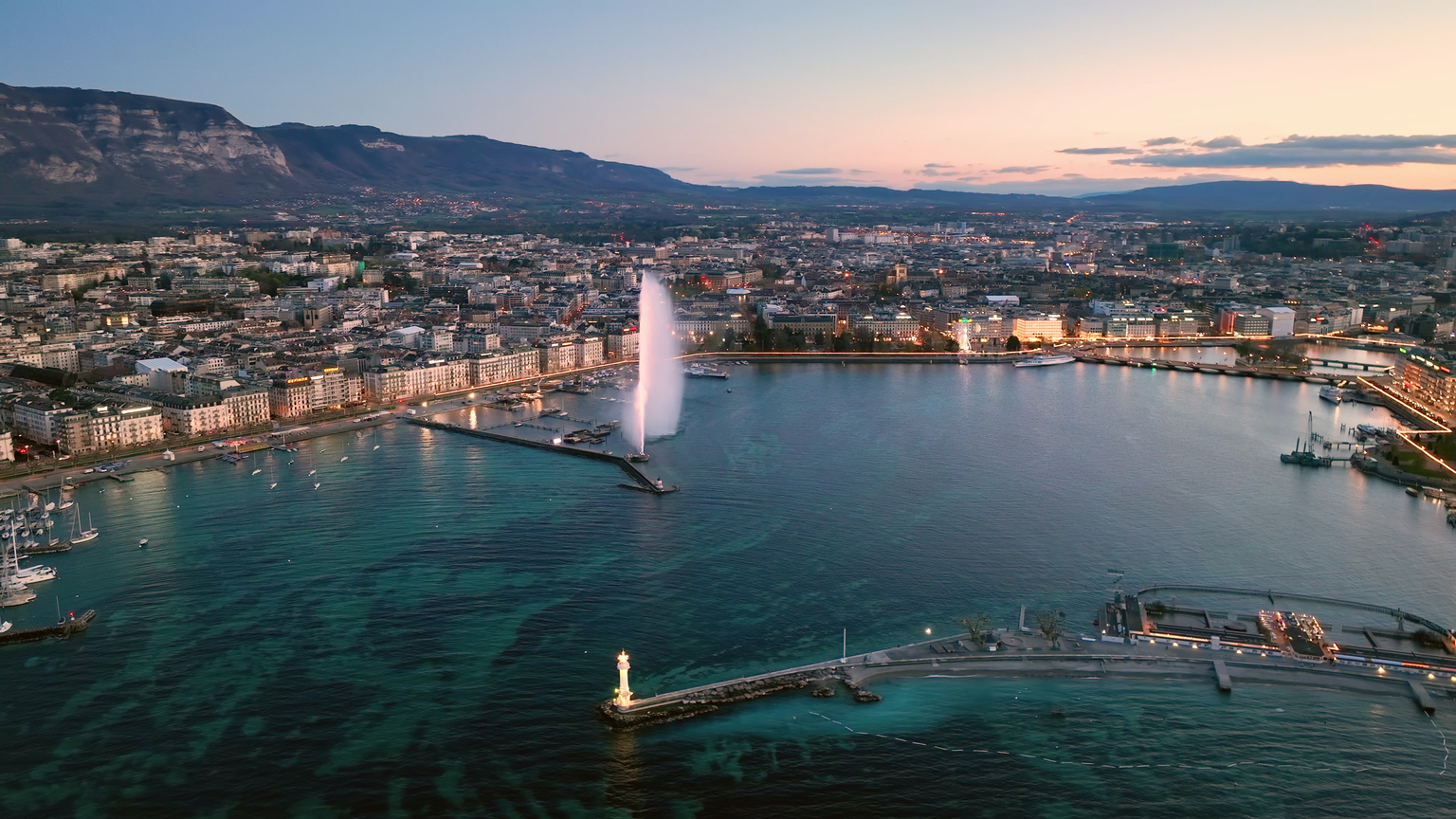
Rive and Eaux-Vives sit east of the center, close to the lakefront, parks, and Geneva’s busiest urban beaches and promenade. The area works well for travelers who want easy water access, good transit links, and plenty of restaurants nearby.
Best for: Lake access, dining, shopping, and travelers who want a livelier base
What to expect: Busy avenues, tram traffic, and active evenings around restaurants, bars, and the waterfront.
Hotel prices: Usually about 180 CHF to 330 CHF (~$210 to ~$380) per night for well-rated stays
Distance to major sights: 5 to 15 minutes by tram to Lake Geneva, about 20 minutes by transit to the Jet d’Eau
Quietness: Lively in the daytime and early evening, then calmer on side streets late at night.
Main trade-off: You get more street activity and traffic noise than in the Old Town, especially near main roads.
Good to know: Book a room away from the tram lines if you are sensitive to traffic noise.
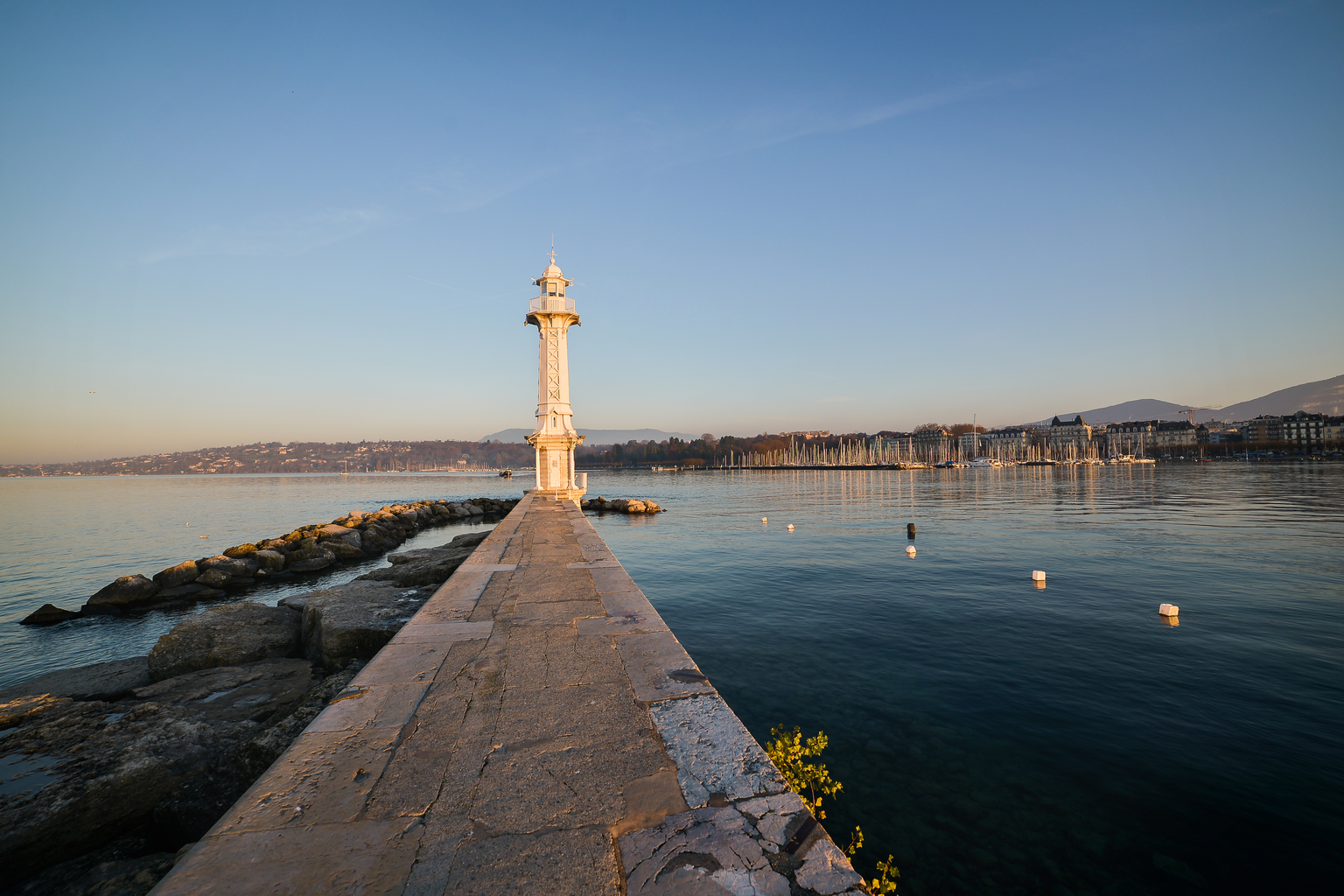
Paquis sits between the train station and the lake, with dense blocks, international restaurants, and easy access to central Geneva. It is a useful base for travelers who want late-night dining, transit convenience, and a shorter walk to the waterfront.
Best for: Train arrivals, nightlife, and travelers who want central transport access
What to expect: Compact streets, many eateries, and a busier night scene than most central neighborhoods.
Hotel prices: Usually about 170 CHF to 320 CHF (~$195 to ~$370) per night for well-rated stays
Distance to major sights: 10 minutes on foot to Geneva Cornavin Station, about 15 minutes on foot to Lake Geneva
Quietness: Active late into the evening, with a much calmer feel once bars close.
Main trade-off: The area is convenient, but some blocks feel noisy and less refined than nearby lakefront streets.
Good to know: If you are arriving by train, this is one of the easiest places to check in without a taxi.
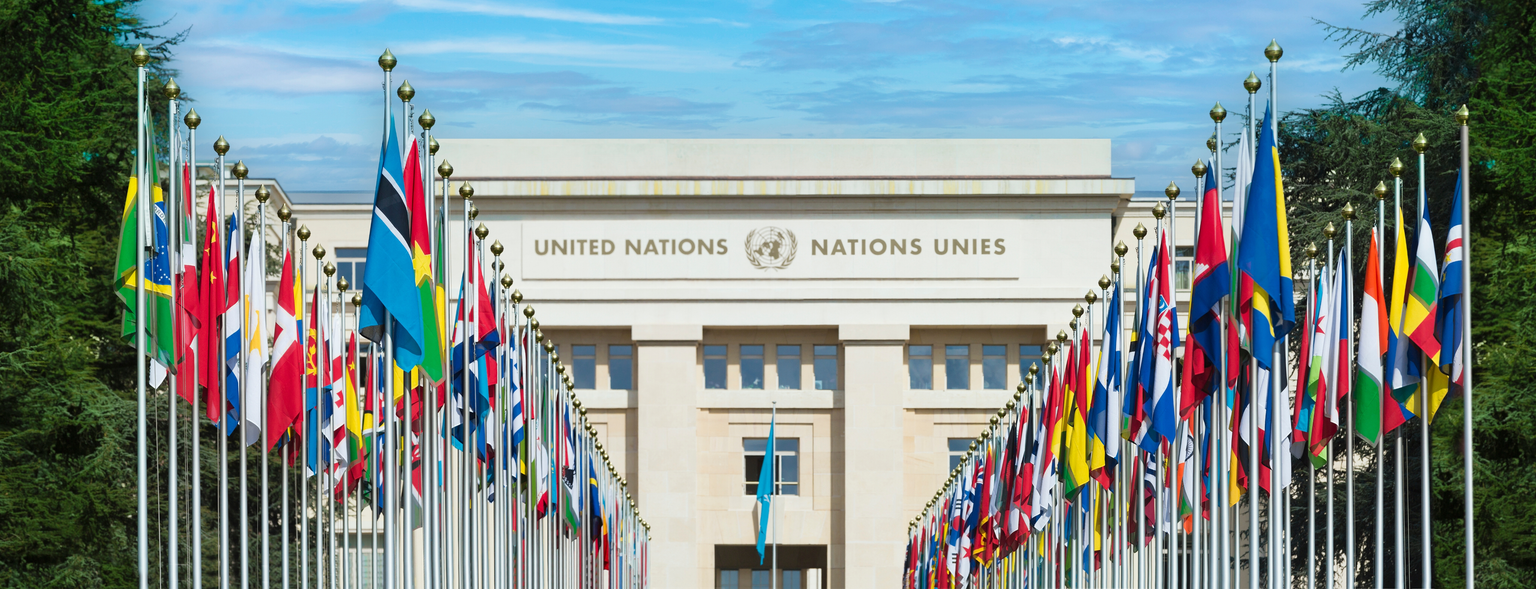
Les Nations lies north of the center near the United Nations district, with broad streets, embassies, and more business hotels than nightlife spots. It suits travelers who want a quieter, more residential base with simple tram access to the lake and downtown.
Best for: Business trips, quieter stays, and access to the United Nations district
What to expect: Wide avenues, embassy buildings, and a calm evening atmosphere with limited street life.
Hotel prices: Usually about 160 CHF to 300 CHF (~$185 to ~$345) per night for well-rated stays
Distance to major sights: 10 minutes by tram to Geneva Cornavin Station, about 15 minutes by tram to the United Nations Office at Geneva
Quietness: Quiet during the evening and at night, with more weekday movement around offices and institutions.
Main trade-off: You will rely more on trams or taxis for dinner and lakefront plans than in the central districts.
Good to know: Weekend dining options are thinner here, so check restaurant hours before you book.
Travelers usually avoid staying in Meyrin, Satigny, and Vernier, since they sit west or northwest of the center, farther from the Jet d’Eau, the Old Town, and the main lakeside promenade. Carouge is less convenient for first-time visitors who want to be in the middle of sightseeing, and the airport-side parts of Cointrin can mean more transit time and fewer evening options.
Hotel deals
How to get around Geneva efficiently
Geneva runs on trams, buses, and regional trains rather than a metro, and that makes short cross-town hops easier than long backtracking days.

Metro
for longer distances
Geneva has no metro, so the closest equivalent is the Léman Express and local SBB-CFF-FFS trains, with regional stops that link Geneva Airport, Cornavin, and the lakeshore in about 7 to 12 minutes. A 60-minute Unireso ticket costs about $3.50 (CHF 3), and it covers trains, trams, and buses inside the city zone; buy before boarding and keep it valid for transfers within the time limit.

Bus and tram
for convenience
Trams 14, 15, 18, and 17, plus the dense bus grid, cover central Geneva, the airport, and many neighborhoods where rail does not reach. A 60-minute Unireso ticket costs about $3.50 (CHF 3), a 24-hour ticket about $11.50 (CHF 10), and both are valid across the city zone for buses and trams; night services also run on key corridors, so check the last departure if you plan a late return.

Taxi
for convenience or late hours
Licensed taxis use metered fares, with pickups at stands, by phone, or through dispatch, and they do not usually hail like street-cabs in larger cities. Expect roughly $35 to $45 (CHF 30 to CHF 40) from Geneva Airport to central Geneva, depending on traffic and luggage, with cards widely accepted and supplements possible for airport pickups or late-night rides.
*Prices are based on rates updated as of June 2026 and may change at the time of travel.
Use trams for the center and the lake, trains for airport arrivals and Cornavin, and taxis when you want door-to-door travel after dinner or with luggage.
Iconic landmarks
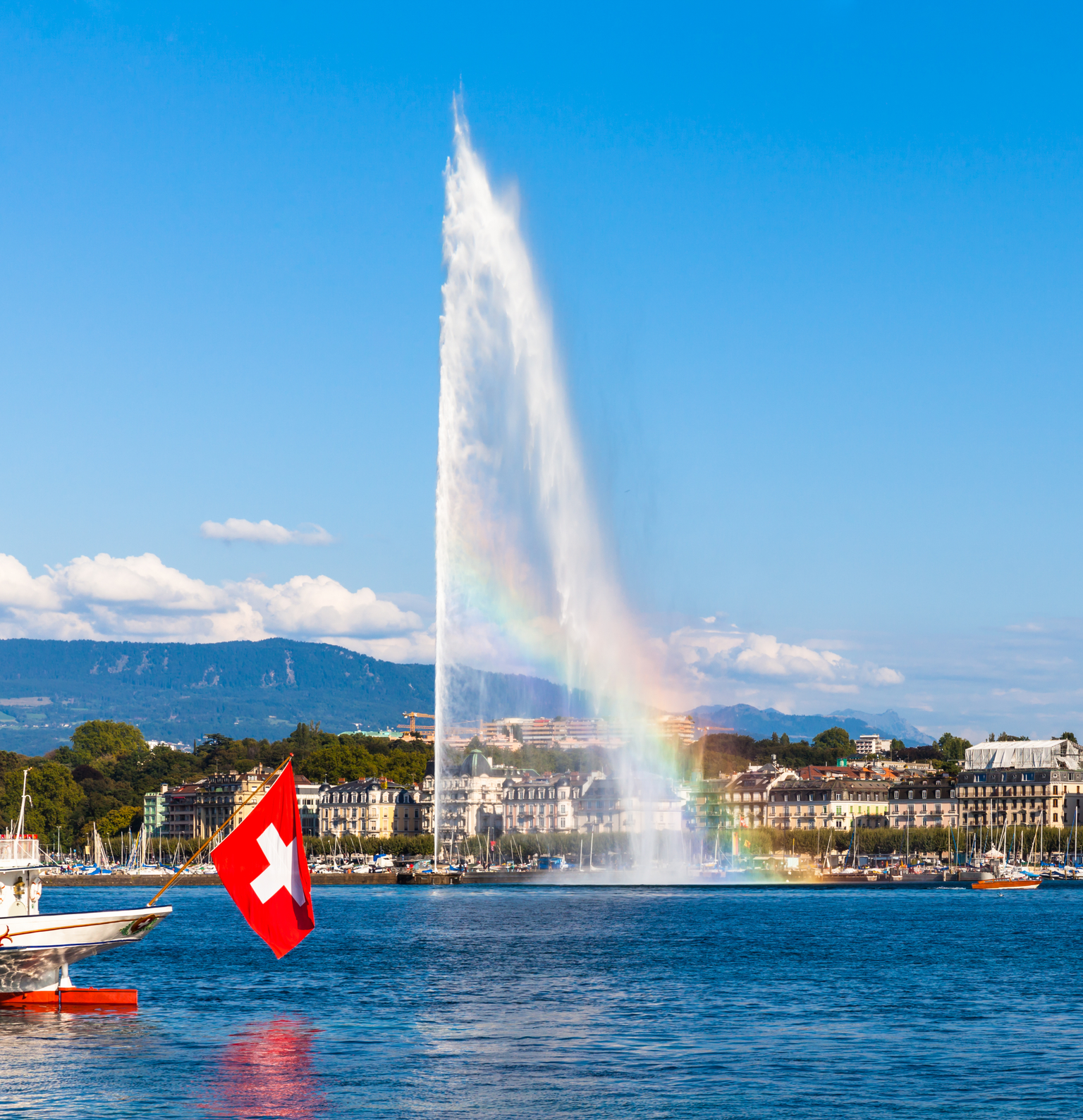
Jet d'Eau
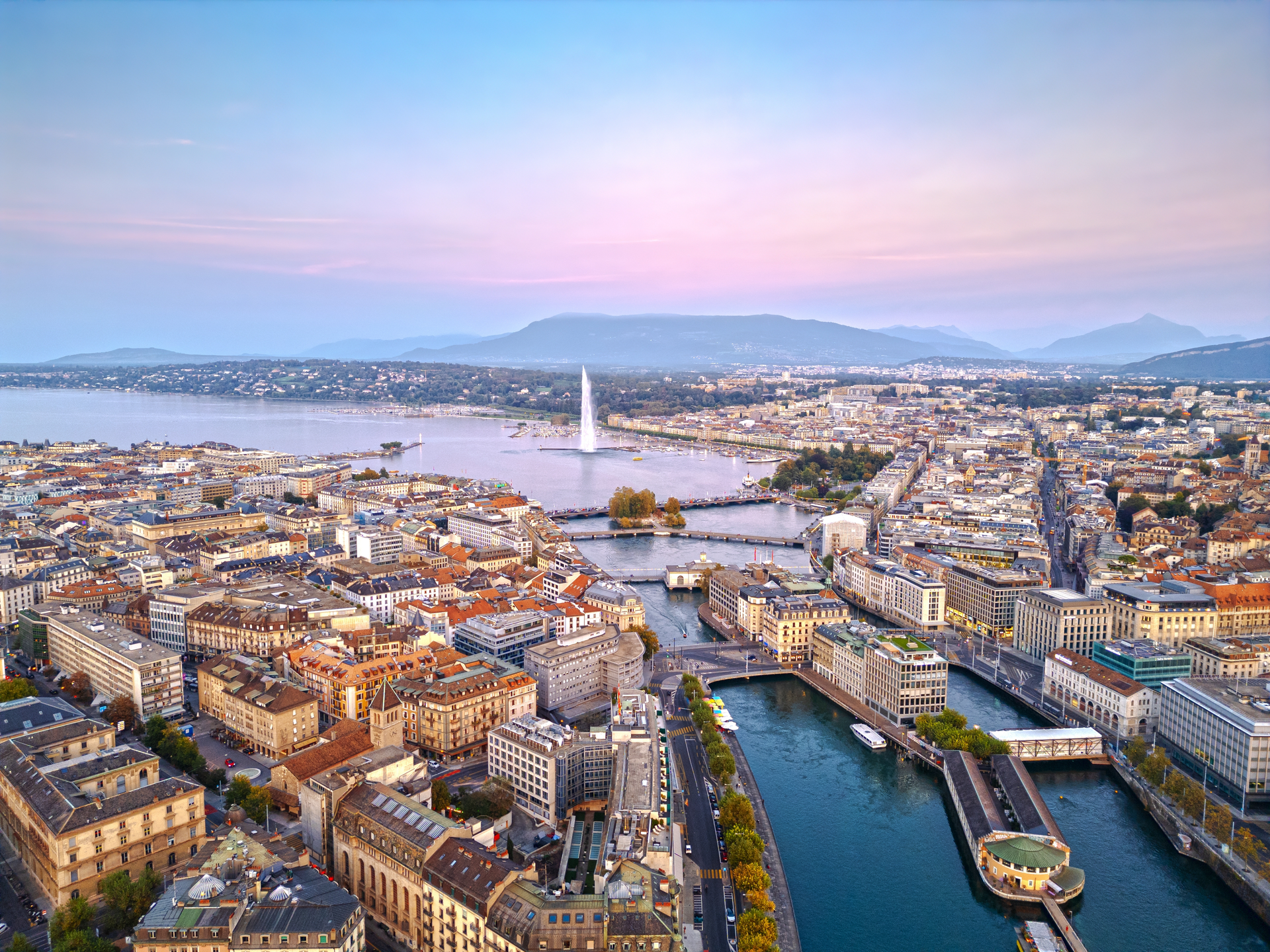
Geneva’s lake fountain shoots a column of water about 140 meters high from the harbor breakwater. It is one of the city’s most recognizable landmarks, best seen from the lake promenade or from a boat on Lake Geneva.
Time needed: About 20 to 30 minutes
Entry: Free to view from the lakefront; boat rides on Lake Geneva cost extra and vary by operator, season, and route.
Tip: Go on a clear morning, when spray is lighter and the skyline reads best from the promenade.
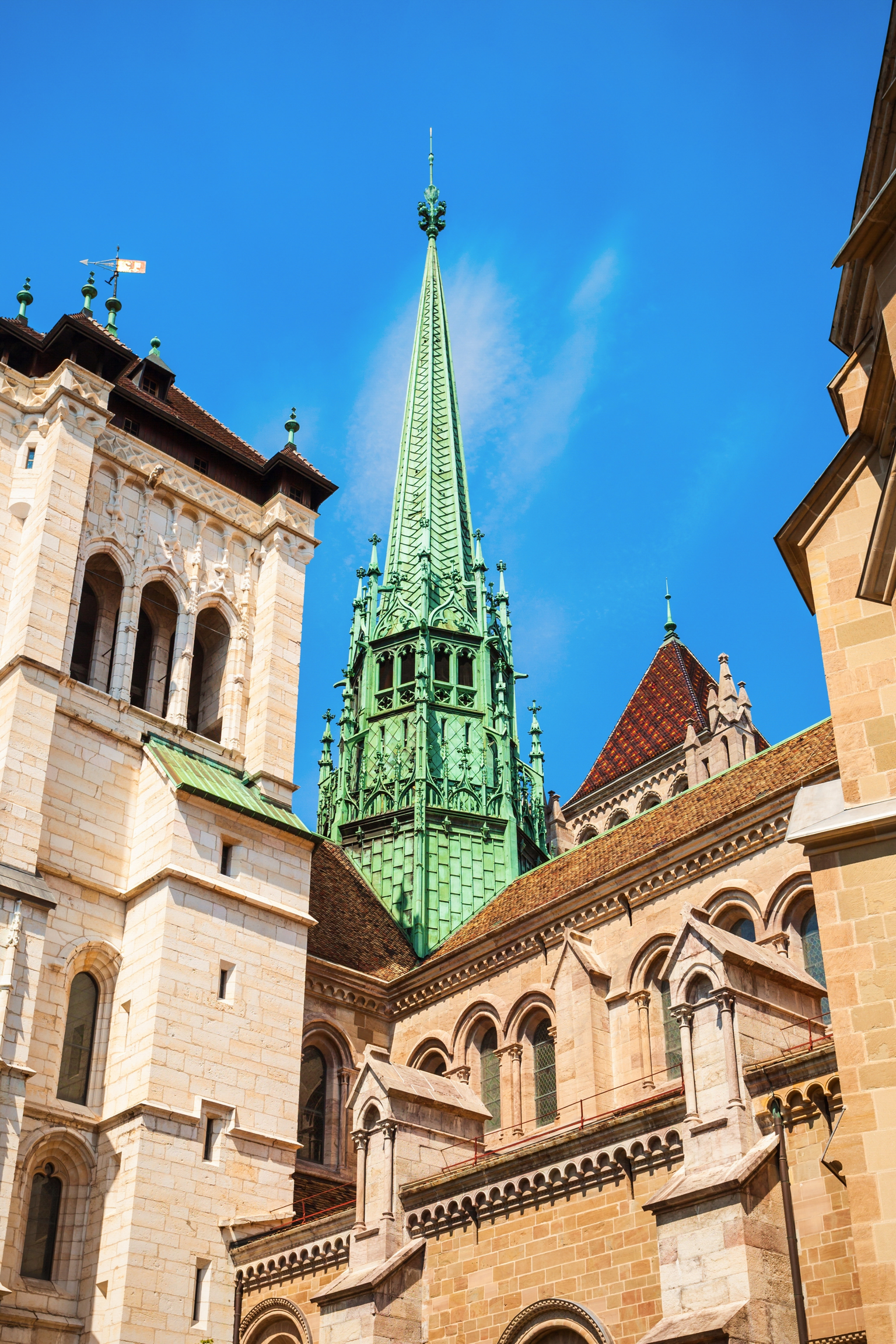
St. Pierre Cathedral
This 12th-century cathedral anchors Geneva’s Old Town and combines Romanesque and Gothic elements. Climb the towers for wide views over the rooftops, the lake, and the Alps on a clear day.
Time needed: About 1 to 2 hours
Entry: Cathedral entry is free; tower access and the archaeological site typically cost about $6 to $8 (CHF 5 to CHF 7) each Visit the official site for details.
Tip: Visit early in the day, then climb the towers before the Old Town lanes fill with tour groups.
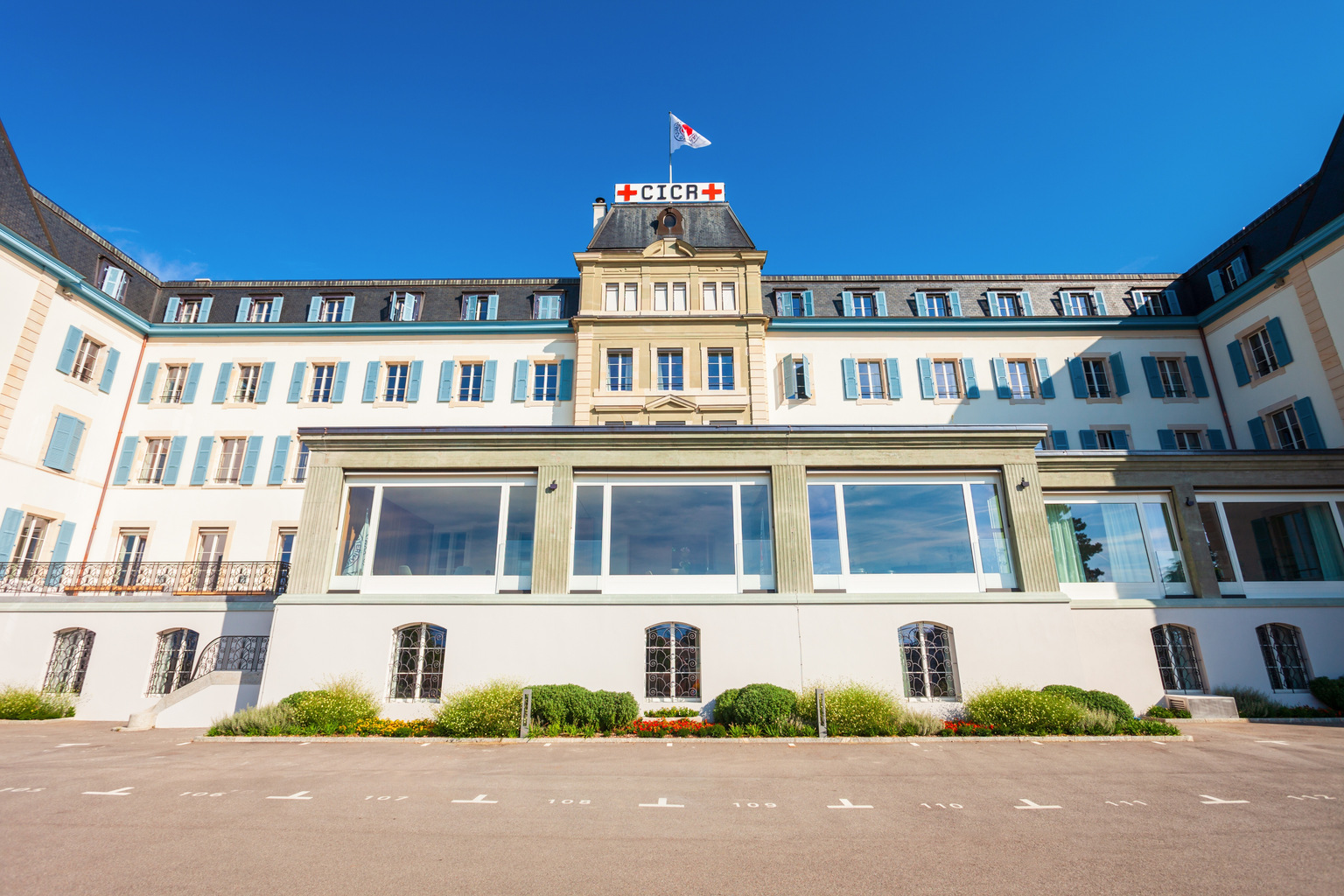
International Red Cross and Red Crescent Museum
This museum traces humanitarian action through carefully staged exhibits, original objects, and first-person accounts. It sits in the Nations district, about 3 km from the center, close to the United Nations buildings.
Time needed: About 2 to 3 hours
Entry: Standard admission costs about $18 to $23 (CHF 16 to CHF 20), with reduced rates for students, seniors, and children Visit the official site for details.
Tip: Allow extra time for the audio stations, which add context to the main galleries.
Overlooked sites worth visiting

Parc de la Perle du Lac
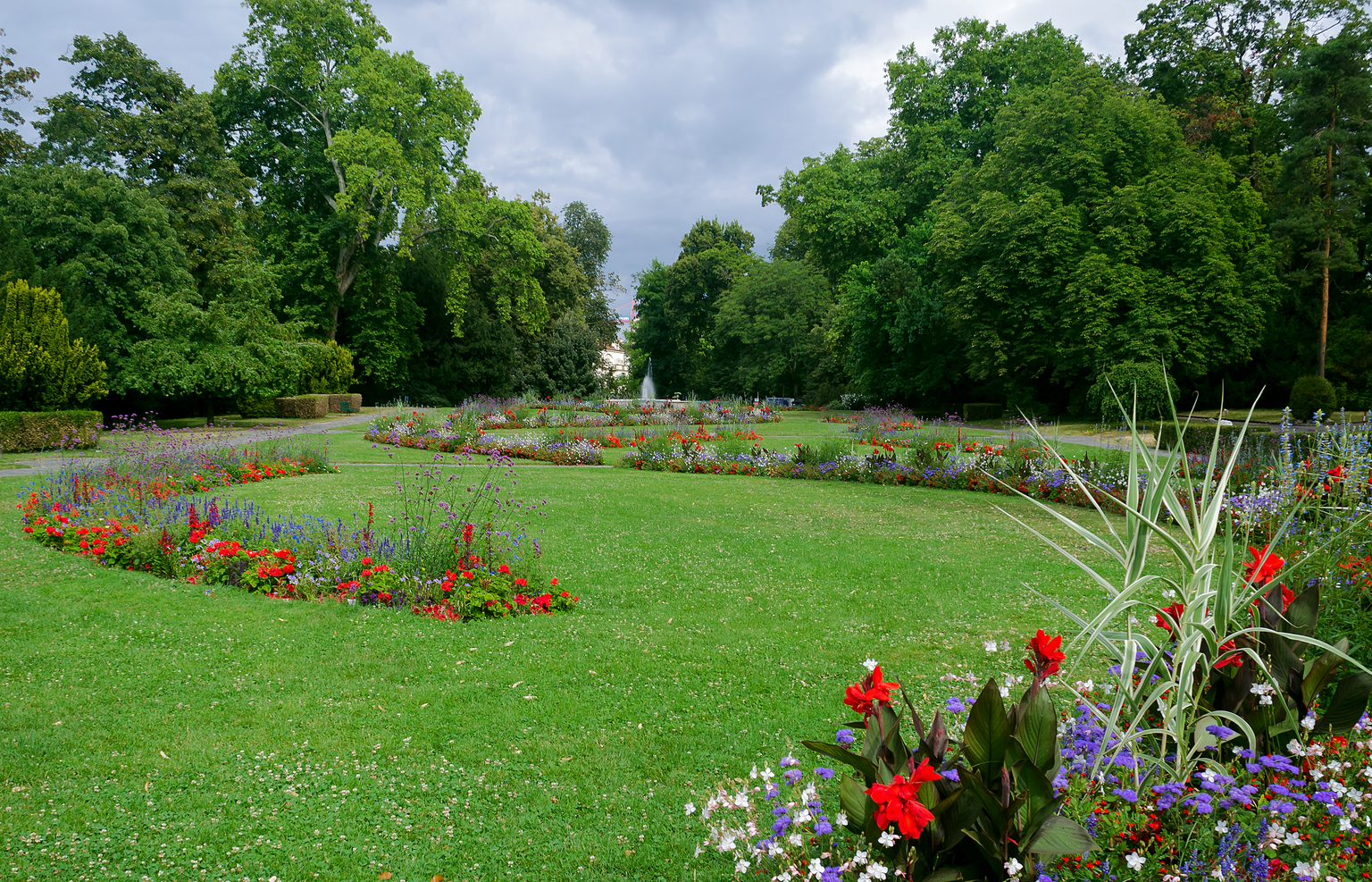
A lakeside park with wide lawns, mature trees, and a clear view across the water to Mont Blanc on good-weather days. The lakeside path suits slow walks, picnics, and winter birdwatching.
Time needed: About 1 hour
Entry: Free to access; no ticket is needed for the park, paths, and lakefront lawns. The nearby Musée d’histoire des sciences has separate admission, but the outdoor grounds stay open without charge year-round.
Tip: Go near sunset for the clearest light on the water.

Musée Ariana
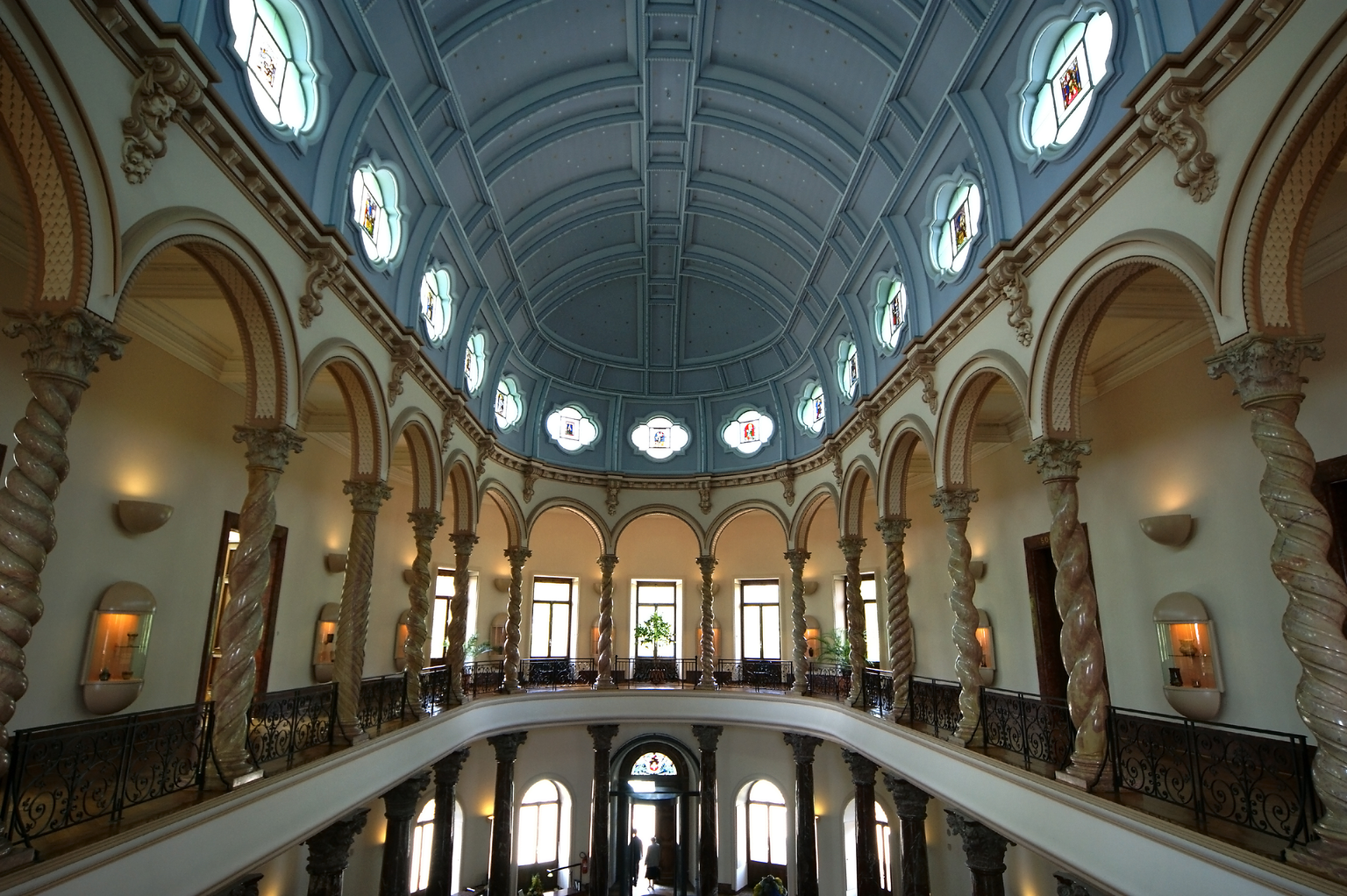
Geneva’s ceramics museum holds more than 27,000 pieces, from Swiss porcelain to Asian pottery and contemporary glass. Its collection fills a calm, compact mansion just above the United Nations district.
Time needed: About 1 to 2 hours
Entry: Admission is free to the permanent collection. Special exhibitions may charge about $10 to $15 (CHF 9 to CHF 14), and the museum opens its galleries on a set schedule that changes by season Visit the official site for details.
Tip: Check exhibition hours before you go, as some rooms close earlier.
Traditional food
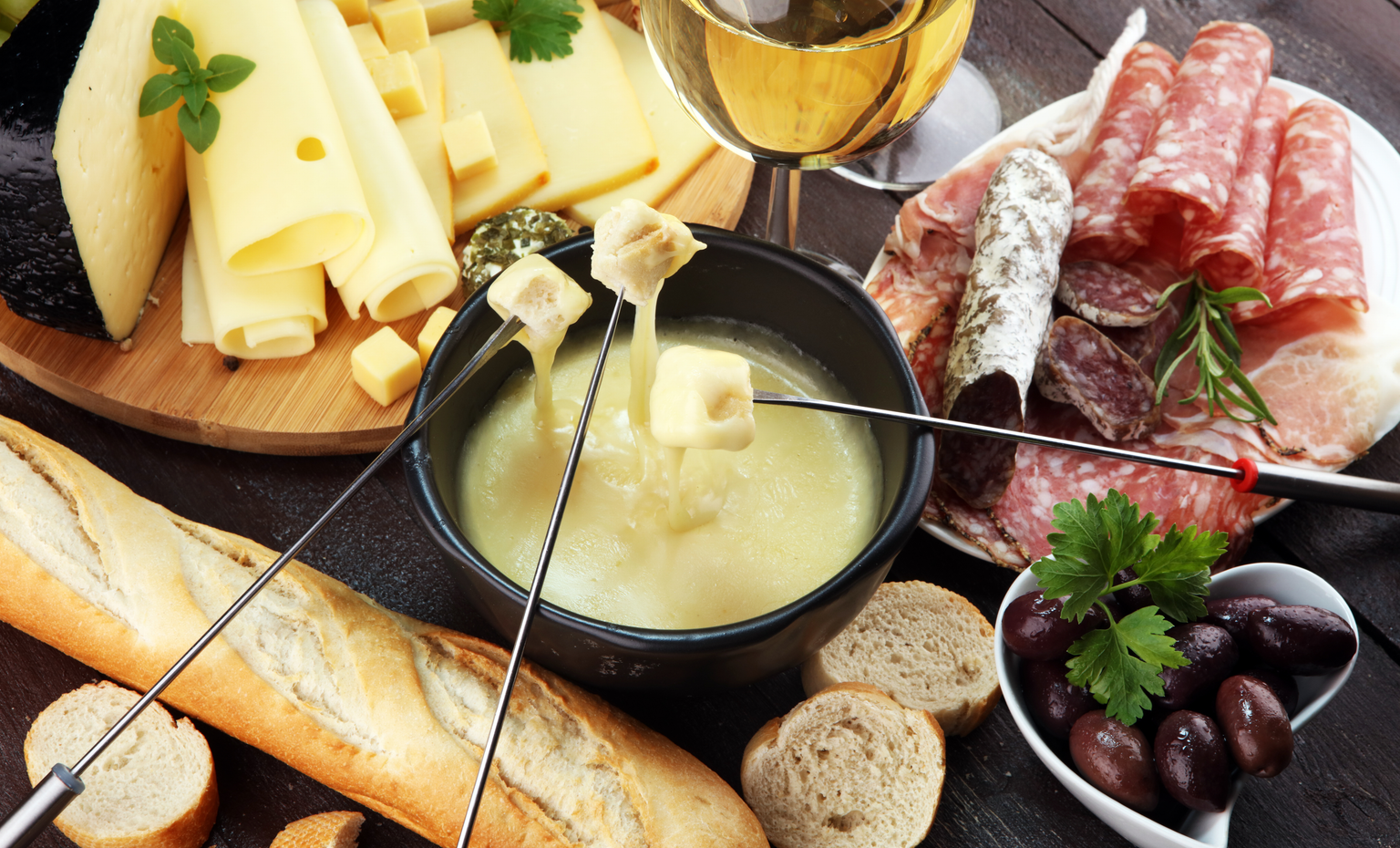
Geneva’s table leans on Alpine dairy, freshwater fish, and seasonal vegetables, with cheese fondue and raclette sitting beside perch and Vaud-style comfort dishes. Restaurants often keep tight lunch and dinner windows, so timing matters as much as the menu.
Cheese fondue
This is the classic Geneva dish for a wintery or unhurried dinner, with melted cheese served hot and shared at the table. Café du Soleil is the city’s benchmark stop for it.
Raclette
Raclette pairs well with a Geneva evening, especially when you want a full cheese meal with potatoes, pickles, and cold cuts. Auberge de Savièse serves a long-standing version in the city center.
Fillet of perch
Perch is one of the best lake-fish orders in Geneva, usually served with fries or vegetables and a clean, light finish. Chez ma Cousine is a dependable city option for this style of plate.
Papet vaudois
Papet vaudois combines leeks, potatoes, and sausage in a regional dish that suits a slower lunch or dinner. Restaurant Les Armures in the Old Town is a classic place to try it.
Best time to visit Geneva
Geneva changes more by season than by month, with bright lake days in warm weather, quieter museums in winter, and spring and autumn offering the easiest balance of walking and sightseeing.
Best for: Lakefront walks, cathedral climbs, and mild sightseeing days
What you get: About 45°F to 68°F (7°C to 20°C), with moderate crowds and variable rain
Trade-offs: Showers can interrupt longer outdoor plans
Best for: Swim stops, long evenings, and terrace dining
What you get: About 59°F to 81°F (15°C to 27°C), with the busiest lakefront and museum lines
Trade-offs: Central streets and waterfront spots feel busiest in July and August
Best for: Clear views, comfortable walking, and calmer restaurants
What you get: About 43°F to 68°F (6°C to 20°C), with lighter crowds after summer
Trade-offs: Evenings cool quickly, especially from late October onward
Best for: Museums, fondue dinners, and crisp, low-key city breaks
What you get: About 30°F to 43°F (-1°C to 6°C), with lighter crowds and short daylight hours
Trade-offs: Cold days and early sunsets limit long outdoor plans
A realistic 5-day plan in Geneva
This five-day plan keeps the city in manageable pieces: the Old Town first, then the lake, then the Nations district, with enough margin for meals and transfers. That order cuts down on crisscrossing and leaves room for the lakefront when the light is best.
Land at Geneva (GVA) and take the train, taxi, or airport shuttle into the center, which usually takes about 10 to 20 minutes and costs roughly $12 to $40, depending on the mode and where you are staying. If you want an easy first night, check into Paquis or Rive and Eaux-Vives, then walk to the lakefront for a short stretch by the water. Keep dinner simple, something like a neighborhood brasserie or a lakeside cafe, and drink plenty of water before you head back early.
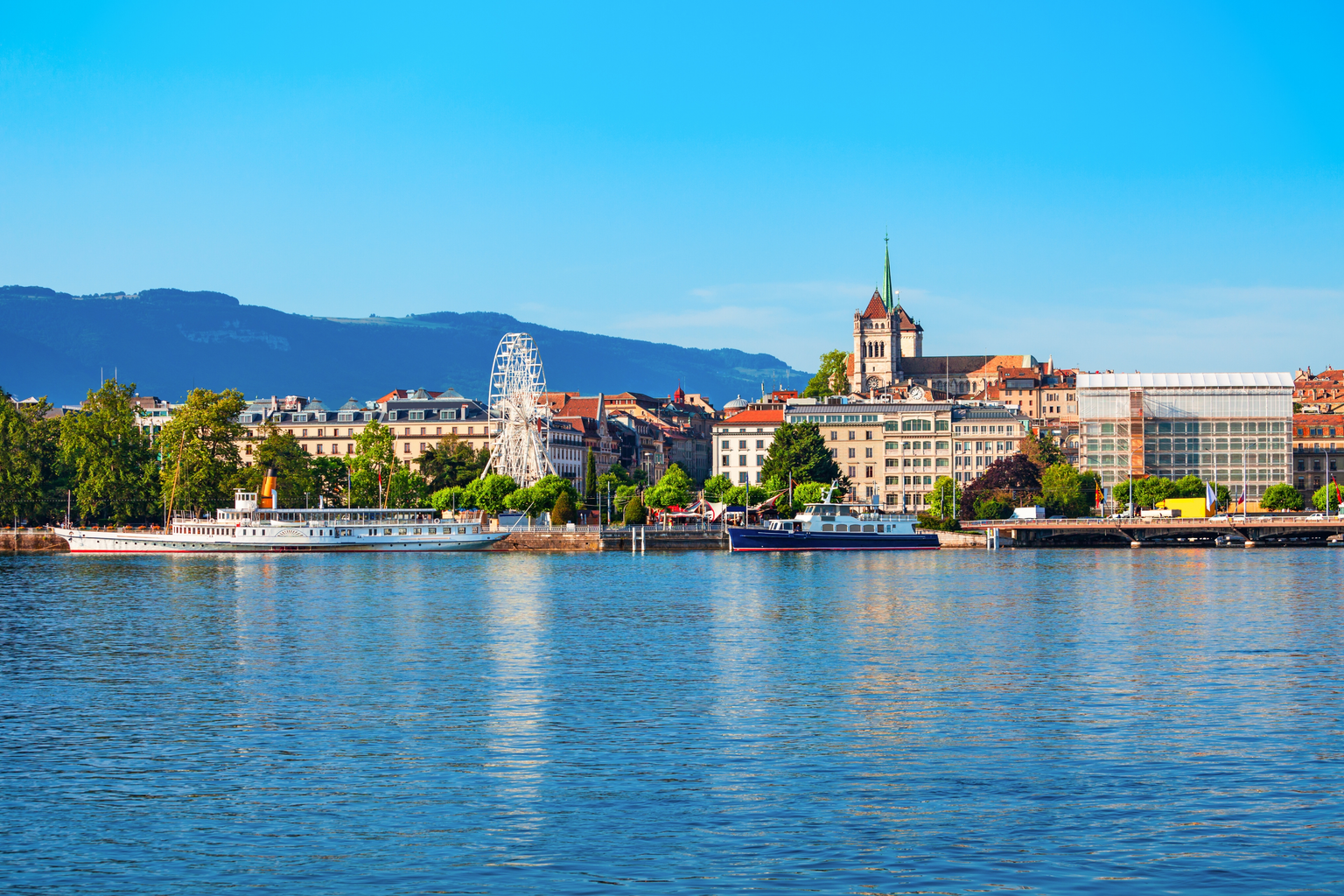
Start in the Old Town with St. Pierre Cathedral, then climb the towers before the lanes fill up; plan about 1 to 2 hours there. From the cathedral, walk about 10 minutes downhill to the lakefront for Jet d’Eau, where a clear morning gives you the best view of the spray. Finish with an easy lunch in the waterfront district, then return to the Old Town for a slower look at the squares and small streets.
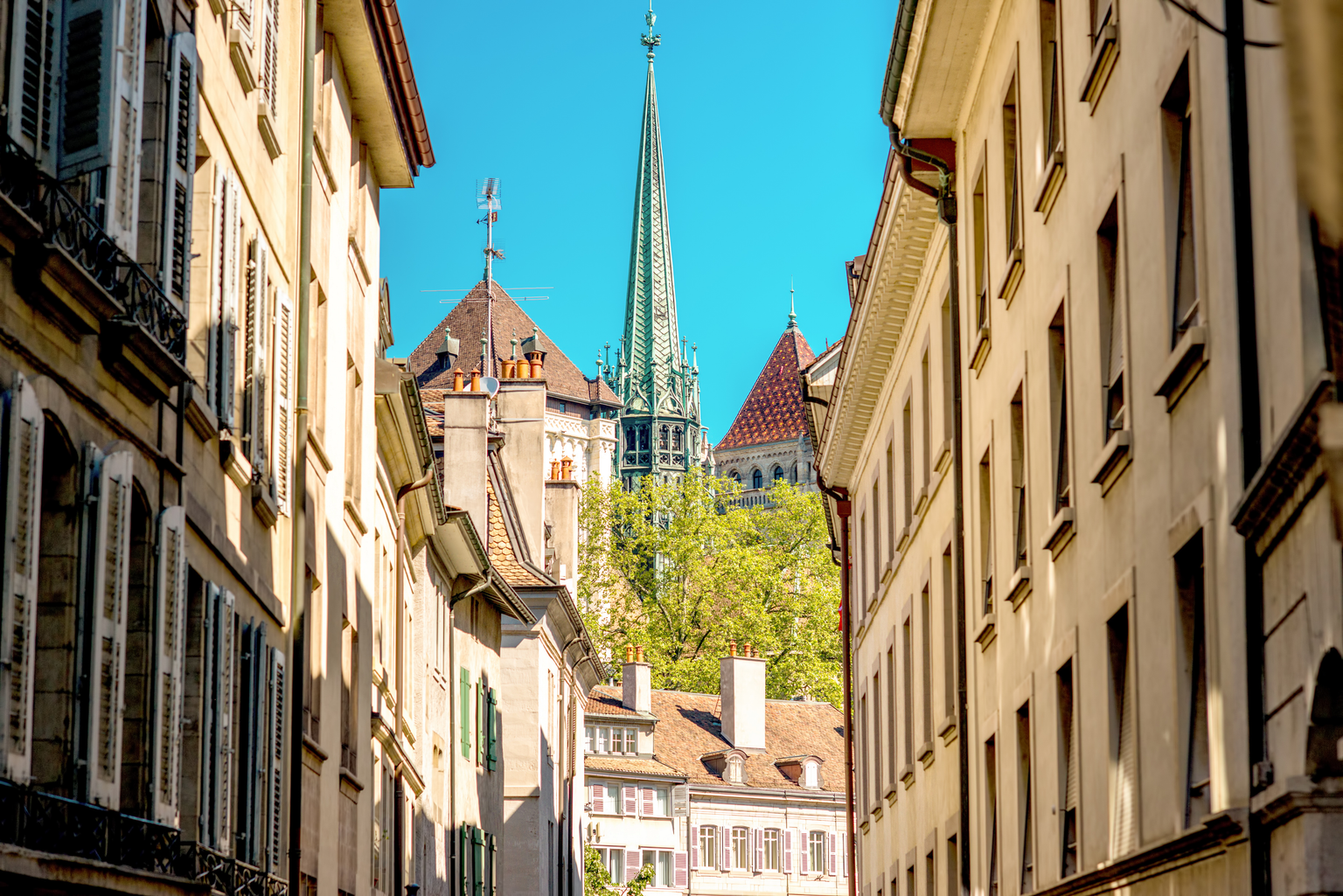
A museum-heavy morning works well in the Nations district, where the International Red Cross and Red Crescent Museum takes about 2 to 3 hours and sits about 15 minutes by tram from the center. After that, walk or ride a short tram hop to Musée Ariana, about 10 minutes away, for ceramics, porcelain, and glass in a quieter setting above the United Nations area. End the day with dinner in Les Nations, where you can avoid a long cross-town trip back to your room.
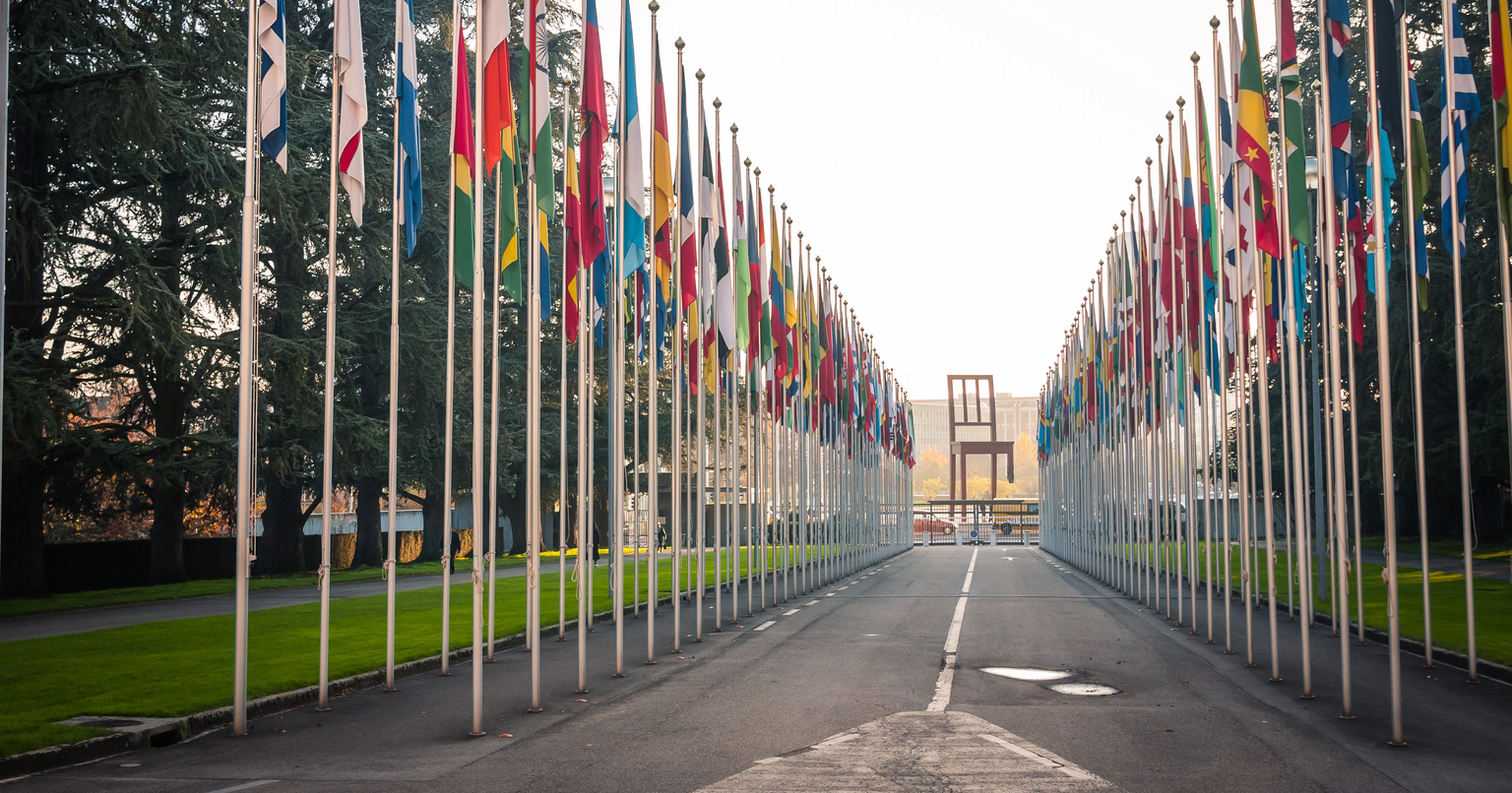
Begin with a calm lakeside walk in Parc de la Perle du Lac, which is free to enter and takes about 1 hour if you linger on the lawns and paths. From there, continue about 10 to 15 minutes by transit or taxi to the waterfront and then into Rive and Eaux-Vives, where the promenade and nearby beaches give you a different view of Geneva. Spend the afternoon in the lake-facing streets, then have an early dinner close to your hotel so you are not rushing between neighborhoods after dark.
Before you leave, pair one last museum stop with a low-key downtown afternoon: if you skipped it earlier, Musée Ariana fits neatly into a shorter morning, with about 1 to 2 hours enough for the permanent collection. Afterward, head to the shopping streets near the center or the lake-adjacent side of Paquis for souvenirs, watches, and chocolate, then pause for coffee in Old Town so you can sit under the cathedral hill one last time. Aim for an early meal and leave enough time to reach Geneva (GVA) without a rush.
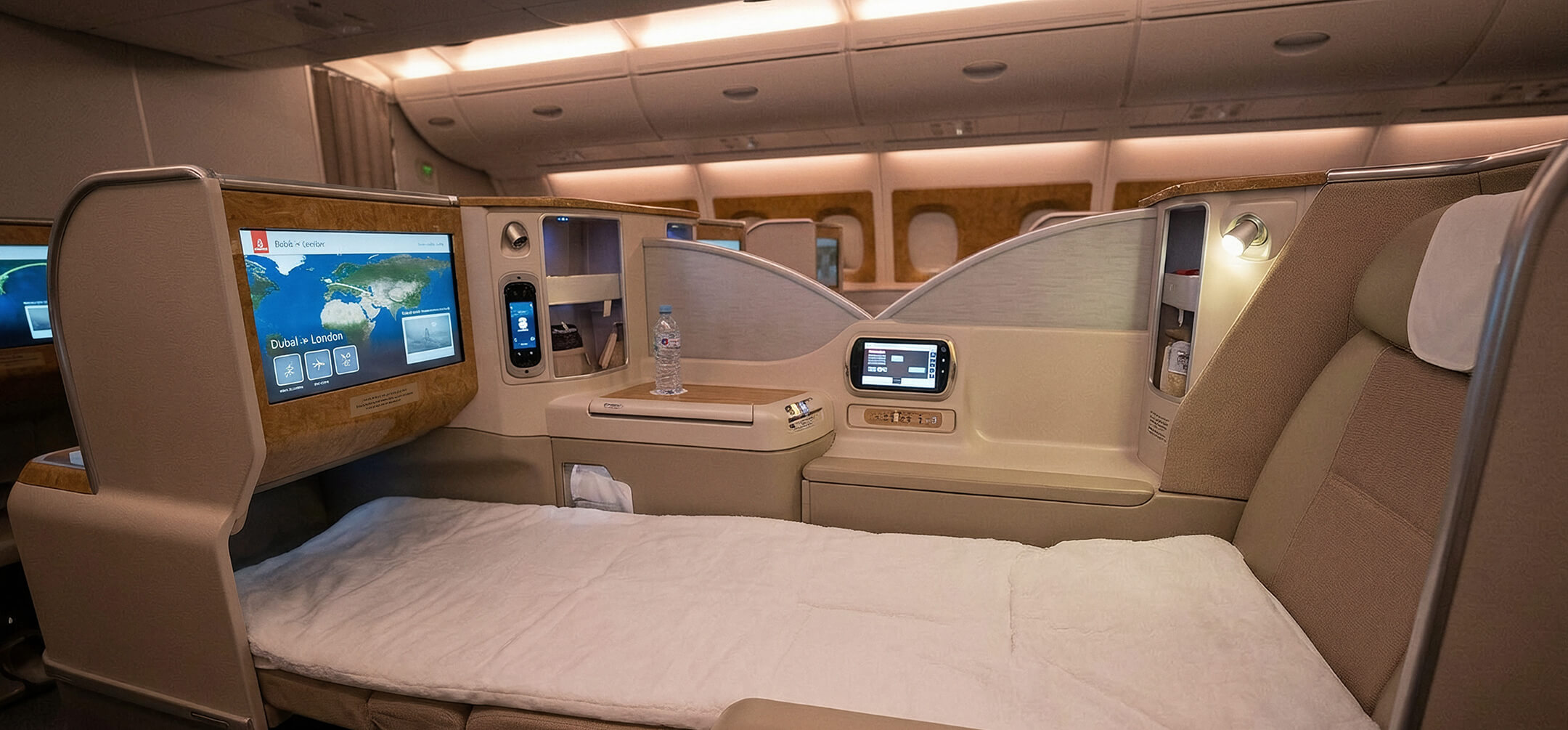
Business-class flights from the US to Geneva
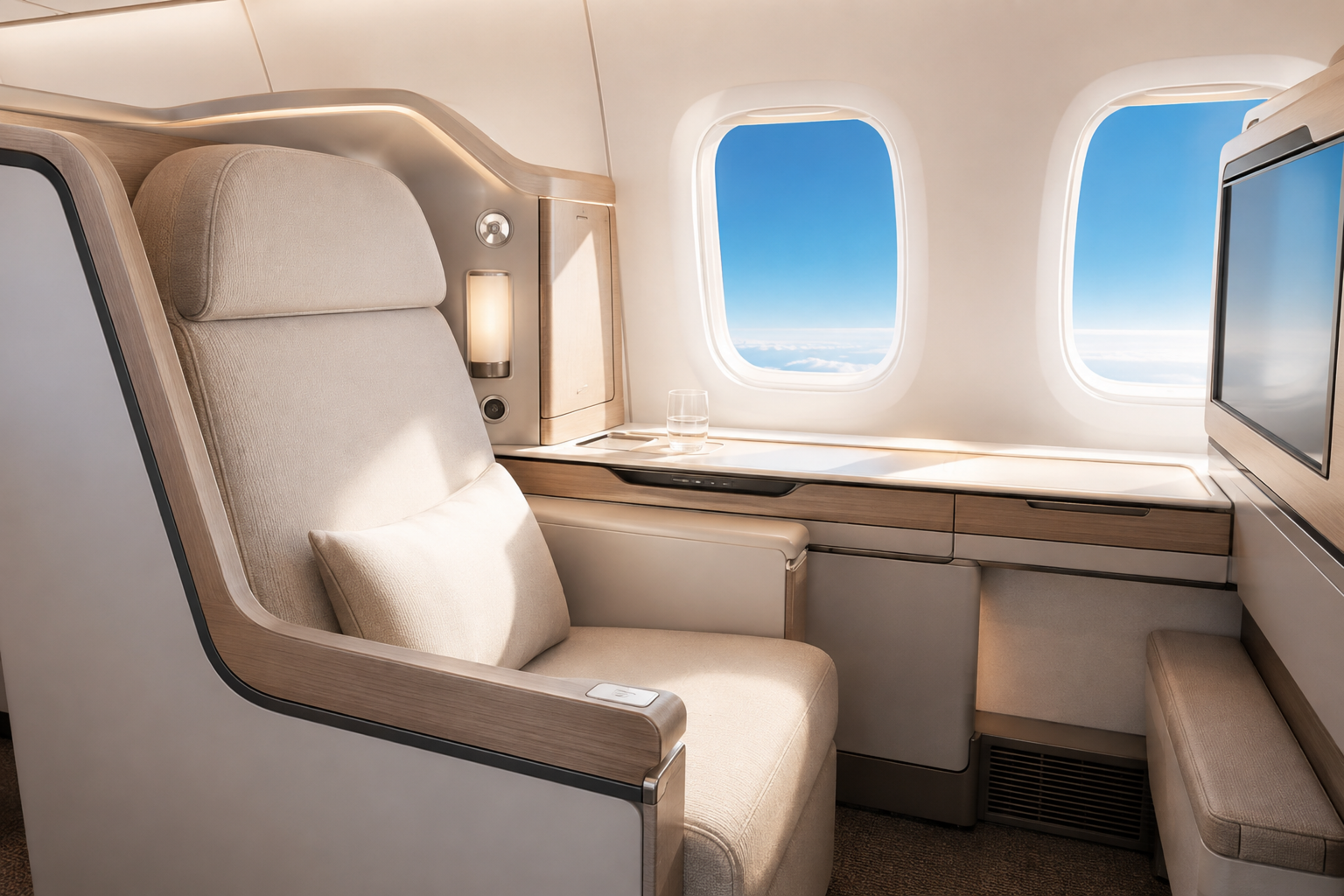
Flights to Geneva often price best when you accept a connection, and the route you choose from each US coast changes the layover pattern more than the destination airport itself.
From New York, Delta Air Lines, United Airlines, Swiss International Air Lines, Air France, British Airways, and Lufthansa all appear on common itineraries, with nonstop flying time about 7 to 8 hours. If you do not mind a stop, common connections via CDG, LHR, FRA, MUC, AMS, or ZRH can trim the fare, and round-trip tickets usually start at about $3,200 and can climb to $7,500.
Los Angeles travelers usually see Swiss International Air Lines, Lufthansa, British Airways, Air France, and Delta Air Lines on the board, with one-way travel taking about 12 to 13 hours nonstop or about 14 to 18 hours with a stop. Round-trip fares from Los Angeles are often $3,800 to $8,500, with the highest nonstop prices near the upper end of that range.
Geneva feels different when you slow down
A good Geneva stay gives each district a clear role: the Old Town for St. Pierre Cathedral, Paquis for station access, Rive and Eaux-Vives for the lake, and Les Nations for quieter nights and museum days. Trams and short walks do most of the work, so the city opens up in sections instead of all at once. If you want help shaping those pieces into a trip, AranGrant experts can match your dates to the right neighborhood and season