

Chapters:

Need help with your trip?
Our support team is available 24/7. Request a callback or call us directly at (833) 619-0908
Most first trips to Gdańsk center on the Long Market, a church tower, and one riverfront meal, then stop before the shipyard story or the harbor edge. Travelers often miss how much the city changes once you leave the postcard core.
That narrow loop can waste time, because the historic center, Wrzeszcz, and the port area sit far enough apart to shape the day. Crowds also build in the middle of the Old Town, while the quieter streets sit just a short ride away.
This guide keeps the center as a base, then links each day to a clear district or theme, so the route moves with purpose and the transit choices stay simple.
Useful things to know

Main language(s): Polish
Dzień dobry (jen DOH-brih) – Hello/good morning
Proszę (PRO-sheh) – Please
Dziękuję (jen-KOO-yeh) – Thank you
Czy mówi pan/pani po angielsku? (chih MOH-vee pahn/PAH-nee poh ahn-GYEL-skoo) – Do you speak English?
Ile to kosztuje? (EE-leh toh kosh-TOO-yeh) – How much does it cost?

Currency: The local currency is the Polish złoty (PLN, zł).

Cash and cards: Cards and contactless are widely accepted; carry about 50 to 100 złoty ($13 to $26) for small buys.

Tipping: Round up at cafes and taxis; leave about 5-10% in restaurants if service is good.

Traditional food: pierogi, żurek, kaszanka, herring

Water and coffee costs: Water about 5 to 7 złoty ($1 to $2), bar espresso about 10 to 14 złoty ($3 to $4).

Taxis and ride apps: Uber and Bolt operate here; check pickup points at the airport and train station.

Plug and voltage: Type C/F socket, 230V

Dining and shop opening hours: Breakfast runs 07:00-10:00, lunch 12:00-15:00, and dinner 18:00-22:00. Many kitchens close earlier on Sunday, and some smaller spots shut one day a week.

Emergency number: 112 for police, fire, and ambulance.
Where to stay in Gdańsk
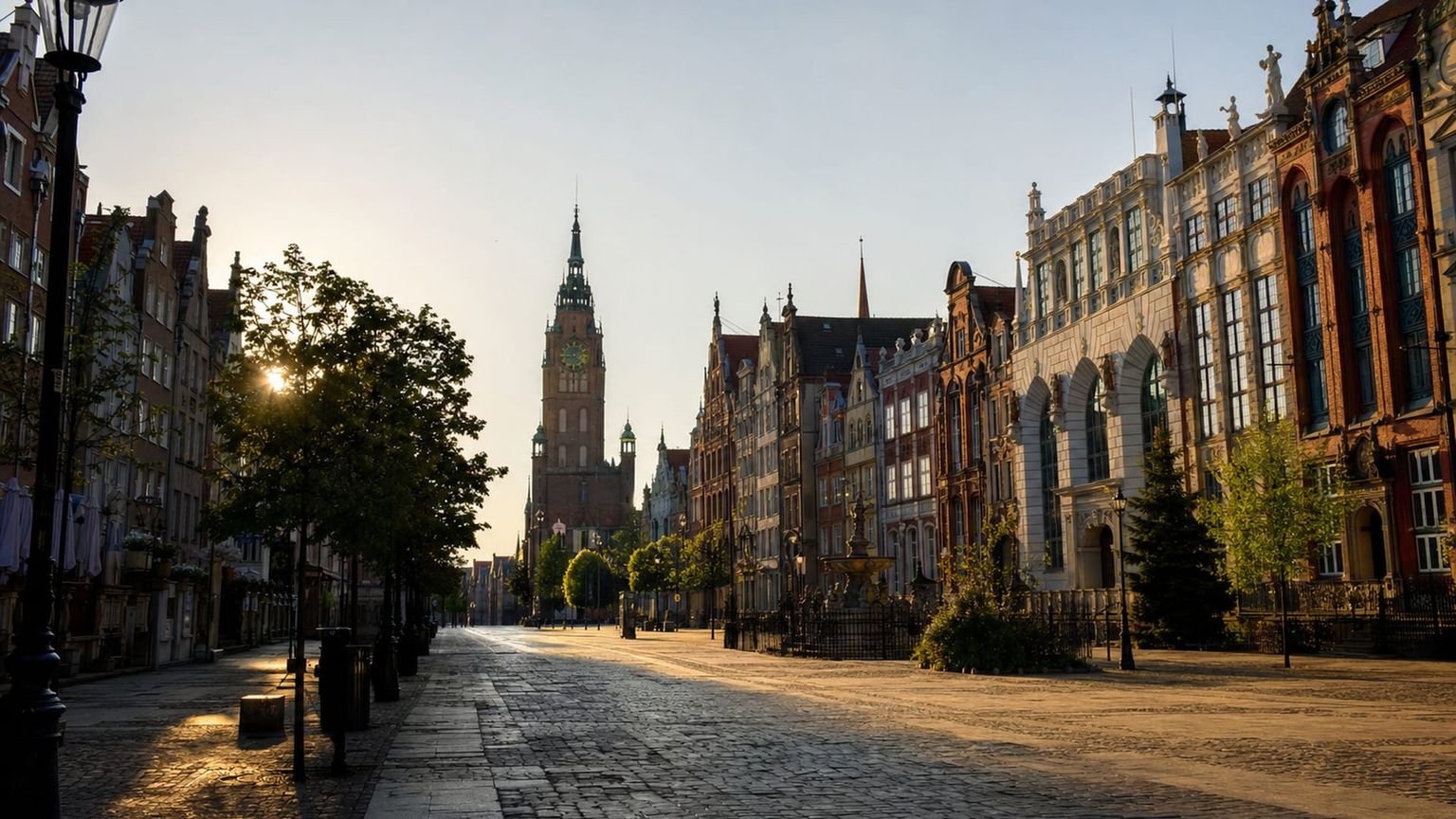
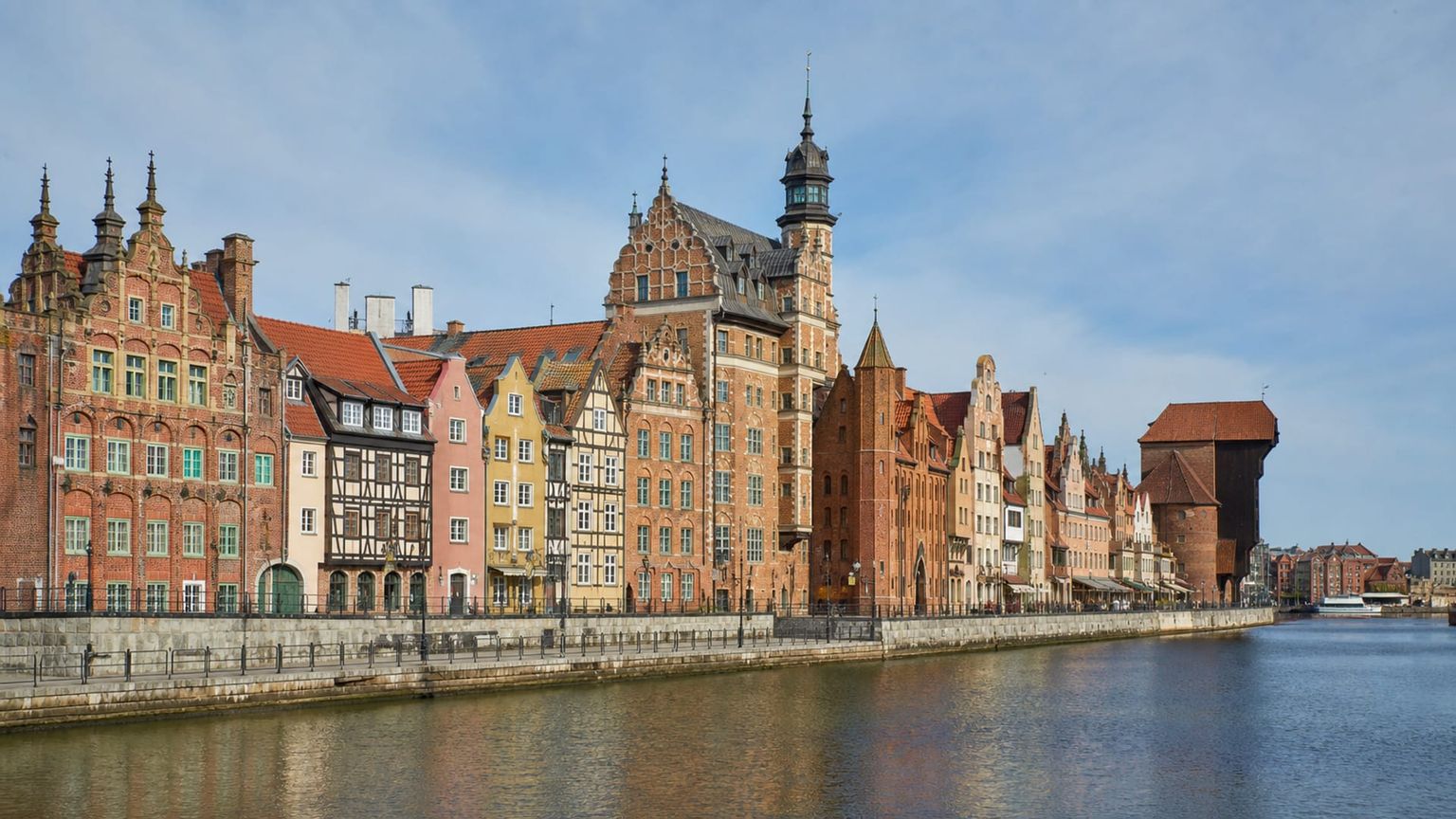
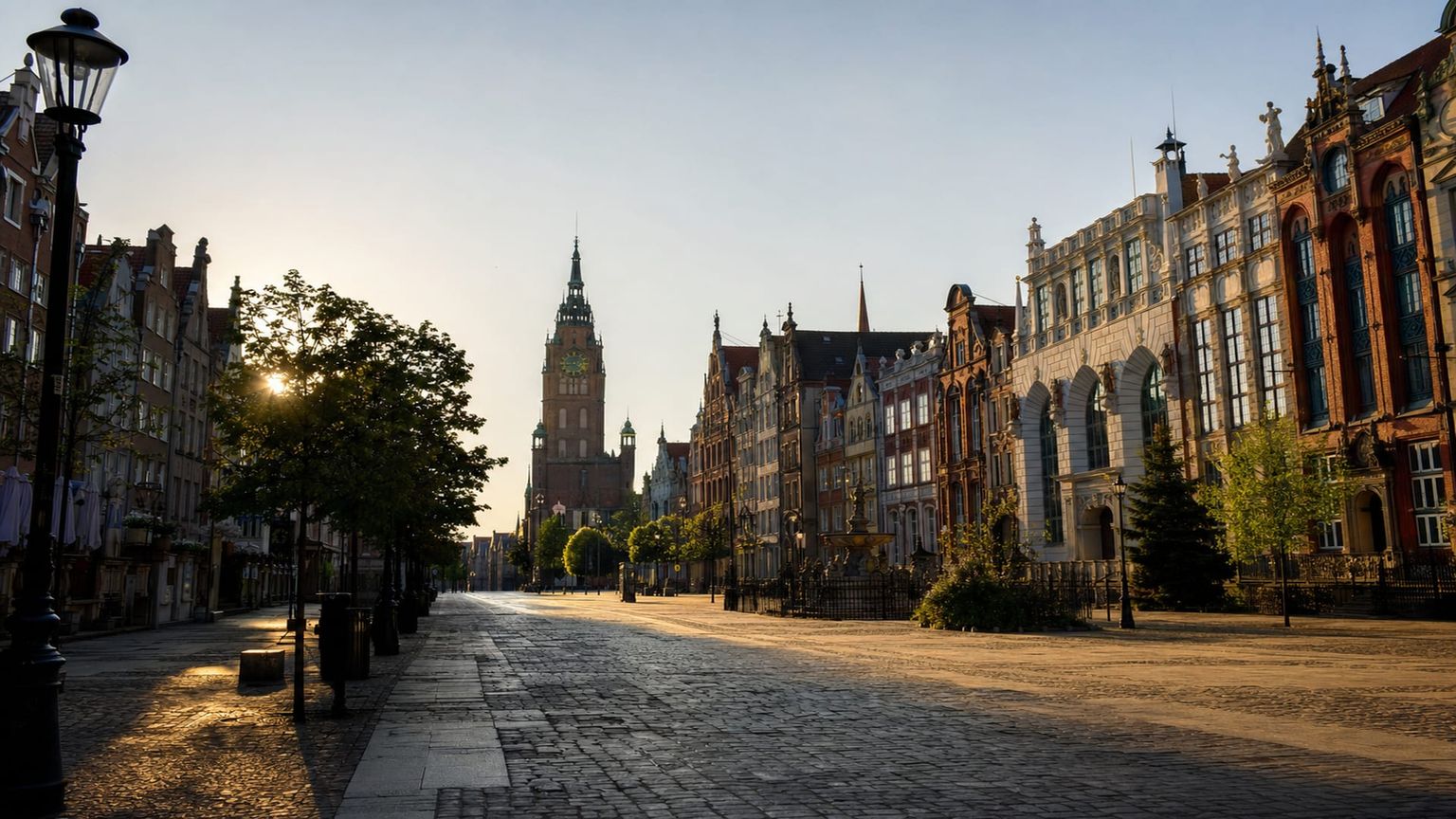
Gdańsk’s historic core puts the Long Market, Neptune Fountain, and riverfront within easy reach, with most major sights clustered on foot. It suits travelers who want museums, restaurants, and late dinners without relying on transit after dark.
Best for: First-time visits, sightseeing, and travelers who want to walk to major landmarks
What to expect: Busy pedestrian streets, café tables, tour groups, and steady evening activity near the waterfront.
Hotel prices: Usually about 450 zł to 900 zł (~$112 to ~$224) per night for well-rated stays
Distance to major sights: On foot to the Long Market and Neptune Fountain
Quietness: Lively through the day and into the evening, then quieter on side streets late at night.
Main trade-off: Rooms cost more here, and the busiest blocks can bring noise from bars and summer crowds.
Good to know: If you plan to stay out late, check whether your room faces the street or an inner courtyard.
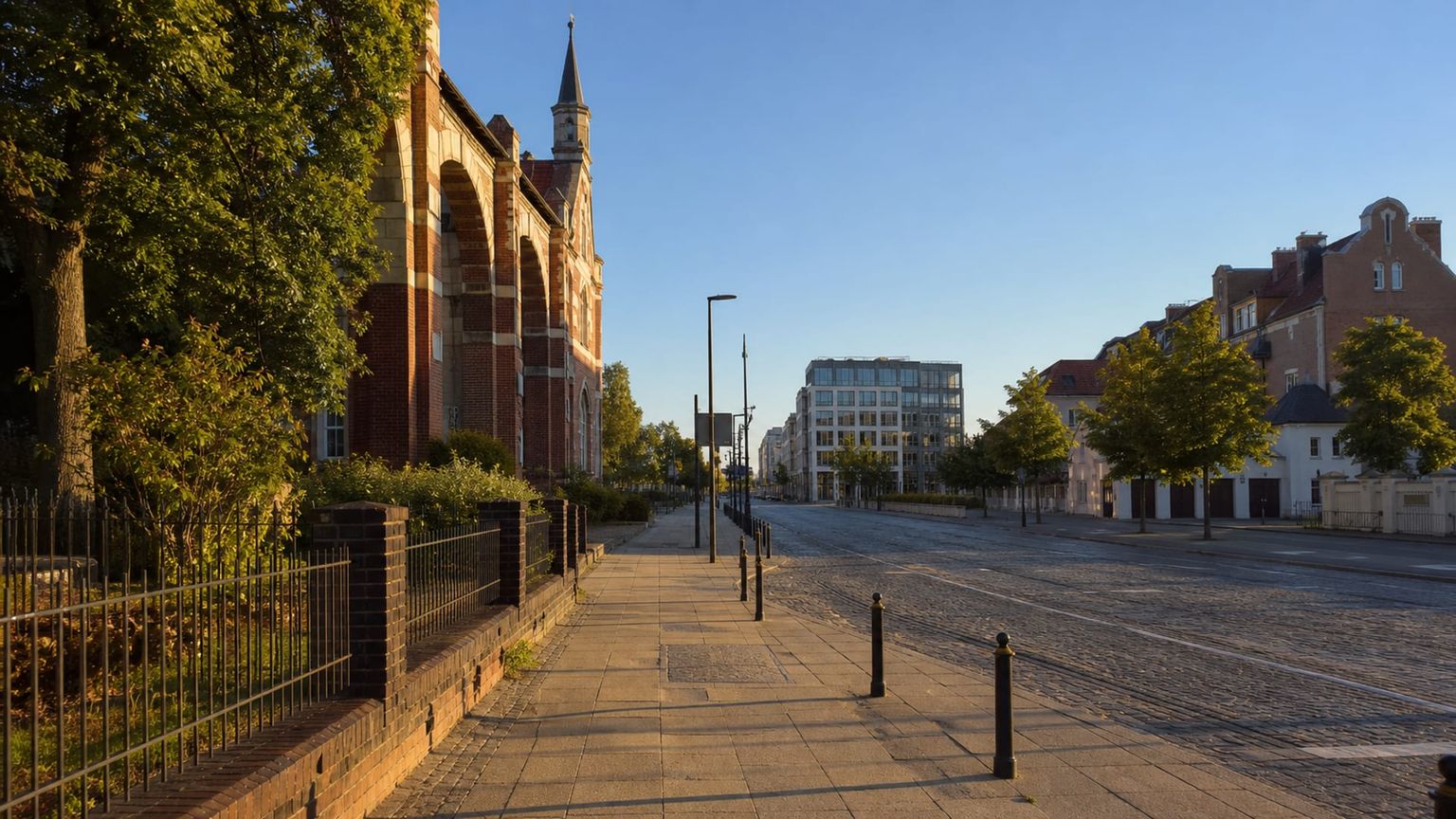
The streets just outside the historic core keep you close to the same sights but usually with a bit less foot traffic and a wider mix of hotels. This works well if you want quick access to the center without paying peak Main City rates.
Best for: Sightseeing with a slightly quieter base and better hotel availability
What to expect: Mixed residential and tourist streets, lighter evening crowds, and easy movement toward the center.
Hotel prices: Usually about 350 zł to 700 zł (~$87 to ~$174) per night for well-rated stays
Distance to major sights: About 10 to 15 minutes on foot to the Long Market
Quietness: Quieter than Main City by day, and noticeably calmer at night once the center’s bars close.
Main trade-off: You may walk a few extra minutes for the main sights, and some streets feel less atmospheric than the postcard core.
Good to know: This area works best if you want to sleep a little farther from the noisiest bar streets but still stay walkable to dinner and museums.
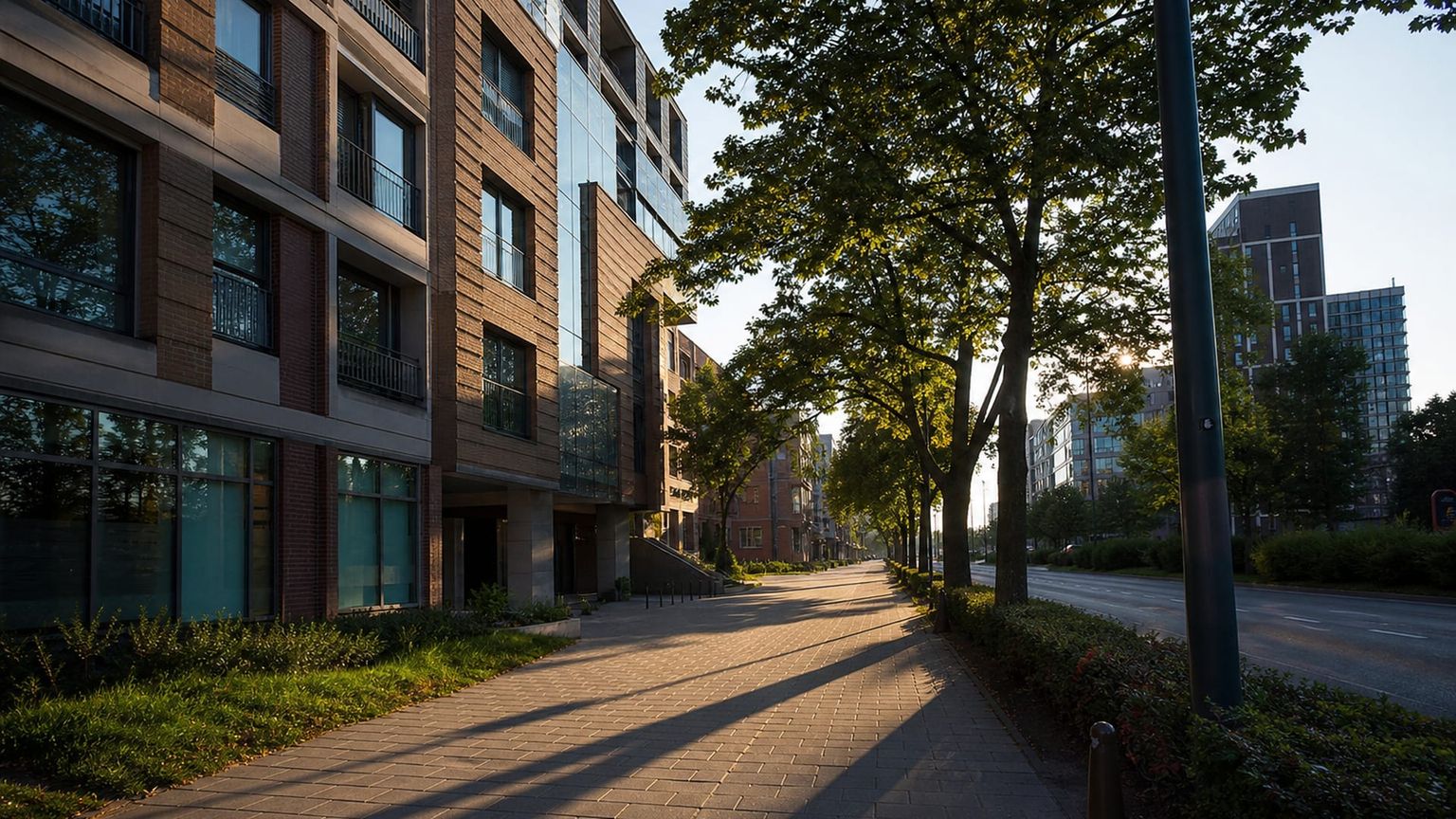
Wrzeszcz is a large inner-city district with shopping streets, tram links, and a dense choice of apartments and midrange hotels. It matters for travelers who want a local base with easy rail access to the center and the airport corridor.
Best for: Longer stays, shoppers, and travelers who want strong tram and rail connections
What to expect: Active commercial streets, commuters, students, and full shopping centers rather than tourist crowds.
Hotel prices: Usually about 250 zł to 500 zł (~$62 to ~$124) per night for well-rated stays
Distance to major sights: About 15 to 20 minutes by tram to Main City and roughly 20 minutes by train to Gdańsk Główny
Quietness: Busier by day around shops and offices, with calmer residential blocks in the evening.
Main trade-off: You save money, but you trade away the historic setting and will use transit for most landmark visits.
Good to know: If your schedule includes day trips by train, staying near the station can cut cross-town transfers and simplify arrivals.
Travelers usually avoid Kokoszki and Matarnia for hotel stays, because they sit well west of the Main Town and require longer tram, bus, or taxi rides to reach the historic center. Osowa and Jasień are also less convenient for short visits, since they are farther from the Old Town and have fewer visitor-facing amenities near the main sights. Rail-adjacent parts of Wrzeszcz can be useful for transport, but the areas around the station are less convenient for sightseeing than the riverside and Old Town districts.
Hotel deals
How to get around Gdańsk efficiently
Gdańsk rewards a mix of walking and short tram, bus, or SKM rail rides, since the main sights cluster in the center but the airport, Wrzeszcz, and the harbor sit farther out.

Metro
for longer distances
Gdańsk has no metro, and the closest equivalent for visitors is the SKM suburban rail, which links Gdańsk Główny with Oliwa, Wrzeszcz, Sopot, and Gdynia. A single ride usually costs about $0.90 to $1.20 (about 4 to 5 PLN) and tickets are valid for the chosen trip; expect roughly 10 to 15 minutes between central stops and about 35 minutes to Gdynia.

Bus and tram
for convenience
Trams and buses cover the historic center, Wrzeszcz, Oliwa, and the airport corridor, with most daytime services running every 10 to 20 minutes on main lines. Single tickets start at about $1.00 to $1.50 (about 4.50 to 6 PLN) with time-based options valid for 20, 75, or 90 minutes, so choose a longer ticket if you need a transfer to SKM or another line.

Taxi
for convenience or late hours
Licensed taxis use metered fares in Gdańsk, usually with a base charge plus per-kilometer pricing, and airport trips to the center typically cost about $14 to $23 (about 55 to 90 PLN) depending on traffic and time of day. You can hail one at ranks, book by phone or app, and most cars accept card payment, although it is worth confirming before you get in.
*Prices are based on rates updated as of June 2026 and may change at the time of travel.
Walk the Old Town edge, use trams and buses for the airport corridor and New Port, and choose taxis or ride apps when you want the quickest door-to-door trip.
Iconic landmarks
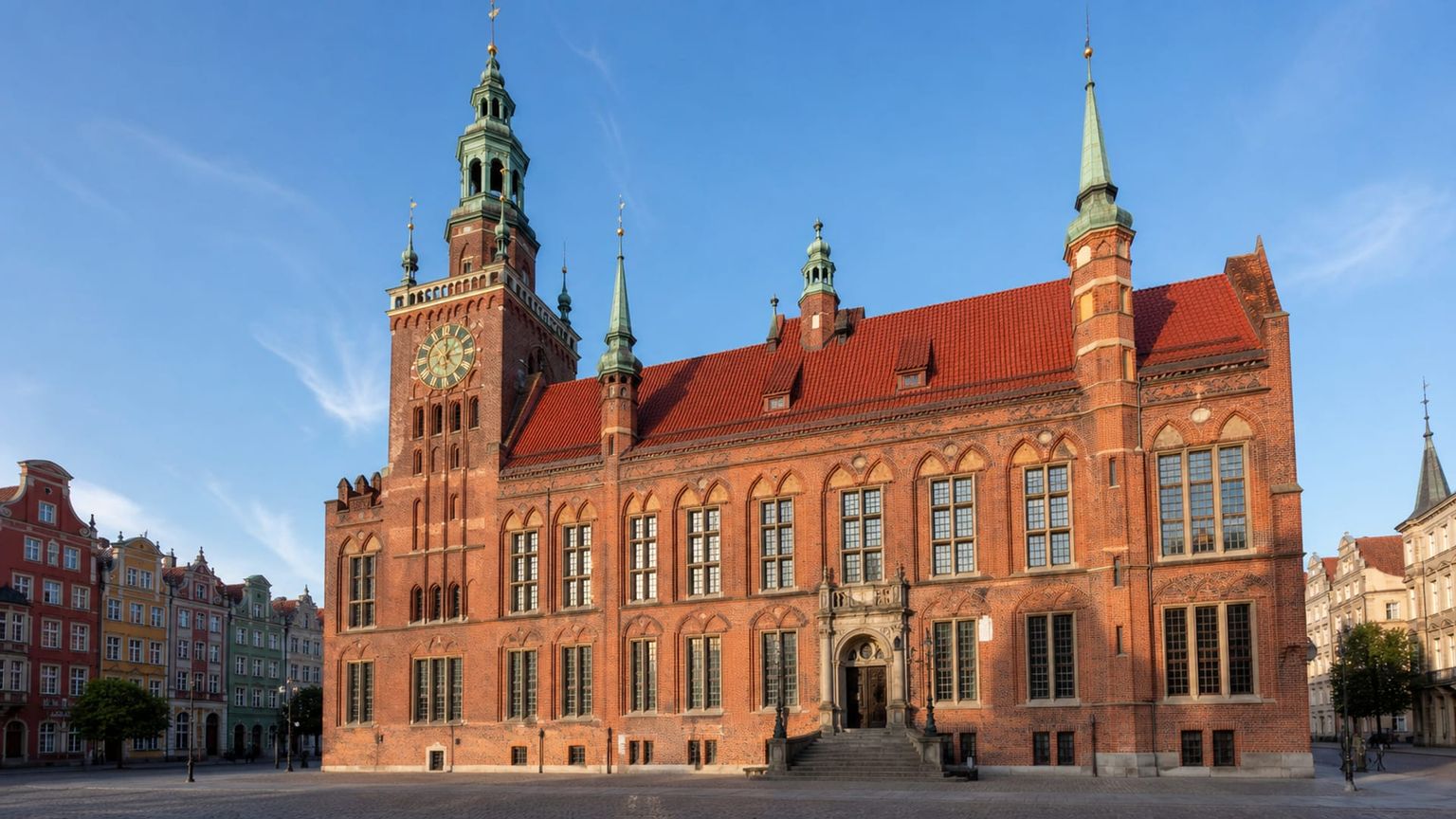
Main Town Hall
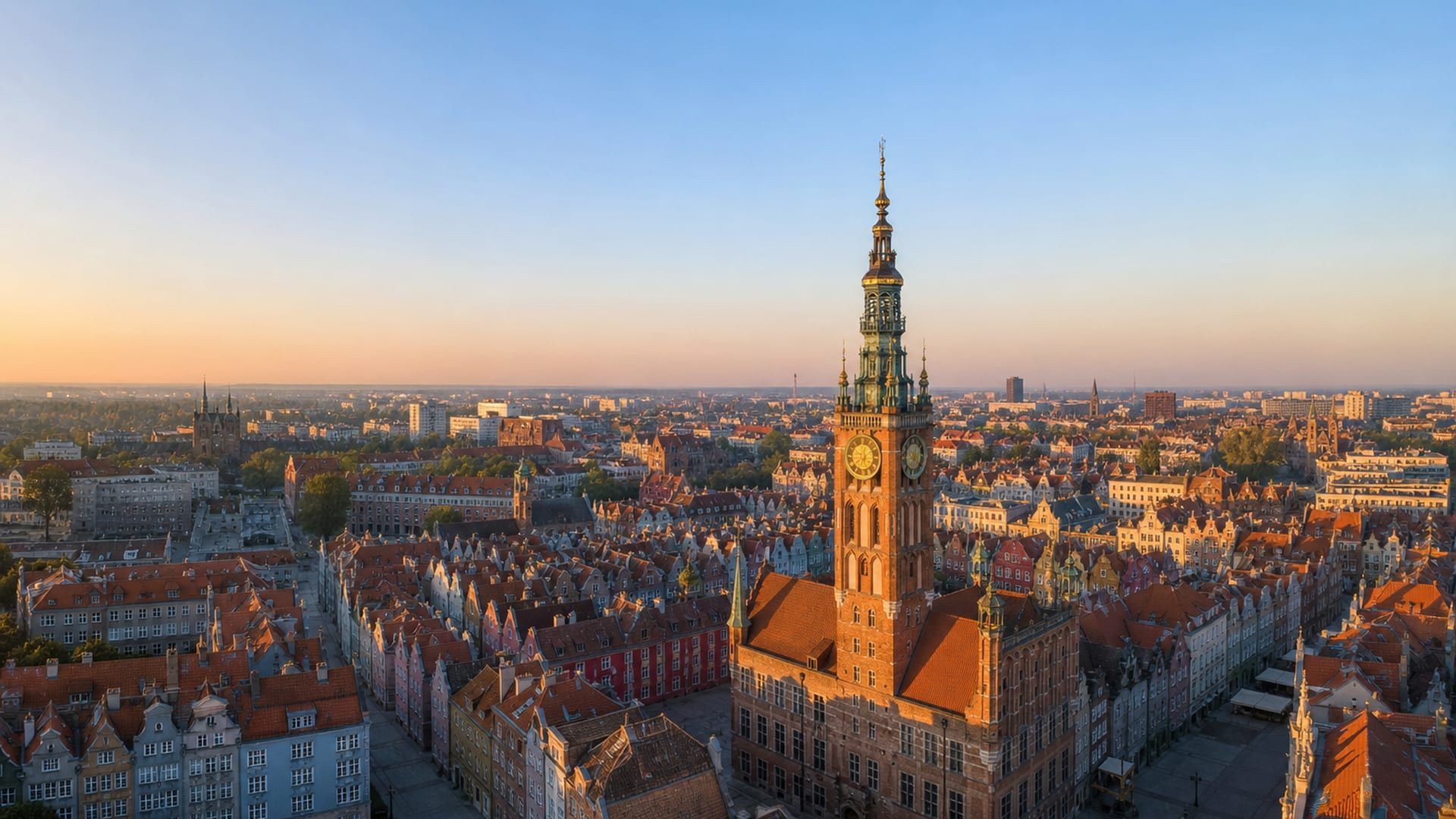
The Main Town Hall anchors Long Market with a 16th-century brick Gothic exterior and a richly decorated interior. Climb the tower for a close look at the city center and the Golden and Red Halls below.
Time needed: About 1 to 2 hours
Entry: Standard admission costs about $11 to $15 (about 45 zł to 60 zł) Visit the official site for details.
Tip: Go early in the day for shorter waits and clearer views from the tower.
St. Mary's Church
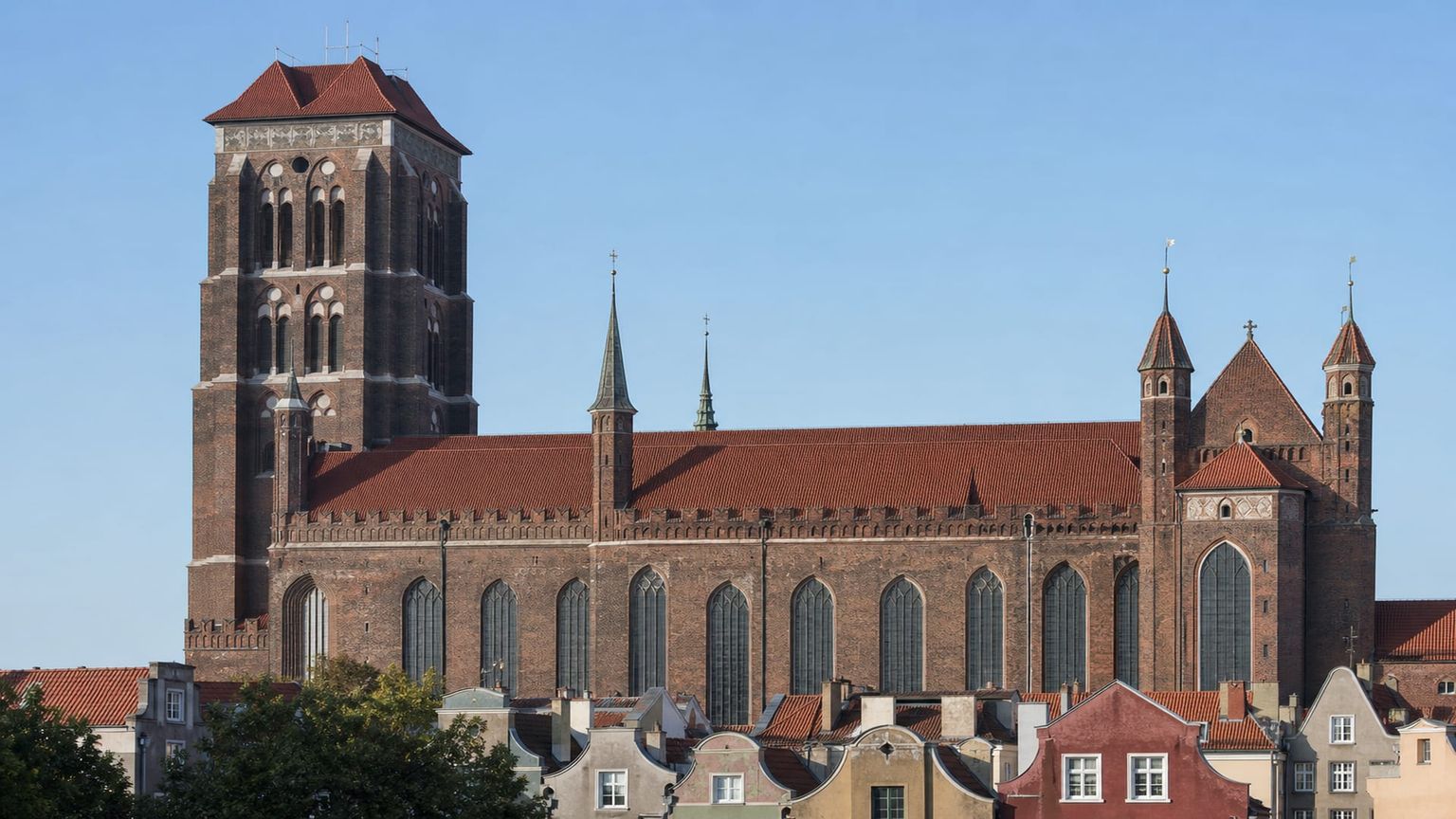
St. Mary’s Church is one of the largest brick churches in the world, with a vast nave, vaulted ceilings, and a busy collection of chapels and artworks. The 400-step tower gives a clear view over the Old Town rooftops.
Time needed: About 1 to 2 hours
Entry: Admission is free; tower access costs about $4 to $6 (about 15 zł to 25 zł)
Tip: Visit late morning for interior light, then climb the tower before sunset.
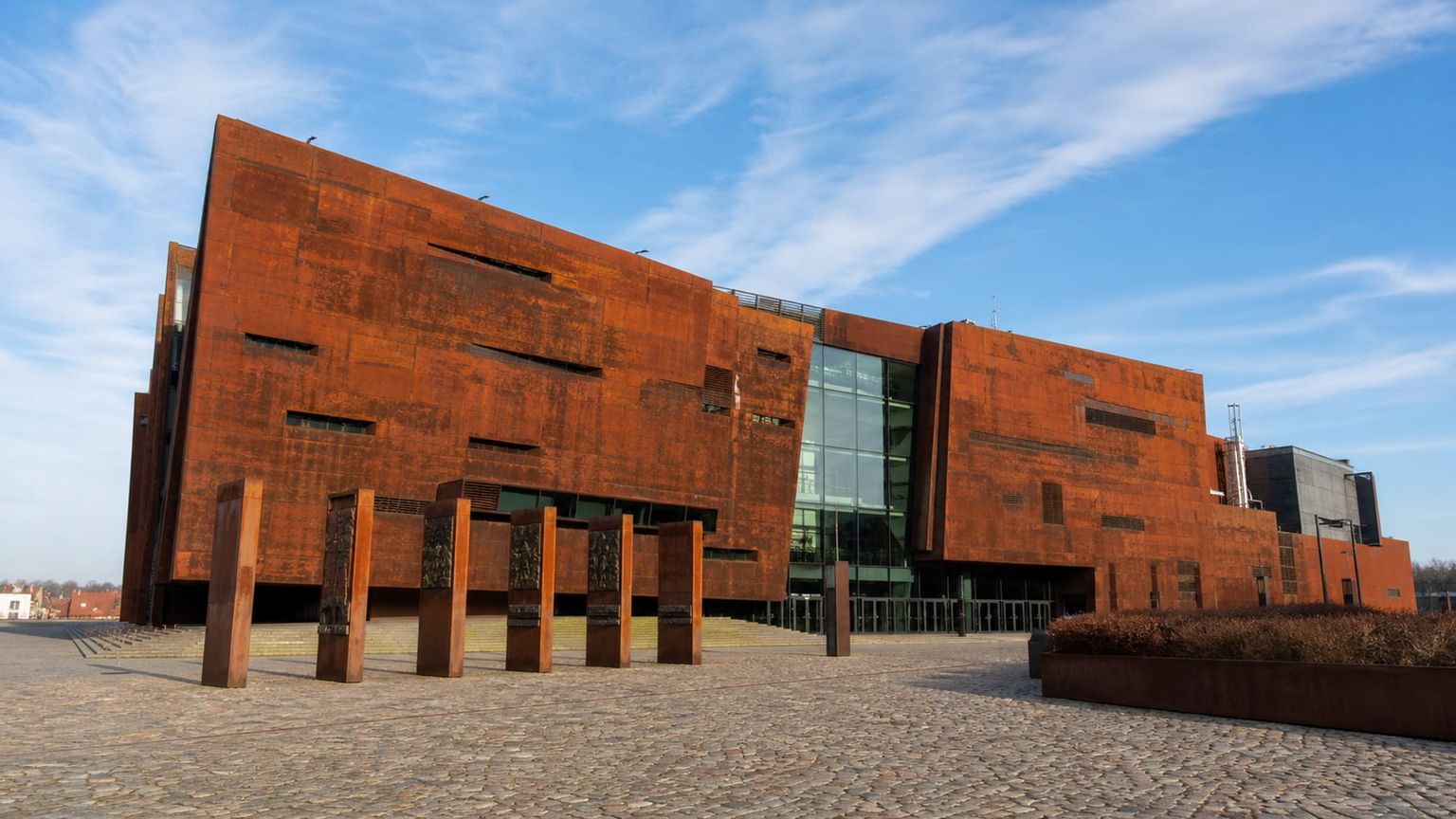
European Solidarity Centre
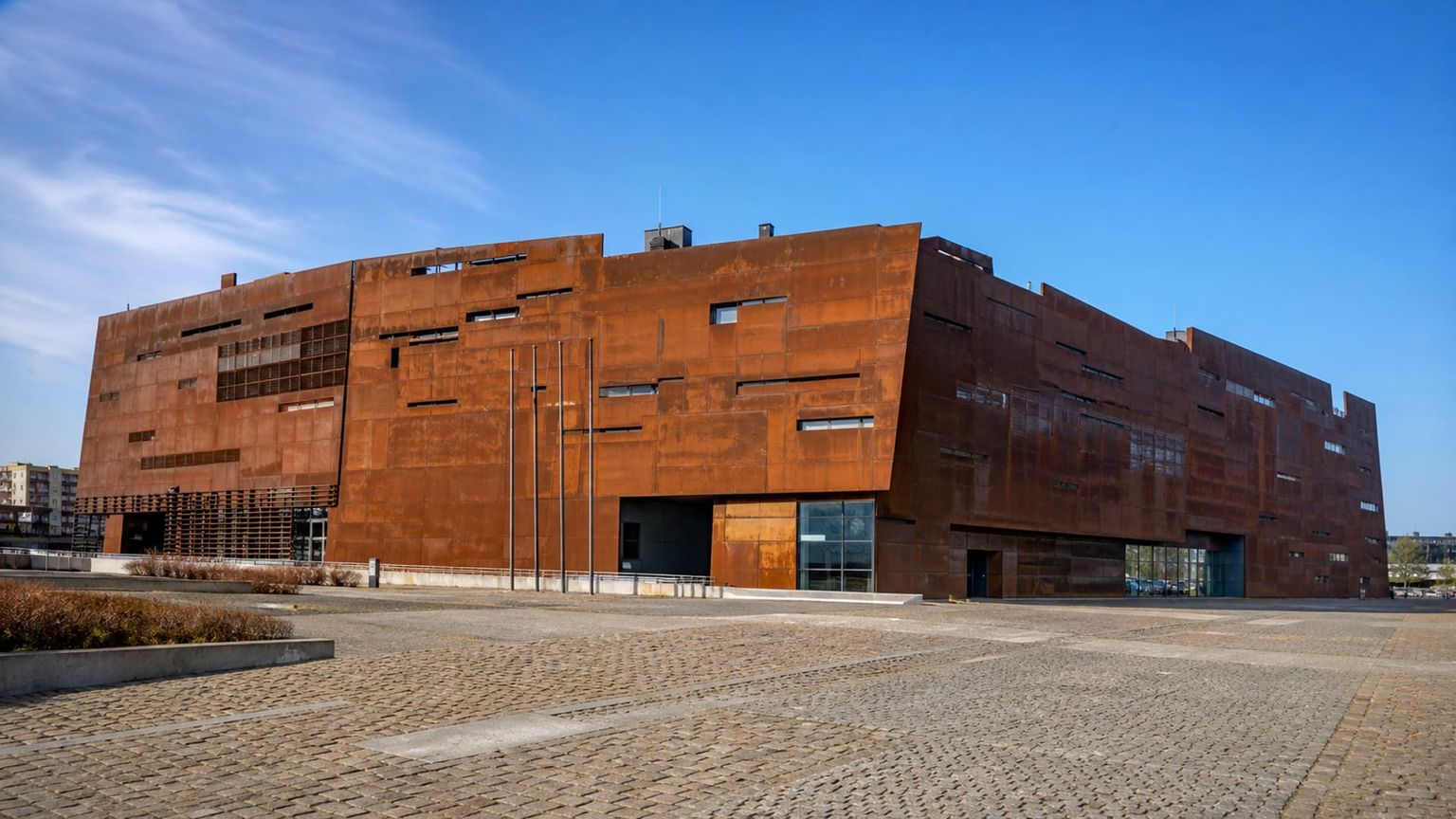
The European Solidarity Centre explains the Solidarity movement with film, artifacts, and the history of the 1980 shipyard strikes. Its steel exterior sits beside the former shipyard gates, linking the museum to the city’s labor story.
Time needed: About 2 to 3 hours
Entry: Standard tickets cost about $10 to $14 (about 40 zł to 55 zł) Visit the official site for details.
Tip: Allow extra time for the rooftop terrace, then walk to the nearby shipyard gates.
Overlooked sites worth visiting

St. John's Center
The Gothic shell of St. John’s Center now holds concerts and seasonal exhibitions, with brick vaults and a narrow nave that reward a short stop. It sits quietly beside the Motława, away from the busiest streets.
Time needed: About 45 minutes to 1 hour
Entry: Tickets usually cost $6 to $10 (about 25 zł to 40 zł) for exhibitions or concerts, depending on the event and seating. Some daytime visits are free during open hours, with paid access only for special programs.
Tip: Go late afternoon for angled light through the windows.

New Port Lighthouse
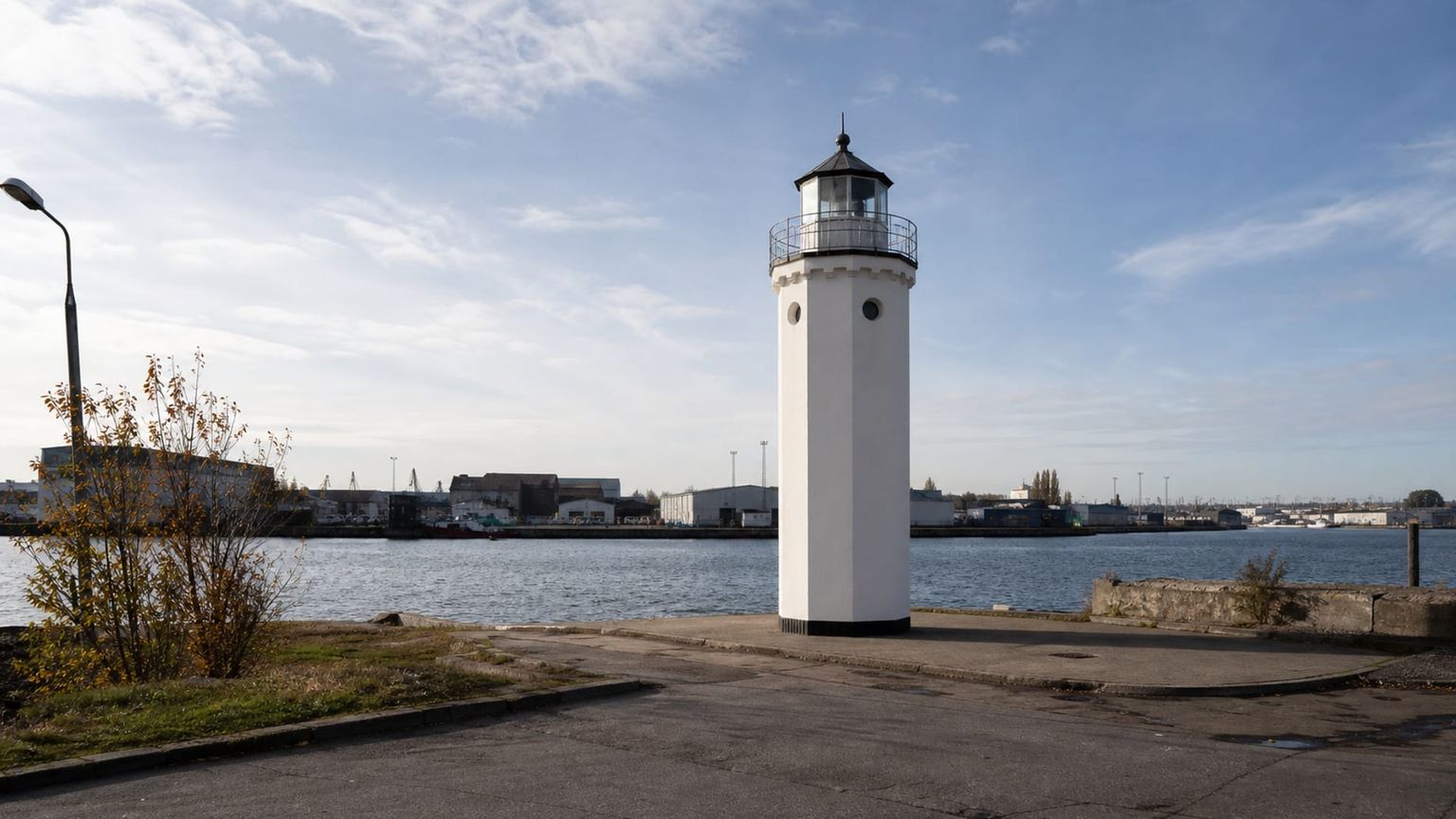
This compact red-brick lighthouse stands near the harbor entrance, and the small museum inside explains Gdańsk’s port history. Its 17th-century base and tight stair climb make it a distinct stop from the Old Town core.
Time needed: About 30 to 45 minutes
Entry: Admission is typically $4 to $7 (about 16 zł to 28 zł) for the lighthouse and small museum, with occasional seasonal changes for special hours. Expect a modest cash or card ticket at the door, not a timed reservation.
Tip: Visit in clear weather for harbor and ship views.
Traditional food
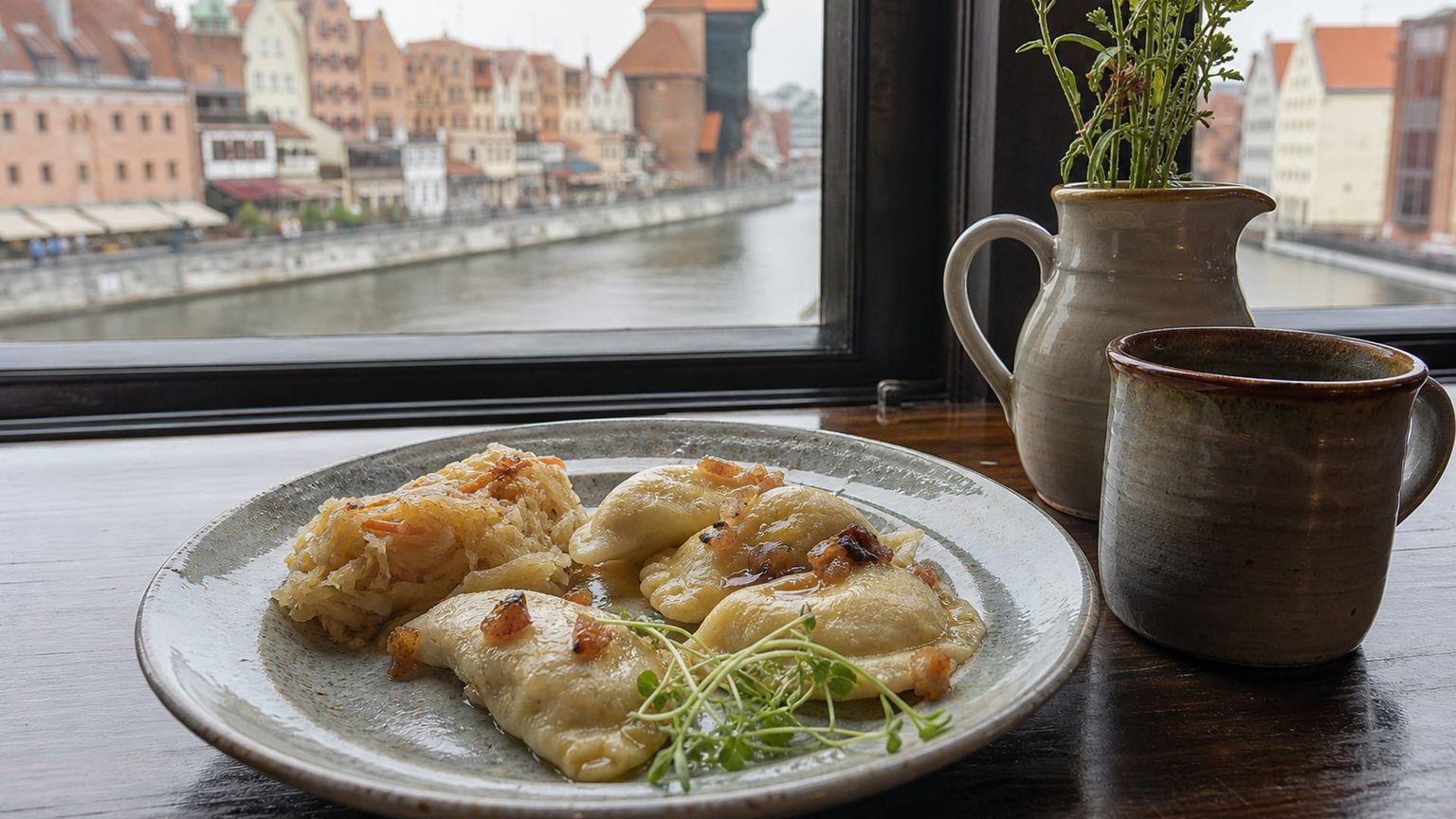
Gdańsk cuisine leans on Baltic fish, dumplings, sour rye soup, and cured meats, with herring, pierogi, żurek, and kaszanka showing up on menus from cafés to old-town taverns.
Pierogi
Stuffed dumplings come boiled or pan-fried, with fillings that can range from potato and cheese to meat or mushrooms. For a classic plate in Gdańsk, try them at Restauracja Gdańska, which leans into Polish standards in the historic center.
Żurek
This sour rye soup usually arrives with sausage, egg, and a clean tang that suits a cool day in the city. Kubicki, one of Gdańsk’s better-known traditional restaurants, serves a version that fits the dish’s old-Polish profile.
Kaszanka
Kaszanka, a blood sausage made with buckwheat or barley, has a dense, savory flavor that works well with onions and mustard. Goldwasser in Main City offers a traditional setting for a plate that matches the city’s hearty side.
Herring
Baltic herring often appears pickled, marinated, or served with onion and sour cream, making it one of the city’s most local flavors. At Targ Rybny, the seafood focus keeps the dish close to its coastal roots.
Best time to visit Gdańsk
Gdańsk changes with the season, from bright summer riverfront evenings to colder months that favor churches, museums, and shorter walks between meals.
Best for: Churches, museums, and early waterfront walks
What you get: About 39°F to 61°F (4°C to 16°C), with lighter crowds in March and a steady increase by May
Trade-offs: Weather can swing quickly, so some days still feel cool and wet
Best for: Long daylight, outdoor cafés, and riverfront time
What you get: About 57°F to 72°F (14°C to 22°C), with the heaviest crowds in the Old Town and by popular terraces
Trade-offs: Busy streets and higher hotel rates make planning more important
Best for: Balanced sightseeing and quieter museum visits
What you get: About 41°F to 63°F (5°C to 17°C), with September still lively and November much calmer
Trade-offs: Rain and shorter days return later in the season
Best for: Indoor sightseeing and holiday markets
What you get: About 25°F to 39°F (-4°C to 4°C), with the fewest visitors and the coldest conditions on the riverfront
Trade-offs: Short daylight and wind can limit longer walking days
A realistic 5-day plan in Gdańsk
Five days in Gdańsk works best when you let the center set the pace, then move outward to the shipyard, harbor, and residential districts. The plan below keeps each day grouped by area, so you spend more time at the sights and less time crossing the city.
Land at Gdańsk (GDN), then take a taxi or rideshare into Main City in about 20 to 30 minutes for roughly 70 zł to 100 zł ($18 to $25), or use the bus and tram network if you are arriving outside peak hours. Stay near the Long Market or on the Old Town edge, then settle in with water, a short walk along the Motława, and an easy dinner in Main City so you are close to your room if you want an early night.
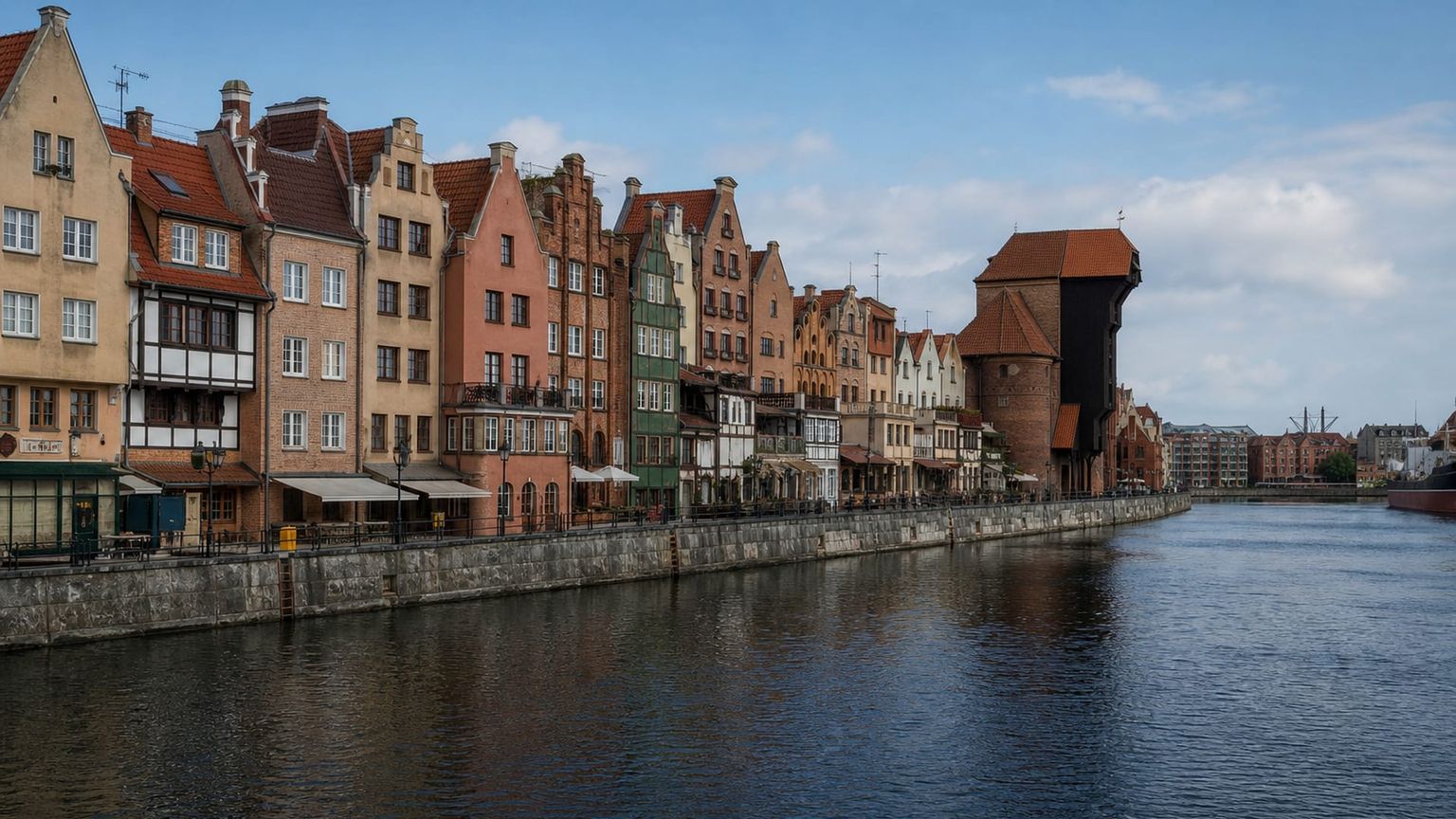
Start at St. Mary’s Church in late morning, where the interior is quieter before midday crowds, then climb the tower for wide views over the rooftops. From there, walk about 5 minutes to the Main Town Hall on Long Market, spend 1 to 2 hours inside, and break for lunch nearby. In the afternoon, continue about 15 minutes on foot to St. John’s Center for its brick vaults and seasonal exhibitions, then finish with dinner by the river and an unhurried walk back through Main City.
Begin at the European Solidarity Centre, which works well as a longer morning stop, then walk about 10 minutes to the former shipyard gates for a look at the steel-and-brick industrial setting around it. After that, head toward the waterfront and spend time by the Motława, where you can get from the museum area to the historic center in roughly 20 minutes on foot. If you want a late-afternoon change of pace, return to Main City for coffee or a simple early dinner before the evening crowds thicken.
A harbor-focused morning gives this day a different pace: ride to New Port Lighthouse in about 25 to 35 minutes from Main City by tram and a short walk, then climb up for ship and water views. Plan about 30 to 45 minutes there, and if the weather is clear, linger long enough to watch the harbor activity below. In the afternoon, move back toward the center and spend your remaining time near the riverfront in Main City, where it is easy to stop for a late lunch and a slow stroll.
For your last day, pair one final indoor stop with an easy neighborhood circuit, beginning at St. John’s Center if you want one more Gothic interior before departure. Then head to Wrzeszcz by tram for shopping streets and a more local lunch, or stay in the Old Town edge for a quieter café stop within about 10 to 15 minutes of the Long Market. Finish with an early dinner near your hotel so airport transfer the next day stays simple.
Business-class flights from the US to Gdańsk
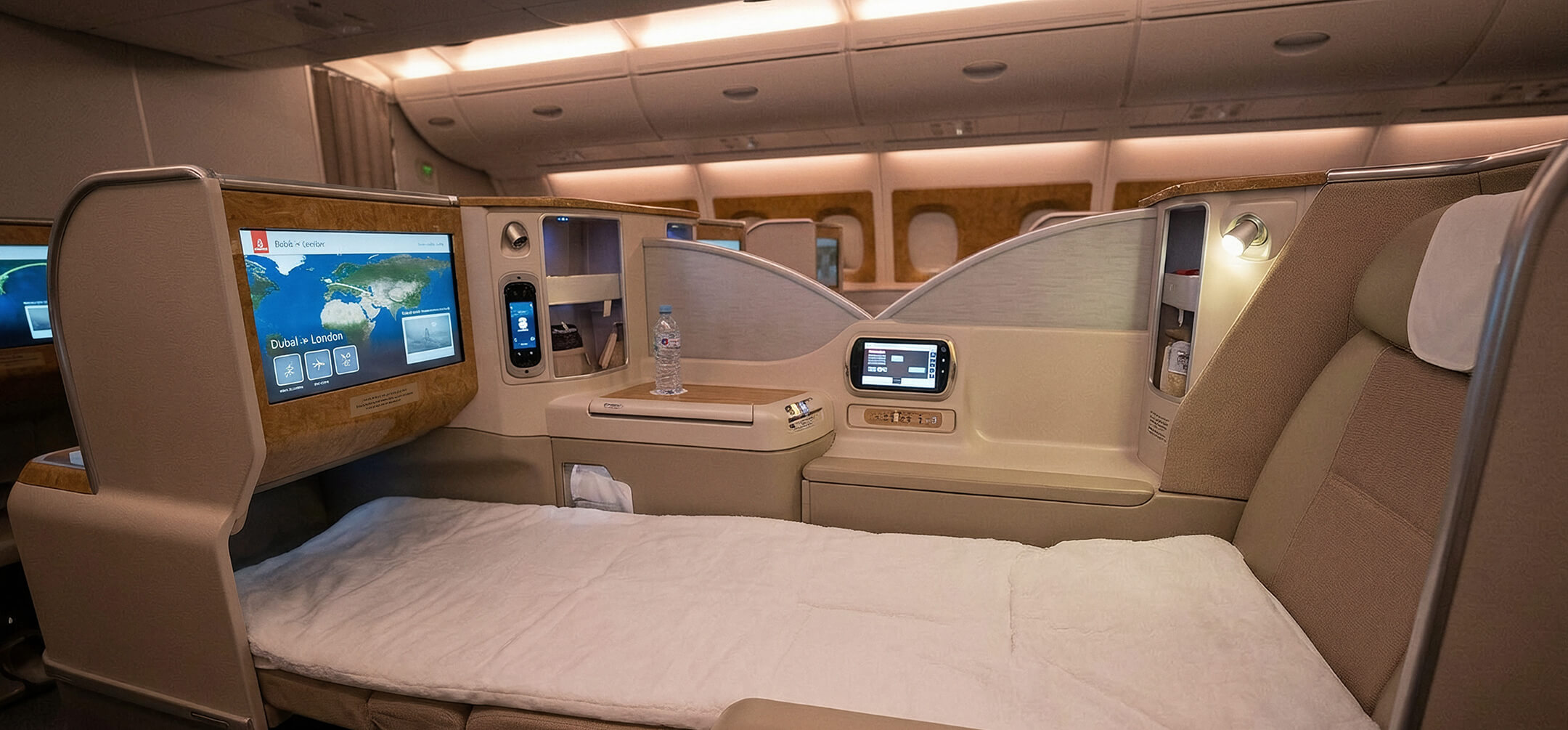
From New York and Los Angeles, Gdańsk usually means a one-stop trip rather than a simple nonstop, so the useful question is where the layover falls and how long it lasts. The examples below show the common premium routes travelers compare.
From New York, LOT Polish Airlines, Lufthansa, KLM Royal Dutch Airlines, Air France, and Scandinavian Airlines all appear on common itineraries. Direct time, when available, runs about 8 to 9 hours, while one-stop options via FRA, MUC, AMS, CDG, or CPH usually take about 11 to 15 hours total. Round-trip fares usually start at $2,400 and can reach $5,500.
Los Angeles itineraries typically use Lufthansa, KLM Royal Dutch Airlines, Air France, British Airways, or Turkish Airlines, and the journey usually takes about 14 to 19 hours with one stop. Common layover points include FRA, AMS, CDG, LHR, and IST, and round-trip fares usually run about $2,800 to $6,200.
Gdańsk feels different when you slow down
A good Gdańsk stay gives you a clear path between the Long Market, St. Mary’s Church, the European Solidarity Centre, and the tram out toward New Port. You can base yourself in Main City or on the Old Town edge, then use the SKM or a short taxi when you want Wrzeszcz or the harbor side. If you want the trip shaped with the right neighborhoods and day order, the AranGrant experts can help you build it around Gdańsk’s riverfront and shipyard history