

Chapters:

Need help with your trip?
Our support team is available 24/7. Request a callback or call us directly at (833) 619-0908
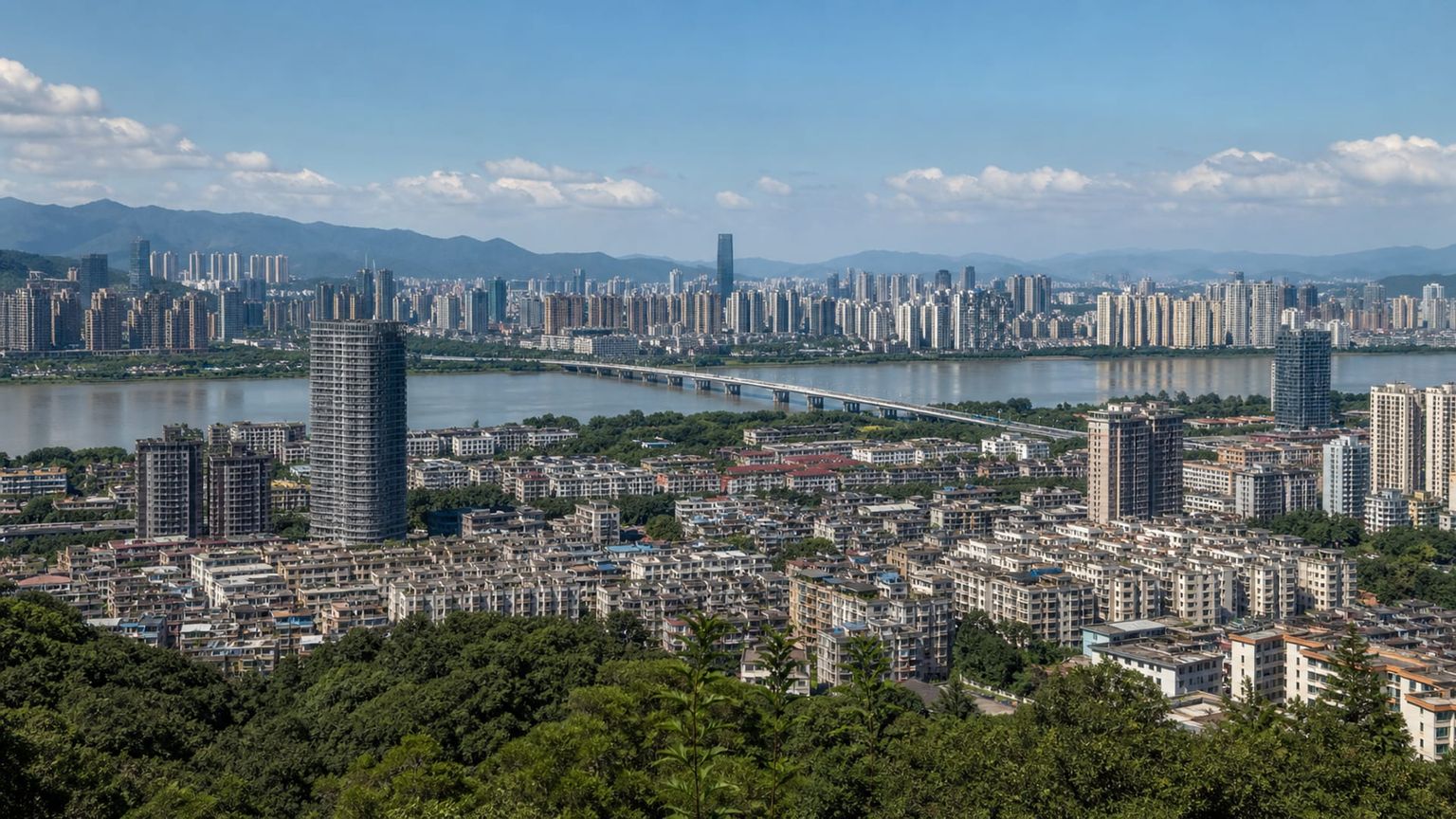
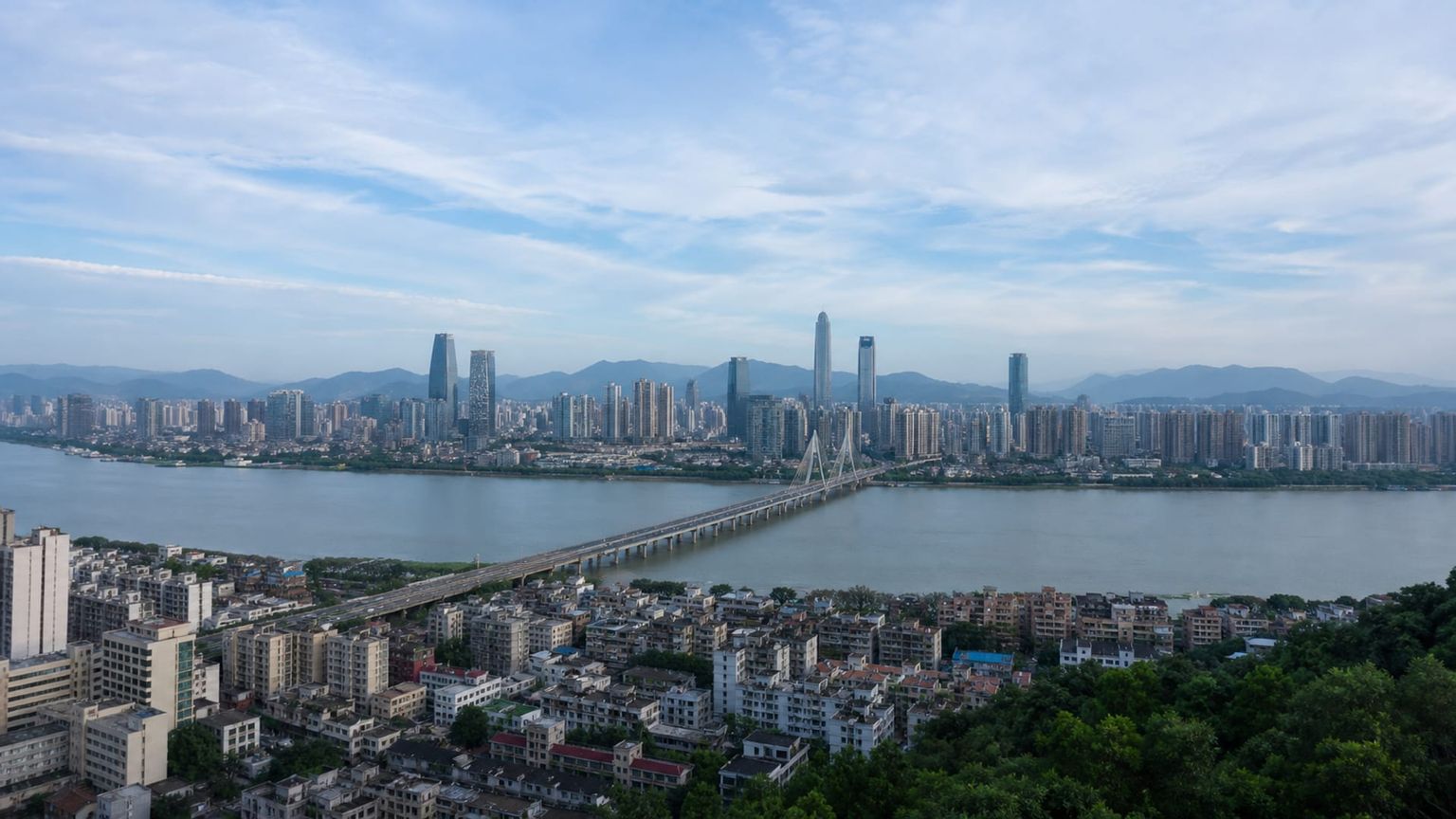
Fuzhou often gets folded into a quick stop on a South China itinerary, with travelers heading straight for Sanfang Qixiang and missing how the city spaces its older streets, lakes, and hillside temples across a wide footprint.
That shortcut can work on a map, but it costs time in traffic, puts pressure on a few crowded blocks, and leaves little room for the riverfront, West Lake, or Drum Mountain to breathe in sequence.
This guide separates the city into clear pieces, from where to stay to how to move, eat, and plot five days without crisscrossing the center.
Useful things to know

Main language(s): Mandarin Chinese
你好 (nǐ hǎo) – Hello/good morning
请 (qǐng) – Please
谢谢 (xièxie) – Thank you
你会说英语吗? (nǐ huì shuō Yīngyǔ ma?) – Do you speak English?
多少钱? (duōshao qián?) – How much does it cost?

Currency: The local currency is the Chinese yuan (CNY, ¥).

Cash and cards: Cards and contactless work in larger hotels and stores, but carry about CNY 100 to 200 ($14 to $28) in cash.

Tipping: Tipping is not customary; round up only for small taxi fares or leave a little in high-end places if you want.

Traditional food: Fuzhou fish balls, Buddha Jumps Over the Wall, oyster omelet, Lychee pork

Water and coffee costs: Water about CNY 3 to 6 ($0.40 to $0.80), bar espresso about CNY 25 to 35 ($3.50 to $5).

Taxis and ride apps: Didi operates here; note that some drivers prefer cash or Alipay.

Plug and voltage: Type A/C socket, 220V

Dining and shop opening hours: Breakfast is about 07:00-09:00, lunch 11:30-13:30, and dinner 18:00-20:00. Many restaurants stay open later in the evening, while some smaller spots close by 21:00.

Emergency number: Call 110 for police, 120 for ambulance, 119 for fire.
Where to stay in Fuzhou
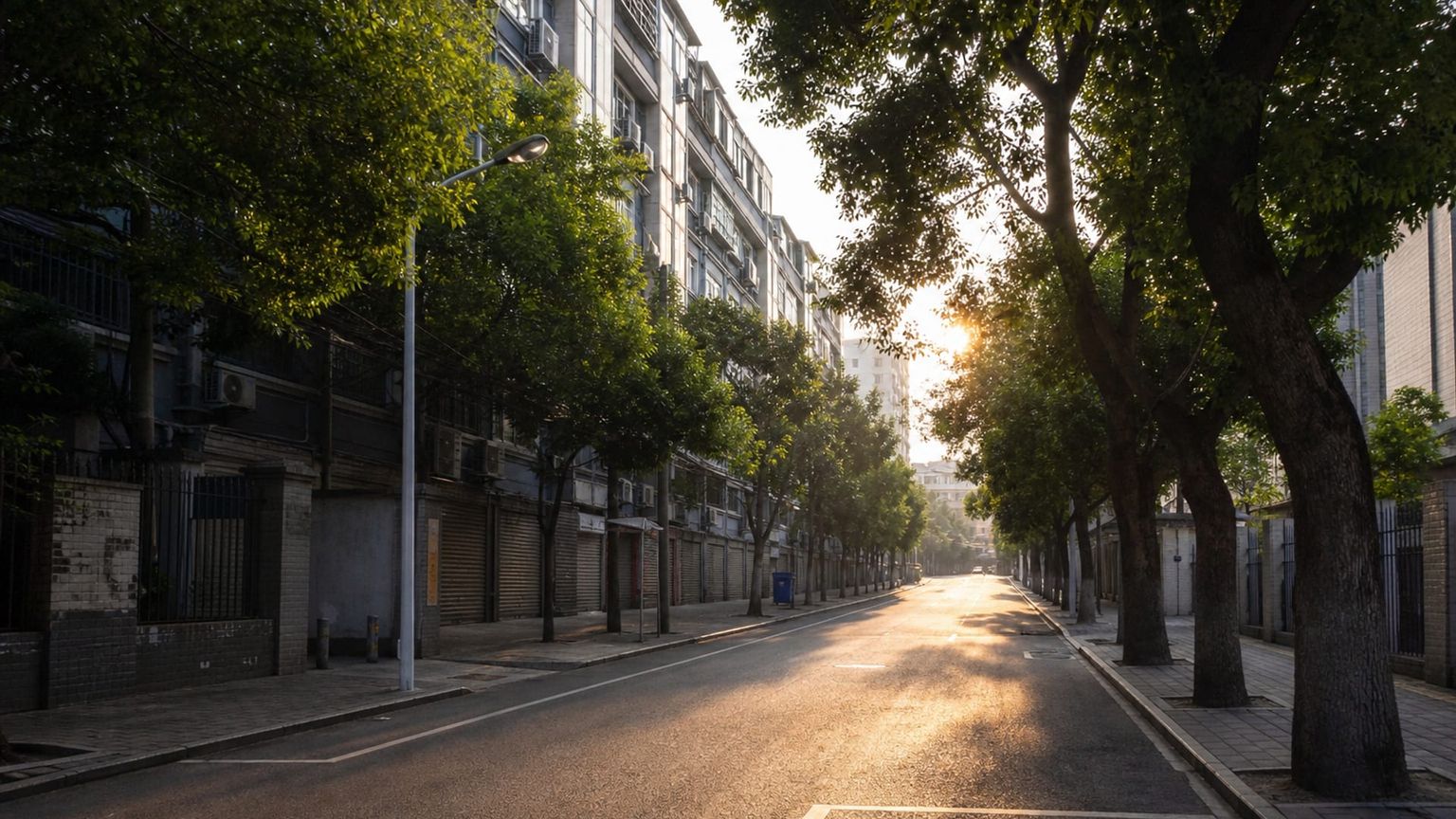
Fuzhou’s historic core, Gulou mixes government offices, shopping streets, and compact residential blocks near the Min River. It puts you close to Sanfang Qixiang, museums, and a dense web of restaurants, so you can cover the main sights without long cross-town rides.
Best for: First-time visits, sightseeing, and travelers who want the city’s main attractions within a short ride
What to expect: Busy daytime streets, steady restaurant traffic, and the most concentrated visitor flow near major sights.
Hotel prices: Usually about 450元 to 900元 (~$62 to ~$124) per night for well-rated stays
Distance to major sights: About 10 to 20 minutes on foot to Sanfang Qixiang; about 15 minutes by transit to Three Lanes and Seven Alleys
Quietness: Daytime stays near commercial streets can be lively, while side streets and evenings are calmer.
Main trade-off: Central locations near the busiest heritage streets cost more and can bring traffic noise at peak hours.
Good to know: If you plan to rely on taxis or the metro, staying close to a major station saves time because the oldest lanes are pedestrian-heavy and can take longer to reach by car.
Taijiang sits south of the city center and combines riverfront access, shopping malls, and broad residential avenues. It works well for travelers who want modern hotels, easy transit, and a base that reaches both the old core and the southern business areas.
Best for: Business trips, shopping, and travelers who prefer newer hotels with easy taxi access
What to expect: Wide roads, mall traffic, and a mix of office workers, shoppers, and hotel guests.
Hotel prices: Usually about 380元 to 750元 (~$52 to ~$103) per night for well-rated stays
Distance to major sights: About 15 to 25 minutes by transit to Sanfang Qixiang; about 20 minutes by taxi to Wuyi Square
Quietness: Daytime streets stay active, then quiet down more noticeably after office hours.
Main trade-off: You gain newer lodging and simpler road access, but you will spend more time reaching the main historic lanes on foot.
Good to know: Choose a hotel near a metro stop if you plan evening outings, since taxi demand can rise after shopping centers close.
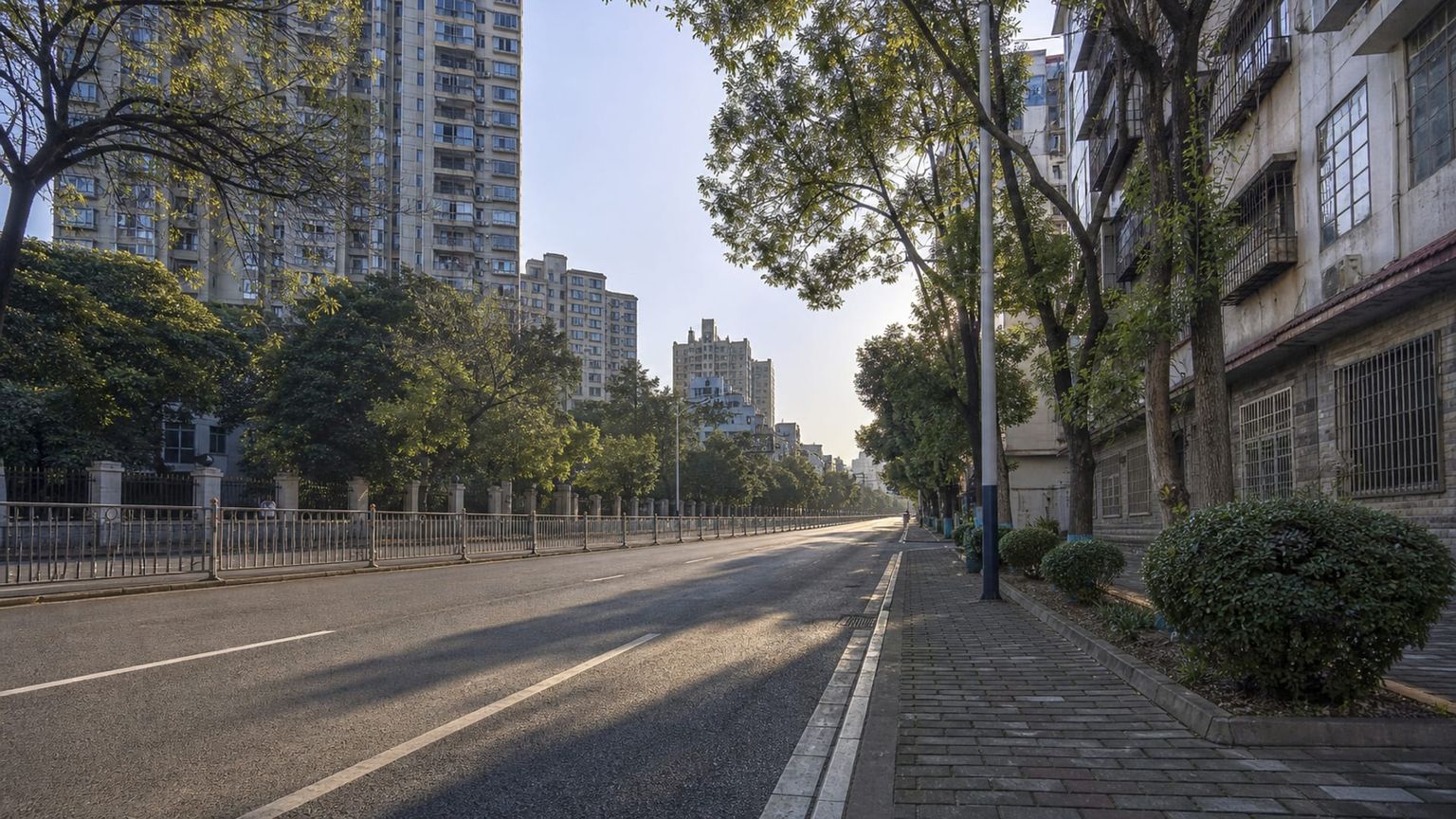
Cangshan lies across the river from the old center and has newer residential compounds, university areas, and several hotel clusters. It suits visitors who want a quieter base and do not mind using transit or ride-hailing to reach the heritage quarter.
Best for: Longer stays, quieter nights, and travelers who do not need to walk to the main heritage sights
What to expect: Residential streets, campus traffic, and a lighter restaurant scene than the central districts.
Hotel prices: Usually about 320元 to 650元 (~$44 to ~$90) per night for well-rated stays
Distance to major sights: About 25 to 35 minutes by transit to Sanfang Qixiang; about 20 to 30 minutes by taxi to the Min River waterfront
Quietness: Days can be active near universities and commercial strips, while evenings are generally calmer than in the center.
Main trade-off: Rooms often cost less, but you will need to budget more time for cross-river trips into the main sightseeing areas.
Good to know: If you plan early starts, check metro hours and first-train timing, because some outlying hotel clusters depend on a transfer before the day begins.
Travelers usually avoid staying in Changle District, because it sits far from Fuzhou’s main riverfront and historic sights, and evening trips into the center take time. The farther parts of Jin’an District, Cangshan District, and Minhou County are also less convenient, since they have fewer visitor-oriented amenities and can mean long taxi rides back after dinner or sightseeing.
Hotel deals
How to get around Fuzhou efficiently
Fuzhou’s Metro, city buses, taxis, and Didi each cover different parts of the city, so the best choice depends on whether you are heading to the old core, a river crossing, or the airport.

Metro
for longer distances
Fuzhou’s Metro runs from about 6:30 am to 11:00 pm, and the airport link on Line 1 takes roughly 40 to 50 minutes into central Fuzhou. Fares are distance-based, usually about $0.40 to $1.20 (RMB 3 to 8), with stored-value cards and mobile payment accepted. Station signs use clear English, and transfers are easiest if you keep enough time at larger interchanges such as Dongjiekou.

Bus and tram
for convenience
City buses reach most neighborhoods, while the tram network is limited and less useful for visitors than the metro. Common bus fares are about $0.15 to $0.45 (RMB 1 to 3), usually paid with a transit card or mobile QR code, and many routes run from about 6:00 am to 10:00 pm. Airport and long-haul bus links can take roughly 45 minutes to 90 minutes depending on traffic, so check the destination carefully before boarding.

Taxi
for convenience or late hours
Licensed taxis in Fuzhou use meters, with a starting fare of about $1.50 to $2.00 (RMB 10 to 14) for the first 2 to 3 km, then added per-kilometer charges and waiting time. A ride from Fuzhou Changle International Airport to the city center usually costs about $20 to $35 (RMB 140 to 250) and takes roughly 45 to 70 minutes, depending on traffic. You can hail cabs on the street, use ride-hailing apps, or take one from signed ranks; most drivers accept cash and mobile payment, though having your destination written in Chinese helps.
*Prices are based on rates updated as of June 2026 and may change at the time of travel.
Use the metro for lower-cost cross-city trips, buses for short local hops when you have time, and taxis or Didi when you need to move between districts after dinner or carry luggage.
Iconic landmarks
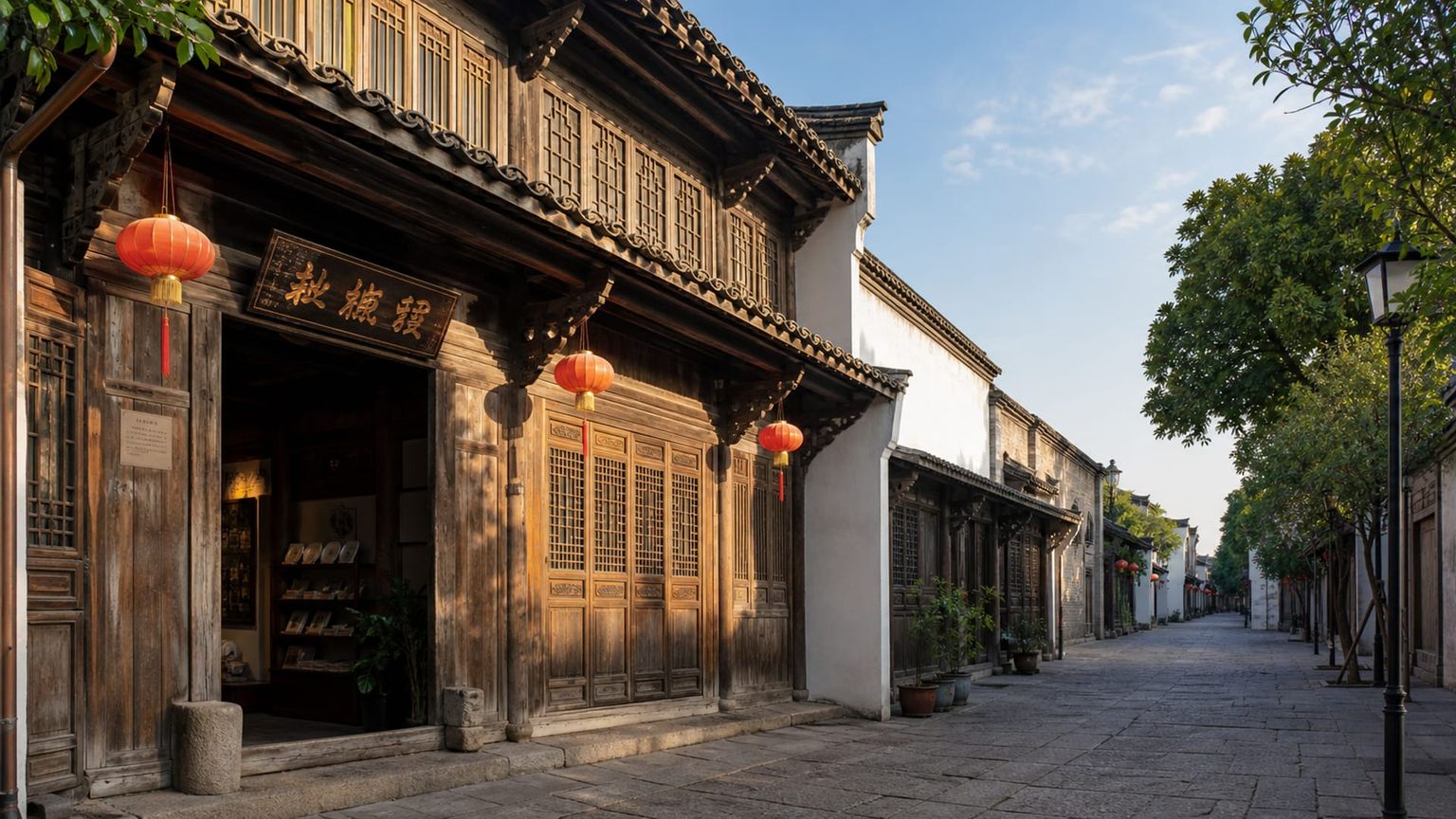
Sanfang Qixiang
Fuzhou’s best-preserved network of Ming and Qing lane houses clusters around Nanhou Street. White walls, dark roofs, ancestral halls, and narrow passages show how merchant families shaped the city center for centuries.
Time needed: About 2 to 3 hours
Entry: Free to access; some restored courtyards, museums, and shops inside the district charge separate admission.
Tip: Go early, before tour groups fill the narrow lanes and shuttered courtyards open.
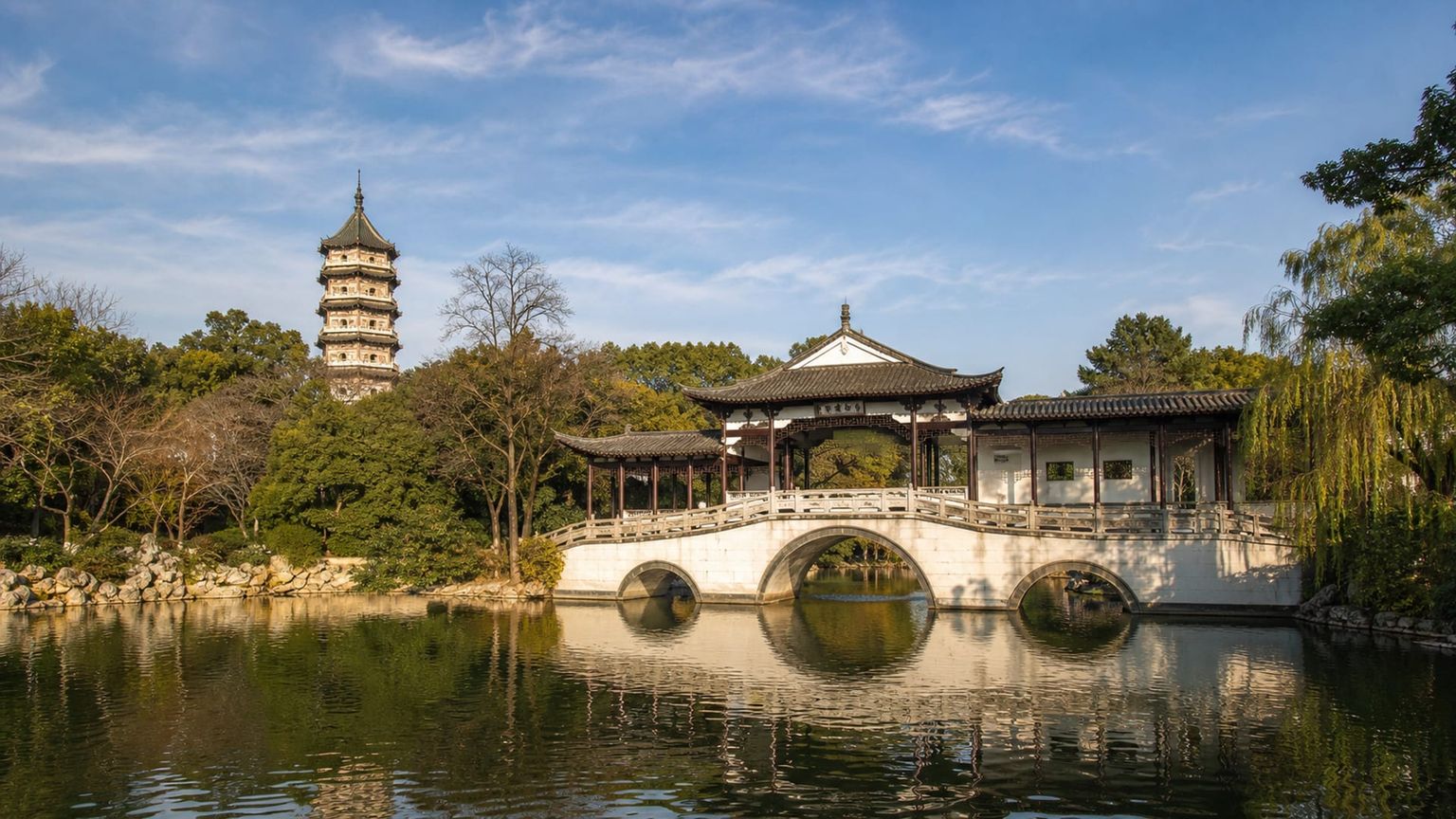
West Lake Park
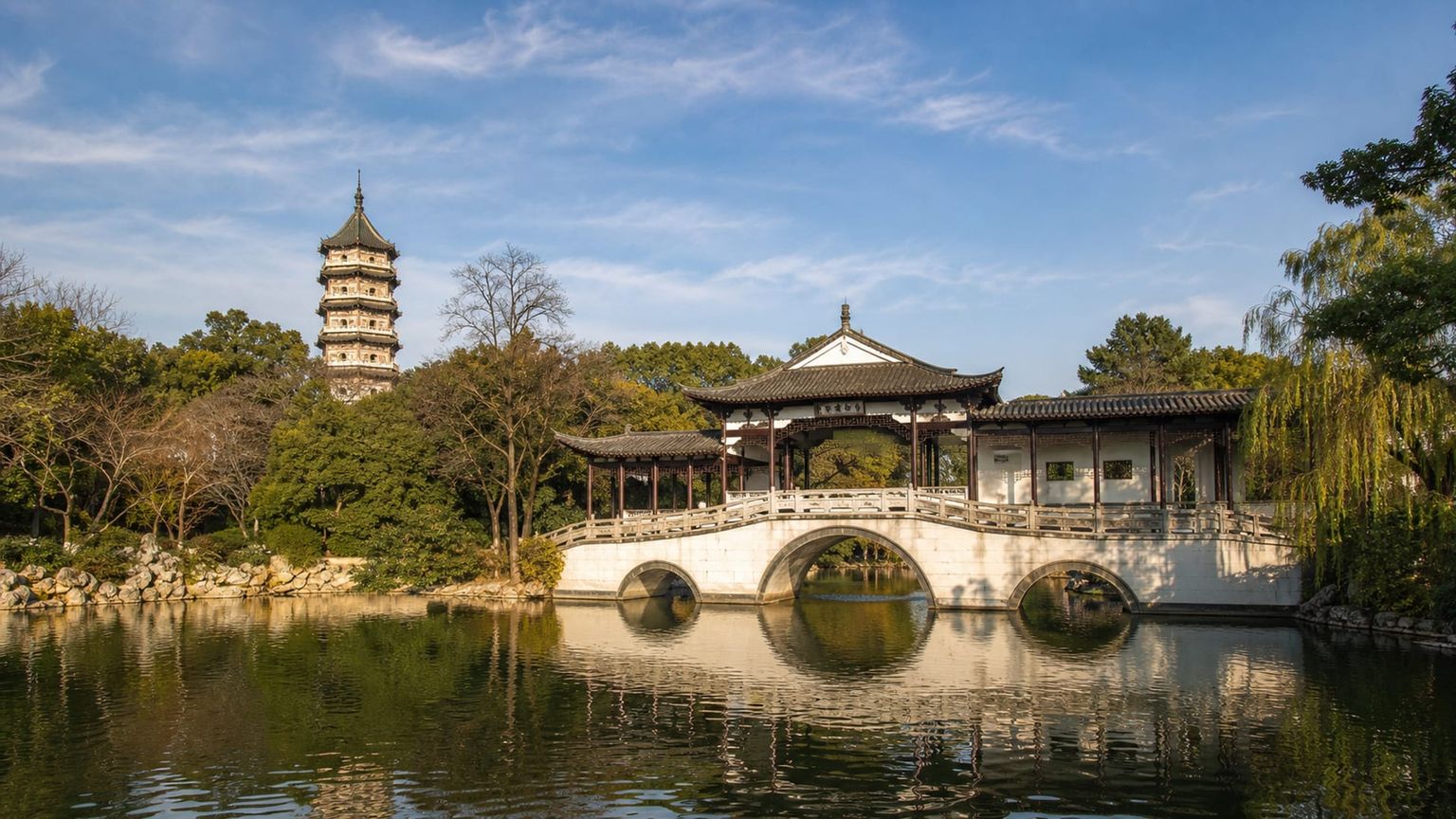
West Lake Park sits just west of the old center and dates to the Tang dynasty. Curving bridges, willow-lined paths, pavilions, and boatable water make it one of Fuzhou’s most photographed urban landscapes.
Time needed: About 1 to 2 hours
Entry: Free to access; boat rides and some lakeside facilities cost extra during the day.
Tip: Late afternoon light works well on the bridges, and the lakeside paths are cooler then.
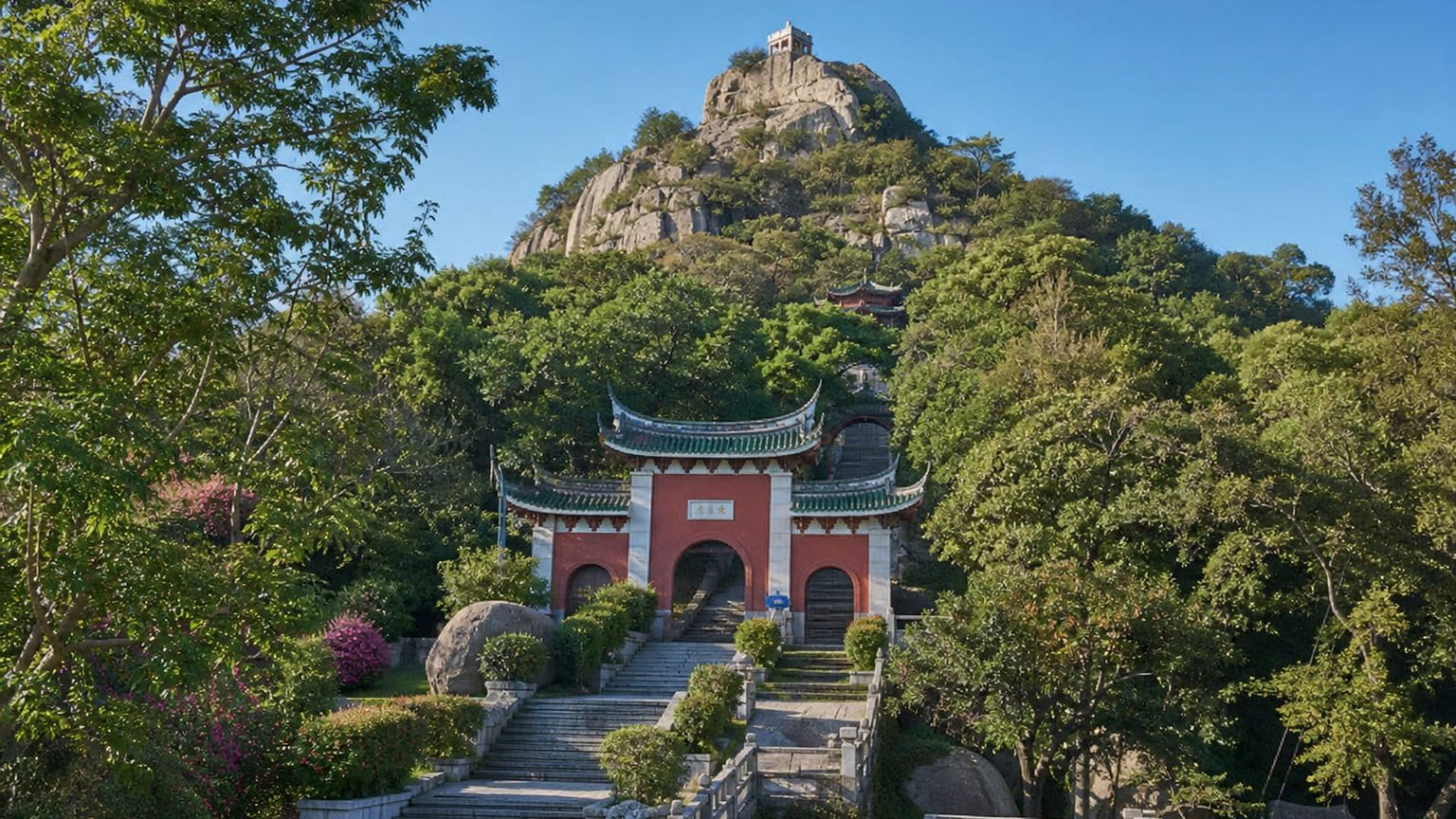
Drum Mountain (Gushan)
Drum Mountain rises on Fuzhou’s eastern edge, with temples, cliff carvings, and stone steps climbing through forested slopes. The summit area opens wide views across the Min River plain and the city.
Time needed: About 3 to 5 hours
Entry: Entry to the mountain scenic area costs about $8 to $15 (¥60 to ¥110), with separate fees for cable car or temple donations. Visit the official site for details.
Tip: Start in the morning, when the climb is cooler and the summit views are usually clearest.
Overlooked sites worth visiting

Fuzhou West Lake Park
A lakeside park with arched bridges, willow-lined paths, and small islands close to downtown. It rewards an early walk, when boats are scarce and the gardens are quiet enough for photos.
Time needed: About 1 to 2 hours
Entry: Free to access
Tip: Go early for softer light and fewer cyclists.

Three Lanes and Seven Alleys
This preserved historic quarter packs Fujian courtyard houses, narrow lanes, and small museums into a compact grid. It is best for slow wandering, with temple roofs, shops, and clan halls within a few blocks.
Time needed: About 2 to 3 hours
Entry: Entry is free to the streets; some museums and courtyards charge separate tickets, often about $3 to $10 ($22 to ¥73) depending on the house, exhibit, or season.
Tip: Visit on a weekday morning to avoid the densest crowds.
Traditional food
Fuzhou cooking leans on clear broth, seafood, pork, and a light sweetness that shows up in fish balls, oyster dishes, and lychee pork. Meals usually arrive quickly, with breakfast and lunch moving faster than dinner service.
Fuzhou fish balls
These bouncy dumplings usually come in a clear soup, often with a pork or seafood filling. Yonghe Yuanzhuang is a long-running Fuzhou stop for a classic bowl in a setting that suits an unhurried lunch.
Buddha Jumps Over the Wall
This rich Fujian stew layers seafood, dried scallop, poultry, and pork into a deep stock that takes time to prepare. Fuzhou Rugu Restaurant is a canonical choice if you want a formal version in the city where the dish is most closely tied to local dining.
Oyster omelet
A Fuzhou-style oyster omelet comes crisp at the edges and savory in the center, usually with a soy or chili dipping sauce. Fuzhou Shaxian Snacks on Nanhou Road is a dependable place to try it alongside other regional dishes.
Lychee pork
Despite the name, the dish usually uses pork cut and shaped to resemble lychee, then cooked with a sweet-tart glaze. An Tai Lou Chinese Restaurant pairs it with other Fujian classics in a setting that works well for dinner in the city center.
Best time to visit Fuzhou
Fuzhou stays usable year-round, but spring and autumn suit long lane walks and mountain visits, while summer brings heat, rain, and slower afternoons in the center.
Best for: West Lake walks and Sanfang Qixiang lane-hopping
What you get: Temperatures usually run about 55°F to 80°F (13°C to 27°C), with moderate crowds and some rain.
Trade-offs: Showers can interrupt longer outdoor plans.
Best for: Early starts at Drum Mountain and shaded lake paths
What you get: Temperatures often sit between 77°F and 95°F (25°C and 35°C), with heavier crowds during school breaks and frequent humidity.
Trade-offs: Heat and rain can make midday sightseeing tiring.
Best for: The city’s clearest walking weather and easiest sightseeing pace
What you get: Temperatures are often about 60°F to 82°F (16°C to 28°C), with moderate crowds and drier conditions.
Trade-offs: Popular dates can still book up in advance.
Best for: Museum visits, food-focused trips, and quieter heritage streets
What you get: Temperatures usually fall around 43°F to 60°F (6°C to 16°C), with lighter crowds and shorter days.
Trade-offs: Cool, damp weather can limit time on the mountain and by the water.
A realistic 5-day plan in Fuzhou
The five-day plan below keeps the center in view while breaking the city into manageable sections. It starts with the historic core, adds the main parks and mountain day, then finishes with a lighter district-focused closing that works well before departure.
Land at Fuzhou (FOC), then take a taxi or app-hail into Gulou District, which usually takes about 35 to 45 minutes and costs about $11 to $17 (¥80 to ¥120). Check in near Sanfang Qixiang so you can walk to dinner without another cross-town ride, then keep the evening close to Nanhou Street with a bowl of Fuzhou fish ball soup or a simple seafood meal and plenty of water after the flight.
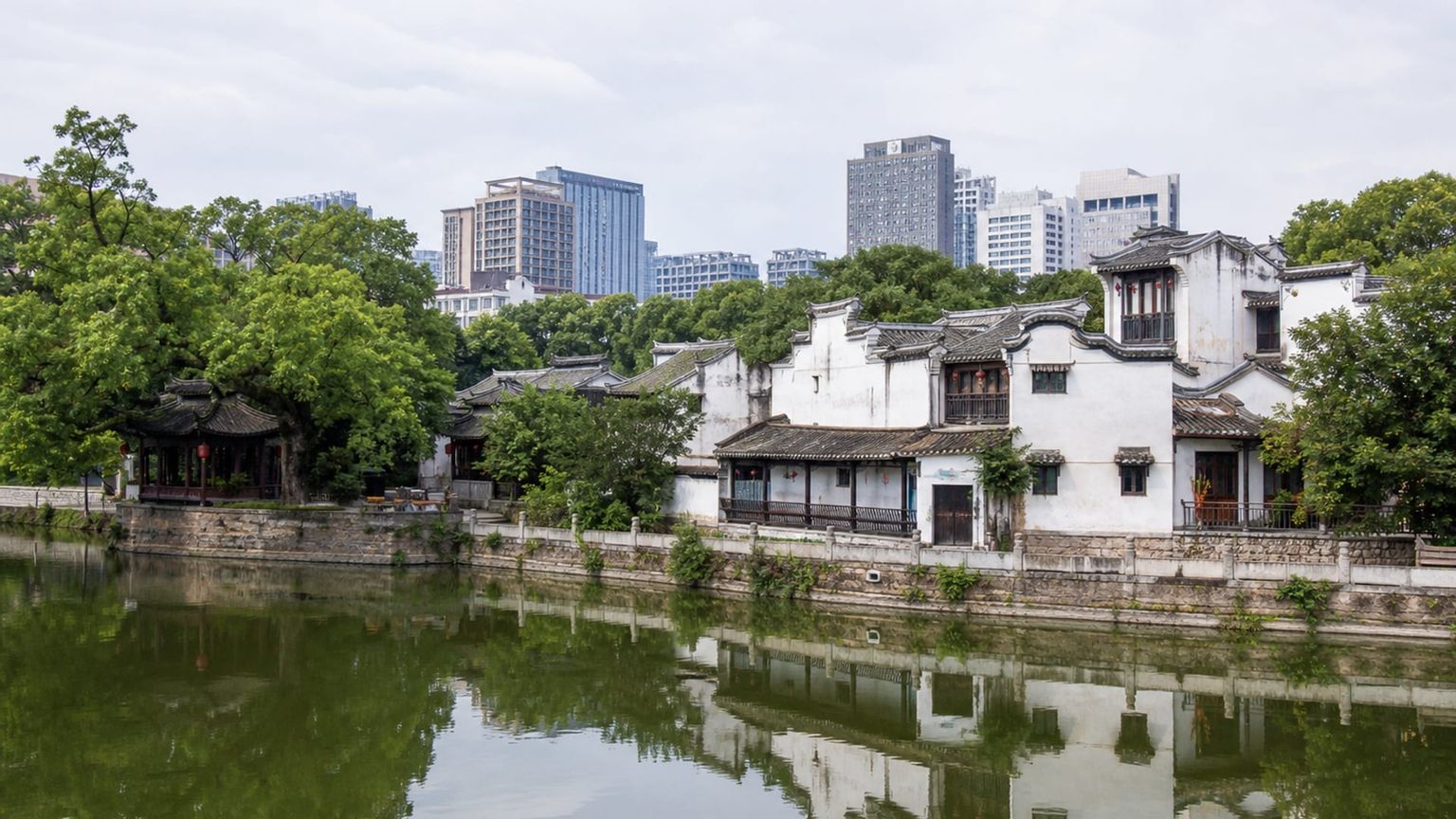
Start on a weekday morning at Three Lanes and Seven Alleys, where free lane access and separate courtyard tickets make it easy to shape a 2 to 3 hour visit, then walk about 10 to 15 minutes into Sanfang Qixiang for the restored houses, small museums, and shaded passages. From there, it is about a 10 minute taxi ride or a longer metro-and-walk trip to West Lake Park, where the bridges and willow paths work well in late afternoon light, and you can end with tea or an early dinner back in Gulou.
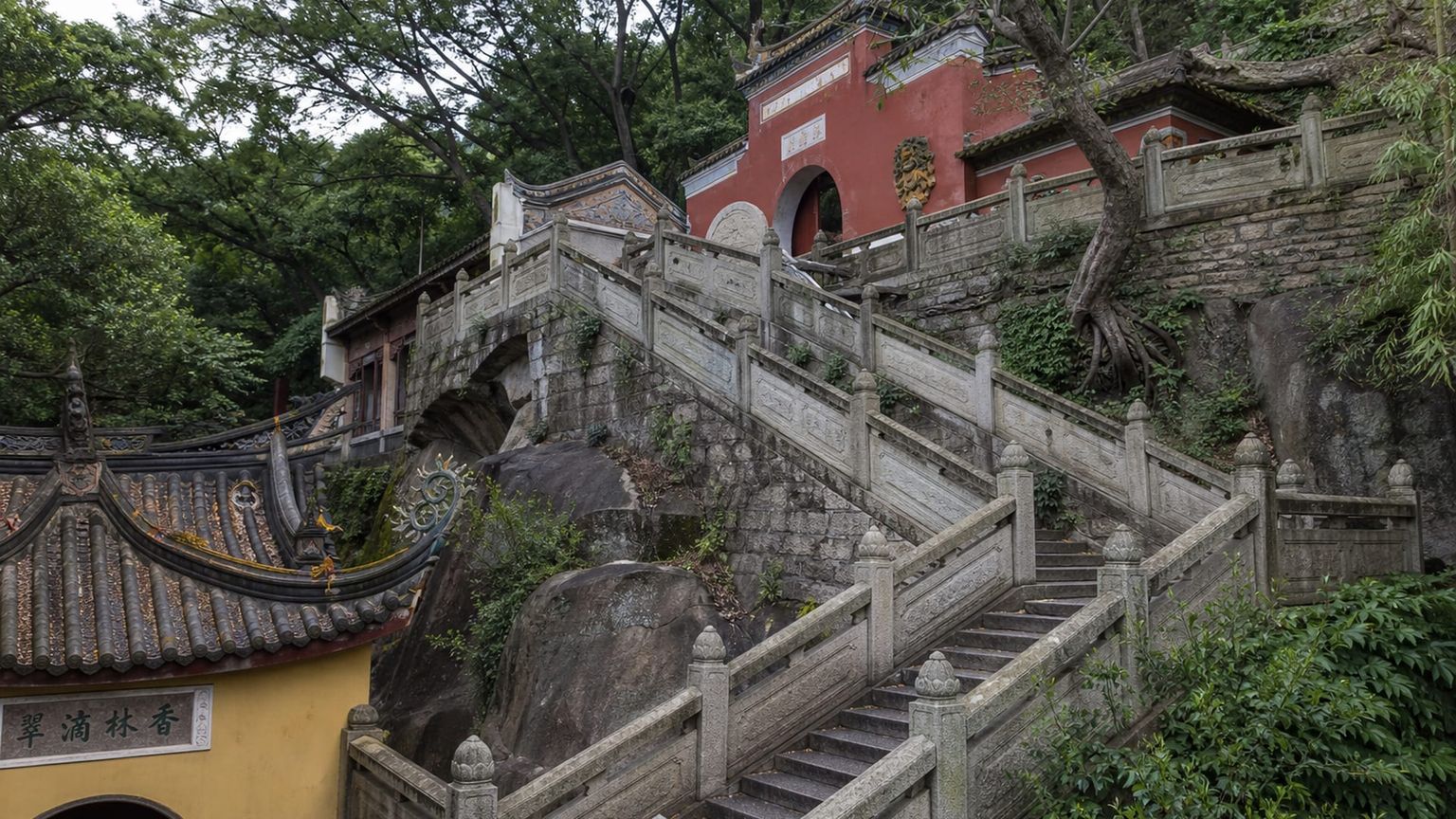
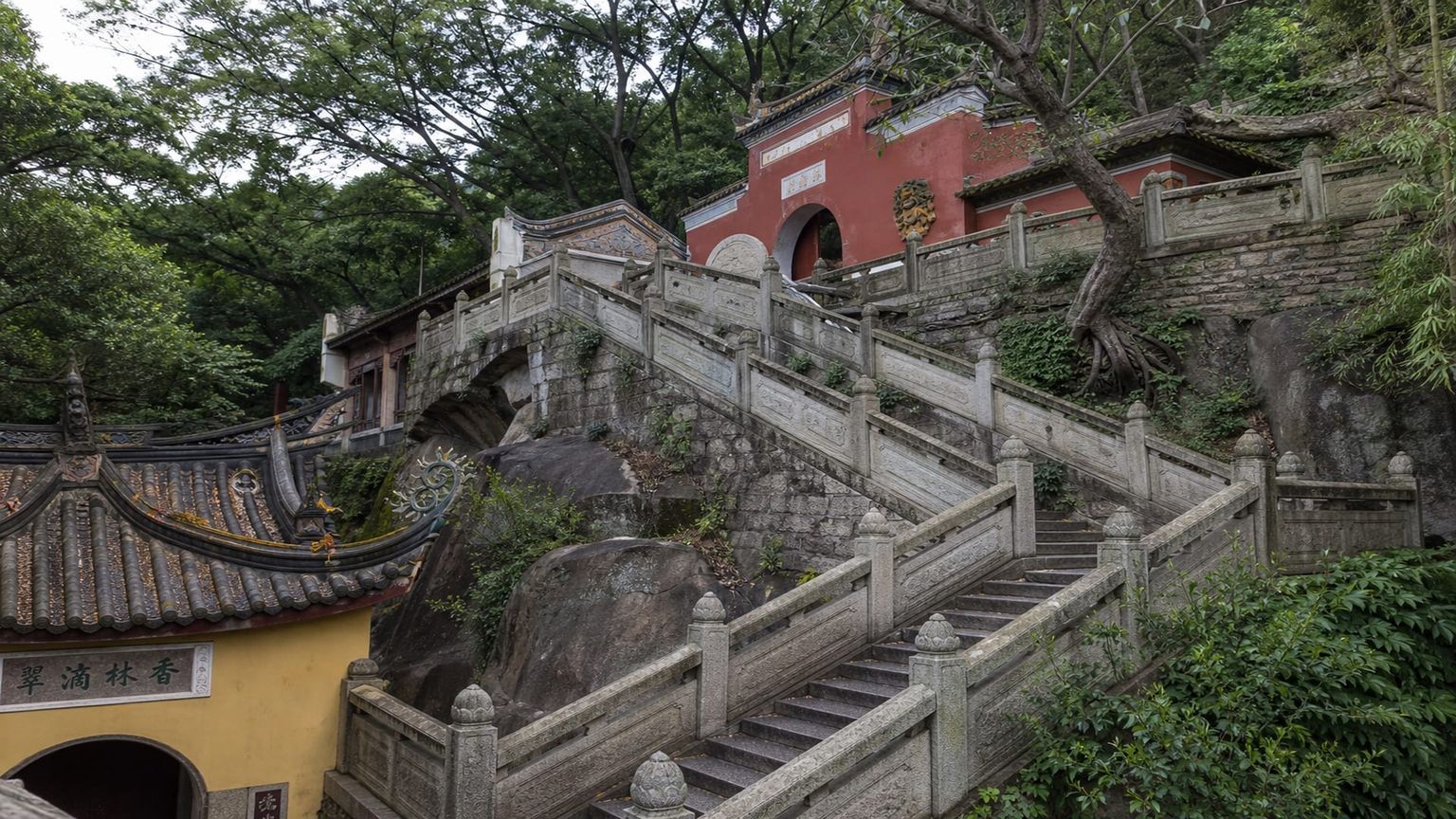
Begin early at Drum Mountain (Gushan), since the climb is cooler in the morning and the scenic area takes about 3 to 5 hours; plan on about $8 to $15 (¥60 to ¥110) for entry, plus extra if you take the cable car. After descending, ride about 25 to 35 minutes back toward the old center for a slower evening at Fuzhou West Lake Park, which gives you an easier final stop after the mountain steps and temple visits.
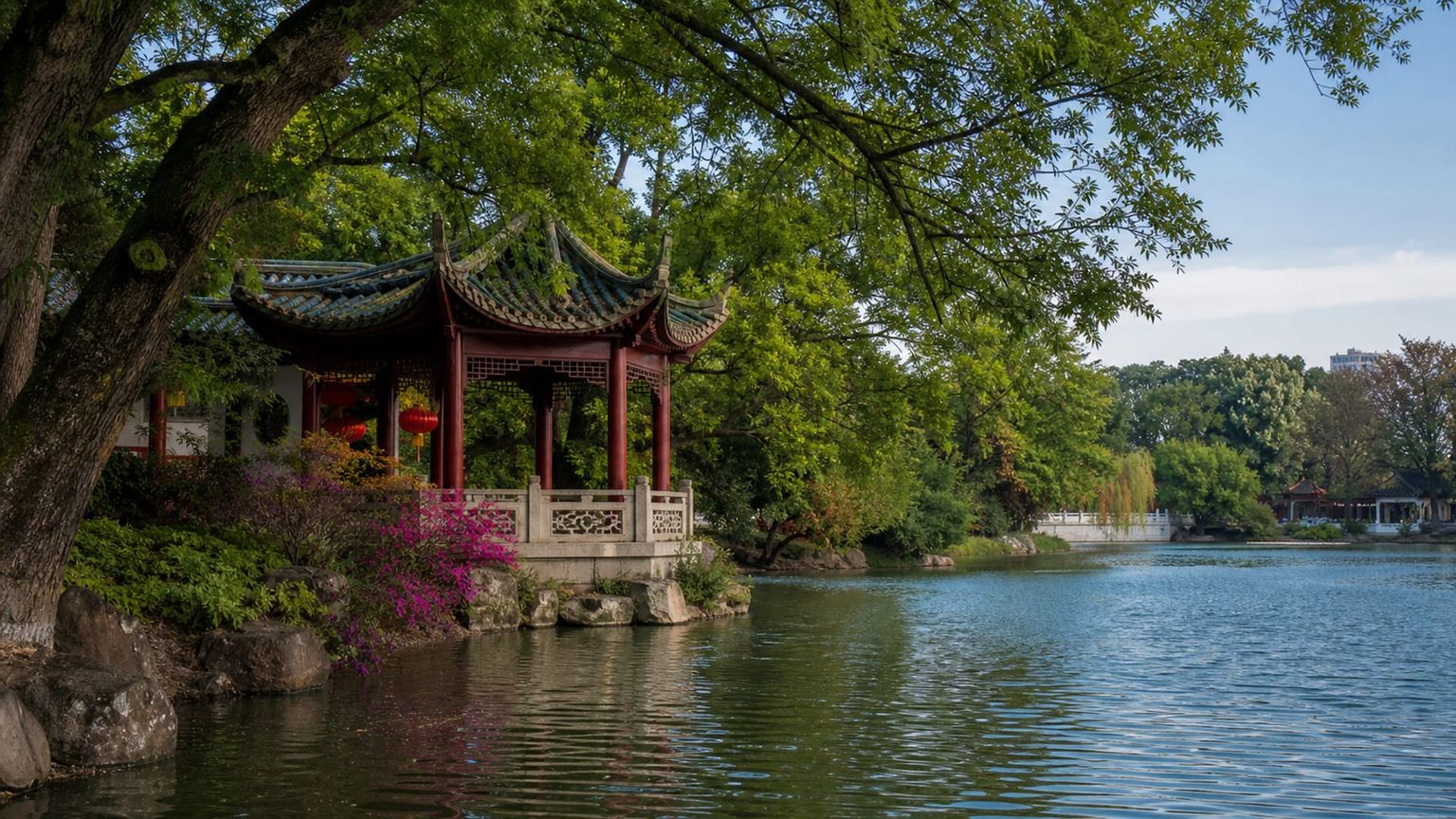
West Lake Park makes a calm first stop, with about 1 to 2 hours for the lakeside paths, bridges, and small islands, and it sits close enough to the old center that a taxi from Gulou usually takes only about 10 minutes. Continue on foot or by a short ride to Three Lanes and Seven Alleys for another look at the courtyards and clan halls, then finish the day with a dinner reservation in Gulou so you are not rushing across town after dark.
A final easy route works best in Taijiang District, where a late breakfast or coffee stop keeps the day relaxed before one last museum visit in the center. Afterward, spend time in the district’s malls or riverfront blocks for shopping, then head back toward a café in Gulou or Sanfang Qixiang for a last look at the old lanes before packing.
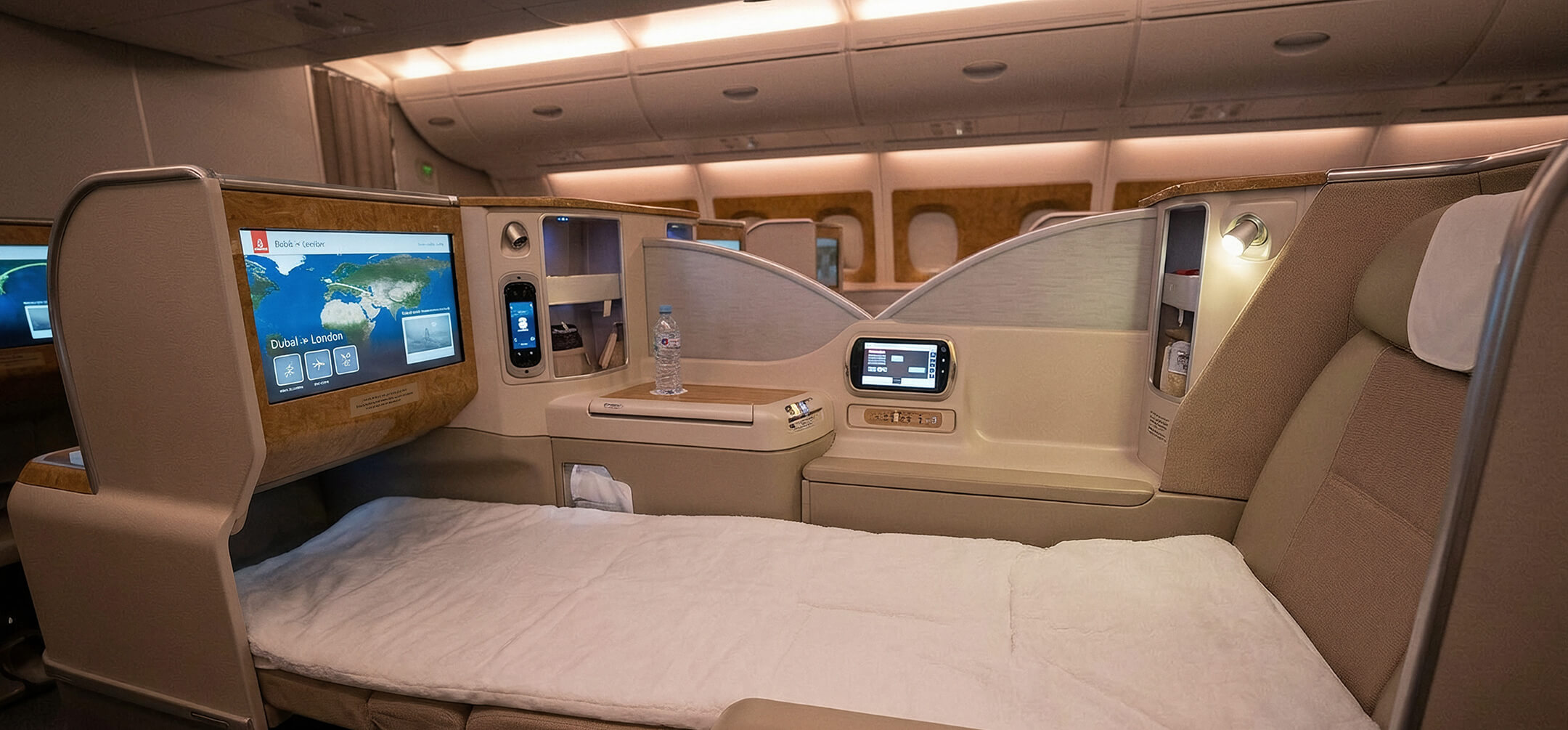
Business-class flights from the US to Fuzhou
Fuzhou usually reaches long-haul travelers through one-stop itineraries, and the routing picture is different depending on whether you start on the East Coast or the West Coast. The fare ranges below reflect premium round-trip options rather than a single fixed nonstop market.
From New York, carriers including China Airlines, China Eastern Airlines, Cathay Pacific, Japan Airlines, Korean Air, and XiamenAir usually price round-trip seats from $4,800 and can reach $9,500. If you do not mind a layover, common connections via ICN, HKG, or TPE take about 19 to 25 hours and often trim the total fare.
Los Angeles has a shorter long-haul profile, with nonstop options of about 13 to 14 hours on some schedules. China Airlines, China Eastern Airlines, Cathay Pacific, Japan Airlines, Korean Air, and XiamenAir also appear on one-stop itineraries, and round-trip fares start from $4,200 before rising to about $8,500 on higher-demand dates.
Fuzhou feels different when you slow down
A deliberate Fuzhou trip usually ties Gulou, West Lake Park, and Drum Mountain together instead of treating the city as a single stopover block. That means a taxi into the historic core, a slower walk through Sanfang Qixiang, and one cleaner mountain morning before easing out through Taijiang. If you want the city shaped this way, the AranGrant experts can help you plan around the lanes, the lake, and the airport timing