

Chapters:

Need help with your trip?
Our support team is available 24/7. Request a callback or call us directly at (833) 619-0908
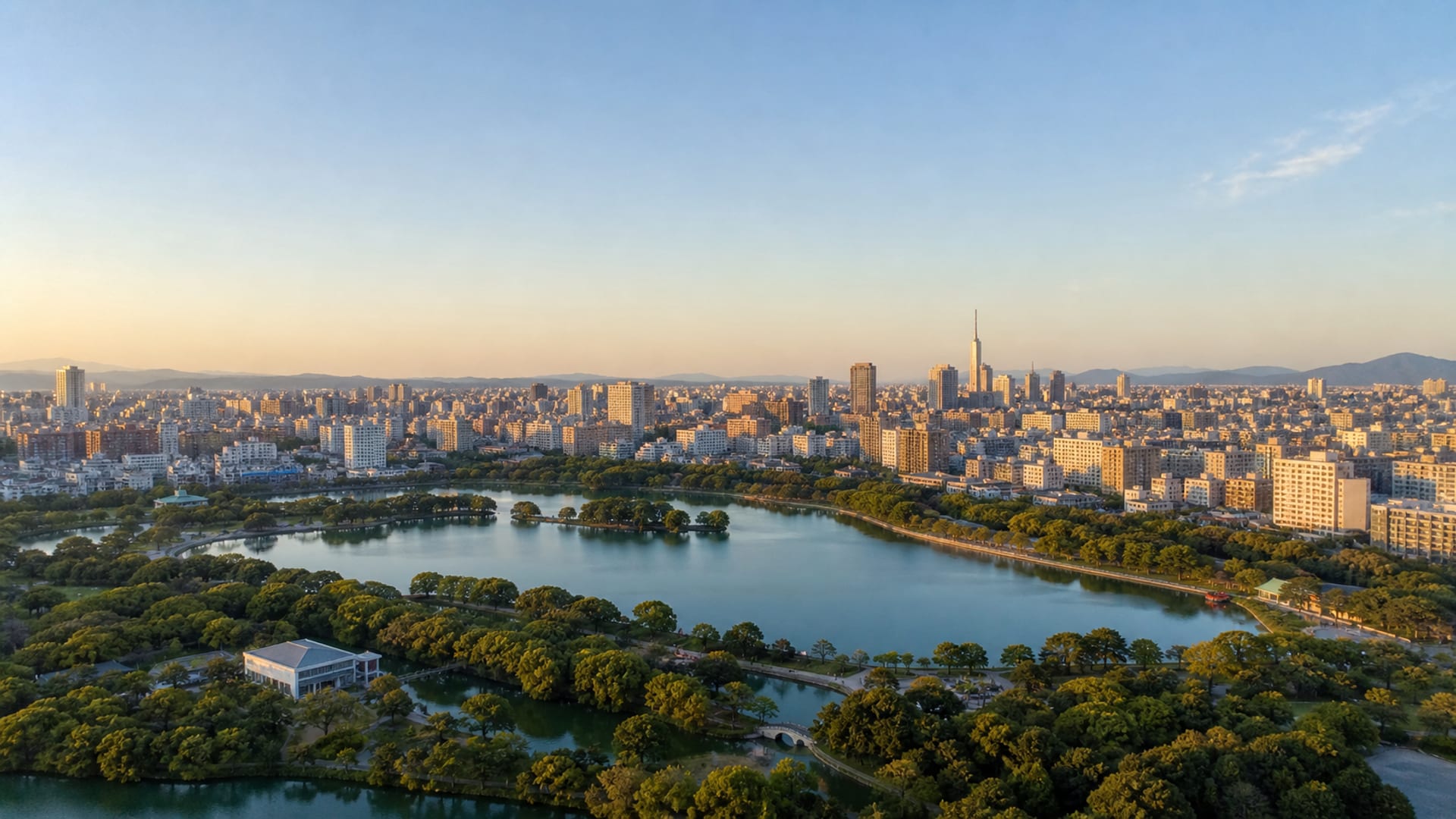
Fukuoka packs a beach, a shrine town, a river island, and a dense food scene into a city small enough to cross by subway in under thirty minutes.
Hakata Station is the main transportation hub and a hotbed for tonkotsu ramen counters, the Tenjin shopping district holds the city’s department stores and malls, and the nightlife island of Nakasu comes alive after dark with yatai food stalls along the river. The Momochi waterfront opens onto Hakata Bay, with Fukuoka Tower marking the shoreline, while a short ferry from Meinohama reaches Nokonoshima Island and its hillside flower paths. Dazaifu, a temple town south of the city, adds a quieter, older layer to the trip.
This guide covers where to stay, how to get around, and a five-day plan that gives each neighborhood its own place in the trip.
Useful things to know
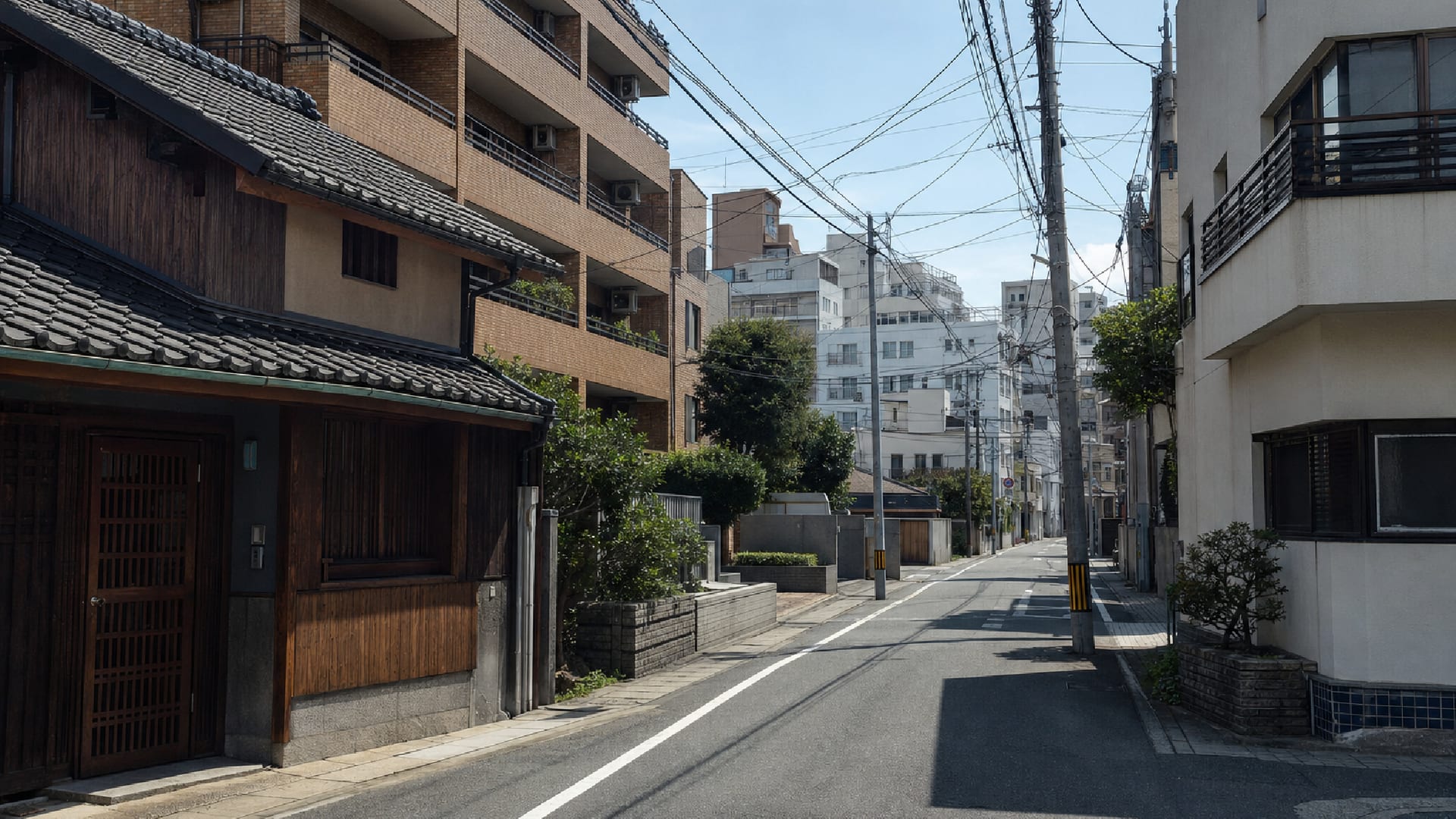

Main language(s): Japanese
こんにちは (konnichiwa) – Hello / good afternoon
お願いします (onegaishimasu) – Please
ありがとうございます (arigatou gozaimasu) – Thank you
英語を話せますか (eigo o hanasemasu ka) – Do you speak English?
いくらですか (ikura desu ka) – How much does it cost?

Currency: Japanese yen (JPY, ¥)

Cash and cards: Most restaurants and hotels accept cards, but carry ¥3,000 to ¥5,000 ($20 to $35) for small shops and cash-only spots.

Tipping: Tipping is not customary.

Traditional food: Tonkotsu ramen, mentaiko, mizutaki, yatai street food

Water and coffee costs: A bottle of water costs ¥100 ($0.65), and a cafe espresso costs ¥300 to ¥500 ($2 to $3.25).

Taxis and ride apps: Uber and GO operate here, and taxis are easy to find, but wait times can be longer late at night.

Plug and voltage: Type A/B socket, 100V

Dining and shop opening hours: Breakfast hours are from 7:00 am to 10:00 am, lunch from 11:30 am to 2:00 pm, and dinner from 5:30 pm to 9:30 pm, with many kitchens closing by 10:00 pm.

Emergency number: 110 for police, 119 for fire and ambulance
Where to stay in Fukuoka
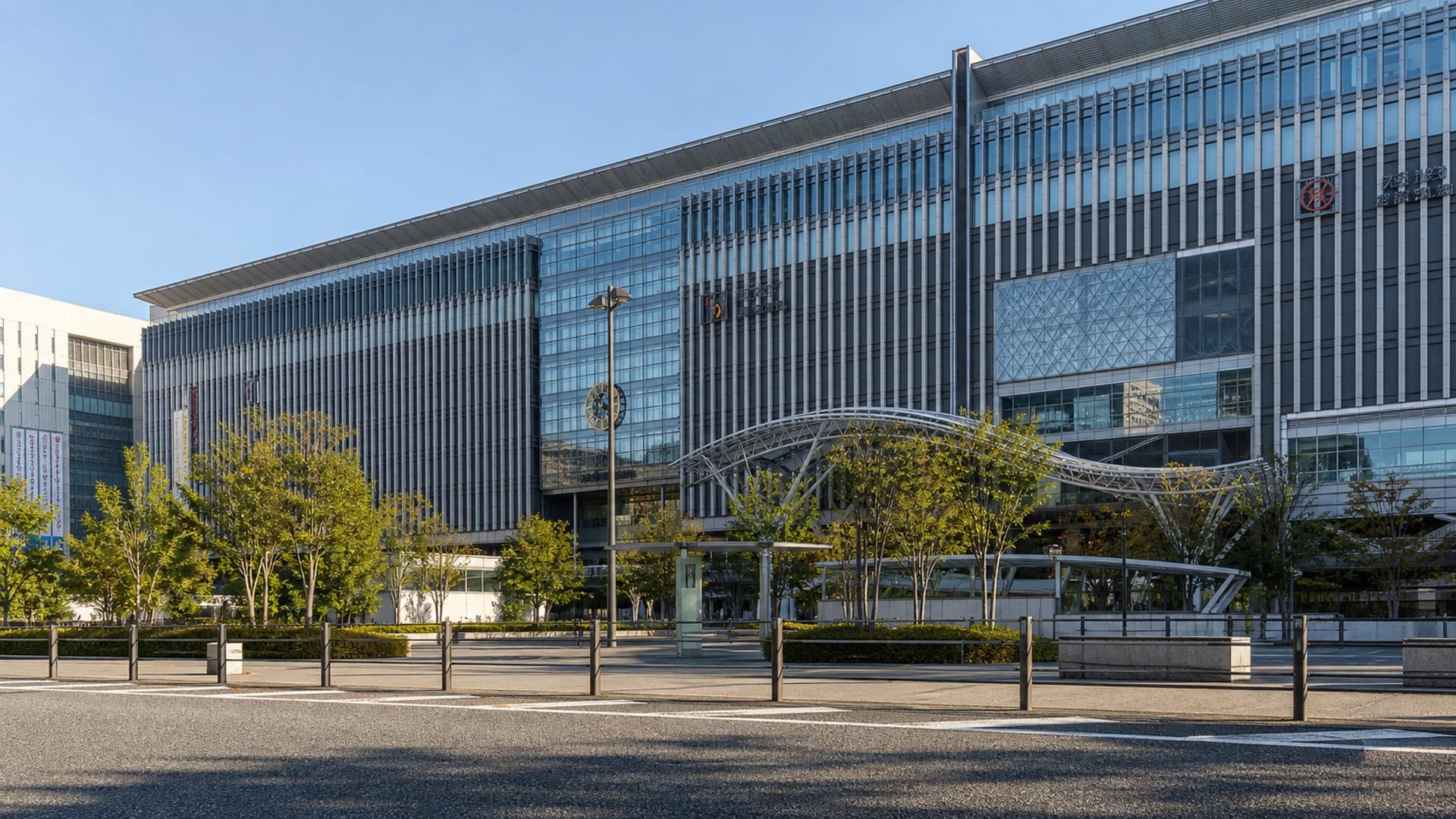
Hakata Station is Fukuoka’s main rail and bus hub, close to the airport subway line, the Shinkansen platforms, and the city’s largest concentration of hotels. It suits visitors who want fast arrivals, easy transfers, and a wide choice of dining and practical late-night options.
Best for: Travelers arriving by plane or Shinkansen, those making onward train connections, and anyone who wants a short walk to transportation
What to expect: Busy sidewalks, constant commuter flow, and a strong concentration of chain hotels, offices, and station-area restaurants
Hotel prices: Well-rated hotels in this area cost ¥12,000 to ¥28,000 ($80 to $183) per night.
Distance to major sights: About 5 minutes by subway to Tenjin, and a 10-minute walk to Canal City Hakata
Quietness: The area is busy during the day and early evening, but side streets grow quieter late at night once station traffic eases.
Main trade-off: The area is efficient, but the station frontage can feel hectic, and room rates rise near the concourse.
Good to know: If you plan day trips by rail, staying here reduces transfer time, but you will spend more on larger rooms near the station.
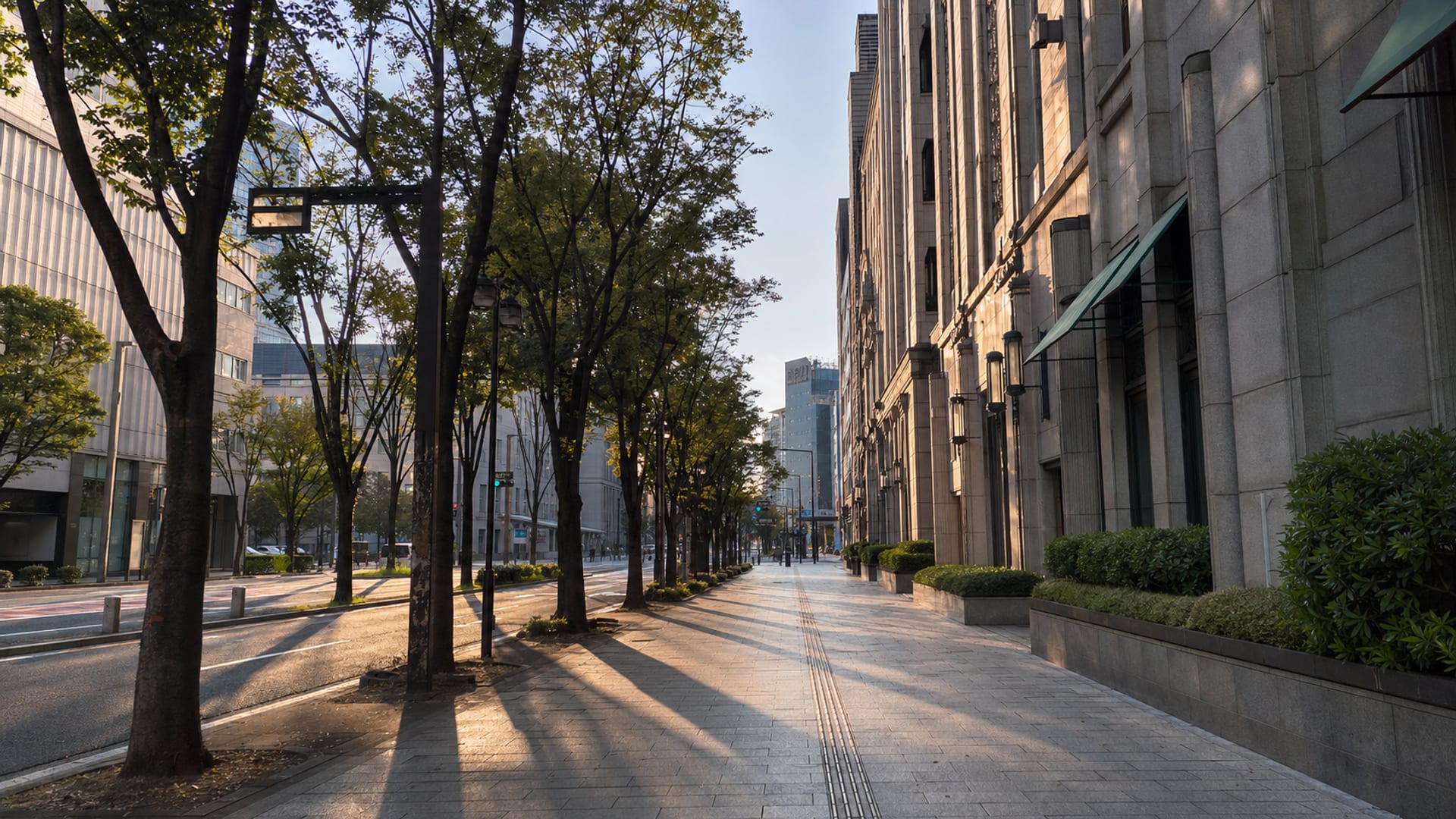
Tenjin is Fukuoka’s central shopping and entertainment district, with department stores, underground malls, cafes, and frequent subway access. It suits visitors who want to stay close to the city’s dining, retail, and nightlife scene without depending on taxis.
Best for: Shopping, dining, nightlife, and travelers who want central city access
What to expect: Dense foot traffic, bright storefronts, and a mix of office workers, shoppers, and evening crowds around the main crossings
Hotel prices: Well-rated hotels in this area cost ¥14,000 to ¥32,000 ($91 to $209) per night.
Distance to major sights: 5 minutes by subway to Hakata Station, and a 5-minute walk to the Naka River promenade
Quietness: The area is lively from morning until late evening, although the backstreets grow quieter once stores close.
Main trade-off: You get excellent access to shops and restaurants, but the best-located hotels can be expensive and small.
Good to know: Choose a room away from the largest intersections if you want less late noise from taxis, bars, and delivery traffic.
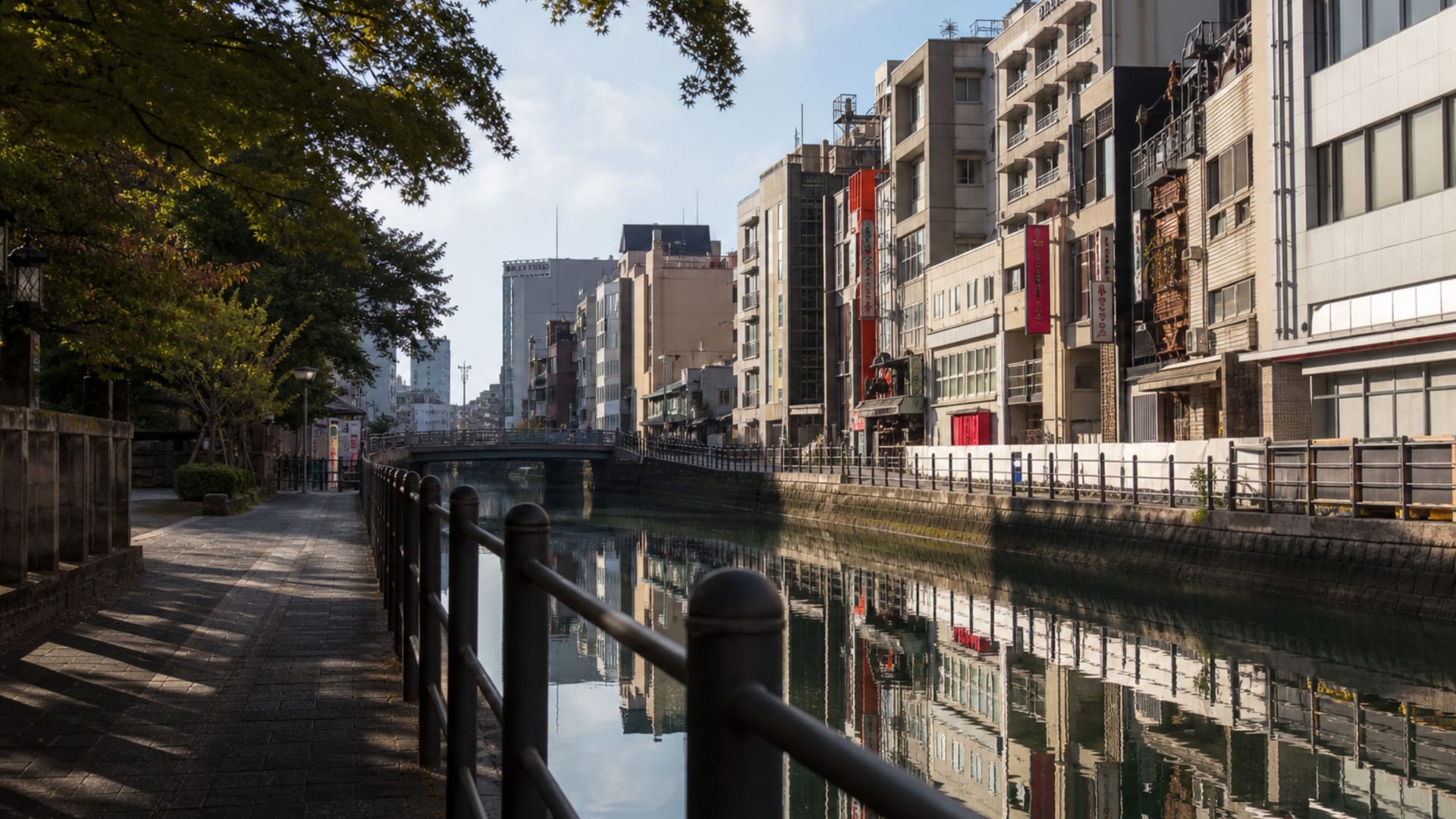
Nakasu is a narrow island between the Naka and Hakata rivers, home to many of Fukuoka’s best-known nightlife streets, bars, and riverside yatai food stalls. It suits travelers who plan to eat late, go out after dinner, and walk straight back to their hotel without crossing the city.
Best for: Late dining, nightlife, and travelers who want to stay near the riverfront after dark
What to expect: Crowded evenings, neon-lit blocks, and a strong mix of bars, small eateries, and weekend foot traffic
Hotel prices: Well-rated hotels in this area cost ¥10,000 to ¥24,000 ($65 to $157) per night.
Distance to major sights: A 10-minute walk to Tenjin, and a 15-minute walk to Canal City Hakata
Quietness: The area is quiet in the morning, then grows noticeably louder from dusk until the last bars close.
Main trade-off: The location is central, but late-night noise and heavier foot traffic can disturb light sleepers.
Good to know: Book higher floors or courtyard-facing rooms if you want to sleep before the bars empty out.
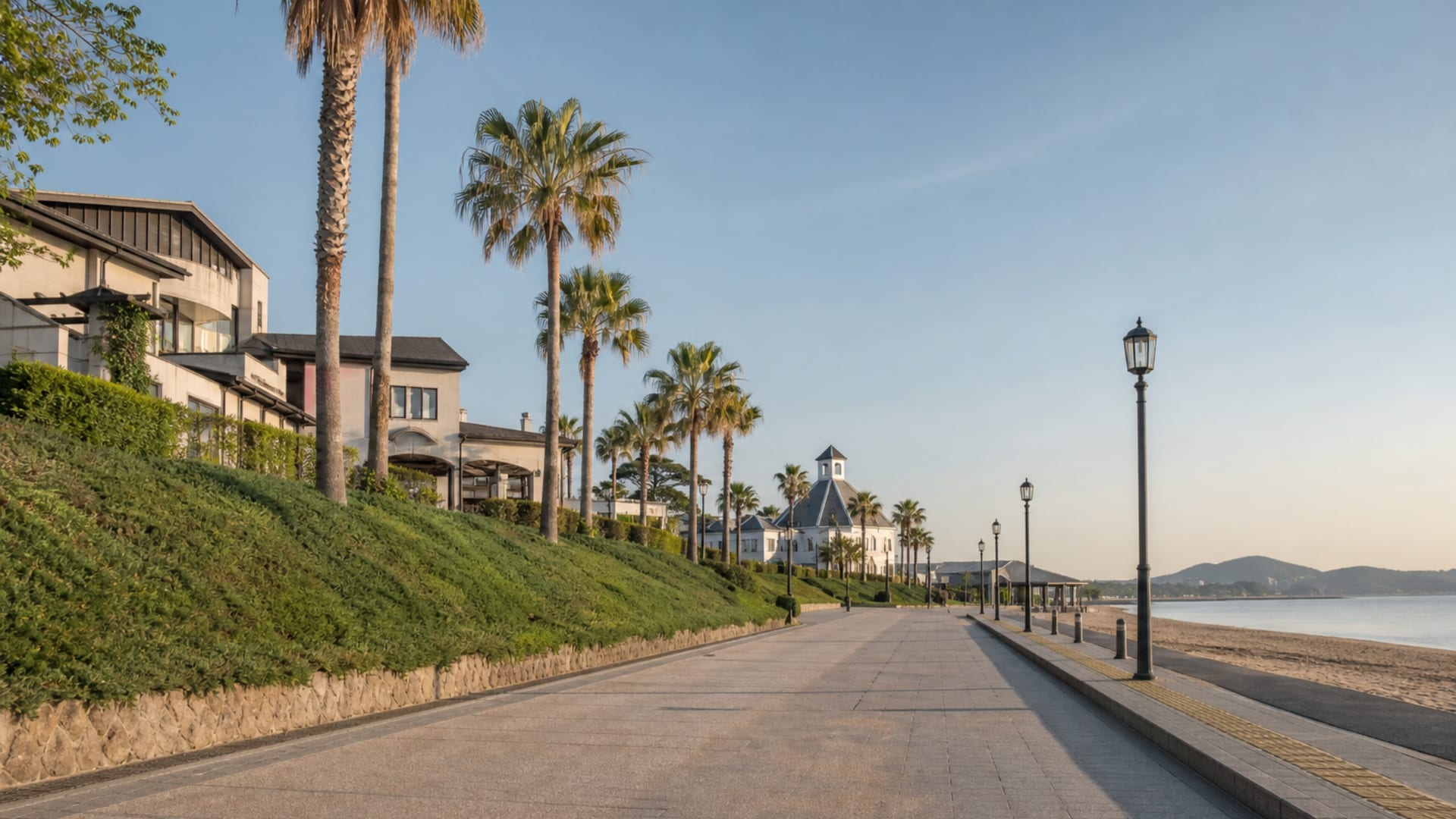
Momochi is Fukuoka’s waterfront district, known for its beach, the Fukuoka Tower area, museums, and larger modern hotels along the coast. It suits families and travelers who prefer more space, sea views, and a noticeably slower pace than the crowded streets of Tenjin or Hakata.
Best for: Families, waterfront walks, beach access, and travelers who prefer a quieter, modern area
What to expect: Wide sidewalks, fewer late-night crowds, and a mix of resort-style hotels, museums, and local residents around the bay
Hotel prices: Well-rated hotels in this area cost ¥13,000 to ¥30,000 ($85 to $196) per night.
Distance to major sights: 15 minutes by bus to Tenjin, and about 25 minutes by bus to Hakata Station
Quietness: The area is calm in the evening compared with central Fukuoka, with some activity near the beach and tower on weekends.
Main trade-off: You gain space and sea access, but you will need to use the bus to reach shopping streets and train stations.
Good to know: Morning walks by the water are easy here, but late dinners usually mean a trip back toward Tenjin or Hakata.
Avoid Hakata Ward’s edge near the airport, Higashi Ward east of Kaizuka, Sawara Ward beyond Nishijin, and Nishi Ward’s Itoshima-bound suburbs. All lie far from downtown, with fewer subway and bus connections and hotel choices.
Hotel deals
Getting around Fukuoka
Fukuoka’s subway, buses, ferries, and taxis each cover different parts of the city, and the best option changes by neighborhood and time of day.

Metro
for the airport run and longer distances
Fukuoka Airport (FUK) has its own subway stop, 5 minutes from Hakata Station and 11 minutes from Tenjin. From Hakata, the Kuko Line reaches Tenjin in 5 minutes and Meinohama in 19 minutes. Fares range from ¥210 to ¥380 ($1.35 to $2.50); you can tap a rechargeable transit card at the gate.

Bus
for convenience
Airport and city buses reach most of Fukuoka, with links from Fukuoka Airport (FUK) to Hakata, Tenjin, and major hotels, taking 15–40 minutes, depending on traffic. A typical city fare costs ¥230 to ¥460 ($1.50 to $3), and most routes accept rechargeable transit cards and exact cash.

Taxi
for convenience or late hours
Licensed taxis at Fukuoka Airport (FUK) charge metered fares. A ride to Hakata costs ¥1,800 to ¥2,700 ($12 to $18), and one to Tenjin costs ¥2,200 to ¥3,300 ($15 to $22), depending on traffic. To book, you can queue at the rank outside the terminal or use a phone app.
*Prices are based on rates updated as of June 2026 and may change at the time of travel.
Use the subway to reach Hakata, Tenjin, and the airport; buses for Momochi and cross-town links; ferries for Nokonoshima; and taxis late from Nakasu.
Iconic places in Fukuoka
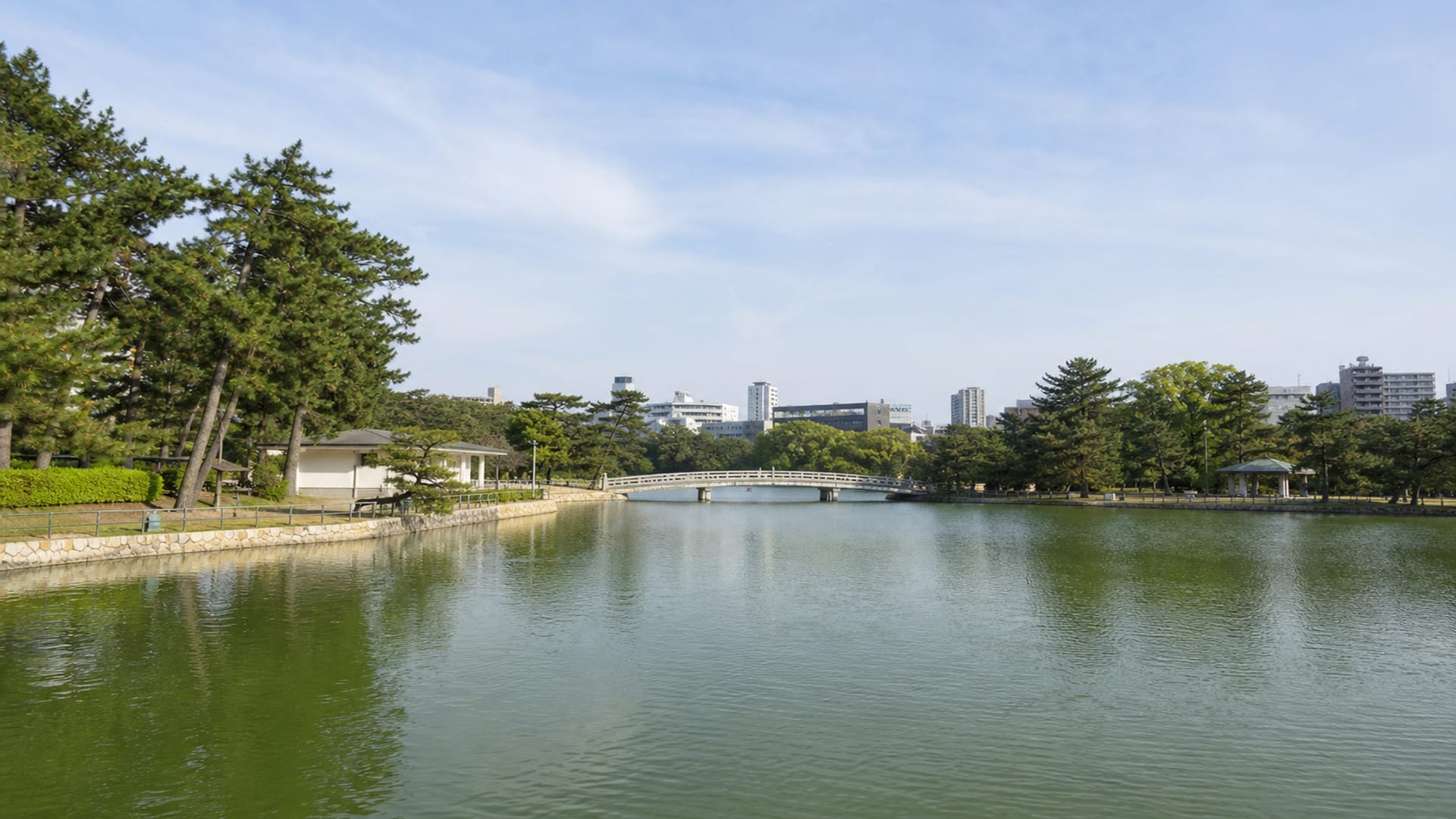
Ohori Park
A large central park built around a former castle moat, with a 1.2-mile (2-km) walking circuit, island gardens, a lakeside pavilion, and rowboats in season. It draws runners, families, and sunset watchers year-round.
Time needed: About 1 to 2 hours
Entry: Free to enter. Visit the official site for details.
Tip: Go late afternoon for softer light and a quieter loop beside the lake.
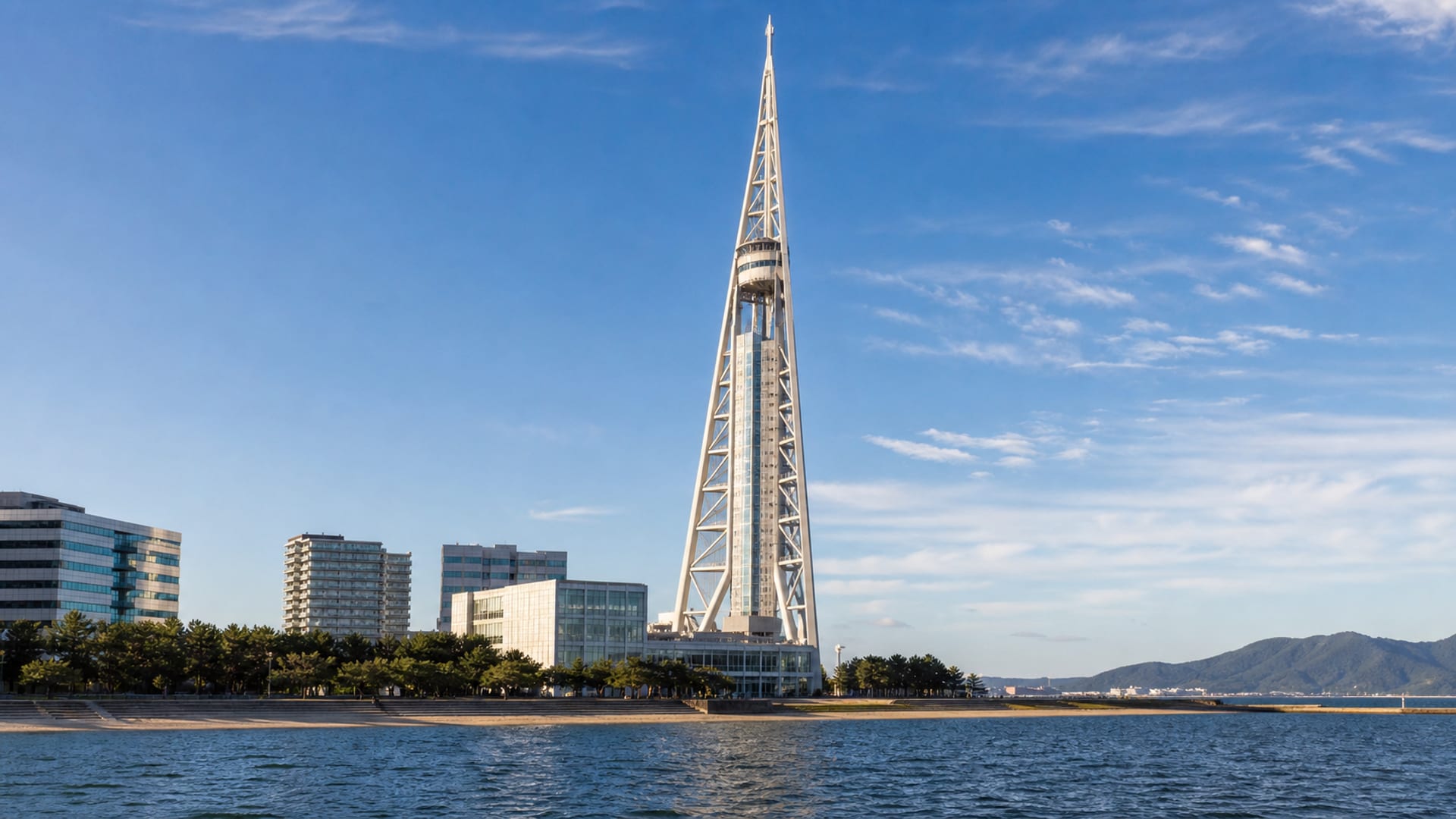
Fukuoka Tower
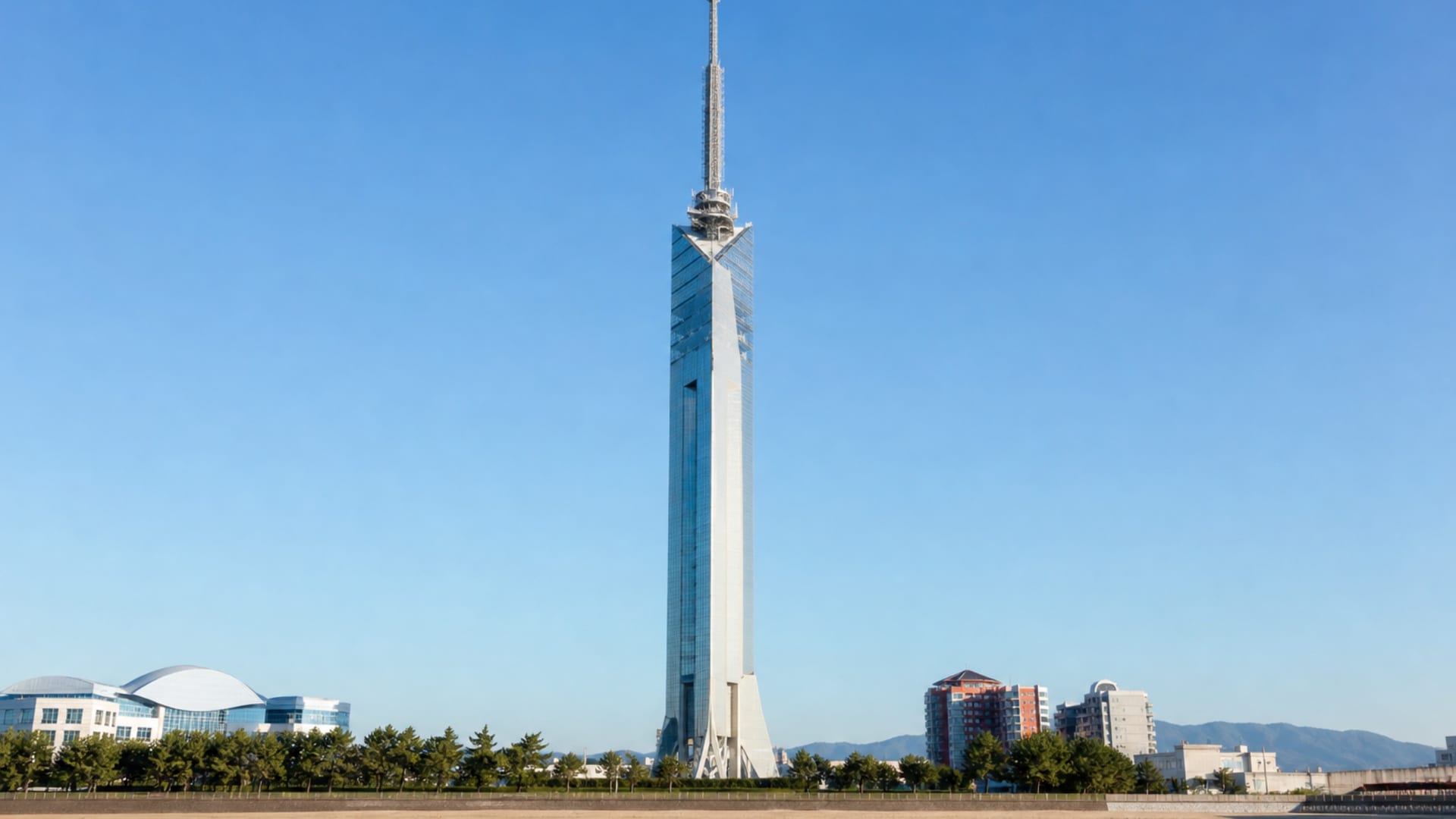
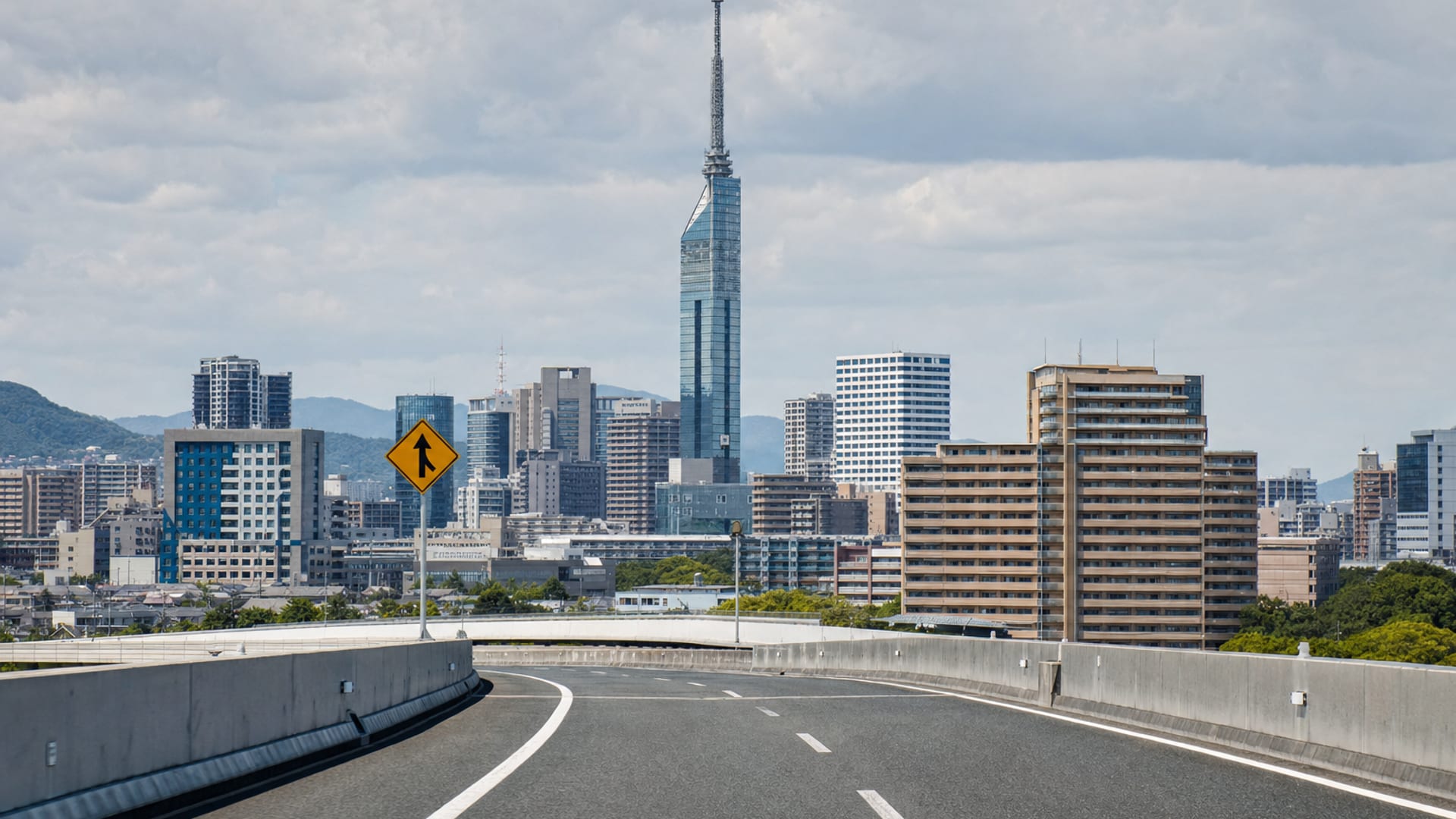
At 768 feet (234 meters), Fukuoka Tower is Japan’s tallest seaside tower. Its observation deck looks over Hakata Bay, Momochi Beach, and the city grid, with clear-day views that can extend to the islands offshore.
Time needed: About 1 to 2 hours
Entry: Observation deck tickets cost ¥1,000 ($6.50) for adults. Visit the official site for details.
Tip: Visit on a clear day, then return after dark if you want the bay lights.
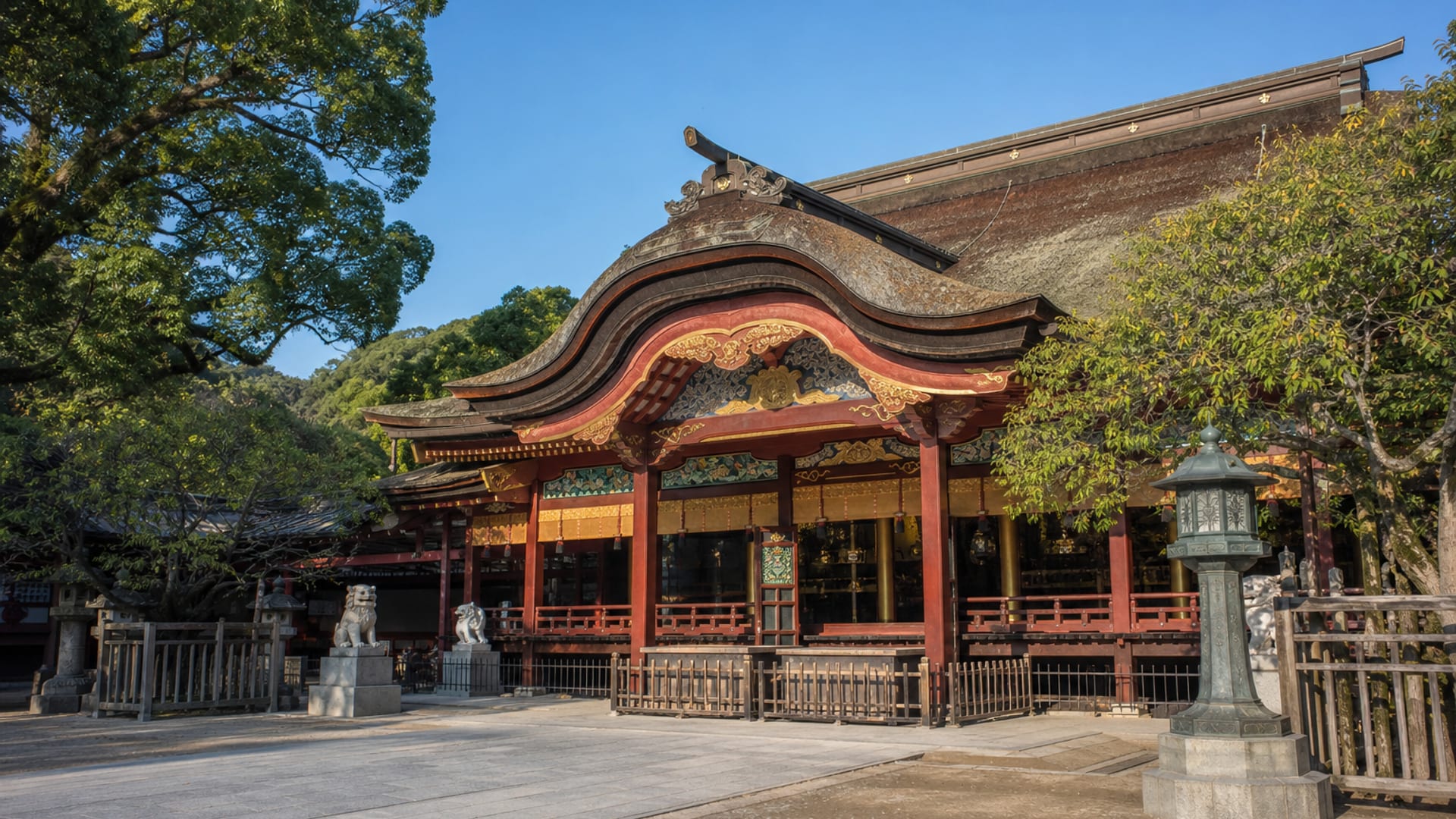
Dazaifu Tenmangu Shrine
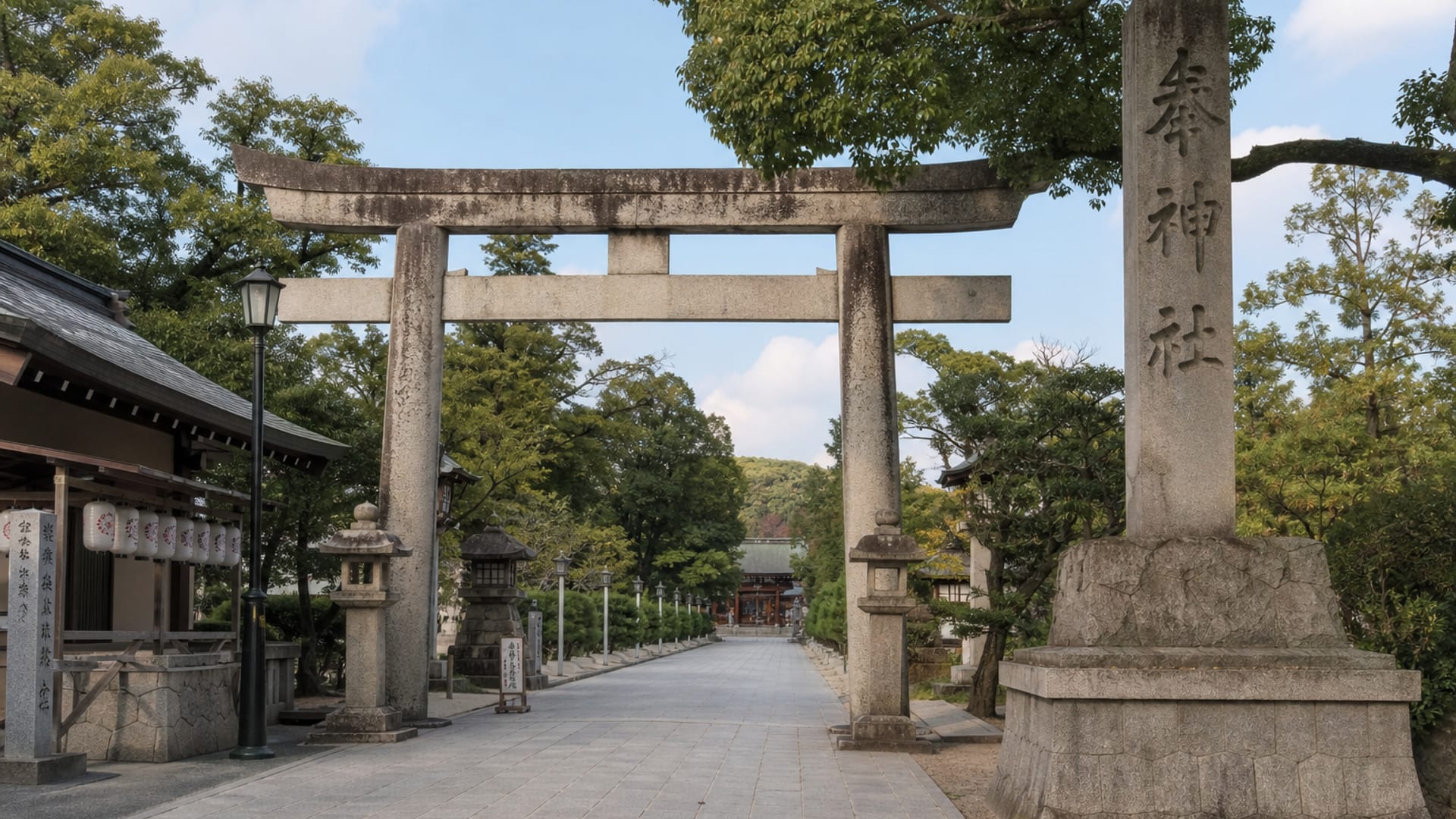
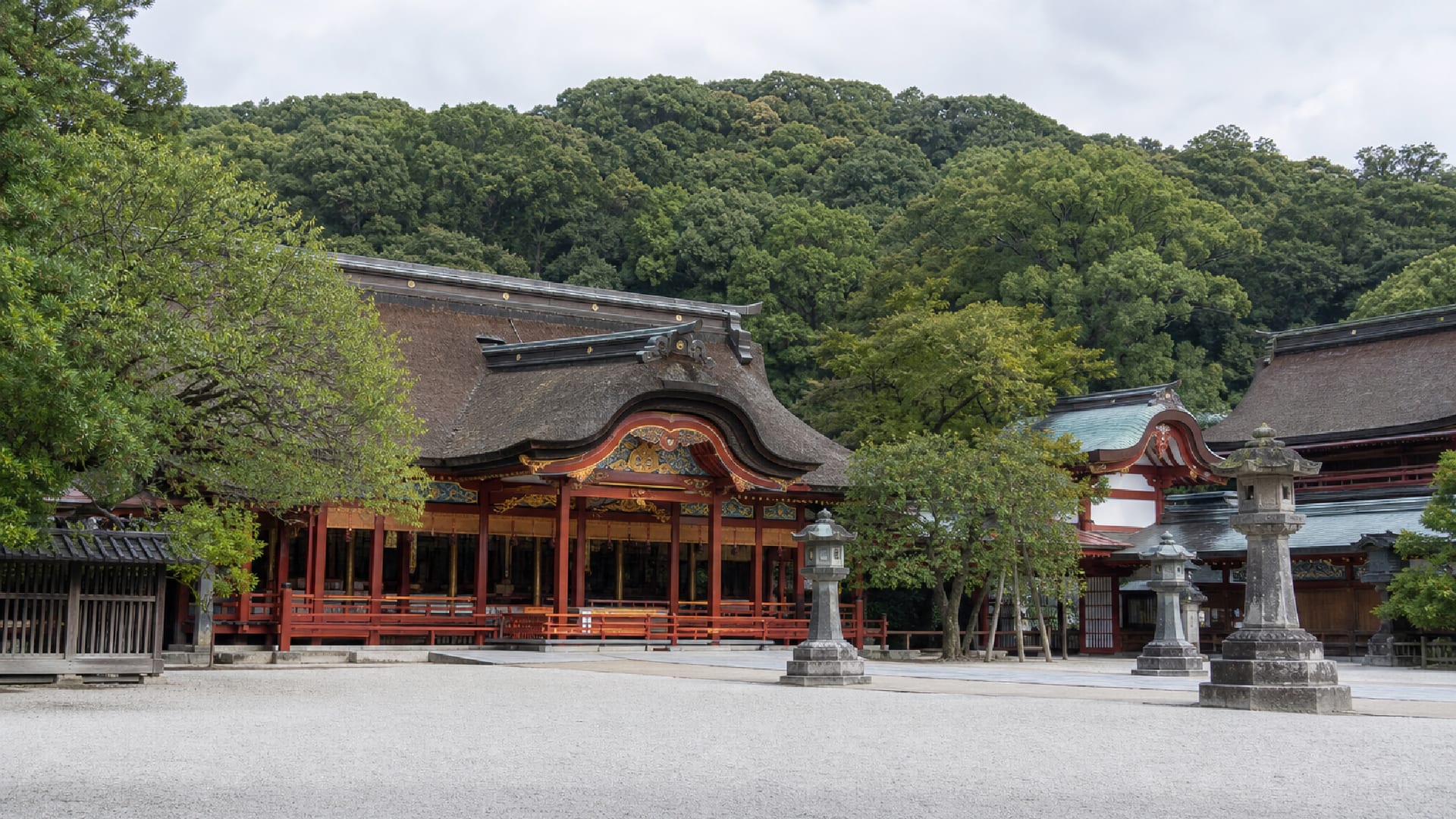
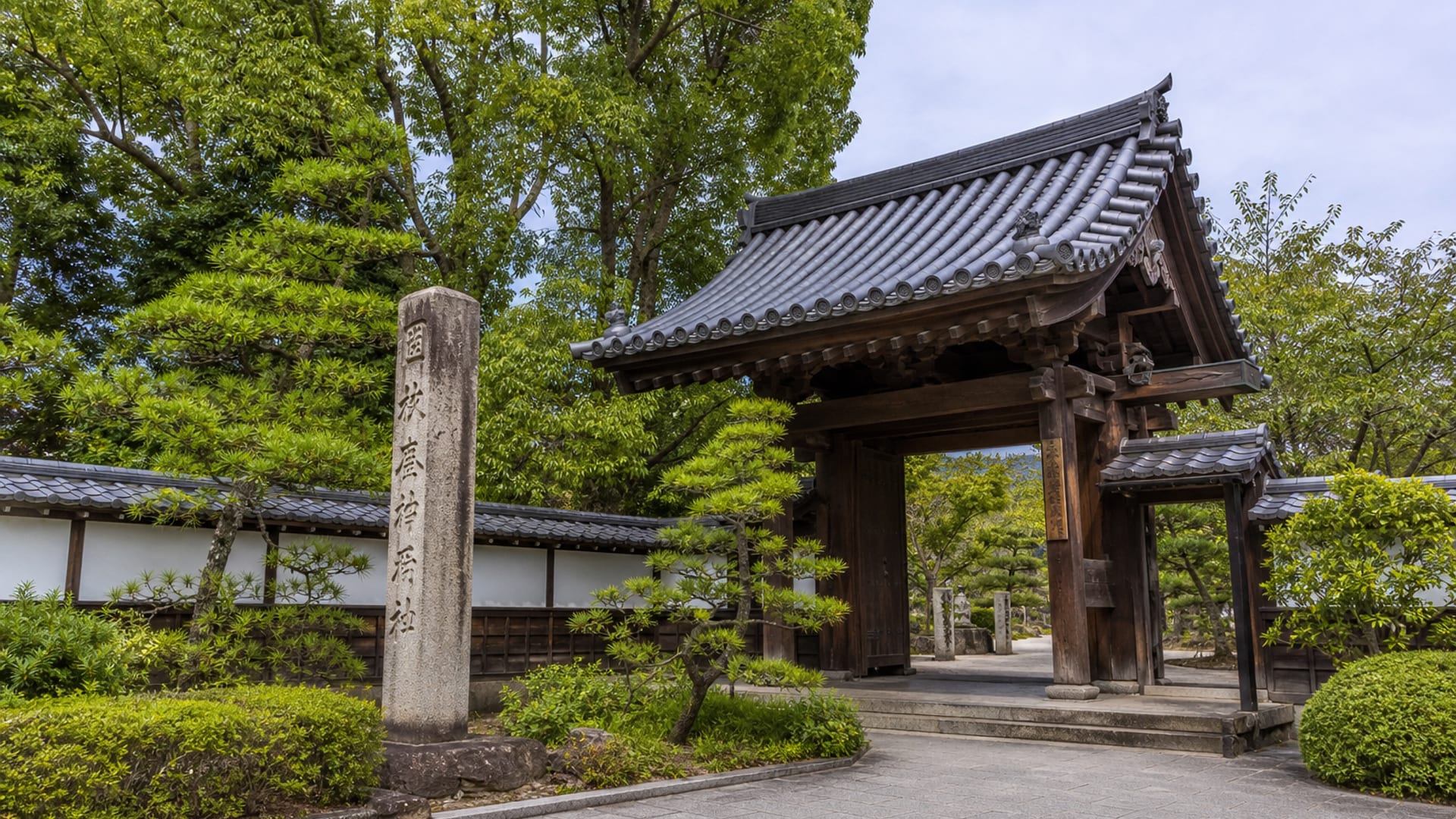
This major temple honors Sugawara no Michizane, the deity of learning. The approach passes arched bridges, ponds, and cedar paths before reaching the main hall, a frequent stop for students and history-minded visitors.
Time needed: About 1 to 2 hours
Entry: Free to enter. Museum and special displays cost extra. Visit the official site for details.
Tip: Arrive before midmorning to avoid the busiest train arrivals and courtyard crowds.
Overlooked places in Fukuoka

Nokonoshima Island Park
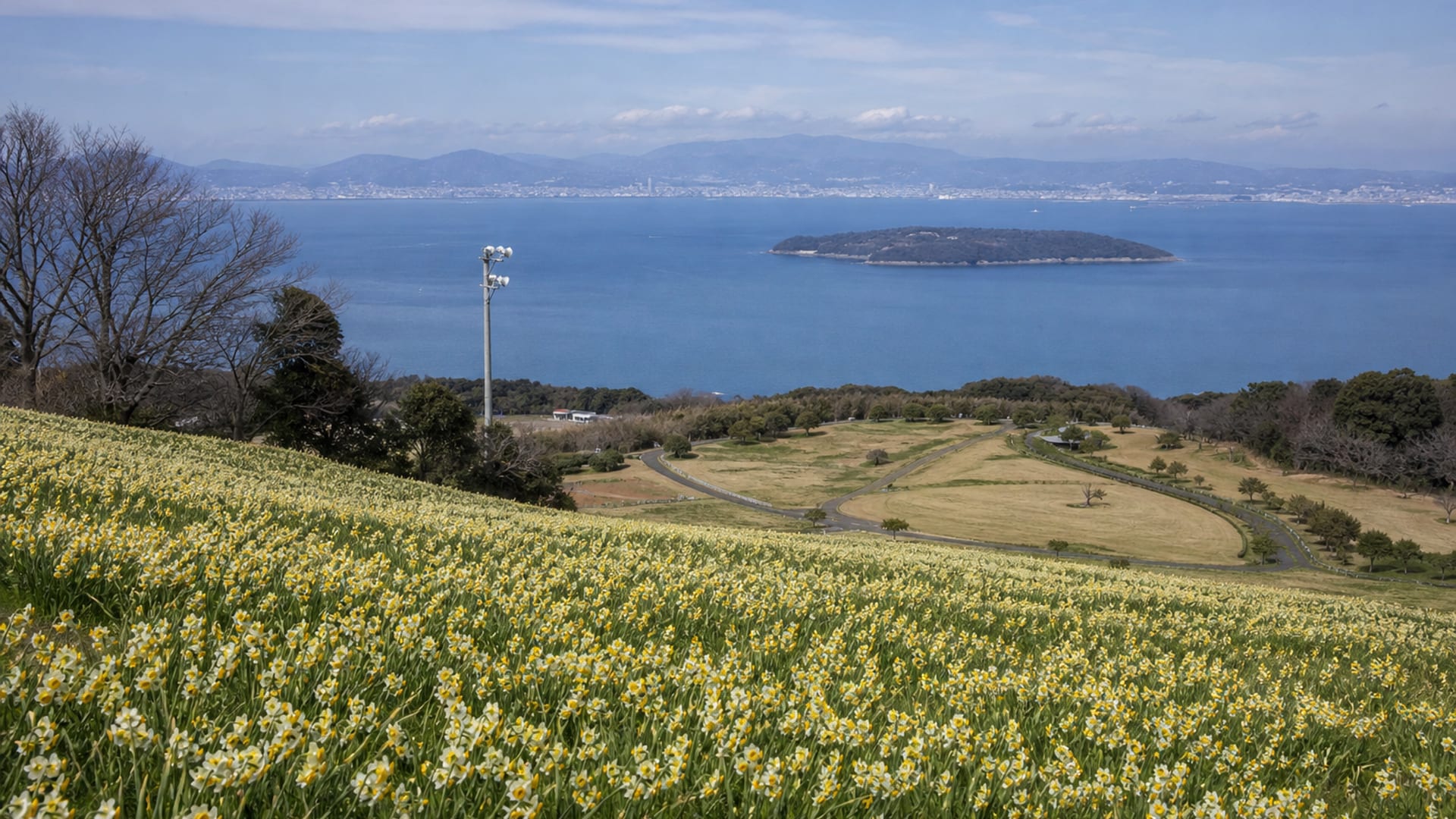
On Nokonoshima Island, this hillside park opens to bay views, seasonal flowers, and paths that slope down toward the water. A short ferry from Meinohama makes it a quiet half-day trip away from Fukuoka.
Time needed: About 2 to 3 hours
Entry: Ferry costs ¥230 ($1.50) one-way. Park admission is ¥1,500 ($9.80) for adults. No booking needed. Visit the official site for details.
Tip: Go on a clear morning for better light on the bay.

Fukuoka City Museum
This compact museum in Momochi traces Kyushu history through the golden seal, trade links, and local artifacts. Its smaller galleries let you focus on a few objects without a long visit.
Time needed: About 1 to 2 hours
Entry: General admission is ¥200 ($1.30), with a discount for students. Special exhibitions cost extra. Visit the official site for details.
Tip: Pair it with a late-afternoon walk to nearby Momochi Seaside Park.
What to eat in Fukuoka
Fukuoka’s food scene centers on tonkotsu ramen, mentaiko, mizutaki, and yatai stalls, with rich broth, salty seafood, and late-night counter dining shaping the city’s best meals.
Tonkotsu ramen
Fukuoka’s signature bowl uses a pork-bone broth that turns rich and opaque, usually with thin noodles and simple toppings. Ichiran Souhonten in Nakasu is the original flagship shop, open 24 hours.
Mentaiko
Mentaiko, spicy salted pollock roe, is served whole atop a bowl of rice and nori as the dish called mentaiju. Ganso Hakata Mentaiju in Nishi-Nakasu, near Tenjin, created the dish and serves it in four spice levels.
Mizutaki
Mizutaki is bone-in chicken simmered in a clear broth until rich, served with vegetables and a citrus dipping sauce, then finished with rice porridge cooked in the leftover broth. Mizutaki Nagano in Hakata has served it this way for over 90 years.
Yatai street food
Yatai are open-air stalls with a handful of stools, serving ramen, oden, and grilled skewers late into the night. Nagahama No.1’s Tenjin branch recreates its yatai-born tonkotsu ramen recipe in a fixed shop.
Best time to visit
Spring and fall bring the easiest walking weather in Fukuoka, summer suits the coast, and winter is best for ramen and hot pot.
Best for: Shrine visits, cherry blossoms, park walks, and day trips to Dazaifu
What you get: Temperature ranges between 50°F and 72°F (10°C to 22°C), with moderate crowds, clear days, and occasional rain during blossom season
Trade-offs: Cherry blossom weekends make central parks and train platforms busy.
Best for: Bay views, evening yatai food stalls, and ferry trips to Nokonoshima Island
What you get: Temperature ranges between 73°F and 90°F (23°C to 32°C), with heavy humidity, frequent rain in June and July, and busy waterfront crowds
Trade-offs: Heat, humidity, and rain can shorten midday walks.
Best for: Walking routes, museum stops, fall foliage, and long evenings in Tenjin
What you get: Temperature ranges between 55°F and 77°F (13°C to 25°C), with comfortable weather, steady visitor flow, and colorful foliage by late November
Trade-offs: Typhoon season can affect ferry and train plans in early fall.
Best for: Ramen counters, hot pot dinners, illuminations, and quiet museum time
What you get: Temperature ranges between 38°F and 54°F (3°C to 12°C), with lighter crowds, cooler evenings after sunset, and occasional light snow
Trade-offs: Short days and occasional wind make waterfront time less appealing.
A 5-day plan in Fukuoka
A five-day stay in Fukuoka splits cleanly between the core, the shrine town, the bay, and one ferry day. The order below keeps transfers short and puts later meals and departures near the right neighborhoods.
Land at Fukuoka Airport (FUK), then take the subway into Hakata Station in about 5 minutes for ¥260 ($2). A taxi to Hakata or Tenjin takes 15 to 20 minutes and costs about ¥1,500 to ¥2,500 ($10 to $17), depending on traffic. Check in near Hakata Station for the shortest transfer, or in Tenjin for more dinner options. Keep the rest of the day close to the hotel, and head to a nearby noodle shop or izakaya in Hakata for an early, low-effort dinner.
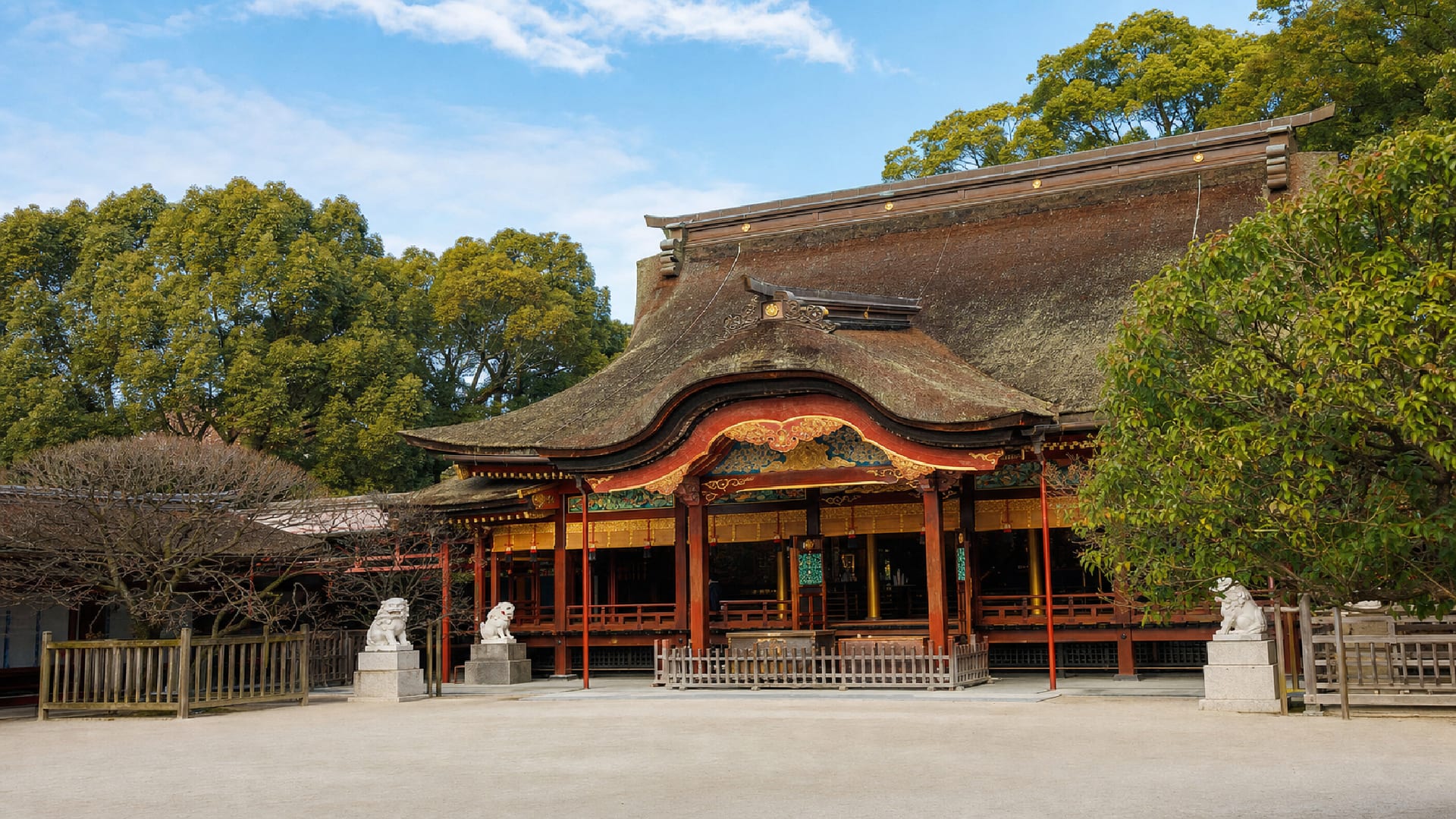
Start with Dazaifu Tenmangu Shrine, about 30 minutes by train from Tenjin with one transfer at Futsukaichi, or about 40 minutes by direct bus from Hakata Bus Terminal. Spend 1 to 2 hours on the shrine grounds, then walk the approach for omiyage and sweets before heading back. Continue to Ohori Park, about 5 minutes by subway from Tenjin or 10 minutes from Hakata, and circle the 1.2-mile (2-km) lake path in the late afternoon for 1 to 2 hours. Have dinner in Tenjin, a 5-minute ride from the park.
Begin in Momochi at the Fukuoka City Museum, where the visit takes about 1 to 2 hours, then walk a few minutes to Momochi Seaside Park. From there, walk 5 minutes to Fukuoka Tower and go up for the bay views, ideally timed for sunset. Expect 1 to 2 hours at the tower, then stay in Momochi for a seaside dinner or take the bus back to Tenjin in about 15 minutes for more restaurant choices.
Take the ferry from Meinohama to Nokonoshima Island Park on a clear morning. The crossing costs ¥230 ($1.50) one-way, and the ferry plus park visit fills a 3- to 4-hour half-day. Walk the flower paths and slopes with bay views, then return to the city before late afternoon. Back in Fukuoka, head to Nakasu for an early night by the river, or choose Tenjin if you want to shop before dinner and take the subway instead of a taxi.
Spend the morning at Ohori Park for one last slow walk, then ride back to Tenjin for shopping, where the department stores and underground malls are about 5 minutes by subway from Hakata Station. For a final cultural stop, return to the Fukuoka City Museum in Momochi, then finish with coffee in Tenjin or Hakata before heading to the airport. The subway to Fukuoka Airport (FUK) takes about 5 minutes from Hakata, while taxis from Tenjin or Nakasu take 15 to 20 minutes, so build in extra time.
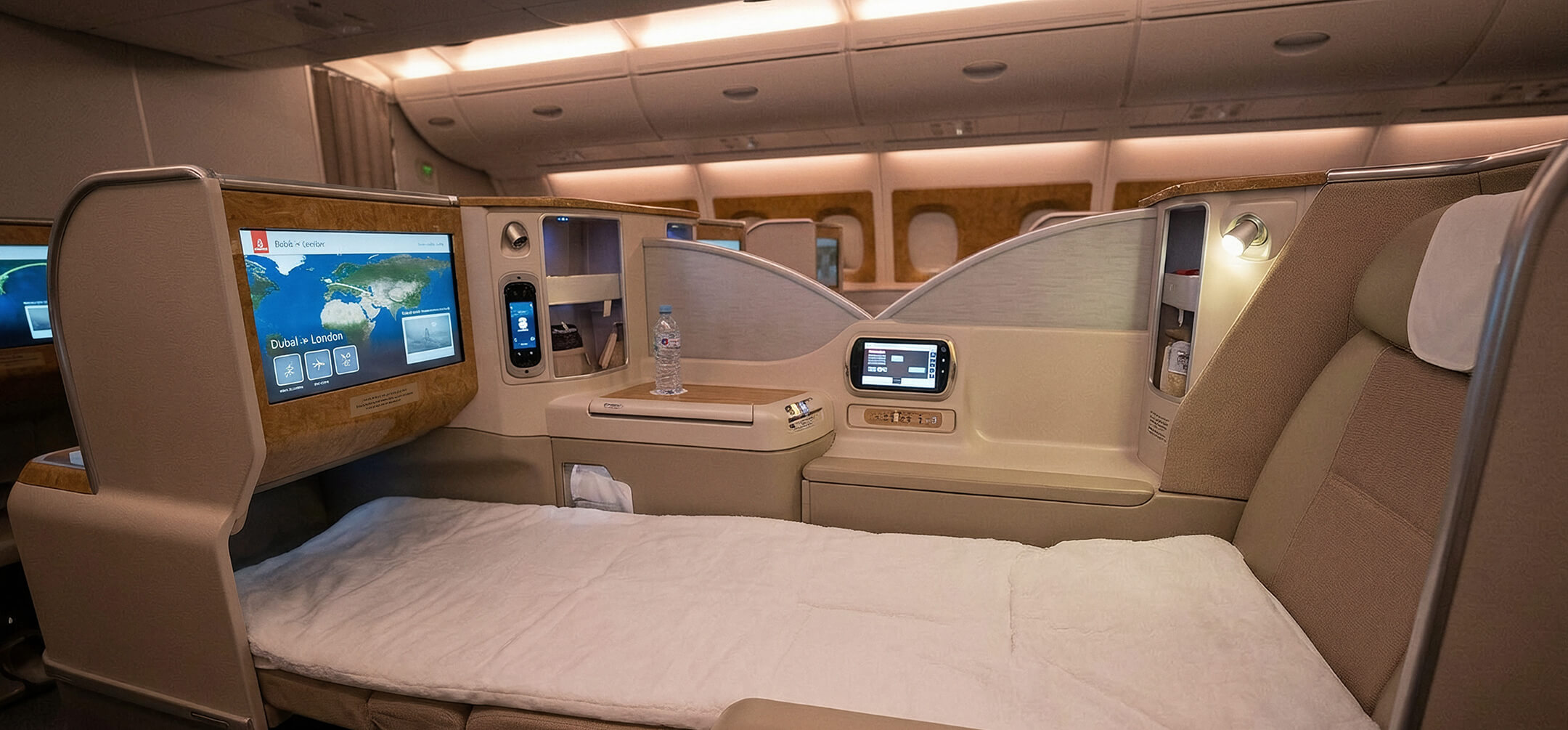
Business-class flights from the US to Fukuoka
Every route from the US to Fukuoka (FUK) requires a connection through an Asian hub, so your choice of layover can significantly affect the total travel time.
New York (JFK) to Fukuoka (FUK)
ANA, Japan Airlines, Korean Air, China Airlines, and EVA Air serve this route, all with one stop. Most connections go through Tokyo Haneda (HND), with others via Seoul Incheon (ICN) or Taipei (TPE), and total travel time ranges from 18 to 25 hours, depending on the layover. Round-trip business-class fares from New York usually start near $5,200 and can reach $8,500.
Los Angeles (LAX) to Fukuoka (FUK)
Japan Airlines, ANA, Korean Air, China Airlines, and EVA Air are the main names to compare, all with one stop. Most connections go through Tokyo Haneda (HND) or Narita (NRT), while others route through Seoul Incheon (ICN) or Taipei (TPE). Total travel time ranges from 15.5 to 20 hours, depending on the layover. Expect to pay about $4,800 to $7,500 for a round-trip business-class fare from Los Angeles (LAX).
Fukuoka makes you want to stay a little longer
Fukuoka comes together area by area: Hakata for arrivals, Tenjin for shopping and dinner, Momochi for the waterfront, Nakasu for late-night yatai, with Dazaifu and Nokonoshima added when time allows. Anchoring each day to one neighborhood instead of crossing the city repeatedly is what keeps a short stay feeling unhurried. When you are ready to book, AranGrant can help you find business-class flights and hotels close to where you plan to spend your days.