

Chapters:

Need help with your trip?
Our support team is available 24/7. Request a callback or call us directly at (833) 619-0908
Fuerteventura rewards travelers who move with a plan, yet many first visits settle into one beach base and miss how different the island feels from north to south. The usual gap is not a lack of sights, it is the distance between them and the time it takes to cross the island.
Corralejo, Betancuria, Costa Calma, and the airport area each suit a different pace, so trying to stack them without a route often leads to long transfers and rushed afternoons.
This guide lays out the island in a clearer order, with where to stay, how to move, what to eat, and how to place each day so the roads, beaches, and inland stops fit together.
Useful things to know

Main language(s): Spanish
Hola (OH-lah) – Hello / good morning
Por favor (por fah-VOR) – Please
Gracias (GRAH-syahs) – Thank you
¿Habla inglés? (AH-blah een-GLAYS) – Do you speak English?
¿Cuánto cuesta? (KWAHN-toh KWES-tah) – How much does it cost?

Currency: The local currency is the euro (EUR, €).

Cash and cards: Cards and contactless are widely accepted; keep about €20 to €40 ($22 to $44) in cash for small purchases and rural spots.

Tipping: Round up small bills; leave about 5-10% in restaurants if service was good.

Traditional food: papas arrugadas, gofio escaldado, sancocho canario, queso majorero

Water and coffee costs: Water about €1.50 ($2), bar espresso about €1.50 to €2.50 ($2 to $3).

Taxis and ride apps: Bolt and Uber operate in some areas; taxis are often the easier option at the airport.

Plug and voltage: Type C/F socket, 230V

Dining and shop opening hours: Breakfast is about 08:00-10:00, lunch 13:00-15:00, and dinner 20:00-22:30. Many smaller places close between lunch and dinner.

Emergency number: 112 for police, fire, and medical emergencies.
Where to stay in Fuerteventura
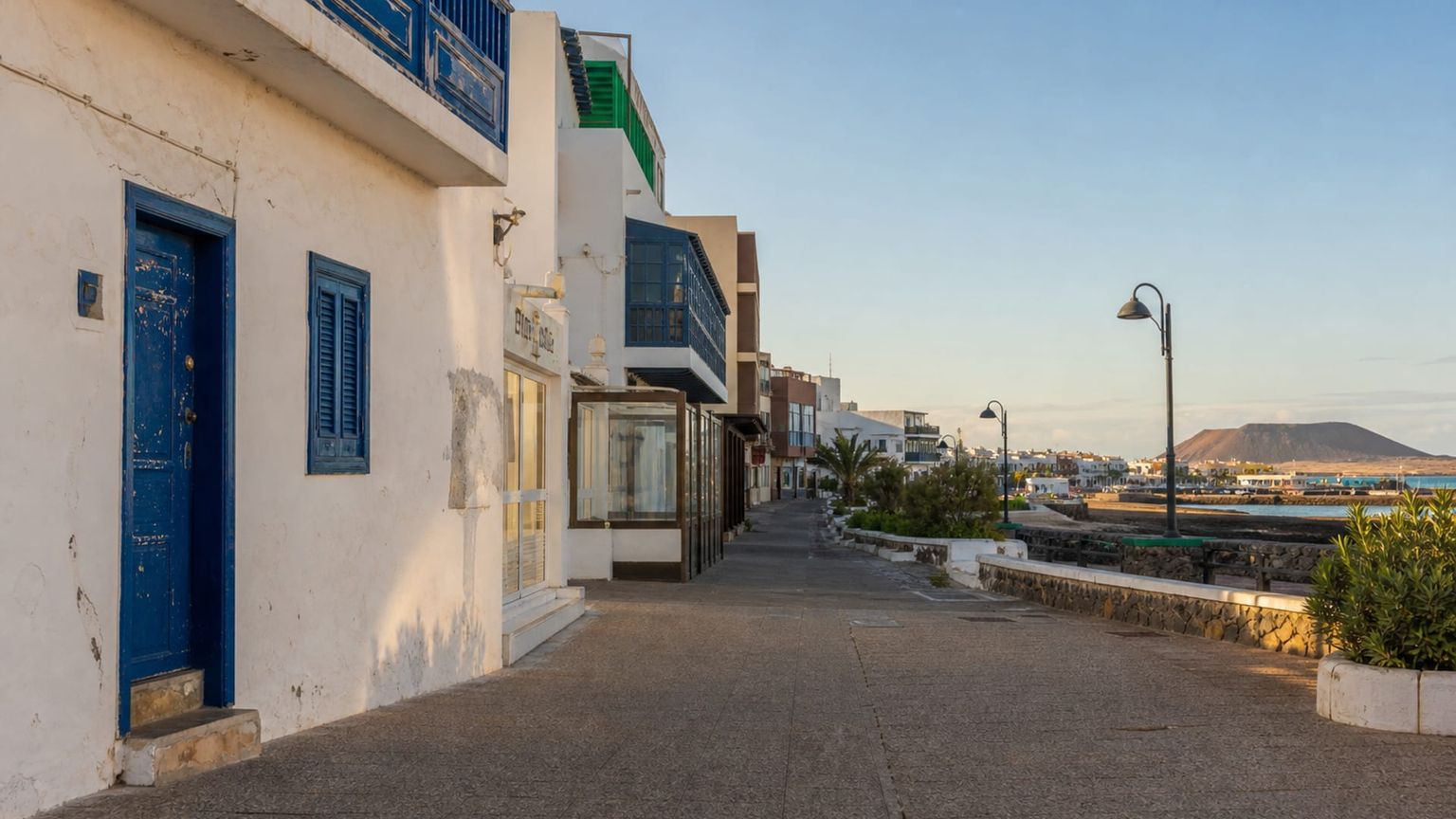
Fuerteventura’s most established northern base, Corralejo combines a compact center, ferry access to Lobos and Lanzarote, and easy reach to the dunes and north coast beaches. It suits travelers who want the widest dining choice and the most active waterfront in the island’s northeast.
Best for: Beach time, island hopping, dining, and travelers who want the liveliest northern base
What to expect: Busy streets near the port and main avenues, with steady foot traffic, surf shops, and a clear tourist focus.
Hotel prices: Usually about $130 to $260 per night for well-rated stays
Distance to major sights: 10 to 15 minutes on foot to Corralejo harbor, about 10 minutes by car to the Dunas de Corralejo
Quietness: Active by day and early evening, with more noise near the port and main streets after dark.
Main trade-off: Prices run higher in the center, and the liveliest blocks can be noisy late at night.
Good to know: Choose a place a few streets inland if you want sleep to be easier, since port-facing rooms can pick up ferry and nightlife noise.
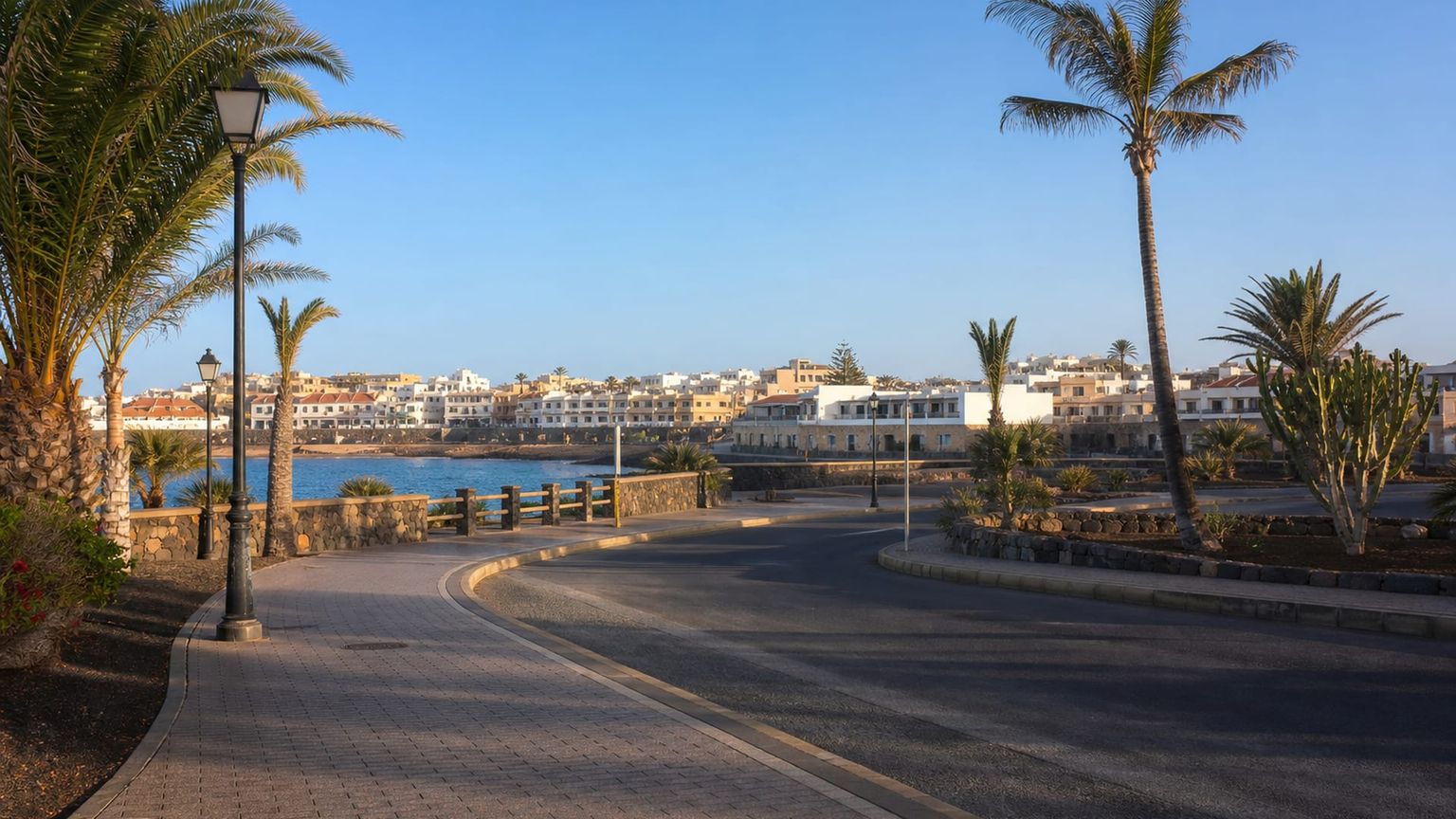
Caleta de Fuste sits on the east coast near Fuerteventura’s airport and offers a resort-oriented base with a sheltered bay, a walkable promenade, and a concentration of hotels. It works well for short stays, families, and travelers who want less time in transit between the airport and the beach.
Best for: Airport proximity, family trips, and easy beach access with minimal transfer time
What to expect: Tourist-oriented streets, calm promenades, and a steady flow of families, golfers, and package travelers.
Hotel prices: Usually about $110 to $220 per night for well-rated stays
Distance to major sights: About 15 minutes by taxi from Fuerteventura (FUE), roughly 20 minutes on foot to the main bay
Quietness: Calmer than Corralejo in the evening, though the waterfront and hotel zone still see activity after dinner.
Main trade-off: The beach is sheltered rather than dramatic, and the area is built for convenience more than character.
Good to know: If you are arriving late, this is one of the easiest bases for a short first night because the airport transfer is short and simple.
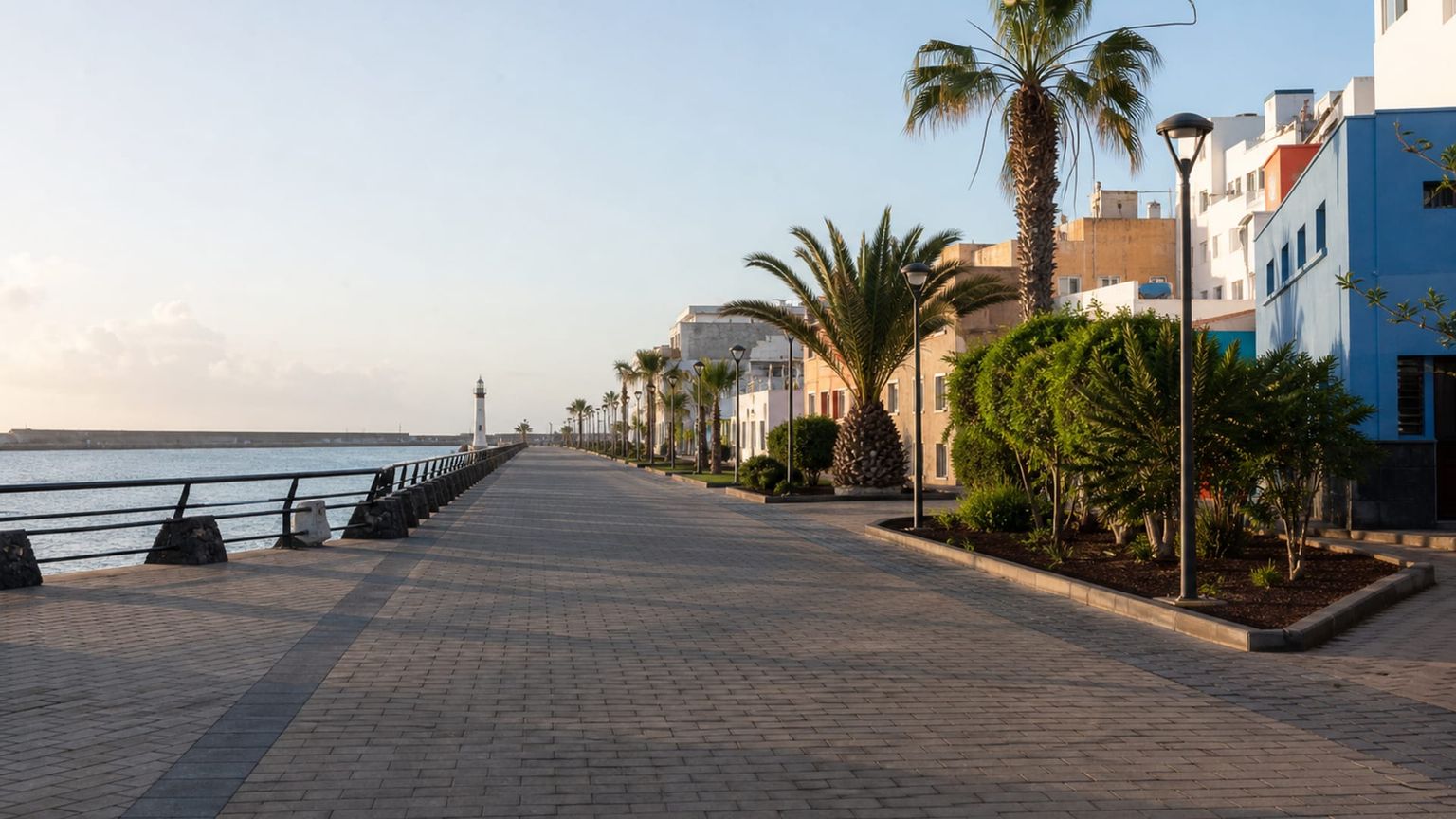
Puerto del Rosario is Fuerteventura’s capital and administrative center, with the island’s main bus links, local shops, and a working harbor. It gives you an everyday urban base rather than a resort setting, which matters if you want lower-key streets and the most central transport connections.
Best for: Local atmosphere, bus connections, business trips, and travelers who prefer an urban base
What to expect: Ordinary city streets, government buildings, local cafes, and less of a resort crowd than on the coast.
Hotel prices: Usually about $80 to $170 per night for well-rated stays
Distance to major sights: About 10 minutes on foot to the harbor promenade, roughly 15 minutes by bus to Playa Chica
Quietness: Quieter in the evenings than the resort towns, with limited late-night activity outside a few central bars.
Main trade-off: You will trade beach access for better transport links and a more everyday city setting.
Good to know: Stay near the center if you plan to use buses often, because most routes start and pass through the capital.
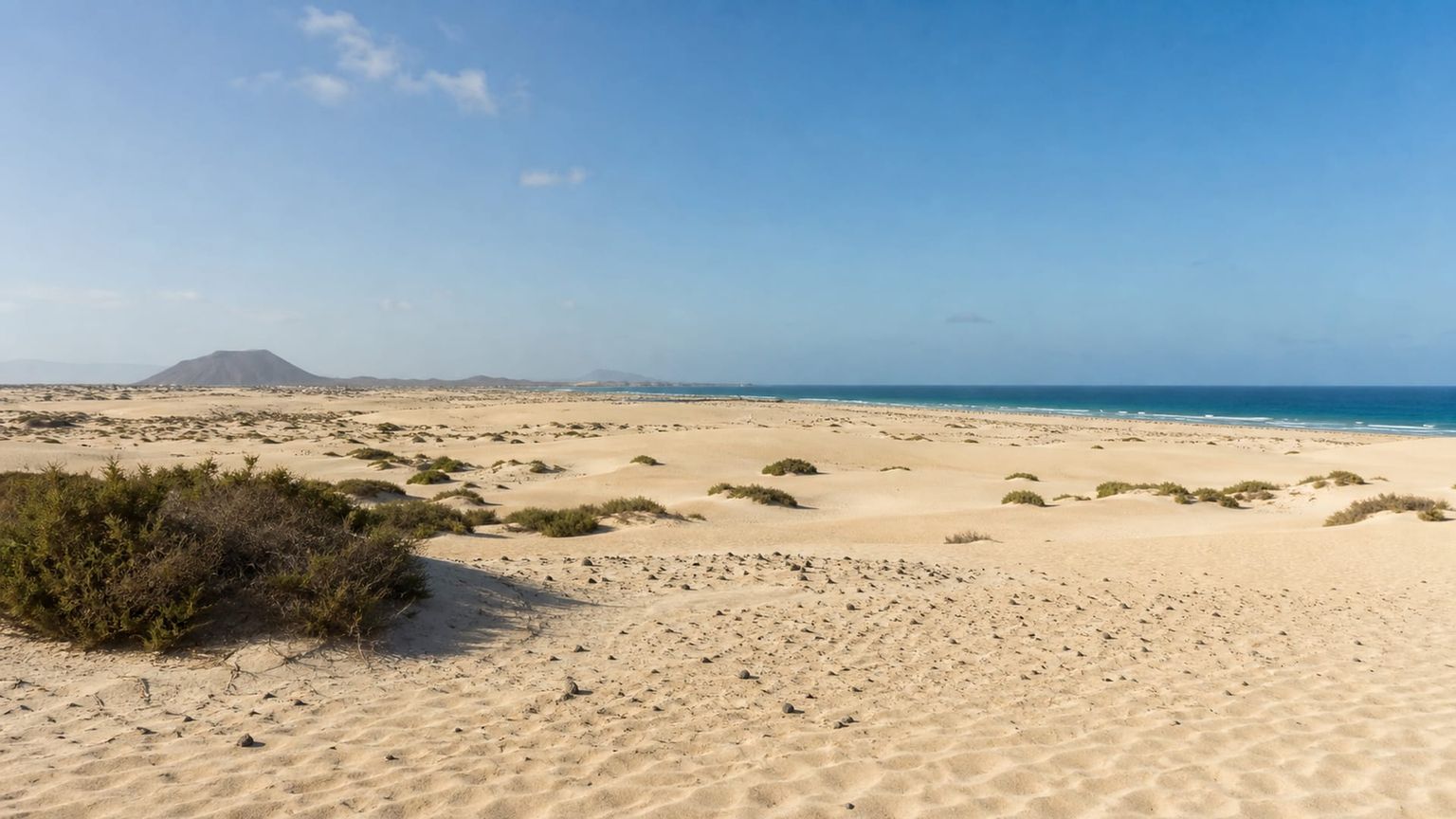
Costa Calma stretches along the southeast coast with long sandy beaches, resort hotels, and easy access to the Jandía peninsula. It matters for travelers who want a quieter south-coast beach base and do not mind being far from the island’s northern sights.
Best for: Quiet beach stays, long walks on sand, and travelers focused on the south coast
What to expect: Low-rise resorts, beach promenades, and a largely holiday-oriented crowd that thins out away from the shore.
Hotel prices: Usually about $120 to $240 per night for well-rated stays
Distance to major sights: About 5 minutes on foot to Costa Calma beach, roughly 25 minutes by car to Sotavento beach
Quietness: Calm in the daytime and notably quieter after dinner than Corralejo, with most activity centered on hotel zones.
Main trade-off: The setting is peaceful, but you will need a car or long bus rides for major sights outside the southeast.
Good to know: Book a room near the beach side if you want the easiest walking access, since some hotels sit back from the shore behind resort roads.
Travelers usually avoid staying in Puerto del Rosario’s industrial outskirts, because they sit far from Fuerteventura (FUE) resort areas and offer few visitor amenities, especially at night. Outside the main resort strips, Costa Calma’s residential edges and Corralejo’s inland neighborhoods are also less convenient, since evening transport is limited and most dining and beach access sit closer to the center.
Hotel deals
How to get around Fuerteventura efficiently
Road transport does most of the work here, because Fuerteventura has no metro or rail network and the bus lines connect the airport, the capital, and the main resort areas.

Metro
for longer distances
Fuerteventura has no metro or suburban rail, so the airport area depends on road transport for any trip beyond a short walk. For island travel, plan on buses or taxis rather than rail.

Bus and tram
for convenience
Guaguas Global runs the airport buses, with Route 3 linking Fuerteventura Airport (FUE) to Puerto del Rosario and other east-coast stops; Route 10 serves Caleta de Fuste and Las Salinas, and Route 16 reaches Corralejo through the interior. Fares are about $1 to $6 (€1 to €5) depending on distance, tickets are usually valid for one ride, and buses can be infrequent on Sundays and late evenings, so check timetables before you rely on them.

Taxi
for convenience or late hours
Licensed taxis wait outside Fuerteventura Airport (FUE) and at main ranks, and you can also phone one through local dispatch numbers. Fares are metered, with airport trips to Puerto del Rosario often about $12 to $20 (€11 to €18), Caleta de Fuste about $15 to $22 (€14 to €20), and Corralejo about $55 to $75 (€50 to €68); expect supplements for luggage, nights, Sundays, and holidays, and most cars take cards, though cash still works best if you want to avoid machine issues.
*Prices are based on rates updated as of June 2026 and may change at the time of travel.
Use buses for low-cost links to Puerto del Rosario, Caleta de Fuste, and Corralejo, then switch to taxis for early departures, late returns, and any inland day that would be too slow by bus.
Iconic landmarks
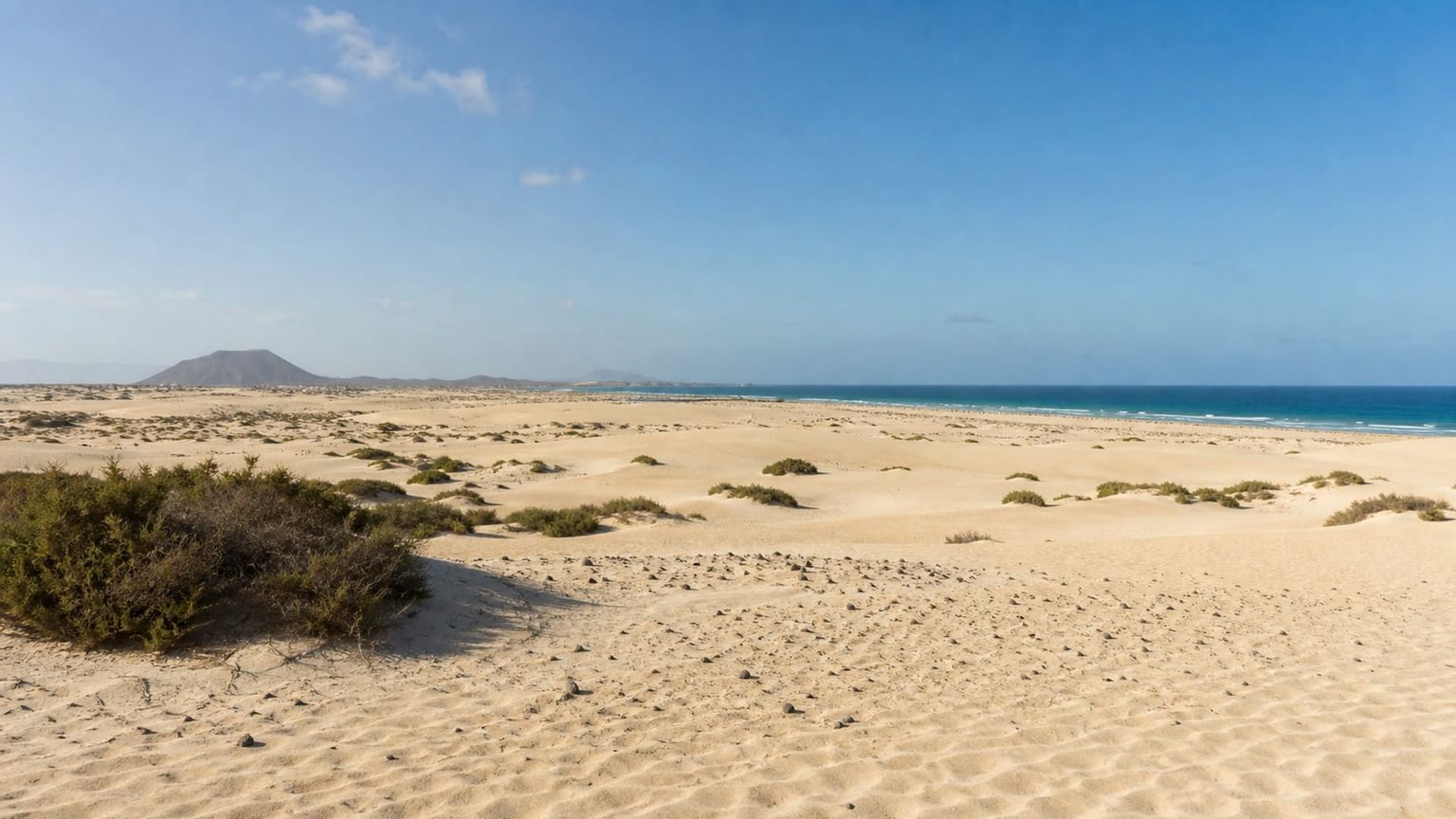
Corralejo Dunes Natural Park
Just south of Corralejo, this 2,600-hectare dune field rolls to clear Atlantic water and long beaches. The reserve also includes volcanic cones and a protected shore bird habitat, so you can pair coastal walks with a short inland loop.
Time needed: About 2 to 4 hours
Entry: Free to access; no ticket is needed for the dunes, beach edges, or marked paths inside the park.
Tip: Go early or late, when the light is softer and the sand is cooler underfoot.
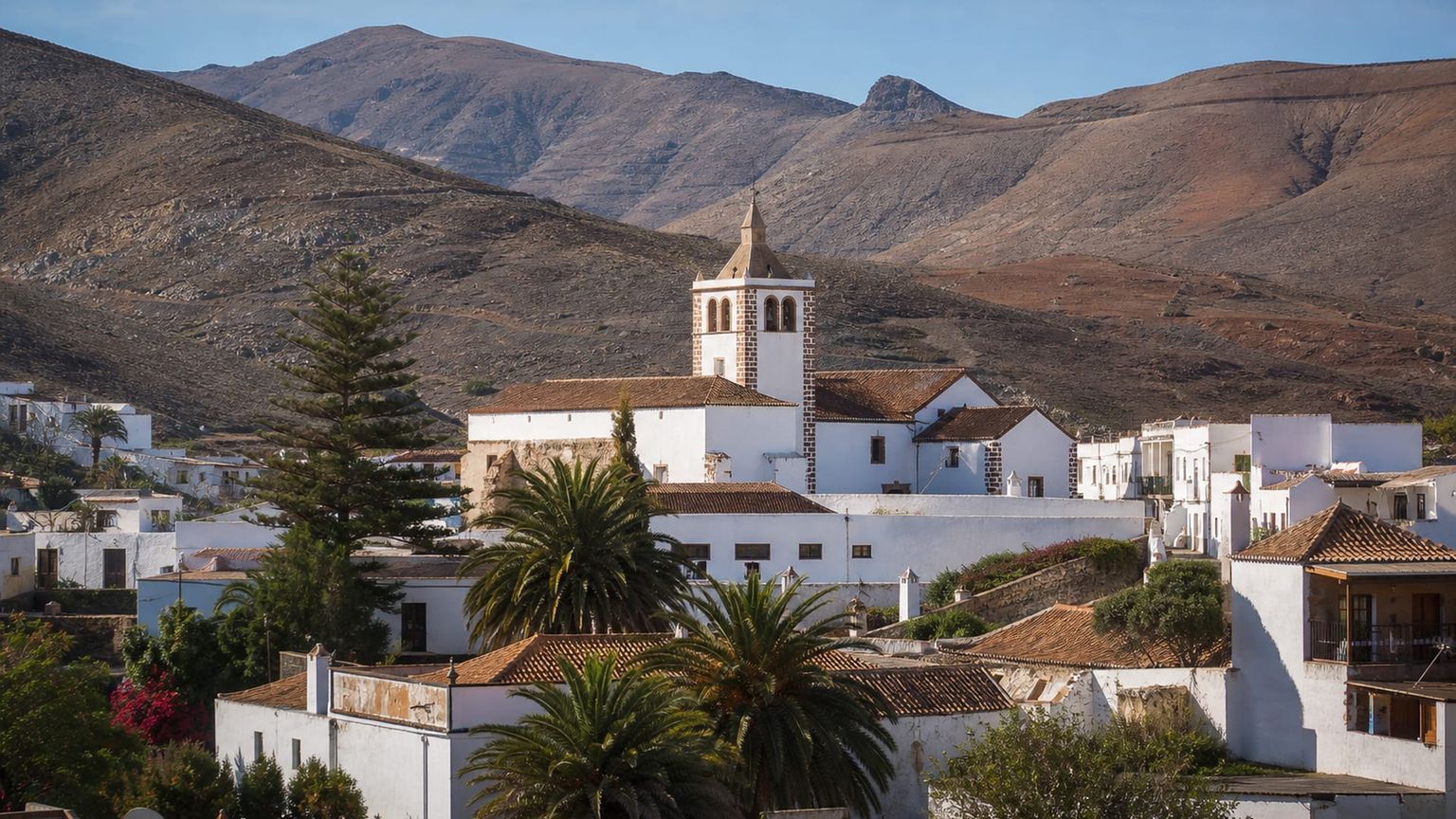
Betancuria
Fuerteventura’s former capital sits in a green valley about 18 km inland. Its whitewashed church, small historic streets, and quiet plaza give a clear view of the island’s early colonial past and its mountain setting.
Time needed: About 1 to 2 hours
Entry: Free to walk through the village; some museums and churches charge separate small admission fees on site.
Tip: Park on the edge of town, then walk in, since the center streets are narrow and limited.
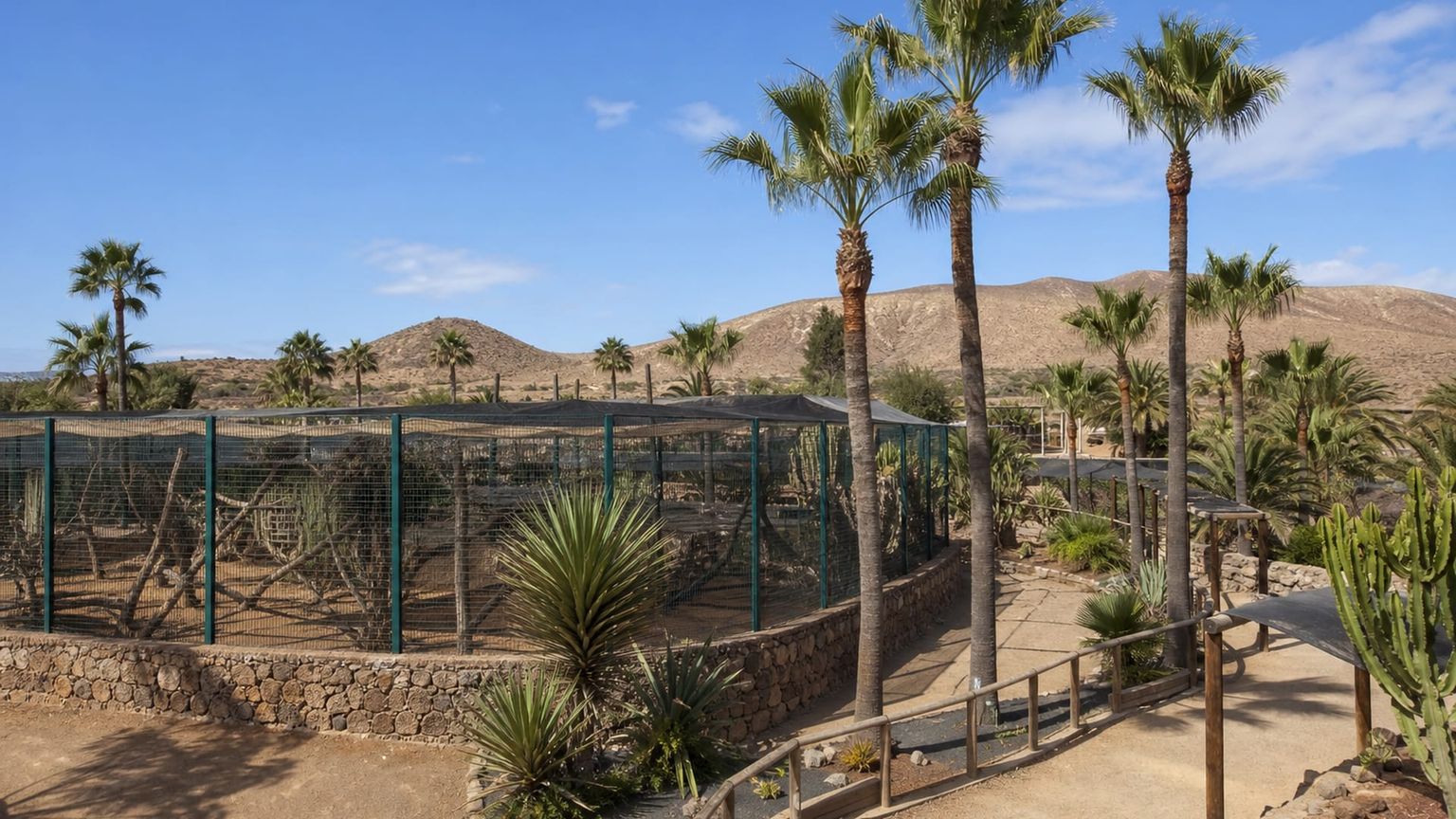
Oasis Wildlife Fuerteventura
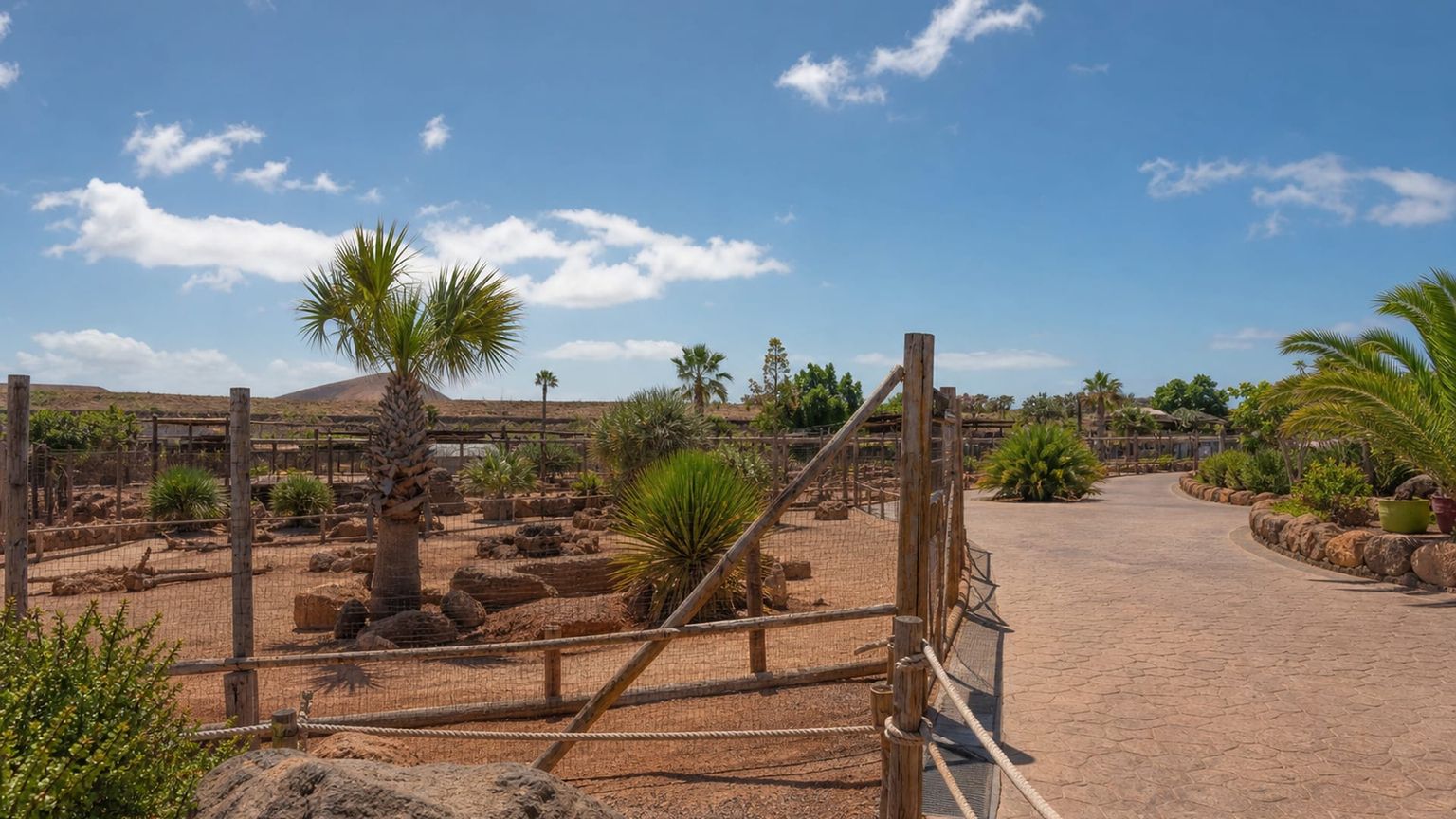
Near La Lajita, this large zoological park combines an elephant habitat, camel rides, and a botanical garden. It is one of the island’s main family stops, with enough ground to fill a half-day without leaving the southern coast.
Time needed: About 3 to 4 hours
Entry: Standard tickets cost about $31 to $38 (€29 to €35) for adults, with lower rates for children and seniors. Visit the official site for details.
Tip: Arrive at opening time, before the midday heat builds across the open exhibits.
Overlooked sites worth visiting

El Cotillo lagoons
A chain of shallow coves north of El Cotillo, with white sand, lava shelves, and clear water that stays calm on many days. It suits swimming, tide watching, and low-key beach time.
Time needed: About 2 to 3 hours
Entry: Free to access; no ticket is needed for the beaches or shoreline paths. Parking is free in nearby lots when spaces are available, and any spending is limited to snacks, sun protection, or rentals you choose on your own.
Tip: Go near low tide for wider sand and easier shoreline walking.

Betancuria Archaeological Museum
This small museum in Betancuria focuses on the island’s earliest inhabitants, with pottery, tools, and burial finds displayed in a compact historic setting. It pairs well with a short village stop.
Time needed: About 1 hour
Entry: Standard admission costs about $3 to $4 (€3 to €4). Tickets cover the museum galleries inside the former convent building, and you pay at the door during opening hours; plan for a short visit, since the collection is compact. Visit the official site for details.
Tip: Combine it with the village’s shaded streets before midday.
Traditional food
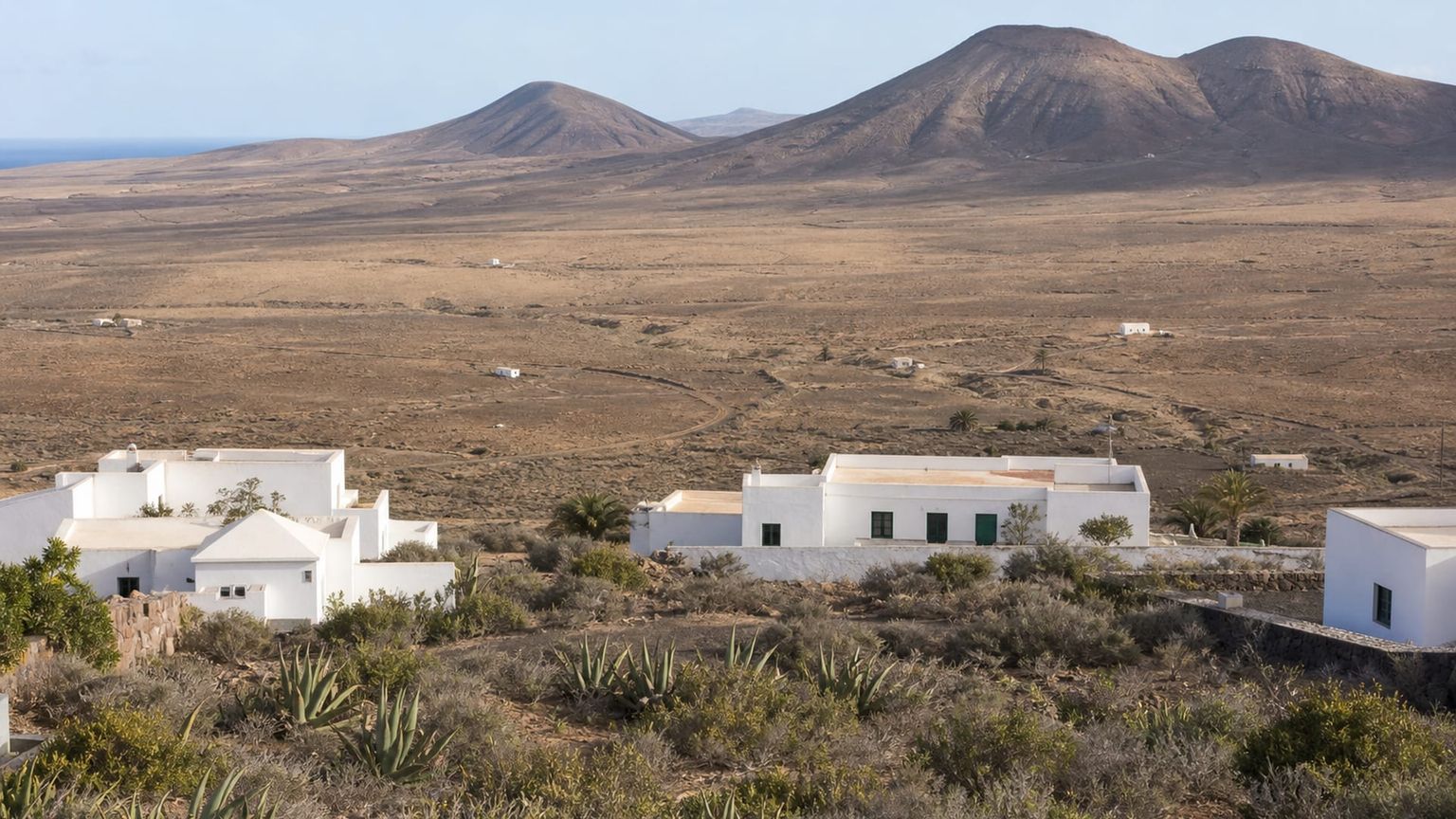
Fuerteventura dining leans on goats’ cheese, papas arrugadas, seafood, and grain-based dishes like gofio escaldado, with meals that often run from unhurried lunch to a later dinner.
Papas arrugadas
These salted wrinkled potatoes arrive with mojo and fit almost any island meal. La Bodega de Jandía in Morro Jable serves a well-known version alongside other Canarian staples.
Gofio escaldado
This thick gofio dish brings a nutty, savory base that suits Fuerteventura’s table. Restaurante Casa Santa María in Tindaya is a strong place to try it in a traditional setting.
Sancocho canario
Salted fish, potatoes, and sweet potato make this a classic Canarian plate for a slower lunch. Restaurante El Camino in Corralejo is a dependable stop for it near the north coast.
Queso majorero
This local goat’s cheese appears on platters, salads, and as a simple starter. Restaurante La Jaira de Demian in Puerto del Rosario highlights it with a menu rooted in island produce.
Best time to visit Fuerteventura
Fuerteventura stays warm much of the year, but winter brings the gentlest beach weather, while spring and autumn balance sun, wind, and lighter crowds.
Best for: Beach time, hiking, and easier dining reservations
What you get: About 68 to 77°F (20 to 25°C), with moderate crowds and long daylight
Trade-offs: Wind can still pick up on open stretches of coast
Best for: Swimming, surf days, and long evenings outdoors
What you get: About 73 to 84°F (23 to 29°C), with the busiest beaches and livelier resort areas
Trade-offs: Afternoons can feel hot on exposed roads and dunes
Best for: Warm sea temperatures and balanced sightseeing
What you get: About 70 to 79°F (21 to 26°C), with lighter crowds after summer
Trade-offs: Late autumn can bring more wind and occasional showers
Best for: Walking, quiet beaches, and the best escape from colder climates
What you get: About 63 to 72°F (17 to 22°C), with the calmest resort crowds outside holidays
Trade-offs: Sea swimming can feel cooler, especially on breezy days
A realistic 5-day plan in Fuerteventura
A five-day stay works well here because the island asks you to separate coast, interior, and the south side instead of trying to compress them into one loop. The plan below gives each zone its own day, then finishes with an easy departure morning in the capital.
Land at Fuerteventura (FUE), then take a taxi or prebooked transfer to Caleta de Fuste, about 15 minutes and roughly $20 to $30. If you arrive later, this east-coast base keeps the first evening simple, with a short walk to the bay and promenade. Stay near the beachfront side if possible, then hydrate, settle in, and head to a casual dinner along the marina or main seafront streets before an early night.
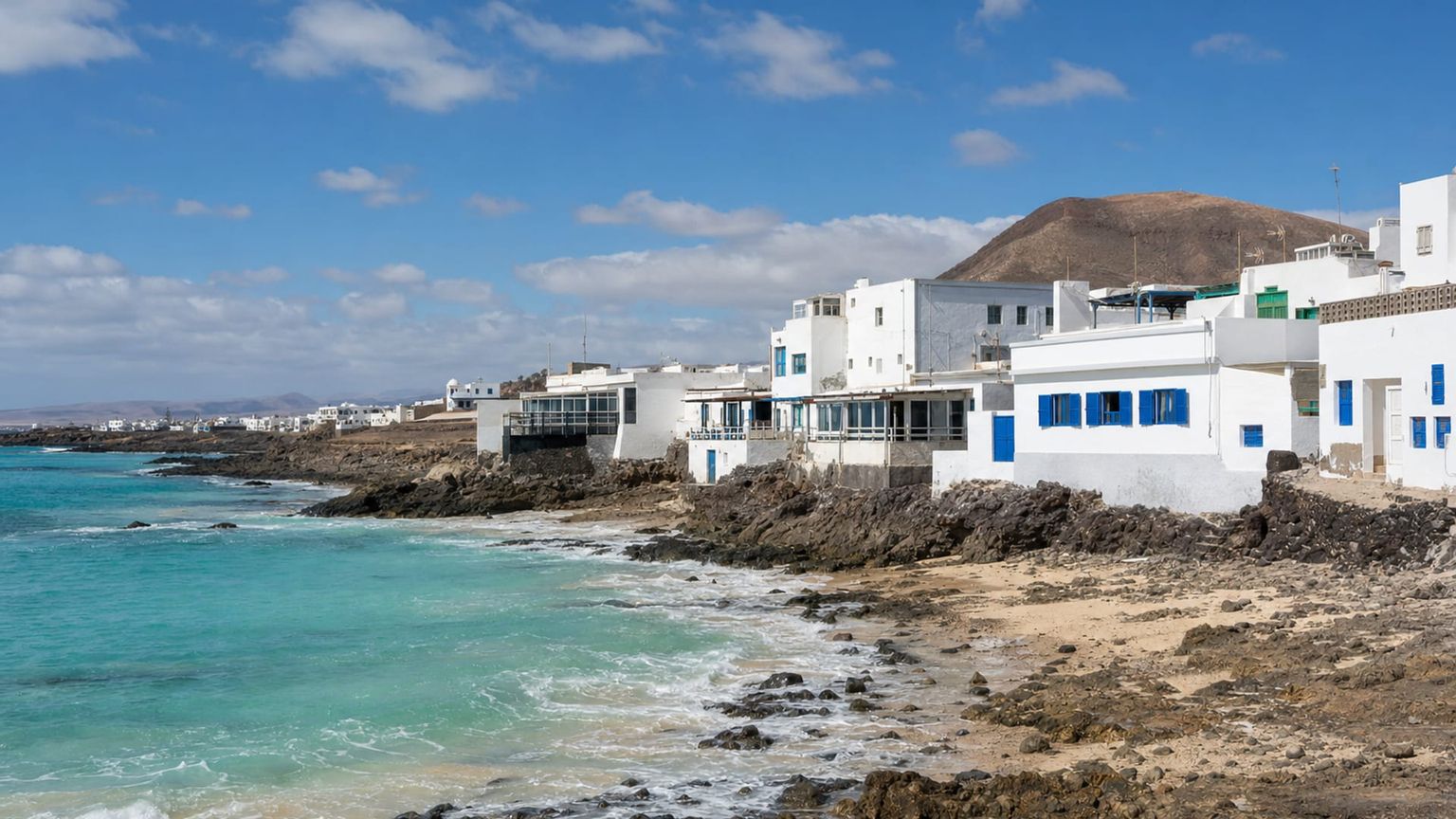
Start early in Corralejo Dunes Natural Park, about 10 minutes by car from Corralejo, where you can walk the marked edges and shoreline paths for 2 to 4 hours. From the dunes, continue 15 to 20 minutes by taxi or local bus into Corralejo for lunch near the harbor, then spend the afternoon between the port, the main avenues, and the town beach. End with sunset over the dunes or a harbor-side dinner, depending on whether you prefer sand or a busier waterfront.
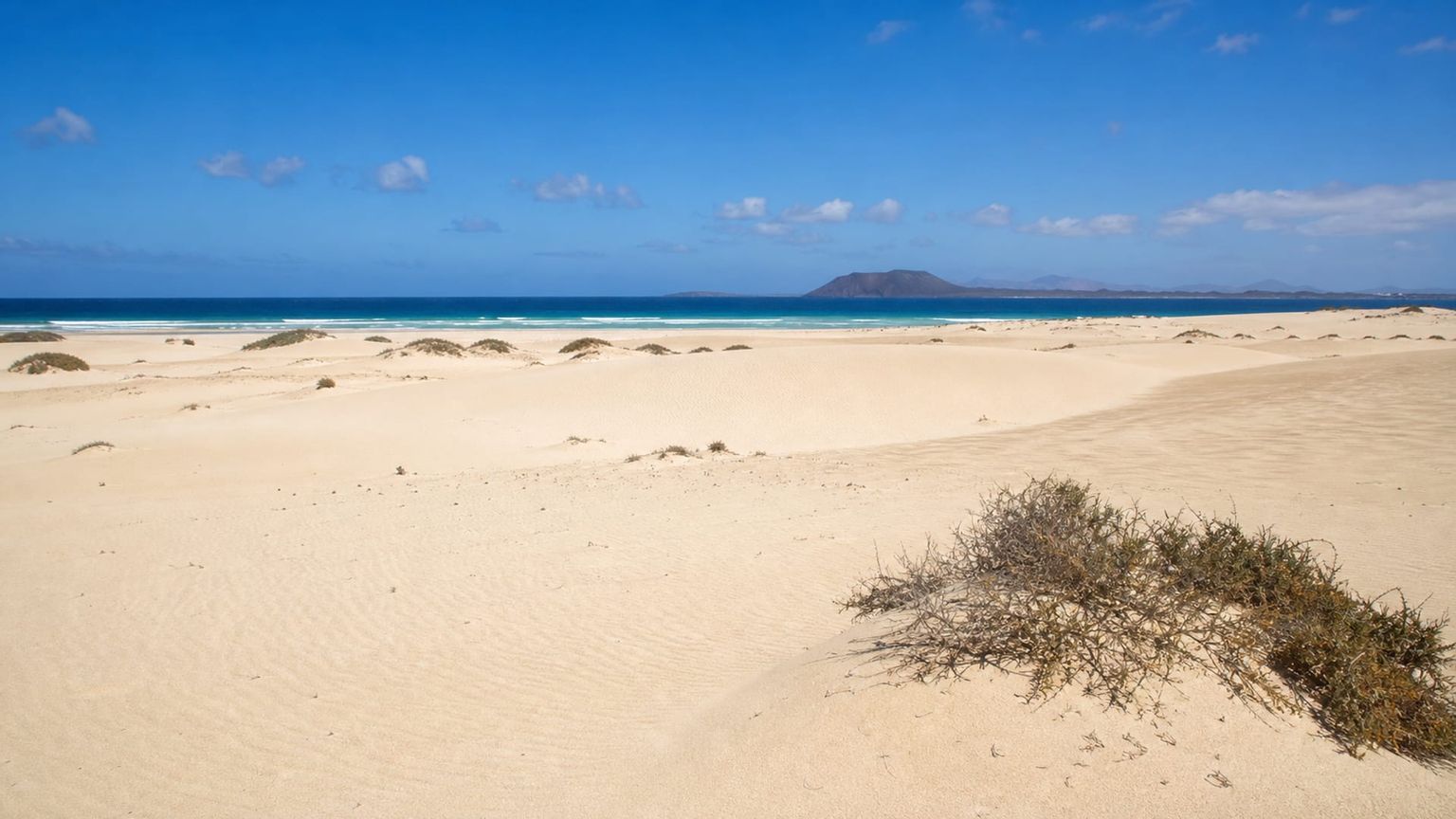
Head inland for a change of pace, beginning in Betancuria, roughly 45 to 60 minutes by car from Corralejo and about 50 minutes from Caleta de Fuste. Park on the edge of the village, walk 1 to 2 hours through the whitewashed streets and plaza, then step into the Betancuria Archaeological Museum for about an hour. If you want a longer loop, add a café stop in the village before driving back along the mountain road and stopping for views en route.
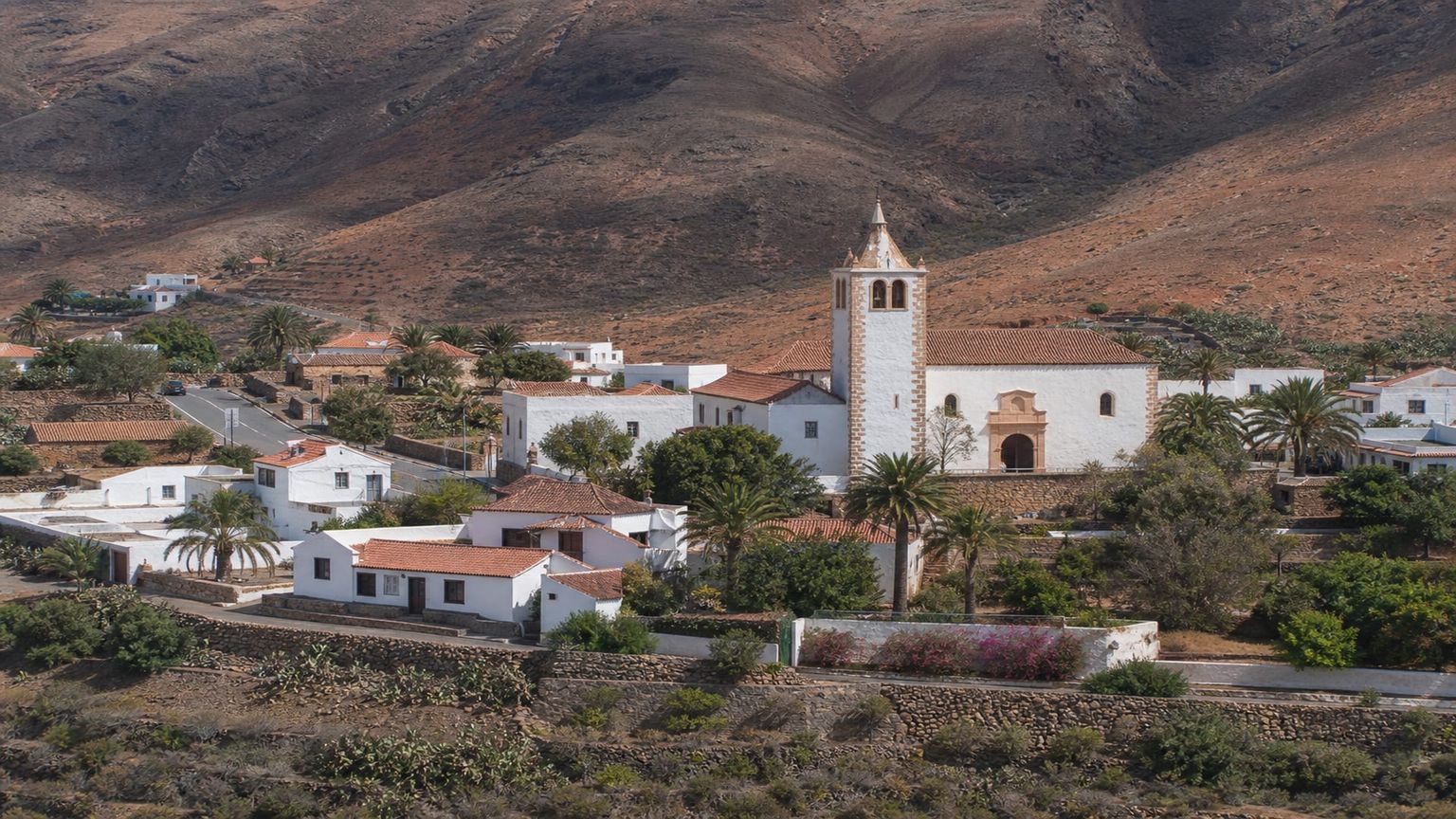
Plan a south-coast day that starts with Oasis Wildlife Fuerteventura near La Lajita, about 35 to 45 minutes by car from Costa Calma and roughly an hour from Caleta de Fuste. Spend 3 to 4 hours here, then drive 20 to 25 minutes back to Costa Calma for a beach walk on the long sand before dinner near the promenade. If you want a quieter final stretch, stay on the southeast coast and choose a seafront table rather than pushing north again.
Begin with a final slow morning in Puerto del Rosario, where the harbor promenade and central streets make an easy last stop before departure. Browse the city center shops, then pause for coffee in the downtown area or near the waterfront, with the airport about 10 minutes by taxi from the center. If time allows, fit in one more short museum stop or a last lunch near the harbor before heading to Fuerteventura (FUE).
Business-class flights from the US to Fuerteventura
Getting here from the US usually means one-stop flying, and the best fare often depends on which European hub you are willing to use. The East Coast and West Coast routes differ enough that it helps to compare both before you lock dates.
From New York, airlines such as Iberia, British Airways, Air Europa, TAP Air Portugal, Vueling, and Lufthansa usually route through hubs like Madrid (MAD), Lisbon (LIS), London (LHR), Frankfurt (FRA), or Paris (CDG). If you are willing to stop, common itineraries take about 10 to 18 hours total, and round-trip fares usually start from $1,800 and can reach about $3,500; flexible routings via Madrid (MAD) or Lisbon (LIS) can cut that to roughly $1,400 to $2,400.
Los Angeles travelers usually see Iberia, British Airways, Lufthansa, Air France, TAP Air Portugal, and Air Europa on one-stop itineraries through Madrid (MAD), London (LHR), Frankfurt (FRA), Paris (CDG), or Lisbon (LIS). Expect roughly $2,100 to $4,200 for a round trip, with the best fares usually tied to those one-stop itineraries and total travel times of about 13 to 20 hours.
Fuerteventura feels different when you slow down
A well-planned Fuerteventura trip gives each area a clear role, Corralejo for the dunes and ferry-front streets, Betancuria for the inland drive, Costa Calma for the long southern beaches, and Puerto del Rosario for an easy last morning. Taxis make the airport transfer simple, while buses work when you want to keep costs low between the main towns. If you want help shaping the route, timing, or hotel choice, start with the AranGrant experts and build from the neighborhood that matches your pace