

Chapters:

Need help with your trip?
Our support team is available 24/7. Request a callback or call us directly at (833) 619-0908
Freeport often turns into a short list of resort checks, a marketplace meal, and one beach day, while Lucayan National Park and the eastern side of town get left out. Travelers also miss how much time simple taxi hops can add once they start moving between Lucaya, the airport, and inland sights.
That pattern works on paper, but Freeport spreads its attractions across a wide, car-oriented layout. If you do not plan for those distances, you lose time to backtracking, late openings, and limited evening options outside Lucaya.
This guide keeps the trip organized by neighborhood, transit mode, and day length, so you can fit in beaches, food, and one or two inland stops without forcing every outing into the same pace.
Useful things to know

Main language(s): English

Currency: The local currency is the Bahamian dollar (BSD, $).

Cash and cards: Cards and contactless are accepted at many hotels and larger shops; carry about $50 to $100 in cash for taxis and small purchases.

Tipping: Tip 15-20% in restaurants if service is good; round up small bills and taxis.

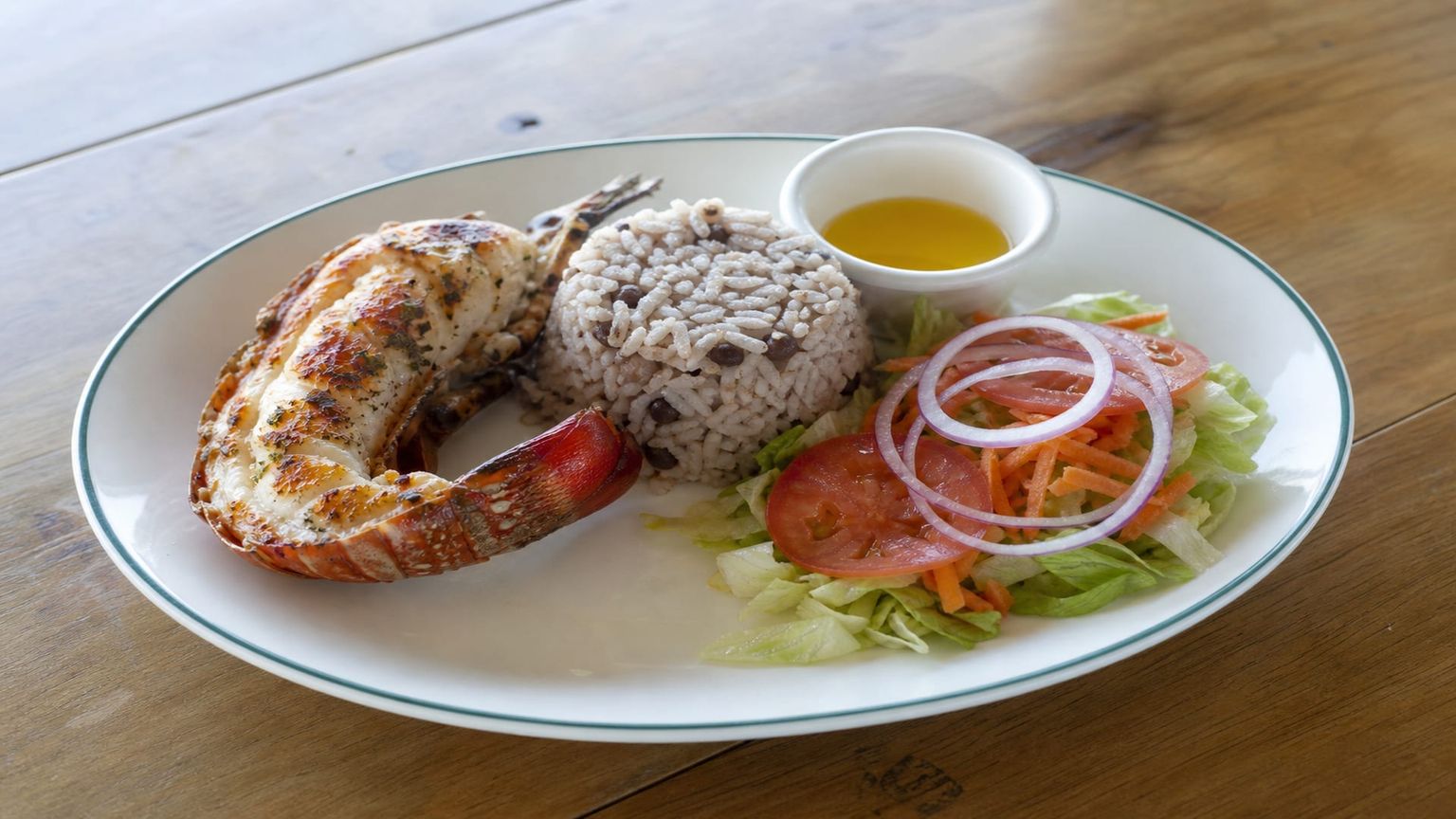
Traditional food: conch salad, cracked conch, Bahamian stew fish, guava duff

Water and coffee costs: Water about $2, bar espresso about $3.

Taxis and ride apps: Uber and local taxis operate here; confirm pickup details, as availability can be limited.

Plug and voltage: Type A/B socket, 120V

Dining and shop opening hours: Breakfast is about 07:00-10:00, lunch 12:00-14:00, and dinner 18:00-21:00. Many restaurants close early on Sundays.

Emergency number: 911 for police, fire, and ambulance.
Where to stay in Freeport
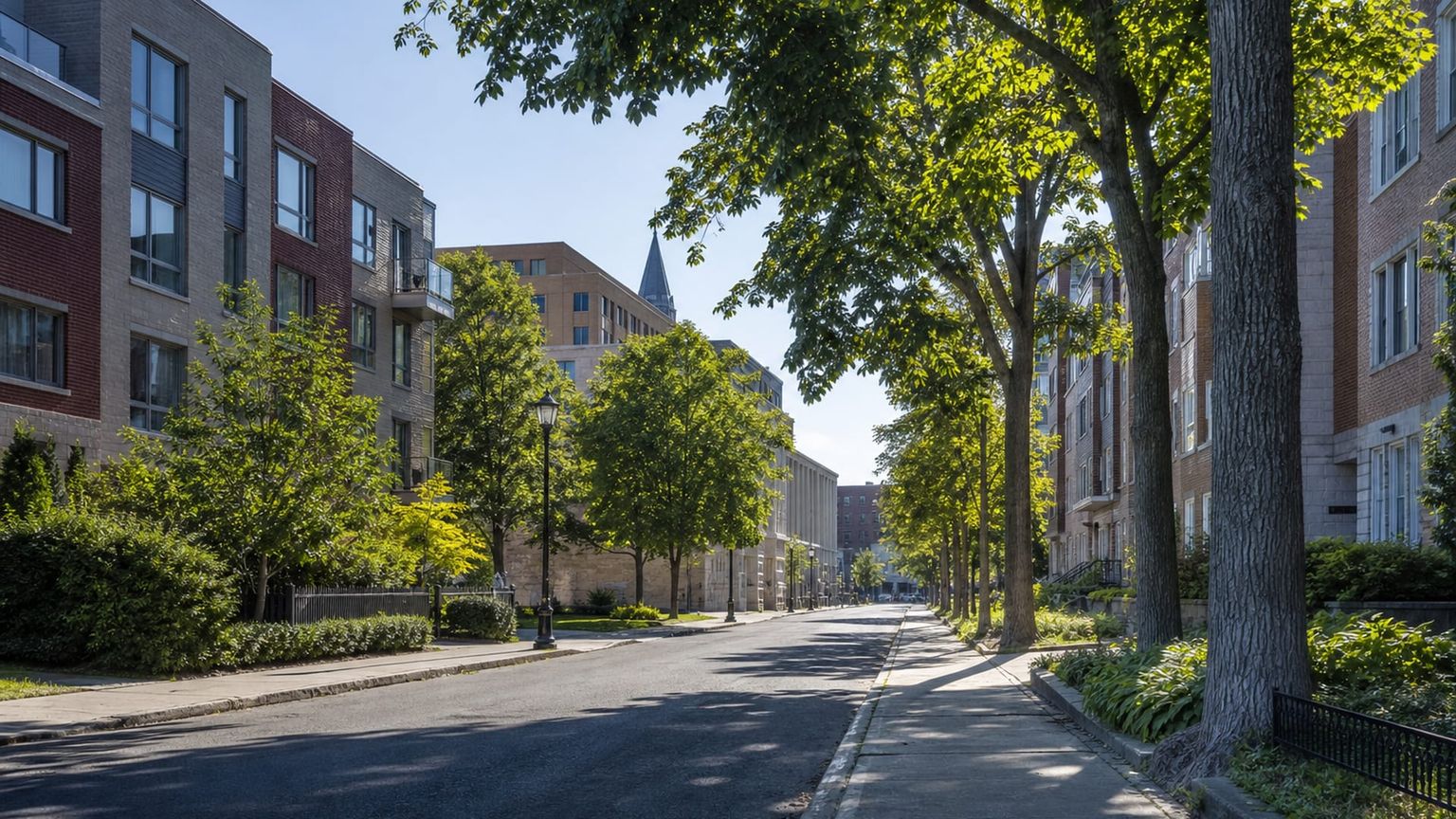
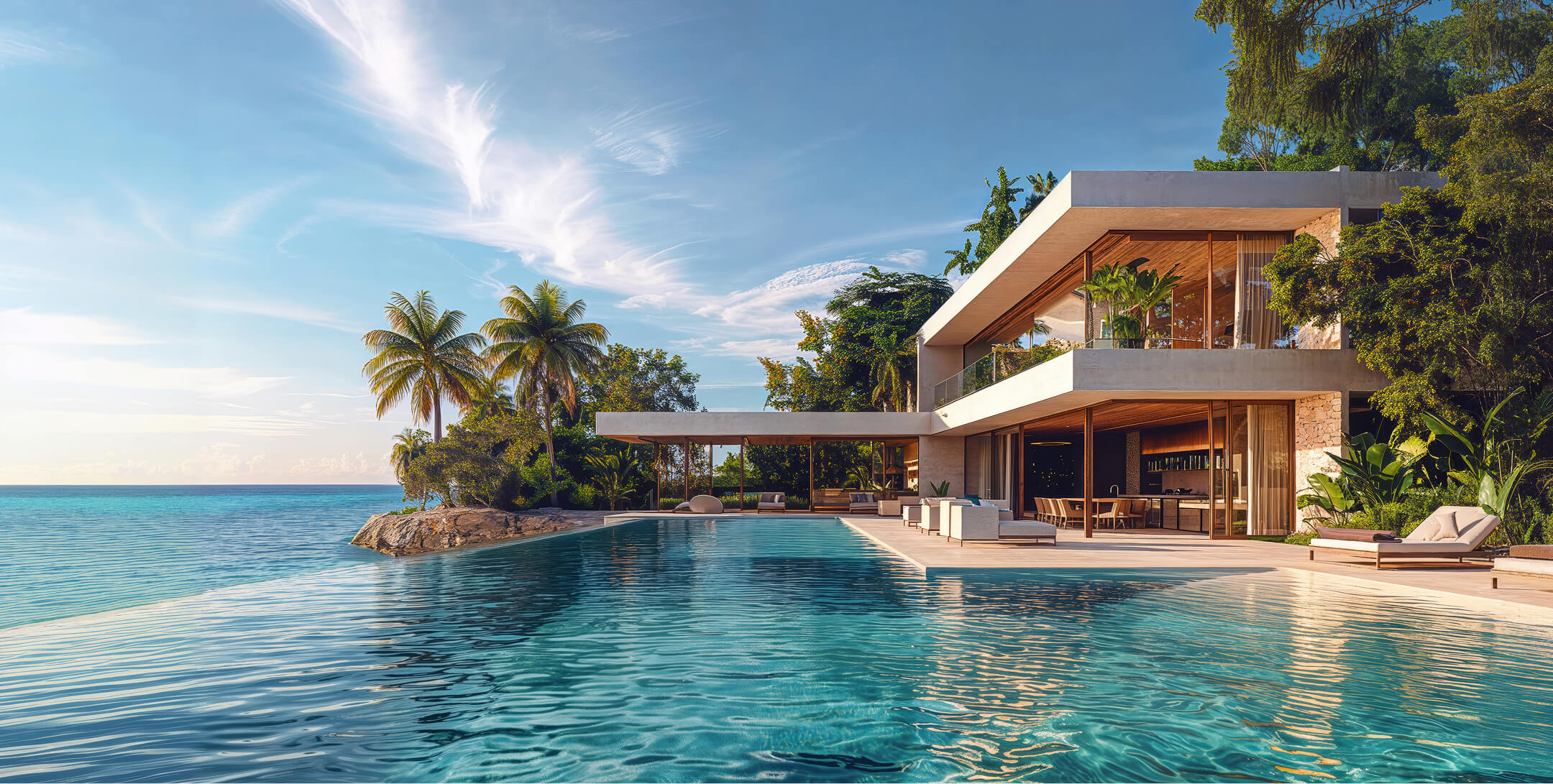
Lucaya is Freeport’s main resort district, with large beachfront hotels, dining, and direct access to Port Lucaya Marketplace. It matters because many visitors use it as the easiest base for beach time, marina strolls, and evening meals without needing a car.
Best for: Beach holidays, resort stays, and travelers who want dining and entertainment nearby
What to expect: Expect resort traffic, palm-lined streets, and the most active pedestrian scene in Freeport, especially near the marketplace and waterfront.
Hotel prices: Usually about $220 to $450 per night for well-rated stays
Distance to major sights: About 10 minutes by car to Port Lucaya Marketplace, about 15 minutes by car to Lucaya Beach
Quietness: Busy in the day near the shops and livelier in the evening around restaurants, with quieter hotel corridors away from the main strip.
Main trade-off: You pay more here than in inland parts of Freeport, and the busiest blocks can feel tourist-oriented.
Good to know: If you plan to spend time on the beach and at waterfront restaurants, staying here cuts down on taxi use after dinner.
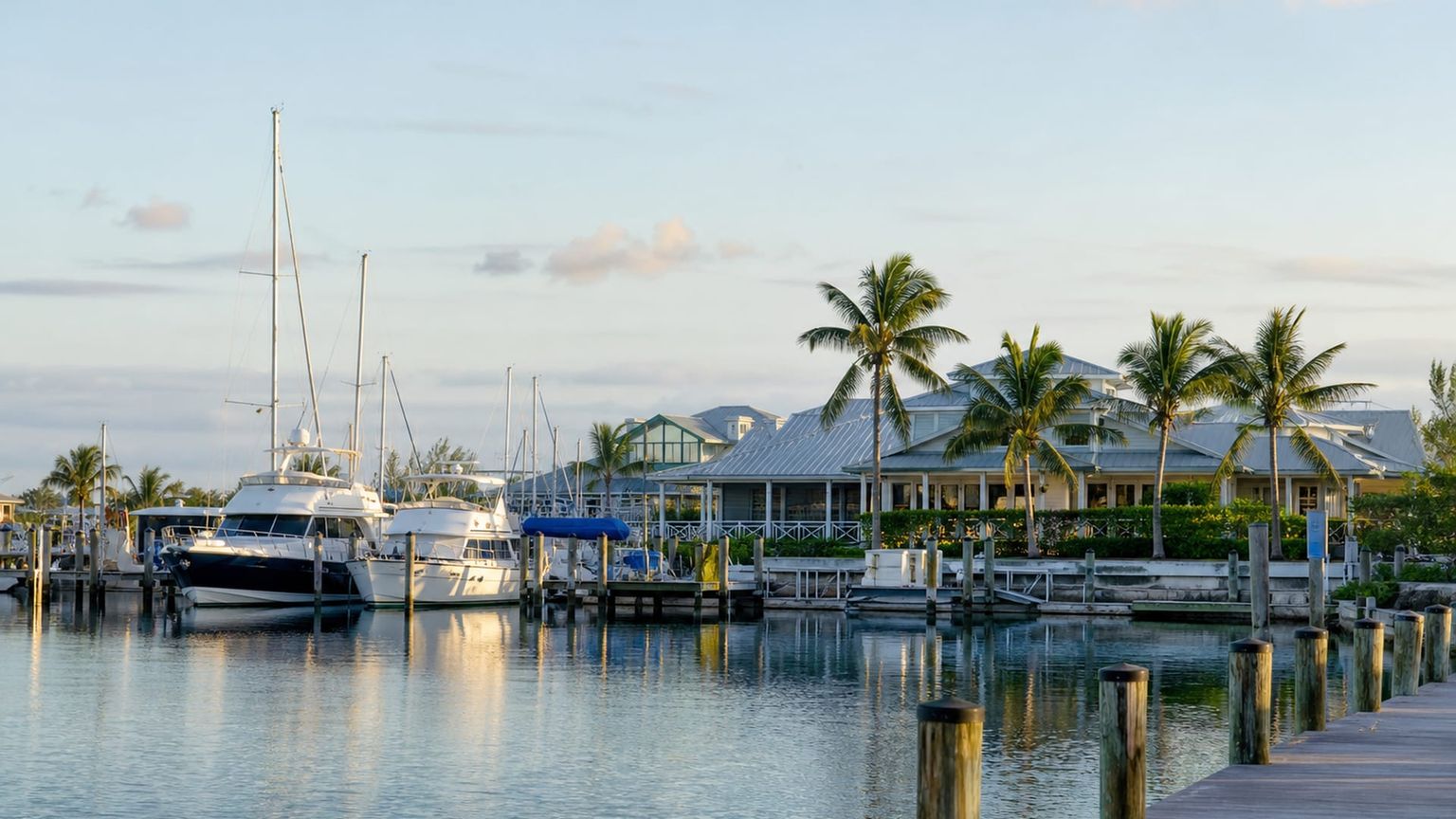
The Grand Bahama Yacht Club area sits on the western edge of Lucaya, with marina-facing condos and low-rise hotels near the water. It matters for visitors who want a smaller-scale base close to Port Lucaya but away from the busiest resort blocks.
Best for: Couples, marina views, and travelers who want a quieter base near Lucaya
What to expect: Expect a residential marina setting, light foot traffic, and more boats than shops or nightlife.
Hotel prices: Usually about $180 to $350 per night for well-rated stays
Distance to major sights: About 5 minutes by car to Port Lucaya Marketplace, about 15 minutes by car to Taino Beach
Quietness: Quiet by day and especially calm at night, with only occasional activity around the marina.
Main trade-off: You give up some immediate dining and shopping convenience, since most options sit a short drive away in central Lucaya.
Good to know: Taxis are still useful after dark, because the marina area has limited walkable late-night options.
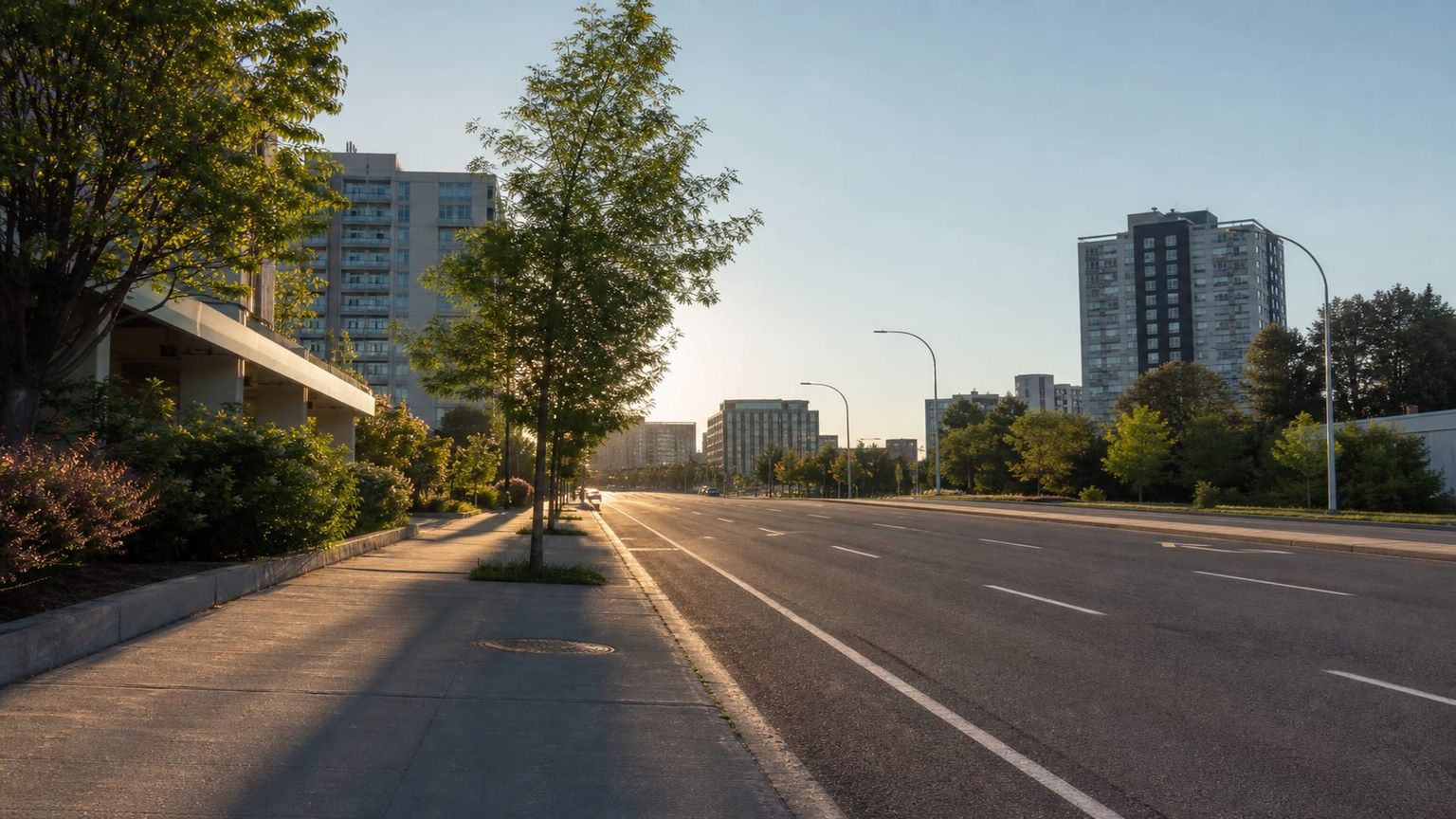
Williams Town is a residential area east of central Freeport, with local homes, smaller inns, and access toward the eastern beaches. It matters if you want a lower-key base that still keeps Lucaya and the airport within easy driving range.
Best for: Travelers with a car, longer stays, and visitors who want a residential base
What to expect: Expect quiet streets, limited tourist foot traffic, and a mostly local neighborhood feel rather than a resort scene.
Hotel prices: Usually about $120 to $240 per night for well-rated stays
Distance to major sights: About 15 minutes by car to Port Lucaya Marketplace, about 10 minutes by car to Grand Bahama International Airport (FPO)
Quietness: Generally quiet in the day and very calm in the evening, with little activity outside local roads.
Main trade-off: You will rely more on car hires or taxis, since restaurants and nightlife are not concentrated nearby.
Good to know: If you want a lower-key base and plan to move around by car, this area keeps airport transfers short.
Travelers usually avoid staying far east of downtown Freeport, including areas near the Grand Lucayan marina and the eastern stretch toward Fortune Bay, because they sit well away from Port Lucaya, beaches, and most dining. The eastern residential edge around Deadman’s Reef is also less convenient for short visits, with fewer visitor amenities and limited evening transit options.
Hotel deals
How to get around Freeport efficiently
Freeport has no metro, so most visitors move between Lucaya, downtown, and the airport by taxi or jitney, with each option fitting a different part of the day.

Metro
for longer distances
Freeport has no metro or subway; the closest equivalent is the local jitney network, which reaches the main beaches, downtown Freeport, and the Port Lucaya area. Fares are usually about $1.25 to $2 per ride, paid in cash, and trips across the central district typically take 10 to 20 minutes.

Bus and tram
for convenience
Jitneys form the main public network in Freeport, with minibuses running along the East-West Highway, to downtown, Lucaya, and nearby resorts. They are cheap, usually about $1.25 to $2 in cash, but schedules can be irregular, so expect waits of 15 to 30 minutes and allow roughly 20 to 40 minutes for cross-town trips.

Taxi
for convenience or late hours
Licensed taxis at Freeport (FPO) use set fares rather than meters for common trips, and drivers usually post or quote the price before departure. A ride from the airport to hotels in Freeport or Lucaya often costs about $25 to $35, while longer runs to the far east or west can be about $40 to $60; cash is standard, though some drivers accept cards with a fee.
*Prices are based on rates updated as of June 2026 and may change at the time of travel.
Use taxis for airport runs and evening returns, jitneys for cheap daytime hops along the main corridor, and walking when you are staying near Port Lucaya Marketplace or the marina.
Iconic landmarks
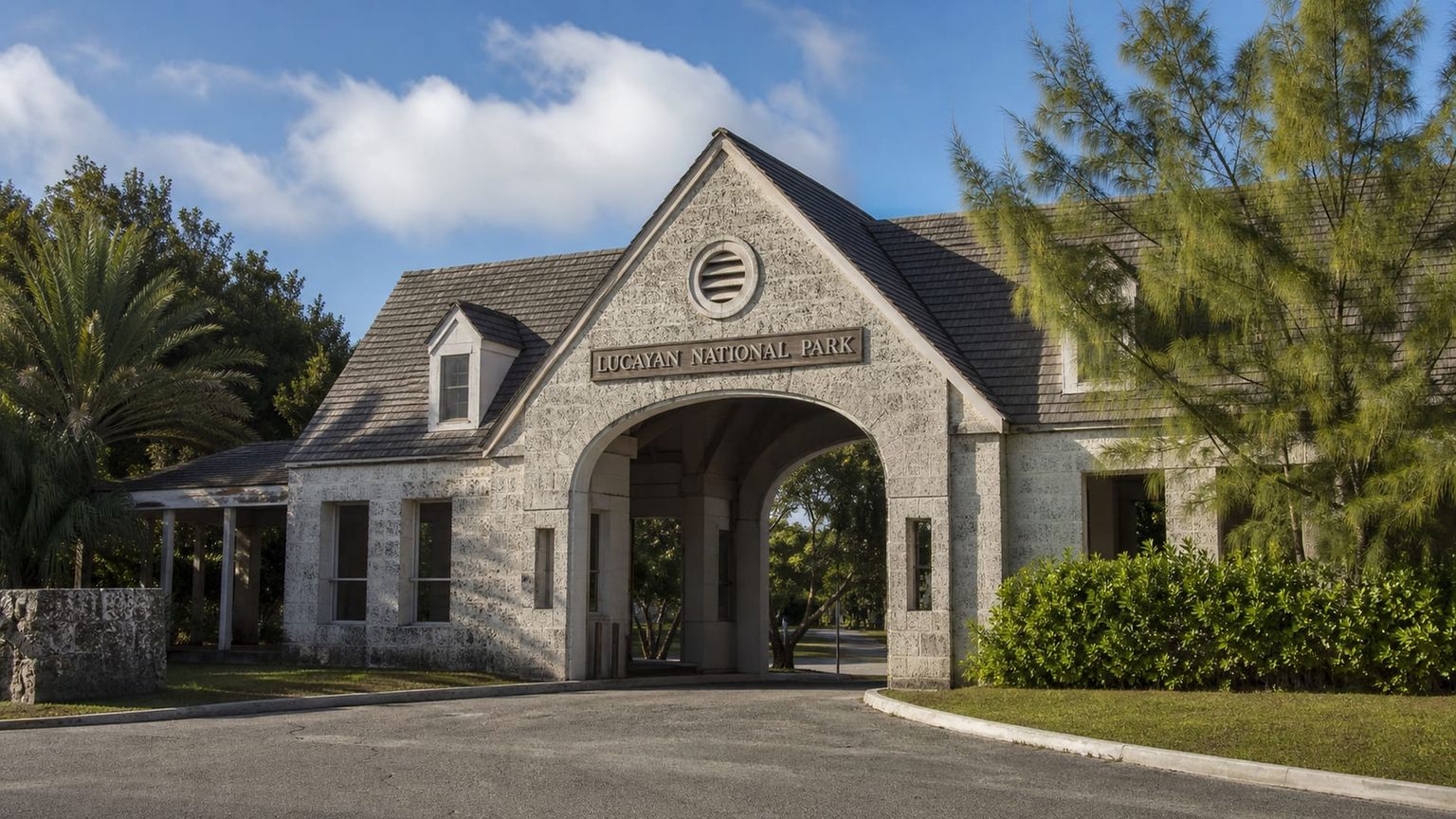
Lucayan National Park
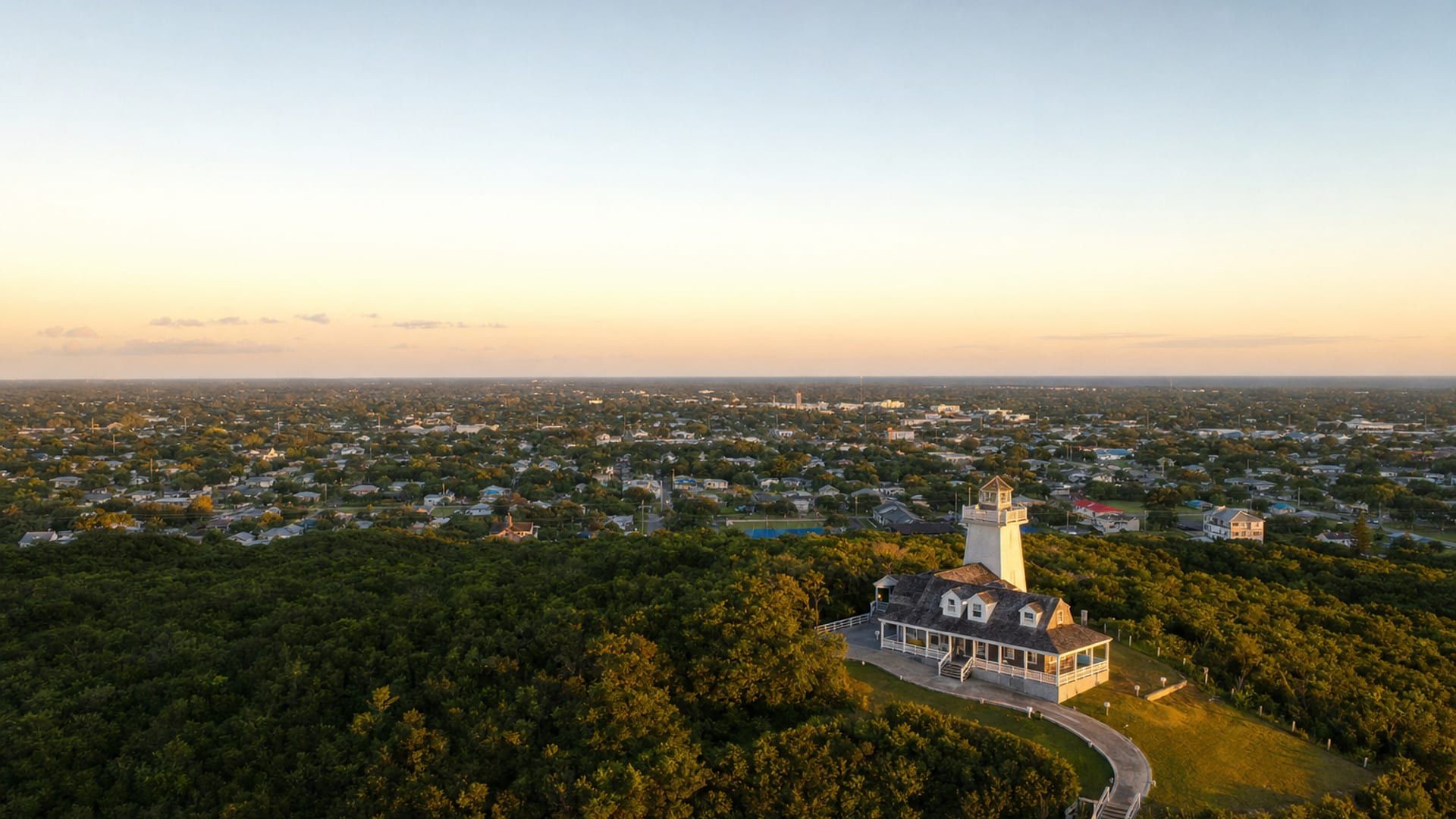
This 40-acre park combines pine forest, limestone caves, and one of Long Island’s longest mapped underwater cave systems. Gold Rock Beach and nearby trails make it one of Freeport’s most distinct nature stops.
Time needed: About 2 to 3 hours
Entry: Admission is free to the park, but guided cave access or tours may carry separate fees depending on the operator and route.
Tip: Visit at low tide if you want the broadest sand flats and easiest beach access.
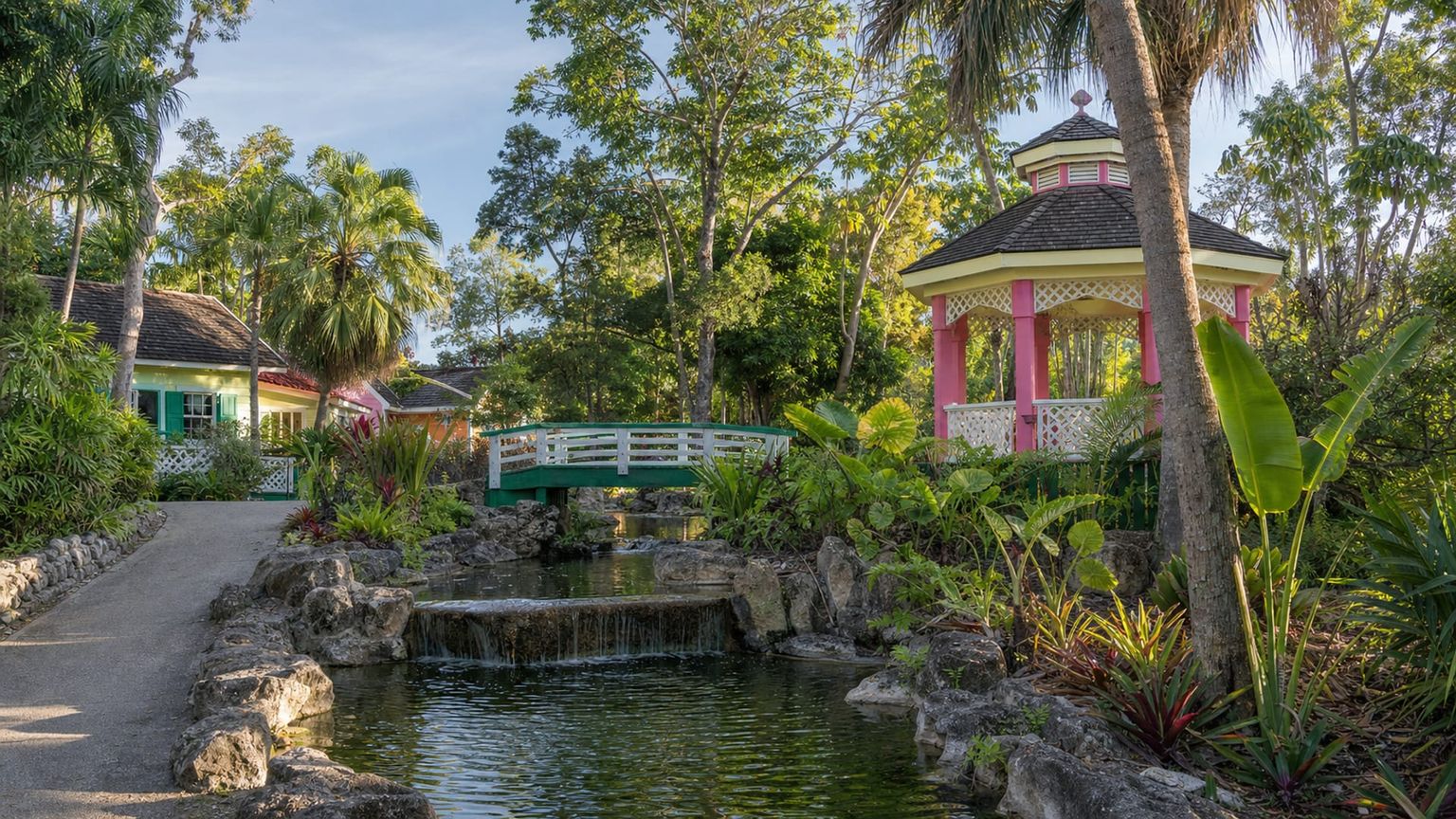
Garden of the Groves
This landscaped garden near Freeport pairs shaded paths, a chapel, waterfalls, and resident birds in a compact site. It gives the clearest single stop for plants, small wildlife, and a quiet lunch break.
Time needed: About 1 to 2 hours
Entry: Tickets usually cost $15 to $20 per adult, with lower rates for children and possible seasonal changes at the gate. Visit the official site for details.
Tip: Go earlier in the day, when the paths are cooler and birds are most active.
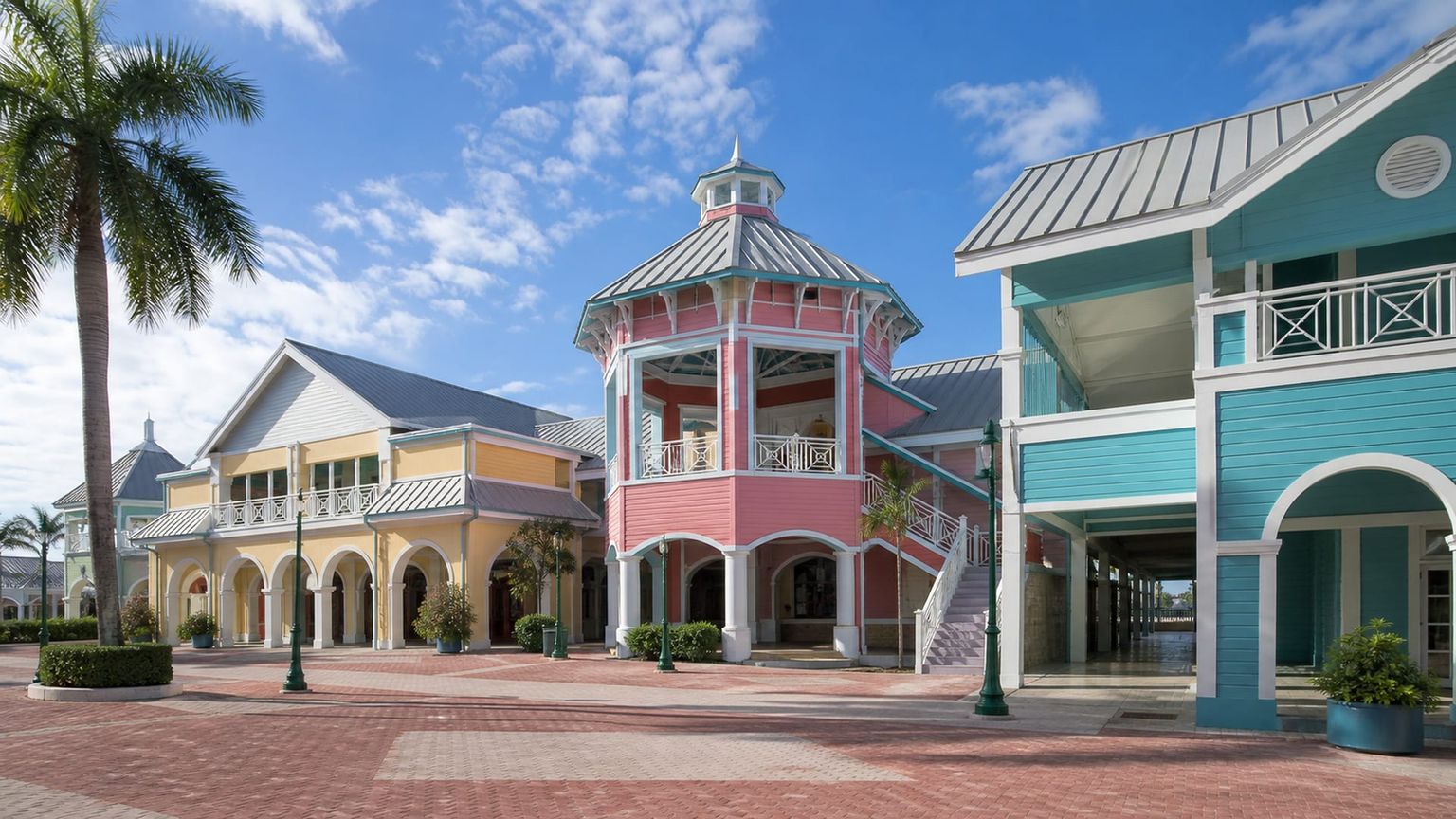
Port Lucaya Marketplace
This open-air complex concentrates shops, casual dining, live music, and the marina in one walkable area. It is the easiest place in Freeport to pair souvenir browsing with dinner and an evening harbor view.
Time needed: About 2 to 4 hours
Entry: Free to enter; purchases, meals, and any boat or entertainment tickets are priced separately by individual vendors. Visit the official site for details.
Tip: Come late afternoon so you can browse in daylight and stay for waterfront lights after dark.
Overlooked sites worth visiting

Lucayan National Park
Pine forest trails lead to Gold Rock Beach, a wide, low-tide stretch with shallow water and limestone shelves. Boardwalks also reach the Ben’s Cave and Burial Mound areas.
Time needed: About 2 to 3 hours
Entry: Entry is usually about $10 to $15 per adult ($10 to $15), with reduced rates for children and free or lower-cost access for local residents; fees can change by season, and some activities inside the park cost extra.
Tip: Go at low tide for the broadest beach and easiest walking.

Perfume Factory of Earnestine Moxey
This small Lucaya workshop explains how local fragrances are blended, bottled, and labeled, with shelves of handmade perfumes and soaps. Visits stay compact and personal, with products made on site.
Time needed: About 30 to 45 minutes
Entry: Admission is free to browse, and bottled perfumes or soaps are sold separately, usually from about $5 to $40 ($5 to $40) depending on size and scent; it is a retail workshop, so inventory and pricing can vary.
Tip: Visit midmorning, when staff can usually explain the mixing process.
Traditional food
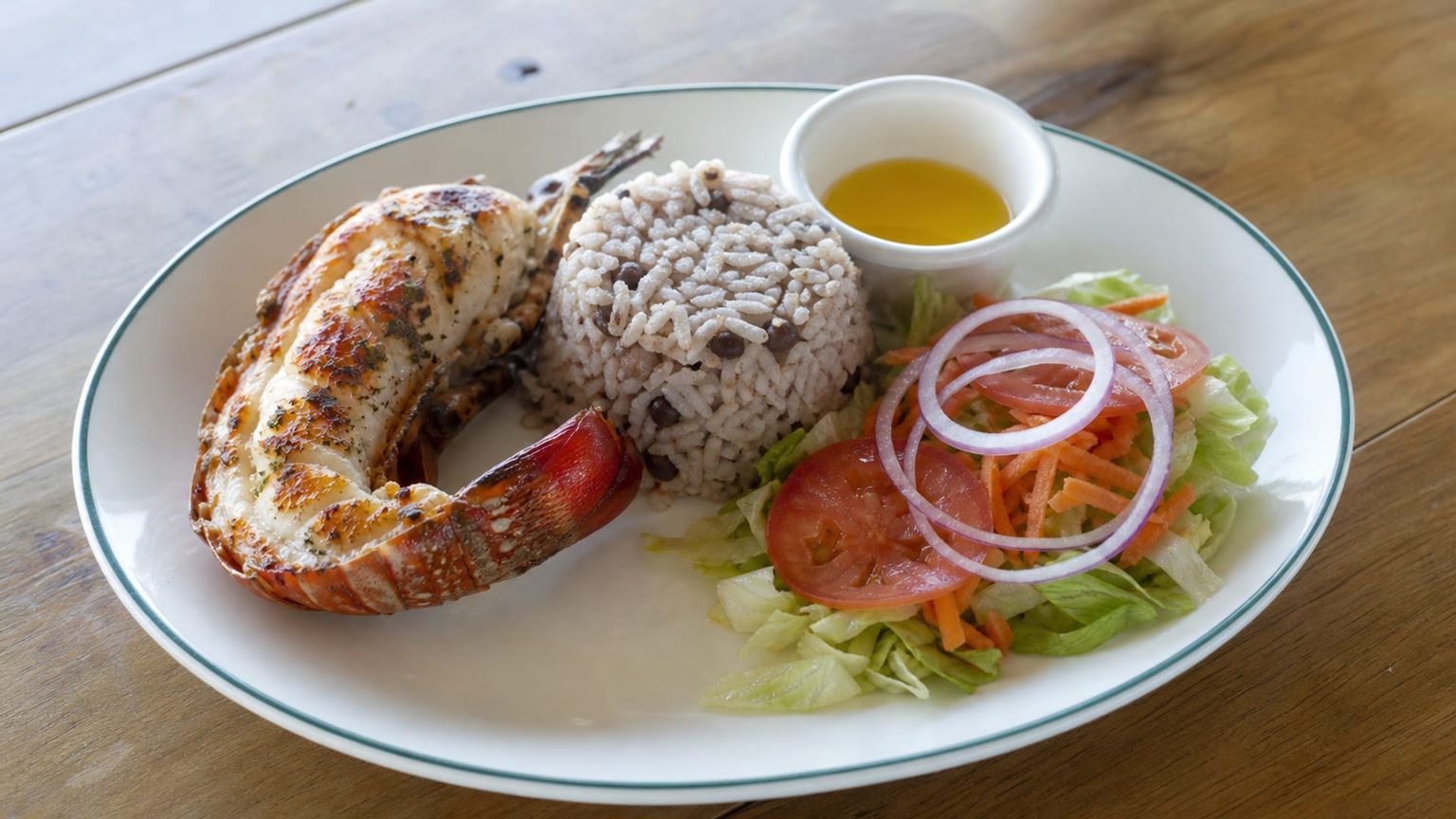
Freeport’s food leans on conch, fish, and rich island sweets, with cracked conch, Bahamian stew fish, and guava duff anchoring many menus. Meals are often simple, fresh, and best by the water or in Lucaya after beach time.
Conch salad
Raw conch is diced with citrus, onion, peppers, and tomato for a bright, briny starter that suits warm-weather lunches. Cooyah’s in Lucaya is a strong place to order it near the water.
Cracked conch
The conch is tenderized, seasoned, breaded, and fried until crisp, then served as a classic Bahamian main or appetizer. Willy Broadleaf in Freeport is a well-known stop for this dish.
Bahamian stew fish
Fish cooks in a dark, onion-rich gravy that usually comes with rice or grits and a deep savory flavor. Seven Fish by Chester Freeport serves a version that fits the city’s seafood focus.
Guava duff
This soft rolled dessert pairs guava filling with a warm sauce, making it a common finish after seafood or fried conch. Zorba’s Greek Restaurant in Lucaya is a dependable place to find it on the dessert list.
Best time to visit Freeport
Freeport stays warm year-round, but winter brings the busiest beaches and clearest demand for reservations, while summer offers fewer crowds and a greater chance of showers.
Best for: Best for beach time and the most active dining scene
What you get: About 72 to 80°F (22 to 27°C), with the heaviest visitor flow and the firmest hotel pricing
Trade-offs: This is the most expensive period, and popular tables fill early
Best for: Best for balanced weather and easier planning
What you get: About 74 to 84°F (23 to 29°C), with moderate crowds and good conditions for day trips
Trade-offs: Late spring can feel hotter and a little more humid
Best for: Best for quieter beaches and looser hotel availability
What you get: About 79 to 88°F (26 to 31°C), with lighter crowds and a greater chance of afternoon rain
Trade-offs: Heat, humidity, and storm watch can affect outdoor time
Best for: Best for lower rates and open space at major sights
What you get: About 76 to 86°F (24 to 30°C), with fewer visitors and unsettled weather at times
Trade-offs: Hurricane season adds risk, so flexible plans matter
A realistic 5-day plan in Freeport
A five-day Freeport trip works best when you group Lucaya, the park, and the airport-side errands instead of jumping back and forth. The plan below keeps the first days active, then leaves room for a slower final morning before departure.
Land at Grand Bahama International Airport (FPO) and take a taxi to Lucaya, roughly 15 to 20 minutes for about $20 to $30. If you are staying at the Grand Bahama Yacht Club area, the ride is usually a little shorter and quieter than a hotel farther into the resort strip. Settle in, drink water, then keep dinner simple at a waterfront restaurant in Port Lucaya Marketplace so you can walk back easily.
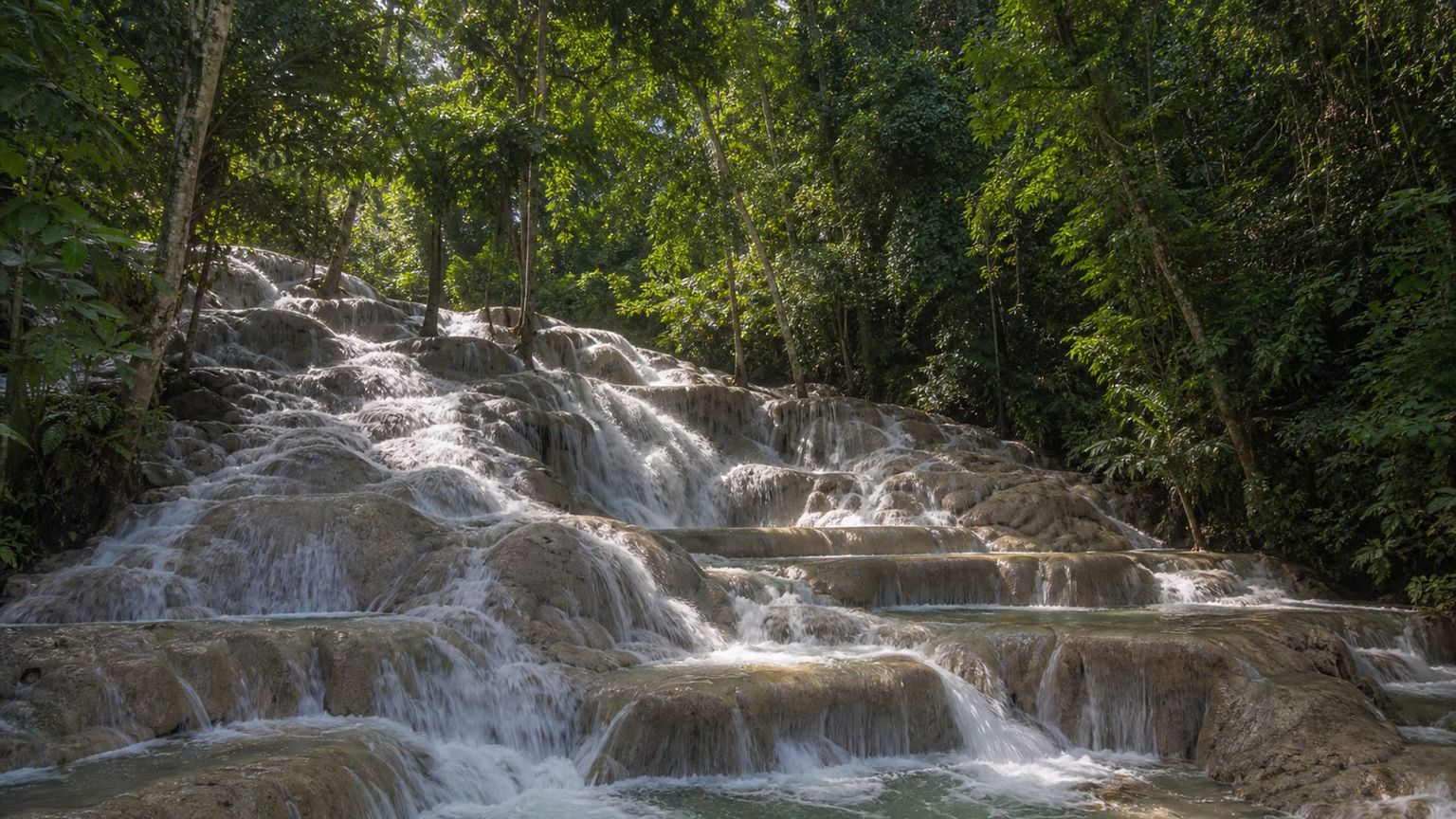
Start early at Garden of the Groves, about 15 to 20 minutes by taxi from Lucaya, and spend 1 to 2 hours on the shaded paths, chapel, and bird areas. From there, ride about 20 minutes to Lucayan National Park, where boardwalks lead to pine forest, caves, and Gold Rock Beach; plan 2 to 3 hours and go at low tide if you want the widest sand flats. Finish with an easy return to Lucaya, then have dinner near the marketplace, which sits about 10 minutes from most resort hotels.
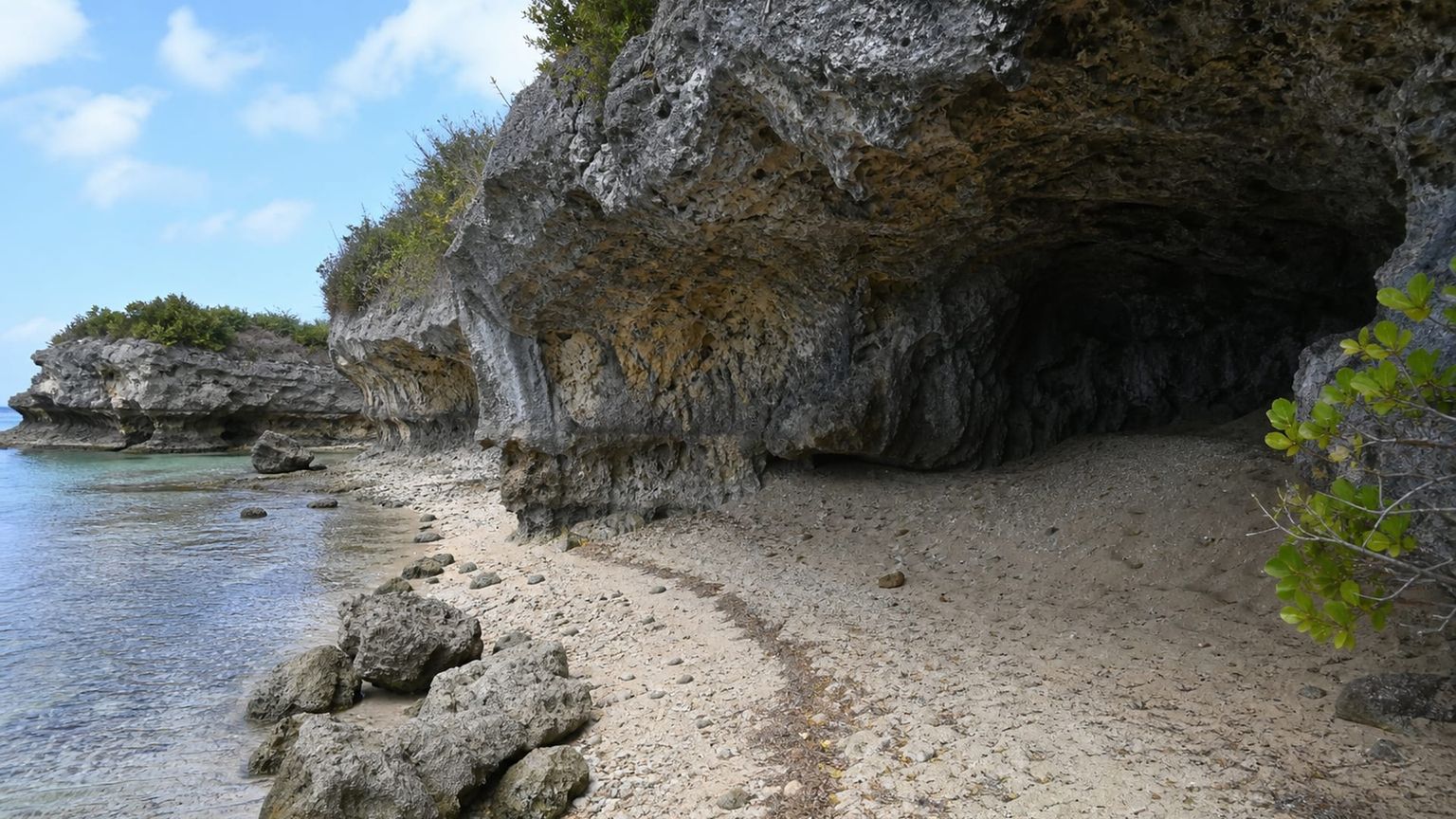
Begin in the morning at the Perfume Factory of Earnestine Moxey in Lucaya, a short taxi ride from most Lucaya hotels, and spend about 30 to 45 minutes watching the fragrance process and browsing soaps and bottles. Walk or take a brief 5-minute ride to Port Lucaya Marketplace for lunch and a slower marina stroll, then stay through late afternoon for shopping and live music. If you are based near the Grand Bahama Yacht Club area, the ride back is usually about 5 minutes by car; from Williams Town, plan roughly 20 minutes.
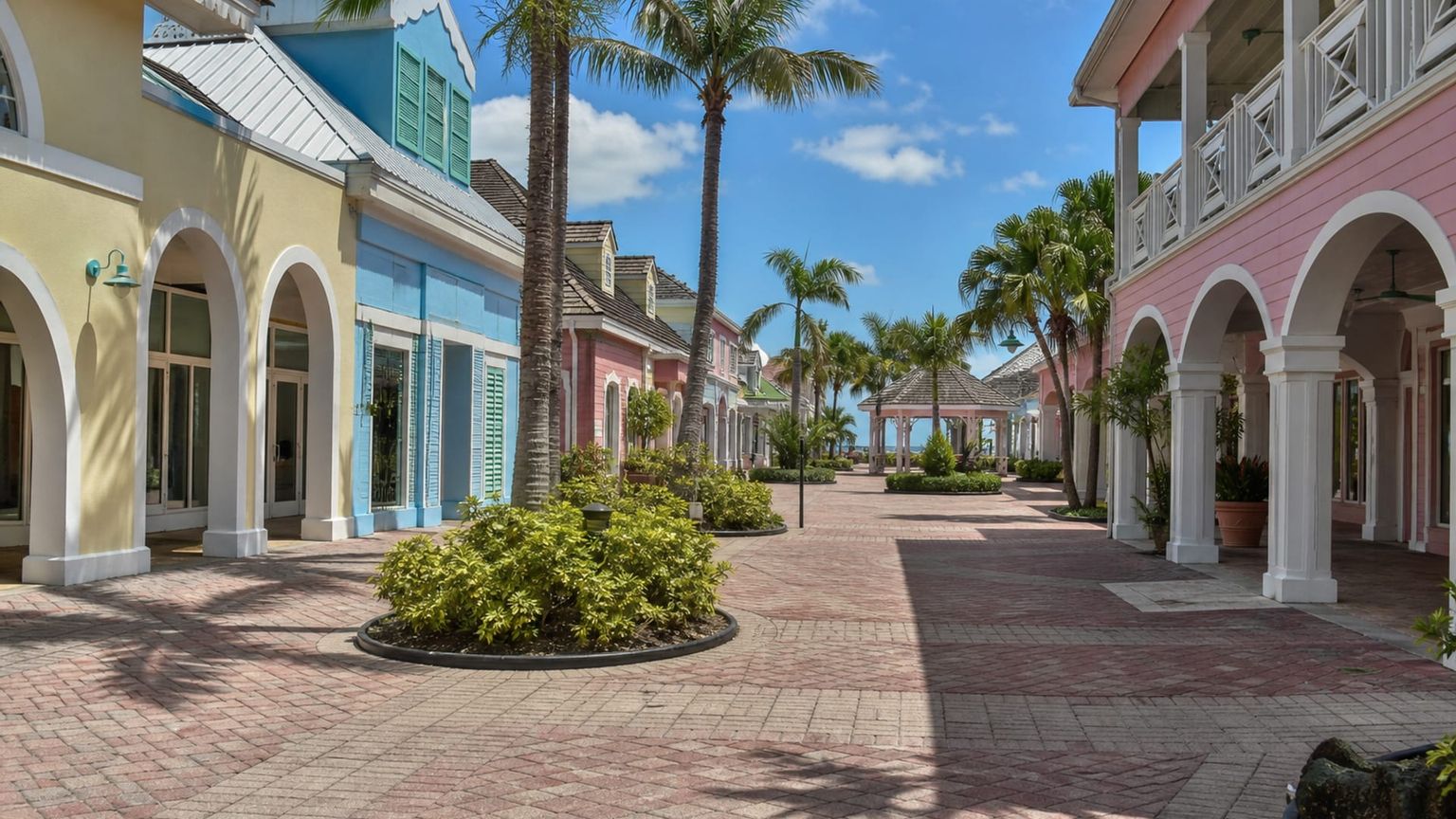
A beach-focused day works well in Lucaya, where you can start with an early swim and then move along the waterfront without long transfers. Head to Port Lucaya Marketplace for an easy lunch, then take a taxi to Lucayan National Park in the afternoon, about 20 minutes away, for one more walk to Gold Rock Beach before sunset. Return to Lucaya for dinner, or stay near the marina if you want a quieter last night by the water.
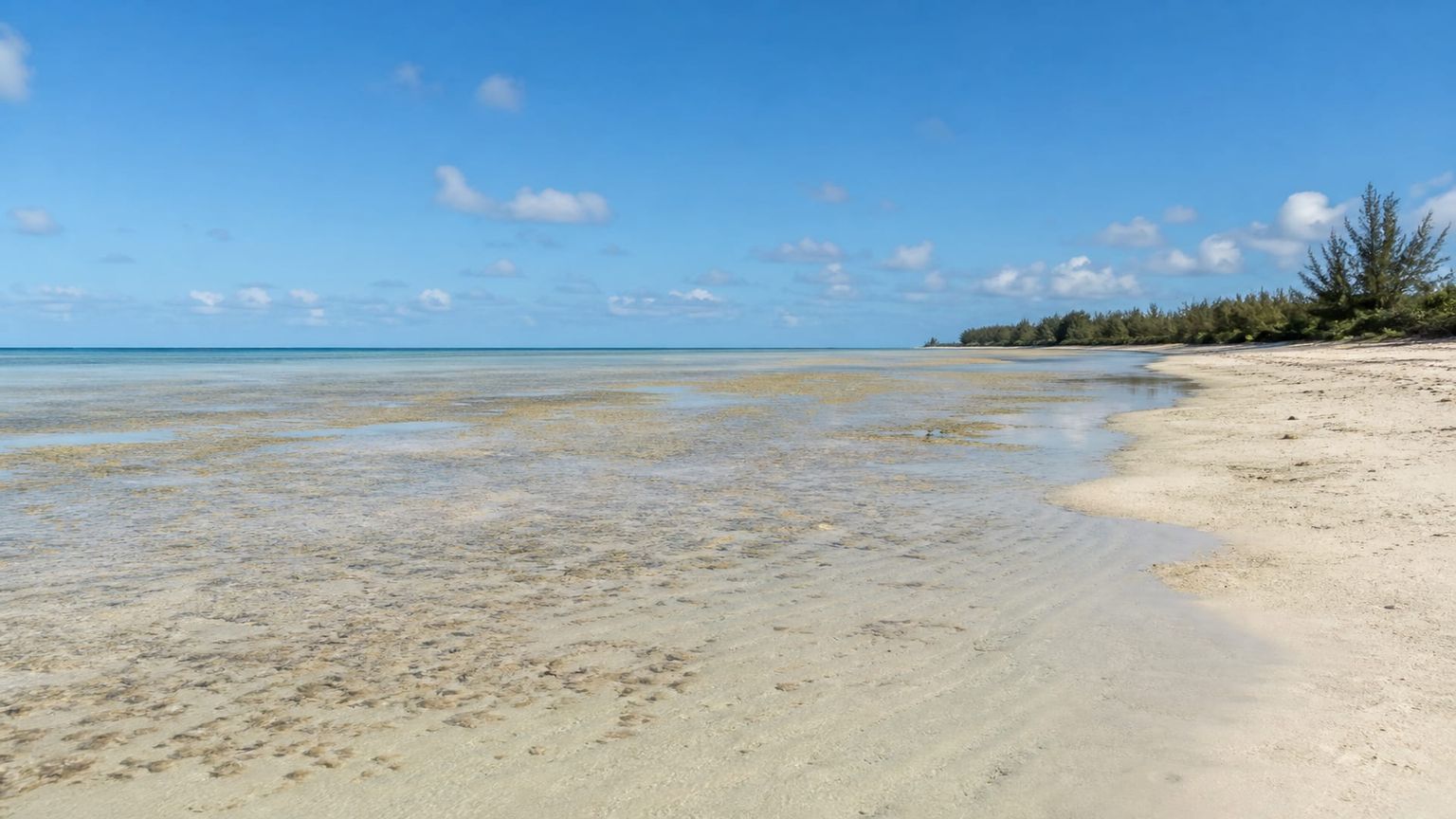
For a final morning, start with a relaxed café breakfast in Lucaya, then browse Port Lucaya Marketplace for gifts, local crafts, and any last-minute beachwear. If you want one more small stop before the airport, the Perfume Factory of Earnestine Moxey fits neatly into the morning and takes less than an hour. From Lucaya, leave for Grand Bahama International Airport (FPO) about 45 minutes before your taxi pickup if you are staying nearby, or more if you are coming from Williams Town.
Business-class flights from the US to Freeport
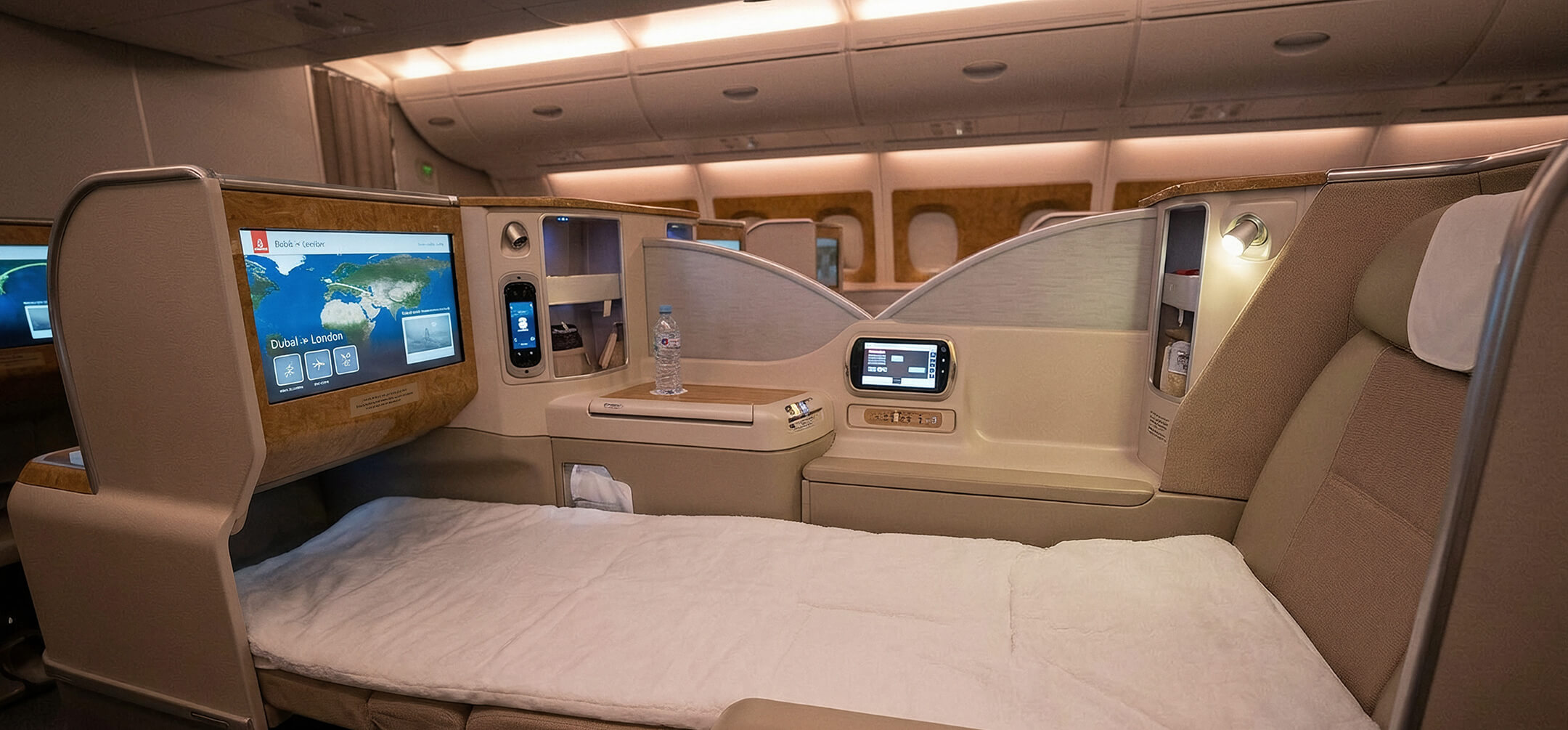
Freeport links well from both coasts, but the route shapes are different enough that it helps to compare them separately. The East Coast usually gives the shorter itinerary, while Los Angeles often trades time for more routing choices.
From New York, American Airlines, JetBlue, Delta Air Lines, United Airlines, Bahamasair, and Silver Airways all appear on the market, and nonstop flying takes about 3 to 3.5 hours when available. If you connect, common stops include MIA, CLT, ATL, FLL, and NAS, with total travel time usually about 5 to 8 hours. Round-trip fares start from about $900 to $1,800, with peak winter dates pushing higher.
Los Angeles travelers usually connect rather than fly nonstop, and the trip takes about 8 to 13 hours with a stop. Typical connection points include MIA, ATL, CLT, DFW, and IAH, and the airlines on this market include American Airlines, JetBlue, Delta Air Lines, United Airlines, and Alaska Airlines. Round-trip fares for this route usually run about $1,300 to $2,700, while itineraries with a layover can lower the price to roughly $1,000 to $1,700.
Freeport feels different when you slow down
A well-paced Freeport trip usually centers on Lucaya for dinner, the Grand Bahama Yacht Club area for quieter water views, and one substantial outing to Lucayan National Park at low tide. Jitneys work for short daytime links, but taxis make the airport transfer and evening return easier. If you want help matching the route to your dates, the AranGrant experts can shape a Freeport plan around Port Lucaya, the beach, and your flight times