Chapters:

Need help with your trip?
Our support team is available 24/7. Request a callback or call us directly at (833) 619-0908
Frankfurt trips often center on the airport, the station, and a quick sweep of the old town before ending too soon. That leaves little time for the riverbanks, museums, and neighborhoods south of the Main, while busy transit hubs often turn short sightseeing plans into unnecessary backtracking.
This guide lays out the days in a set order, so the center, river, museum corridor, and calmer residential blocks each get a defined place in the plan.
Useful things to know

Main language(s): German
Hallo (HAH-loh) – Hello
Bitte (BIH-teh) – Please
Danke (DAHN-kuh) – Thank you
Sprechen Sie Englisch? (SHPREH-khen zee ENG-lish?) – Do you speak English?
Wie viel kostet das? (vee feel KOS-tet dahs?) – How much does it cost?

Currency: Euro (EUR, €)

Cash and cards: Visa and Mastercard are widely accepted, and Apple Pay and Google Pay work at many shops, transit ticket machines, and hotels. Keep €20–€40 ($23–$46) in cash for bakery counters, markets, and public toilet fees, which are often €0.50–€1.00 ($0.60–$1.15).


Traditional food: Grüne Soße (green herb sauce with boiled eggs and potatoes), Frankfurter Würstchen (smoked pork sausages), Handkäs mit Musik (sour milk cheese with onions)

Water and coffee costs: A 16.9-ounce (0.5-liter) bottle of water usually costs €1.50–€3.00 ($1.70–$3.40). A regular espresso costs €2.00–€3.50 ($2.25–$3.95).

Taxis and ride apps: Uber, Bolt, and Free Now operate in Frankfurt, and Free Now also connects to licensed taxis. Use the app to match the license plate and driver name before entering. Ignore unofficial drivers offering rides at the airport and train station.

Plug and voltage: Type F socket, 230V, 50Hz

Dining and shop opening hours: Breakfast often lasts from 7:00 am to 9:00 am, lunch from 12:00 pm to 2:00 pm, and dinner from 6:00 pm to 9:00 pm. Many restaurants serve lunch on weekdays, then close until dinner. Shops often close early on Saturday and are usually closed on Sunday.

Emergency number: Call 112 for ambulance and fire. Call 110 for the police. Both numbers work across Germany and are free to dial.
Where to stay in Frankfurt am Main
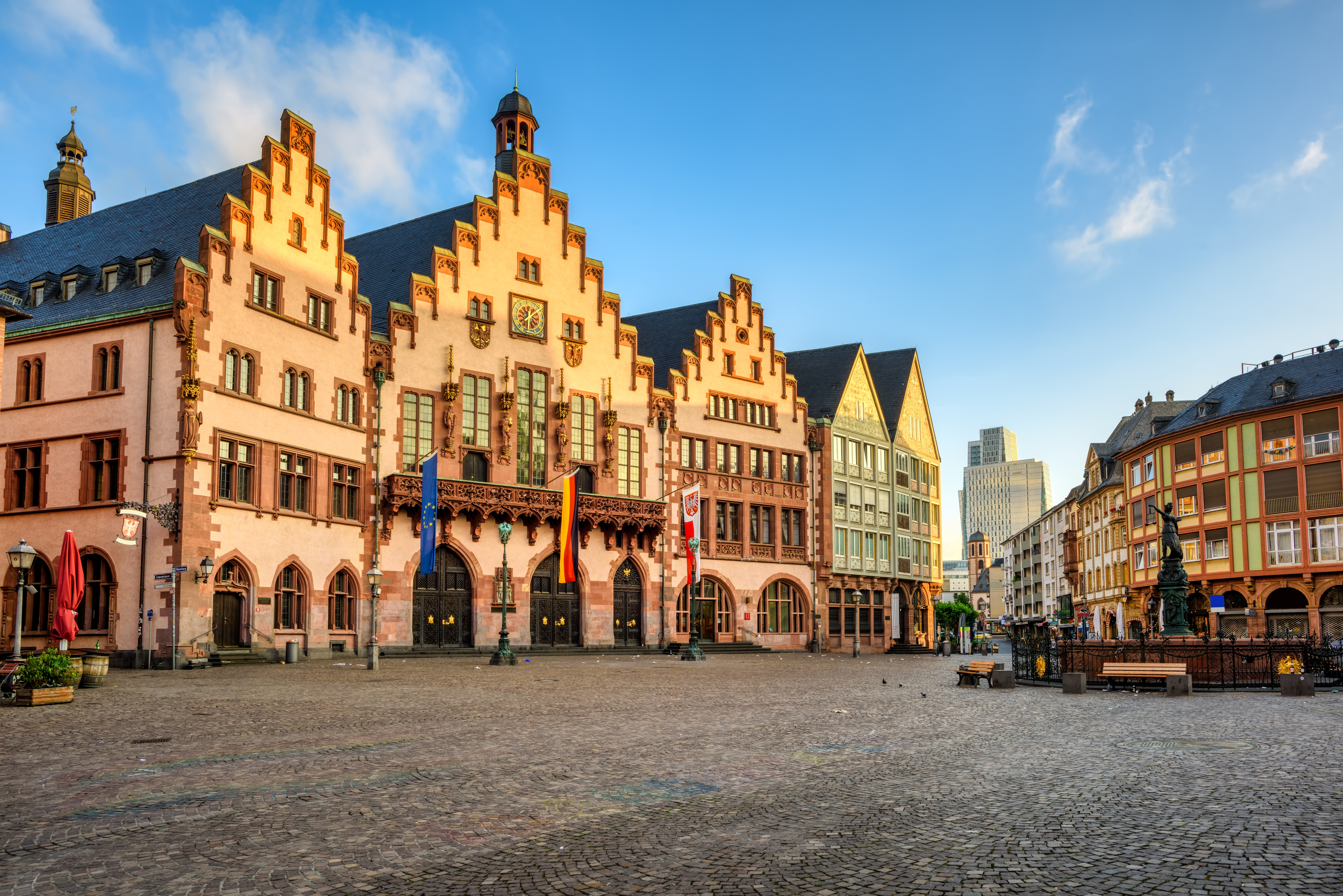
Frankfurt’s historic center puts the Römer, the Main riverfront, and the main museum district within easy reach. Many visitors choose it for short stays because S-Bahn and U-Bahn stations are within a short walk of the main sights, and tram links run in several directions.
Best for: Historic sights, river walks, and central transit access
What to expect: Busy daytime streets, lively evenings near bars and restaurants
Hotel prices: About 5–15 minutes on foot to the Römer and the Main riverfront; 10–20 minutes to the Museumsufer
Distance to major sights: About 5–15 minutes on foot to the Römer and the Main riverfront; 10–20 minutes to the Museumsufer
Quietness: It is crowded during the day, and can be noisy on weekends near nightlife streets.
Main trade-off: Hotel rates in the historic center are among the highest in the city, and some streets get heavy foot traffic.
Good to know: Choose this area if you want to walk to major landmarks and use transit from the center.
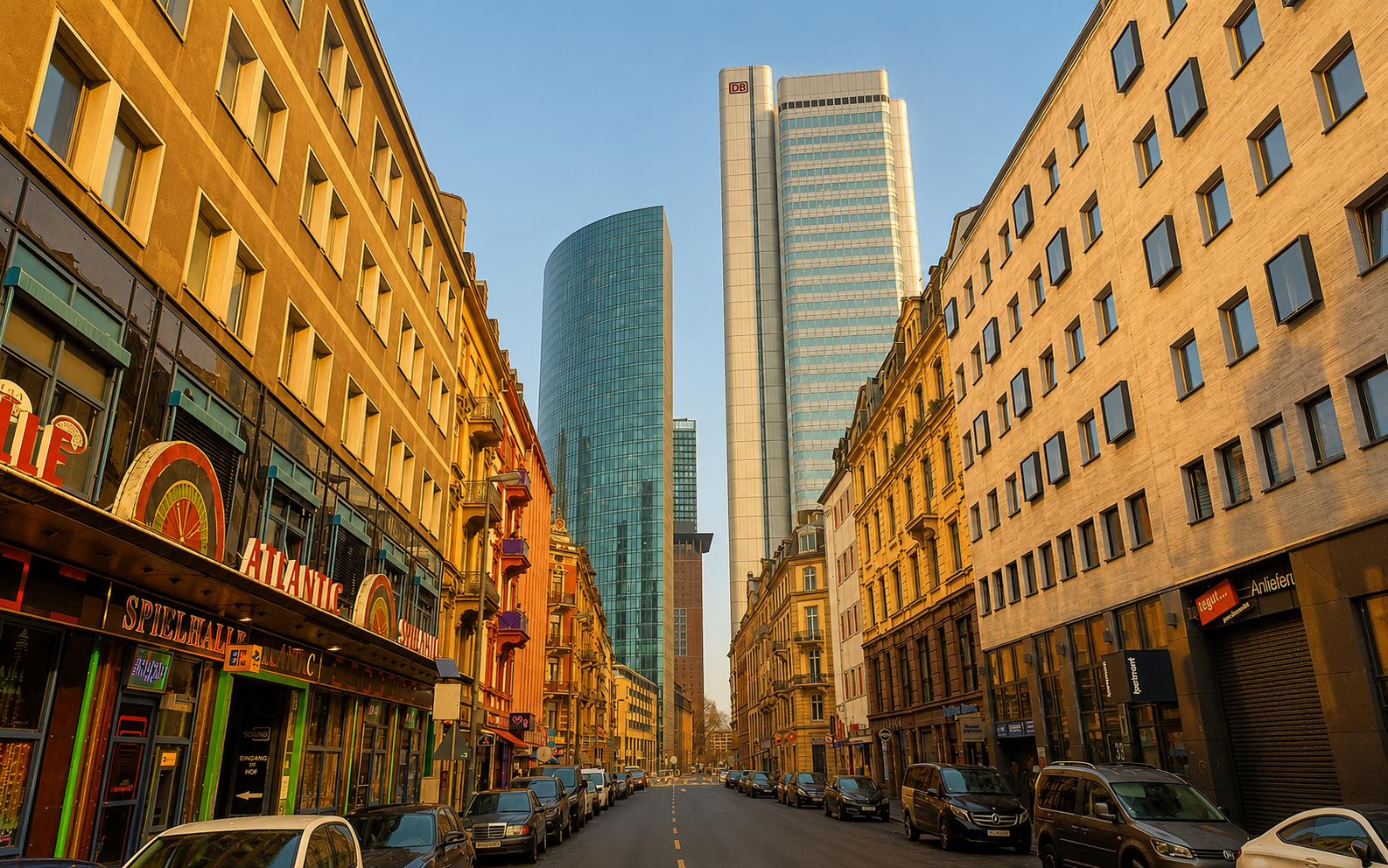
Bahnhofsviertel is located east of the main train station, so it gives fast rail access and is one of the city’s largest concentrations of hotels. The area also puts you within walking distance of the financial district and the river, although the streets feel rougher at night.
Best for: Rail connections, budget and midrange hotels, quick access to the station
What to expect: Very active streets by day, louder and rougher after dark
Hotel prices: Usually about €90–€170 ($102–$193) per night for well-rated stays
Distance to major sights: Up to 5 minutes on foot to Frankfurt Hauptbahnhof; about 15–20 minutes to the river and Römerberg
Quietness: Daytime is crowded, and late evenings can feel noisy and unsettled.
Main trade-off: The station area has more street noise and a noticeably harsher nighttime atmosphere.
Good to know: Choose this area if train access and lower rates are more important to you than a quiet atmosphere.
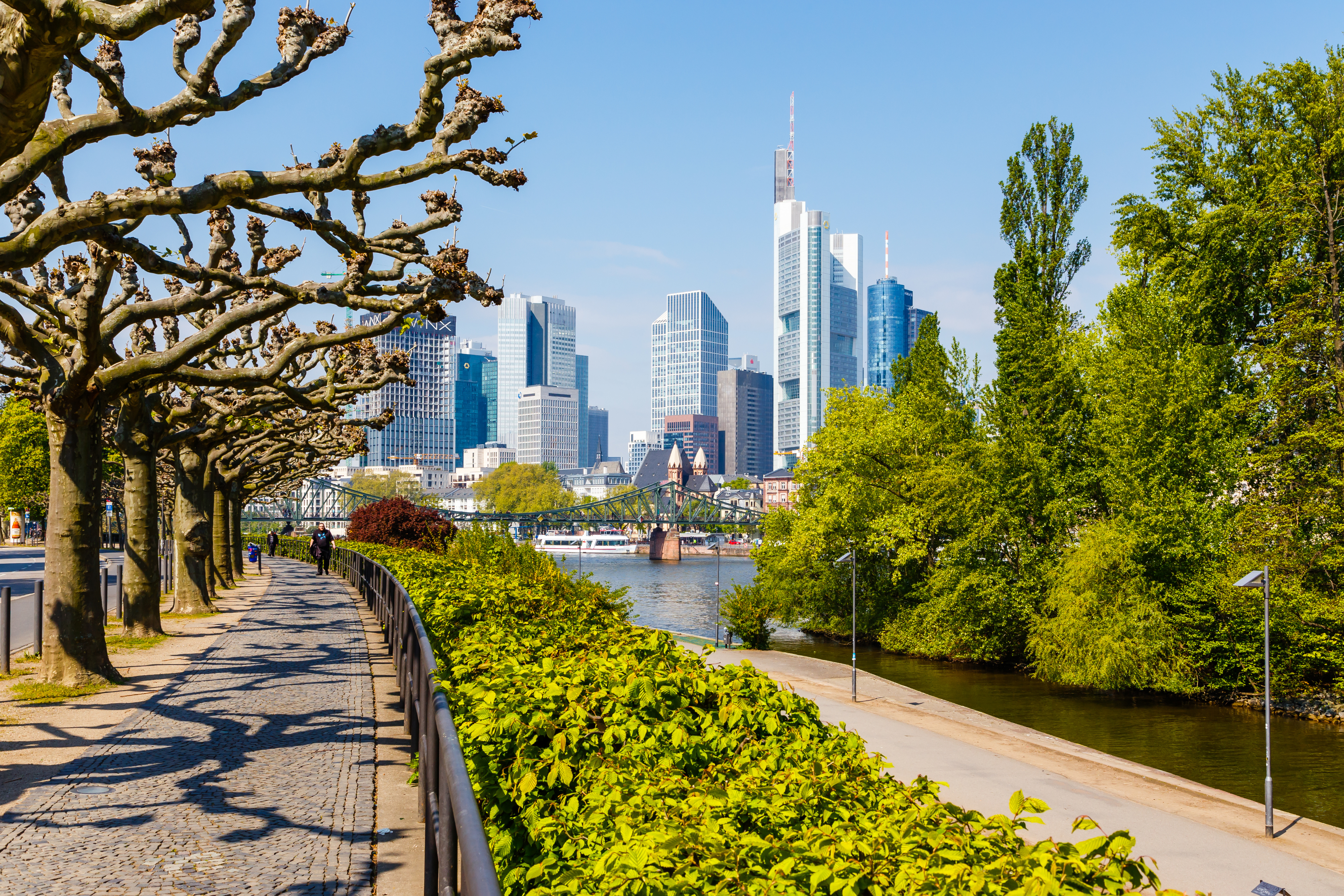
Sachsenhausen is south of the Main and gives easy access to the Museumsufer, the river bridges, and old cider taverns. It appeals to visitors who want a residential setting. Public transport is less frequent here than in central districts.
Best for: Museumsufer visits, river walks, neighborhood dining
What to expect: Residential streets with busy restaurants and a lively evening scene
Hotel prices: Usually about €110–€190 ($125–$216) per night for well-rated stays
Distance to major sights: 5–10 minutes on foot to the Museumsufer; 10–15 minutes to the Römerberg via the river bridges
Quietness: Quieter than the center on side streets, busier near bars and cider houses at night
Main trade-off: The area is further from the Hauptbahnhof than the central districts, and public transport coverage is thinner.
Good to know: Choose it if you want a local neighborhood location with easy access to museums and the river.
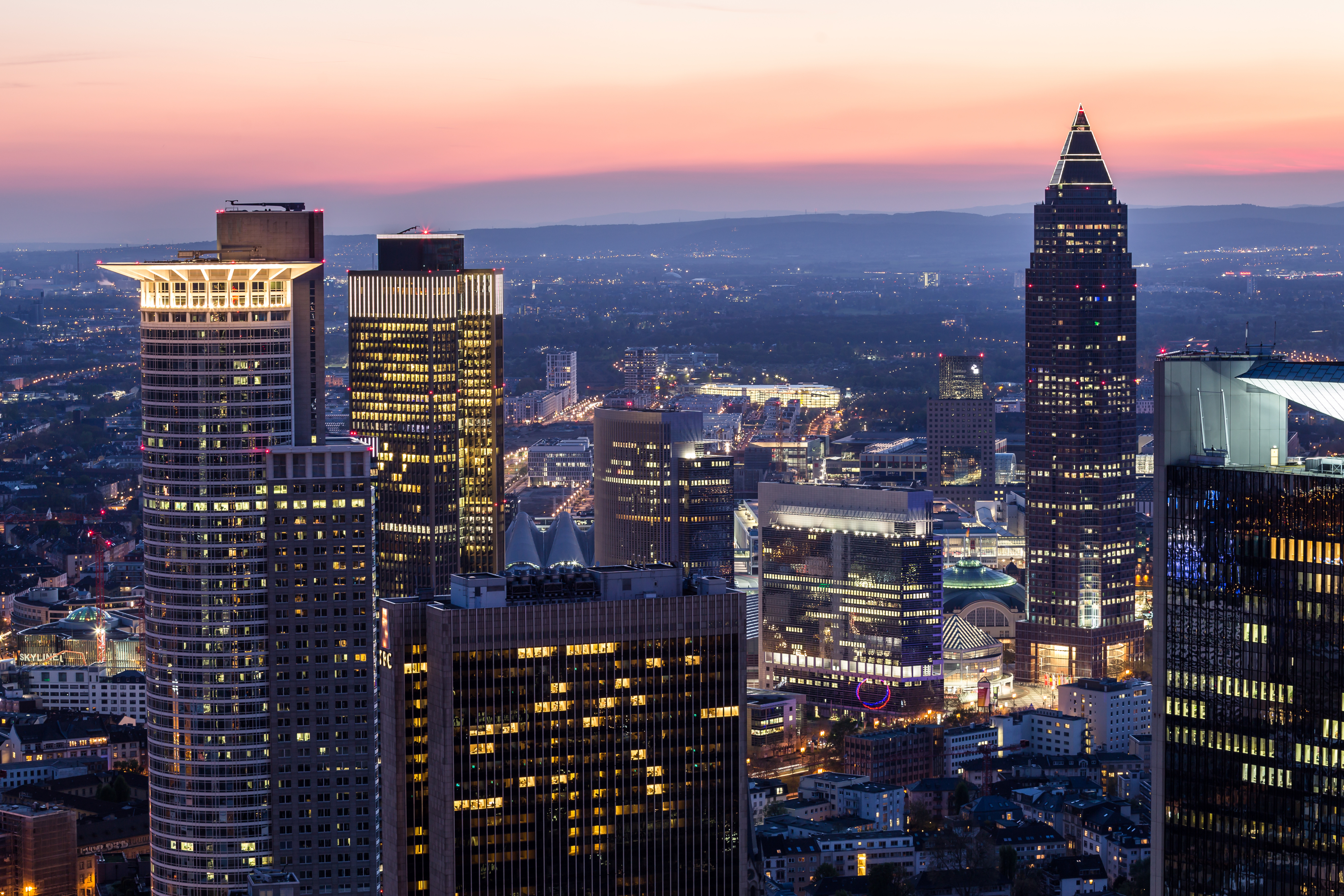
Westend lies just west of Innenstadt and borders the financial district, Palmengarten, and several U-Bahn lines. Westend offers a quieter location while keeping the city center and Messe within a short ride or walk.
Best for: Calmer central stays, banking district access, Palmengarten visits
What to expect: Tree-lined residential blocks with a quieter evening pace
Hotel prices: Usually about €130–€220 ($148–$250) per night for well-rated stays
Distance to major sights: 15–25 minutes on foot to the old town; the Palmengarten is within the neighborhood, and you can walk there from most hotels.
Quietness: Quieter than the center, with light evening activity on main avenues
Main trade-off: Fewer restaurants and late-night options are right outside hotels.
Good to know: Pick Westend if you want central access with a calmer residential location.
Travelers avoid staying in Gallus, Gutleutviertel, Niederrad, and Fechenheim, which are too far from the center and its main sights and offer few hotel and dining options. In Bahnhofsviertel, avoid the Taunusstraße and Elbestraße areas after dark due to risks of petty crime.
Hotel deals
How to get around Frankfurt am Main efficiently
Frankfurt’s S-Bahn, U-Bahn, trams, buses, and taxis all connect cleanly through the airport, Hauptwache, and Hauptbahnhof areas.

Metro
for longer distances
Frankfurt’s U-Bahn and S-Bahn both serve the airport area. You can take a train from under Terminal 1. From Terminal 2, you can get there via the SkyLine people mover or a free bus. A ride from the airport to the city costs €6.90 ($7.90). The S8 and S9 can take you to Hauptbahnhof in 13 minutes.

Bus and tram
for neighborhoods beyond the rail network
Frankfurt’s buses and trams cover the central districts, the riverbank, museums, Sachsenhausen, and neighborhoods beyond the rail lines. A single RMV ticket costs €3.60–€6.90 ($4–$8). Trams are useful for short cross-city hops, and buses connect neighborhoods beyond the rail network.

Taxi
for convenience or late hours
You can hail licensed taxis in Frankfurt at marked ranks, or order them by phone or app. Trips from the airport into central Frankfurt cost €35–€50 ($40–$57), depending on traffic and destination. Many taxis accept credit cards, but drivers still prefer cash on shorter rides, so ask before boarding.
*Prices are based on rates updated as of June 2026 and may change at the time of travel.
Use the S-Bahn for airport transfers, trams, and U-Bahn for inner-city hops, and taxis for late arrivals or trips with luggage.
Iconic landmarks
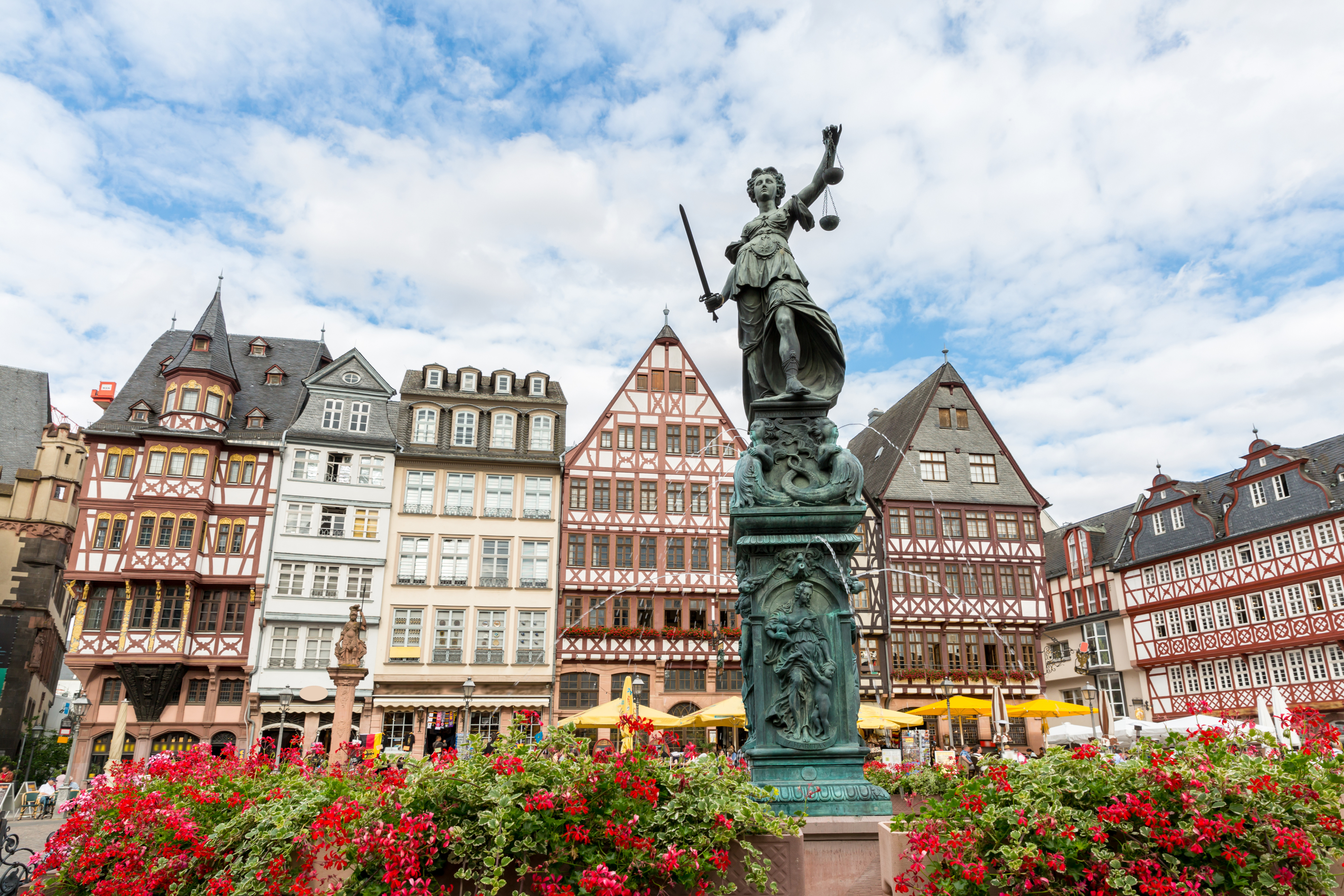
Römerberg and Old Town
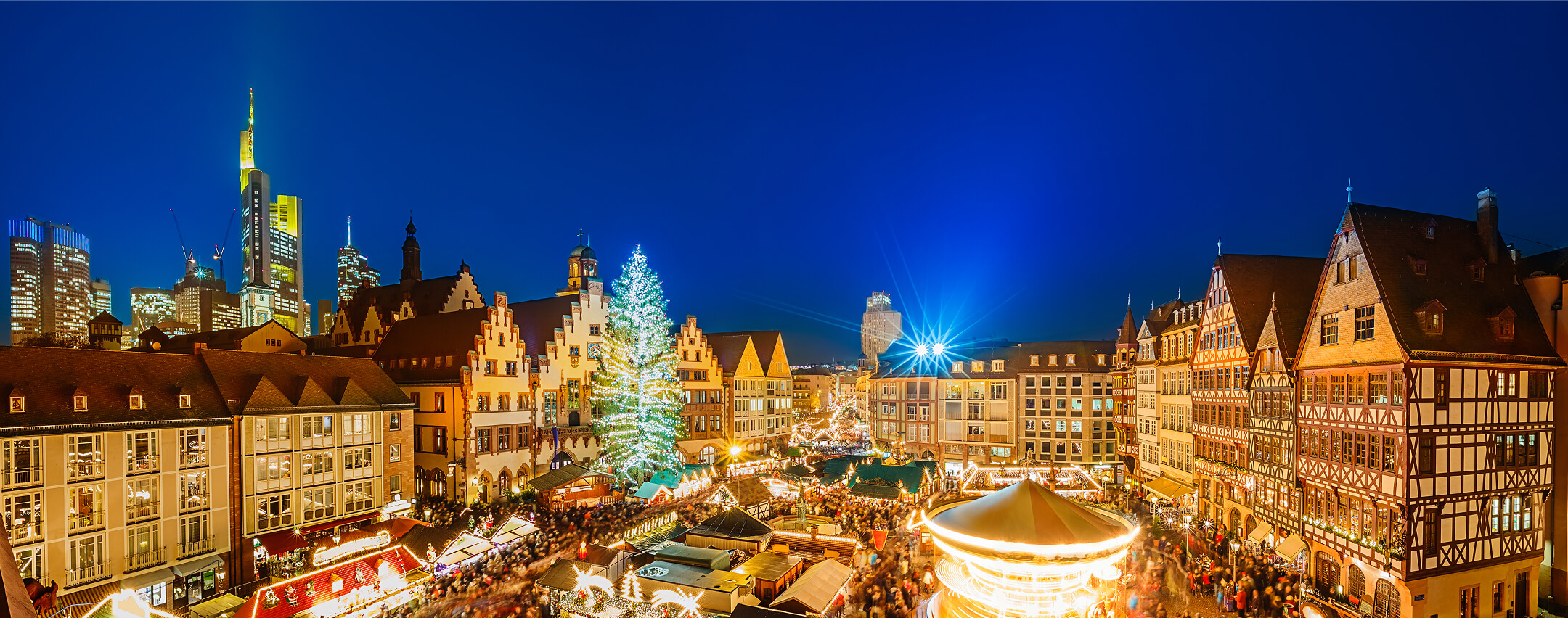
Frankfurt’s historic heart, centered on the timber-framed Römer town hall and the market square at Römerberg, shows the city’s rebuilt medieval core. The square leads into narrow lanes, churches, and riverside views that capture the character of Frankfurt’s historic center.
Time needed: About 1–2 hours
Entry: Free to access; nearby museums and churches charge separately if you choose to visit them.
Tip: Go early or near sunset for softer light and fewer tour groups in the square.
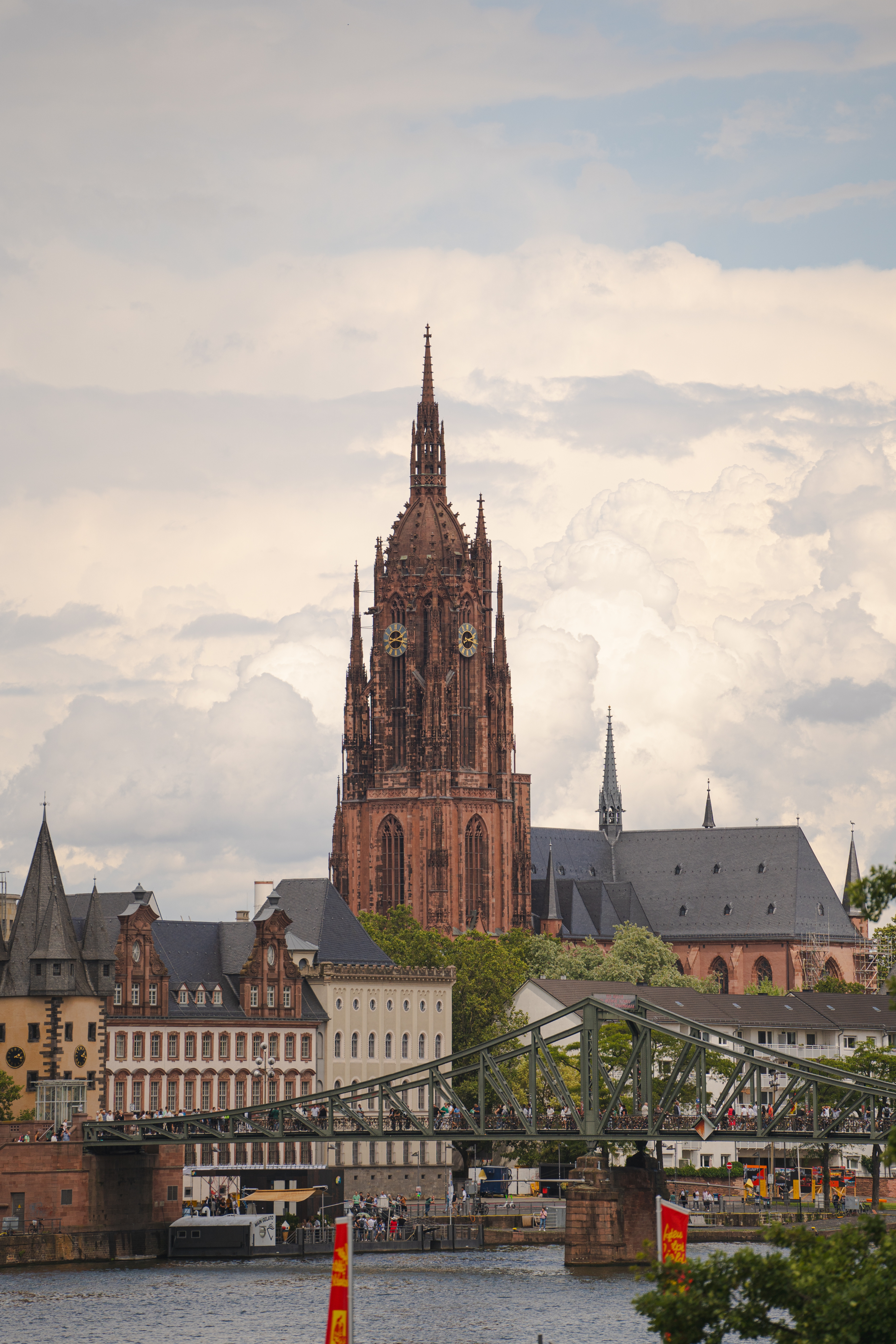
St. Bartholomew's Cathedral
This Gothic cathedral, known locally as Kaiserdom, was Frankfurt’s election and coronation church for Holy Roman emperors. Its red sandstone tower dominates the skyline, and the interior holds chapels, artworks, and a strong sense of imperial history.
Time needed: About 1 hour
Entry: Church interior visits are free; tower access costs €3 ($3.40). Visit the official site for details.
Tip: Climb the tower on a clear day for the best city panorama and river views.
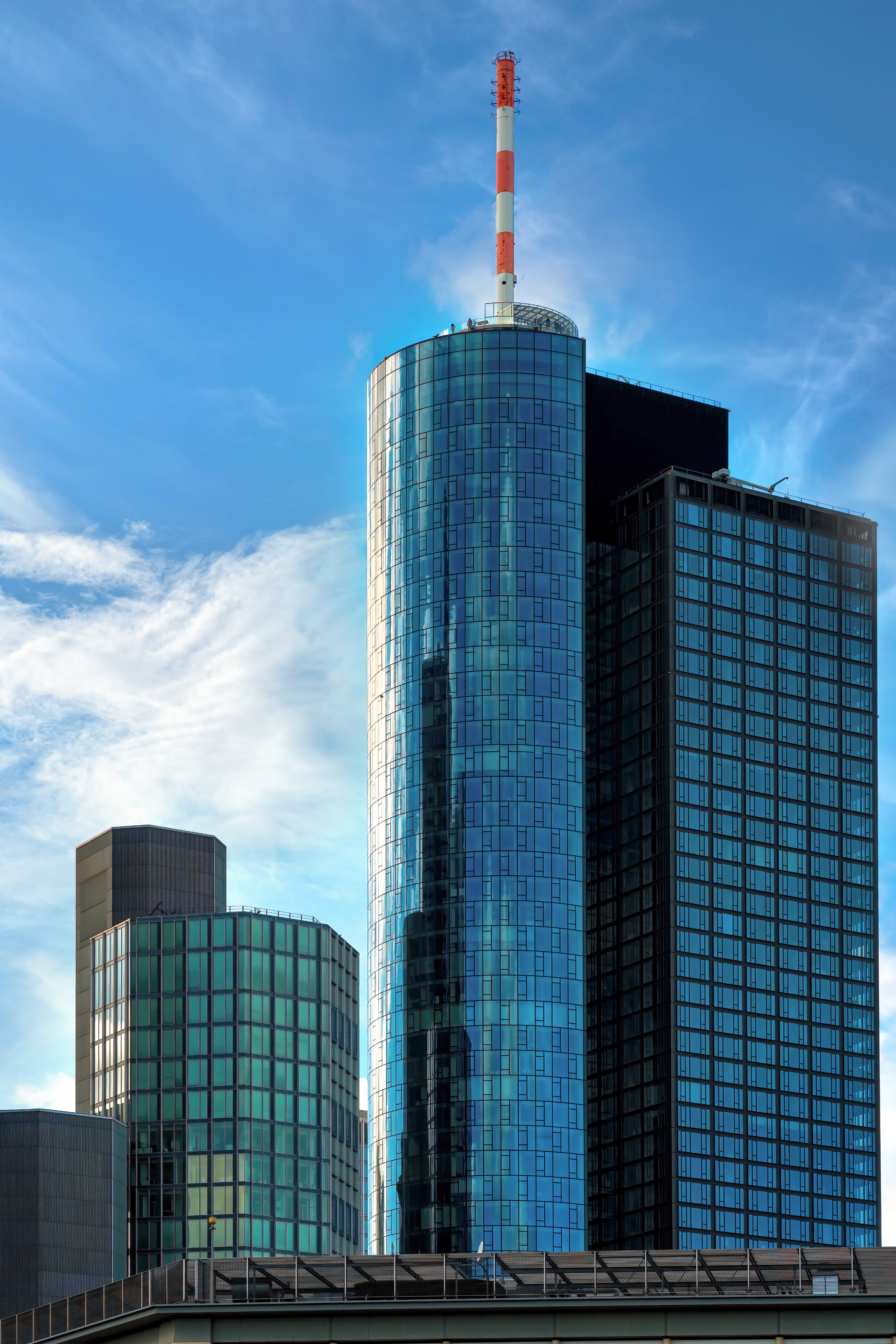
Main Tower
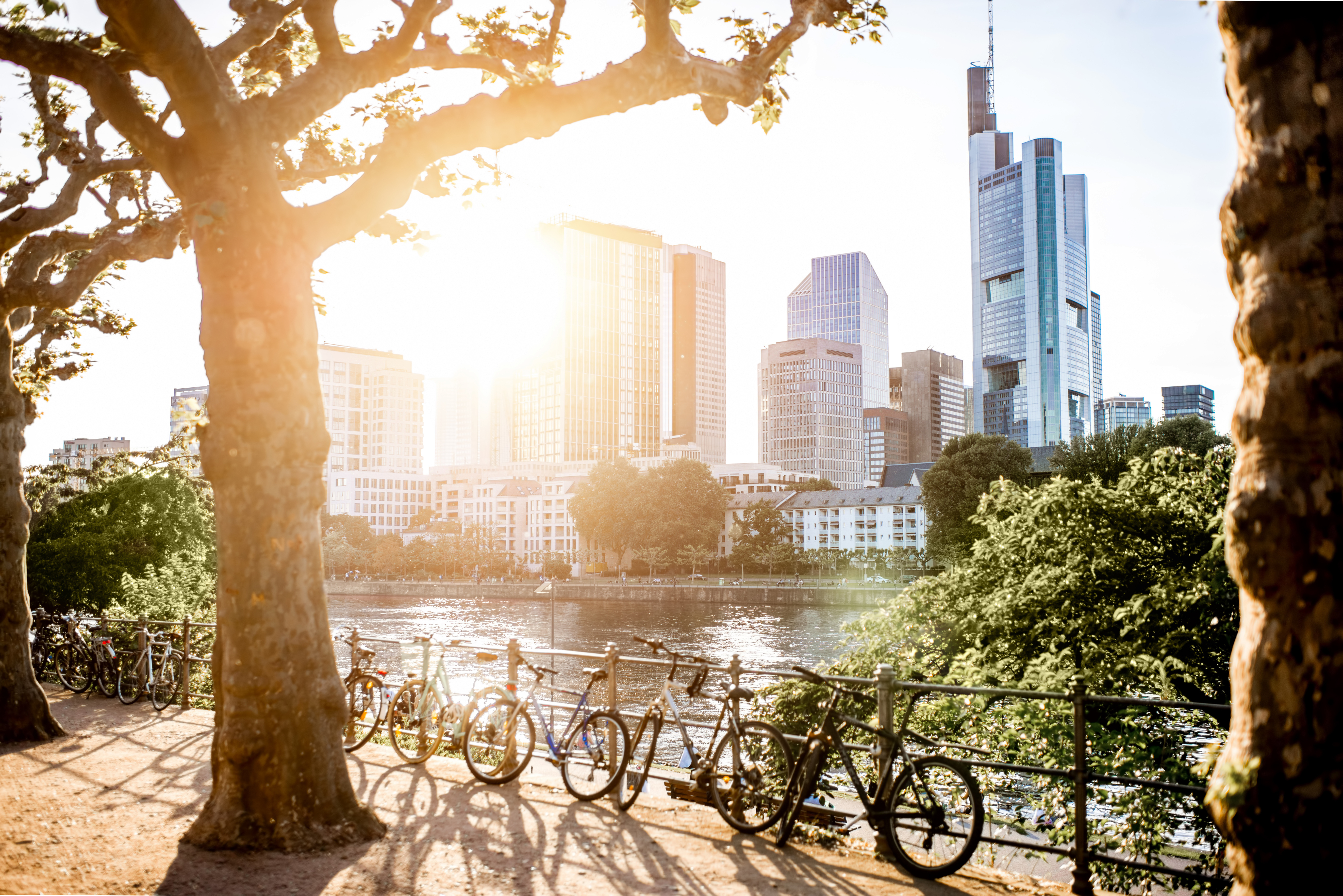
Main Tower is Frankfurt’s best-known observation point, with a public deck high above the banking district and the Main River. From the top, the contrast between glass towers, the old town, and the river bends can all be seen from one observation deck.
Time needed: About 1 hour
Entry: Tickets cost €8–€12 ($9–$14), depending on time and age. Visit the official site for details.
Tip: Visit close to sunset for skyline color, then stay a little longer for the lights.
Overlooked sites worth visiting

Bockenheimer Depot
A former tram depot in Bockenheim, built in 1900, is now used by the Frankfurt Opera, Schauspiel Frankfurt, and the Dresden Frankfurt Dance Company for productions and events.
Time needed: About 1–2 hours
Entry: Ticket prices vary by performance and seat category, ranging from €15 to €60 ($17–$68). Visit the official site for details.
Tip: Arrive early to see the interior before the audience enters.

Nizza Promenade
This is a quiet Main riverbank garden in the city center with southern plantings that thrive in Frankfurt’s Mediterranean microclimate, one of the warmest spots in Germany.
Time needed: About 30 to 60 minutes
Entry: Free to access. You can visit year-round during daylight. Visit the official site for details.
Tip: Visit on a sunny afternoon for the warmest light and best plant color.
Traditional food
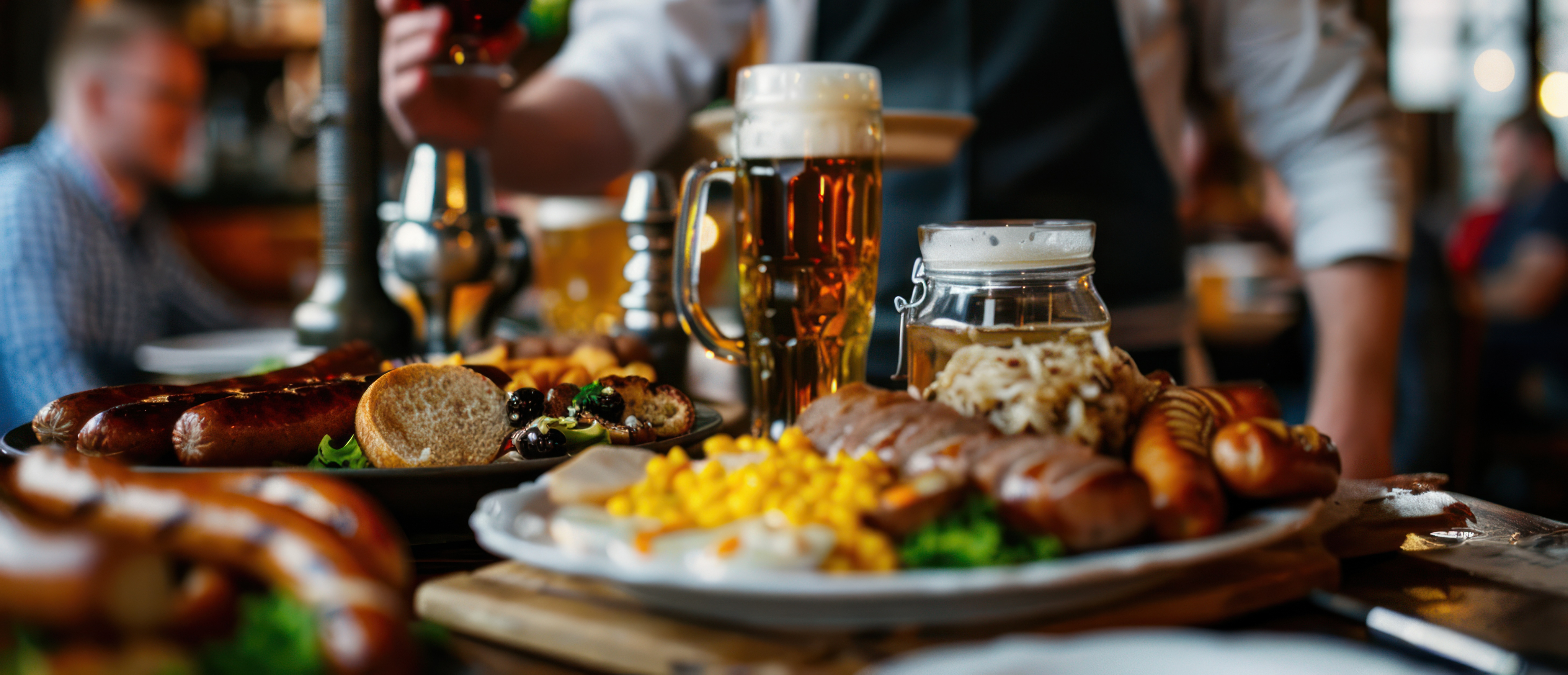
Frankfurt’s traditional dishes are made with green herbs, smoked pork sausage, sour milk cheese, potatoes, and boiled eggs. Local dining centers on cider taverns, beer gardens, and early evening meals.
Grüne Soße
This green herb sauce is usually served with boiled eggs and potatoes, and Apfelwein Wagner in Sachsenhausen is one of the city’s most recommended addresses for it, alongside traditional cider.
Frankfurter Würstchen
These smoked pork sausages are one of Frankfurt’s most recognizable foods, and Zum Gemalten Haus serves a well-known version in Sachsenhausen. Order them with mustard and bread for a traditional stop.
Handkäs mit Musik
This sour milk cheese is served with onions and a sharp dressing. Atschel, a classic Sachsenhausen cider tavern, is a well-known address for it alongside other regional cheese plates.
Frankfurter Schnitzel
This regional schnitzel is topped with the city’s signature green sauce. Apfelweinwirtschaft Dauth-Schneider, a popular evening spot in Sachsenhausen-Nord, is a long-running address where many visitors order it alongside local cider.
Best time to visit Frankfurt am Main
Frankfurt shifts from river walks and outdoor seats in warmer months to museum visits and shorter sightseeing loops when the weather turns colder.
Best for: Mild days for the Main riverfront, old town streets, and park walks
What you get: About 39°F–68°F (4°C–20°C), with moderate crowds and occasional rain
Trade-offs: Weather can change quickly, and March evenings can still feel cold.
Best for: Long daylight hours for Sachsenhausen evenings and skyline views from Main Tower
What you get: About 59°F–82°F (15°C–28°C), with the highest visitor numbers and busy outdoor areas
Trade-offs: Hotel prices and queue times are high, especially near major sights and riverfront paths.
Best for: Clear sightseeing days, cider-house visits, and comfortable walking weather
What you get: About 43°F–67°F (6°C–19°C), with moderate crowds and bright fall light
Trade-offs: Later in the season, shorter days reduce time for outdoor viewpoints.
Best for: Museum visits, market stalls, and compact city-center sightseeing
What you get: About 30°F–43°F (-1°C–6°C), with lighter crowds and cold evenings
Trade-offs: Riverfront walks are usually short, and some outdoor stops lose their appeal in wet weather.
A realistic 5-day plan in Frankfurt am Main
Frankfurt’s main districts are close enough to cover in five days without long transit rides between them. In this plan, the Old Town, the south bank, and the Westend each occupy a separate day, so you can explore them easily from arrival to departure.
Arrive at Frankfurt Airport (FRA). A taxi to Altstadt and Innenstadt usually costs €35–€50 ($40–$57), depending on traffic. The S-Bahn from Frankfurt Airport Regional Station to Frankfurt Hauptbahnhof takes 13 minutes, and to Hauptwache 17 minutes; a single ticket costs €6.90 ($7.85). Spend the rest of the day on a short walk through Altstadt and Innenstadt, with a Main riverfront stop if your arrival time allows.
Base the day in Altstadt and Innenstadt. Start at Römerberg and Old Town, which takes about 1 to 2 hours and is free to access. Walk to St. Bartholomew’s Cathedral, where exploring the church interior is free, and access to the tower costs €3 ($3.40) for adults; plan to spend an hour here. Finish with the Main Tower near sunset, where tickets cost about €8–€12 ($9–$14) and spend an hour on the observation deck and skyline views.
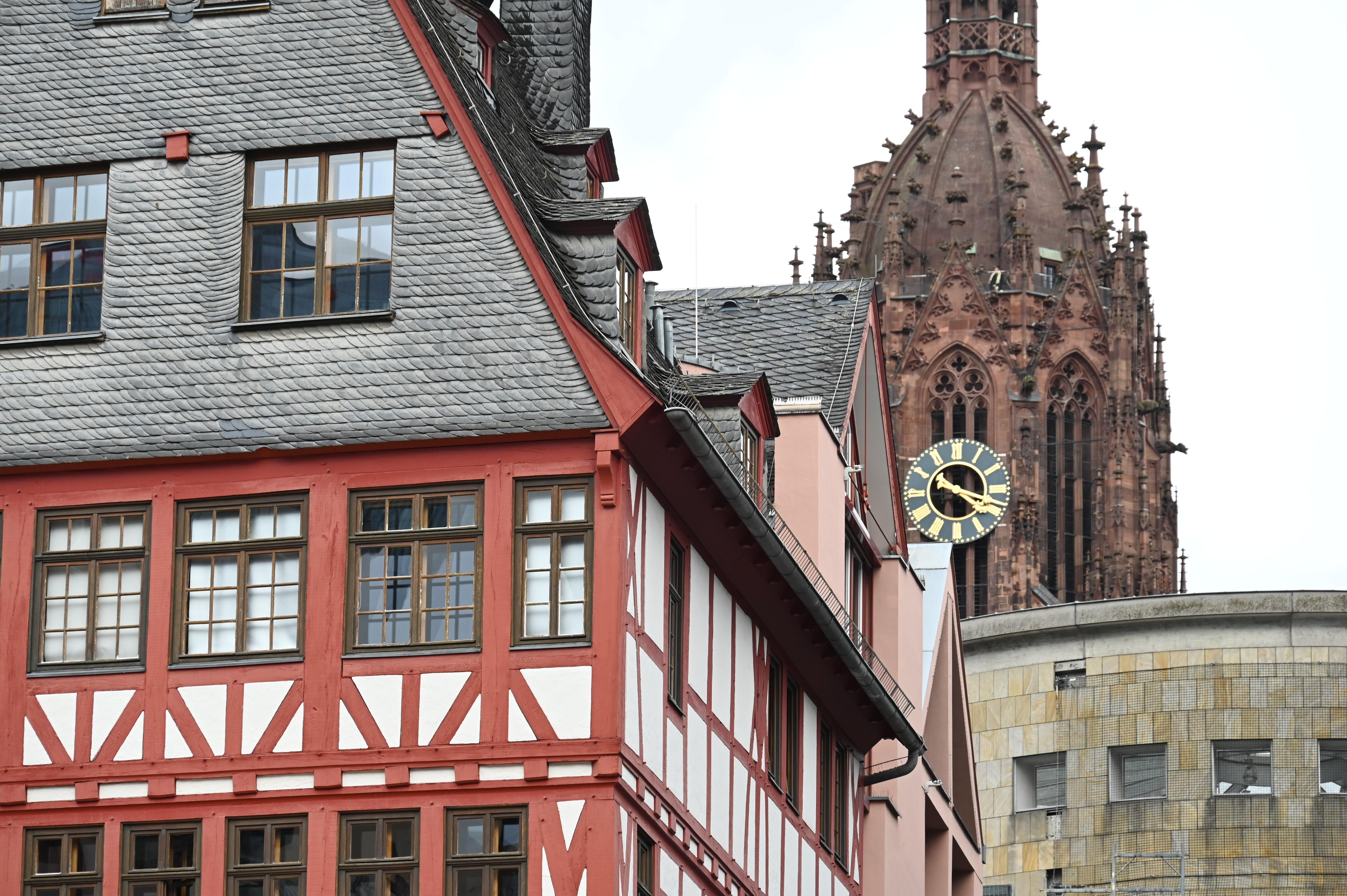
Spend the day south of the Main in Sachsenhausen. Begin with the Nizza Promenade, a free riverside garden that is a good stop for 30–60 minutes in daylight. Continue to the river bridges and the Museumsufer corridor, where the neighborhood’s museum access and river walks fit easily into a half-day circuit. End the evening on Sachsenhausen’s restaurant streets, which are within 10–20 minutes on foot of the Museumsufer, so you can return without a long transit ride.
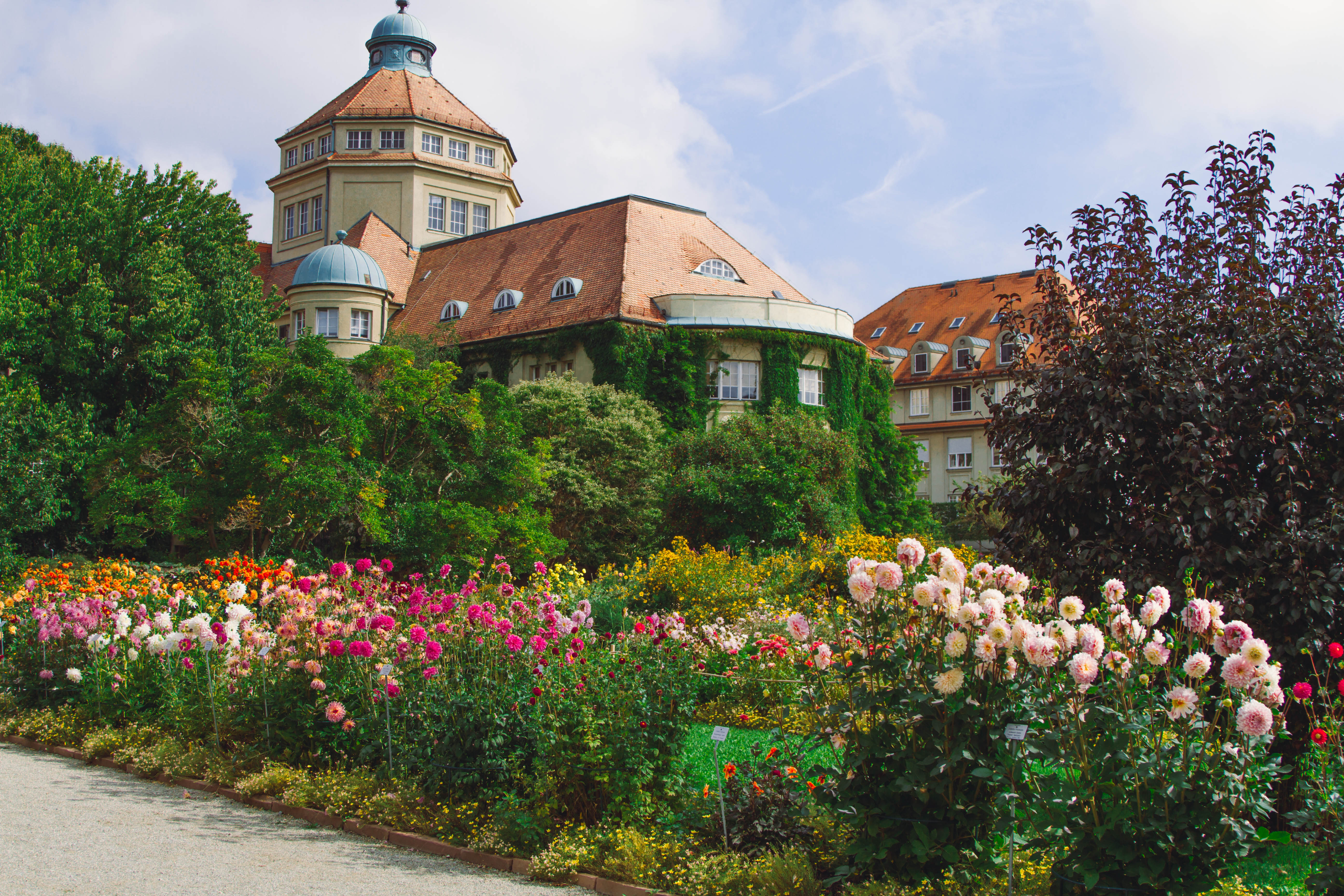
Explore Westend and nearby Bockenheim on the fourth day. Start with Palmengarten, which is in the Westend district and within walking distance is most hotels in the area. Then visit Bockenheimer Depot for an evening performance; tickets usually cost about €15–€60 ($17–$68) depending on the event, and the visit takes 1 to 2 hours. If time allows, return to Westend’s tree-lined streets before dinner, since the area is close to the banking district and multiple U-Bahn lines.
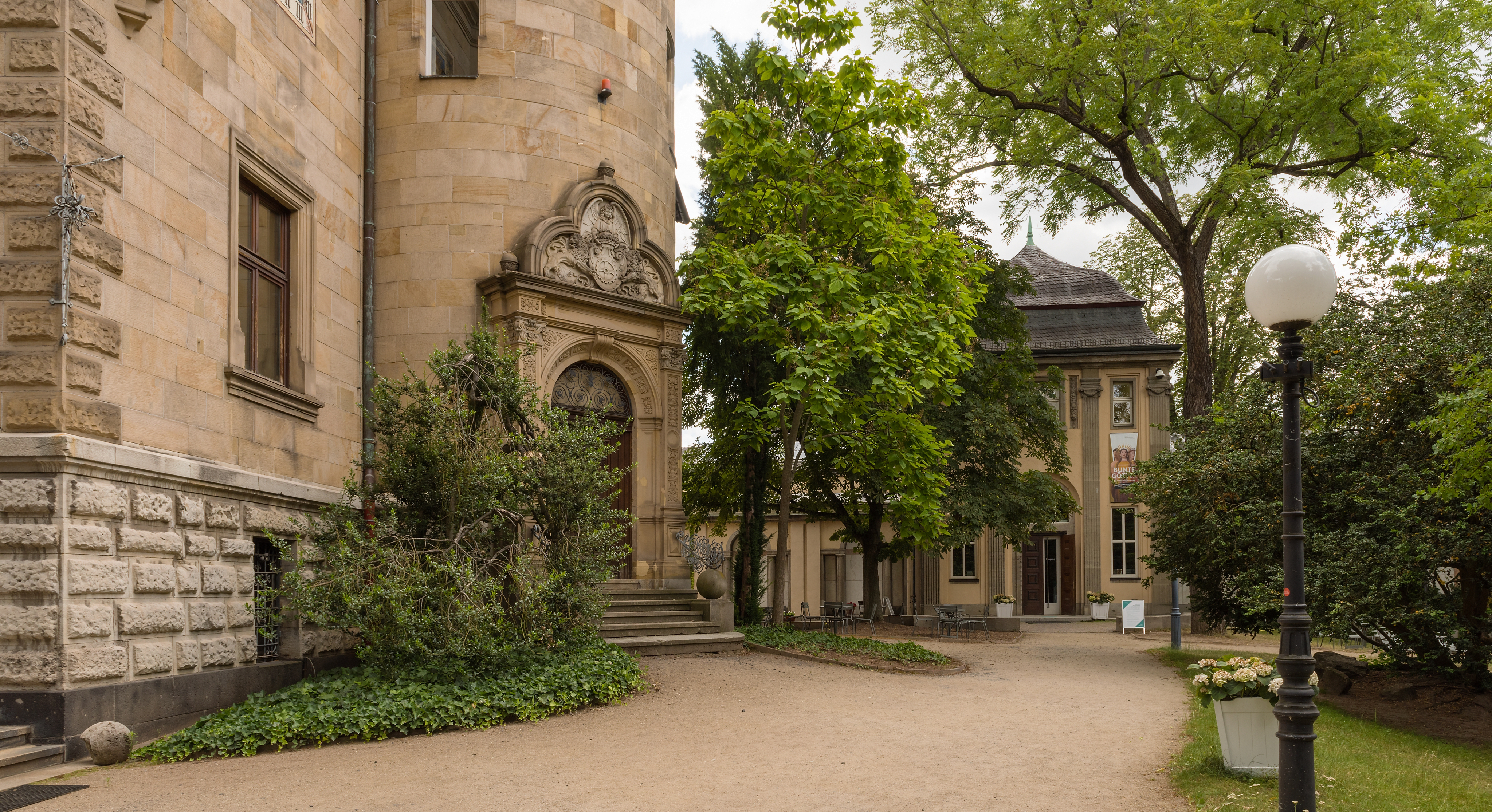
Plan the departure day for a short return to the city center. If your hotel is in Altstadt and Innenstadt, walk once more through Römerberg and the Main riverfront, both within easy reach on foot. If your flight leaves later, a final stop at the Nizza Promenade gives a free riverside pause before heading to Frankfurt Airport (FRA). From the center, the S-Bahn to the airport takes about 13–17 minutes and costs €6.90 ($7.85).
Business-class flights from the US to Frankfurt am Main
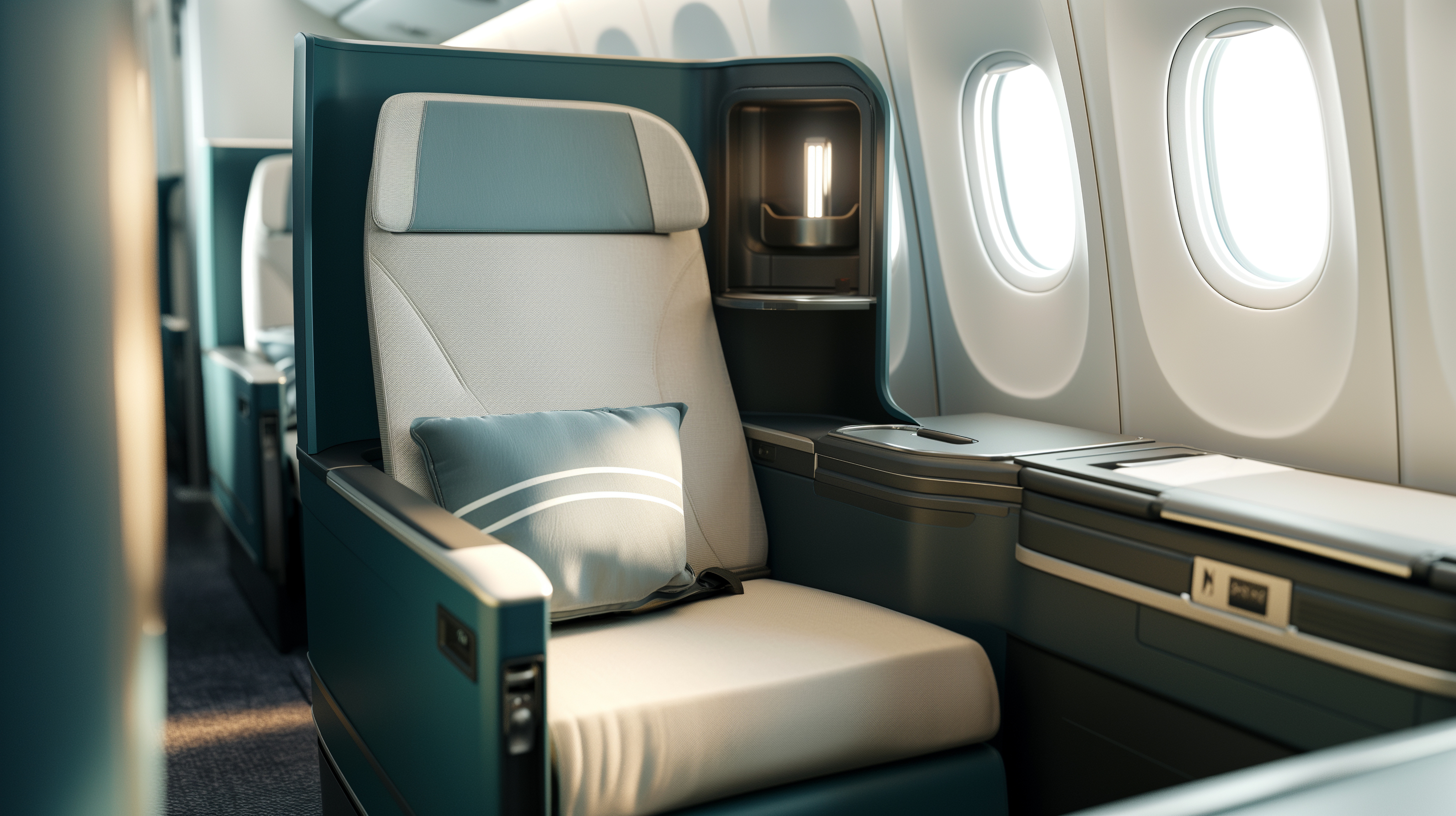
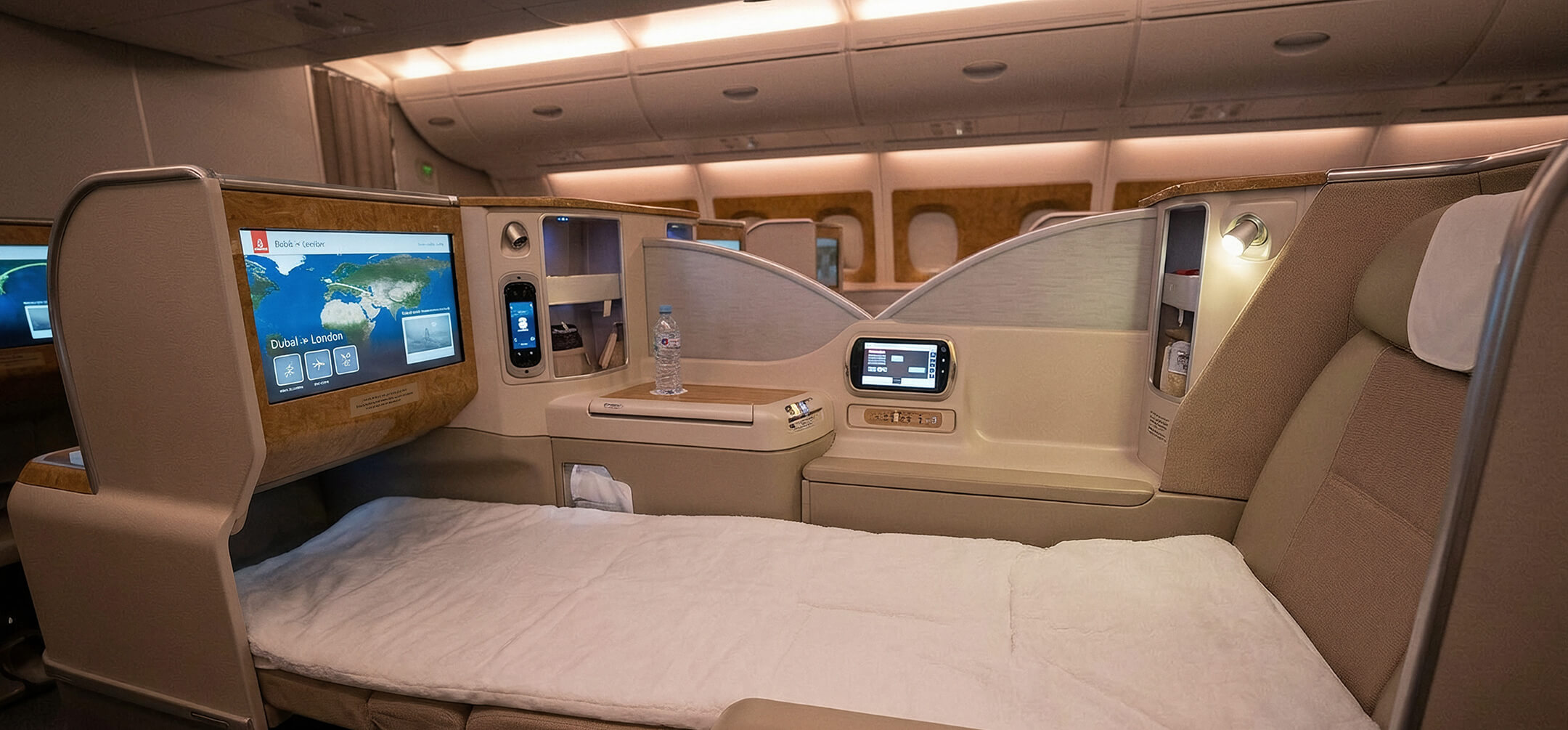
You can find flights to Frankfurt from major US hubs, with nonstop options available from both coasts. The examples below show typical options from the East Coast and the West Coast in 2026.
New York (JFK) to Frankfurt (FRA)
Singapore Airlines, Lufthansa, and Delta Air Lines operate nonstop business-class flights from JFK, with a typical duration of approximately 8 hours. Singapore Airlines offers round-trip business-class tickets ranging from $2,800 to $4,200. One-stop itineraries via hubs such as LHR, CDG, AMS, DOH, and IST are also available and often lower the price.
Los Angeles (LAX) to Frankfurt (FRA)
Lufthansa is the primary airline operating nonstop flights from LAX to Frankfurt, with a flight time of 11 hours and round-trip business-class fares ranging from $4,900 to $12,600. For a one-stop option, several carriers connect through European hubs, typically adding 2–3 hours to the total journey.
Bring Frankfurt together in five days
Frankfurt becomes much easier to explore when each day focuses on a different district. That approach leaves enough time for the historic center, riverfront, museums, and quieter neighborhoods without spending the trip crossing the city. And, naturally, every good trip starts with a comfortable flight. If you are ready to start planning your trip to Frankfurt, you can reach out to our AranGrant travel experts, who can offer you exclusive deals on business-class flights and help you choose an option that suits your needs.