

Chapters:

Need help with your trip?
Our support team is available 24/7. Request a callback or call us directly at (833) 619-0908
Fort Myers trips often start with the same sequence: airport arrival, a downtown hotel, and one or two headline sights. Travelers sometimes skip the smaller stops that explain the city’s riverfront setting and Calusa history, then wonder why the days feel thin.
The issue is not the number of attractions, it is the spacing. Downtown, McGregor, Iona, and the island routes each ask for different drive times, and peak dinner hours can add extra waiting if you do not plan ahead.
This guide separates arrival, museum time, waterfront walks, and beach-linked outings into a clearer order, so you can move through Fort Myers with fewer backtracks and better-timed stops.
Useful things to know

Main language(s): English

Currency: The local currency is the US dollar (USD, $).

Cash and cards: Cards and contactless are widely accepted; carry about $20 to $40 in cash for tips and small purchases.

Tipping: Tip 15-20% at restaurants if service is not included; round up small bills and taxi fares.

Traditional food: Stone crab claws, grouper sandwich, conch fritters, key lime pie

Water and coffee costs: Water about $2 ($2), bar espresso about $4 ($4).

Taxis and ride apps: Uber and Lyft operate here; wait times can vary at the airport.

Plug and voltage: Type A/B socket, 120V

Dining and shop opening hours: Breakfast is about 07:00-10:00, lunch 11:30-14:00, and dinner 17:30-21:00. Many casual spots close by 22:00.

Emergency number: 911 for police, fire, and medical emergencies.
Where to stay in Fort Myers
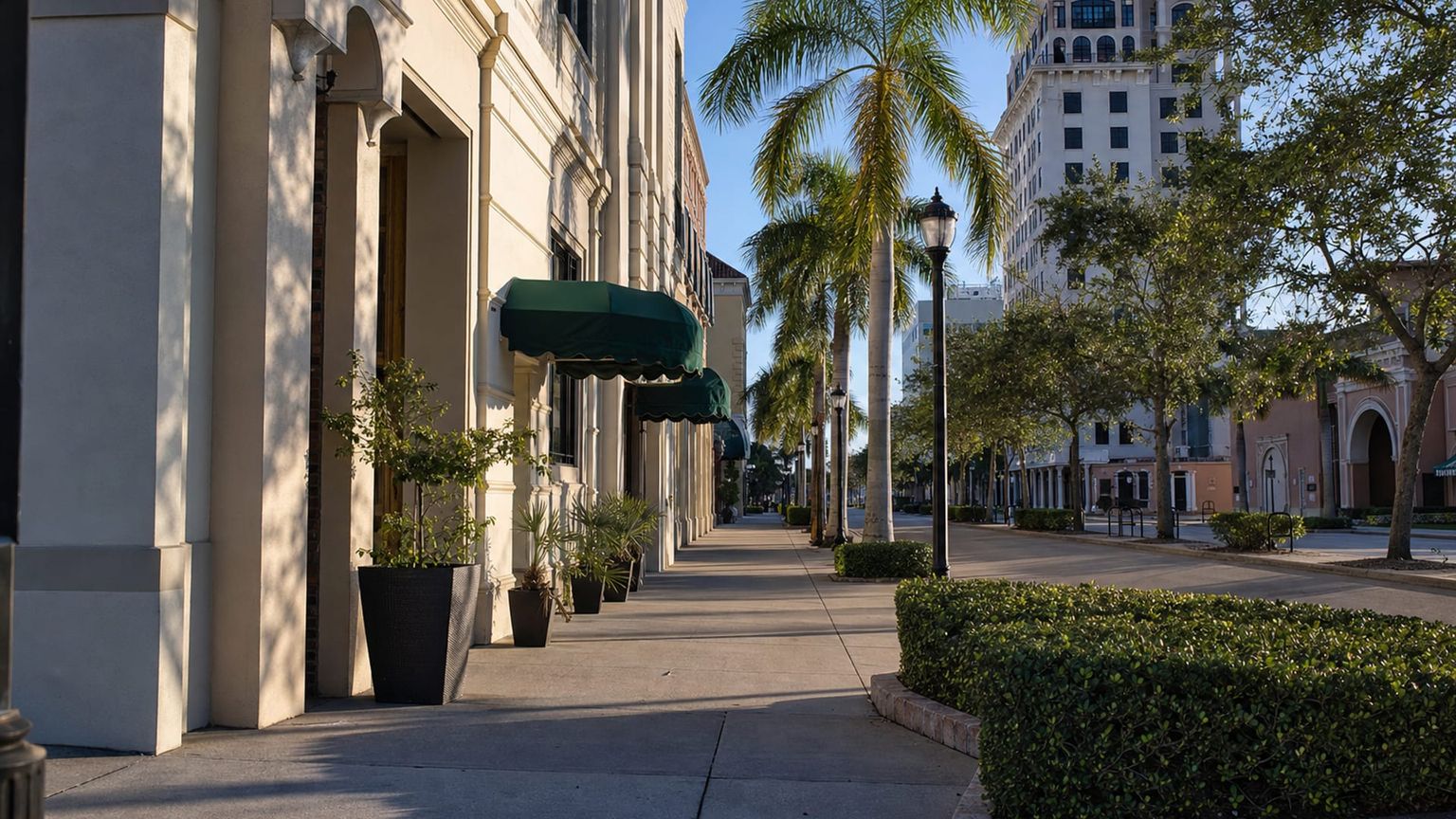
Fort Myers’ compact center clusters the River District, Caloosahatchee views, restaurants, galleries, and the city’s main civic buildings. It suits visitors who want to walk to dinner, join events, and use the riverfront as a reference point for getting oriented.
Best for: Walking access to restaurants, galleries, riverfront strolls, and first-time stays
What to expect: Sidewalk traffic builds around dinner and event times, with a small downtown core that empties out after business hours on weekdays.
Hotel prices: Usually about $160 to $280 per night for well-rated stays
Distance to major sights: 5 to 10 minutes on foot to the Caloosahatchee waterfront, 10 to 15 minutes by foot to the Edison and Ford Winter Estates
Quietness: Quieter in the morning and on weekdays, livelier near bars and event spaces at night.
Main trade-off: You pay more for the limited supply of rooms, and parking can be tighter than in outlying hotel strips.
Good to know: Choose a room away from the main restaurant blocks if you want less late-night foot traffic.
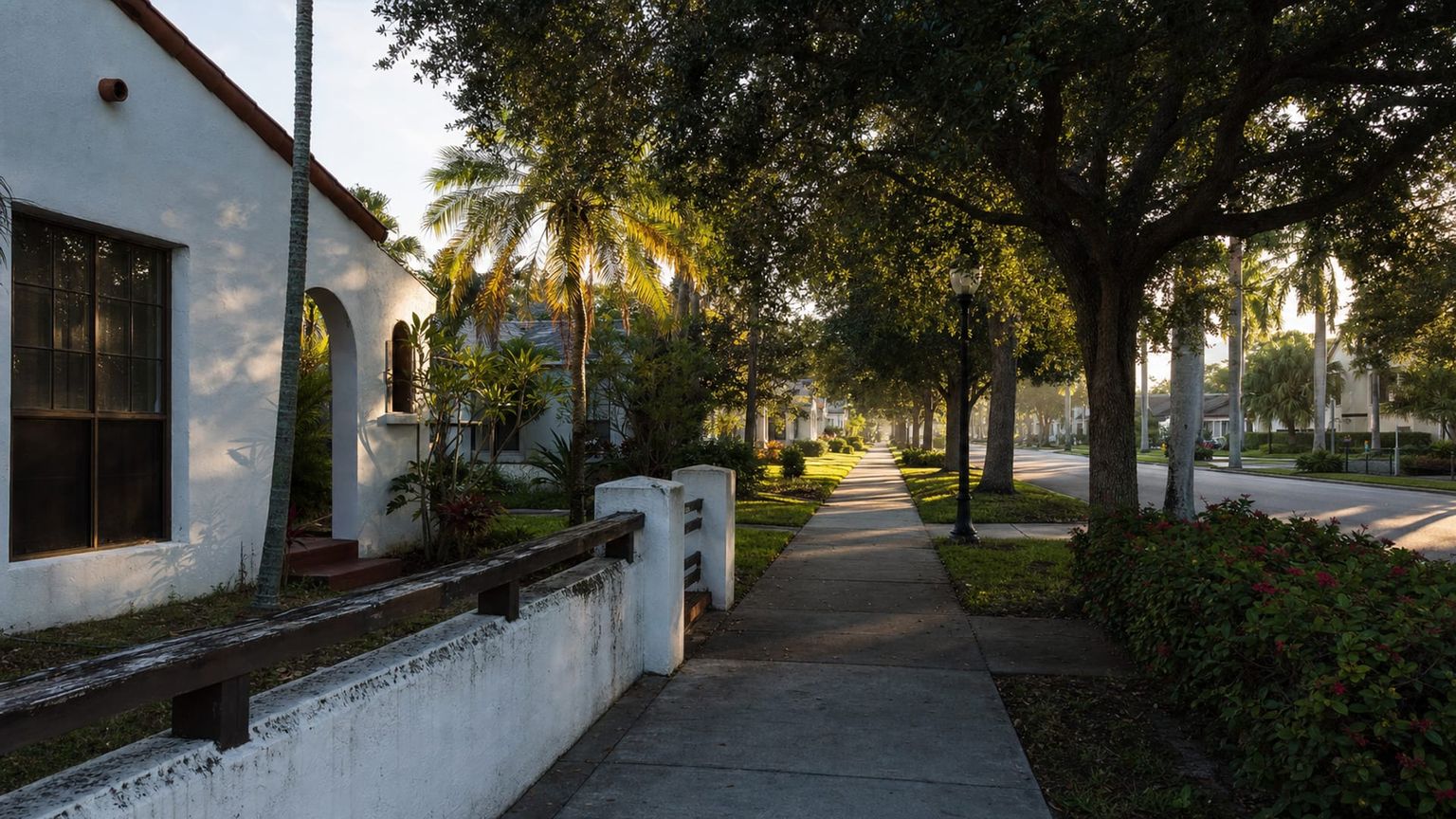
McGregor lines the broad, tree-shaded corridor west of downtown, with historic houses, access to the river, and a residential feel that still keeps you close to the city core. It works well if you want a calmer base without losing easy access to downtown and the Edison and Ford district.
Best for: Quieter residential stays, river access, and travelers who want a lower-key base near downtown
What to expect: Mostly residential streets, light evening activity, and a car-oriented layout with fewer casual dining options than downtown.
Hotel prices: Usually about $140 to $240 per night for well-rated stays
Distance to major sights: 10 to 15 minutes by car to downtown Fort Myers, about 10 minutes by car to the Edison and Ford Winter Estates
Quietness: Calm during the day and very quiet at night, with little street noise outside arterial roads.
Main trade-off: You will likely need a car or rideshare for meals and most sightseeing because daily errands are spread out.
Good to know: Book near McGregor Boulevard rather than deeper side streets if you want quicker drives and easier wayfinding.
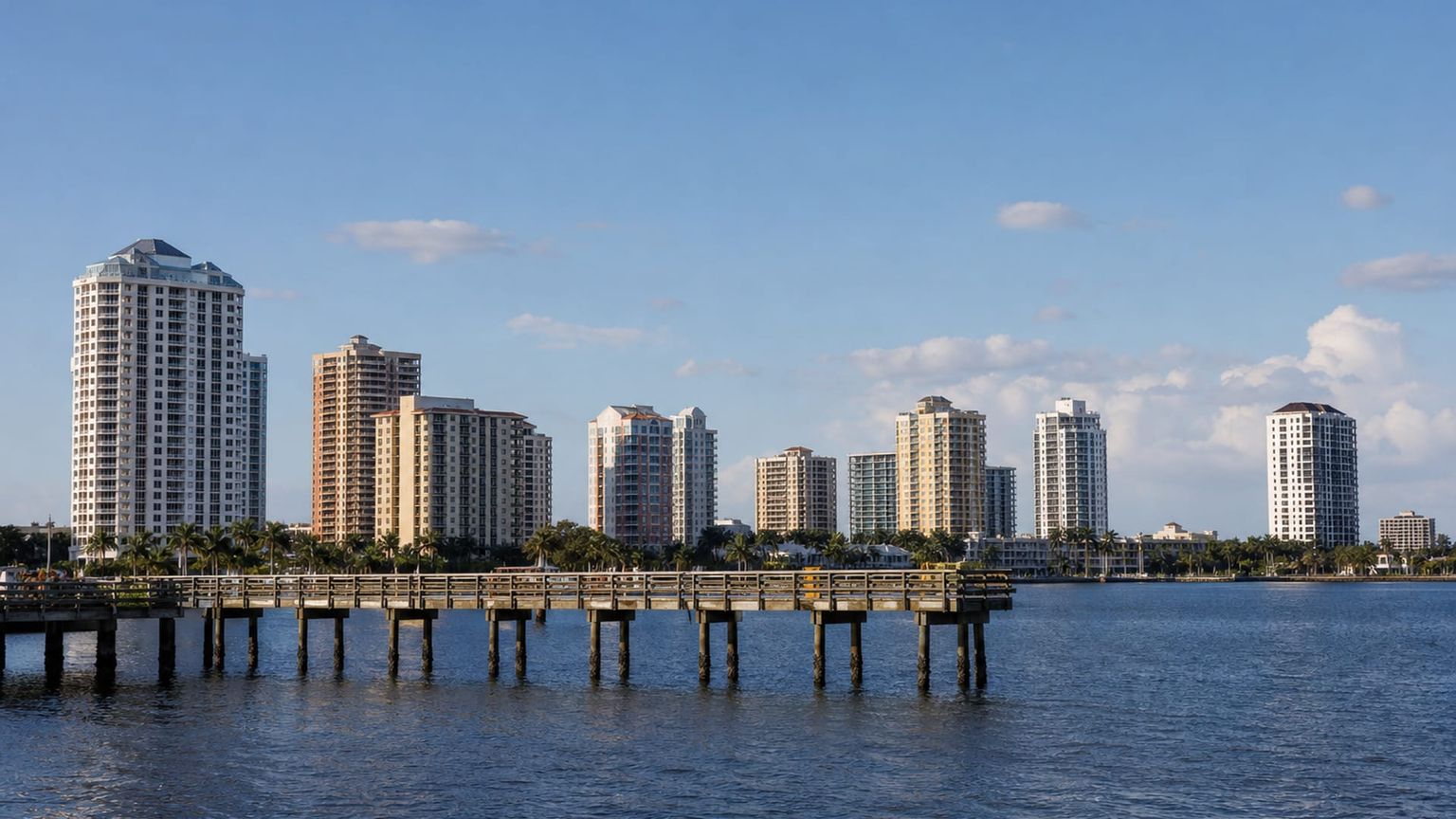
Iona sits southwest of Fort Myers near the river and the route toward Sanibel, with condo buildings, vacation rentals, and access to beaches and marinas. It matters for travelers who plan to split time between Fort Myers and island outings while keeping hotel choices in the metro area.
Best for: Beach-oriented stays, condo rentals, and travelers planning island time
What to expect: A mix of residential streets and resort-style properties, with more car traffic than sidewalk life and busier check-in areas in season.
Hotel prices: Usually about $180 to $320 per night for well-rated stays
Distance to major sights: 20 to 30 minutes by car to downtown Fort Myers, about 25 minutes by car to the Edison and Ford Winter Estates
Quietness: Quiet in the evenings on residential streets, with more traffic and check-in activity during the day and peak season.
Main trade-off: You gain easier access to the islands, but you will be farther from downtown dining and evening plans.
Good to know: If you want beach days, confirm bridge timing and parking policies before you book, since island access can add drive time.
Travelers usually avoid Lehigh Acres for hotel stays because it sits far from Fort Myers Beach, downtown Fort Myers, and the riverfront, with few visitor-oriented amenities. Gateway and Buckingham are also less convenient, since they are primarily residential and require longer evening drives to restaurants, shops, and main sightseeing areas; some parts of North Fort Myers are better for through-travel than for a base, because you will be across the river from downtown and the waterfront.
Hotel deals
How to get around Fort Myers efficiently
LeeTran covers the city bus network, while taxis and ride-hailing fill the gaps between downtown, the airport area, and the islands.

Metro
for longer distances
Fort Myers has no metro or suburban rail, so visitors rely on cars, taxis, ride-hailing, and local buses for trips between downtown, the beaches, and the airport area.

Bus and tram
for convenience
LeeTran runs the local bus network, including routes linking downtown Fort Myers, Cleveland Avenue, the airport area, and nearby commercial corridors; single rides are about $1.50, with day passes about $3, and a 31-day pass about $37. Buses are useful for daytime travel, but many routes run infrequently, so check schedules before you go.

Taxi
for convenience or late hours
Licensed taxis in Fort Myers use metered fares rather than flat citywide rates, with a typical airport-to-downtown ride costing about $25 to $35 before tip, depending on traffic and wait time. You can book by phone or through a dispatch app, and most cabs accept cards as well as cash.
*Prices are based on rates updated as of June 2026 and may change at the time of travel.
Use buses for daytime cross-town hops, taxis or rideshare for airport transfers and evenings, and walking once you are in the River District or on McGregor Boulevard.
Iconic landmarks
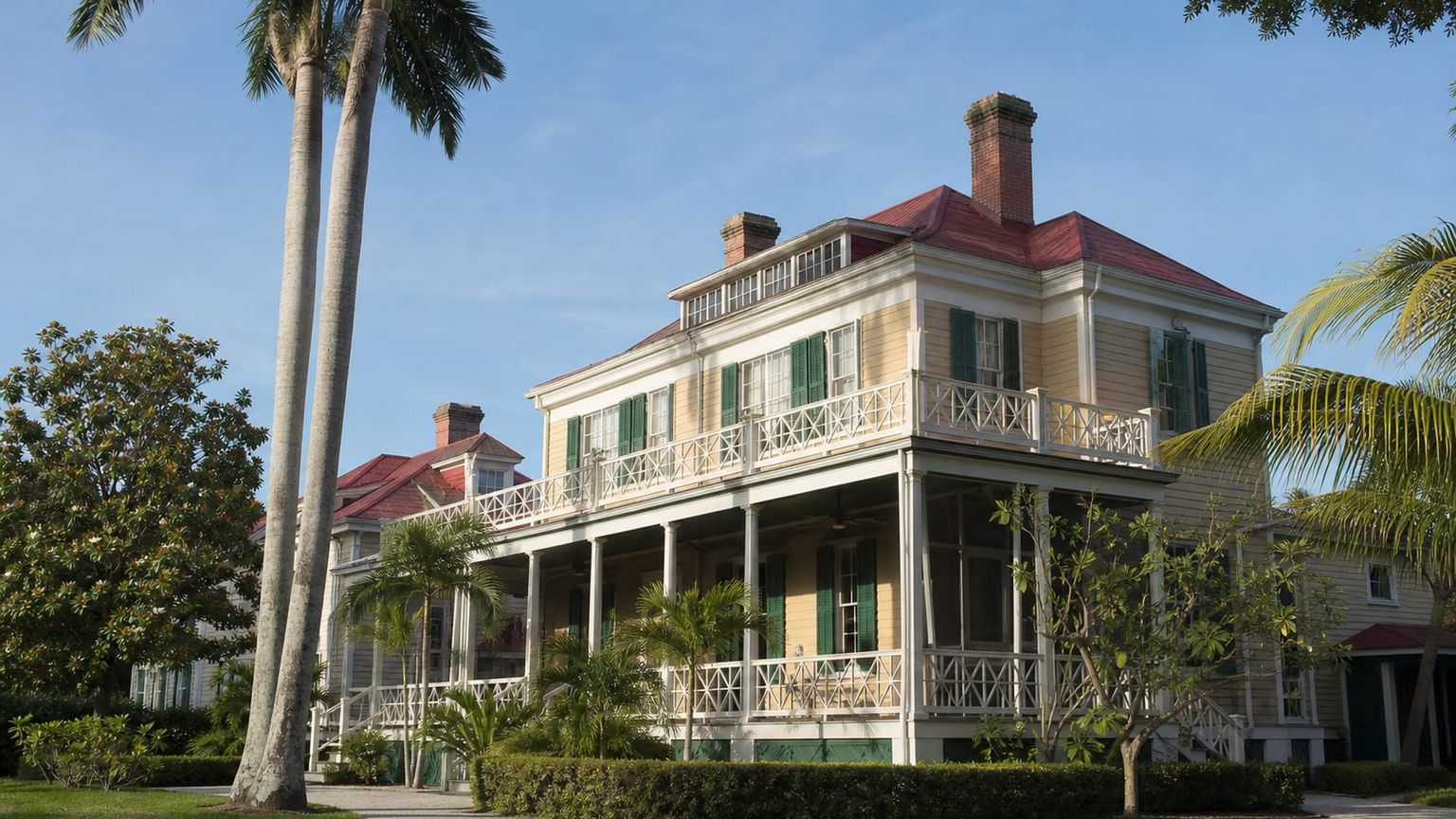
Edison and Ford Winter Estates
These adjoining homes preserve the winter retreats of Thomas Edison and Henry Ford, plus gardens, a museum, and Edison’s laboratory complex. The site gives a clear look at Fort Myers’ early-20th-century history and riverfront setting.
Time needed: About 2 to 3 hours
Entry: Admission costs $27 to $32 for adults, $16 to $17 for ages 6 to 11, and free for children under 6. Visit the official site for details.
Tip: Arrive early, then visit the gardens before the noon heat and tour crowds build.
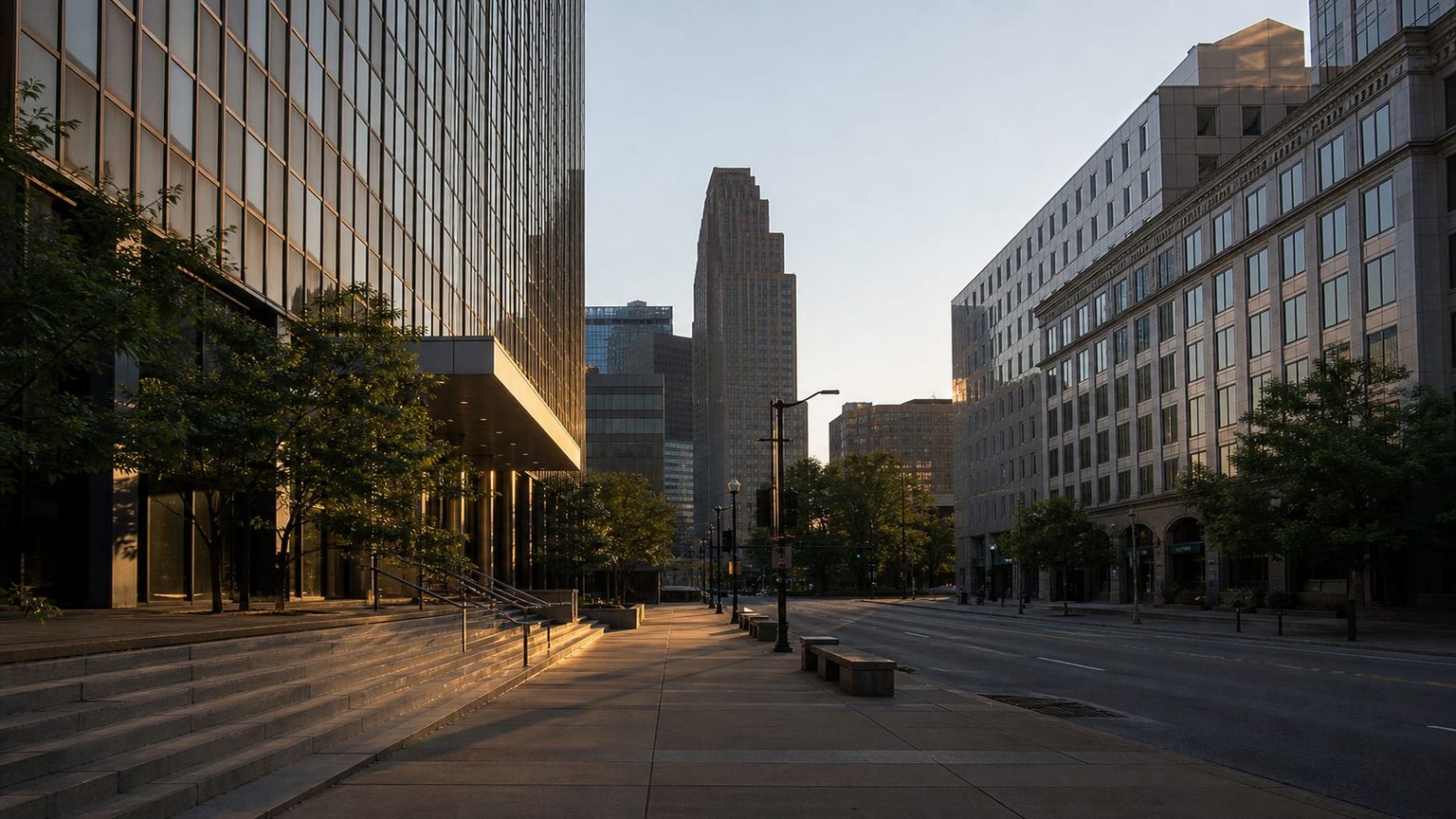
Manatee Park
This city park beside the Orange River draws manatees in cooler months, when warm-water outflow can gather them near the viewing areas. Boardwalks, paths, and launch points make it a strong outdoor stop close to downtown.
Time needed: About 1 to 2 hours
Entry: Free to access Visit the official site for details.
Tip: Visit on a cool morning, when manatees are most likely to gather near the outflow.
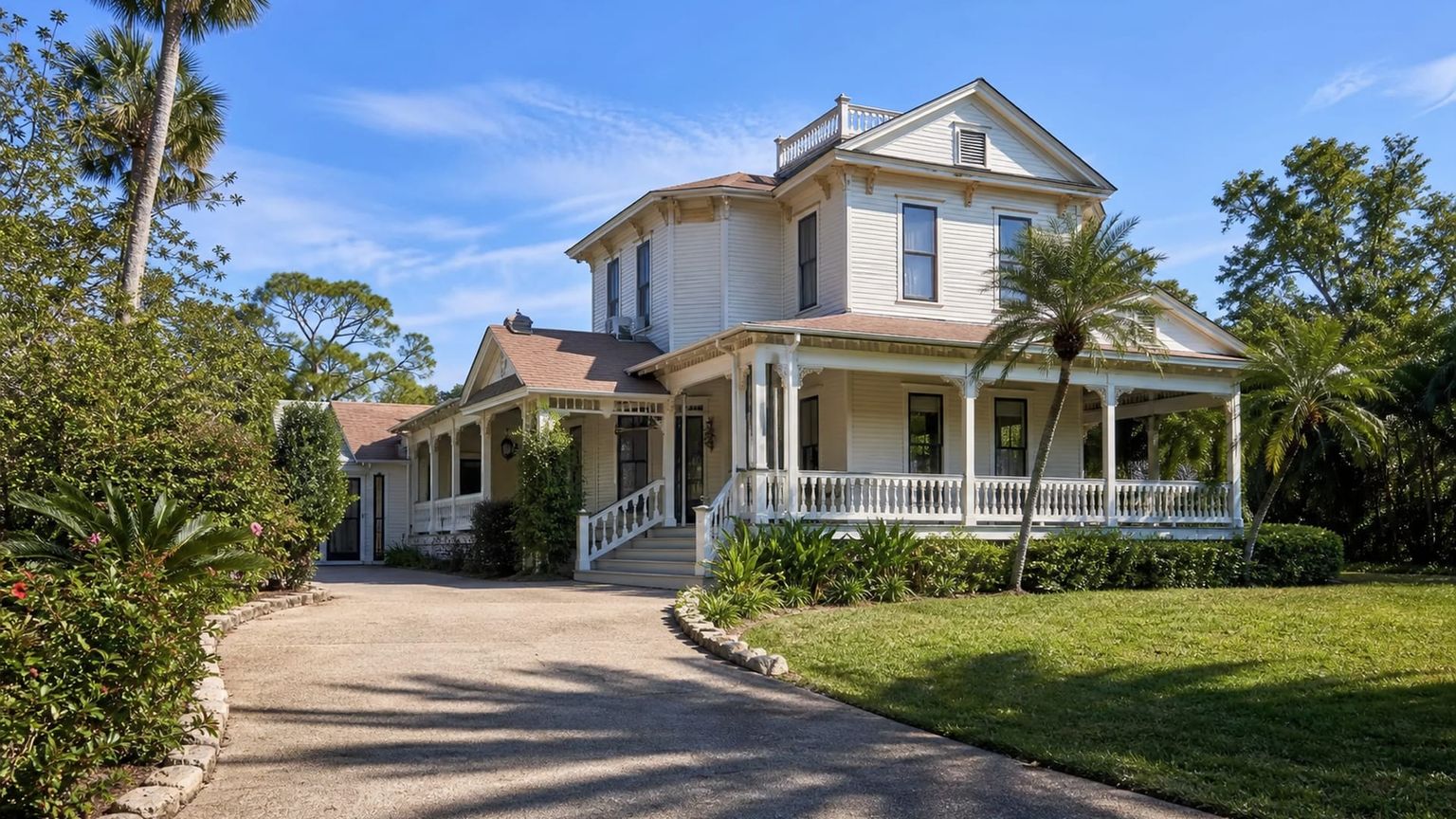
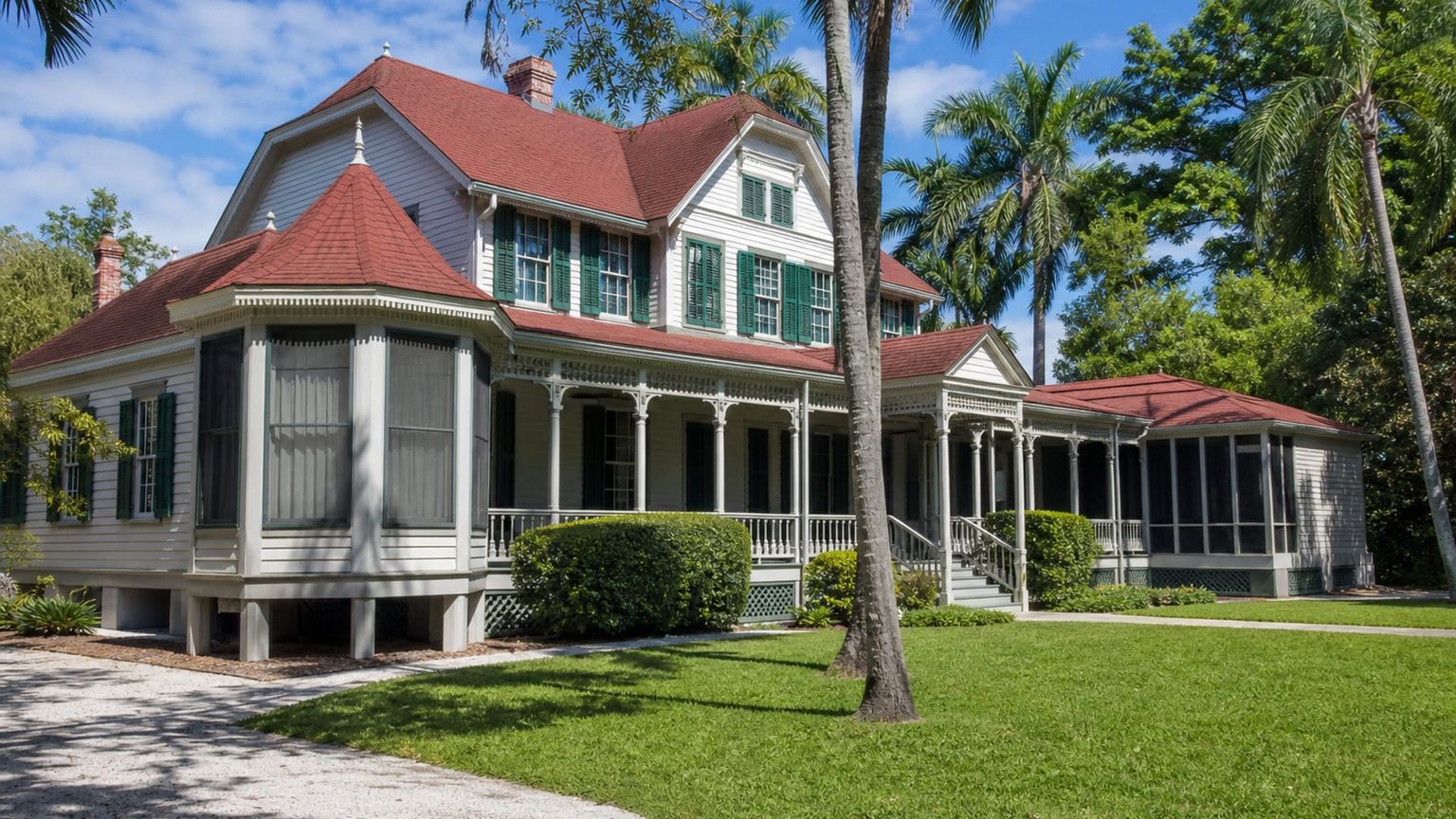
Burroughs Home and Gardens
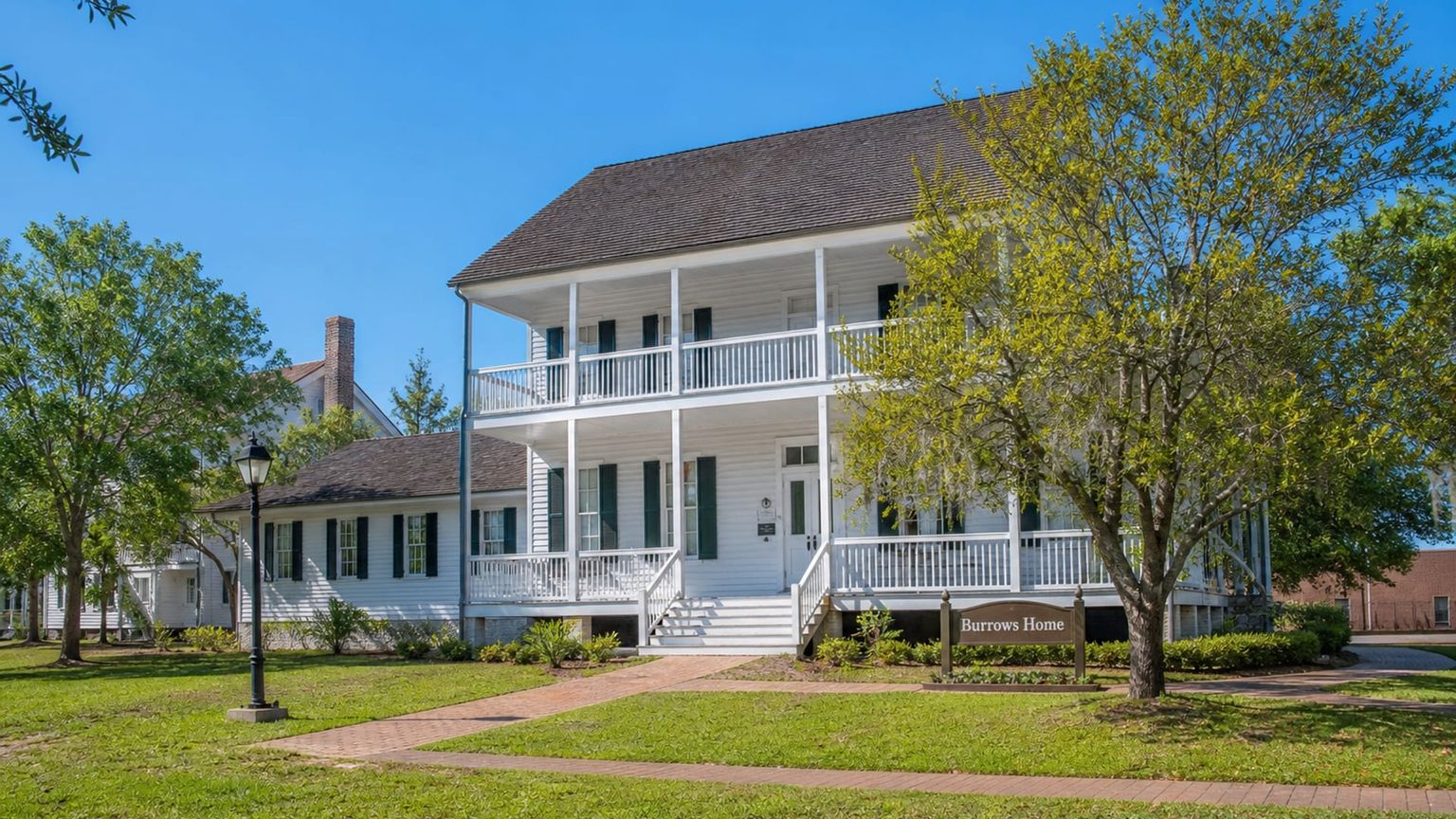
This 1901 riverfront mansion preserves formal rooms, period furnishings, and landscaped grounds on the Caloosahatchee River. It stands out for its preserved interiors and easy read on Fort Myers’ early wealthy residential history.
Time needed: About 1 to 2 hours
Entry: Guided tours cost $15 to $20 for adults, $10 to $15 for children, and special event pricing may vary. Visit the official site for details.
Tip: Choose a late-afternoon tour, when the riverfront light is best for the gardens.
Overlooked sites worth visiting

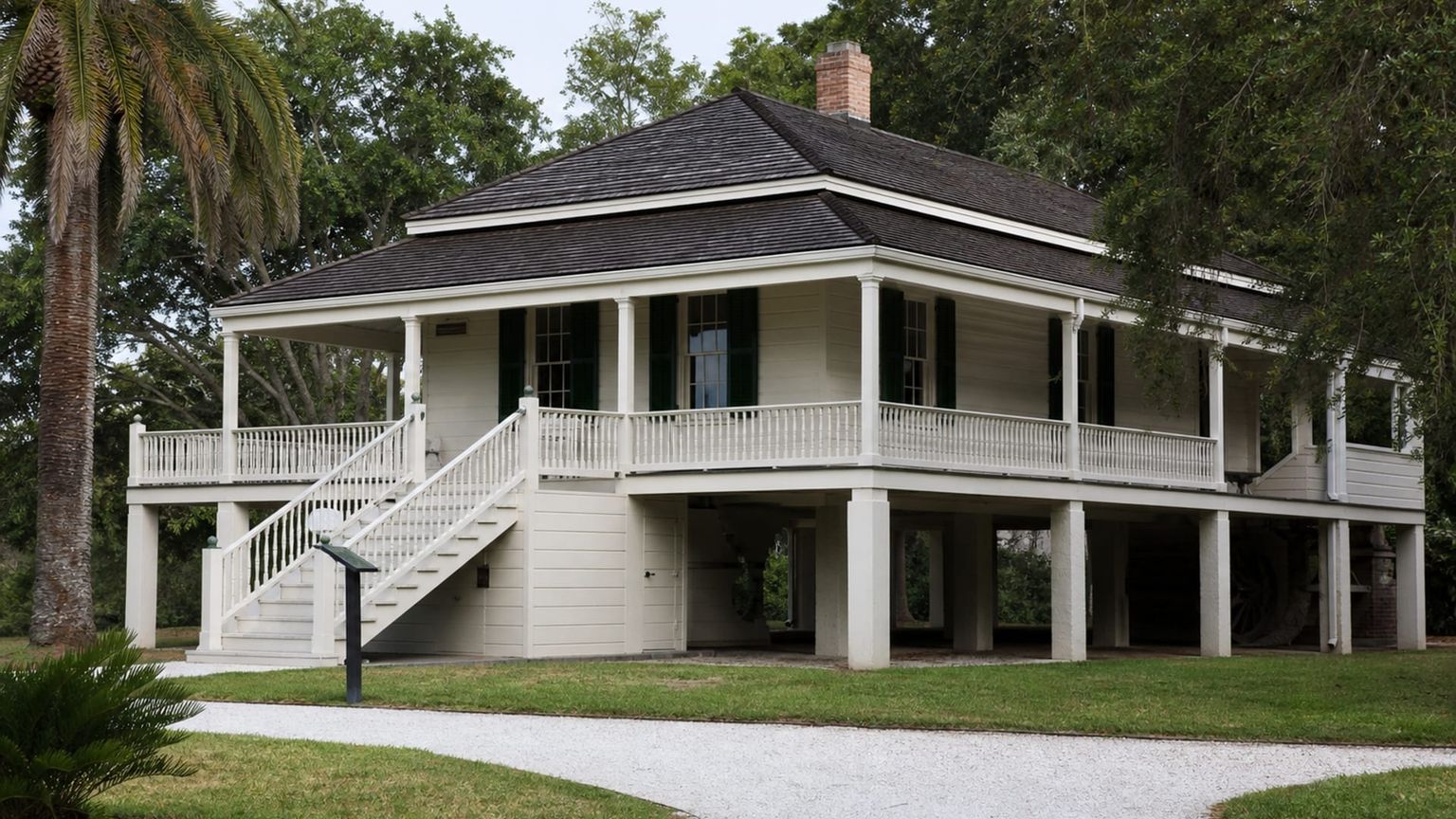
Mound House
An archaeological site on Estero Island, this Calusa mound sits beside a small museum and shaded grounds. The low shell mound and bay views make it a quiet stop with local context.
Time needed: About 1 to 1.5 hours
Entry: Adult admission is typically about $12 ($12), with reduced rates for seniors, children, and military visitors; guided tours and special programs may cost more, and hours vary by season. Visit the official site for details.
Tip: Go in the morning for cooler temperatures and softer light.

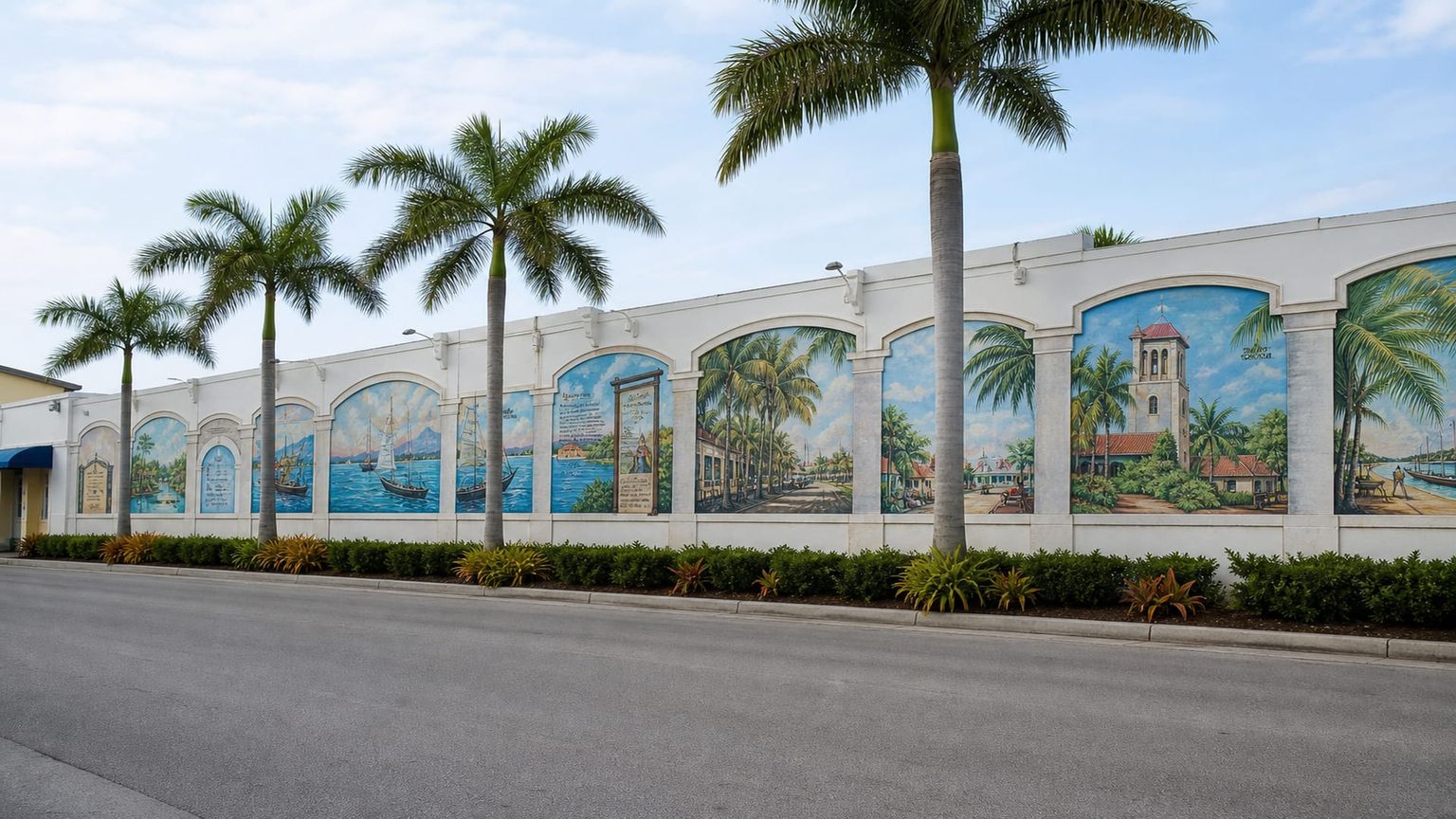
Murals of McGregor Boulevard
This stretch of historic road in Fort Myers hides a cluster of public murals, old houses, and small plaques that trace the city’s past. It works well as a short self-guided walk.
Time needed: About 45 minutes to 1 hour
Entry: Free to access; the murals and street views are public along McGregor Boulevard, though nearby homes, shops, and private properties are not open to visitors, and parking depends on the block.
Tip: Park once and walk the route to see the murals at street level.
Traditional food
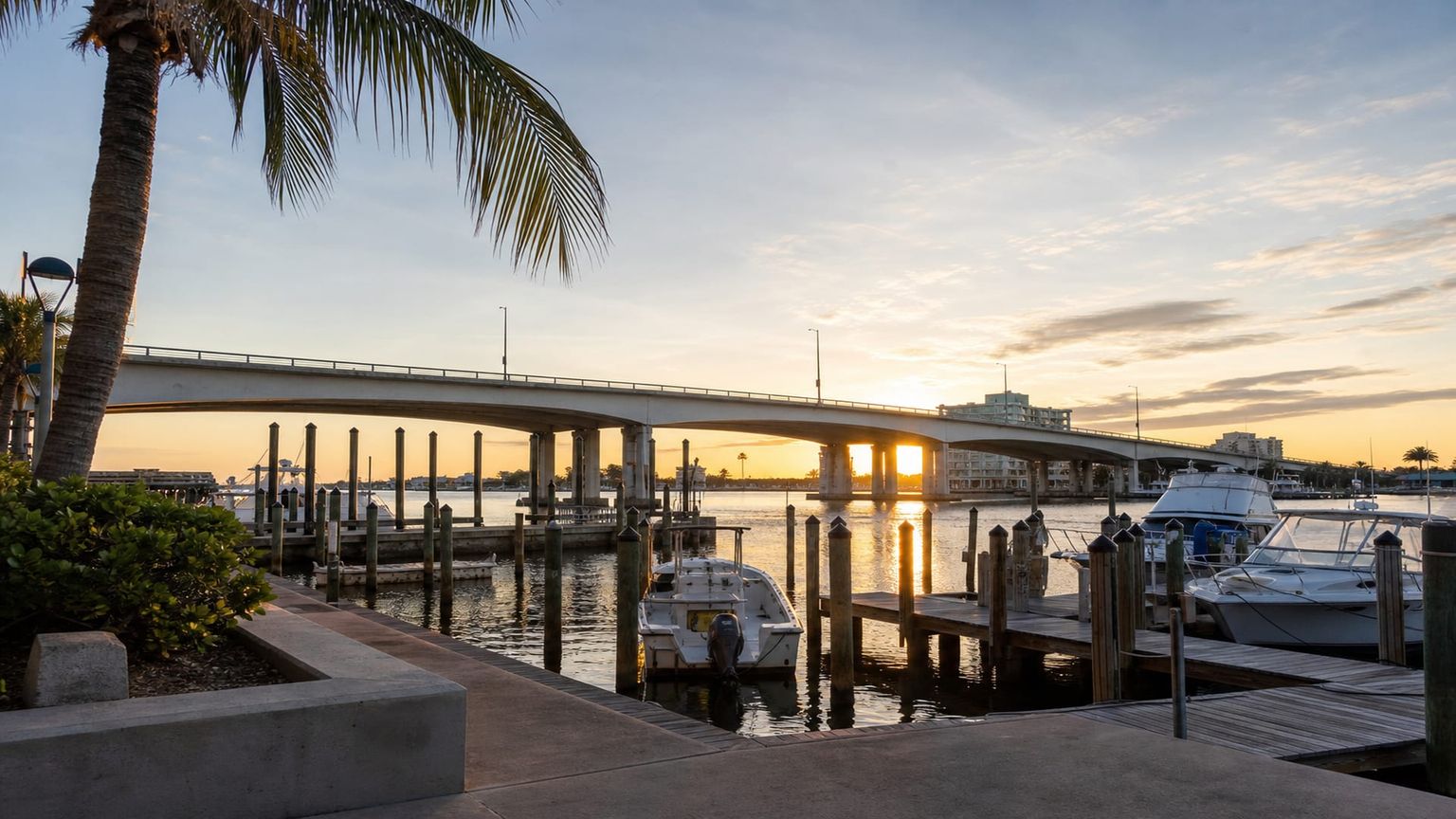
Fort Myers leans on Gulf seafood, with stone crab claws, grouper, conch fritters, and key lime pie anchoring casual plates and waterfront dining. Lunch and early dinner are the easiest times to find the freshest versions.
Stone crab claws
Sweet, chilled claws are a seasonal Gulf staple, usually served with mustard sauce. Truluck’s Ocean’s Finest Seafood and Crab in Fort Myers is a strong canonical stop for them.
Grouper sandwich
A fried or blackened grouper sandwich shows up on many local menus, often with lettuce, tomato, and tartar sauce. Deep Lagoon Seafood and Oyster House in Fort Myers is a dependable place to order one.
Conch fritters
These crisp fritters pair a tender center with a light, peppery batter. Pinchers in Fort Myers serves a version that fits the city’s casual seafood pattern.
Key lime pie
Tart filling and a graham crust give this Florida dessert its clean finish. Sky’s Restaurant in Fort Myers is a fitting place to end a meal with a slice.
Best time to visit Fort Myers
Fort Myers shifts more by heat, humidity, and winter wildlife activity than by dramatic temperature swings, so the best season depends on whether you want easier sightseeing or quieter streets.
Best for: Best for manatees, mild afternoons, and outdoor sightseeing
What you get: About 52-76°F (11-24°C), with the busiest hotel demand and the clearest wildlife viewing windows
Trade-offs: Cool mornings can feel sharp, and top dates book early
Best for: Best for warm beach weather and comfortable museum days
What you get: About 63-88°F (17-31°C), with moderate crowds before summer heat rises
Trade-offs: Late spring brings more humidity and stronger afternoon sun
Best for: Best for lower room rates and slower daytime pacing
What you get: About 76-92°F (24-33°C), with fewer visitors and frequent afternoon rain
Trade-offs: Heat, humidity, and storms can shorten outdoor time
Best for: Best for quieter streets and flexible museum visits
What you get: About 67-89°F (19-32°C), with lighter crowds after the summer peak
Trade-offs: Hurricane season can affect plans, especially early in fall
A realistic 5-day plan in Fort Myers
The five-day plan below keeps the city in geographic order, beginning downtown, then moving to riverfront history, McGregor, Manatee Park, and the islands. That sequence reduces repeat driving and makes room for slower meals and late-afternoon walks.
Land at Fort Myers (FMY) and take a taxi or rideshare to downtown Fort Myers, which usually takes about 20 to 30 minutes and costs roughly $35 to $55 before tip. If you want a quieter base, McGregor works well for a first night, with downtown still about 10 to 15 minutes away by car. Settle in, drink water, and choose an easy dinner on or near McGregor Boulevard or in the River District, where the walk from hotel to table stays short.
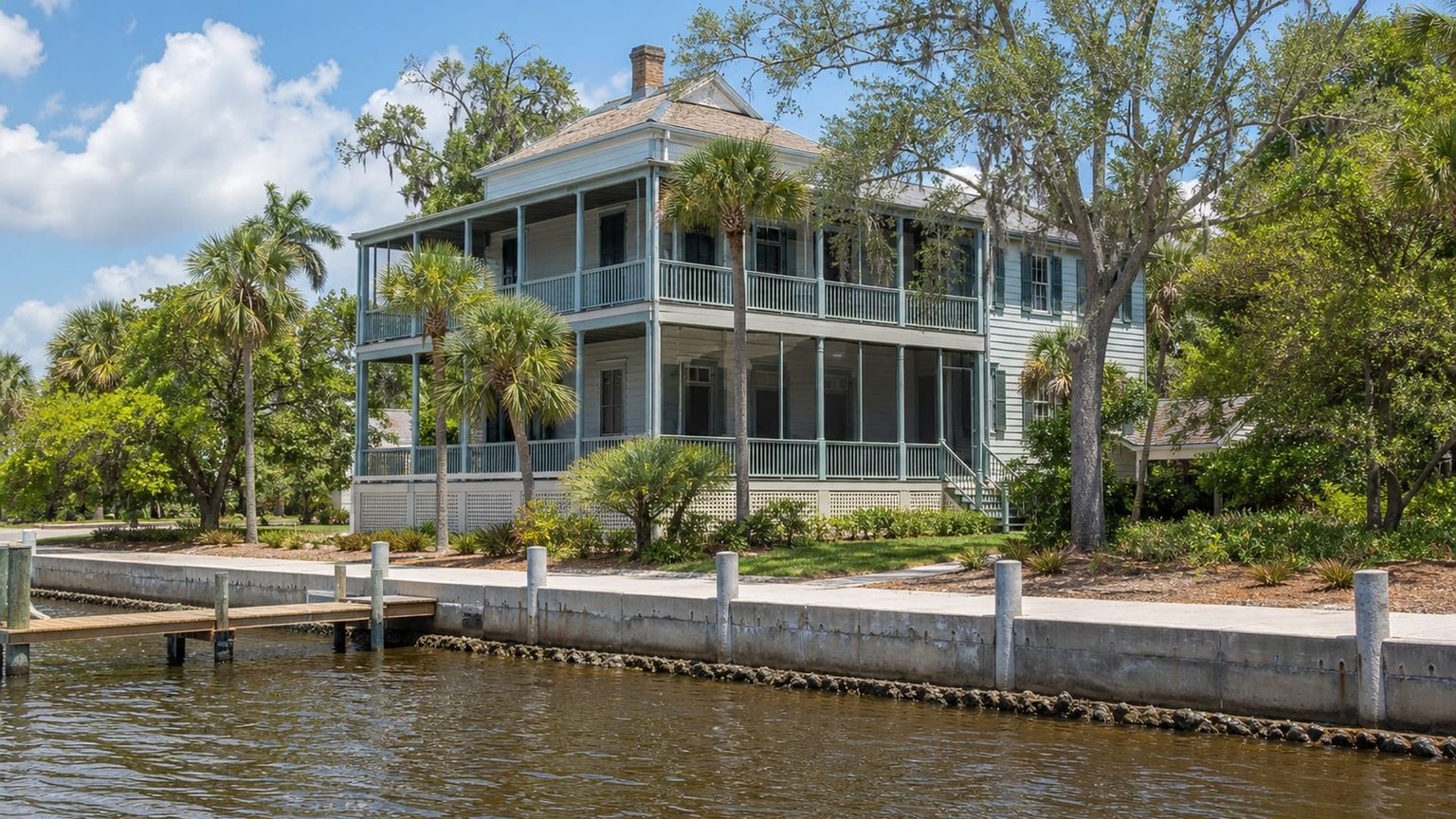
Start early at the Edison and Ford Winter Estates, about a 5 to 10 minute walk from downtown Fort Myers or a short drive from McGregor. Plan 2 to 3 hours for the homes, gardens, museum, and laboratory buildings, then head 5 to 10 minutes on foot into the River District for lunch and a riverfront stroll. In the afternoon, continue to the Burroughs Home and Gardens, which sits about 10 minutes away by car from the Edison and Ford site, and spend 1 to 2 hours touring the mansion and grounds before dinner downtown.
Begin with the Murals of McGregor Boulevard, a self-guided walk that takes about 45 minutes to 1 hour and works well if you park once and explore on foot. From there, drive about 10 minutes to Manatee Park, where boardwalks and paths make a 1 to 2 hour stop easy, and the cooler months can bring manatees close to the viewing areas. Finish back in downtown Fort Myers for an unrushed evening meal, since the drive from Manatee Park to the River District usually takes about 20 to 25 minutes.
Spend the morning at Mound House on Estero Island, about a 25 to 30 minute drive from downtown Fort Myers, and allow 1 to 1.5 hours for the museum, shell mound, and bay views. After that, continue about 10 minutes by car into Iona for a late lunch or an early seafood dinner, then linger near the river or marina before heading back. If you are staying in Iona, this day keeps driving contained, since both Estero Island and the nearby southwest corridor sit close together.
Downtown Fort Myers makes the easiest last-day base, because you can check out, leave bags with the hotel, and stay close to the River District. Stop by one final museum visit if you missed the Burroughs Home and Gardens or want a shorter return to the Edison and Ford district, then spend the afternoon browsing the downtown shops and galleries before settling into a café in McGregor for coffee or a light lunch. The airport drive from downtown to Fort Myers (FMY) usually takes about 20 to 30 minutes, so you can leave the city without rushing the morning.
Business-class flights from the US to Fort Myers
Fort Myers (FMY) connects well through major hubs, so the main choice is whether you want the shortest nonstop from the East Coast or a one-stop itinerary from farther west. The business-class examples below show how the route shape changes by origin.
From New York, Delta Air Lines, American Airlines, United Airlines, JetBlue, and Alaska Airlines all appear on itineraries to Fort Myers. Nonstop flights take about 3 to 3.5 hours, while one-stop trips commonly connect through ATL, CLT, IAH, ORD, or MIA, with total travel time about 5 to 8 hours. Round-trip fares from New York to Fort Myers generally start at about $450 and often reach $900.
Los Angeles travelers usually see American Airlines, United Airlines, Delta Air Lines, and Alaska Airlines on the Fort Myers market. The nonstop option runs about 6 to 6.5 hours, and one-stop itineraries via DFW, ORD, ATL, or DEN often stretch the trip to about 8 to 12 hours. Expect round-trip fares from Los Angeles to Fort Myers to run from $650 to $1,250.
Fort Myers feels different when you slow down
A deliberate Fort Myers trip gives each district a clear role, downtown for dinner and galleries, McGregor for its tree-shaded streets, Manatee Park for a winter wildlife stop, and Iona or Estero Island for a day near the water. LeeTran can cover a few cross-town links, but taxis and rideshare make the airport and evening moves easier. If you want a version of the city that fits neatly on the ground, talk with AranGrant experts and build it from the River District outward