

Chapters:

Need help with your trip?
Our support team is available 24/7. Request a callback or call us directly at (833) 619-0908
Fort-de-France usually rewards travelers who arrive with one clear base, a short list of sights, and a plan for taxis or buses. What many visitors miss is how quickly the day can slip by between the port, hillside neighborhoods, and the city center.
That matters because distances are not large, but they are not all walkable in heat, and market hours, museum access, and evening closures all shape the pace.
This guide keeps the focus on where to stay, how to move, what to eat, and how to arrange five days without overfilling any one part of town.
Useful things to know

Main language(s): French
Bonjour (bohn-zhoor) – Hello/Good morning
S'il vous plaît (seel voo pleh) – Please
Merci (mehr-see) – Thank you
Parlez-vous anglais ? (par-lay voo ahn-gleh) – Do you speak English?
Combien ça coûte ? (kohn-byen sah koot) – How much does it cost?

Currency: The local currency is the euro (EUR, €).

Cash and cards: Cards and contactless are widely accepted; keep about €20 to €40 ($22 to $44) in cash for taxis, markets, and small cafés.

Tipping: Round up small bills; leave about 5-10% in restaurants if service was good.

Traditional food: Accras, Colombo chicken, Boudin créole, Ti nain lanmori

Water and coffee costs: Water ~€2 ($2), bar espresso ~€2.50 ($3).

Taxis and ride apps: Uber and local taxis operate; availability can be limited late at night.

Plug and voltage: Type C/D socket, 220V

Dining and shop opening hours: Breakfast is about 06:30-09:00, lunch 12:00-14:00, and dinner 19:00-22:00. Many restaurants close between lunch and dinner, especially outside tourist areas.

Emergency number: 112 for all emergencies, including police, fire, and medical.
Where to stay in Fort-de-France
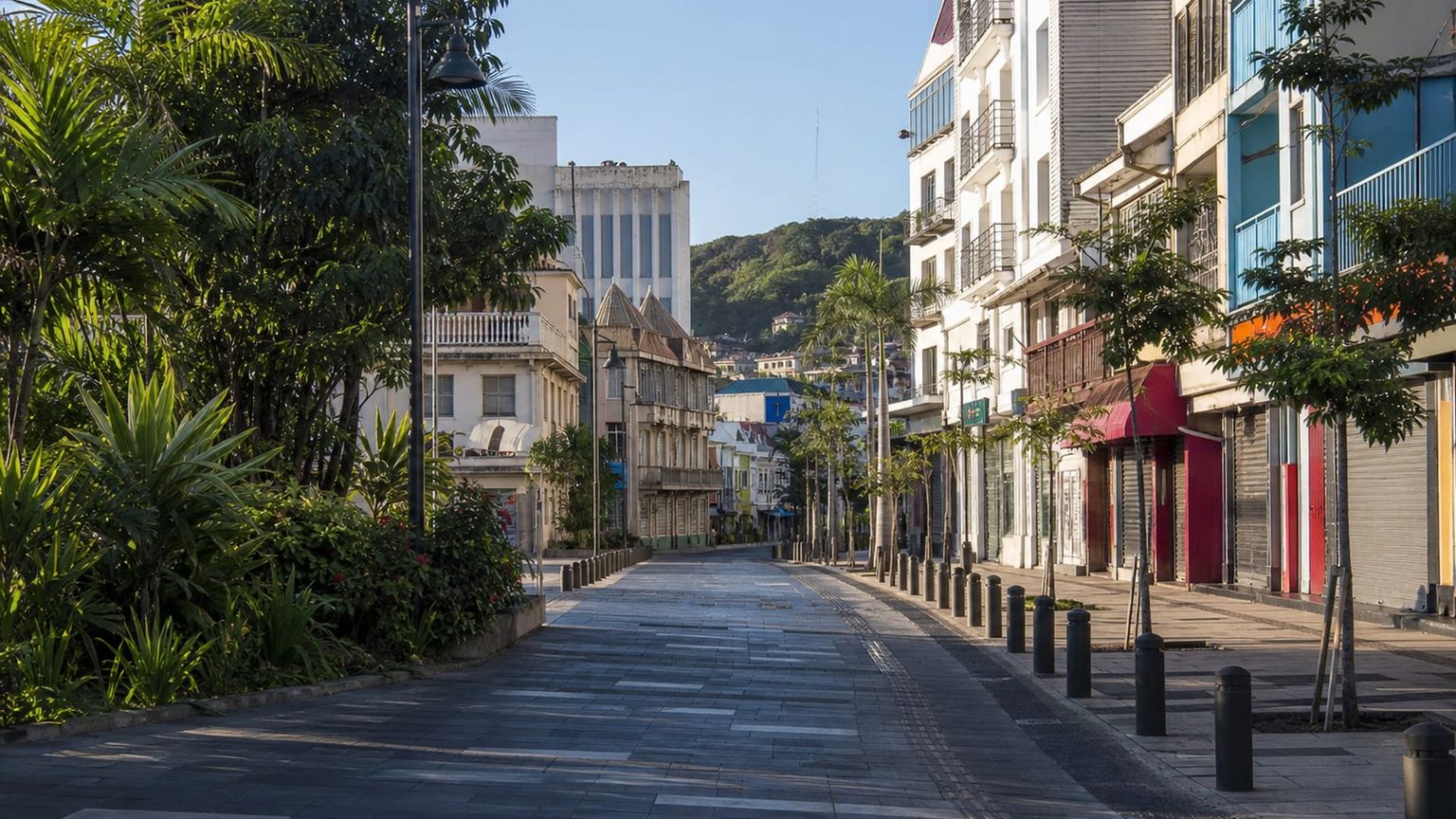
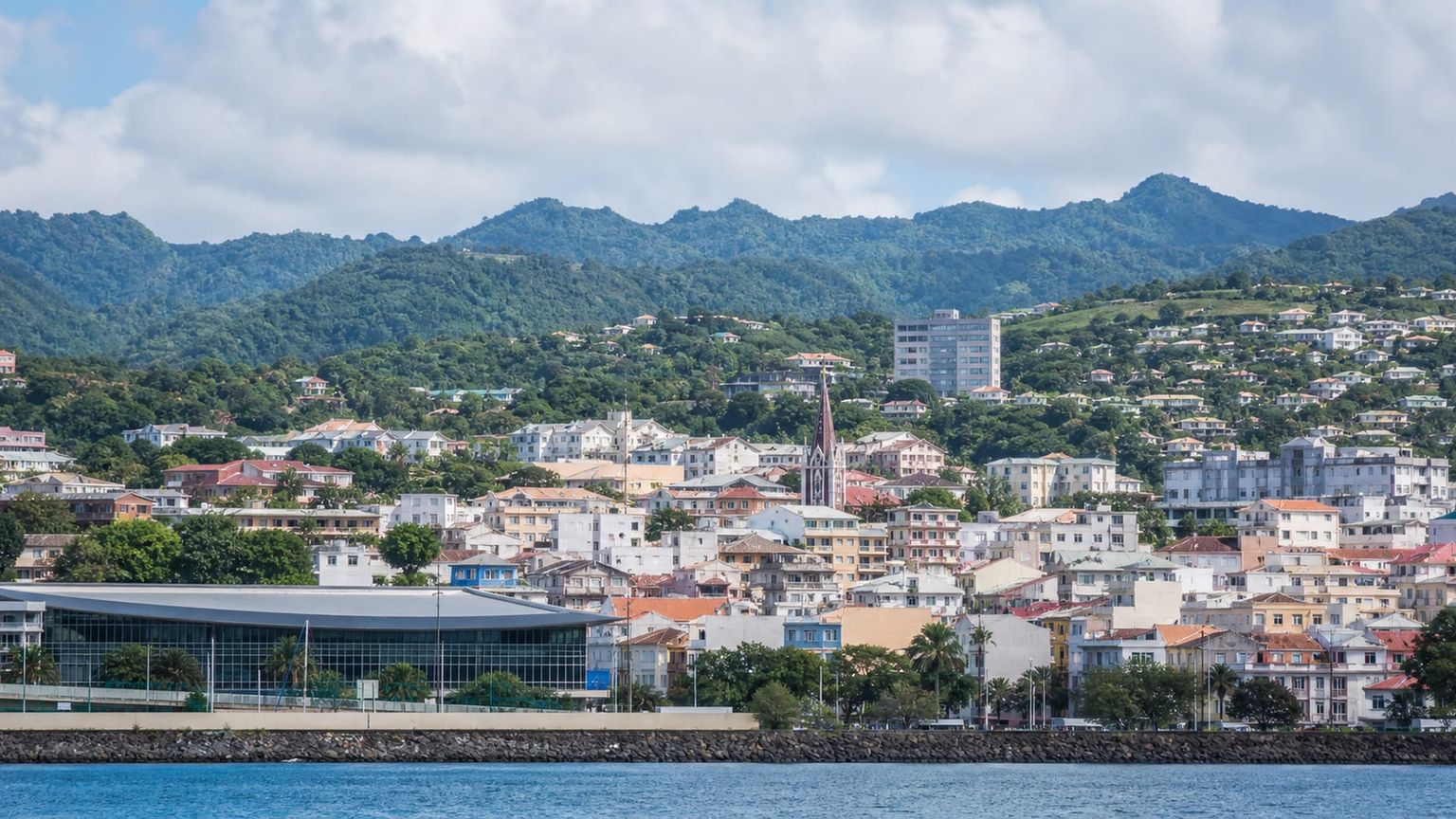
The historic center puts you near the port, Schoelcher Library, the Covered Market, and the main government streets. It suits visitors who want the island capital’s densest mix of sights, cafés, and transport links within an easy walk.
Best for: Sightseeing, market visits, and travelers who want to do most things on foot
What to expect: Busy sidewalks by day, a working-port atmosphere, and much quieter streets after shops close.
Hotel prices: Usually about $90 to $180 per night for well-rated stays
Distance to major sights: On foot to Schoelcher Library, roughly 5 to 10 minutes to the Covered Market
Quietness: Noisy and active in the day, then notably calmer in the evening once offices and market stalls close.
Main trade-off: You pay for the central address with more traffic, fewer boutique-style hotel options, and a less serene night scene.
Good to know: Choose a room away from the busiest waterfront blocks if you are sensitive to early-morning port activity.
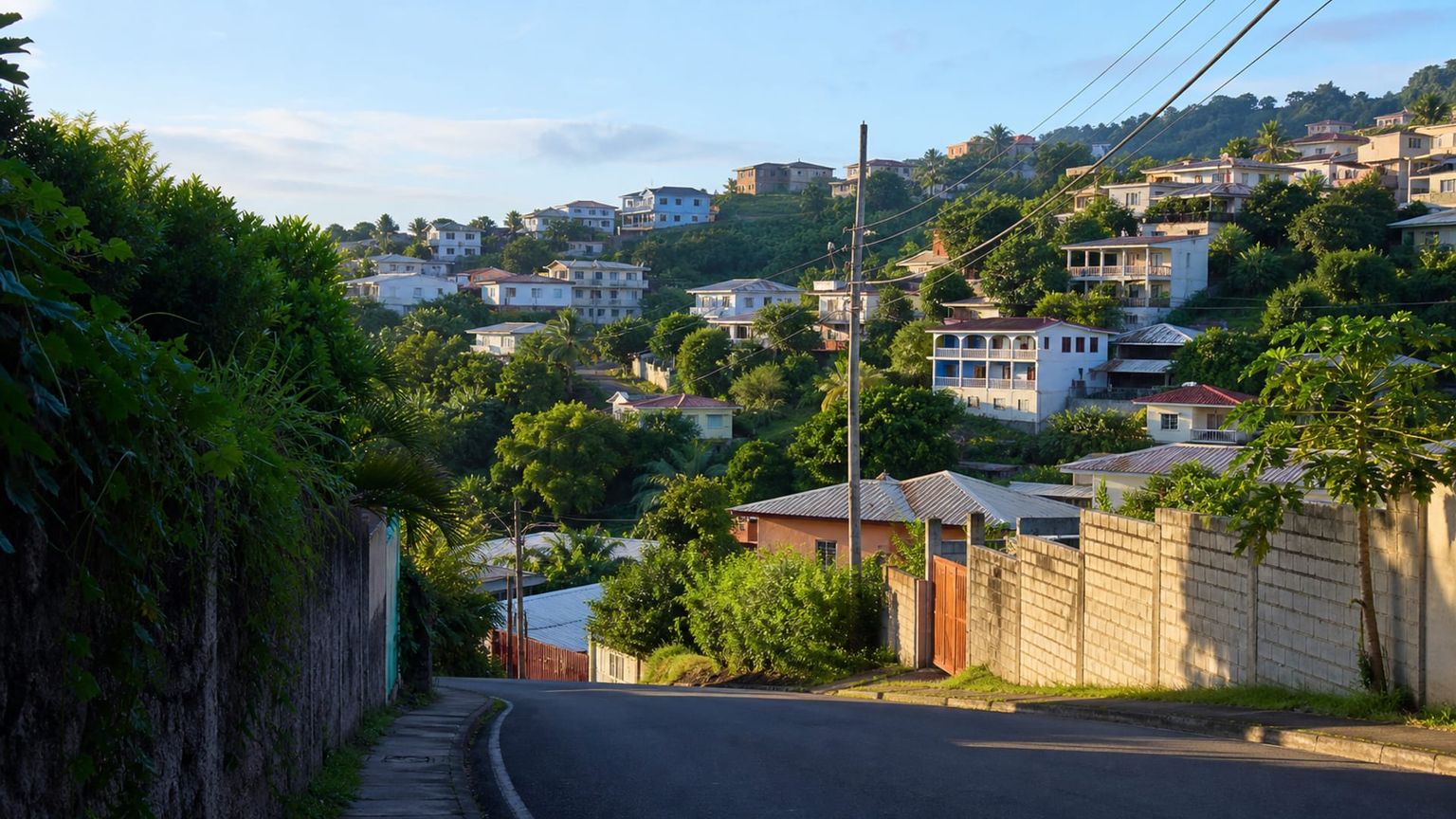
Redoute is a residential hillside area east of the center, with apartment blocks, local shops, and road access toward the rest of the island. It works well as a calmer base when you want space, parking, and an easy drive into downtown Fort-de-France.
Best for: Longer stays, car travelers, and visitors who prefer a residential setting
What to expect: Local traffic, apartment blocks, and fewer evening pedestrians than in the center.
Hotel prices: Usually about $80 to $160 per night for well-rated stays
Distance to major sights: Approximately 10 to 20 minutes by car to the Covered Market and Schoelcher Library
Quietness: Quieter than downtown in both day and evening, though main roads can be busy at commute times.
Main trade-off: You give up walkability, so most dinners, beaches, and sights will require a taxi or rental car.
Good to know: Check parking before booking, since some buildings have limited spaces or steeper access roads.
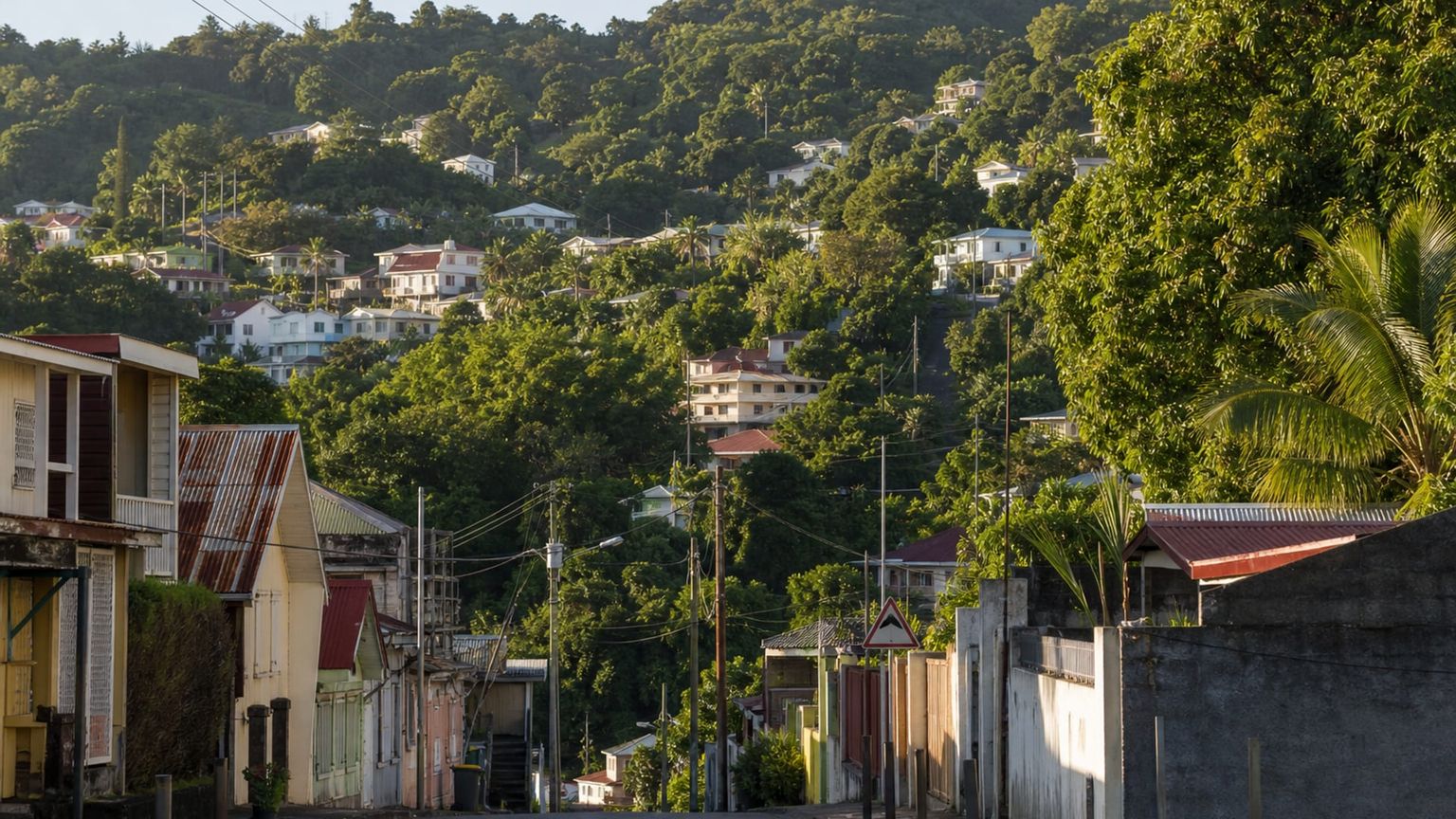
These adjoining hillside neighborhoods sit above the city and mix houses, villas, and small residential streets. They appeal to travelers who want a greener, more suburban setting while staying close enough for short rides into the center.
Best for: Quiet overnight stays, car access, and travelers who want a residential base near the city
What to expect: Low-key residential streets, light local traffic, and little nightlife.
Hotel prices: Usually about $90 to $190 per night for well-rated stays
Distance to major sights: Approximately 10 to 25 minutes by car to downtown Fort-de-France
Quietness: Generally quiet day and night, with the calmest streets away from the main roads.
Main trade-off: The hilltop setting can mean steeper walks and fewer places to eat within an easy stroll.
Good to know: If you are relying on taxis, confirm pickup details in advance, since some side streets are less obvious to drivers.
Travelers usually avoid staying in Dillon, Cedex, and the industrial areas along the northern port edge, since they sit far from the main sights and have fewer visitor amenities after business hours. Parts of Redoute and the airport-side outskirts are also less convenient, because evening taxi or bus trips add time and the hotel stock there is geared more toward transit than sightseeing.
Hotel deals
How to get around Fort-de-France efficiently
Fort-de-France has no metro or suburban rail, so getting around depends on walking the center, using the TCSP bus corridor, and taking taxis for airport runs and hillside stays.

Metro
for longer distances
Fort-de-France has no metro or suburban rail, so visitors rely on buses, taxis, and walking for local trips. For the airport area, this means transfers from Fort-de-France Aimé Césaire Airport, also called Martinique Aimé Césaire Airport (FDF), are by road only.

Bus and tram
for convenience
The city’s bus network centers on the TCSP bus corridor, which links Fort-de-France with nearby communes such as Schœlcher and Le Lamentin. A single ride typically costs about $1 to $2 (about €1 to €2), and tickets are valid for one trip rather than a timed transfer, so keep your fare card or proof of payment until you finish the ride. Services thin out in the evening and on Sundays, so check schedules if you need to connect to the airport or the port.

Taxi
for convenience or late hours
Licensed taxis use regulated fares rather than haggling, with meters or posted flat rates for common runs. A daytime ride from Fort-de-France to the airport usually costs about $25 to $35 (about €23 to €32), with supplements for nights, Sundays, and luggage; drivers normally accept cash, and some take cards, but it is best to confirm before departure. You can find taxis at the airport rank, the cruise port, major hotels, and taxi stands in central Fort-de-France.
*Prices are based on rates updated as of June 2026 and may change at the time of travel.
Walk the center for the market, cathedral, and waterfront, use buses for low-cost hops toward nearby communes, and take taxis when you need fixed timing, airport transfers, or a return from Redoute and the hill slopes after dark.
Iconic landmarks
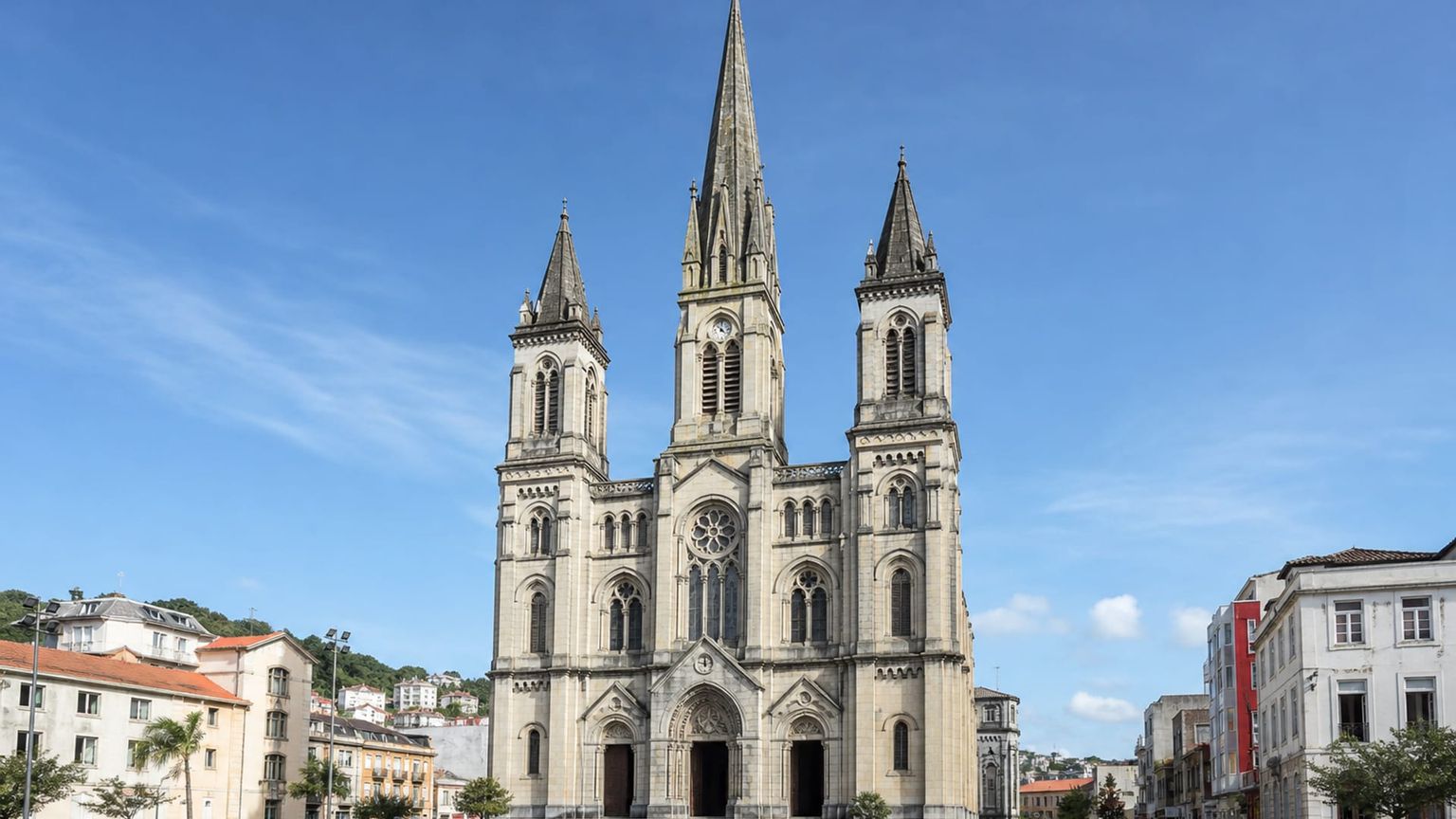
St. Louis Cathedral
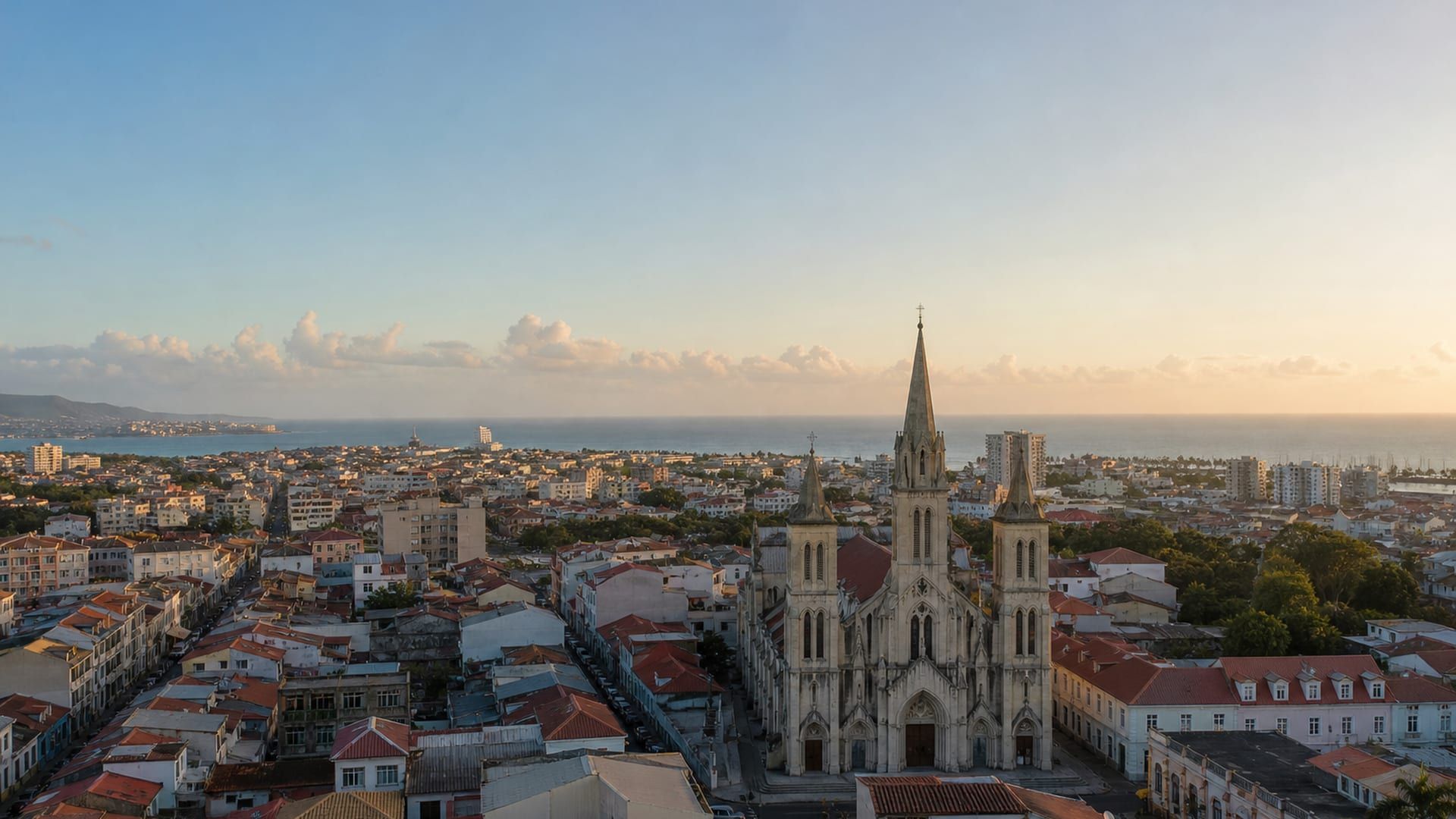
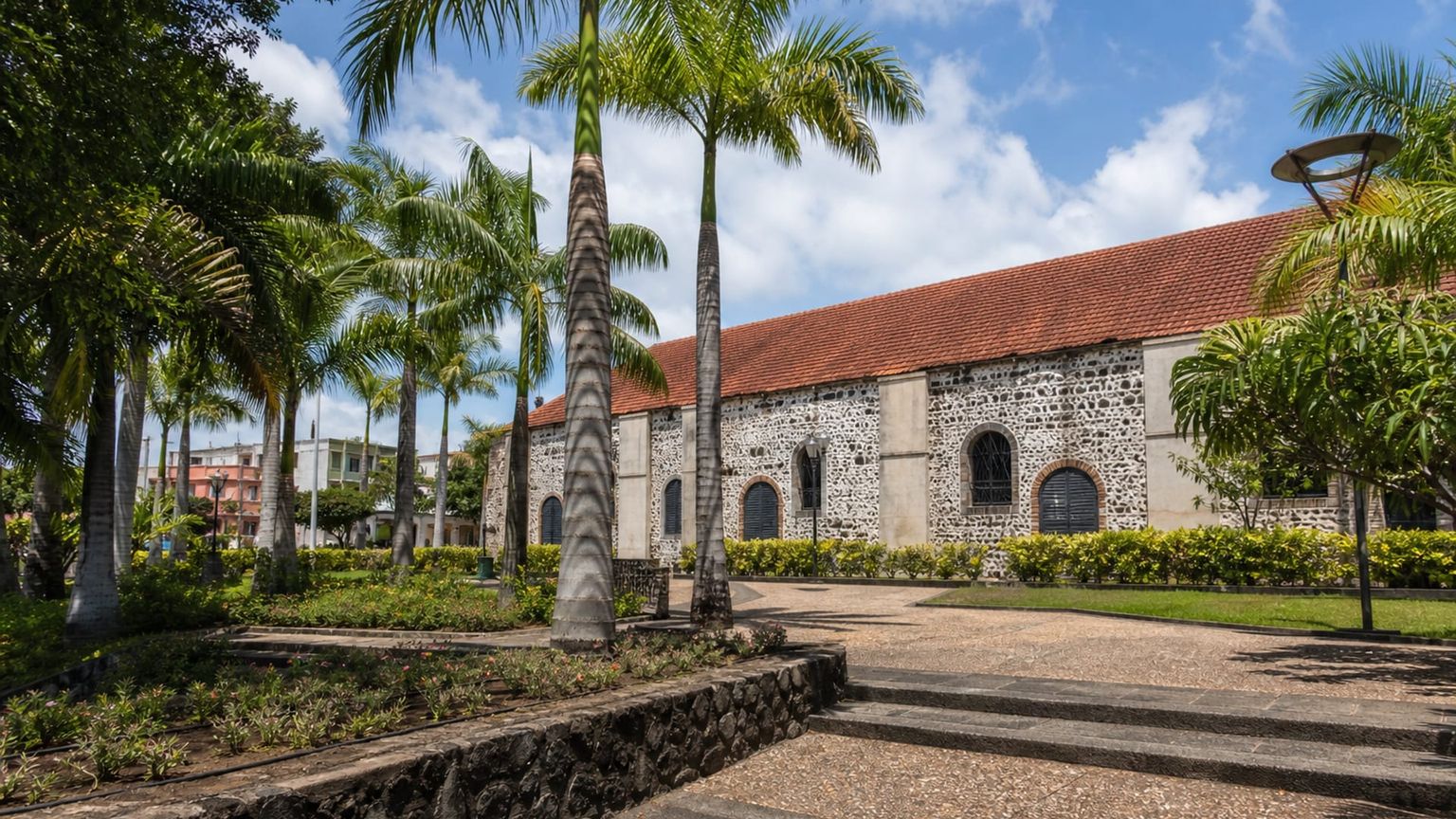
This 19th-century cathedral anchors Fort-de-France with its cast-iron frame, red-and-white facade, and high nave. It stands on Place de la Savane and sits among the city’s most photographed landmarks.
Time needed: About 30 to 45 minutes
Entry: Free to access
Tip: Go early for quieter photos and softer light on the facade and square.
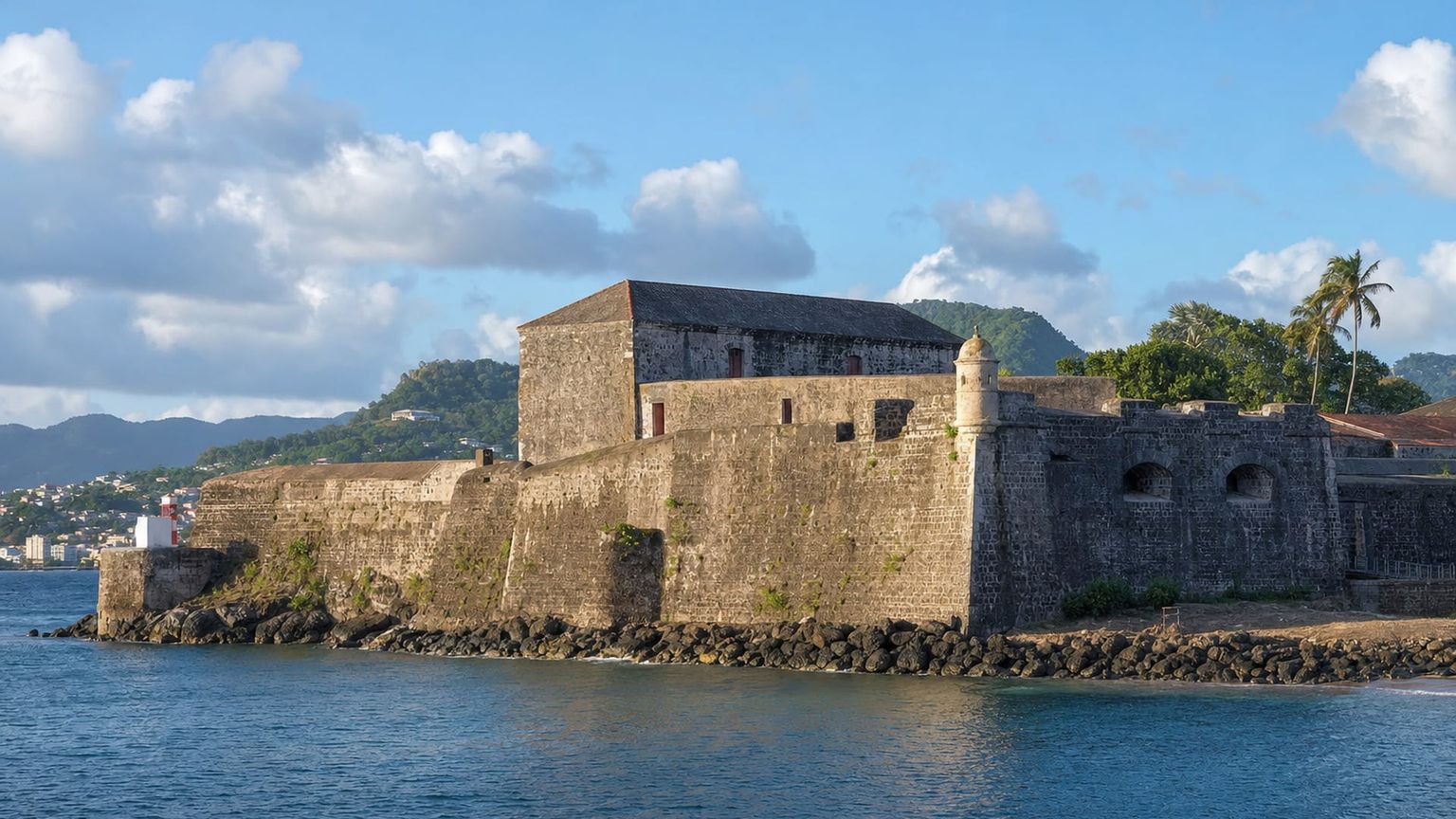
Fort Saint Louis
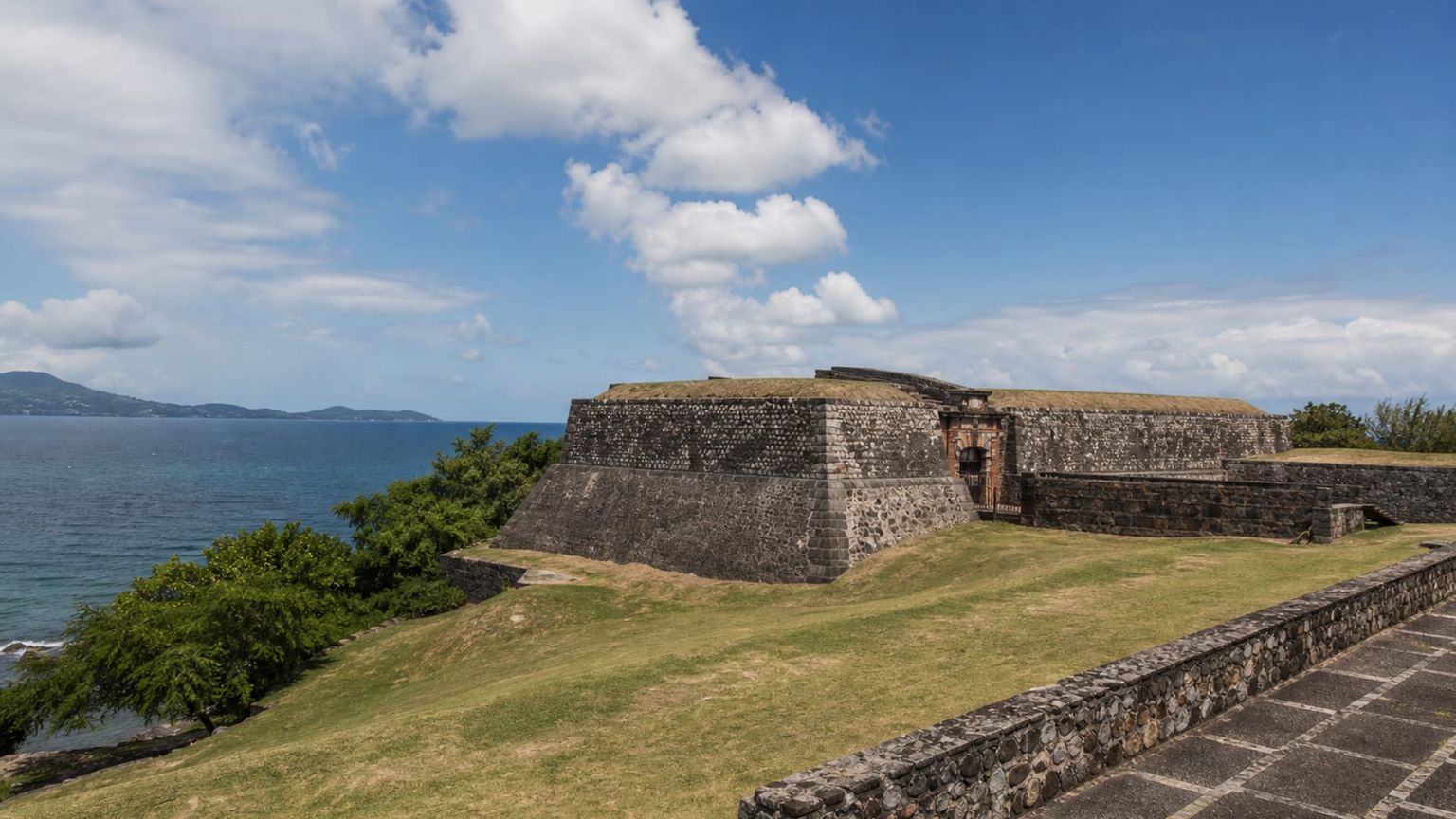
Built on a peninsula above the harbor, Fort Saint Louis dates to the 17th century and still serves the French Navy. Guided visits reveal ramparts, cannons, and wide views over the bay and capital.
Time needed: About 1 to 2 hours
Entry: Admission costs about $9 to $12 (€8 to €11), guided visit included Visit the official site for details.
Tip: Visit in the morning, when tours run more often and the heat is milder.
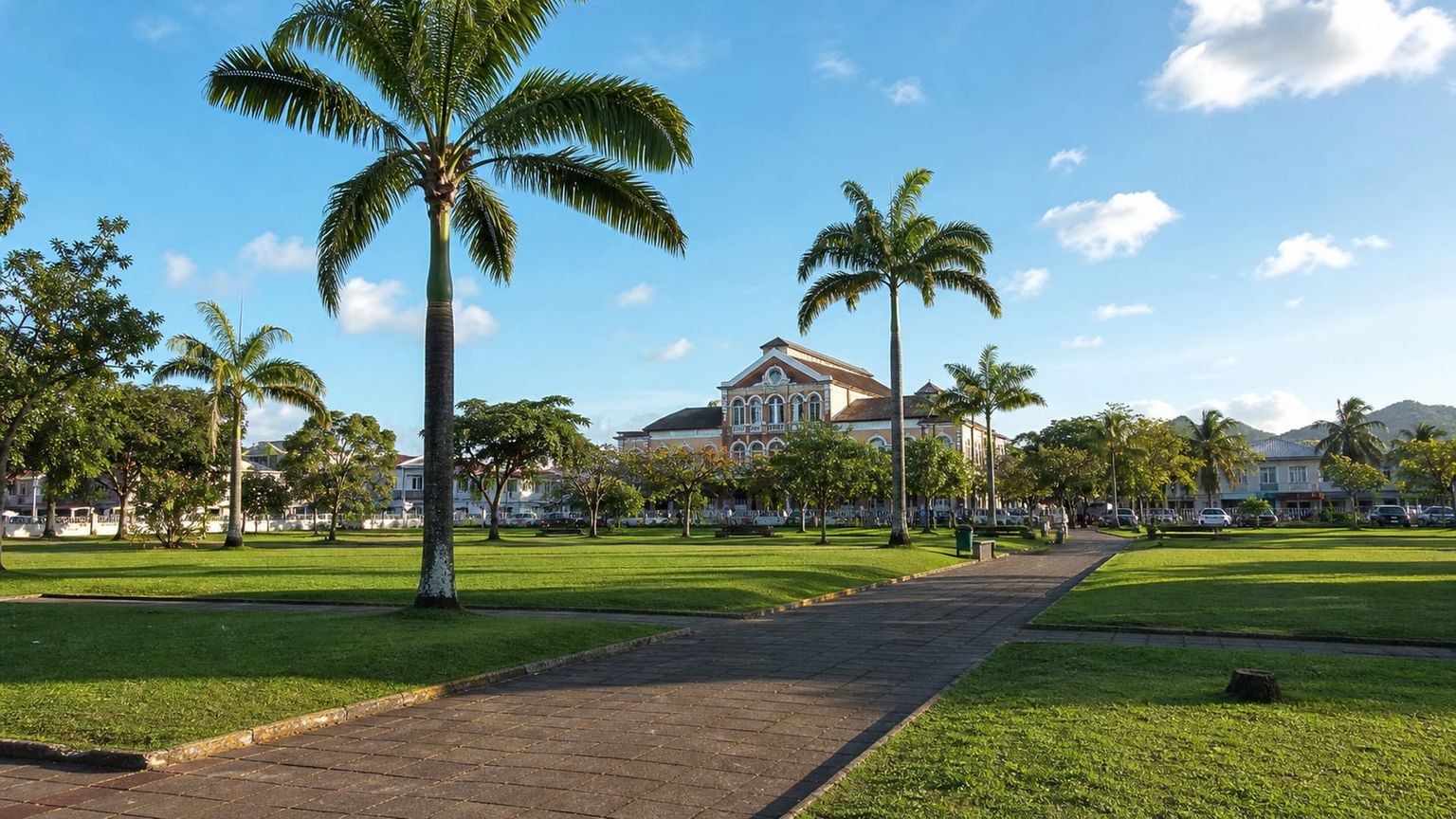
La Savane Park
La Savane is Fort-de-France’s central park, a broad open green beside the cathedral and seafront. Palm trees, statues, and long sight lines make it a useful stop between the market, waterfront, and historic center.
Time needed: About 30 to 60 minutes
Entry: Free to access
Tip: Come late afternoon, when the shade improves and the park is livelier.
Overlooked sites worth visiting

Jardin de Balata
A hillside botanical garden east of Fort-de-France with canopy walkways, palm collections, and clear views over the bay. It suits a slow circuit in the morning, when paths stay cooler and the light is softer.
Time needed: About 1.5 to 2.5 hours
Entry: Adult admission is about $18 (€16); child and senior rates are lower, and guided visits may cost more during peak periods. Hours can vary by season, so check the garden’s official site before you go. Visit the official site for details.
Tip: Go early for cooler trails and clearer bay views.

Fort Saint-Louis
This 17th-century waterfront fort sits on the bay edge and pairs thick stone ramps with harbor views and military history rooms. Its compact layout makes it easy to visit between stops in the city center.
Time needed: About 1 to 1.5 hours
Entry: Guided or museum access is generally about $8 to $10 (€7 to €9), with limited opening times on some days and free entry only for selected exterior areas. Confirm current hours and ticket rules before visiting.
Tip: Visit late afternoon for softer light on the harbor.
Traditional food
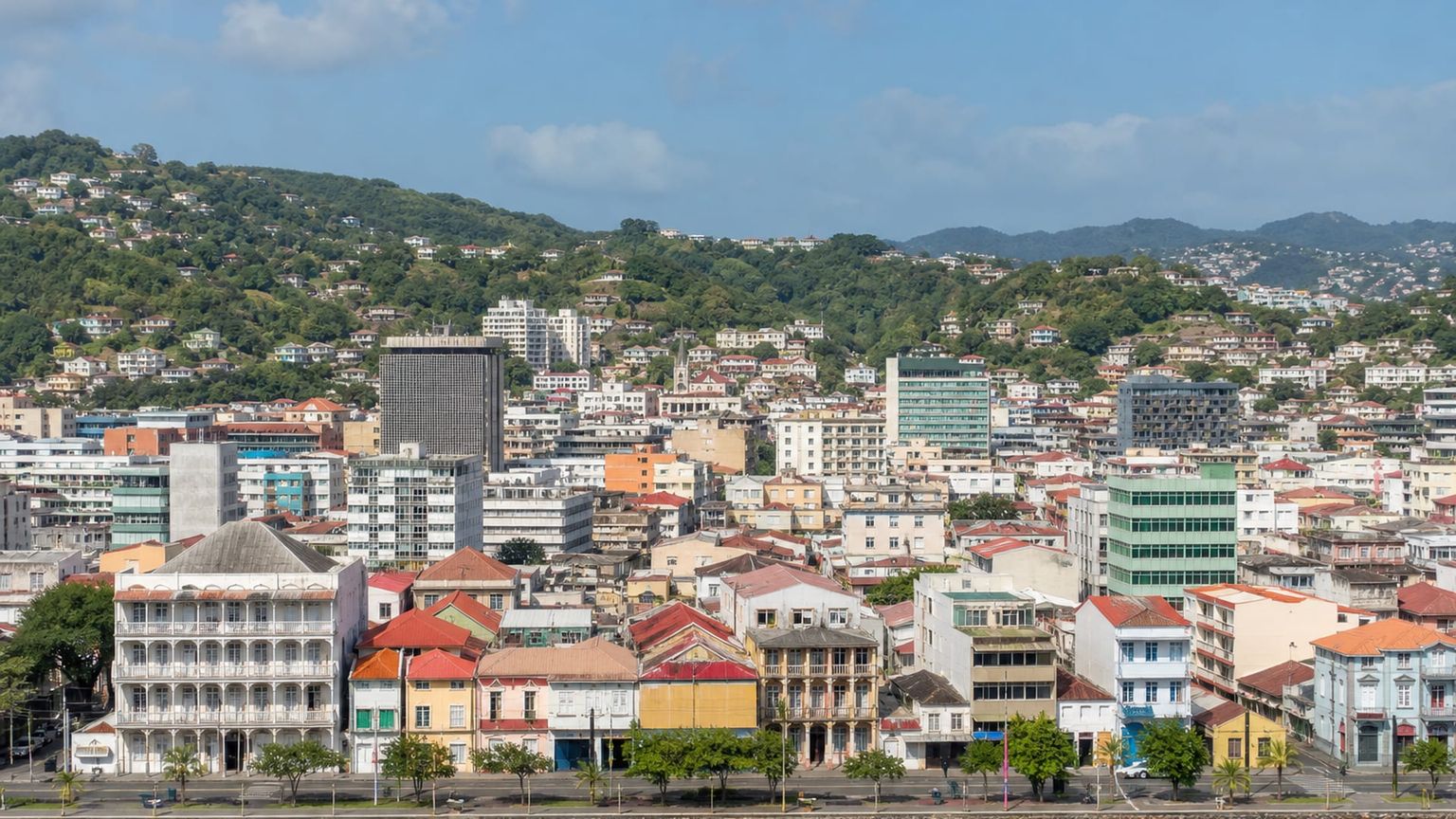
Fort-de-France cooking leans on Creole seasoning, seafood, root vegetables, plantains, and dishes like accras, colombo chicken, boudin créole, and ti nain lanmori. Lunch is the main meal, and many kitchens pause between services.
Accras
These crisp fritters, usually made with salt cod or shrimp, are a classic Fort-de-France snack and a good first taste of island seasoning. Le Grand Bleu is a strong city-center choice for them.
Colombo chicken
Colombo chicken uses a spice blend shaped by Indian-Caribbean cooking, then simmers into a savory, gently fragrant main dish. Le Petit Trianon serves a well-known version in Fort-de-France.
Boudin créole
This spiced blood sausage appears at markets, bars, and casual counters, often as a quick bite with heat and depth. La Table de Marcel is a dependable place to look for it in the capital.
Ti nain lanmori
Green banana with salted cod gives this dish a hearty, salty profile that works well for lunch or an early dinner. Le Vauclin, in the metro area, is a useful reference point, but in Fort-de-France itself, Chez Carole is the canonical pick.
Best time to visit Fort-de-France
Fort-de-France stays warm year-round, but rainfall, humidity, and holiday traffic change how easy it is to pair the center, the harbor, and the gardens.
Best for: Best for dry-season sightseeing and beach-day add-ons
What you get: About 72-86°F (22-30°C), with lighter rain and the busiest holiday travel weeks
Trade-offs: Prices and occupancy rise, especially near the waterfront
Best for: Best for balanced weather and easier museum, market, and garden visits
What you get: About 74-88°F (23-31°C), with warm days and moderate visitor levels
Trade-offs: Showers become more common as the season progresses
Best for: Best for quieter city stays and flexible shoulder-season planning
What you get: About 76-90°F (24-32°C), with more humidity and fewer peak crowds outside school holidays
Trade-offs: Afternoon rain can interrupt outdoor plans
Best for: Best for lower rates and slower sightseeing days
What you get: About 75-89°F (24-32°C), with warm water and the wettest stretch of the year
Trade-offs: Storm risk and rain can narrow the useful part of the day
A realistic 5-day plan in Fort-de-France
A five-day stay in Fort-de-France works best when you separate the city center, the waterfront, and the garden hillside into distinct outings. That gives you room for markets, a fort visit, a green morning at Balata, and enough time to return to the center before dinner.
Land at Fort-de-France (FDF) and plan about a 15 to 20 minute taxi into the city center, typically roughly $20 to $30, or about $18 to $28 with local pricing. Stay near the Fort-de-France city center if you want an easy first evening, then settle in with water, a short walk to La Savane Park, and dinner near the Covered Market or along the waterfront before traffic thins after dark.
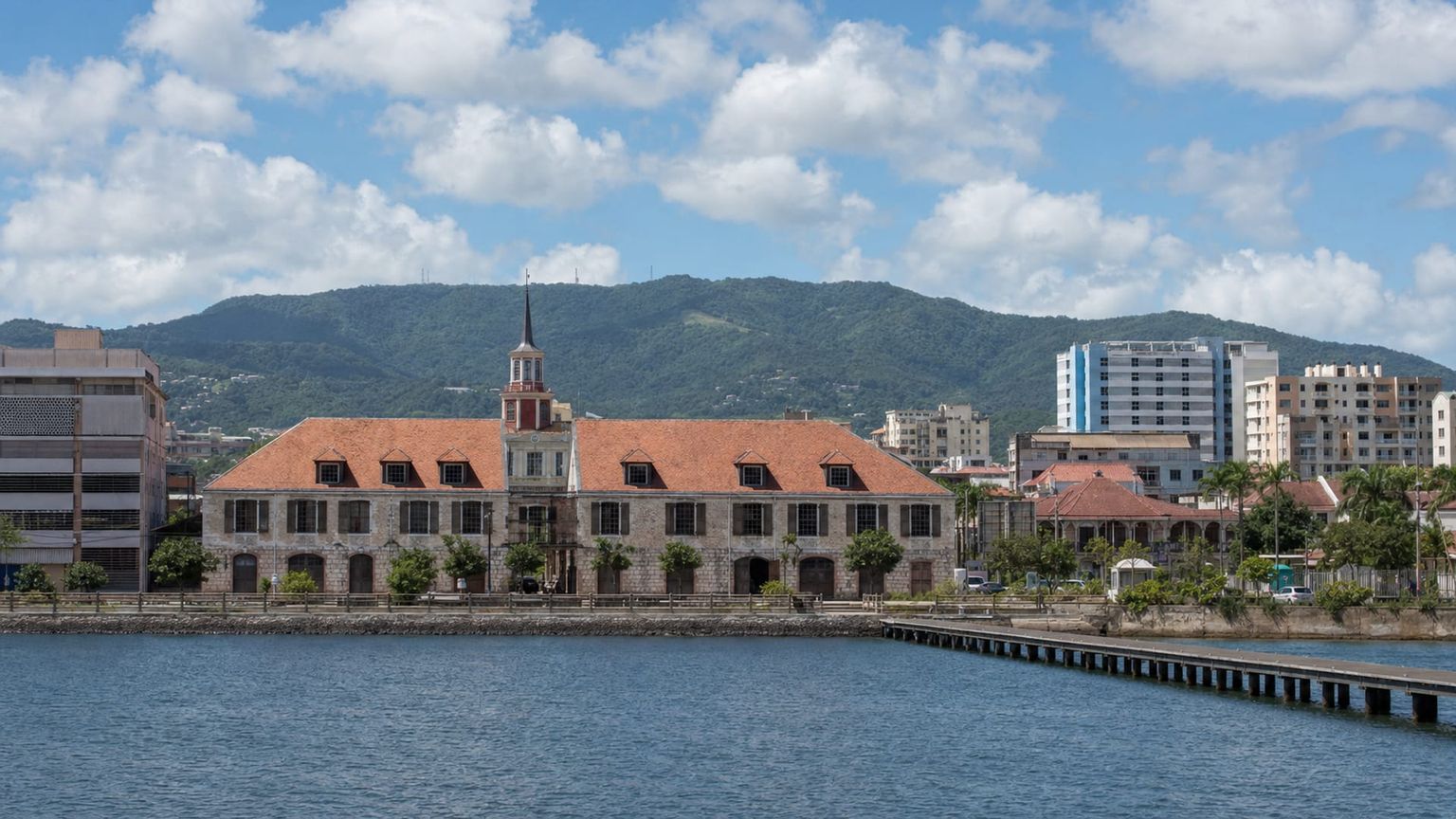
Start at the Covered Market and the nearby streets of the Fort-de-France city center, then walk about 5 minutes to St. Louis Cathedral for a close look at its cast-iron frame and red-and-white facade. From there, cross to La Savane Park in about 2 minutes for a shaded pause, then continue to the harbor in about 10 minutes and finish at Fort Saint Louis for a guided visit that takes about 1 to 2 hours. If you want an easy return, the walk back to the center is roughly 10 to 15 minutes.
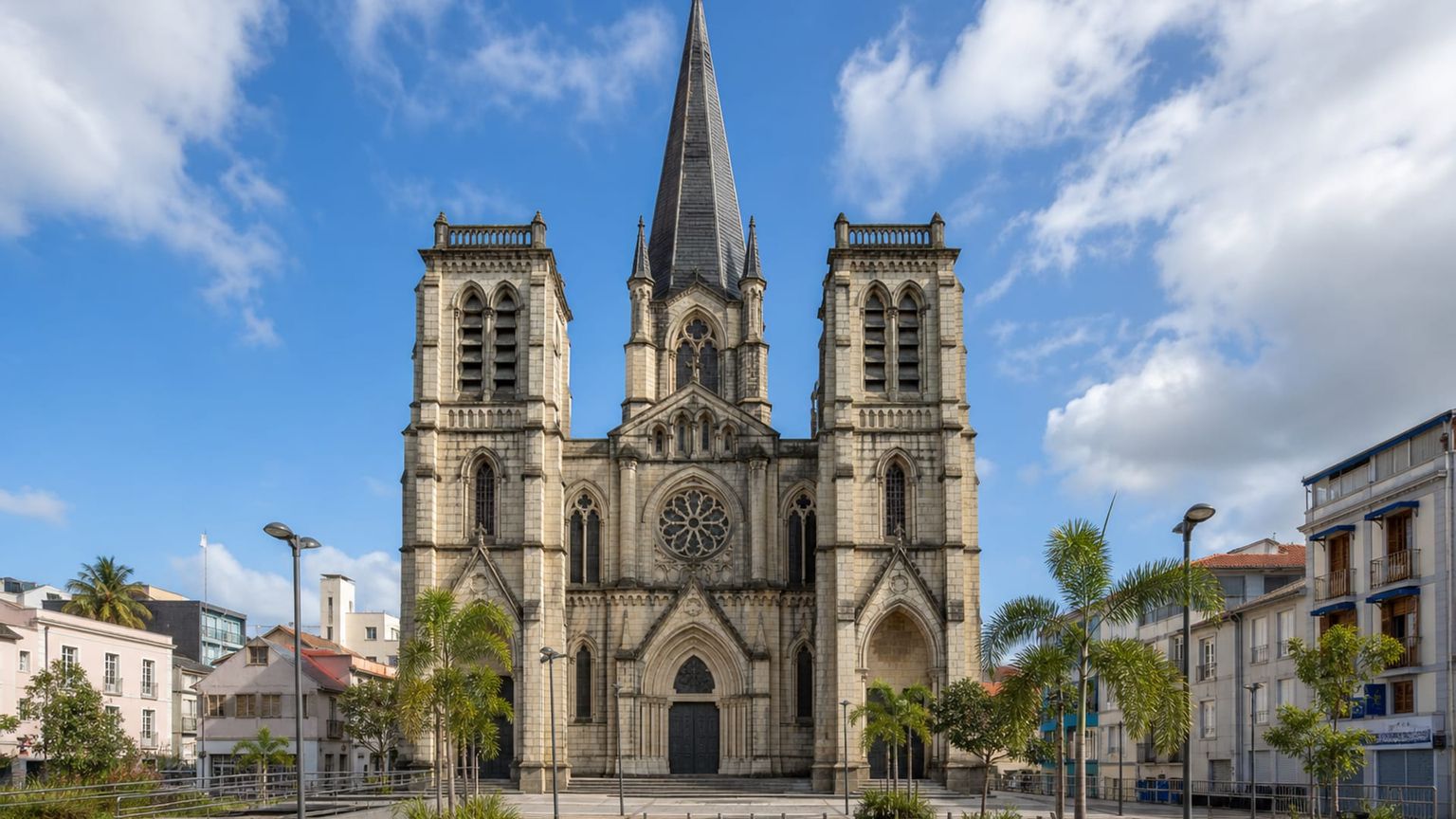
Jardin de Balata sets a greener pace for the morning, so head there first by taxi or car in about 20 to 30 minutes from the city center. Spend roughly 1.5 to 2.5 hours on the canopy walkways and garden paths, then return downtown for lunch and an afternoon by Fort Saint Louis or the seafront, which sits about 10 minutes away on foot from the center. End with an early dinner back in the Fort-de-France city center, where cafés and small restaurants are easiest to reach without a car.
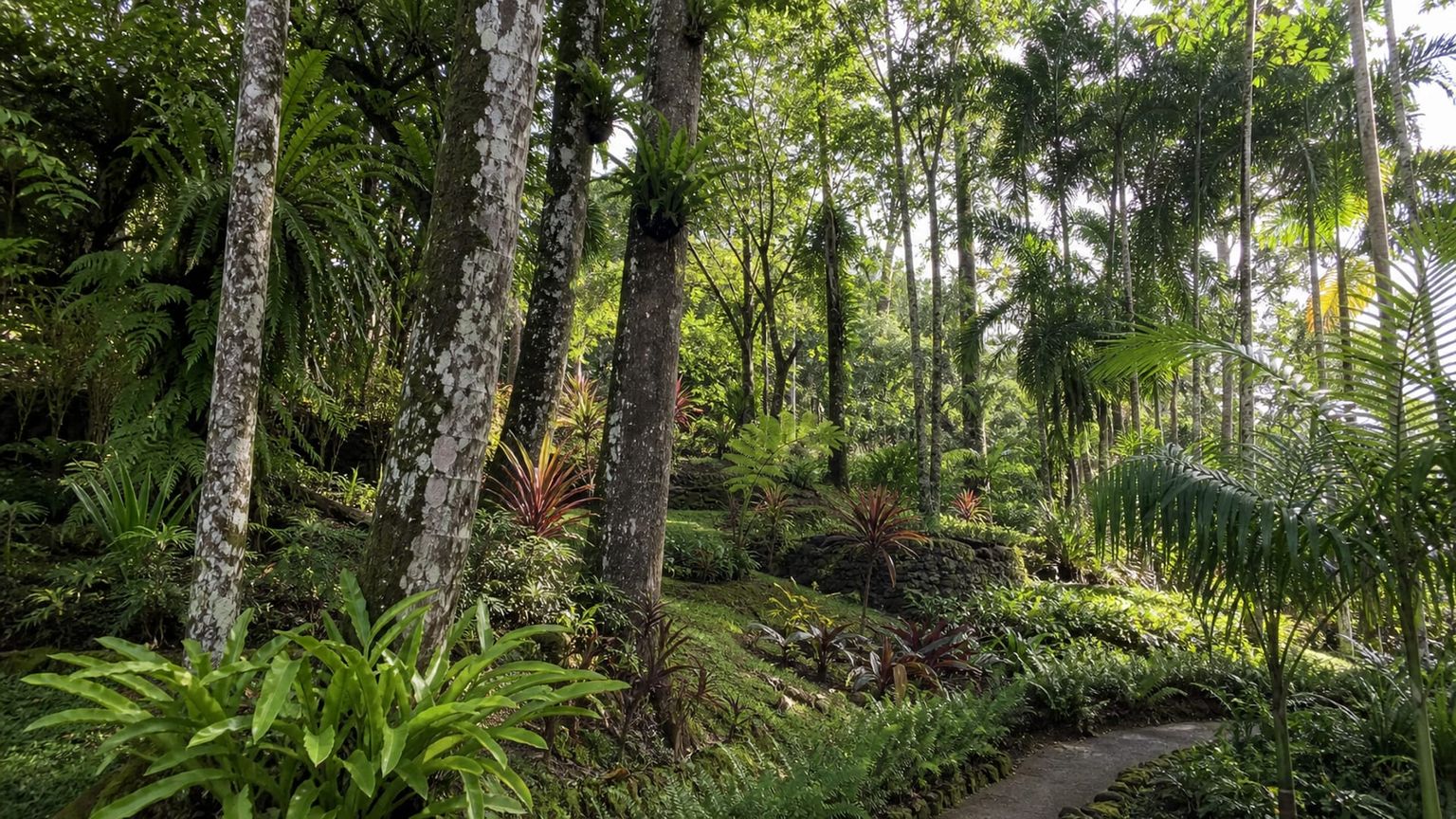
Fort Saint Louis makes a strong starting point for a harbor-facing day, especially if you visit in the late morning or late afternoon, when the views are clearest. Pair it with a longer loop through the city center, including St. Louis Cathedral and La Savane Park, both about 10 minutes or less apart on foot, then continue to the Covered Market for lunch and local shopping. For an easier evening, base yourself in Redoute or the Cluny, Didier, and Bellevue slopes, then take a taxi downtown in about 10 to 20 minutes for dinner.
On your last full day, begin with a final stop at St. Louis Cathedral or La Savane Park, then spend the late morning shopping in the Fort-de-France city center near the Covered Market for spices, rum, and small gifts. After lunch, settle into a café in the city center or on the edge of Redoute, where you can keep bags close and avoid a rushed afternoon before your flight. If you have time before heading to Fort-de-France (FDF), one last harbor walk along the waterfront gives you an easy exit from the historic core.
Business-class flights from the US to Fort-de-France
Reaching Fort-de-France from the mainland usually means a one-stop trip, and the route details matter more than the airline name alone. From New York and Los Angeles, the strongest options tend to balance layover length against total fare.
From New York (JFK), Air Caraïbes, American Airlines, JetBlue, Air Canada, Air France, and Copa Airlines all appear in the mix, with total trip times of about 4 to 5 hours on nonstop service when available, or roughly 7 to 11 hours with a connection through hubs such as MIA, MCO, PHL, BOS, or PTY. Round-trip fares from New York (JFK) to Fort-de-France usually start at $1,200 and can reach $2,800.
Los Angeles itineraries usually run longer, and the best-known carriers are Air France, Air Caraïbes, American Airlines, Air Canada, and Copa Airlines. Expect about 13 to 19 hours with one stop through CDG, MIA, PTY, YYZ, or BOS, and round-trip fares usually run $1,600 to $3,500.
Fort-de-France feels different when you slow down
A good Fort-de-France trip gives each part of the city a job: the Covered Market for lunch, St. Louis Cathedral and La Savane for the center, Fort Saint Louis for the harbor, and Jardin de Balata for a quieter morning above town. Use taxis for airport days, buses for shorter links, and stay near the center if you want to keep evenings simple. If you want a tighter plan built around your flight time and hotel area, the AranGrant experts can shape it around Fort-de-France’s neighborhoods and opening hours







