

Chapters:

Need help with your trip?
Our support team is available 24/7. Request a callback or call us directly at (833) 619-0908
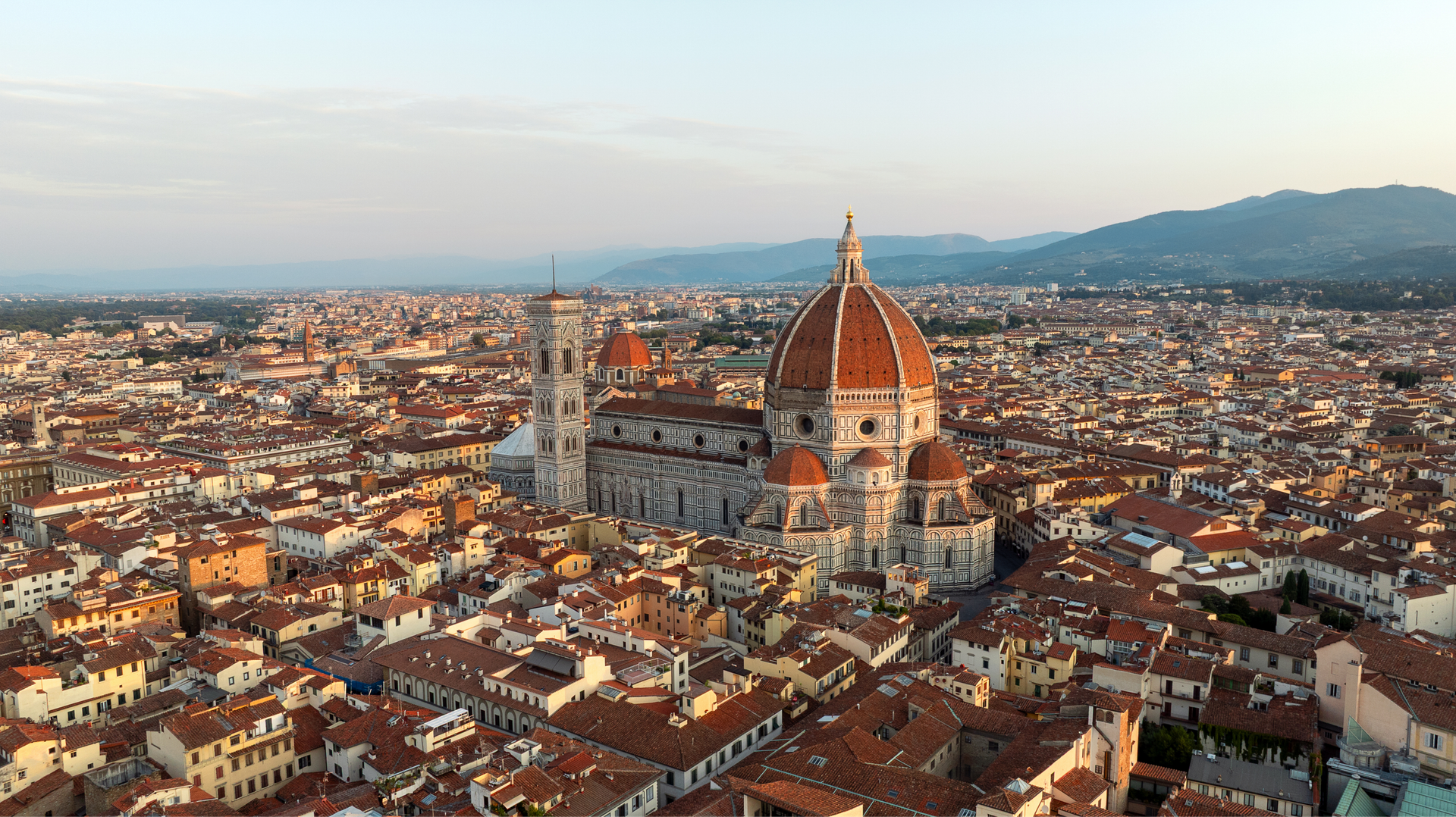
Florence rewards a slower pace, while its main sights are clustered within a small, walkable center. The Duomo, Uffizi Galleries, Ponte Vecchio, Santa Croce, and Oltrarno are all close together, yet museum queues, narrow streets, and restaurant timing can quickly make a short stay feel crowded.
The best Florence trips work when each day has a clear focus. One morning may revolve around the cathedral and dome climb, another around the Uffizi and riverfront, while quieter time in Oltrarno, Cascine Park, or a smaller museum helps balance the main sights.
Whether you are planning your first visit to this city or returning for a more relaxed vacation, this Florence travel guide helps you choose where to stay, how to navigate the city, when to visit, what to eat, and how to plan five days in Florence without overloading the trip.
Useful things to know

Main language(s): Italian
Ciao (chow) – Hello
Per favore (pehr fah-VOH-reh) – Please
Grazie (GRAHT-see-eh) – Thank you
Parla inglese? (PAHR-lah een-GLEH-zeh) – Do you speak English?
Quanto costa? (KWAN-toh KOH-stah) – How much does it cost?

Currency: Euro (EUR, €)

Cash and cards: Cards and contactless payments are widely accepted; keep €20 to €40 ($22 to $44) in cash for small buys and taxis.

Tipping: Tipping is not mandatory in Italy, yet you can round up small bills.

Traditional food: Bistecca alla Fiorentina, ribollita, pappa al pomodoro, and lampredotto are classic Florentine dishes.

Water and coffee costs: Water costs about €2 ($2), while bar espresso usually costs about €1.50 to €2 ($2 to $2).

Taxis and ride apps: Free Now, AppTaxi, and TAXIMove are licensed taxis that operate in Florence. Uber Black operates in the city but costs significantly more than a standard taxi. Local taxis still serve most trips.

Plug and voltage: Type C/F/L socket, 230V

Dining and shop opening hours: Breakfast is typically served from 07:00 am to 10:00 am, lunch from 12:30 pm to 2:30 pm, and dinner between 7:30 pm and 10:30 pm. Many restaurants close mid-afternoon.

Emergency number: Call 112 for police, fire, and medical emergencies.
Where to stay in Florence
Florence’s historic center contains the cathedral, the Baptistery, and compact pedestrian streets within a single walkable core. Staying here puts major museums, churches, and classic cafés close at hand, but it also means the highest concentration of visitors and the fewest late-night quiet pockets.
Best for: First-time visits, museum hopping, and short stays with a focus on walking
What to expect: Busy sidewalks from morning through evening, with tour groups, cafe tables, and constant movement near the main sights.
Hotel prices: Usually about 180€ to 350€ ($205 to $400) per night for well-rated stays
Distance to major sights: 5 to 10 minutes on foot to the Duomo, about 10 to 15 minutes on foot to the Uffizi Gallery
Quietness: Active and lively during the day, then somewhat calmer after dinner, although main streets still carry foot traffic.
Main trade-off: The central address cuts transit needs, but rooms often cost more and some buildings sit on narrow streets with less natural light.
Good to know: Book early if you want a room with elevator access, since many historic buildings have stairs and limited front-desk hours.
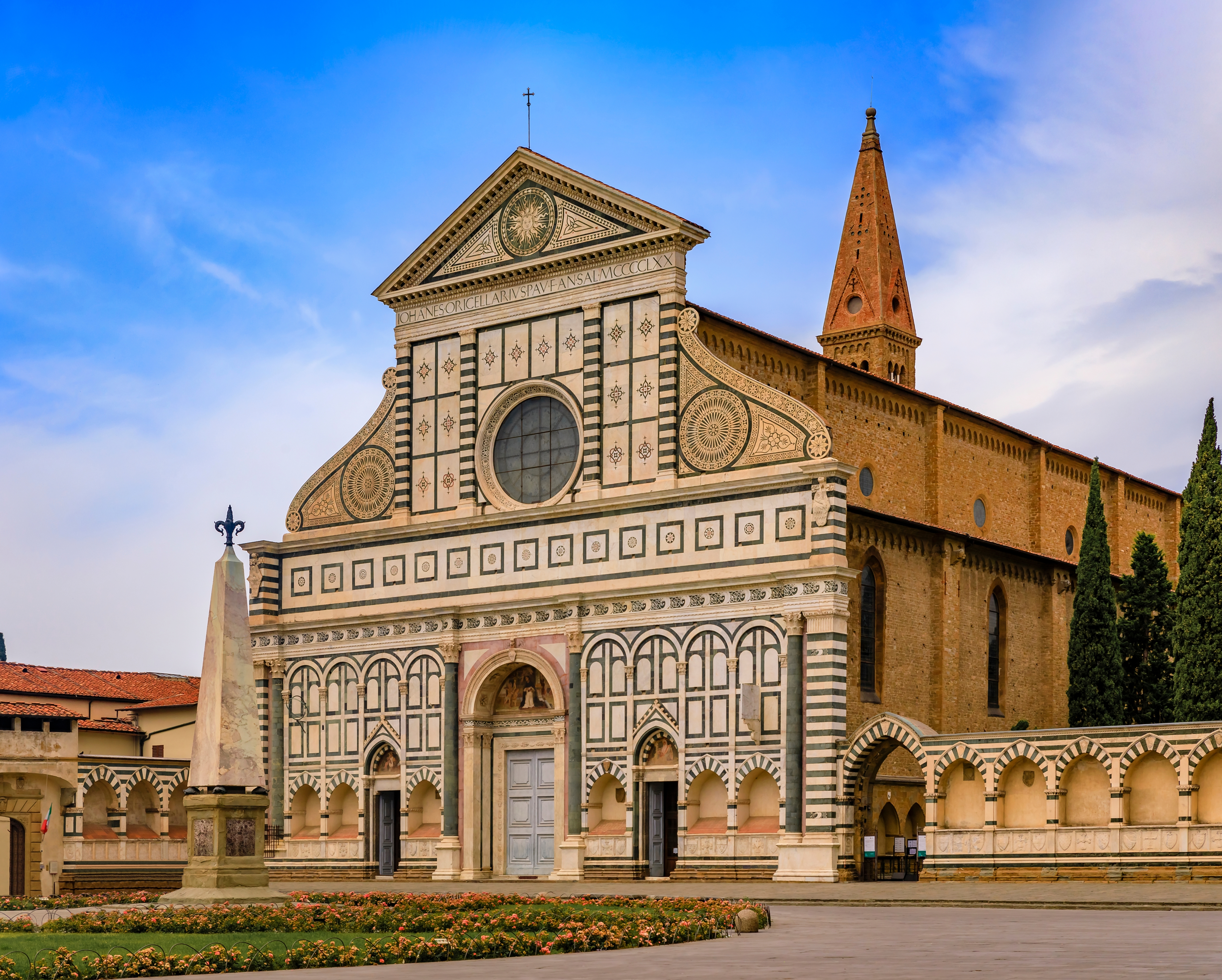
West of the historic core, Santa Maria Novella combines the main station, broad streets, and a mix of hotels and restaurants. It suits arrivals and departures because the Duomo, riverfront, airport tram, and train platforms are within easy reach.
Best for: Train travelers, quick arrivals, and visitors who want easy airport and station connections
What to expect: A busy transport district with steady hotel turnover, luggage wheels, and plenty of restaurants serving travelers throughout the day
Hotel prices: Usually 150€ to 280€ ($170 to $320) per night for well-rated stays
Distance to major sights: 10 to 15 minutes on foot to the Duomo, about 15 to 20 minutes on foot to the Ponte Vecchio
Quietness: Busier in the day near the station, then quieter at night on side streets, although not as serene as residential quarters
Main trade-off: You gain easy rail access, but the area can feel less atmospheric than the old center and some blocks near the station are ordinary.
Good to know: If you plan day trips by train, staying here keeps the start and end of each day to a short walk.
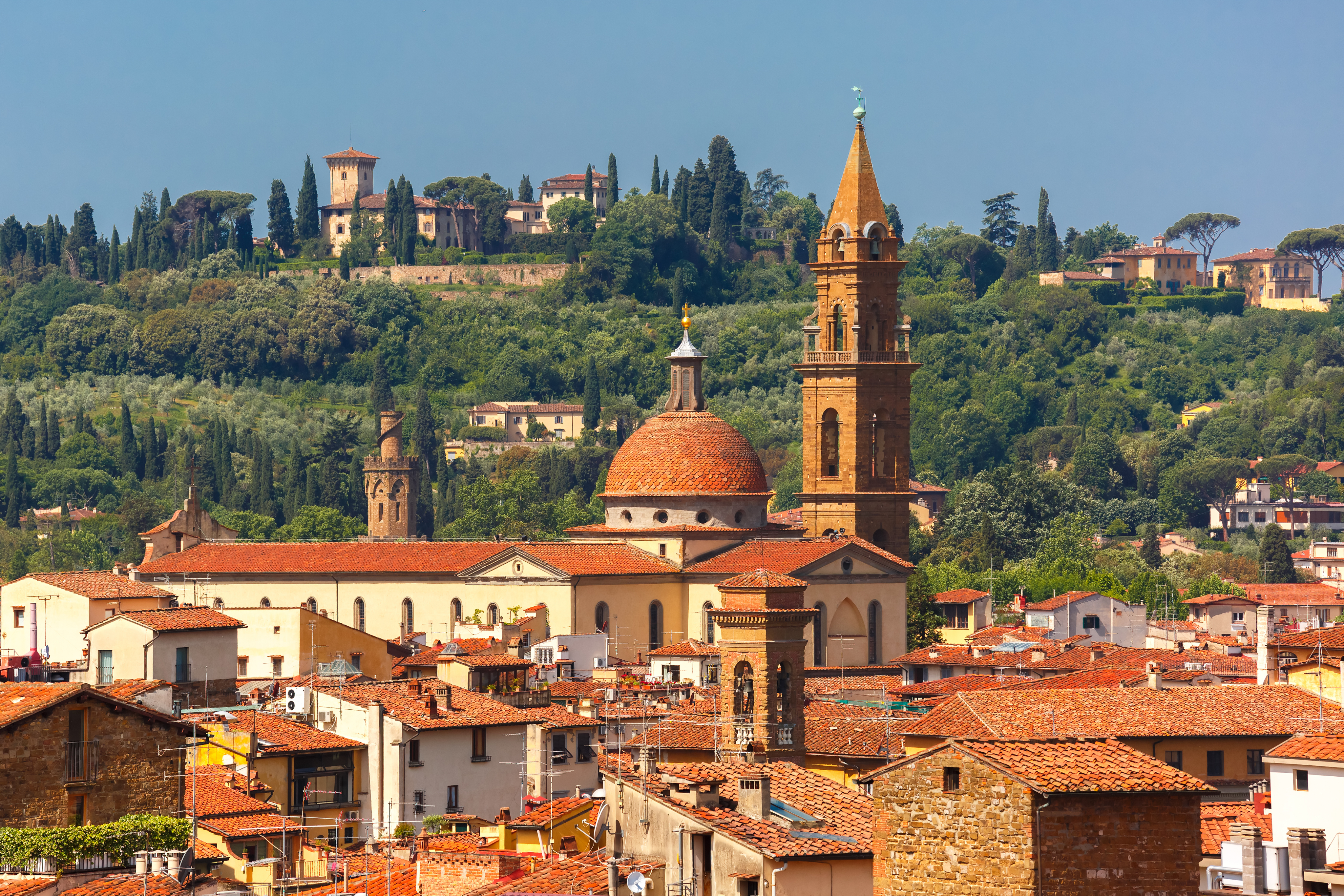
Across the Arno, Oltrarno is Florence’s workshop district, with artisan studios, smaller squares, and residential streets around Santo Spirito and San Frediano. Choose it if you want a neighborhood setting after sightseeing, with the river crossings within walking distance.
Best for: Dining, boutique browsing, and travelers who want a neighborhood setting after museum visits
What to expect: A mix of local bars, craft shops, and restaurant streets, with more residents than tour groups
Hotel prices: Usually €170 to €320 ($190 to $360) per night for well-rated stays
Distance to major sights: 10 to 20 minutes on foot to the Palazzo Pitti, about 15 to 25 minutes on foot to the Uffizi Gallery
Quietness: Lively on restaurant streets in the evening, then quieter on residential blocks once the dinner crowd thins
Main trade-off: You trade a slightly longer walk to the main monuments for more neighborhood character and fewer coach-bus clusters.
Good to know: Some streets have limited taxi access, so check the exact address if you expect to arrive late with large luggage.
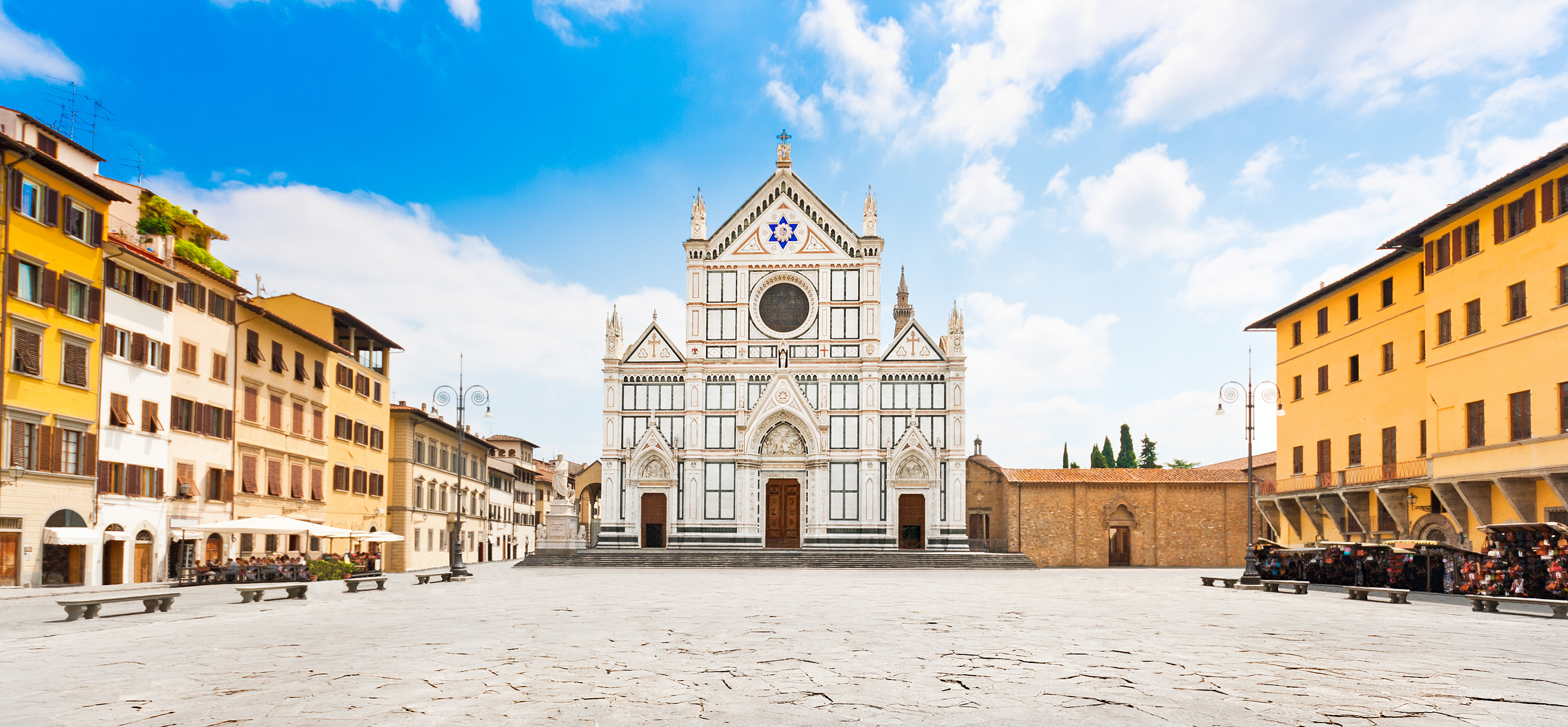
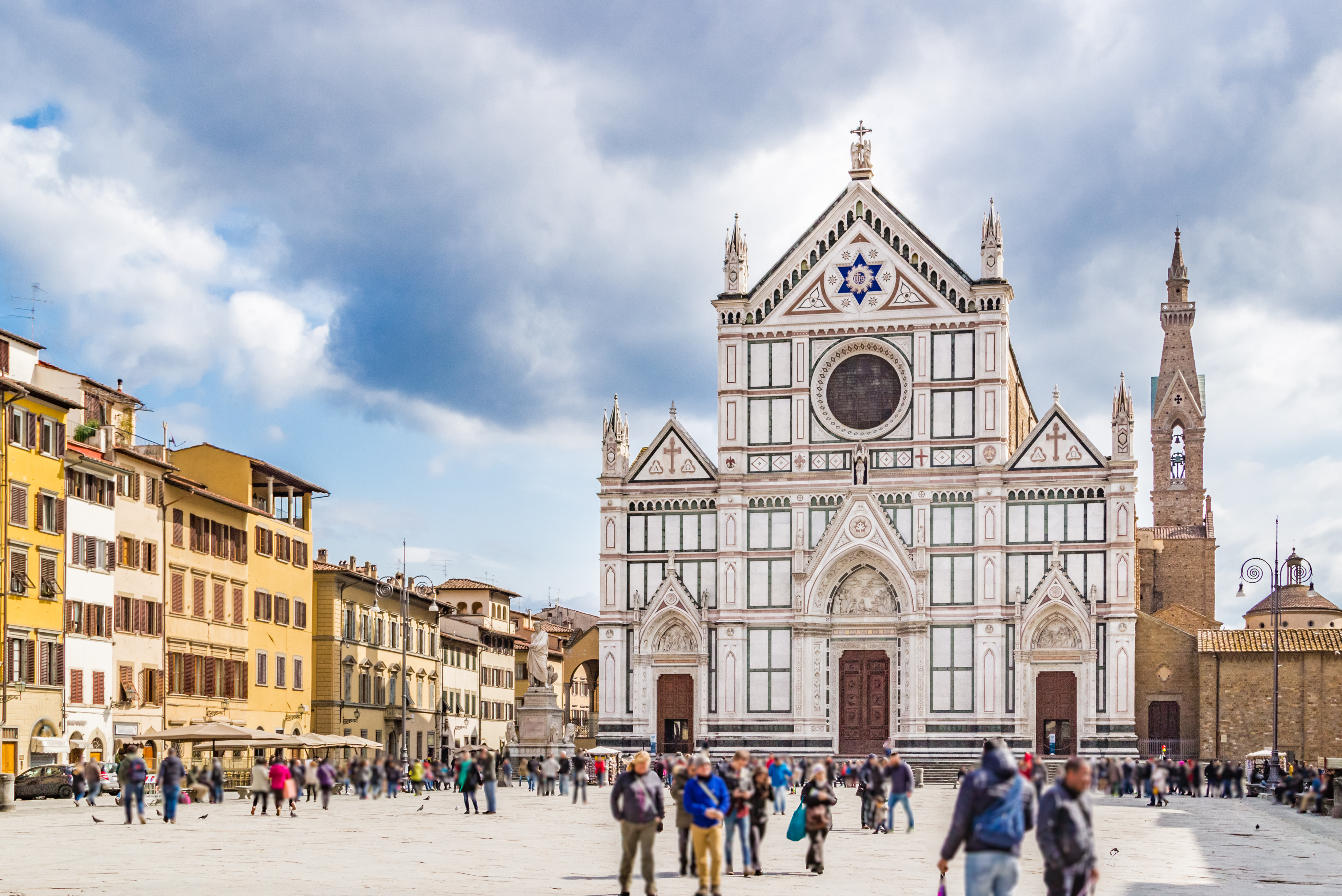
East of the center, Santa Croce pairs a famous basilica with lively squares, student energy, and easy access to the river and old-town streets. It gives travelers access to restaurants and evening activities near the historic core without placing them directly on the busiest cathedral blocks.
Best for: Dining, nightlife, and travelers who want central access with more evening energy
What to expect: Crowded squares, outdoor tables, and a younger evening scene, especially near the main restaurant streets
Hotel prices: Usually €160 to €300 ($180 to $340) per night for well-rated stays
Distance to major sights: 10 to 15 minutes on foot to the Duomo, about 10 to 15 minutes on foot to the Uffizi Gallery
Quietness: The area is busy and social during dinner time, then quieter later at night on side streets, although there may be noise near bars.
Main trade-off: You get a central walk to major sights, but some streets are louder at night, and restaurants are active until late.
Good to know: Check whether your room faces a bar street or a side lane, since sound levels can differ block by block.
Travelers usually avoid staying in Novoli, Careggi, and the airport-side outskirts near Florence (FLR), since they are far from the Duomo and the main historic center and have fewer sights within walking distance.
Hotel deals
How to get around Florence efficiently
Most visitors in Florence pair walking with tram and bus rides, taxis, and the regional train network when they need to get beyond the center.

Metro
for longer distances
Florence’s bus network covers the historic center, Santa Maria Novella station area, and surrounding neighborhoods, making it useful for short cross-city trips where walking is less practical. Tickets cost €1.70 ($1.90), rising to €2.00 ($2.20) from August 2026. You can validate them after boarding, or tap in if using a contactless option. The tickets are valid for 90 minutes afterward.

Bus and tram
for convenience
Tram T2 links Florence Airport (FLR) with the city center in about 20 minutes, offering a simple option for arrivals and departures. Currently, tram tickets cost the same as bus ones, €1.70 ($1.90) for 90 minutes. Their price will also rise to €2.00 ($2.20) from August 2026.

Taxi
for convenience or late hours
Licensed taxis use fixed rates for airport trips and metered fares within the city, with extra charges for luggage, late-night rides, and trips on Sundays or holidays. A ride from Florence Airport (FLR) to the city center costs €25–€27 ($29–$31) during the day, rising to €32 ($37) late at night or on Sundays.
*Prices are based on rates updated as of June 2026 and may change at the time of travel.
Walk through the historic core, use the tram for the airport or station area, and choose a taxi when you need a timed arrival after dinner or before an early train.
Iconic landmarks
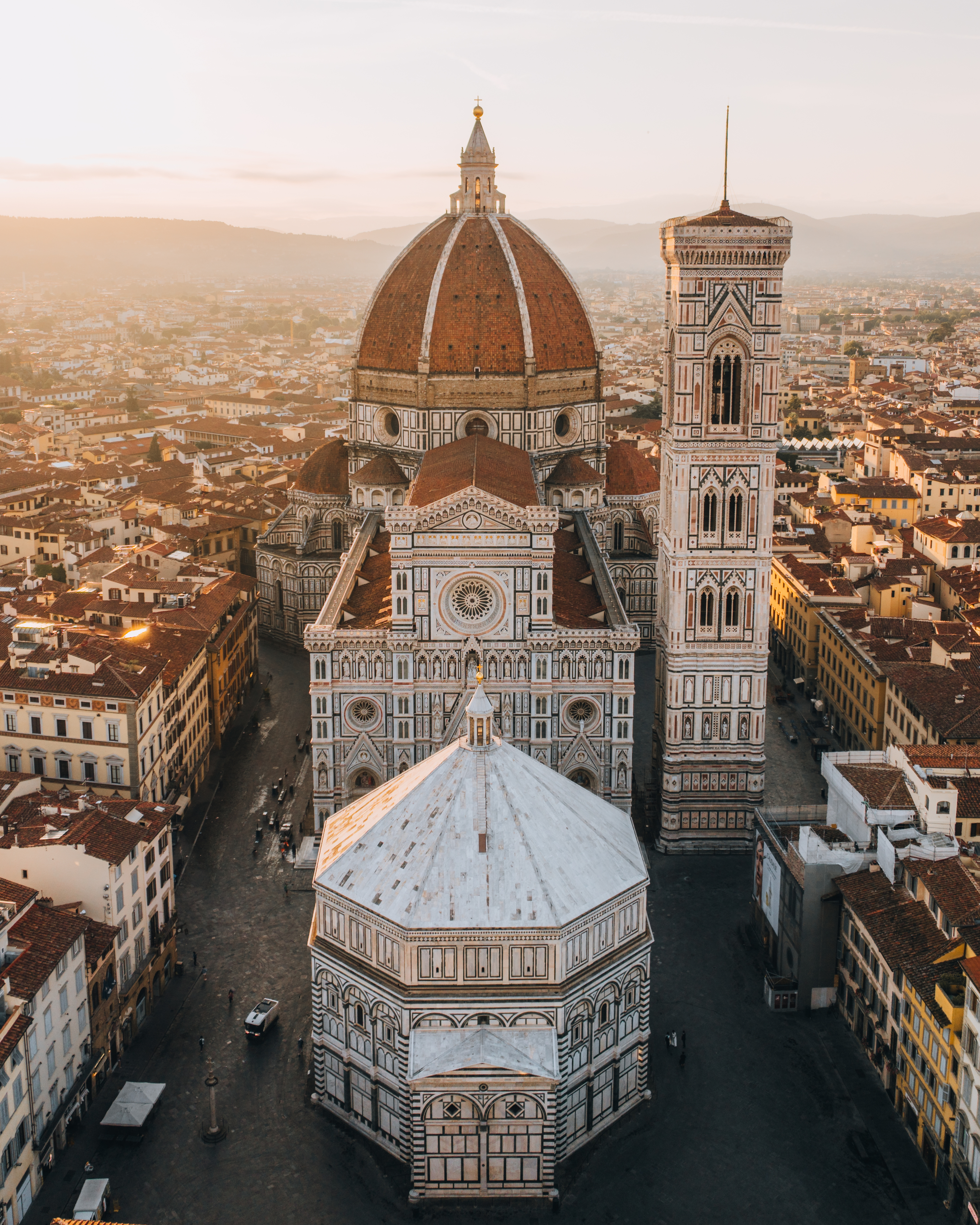
Florence Cathedral (Duomo di Firenze)
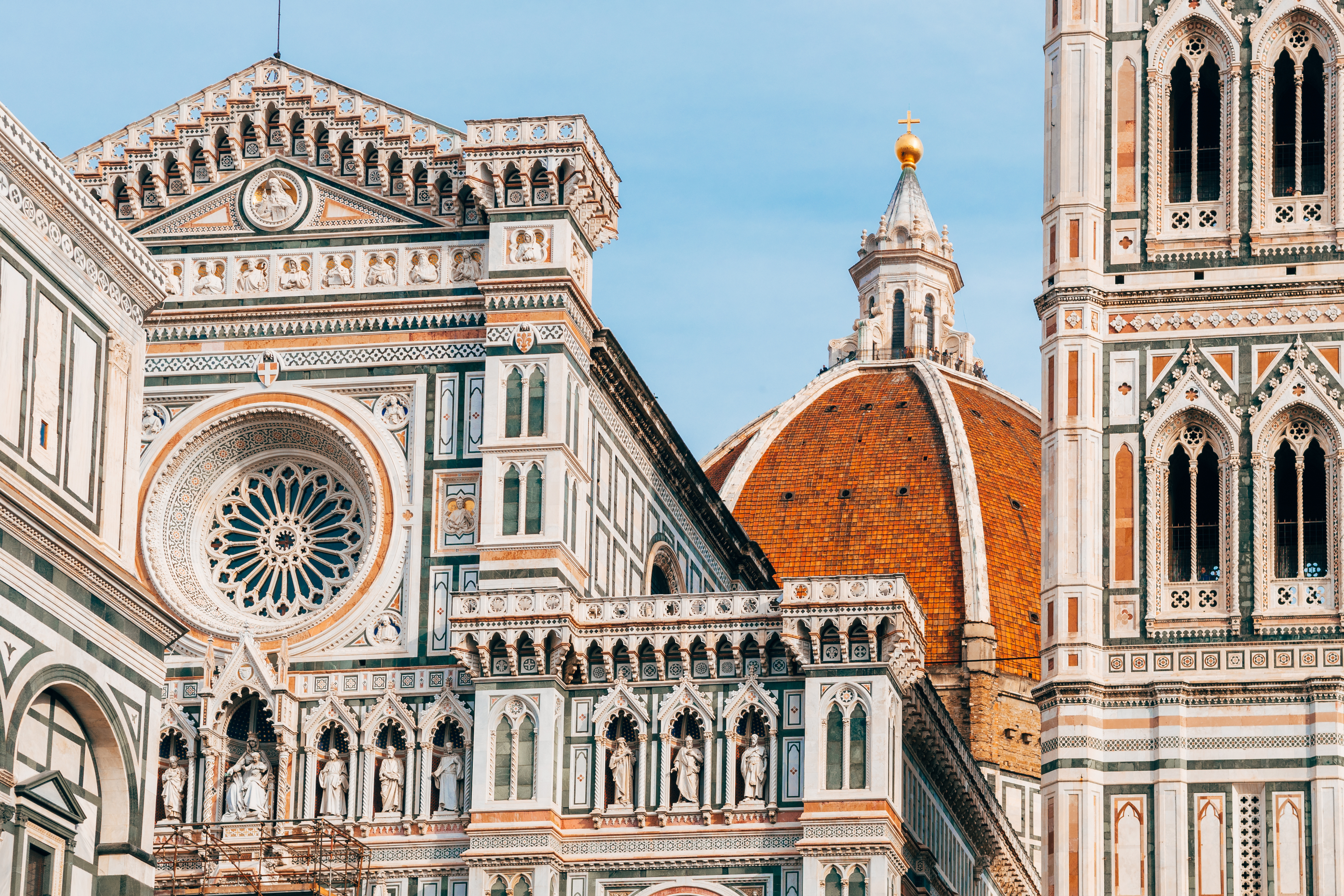
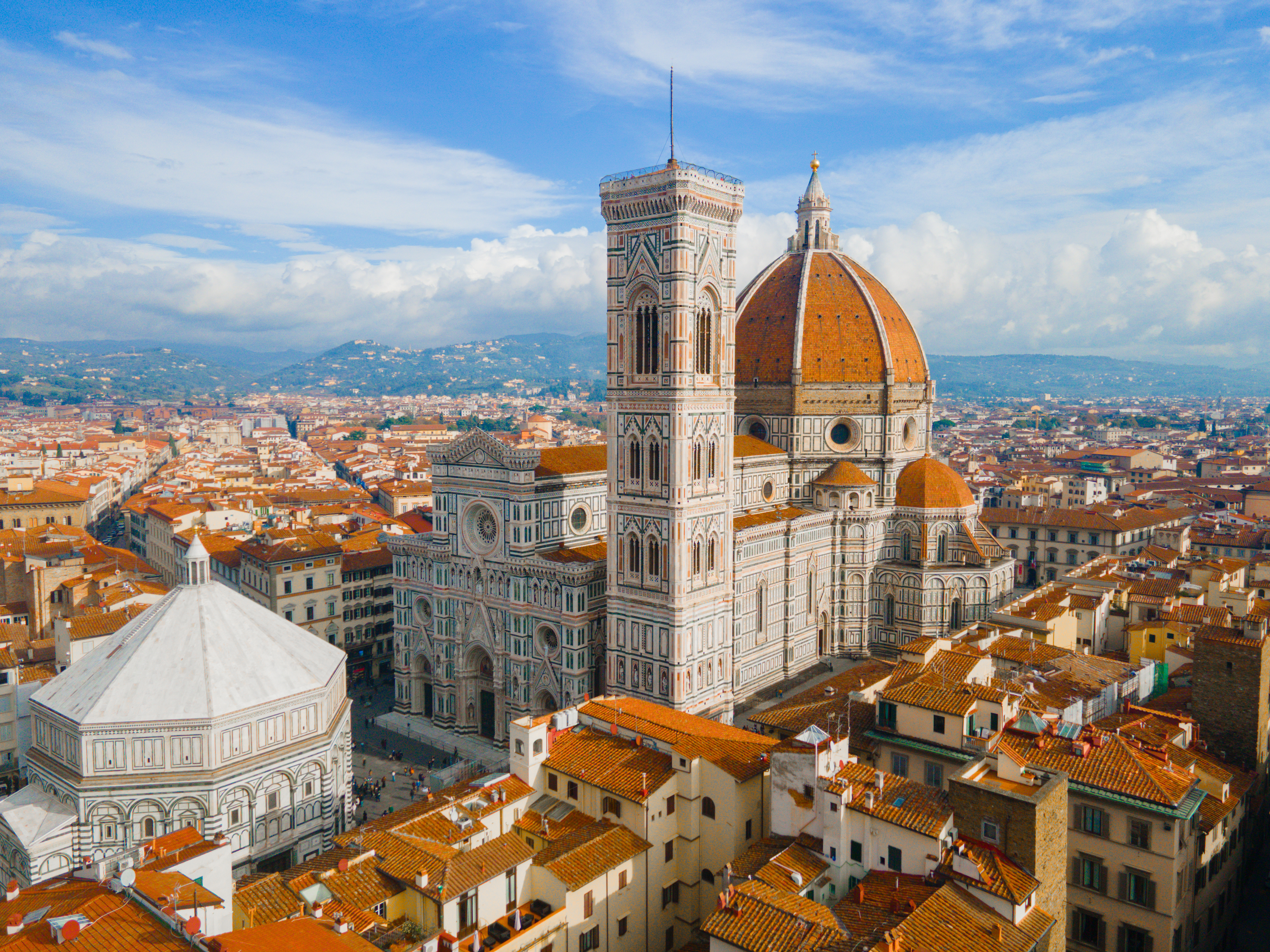
The cathedral anchors Florence’s skyline with Brunelleschi’s red-tile dome, Giotto’s Campanile, and a colored-marble facade. Inside, the nave opens onto important Renaissance art, while the dome climb adds close views of the structure.
Time needed: About 2 to 3 hours
Entry: The Brunelleschi Pass costs €30 ($34), and it covers many important sights. Visit the official site for details.
Tip: Start early if you want the dome climb, then visit the square before tour groups arrive.
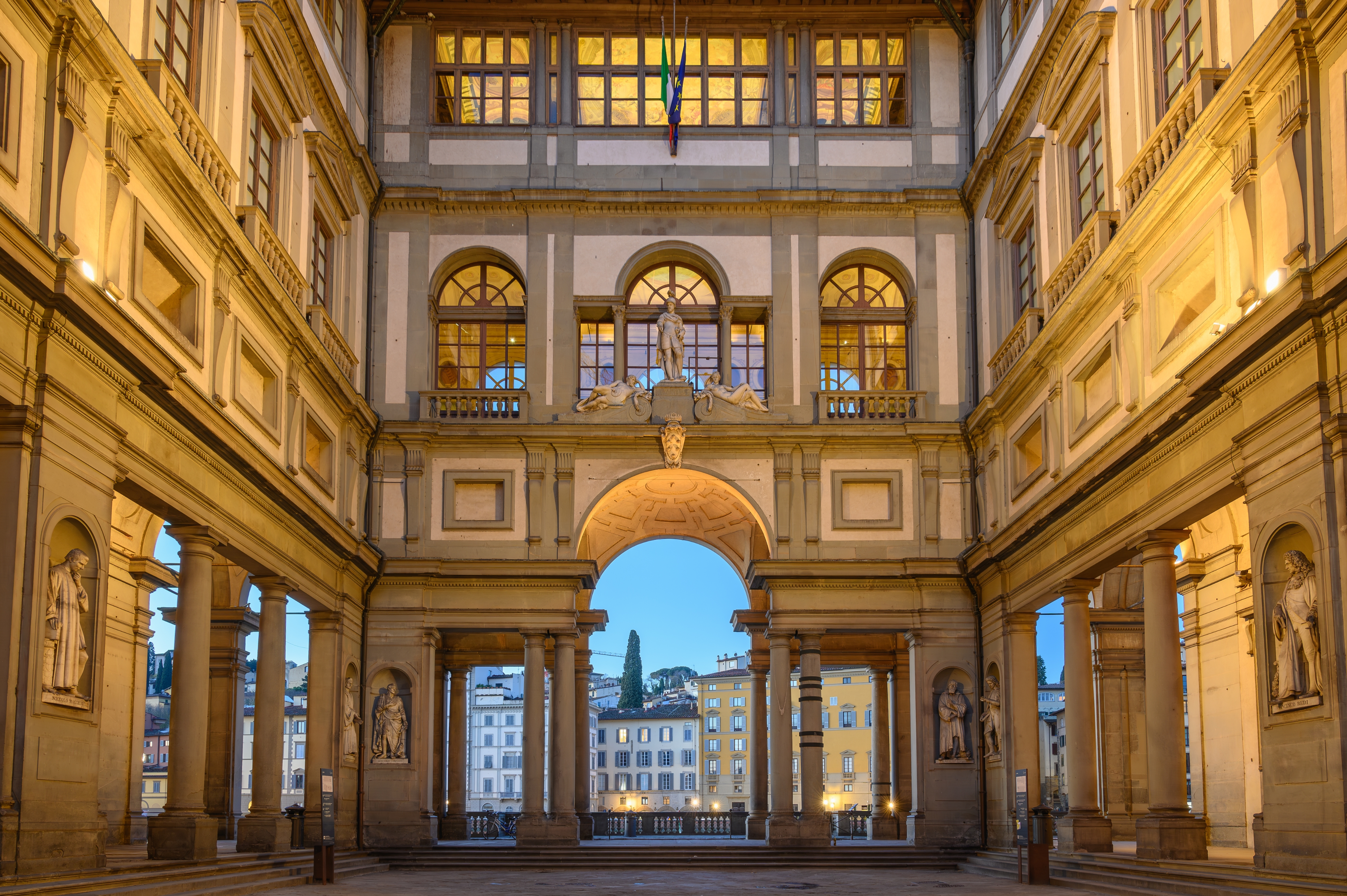
Uffizi Galleries
The Uffizi houses one of Italy’s strongest Renaissance collections, with works by Botticelli, Leonardo, Michelangelo, and Raphael displayed in sequence. Its upper galleries also frame river and city views through long, arched windows.
Time needed: About 2 to 3 hours
Entry: tickets cost €25 ($29) at the ticket office on the day, or €29 ($33) online in advance. Visit the official site for details.
Tip: Go first thing in the morning before the galleries grow crowded.
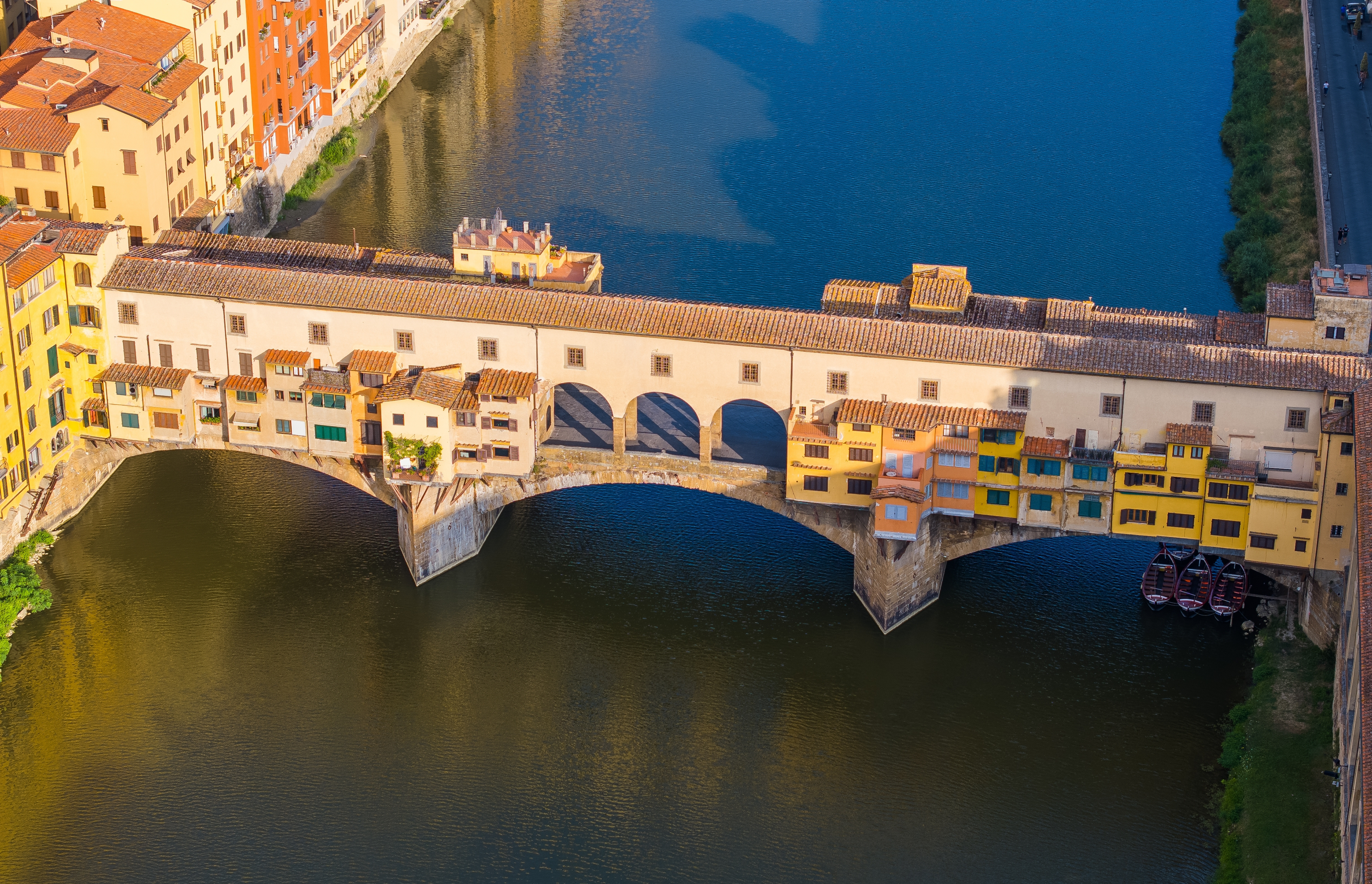
Ponte Vecchio
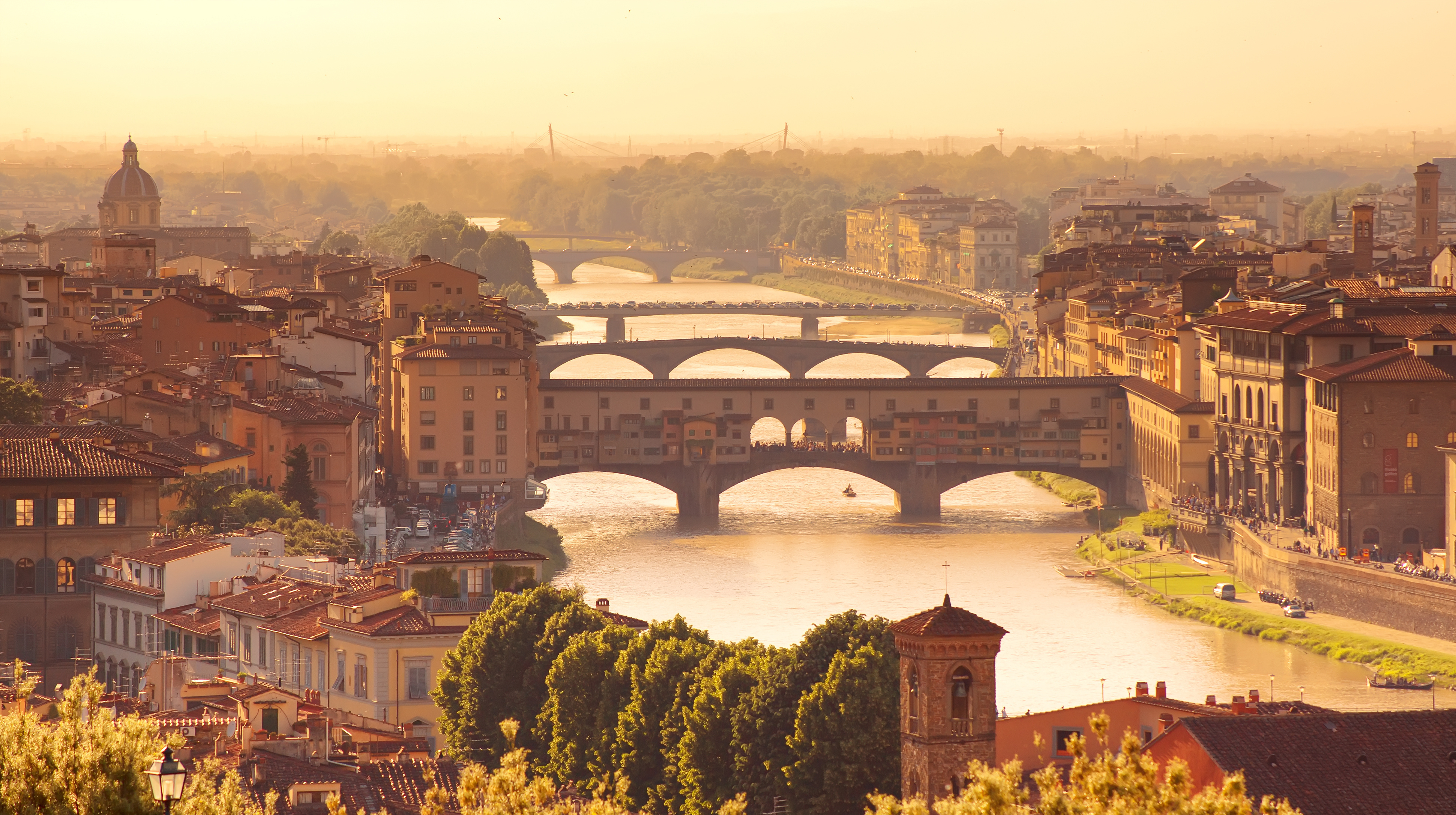
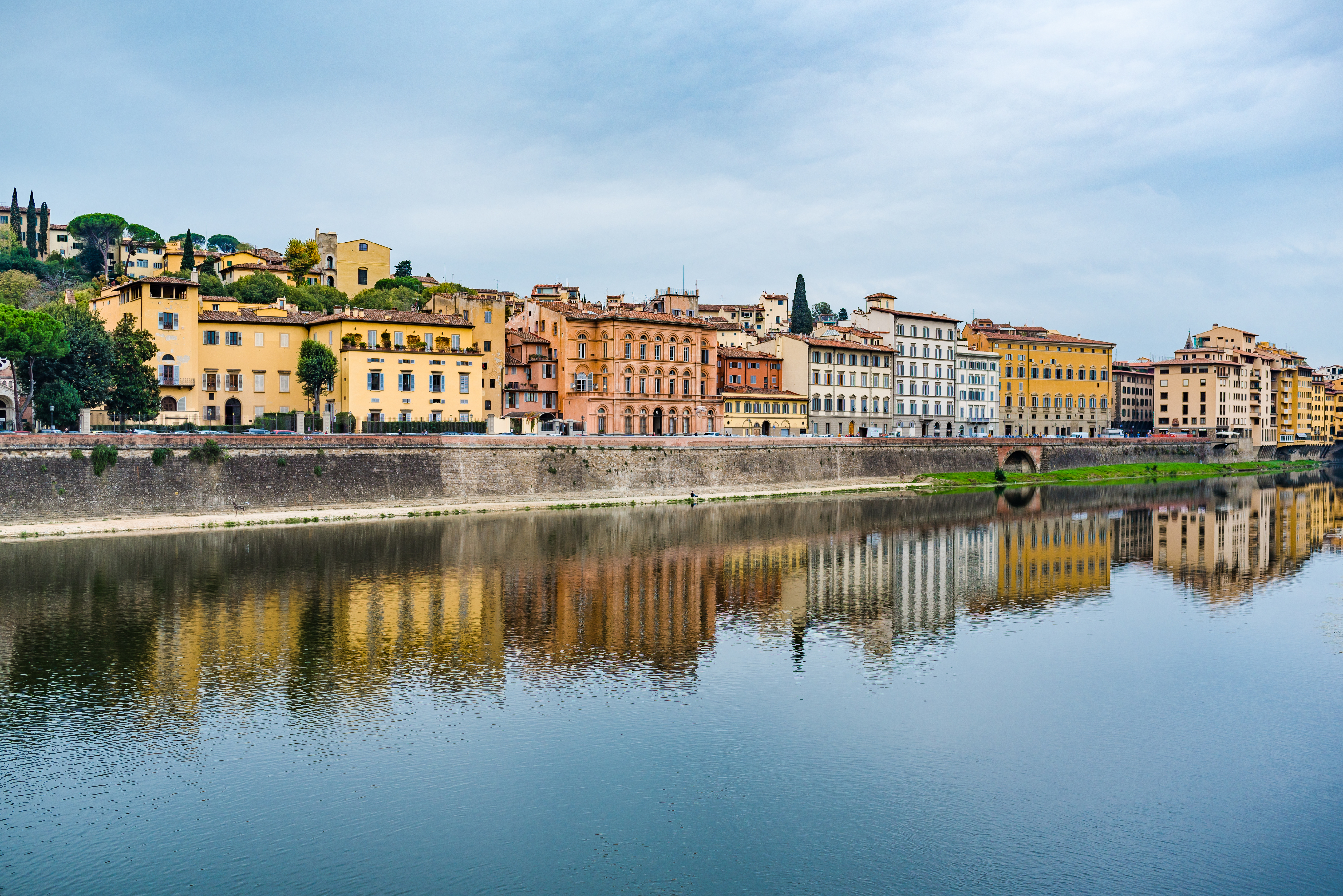
Ponte Vecchio spans the Arno with a dense line of shops built into the bridge itself, a rare survivor of wartime damage. From its center and the nearby riverbanks, you can see the old span, the water, and the rooftops in one view.
Time needed: About 30 to 45 minutes
Entry: Free to access. River tours charge separately.
Tip: Visit at sunset, then cross again after dark when the bridge lights reflect on the Arno.
Overlooked sites worth visiting
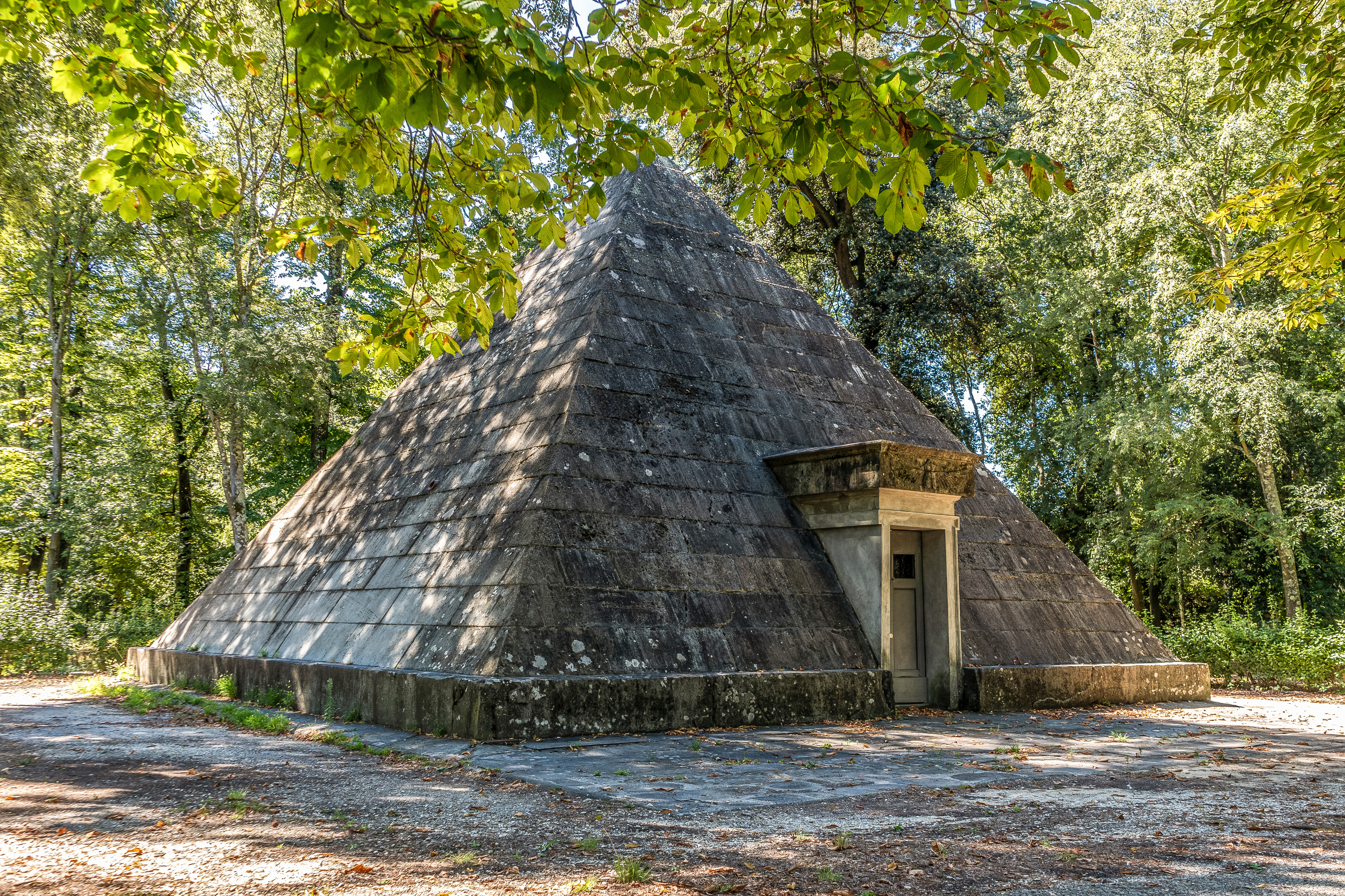
Cascine Park
Florence’s largest public park stretches along the Arno with tree-lined paths, lawns, and river views. It suits a slow walk, a run, or a bike ride, and draws far fewer visitors than the historic center.
Time needed: About 1 to 2 hours
Entry: Free to access
Tip: Go at sunset for the clearest river light.

Museo Horne
This house museum packs Renaissance paintings, furniture, ceramics, and textiles into a compact palazzo near Santa Croce. The rooms are small, but the collection gives a close look at Florentine domestic art.
Time needed: About 1 hour
Entry: Admission is usually €9–€10 ($10–$11) for adults. Special exhibitions or guided visits can cost more. Visit the official site for details.
Tip: Visit midmorning for less crowded rooms and easier viewing.
Traditional food

In Florence, you can taste Tuscan staple dishes made with beans, beef, offal, artisanal bread, olive oil, tomato, and herbs. Lunches often take a long time, and dinners start late.
Bistecca alla Fiorentina
This thick T-bone steak, usually served rare and simply seasoned, shows why Florentine cooking prizes good beef and a hot grill. Trattoria ZaZa is a classic Florence stop for this dish, with a menu built for meat-minded diners.
Ribollita
This Tuscan bread-and-vegetable soup turns cabbage, beans, and stale bread into a deep, warming bowl. Osteria del Cinghiale Bianco serves a well-regarded version in the Oltrarno, close to the river.
Pappa al pomodoro
Tomato, bread, basil, and olive oil come together in a thick, rustic soup that tastes of summer home cooking. Trattoria La Casalinga keeps it on the menu in a setting that suits a long lunch.
Lampredotto
Florence’s most famous street food uses slow-cooked tripe served in a roll with salsa verde or spicy sauce. Da Nerbone inside Mercato Centrale is one of the city’s reference addresses for it.
Best time to visit Florence
Florence changes with the season, but spring and autumn usually have the best balance of walking weather, daylight, and short museum queues.
Best for: Blossoms, long walks, and the first comfortable café tables
What you get: Temperatures are roughly 50°F to 75°F (10°C to 24°C), with moderate crowds that rise around Easter and major holidays.
Trade-offs: Rain can interrupt a day of outdoor walking.
Best for: Late sunsets, river evenings, and a full calendar of outdoor dining
What you get: Temperatures range from 68°F to 92°F (20°C to 33°C) and can reach 100°F (38°C). Expect the heaviest crowds in the city center and at main sights.
Trade-offs: Heat makes midday museum queues and long walks tiring.
Best for: Clear light, food-focused days, and comfortable museum hopping
What you get: Temperatures range from roughly 48°F to 77°F (9°C to 25°C), with high visitor numbers in September and quieter streets later in the season.
Trade-offs: Days are shorter in November, leaving less time for outdoor activities.
Best for: Quieter galleries, easier reservations, and a slower city center
What you get: Temperatures range from 37°F to 54°F (3°C to 12°C), occasionally dropping below the freezing point at night. Expect lighter crowds outside holiday periods.
Trade-offs: Cool mornings and shorter daylight limit outdoor time.
A realistic 5-day plan in Florence
This plan starts with the arrival neighborhood, then moves through the cathedral, the Uffizi, the quieter museum side, the park, and a final morning that leaves room for one last stop.
Land at Florence Airport, Peretola (FLR), then take a taxi or pre-booked car to the center. The ride takes 15–25 minutes and costs €25–€32 ($29–$37), depending on the time of day and day of the week. Book a hotel near Duomo if you want to be near the cathedral, or in Santa Maria Novella if you want to step off the train and settle in quickly. After check-in, take a walk on the nearby streets to stretch your legs, and enjoy a bowl of ribollita or a plate of pappa al pomodoro at a nearby trattoria.
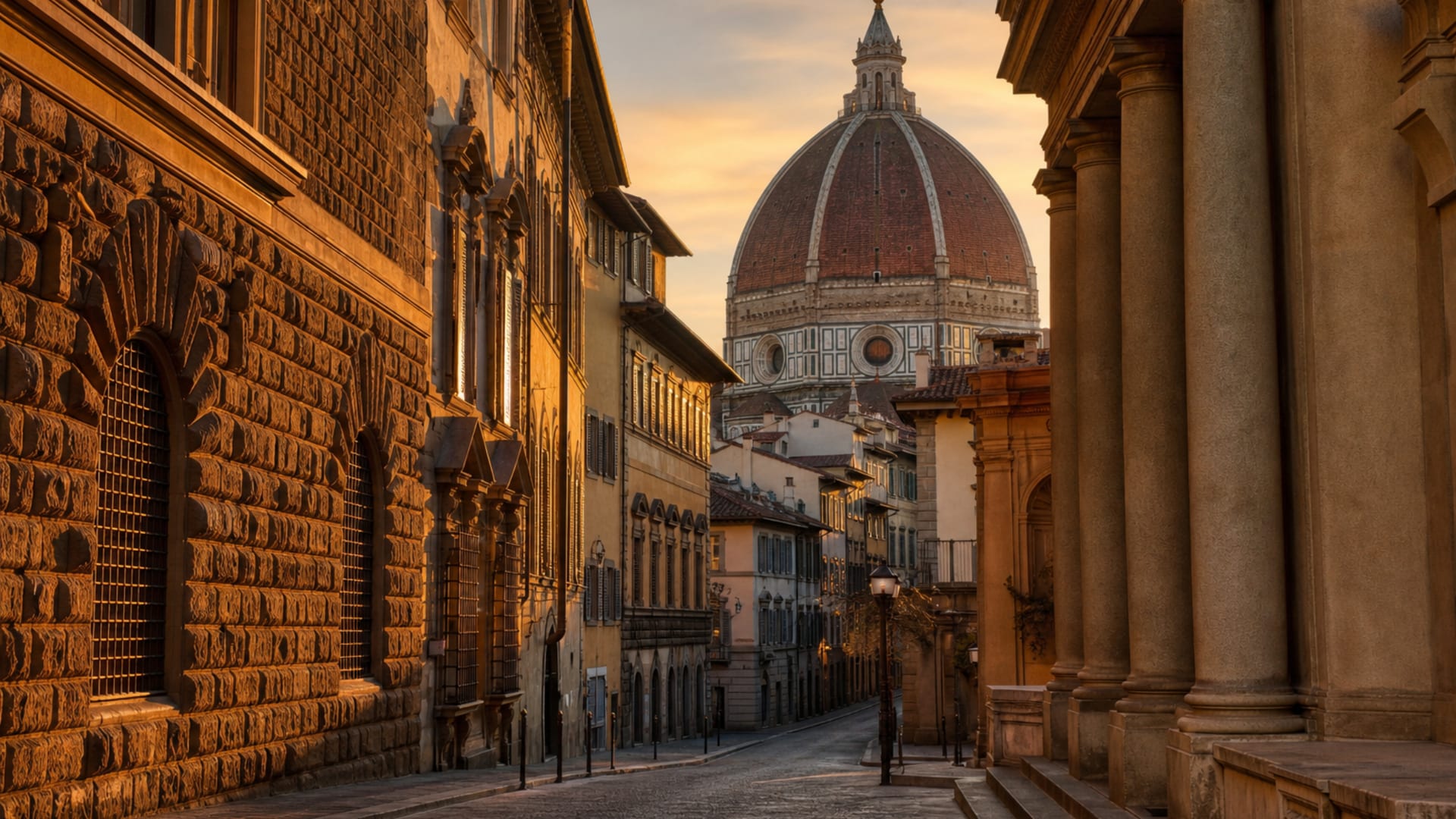
Start early at Florence Cathedral, where the dome climb and the square are best before the tour groups build. From there, walk about 10 minutes to the Uffizi Galleries, then plan another 10–15 minutes on foot to Ponte Vecchio for a late lunch or an espresso by the river. If you want a slower final stop, continue across the bridge into the Oltrarno and finish with a quiet wander near Santo Spirito before dinner.
From the Uffizi Galleries, walk for 30 minutes to Museo Horne for a smaller, house-museum counterpoint near Santa Croce. After that, cross the center on foot in about 15 minutes to the basilica area and nearby squares, where you can pause for lunch and a shorter afternoon round of church and street views. End the day with an easy 10- to 15-minute walk back through the old streets, keeping your pace loose enough to stay for dinner in Santa Croce.
A calmer day fits naturally outside the museum core: take a taxi or bus to Cascine Park, which lies along the Arno and offers tree-lined walking paths, river views, and fresh air. From there, return toward the center and cross to the Oltrarno, where artisan workshops, small squares, and neighborhood streets create an appealing place for browsing and a late lunch. If you want one more landmark view, end with Ponte Vecchio at sunset, then walk 10 minutes to the riverfront lanes for dinner.
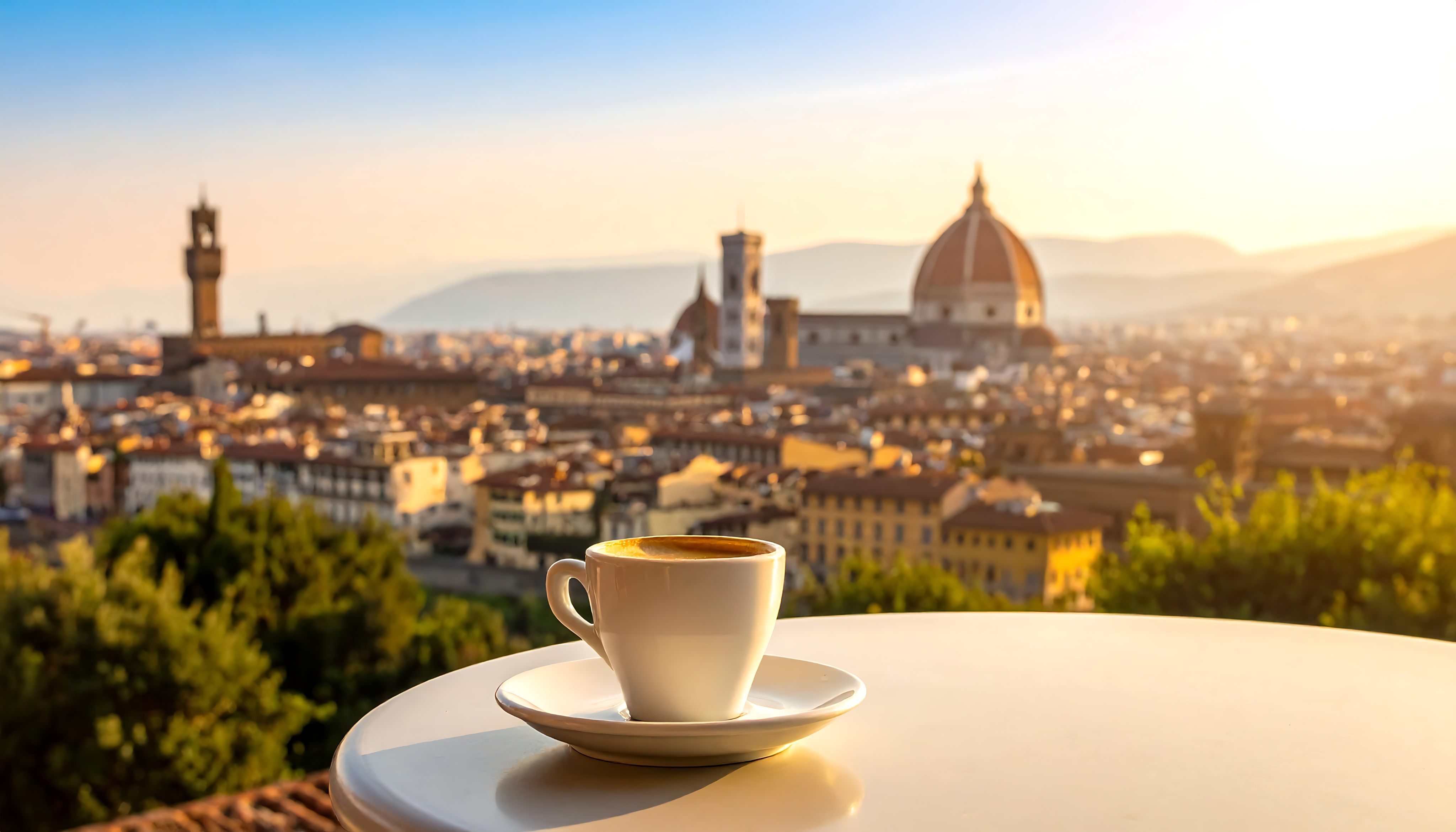
On your last morning, pair one final museum stop with an unhurried café run, then leave time for shopping in the Oltrarno or along the streets near Santa Maria Novella, where luggage-friendly stops are close to the station. A coffee and pastry near Piazza Santo Spirito is convenient if you are staying across the river, while the blocks near the Duomo suit a last look at leather goods and books. Then, take a taxi to Florence Airport (FLR).
Business-class flights from the US to Florence
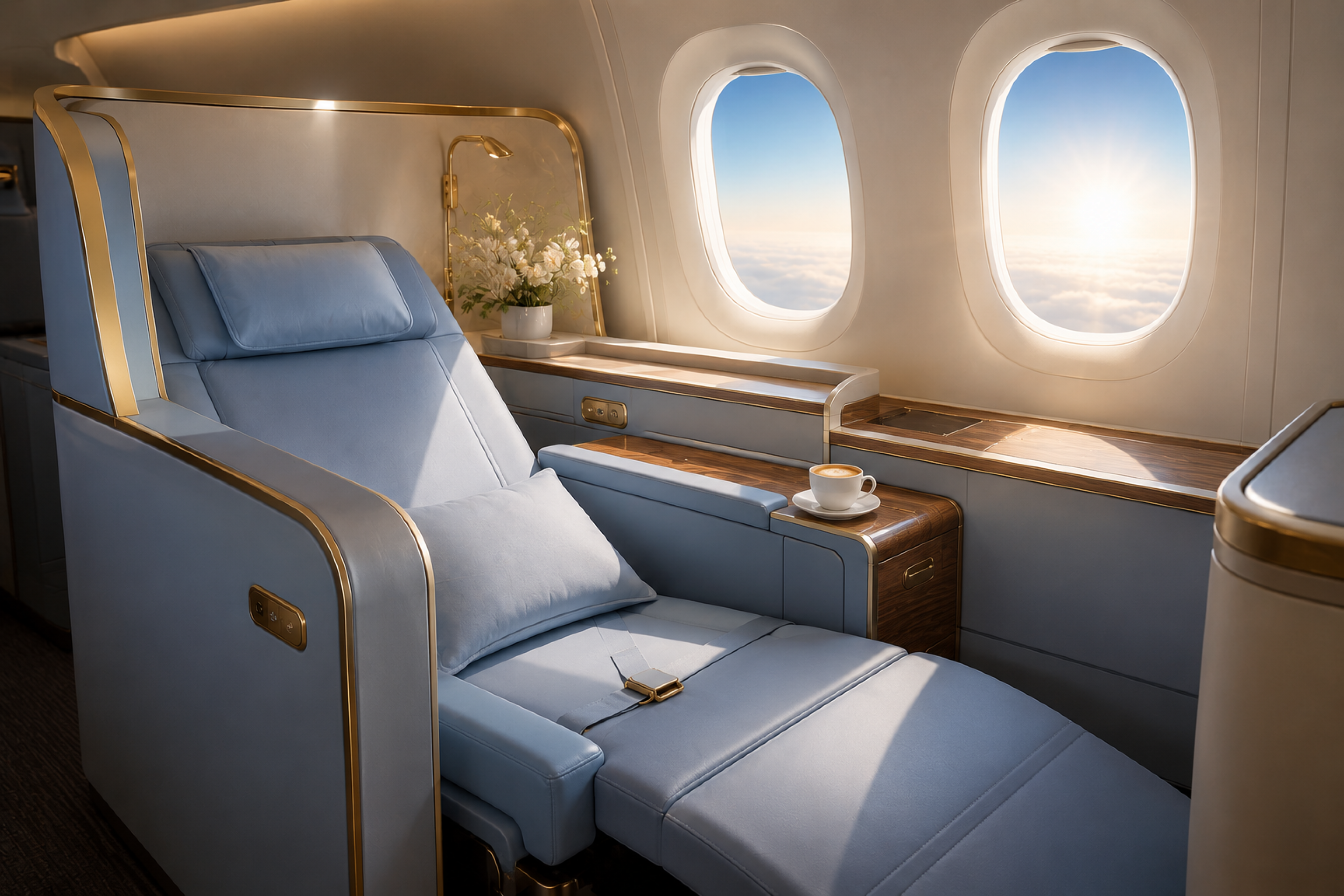
You can find business-class flights to Florence from major hubs across the United States, mostly with at least one layover. The examples below show common options from John F. Kennedy Airport (JFK) in New York and Los Angeles Airport (LAX).
New York (JFK) to Florence (FLR)
From New York, airlines such as ITA Airways, Air France, Lufthansa, British Airways, and KLM offer connecting business-class flights to Florence. These itineraries often include one stop at hubs such as Rome (FCO), Paris (CDG), Frankfurt (FRA), London (LHR), Amsterdam (AMS), or Madrid (MAD). The total travel time usually ranges from 10 to 15 hours, depending on the layover. Round-trip business-class tickets typically start at $2,800 and can rise to approximately $5,200 at the last minute or on popular travel dates.
Los Angeles (LAX) to Florence (FLR)
ITA Airways, Lufthansa, Air France, British Airways, and KLM operate connecting business-class flights to Florence from Los Angeles (LAX). These routes usually include one stop through Rome (FCO), Paris (CDG), Frankfurt (FRA), London (LHR), Amsterdam (AMS), or Madrid (MAD). The total travel time ranges from 14 to 20 hours, depending on the layover. Round-trip business-class fares generally cost between $3,300 and $6,200.
Planning Florence the Right Way
Florence feels most rewarding when you give its small scale enough breathing room. A tightly packed schedule can turn the city into a sequence of museum entries, bridge crossings, and crowded streets, while a better-paced plan leaves time for long lunches, quieter neighborhoods, river walks, and the details that make the city memorable. If you are planning a trip to Florence, consider contacting our AranGrant experts. They can help you compare business-class flights and choose a well-placed hotel.