

Chapters:

Need help with your trip?
Our support team is available 24/7. Request a callback or call us directly at (833) 619-0908
Edmonton trips often start with Downtown, a museum, and a quick meal, yet many visitors miss how much time the city asks for between stops. They also skip the south side and the river valley, then wonder why the map covers more ground than expected.
That matters here because a short list can turn into long transfers, winter sidewalks can slow simple walks, and the main sights sit in separate districts. Without a plan, evenings shrink fast and each neighborhood feels farther apart than it should.
This guide keeps the trip anchored in clear districts, with room for transit, indoor stops, and one large outing that deserves a full day.
Useful things to know
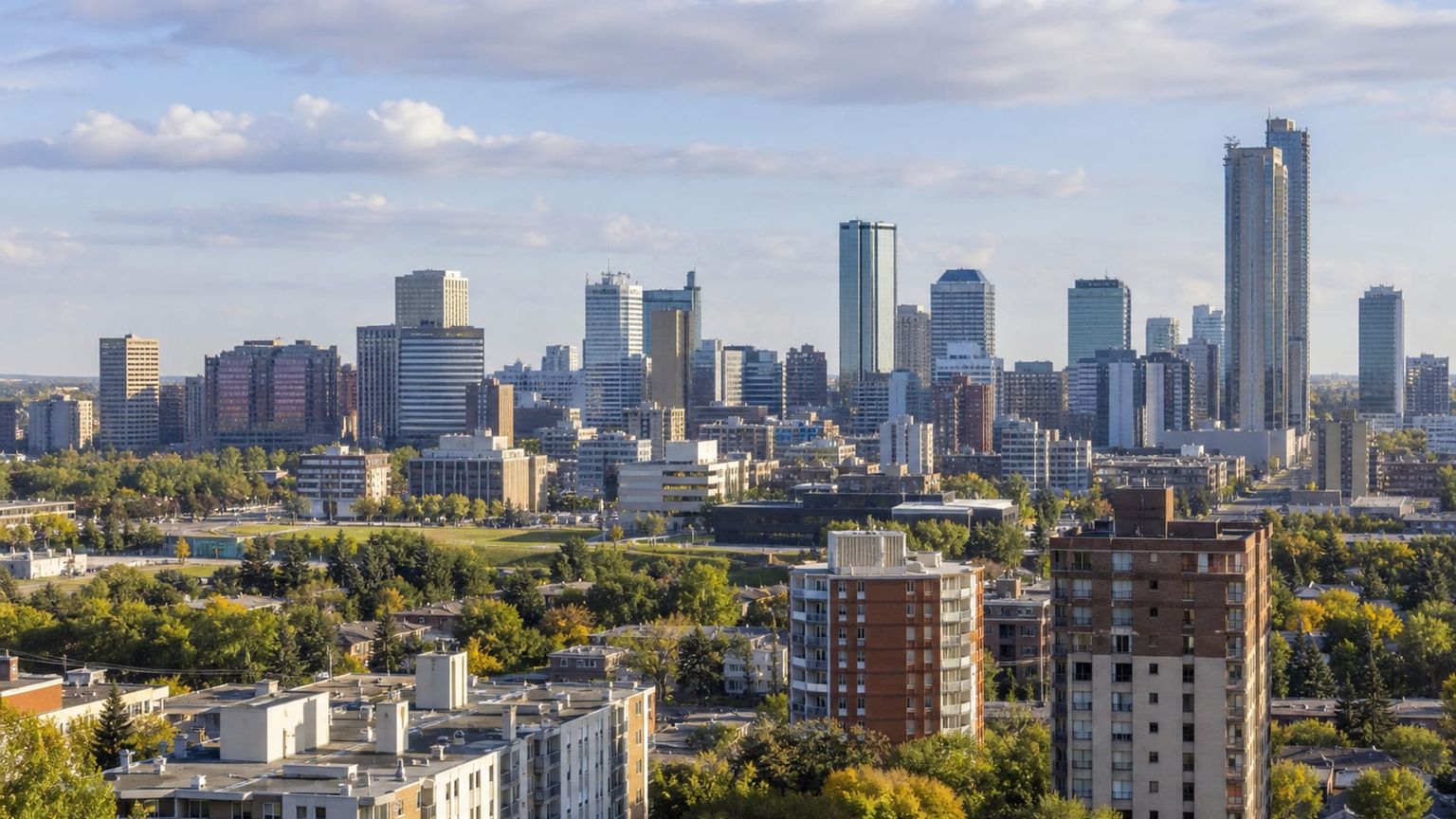

Main language(s): English

Currency: The local currency is the Canadian dollar (CAD, C$).

Cash and cards: Cards and contactless are widely accepted; carry about C$20 to C$40 in cash for small purchases.

Tipping: Tip 15-20% in restaurants when service is good; round up for taxis and small bills.

Traditional food: poutine, Alberta beef, bannock, perogies

Water and coffee costs: Water about C$2 ($1.50), bar espresso about C$4 to C$6 ($3 to $4.50).

Taxis and ride apps: Uber and Lyft operate here; check pickup rules at Edmonton International Airport (YEG).

Plug and voltage: Type A/B socket, 120V

Dining and shop opening hours: Breakfast is about 07:00-10:00, lunch 11:30-14:00, and dinner 17:00-21:00. Many places close earlier on Sundays.

Emergency number: Dial 911 for police, fire, and medical emergencies.
Where to stay in Edmonton
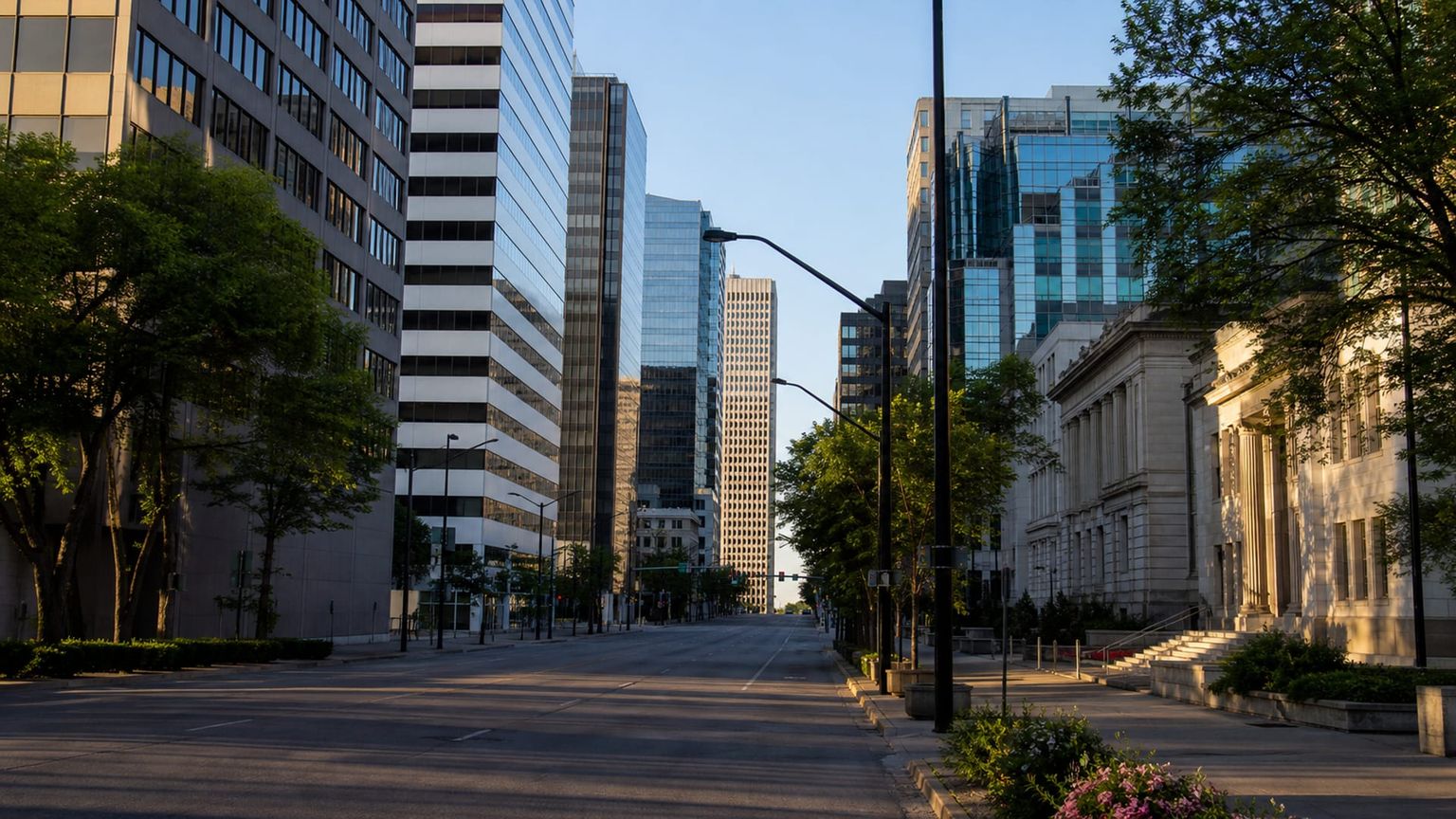
Edmonton’s central business district puts you near the highest concentration of offices, restaurants, theaters, and transit. It matters for a trip because you can reach the River Valley, Ice District, and many downtown museums without relying on a car.
Best for: First-time stays, transit access, dining, and access to major downtown attractions
What to expect: Busy sidewalks by day, a clear after-work rush, and a thinner late-night scene outside the main entertainment blocks.
Hotel prices: Usually about $130 to $240 per night for well-rated stays
Distance to major sights: 10 to 20 minutes on foot to the Royal Alberta Museum; about 15 minutes on foot to the Alberta Legislature Building
Quietness: Quieter in the morning and late evening, but traffic and venue noise pick up around office towers and main streets during the day.
Main trade-off: Hotel rates often run higher than in outlying districts, and the atmosphere can feel sparse on blocks that empty after office hours.
Good to know: Choose a hotel close to a LRT station if you plan to move around without a car, because winter weather and long blocks make that difference obvious.
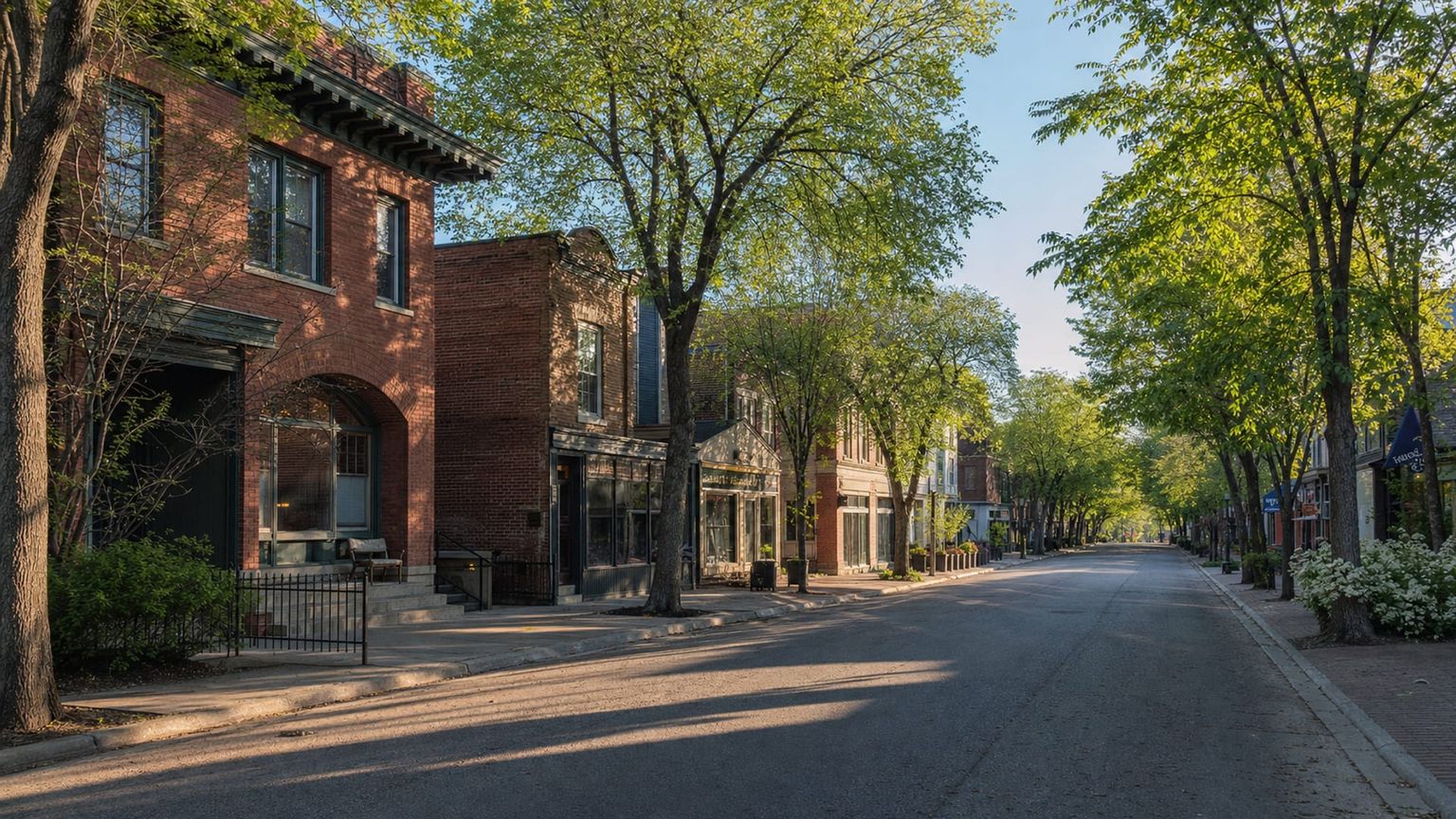
Old Strathcona is Edmonton’s historic south-side district, centered on Whyte Avenue, indie shops, bars, and live-music venues. It matters because it gives you a walkable base with a strong evening scene and easy bus links to the University of Alberta and downtown.
Best for: Nightlife, dining, independent shopping, and travelers who want a lively evening base
What to expect: Crowded sidewalks, frequent patio traffic in warm months, and a late-running restaurant and bar scene on Whyte Avenue.
Hotel prices: Usually about $120 to $220 per night for well-rated stays
Distance to major sights: About 20 minutes by transit to downtown; roughly 10 minutes by transit to the University of Alberta
Quietness: Lively into the evening, then quieter on side streets after bars close, though main-road traffic can carry late.
Main trade-off: Noise and weekend crowds can be significant, especially near Whyte Avenue and festival dates, so light sleepers should pick carefully.
Good to know: If you value late dinners and bars within walking distance, book away from the busiest stretch of Whyte Avenue to reduce late-night noise.
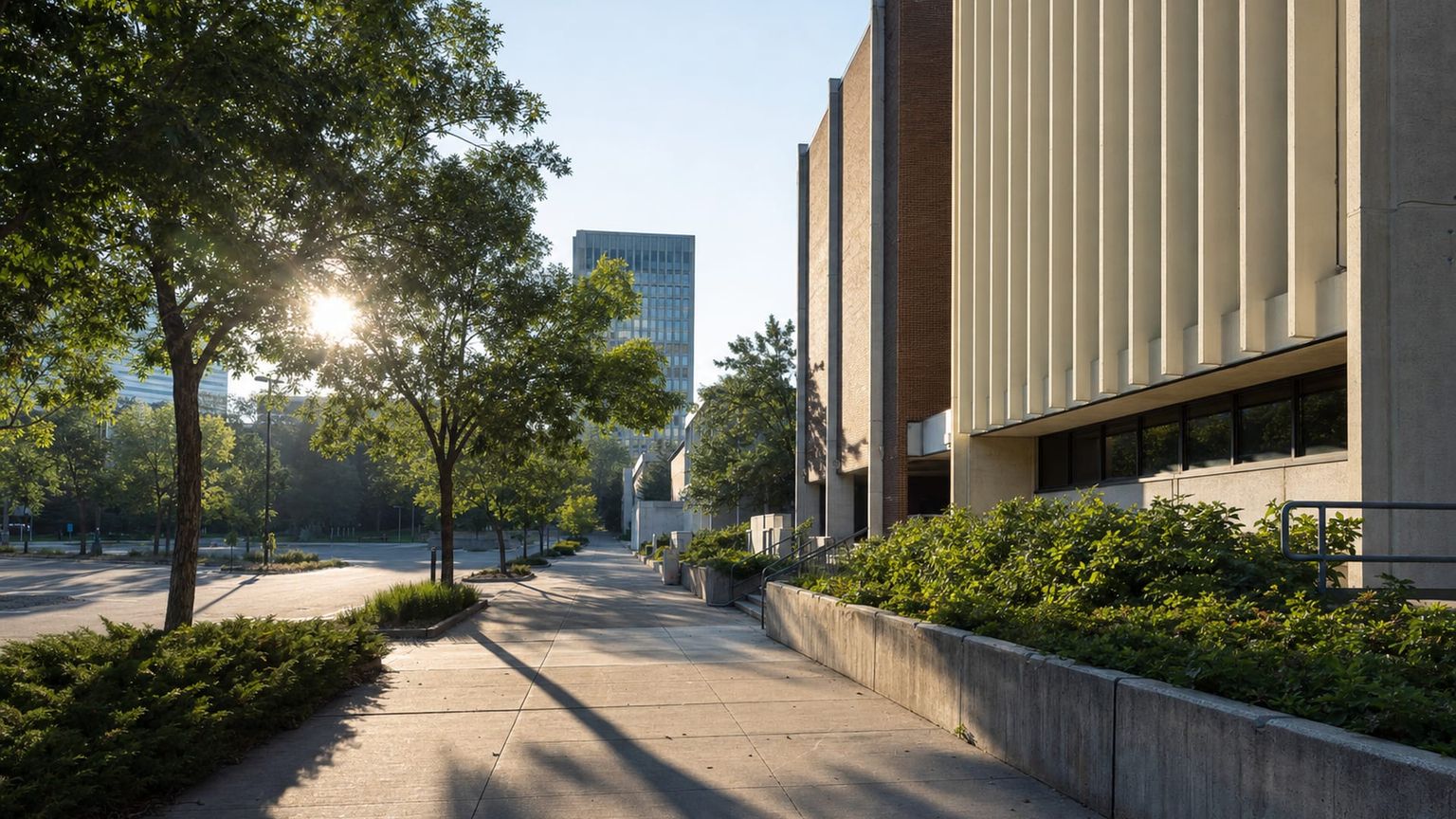
The University area covers the neighborhoods around the University of Alberta and the hospital district on the south side of the river. It matters for trips built around campus visits, medical appointments, and quick access to the River Valley trails.
Best for: University visits, hospital access, river walks, and travelers who want a quieter urban base
What to expect: Mixed student and institutional foot traffic by day, with calmer residential streets in the evening and more activity near campus entrances.
Hotel prices: Usually about $110 to $210 per night for well-rated stays
Distance to major sights: About 15 minutes by transit to downtown; 10 to 15 minutes on foot to the River Valley trail network
Quietness: Fairly quiet at night, while daytime activity rises around campus, clinics, and service streets.
Main trade-off: Dining and hotel choice is narrower than in downtown, so you may travel farther for evening entertainment and major attractions.
Good to know: If you have car-free plans, check the nearest LRT or major bus stop before booking, because some residential pockets sit a long walk from frequent transit.
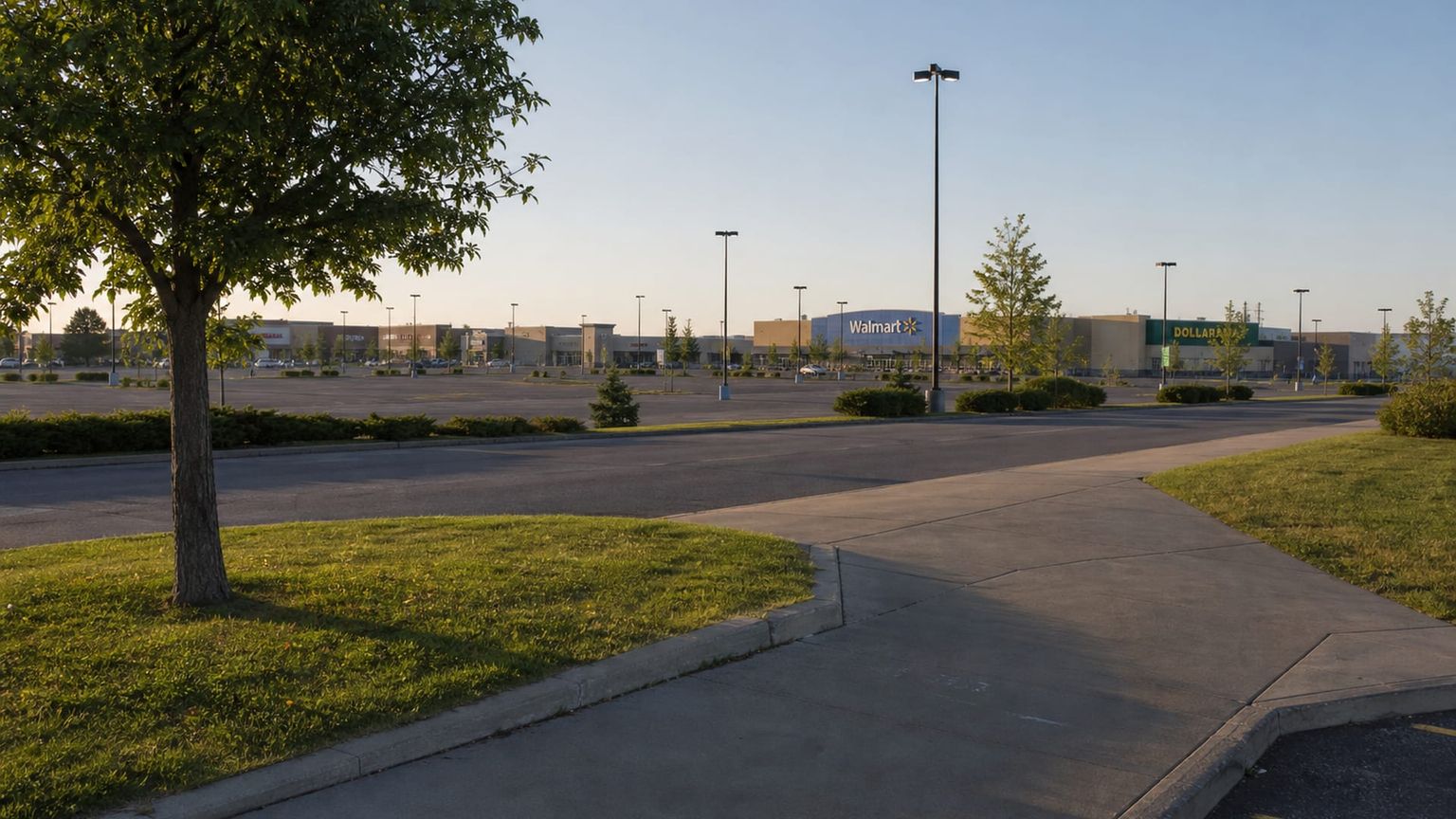
South Edmonton Common is a large retail district in south Edmonton with big-box shopping, chain restaurants, and many roadside hotels. It matters if you want easy parking, airport-bound road access, and simple access to south-side shopping stops.
Best for: Drivers, shopping-focused stays, and travelers prioritizing parking and road access
What to expect: Wide roads, commercial strips, and heavy car traffic, with little pedestrian life outside shopping centers and restaurant clusters.
Hotel prices: Usually about $100 to $190 per night for well-rated stays
Distance to major sights: About 25 to 35 minutes by transit to downtown; roughly 15 minutes by car to Edmonton (YEG)
Quietness: Generally quiet overnight, but parking lots and arterial roads stay active until stores close.
Main trade-off: You will stay far from the river, Old Strathcona, and most walkable entertainment streets, so almost every outing takes a ride or drive.
Good to know: This area works best if you plan to rent a car, because evening transit back from downtown can take longer than the map suggests.
Travelers usually avoid staying in industrial Northwest Edmonton near the CP Rail yards and Yellowhead Trail, because it sits far from the main visitor sights and has limited hotel-adjacent dining or nightlife. Downtown’s office core outside the Ice District, plus strip-mall areas along 118 Avenue and 137 Avenue, are often less convenient for guests who want easier evening walking and more visitor amenities; Northlands and the area by West Edmonton Mall can also be a poor fit if your plans center on Old Strathcona, the river valley, or downtown.
Hotel deals
How to get around Edmonton efficiently
Edmonton has no metro, so most visitors move between neighborhoods with ETS buses, the LRT, taxis, or ride apps, depending on distance and weather.

Metro
for longer distances
Edmonton has no metro or subway, so the closest equivalent is the Edmonton Transit Service bus network, with frequent trips linking Edmonton (YEA) to downtown and major neighborhoods. Fares are typically $3.50 CAD for a 90-minute local transfer, and day passes cost about $10.25 CAD; buy from machines or use transit apps where accepted.

Bus and tram
for convenience
ETS buses cover most of the city, and Route 747 connects Edmonton (YEA) with Century Park Station for airport access in about 25 to 35 minutes depending on traffic. A single ride is about $3.50 CAD and a day pass is about $10.25 CAD, with 90-minute transfer validity on standard fares; cash, exact fare, and prepaid options are common.

Taxi
for convenience or late hours
Licensed taxis wait at Edmonton (YEA) and use metered fares rather than flat citywide rates, with airport trips to downtown usually costing about $55 to $70 CAD before tip. Most cabs take credit cards and debit, and you can book by phone or app if you prefer not to queue at the rank.
*Prices are based on rates updated as of June 2026 and may change at the time of travel.
Use the LRT and buses for Downtown, taxis or ride apps for airport runs and late returns, and transit plus walking when your plan stays inside Old Strathcona or the University area.
Iconic landmarks
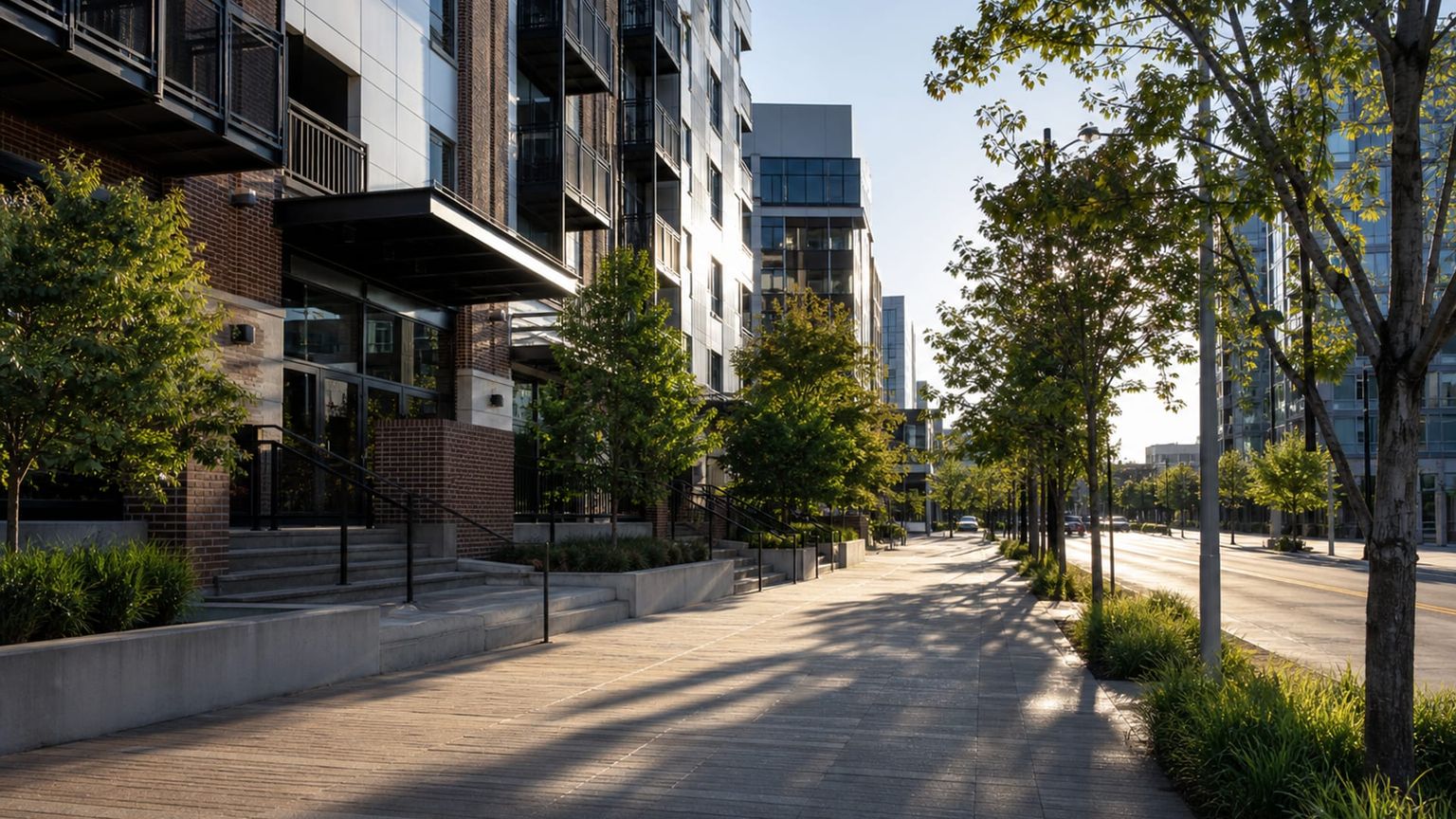
West Edmonton Mall
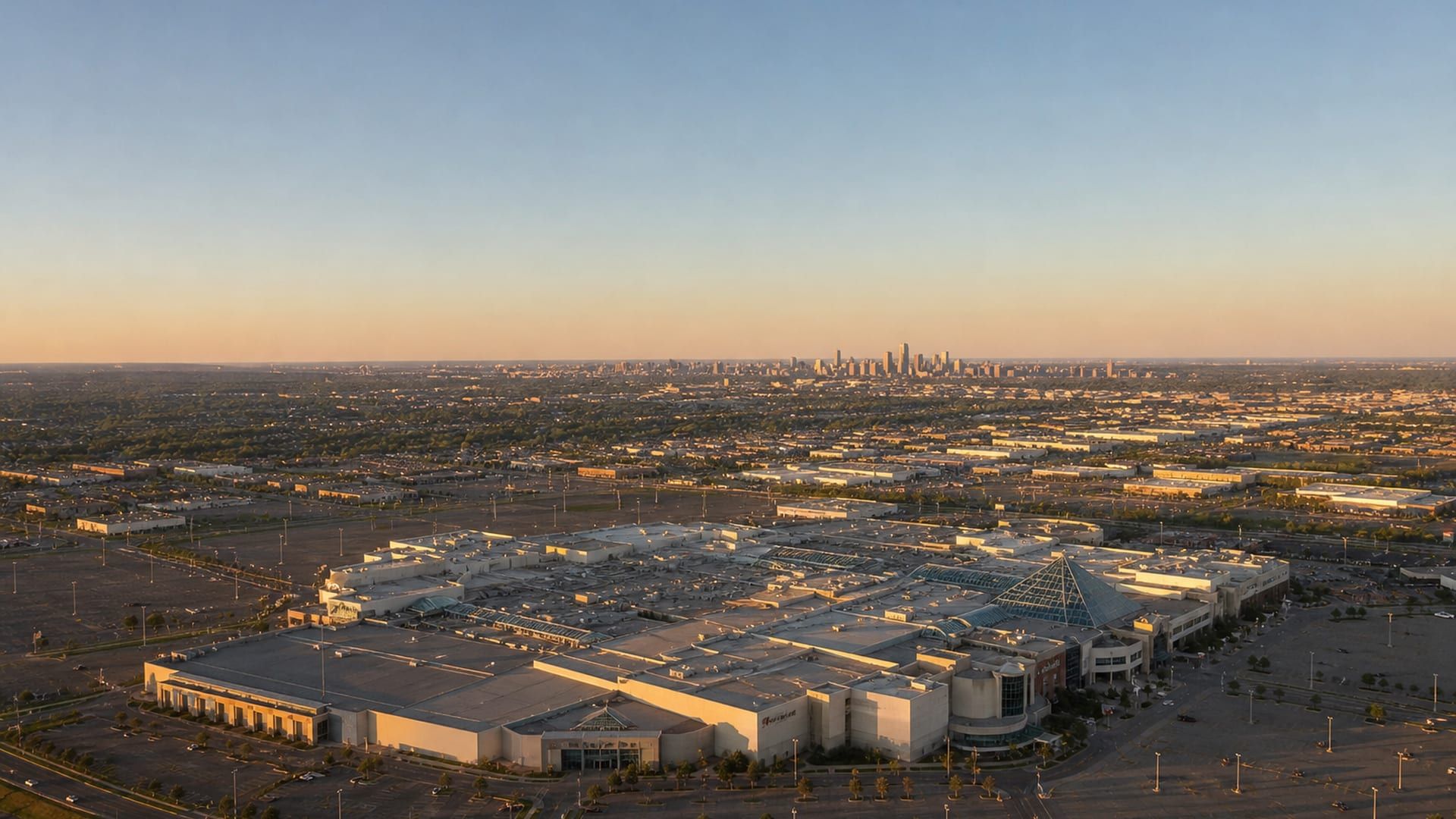
North America’s largest shopping mall packs more than 800 stores, Galaxyland, World Waterpark, an indoor lake, and two hotels under one roof. It also has Ice Palace and a large cinema complex, so one visit can fill a full day.
Time needed: About 4 to 8 hours
Entry: Free to enter; attractions inside have separate prices, with rides and water park tickets usually costing about $20 to $60 ($27 to $81) each Visit the official site for details.
Tip: Arrive early on weekends, when parking is easier and queues are shorter.
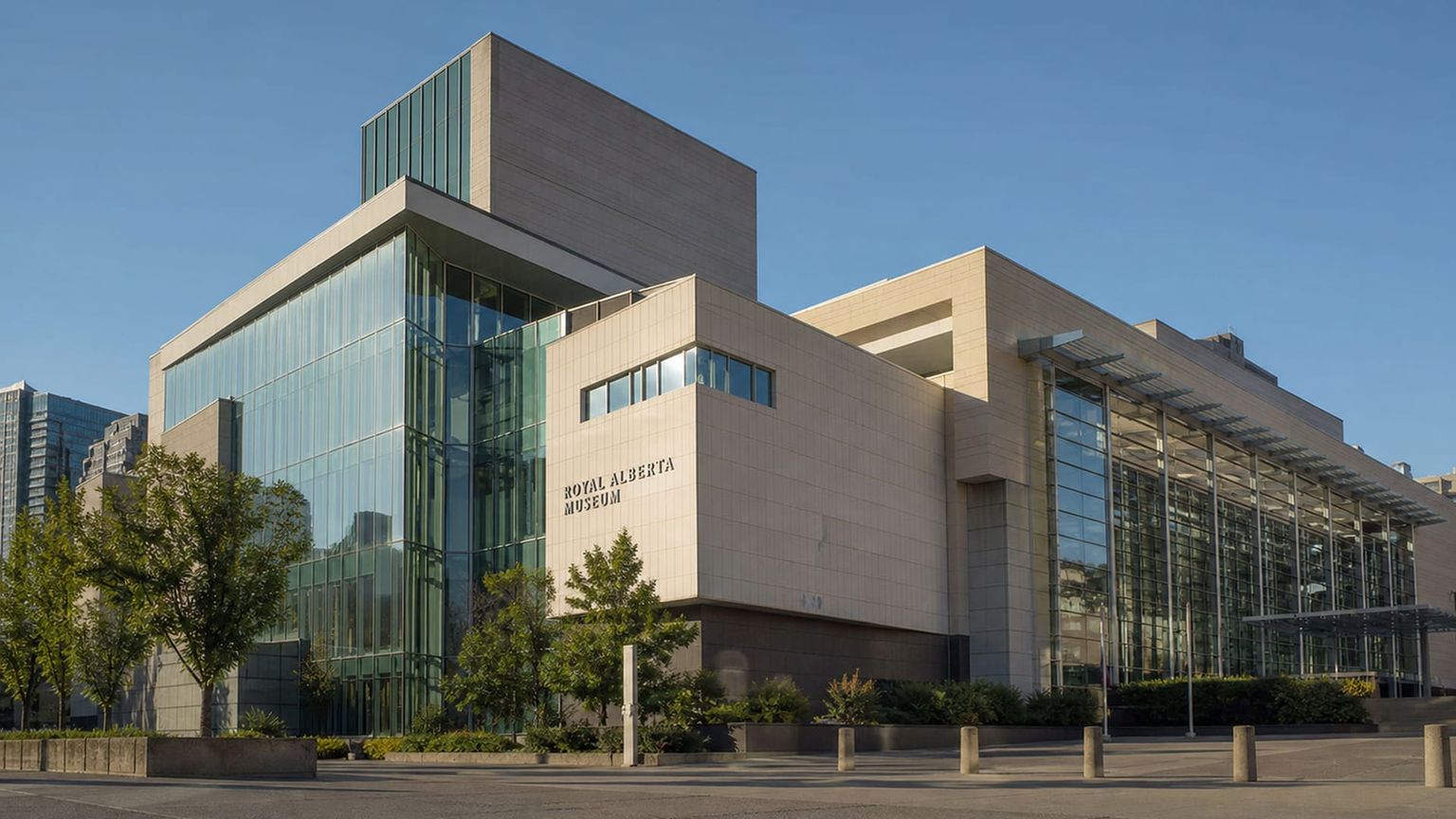
Royal Alberta Museum
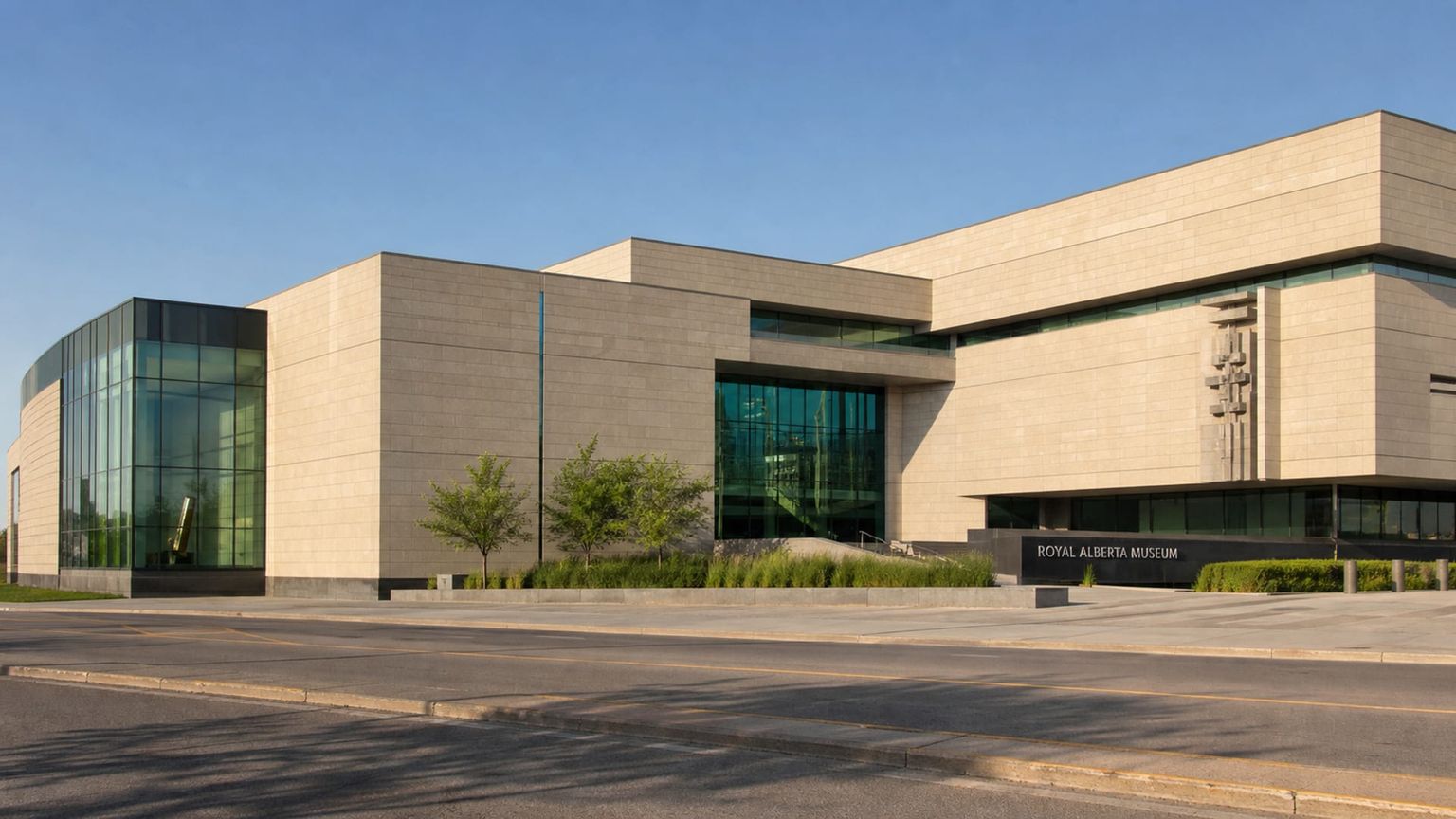
The Royal Alberta Museum is the province’s largest museum, with galleries on Indigenous history, natural history, and a strong local collection. Its downtown location makes it an easy anchor for a city day.
Time needed: About 2 to 3 hours
Entry: General admission costs $15 ($20) for adults, $11.50 ($16) for seniors and youth, and free for children under 6 Visit the official site for details.
Tip: Go in the morning, when gallery traffic is lighter and school groups are less likely.
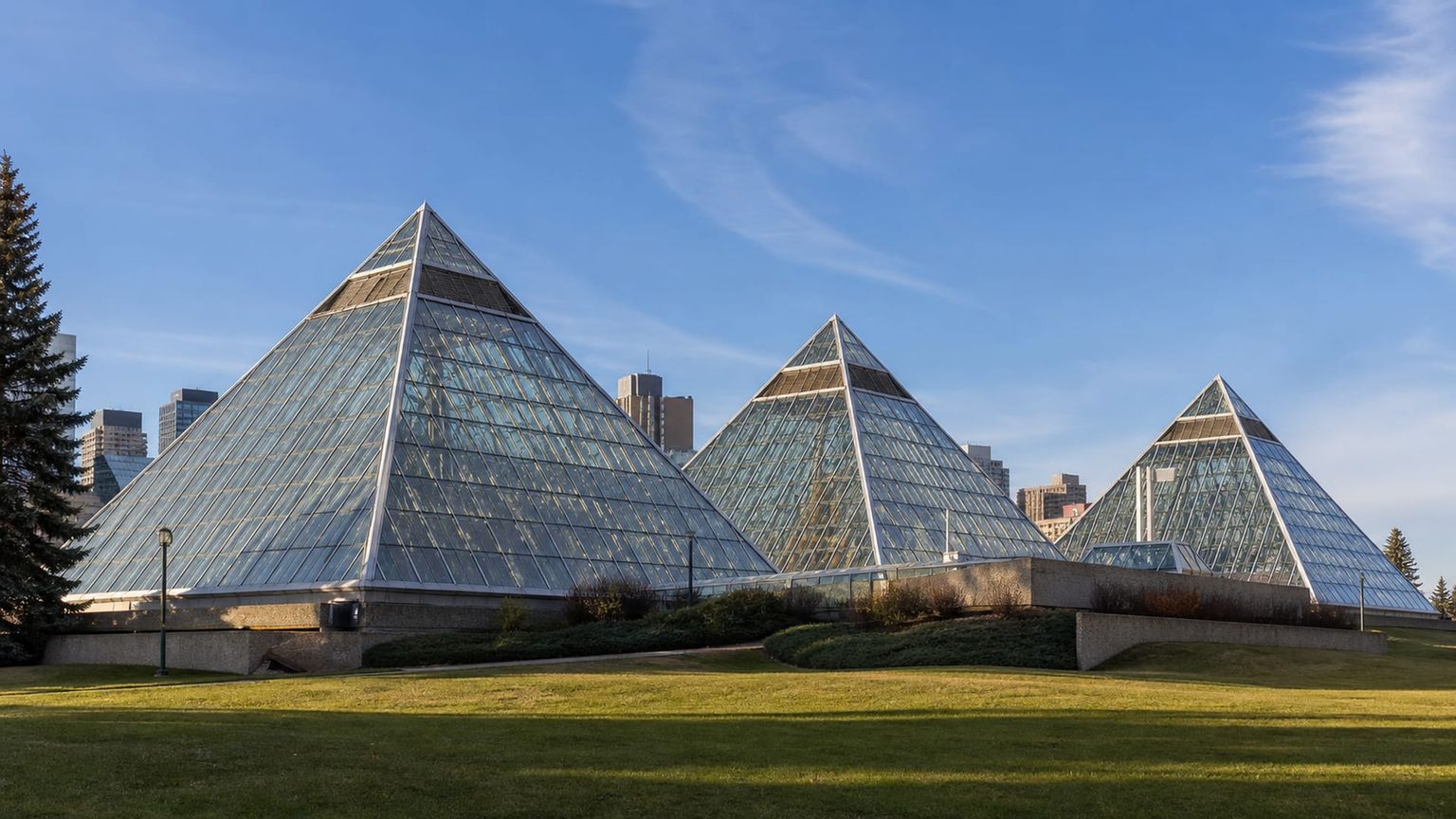
Muttart Conservatory
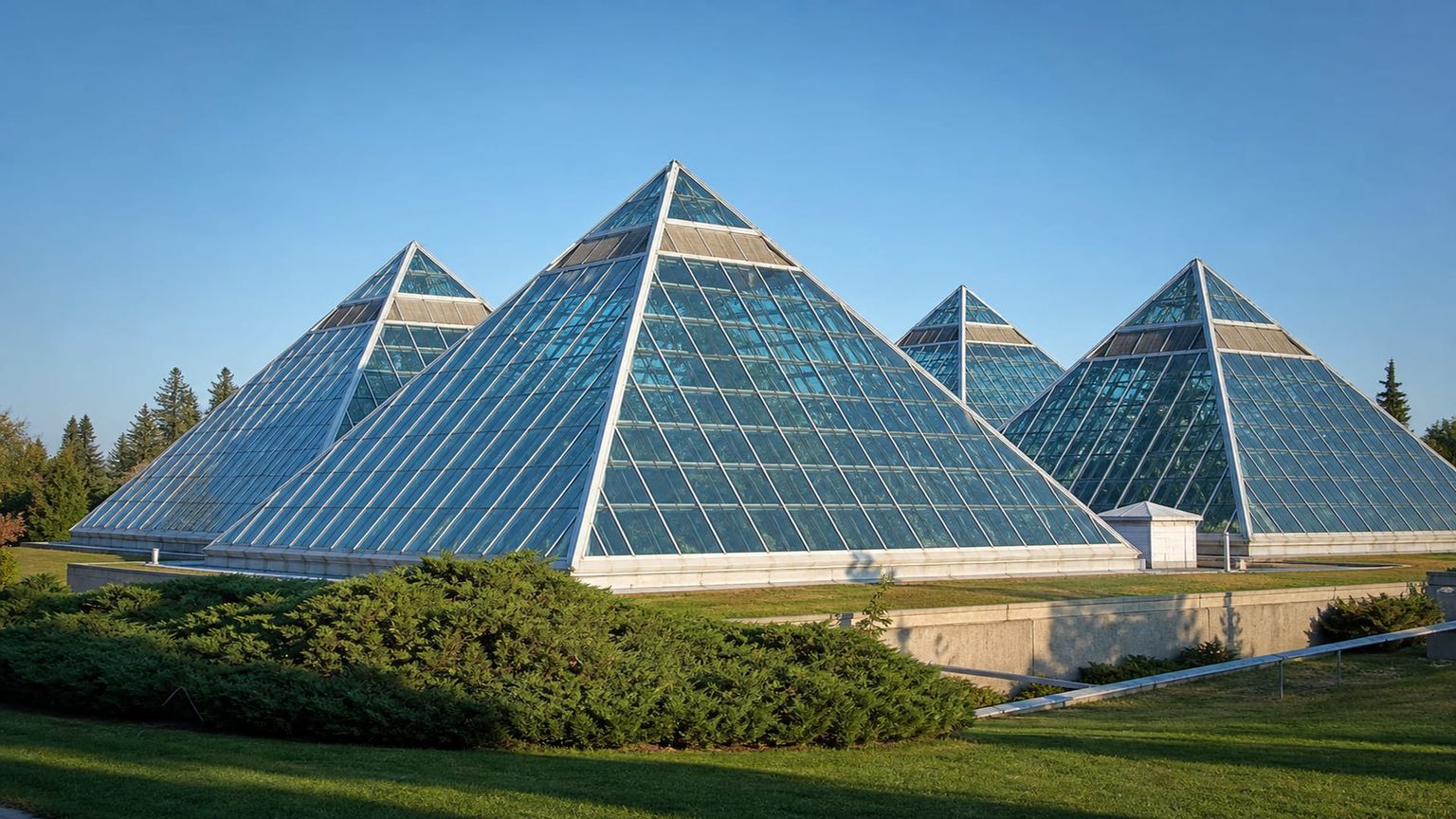
The Muttart Conservatory’s four glass pyramids house tropical, arid, temperate, and feature plant collections beside the North Saskatchewan River. The setting gives you skyline views as well as one of Edmonton’s best indoor garden visits.
Time needed: About 1 to 2 hours
Entry: Admission costs $15.65 ($21.10) for adults, $11.95 ($16.10) for seniors and youth, and free for children 2 and under Visit the official site for details.
Tip: Visit near sunset for the strongest light through the pyramids and river valley.
Overlooked sites worth visiting

Muttart Conservatory
Four glass pyramids on a river valley slope house desert, temperate, and tropical plant collections, plus seasonal showhouses. The setting gives you a compact indoor visit with the valley right outside.
Time needed: About 1 to 2 hours
Entry: Admission is typically $10 to $15 CAD ($7 to $11 USD) for adults, with lower rates for youth, seniors, and children, and family pricing on select days. Seasonal exhibit access can change what is open, so check the current schedule before you go. Visit the official site for details.
Tip: Go late afternoon for softer light through the glass.

Alberta Avenue Community League murals
This walkable cluster of murals lines neighborhood walls north of downtown, with bright portraits, local history, and rotating street art. It suits a short self-guided stroll rather than a long stop.
Time needed: About 45 minutes to 1 hour
Entry: Free to access, with no ticket required for the exterior murals and streetside viewing. If you want to combine the stop with a deeper look at the area, nearby businesses may charge for food or drinks, but the art itself has no admission fee.
Tip: Visit in daylight, when mural colors are easiest to see.
Traditional food
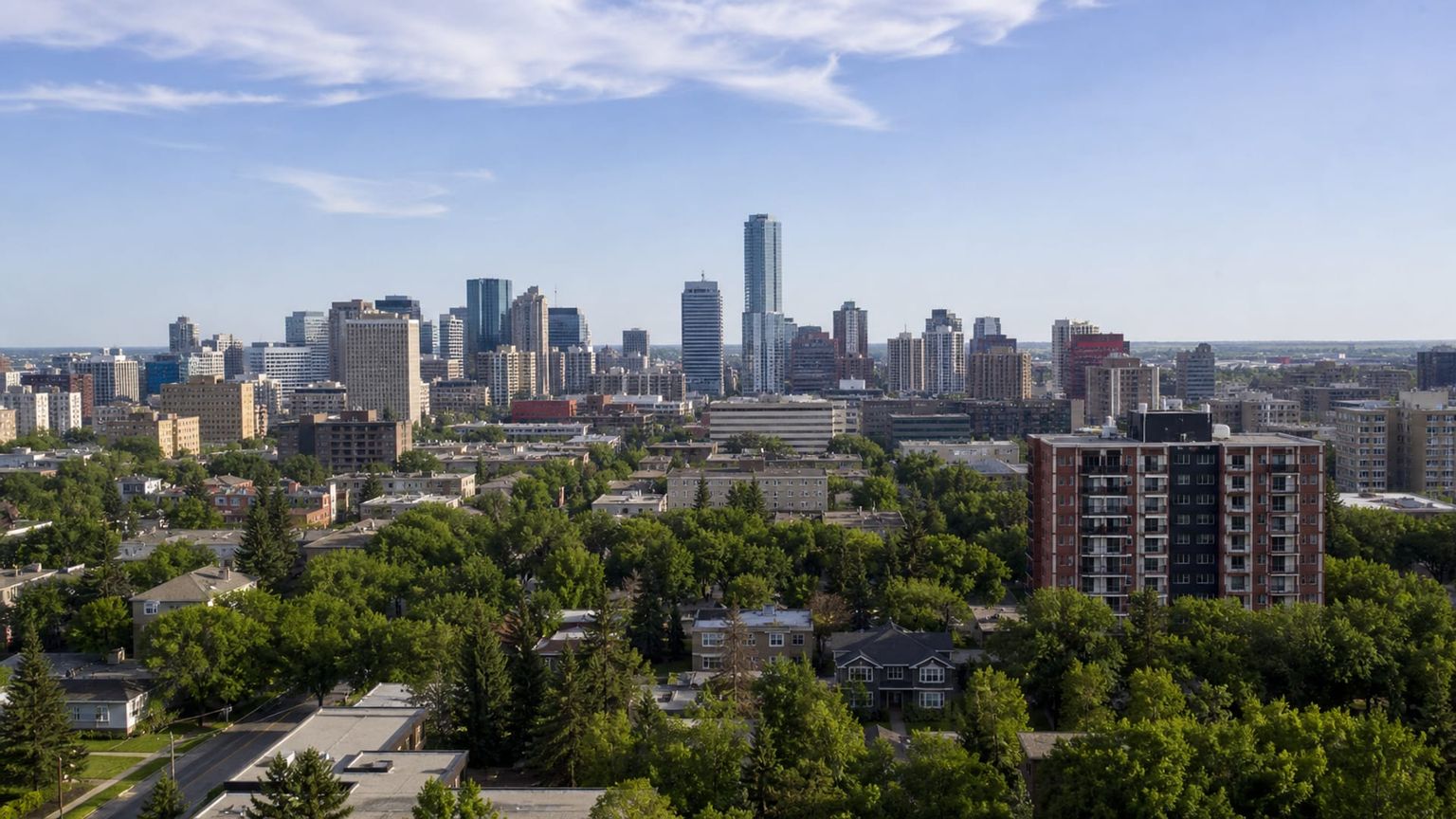
Edmonton dining leans on Alberta beef, poutine, bannock, and perogies, with downtown rooms, Whyte Avenue kitchens, and mall food courts all part of the same conversation. Menus often pair Canadian comfort food with local ingredients.
poutine
Crisp fries, cheese curds, and gravy show up on many Edmonton menus, but at the city’s best kitchens the dish gets careful balance and a sturdy, late-night role. Campio Brewing Co. serves a version that fits a stop in Downtown.
Alberta beef
Alberta beef appears in steaks, burgers, and sandwiches across the city, usually with a clear nod to the province’s ranching identity. The Keg Steakhouse + Bar on Jasper Avenue is a classic Edmonton choice for it.
bannock
Bannock brings a distinctly Indigenous thread to Edmonton dining, often served in a form that can stand alone or support richer toppings. Bernadette’s on Whyte Avenue is a strong city reference for it.
perogies
Perogies fit Edmonton’s prairie and immigrant food history, with fillings that range from potato and cheese to more elaborate versions. Little Village on 104 Street is a dependable Edmonton stop for them.
Best time to visit Edmonton
Edmonton changes most across daylight hours and season, with long summer evenings, cold winter sidewalks, and shoulder seasons that can feel mild one day and sharp the next.
Best for: Museum time, river valley walks, and lighter crowds before summer arrives
What you get: About 28 to 64°F (-2 to 18°C), with variable weather and moderate crowd levels
Trade-offs: You may need to work around wet streets, wind, and late snow
Best for: Outdoor patios, festivals, Whyte Avenue evenings, and long daylight hours
What you get: About 52 to 77°F (11 to 25°C), with the busiest visitor periods and fuller hotels
Trade-offs: Popular sights and mall attractions can feel busier, and rates often rise
Best for: Clear walking weather, museum visits, and river valley color
What you get: About 30 to 66°F (-1 to 19°C), with lighter crowds after summer
Trade-offs: Cold snaps can arrive early, especially by late October
Best for: Indoor attractions, concerts, and a quieter pace around Downtown
What you get: About 5 to 25°F (-15 to -4°C), with fewer visitors and shorter daylight
Trade-offs: Ice, snow, and wind can make cross-town movement slower
A realistic 5-day plan in Edmonton
A five-day Edmonton trip works best when you cluster sights by district instead of chasing them across the map. The plan below keeps one day for Downtown, one for Old Strathcona and the University area, one for West Edmonton Mall, and one lighter final day before you leave.
Land at Edmonton (YEA) and take a taxi or rideshare into Downtown, which usually takes about 30 to 45 minutes and costs roughly $35 to $55. If you prefer to ride the LRT, connect through the airport bus to Century Park, then continue north, but that adds time and works best if you are traveling light. Check in near a station in Downtown or Old Strathcona, then keep the first evening short with water, a walk for fresh air, and an early dinner on Whyte Avenue or near Jasper Avenue, depending on where you are staying.
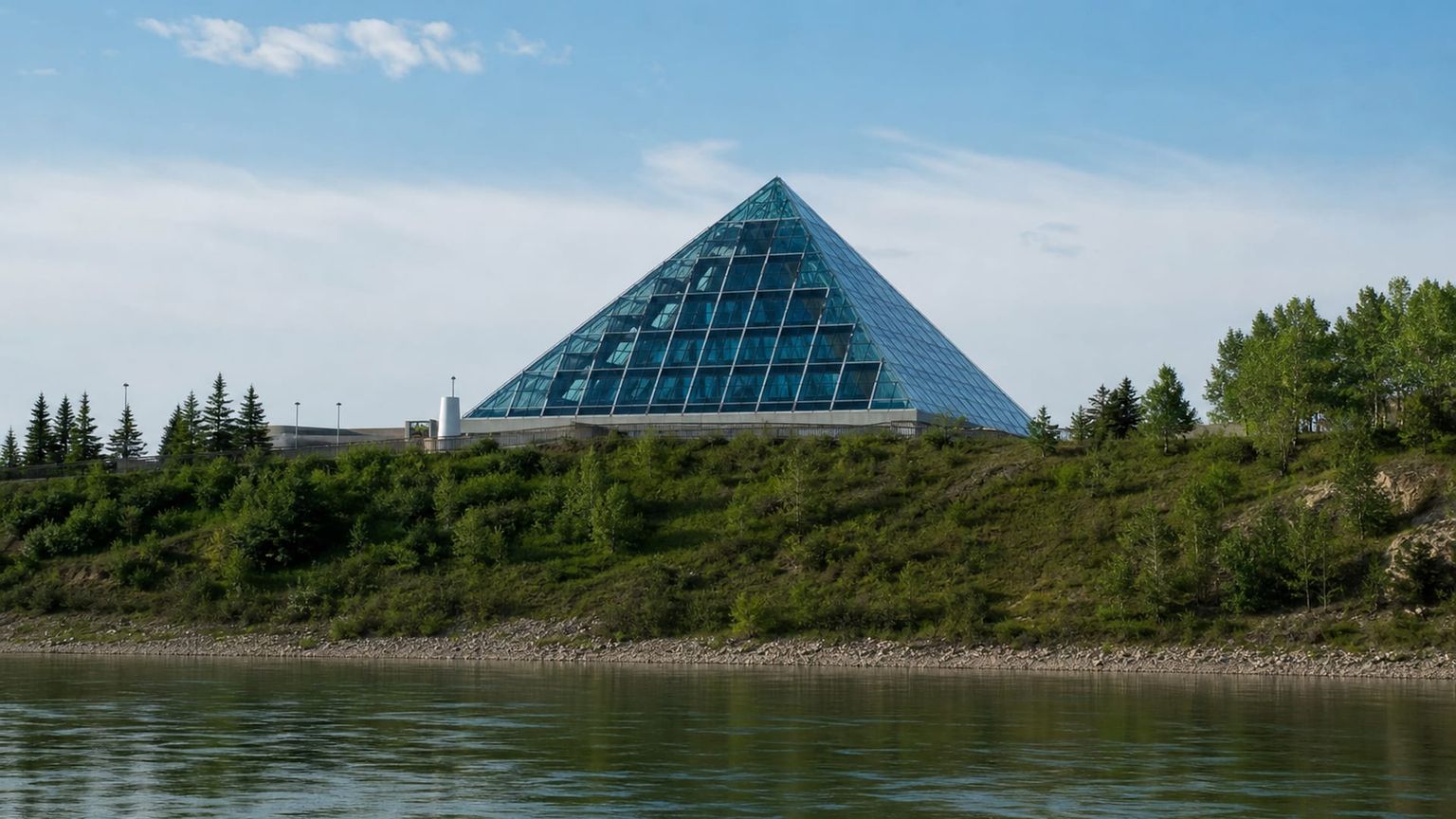
Start at the Royal Alberta Museum in Downtown, where the galleries work well for a morning visit of about 2 to 3 hours. Walk about 10 minutes to the Alberta Legislature Building and the nearby River Valley viewpoints for a change of scale before lunch, then return toward downtown for an easy afternoon coffee stop. If you want one more indoor sight, pair the museum with a slow stroll through the central streets around Jasper Avenue, and finish with dinner in Downtown, where you can stay close to your hotel without needing a long ride.
From Old Strathcona, spend the morning along Whyte Avenue, browsing independent shops and stopping for brunch before heading to the University area, which takes about 10 minutes by transit. Continue to the University of Alberta grounds and the river trails nearby, then walk or ride about 15 minutes back toward the south side for the Muttart Conservatory in the late afternoon, when the glass pyramids show best in softer light. End the day with dinner back in Old Strathcona, where evening options stay within walking distance if you want to keep the night easy.
West Edmonton Mall fills the day quickly, so arrive early and plan to stay about 4 to 8 hours. If you are coming from Downtown, expect roughly 20 to 30 minutes by car or a longer transit ride with transfers, and budget separate admission for attractions such as Galaxyland or World Waterpark, which usually cost about $20 to $60 ($27 to $81) each. Spend the morning on the mall floor, break for lunch inside the complex, then return to the more active sections in the afternoon for rides, the indoor lake, or a movie before heading back to your base.
Mornings suit a last look at the Muttart Conservatory, where the river valley setting gives you one of Edmonton’s strongest indoor garden visits. After that, head north to the Alberta Avenue Community League murals for a short daylight walk, then finish in Old Strathcona with a café stop and a little time for Whyte Avenue shopping if you want to pick up anything you missed. If your flight is later, this sequence keeps you close to central neighborhoods and leaves room for one last meal before you head to Edmonton (YEA).
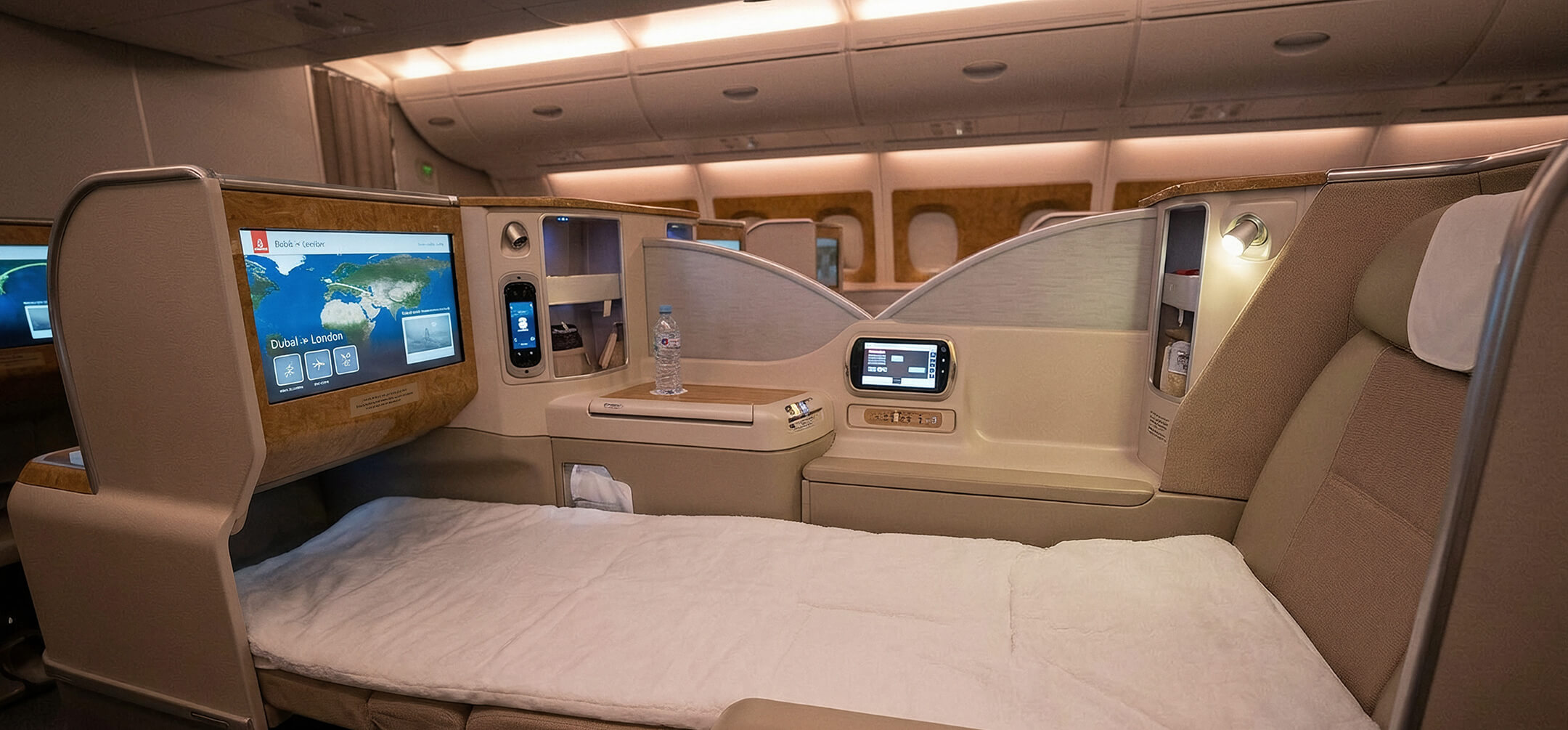
Business-class flights from the US to Edmonton
Edmonton sits far enough from both coasts that long-haul pricing and routing matter, especially if you want to keep the trip compact. The two examples below show what to expect from New York and Los Angeles.
From New York, Air Canada, WestJet, Delta Air Lines, United Airlines, and American Airlines all appear on the route list. Nonstop trips usually take about 4 to 5 hours, while one-stop options through Toronto (YYZ), Montreal (YUL), Chicago (ORD), Minneapolis (MSP), or Denver (DEN) often stretch to 6 to 9 hours. Round-trip fares usually start at $1,200, with nonstop itineraries often landing between $1,800 and $3,200.
Los Angeles flyers usually see Air Canada, WestJet, Delta Air Lines, and United Airlines. Nonstop time runs about 4 to 4.5 hours, and one-stop trips through Calgary (YYC), Vancouver (YVR), Seattle (SEA), or San Francisco (SFO) often take 6 to 10 hours. Round-trip fares from Los Angeles often run $900 to $1,700, while nonstop options sit nearer $1,400 to $2,800.
Edmonton feels different when you slow down
A careful Edmonton trip gives each district its own job: Downtown for the Royal Alberta Museum and the Legislature, Old Strathcona for Whyte Avenue evenings, the University area for river walks, and West Edmonton Mall for a full-day indoor stop. That approach saves time and makes the city easier to read in winter or summer. If you want help matching neighborhoods to your dates, the AranGrant experts can shape the rest of the plan around your route and season