

Chapters:

Need help with your trip?
Our support team is available 24/7. Request a callback or call us directly at (833) 619-0908
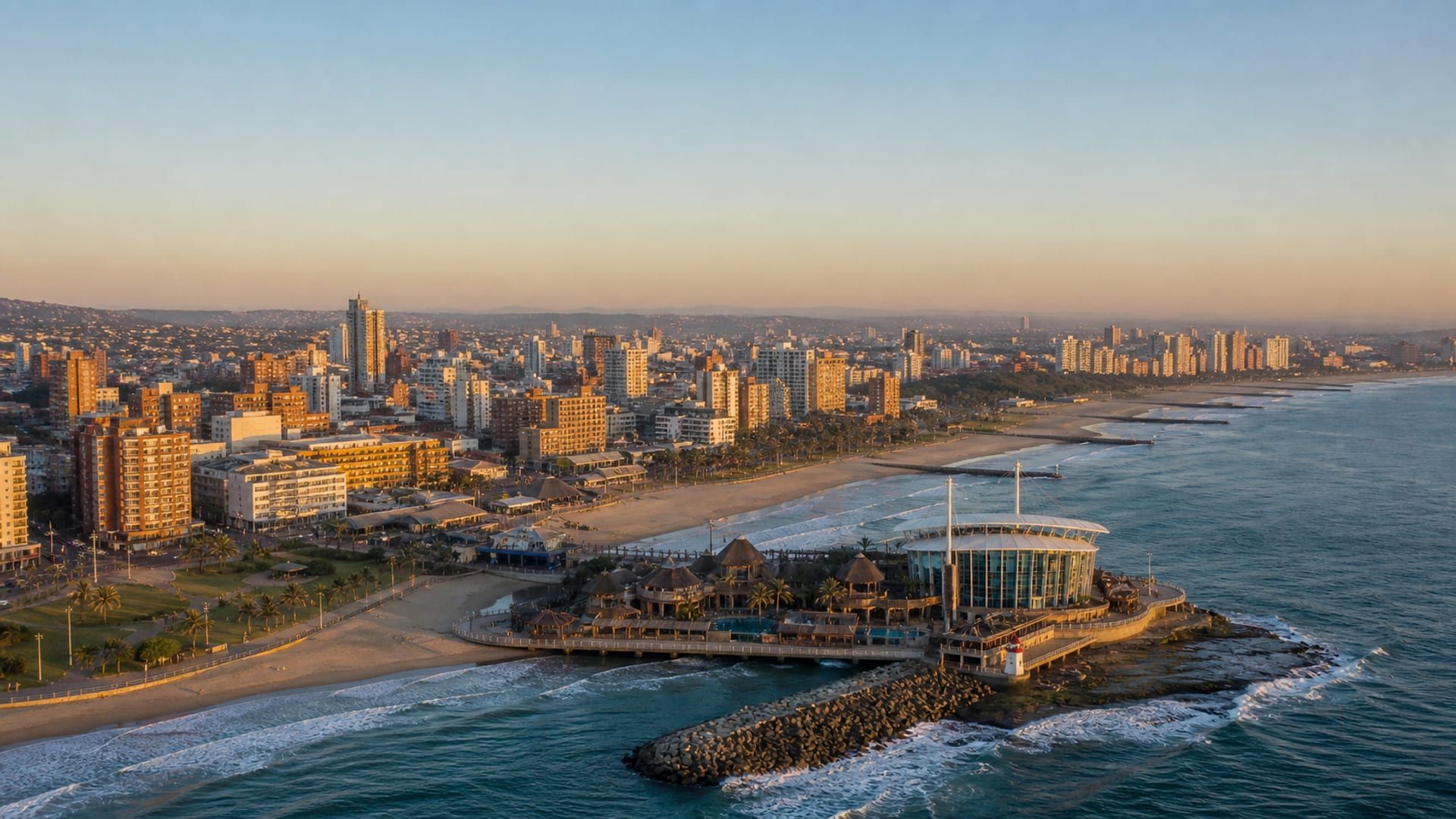
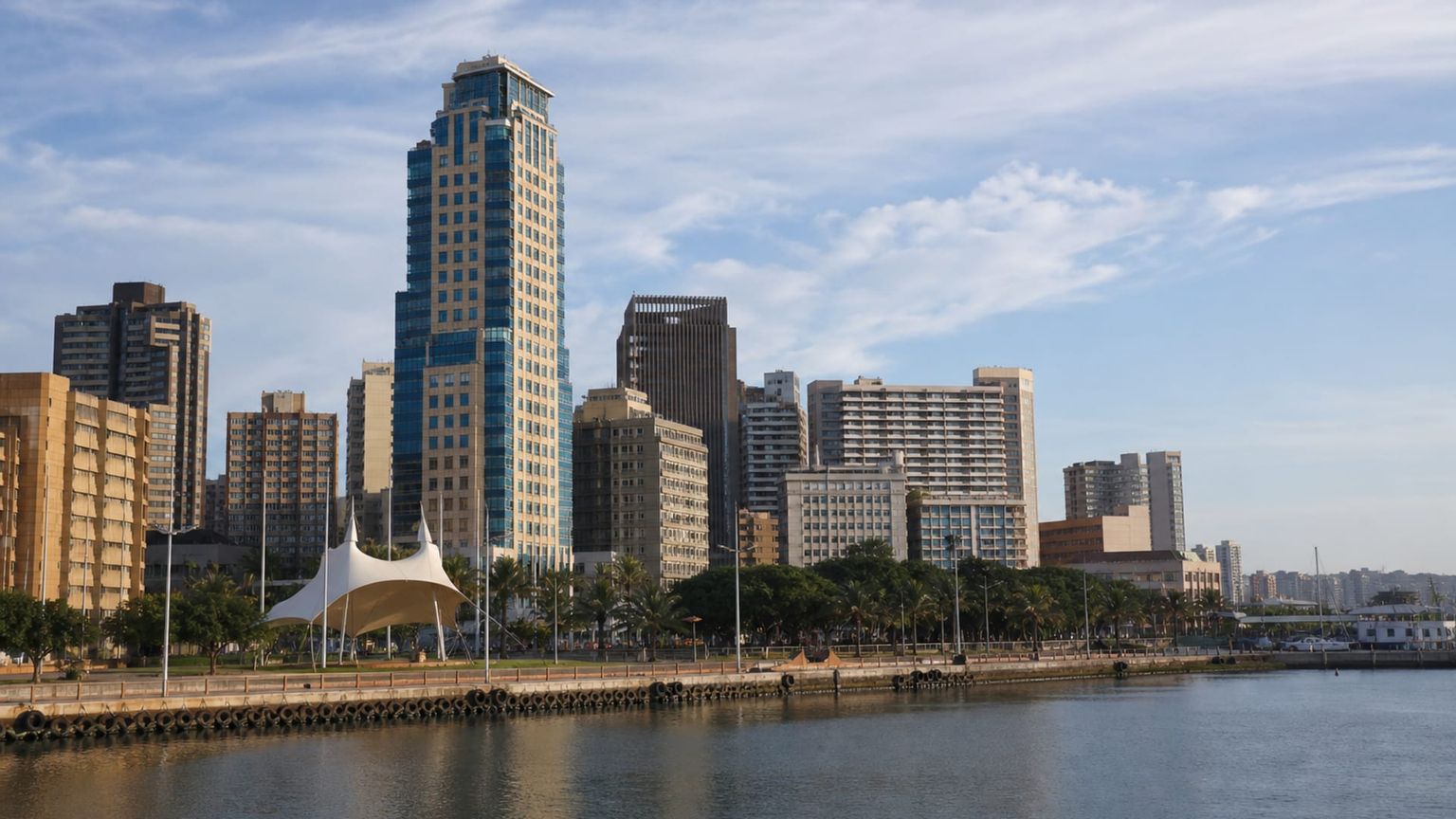
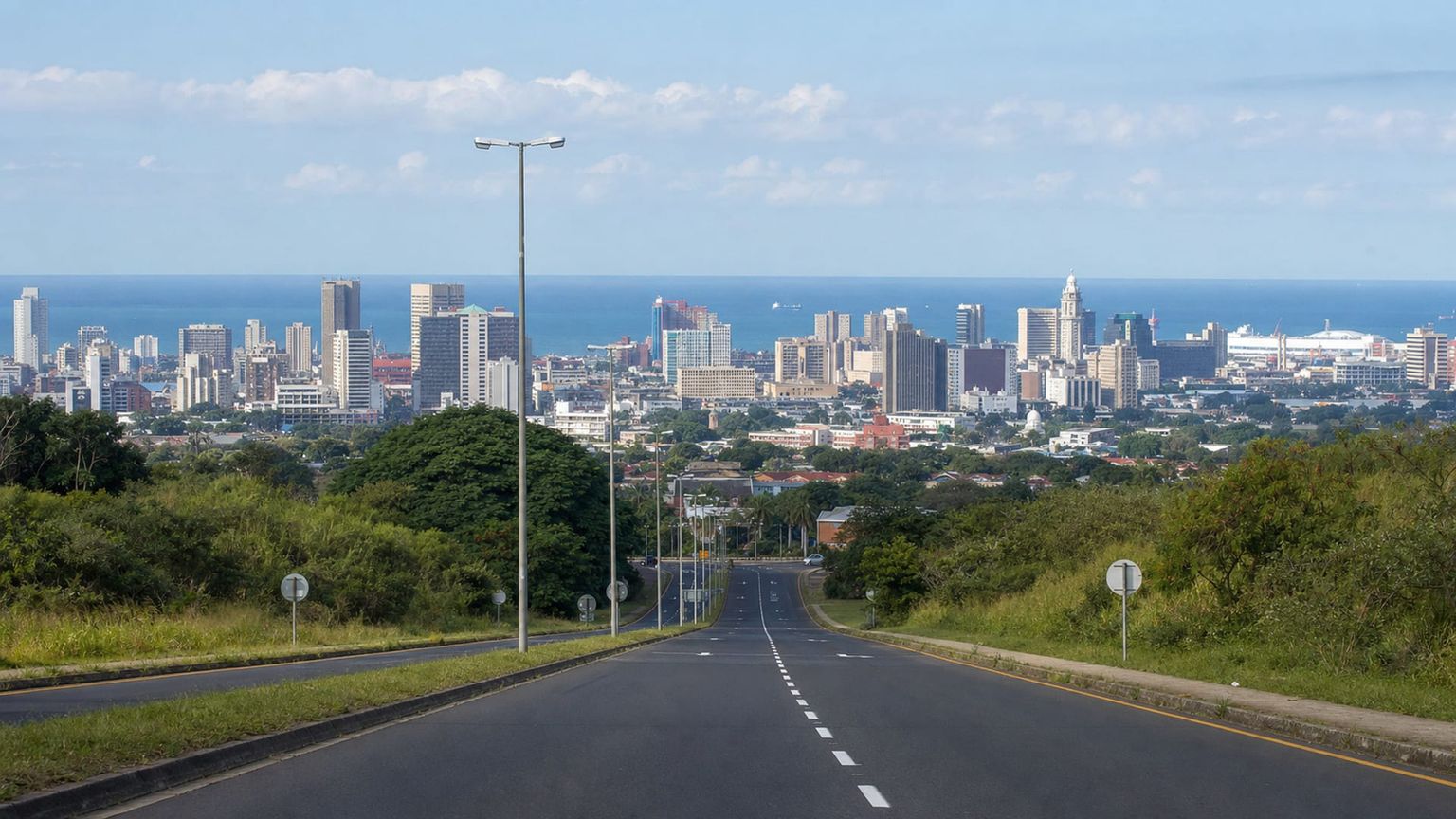
Durban stretches out along the Indian Ocean, with the Golden Mile forming the city’s most visible edge while gardens, museums, markets, and residential districts spread inland and north toward Umhlanga. The distances are not enormous, but the city does not unfold in one compact sightseeing zone.
That changes how a five-day stay works. Beach time can take up an entire morning, while places farther inland are easier to combine separately instead of adding them onto a coastal day. Traffic can also make short distances take longer than expected.
This guide organizes Durban by area and pace, helping you divide the beachfront, cultural stops, green spaces, and northern coast without turning each day into a series of car rides.
Useful things to know

Main language(s): isiZulu and English
Sawubona (sah-woo-BOH-nah) – Hello
Ngicela (ngee-CHEH-lah; “c” is a click) – Please
Ngiyabonga (ngee-yah-BOHN-gah) – Thank you
Ukhuluma isiNgisi? (oo-koo-LOO-mah ee-see-NGEE-see) – Do you speak English?
Kubiza malini? (koo-BEE-zah mah-LEE-nee) – How much does it cost?

Currency: South African rand (ZAR, R)

Cash and cards: Cards and contactless payments are widely accepted, but carry R100–R300 ($6–$18) for small purchases, tips, and market stalls.

Tipping: At restaurants, 10%–15% is customary when service is good. Small cash tips are also common for hotel staff and parking attendants.

Traditional food: Bunny chow, Durban curry, breyani, samoosas, and shisa nyama are among the foods most closely associated with Durban and KwaZulu-Natal.

Water and coffee costs: At major chains, 16.9 ounces (500 ml) bottled water costs R29 ($1.75), while a single espresso costs R22–R30 ($1.30–$1.80).

Taxis and ride apps: Uber and Bolt operate widely in Durban. Check the driver, vehicle, and license plate in the app before getting into the car.

Plug and voltage: South Africa uses 220/230V, 50Hz and round-pin sockets. US travelers should bring a South Africa-compatible plug adapter.

Dining and shop opening hours: Shops generally open during the day, with malls staying open later. Lunch commonly begins at noon, and dinner service starts at 6:00 pm.

Emergency number: Call 112 for any emergency. You can also call 10111 for police and 10177 for ambulance services.
Where to stay in Durban
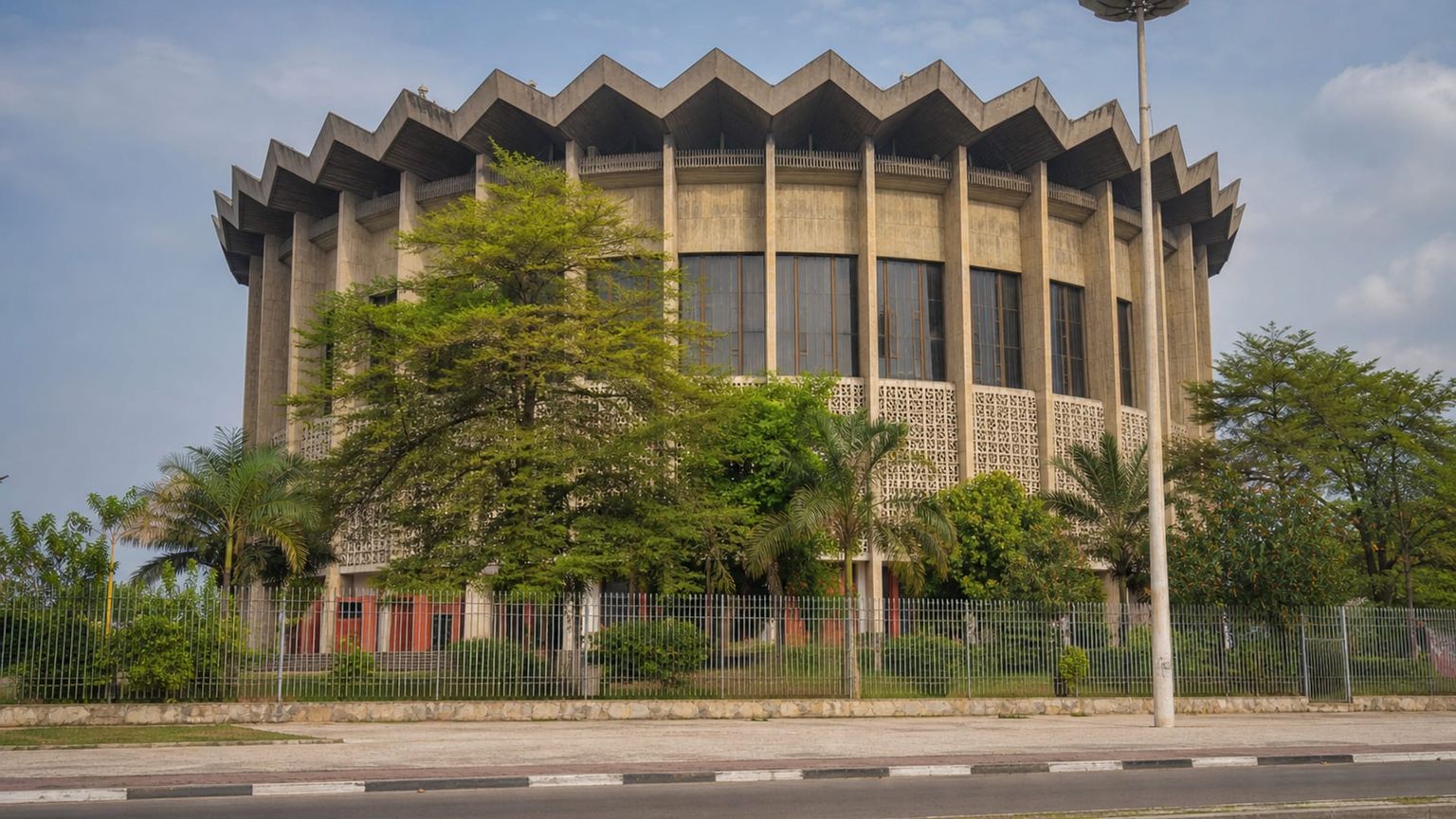
Morningside rises inland from the beachfront around Florida Road, where restored houses, apartment buildings, cafés, restaurants, and bars shape the neighborhood. Residential streets branch away from the dining strip, giving you a more local setting while keeping the Golden Mile a short drive away.
Best for: Dining, nightlife, and travelers who want quick access to the beachfront without staying on the promenade
What to expect: Expect a lively street scene near Florida Road, with bars, cafes, and steady evening foot traffic.
Hotel prices: Usually about R900 to R1,800 (~$50 to ~$100) per night for well-rated stays
Distance to major sights: About 10 minutes by car to uShaka Marine World, about 15 minutes to the Golden Mile
Quietness: Busy in the evening, quieter on residential streets after dark
Main trade-off: You pay for the restaurant strip and central location, and some blocks pick up noise from late-night traffic.
Good to know: Choose a room away from Florida Road itself if late-night restaurant and bar noise bothers you.way from Florida Road if you are light sleeper, since the main dining stretch stays active late.
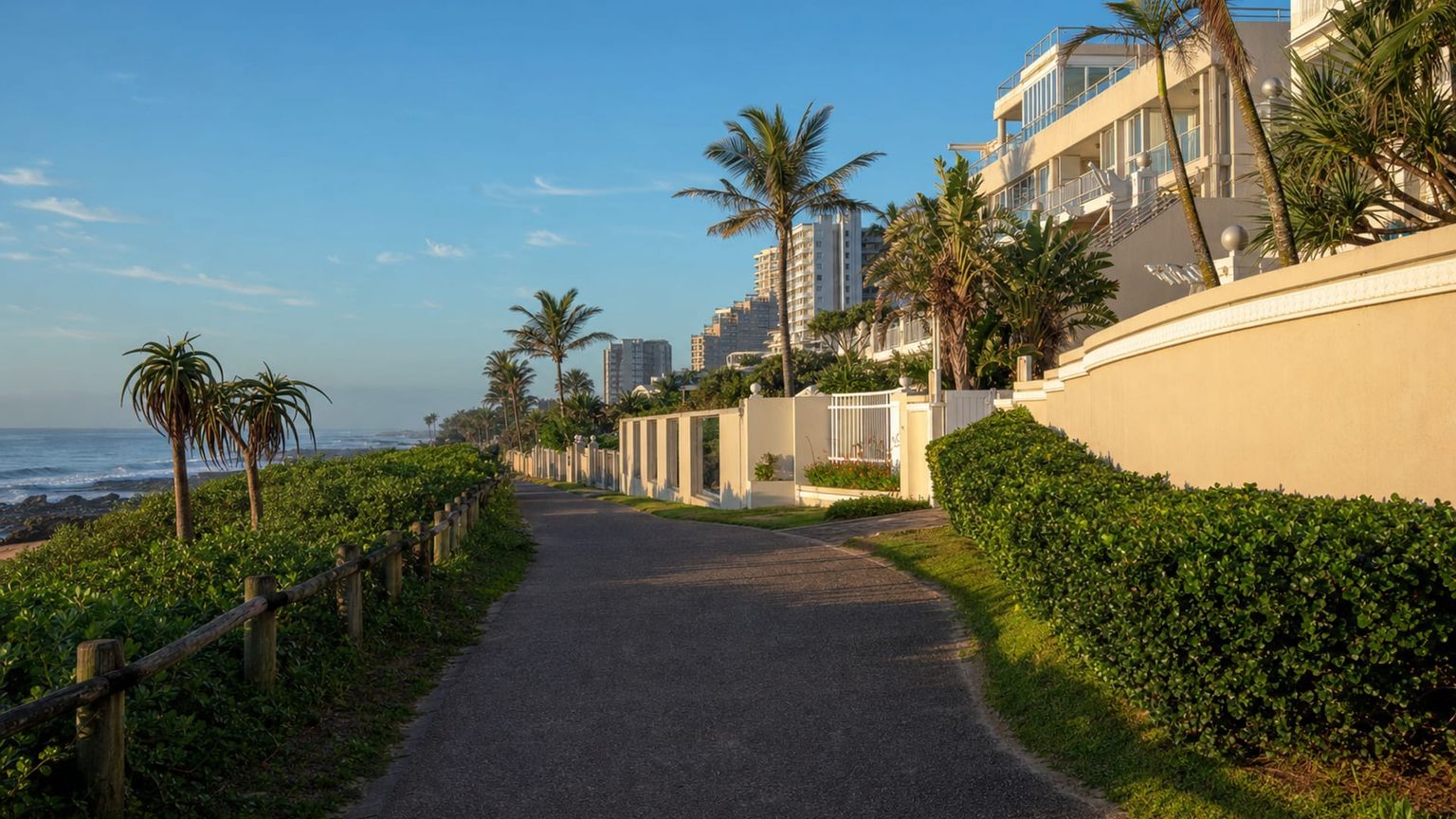
Umhlanga occupies Durban’s northern coast, with a long promenade, beaches, hotels, restaurants, and shopping around the village and Umhlanga Ridge. It feels more resort-oriented than central Durban and shortens the trip to King Shaka International Airport, but downtown sights are farther away.
Best for: Beach time, upscale stays, and travelers who want a modern base near the airport side of Durban
What to expect: Expect shopping centers, hotel traffic, and a steady flow of walkers along the promenade and village streets.
Hotel prices: Usually about R1,300 to R2,800 (~$70 to ~$155) per night for well-rated stays
Distance to major sights: About 25 minutes by car to central Durban, about 20 minutes to uShaka Marine World
Quietness: Livelier around the village and seafront during the day, calmer late at night
Main trade-off: Rates are higher than in many inland areas, and getting into central Durban takes extra time during peak traffic.
Good to know: Stay near the village if you want restaurants within walking distance rather than relying on rides each evening.
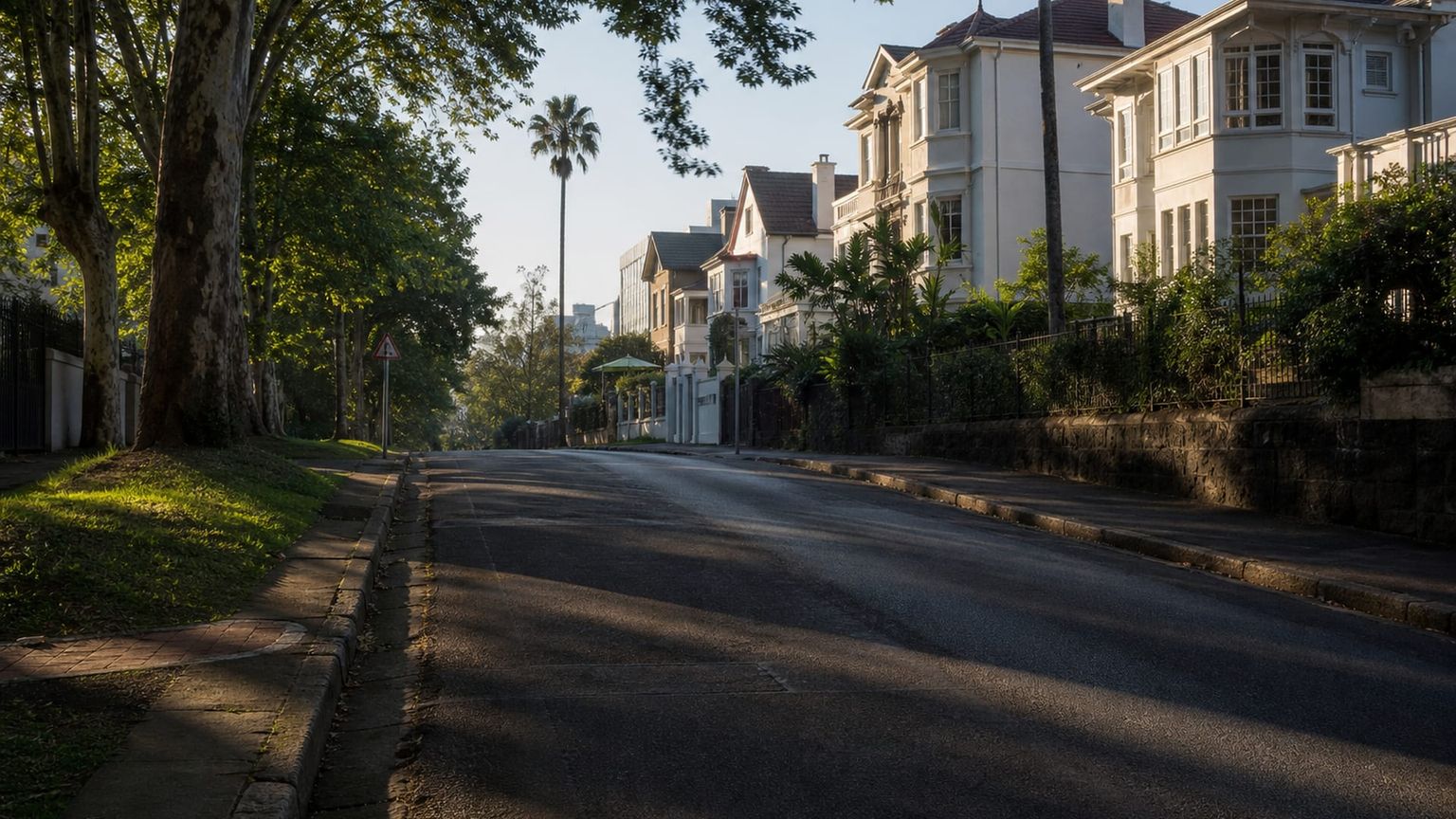
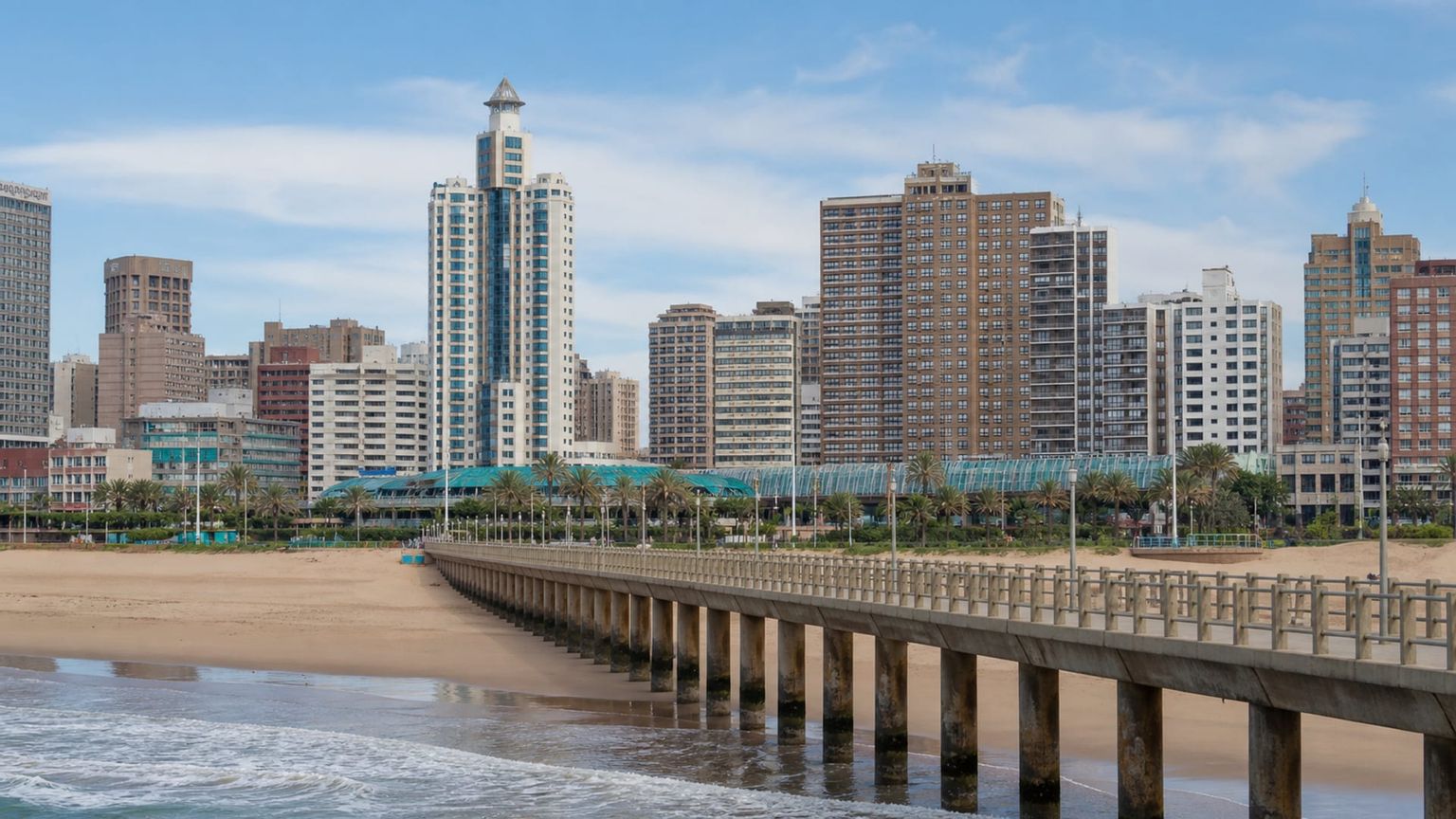
The Golden Mile follows Durban’s central beachfront, with high-rise hotels facing the promenade, swimming beaches, restaurants, and attractions between uShaka Marine World and Suncoast. Staying here keeps the ocean and several headline sights close, while the area stays active throughout the day.
Best for: Visitors who want a central residential base, family stays, and easy access to both downtown and inland suburbs
What to expect: Expect tree-lined residential streets, local cafes, and lighter foot traffic than the beachfront or nightlife strips.
Hotel prices: Usually about R800 to R1,700 (~$45 to ~$95) per night for well-rated stays
Distance to major sights: About 10 to 15 minutes by car to the Durban Botanic Gardens, about 15 minutes to the Golden Mile
Quietness: Quieter than the beachfront by day and generally calm at night
Main trade-off: You will need transport for the oceanfront and major attractions, and some parts feel more residential than visitor-focused.
Good to know: Check whether your room faces the ocean or the main road, as traffic noise differs considerably.
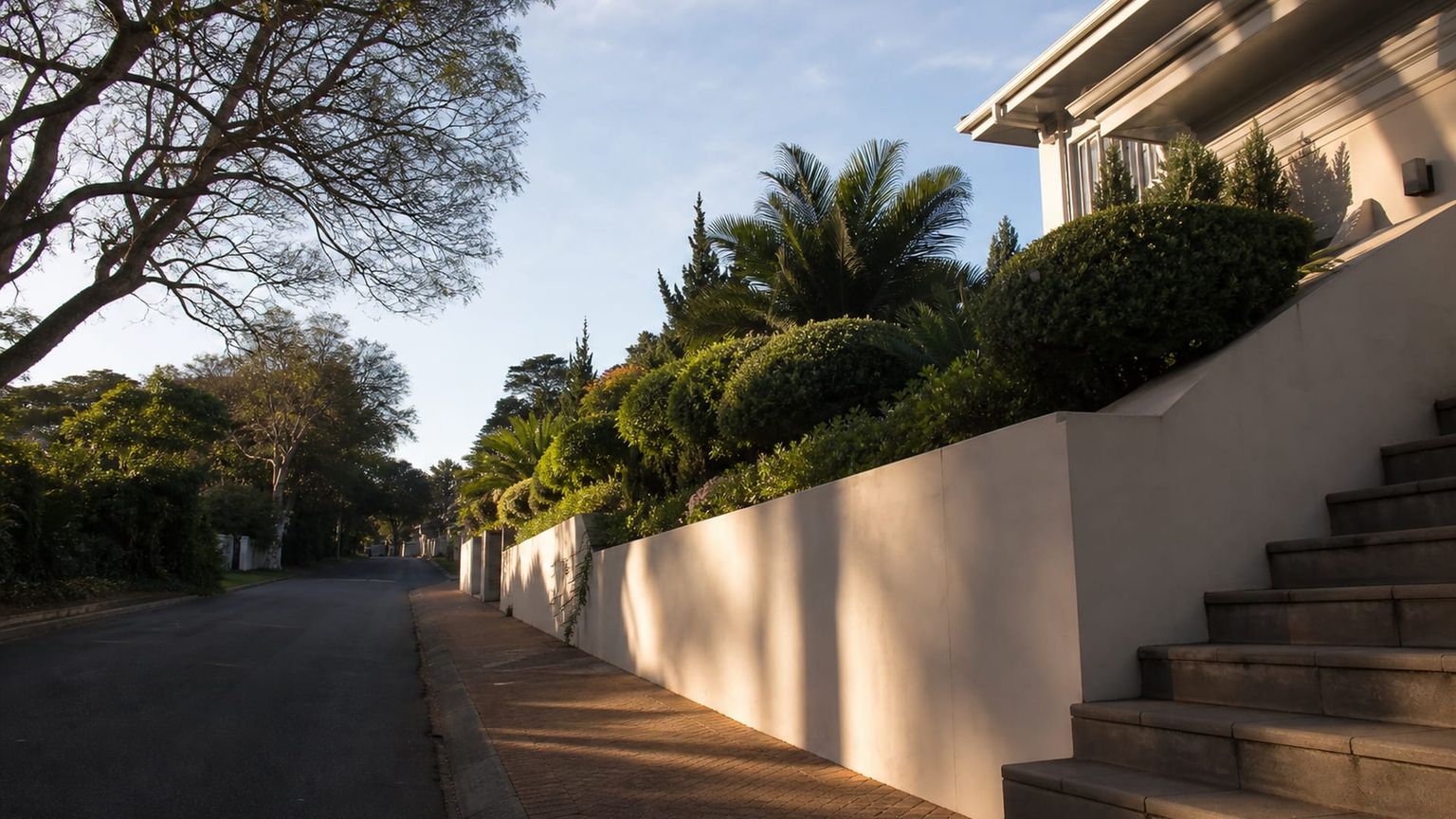
Durban North is a leafy residential suburb between central Durban and Umhlanga, with shopping centers, restaurants, family homes, and convenient road access to both. It offers a quieter setting than the beachfront while keeping business districts and beaches within an easy drive.
Best for: Families, longer stays, and travelers who want a quieter suburb with good road links
What to expect: Expect suburban streets, malls, and limited nightlife, with most activity centered on retail and restaurants.
Hotel prices: Usually about R900 to R1,900 (~$50 to ~$105) per night for well-rated stays
Distance to major sights: About 20 minutes by car to central Durban, about 15 minutes to Umhlanga Rocks
Quietness: Quiet during the day and very calm in the evening
Main trade-off: You lose walkability for many attractions, and evenings can feel thin on dining options outside the main shopping areas.
Good to know: A car or ride app is the most convenient way to get around, as public transport is limited.
For a first stay, choose the Golden Mile for the easiest access to beaches and major sights. Pick Morningside for restaurants and nightlife, or Umhlanga for a more resort-focused stay closer to the airport.
Hotel deals
How to get around Durban efficiently
Durban’s beachfront and central districts are easiest by bus or ride-hailing, while longer trips to Umhlanga and inland areas usually need road transport.

People Mover
for the beachfront and central sights
The People Mover links the Golden Mile, city center, uShaka Marine World, Botanic Gardens, and Kings Park. A single adult fare is R7 ($0.40), while a day pass costs R17.50 ($1.05), making it useful for repeated short trips around central Durban.

Durban Transport buses
for wider daytime trips
Durban Transport buses serve central, northern, and southern districts, including Berea, Morningside, Durban North, and Umhlanga. Adult cash fares run from R12–R48 ($0.70–$2.90) by distance, so check the timetable before relying on one for a fixed appointment.

Rideshare services and taxis
for direct trips and late hours
Uber, Bolt, and licensed taxis are the simplest choice for direct trips, luggage, and late hours. Airport taxis leave from the official rank at King Shaka International Airport (DUR), while rideshare apps show the fare before booking. Prices vary by distance and demand.
*Prices are based on rates updated as of October 2026 and may change at the time of travel.
Use the People Mover for the beachfront and center, municipal buses for wider daytime trips, and ride-hailing or taxis when time and convenience matter.
Iconic landmarks
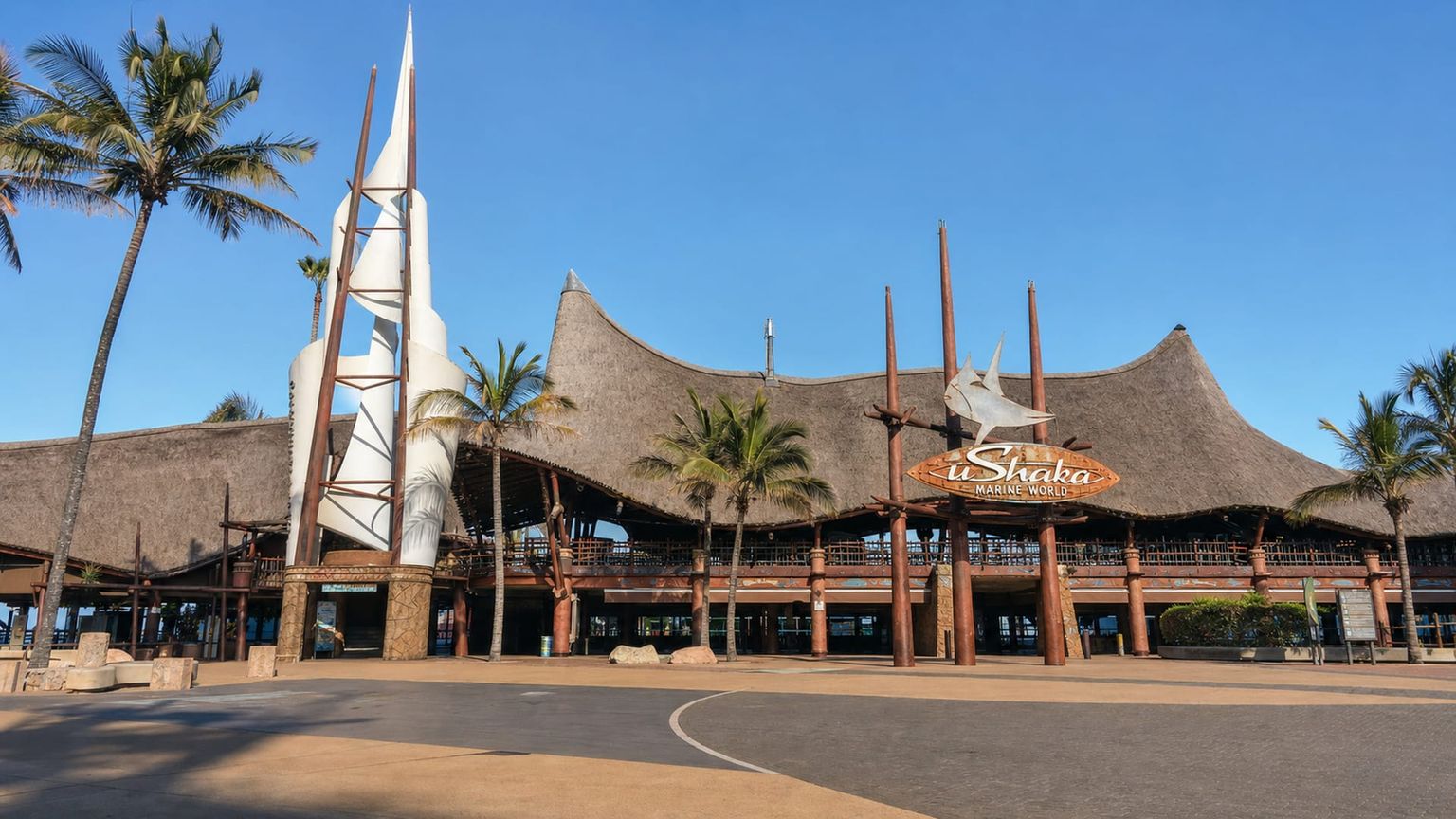
uShaka Marine World
uShaka Marine World covers 39.5 acres (16 hectares) at the southern end of the Golden Mile. Its shipwreck-themed aquarium holds more than 300 marine species, while Sea World adds live animal shows, and Wet ‘n Wild brings pools and water slides.
Time needed: A visit takes 3–5 hours.
Entry: Sea World tickets cost R267 ($16); the Sea World and Wet ‘n Wild combo costs R399 ($24). Tickets are sold onsite. Check the official website for more details.
Tip: Start with Sea World, then move to the water park during the warmer afternoon.
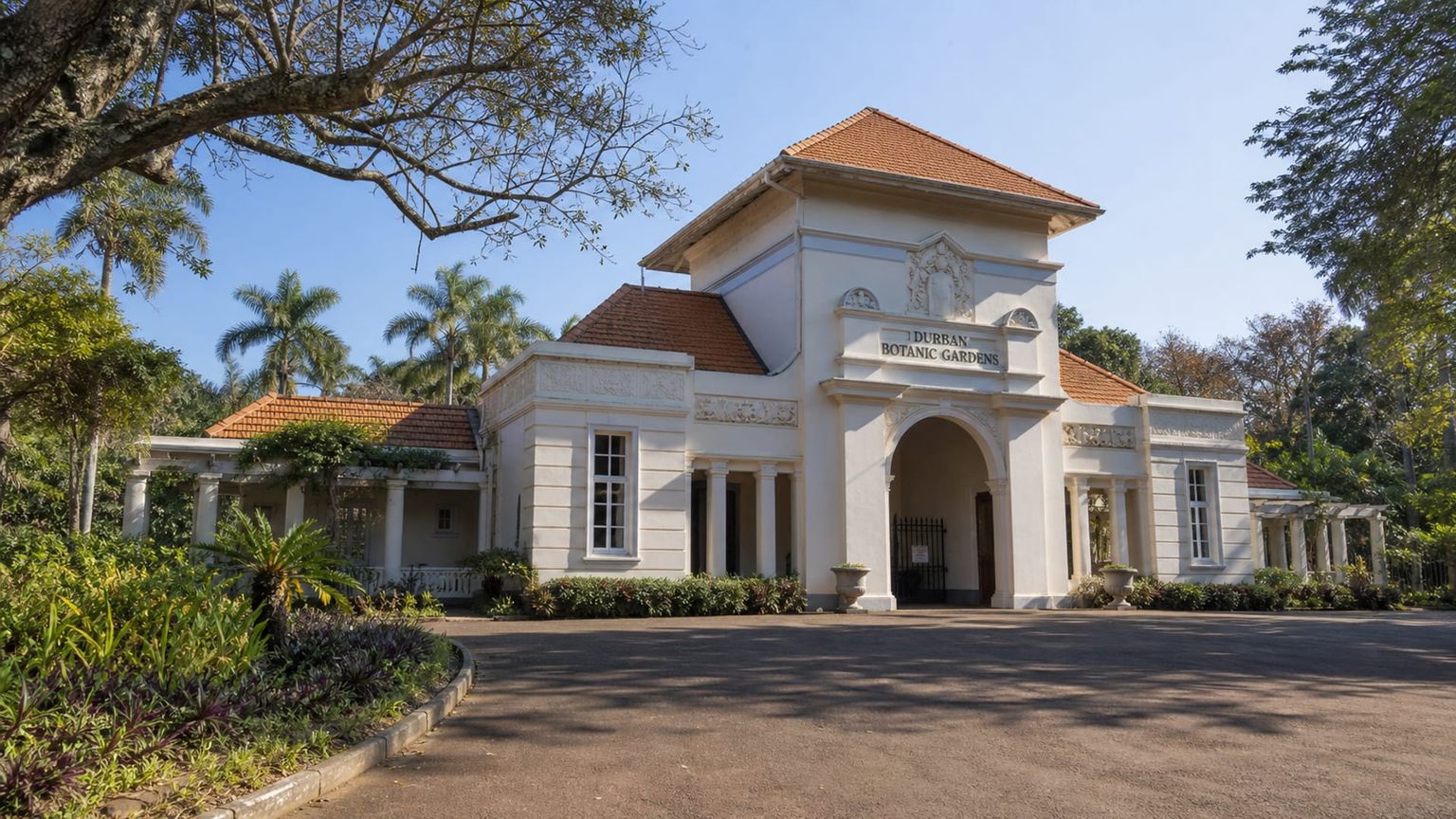
Durban Botanic Gardens
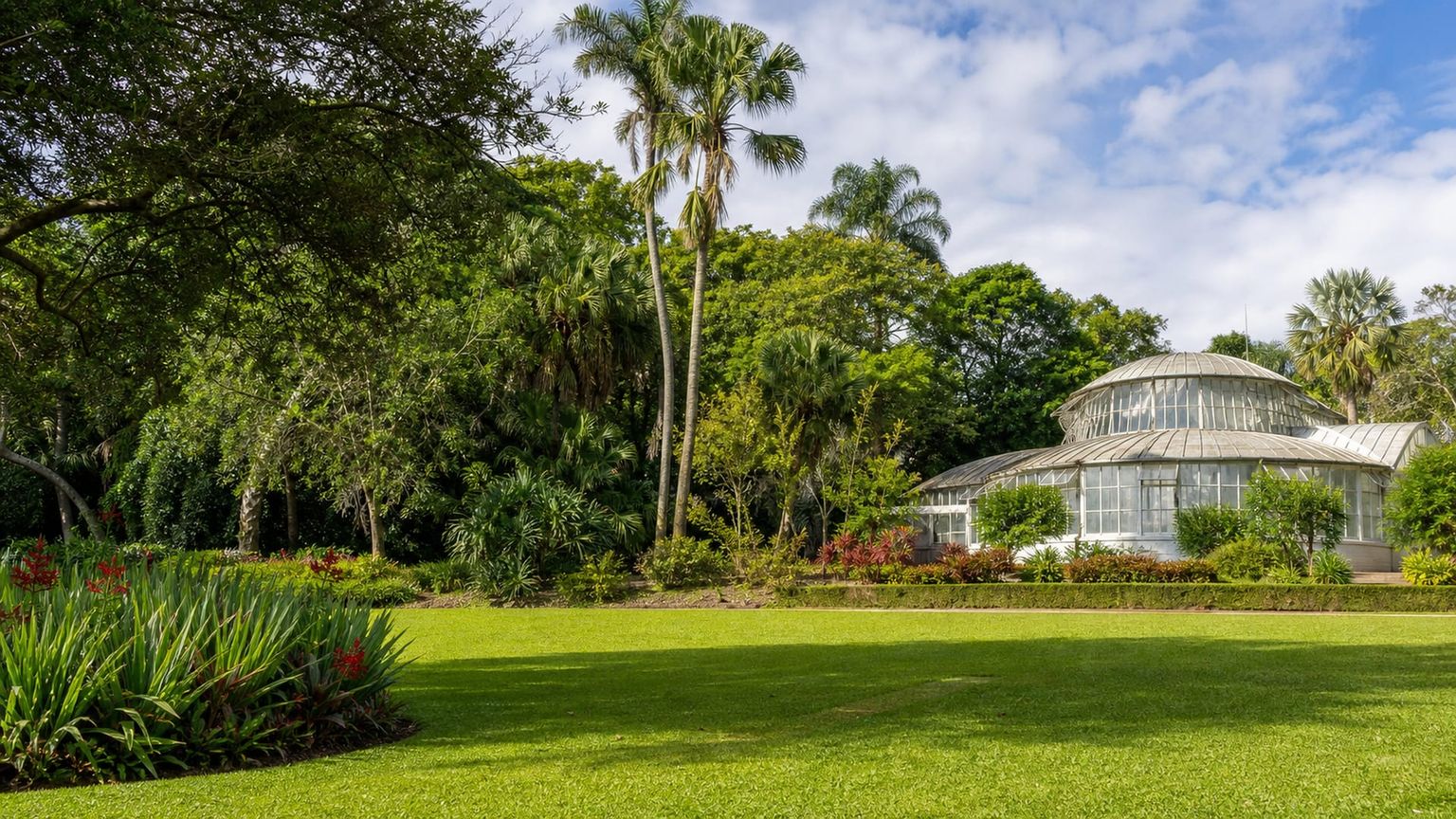
Founded in 1849, Durban Botanic Gardens is Africa’s oldest surviving botanic garden. Its collections include palms, orchids, subtropical trees, and rare cycads, with lawns and shaded paths spread across the historic site.
Time needed: A visit takes 1–2 hours.
Entry: Free. No booking is required for a standard visit. Check the official website for more details.
Tip: Go in the morning for cooler paths and a more comfortable time outdoors.
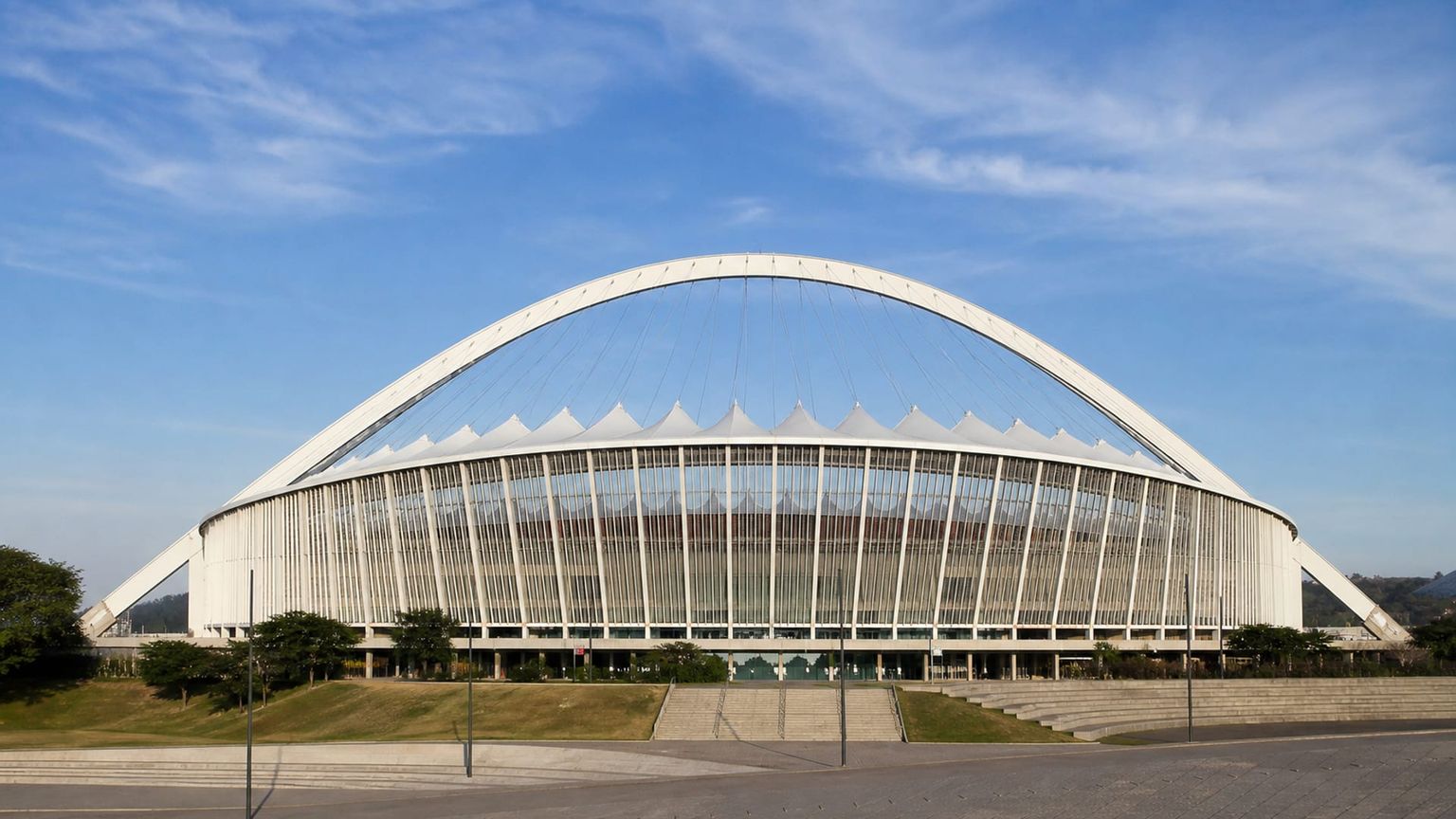
Moses Mabhida Stadium
Built for the 2010 FIFA World Cup, Moses Mabhida Stadium is defined by the huge arch spanning its roof. The SkyCar climbs to the arch viewpoint for broad views over Durban, the Indian Ocean, and the surrounding sports precinct.
Time needed: A visit takes 1–2 hours.
Entry: Adult SkyCar tickets cost R140–R170 ($8.40–$10.20), depending on the season. Visit the official site for details.
Tip: Check the event calendar first, as major matches can affect visitor access.
Overlooked sites worth visiting

Umgeni River Bird Park
Set in a former quarry beside the Umgeni River, this landscaped park has walk-through aviaries, hundreds of birds, shaded paths, and free-flight shows focused on conservation and rehabilitation.
Time needed: About 1.5 to 2 hours
Entry: Tickets cost R200 to R250 ($11 to $14) for adults, R180 ($10) for children. Visit the official site for details.
Tip: Arrive at opening for cooler walks and active birds.

Phansi Museum
KwaMuhle Museum occupies Durban’s former Native Administration Department building and traces segregation, migrant labor, forced removals, and the policies that shaped everyday life in the city.
Time needed: 1 hour
Entry: Tickets cost R110 to R140 ($6 to $8) for adults and R70 ($4) for students. Visit the official site for details.
Tip: Check opening days before you go, as hours can change.
Traditional food
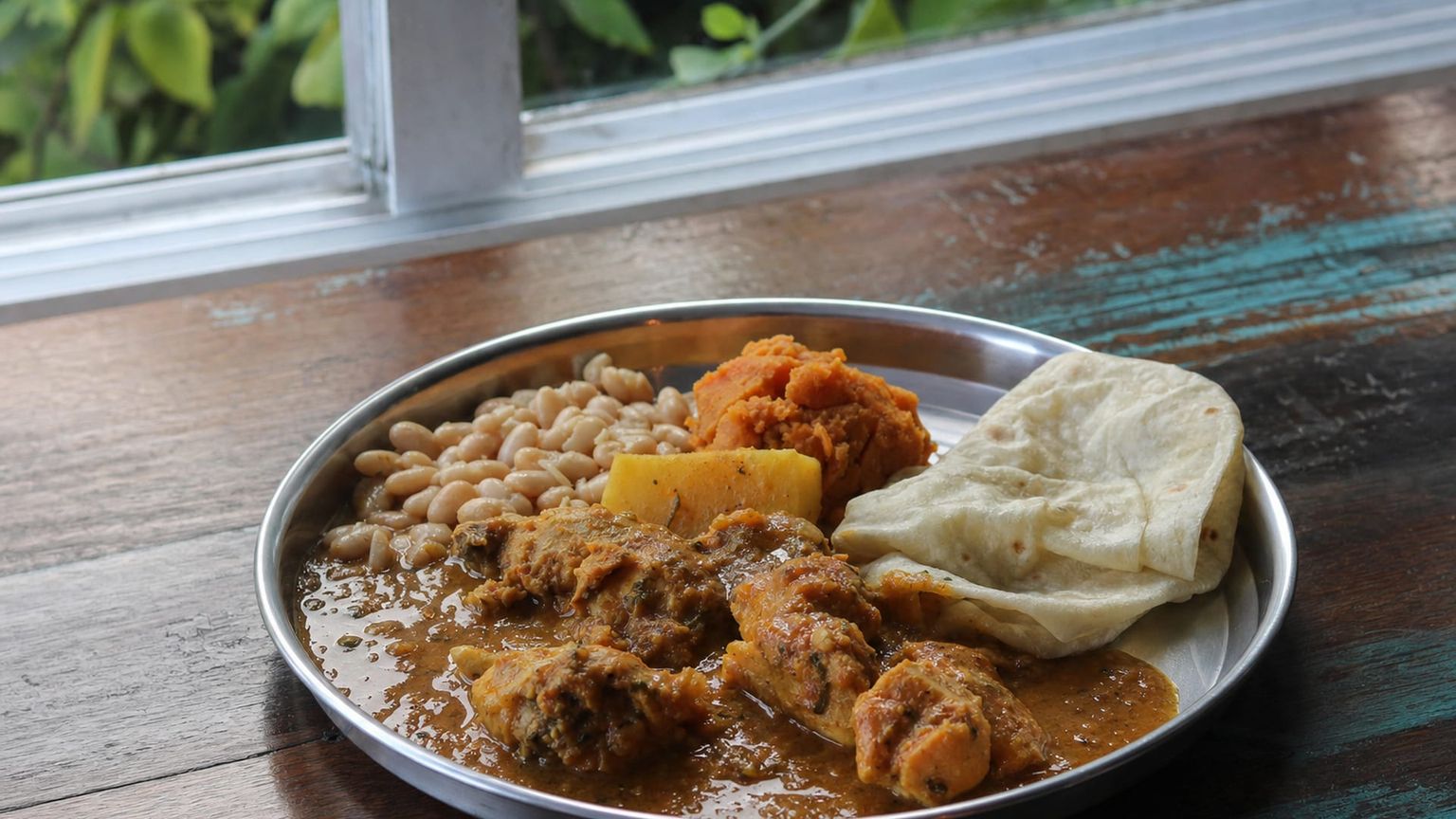
Durban’s food reflects its Indian and Zulu influences, with fiery curries, rice dishes, fried snacks, and filling street food found across the city.
Bunny chow
Bunny chow is a hollowed quarter or half loaf filled with curry, usually lamb, chicken, or beans, with the removed bread used for dipping. Hotel Britannia is especially known for its rich mutton bunny chow.
Durban curry
Durban curry is typically hot, deeply spiced, and cooked with meat, seafood, or vegetables, often with potatoes and curry leaves. The Oyster Box serves a signature Durban lamb curry at its Curry Buffet.
Breyani
Durban breyani layers spiced meat or vegetables with rice, lentils, and potatoes for a richer, drier dish than curry. Oriental Durban serves breyani alongside its curries and other Durban-style favorites.
Samoosas
Samoosas are crisp triangular pastries filled with potato, mince, chicken, or cheese and corn, then fried until golden. Gujerat Vegee Takeaway serves several vegetarian versions from its Chatsworth shop.
Best time to visit Durban
Durban stays warm year-round, but humidity, rainfall, and sea conditions shift enough between seasons to change how you spend each day.
Best for: Beach days, swimming, waterfront evenings, and warm-weather city breaks
What you get: Expect 68°F–85°F (20°C–29°C), high humidity, warm sea temperatures, and the year’s heaviest rainfall, often in short summer storms.
Trade-offs: Heat, humidity, and afternoon storms can make long outdoor days less comfortable.
Best for: Beach time, gardens, museums, and warm days with less summer humidity too
What you get: March stays warm, while May cools to 58°F–79°F (14°C–26°C). Rainfall eases and longer outdoor sightseeing becomes more comfortable.
Trade-offs: Early fall can still feel humid, and occasional rain remains possible.
Best for: Clear sightseeing days, coastal walks, gardens, and longer inland outings
What you get: Winter brings 51°F–76°F (11°C–24°C), lower humidity, and much drier weather, while the coast remains mild enough for outdoor plans.
Trade-offs: Mornings and evenings can feel cool, especially away from the beachfront.
Best for: Promenade walks, outdoor lunches, gardens, and beach days before summer
What you get: Temperatures rise from 59°F to 80°F (15°C to 27°C) through spring, while humidity builds and rainfall becomes more frequent toward November.
Trade-offs: Rain becomes more frequent later in spring, and wind can pick up along the coast.
A realistic 5-day plan in Durban
Five days gives you enough time to see Durban without turning the trip into a series of car rides. Keep the beachfront, inland neighborhoods, and north coast on separate days, and leave enough room for long lunches, beach time, and slower afternoons.
Keep your first evening simple after landing at King Shaka International Airport (DUR). Once you have checked in, stay close to your hotel instead of crossing the city again. If you are in Morningside, have dinner near Florida Road; on the Golden Mile or in Umhlanga, take a short walk by the water before eating nearby. The goal is to settle in, get a feel for the area, and save the aquarium, museums, gardens, and longer drives for the days ahead, when you have more time and energy.
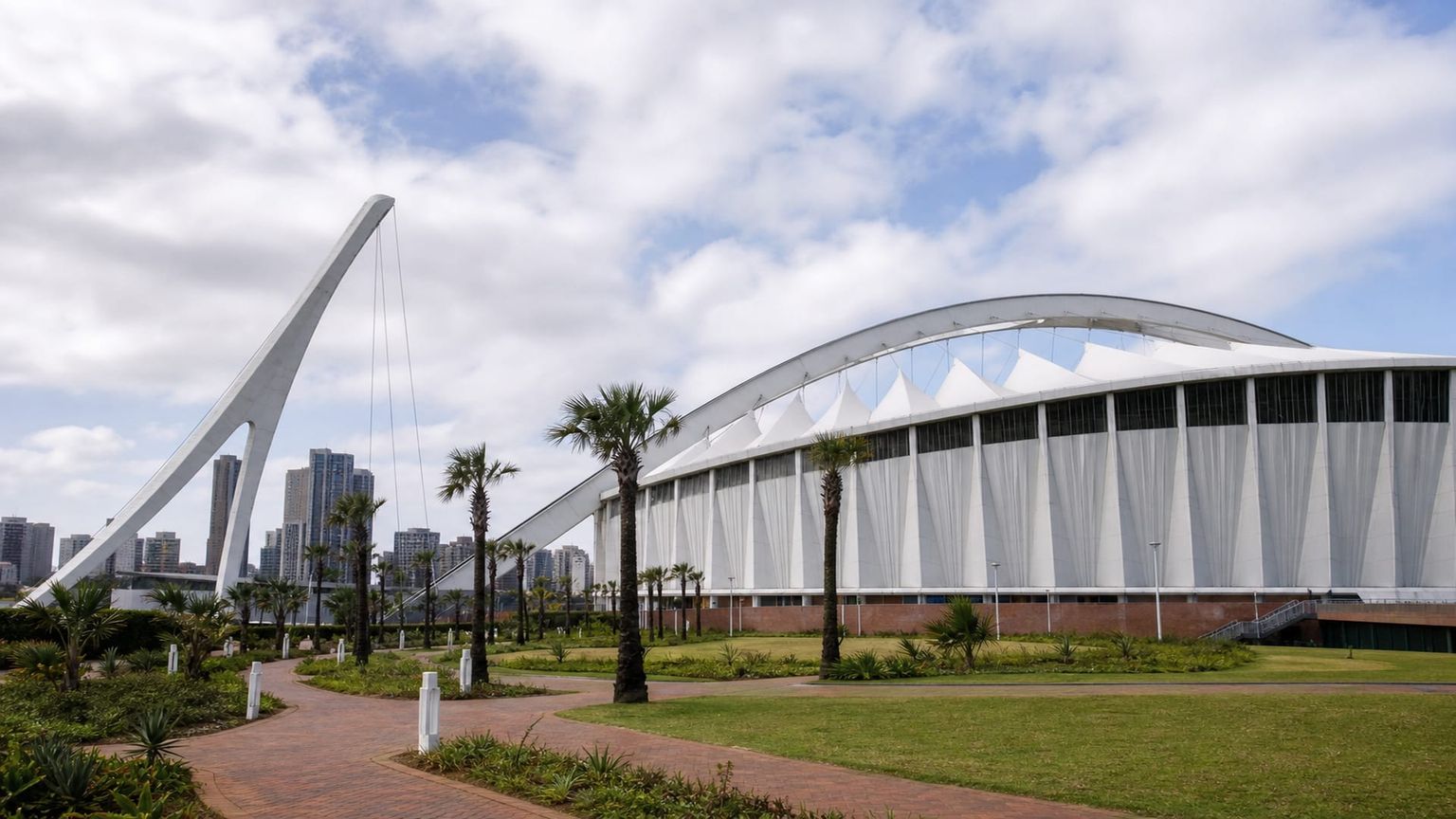
If you want a full day by the ocean, plan it around uShaka Marine World and the Golden Mile. Spend the morning at the aquarium, then stop for lunch nearby before heading out along the promenade. Give yourself time for the beach, a café stop, or simply a slower walk north instead of treating the waterfront like another checklist. Stay in the same part of the city for dinner so the day feels relaxed, and you avoid another cross-city drive once the beachfront gets busier in the evening.
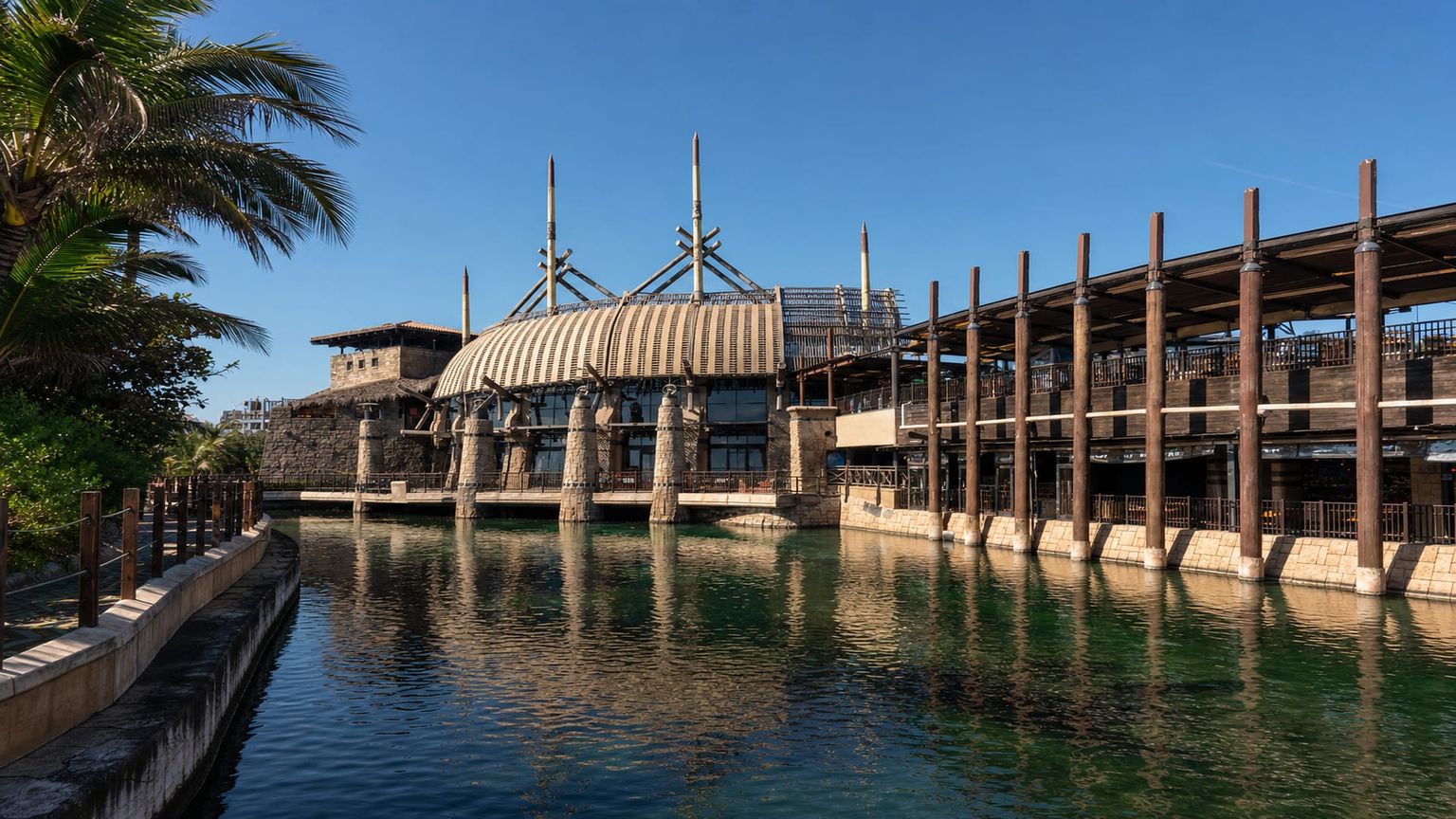
If history interests you, build this day around KwaMuhle Museum, where the exhibits explain segregation, labor controls, forced removals, and other parts of Durban’s past. Afterward, head to Durban Botanic Gardens for a completely different afternoon among palms, orchids, shaded paths, and open lawns. Stop for coffee or a late lunch nearby, then finish in Morningside for dinner around Florida Road, keeping the whole day focused on the city’s central and inland side.
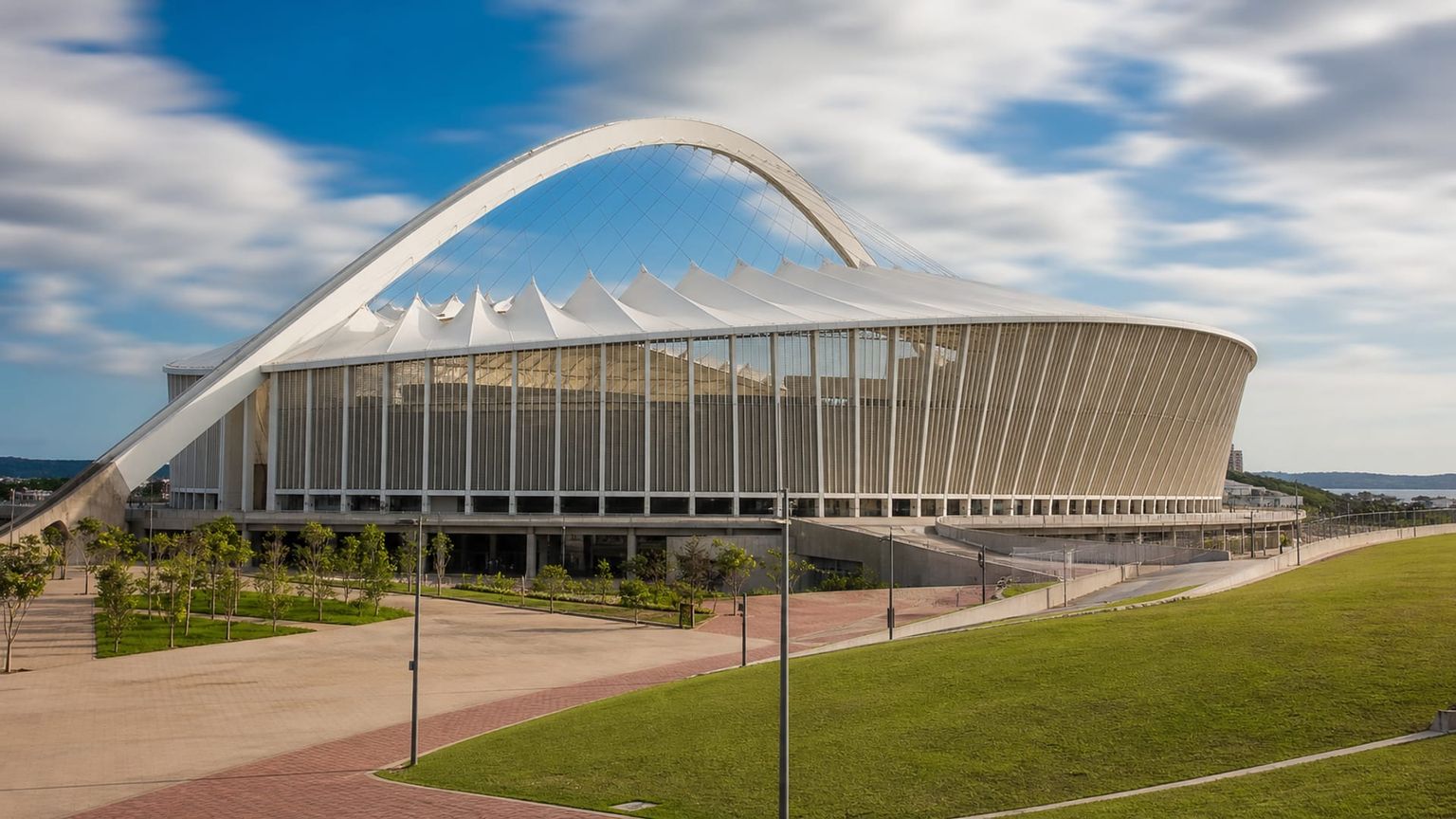
For a mix of city views, wildlife, and the coast, make this your northbound day. Visit Moses Mabhida Stadium first and take the SkyCar if the weather is clear, then continue to Umgeni River Bird Park for the aviaries and free-flight show. From there, keep going to Umhlanga rather than doubling back. Spend the late afternoon on the promenade or beach, browse the village if you still have time, then stay there for dinner before returning to your hotel.
Keep the final morning flexible instead of squeezing in another major attraction. Have breakfast somewhere close to your hotel, pick up any last purchases, and use the remaining time for a short walk through the neighborhood or along the beachfront. If you are staying in Umhlanga, you can linger over coffee before collecting your bags. Leave enough time for the drive to King Shaka International Airport (DUR), especially if you are coming from central Durban and traffic is heavier than expected.
Business-class flights from the US to Durban
There are no nonstop flights from JFK or LAX to Durban. The simplest business-class trips include one connection in Doha or Dubai.
New York (JFK) to Durban (DUR)
Qatar Airways offers one-stop itineraries from New York to Durban through Doha (DOH), while Emirates flies through Dubai (DXB). The shortest trips take 21–24 hours, while longer layovers can push total travel time past 26 hours. Round-trip business-class fares on this route generally range from $5,500 to $8,000, with higher prices possible on peak dates. Travelers can also take flights to Durban with Emirates, Ethiopian Airlines, and British Airways in partnership with Airlink or South African Airways.
Los Angeles (LAX) to Durban (DUR)
From Los Angeles, Emirates offers one-stop flights to Durban through Dubai (DXB). Journeys on this route take up to 40 hours, depending on the layover. Business-class flights on this route generally cost $5,200–$8,000 round trip, depending on dates and availability. Alternatively, travelers from LAX can take two-stop flights to Durban with airlines like Turkish Airlines, SWISS in partnership with South African Airways, Lufthansa in partnership with South African Airways, or American Airlines in partnership with Etihad Airways and Airlink.
Durban is at its best when you give each side of it time
Durban is not only the beachfront. The city shifts from Indian Ocean views and busy promenades to historic museums, leafy gardens, lively dining streets, and the more polished northern coast. Planning by area keeps those contrasts clear and cuts down unnecessary driving. When you are ready to book, AranGrant can help you compare business-class flights to Durban and hotels in the part of the city that suits your stay.







