

Chapters:

Need help with your trip?
Our support team is available 24/7. Request a callback or call us directly at (833) 619-0908
Dubrovnik often gets reduced to a wall walk, a quick Stradun pass, and one ferry outing, yet the city rewards travelers who notice how much of the day is shaped by gates, stairs, and boat schedules.
That simple pattern can work, but it leaves you moving with the busiest crowd peaks and treating the Old Town as a pass-through rather than a place with its own pace. Distances are short on a map, but the walking, transfers, and timing still matter.
This guide breaks the trip into arrivals, islands, meals, and departure day errands, so you can place each stop at the part of the day when Dubrovnik handles it best.
Useful things to know

Main language(s): Croatian
Dobar dan (DOH-bar dahn) – Hello / good day
Molim (MOH-leem) – Please
Hvala (HVAH-lah) – Thank you
Govorite li engleski? (GOH-voh-ree-teh lee EN-gleh-skee) – Do you speak English?
Koliko košta? (KOH-lee-koh KOH-shta) – How much does it cost?

Currency: The local currency is the euro (EUR, €).

Cash and cards: Cards and contactless are widely accepted; carry about €20 to €40 ($22 to $44) in cash for small purchases and taxis.

Tipping: Round up small bills, and leave about 10% in restaurants if the service is good.

Traditional food: Black Risotto, Peka, Rozata, Oyster stew

Water and coffee costs: Water ~€2 ($2), bar espresso ~€2.50 ($3).

Taxis and ride apps: Uber and Bolt operate here; availability can be limited late at night.

Plug and voltage: Type C/F socket, 230V

Dining and shop opening hours: Breakfast is about 7:00-10:00, lunch 12:00-15:00, and dinner 19:00-22:00. Many restaurants close in the afternoon outside the old town and on Sundays.

Emergency number: 112 for police, fire, and medical emergencies.
Where to stay in Dubrovnik
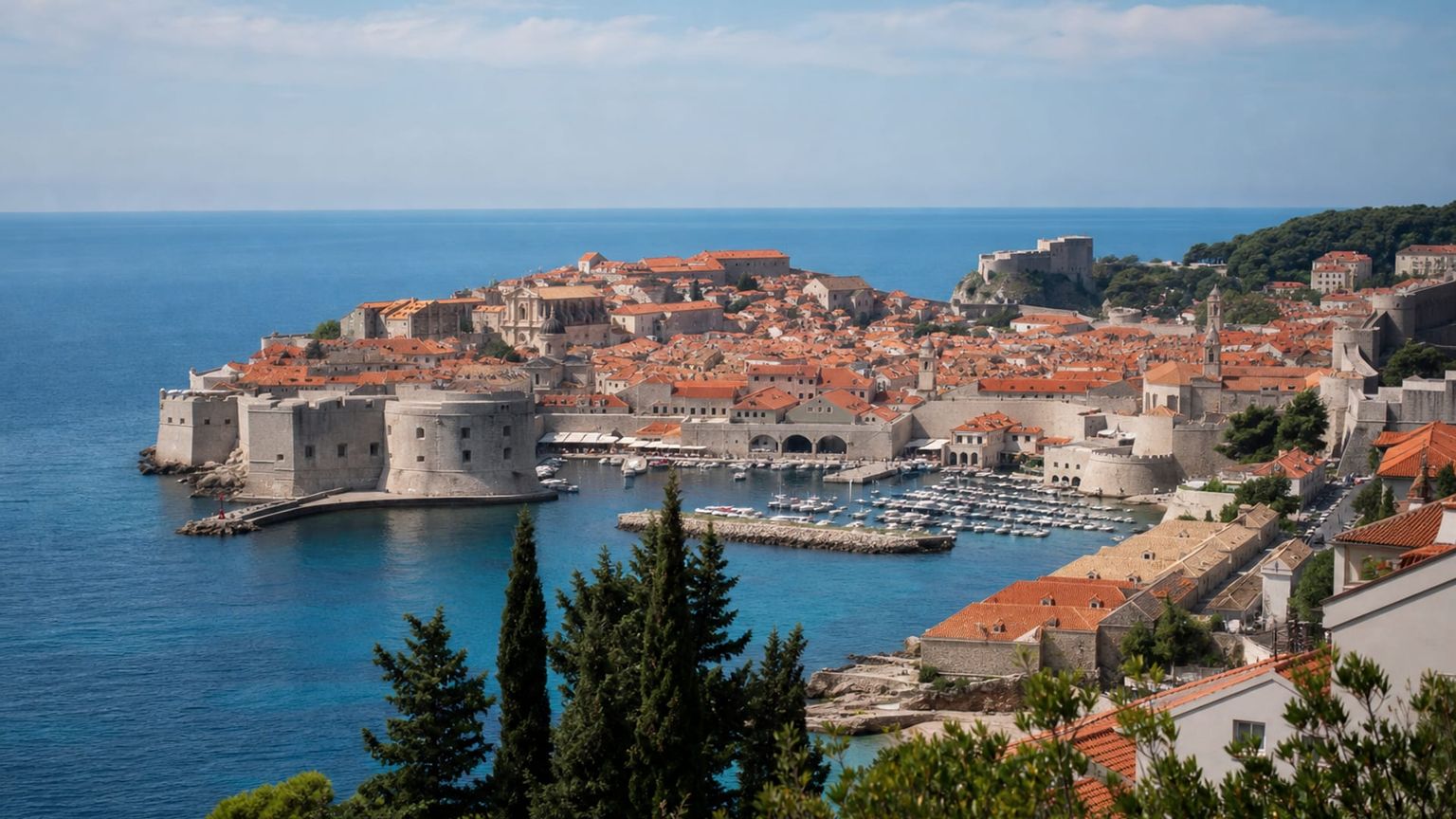
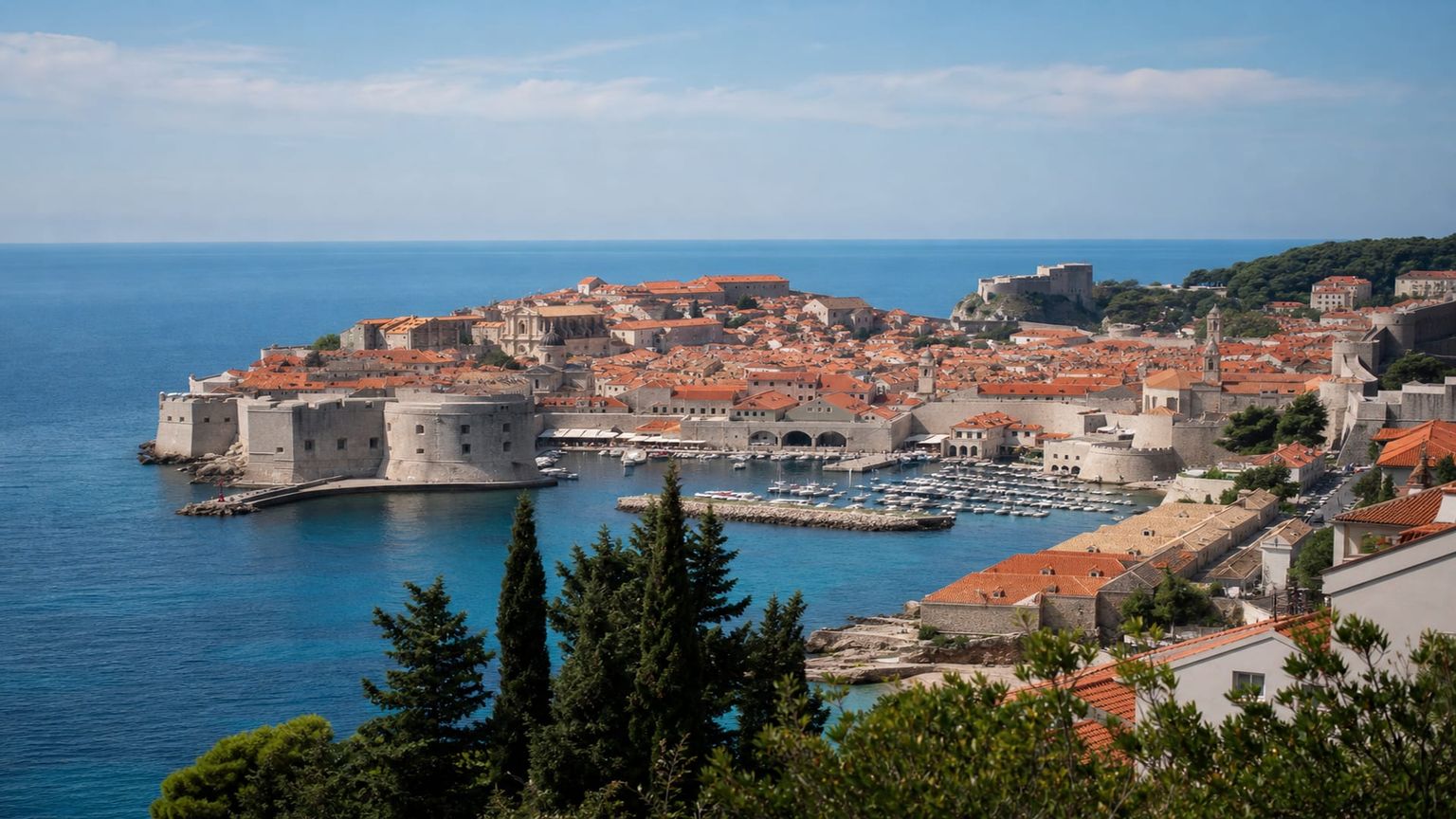
Dubrovnik’s medieval core sits inside the city walls and puts you beside the main sights, from Rector’s Palace to the harbor. It suits travelers who want to step out into stone lanes, reach restaurants quickly, and see the city before day-trippers thin out late in the day.
Best for: First-time visits, sightseeing, and travelers who want to walk to major landmarks
What to expect: Narrow lanes, heavy daytime crowds, and a steady stream of visitors near the gates, with quieter pockets after dinner.
Hotel prices: Usually about €180 to €400 (~$195 to ~435) per night for well-rated stays
Distance to major sights: 0 to 10 minutes on foot to Rector’s Palace and the harbor
Quietness: Busy by day, much calmer late evening once excursion groups leave.
Main trade-off: Rooms cost more here, and some buildings have stairs, small elevators, or no vehicle access.
Good to know: If you plan early starts or late dinners, staying inside the walls cuts transit time, but luggage handling can be awkward because cars cannot enter most streets.
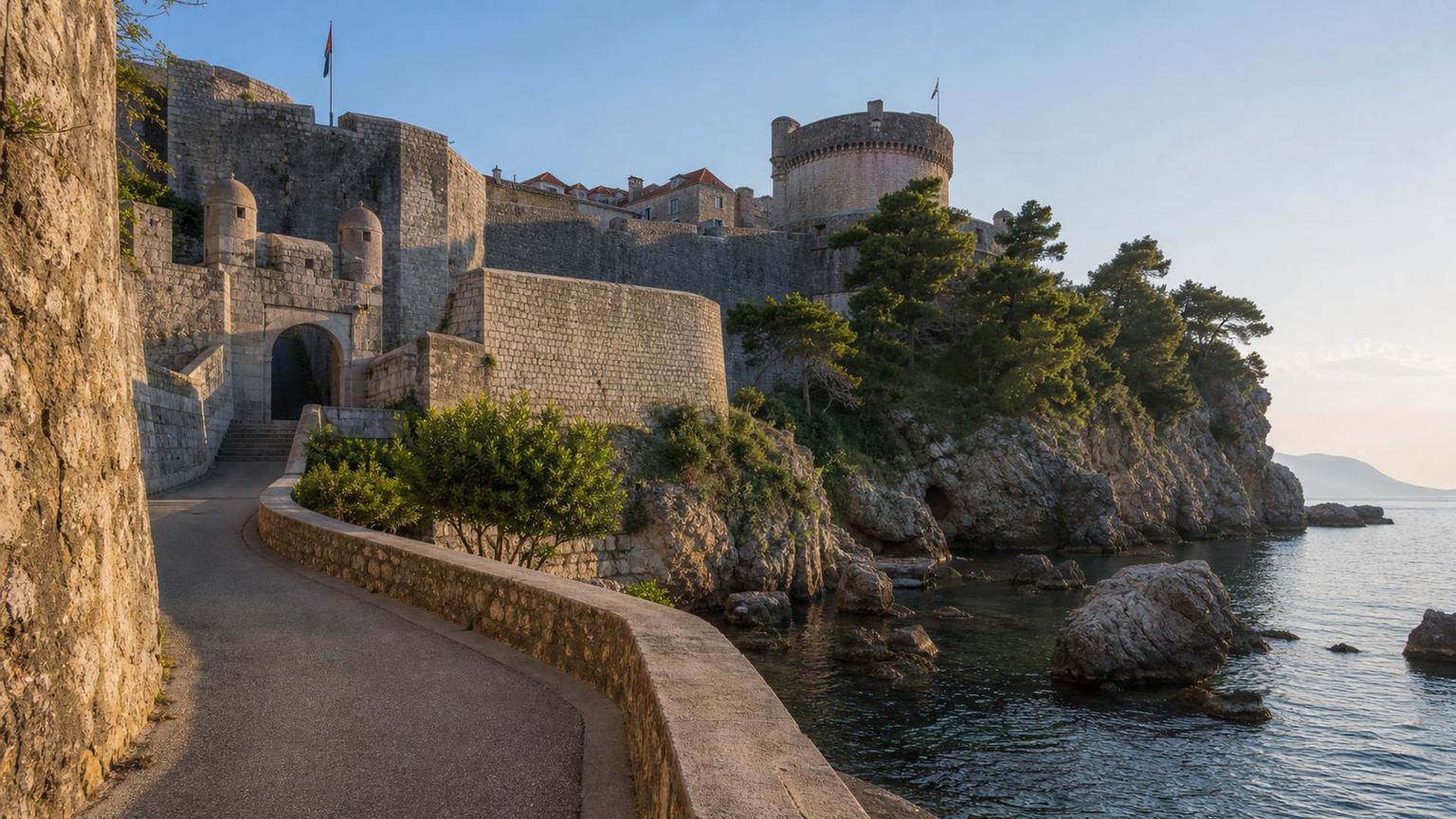
Pile sits just outside the western gate of the Old Town, so it gives fast access to the walls, the main gate, and buses that fan out across the city. It works well for visitors who want close-in convenience without sleeping inside the busiest part of the historic center.
Best for: Sightseeing, easy bus access, and travelers who want to stay near the historic center without being inside the walls
What to expect: Constant foot traffic near the gate and bus stop, with cafés and short-term stays clustered along the main approach roads.
Hotel prices: Usually about €140 to €300 (~$150 to ~325) per night for well-rated stays
Distance to major sights: 5 to 12 minutes on foot to Pile Gate and about 15 minutes to the harbor
Quietness: Lively during the day, then noticeably quieter after the last buses and dinner rush.
Main trade-off: You get easier entry and exit, but the main roads, tour buses, and gate crowds are close by.
Good to know: This area makes arrivals and departures simpler than staying inside the walls, and it still keeps you close enough to walk back after evening plans.
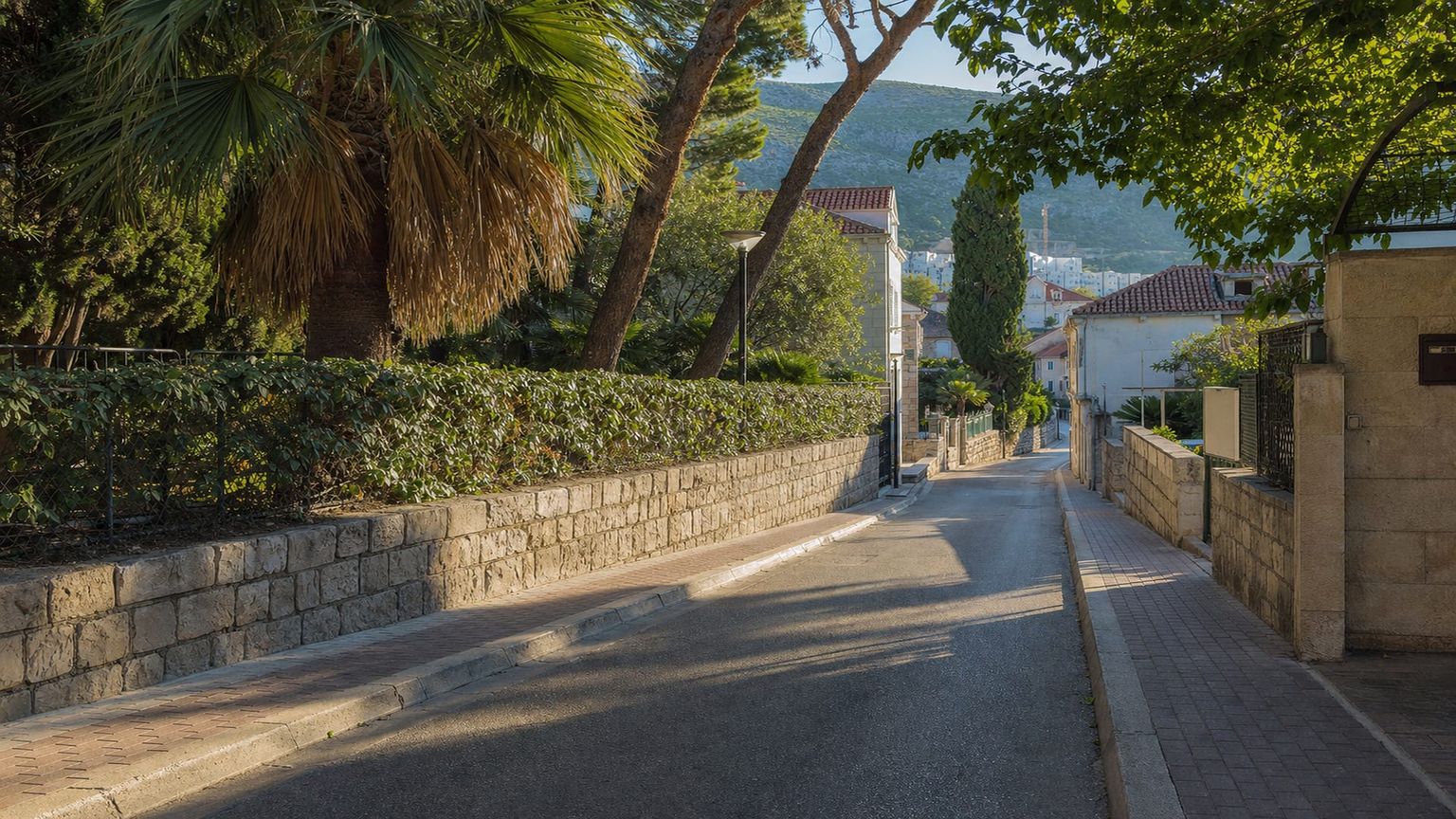
Lapad is a residential peninsula west of the Old Town with beaches, waterfront promenades, and a wider mix of hotels and apartments. It matters for travelers who want more space, easier parking, and a stay that feels less tightly packed than the historic core.
Best for: Beach time, families, longer stays, and travelers who want more space and easier parking
What to expect: A local neighborhood feel with cafés, seaside paths, and fewer tour groups than the center, though summer promenades can be busy.
Hotel prices: Usually about €110 to €240 (~$120 to ~260) per night for well-rated stays
Distance to major sights: 15 to 20 minutes by bus to Pile Gate and about 25 minutes to the Old Town harbor
Quietness: Quieter than the center in the morning and evening, with more activity on the waterfront at sunset.
Main trade-off: You will spend more time reaching the Old Town, especially if you plan multiple daily visits.
Good to know: Lapad is a better fit if you want beach access and an easier parking situation, but you should budget bus or taxi time for nearly every historic-site visit.
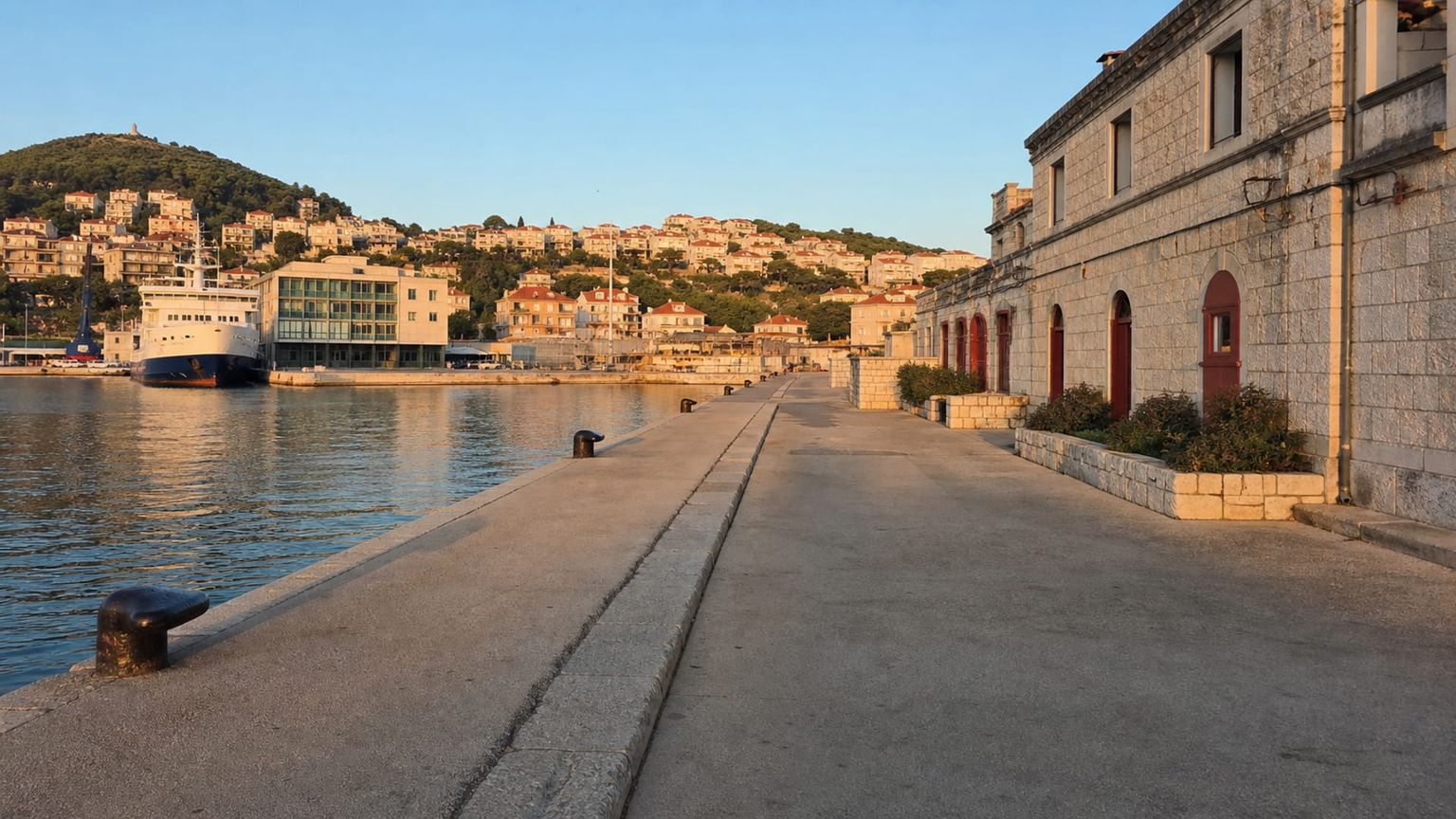
Gruz is Dubrovnik’s port and transport hub, with ferries, long-distance buses, supermarkets, and a broad mix of midrange stays. It matters if you want value, an easy arrival, and quick access to day boats or onward travel along the coast.
Best for: Ferry connections, bus travel, budget-minded stays, and travelers planning day trips by boat
What to expect: Practical port activity, local apartment blocks, and more everyday traffic than tourist atmosphere, especially near the bus station and marina.
Hotel prices: Usually about €90 to €180 (~$98 to ~195) per night for well-rated stays
Distance to major sights: 10 to 15 minutes by bus to Pile Gate and about 25 minutes to the Old Town harbor
Quietness: Busier in the morning and early evening, then quieter once ferry and coach traffic drops.
Main trade-off: The location is less scenic than the Old Town or Lapad, and you will rely on buses or taxis for most sightseeing.
Good to know: Choose Gruz if your trip includes ferries, early buses, or grocery stops, because those logistics sit here rather than in the historic center.
Travelers usually avoid Mokošica and Kliševica if they want to stay close to Dubrovnik’s Old Town, since both sit far inland and require bus or car travel for evening dinners and late returns. Parts of Lapad farther from the Uvala Lapad promenade, and coastal stretches of Babin Kuk near large resort clusters, can be less convenient for visitors who want walkable access to the main sights and more local dining options.
Hotel deals
How to get around Dubrovnik efficiently
Dubrovnik has no metro or suburban rail, so visitors move between the airport, the port, and the Old Town with buses, taxis, ride apps, and walking inside the walls.

Metro
for longer distances
Dubrovnik has no metro, and no suburban rail network serving the airport area, so visitors rely on buses, taxis, and walking inside the city walls and along the coast.

Bus and tram
for convenience
Bus 11 links Dubrovnik Airport (DBV) with the Pile Gate area, and the local Libertas network covers Lapad, Gruž, and the old town approach. A single city bus ticket costs about $2 ($2), and it is valid for about 30 minutes when bought on board or 45 minutes from a kiosk; airport coaches usually take roughly 30 to 40 minutes to reach the center, depending on traffic.

Taxi
for convenience or late hours
Licensed taxis at Dubrovnik Airport (DBV) use metered fares rather than set airport flat rates, and a ride to the old town usually costs about $35 to $50, with higher totals late at night or in heavy traffic. Drivers queue outside the terminal, card payment is often available, and it is wise to confirm the estimate before departure.
*Prices are based on rates updated as of June 2026 and may change at the time of travel.
Use the airport bus for the lowest-cost transfer, taxis or ride apps when you want the quickest door-to-door ride, and walking for the Old Town, where many sights sit within a short climb or a few minutes apart.
Iconic landmarks
Dubrovnik Old Town Walls
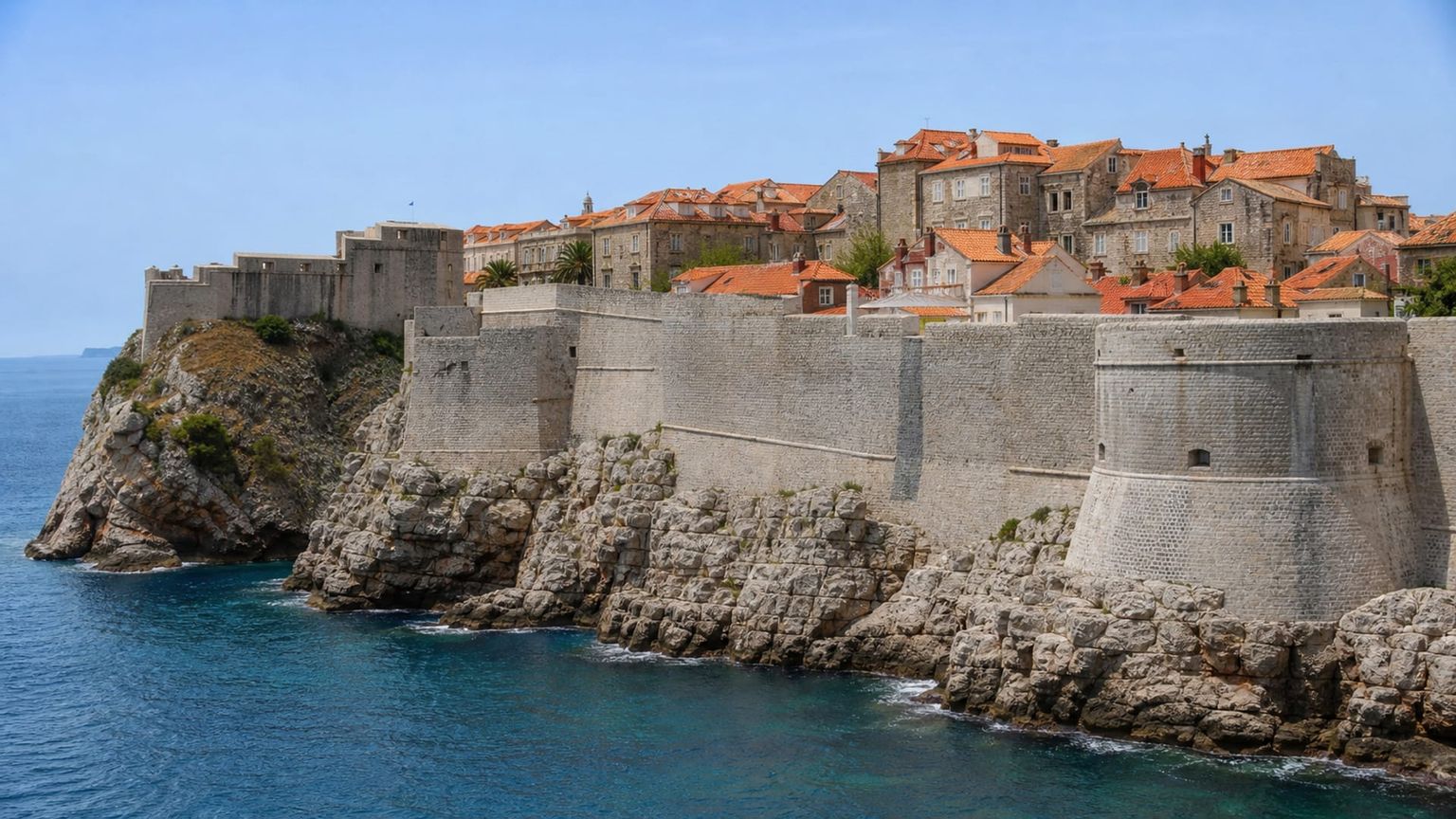
Walk the full ring of stone ramparts that encircle Dubrovnik’s UNESCO-listed core, with towers, sea gates, and wide views over terracotta roofs and the Adriatic. The circuit covers about 1.9 km and includes Minceta and Bokar towers.
Time needed: About 2 to 3 hours
Entry: Tickets cost $39 to $44 (about €36 to €40) for the full wall walk; combined passes with select museums may cost more Visit the official site for details.
Tip: Start early or late in the day, when the stone is cooler and the light is softer.
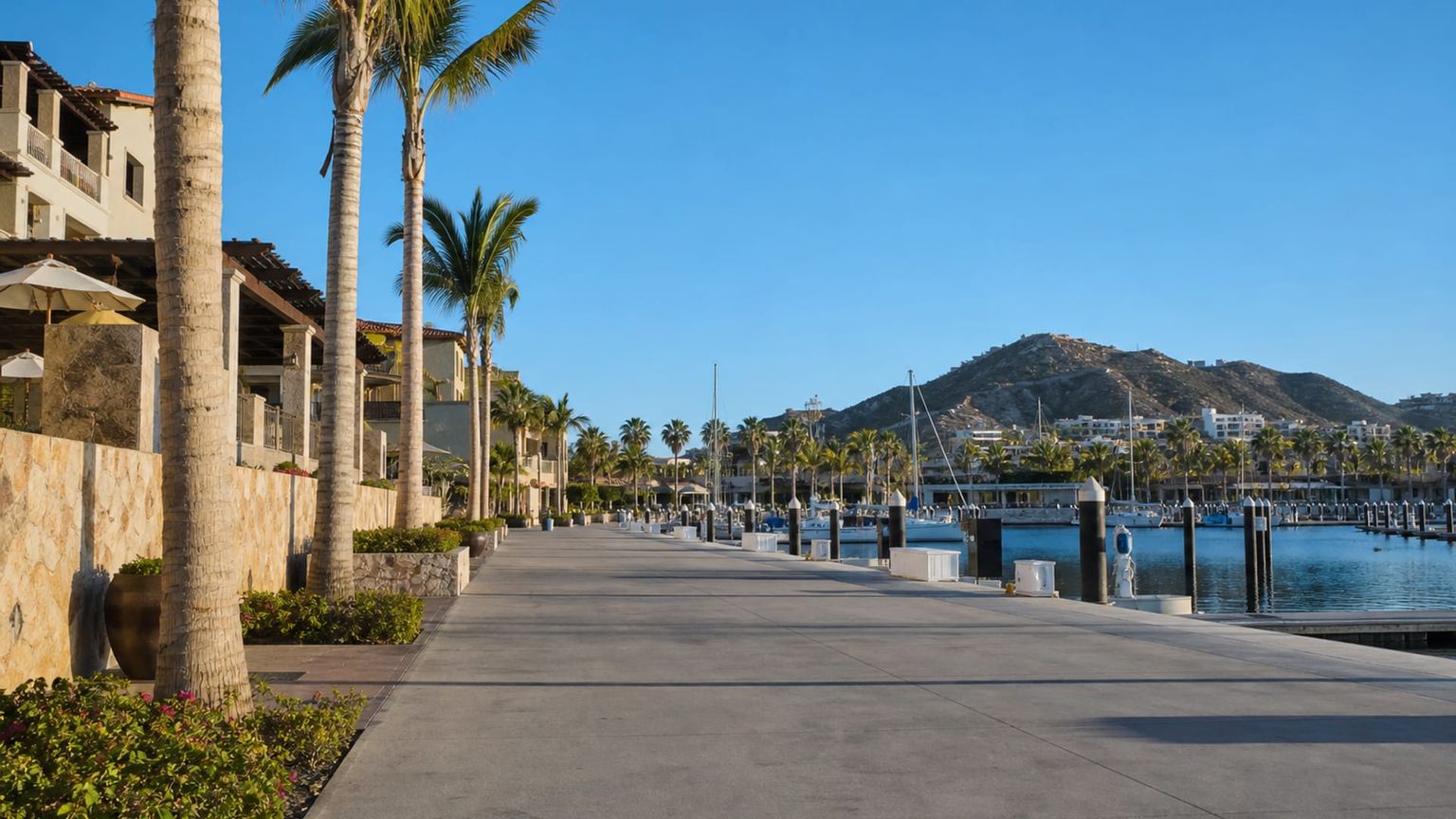
Stradun
Dubrovnik’s main limestone street runs through the Old Town from Pile Gate to Ploče Gate, lined with palaces, churches, and cafes. It marks the historic spine of the city and gives a clear route between its west and east ends.
Time needed: About 1 to 2 hours
Entry: Free to access; no ticket is required for walking the street itself, though nearby museums and monuments charge separately.
Tip: Visit at dusk, when the paving glows and the crowds thin after day-trip departures.
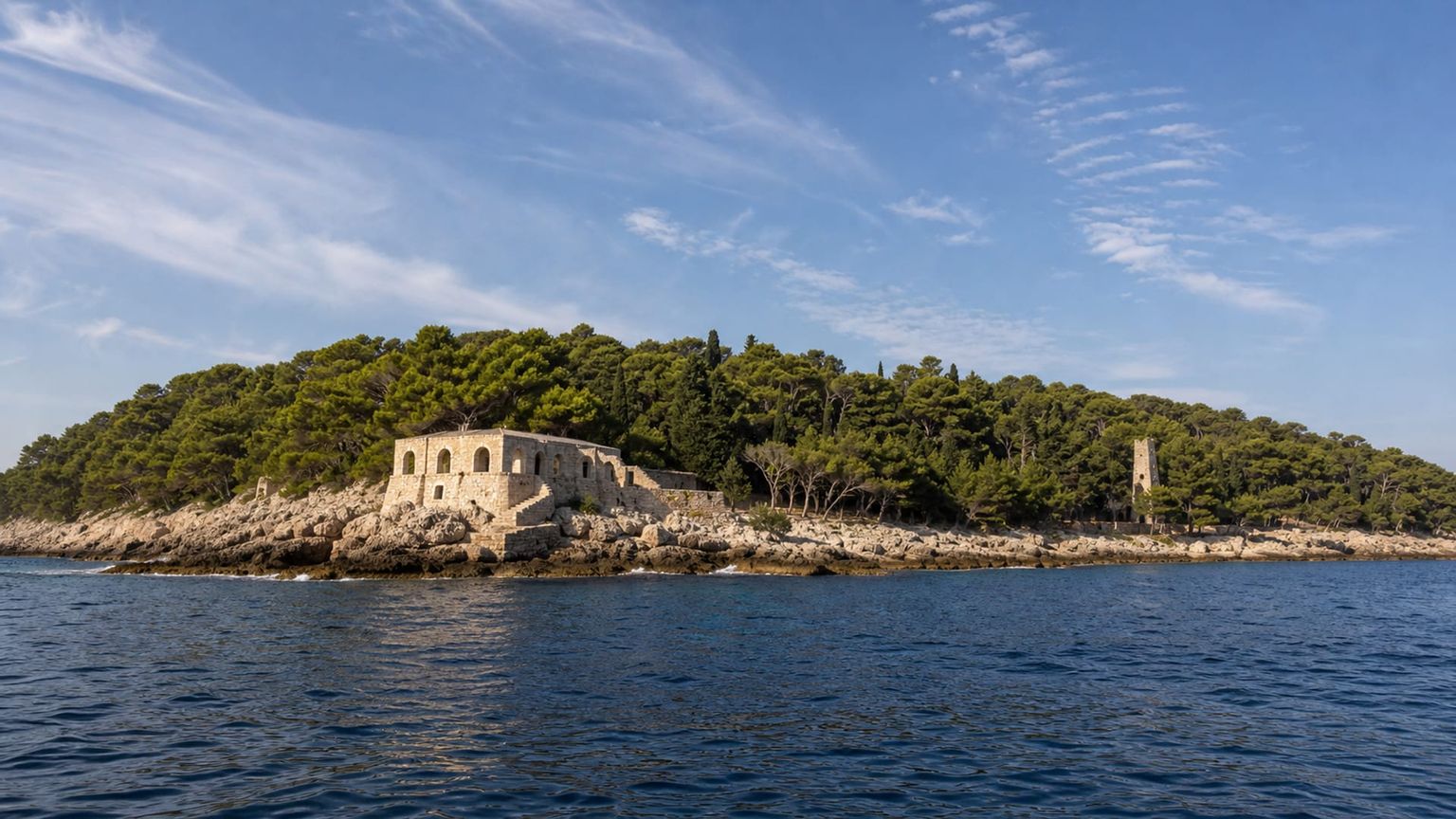
Lokrum Island
A short ferry ride from Dubrovnik, Lokrum offers pine shade, rocky coves, the ruins of a Benedictine monastery, and a saltwater lake known as the Dead Sea. The island also has peacocks, botanical paths, and views back to the city walls.
Time needed: About 4 to 5 hours
Entry: Ferry and island admission cost $26 to $31 (about €24 to €28), with seasonal departures from Dubrovnik Old Port Visit the official site for details.
Tip: Wear swim shoes, the shore is rocky and the easiest water entry points are uneven.
Overlooked sites worth visiting

Lokrum Island Nature Reserve
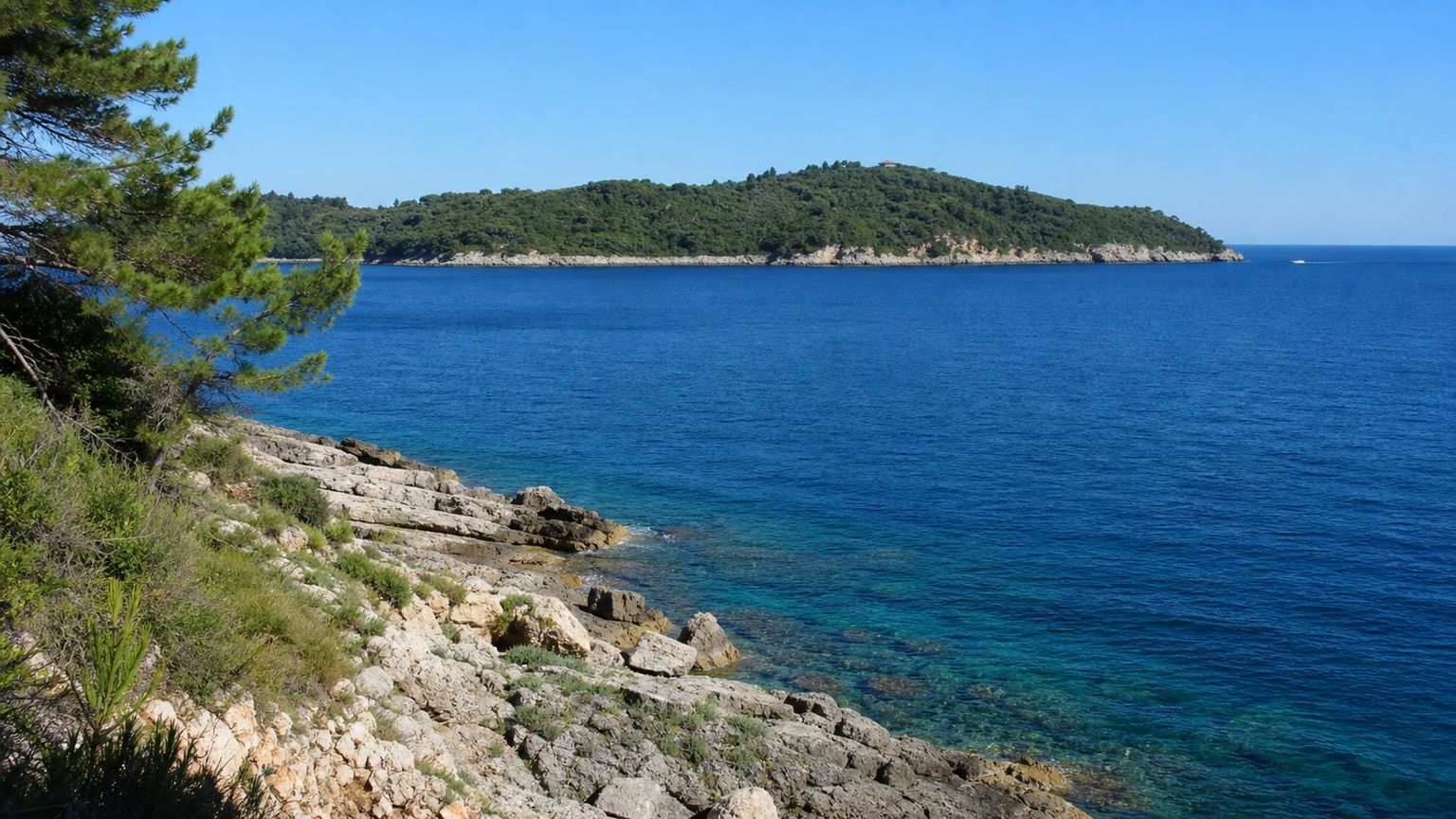
A 10-minute ferry ride from the Old Port brings you to pine shade, rocky coves, and a salt lake for swimming. The island’s short paths and peacocks make an easy half-day break from the city walls.
Time needed: About 2 to 4 hours
Entry: Ferries from Dubrovnik’s Old Port usually cost about $27 ($25) to $32 ($30) round-trip in season; the reserve itself has no separate entrance fee. Boat departures can sell out on summer mornings, so check the day’s schedule before you go Visit the official site for details.
Tip: Go early for calmer ferries and cooler trails.

Gundulić Square market
This small market opens in the Old Town each morning beside the baroque square named for Ivan Gundulić. Stalls sell figs, cheese, honey, and lavender, with the fruit-and-vegetable section at its liveliest before noon.
Time needed: About 30 to 45 minutes
Entry: Free to access; you only pay for purchases, which vary by stall and season. A few snacks or local produce usually cost about $2 to $10 ($2 to €9), while jars of honey, dried figs, or lavender sachets often run about $8 to $20 ($7 to €18).
Tip: Arrive before 10:00 am for the fullest stalls.
Traditional food
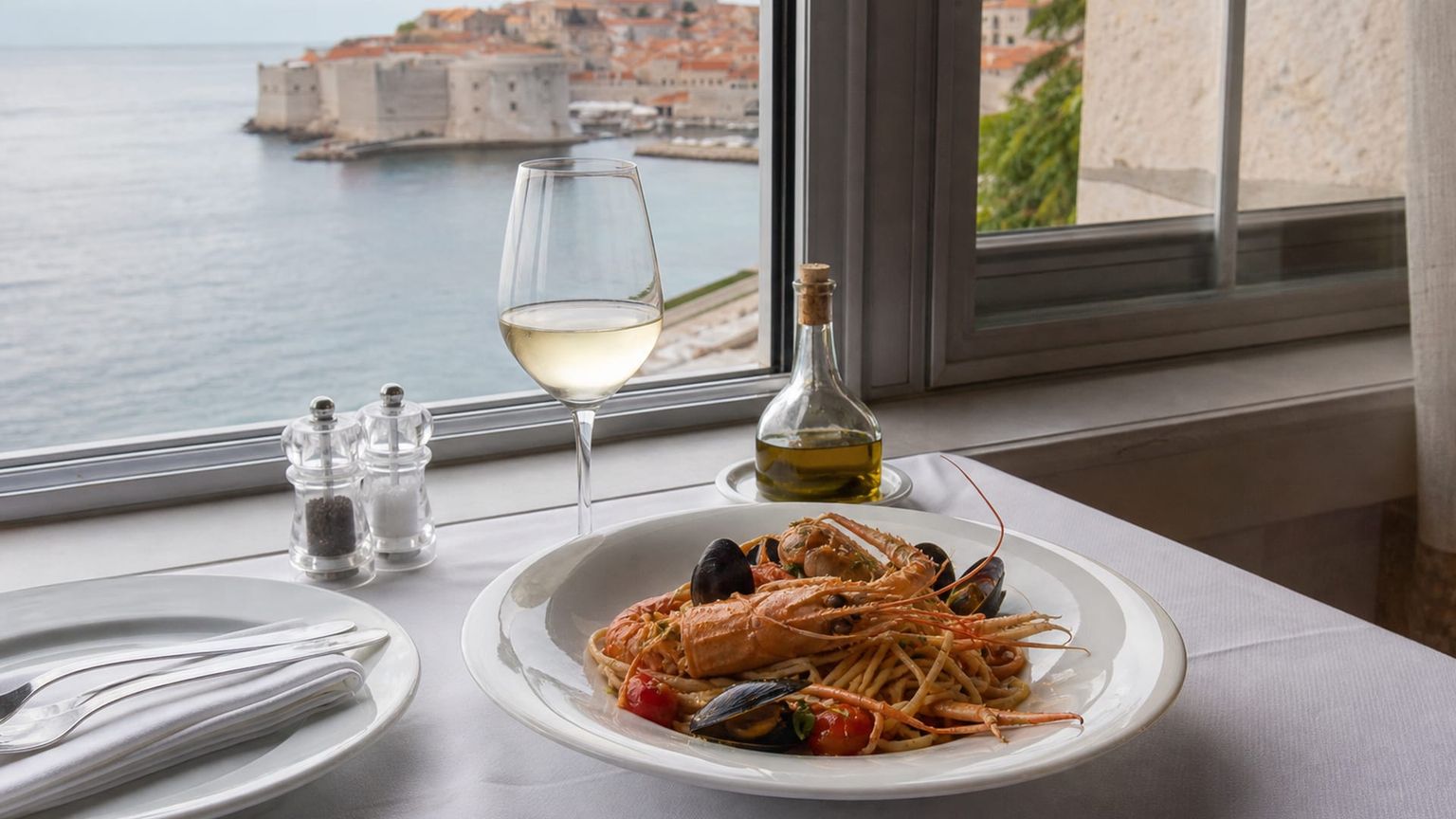
Dubrovnik cooking leans on seafood, olive oil, herbs, and slow-cooked Adriatic flavors, with black risotto, peka, and oyster dishes showing up beside desserts like rozata and long, relaxed dinners.
Black risotto
Ink-dark rice, usually made with cuttlefish or squid, brings the clearest Adriatic seafood flavor to the table. Proto Dubrovnik serves a well-known version in the Old Town.
Peka
Meat or seafood cooks under a bell-like lid with potatoes and herbs, giving the dish its long, concentrated flavor. Nautika in Pile is a strong place to order it when available.
Rozata
This caramel custard dessert echoes flan, with a lighter citrus note that fits a long Dalmatian meal. Dubravka 1836 often appears on local dessert lists and serves a classic version near Pile Gate.
Oyster stew
A briny, brothy dish that puts Mali Ston oysters in the foreground, it suits a seafood lunch in town. Restaurant Kopun in the Old Town is a good Dubrovnik address for a regional take.
Best time to visit Dubrovnik
Dubrovnik changes most with the sea and the summer crowd cycle, so spring and autumn suit walking and island time, while midsummer brings heat, higher prices, and fuller ferries.
Best for: Walls, markets, and easier day trips before peak summer
What you get: About 55 to 73°F (13 to 23°C), with lighter crowds and comfortable walking most days
Trade-offs: Sea temperatures stay cool, and some seasonal ferries or beach operations begin later
Best for: Swimming, long daylight, and full ferry schedules
What you get: About 72 to 88°F (22 to 31°C), with the heaviest crowds in the Old Town and at the ferry dock
Trade-offs: Heat and cruise-day traffic can make midday walks tiring
Best for: Balanced weather, softer light, and better pacing in the center
What you get: About 58 to 79°F (14 to 26°C), with fewer visitors after the peak weeks of September
Trade-offs: Later autumn brings rain, shorter days, and reduced island schedules
Best for: Quiet streets, lower hotel prices, and a slower city center
What you get: About 43 to 58°F (6 to 14°C), with sparse crowds and a much calmer harbor
Trade-offs: Some restaurants and boat services close or run less often
A realistic 5-day plan in Dubrovnik
Five days gives Dubrovnik enough room for the walls, the harbor, and Lokrum without rushing every stop into the same afternoon. The plan below keeps the city center central, then uses the island and market time to balance it out.
Fly into Dubrovnik (DBV), then take a taxi or prebooked transfer into the Old Town or Pile, which usually takes about 25 to 35 minutes and costs roughly $35 to $55, depending on traffic and pickup point. If you are staying inside the walls, expect a short walk from the vehicle drop-off, while Pile makes arrival easier because cars and buses stop at the gate. Settle in, drink plenty of water, and keep dinner close, a simple meal on Stradun or near Pile works well after a travel day.
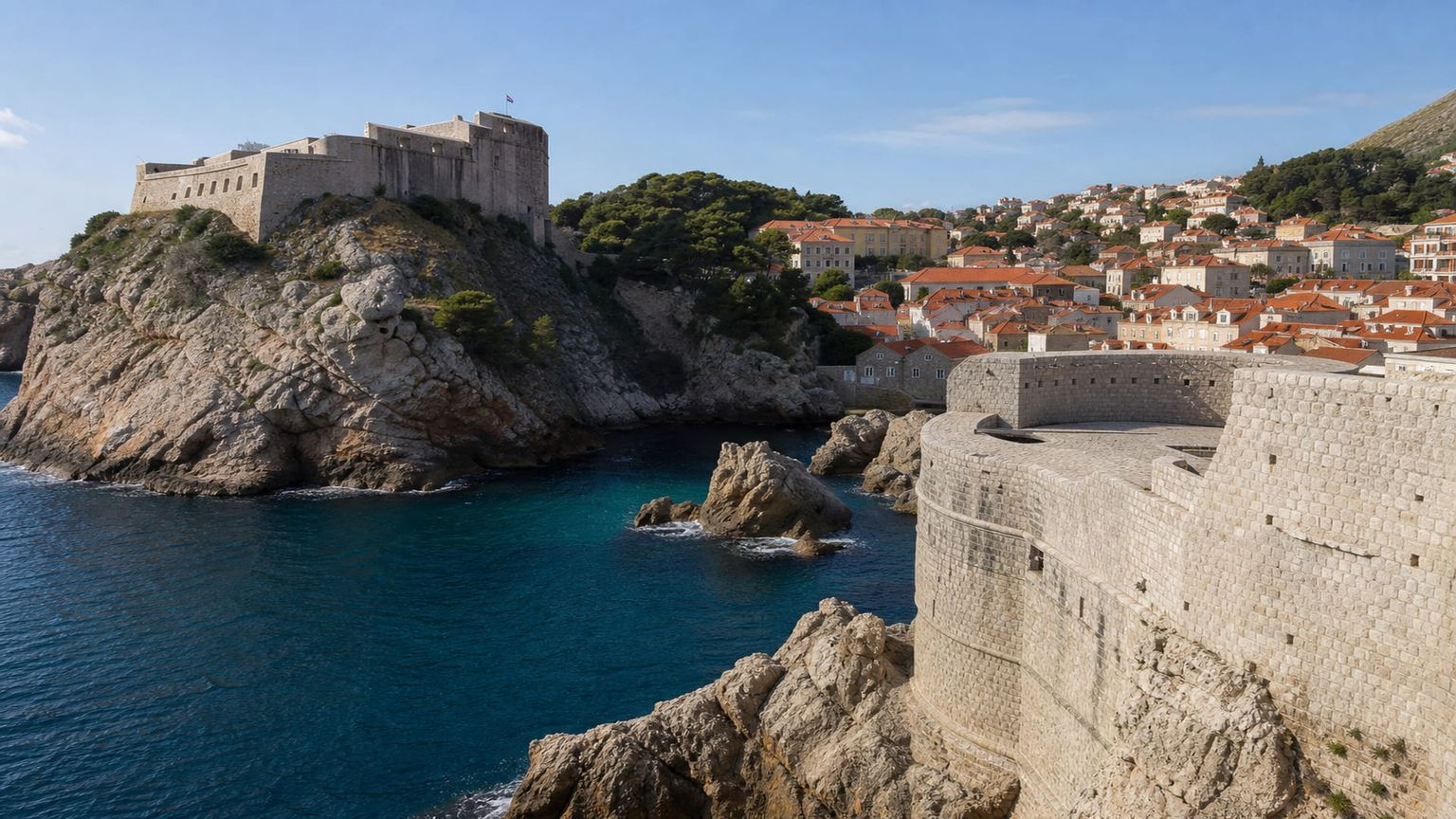
Begin at the Dubrovnik Old Town Walls when the stone is cooler, then spend about 2 to 3 hours on the circuit before dropping down to Stradun for a slower walk through the historic core. From Pile Gate to the eastern end of the street, the walk takes about 15 to 20 minutes without stops, and it gives you a clean line past palaces, churches, and cafés. Finish in the late afternoon at Gundulić Square market, which sits a short walk from Stradun, so you can pick up fruit, honey, or lavender before dinner nearby.
Lokrum Island fills the middle of the trip nicely: from Dubrovnik’s Old Port, the ferry ride takes about 10 minutes, and the island rewards an easy 2 to 4 hours with pine shade, rocky coves, and the salt lake. Go early if you want calmer crossings and more time on the paths, then return to the city for a harbor-side meal or a quiet evening back in the Old Town. If you need a base for the day, staying in Old Town or Pile keeps the ferry and the evening walk home simple.
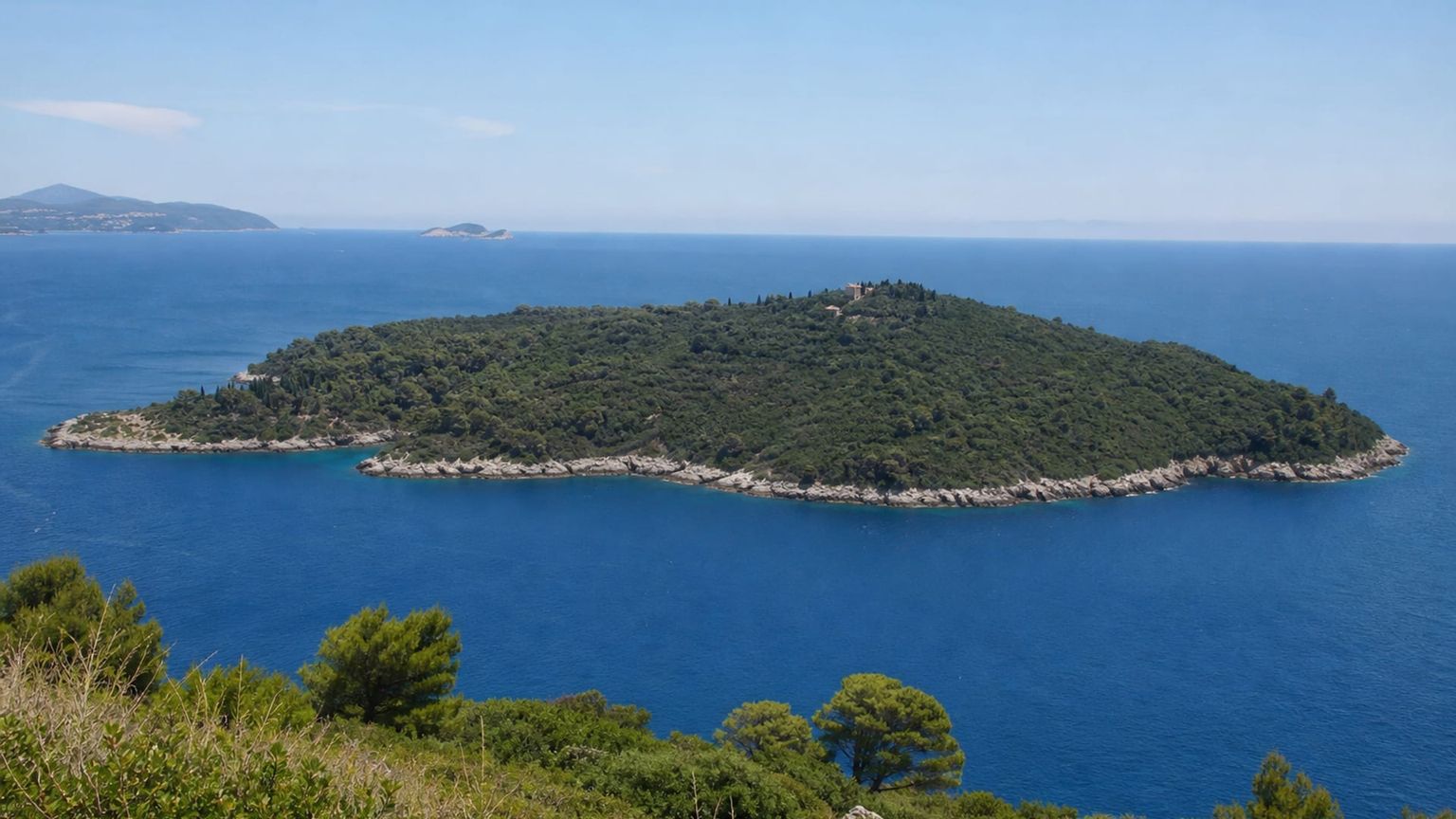
Start with a second look at the Old Town, then move toward the harbor to catch the seasonal ferry to Lokrum Island, whose monastery ruins and botanical paths sit best in the morning light. After roughly 4 to 5 hours on the island, return to Dubrovnik and spend the rest of the afternoon in Pile, where you can sit near the gate, watch the foot traffic thin after the buses leave, and walk back into the center for dinner. The day works well if you want a mix of water, walls, and one last broad view back toward the city.
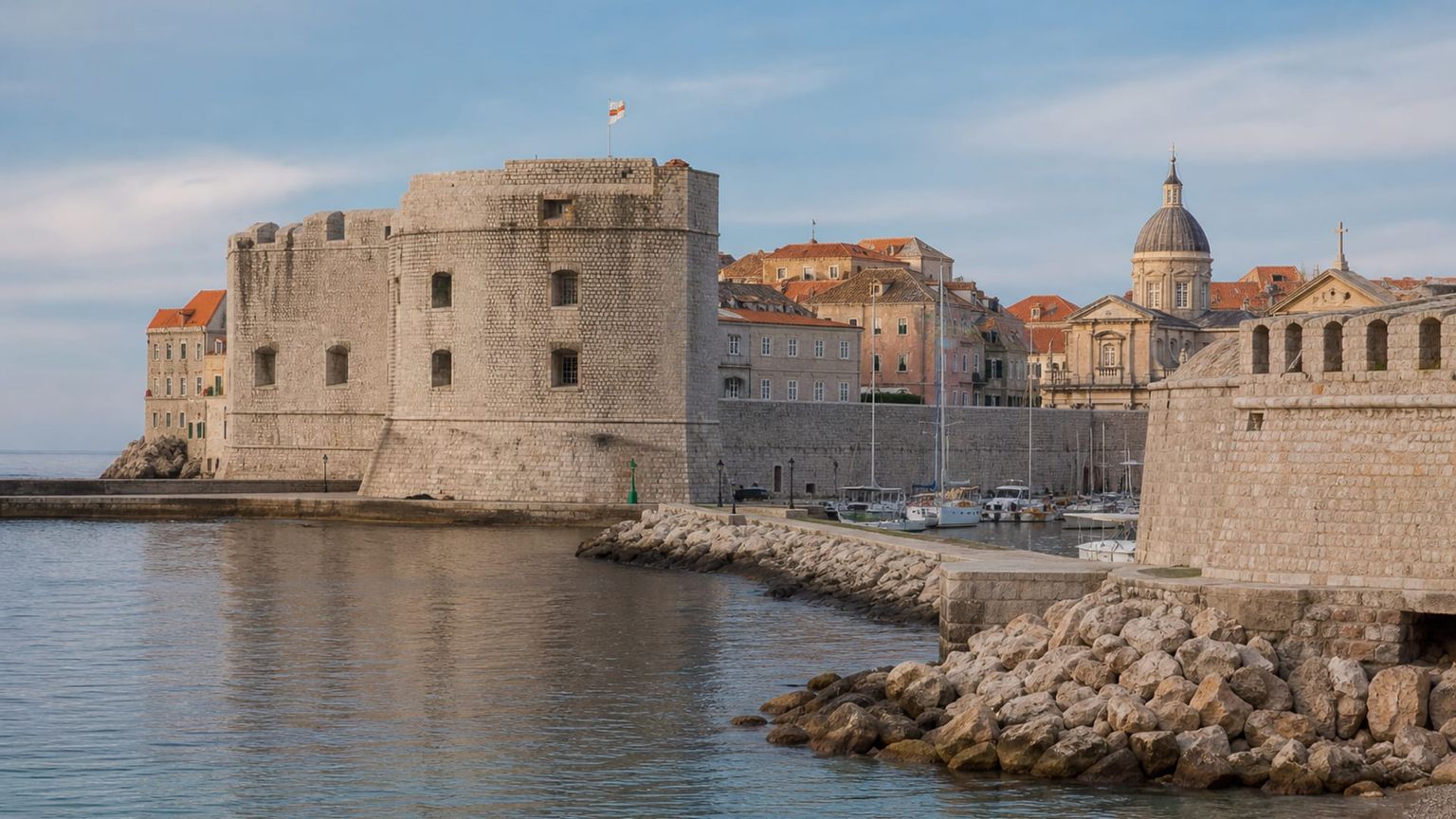
For a final day, keep things close to your lodging and stay focused on the city center, a short visit to Gundulić Square market works for produce, local snacks, or a few gifts before you pack. If you still have time, walk Stradun once more, then settle at a café in Pile or the Old Town for an unhurried coffee before your airport transfer. Taxis and prebooked cars to Dubrovnik (DBV) are simplest from the center, especially if you are leaving after lunch.
Business-class flights from the US to Dubrovnik
Reaching Dubrovnik from the United States usually means a one-stop trip, and the layover hub often shapes the fare more than the final segment. The examples below show the main route patterns from New York and Los Angeles.
From New York, airlines such as American Airlines, British Airways, Lufthansa, Swiss International Air Lines, Turkish Airlines, and United Airlines sell routes that usually take about 9 to 10 hours when they connect cleanly, most often through LHR, FRA, MUC, ZRH, or IST. Round-trip fares from New York to Dubrovnik usually start at $2,200 and can reach $5,500.
Los Angeles itineraries usually run through FRA, MUC, ZRH, IST, or LHR on carriers including Lufthansa, Swiss International Air Lines, Turkish Airlines, British Airways, and Austrian Airlines, with total travel times of roughly 15 to 20 hours. Round-trip fares from Los Angeles to Dubrovnik usually run from $2,800 to $6,200.
Dubrovnik feels different when you slow down
A deliberate Dubrovnik trip gives each part of the city its proper hour: the walls early, Stradun after the first rush, Lokrum by ferry, and Pile for the easy return walk. Add one market stop in Gundulić Square and keep transport simple with buses, taxis, or a short stroll inside the center. If you want an itinerary shaped around those choices, AranGrant experts can help you plan it with the right neighborhood and season in mind