

Chapters:

Need help with your trip?
Our support team is available 24/7. Request a callback or call us directly at (833) 619-0908
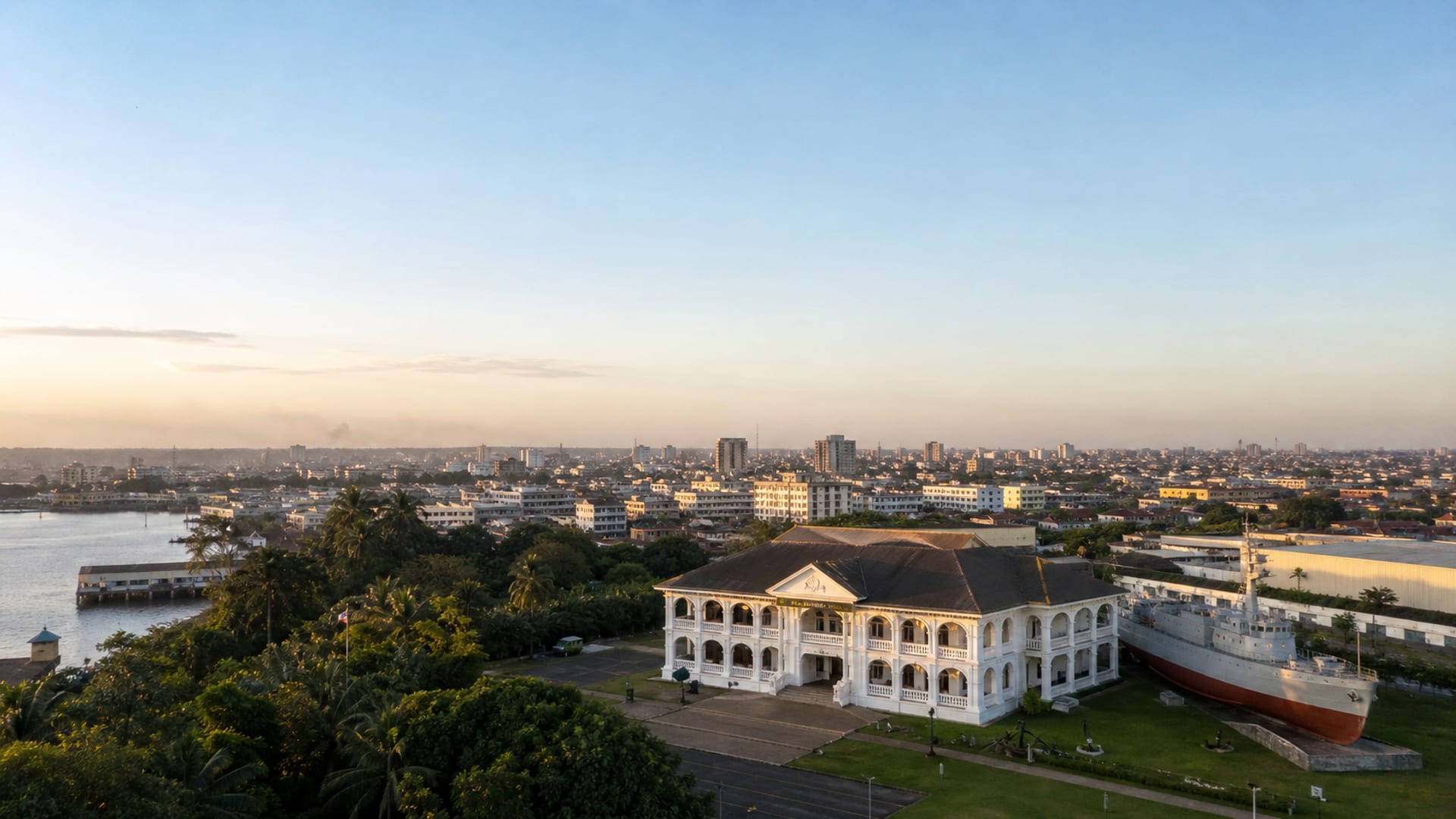
Douala is Cameroon’s largest city and main port, with daily life spread across busy commercial districts, residential neighborhoods, markets, restaurants, and the banks of the Wouri River. Traffic can be heavy, so where you stay and how you plan each day can really affect the trip.
Bonanjo brings together museums, public art, and historic buildings, while Akwa and Deido show the city’s commercial and local side. Bonapriso is useful for restaurants and airport access, and Douala’s food adds another reason to slow down, from ndolé and poisson braisé to poulet DG.
With five days, the city is easier to explore when nearby places are kept together and extra time is left for traffic, rain, and longer cross-city rides.
Useful things to know

Main language(s): French is the main language used in Douala; English is also an official language in Cameroon.
Bonjour (bohn-zhoor) – Hello / good morning
S'il vous plaît (seel voo pleh) – Please
Merci (mehr-see) – Thank you
Parlez-vous anglais ? (par-lay voo ahn-gleh) – Do you speak English?
Combien ça coûte ? (kohm-byen sah koot) – How much does it cost?

Currency: Central African CFA franc (XAF)

Cash and cards: Cash is widely used. Cards may work at international hotels and larger businesses, but keep cash for taxis, markets, and smaller shops.

Tipping: Tipping is optional. Approximately 5%–10% is a reasonable tip in restaurants when service is good, and a service charge is not already included.

Traditional food: Ndolé, grilled fish with plantains, poulet DG, and mbongo tchobi are among the Cameroonian dishes commonly found in Douala.

Water and coffee costs: Bottled water often costs about XAF 1,000 ($1.80), while an espresso commonly costs XAF 1,000–2,000 ($1.80–$3.55).

Taxis and ride apps: Yango operates in Douala alongside regular taxis. Agree on the fare before leaving when using a taxi without an app.

Plug and voltage: Cameroon uses Type C and E plugs, 220V, 50Hz. US travelers need an adapter, and 120V-only devices need a converter.

Dining and shop opening hours: Restaurant hours vary, with many serving only lunch and dinner. Major malls and larger shops stay open until about 10:00 pm.

Emergency number: Call 17 or 117 for police, 18 or 118 for fire, and 19 or 119 for medical emergencies.
Where to stay in Douala
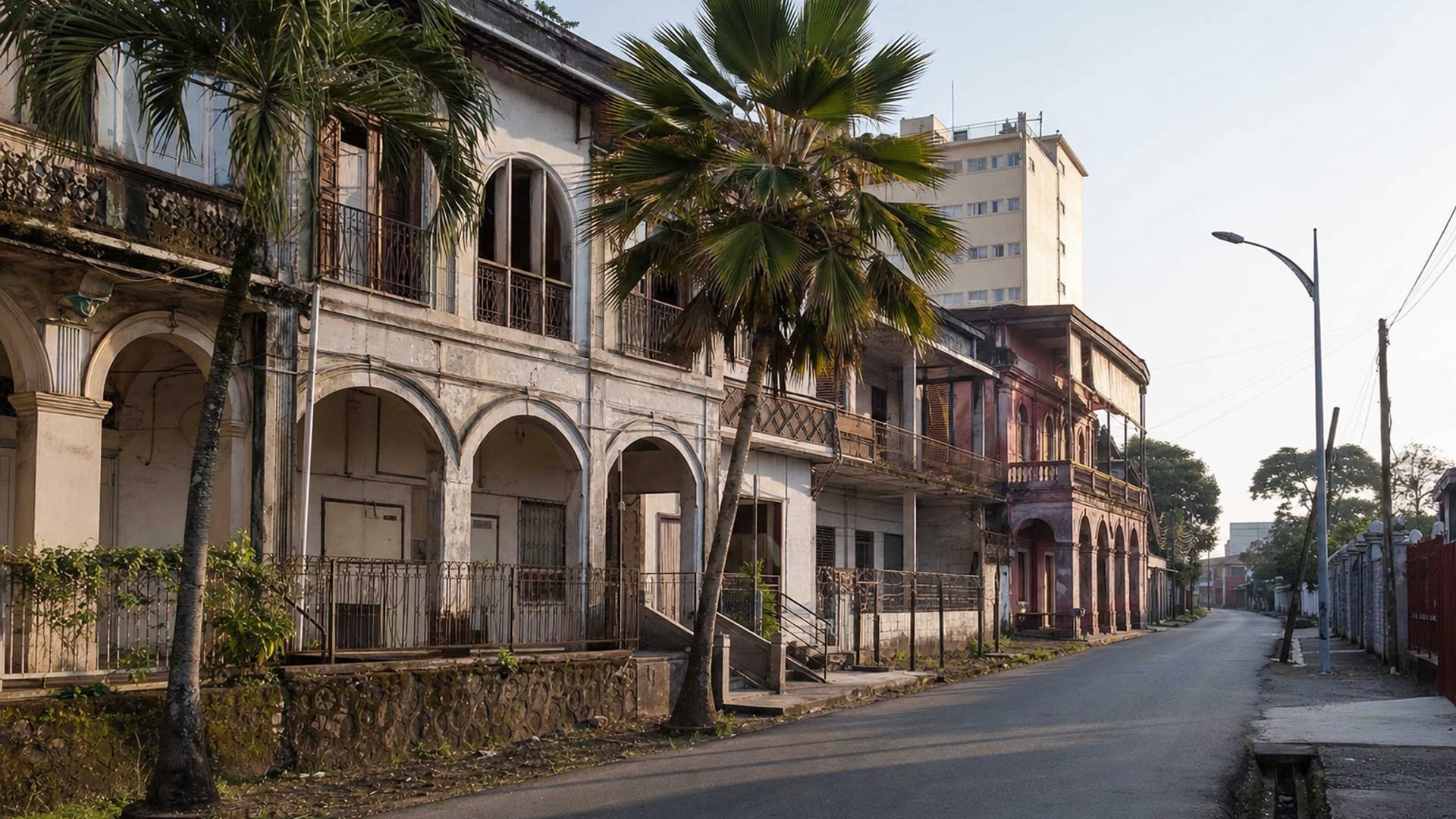
Akwa is one of Douala’s main commercial districts, with offices, shops, restaurants, hotels, and busy roads close to the city center. Its central location suits business trips and short stays, but traffic and nightlife mean the experience can vary considerably from one street to another.
Best for: Business trips, central dining, and visitors who want a central base for getting around the city
What to expect: Busy sidewalks, taxis, and steady daytime foot traffic, with much quieter streets late at night.
Hotel prices: Usually about 70,000 FCFA to 140,000 FCFA (~$115 to ~$230) per night for well-rated stays
Distance to major sights: About 10 to 20 minutes by taxi to Douala Maritime Museum, about 15 to 25 minutes to La Nouvelle Liberté
Quietness: Daytime is active and loud, evening noise drops after office hours, then late-night traffic becomes limited on the main roads.
Main trade-off: Central hotels cost more, and the most convenient streets can feel crowded during business hours.
Good to know: Avoid walking alone in Akwa after dark. Use hotel-arranged transport, a trusted taxi, or a ride-hailing service for evening trips.
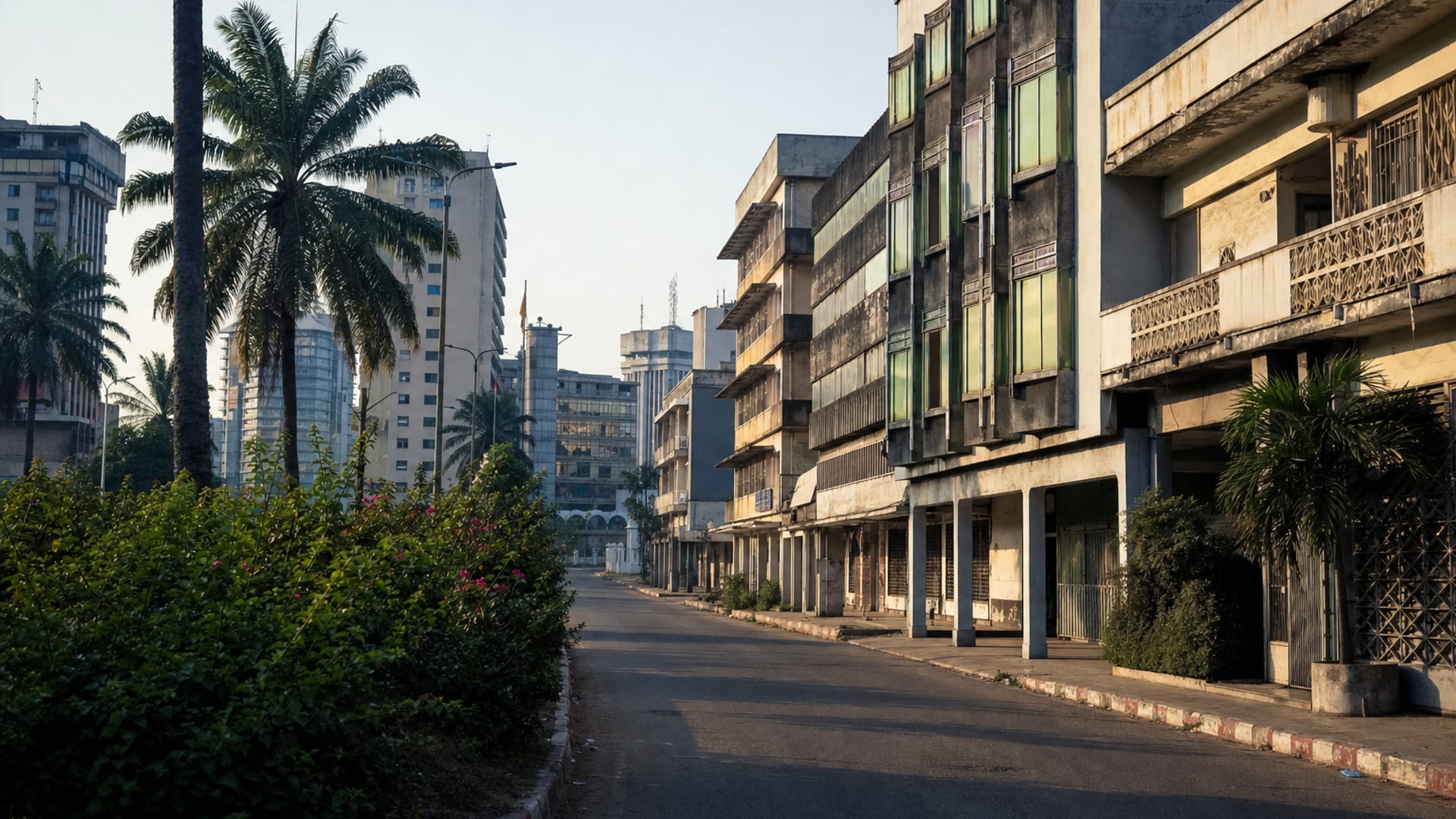
Bonanjo is Douala’s historic administrative district, close to government offices, banks, heritage buildings, hotels, and the Maritime Museum. Its central position is practical for business trips and official appointments, especially when most plans are near the port and government area.
Best for: Business visits, official appointments, and travelers who want heritage architecture and central access
What to expect: Orderly streets by day, government traffic, hotel arrivals, and a noticeably quieter pace than the markets and commercial corridors.
Hotel prices: Usually about 80,000 FCFA to 160,000 FCFA (~$130 to ~$260) per night for well-rated stays
Distance to major sights: About 5 to 15 minutes by taxi to Douala Maritime Museum, about 15 to 25 minutes to La Nouvelle Liberté
Quietness: Daytime is active around offices and hotels, while evenings are calmer and streets empty out earlier than in Akwa.
Main trade-off: You pay for the address, and dining options are narrower than in the busier commercial quarters.
Good to know: For evening trips, arrange transport through your hotel or a trusted ride service instead of relying on roadside taxis after dark.
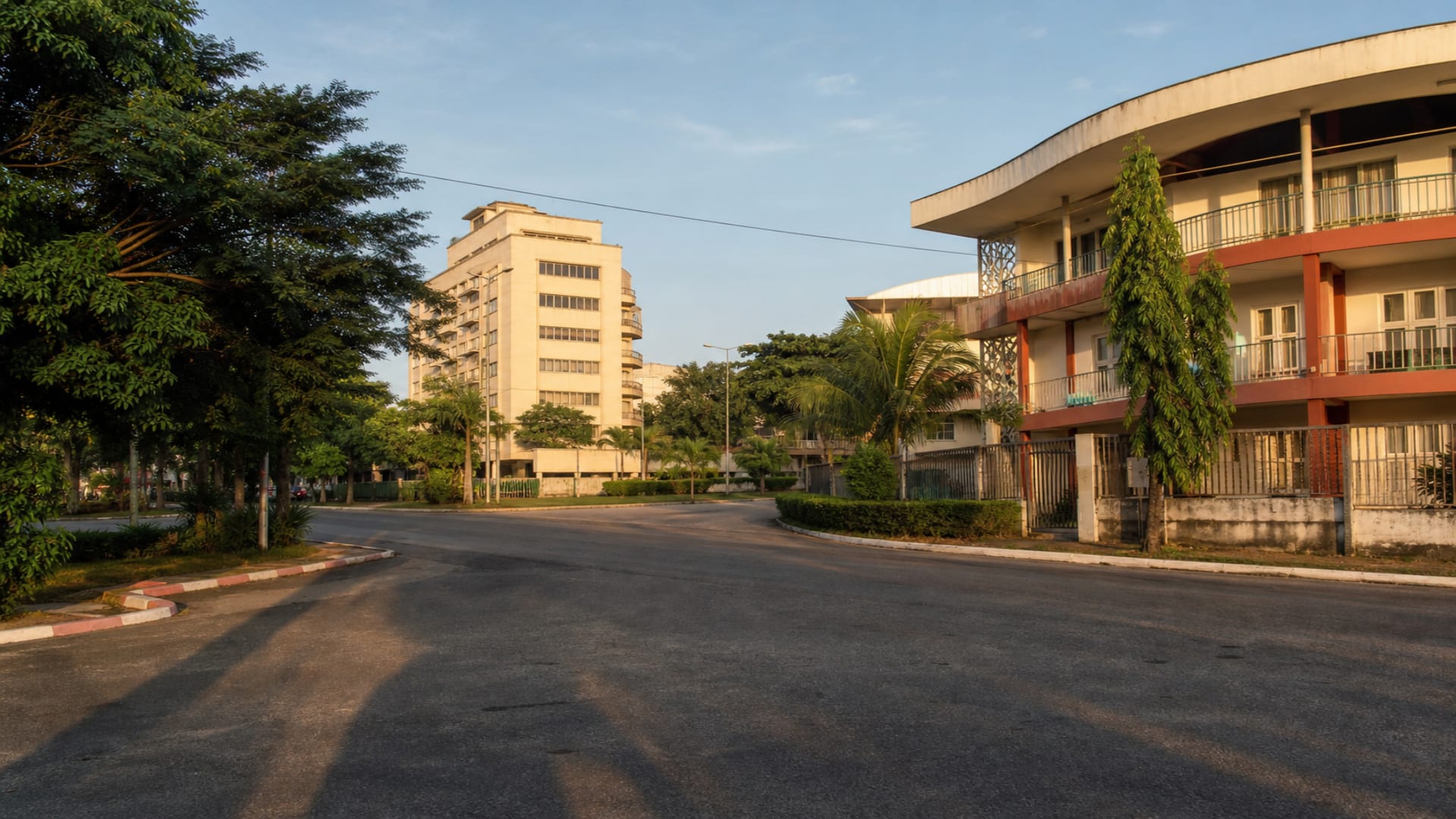
Bonapriso is a residential district south of central Douala, with hotels, restaurants, cafés, shops, and relatively quick access to the airport. Its mix of accommodation and dining suits longer stays and travelers who prefer to stay outside the busiest commercial streets and business areas.
Best for: Couples, longer stays, airport access, and travelers who prefer quieter streets with good dining nearby
What to expect: Leafier streets, fewer pedestrians, and a stronger evening restaurant scene than a nightlife scene.
Hotel prices: Usually about 90,000 FCFA to 180,000 FCFA (~$150 to ~$300) per night for well-rated stays
Distance to major sights: About 10 to 20 minutes by taxi to La Nouvelle Liberté, about 15 to 25 minutes to Douala Maritime Museum
Quietness: Days are calm with local traffic, and evenings stay relatively quiet except near restaurants and main roads.
Main trade-off: Rooms often cost more than in central districts, and you will rely on taxis for most sightseeing.
Good to know: Many hotels are close to restaurants and cafés, and airport transfers are often shorter from Bonapriso than from more central districts.
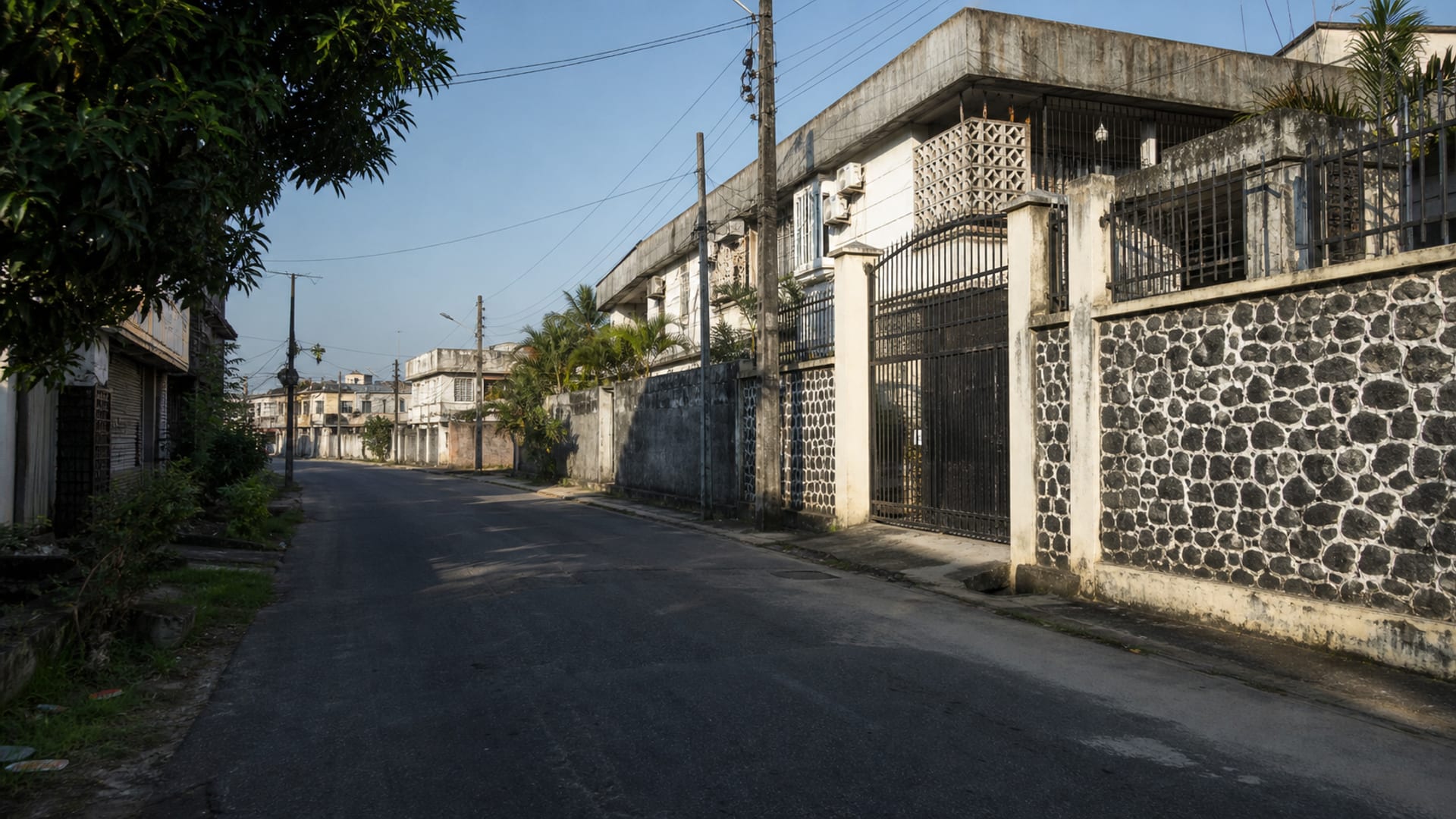
Deido is a residential and commercial district north of central Douala, with markets, shops, restaurants, and major traffic routes around Rond-Point Deido. La Nouvelle Liberté stands within the district, making Deido a good choice for travelers interested in a more local part of the city.
Best for: Budget-minded travelers, local dining, and visitors who do not need to stay in the most formal central districts
What to expect: Dense traffic, market activity, and a busy neighborhood pace that feels local rather than tourist-oriented.
Hotel prices: Usually about 35,000 FCFA to 80,000 FCFA (~$60 to ~$130) per night for well-rated stays
Distance to major sights: About 20 to 35 minutes by taxi to Douala Maritime Museum, about 15 to 25 minutes to La Nouvelle Liberté
Quietness: Days are loud and active, and evenings stay animated in some pockets while side streets become quieter.
Main trade-off: You save money, but longer taxi rides and heavier traffic can make simple cross-city trips take extra time.
Good to know: Avoid walking alone in Deido after dark. For evening trips, arrange transport through your hotel or book a trusted ride service instead.
For sightseeing-focused stays, Bonabéri is less convenient because crossing the Wouri can lengthen trips into central Douala. Yassa, Makekè, and New Bell are also farther from the main visitor areas, with fewer hotels geared to travelers.
Hotel deals
How to get around Douala efficiently
Douala depends on road transport, with buses for lower-cost trips, taxis for direct rides, and Yango for convenient app-based bookings across town.

SOCATUR bus
for more affordable and convenient trips
SOCATUR buses are useful for cheaper trips along major routes across Douala. Standard fares are about XAF 100–XAF 150 ($0.20–$0.30), while express bus tickets cost XAF 200 ($0.35). They serve many parts of the city, but traffic can make travel times longer, especially during busy periods.

Taxi
for direct trips and late hours
Taxis are useful for direct trips, late arrivals, and airport transfers. A typical city ride is XAF 2,000 ($3.55), while airport trips cost XAF 3,500 ($6.20) by day and XAF 5,000 ($8.90) at night. Arrange the ride through your hotel when possible and agree on the fare before leaving.

Yango
for app-based rides
Yango is useful when you want a direct ride without agreeing on a fare with a street taxi. You see the estimated price before confirming the booking, with Economy fares starting at XAF 430 ($0.75). It is useful for airport trips, evenings, and travel between different parts of Douala.
*Prices are based on rates updated as of September 2026 and may change at the time of travel.
For most visitors, buses keep costs low, taxis suit direct trips, and Yango is useful when you want to book by app and check the price before leaving.
Iconic landmarks
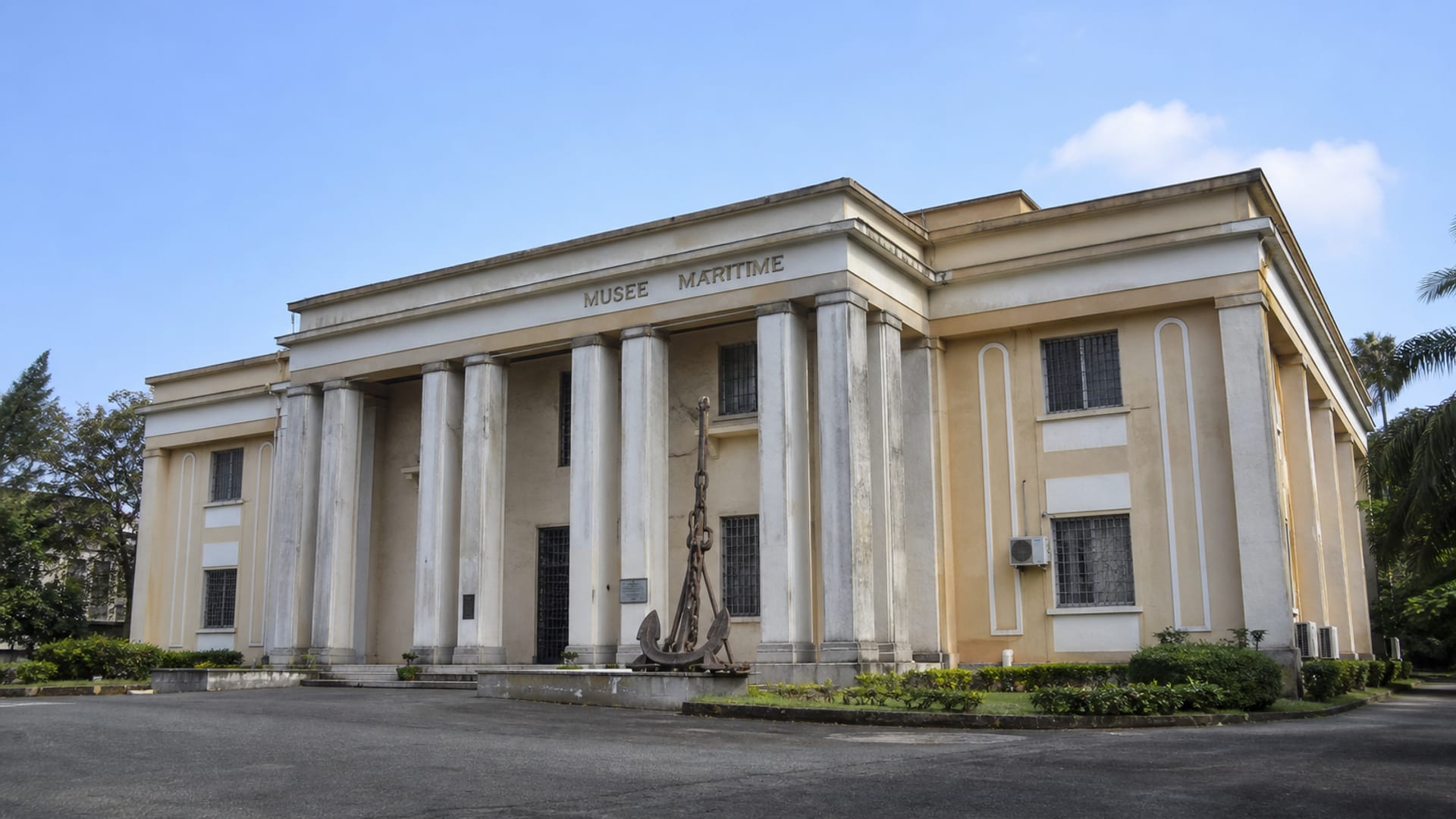
Douala Maritime Museum
Douala Maritime Museum explores Cameroon’s maritime history through ship models, maps, photographs, fishing tools, artworks, and navigation displays. Its collections explain the role of the coast, ports, and river trade in Douala and the country’s wider maritime history.
Time needed: About 1 to 1.5 hours
Entry: Admission costs about $2 to $5 (about 1,200 to 3,000 XAF) for adults, with lower rates for children and students.
Tip: Leave time for the navigation simulator, which recreates the experience of steering a vessel.
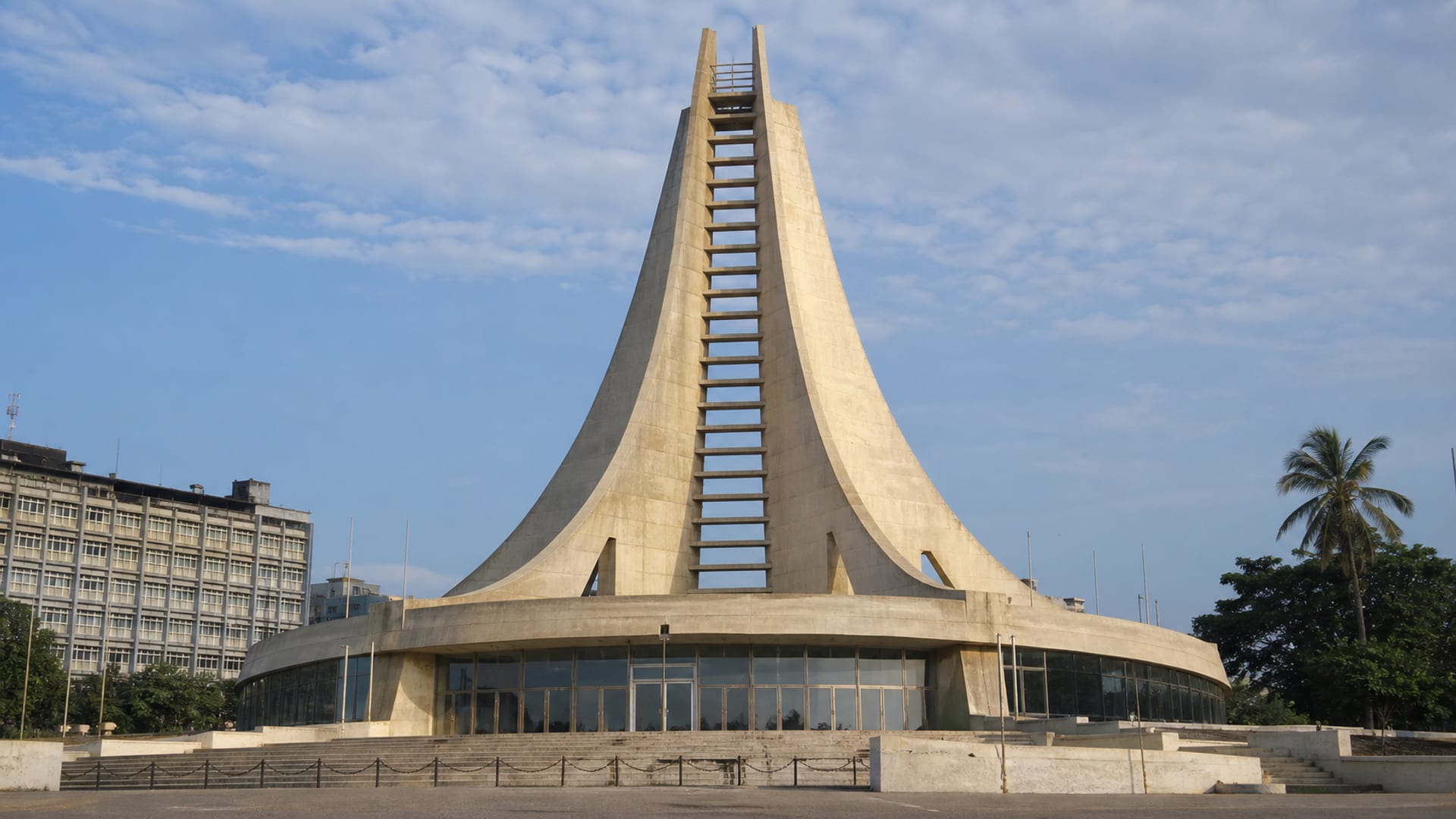
La Nouvelle Liberté
La Nouvelle Liberté is a 39-foot (12-meter) sculpture by Joseph Francis Sumégné at Rond-Point Deido. Made from recovered metal in 1996, it is one of Douala’s best-known public artworks and reflects the city’s culture of recycling, rebuilding, and adapting everyday materials.
Time needed: About 20 to 30 minutes
Entry: Free to access, with no ticket required at the site and no timed entry for visitors.
Tip: Stay on the roadside when viewing it, as Rond-Point Deido has heavy traffic.
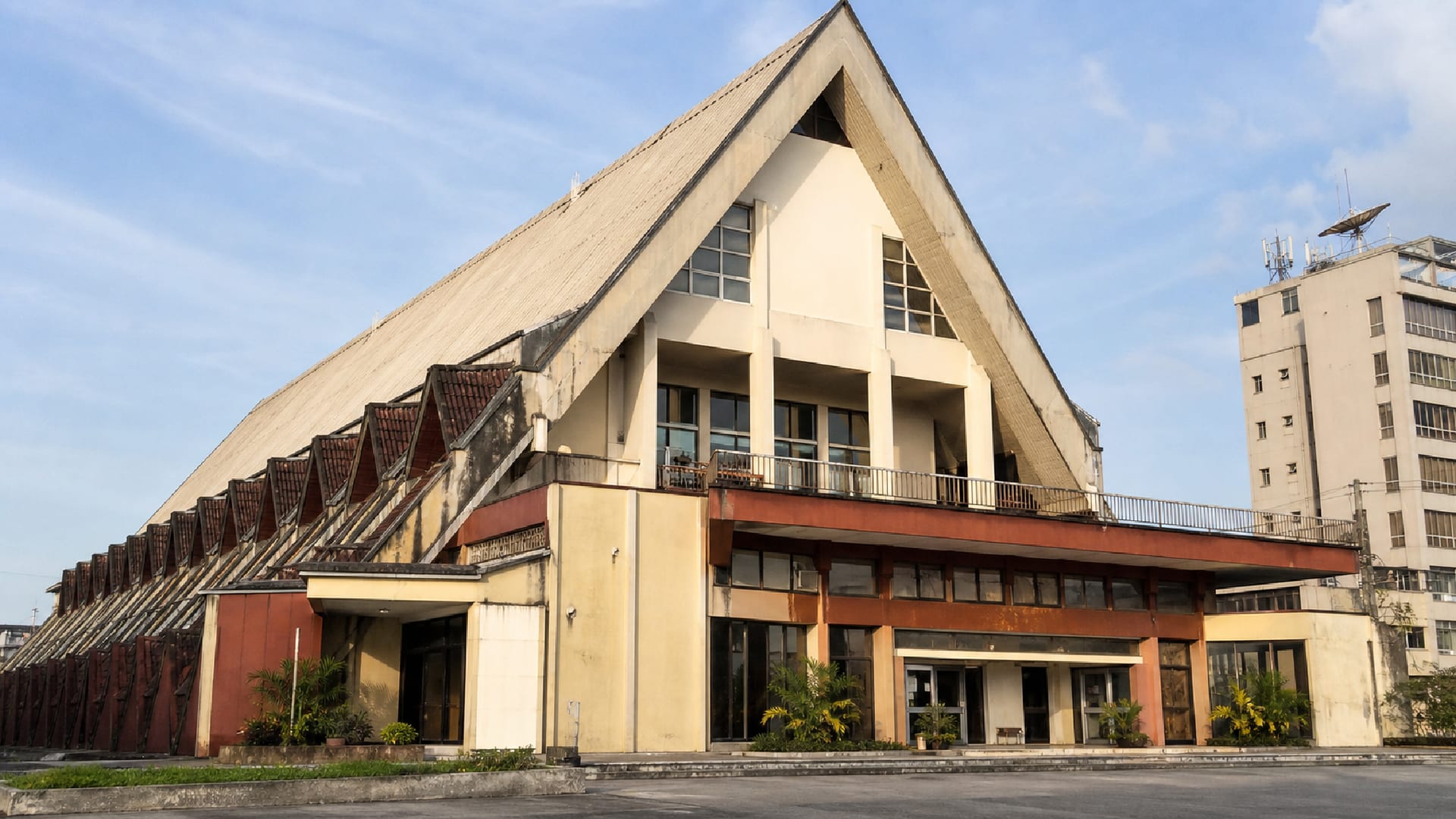
Doual'art
Doual’art is a contemporary art center in Bonanjo focused on visual art, public space, and life in Douala. Exhibitions feature Cameroonian and African artists, while projects around the city connect contemporary art with architecture, neighborhoods, and urban change.
Time needed: About 45 minutes to 1 hour
Entry: Admission costs about $3 to $6 (about 2,000 to 4,000 XAF), depending on the exhibition and guided visit. Visit the official site for details.
Tip: Look at the current program first, since the exhibitions and projects change during the year.
Overlooked sites worth visiting

Cathedral of Saints Peter and Paul
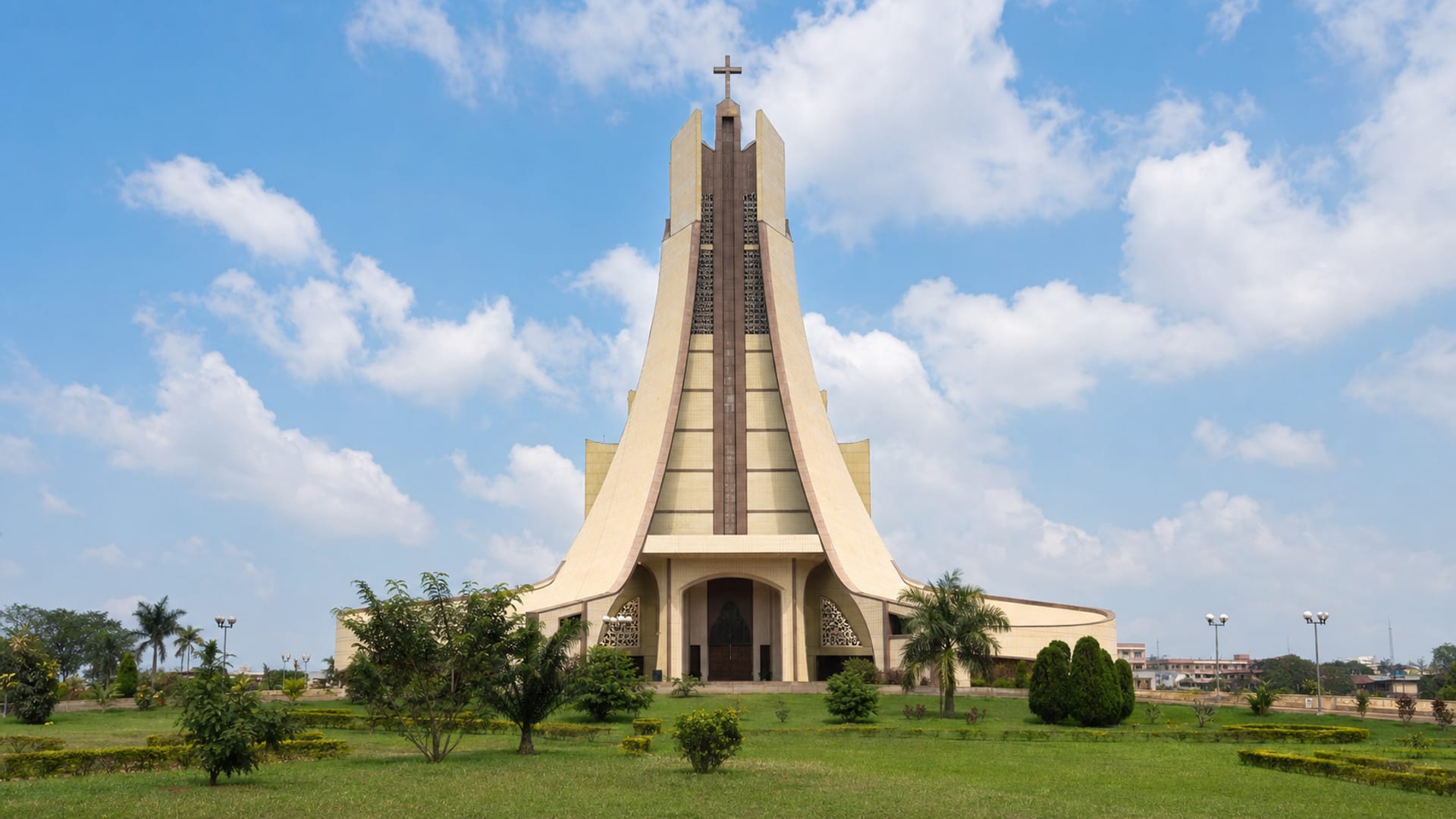
The Cathedral of Saints Peter and Paul was completed in 1936 and is the seat of Douala’s archdiocese. Its twin towers, domed details, and Byzantine details make it one of Douala’s best-known churches.
Time needed: About 20 to 30 minutes
Entry: Free to view from the surrounding public area; no ticket is required, and you can stop here at any time of day. Traffic in the circle is heavy, so viewing is from the sidewalks and curbside crossings rather than from inside a fenced monument zone.
Tip: Check the service schedule first so you do not arrive during Mass or another ceremony.

Palace of the Kings Bell
The Palace of the Kings Bell was built in 1905 for King Auguste Manga Ndumbe. Its layered roofs, broad balconies, and German colonial-era design make it one of Bonanjo’s most distinctive historic buildings.
Time needed: About 1 hour
Entry: Admission usually costs about $3 to $8 (approximately 1,800 to 5,000 XAF), depending on the exhibition or event. Some public programs are free, but special shows and guided visits can carry separate fees. Visit the official site for details.
Tip: Pair it with nearby Bonanjo sights, since this is best treated as a short heritage stop.
Traditional food
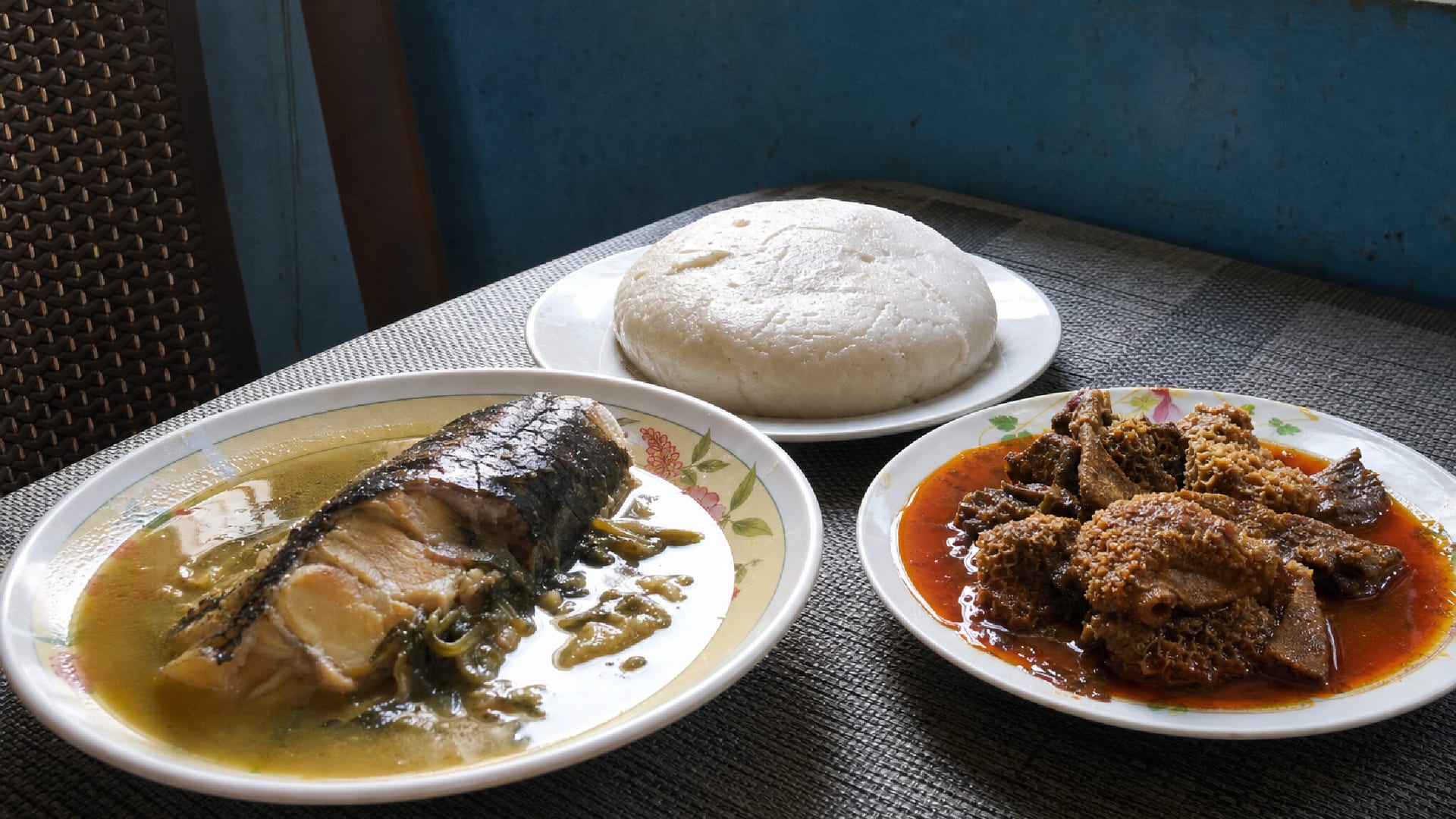
Food in Douala includes coastal Sawa dishes such as ndolé, grilled fish, and Cameroonian staples now common across the city, including eru and poulet DG. Plantain and cassava are common sides.
Ndolé
Ndolé combines bitter leaves with ground peanuts, often with smoked fish, beef, or shrimp, and is served with plantain, rice, or miondo, fermented cassava sticks. Hôtel Services Plus in Akwa serves a smoked-fish version with ripe plantains.
Poisson braisé
Poisson braisé is whole fish seasoned with spices, garlic, and herbs, then grilled until the skin chars lightly and the flesh stays tender. It is served with plantains, miondo, or pepper sauce. Le Délice in Ndongbon serves it with fried plantains.
Eru
Eru is a thick leafy stew made with finely sliced eru leaves, waterleaf, palm oil, and often smoked fish, meat, crayfish, or beef skin. It is usually eaten with water fufu or gari. GTF Resto in Douala serves both water fufu eru and tapioca eru.
Poulet DG
Poulet DG combines chicken with fried ripe plantains and vegetables such as carrots, peppers, onions, and green beans in a light sauce. It is one of Cameroon’s best-known dishes, and Couba Club in Bonamoussadi serves it on its current menu.
Best time to visit Douala
Douala is warm and humid throughout the year, but December to February is much drier, making sightseeing and road travel easier to plan.
Best for: Sightseeing, outdoor stops, and moving between districts with less rain
What you get: Temperatures usually range from 68°F to 90°F (20°C to 32°C), while December to February brings far less rain than the rest of the year.
Trade-offs: Midday heat and humidity are still noticeable, even in the driest months, so earlier outings are easier.
Best for: City sightseeing in March and April before the heaviest seasonal rains begin
What you get: Typical temperatures are 73°F–90°F (23°C–32°C), while rain becomes more frequent from March and increases sharply through May each year.
Trade-offs: Rain can slow road travel, and by May, long outdoor plans are harder to organize around showers.
Best for: Museums, restaurants, and other indoor plans during the wettest months
What you get: Temperatures usually range from 72°F–85°F (22°C–29°C), with very heavy rain from June through August and the year’s highest rainfall totals.
Trade-offs: Heavy rain and flooding can slow traffic and make outdoor sightseeing difficult for long periods.
Best for: City trips in November, when rainfall starts to drop after the wettest months
What you get: September and October are still very wet, while November brings less rain. Temperatures are usually around 73°F–87°F (23°C–31°C) in Douala.
Trade-offs: September and October bring heavy rain, so cross-city trips can sometimes take longer than planned.
A realistic 5-day plan in Douala
Five days in Douala gives you time for museums, public art, historic buildings, commercial districts, and local food without repeating stops. Keeping each day focused on one part of the city also reduces unnecessary travel through heavy traffic.
After landing at Douala International Airport, take a taxi or hotel-arranged car to Akwa, Bonanjo, or Bonapriso and check in. Airport taxi fares are about XAF 3,500 ($6.20) by day and XAF 5,000 ($8.90) after 6:00 pm. Keep the evening close to the hotel with dinner nearby and time to settle in. The first hours in Douala are better spent adjusting to the heat, humidity, and traffic before a fuller day out.
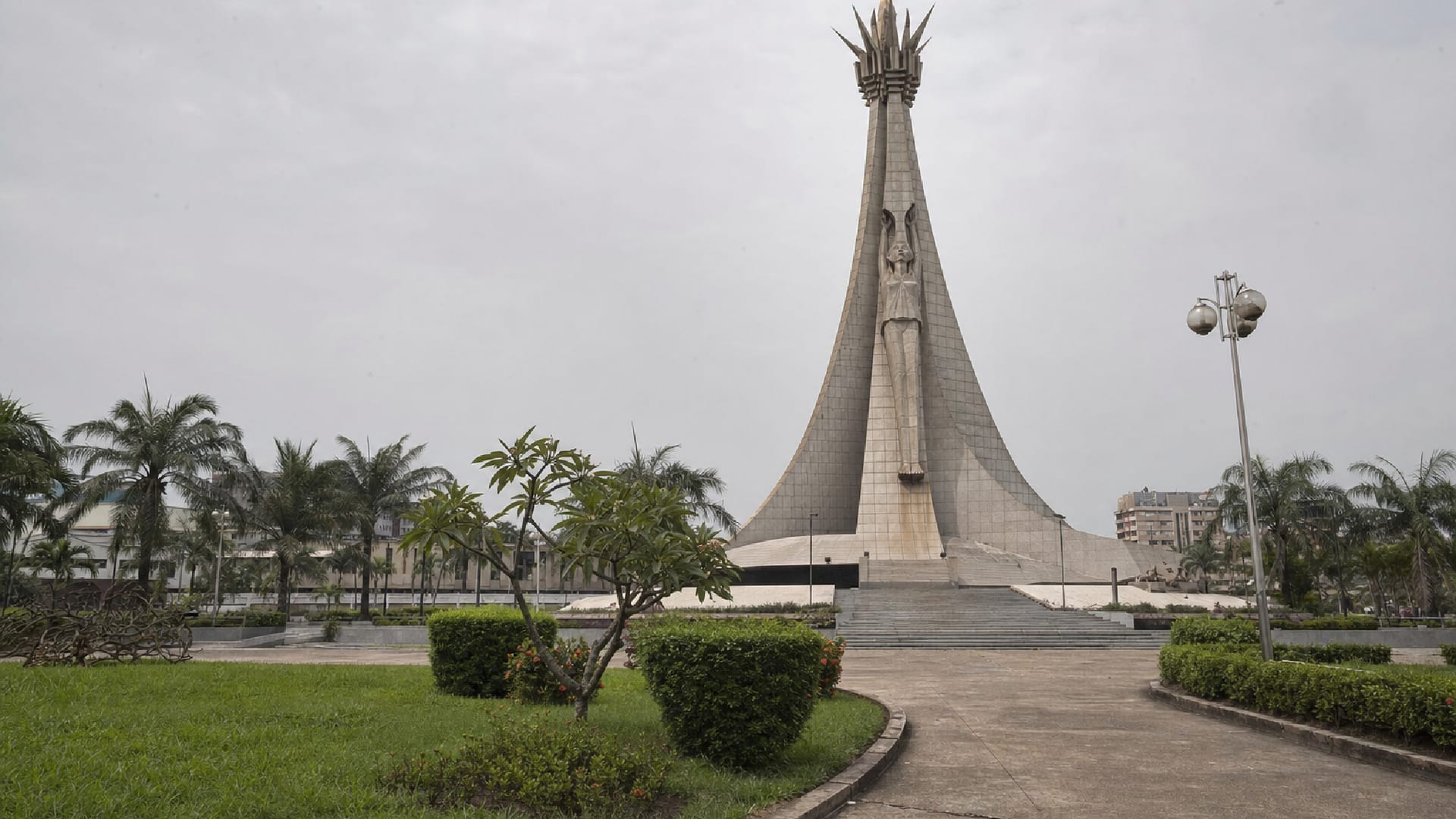
Spend the morning at the Douala Maritime Museum in Bonanjo, where ship models, maps, photographs, and navigation displays explain Cameroon’s maritime history. After lunch, continue to Doual’art for contemporary exhibitions, then walk through nearby streets marked by the Arches de la Mémoire. The route brings together the city’s port history, public art, and older civic buildings without sending you across Douala several times.
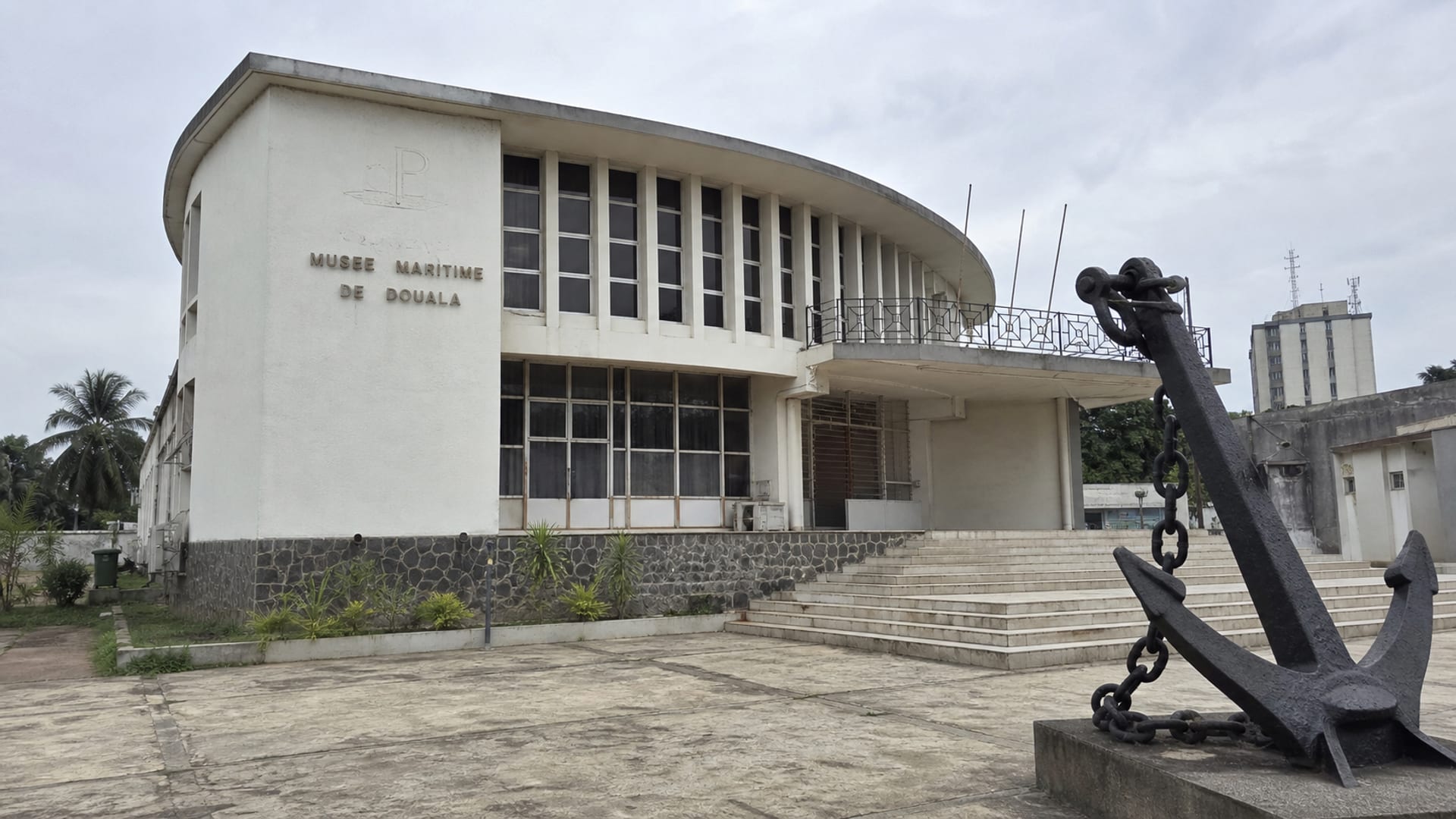
Begin in Deido at La Nouvelle Liberté, the 39-foot (12-meter) recycled-metal sculpture at Rond-Point Deido, and take in the scale of the work from the roadside as traffic moves around the junction. From there, head south to Akwa for the Cathedral of Saints Peter and Paul, completed in 1936. Finish with lunch or an early dinner nearby, after seeing two districts with very different street life and landmarks.
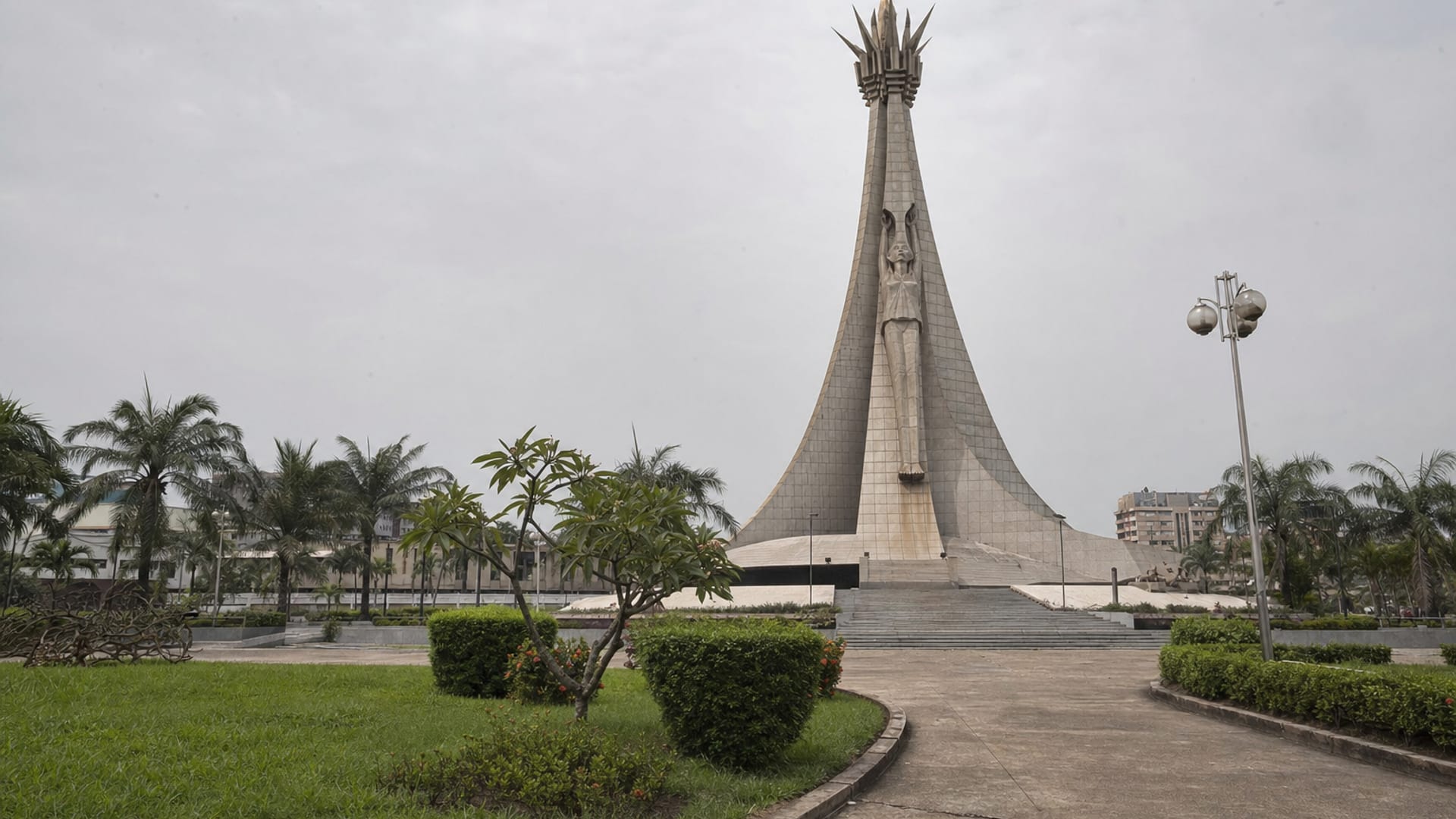
Return to Bonanjo for a slower look at Douala’s historic buildings, starting with the Palace of the King’s Bell, built in 1905 for King Auguste Manga Ndumbe. Continue through the district to other civic and colonial-era buildings marked by Doual’art’s heritage project, stopping for lunch nearby. Short walks between the main sights give you time to notice the architecture without turning the day into a long cross-city route.
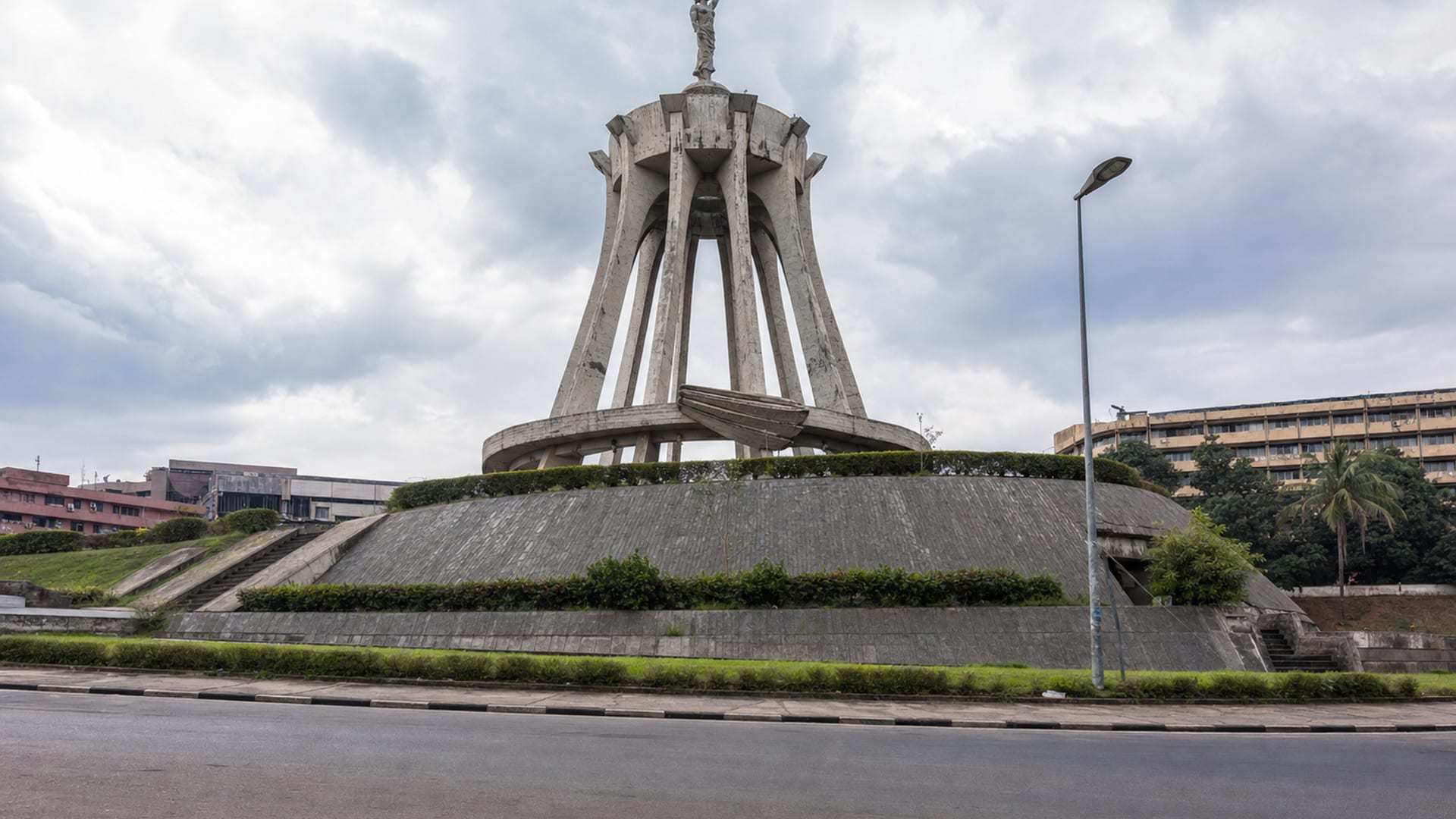
Keep the final day in Bonapriso, where cafés, restaurants, and shops are close to many hotels, and the airport is relatively easy to reach. Start with a late breakfast, spend a little time nearby, then return for your luggage before leaving for Douala International Airport. Keeping the morning on the airport side of the city reduces the risk of getting caught in a long cross-city drive before your flight.
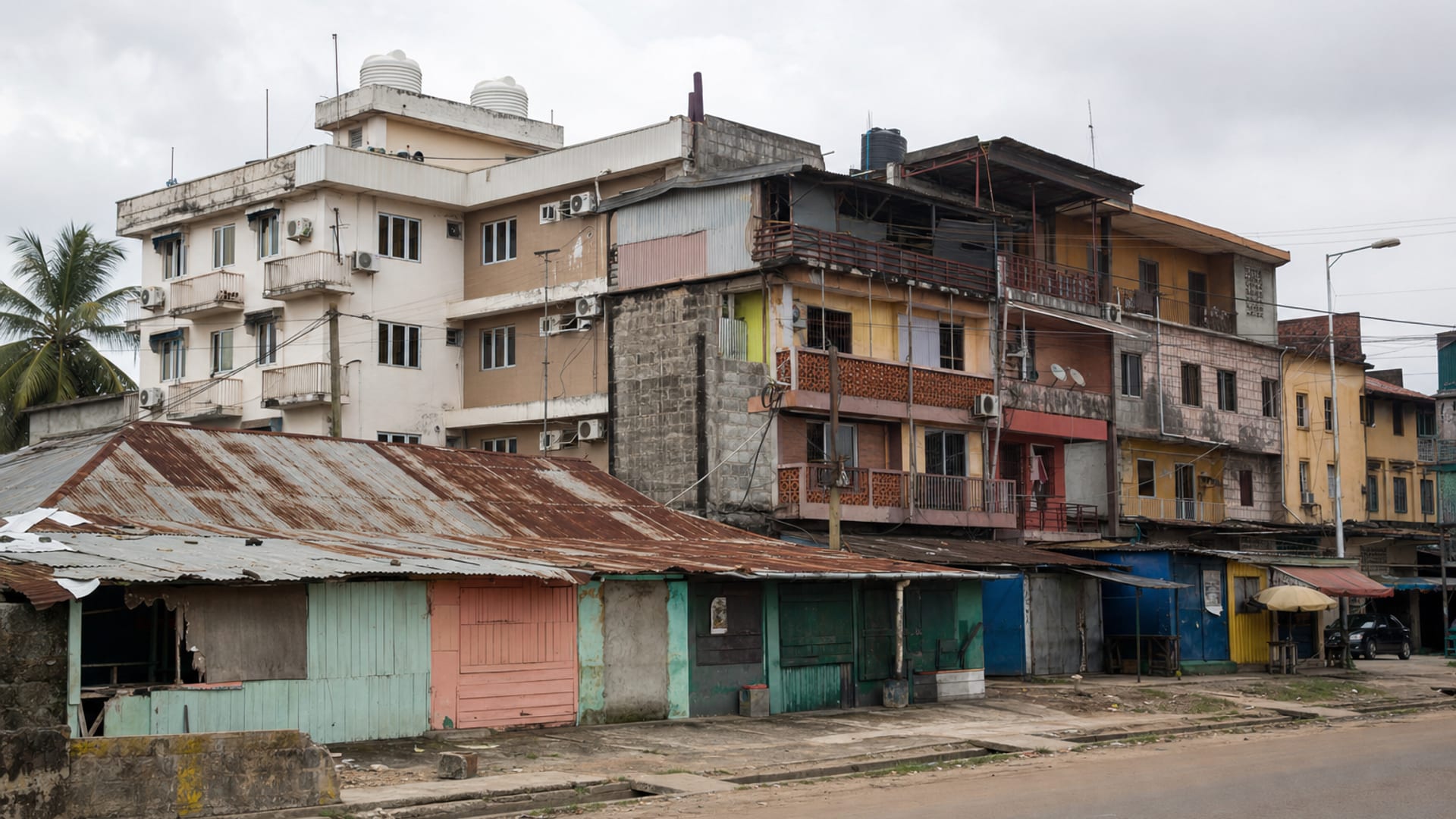
Business-class flights from the US to Douala
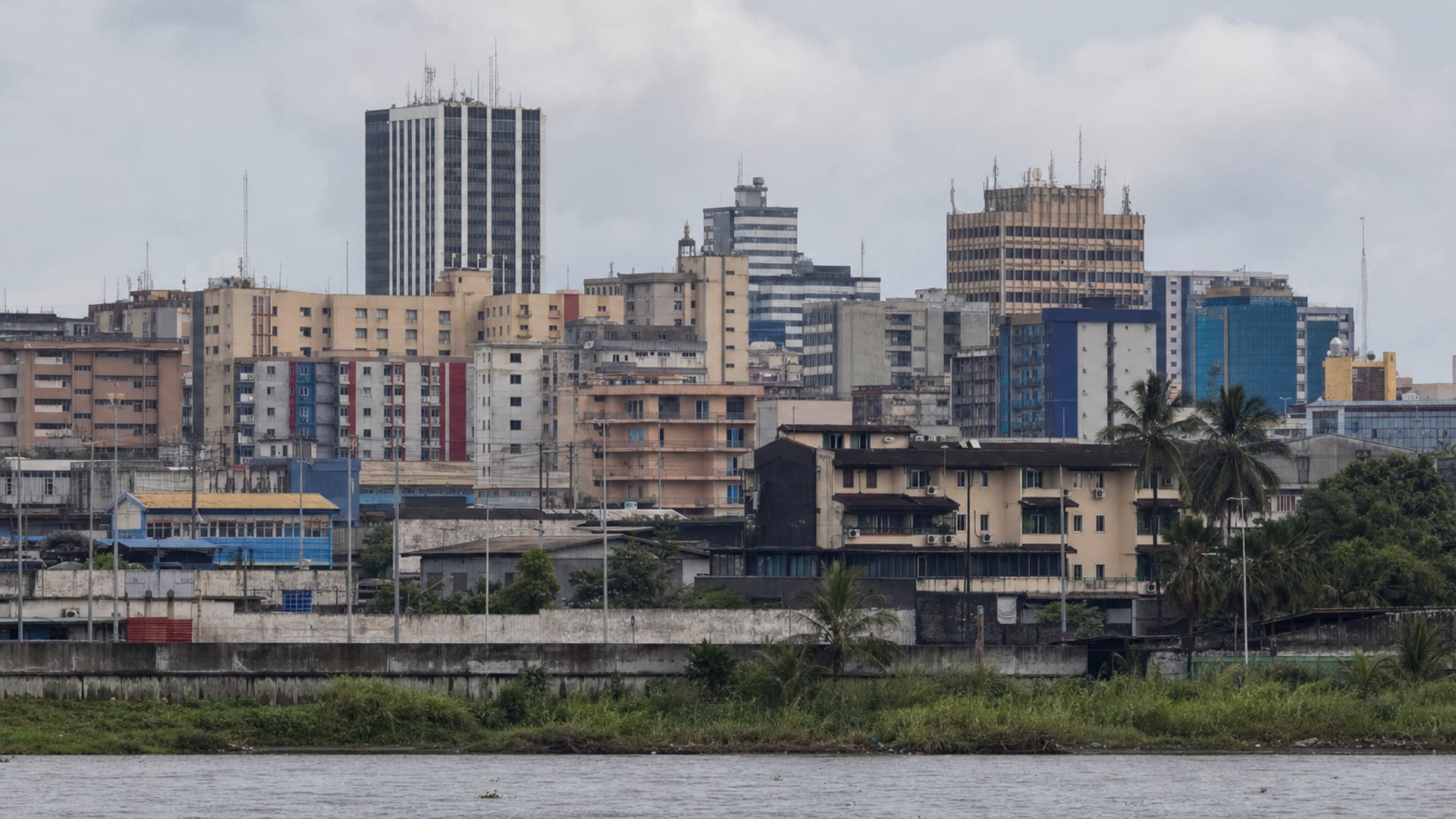
There are no nonstop flights from the US to Douala (DLA), so business-class trips require one or two layovers.
New York (JFK) to Douala (DLA)
From New York (JFK), Royal Air Maroc connects to Douala (DLA) through Casablanca (CMN) and EgyptAir through Cairo (CAI) with one layover. Two-stop options include flights with Air France and KLM via Paris (CDG) and Malabo (SSG), SWISS and Brussels Airlines via Zurich (ZRH) and Brussels (BRU), and Austrian and Brussels Airlines via Vienna (VIE) and Brussels (BRU). Such trips usually take 19 to 30 hours, or up to 43 hours with longer layovers, while round-trip fares range from about $3,600 to $8,100.
Los Angeles (LAX) to Douala (DLA)
From Los Angeles (LAX), Royal Air Maroc offers flights to Douala (DLA) through Casablanca (CMN), while Turkish Airlines routes through Istanbul (IST) and Yaoundé (NSI). Lufthansa and Brussels Airlines use Munich (MUC) and Brussels (BRU) as layover hubs, while United Airlines and Brussels Airlines may connect through London Heathrow (LHR) and Brussels (BRU) or Chicago (ORD) and Brussels (BRU). Total travel time on this route is usually 21 to 40 hours, with round-trip business-class fares ranging from $4,500 to $12,300.
Making the most of your time in Douala
Douala is easier to enjoy when each day stays focused on one part of the city, with enough time left for traffic, meals, and changes in the weather. A simple structure keeps the trip from feeling rushed and cuts down on unnecessary travel across town. Once your dates are set, AranGrant can help with business-class flights and hotel stays, leaving you with the main travel arrangements covered before you go.







