

Chapters:

Need help with your trip?
Our support team is available 24/7. Request a callback or call us directly at (833) 619-0908
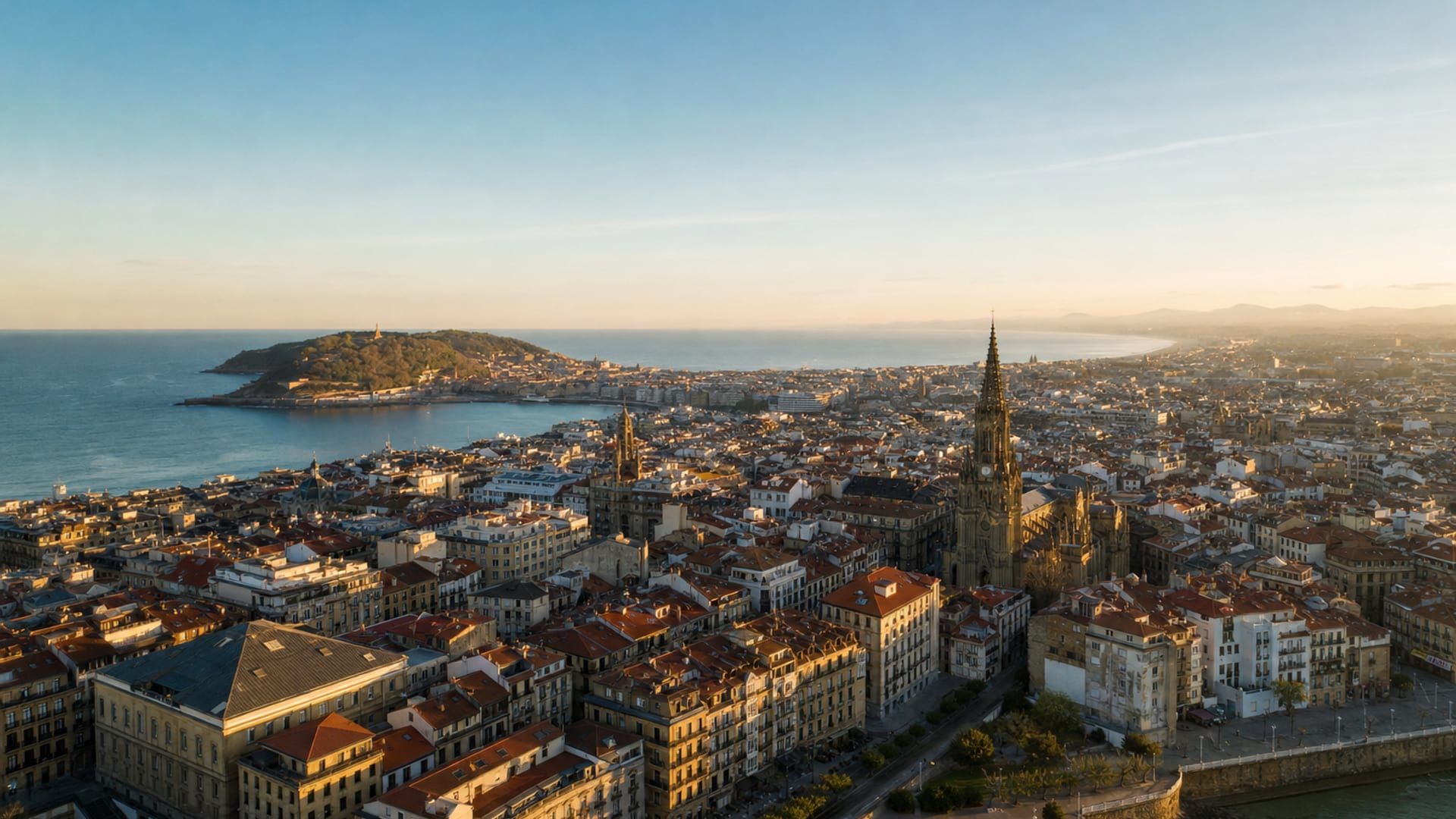
Donostia / San Sebastián rewards travelers who stay near the old center, watch the tides, and plan meals with the clock. Many first visits fill the day with La Concha, a museum or two, and a late dinner, then miss how much the city changes between lunch and the first pintxo round.
That approach can waste time in cross-town moves and leave people in crowded rooms or on the wrong side of the bay when bars and galleries open and close on different schedules. The compact map does not remove planning, it makes timing matter.
This guide sets a clearer order, so you can match neighborhoods, transit, and meals to the hours that suit them best.
Useful things to know

Main language(s): Basque, Spanish
Kaixo (KAI-sho) – Hello
Mesedez (meh-seh-DEHZ) – Please
Eskerrik asko (es-keh-REEK AHS-ko) – Thank you
Ingelesez hitz egiten duzu? (een-geh-leh-SEHZ eetss eh-GEH-tehn DOO-soo) – Do you speak English?
Zenbat balio du? (SEHM-bat BAH-lyo DOO) – How much does it cost?

Currency: The local currency is the euro (EUR, €).

Cash and cards: Cards and contactless are widely accepted; carry about €20 to €40 ($22 to $44) in cash for small purchases.

Tipping: Round up small bills; leave about 5-10% in restaurants if service is good.

Traditional food: pintxos, bacalao al pil-pil, txuleta, tortilla de bacalao

Water and coffee costs: Water about €2 ($2), bar espresso about €1.50 to €2.50 ($2 to $3).

Taxis and ride apps: Uber and Cabify operate here; local taxi ranks are often the faster option.

Plug and voltage: Type C/F socket, 230V

Dining and shop opening hours: Breakfast is about 8:00-10:30, lunch 13:00-15:30, and dinner 20:30-22:30. Many kitchens close between lunch and dinner.

Emergency number: 112 covers police, fire, and medical emergencies.
Where to stay in Donostia / San Sebastián
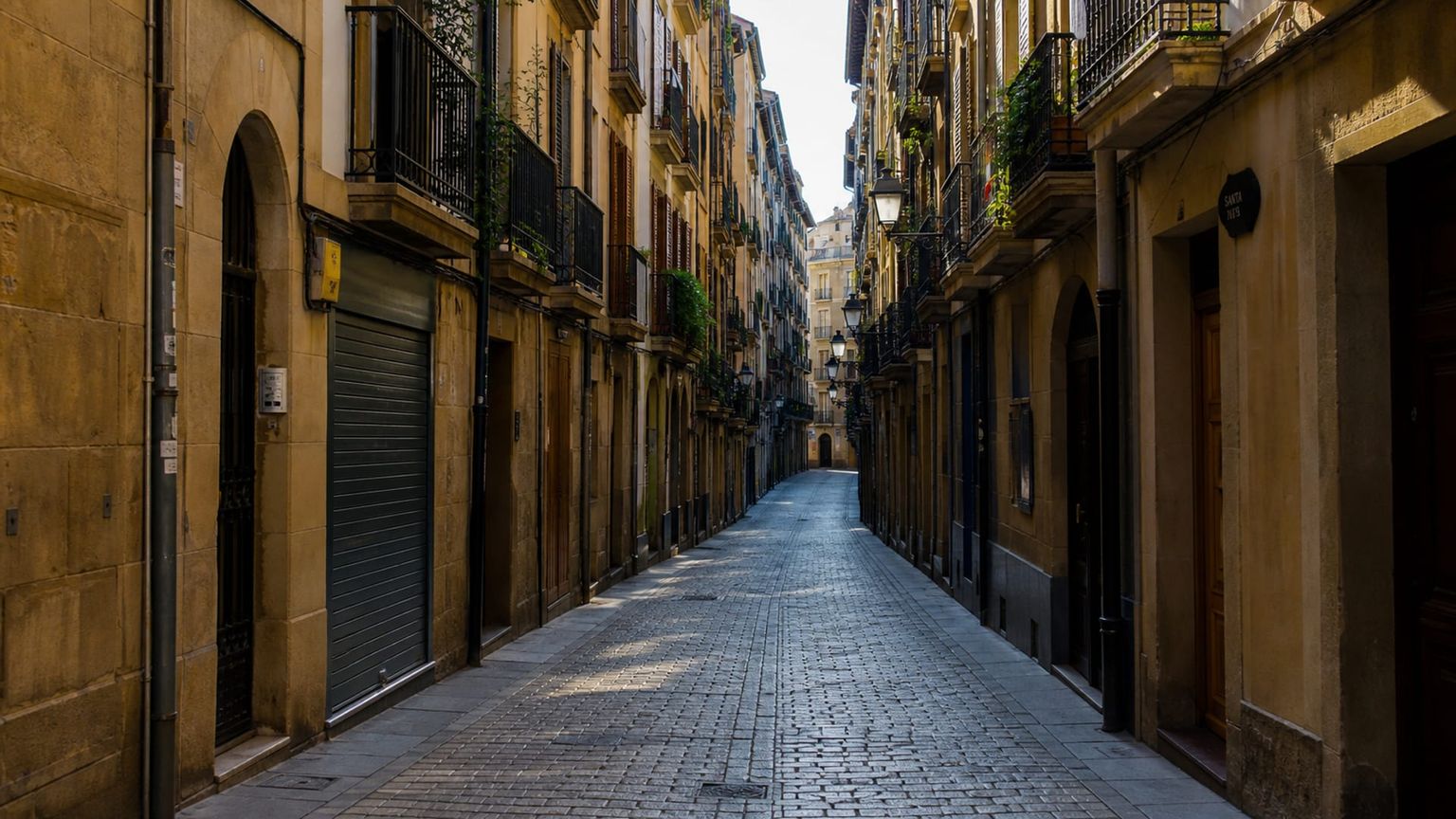
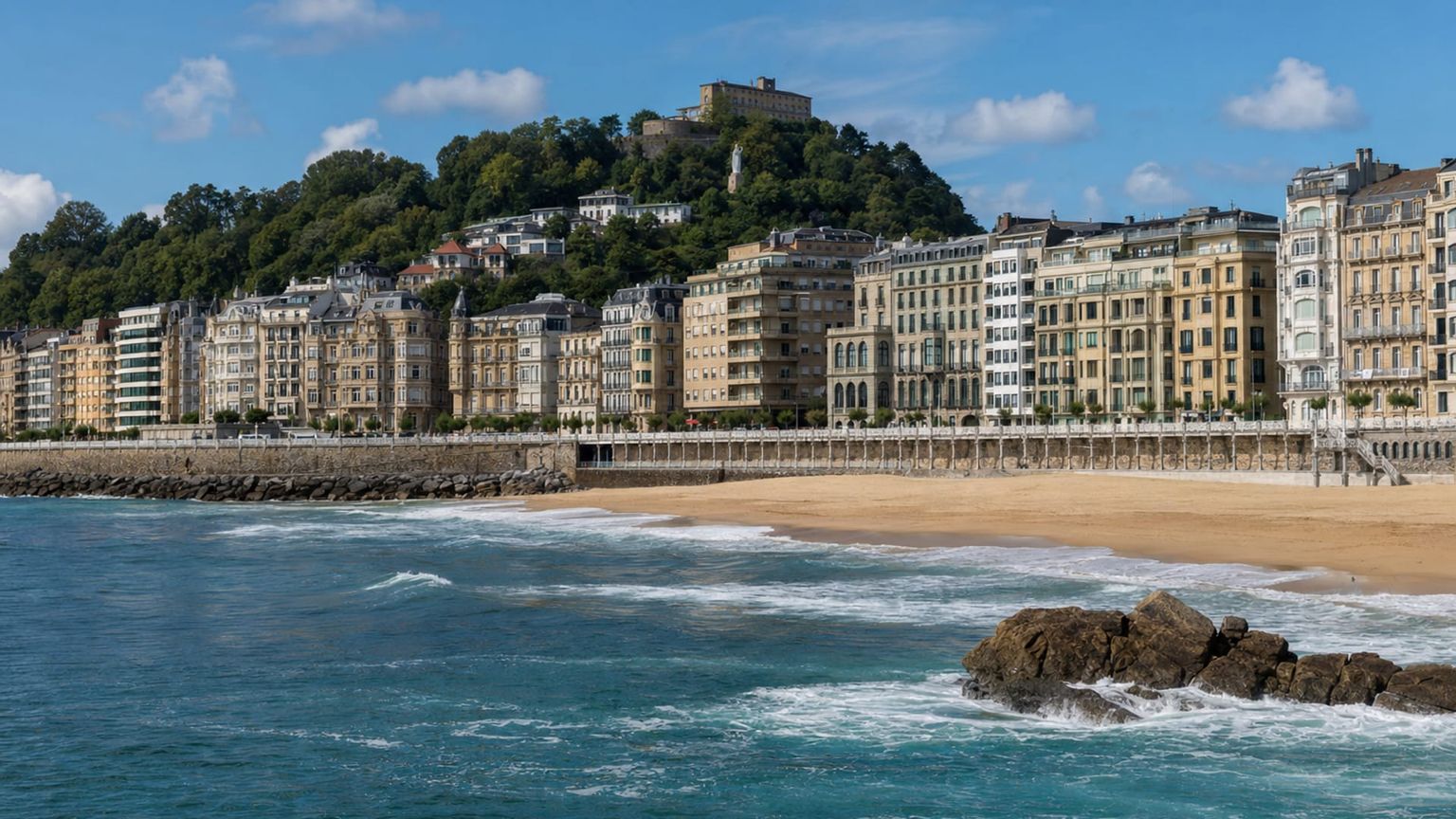
Donostia’s historic core packs pintxo bars, narrow streets, and the city’s most walkable dining scene into a compact waterfront district. Staying here puts you closest to the old town, the harbor, and quick walks to La Concha and Monte Urgull.
Best for: Pintxo hopping, short walks to major sights, and travelers who want to step out into the center of the action
What to expect: Busy streets at meal times, heavy foot traffic, and a late-night crowd around the bars
Hotel prices: Usually about €180 to €320 (~$195 to ~$345) per night for well-rated stays
Distance to major sights: 5 to 10 minutes on foot to La Concha and the harbor, about 10 to 15 minutes on foot to Monte Urgull
Quietness: Daytime is crowded and noisy; evenings stay lively until late, then soften after the bars close
Main trade-off: Rooms are often smaller and rates rise fast on weekends and festival dates
Good to know: Choose a higher floor or a room away from the main bar streets if you want sleep before midnight
Travelers usually avoid the industrial edges of Zorroza and the outer sprawl near Egia’s rail-facing side, since both sit farther from the Old Town, La Concha, and the main dining streets, with fewer visitor amenities nearby. Gros is convenient for the beach, but visitors often skip the far eastern end near the river mouth because late-night return walks to the center take longer, and the area has fewer hotel options than the core center; in the outskirts of Intxaurrondo and Altza, evening transport into the sightseeing zone is less direct and amenities thin out.
Hotel deals
How to get around Donostia / San Sebastián efficiently
DBus, walking, Euskotren, and taxis each cover a different part of Donostia / San Sebastián, and the best choice depends on whether you are crossing the center, heading to the beach, or reaching the airport.

Metro
for longer distances
Donostia / San Sebastián has no metro, so local trips rely on walking, Euskotren suburban rail, and city buses instead. The Euskotren line links the city with nearby towns such as Hernani and Lasarte-Oria, while the main rail station at Donostia-Amara connects onward toward Bilbao and the Basque coast. If you are staying in the center, the rail system mainly helps for regional hops rather than cross-town travel.

Bus and tram
for convenience
DBus covers most visitor areas, including the Old Town, Centro, Gros, Antiguo, and the beaches, with frequent daytime service and reduced late-night frequency. A single ride is about $1.90 (€1.70), and cards or contactless payment are commonly accepted; tickets are valid for one ride, not a timed transfer. The main corridor buses usually take about 10 to 20 minutes between central districts, while trips to farther neighborhoods such as Igeldo or Altza take longer.

Taxi
for convenience or late hours
Licensed taxis use metered fares, with higher charges at night, on Sundays, and on holidays; a ride across central Donostia often costs about $8 to $18 (€7 to €16), while Donostia-San Sebastián Airport (EAS) to the center is roughly $45 to $60 (€40 to €55) depending on traffic and time of day. You can use taxi ranks, call a licensed company, or book by phone, and most cabs accept cards, though it helps to ask before you set off.
*Prices are based on rates updated as of June 2026 and may change at the time of travel.
Walk for the center, use DBus for short cross-town hops, and choose taxis for airport runs or late returns after dinner.
Iconic landmarks
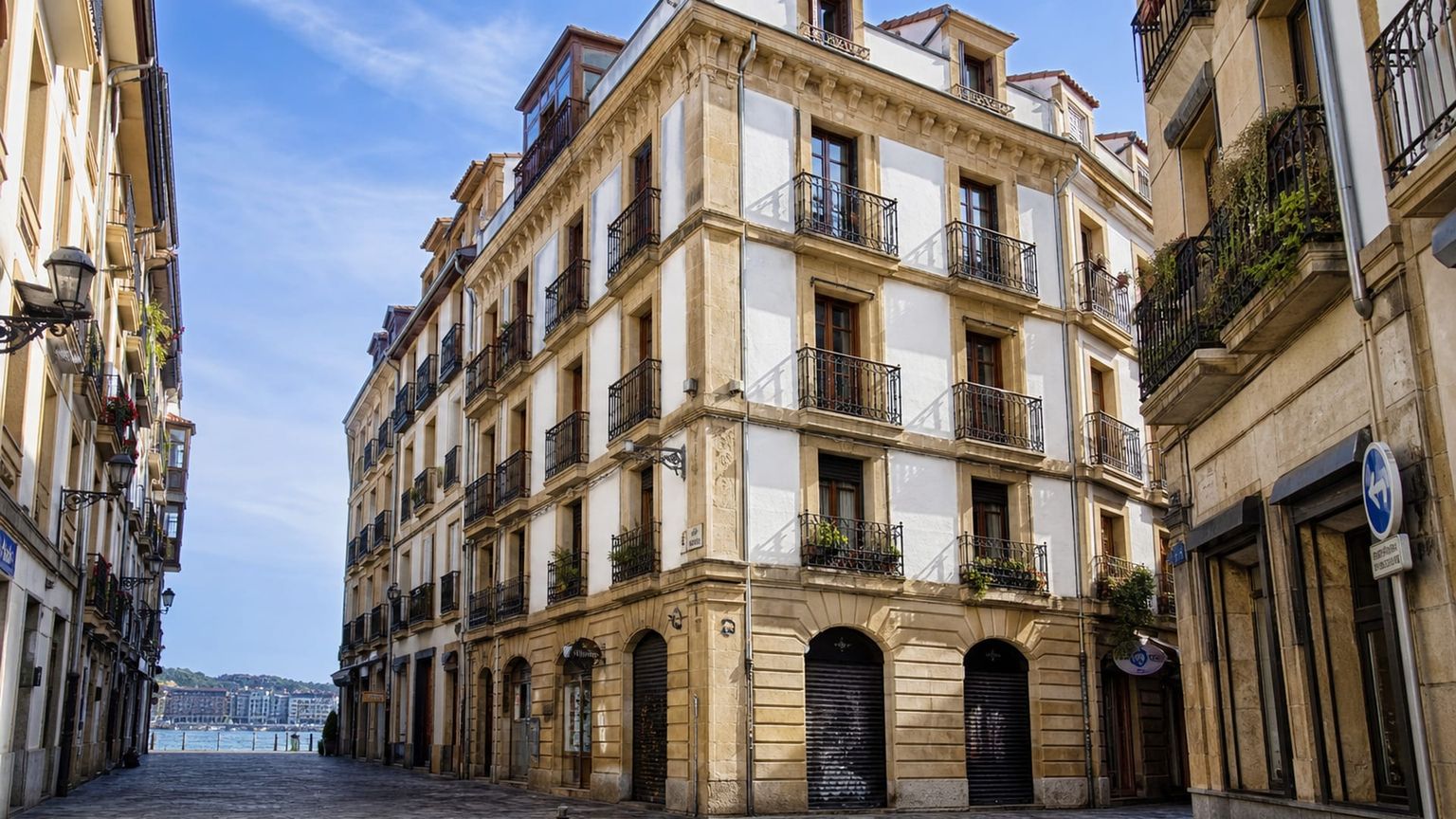
Old Town (Parte Vieja)
San Sebastián’s compact Old Town packs Baroque churches, narrow taverns, and plaza fronts into a walkable grid behind the port. It anchors the city’s pintxo circuit and sits a short walk from La Concha and the harbor.
Time needed: About 2 to 3 hours
Entry: Free to explore; pay only for meals, drinks, or visits inside churches and museums along the walk.
Tip: Go late afternoon, then stay into dinner when the pintxo bars open and the streets fill up.
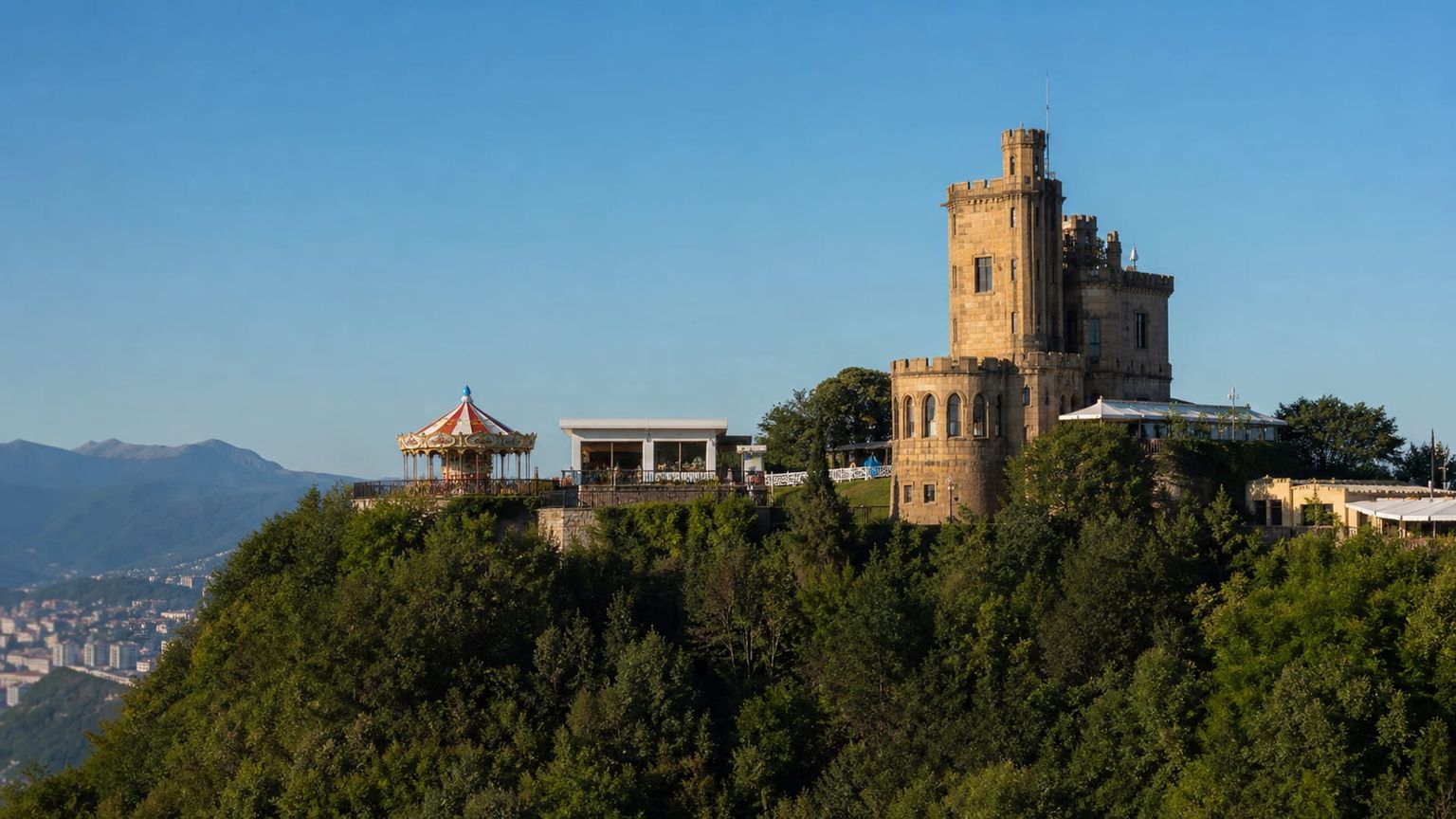
Monte Igueldo
Monte Igueldo rises west of the bay with a Belle Époque funicular, a hilltop terrace, and one of the best views over La Concha and the city skyline. The summit also has a small amusement park with classic rides.
Time needed: About 1 to 2 hours
Entry: Funicular and summit access typically cost about $4 to $8 ($4 to €7), with extra charges for some amusement park rides. Visit the official site for details.
Tip: Aim for clear late-day light, when the bay shows best and the terrace is easier to photograph.
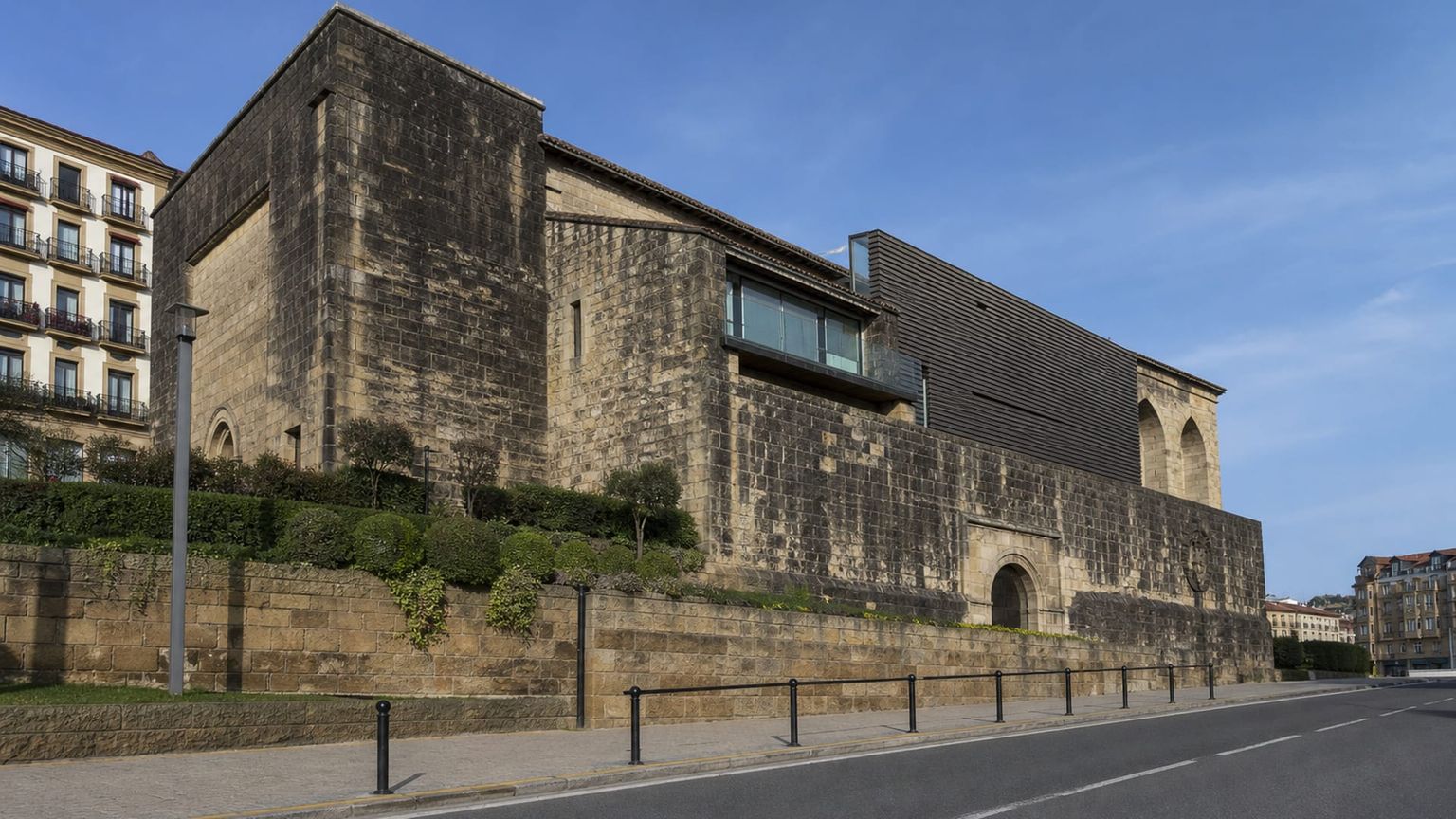
San Telmo Museum
Set in a former Dominican convent at the foot of Urgull, San Telmo Museum traces Basque history through archaeology, art, and everyday objects. The cloister and modern galleries make it a strong indoor stop near the Old Town.
Time needed: About 1.5 to 2.5 hours
Entry: Adult admission usually costs about $9 to $13 ($8 to €12), with reduced rates for students, seniors, and children. Visit the official site for details.
Tip: Start in the morning, when the galleries are quieter and you can linger in the cloister.
Overlooked sites worth visiting

Cristóbal Balenciaga Museum
In Getaria, about 25 km from Donostia, this compact museum traces Balenciaga’s work with original garments, sketches, and rotating exhibits. The hilltop setting adds Bay of Biscay views after the galleries.
Time needed: About 1 to 2 hours
Entry: Adult admission is about $11 (€10); reduced tickets are about $7 (€6) for students and seniors, with family and group rates that vary by season. Special exhibitions may add a small surcharge, and audio guides cost extra. Visit the official site for details.
Tip: Pair it with a late-morning visit for quieter galleries.

Paseo Nuevo
This seafront walk curves beneath Monte Urgull and gives close views of the Cantabrian surf, sea walls, and the small Santa Clara Island. It is one of the best places in the city for a short, open-air break.
Time needed: About 45 minutes to 1 hour
Entry: Free to access
Tip: Go at high tide or after rain for the strongest wave spray.
Traditional food
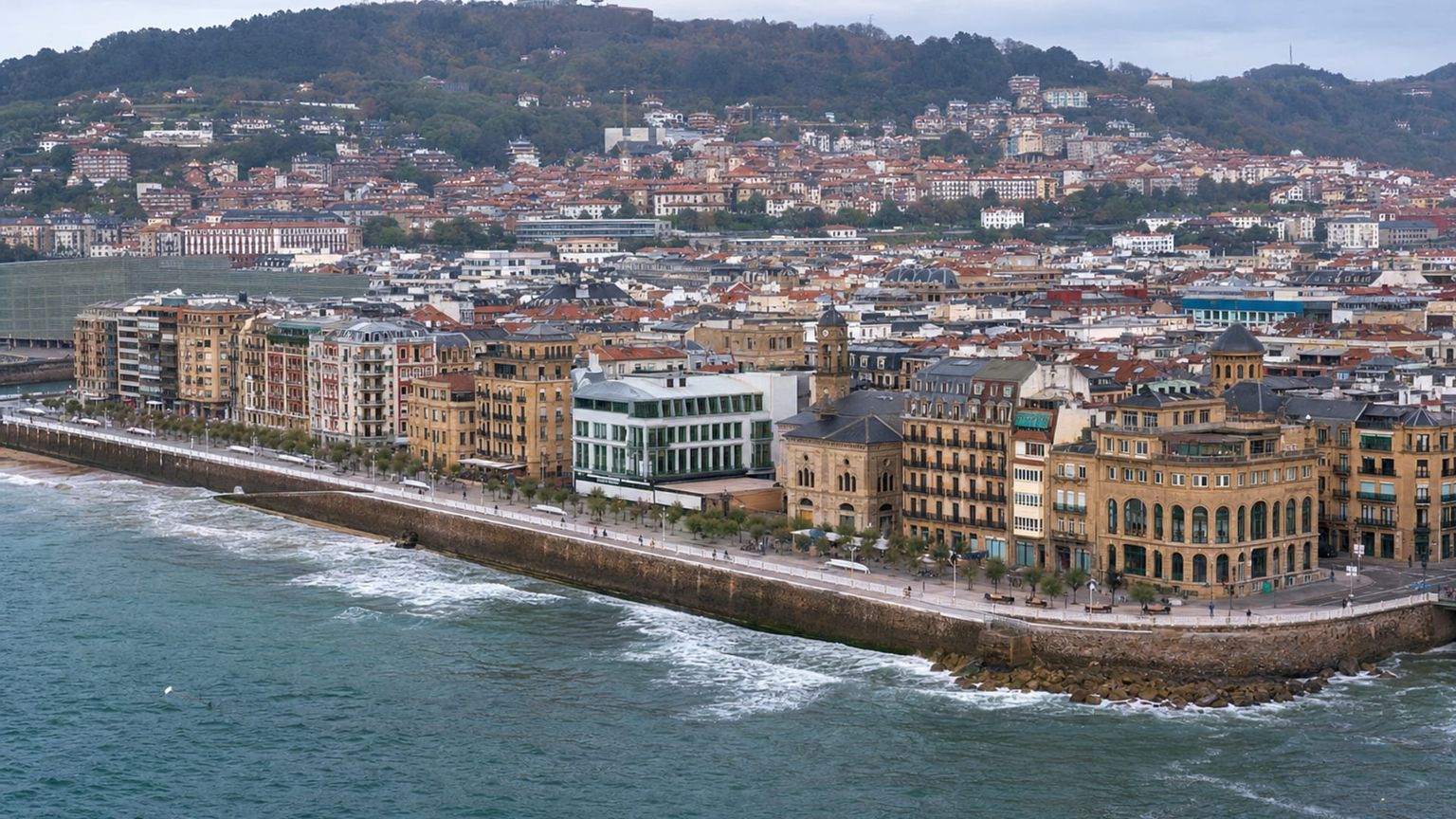
Basque cooking here leans on seafood, cider-house grilling, peppers, and eggs, then turns simple ingredients into pintxos, bacalao, txuleta, and tortilla de bacalao. Meals stretch across a late lunch and an even later dinner.
Pintxos
Small bites piled on bread or served warm at the counter define the city’s dining routine, and Bar Sport serves a strong mix in the Old Town.
Bacalao al pil-pil
This salt cod dish emulsifies olive oil, garlic, and cod gelatin into a glossy sauce, and Borda Berri is one of the city’s best-known places for it.
Txuleta
A thick Basque beef rib steak, seared hard and served in generous cuts, fits the grill-first style of San Sebastián dining at Ganbara.
Tortilla de bacalao
Salt cod folded into a Spanish omelet brings a lighter counter dish with clear Basque character, and Bar Nestor is the city’s reference stop.
Best time to visit Donostia / San Sebastián
Donostia / San Sebastián shifts with the seasons, from bright beach weather and busy evenings to wetter months that favor museums, long lunches, and shorter walks.
Best for: Mild walks along La Concha and early pintxo evenings
What you get: About 50-68°F (10-20°C), with moderate crowds and some rain
Trade-offs: Showers can interrupt longer coastal walks
Best for: Beach time, terrace dining, and long daylight hours
What you get: About 61-77°F (16-25°C), with the largest crowds and lively evenings
Trade-offs: Hotel rates rise and the center gets busier at night
Best for: Food-focused trips and calmer museum visits
What you get: About 54-72°F (12-22°C), with thinning crowds and changeable weather
Trade-offs: Rain becomes more frequent later in the season
Best for: Quiet streets, indoor museums, and slower dining
What you get: About 43-57°F (6-14°C), with the lightest crowds and cooler, wetter days
Trade-offs: Shorter days limit beach time and open-air plans
A realistic 5-day plan in Donostia / San Sebastián
Five days here work best in layers, with the Old Town first, the seafront and Monte Igueldo in the middle, and a final day reserved for the center and any last museum stop before departure.
Land at San Sebastián (EAS), then take a taxi into Parte Vieja, which usually takes about 20 to 25 minutes and costs roughly $30 to $40 (€28 to €37). If you prefer public transit, the E21 bus reaches the center in about 35 to 45 minutes for about $3 ($3), then walk 5 to 10 minutes to a hotel near the harbor or the edge of the old town so you can settle in quickly. Keep dinner close to your room, a light pintxo crawl in Parte Vieja works well after a flight, and drink plenty of water before an early night.
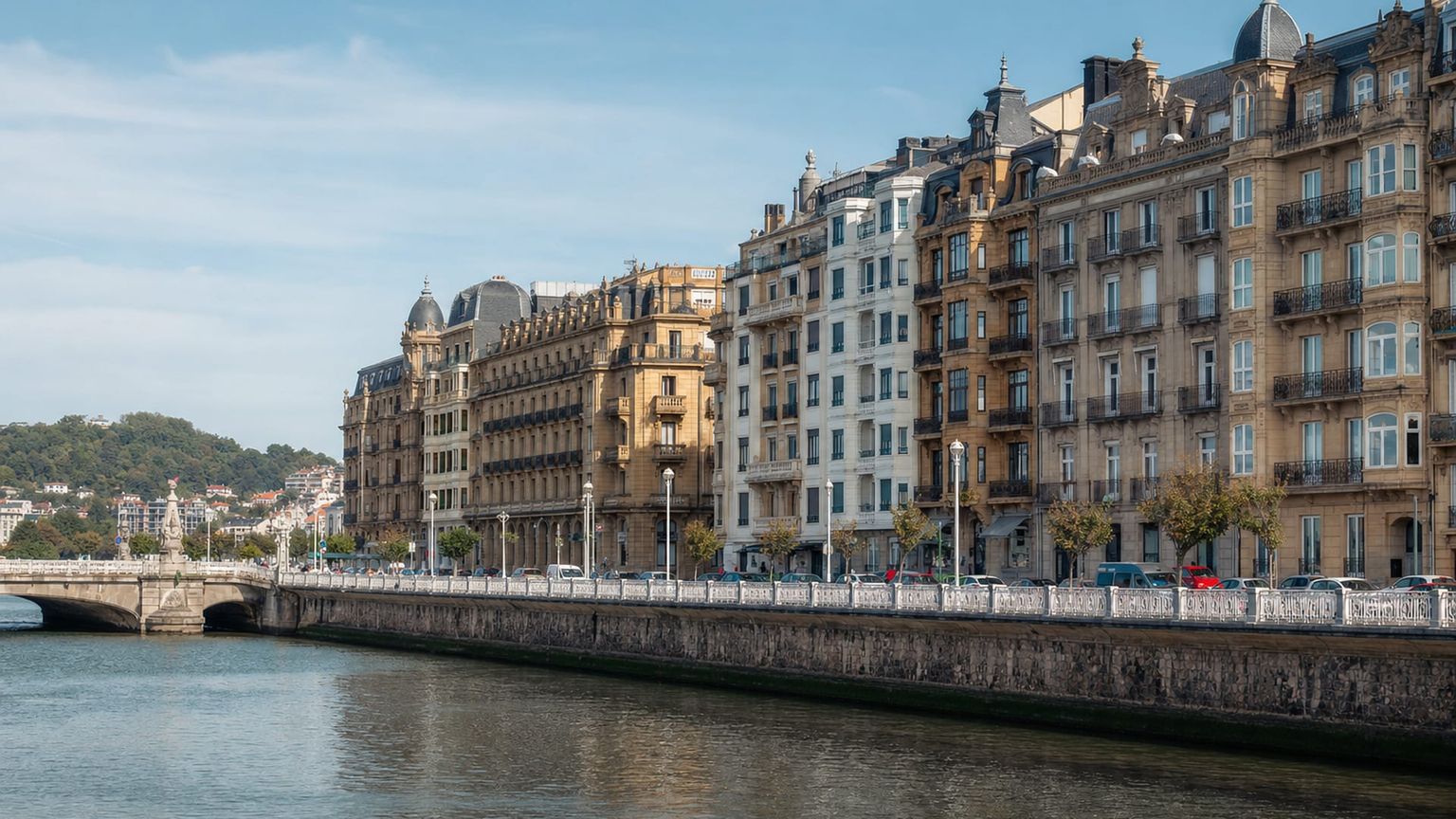
Begin at San Telmo Museum, where the cloister and galleries usually take about 1.5 to 2.5 hours, then walk 5 minutes into Old Town (Parte Vieja) for a late lunch or an unrushed pintxo sequence. From there, continue 10 minutes on foot to Paseo Nuevo for the seafront path under Monte Urgull, with room for about 45 minutes to 1 hour of sea views and surf watching. Finish with a 10-minute uphill walk or a short taxi back toward your hotel in Parte Vieja, or stay in the area for an early dinner before the bars fill.
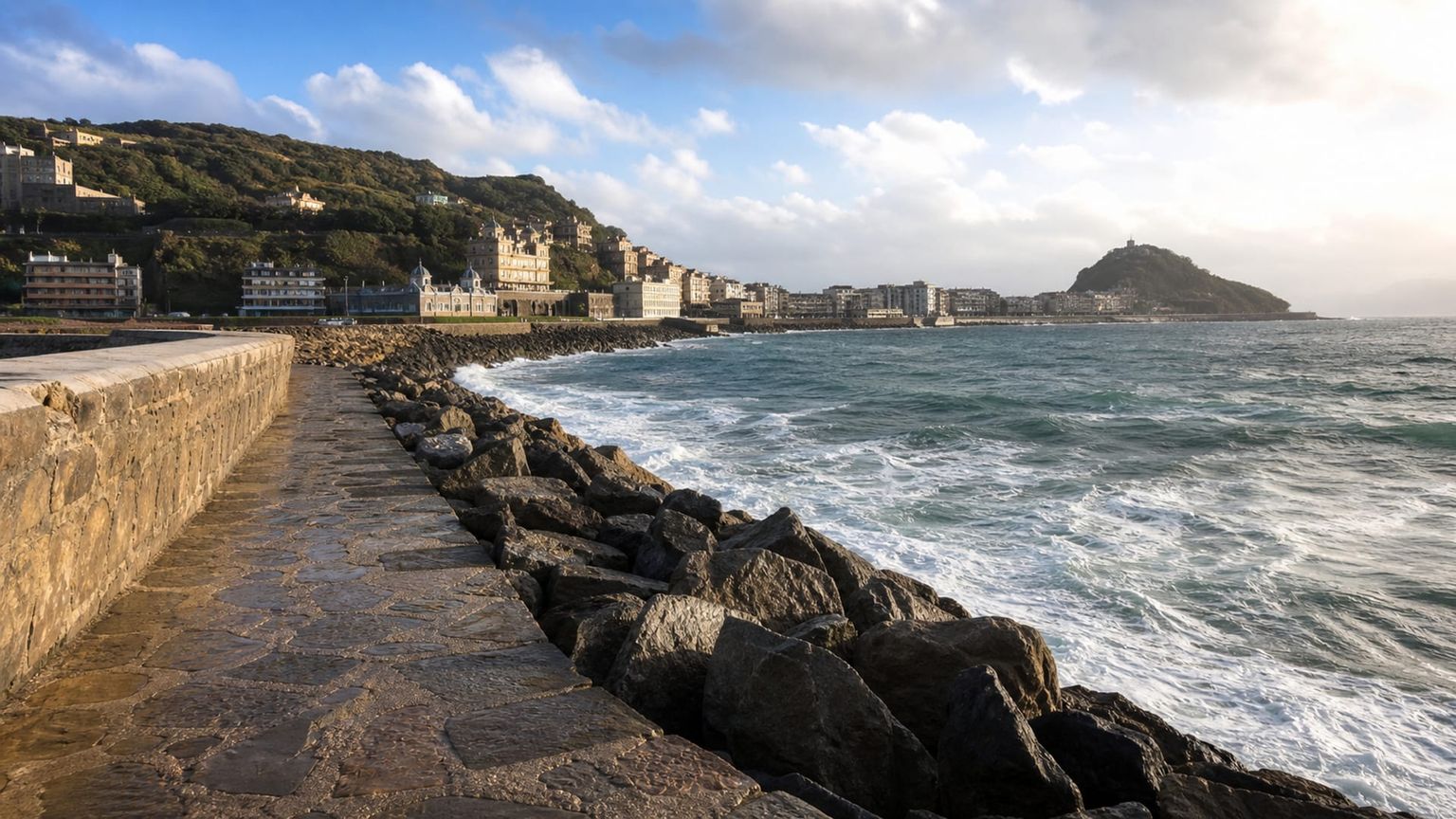
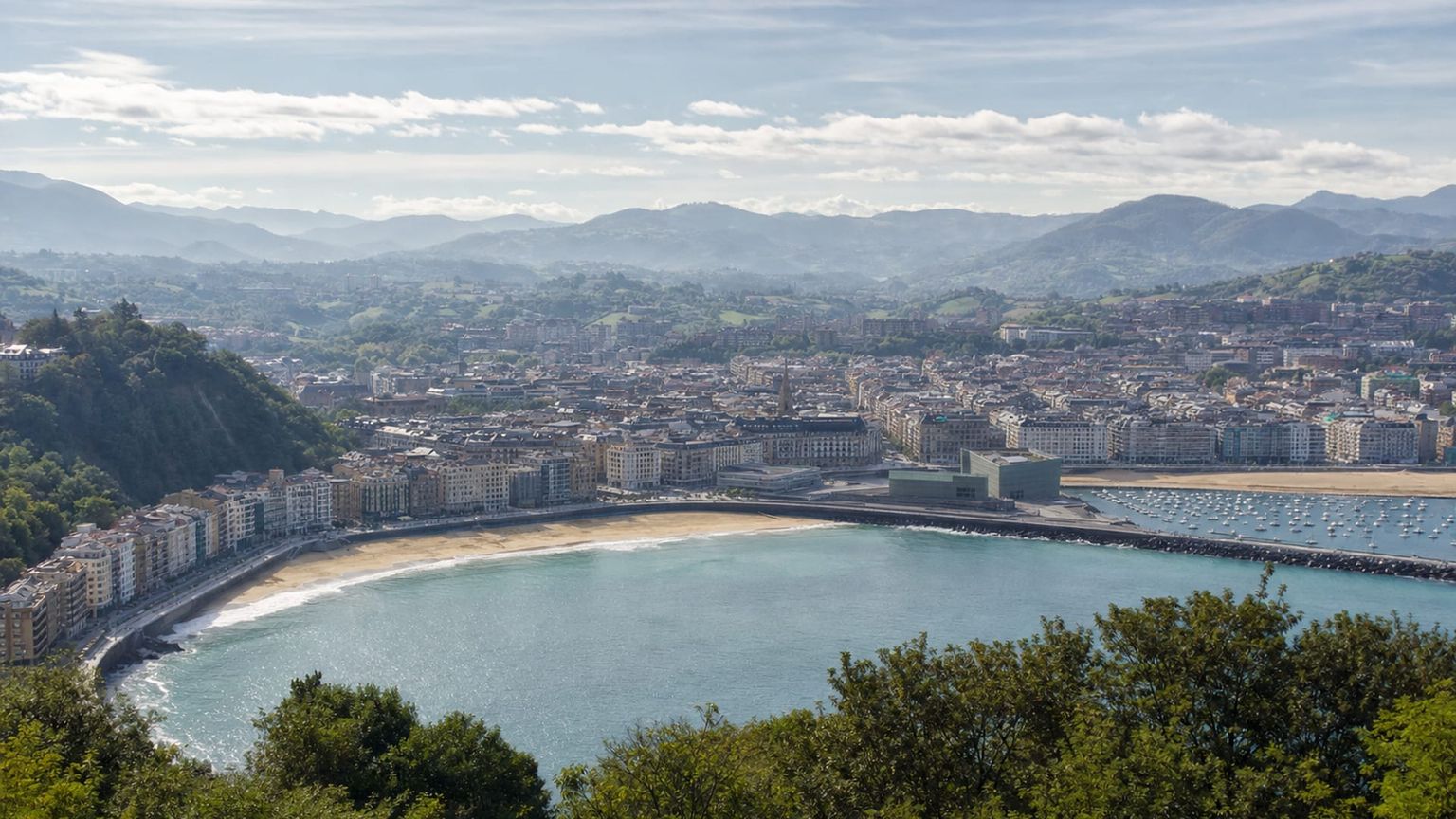
Start in the morning with Monte Igueldo, taking the funicular up for roughly 1 to 2 hours of summit views and a look over La Concha, then ride back down and walk about 15 to 20 minutes toward the bayfront. Spend the afternoon along La Concha and the nearby center, with time for a café stop and a slow waterfront stroll before crossing back toward the old quarter for dinner. If you want an easier close to the day, a taxi from the western bay back to Parte Vieja usually takes about 10 to 15 minutes.
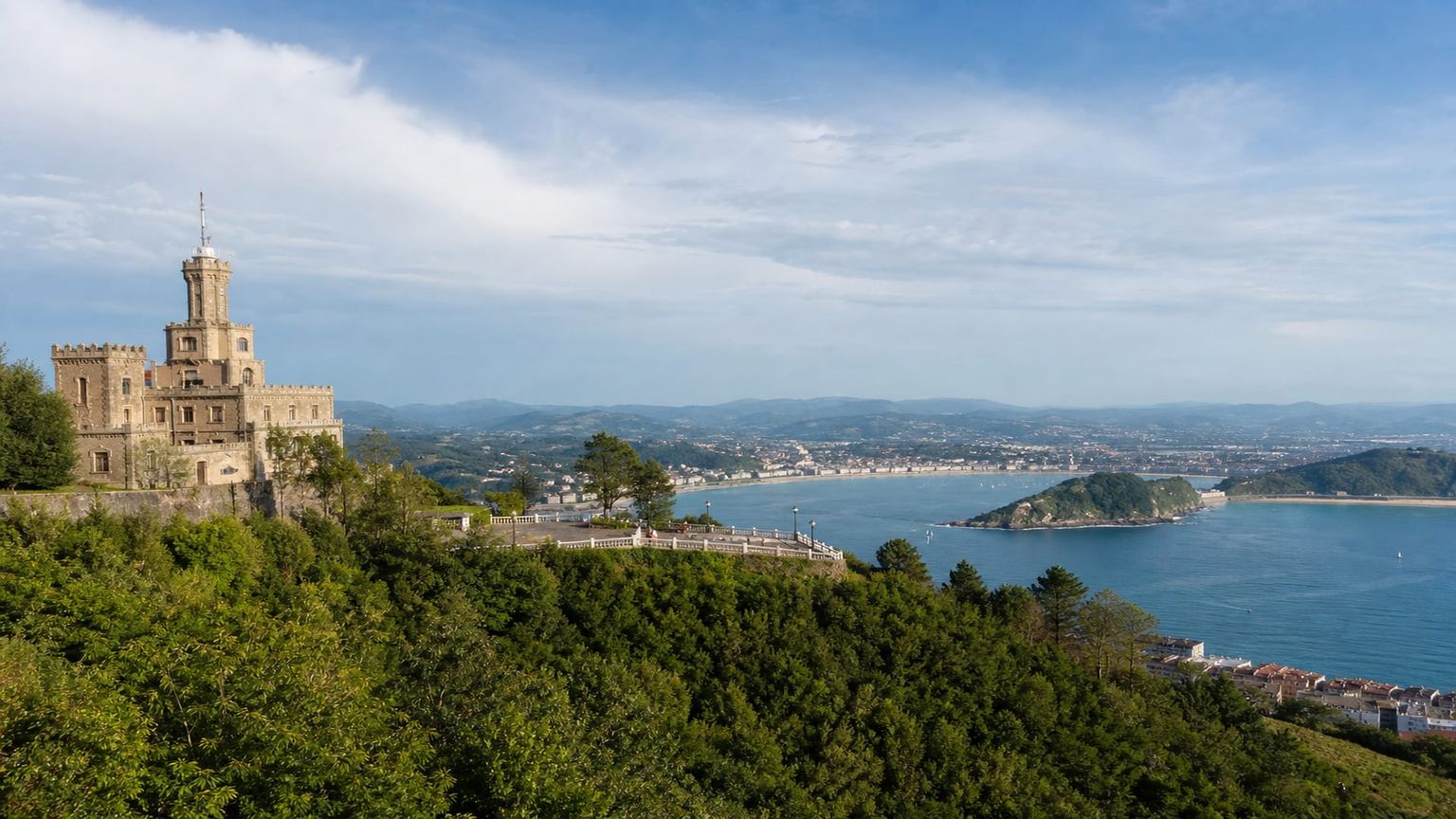
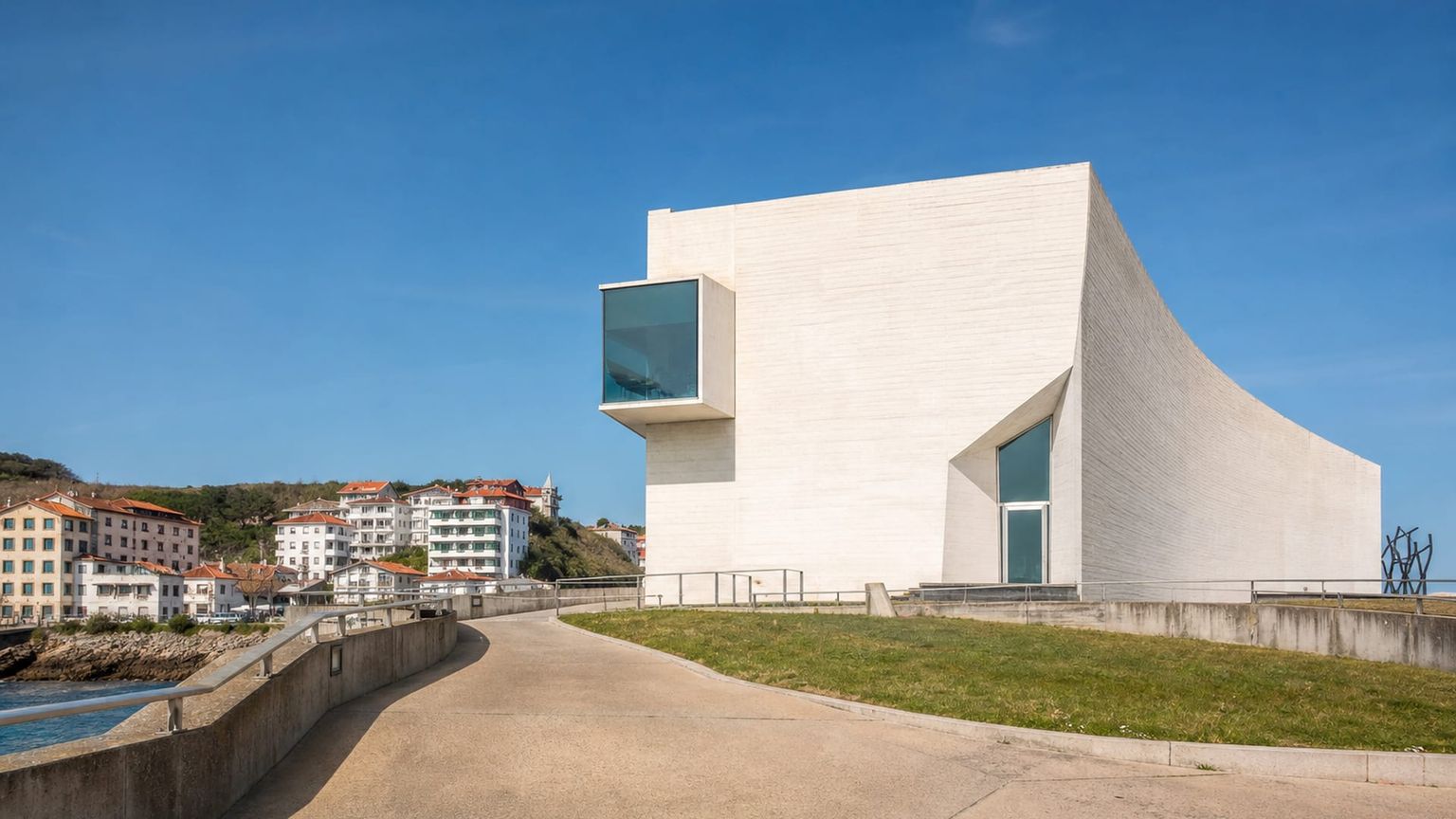
Cross the bay to Getaria for the Cristóbal Balenciaga Museum, which usually merits about 1 to 2 hours and pairs well with a late-morning start when the galleries are quieter. From Donostia, the trip by car or taxi takes about 30 to 35 minutes, and a bus connection is also possible if you want to keep costs lower, though it adds time. Return by midafternoon, then spend the evening back in San Sebastián with a final walk through Parte Vieja or a quiet dinner near the harbor.
Start with one last museum stop if you missed San Telmo Museum earlier, then return to the city center for shopping in the Centro district, where the main streets and boutiques sit about 10 to 15 minutes on foot from the old town. Afterward, settle into a café in Gros or along the edge of the center for a slow coffee and a pastry before checking out, with enough time to collect bags and reach San Sebastián (EAS) without rushing.
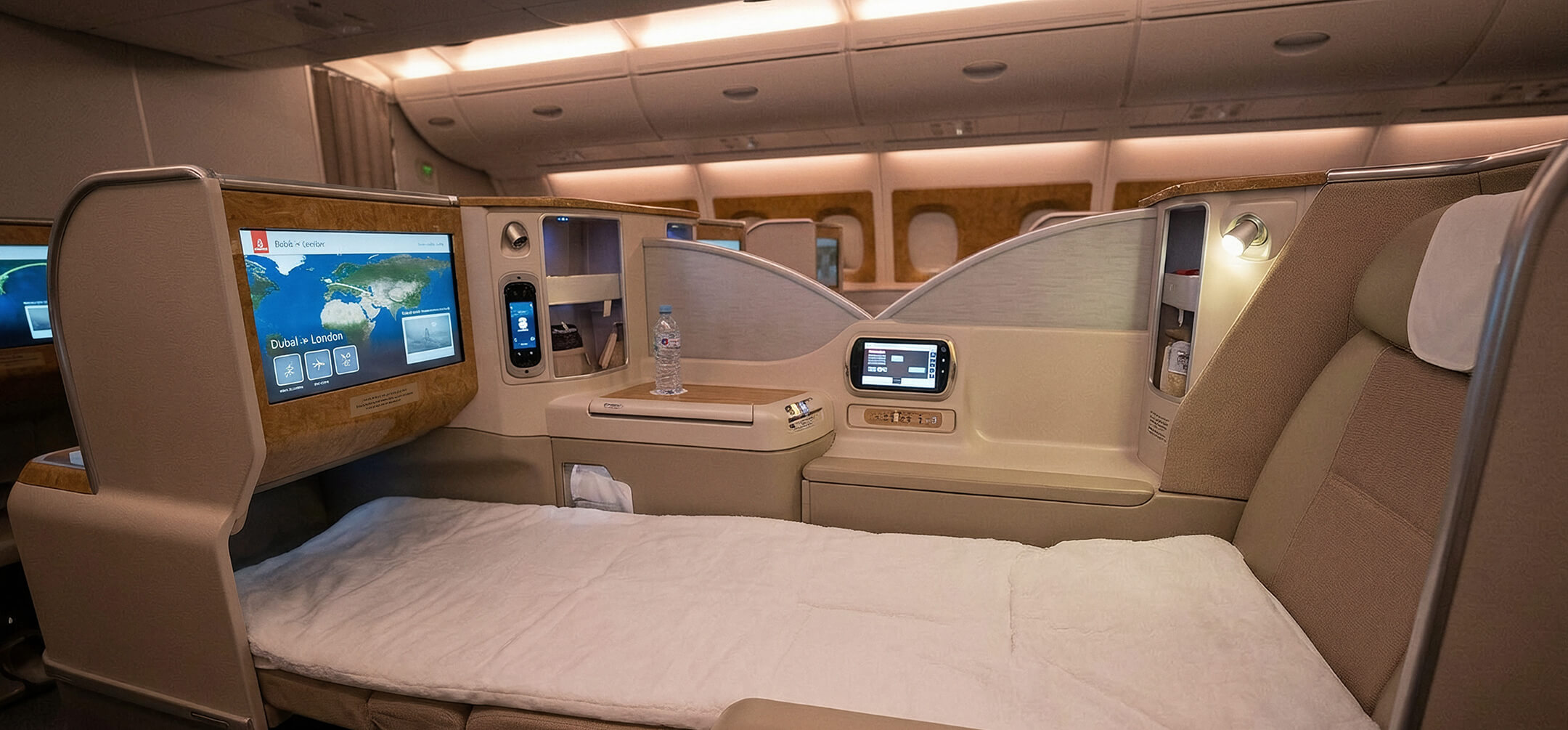
Business-class flights from the US to Donostia / San Sebastián
Long-haul flights to Donostia / San Sebastián usually connect through major European hubs, and the price gap can be meaningful if you accept one stop. The examples below show how east coast and west coast departures tend to differ in time and routing.
From New York, airlines such as American Airlines, Air France, Iberia, KLM, British Airways, and Lufthansa usually price round trips at about $2,200 to $5,500. If you do not mind a layover, common routings via Madrid or Paris can cut that to about $1,500 to $3,200, while the total journey often runs roughly 7 to 8 hours nonstop or about 10 to 14 hours with a connection.
Los Angeles departures usually come via MAD, CDG, LHR, AMS, FRA, or DUB, with American Airlines, Iberia, British Airways, Lufthansa, Air France, and KLM among the common carriers. Expect about 11 to 12 hours nonstop or roughly 13 to 18 hours with a connection, and business fares usually start near $2,600 and can reach $6,200 round trip, with nonstop options at the top end.
Donostia / San Sebastián feels different when you slow down
A well-paced Donostia / San Sebastián trip uses the city in segments, the Old Town for meals, San Telmo for context, Paseo Nuevo for salt air, and Monte Igueldo for the view that ties it together. DBus, taxis, and long walks each have a place, but timing the day around lunch, dinner, and the bay matters just as much. If you want to refine the route, ask the AranGrant experts to shape it around Parte Vieja, La Concha, and your arrival time at EAS