

Chapters:

Need help with your trip?
Our support team is available 24/7. Request a callback or call us directly at (833) 619-0908
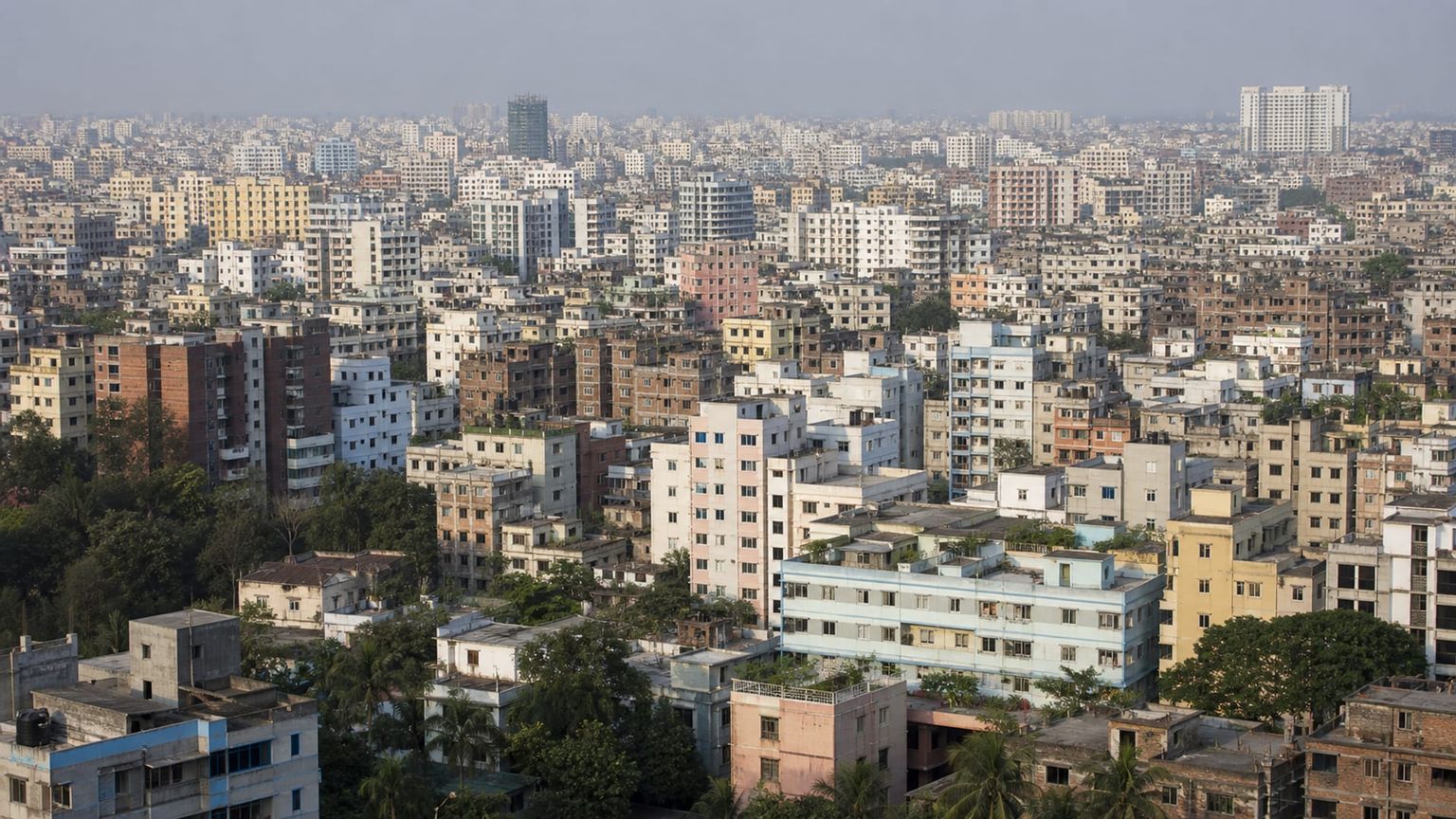
Most first-time visits to Dhaka settle into airport transfers, a hotel in Gulshan or Banani, and a short list of landmark stops. That pattern works, but it often skips the city’s hardest part to read: how time, traffic, and neighborhood distance shape each day.
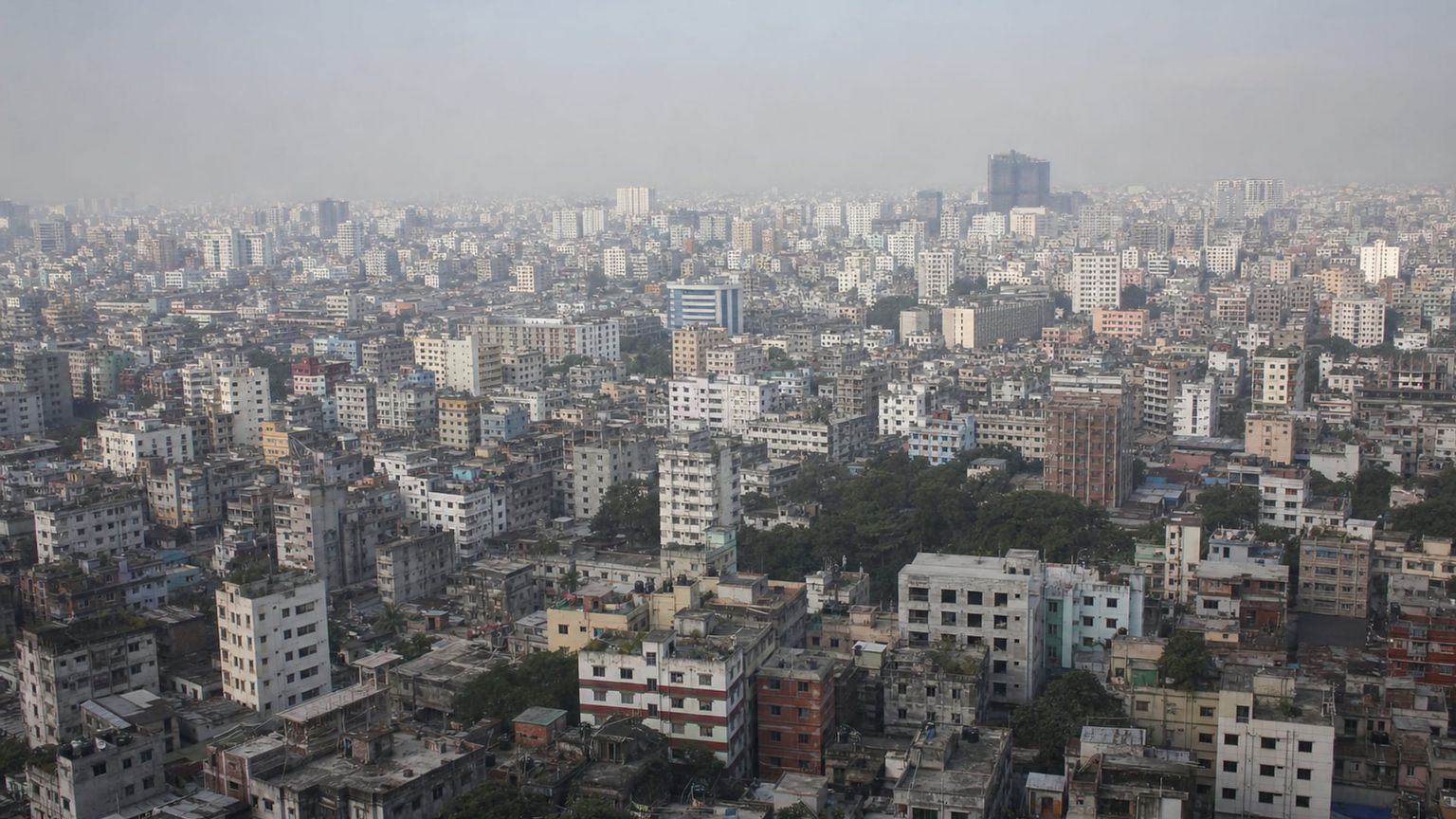
Old Dhaka, Dhanmondi, and the northern business districts sit far enough apart that a loose plan can lose hours in the car. Crowds also build fast near major sights, so arrivals, meals, and sightseeing need a clearer order than many travelers expect.
This guide maps Dhaka by area, meals, and travel time, then turns that into a five-day plan with room for the city’s pace to make sense.
Useful things to know

Main language(s): Bengali
Hello, as-salamu alaykum (ah-sah-lah-moo ah-lay-koom) – Hello
Please, doyya kore (doy-yah koh-reh) – Please
Thank you, dhonnobad (dhon-no-baad) – Thank you
Do you speak English?, apni ki English bolen? (ap-nee kee ing-glish boh-len) – Do you speak English?
How much does it cost?, eta koto dam? (eh-tah koh-toh dahm) – How much does it cost?

Currency: The local currency is the Bangladeshi taka (BDT, ৳).

Cash and cards: Cards are accepted in larger hotels and malls, but carry about ৳3,000 to ৳5,000 ($25 to $45) in cash.

Tipping: Round up small bills and add about 5-10% at restaurants if service is not included.

Traditional food: Biryani, kacchi biryani, beef tehari, bhuna khichuri

Water and coffee costs: Water ~৳30 ($0.25), bar espresso ~৳250 to ৳400 ($2 to $3.50).

Taxis and ride apps: Uber and Pathao operate here; confirm the plate before boarding.

Plug and voltage: Type C, Type D, Type G socket, 220V

Dining and shop opening hours: Breakfast is about 7:00-9:00 am, lunch 12:30-2:30 pm, and dinner 7:30-10:00 pm. Many restaurants close between lunch and dinner.

Emergency number: 999 for police, fire, and ambulance.
Where to stay in Dhaka
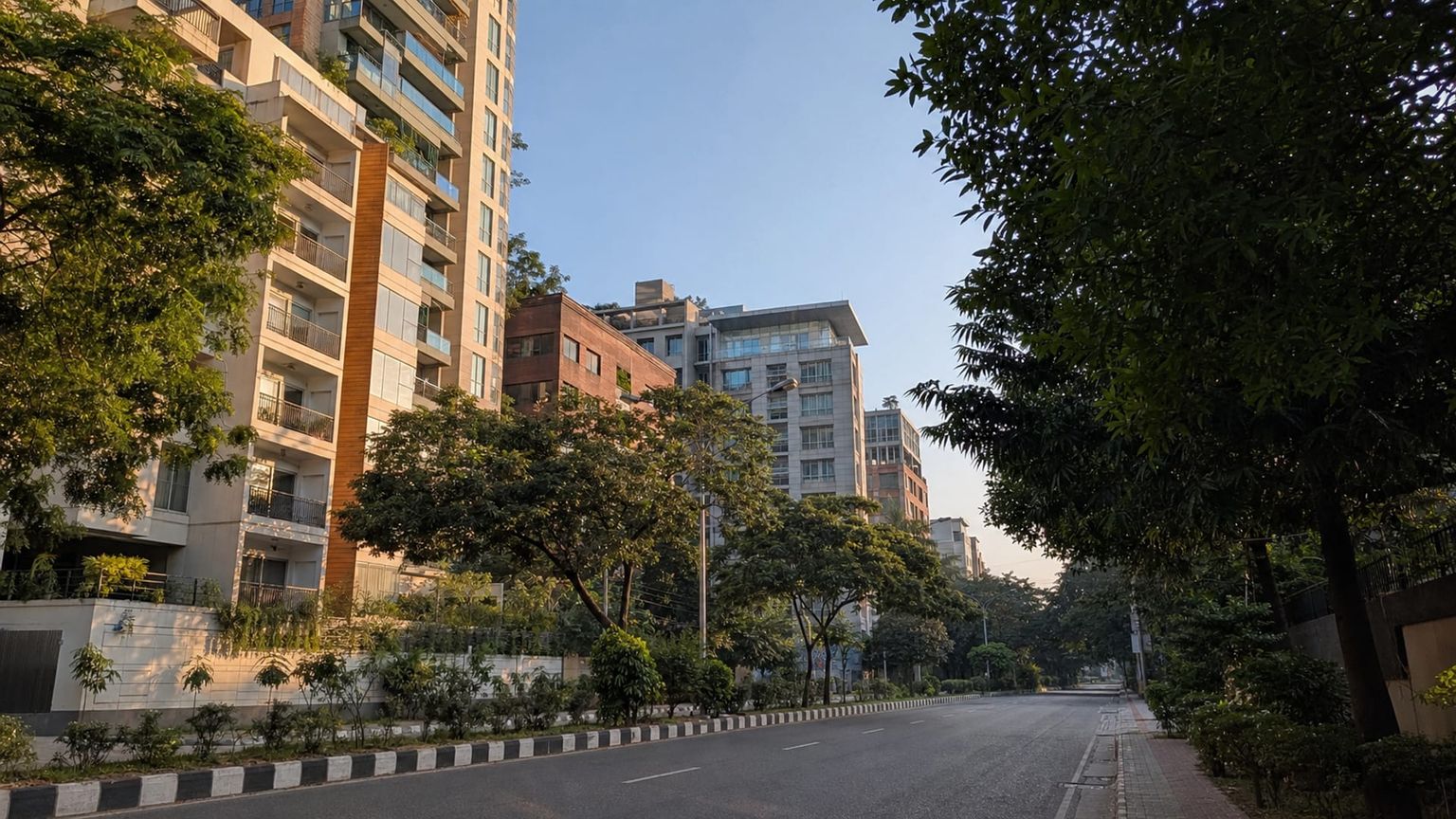
Dhaka’s main diplomatic and business district, Gulshan draws upscale hotels, offices, embassies, and restaurant clusters around Gulshan Lake. It suits travelers who want modern buildings, late dining, and quick rides to Banani and the airport corridor.
Best for: Business trips, upscale stays, and easy access to restaurants and embassies
What to expect: Wide avenues, security gates, office traffic, and busy dining streets near the lake.
Hotel prices: Usually about ৳12,000 to ৳25,000 (~$110 to ~$230) per night for well-rated stays
Distance to major sights: About 20 to 35 minutes by car to Lalbagh Fort, about 30 to 45 minutes to Dhakeshwari Temple
Quietness: Busy by day, with quieter residential pockets in the evening after office hours.
Main trade-off: Traffic can turn short cross-town trips into long rides, especially during office peaks.
Good to know: Late-night dining is concentrated on a few roads, so plan rides back rather than expecting much within walking distance.
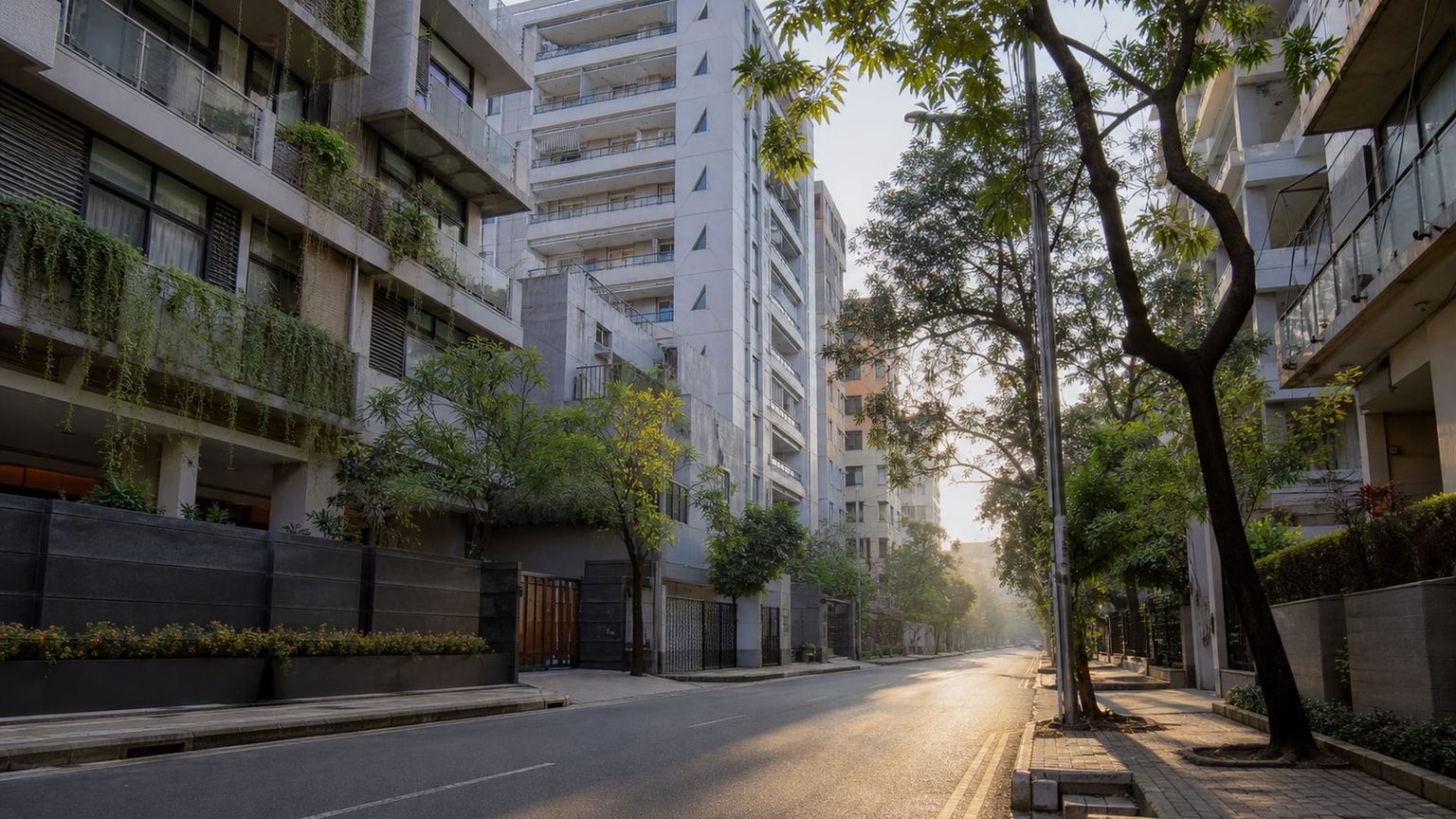
Banani sits just north of Gulshan and mixes hotels, apartment blocks, cafes, and bars with a compact street grid. It works well for travelers who want a central base with easier access to restaurants, the airport road, and neighboring commercial districts.
Best for: Dining, nightlife, short business stays, and access to the airport corridor
What to expect: Dense traffic, active sidewalks, and a strong restaurant scene that stays lively into the evening.
Hotel prices: Usually about ৳10,000 to ৳22,000 (~$90 to ~$200) per night for well-rated stays
Distance to major sights: About 15 to 25 minutes by car to Hazrat Shahjalal International Airport (DAC), about 25 to 40 minutes to Old Dhaka sights
Quietness: Energetic through the evening, with more traffic noise than calm residential streets.
Main trade-off: Room rates can be high for the size of the area, and parking or rideshare pickup can take time.
Good to know: If you plan to go out at night, Banani keeps the dining options close, but some side streets stay congested after dinner.
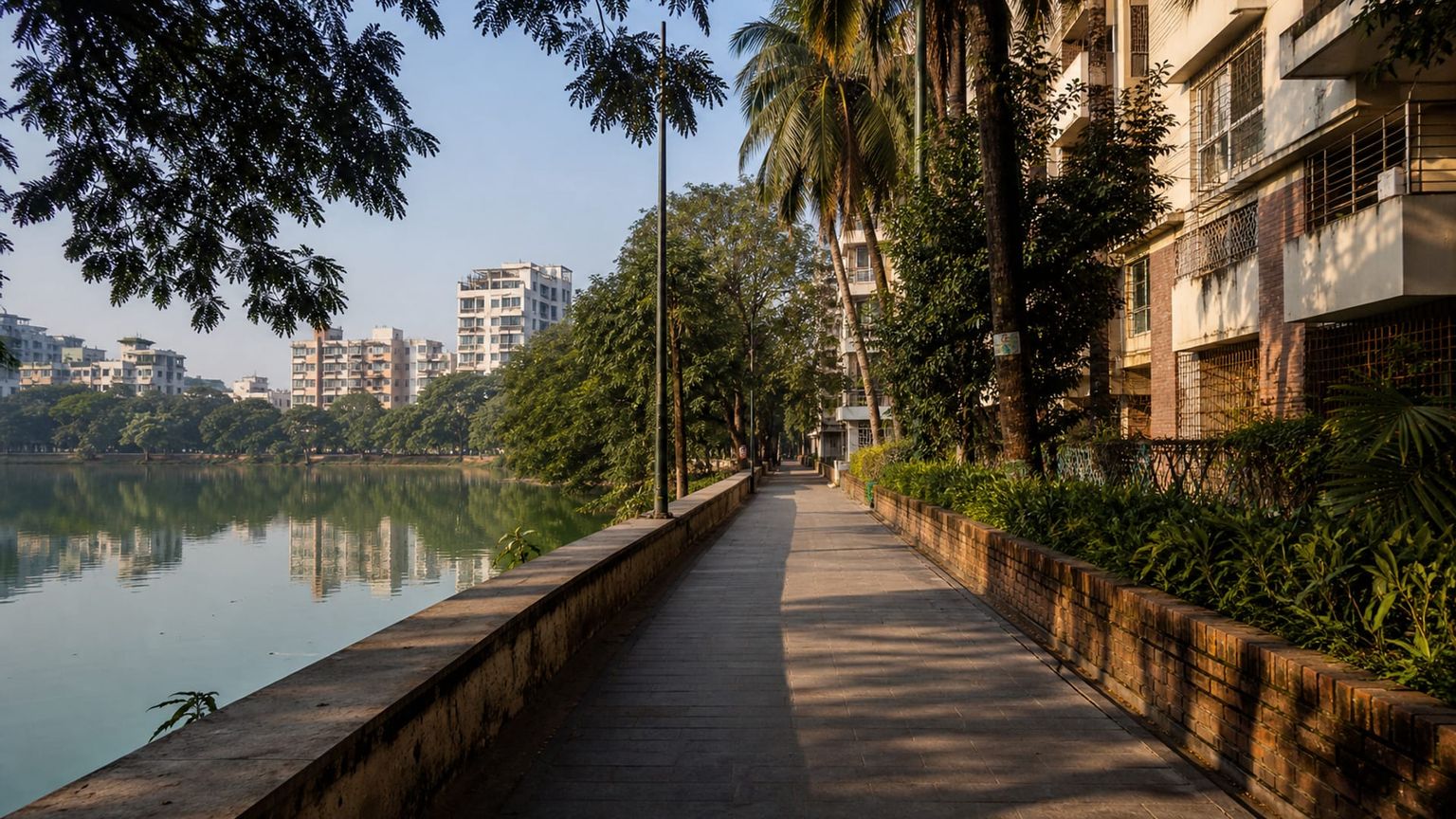
Dhanmondi is a residential and commercial neighborhood built around Dhanmondi Lake, with cafes, local shops, universities, and midrange hotels. It gives visitors a more local stay than the northern business districts while still offering decent access to central Dhaka.
Best for: Longer stays, lake walks, local dining, and travelers who want a neighborhood feel
What to expect: Student crowds, neighborhood traffic, and active streets near the lake and shopping blocks.
Hotel prices: Usually about ৳6,000 to ৳14,000 (~$55 to ~$125) per night for well-rated stays
Distance to major sights: About 15 to 25 minutes by car to Lalbagh Fort, about 20 to 35 minutes to Ahsan Manzil in Old Dhaka
Quietness: Quieter in the morning and late evening, but lively during commute hours and weekends near the lake.
Main trade-off: You get less hotel inventory than Gulshan or Banani, so your best choices can sell out early.
Good to know: Traffic toward Old Dhaka can slow down fast in the afternoon, so build extra time into sightseeing plans.
Travelers usually avoid staying in old Dhaka’s narrow-lane core, including Sadarghat and Sutrapur, because the area sits far from most major business and hotel districts and can be slow to cross in the evening. Uttara is also less convenient for a short city stay if your plans are centered on central Dhaka, since it is far from the main sights, while Purbachal and nearby eastern fringe areas have fewer visitor amenities and require longer transfers for everyday dining and sightseeing.
Hotel deals
How to get around Dhaka efficiently
Dhaka has no airport metro yet, so road travel and app-based cars do most of the work, with buses and longer rail links filling the rest.

Metro
for longer distances
Dhaka has no metro service yet for airport-area trips, so visitors usually rely on road transport or, for longer cross-city journeys, intercity rail from the city’s main stations. If your route points toward the center, expect roughly 45 to 90 minutes by road in normal traffic, longer at peak times.

Bus and tram
for convenience
Dhaka’s bus network is extensive but busy, with major corridors linking the airport area to Uttara, Mohakhali, Motijheel, and Old Dhaka. Fares are usually cash-based and low, often about $0.20 to $1.00 (Tk 20 to Tk 120) depending on distance and whether the bus is local or air-conditioned; give yourself extra time because stops can be irregular and vehicles fill quickly.

Taxi
for convenience or late hours
Licensed taxis use metered or fixed-fare pricing depending on the company, and airport pickups commonly cost about $10 to $25 (Tk 1,100 to Tk 2,750) to central Dhaka, with longer cross-town trips landing higher. You can book at the airport taxi counter or use app-based cars, and cash is still widely accepted, though some operators also take cards or mobile payment.
*Prices are based on rates updated as of June 2026 and may change at the time of travel.
Use ride-hailing or a taxi for airport and cross-town transfers, buses for low-cost corridor travel, and walking only within compact neighborhoods such as Dhanmondi or around a single sight.
Iconic landmarks
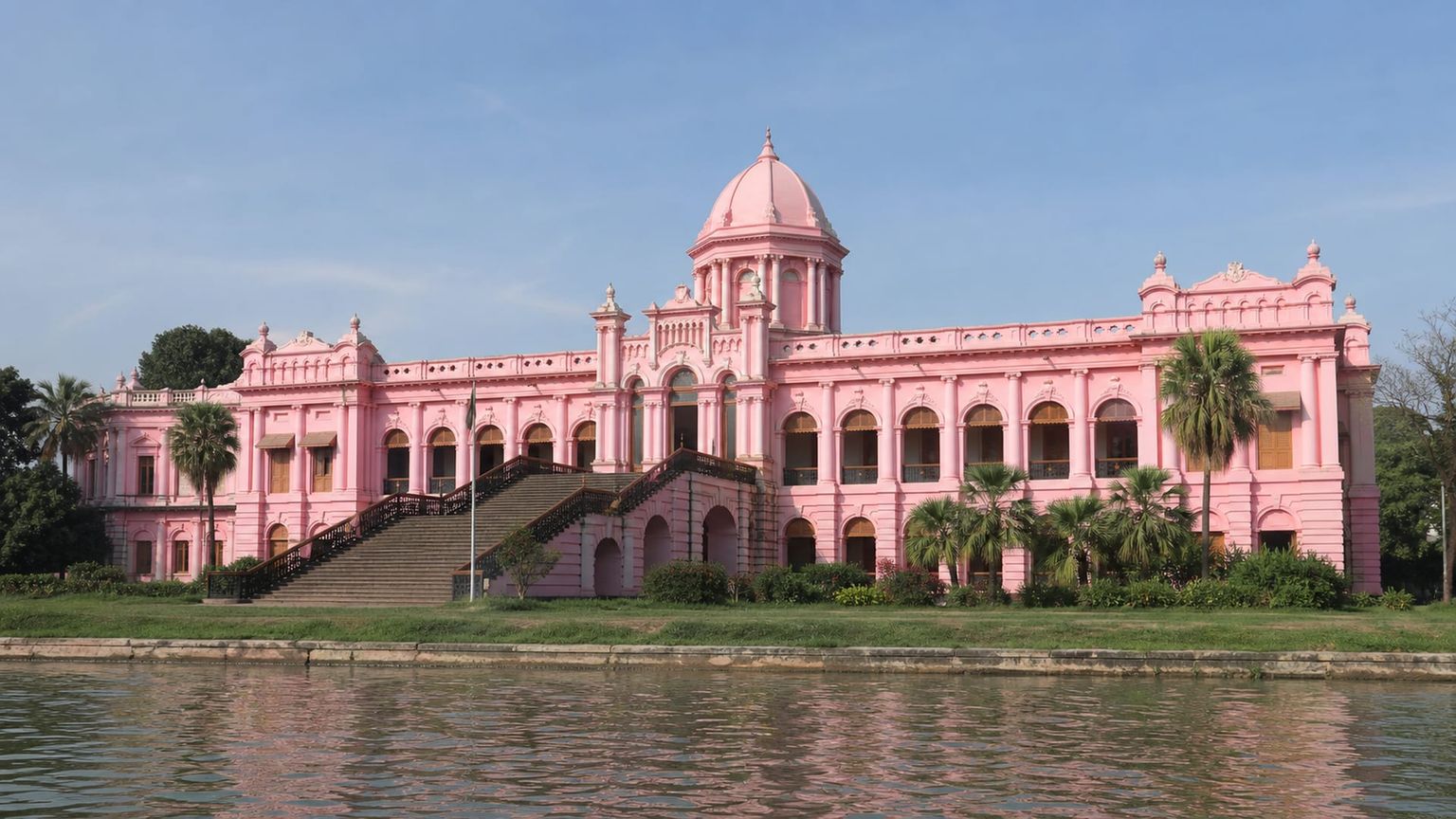
Ahsan Manzil
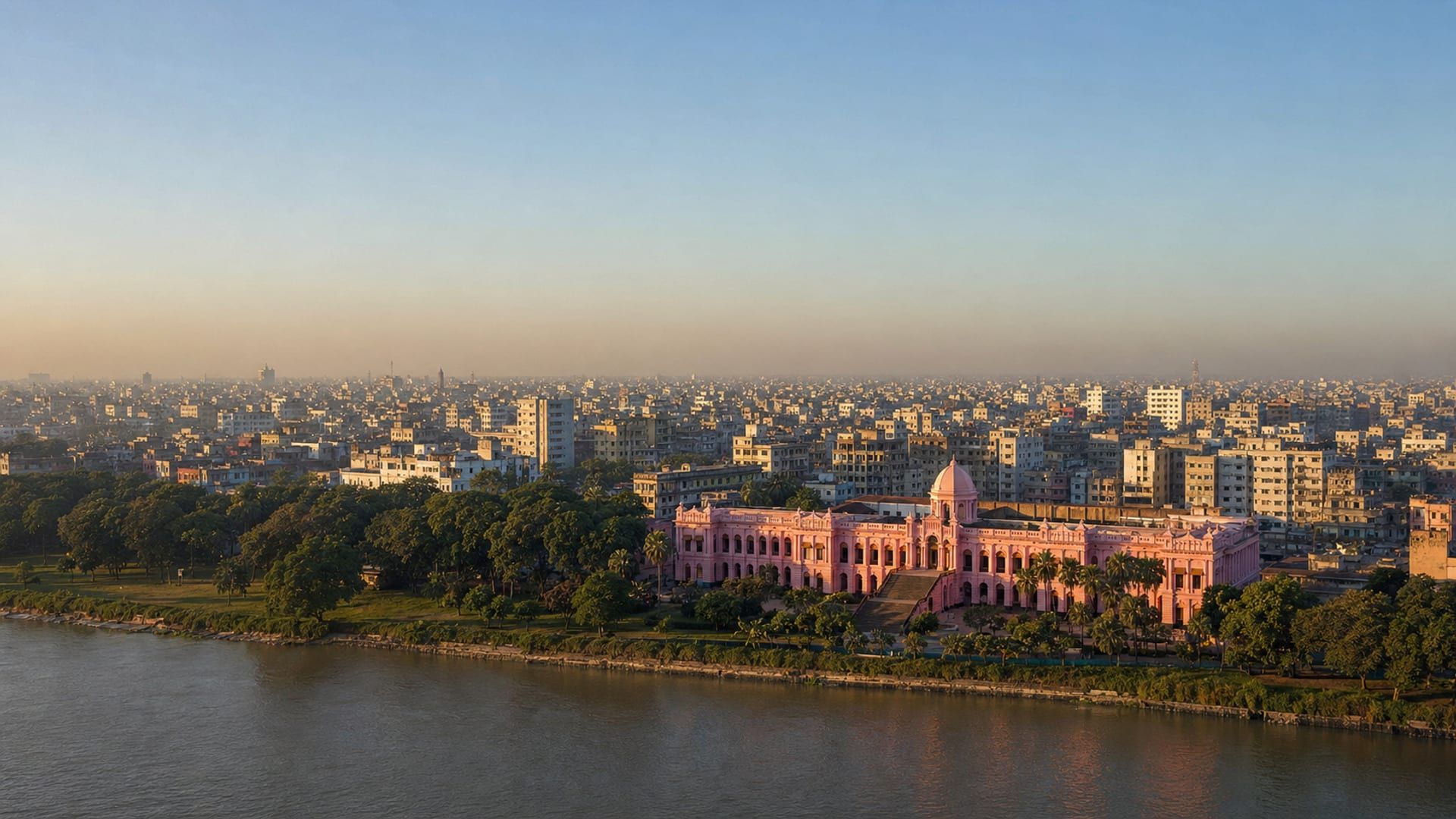
The pink riverside palace of Dhaka’s Nawabs, Ahsan Manzil now holds a museum with courtly furnishings, portraits, and period rooms. Its riverfront setting also places you beside the Buriganga, one of the city’s oldest corridors.
Time needed: About 1 to 2 hours
Entry: Admission costs about $1 ($100) for Bangladeshi citizens and about $5 ($500) for foreign visitors; camera use costs extra Visit the official site for details.
Tip: Go early in the morning for cooler air and clearer views over the Buriganga.
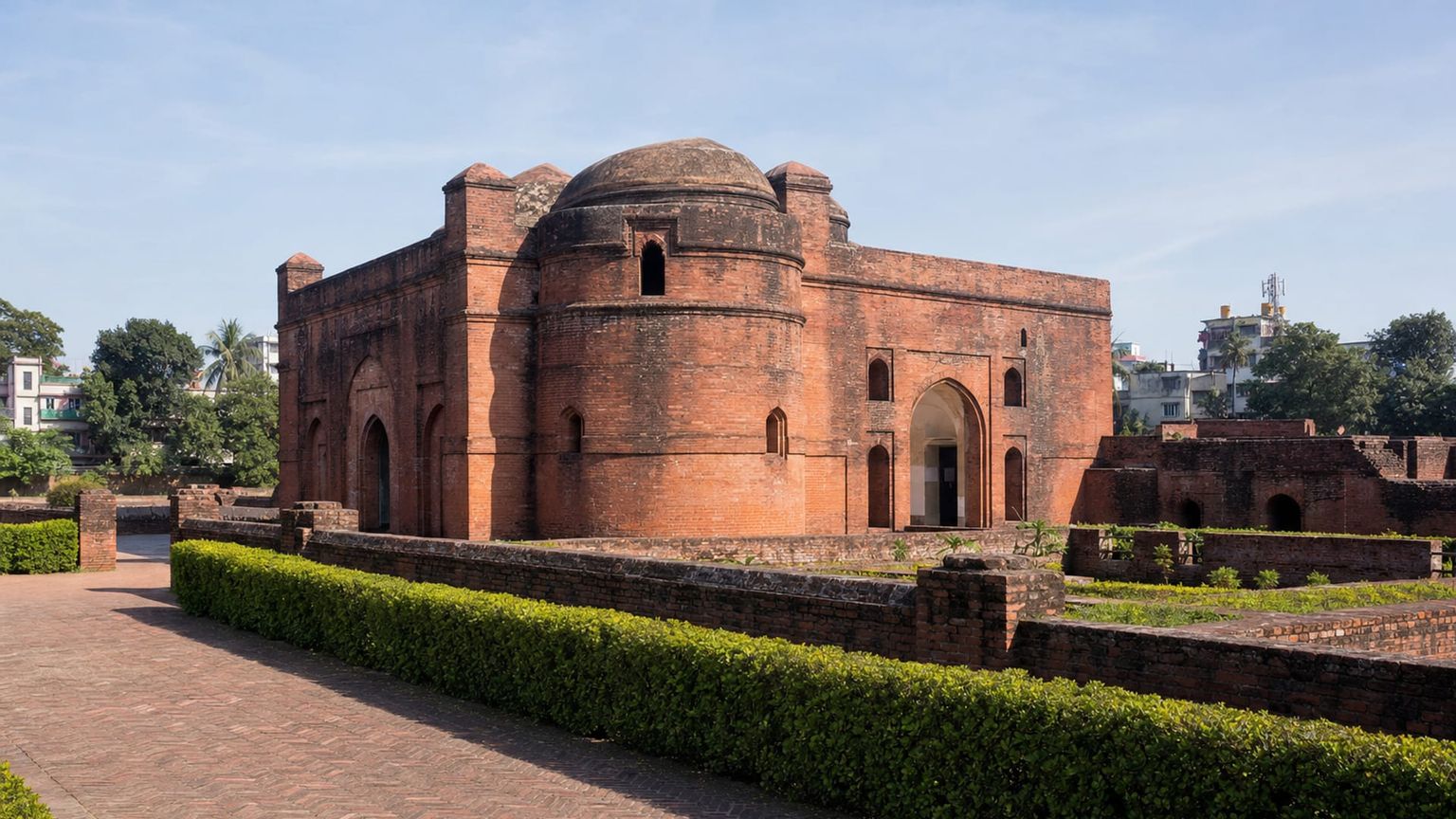
Lalbagh Fort
Lalbagh Fort is a 17th-century Mughal complex of gateways, gardens, and unfinished walls in Old Dhaka. The site also includes the Tomb of Pari Bibi and a small museum that explains the fort’s layered history.
Time needed: About 1 to 2 hours
Entry: Admission costs about $0.05 ($5) for Bangladeshi citizens and about $0.5 ($50) for foreign visitors; camera use costs extra.
Tip: Visit in the late afternoon, when the heat softens and the gardens are calmer.
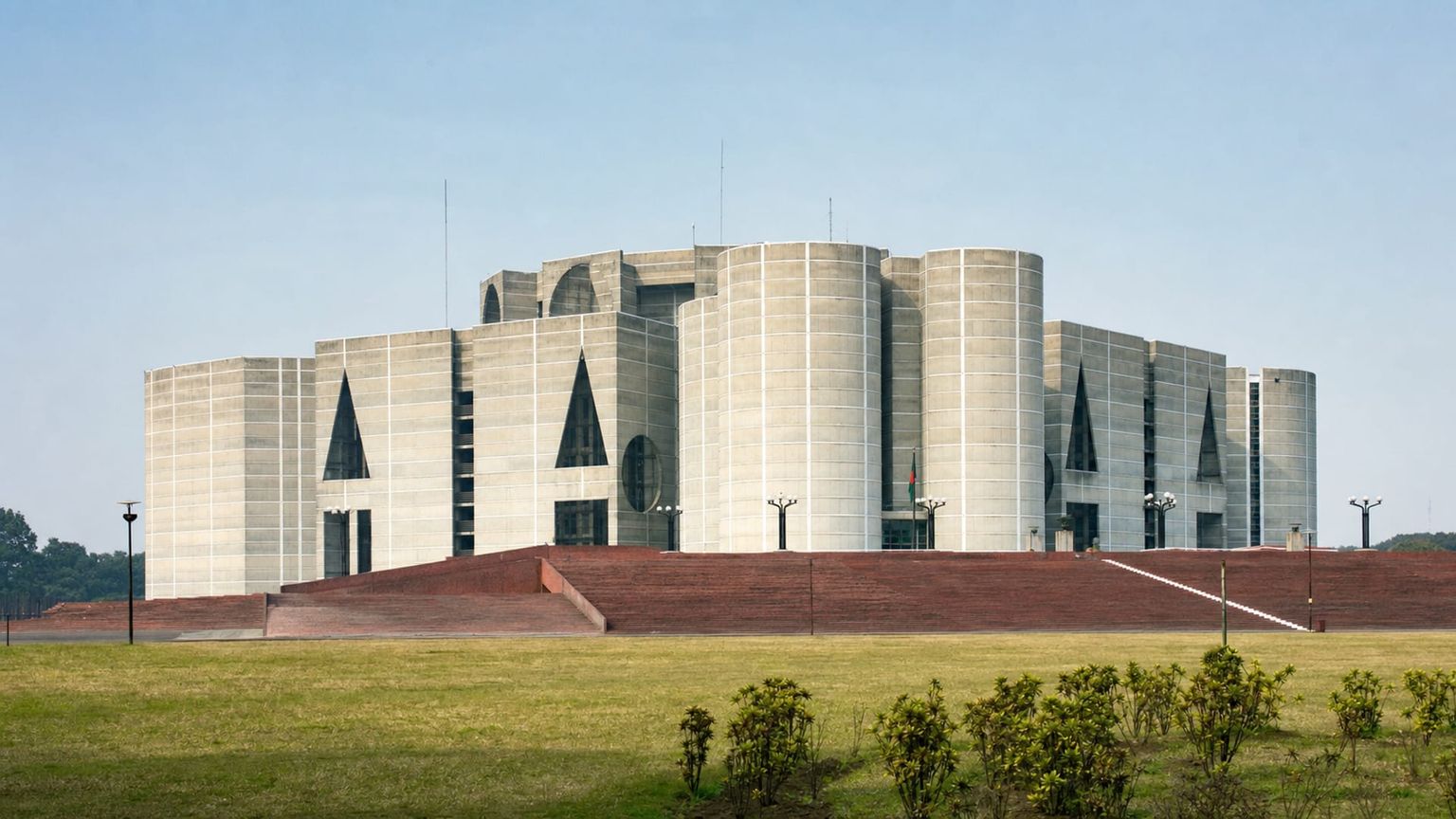
National Parliament House
Designed by Louis Kahn, the National Parliament House is one of Dhaka’s defining modern landmarks. Its massive concrete geometry, moat, and open grounds make it a key stop for architecture visitors, even from the exterior.
Time needed: About 1 hour
Entry: Exterior viewing is free; guided interior access, when available through official arrangements, may require prior approval and separate fees Visit the official site for details.
Tip: Plan a daytime visit for the clearest read on the building’s concrete forms.
Overlooked sites worth visiting

Lalbagh Fort
Mughal-era garden fort with red-brick walls, a mosque, and the tomb of Pari Bibi. Its lawns and canals make it one of Dhaka’s better open-air stops for a slower visit.
Time needed: About 1.5 to 2 hours
Entry: Entry costs about $0.40 ($40 BDT) for Bangladeshi visitors and about $3 ($300 BDT) for foreign adults, with lower rates for students and children; cameras may carry a separate fee on site.
Tip: Go early morning to avoid heat and busier school groups.

Ahsan Manzil
Pink palace museum on the Buriganga riverfront, once the nawab’s residence. Inside, rooms display furniture, portraits, and photographs that trace Dhaka’s elite urban history.
Time needed: About 1 to 1.5 hours
Entry: Standard admission costs about $0.10 to $0.20 ($10 to $20 BDT) for Bangladeshi visitors and about $2 to $3 ($200 to $300 BDT) for foreign adults, with separate charges for cameras and special exhibitions Visit the official site for details.
Tip: Visit before noon for softer light on the pink facade.
Traditional food
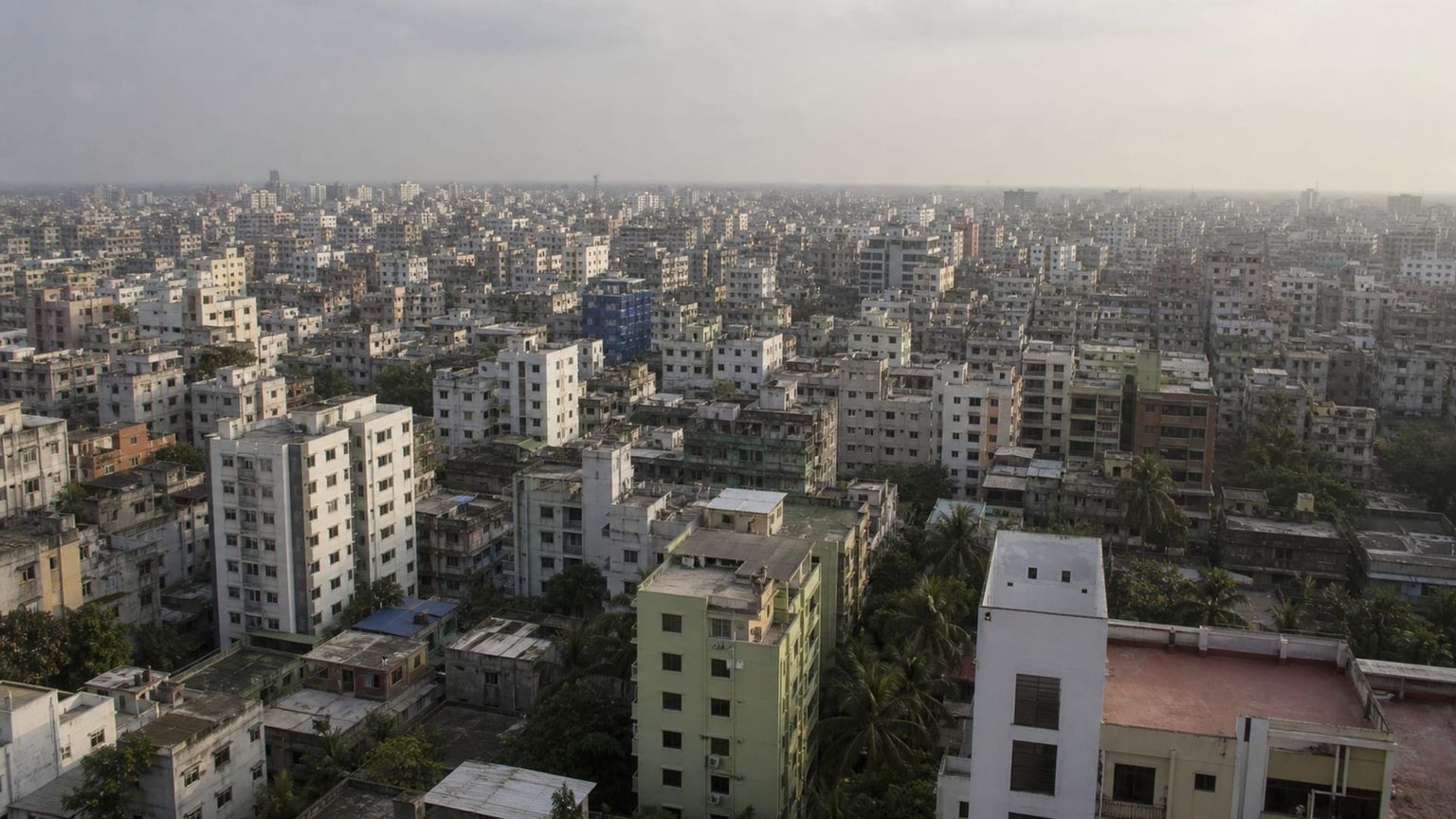
Dhaka’s cooking leans on rice, beef, mutton, and fragrant spices, with kacchi biryani, tehari, and bhuna khichuri anchoring restaurant menus. Meals often arrive as generous plates, served in busy dining rooms that fill quickly around lunch and dinner.
Biryani
A classic Dhaka order, often rich with long-grain rice, meat, and aromatic spice. Star Hotel and Restaurant in Old Dhaka is one of the city’s best-known places to try it.
Kacchi biryani
This layered rice dish uses marinated meat and a deep spice profile that suits Dhaka’s celebratory dining culture. হাজী বিরিয়ানি? Not in English; the canonical stop here is Haji Biryani in Old Dhaka.
Beef tehari
Tehari brings beef and spiced rice together in a dish that travels well across the city’s restaurant streets. Nirob Hotel in Old Dhaka is a well-known place to order it.
Bhuna khichuri
Bhuna khichuri is a richer, slow-cooked rice dish, often paired with egg, meat, or fried accompaniments. হাজি বিরিয়ানি? For a canonical Dhaka stop, Star Kabab and Restaurant serves a widely trusted version.
Best time to visit Dhaka
Dhaka shifts more by heat and rain than by dramatic temperature swings, so the most comfortable months are also the ones when traffic and sightseeing require the least compromise.
Best for: Best for long sightseeing days and the clearest walking weather
What you get: About 55 to 82°F (13 to 28°C), with the busiest visitor season and fuller hotels
Trade-offs: Popular sites and good restaurants can feel crowded at peak times
Best for: Best for manageable mornings before the heat builds
What you get: About 73 to 95°F (23 to 35°C), with moderate crowds and rising humidity
Trade-offs: Afternoon walking becomes less comfortable as temperatures climb
Best for: Best for travelers who do not mind indoor time between showers
What you get: About 77 to 91°F (25 to 33°C), with lighter sightseeing crowds but frequent rain
Trade-offs: Road delays and flooded stretches can slow cross-city plans
Best for: Best for balanced weather and easier movement before winter demand rises
What you get: About 72 to 88°F (22 to 31°C), with comfortable conditions and moderate crowds
Trade-offs: Humidity can still linger, especially after rain
A realistic 5-day plan in Dhaka
The five-day plan follows Dhaka’s geography rather than forcing the city into a single loop. It starts near the airport corridor, moves into Old Dhaka, then gives Dhanmondi and the parliamentary district enough time to feel distinct.
Land at Hazrat Shahjalal International Airport (DAC) and head by taxi or rideshare to Banani or Gulshan, a trip that usually takes about 15 to 30 minutes and costs roughly $6 to $15, depending on traffic and pickup point. Check in near Banani if you want dinner within a short ride, or stay in Gulshan for easier embassy-area access. For a low-key first evening, hydrate, settle in, then eat at one of Banani’s restaurant streets or along Gulshan Lake, where you can keep the outing brief before an early night.
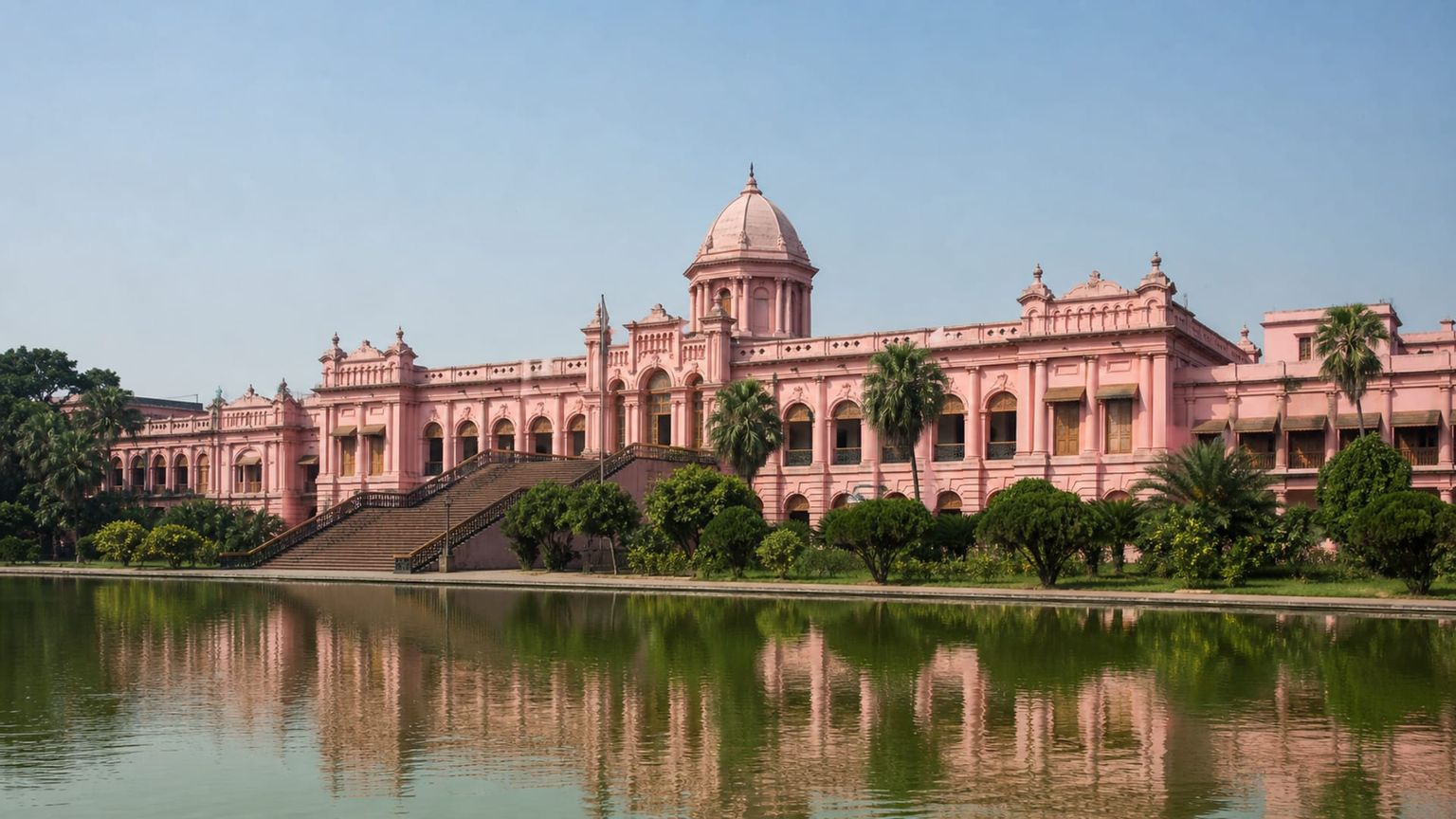
Start with Lalbagh Fort in the morning, then take a car or rideshare to Ahsan Manzil in Old Dhaka, a drive of about 20 to 30 minutes when traffic cooperates. Lalbagh Fort usually takes about 1.5 to 2 hours, and Ahsan Manzil another 1 to 2 hours, so the pair fills the day without rushing. Plan lunch in Old Dhaka between the two stops, then return to Dhanmondi or Banani for dinner, allowing about 30 to 50 minutes for the ride back in heavier traffic.
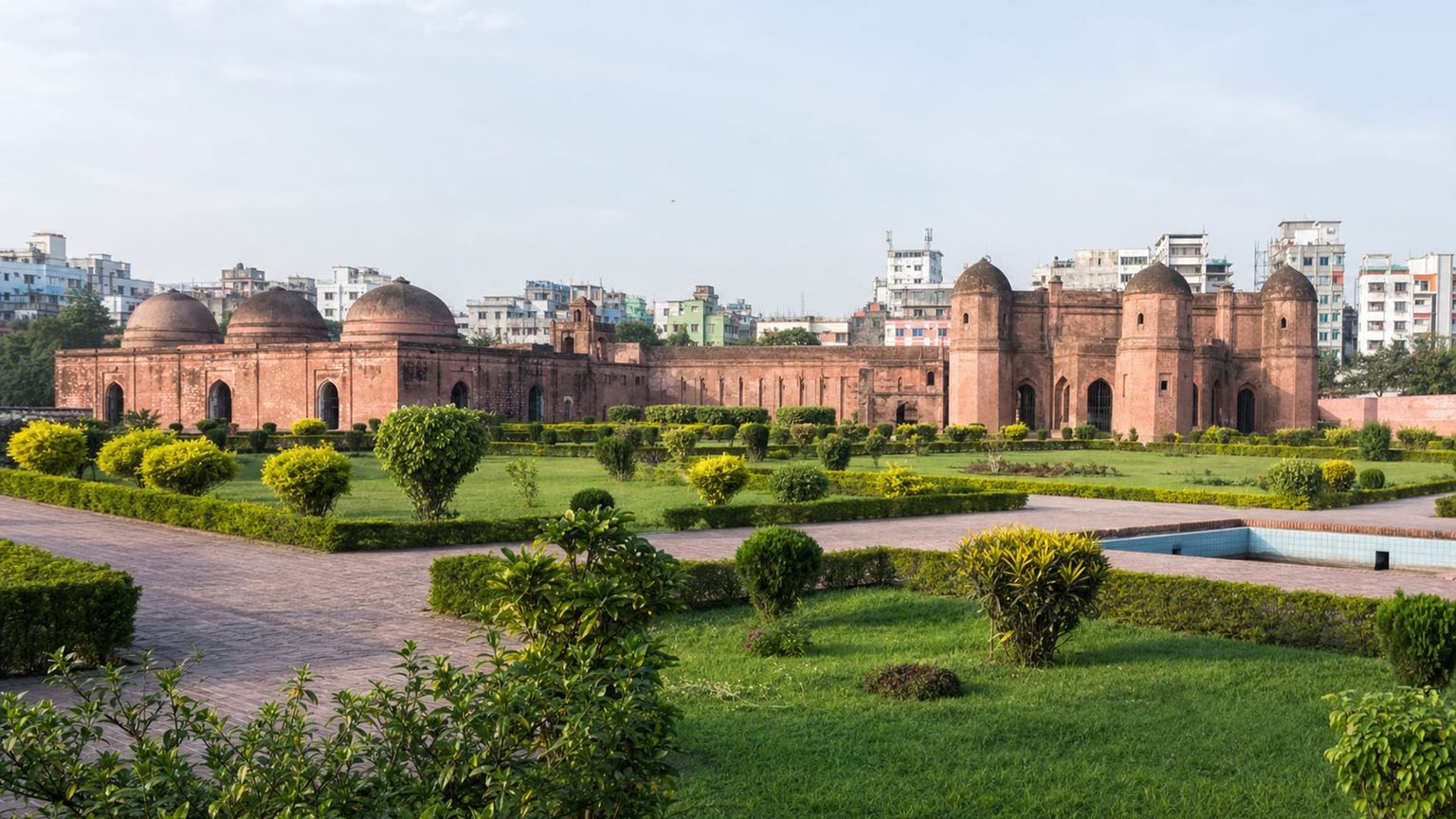
Begin at the National Parliament House, where the exterior visit takes about an hour and the wide grounds are best seen in daytime light. From there, ride about 15 to 25 minutes to Dhanmondi Lake for a slower afternoon, with time for a lakeside walk, cafe stop, and a look at the neighborhood’s shops and student-heavy streets. If you stay in Dhanmondi, dinner is easy nearby; if not, expect about 20 to 35 minutes to reach Gulshan or Banani after sunset.
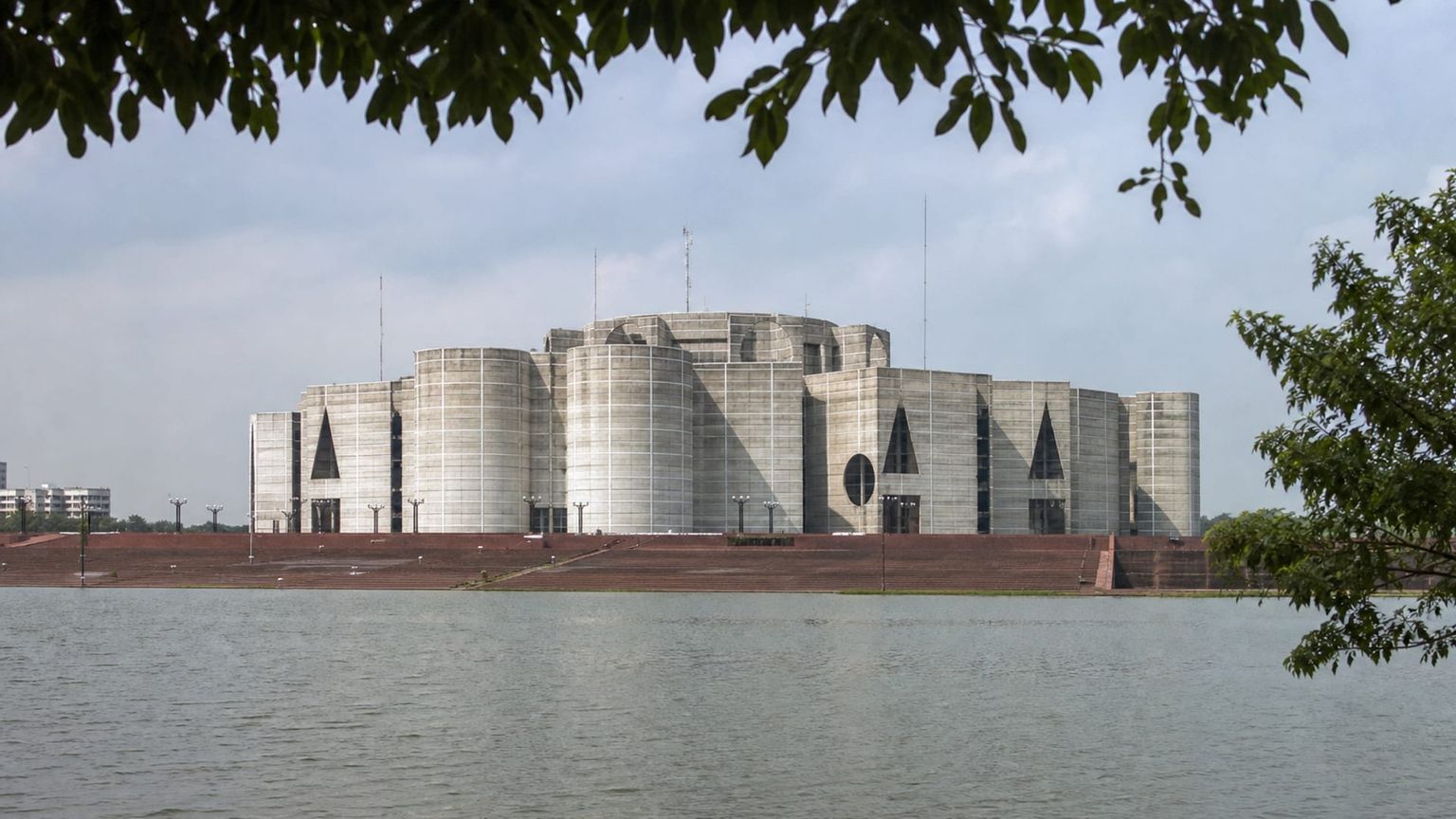
Old Dhaka suits a second pass today, and the easiest way to do it is to return to Ahsan Manzil early, then continue to Lalbagh Fort once the light softens. The transfer between the two usually takes about 20 to 30 minutes by car, though it can stretch longer in midday traffic. With both sites already familiar, you can spend more time on details, the riverfront at Ahsan Manzil, the gardens and tombs at Lalbagh Fort, then end with dinner in Dhanmondi or Banani, both of which are about 25 to 45 minutes away depending on the hour.
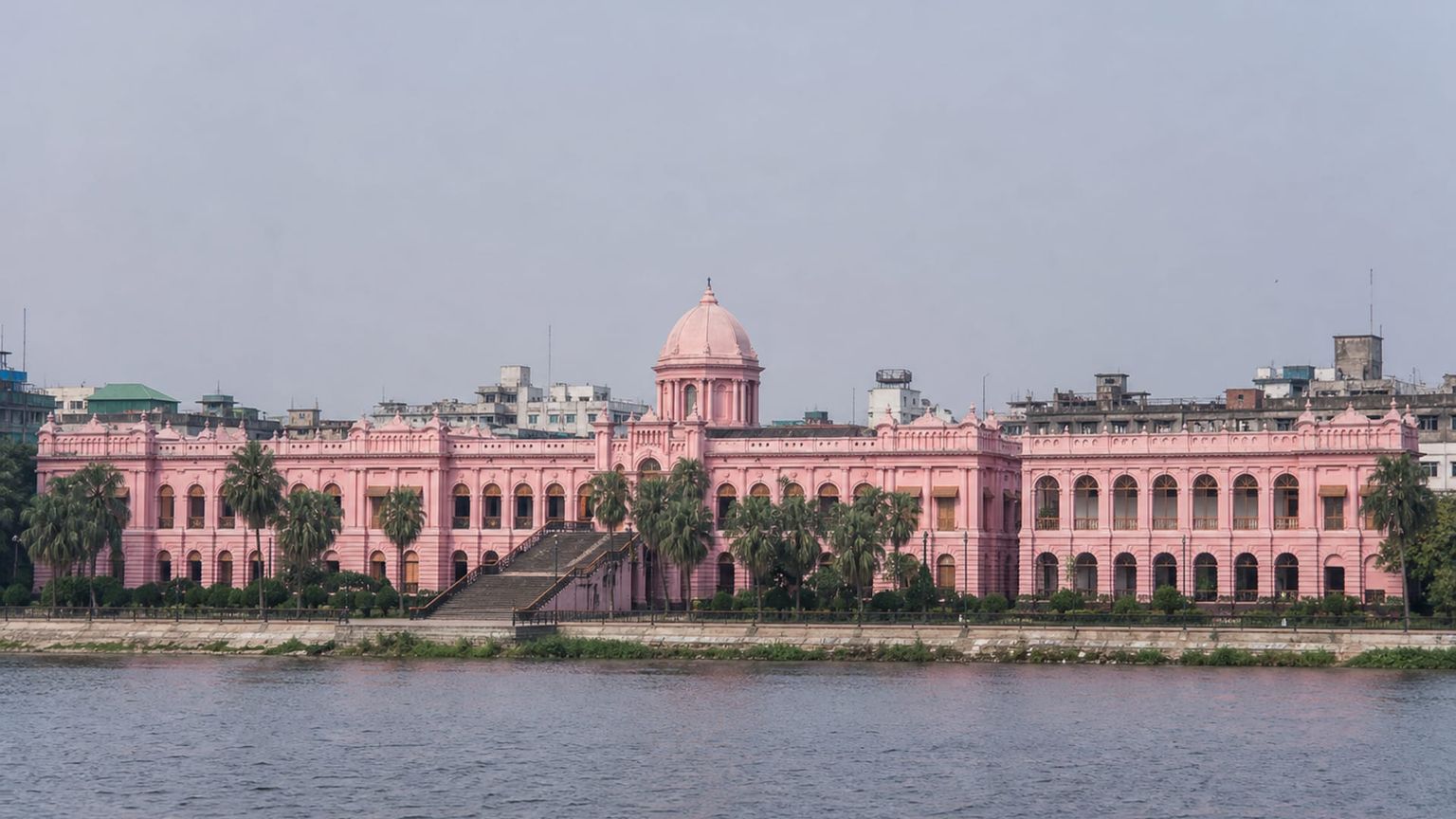
A relaxed final morning works well in Dhanmondi, where you can pair a short museum stop or a last walk by the lake with shopping in the neighborhood’s commercial blocks. If you prefer a more polished last few hours, head back toward Gulshan for cafe time near the lake, then browse for gifts or a final meal without committing to a long cross-city ride. Keep your luggage close, allow extra time for airport traffic, and plan to leave for Hazrat Shahjalal International Airport (DAC) about 2 to 3 hours before departure.
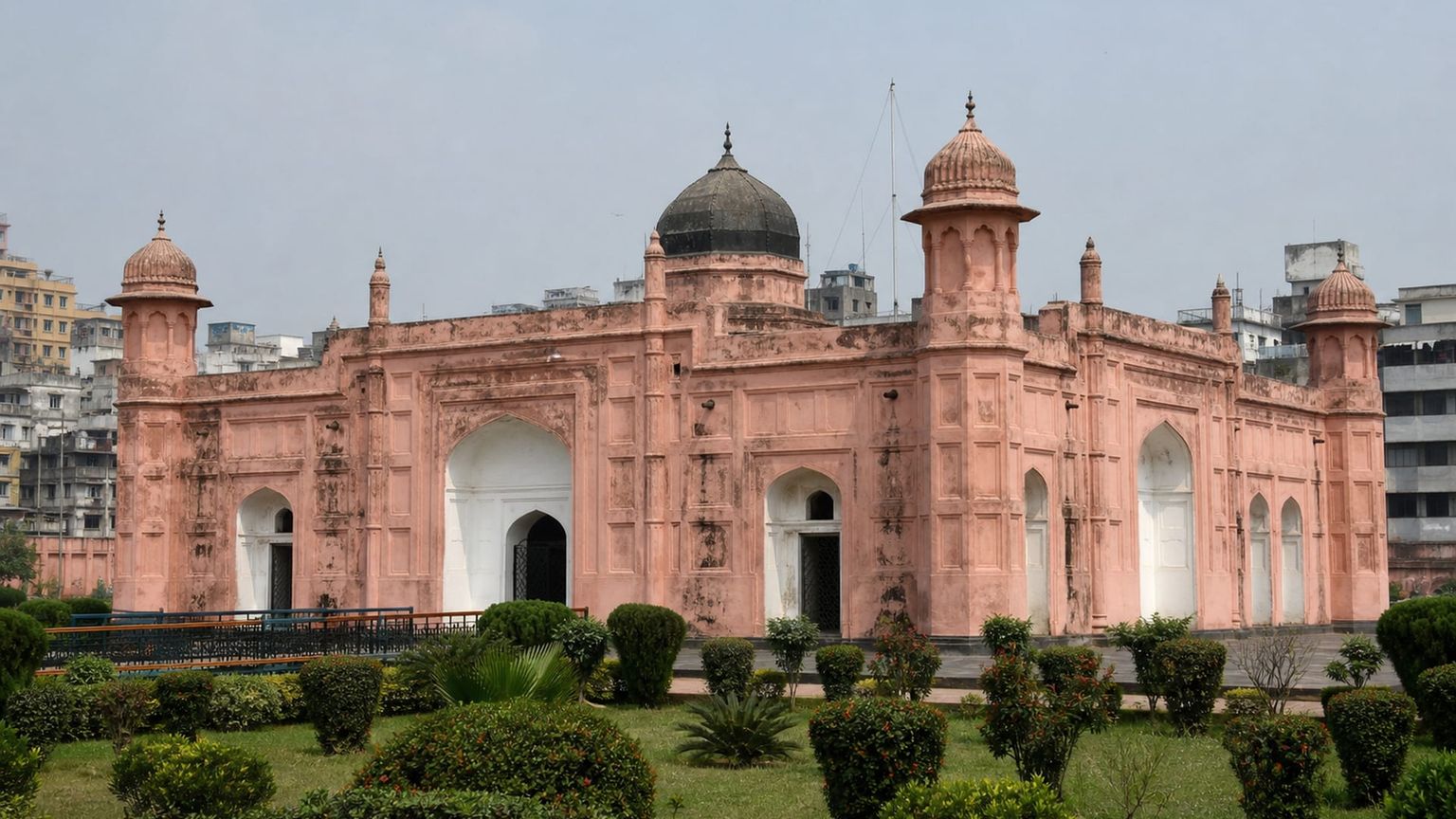
Business-class flights from the US to Dhaka
Long-haul flights to Dhaka usually arrive with at least one stop, and the best itineraries balance fare, layover length, and total travel time. From New York and Los Angeles, the most common options connect through Gulf, Turkish, or East Asian hubs.
From New York, Emirates, Qatar Airways, Turkish Airlines, Etihad Airways, and Cathay Pacific are common choices. A one-stop itinerary is the norm, with layovers often routed through Doha, Dubai, Istanbul, Abu Dhabi, or Hong Kong, and total journey time typically landing about 18 to 24 hours. Round-trip fares from New York to Dhaka often start at about $3,200 and can climb to $6,500; if you do not mind a layover, common routings via Doha, Dubai, and Istanbul can bring the price down to roughly $1,100 to $1,800.
Los Angeles travelers usually see Qatar Airways, Emirates, Turkish Airlines, Cathay Pacific, and Singapore Airlines on the board. Expect about 19 to 27 hours in transit, with common hubs including Doha, Dubai, Istanbul, Hong Kong, and Singapore. From Los Angeles, round-trip fares usually run from $3,400 to $7,200.
Dhaka feels different when you slow down
A deliberate Dhaka trip works best when you treat the city as a set of distinct neighborhoods rather than one continuous sprawl. Gulshan and Banani handle arrival, Old Dhaka rewards early starts, and Dhanmondi gives you a calmer last look before the airport run. Use taxis, rideshares, and short walks where they fit, then let the AranGrant experts help you line up the right stay and route for your dates