

Chapters:

Need help with your trip?
Our support team is available 24/7. Request a callback or call us directly at (833) 619-0908
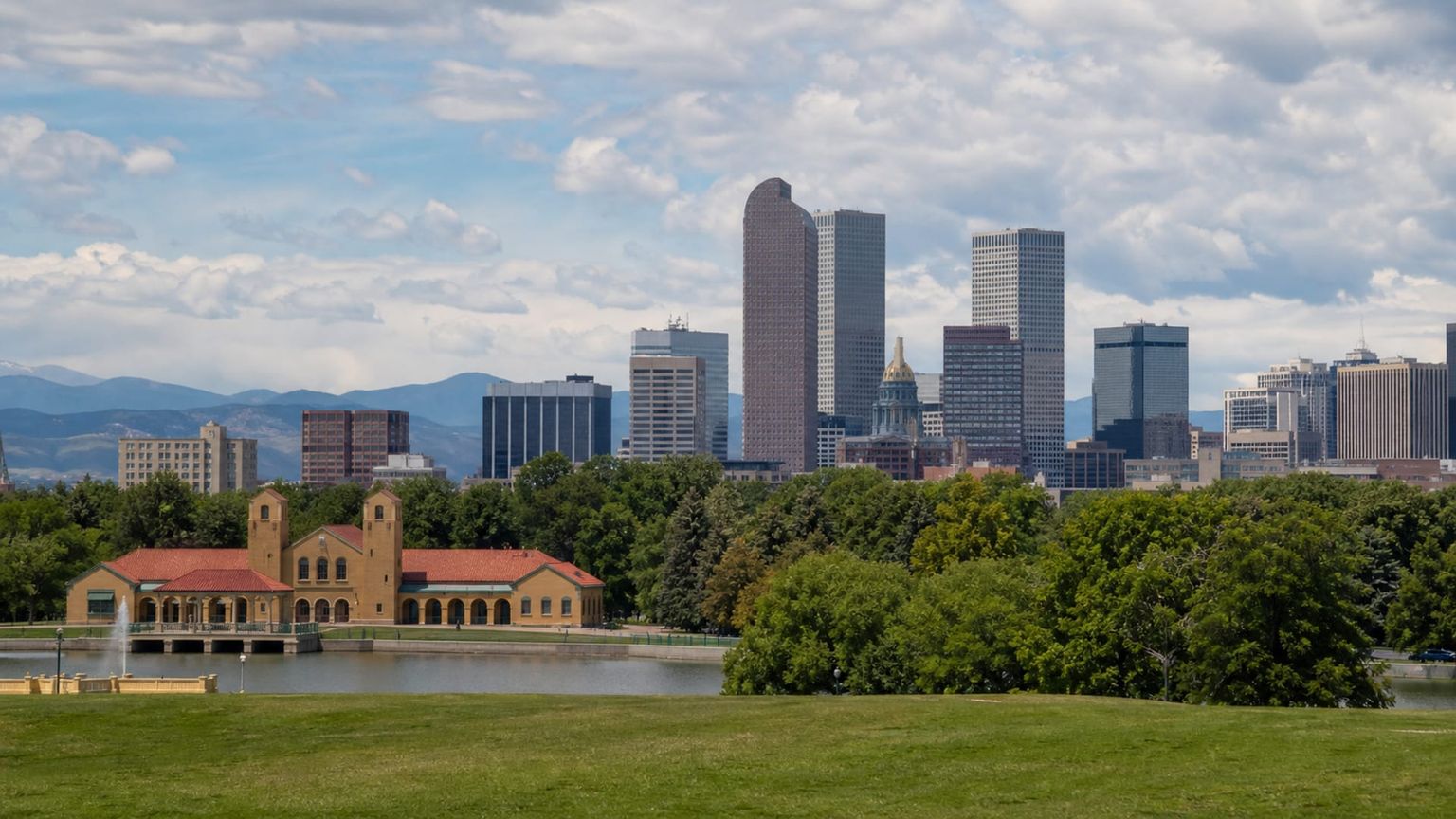
Denver often gets treated as a quick airport stop with one night near Union Station, a museum morning, and a drive to Red Rocks if the weather cooperates. What travelers miss is how much time the city can lose when every stop sits a little farther apart than expected.
That matters because downtown, Capitol Hill, Cherry Creek, and the west-side sights each ask for a different pace, and traffic can stretch simple hops into long gaps between meals or visits.
This guide sets out a tighter order, pairing neighborhoods with the right transit, timing, and food stops so the city fits together cleanly over five days.
Useful things to know

Main language(s): English

Currency: The local currency is the US dollar (USD, $).

Cash and cards: Cards and contactless are widely accepted; carry about $20 to $40 in cash for tips and small purchases.

Tipping: Tip 18 to 20% at restaurants; round up for taxis and small services.

Traditional food: Green chile, Rocky Mountain oysters, Denver omelet, bison burger

Water and coffee costs: Water about $2 to $4, bar espresso about $4 to $6.

Taxis and ride apps: Uber and Lyft operate here; airport pickup rules can change.

Plug and voltage: Type A/B socket, 120V

Dining and shop opening hours: Breakfast about 06:30-09:00, lunch 12:00-14:00, dinner 17:30-21:00. Many kitchens close by 22:00; reservations help on weekends.

Emergency number: Call 911 for police, fire, or medical emergencies.
Where to stay in Denver
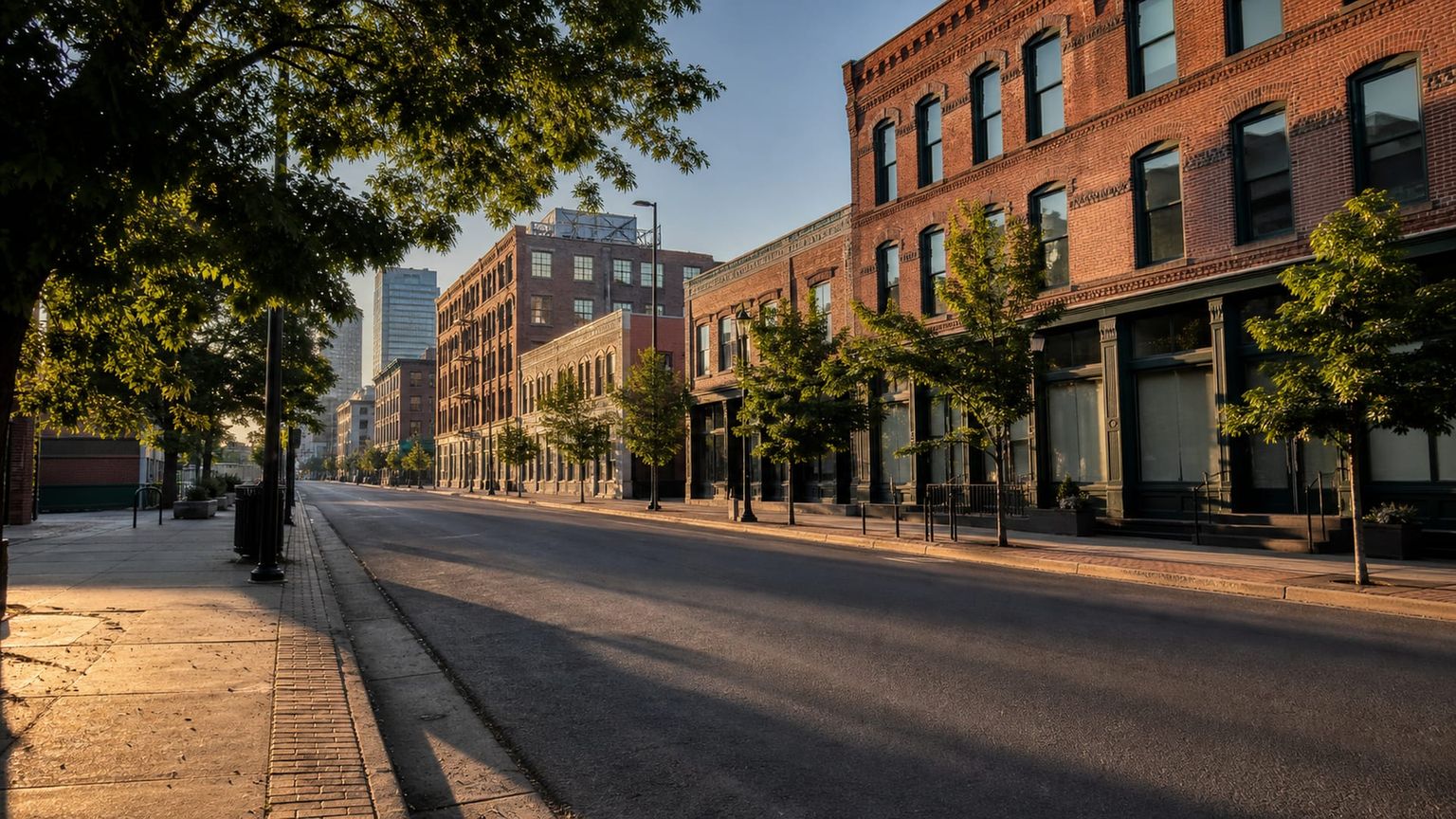
Lower Downtown sits beside Union Station and Coors Field, with restored warehouses, bars, restaurants, and easy rail links. It puts you close to Denver’s main arrival hub and the city’s liveliest evening blocks.
Best for: First-time visits, nightlife, and travelers who want transit access
What to expect: Busy sidewalks, late dining, game-day crowds, and plenty of hotel foot traffic in the evening.
Hotel prices: Usually about $180 to $320 per night for well-rated stays
Distance to major sights: 5 to 10 minutes on foot to Union Station; about 10 to 15 minutes by transit to the Colorado Convention Center
Quietness: Lively through the evening, with some blocks quieter after restaurants close.
Main trade-off: Rates stay high on weekends and during home games, and street noise can carry into nearby rooms.
Good to know: Choose a room away from the main bar strips if you want better sleep; late-night noise rises fast near Blake Street.
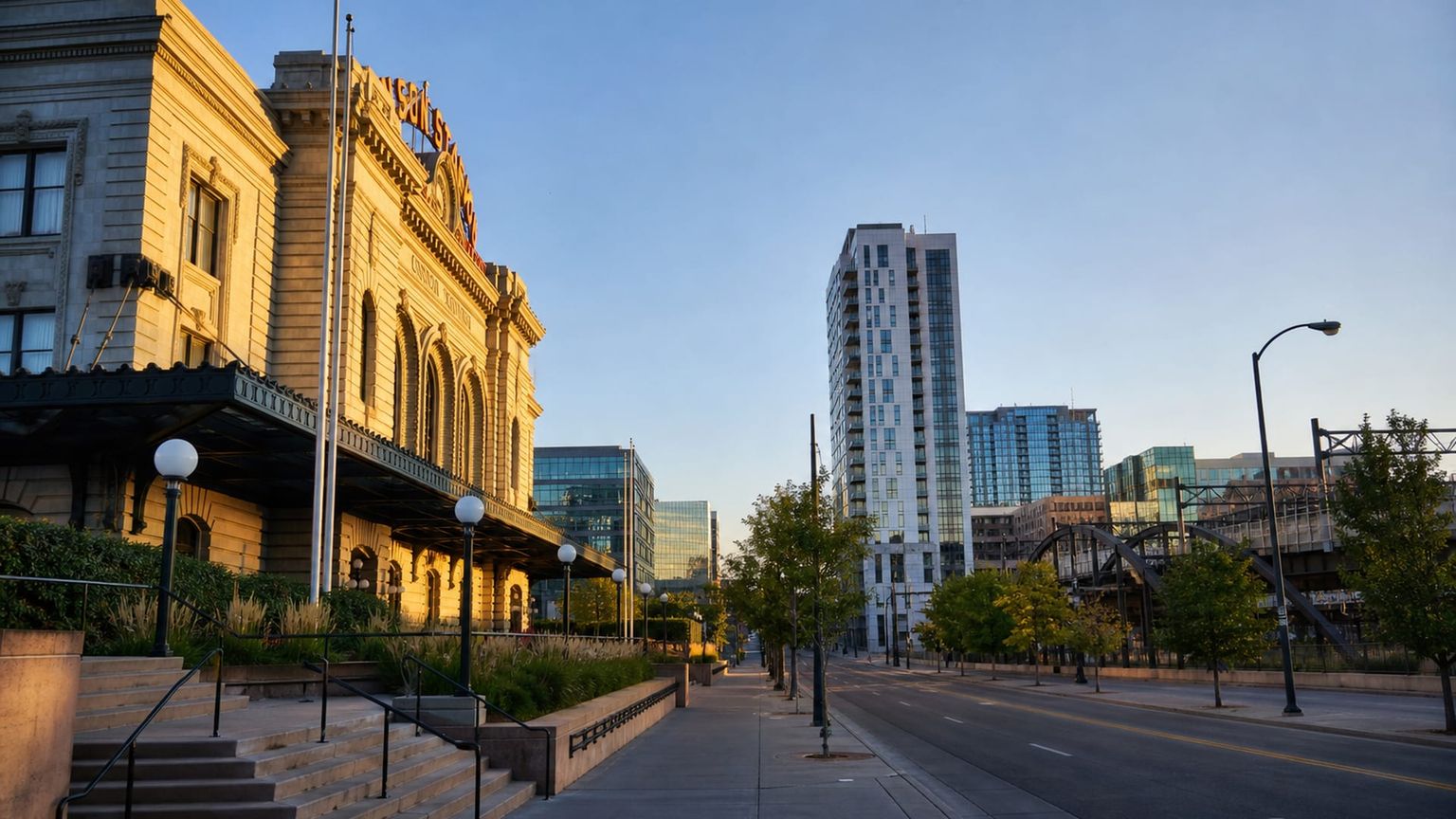
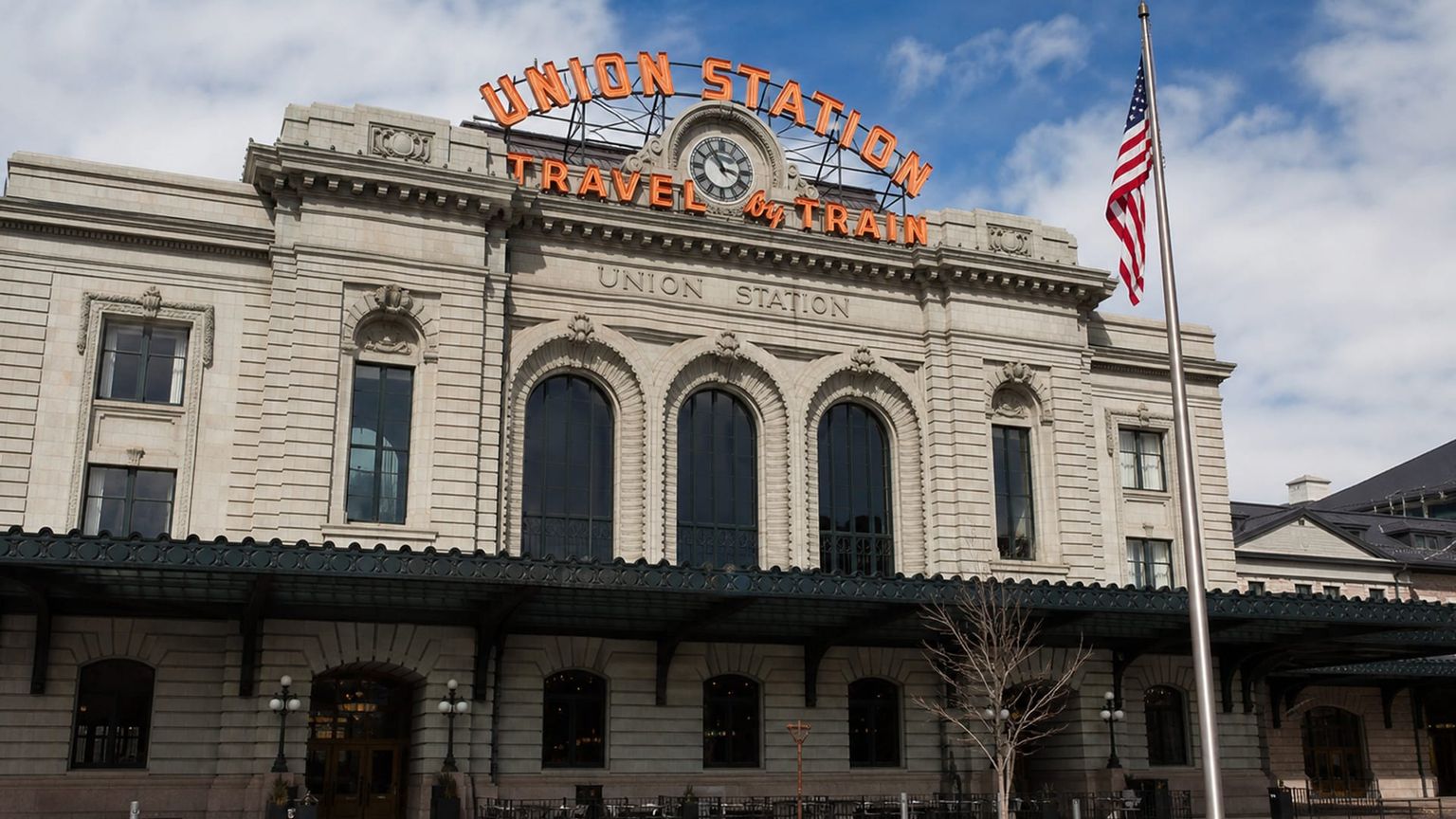
This pocket around Union Station and the riverfront clusters newer hotels, the train to Denver International Airport, and walking paths along the South Platte River. It works well if you want quick arrivals and a base that connects cleanly to downtown and LoDo.
Best for: Airport arrivals, short stays, and travelers who plan to use transit
What to expect: Moderate foot traffic by day, business travelers, and fewer late-night blocks than LoDo.
Hotel prices: Usually about $190 to $360 per night for well-rated stays
Distance to major sights: 1 to 3 minutes on foot to Union Station; about 12 to 18 minutes on foot to Larimer Square
Quietness: Calm in the morning and late evening, with more movement around the station during commute hours.
Main trade-off: You pay more for newer rooms and the most convenient platform access, especially when trains and conference dates overlap.
Good to know: If you are catching an early flight, staying here can save an extra transfer, since the airport rail leaves from Union Station.
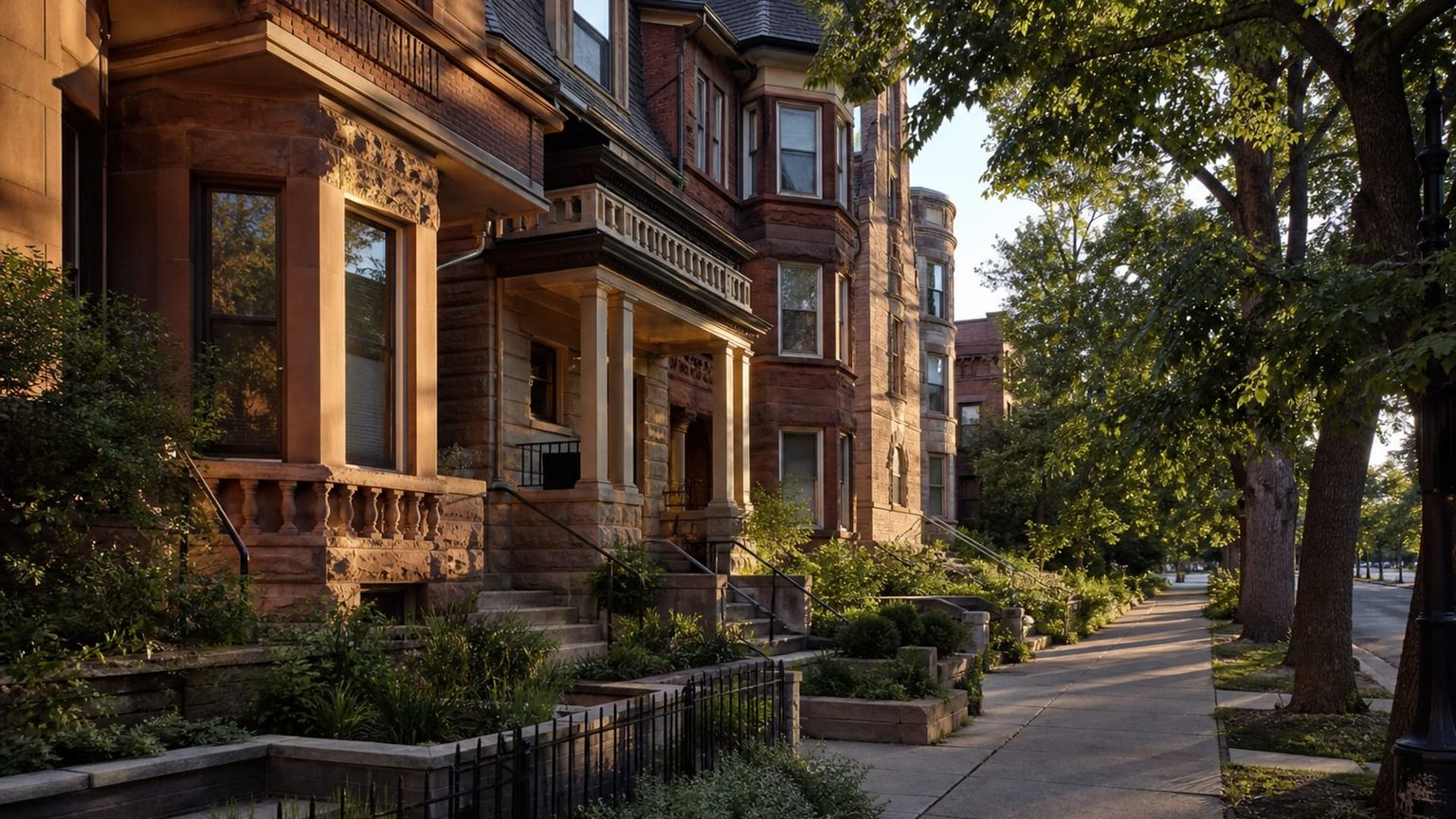
Capitol Hill sits east of downtown near the Colorado State Capitol and the Denver Art Museum, with older apartment buildings, indie cafes, and a dense street grid. It suits visitors who want a central base without staying in the busiest hotel corridor.
Best for: Museum visits, central budgeting, and travelers who prefer a neighborhood feel
What to expect: Active daytime sidewalks, mixed residential blocks, and a younger late-evening crowd near Colfax Avenue.
Hotel prices: Usually about $140 to $260 per night for well-rated stays
Distance to major sights: 10 to 20 minutes on foot to the Colorado State Capitol; about 10 to 15 minutes by transit to the Denver Art Museum
Quietness: Quieter on side streets, but traffic and nightlife noise build along Colfax after dark.
Main trade-off: You may trade some nighttime calm for lower rates and more local dining options than downtown hotels.
Good to know: Check the exact street before booking, since blocks near Colfax can get louder than the rest of the neighborhood.
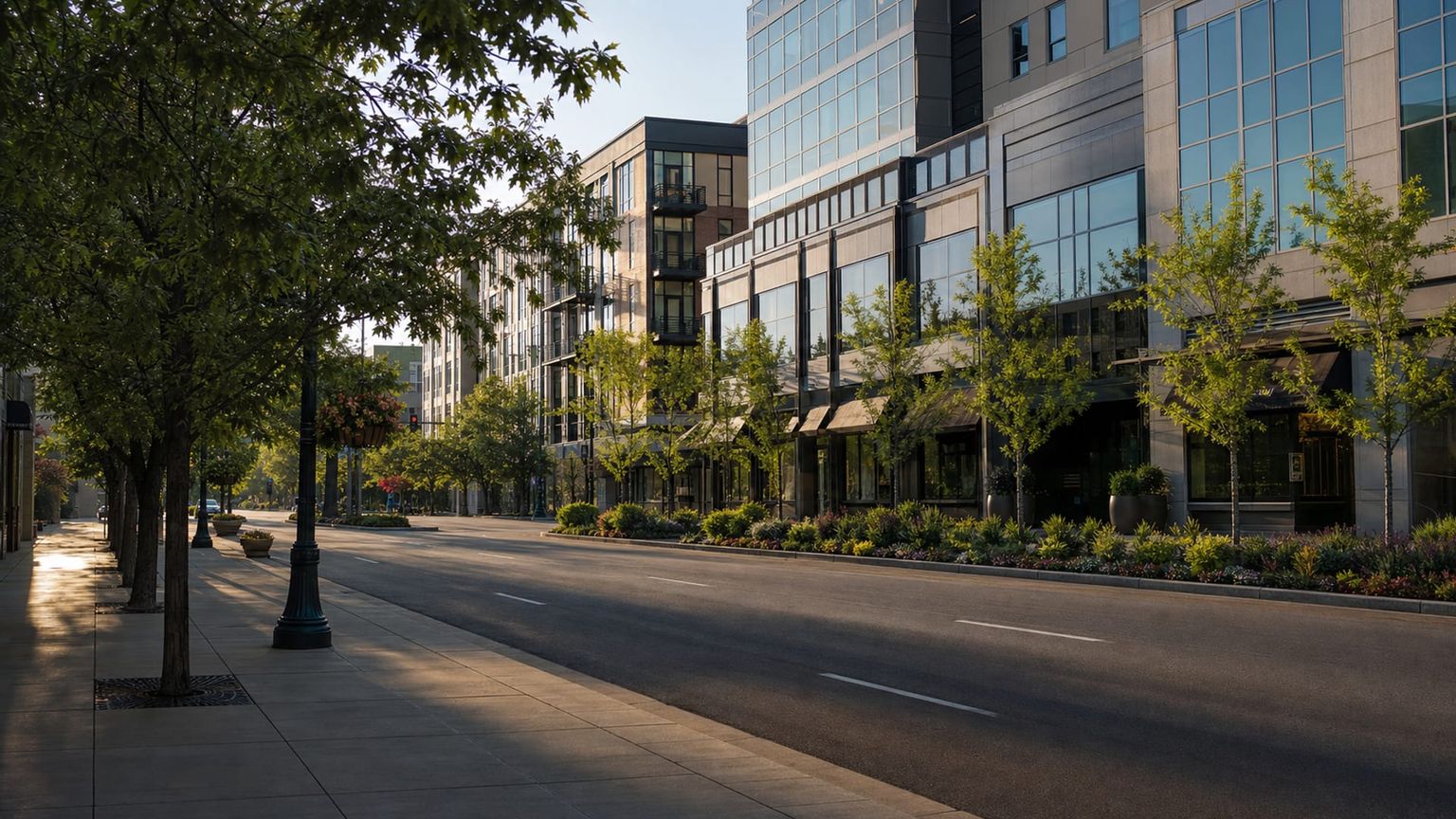
Cherry Creek sits southeast of downtown and centers on a polished retail district, large hotels, and tree-lined residential streets. It appeals to travelers who want an upscale base with easy access to shopping and a quieter residential setting than the core.
Best for: Shopping, upscale stays, and travelers who prefer a calmer evening base
What to expect: Walkable shopping streets, steady daytime traffic, and an older, more residential evening crowd.
Hotel prices: Usually about $220 to $420 per night for well-rated stays
Distance to major sights: About 15 minutes by transit to the Denver Art Museum; about 10 minutes by car to downtown
Quietness: Busy in shopping hours, then notably quieter after stores close.
Main trade-off: Lodging costs more here, and you will depend on rides or buses for most central sightseeing.
Good to know: If you plan to spend evenings in downtown dining districts, budget for extra rides since the area sits outside the main hotel core.
Travelers usually avoid staying in far northwest suburbs such as Westminster and Broomfield, since they sit well outside downtown Denver, the Union Station area, and the main museum district, with limited walkable visitor amenities. The airport area near Denver International Airport (DEN), Green Valley Ranch, and the industrial stretches along I-70 are also less convenient for sightseeing because they are far from major sights and can make evening trips into the city long and costly.
Hotel deals
How to get around Denver efficiently
Denver has no subway, so the A Line, RTD buses and light rail, rideshares, and taxis each cover a different part of the trip.

Metro
for longer distances
Denver has no subway, but RTD’s A Line links Denver International Airport (DEN) to Union Station in about 37 minutes. A one-way regional fare is $10.50 and an all-day pass is $10.50; rail is useful for downtown, Union Station, and connections to other RTD trains and buses.

Bus and tram
for convenience
RTD’s bus and light rail network covers downtown, the Central Business District, Cherry Creek, Capitol Hill, and many neighborhoods beyond the rail lines. A local day pass costs $5.75 and a 3-hour ticket costs $2.75, with transfers valid for the ticket window; pay on board with MyRide or exact fare, then check the Regional Transportation District app for routes and late-evening frequency.

Taxi
for convenience or late hours
Licensed taxis use metered fares, not set citywide flat rates, with airport trips from Denver International Airport (DEN) to downtown often landing at about $75 to $95 before tip and tolls. Cars line up at official stands, taxis accept cash and cards, and shorter inner-city rides usually run about $12 to $25 depending on distance and traffic.
*Prices are based on rates updated as of June 2026 and may change at the time of travel.
Use the A Line for the airport and Union Station, RTD for downtown and nearby neighborhoods, and taxis or rideshares when Red Rocks, Cherry Creek, or evening timing makes speed more important than cost.
Iconic landmarks
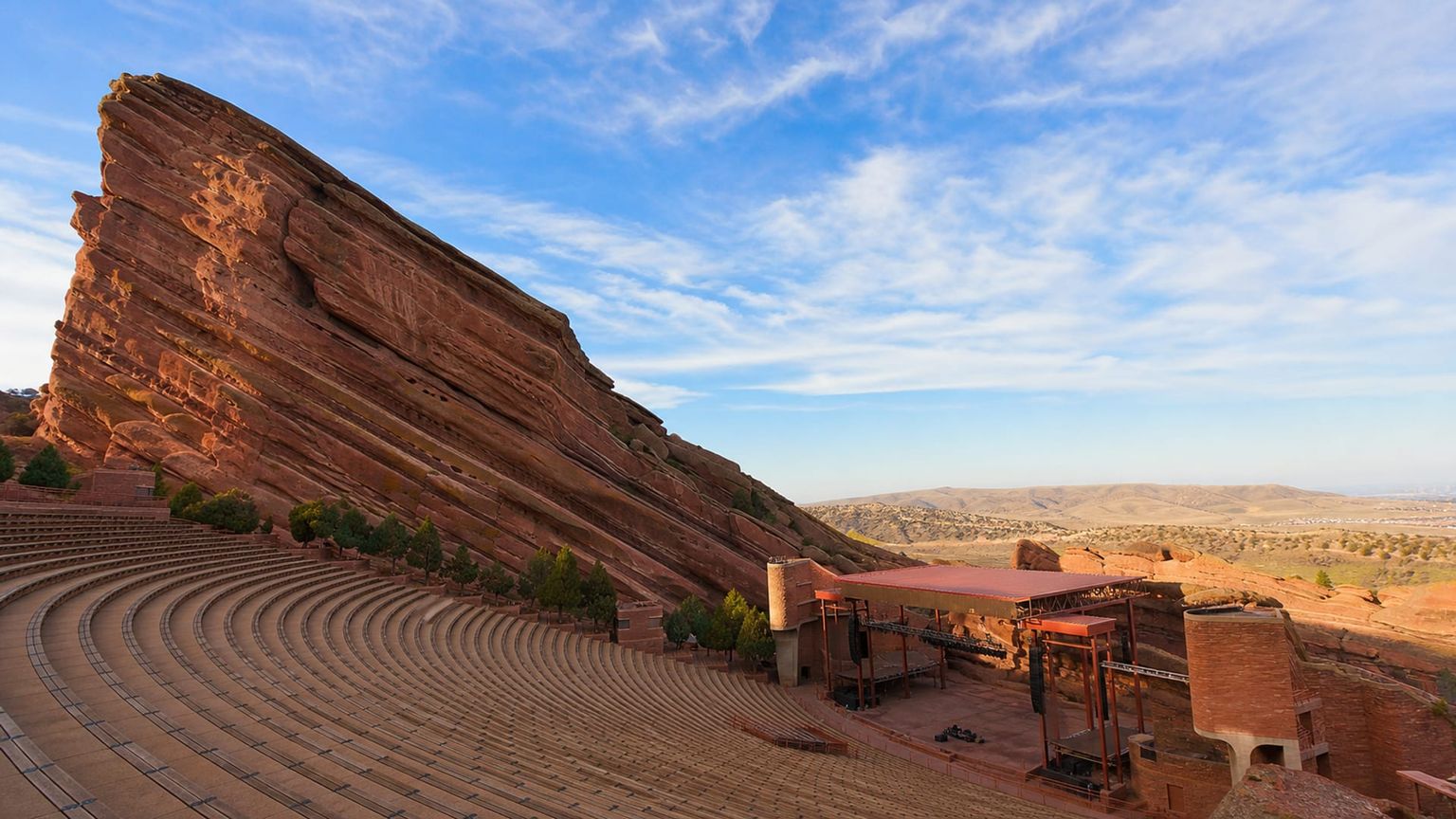
Red Rocks Park and Amphitheatre
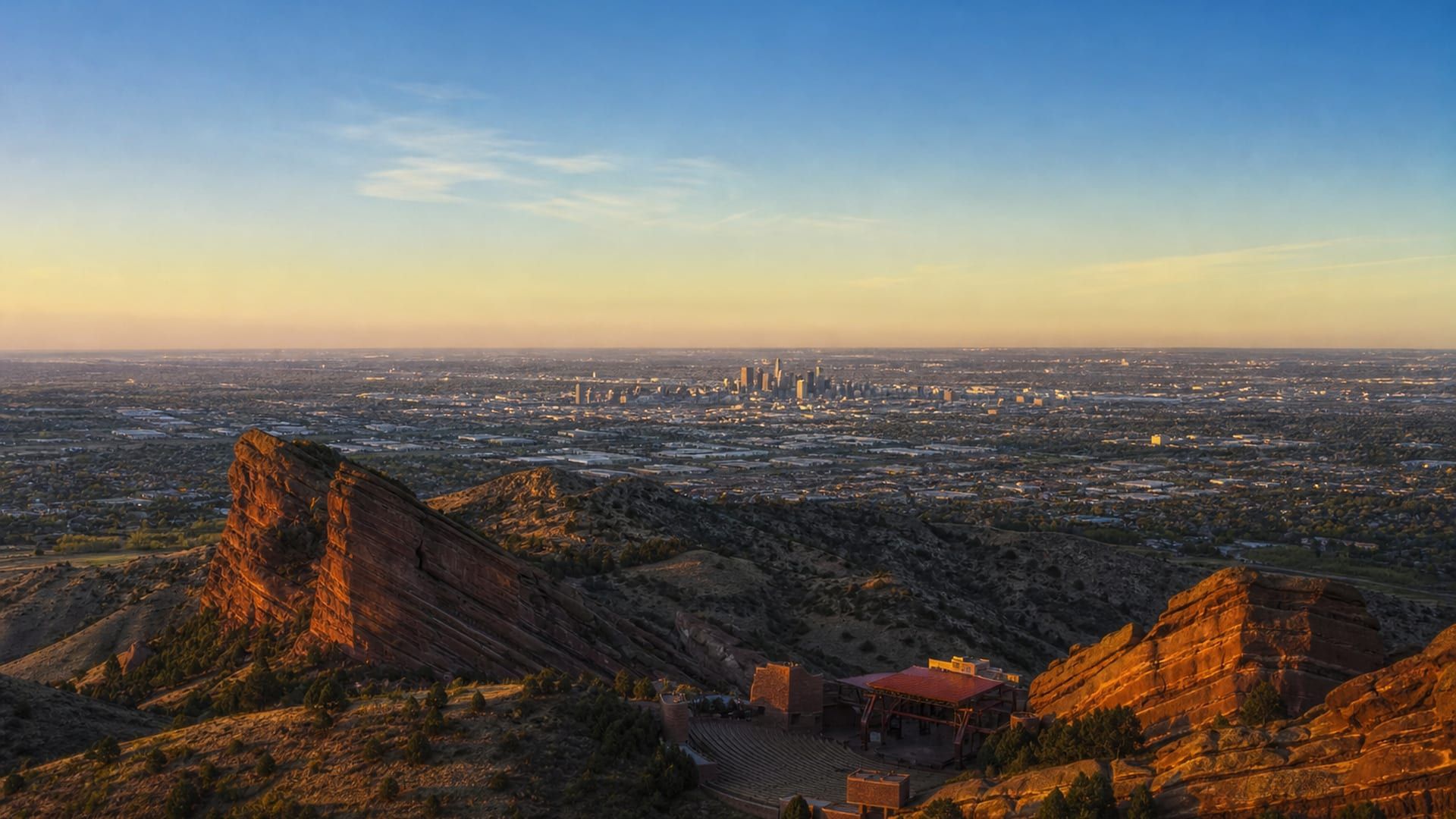
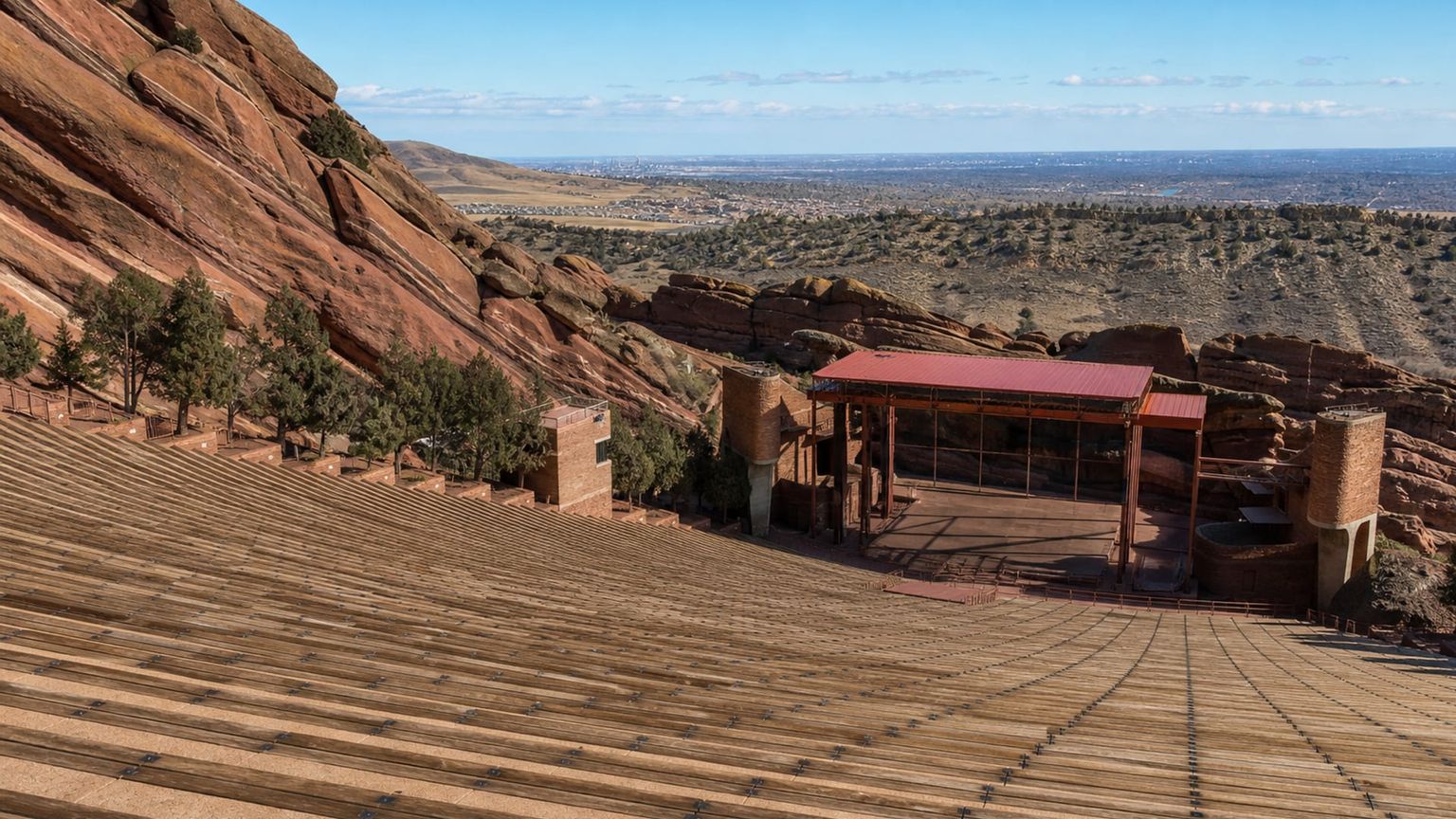
Red Rocks Park and Amphitheatre pairs a natural sandstone amphitheater with a concert venue set about 15 miles west of downtown Denver. Even when no show is on, the trails, geology, and overlook views make it one of the city’s signature stops.
Time needed: About 2 to 3 hours
Entry: Free to access; concert tickets vary by performance, and parking rates depend on event timing and lot assignment. Visit the official site for details.
Tip: Go early or near sunset for cooler temperatures and stronger color on the rocks.
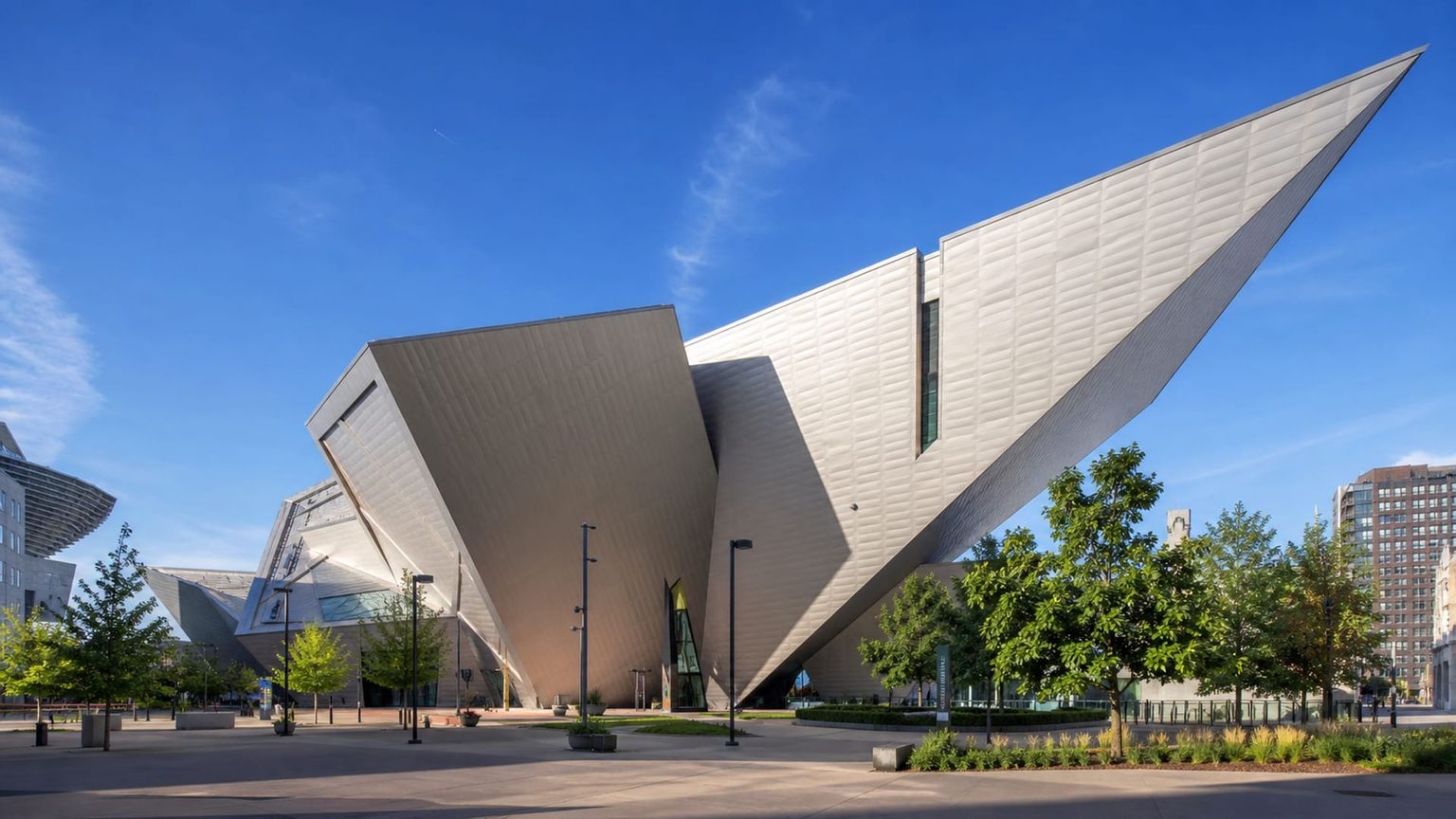
Denver Art Museum
Denver Art Museum stands in the Golden Triangle and draws visitors for its large Native American art holdings and the Frederic C. Hamilton Building. The collection also spans American, European, Asian, and contemporary works across multiple levels.
Time needed: About 2 to 3 hours
Entry: Adults pay $30, seniors 65 and older pay $24, students with ID pay $24, and ages 18 and under enter free. Visit the official site for details.
Tip: Arrive near opening time to see the galleries before midday crowds build.
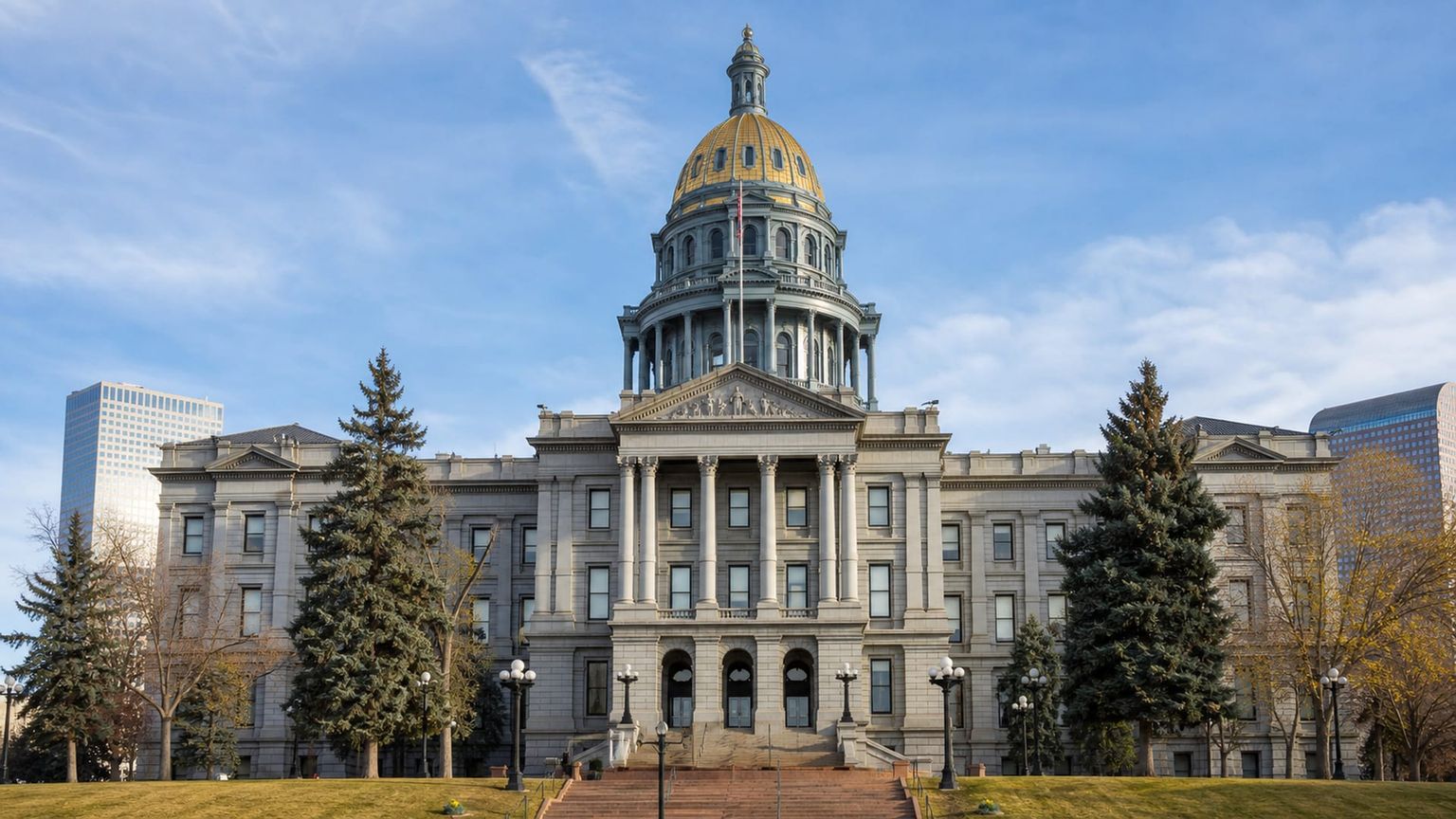
Colorado State Capitol
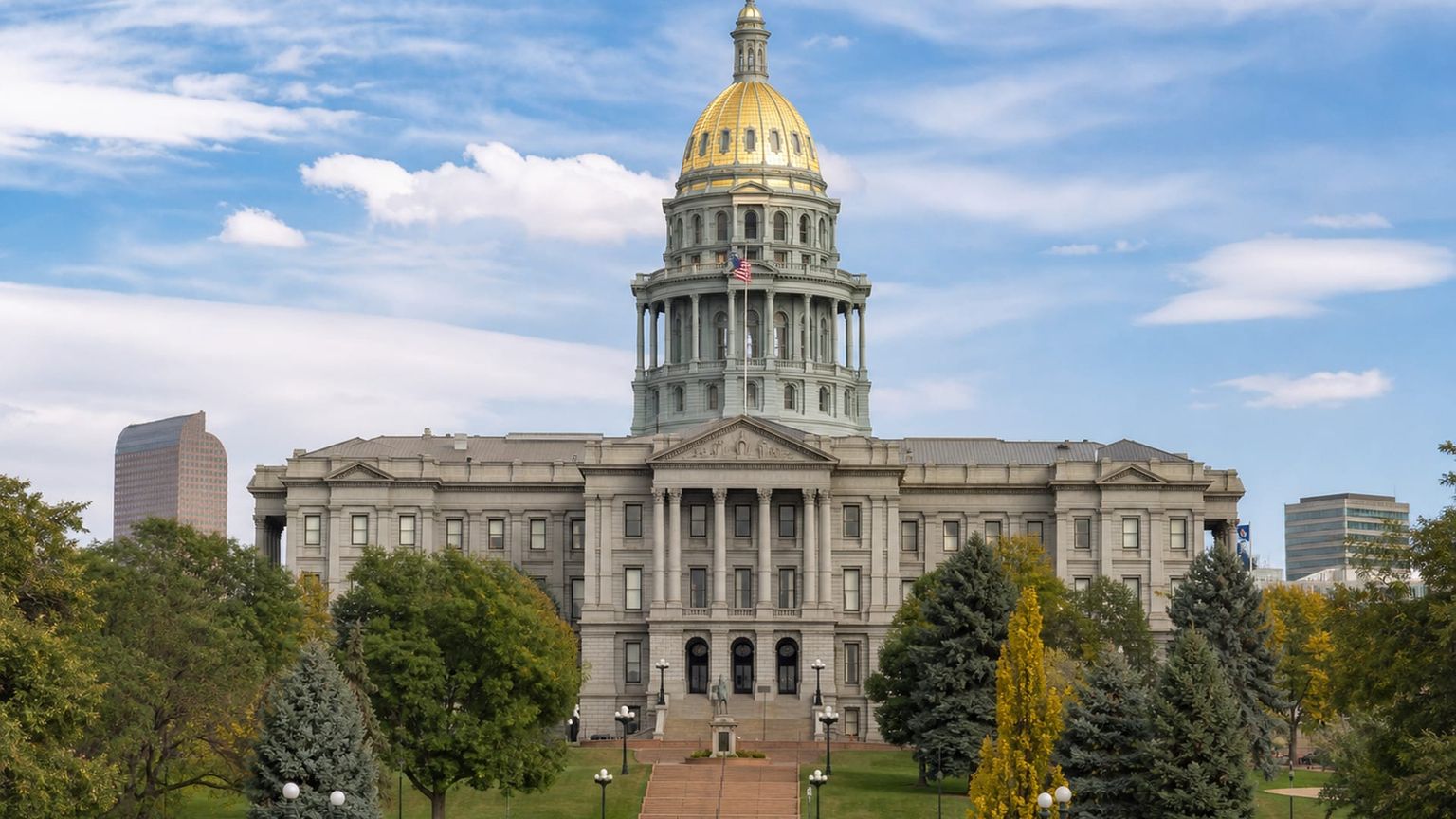
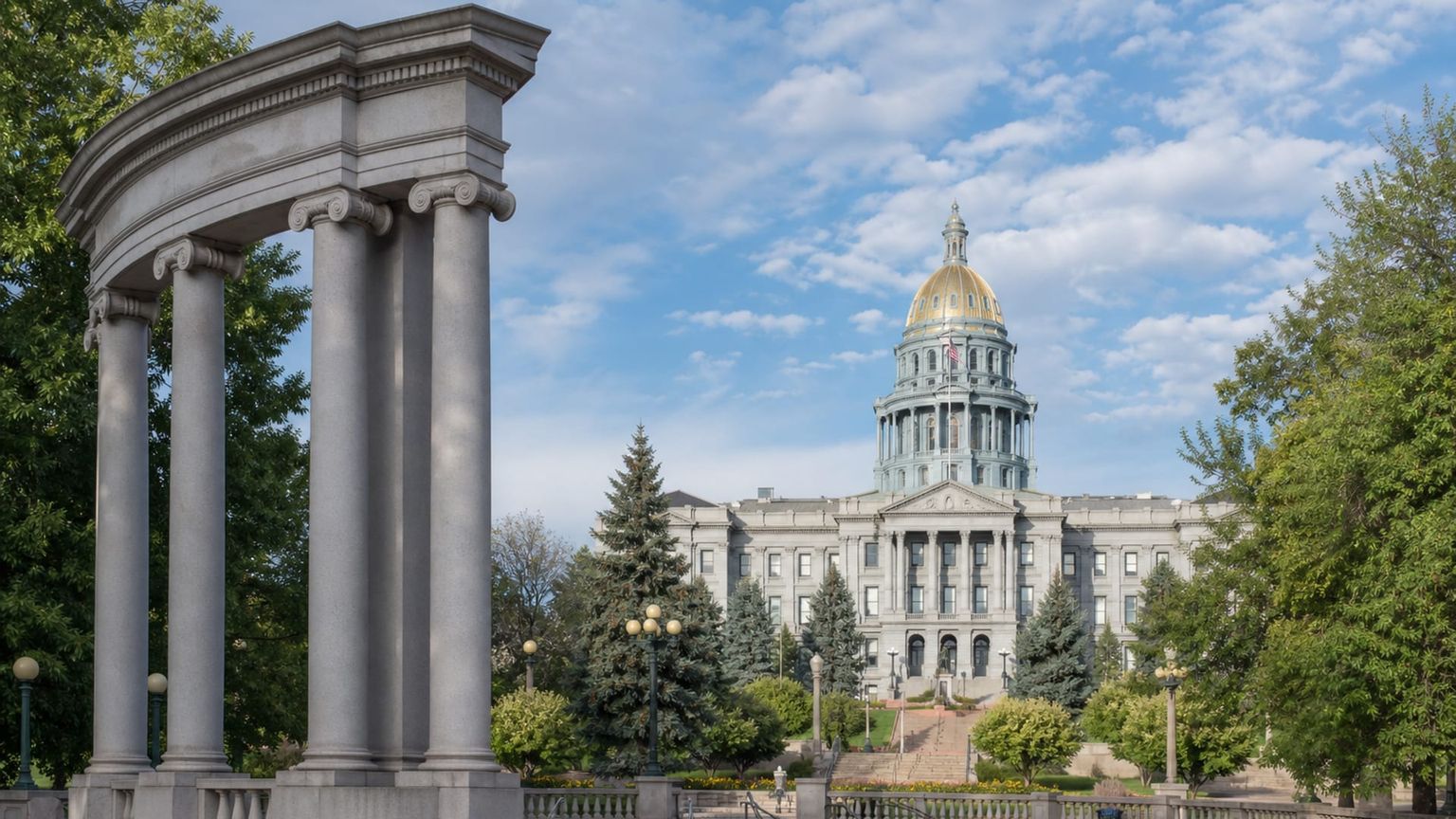
Colorado State Capitol sits on a hill east of downtown and marks Colorado’s 13th statehouse. Its gold dome, granite steps, and 13th-step elevation point create one of the city’s clearest landmarks, with guided tours when the building is open to visitors.
Time needed: About 1 to 2 hours
Entry: Free to access; guided tour times vary, and some interior areas may close for government use or security screening. Visit the official site for details.
Tip: Go on a clear morning for the best mountain views from the east side steps.
Overlooked sites worth visiting

Molly Brown House Museum
This restored 1880s mansion preserves the story of Titanic survivor Margaret Brown with original furnishings, period rooms, and guided tours in Capitol Hill.
Time needed: About 1 to 1.5 hours
Entry: Adult admission is typically about $15 to $18 ($15 to $18), with lower rates for seniors, students, and children; guided tour capacity is limited, so timed entry can sell out on busy days. Visit the official site for details.
Tip: Go early for smaller tour groups and easier photo access.

Sloan's Lake Park
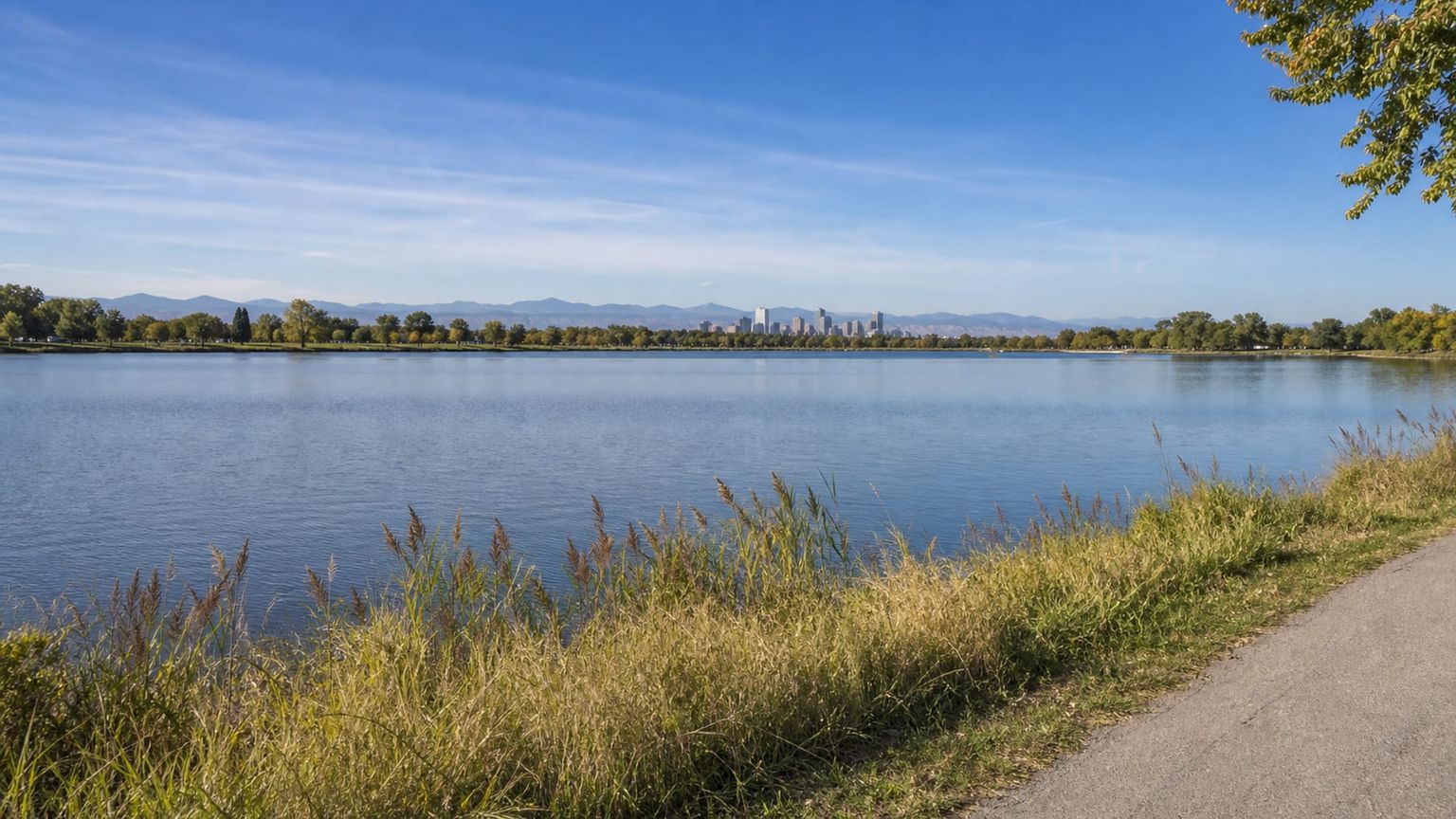
Denver’s largest lake park offers a long shoreline path, wide Front Range views, and quieter corners for walking, birdwatching, or sunset without leaving the city.
Time needed: About 1 to 2 hours
Entry: Free to access, with no general admission fee. Parking is free in some street spaces and paid in nearby lots; rentals, if available, are separate from park entry and change by vendor and season.
Tip: Visit at sunset for the clearest mountain light.
Traditional food
Denver food leans into green chile heat, grilled beef, and hearty mountain-city comfort, with Rocky Mountain oysters, omelets, and bison showing up beside casual steakhouses and breakfast counters.
Green chile
Denver-style green chile brings pork, tomatillos, and chile heat into a thick sauce that works at breakfast or dinner. Santiago’s is a dependable local stop for a bowl or smothered plate.
Rocky Mountain oysters
This regional specialty usually arrives breaded and fried, with a crisp outside and a richer center than first-time diners expect. Buckhorn Exchange serves one of Denver’s best-known versions in a historic setting.
Denver omelet
Ham, green peppers, onions, and cheese give this breakfast classic its familiar Denver shape. The original 1930s recipe is closely associated with the Original Pancake House, which serves a classic version in metro Denver.
Bison burger
A bison burger brings a leaner, richer flavor than standard beef and fits Denver’s western dining identity. Guard and Grace is a strong choice for a polished version downtown.
Best time to visit Denver
Denver changes most in the shoulder seasons, when clear skies, mountain views, and outdoor plans can either line up well or give way to snow, heat, or afternoon storms.
Best for: Best for mild city walks and early patio season
What you get: About 50 to 72°F (10 to 22°C), with lighter crowds before summer travel builds
Trade-offs: Late snow and windy days can interrupt outdoor plans
Best for: Best for long daylight, Red Rocks, and lake time
What you get: About 70 to 90°F (21 to 32°C), with heavier demand at major sights and concerts
Trade-offs: Afternoon storms and peak-season crowds can slow plans
Best for: Best for crisp weather and mountain visibility
What you get: About 45 to 75°F (7 to 24°C), with manageable crowds after summer peaks fade
Trade-offs: Temperature swings can be sharp after sunset
Best for: Best for lower prices and quiet museum days
What you get: About 20 to 45°F (-7 to 7°C), with fewer visitors except around holidays and snow weekends
Trade-offs: Cold snaps and snow can complicate west-side outings
A realistic 5-day plan in Denver
The five-day plan starts with arrival near Union Station, then moves through the Capitol Hill museums, Red Rocks, Sloan’s Lake, and Cherry Creek. It leaves room for transit time, which matters here more than in many cities.
Land at Denver International Airport (DEN), then take the A Line train to Union Station in about 37 minutes for $10.50, or a rideshare into LoDo or Union Station / Central Platte Valley for about $45 to $70 depending on traffic and demand. If you arrive early enough for daylight, check in near Union Station, then keep dinner close by with a simple meal in LoDo, where you can walk back easily after a long flight. Drink plenty of water, especially if you are coming from sea level, and save the evening for an unhurried walk along the station area before turning in.
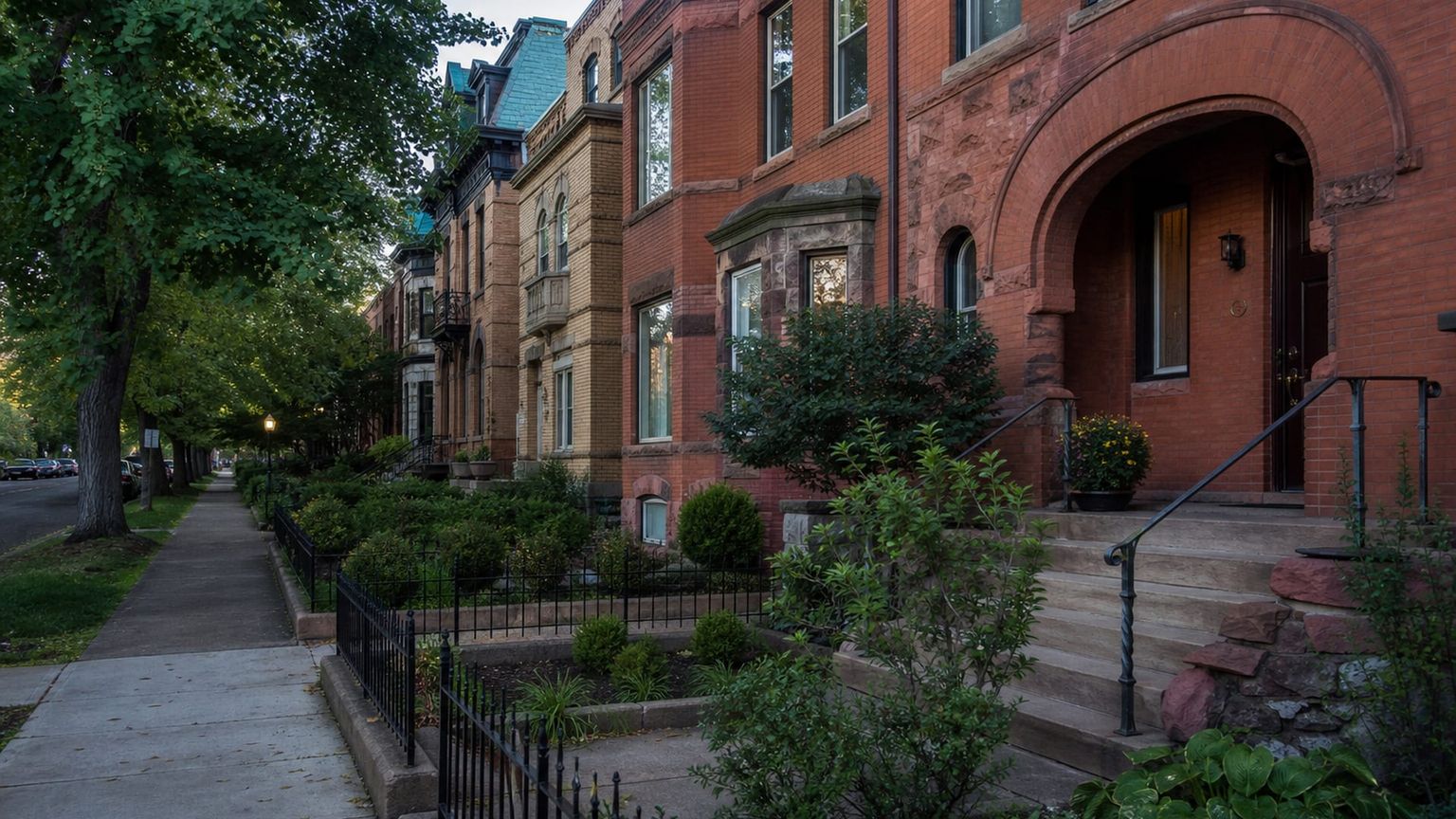
Start at the Colorado State Capitol, where a clear morning gives you the best view from the east steps, then walk about 10 to 15 minutes to the Denver Art Museum in the Golden Triangle. Spend about 2 to 3 hours at the museum, then continue on foot to the Molly Brown House Museum in Capitol Hill, about 15 to 20 minutes away, for a smaller, more intimate visit that fits neatly into the same half day. Return to Capitol Hill for dinner, where the neighborhood gives you more dining choices than the museum district without pulling you far from your hotel.
Red Rocks Park and Amphitheatre makes the strongest west-side outing, so head there early, before heat and crowds build. From downtown Denver, the drive takes about 25 to 40 minutes each way depending on traffic, and you will want roughly 2 to 3 hours on site for the trails, the amphitheater steps, and the overlooks. After that, come back toward the city and finish with a relaxed evening in LoDo, where Union Station and the nearby blocks give you an easy place to have dinner without another long transfer.
A slower morning works well at Sloan’s Lake Park, where the shoreline path and Front Range views make a good change of pace from downtown. From LoDo or Union Station, expect about a 15 to 20 minute rideshare, then plan about 1 to 2 hours for a walk, coffee, or a pause by the water. In the afternoon, return to Cherry Creek for shopping and an easy meal, since the district offers a different side of Denver with larger stores, residential streets, and a calmer evening than the core.
One last circuit suits Denver well if you start with a short museum visit, move into Cherry Creek for shopping, then finish in Capitol Hill at a local cafe before heading out. If you want a final indoor stop, return to the Denver Art Museum for another look at the galleries, then spend the rest of the day browsing Cherry Creek’s retail streets, about 15 minutes by transit from the museum. End with coffee or an early pastry in Capitol Hill, where you can sit for a while before taking the A Line back to Denver International Airport (DEN) from Union Station if your flight leaves later in the day.
Business-class flights from the US to Denver
Denver links well to both coasts, but the pricing and routing logic shifts by origin. From New York and Los Angeles, the best options usually depend on whether you value nonstop timing or a lower fare through a hub.
From New York, Delta Air Lines, JetBlue, United Airlines, American Airlines, and Southwest Airlines all sell options into Denver, with nonstop trips taking about 3.5 to 4 hours. If you can tolerate a connection, common stops via ORD, DFW, IAH, CLT, or ATL can bring fares down to roughly $500 to $1,100 round-trip.
Los Angeles itineraries are shorter, with United Airlines, Delta Air Lines, American Airlines, Southwest Airlines, and Alaska Airlines all operating on the route. Direct flights run about 2.5 to 3 hours, while connections through SFO, PHX, LAS, SLC, or DFW can lower round-trip fares to about $700 to $1,700, with nonstop prices usually at the upper end.
Denver feels different when you slow down
A good Denver trip uses the city in pieces: the A Line from Denver International Airport (DEN), walks between the Colorado State Capitol and the Denver Art Museum, a west-side day for Red Rocks, then an easy dinner back in LoDo or Capitol Hill. That mix keeps the schedule grounded in places you can actually move between without losing half a day. If you want help shaping the details, the AranGrant experts can match your trip to the season and neighborhood that fit best