

Chapters:

Need help with your trip?
Our support team is available 24/7. Request a callback or call us directly at (833) 619-0908
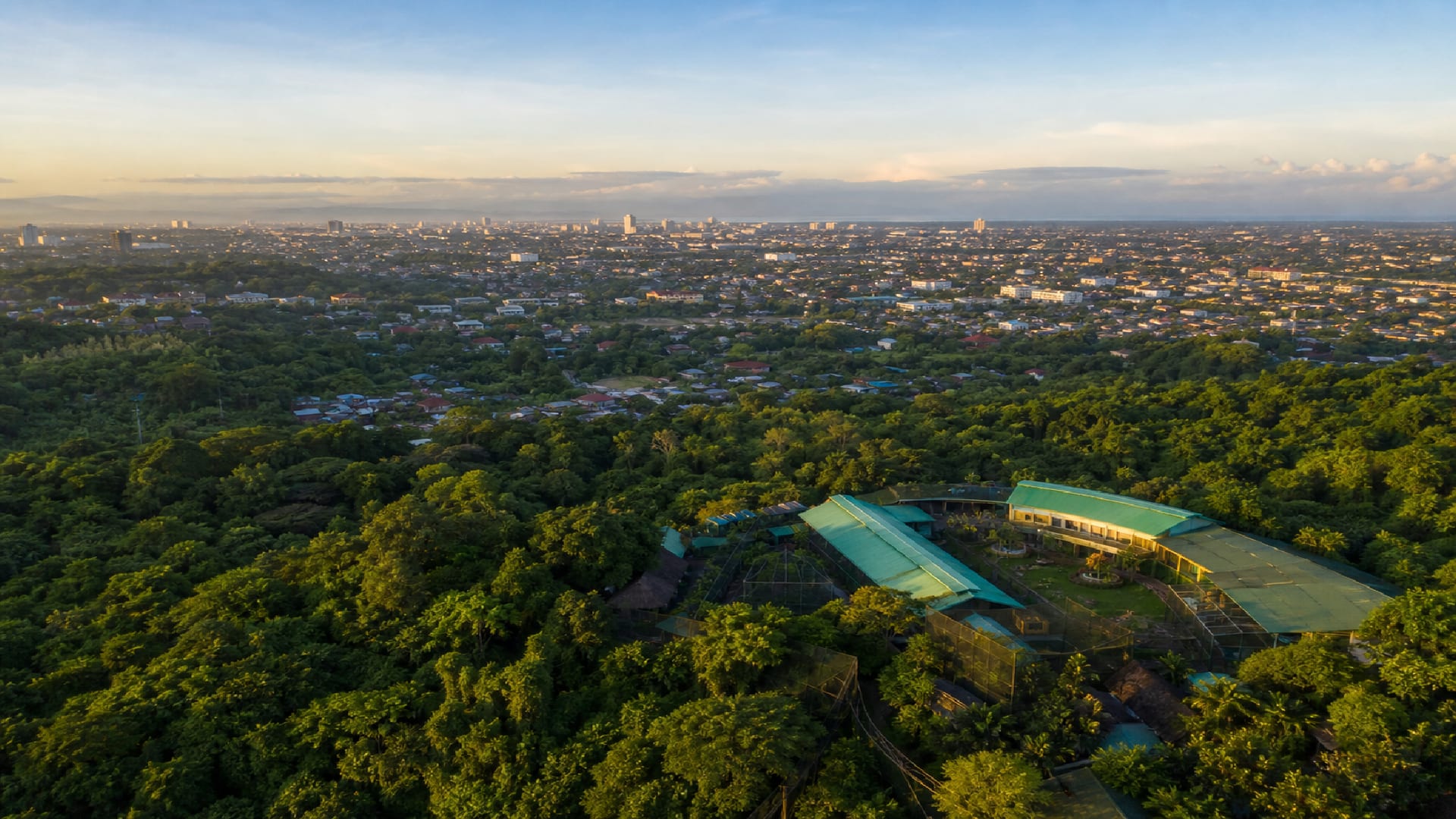
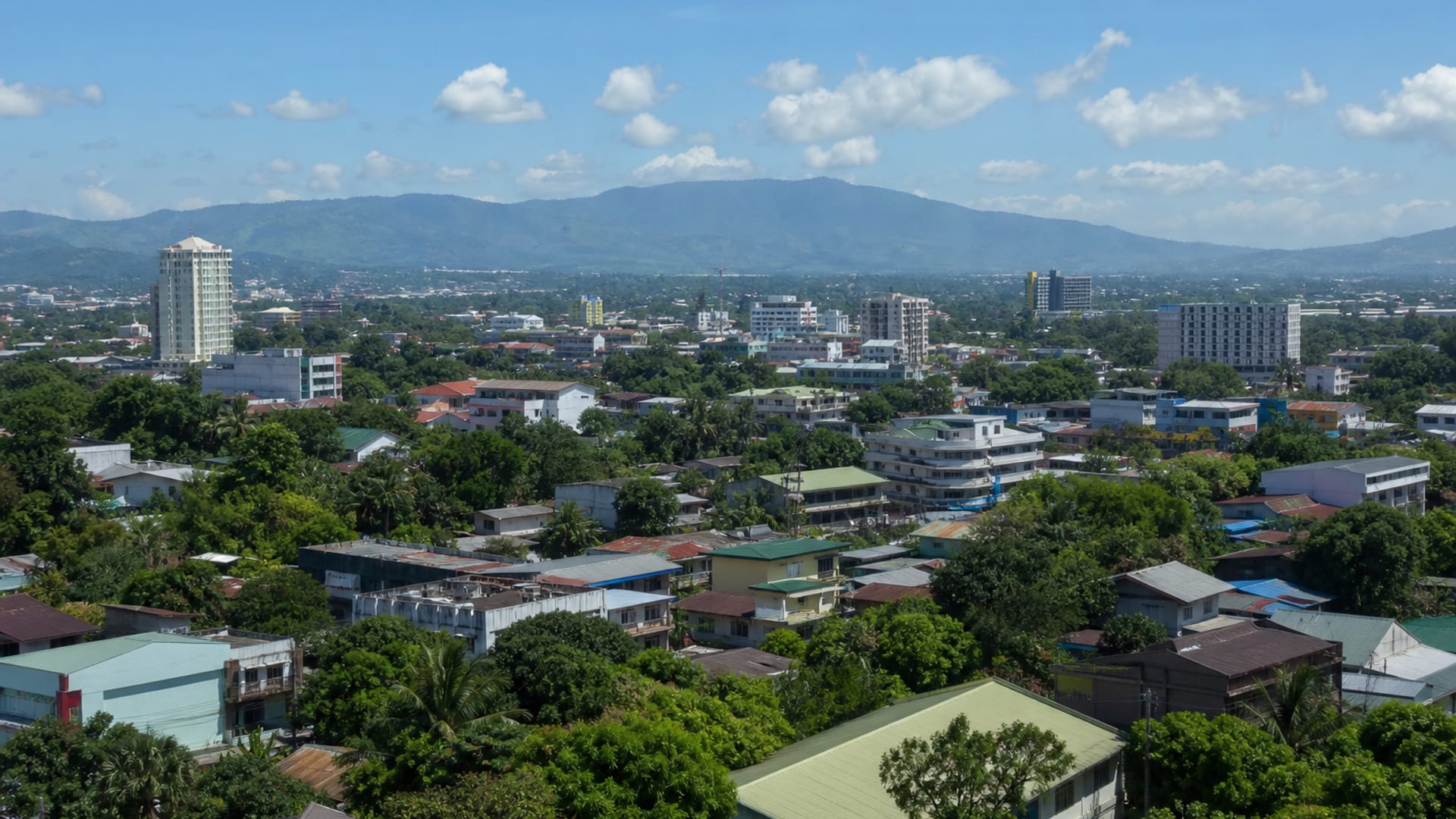
Davao City anchors the southern Philippines, sprawling across more land than any other city in the country yet staying easy to navigate once you know its districts.
Business travelers land at Francisco Bangoy International Airport minutes from downtown hotels, then find a city built around durian markets, a boat-roofed cathedral, and the world’s only breeding center for the Philippine eagle. Mindanao’s fishing industry keeps the food scene centered on fresh tuna and kinilaw, while Lanang’s convention venues and business hotels serve the corporate crowd.
This guide covers where to stay, how to get around, what to eat, and when to visit, then lays out a realistic five-day plan and the business-class routes from New York or Los Angeles.
Useful things to know

Main language(s): Cebuano
Maayong adlaw (mah-ah-yong ahd-law) – Hello / good day
Palihug (pah-lee-hoog) – Please
Salamat (sah-lah-maht) – Thank you
Makasulti ka og Iningles? (mah-kah-sool-tee kah ohg ih-ning-glez) – Do you speak English?
Tagpila ni? (tahg-pee-lah nee) – How much does it cost?

Currency: Philippine peso (PHP, ₱)

Cash and cards: Cards and contactless payments are widely accepted in Davao, but keep about ₱1,000 to ₱2,000 ($16 to $32) in cash for taxis and markets.

Tipping: Round up small bills; in restaurants, leaving 5%–10% for good service is appreciated.

Traditional food: Kinilaw, sinuglaw, grilled tuna, and durian are worth trying in Davao.

Water and coffee costs: Bottled water is ₱25 ($0.40), and a bar espresso is ₱120 ($1.90).

Taxis and ride apps: Grab and inDrive operate here; confirm the fare before you book inDrive.

Plug and voltage: Type A/B/C socket, 220V

Dining and shop opening hours: Breakfast is served from 6:00 am to 9:00 am, lunch between 12:00 pm and 2:00 pm, and dinner from 6:00 pm to 9:00 pm. Many malls and some restaurants stay open later, especially on weekends.

Emergency number: Call 911 for police, fire, and medical emergencies.
Where to stay in Davao
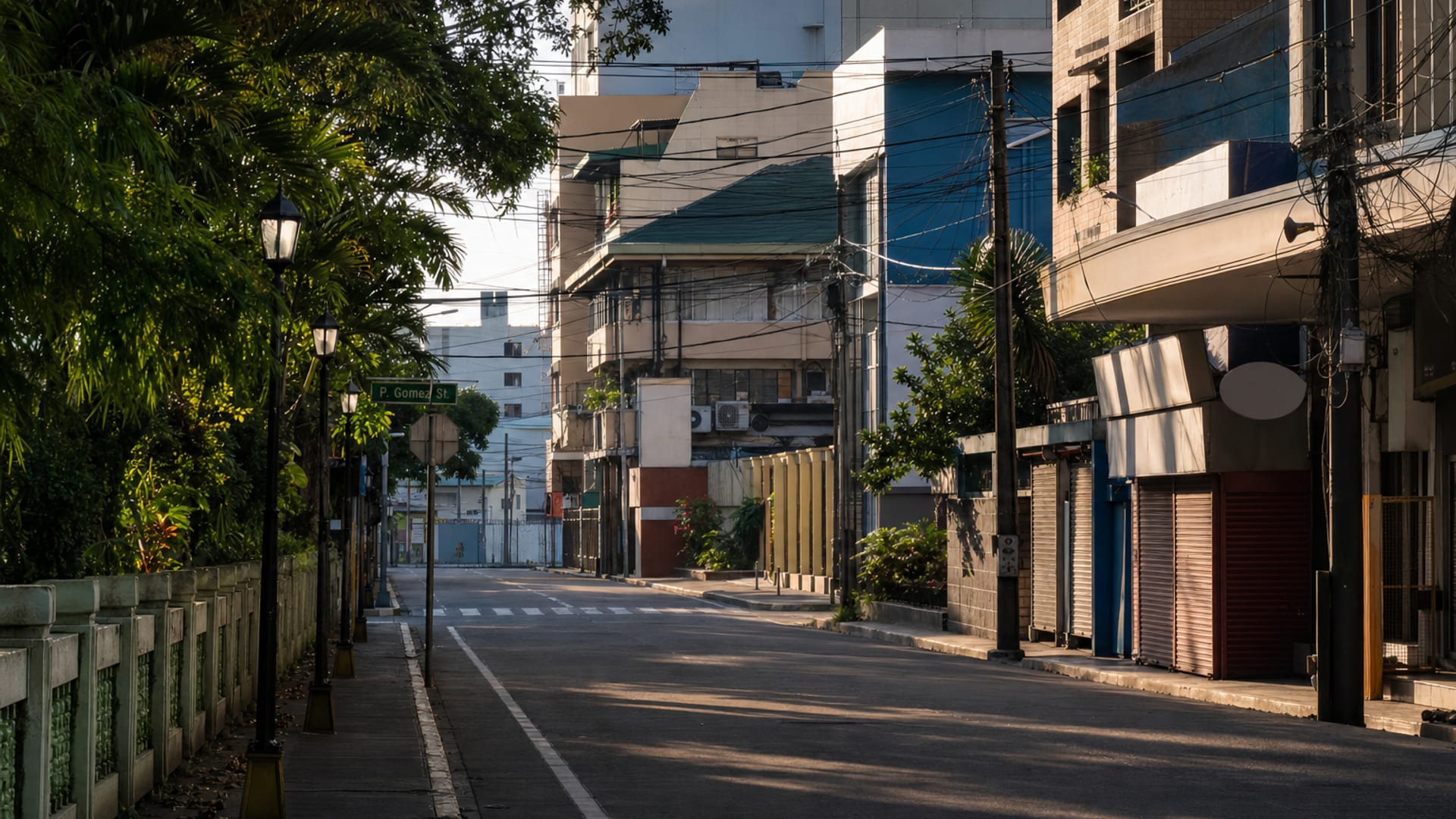
Davao’s main downtown area has a high concentration of hotels, government offices, banks, and restaurants near the old city center. It is close to San Pedro Cathedral and gives you quick access to taxis for trips across the metro area.
Best for: First-time visits, business trips, and travelers who want the shortest hop to central sights and errands
What to expect: Busy sidewalks by day, with office workers, shoppers, and diners moving through the streets; evenings stay active near restaurants and bars.
Hotel prices: Well-rated hotels typically cost ₱2,200 to ₱5,650 ($35 to $90) per night.
Distance to major sights: About 5 to 15 minutes by taxi to People’s Park and 10 to 20 minutes to the Davao Museum area
Quietness: Daytime is lively and traffic-heavy; evenings are calm on smaller side streets but stay active near dining blocks.
Main trade-off: The central location comes with heavier traffic, limited parking, and more street noise than neighborhoods farther from downtown.
Good to know: If you plan to rely on taxis, downtown is a convenient location for reaching most appointments and city sights, but hotels on main roads can be noisier at night.
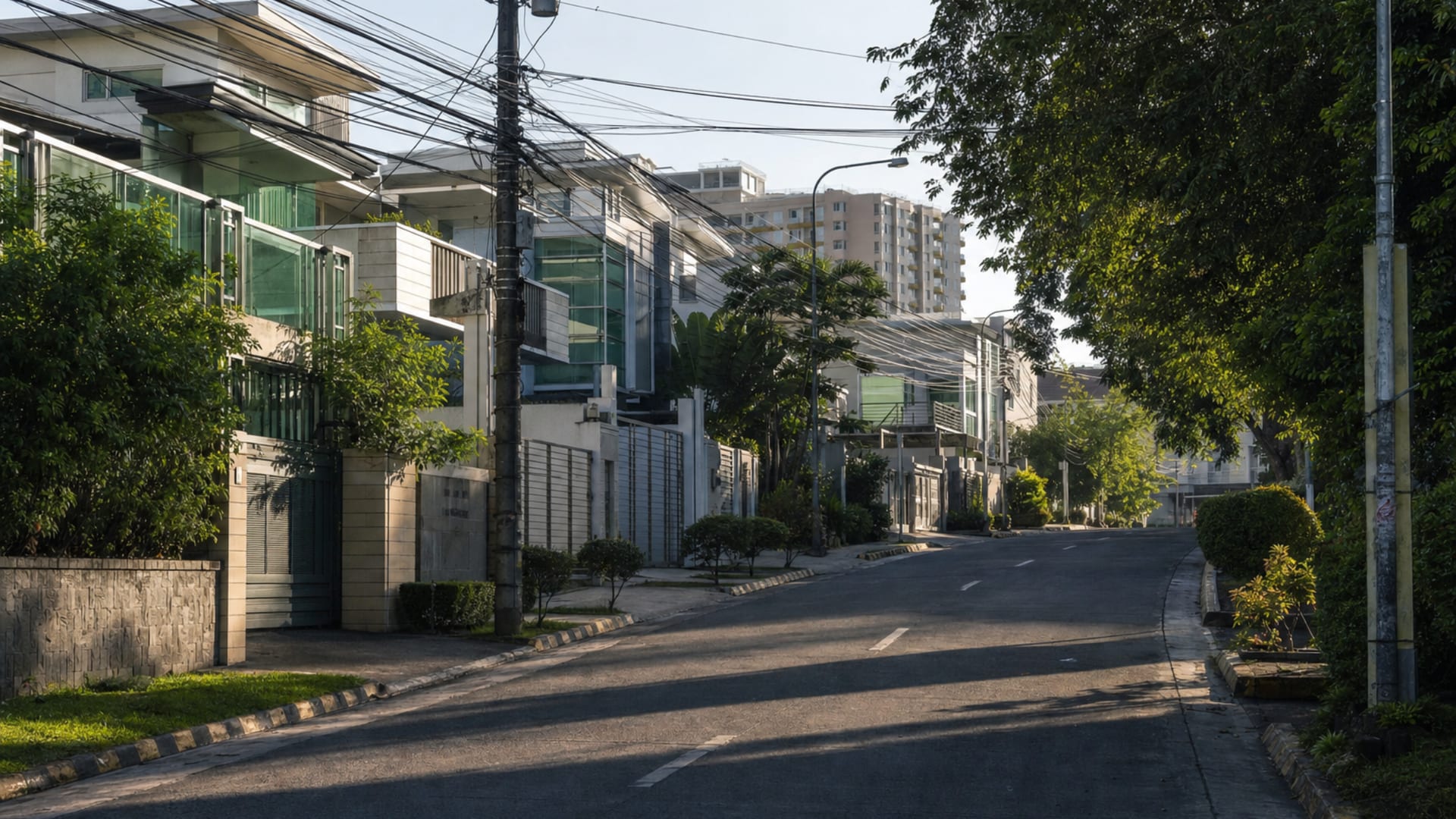
Ecoland sits south of the old center and combines malls, condo towers, and a large bus terminal area. It works well if you want a modern base with quick access to shopping, ferries, and the roads leading toward the airport and southern Davao.
Best for: Shopping, long-distance bus connections, and travelers who prefer newer hotels with easier road access
What to expect: Broad roads, mall traffic, and steady movement around the terminal and commercial blocks; the area is busier during shopping hours.
Hotel prices: Expect to pay about ₱2,500 to ₱6,900 ($40 to $110) per night for well-rated stays.
Distance to major sights: About 10 to 20 minutes by taxi to People’s Park and 5 to 15 minutes on foot to the Davao City Overland Transport Terminal
Quietness: Days are active with mall and terminal traffic; evenings get quieter away from the main roads and commercial fronts.
Main trade-off: The area has newer hotels and residential buildings, and convenient transport links, but it is farther from the compact downtown core and its historic sights.
Good to know: Choose a room away from the bus terminal frontage if you want less road noise, because the busiest blocks stay active late into the evening.
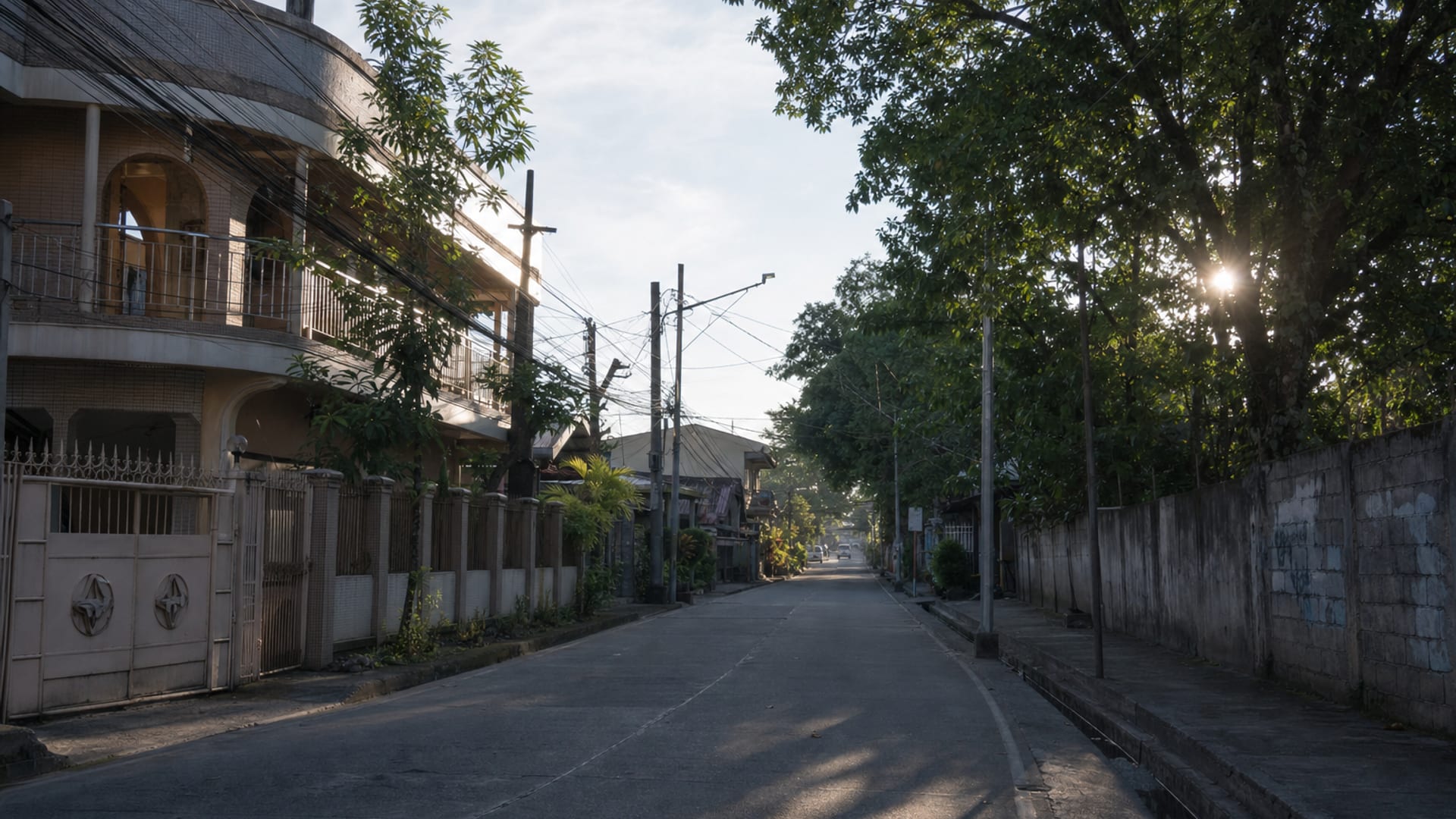
Buhangin is a north-side residential and commercial district with malls, subdivisions, and many midrange hotels. It suits visitors who want a quieter place to stay than downtown, with easy taxi access to the airport and central Davao.
Best for: Airport access, longer stays, and travelers who want a residential setting with nearby malls and dining
What to expect: The area has local traffic, subdivision streets, and mall activity, with a more residential character than downtown.
Hotel prices: Well-rated hotels typically cost about ₱1,900 to ₱5,300 ($30 to $85) per night.
Distance to major sights: 10 to 20 minutes by taxi to Davao (DVO) and roughly 20 to 35 minutes to People’s Park
Quietness: Commercial streets are busy during the day, while the residential sections are generally quiet in the evening.
Main trade-off: The area is quieter, but trips to the old city center and waterfront take longer.
Good to know: Check the exact location before booking, because stays near major roads are much louder than those inside the subdivision streets.
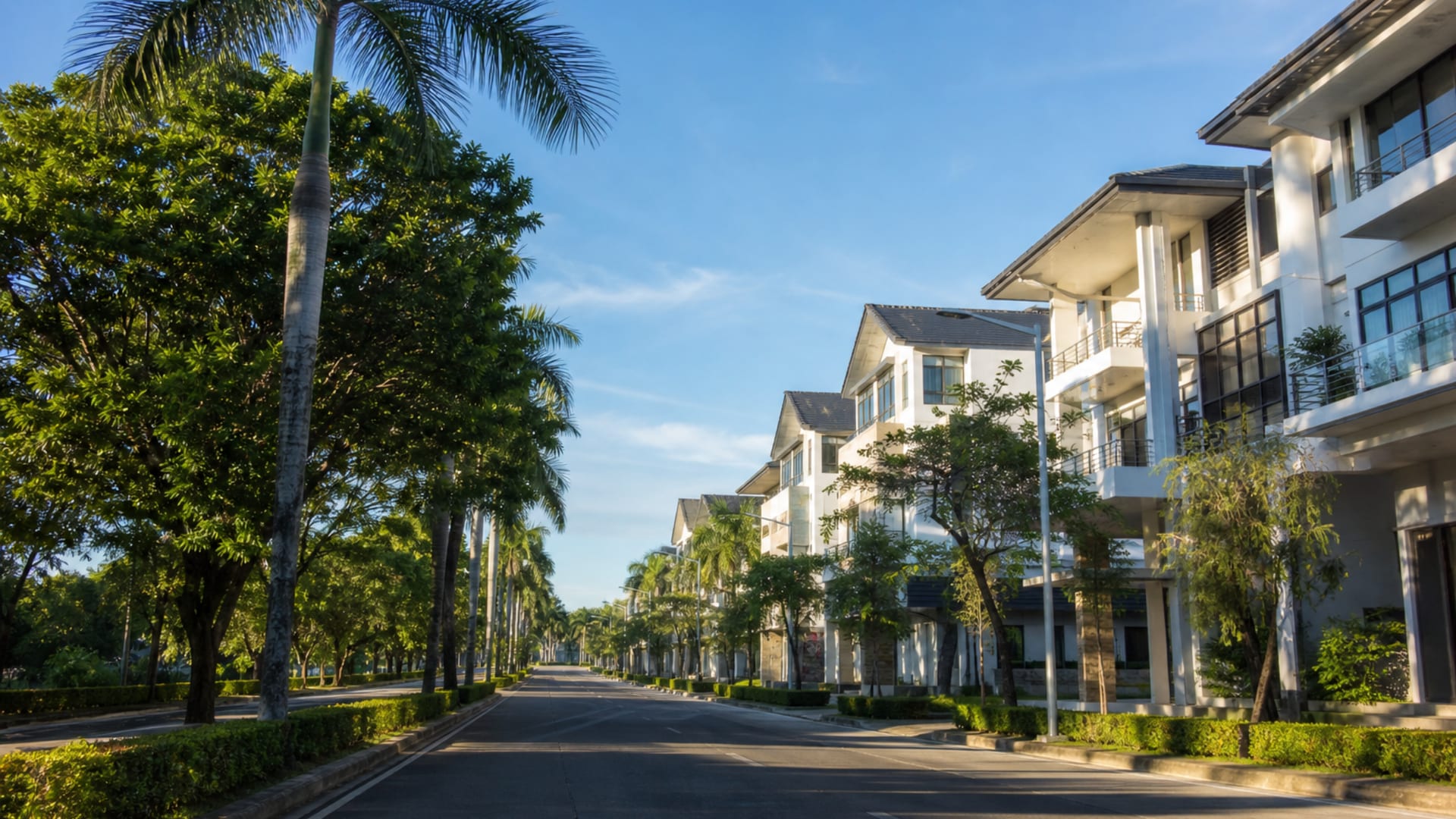
Lanang extends along Davao’s northern coast, with business hotels, malls, and convention venues. The area is a convenient choice for travelers who prefer upscale accommodations and want to stay closer to the airport, convention venues, and major roads.
Best for: Business travel, airport access, conventions, and visitors who prefer large hotels and new commercial areas
What to expect: Wide roads, hotel arrivals, mall traffic, and a noticeably car-oriented setting; the district is active but not densely packed with pedestrians.
Hotel prices: Well-rated hotels typically cost ₱2,800 to ₱8,200 ($45 to $130) per night.
Distance to major sights: 10 to 15 minutes by taxi to Davao (DVO) and 20 to 30 minutes to People’s Park
Quietness: Days are busy around hotels and shopping centers; evenings are calmer once conference traffic and retail crowds thin out.
Main trade-off: The area has newer hotels and shorter airport transfers, but most sightseeing trips to central Davao take longer.
Good to know: If you have meetings near the convention area, staying here cuts road time, but downtown dinners and heritage stops will still need a taxi.
Toril, Calinan, and Marilog are generally less convenient for visitors because they are far from the main city sights, and evening trips to and from central Davao take longer.
Hotel deals
How to get around Davao efficiently
Taxis, jeepneys, UV Express vans, and city buses get you around Davao, each suited to a different kind of trip.

Jeepney and UV Express
for short and mid-distance budget rides
Both follow fixed routes. Jeepney fares start at ₱13 to ₱14 ($0.20 to $0.22) for short trips within the city, while UV Express vans generally cost more and cover longer distances. Passengers pay in cash, and jeepney service becomes limited between 10:00 pm and 5:00 am.

City Bus
DIBS) (for peak-hour commutes on set routes
Davao launched the DC Bus in 2025, with air-conditioned buses serving routes between outer districts and central Davao. Rides are free, and buses operate Monday to Saturday from 6:00 am to 10:00 am and 4:00 pm to 9:00 pm, within the peak-hour schedule.

Taxi, Grab, and inDrive
for direct trips, luggage, or late hours
Metered taxis start at ₱50 ($0.80), plus ₱13.50 ($0.22) per kilometer and ₱2 ($0.03) per minute. A ride from Davao Airport (DVO) to central Davao costs ₱190 to ₱380 ($3 to $6). Grab shows the fare upfront, while inDrive lets you negotiate. Both are useful after dark, once transport options thin out.
*Prices are based on rates updated as of June 2026 and may change at the time of travel.
Use taxis or ride apps for direct trips, jeepneys or UV Express for cheap hops, and city buses for short peak-hour rides.
Iconic landmarks
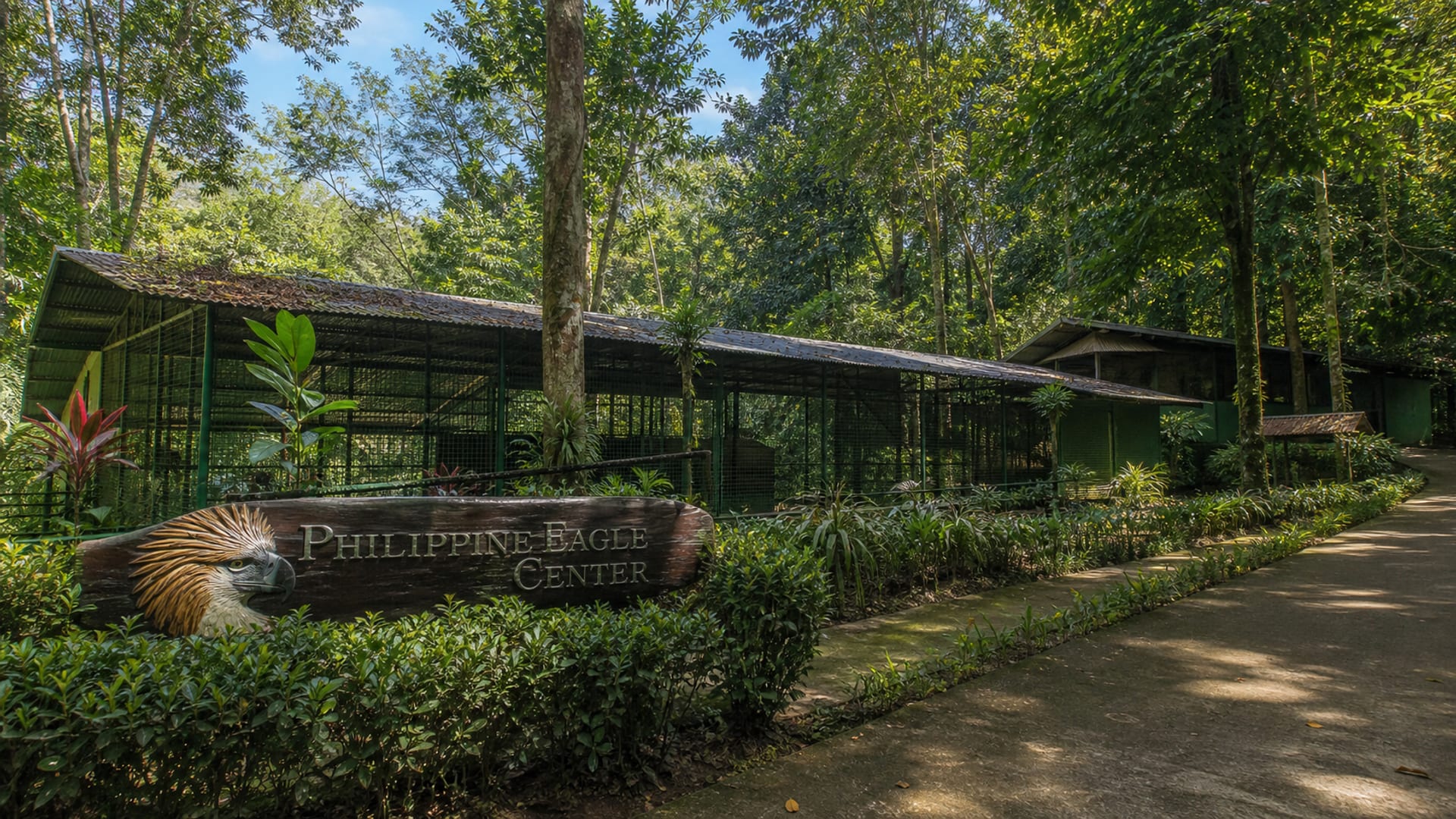
Philippine Eagle Center
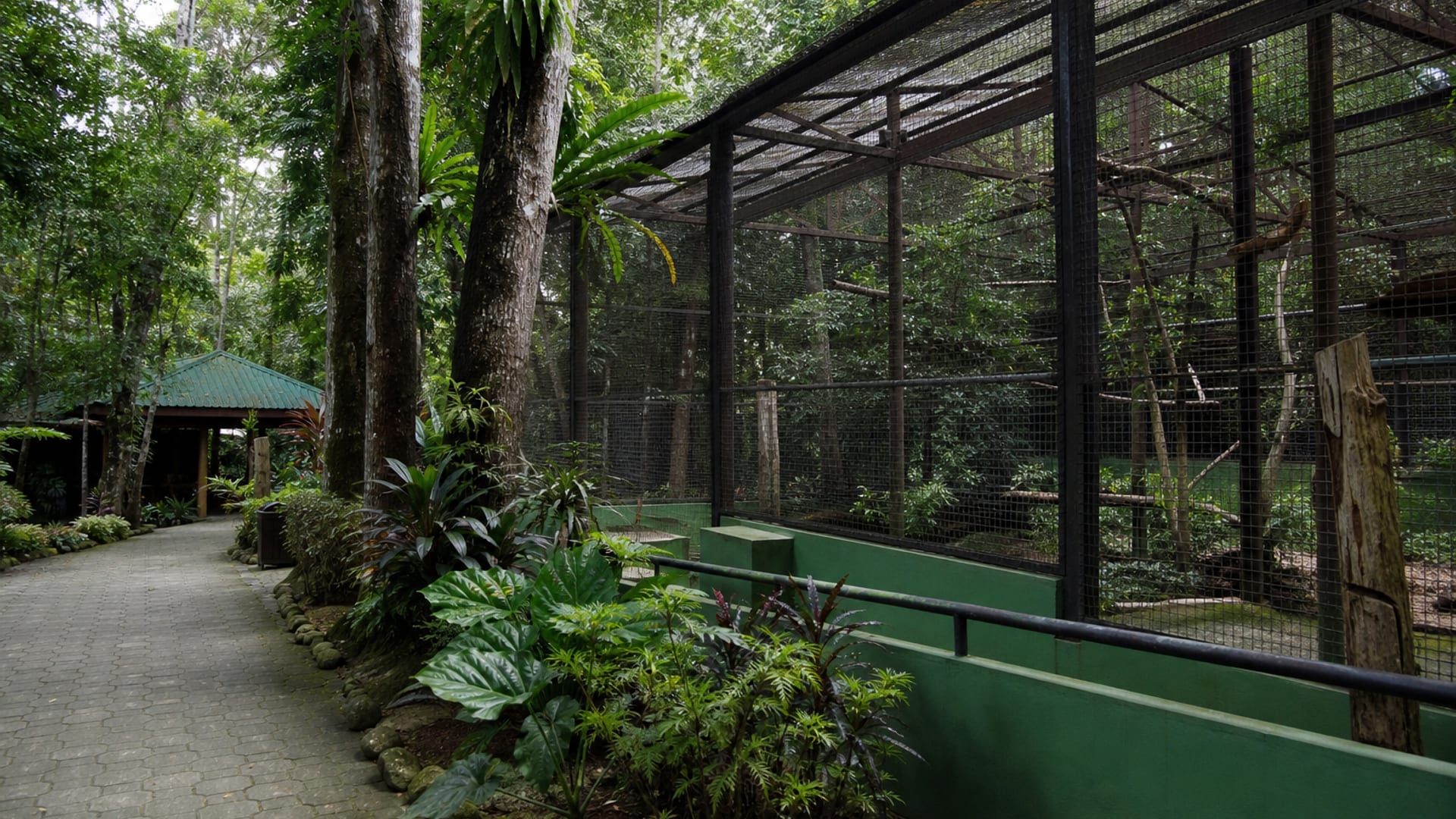
This breeding and conservation center in Malagos lets you see the Philippine eagle, the country’s national bird, plus other native raptors and forest species. Paths, viewing areas, and keeper talks make it the clearest wildlife stop near Davao.
Time needed: About 2 to 3 hours
Entry: Admission costs ₱120 to ₱150 ($2 to $2.50) for adults, with lower rates for children, seniors, and residents on certain days. Visit the official site for details.
Tip: Go early in the morning, when the birds are more active, and the paths stay cooler.
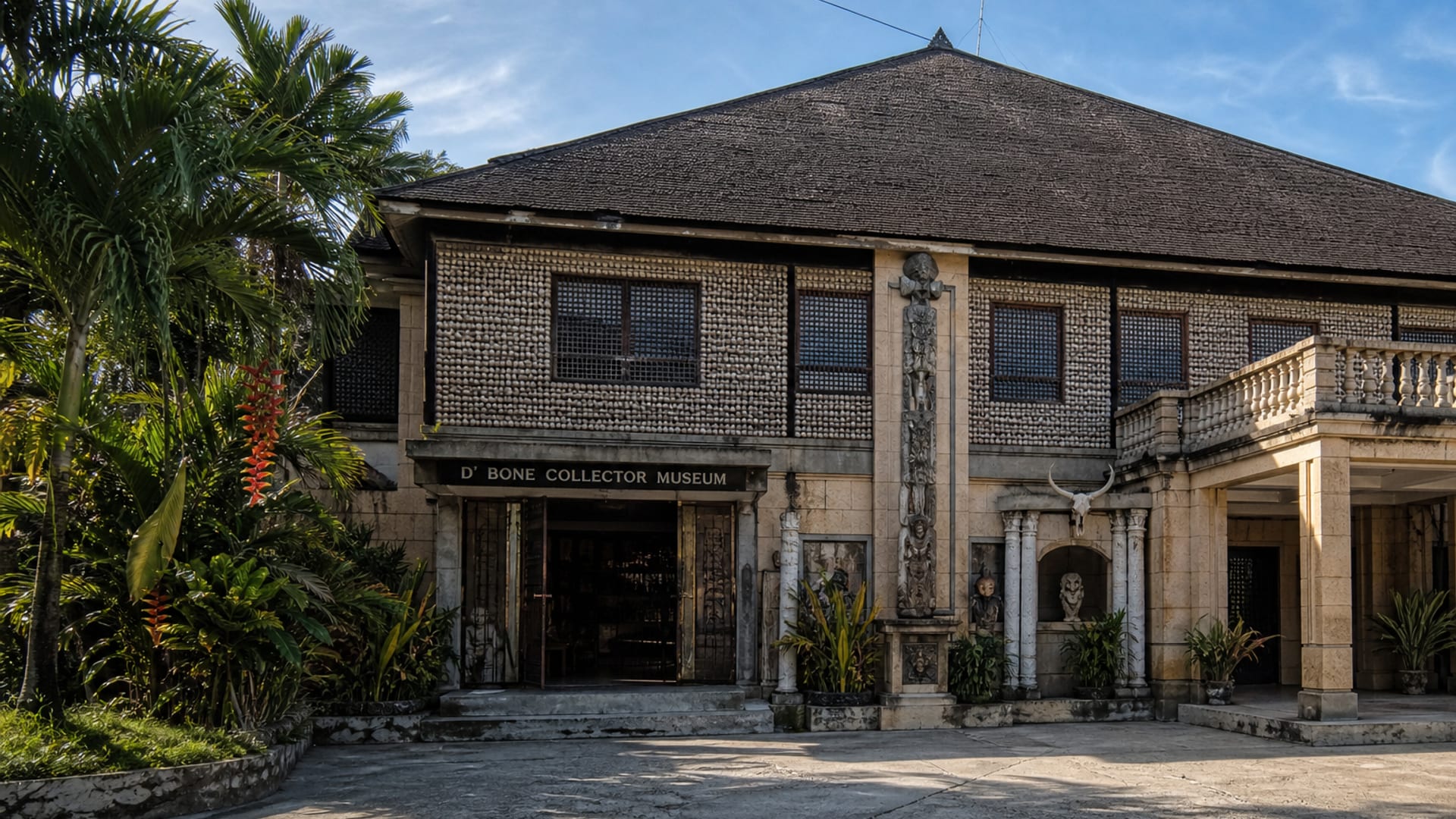
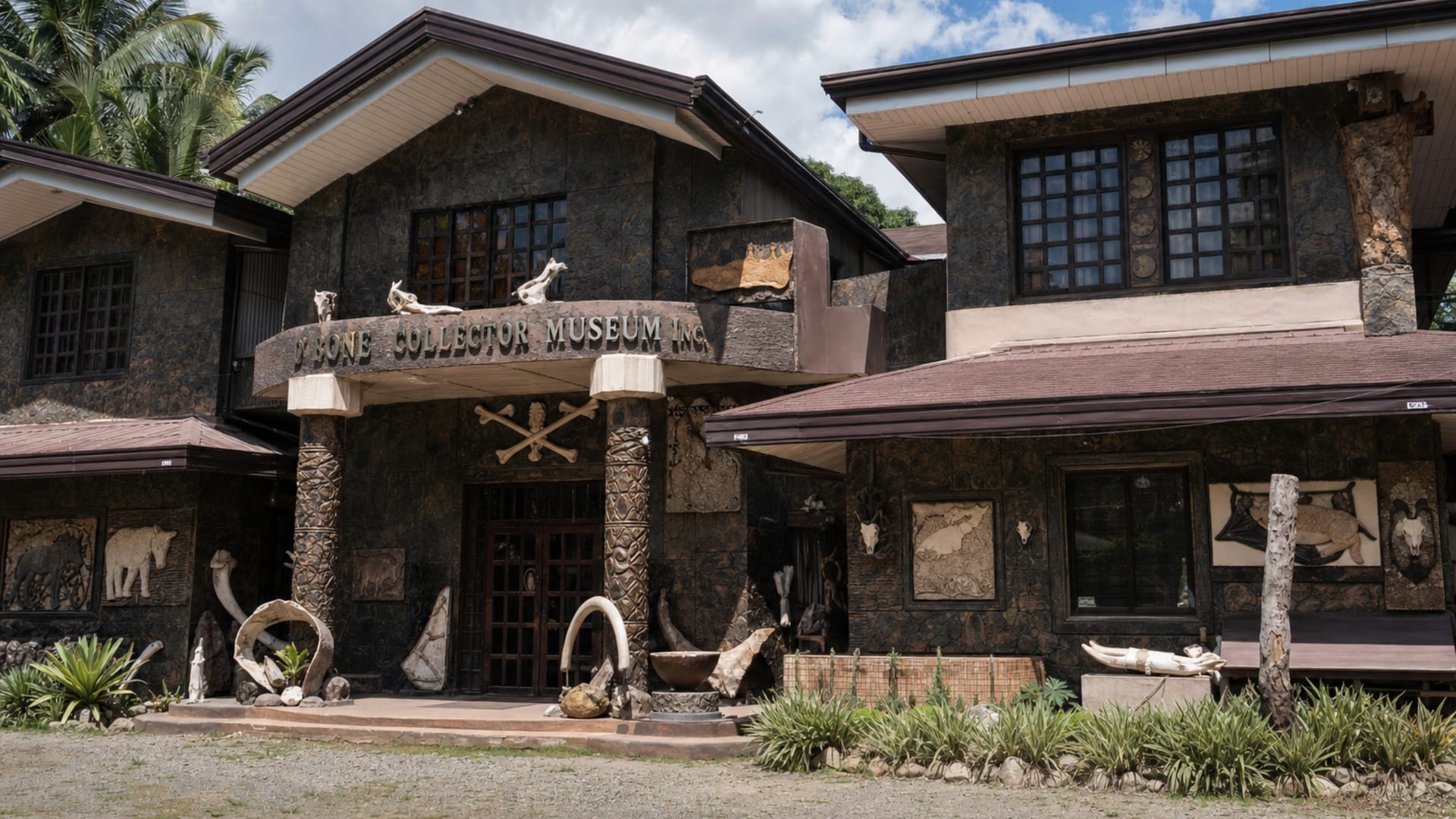
D' Bone Collector Museum
This museum in central Davao displays skulls, skeletons, and mounted specimens from marine life, reptiles, and mammals. Its collection includes rare and unusual bones, with labels that explain anatomy, habitat, and conservation.
Time needed: About 1 to 2 hours
Entry: Admission costs ₱165 to ₱275 ($3 to $5) for adults, with reduced rates for students and children at the door. Visit the official site for details.
Tip: Visit midday, when the small galleries stay quiet, and you can read each display label.
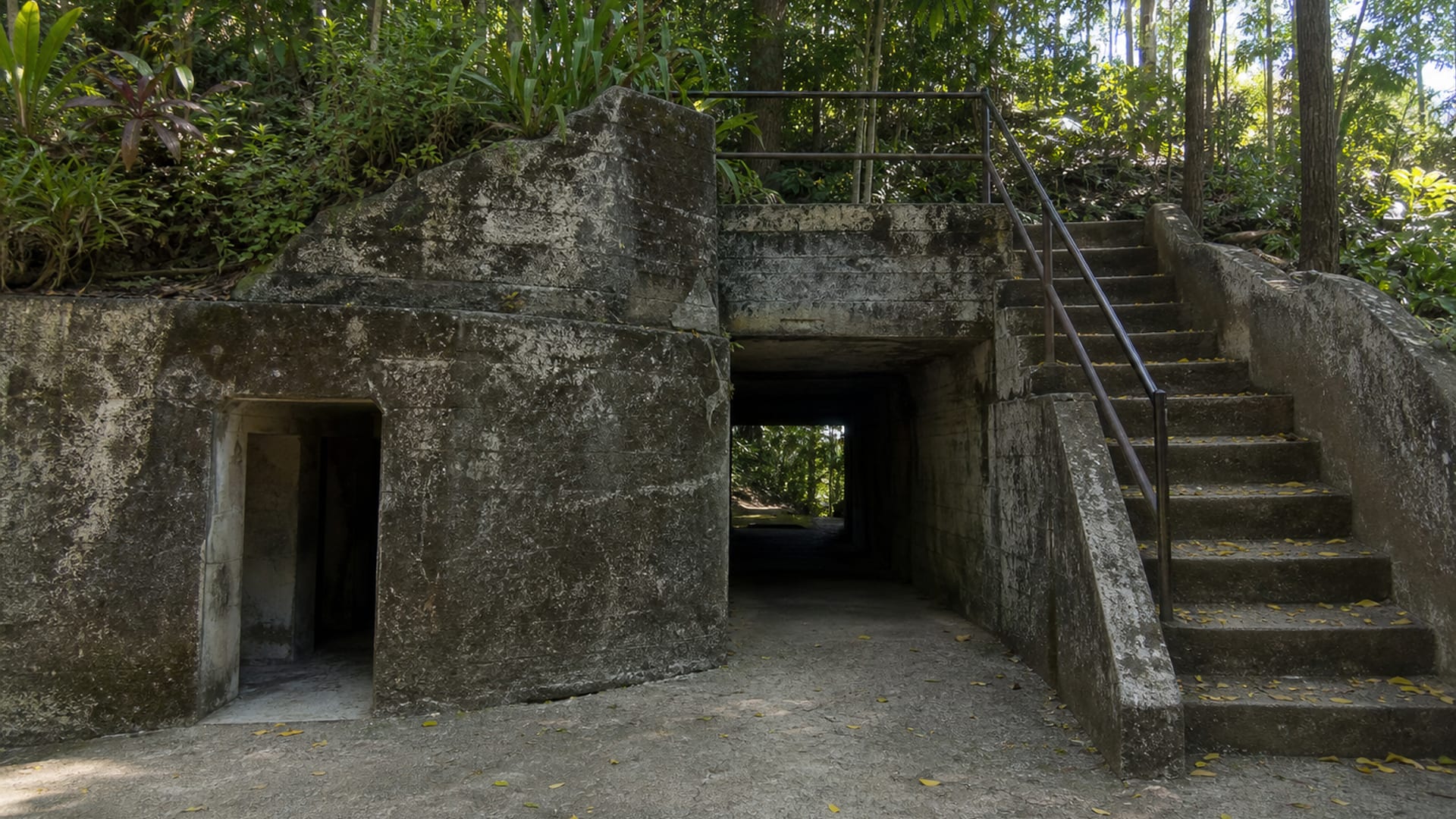
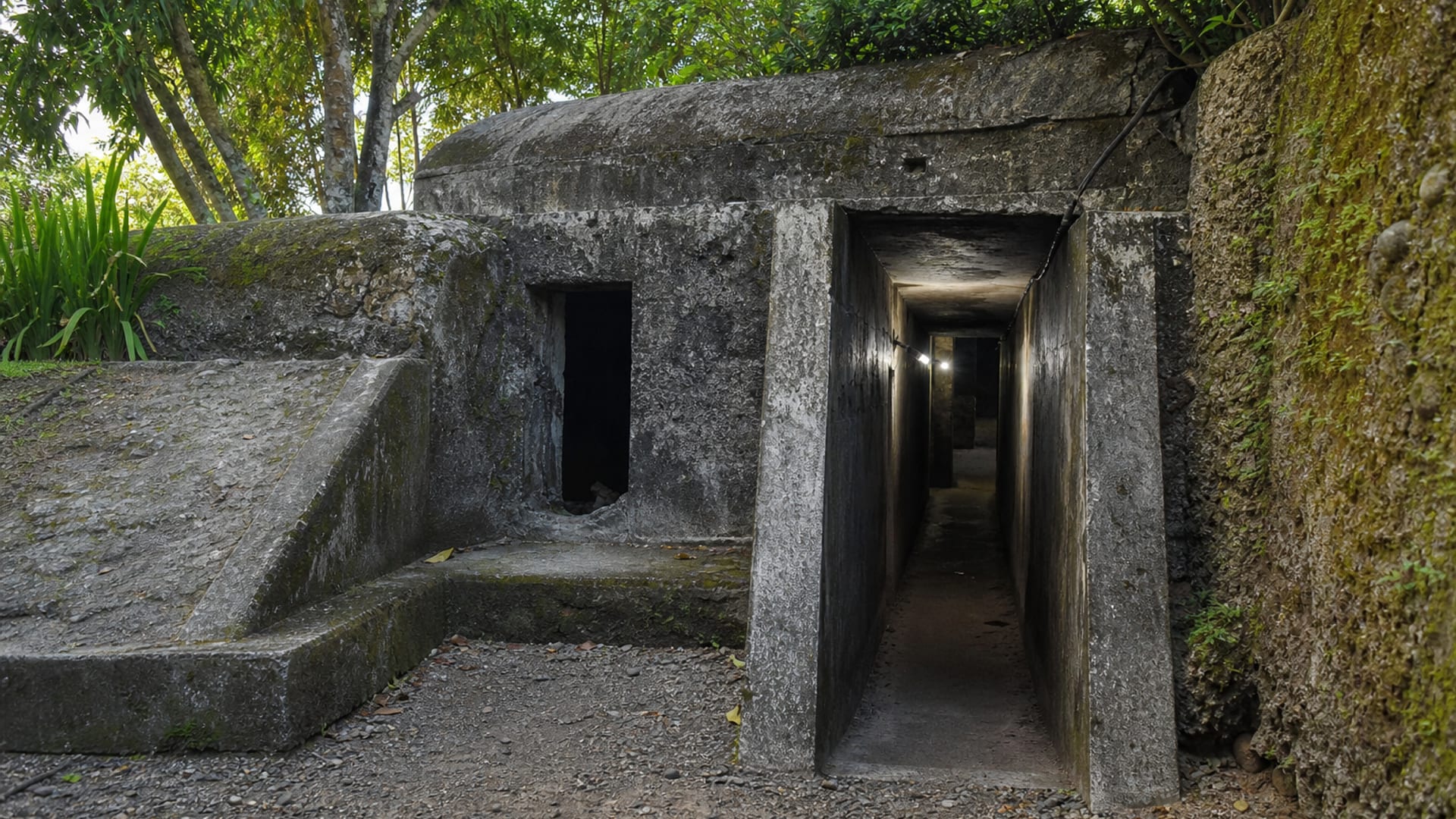
Japanese Tunnel
This preserved tunnel in Matina Balusong traces a wartime hideout used during the Japanese occupation. Low passages, original cut stone, and guide commentary give it a sharp historical focus, and it is close enough for a half-day city visit.
Time needed: About 45 to 60 minutes
Entry: Admission costs ₱40 to ₱70 ($0.8 to $2) per person, which usually includes a guided tour; fees can vary by operator.
Tip: Wear shoes with grip, since the tunnel floor can be damp after rain or morning cleaning.
Overlooked sites worth visiting

People's Park, Davao City
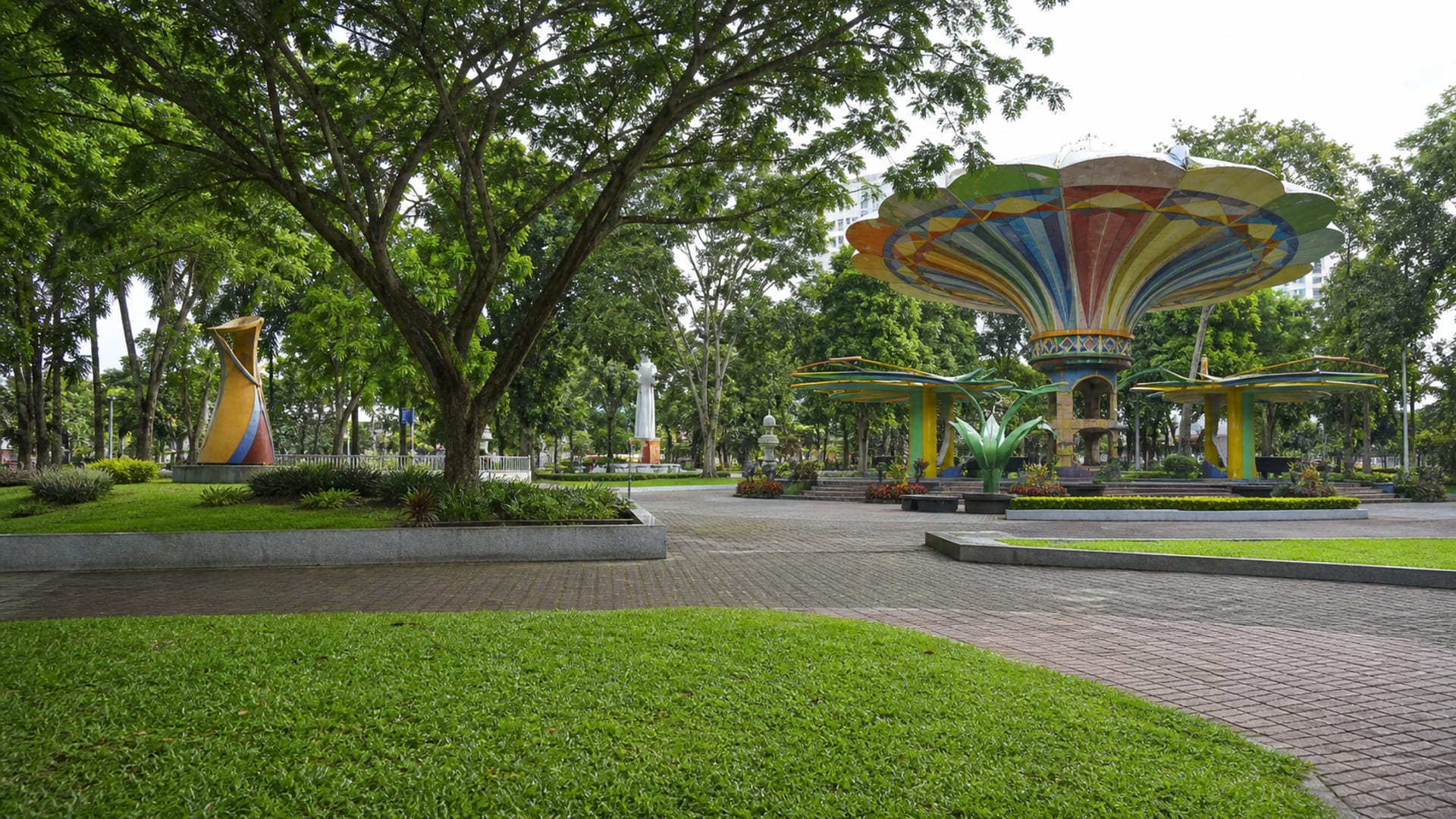
This downtown park has steel sculptures by Kublai Millan, a tiled Davao sign, and a small pond. Go early or late in the day to avoid the hottest hours and catch the busiest local foot traffic.
Time needed: About 1 hour
Entry: Free. The park is open daily, and visitors can walk in without charge.
Tip: Visit after 4:00 pm for cooler light and more shade, and bring small cash for snacks, bottled drinks, or transport.

San Pedro Cathedral
Davao’s oldest church stands beside San Pedro Square and draws attention for its modern, boat-shaped roofline. Inside, the altar and stained glass give the compact nave its historic character.
Time needed: About 30 to 45 minutes
Entry: Free. Donations are optional. The cathedral can restrict access during Mass, feast days, or other liturgical events.
Tip: Check Mass times before entering to avoid service closures.
Traditional food
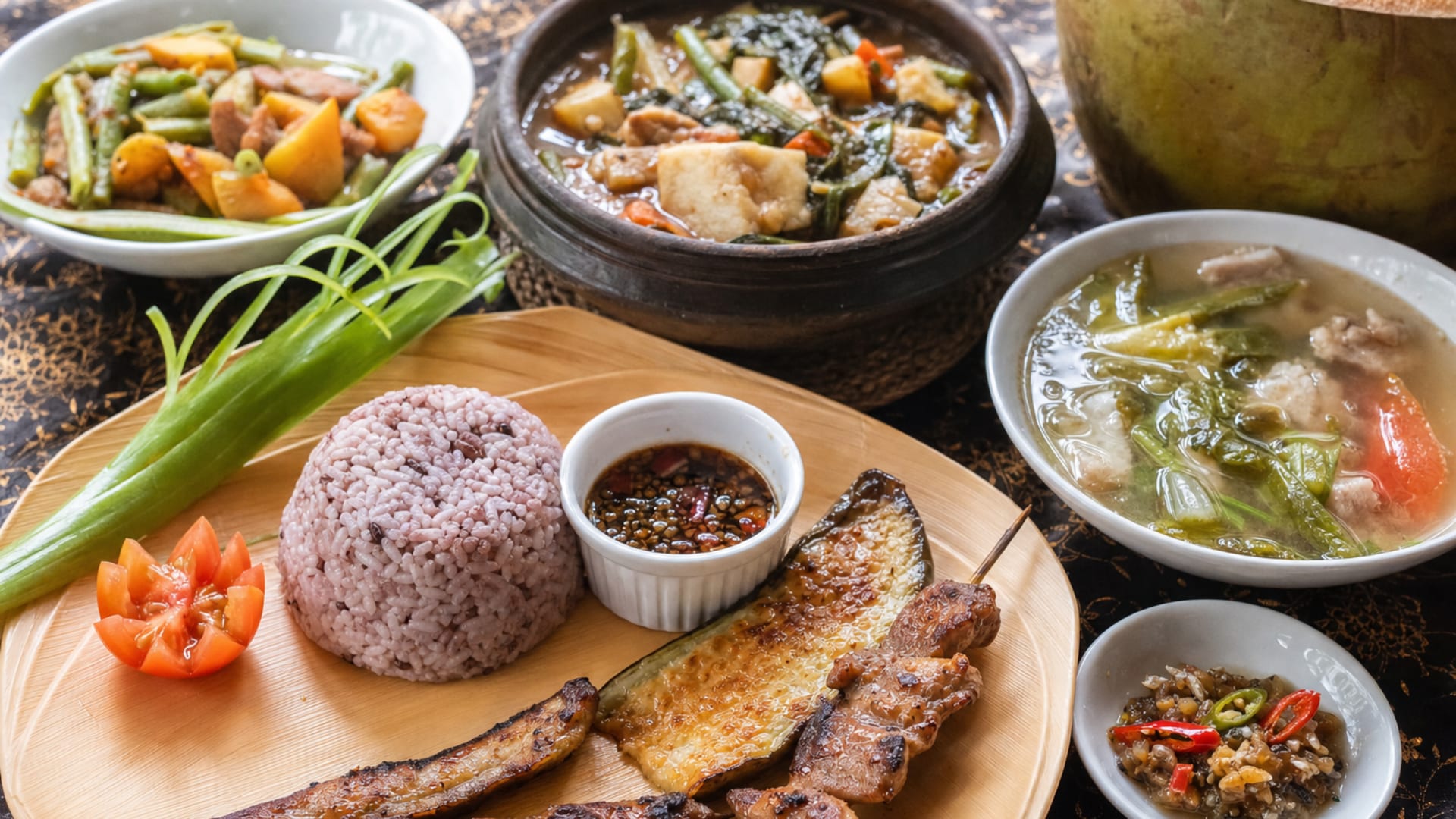
Davao’s food features tuna and other seafood, grilled meats, and durian. Kinilaw and sinuglaw bring the city’s sharp, vinegar acidity. Mall restaurants and roadside grills are common places to try local dishes.
Kinilaw
This vinegar-cured seafood dish is sharp and bright, made from tuna or tanigue with ginger, onion, chili, and a splash of citrus. Try it at Cafe Tavera in Poblacion District, a seafood restaurant known for its fresh kinilaw and catch-of-the-day menu.
Sinuglaw
Sinuglaw pairs grilled pork with kinilaw in one bowl, so you get smoke, acid, and heat in a single dish. Davao visitors often order it at Jack’s Ridge, a hilltop restaurant with panoramic city views that lists pork sinuglaw with tuna on its menu.
Grilled tuna panga
This grilled tuna jaw is a Davao staple, served hot and brushed with a savory glaze that soaks into the rice. A strong place to try it is Marina Tuna, which focuses on tuna dishes and seafood sourced fresh from the local market.
Durian dessert
Durian appears in shakes, candies, pastries, and ice cream, giving the city’s most famous fruit a sweet finish. For a dependable version in Davao, head to Blugré Coffee, where durian drinks and desserts are a house specialty.
Best time to visit Davao
Davao stays warm year-round, but the wettest months can slow cross-city plans, so it is better to schedule transfers in the morning than late in the afternoon.
Best for: Drier sightseeing and wildlife trips
What you get: About 79°F to 91°F (26°C to 33°C), with lighter rain than later in the year and more day-to-day predictability for outdoor plans
Trade-offs: Heat can build by midday, so outdoor stops need early starts.
Best for: Travelers who do not mind showers between indoor stops
What you get: About 77°F to 88°F (25°C to 31°C), with heavy rain, soft daylight, and traffic delays on long taxi rides
Trade-offs: Afternoon downpours can interrupt the visits to the Philippine Eagle Center or tunnels.
Best for: Flexible itineraries that mix downtown and north-side districts
What you get: About 76°F to 89°F (24°C to 32°C), with warm days, passing rain, and moderate visitor numbers at the main sights
Trade-offs: Humidity is high, and some days bring short but intense showers.
Best for: Comfortable city walks and downtown sightseeing
What you get: About 75°F to 88°F (24°C to 31°C), with easier walking weather, shorter rain breaks, and busier holiday travel periods
Trade-offs: December and January can bring more hotel demand and fuller restaurants.
A realistic 5-day plan in Davao
A five-day Davao plan alternates downtown walks with one or two longer trips outside the center. This schedule keeps the arrival day light, then includes heritage sights, wildlife, shopping, and a final day with enough time to reach the airport without rushing.
Land at Davao (DVO), then take a taxi to Poblacion District. The ride takes 20 to 30 minutes and costs ₱165 to ₱385 ($3 to $7), depending on traffic and your hotel’s exact location. Check into a place near San Pedro Square or the old downtown core, drink water, and have dinner close to the hotel, on a main street in Poblacion, so you don’t have to cross much of the city after a long flight.
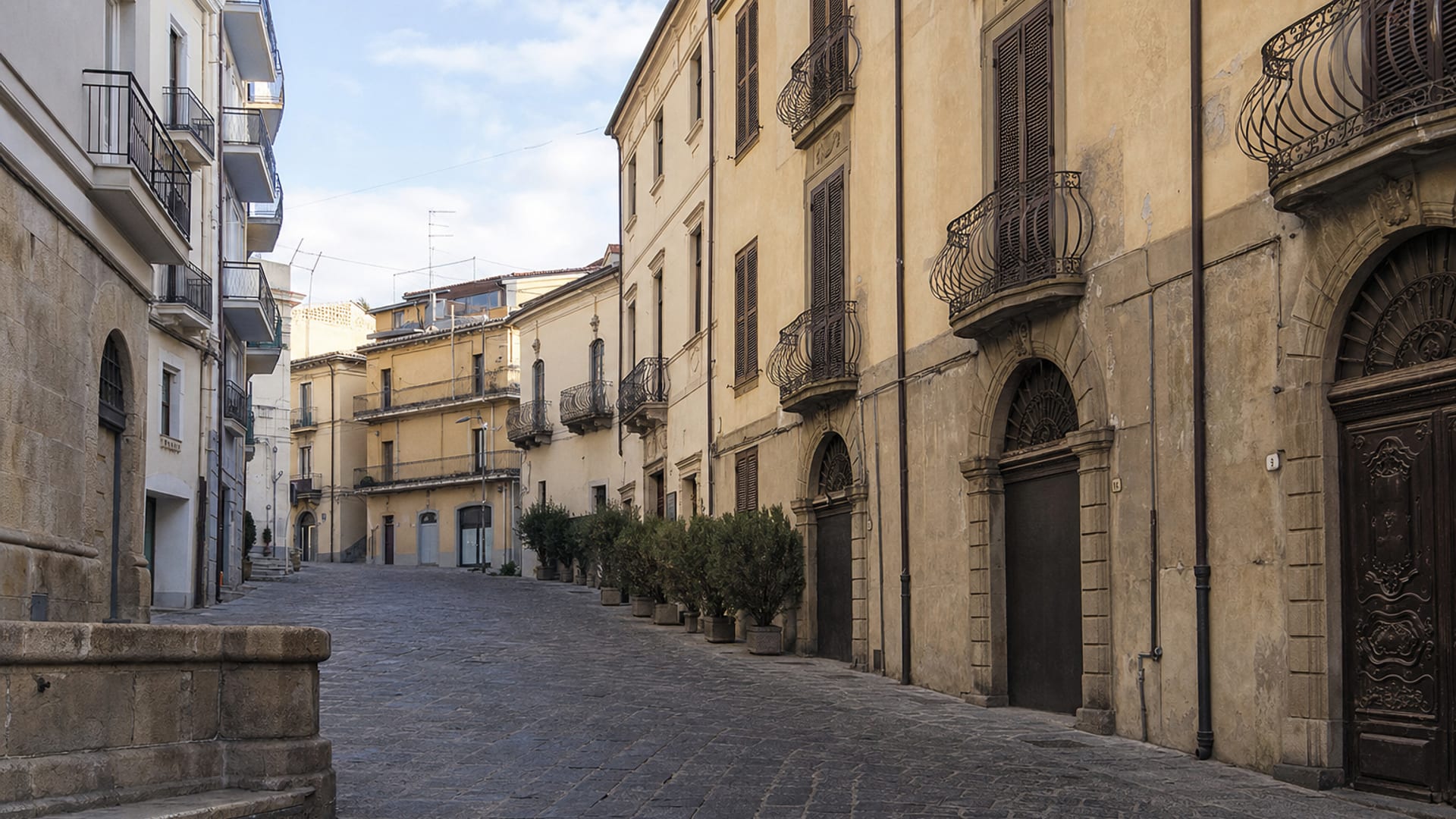
Start with San Pedro Cathedral, then walk about 5 minutes to People’s Park, Davao City, for the sculptures and shaded paths. From there, take a taxi to D’ Bone Collector Museum in central Davao, which is usually about 10 to 15 minutes away, and spend an hour with the bones and specimen displays before a late lunch in Poblacion. If you want a calmer end to the afternoon, stay downtown for a short café stop and an early dinner within a few blocks of the park.
Head out early to the Philippine Eagle Center in Malagos, since the birds are most active in the morning and the drive from downtown usually takes about 45 to 60 minutes each way. Plan 2 to 3 hours on site, then return toward the city for a late lunch in Poblacion District. If you still have energy, add an easy evening walk near your hotel instead of stacking another long transfer after the wildlife visit.
Begin in Matina Balusong with the Japanese Tunnel, which takes about 45 to 60 minutes to tour, then ride about 15 to 20 minutes back toward the old center for another look at San Pedro Cathedral if you want more time in the historic core. Continue on foot or by a short taxi ride to People’s Park, and finish with a relaxed dinner in Poblacion. This pairing keeps the day centered on compact city stops, with the tunnel adding a different historical layer before you return downtown.
For a last morning, pair a stop at the National Museum of the Philippines – Davao inside People’s Park with a slow lunch in Poblacion District, then head south to Ecoland for shopping near the mall and bus terminal area. If your flight leaves later, finish with coffee in Lanang or stay near your hotel in the afternoon, then allow 20 to 35 minutes by taxi to Davao (DVO) from the downtown area when it’s time to go.
Business-class flights from the US to Davao
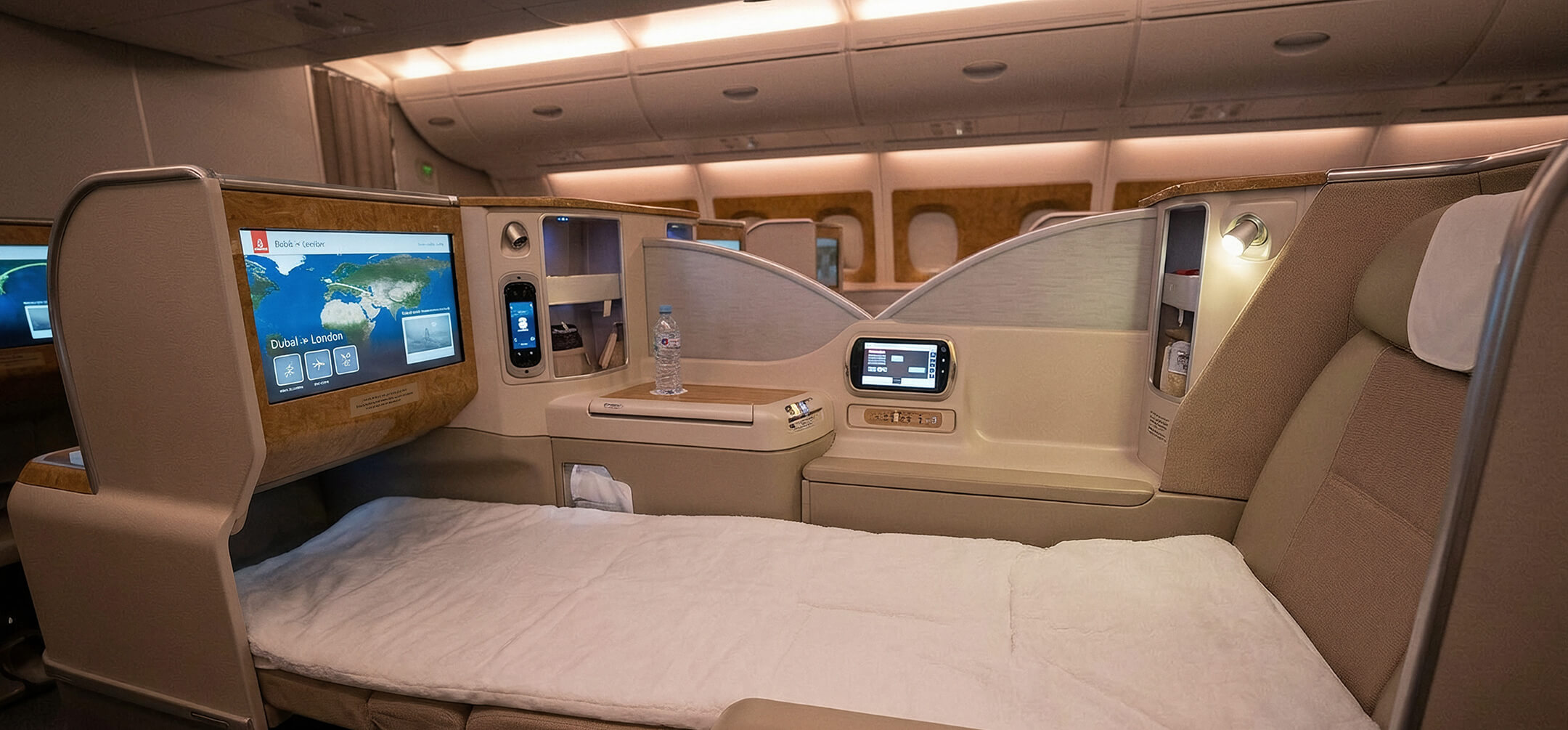
Business-class travel to Davao (DVO) routes through Manila (MNL), and New York (JFK) and Los Angeles (LAX) offer the most reliable nonstop and one-stop options.
New York (JFK) to Davao (DVO)
Philippine Airlines flies nonstop from New York (JFK) to Manila (MNL) in about 16 to 17 hours, then connects to Davao (DVO). Business-class round-trip fares for the full trip start near $4,900. Two-stop flight options on this route include Cathay Pacific via Hong Kong (HKG), Korean Air via Seoul (ICN), EVA Air via Taipei (TPE), and Japan Airlines via Tokyo (NRT), each arriving in Manila (MNL) before the final leg to Davao. Total travel time is usually between 19 and 28 hours.
Los Angeles (LAX) to Davao (DVO)
From Los Angeles (LAX), Philippine Airlines and United Airlines fly nonstop to Manila (MNL) in about 14 to 15 hours, then connect to Davao (DVO). Business-class round-trip fares start near $3,200. Two-stop alternatives include Cathay Pacific through Hong Kong (HKG), Korean Air through Seoul (ICN), EVA Air through Taipei (TPE), or Singapore Airlines through Singapore (SIN), each via Manila before the final domestic hop. Expect a total travel time of 19 to 26 hours.
Plan Davao at a comfortable pace
A well-paced Davao trip starts in Poblacion, continues with a compact downtown walk, and leaves longer trips to Malagos or Matina Balusong for separate days. Taxis suit central trips, while jeepneys and ride-hailing apps cost less for shorter journeys. For help matching Davao (DVO) flights, neighborhoods, and a final-day plan, ask the AranGrant experts before you book. From there, the rest comes down to picking which mornings you spend outdoors and which afternoons you spend at a slower pace.