

Chapters:

Need help with your trip?
Our support team is available 24/7. Request a callback or call us directly at (833) 619-0908
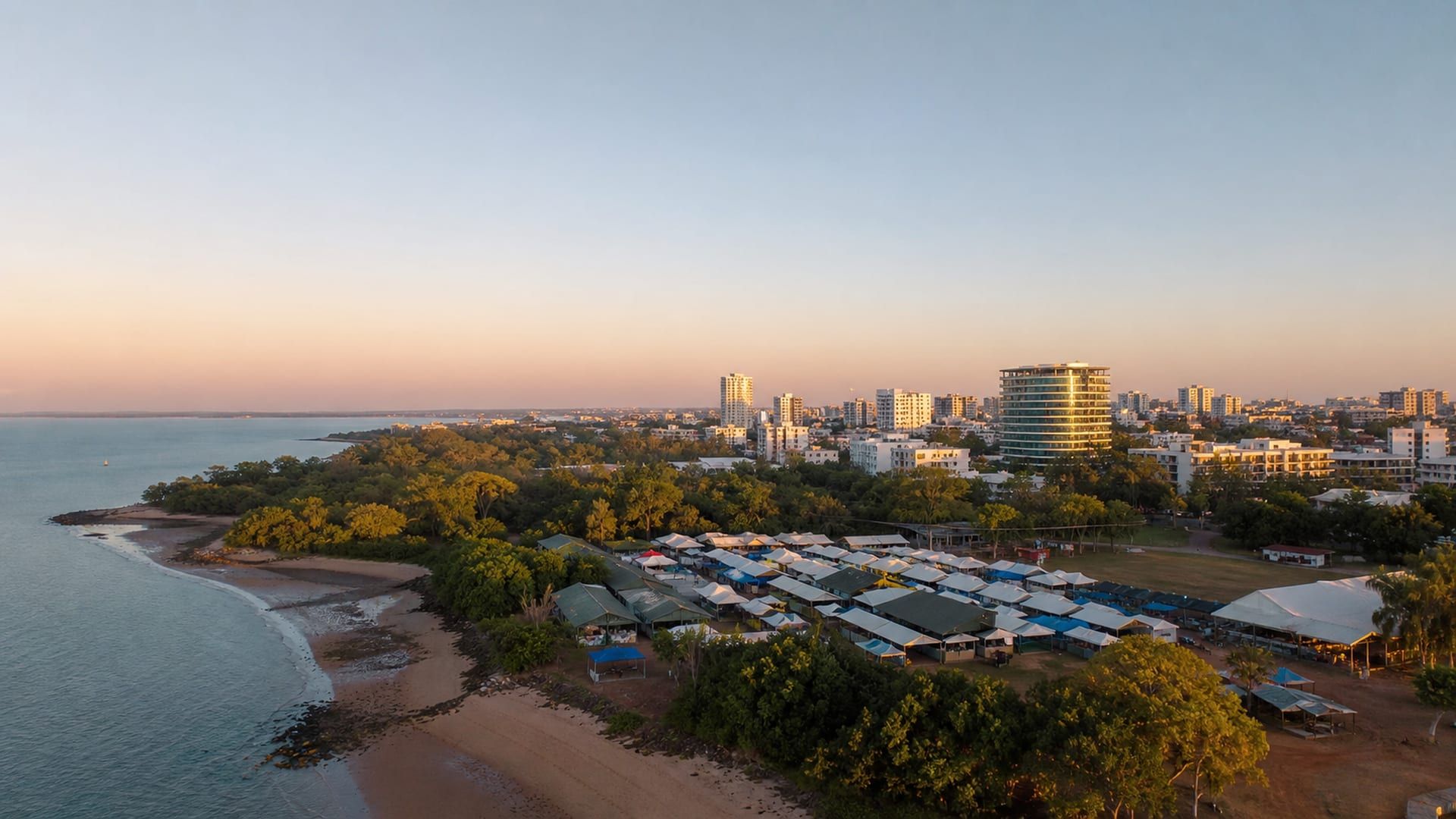
Darwin rewards travelers who time the day well, then miss little else. Many visits focus on the waterfront and one sunset at Mindil Beach, but skip the museum precinct, East Point, and the quieter neighborhoods that shape the city’s pace.
That narrow plan can leave you making repeat taxi trips across a spread-out city, with heat building by midday and opening hours narrowing after dark. Distances stay short on a map, yet the useful stops sit in separate pockets, so poor sequencing costs time.
This guide groups the city by area and by hour, so you can line up beaches, museums, markets, and dinner without backtracking. It keeps Darwin’s compact highlights in a workable order for five days.
Useful things to know

Main language(s): English

Currency: The local currency is the Australian dollar (AUD, A$).

Cash and cards: Cards and contactless are widely accepted; carry about A$20 to A$50 (about $13 to $33) in cash for small purchases.

Tipping: Tipping is not expected; round up small bills or leave about 10% for excellent restaurant service.

Traditional food: Barramundi, crocodile, mud crab, king prawns

Water and coffee costs: Water about A$3 ($2), bar espresso about A$4 to A$5 ($3 to $4).

Taxis and ride apps: Uber and DiDi operate here; check pickup zones at Darwin Airport (DRW).

Plug and voltage: Type I socket, 230V

Dining and shop opening hours: Breakfast is about 07:00-09:00, lunch 12:00-14:00, and dinner 18:00-21:00. Many kitchens close early outside the center, especially on Sundays.

Emergency number: 000 for police, fire, and ambulance.
Where to stay in Darwin
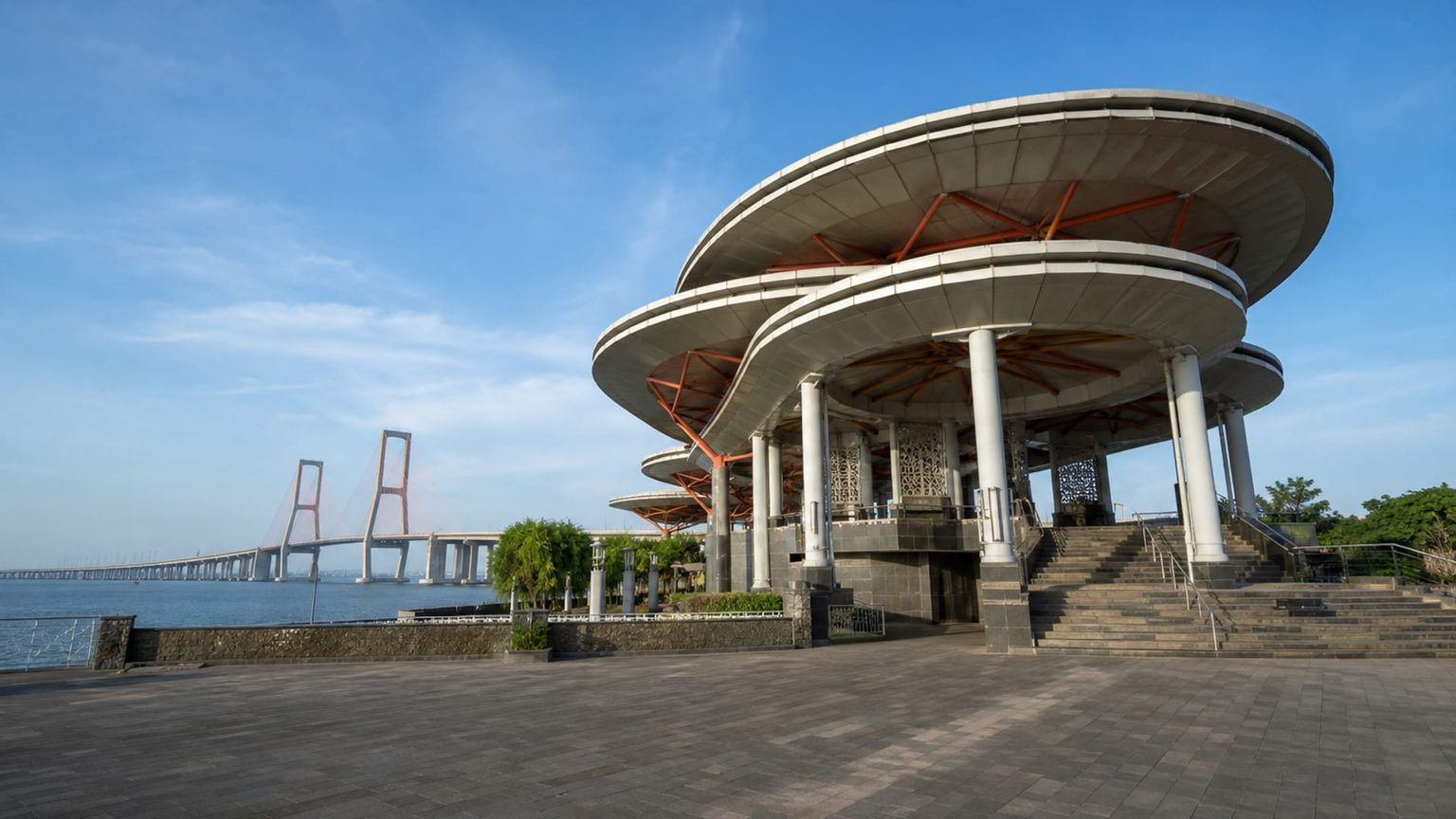
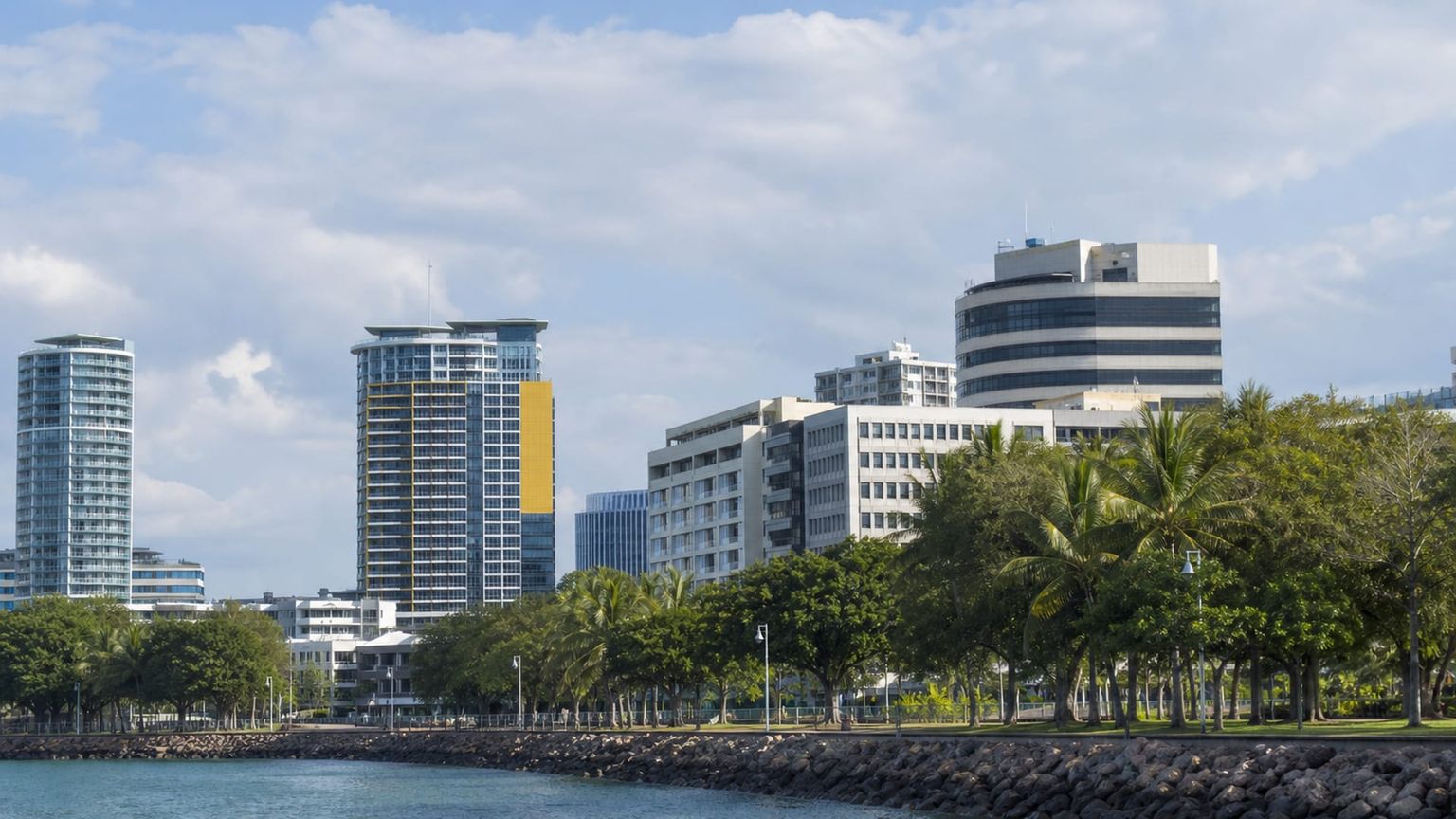
Darwin City is the compact downtown core, with hotels, shops, the waterfront, and the main dining strip within easy reach. It suits visitors who want the clearest access to the Esplanade, Government House, and day tours leaving from central piers.
Best for: First-time visits, short stays, and travelers who want to walk to the Esplanade and central dining
What to expect: Expect the busiest street activity in the city, with weekday office traffic, hotel guests, and the most useful cluster of restaurants after dark.
Hotel prices: Usually about $140 to $260 per night for well-rated stays
Distance to major sights: 5 to 10 minutes on foot to the Darwin Waterfront; about 10 minutes on foot to the Esplanade
Quietness: Busy in the day and lively in the evening, especially near dining streets and hotel entrances.
Main trade-off: You pay more for central convenience, and some blocks can feel exposed to traffic and late-night noise.
Good to know: Choose a room away from Mitchell Street if you want better sleep, since the late dining and bar scene concentrates there.
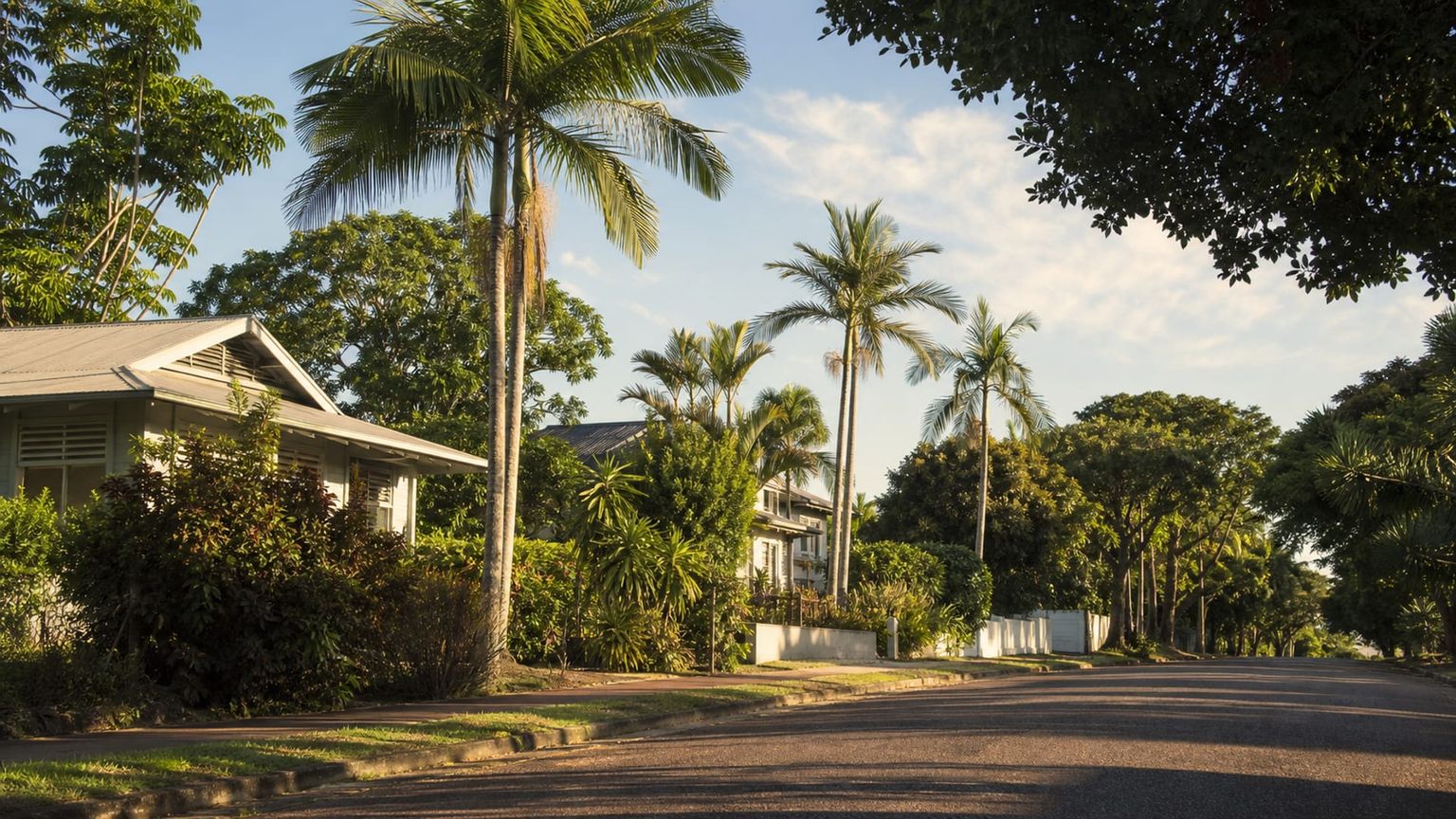
The Gardens sits just inland from the center, beside the George Brown Darwin Botanic Gardens and close to Mindil Beach. It offers a greener base with easy access to the city, the waterfront, and sunset markets in season.
Best for: Botanic gardens, Mindil Beach sunsets, and travelers who want a quieter base near the center
What to expect: Expect low-rise streets, garden edges, and a more residential feel than downtown, with fewer people walking after dinner.
Hotel prices: Usually about $130 to $230 per night for well-rated stays
Distance to major sights: About 5 minutes by car to the Darwin City center; about 15 minutes on foot to the George Brown Darwin Botanic Gardens
Quietness: Quieter during the day than central Darwin, and noticeably calmer at night once the beach and market traffic fades.
Main trade-off: You will likely rely on taxis or rideshares more often than in the city center, especially for late dinners.
Good to know: Mindil Beach is close enough for sunset plans, but most restaurants and bars still sit a short ride away.
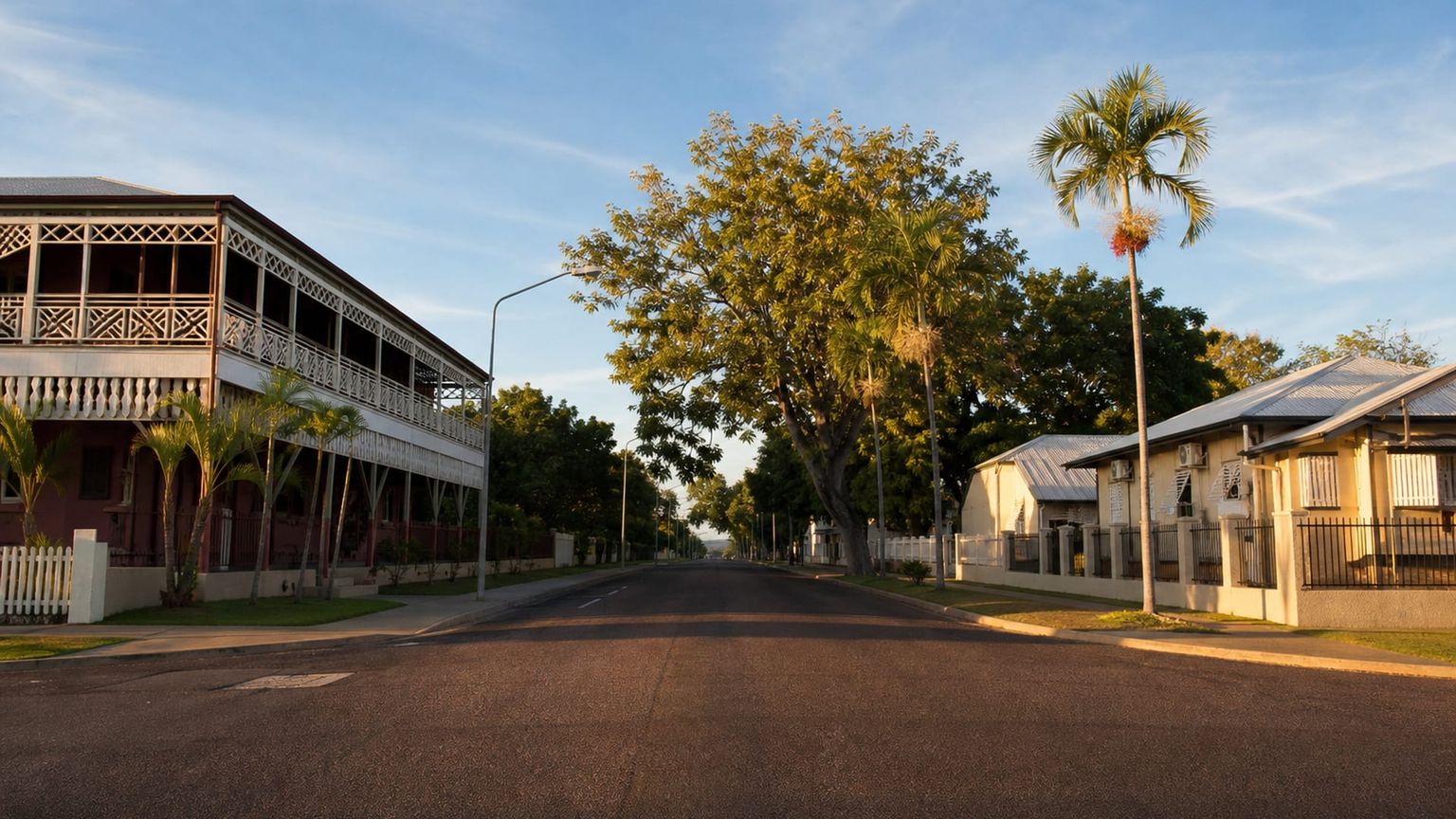
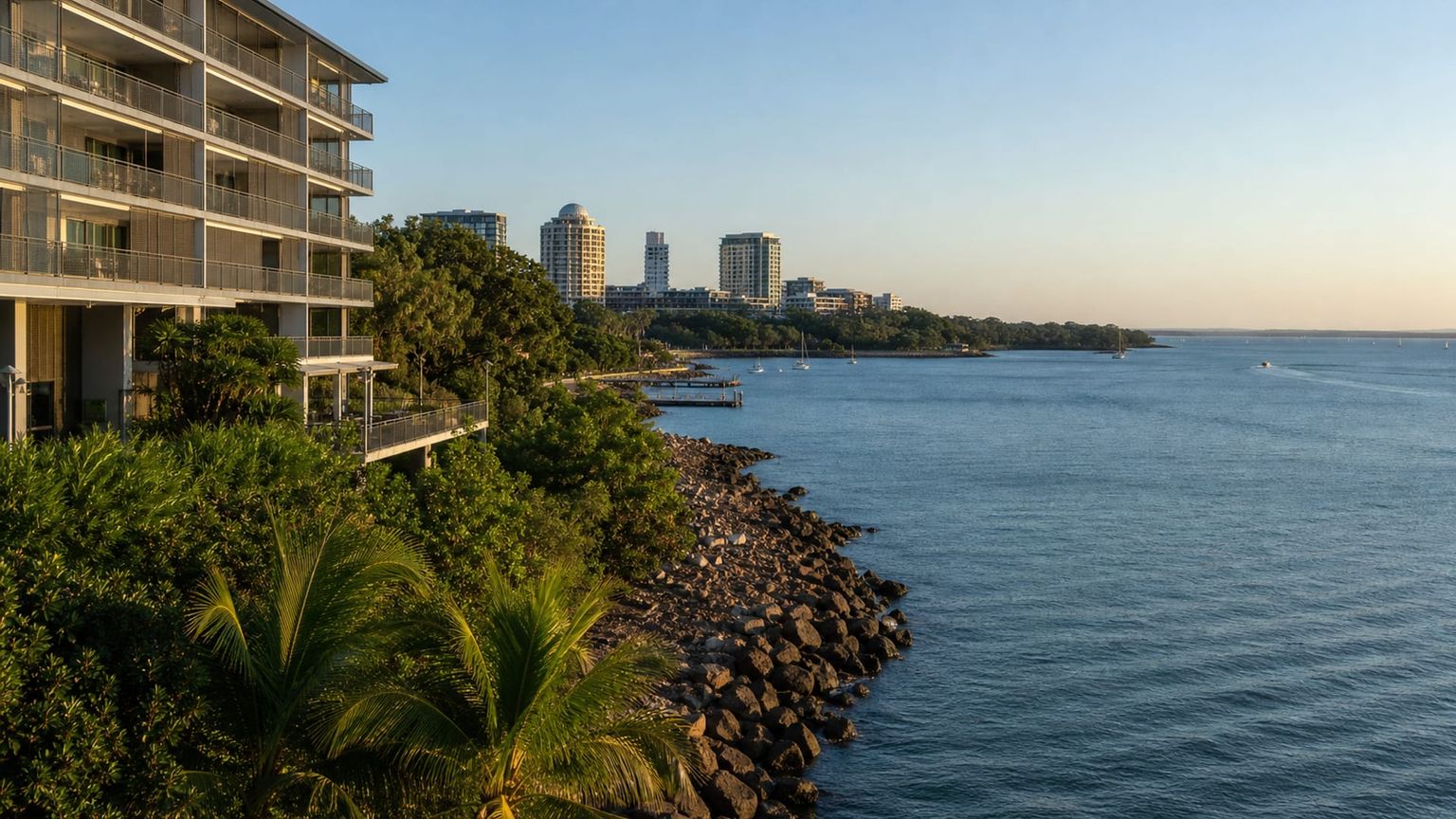
Larrakeyah is a coastal residential area west of the center, close to Cullen Bay and the waterfront edge. It works well for travelers who want sea views, marina access, and a quieter place to return after time in town.
Best for: Marina walks, sunset drinks, and travelers who prefer a residential setting near the center
What to expect: Expect quiet streets, apartment buildings, and marina traffic rather than a dense retail scene, with more locals than casual passersby.
Hotel prices: Usually about $150 to $280 per night for well-rated stays
Distance to major sights: About 5 minutes by car to Darwin City; about 10 minutes by car to Cullen Bay Marina
Quietness: Usually calm in the daytime, and even quieter at night away from the marina dining pocket.
Main trade-off: You get less on-the-doorstep dining than downtown, so evening plans usually start with a short drive or taxi.
Good to know: Some blocks sit on a hill or near main roads, so check the exact address if you want the easiest walking access to the marina.
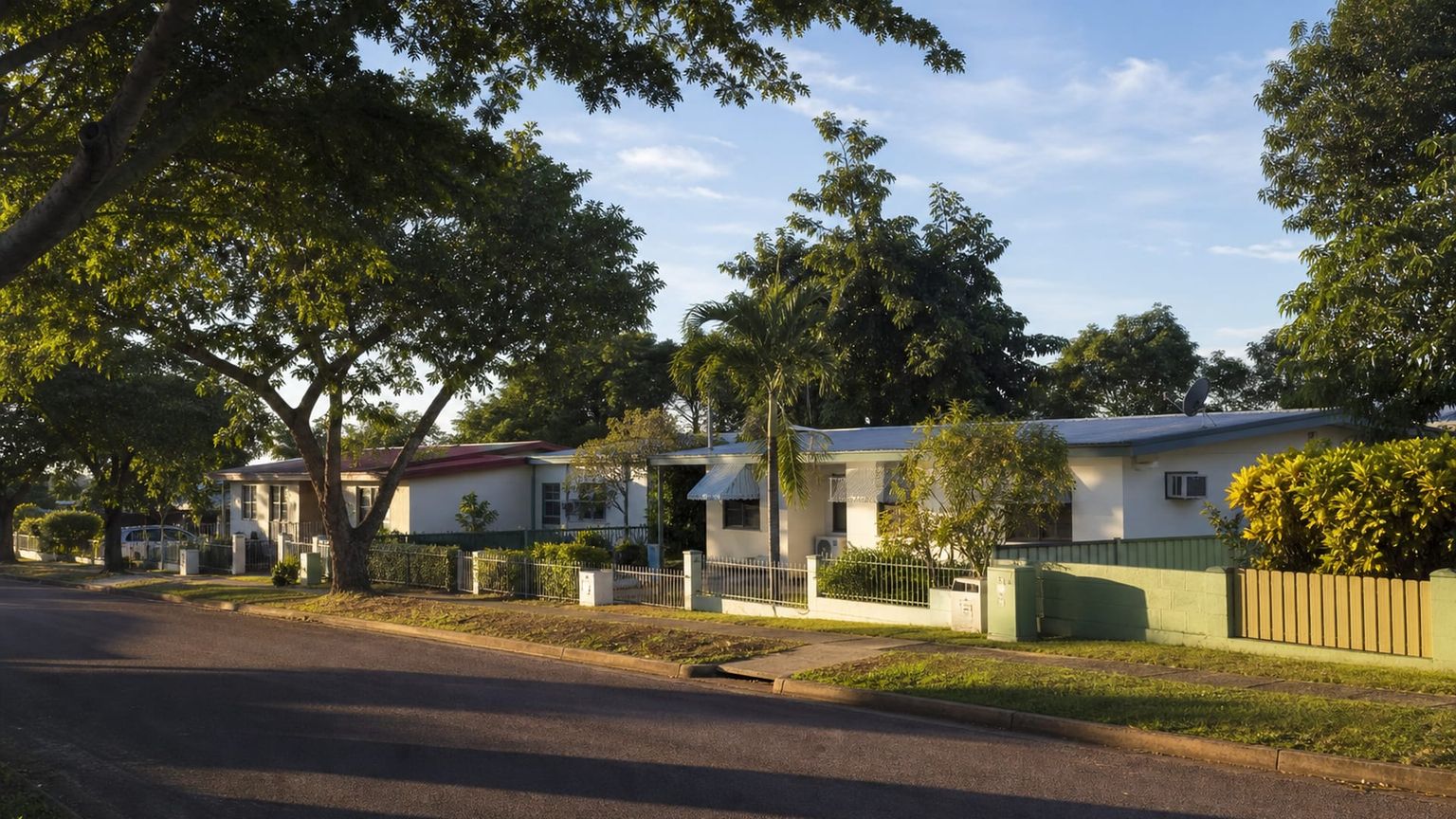
Parap is an established inner suburb northeast of the center, known for the Parap Village Markets and easy access to the museum precinct. It appeals to travelers who want local character, good cafes, and a base that still sits close to the city.
Best for: Market visits, longer stays, and travelers who want a neighborhood feel with quick city access
What to expect: Expect tree-lined streets, low-rise homes, and a calmer pace than downtown, with the liveliest scene around the weekend markets.
Hotel prices: Usually about $130 to $240 per night for well-rated stays
Distance to major sights: About 10 minutes by car to Darwin City; about 5 minutes by car to the Museum and Art Gallery of the Northern Territory
Quietness: Quiet on most evenings, then busier and noisier on Saturday mornings during market hours.
Main trade-off: You will be farther from the waterfront restaurants than guests in the center, and car or rideshare use becomes more likely.
Good to know: If you plan to shop at the markets, book early, since the best-located stays here can fill fast on weekend-heavy dates.
Travelers usually avoid staying in Palmerston, because it sits about 13 miles from Darwin’s CBD and major waterfront sights, so evening trips back and forth add time. Winnellie and Berrimah are also less convenient for visitors, since they are industrial and commercial areas with few hotel clusters, limited walkable dining, and little of Darwin’s visitor activity nearby. Noonamah and Humpty Doo are farther out on the rural fringe, so they work poorly as bases for sightseeing in the city.
Hotel deals
How to get around Darwin efficiently
Darwin has no rail network, so the city works best with buses, taxis, rideshares, and a fair amount of walking between clustered sights.

Metro
for longer distances
Darwin has no metro system, so there is no rail network to use for local city trips. The closest fixed-route option is the bus network, which connects the airport area, the CBD, and major suburbs; on a typical trip from Darwin (DRW) into the city, allow about 20 to 30 minutes by road.

Bus and tram
for convenience
Bus routes cover the main corridor between Darwin, Casuarina, Palmerston, and the airport area, with services thinning out in the evening and on Sundays. Fares are usually paid with a tap card or exact cash, with single rides about $3 to $5 (approximately $2 to $4), and tickets typically stay valid for about 2 hours after boarding.

Taxi
for convenience or late hours
Licensed taxis queue at Darwin (DRW) and at ranks in the CBD, and you can also book them by phone or app; they use a metered fare structure rather than fixed citywide prices. Expect roughly $25 to $35 from Darwin (DRW) to the city center in normal traffic, with longer late-night or outer-suburb trips costing more, and most cars take cards as well as cash.
*Prices are based on rates updated as of June 2026 and may change at the time of travel.
Walk when you are staying near the CBD or waterfront, use buses for the main corridor, and rely on taxis or rideshares for East Point, the airport, and late dinners.
Iconic landmarks
Mindil Beach Sunset Market
Darwin’s best-known evening market pairs food stalls, live music, and craft tables beside the beach. Visit at sunset for harbor light, then stay for dinner and the nightly crowd that gathers on the sand.
Time needed: About 2 to 3 hours
Entry: Free to enter; food, drinks, and crafts are priced by stall, with most meals costing about $10 to $20 ($10 to $20). Visit the official site for details.
Tip: Arrive before sunset, then walk to the shore for clear views as the sky changes.
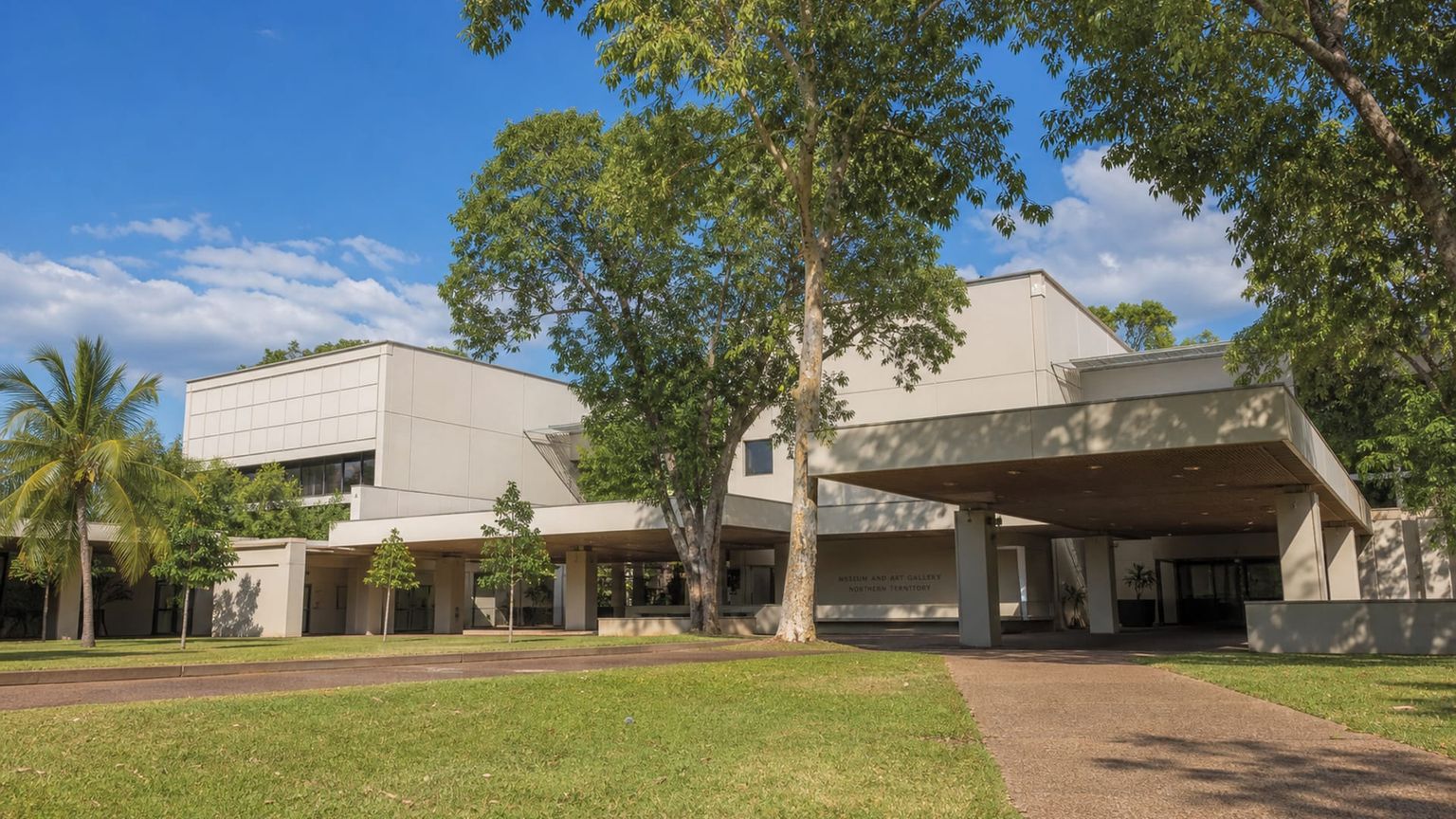
Museum and Art Gallery of the Northern Territory
This museum covers cyclones, maritime history, and Aboriginal art in one compact visit. Its galleries include the art of Cyclone Tracy and the world-famous Sweetheart crocodile, giving Darwin’s history a sharp local focus.
Time needed: About 2 to 3 hours
Entry: Adults cost $15 ($15), concessions cost $10 ($10), and children under 16 enter free; special exhibitions may carry extra charges. Visit the official site for details.
Tip: Go in the morning, then use the shaded terrace for a break before the galleries get busier.
Darwin Military Museum
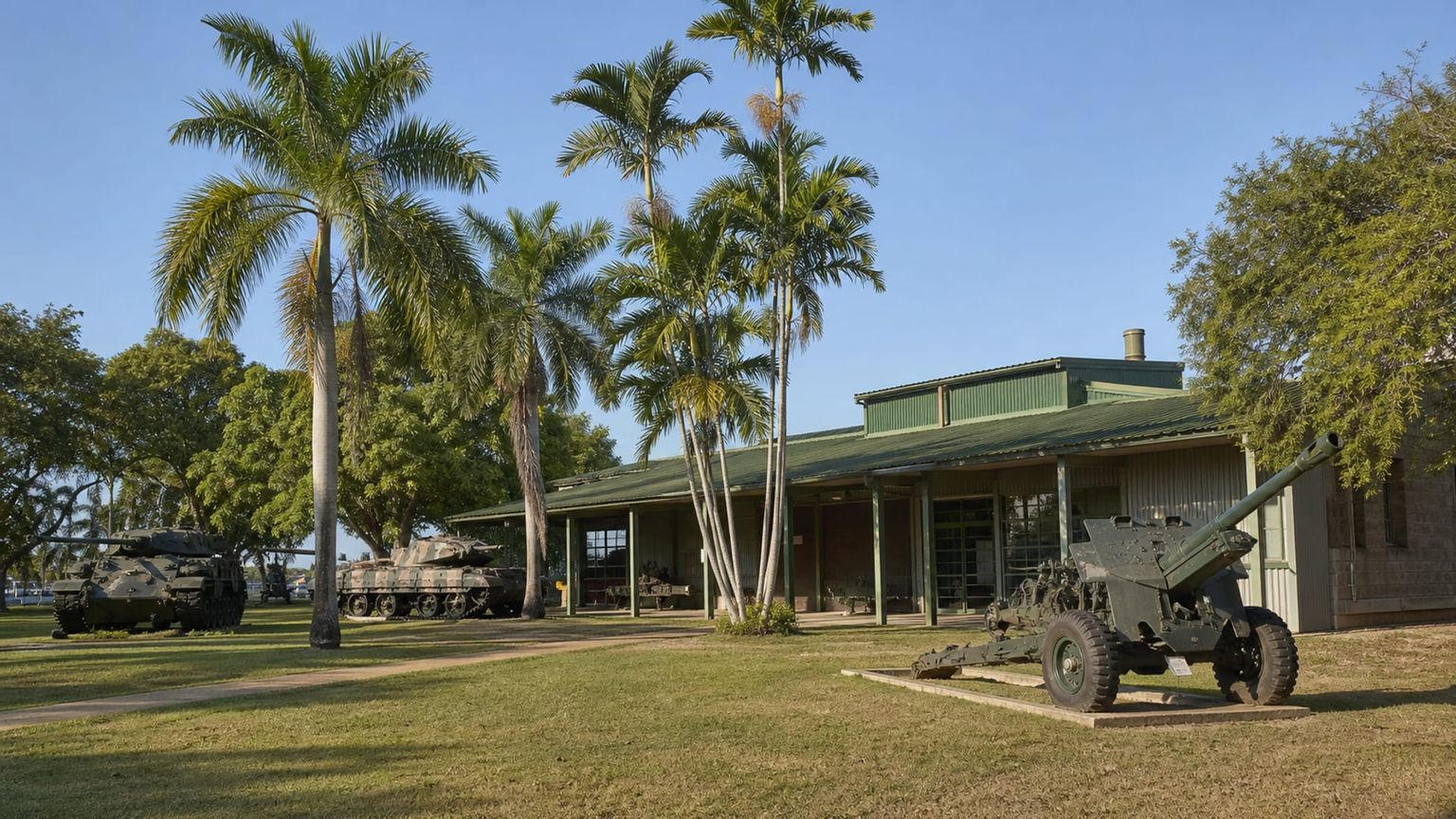
Set on the East Point cliffs, this museum traces the 1942 air raids, coastal defense, and wartime life in the Top End. Outdoor guns, bunkers, and exhibits make the site one of Darwin’s clearest historic stops.
Time needed: About 2 to 3 hours
Entry: Adults cost $15 ($15), concessions cost $13 ($13), and children under 15 enter free; some tours or add-ons cost extra. Visit the official site for details.
Tip: Start early, then walk the headland before the afternoon heat builds over the cliffs.
Overlooked sites worth visiting

Darwin Military Museum
Set inside the former East Point gun emplacement, this small museum pairs military displays with Darwin’s coastal fortifications. Its bunker rooms, guns, and tanks reward a slow visit.
Time needed: About 1 to 2 hours
Entry: Adult admission is about $10 ($15) to $15 ($23), with lower rates for children and concessions; opening hours vary by season and can change for wet-season weather or special events, so check current details before you go. Visit the official site for details.
Tip: Go in the morning for cooler air and clearer bay views.

Fannie Bay Gaol
This compact heritage site preserves Darwin’s old colonial jail, with cells, punishment blocks, and archival displays in the original buildings. It gives a close look at the city’s convict and civic history.
Time needed: About 45 minutes to 1 hour
Entry: Adult admission is about $8 ($12) to $10 ($15), with reduced prices for children and concessions; hours can shift on public holidays, and last entry may be earlier than closing, so verify the day’s schedule before visiting. Visit the official site for details.
Tip: Pair it with a walk in nearby East Point Reserve.
Traditional food
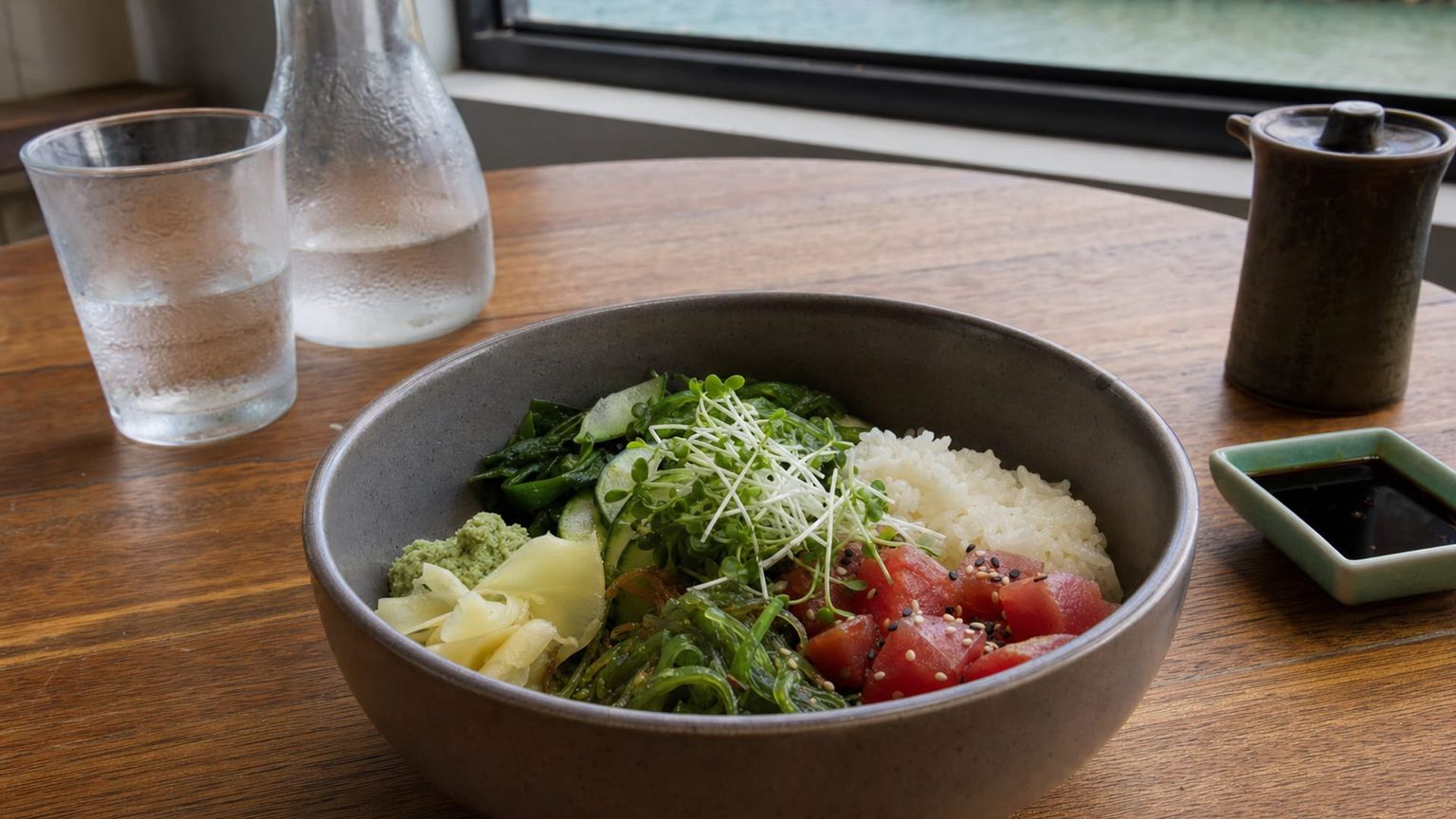
Darwin’s table leans on Top End seafood, with barramundi, mud crab, prawns, and crocodile showing up in markets, casual cafes, and waterfront restaurants that serve bold, tropical plates.
Barramundi
A Darwin staple with crisp skin and clean flavor, often served grilled or pan-seared with local greens. Snapper Rocks fits it well for a waterfront meal with a distinctly Northern Territory focus.
Mud crab
Sweet, rich crab is one of the city’s signature coastal dishes, often cooked with chili or garlic. Pee Wee’s at the Point is a strong canonical stop for a plated version with bay views.
King prawns
Top End prawns show up in salads, pasta, and grilled seafood plates, with a fresh, lightly sweet profile. Wharf One Food & Wine is a useful place to order them near the harbor.
Crocodile
Crocodile turns up in burgers, skewers, and tasting plates, usually with a firmer texture than most visitors expect. Ella by Minoli is a good Darwin address for a more contemporary take.
Best time to visit Darwin
Darwin’s dry season gives you the easiest sightseeing, while the wet season brings heavier heat, humidity, and faster-changing plans.
Best for: Best for humid, atmospheric visits if you do not mind the wet season
What you get: About 88 to 92°F (31 to 33°C), with sticky heat, fewer crowds, and frequent rain interruptions
Trade-offs: Storms and humidity can compress outdoor plans
Best for: Best for settling into warm weather and manageable sightseeing hours
What you get: About 84 to 90°F (29 to 32°C), with warm days, lighter rain, and moderate visitor numbers
Trade-offs: Heat still builds quickly at midday
Best for: Best for beach sunsets, markets, and the most comfortable outdoor pace
What you get: About 75 to 88°F (24 to 31°C), with dry air, clear evenings, and the busiest travel period
Trade-offs: Popular dates can book early
Best for: Best for warm weather before the wet season returns
What you get: About 82 to 93°F (28 to 34°C), with rising humidity and lighter crowds early in the season
Trade-offs: Late spring can feel hot and unsettled
A realistic 5-day plan in Darwin
Five days in Darwin works best when the city’s heat, distances, and opening hours shape the order. This plan starts with a gentle arrival, then moves through museums, East Point, the market precinct, and one last flexible morning before departure.
Land at Darwin (DRW) and take a taxi or rideshare into Darwin City, which usually takes about 15 to 20 minutes and costs about $25 to $35. If you are staying in The Gardens or Larrakeyah, the fare is similar, and both areas keep you close to the waterfront without putting you in the middle of Mitchell Street noise. Check in, drink plenty of water, and keep dinner easy, perhaps a simple meal in Darwin City before an early night.
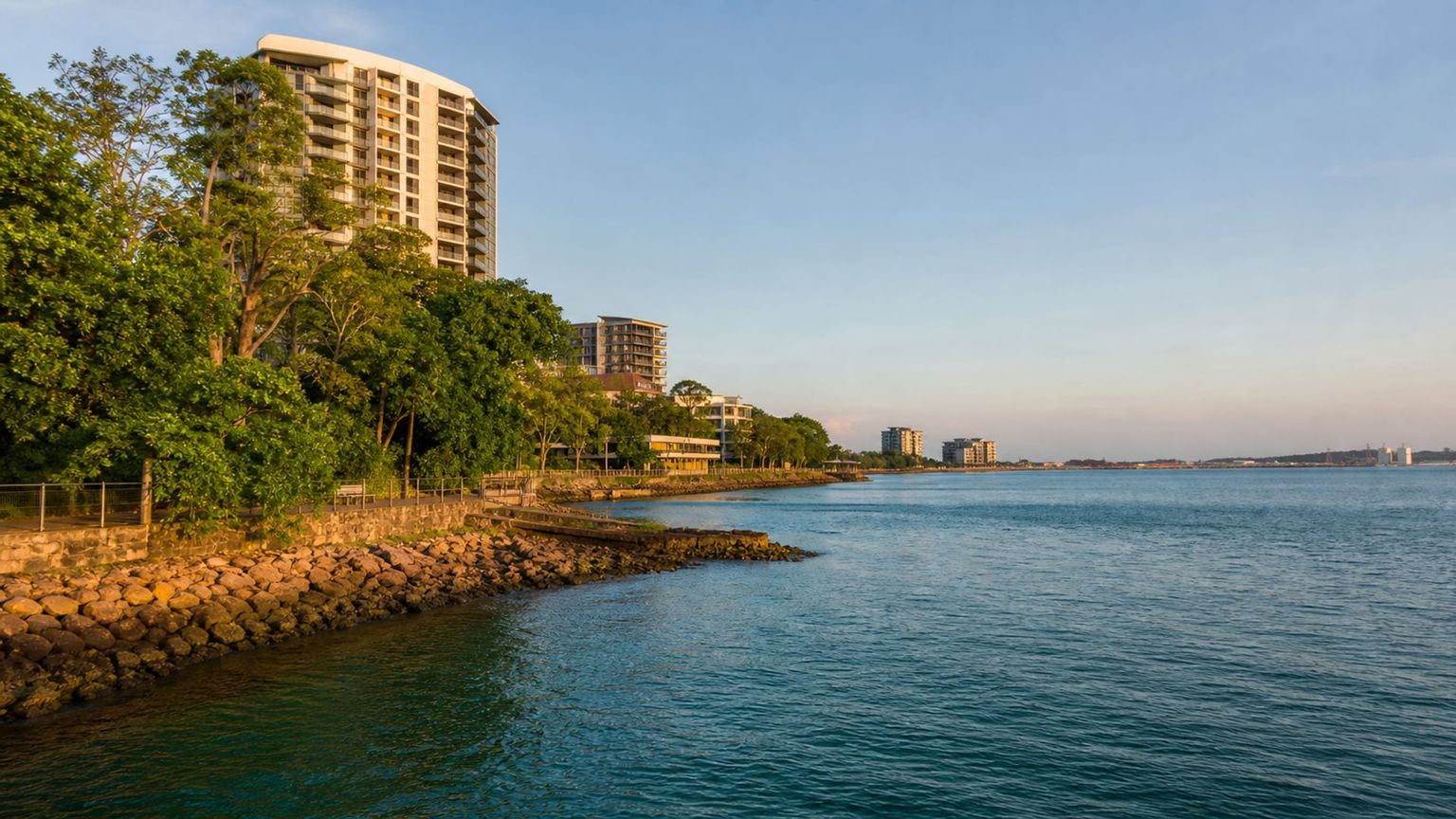
Begin at the Museum and Art Gallery of the Northern Territory, where you can spend about 2 to 3 hours with Cyclone Tracy exhibits, maritime history, Aboriginal art, and Sweetheart the crocodile. From there, take a taxi to Mindil Beach in about 10 minutes, or about 25 minutes on foot if you want a longer approach, then arrive before sunset for the Mindil Beach Sunset Market. Plan on 2 to 3 hours at the market, with a meal from the stalls and a beachside walk as the light fades over the harbor.
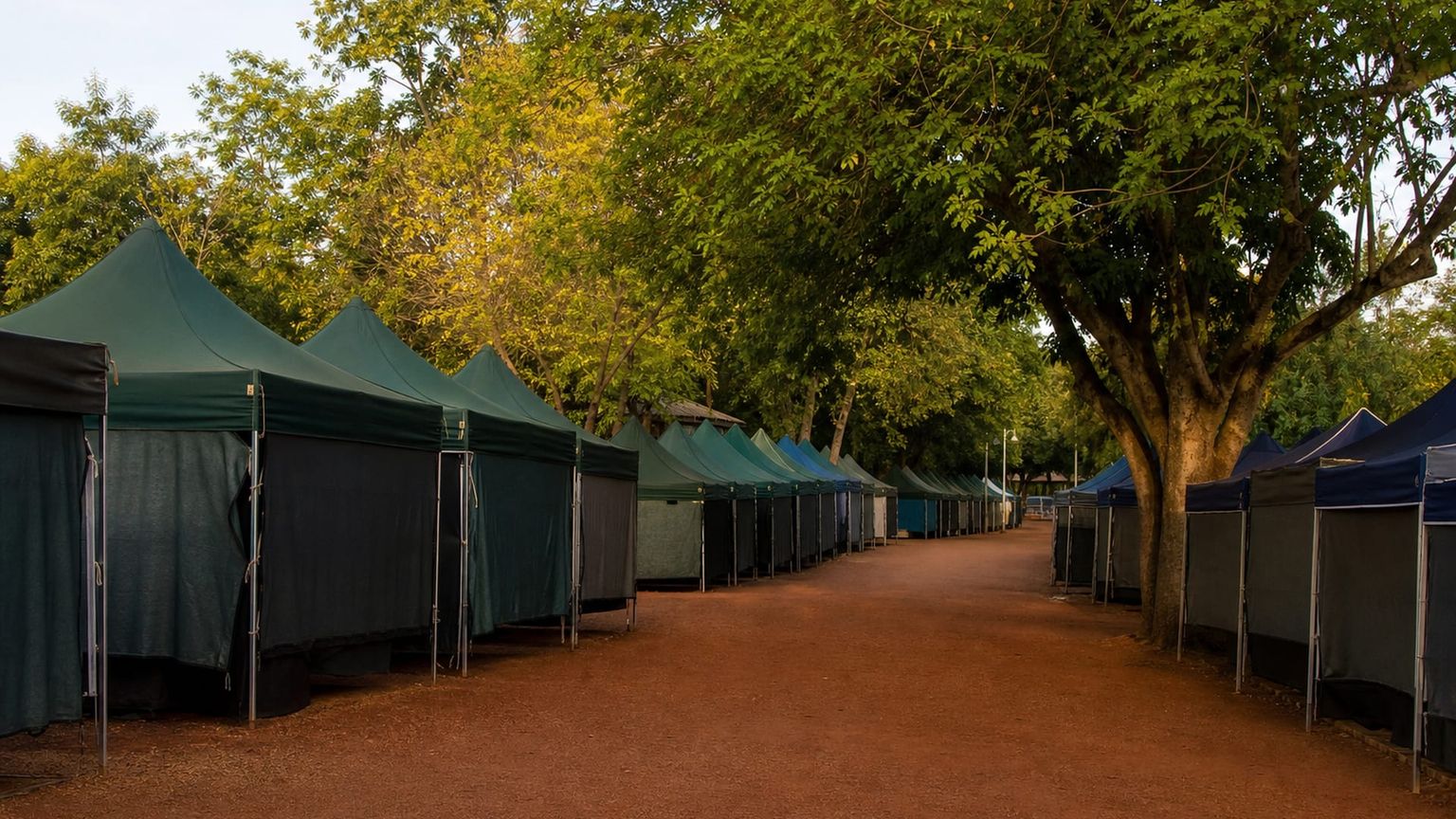
Start early at the Darwin Military Museum in East Point, since the morning heat builds quickly on the cliffs. If you are staying in Darwin City, expect about a 15-minute taxi ride; from Larrakeyah, it is roughly 10 minutes by car. Spend about 2 to 3 hours on the guns, bunkers, and wartime displays, then continue to Fannie Bay Gaol, about 10 minutes away by taxi or a longer coastal drive. Allow 45 minutes to 1 hour for the gaol, then finish with a calm walk nearby before heading back for dinner in town.
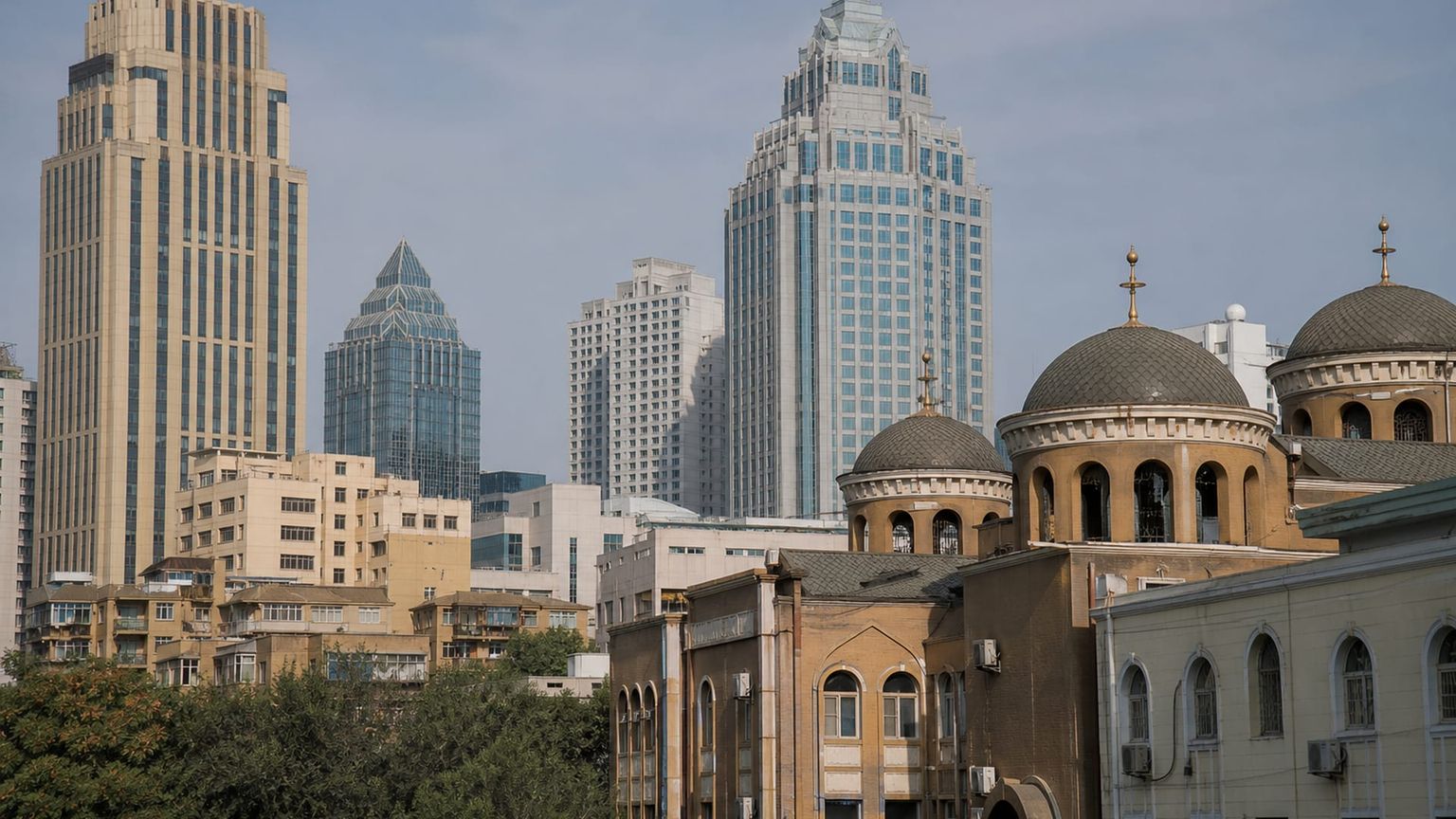
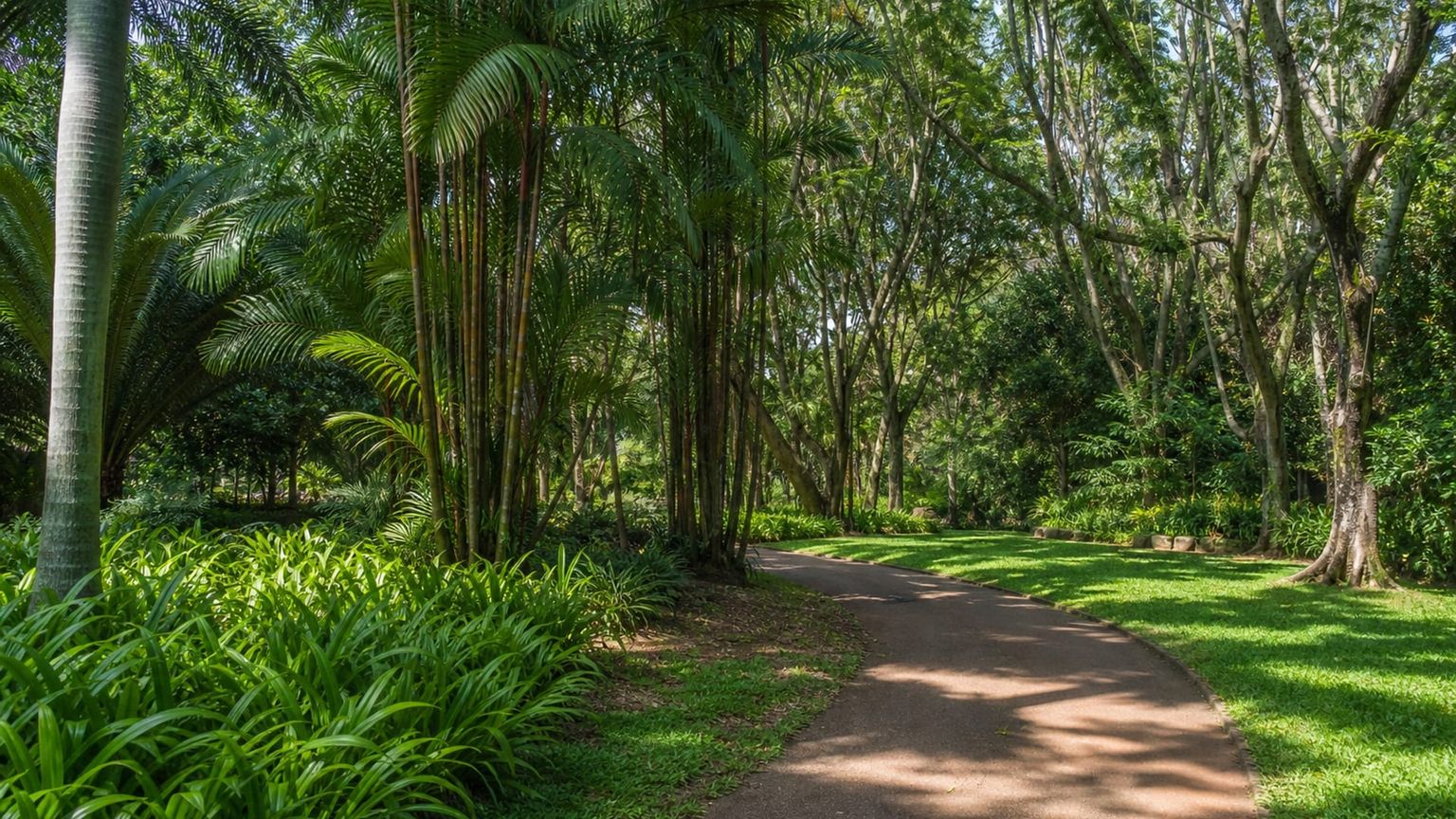
Parap works well for a slower morning, so start with coffee in the neighborhood and then head to the Parap Village Markets if your visit falls on a market day. From Darwin City, the drive takes about 10 minutes, and from The Gardens it is usually about 5 to 10 minutes by car. After the market, continue to the George Brown Darwin Botanic Gardens, about 5 minutes away by taxi from Parap or about 15 minutes on foot if you prefer a longer stroll through the greener edge of the city. Spend the afternoon among the shaded paths and plant collections, then return to Larrakeyah or Darwin City for an unhurried dinner near the waterfront.
For your final morning, head back to the Museum and Art Gallery of the Northern Territory if you want one last focused museum stop, or spend the same part of the day browsing Parap Village Shops and the cafes in Parap. If you are flying later, Darwin City makes the easiest base for a last lunch, since you can reach the center quickly from most nearby neighborhoods and still fit in a waterfront walk. End with coffee in The Gardens or a final look through the city shops before heading to Darwin (DRW).
Business-class flights from the US to Darwin
Long-haul flights to Darwin usually connect through Asia or the Gulf, so the useful comparison is the layover city, total travel time, and fare band. The two sample routes below show how that plays out from New York and Los Angeles.
From New York, airlines such as Qantas Airways, Singapore Airlines, Cathay Pacific, Emirates, Qatar Airways, and Air New Zealand typically route you through Singapore (SIN), Hong Kong (HKG), or Doha (DOH), with total journey times of about 22 to 30 hours. Round-trip fares usually start at $5,500 and can reach $9,500, while itineraries with a layover often cut the price to about $3,800 to $5,500.
Los Angeles offers a shorter long-haul pattern, with Qantas Airways, Singapore Airlines, Cathay Pacific, Emirates, Qatar Airways, and Air New Zealand often connecting through Singapore (SIN), Hong Kong (HKG), Dubai (DXB), Doha (DOH), or Tokyo (NRT). Round-trip fares usually run from $4,800 to $8,500, and one-stop options are often cheaper at roughly $3,400 to $5,000 over about 20 to 28 hours.
Darwin feels different when you slow down
A good Darwin trip stays close to the city’s real geography: Darwin City for dining and the waterfront, The Gardens for cooler starts, Parap for the market morning, and East Point when you want history before the afternoon warms up. Use taxis or buses where the distances stretch, then leave space for sunset at Mindil Beach. If you want help shaping the route, the AranGrant experts can build it around the season and the neighborhood that suits your stay







