

Chapters:

Need help with your trip?
Our support team is available 24/7. Request a callback or call us directly at (833) 619-0908
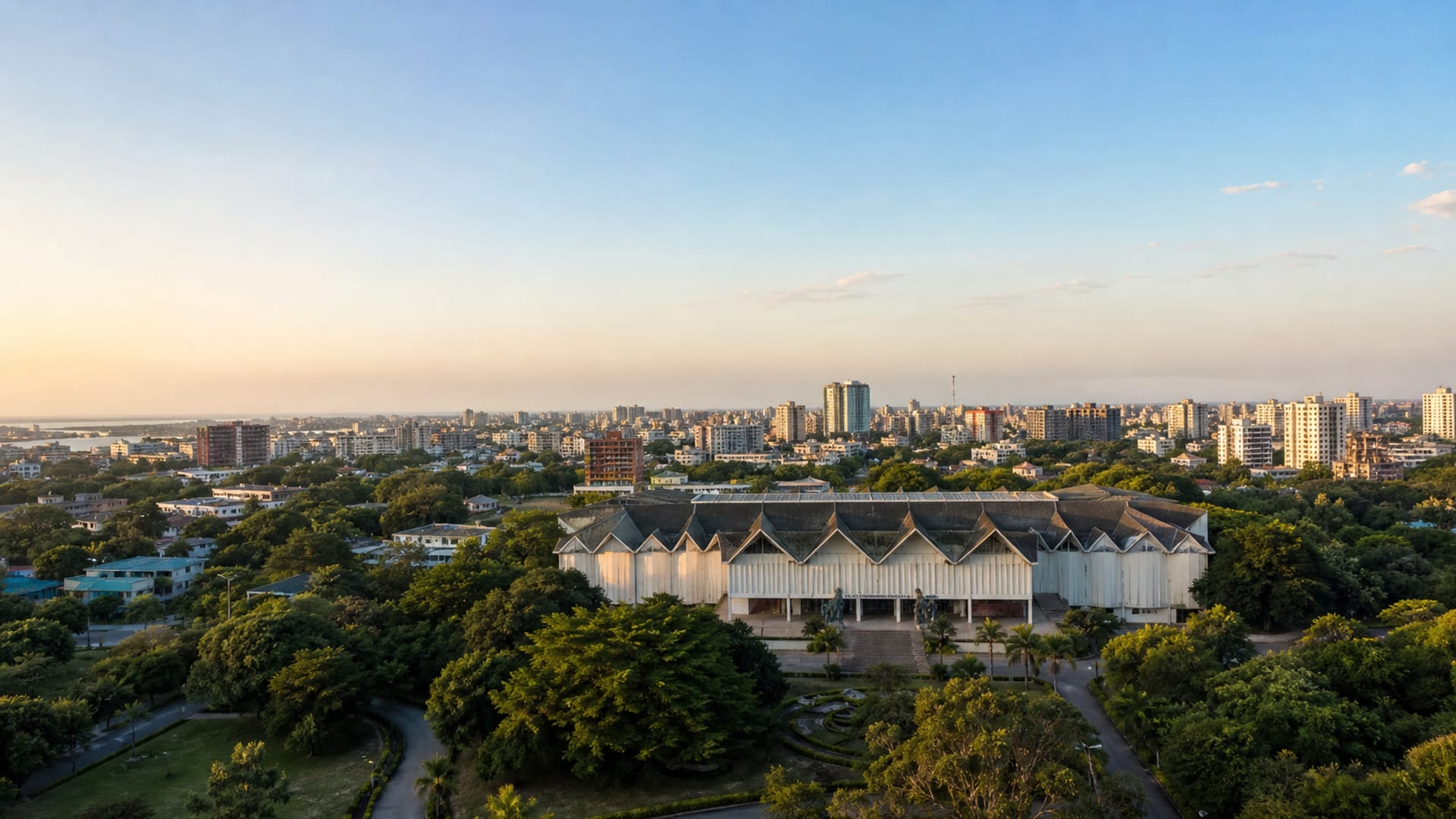
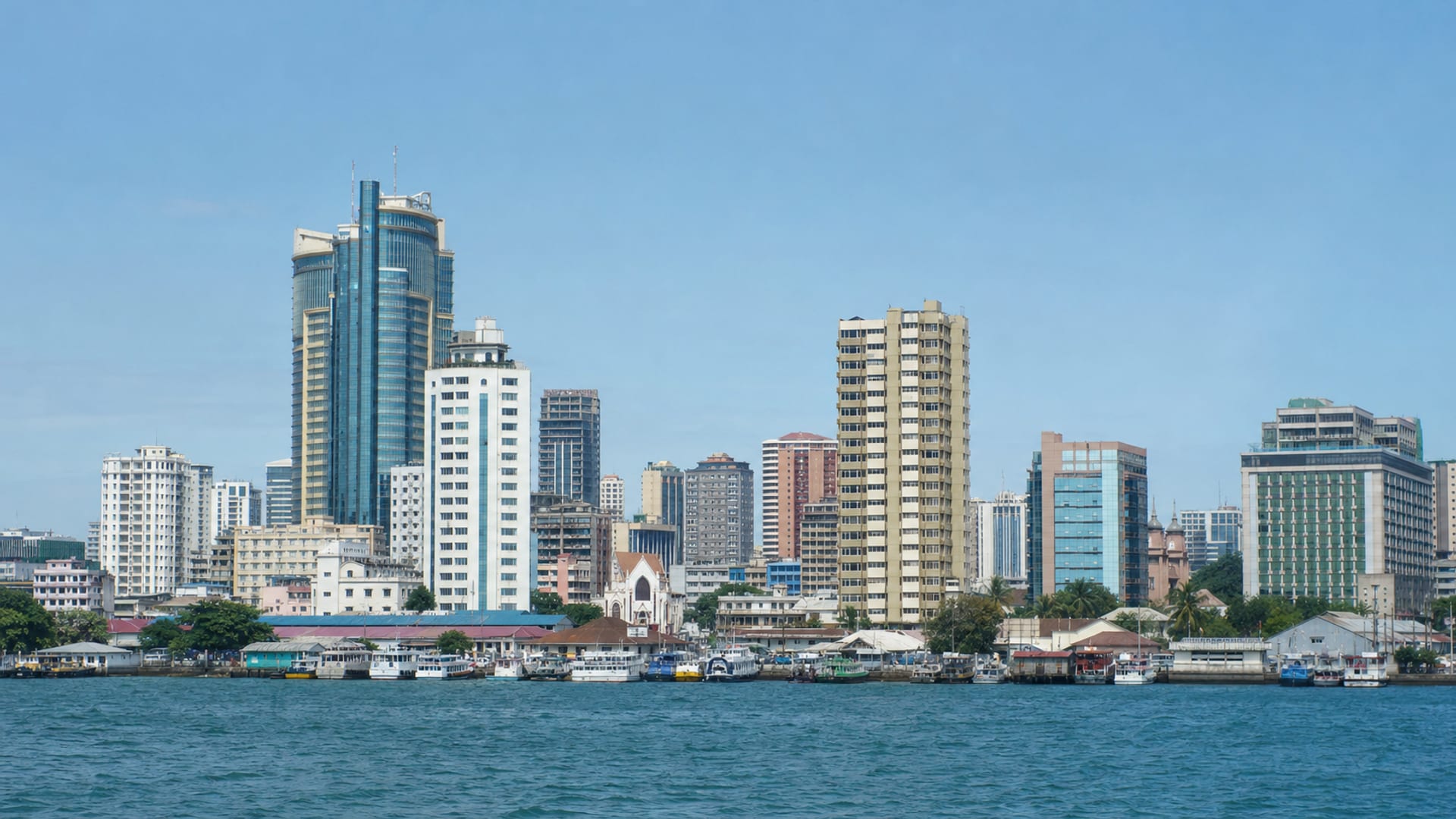
Dar es Salaam is easier to enjoy when you plan around its geography instead of treating it like a compact city center. The historic center and Kariakoo draw you toward the harbor and central streets, while Oyster Bay and the Msasani Peninsula pull dining and coastal time farther north along the Indian Ocean. Traffic can turn a short-looking drive into a long one, and the hot, humid climate makes overpacked days tiring.
Give each part of the city its own stretch of time, and Dar becomes much easier to navigate, whether you spend a morning around the center, an afternoon by the water, or an evening on the peninsula.
Useful things to know

Main language(s): Swahili (Kiswahili) is the main everyday language; English is also widely used in business, tourism, and formal settings.
Jambo (JAHM-boh) – Hello
Tafadhali (tah-fah-THAH-lee) – Please
Asante (ah-SAHN-teh) – Thank you
Unaongea Kiingereza? (oo-nah-ohn-GEH-ah kee-in-geh-REH-sah) – Do you speak English?
Bei gani? (BAY gee-nee) – How much does it cost?

Currency: Tanzanian shilling (TZS, TSh)

Cash and cards: Mastercard and Visa cards are widely accepted at hotels, malls, supermarkets, and larger restaurants. Keep shillings for markets, street food, small shops, and many taxis.

Tipping: Tip 5%–10% in restaurants if a service charge isn’t already included; taxi tips aren’t expected, but rounding up the bill is appreciated.

Traditional food: Chipsi mayai, mishkaki, pilau, and samaki wa kupaka are among the foods commonly associated with Dar es Salaam and coastal Tanzania.

Water and coffee costs: A small bottle of water usually costs TSh 500–TSh 2,200 ($0.20–$0.85); espresso is roughly TSh 2,000–TSh 8,800 ($0.75–$3.30).

Taxis and ride apps: Bolt and Little are the main rideshare services in Dar es Salaam. For street taxis, agree on the price before departure.

Plug and voltage: Tanzania uses Type D and Type G sockets, with a 230V, 50Hz electricity supply.

Dining and shop opening hours: Restaurant hours vary; hotel dining often serves lunch from 12:30 pm to 3:00 pm and dinner from 6:30 pm to 11:00 pm. Mlimani City Mall opens daily from 8:00 am to 11:00 pm.

Emergency number: Call 112 for police, 114 for fire and rescue, and 199 for health emergencies.
Where to stay in Dar es Salaam
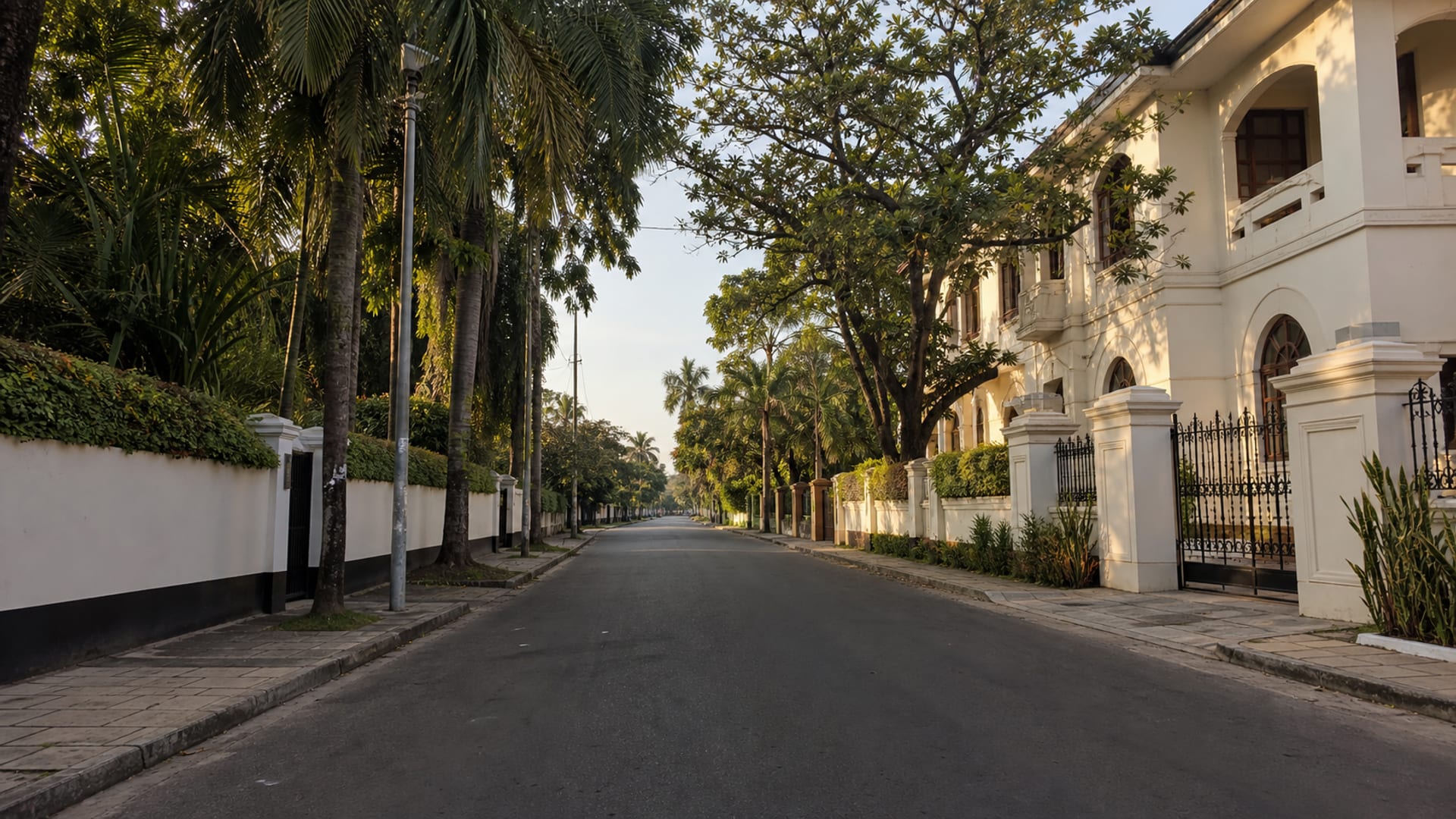
Oyster Bay offers a calmer coastal setting between central Dar es Salaam and the Msasani Peninsula. Coco Beach, embassies, restaurants, and several well-rated hotels are nearby, making the area practical for travelers who want evenings by the water without staying in the busiest part of town.
Best for: Dining, beach access, and travelers who want an upscale base near the waterfront
What to expect: Expect tree-lined streets, embassy traffic, and a steady flow of residents, diners, and hotel guests, especially near main roads and the shoreline.
Hotel prices: Usually about $90 to $220 per night for well-rated stays
Distance to major sights: About 15 to 25 minutes by car to the National Museum and House of Culture
Quietness: Quieter in the daytime on side streets, busier in the evening near restaurants and beach clubs.
Main trade-off: You pay more than in inland neighborhoods, and some stretches sit far from the city center at peak traffic hours.
Good to know: Coco Beach is a public urban beach, so do not expect the atmosphere of a private resort beach.
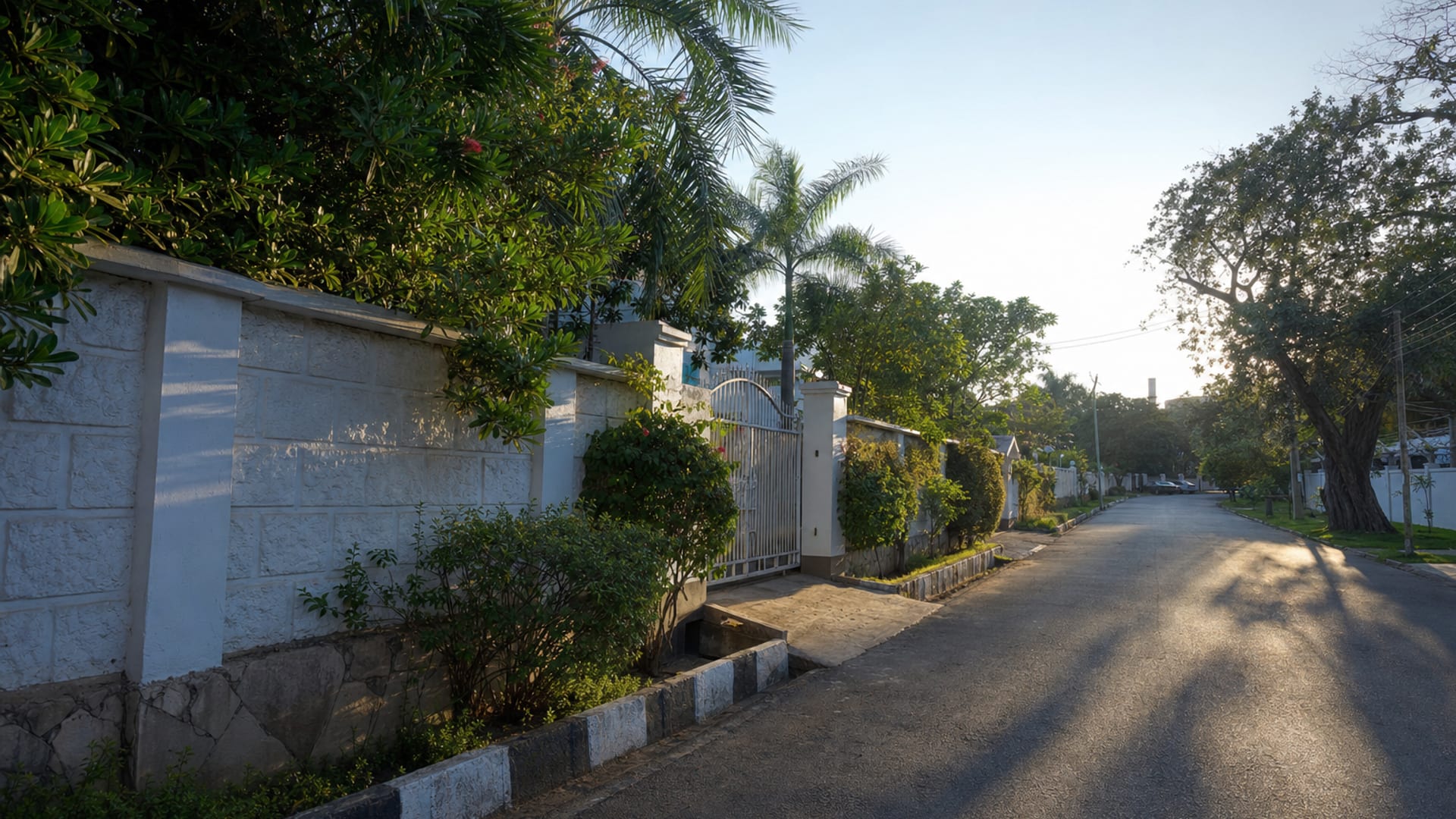
Masaki occupies the northern end of the Msasani Peninsula, where waterfront hotels, restaurants, cafés, and shopping draw both residents and visitors. The neighborhood stays active into the evening and gives you a wider choice of upscale accommodation than most parts of Dar es Salaam.
Best for: Dining, shopping, and travelers who want a coastal base with easy access to the peninsula
What to expect: Expect a busy upscale district with expatriates, locals, office traffic, and plenty of activity around malls, bars, and late-night restaurants.
Hotel prices: Usually about $100 to $260 per night for well-rated stays
Distance to major sights: About 20 to 35 minutes by car to the National Museum and House of Culture
Quietness: Calmer in the morning, then noticeably livelier at night around restaurants and bars.
Main trade-off: It sits farther from downtown sights, so museum visits and ferry connections take longer during rush hour.
Good to know: Check the immediate street before booking if nightlife noise is a concern.
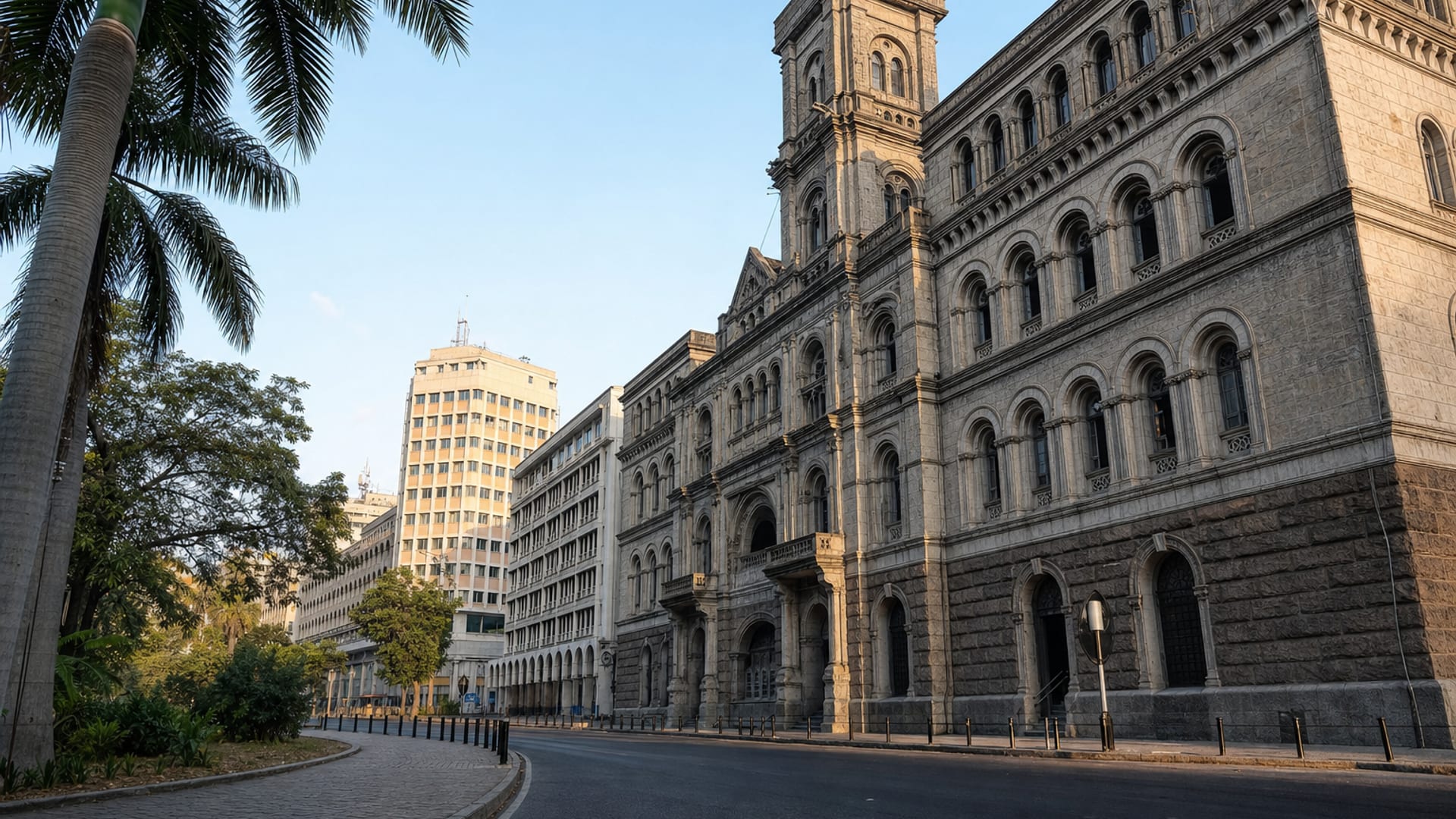
Dar es Salaam’s city center favors travelers who want to stay close to the Zanzibar ferry terminal, National Museum, offices, and commercial streets. Two neighborhoods within this area, Kisutu and Kivukoni, offer a mix of midrange and luxury hotels, while daytime traffic and business activity give the area a much faster pace than the coast.
Best for: Short stays, business trips, and travelers who want the ferry and central sights close by
What to expect: Expect dense traffic, sidewalks packed with office workers and shoppers, and constant movement from morning until early evening.
Hotel prices: Usually about $60 to $160 per night for well-rated stays
Distance to major sights: About 5 to 15 minutes on foot to the National Museum and House of Culture
Quietness: Very busy by day, then much calmer after office hours.
Main trade-off: Hotel choice is narrower than in coastal districts, and the area can feel hectic if you prefer a residential setting.
Good to know: Choose Kivukoni for access to the museum and ferry, or Kisutu for restaurants and central commercial streets.
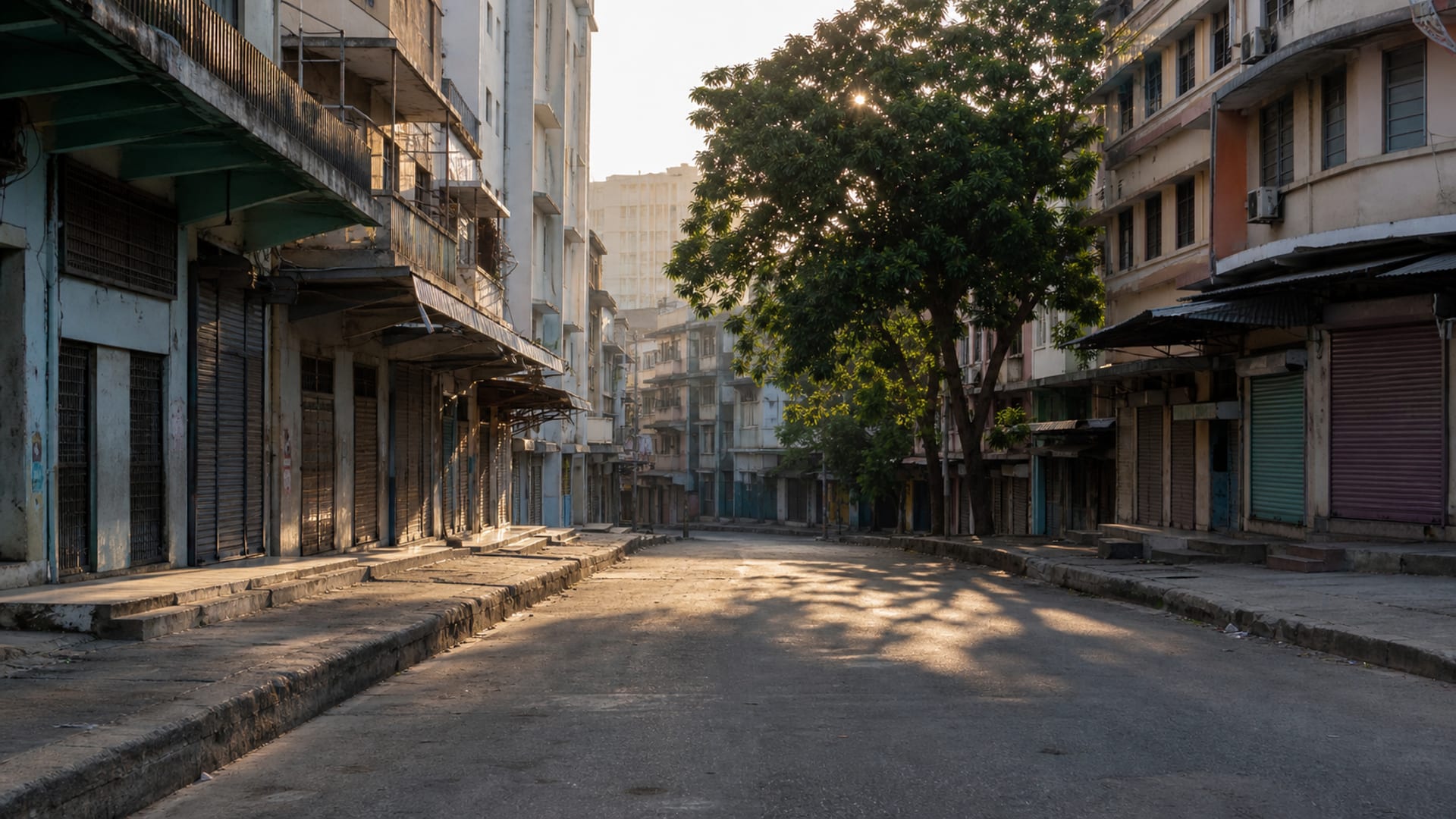
Kariakoo centers on one of Dar es Salaam’s largest commercial markets, with wholesale shops, street vendors, bus connections, and modest hotels packed into a dense grid. Choose it when market access and lower room prices outweigh the noise, crowds, and heavier street activity during the day.
Best for: Market shopping, budget stays, and travelers who do not mind heavy street activity
What to expect: Expect very crowded streets, constant vendor calls, delivery traffic, and a fast pace from early morning into the evening.
Hotel prices: Usually about $35 to $90 per night for well-rated stays
Distance to major sights: About 10 to 20 minutes by car to the National Museum and House of Culture
Quietness: Loud and crowded through the day, then lighter at night once shops close.
Main trade-off: Prices are lower, but the area can be noisy and tiring if you are carrying luggage or planning early mornings.
Good to know: For direct market access, Kariakoo is a convenient location.
Kigamboni makes sense for beach stays, but the ferry or Nyerere Bridge can add time to central sightseeing. For a city-focused trip, staying in Oyster Bay, Masaki, or the city center usually cuts down on daily travel.
Hotel deals
How to get around Dar es Salaam efficiently
Dar es Salaam is road-heavy: DART buses are cheapest, rideshare services are convenient door-to-door options, and taxis are useful for rides to the airport and late at night.

DART bus
for major routes and daytime trips
DART buses use dedicated lanes on major routes, including Kimara–Kivukoni and branches to Morocco and Gerezani. Trips cost between TSh 500 ($0.20) and TSh 1,000 ($0.40). You can buy tickets through the Mwendokasi app or at a DART station.

Rideshare services
for door-to-door trips and evening rides
Bolt and Little are useful for door-to-door trips, evening rides, and areas beyond DART routes. Book in the app and check the quoted price before confirming. As of June 2026, there is a minimum of TSh 3,000 ($1.15) for rideshare trips; the final price varies by distance and time.

Taxi
for airport arrivals and late hours
Licensed taxis are useful for airport arrivals, hotel pickups, and late-night trips. Taxis generally do not use meters, so agree on the price before leaving. A ride from the airport to the city center commonly costs TSh 30,000–TSh 50,000 ($11–$19); confirm the payment method with the driver.
*Prices are based on rates updated as of June 2026 and may change at the time of travel.
Use DART for inexpensive trips along its main routes, rideshare services for door-to-door travel, and licensed taxis if you arrive late or don’t have mobile data.
Iconic landmarks
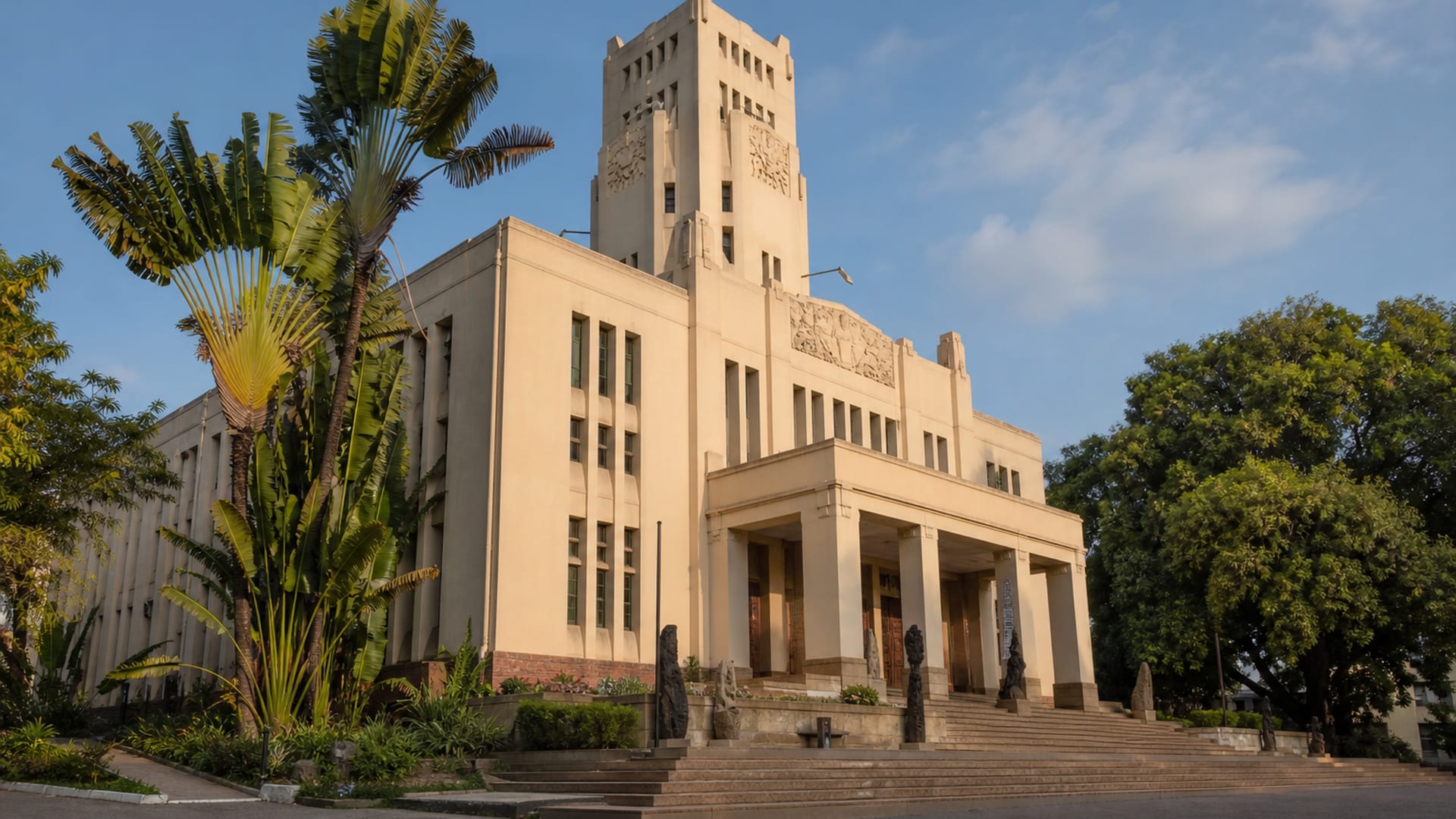
Museum and House of Culture
Dar es Salaam’s main national museum explores human evolution, archaeology, Tanzanian history, ethnography, biology, and contemporary art. Its collections include material linked to Zinjanthropus boisei, historic state vehicles, traditional objects, and rotating exhibitions.
Time needed: 1–2 hours
Entry: One ticket costs TSh 15,858 ($6) for foreign adults. Visit the official site for details.
Tip: Give the human-evolution galleries extra time before moving through the history exhibits.
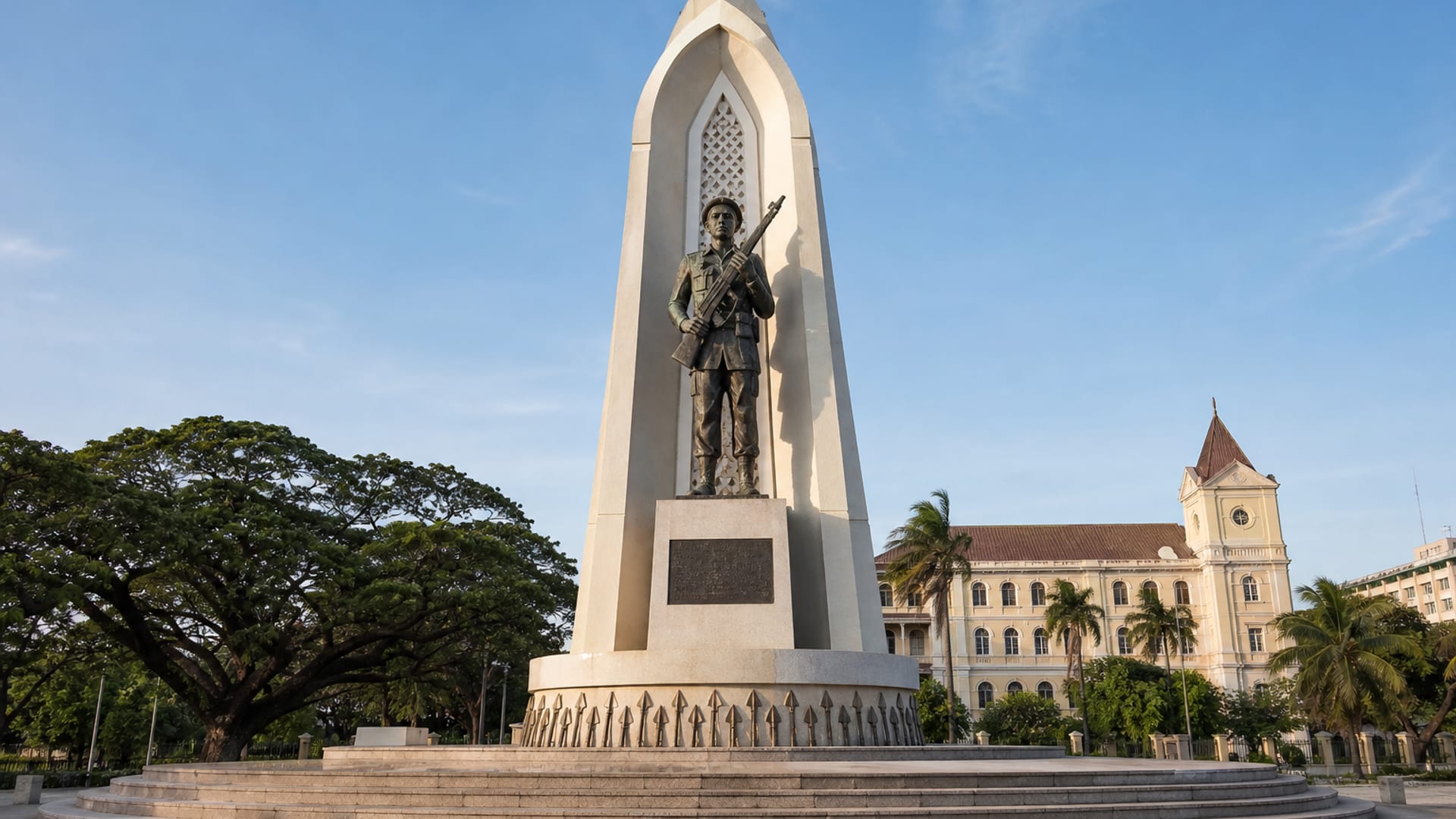
Askari Monument
Unveiled in 1927, the Askari Monument commemorates African soldiers of the King’s African Rifles and Carrier Corps connected with the British campaign in East Africa during World War I. The bronze figure stands at a central roundabout and faces toward Dar es Salaam’s harbor.
Time needed: 10–20 minutes
Entry: Free; this is an outdoor public monument.
Tip: Look closely at the pedestal, which carries inscriptions in English and Swahili.
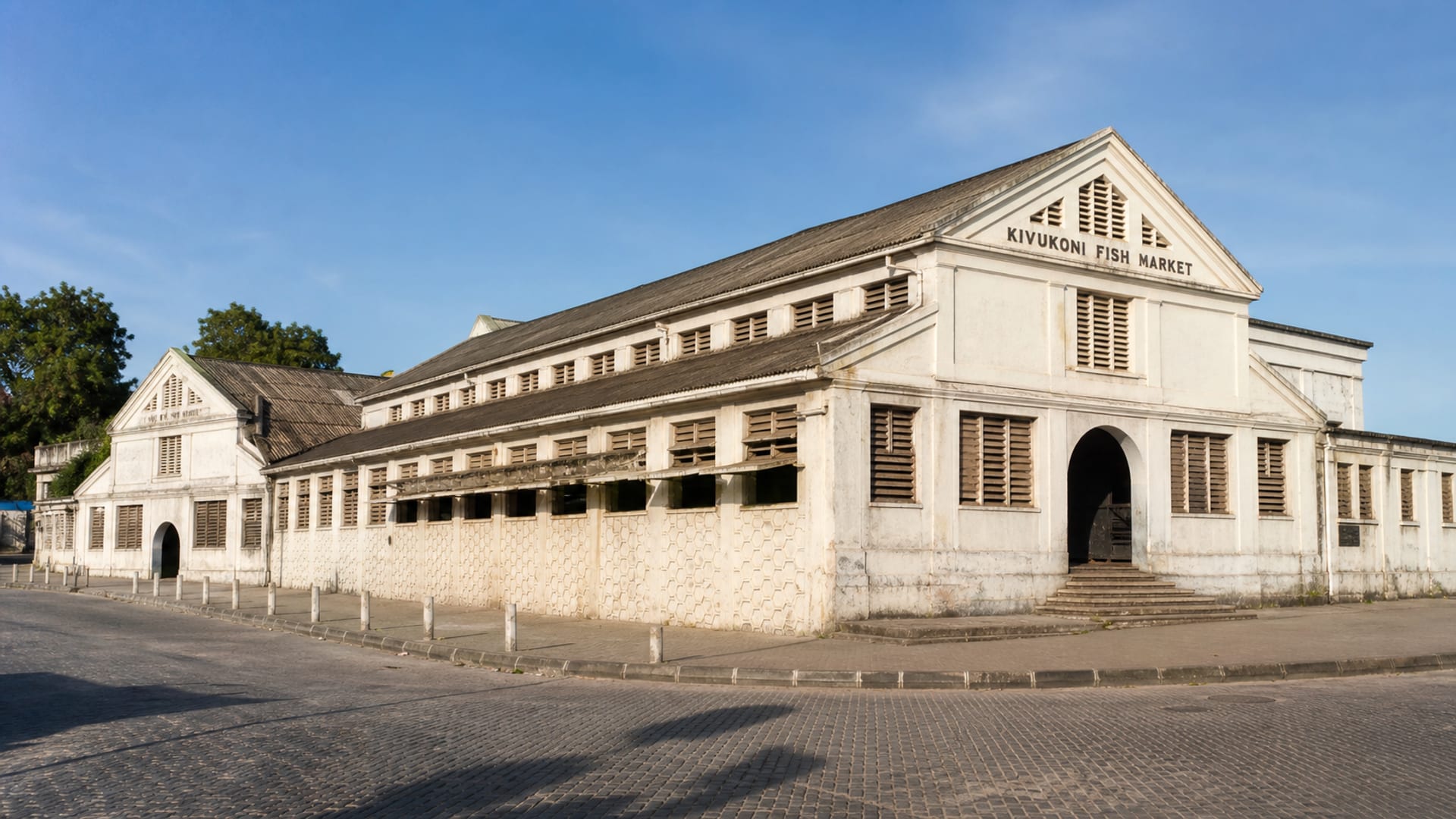
Kivukoni Fish Market
On the Kivukoni waterfront beside the ferry area, this working fish market becomes busiest in the early morning as boats unload their catch, buyers gather around auction tables, and vendors clean, cook, and sell seafood. It offers one of the clearest looks at Dar es Salaam’s daily waterfront trade.
Time needed: 45 to 60 minutes
Entry: No admission ticket is normally required; bring Tanzanian shillings if you plan to buy food or fish.
Tip: Arrive at 6:30 am or 7:00 am if you want to see the morning fish auction.
Overlooked sites worth visiting

Dar es Salaam Botanical Gardens
Created in the German colonial era, Dar es Salaam Botanical Gardens contain palms, cycads, flame trees, and other tropical plants in a shaded green space near the National Museum.
Time needed: About 1 hour
Entry: Free to access. You can walk the market quay without a ticket, though you may pay separately for a guided visit or for any fish you buy to take away. Bring small cash if you plan to purchase food or use local help at the stalls.
Tip: Go early, before 8:00 am, for the busiest landing period.

Village Museum
The Village Museum preserves full-size traditional houses from communities across Tanzania, showing how architecture, materials, and domestic spaces vary by region and culture.
Time needed: About 1 to 2 hours
Entry: Standard admission costs about $5 ($12,000 TSh) for adults, with lower rates for children and Tanzanian residents. Fees can change for special events, performances, or photography, so check the gate notice before you enter. Visit the official site for details.
Tip: Visit in the morning for cooler temperatures and fewer school groups.
Traditional food
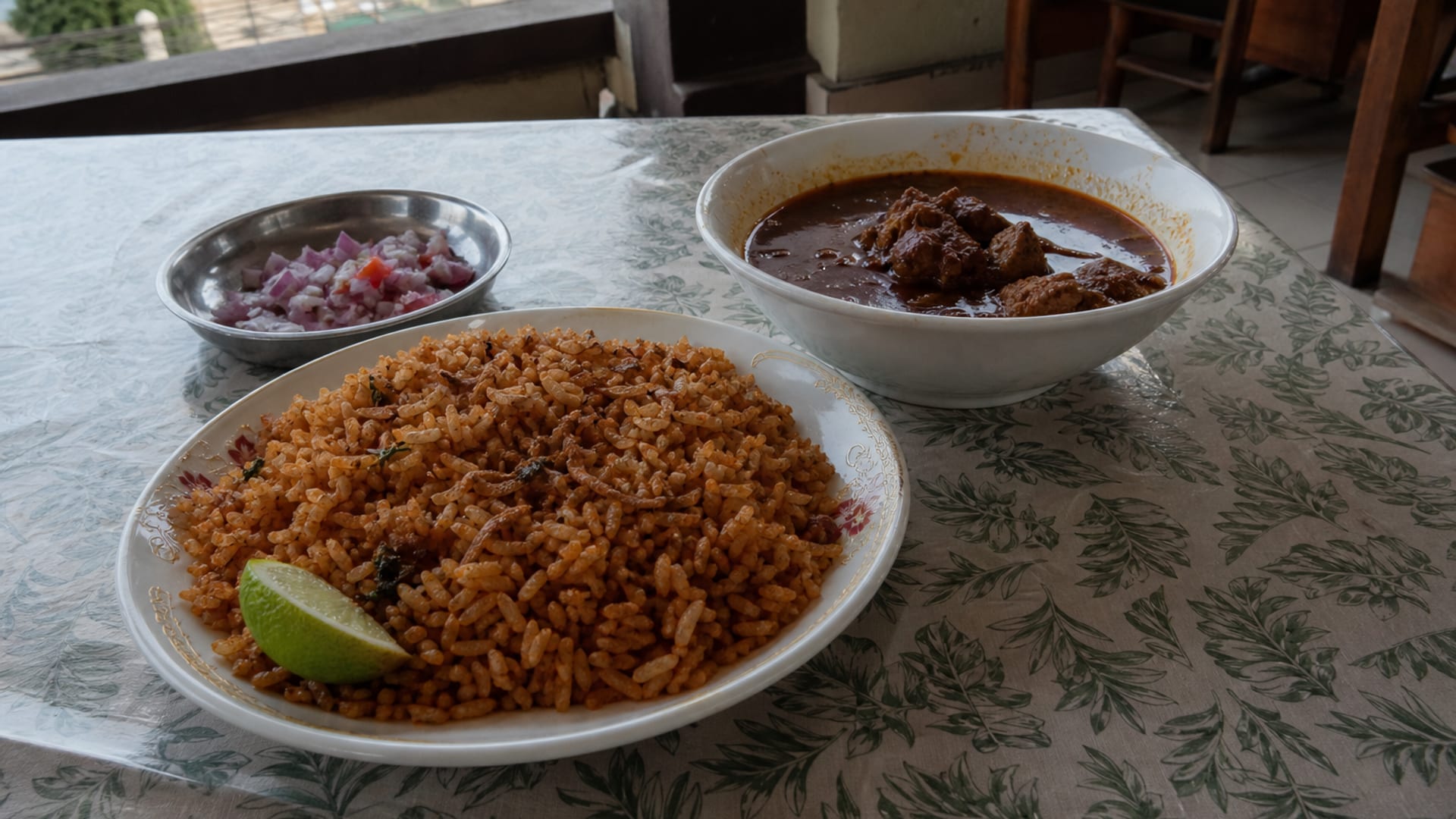
Dar es Salaam’s coastal cooking uses coconut, grilled meat, spiced rice, and fresh fish. Street food and Swahili dishes are easy to find everywhere.
Chipsi mayai
Chipsi mayai is made by combining fried potatoes with beaten eggs and cooking them together into a thick omelet, usually served with chili sauce or kachumbari. Rukiya’s Kitchen on Samora Avenue includes chipsi mayai among its everyday Swahili dishes.
Mishkaki
Mishkaki are marinated meat skewers grilled until smoky and lightly charred, then served with chili sauce or salad. The Waterfront at Hotel Slipway lists both beef mishkaki and a tuna version on its current menu.
Pilau
Pilau is rice cooked with aromatic spices such as cardamom, cloves, and cinnamon, often with meat or vegetables for a richer flavor. Lavish Food & Events at the Gymkhana Golf Club lists pilau among its Tanzanian dishes.
Samaki wa kupaka
Samaki wa kupaka pairs fish with a rich coconut-based sauce seasoned with coastal spices. The Palm at Hyatt Regency Dar es Salaam includes the dish in its Tanzanian-flavors selection alongside other local specialties.
Best time to visit Dar es Salaam
Dar es Salaam is warm year-round, but its dry months and two rainy seasons make some periods easier for sightseeing than others.
Best for: Beach afternoons, waterfront dining, and warm evenings on the peninsula
What you get: Hot days around 86°F–90°F (30°C–32°C), relatively dry weather in January and February, plus warm Indian Ocean water for swimming or boat trips
Trade-offs: December can still bring short rains, while January and February feel hot and humid.
Best for: Museums, restaurant-focused days, and trips with flexible outdoor plans
What you get: Warm weather around 86°F–90°F (30°C–32°C) early in the season, followed by the long Masika rains from March through May and greener scenery.
Trade-offs: April is usually the wettest month, and heavy rain can disrupt roads and outdoor plans.
Best for: Markets, walking, outdoor lunches, and long sightseeing days with less rain
What you get: The coolest, driest stretch of the year, with average highs near 85°F–86°F (29°C–30°C), lower nighttime temperatures, and less rainfall.
Trade-offs: Sea breezes can feel cooler early in the morning, especially in July and August.
Best for: Mixed sightseeing, beach time, and outdoor plans before the short rains
What you get: September is dry and warm, then temperatures rise as the short Vuli rains usually return from October through December along the coast.
Trade-offs: Rain becomes less predictable in October and November, with heavier showers possible.
A realistic 5-day plan in Dar es Salaam
Five days in Dar es Salaam give you time to see the city without racing through traffic. The plan mixes early market mornings, museums, historic streets, and slower coastal afternoons, with room for lunch, heat, and an unplanned pause by the water.
After a long flight, let the first day be simple. Take a licensed taxi or Bolt ride to Oyster Bay or Masaki, check into your hotel, and give yourself time to settle before going out again. A late lunch or early dinner on the peninsula is enough for the evening, especially if you can choose a table near the water. If you still have energy, take a short walk before sunset, then head back before traffic and fatigue turn a gentle arrival into a long first night.
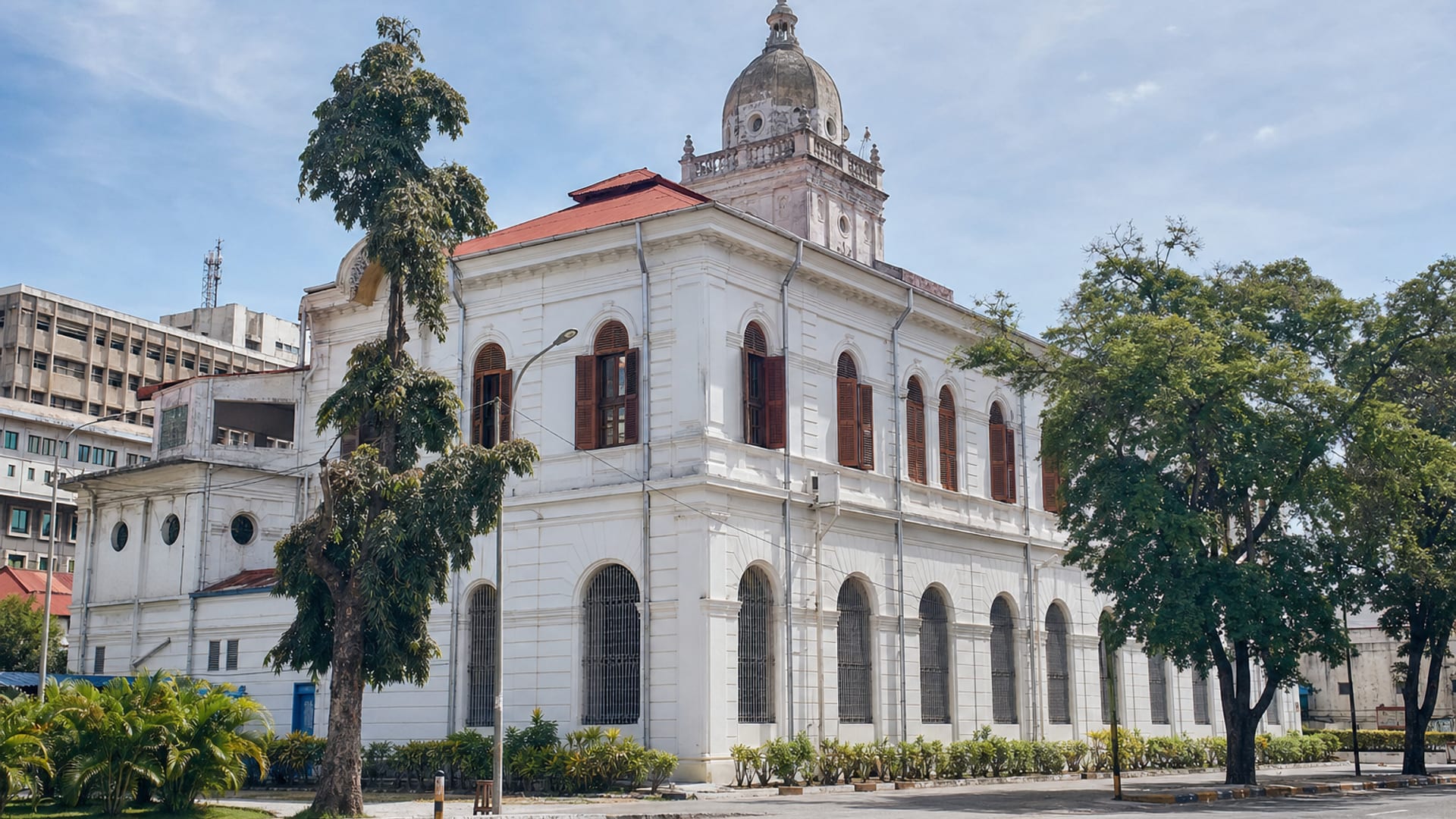
Give the second morning to Kivukoni, when the fish market is most active. Arrive before 7:00 am to watch boats unload and buyers gather around the auction, then stop for breakfast once the rush eases. Later, move into the historic core for the Askari Monument and spend 1–2 hours at the Museum and House of Culture. If the heat is manageable, the nearby Botanical Gardens make an easy final stop before a late lunch. By midafternoon, you can slow the pace again.
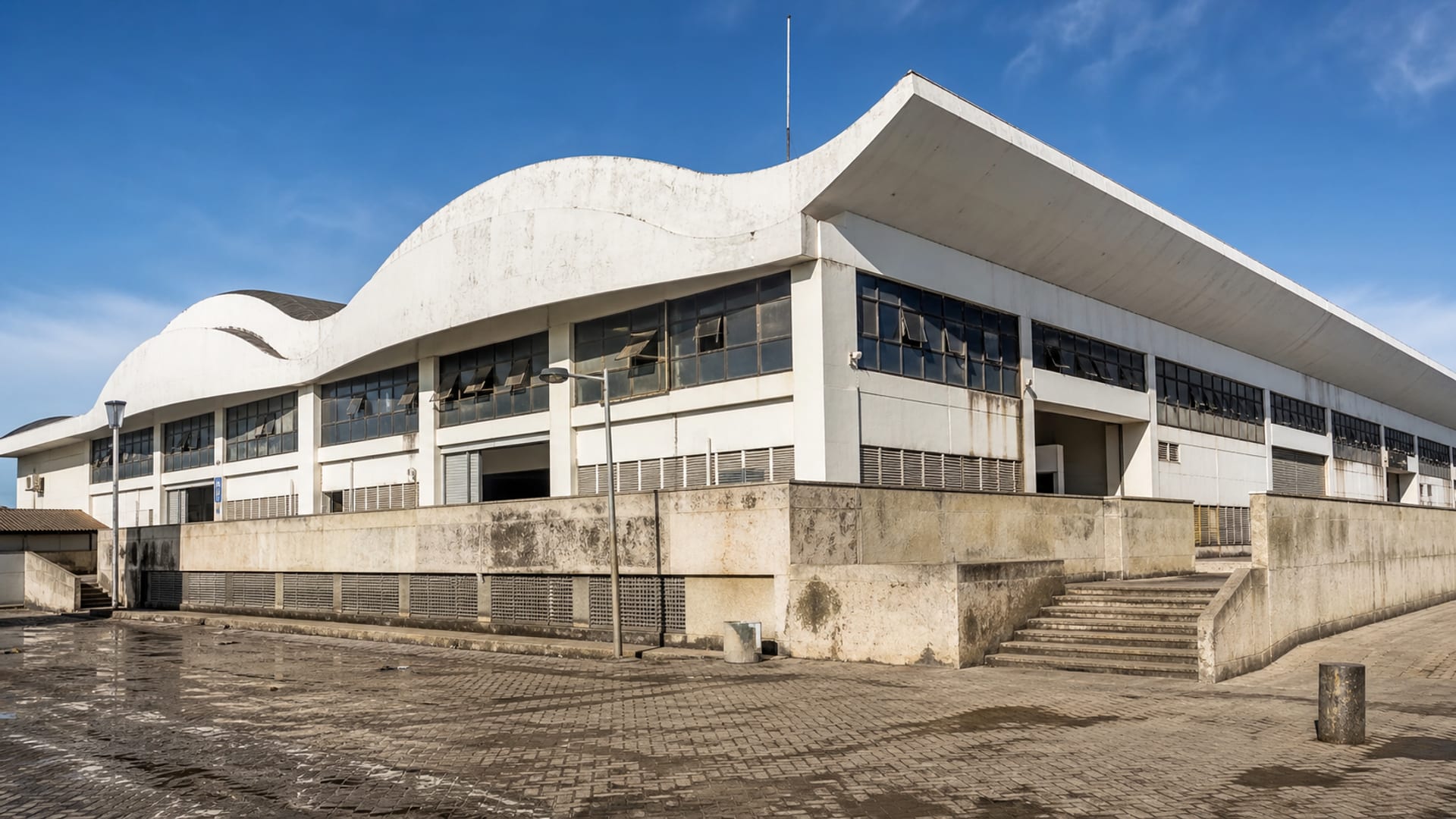
If you want a broader sense of Tanzania beyond central Dar, spend the morning at the Village Museum in Kijitonyama. Give the traditional houses time instead of treating them as quick photo stops, then head toward the Msasani Peninsula once the midday heat builds. Lunch at The Slipway can stretch into the afternoon, with shops, sea views, and coffee nearby. Stay for sunset if the weather is good, or return to Oyster Bay for dinner and a quieter end to the day.
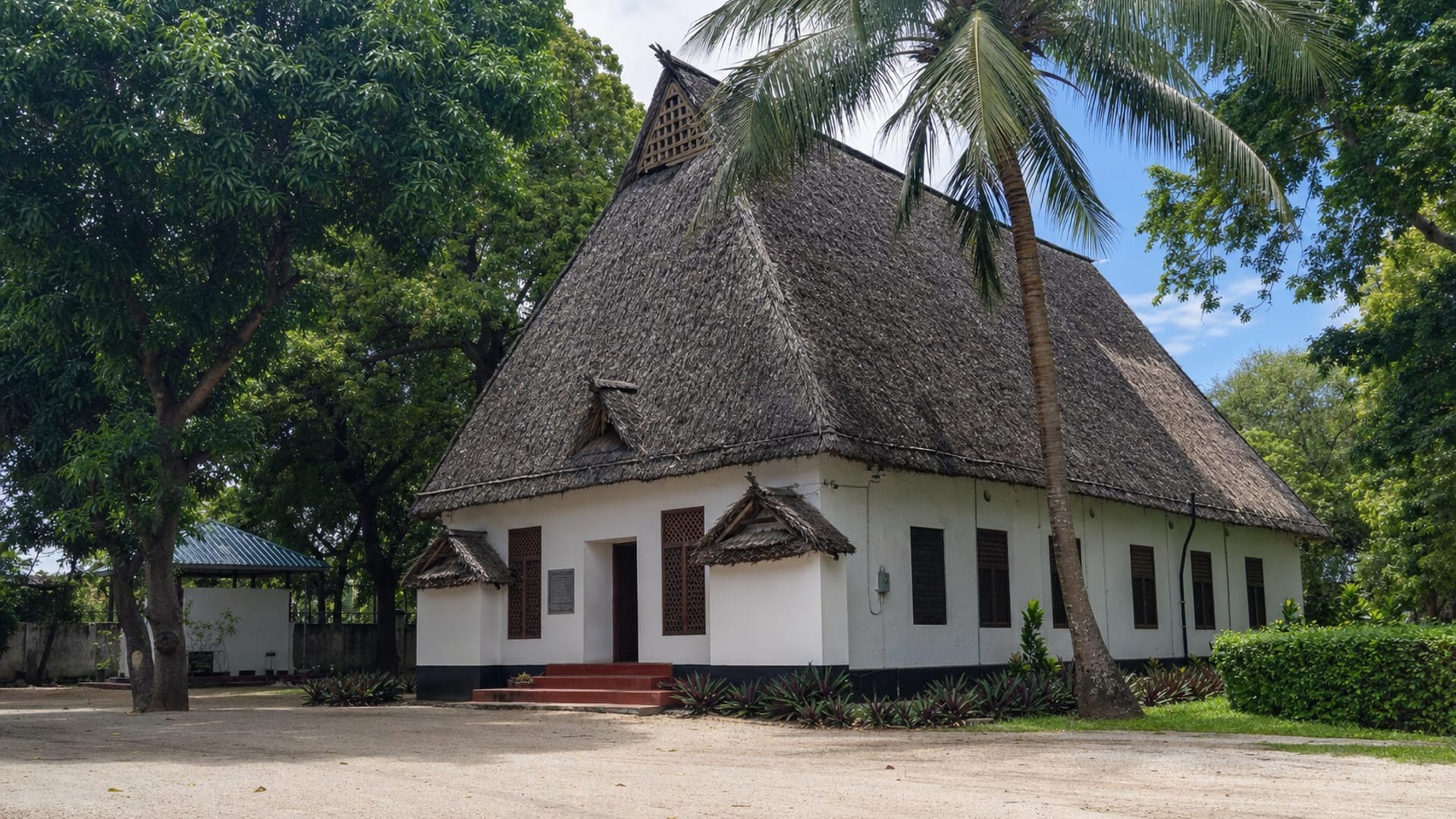
Let day four focus on the older city center, where Dar’s German colonial history is easier to read in the streets. Spend the morning around St. Joseph’s Cathedral and Azania Front Lutheran Cathedral, then pause for lunch before the commercial pace picks up again. In the afternoon, take a taxi to Kariakoo and browse the market at an unhurried pace. You do not need to cover every aisle; an hour or two is enough to take in the crowds, bargaining, deliveries, and everyday trade.
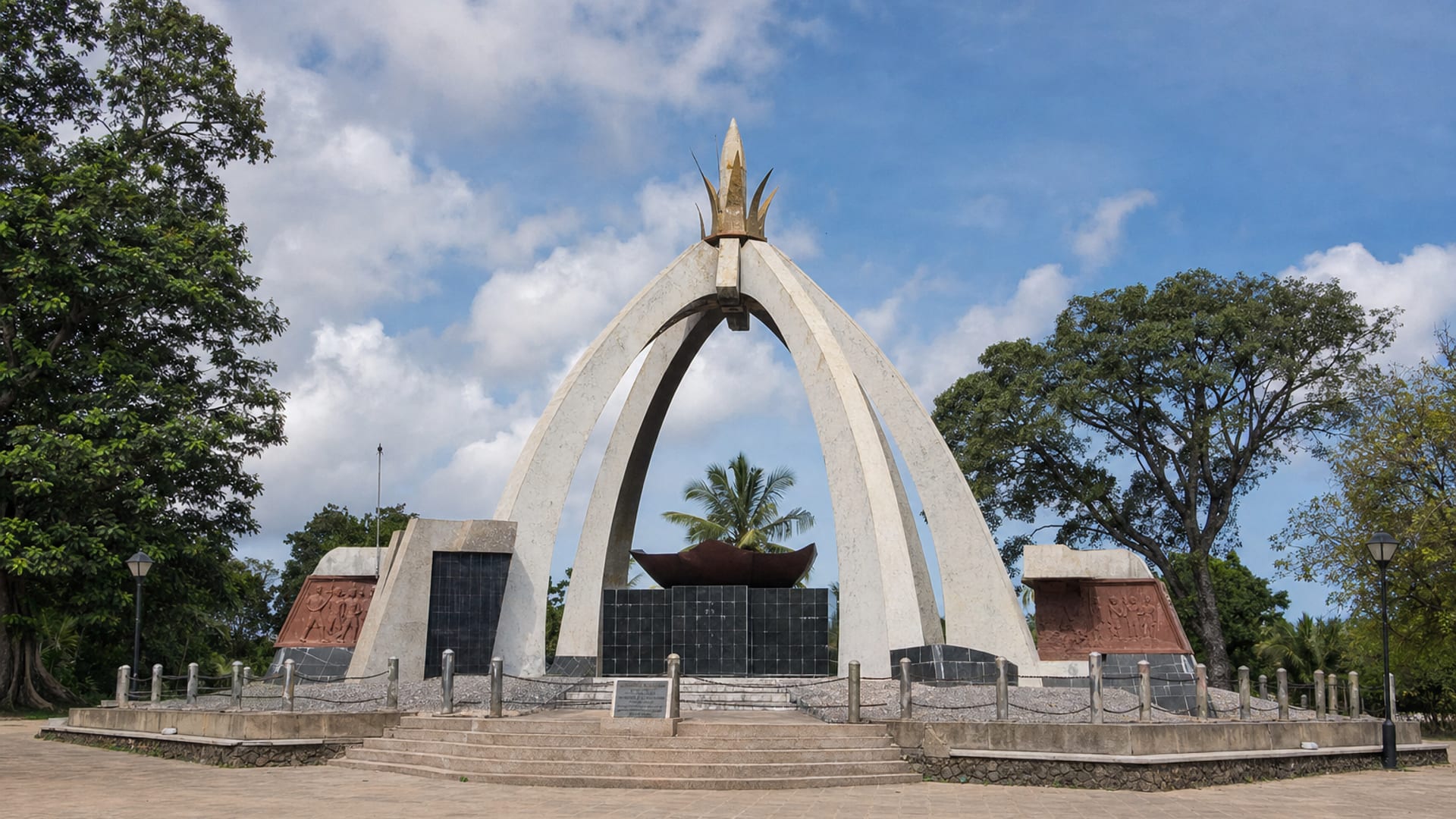
Keep the final day lighter and closer to your hotel. If you are staying around Oyster Bay or Masaki, spend the morning at Coco Beach, then choose a café or restaurant nearby for an early lunch. This is also a good time to return to a favorite shop or pick up anything you skipped earlier in the trip. Once you collect your bags, leave plenty of time for the drive to Julius Nyerere International Airport and follow your airline’s check-in guidance.
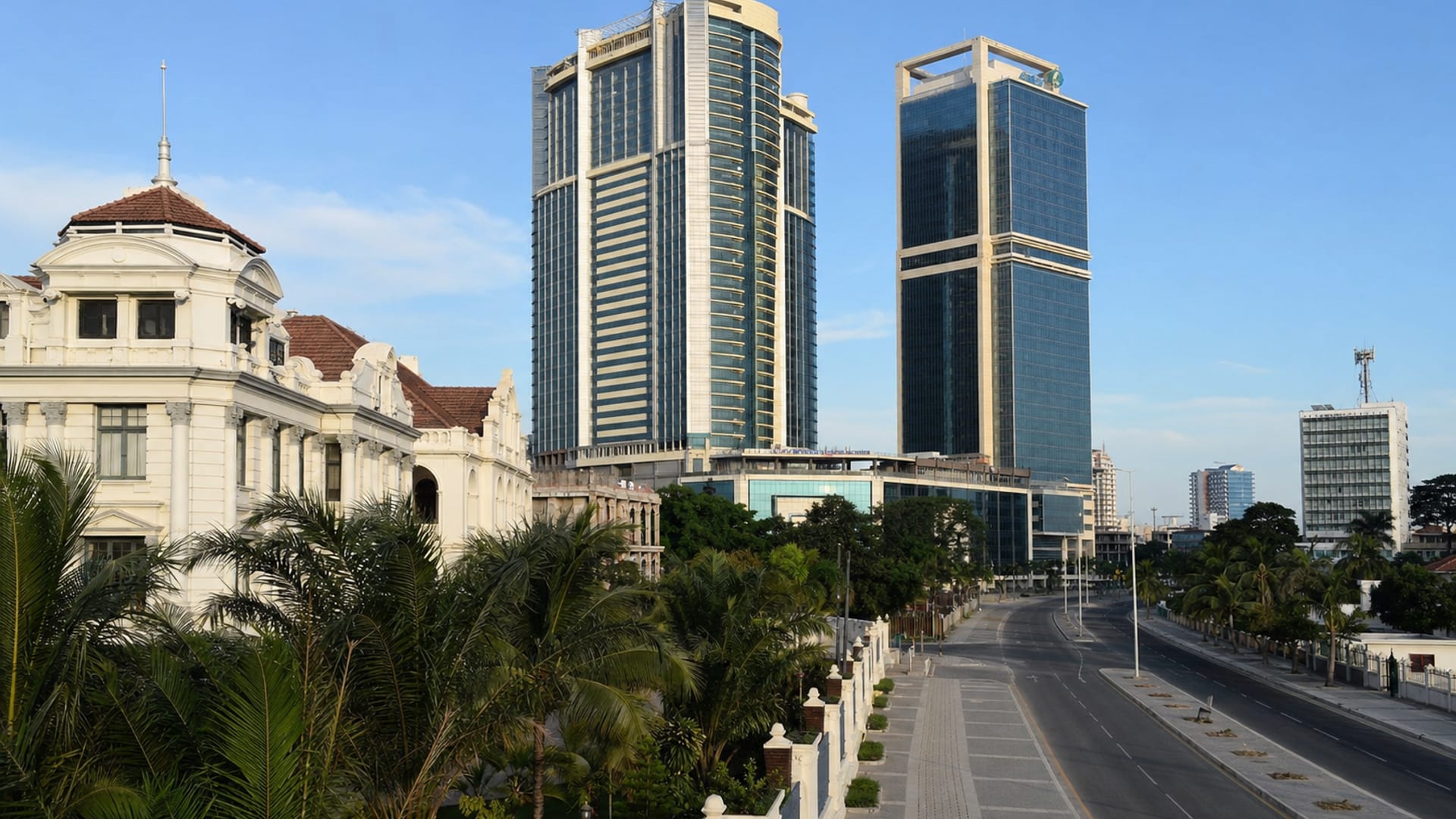
Business-class flights from the US to Dar es Salaam
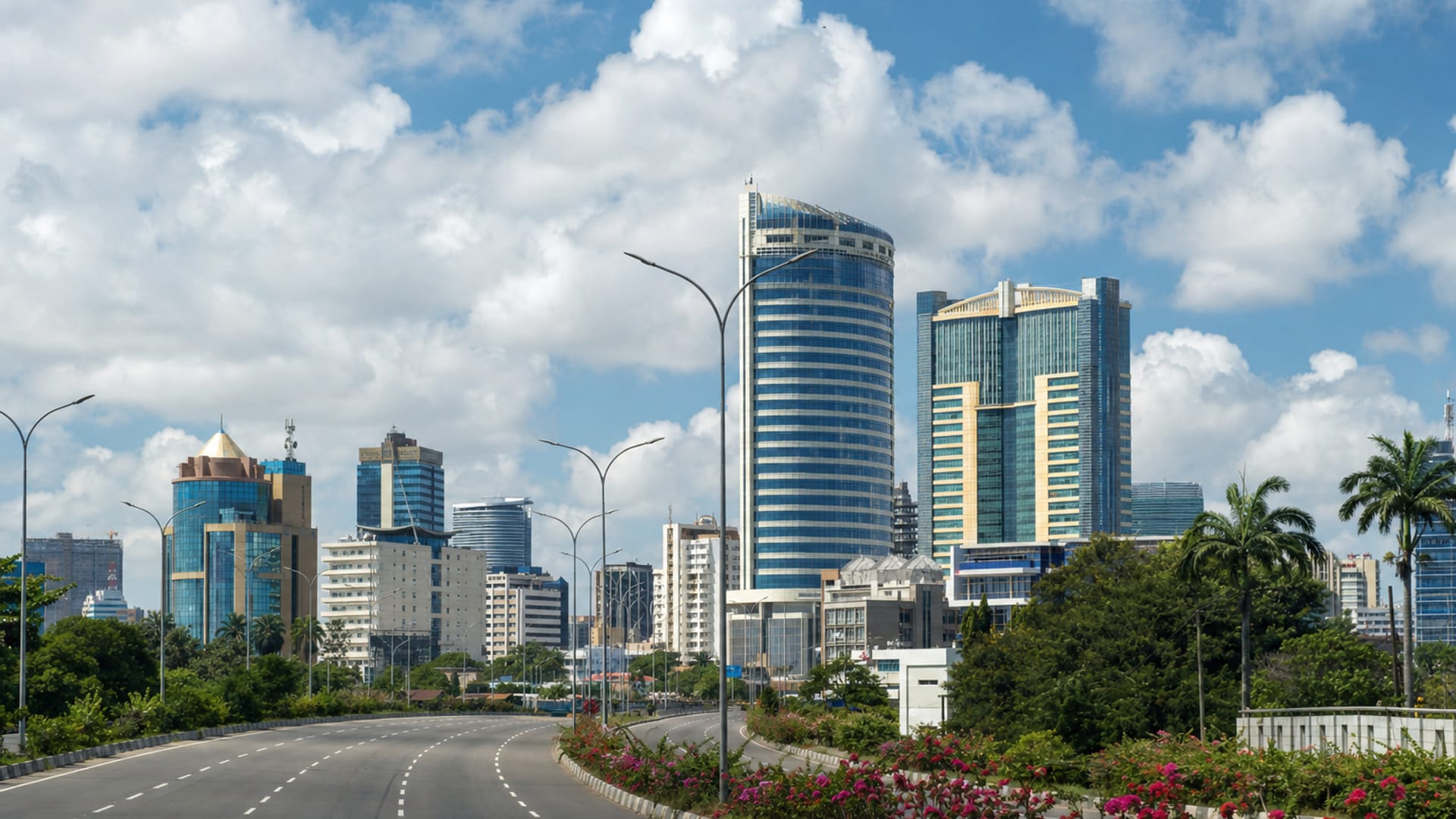
Neither New York nor Los Angeles has nonstop service to Dar es Salaam, so business-class trips usually connect once through East Africa, Europe, or the Gulf.
New York (JFK) to Dar es Salaam (DAR)
From JFK, Kenya Airways offers a route to Dar es Salaam (DAR) through Nairobi (NBO), while Turkish Airlines, Qatar Airways, Emirates, and EgyptAir connect through Istanbul (IST), Doha (DOH), Dubai (DXB), or Cairo (CAI). Well-timed journeys take roughly 18–21 hours, although longer layovers can push the trip past 24 hours. Round-trip business-class tickets commonly range from $4,500 to $7,500.
Los Angeles (LAX) to Dar es Salaam (DAR)
Los Angeles has fewer one-stop choices. Turkish Airlines, Qatar Airways, and Emirates route through Istanbul (IST), Doha (DOH), and Dubai (DXB), while EgyptAir serves the route through Cairo (CAI) seasonally. The shortest connections take about 21–24 hours in total, but a long layover can extend the journey beyond 30 hours. Expect roughly $3,600–$8,800 for a round-trip business-class ticket.
Leave room for Dar es Salaam to set the pace
Dar es Salaam becomes easier to enjoy when you give the city center, markets, and peninsula their own time instead of packing them into the same day. That structure leaves room for traffic, heat, a longer lunch, or an evening by the water without derailing your plans. For the practical side of the trip, AranGrant can help you compare business-class flights and hotels that fit your dates, preferences, and budget.







