

Chapters:

Need help with your trip?
Our support team is available 24/7. Request a callback or call us directly at (833) 619-0908
Dammam trips often begin with the Corniche, then spread outward to malls, museums, and a late dinner near the waterfront. What many travelers miss is how much time the city can take once you add road distances between districts.
That matters because Al Shati, Al Faisaliyah, King Fahd Road, and the older coastal stops do not sit beside one another, and taxis are the usual link. If you move without a plan, you lose time to traffic and backtracking.
This guide keeps the route compact, with neighborhood choices, meal stops, and day-by-day movement tied to the city’s actual layout.
Useful things to know

Main language(s): Arabic
marhaban (mar-ha-ban) – hello
min fadlak (min fad-lak) – please
shukran (shook-ran) – thank you
hal tatakallam al-ingliziya? (hal ta-ta-kal-lam al-in-gli-zi-ya) – Do you speak English?
bikam? (bee-kam) – How much does it cost?

Currency: The local currency is the Saudi riyal (SAR, ﷼).

Cash and cards: Cards and contactless are widely accepted; carry about SAR 100 to 200 ($27 to $53) for cash-only spots.

Tipping: Tip is not expected; round up small bills or leave about 5% for good service.

Traditional food: kabsa, jareesh, mutabbaq, harees

Water and coffee costs: Water ~SAR 2 ($0.50), bar espresso ~SAR 12 ($3.20).

Taxis and ride apps: Uber and Careem operate here; confirm the pickup point in the app.

Plug and voltage: Type G socket, 230V

Dining and shop opening hours: Breakfast is about 7:00-10:00 am, lunch 12:30-3:00 pm, and dinner 7:00-11:00 pm. Many restaurants close briefly in the afternoon.

Emergency number: 999 for police, fire, and ambulance.
Where to stay in Dammam
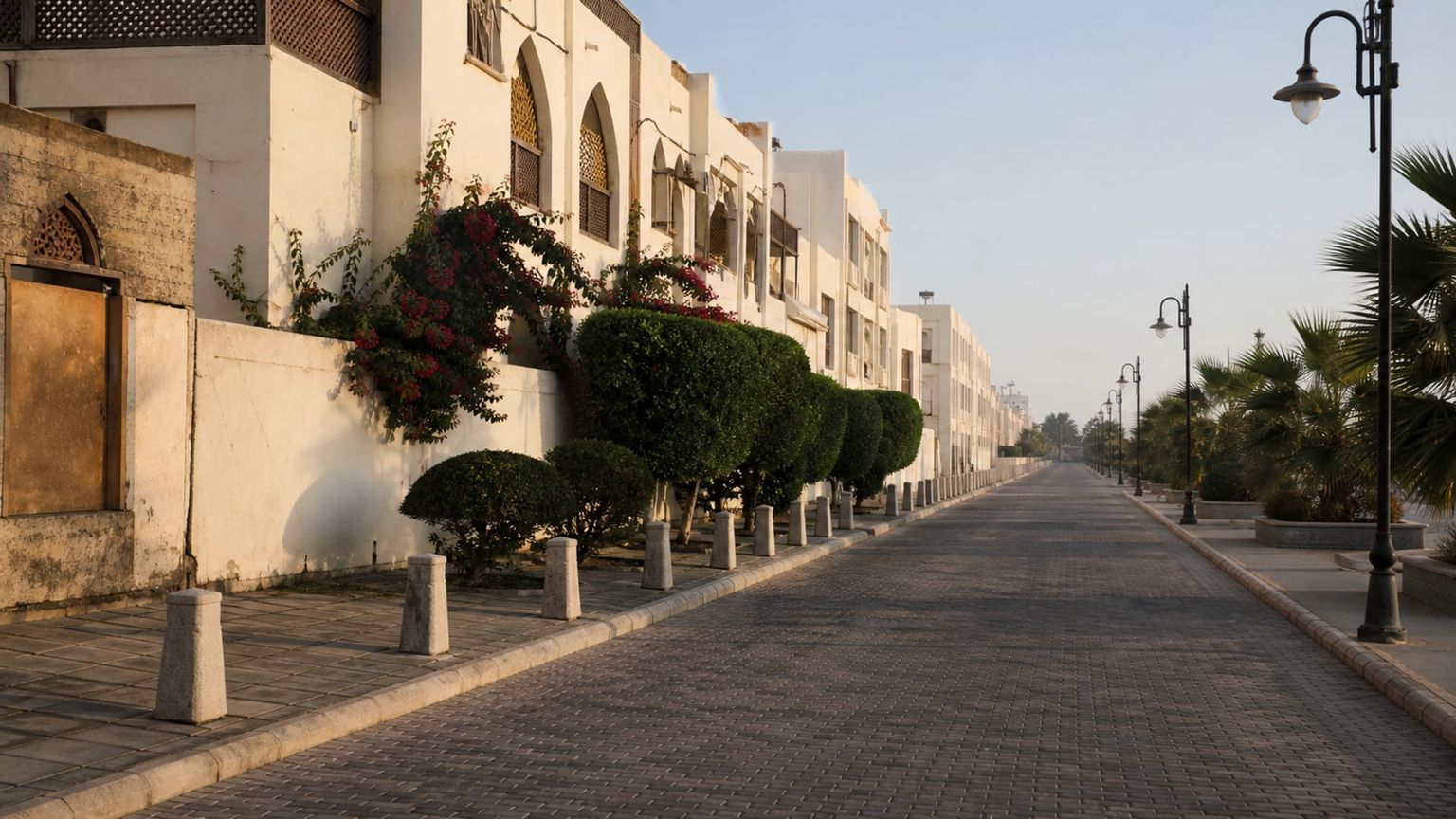
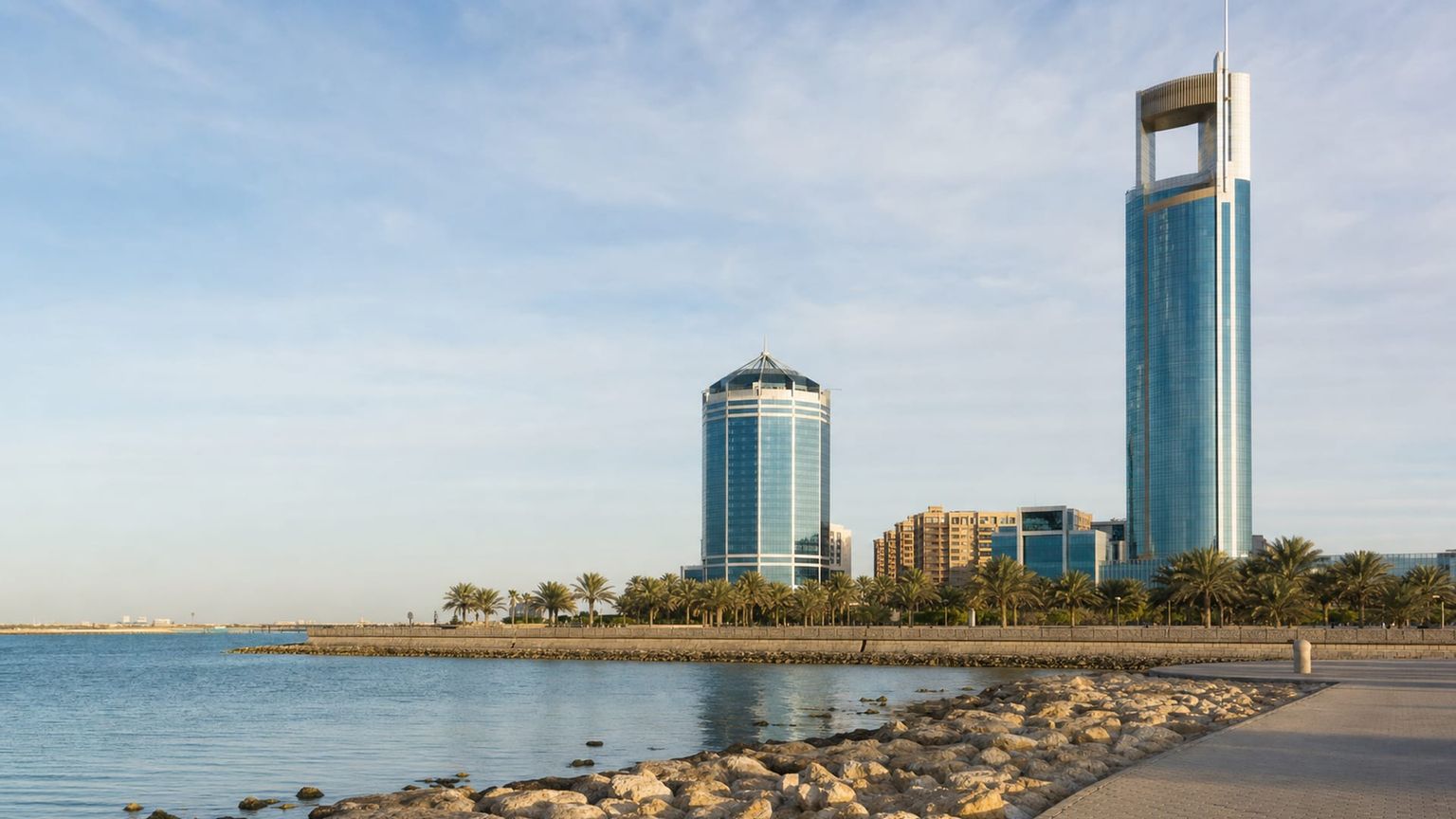
Dammam’s northern waterfront district lines the Arabian Gulf with hotels, apartments, and easy access to the corniche. It suits visitors who want sea views, beach walks, and a short ride to the city center and Khobar-bound roads.
Best for: Waterfront stays, evening walks, and travelers who want the corniche close by
What to expect: Wide roads, hotel traffic, and a steady stream of families and walkers along the waterfront in the evening.
Hotel prices: Usually about 280 SAR to 650 SAR (~$75 to ~174) per night for well-rated stays
Distance to major sights: About 10 to 15 minutes by car to Prince Mohammed Bin Fahd Stadium; roughly 15 to 20 minutes to Dammam Corniche
Quietness: Quieter in the morning, busier and livelier after sunset along the coast
Main trade-off: Prices run higher than inland districts, and you will need a car or taxi for most museum and old-town stops.
Good to know: Late-night dining options thin out after the corniche closes, so plan dinner earlier if you prefer to stay close to the hotel.
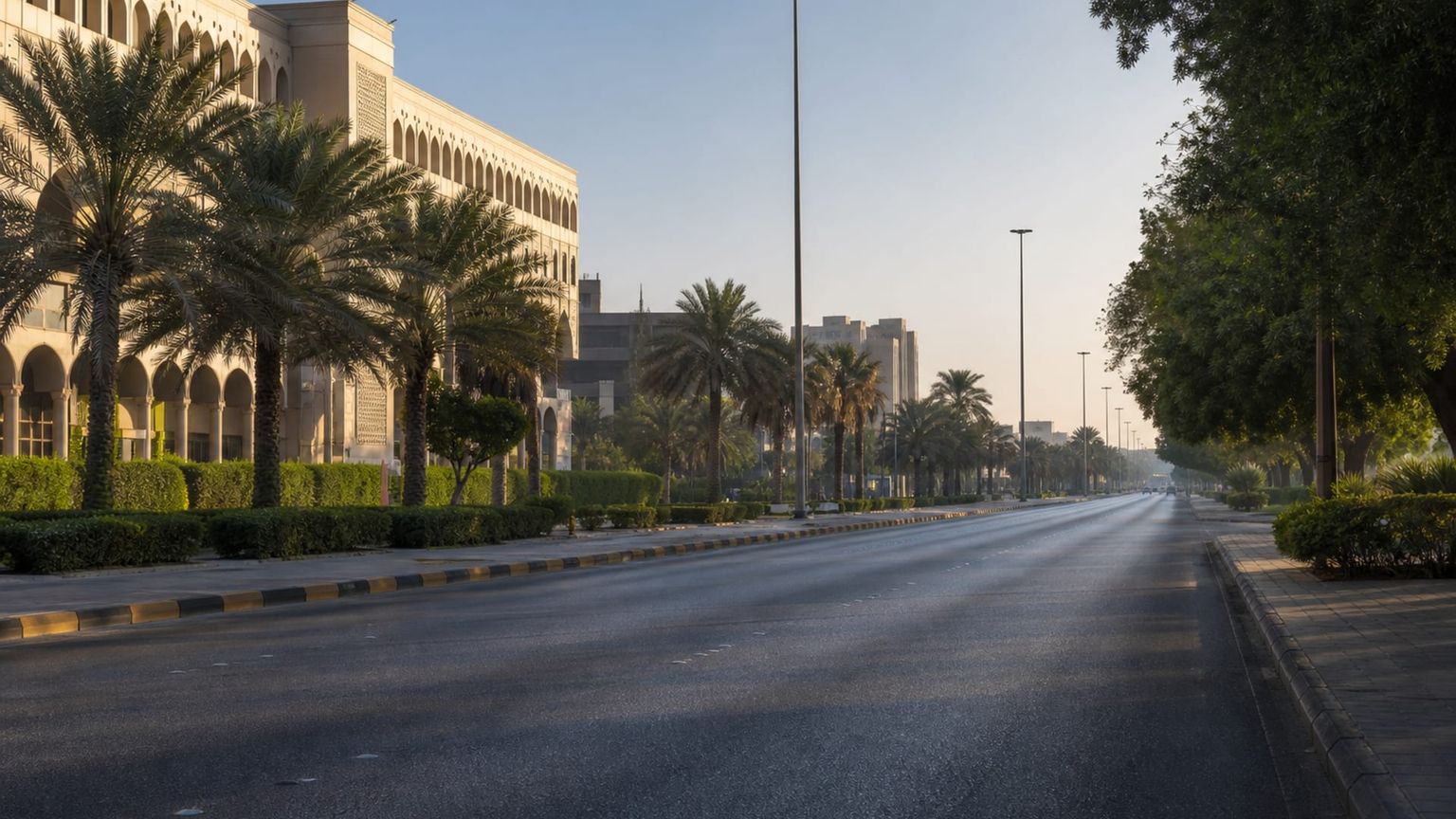
This central corridor links much of Dammam’s business district with major malls, offices, and hotel towers. It works well for visitors who value quick road access and want to split time between appointments, shopping, and cross-city rides.
Best for: Business trips, mall access, and drivers who want easy cross-city movement
What to expect: Busy arterial traffic, active retail stretches, and a mixed weekday crowd of commuters and shoppers.
Hotel prices: Usually about 220 SAR to 500 SAR (~$59 to ~134) per night for well-rated stays
Distance to major sights: About 10 to 20 minutes by car to Dammam Railway Station; roughly 15 to 25 minutes to Dammam Corniche
Quietness: Louder during rush hours, calmer late at night once the offices and malls thin out
Main trade-off: You gain fast road connections, but you give up walkability and will likely rely on taxis for most outings.
Good to know: Some hotel blocks sit on very wide roads, so ask for a room away from the frontage if street noise matters.
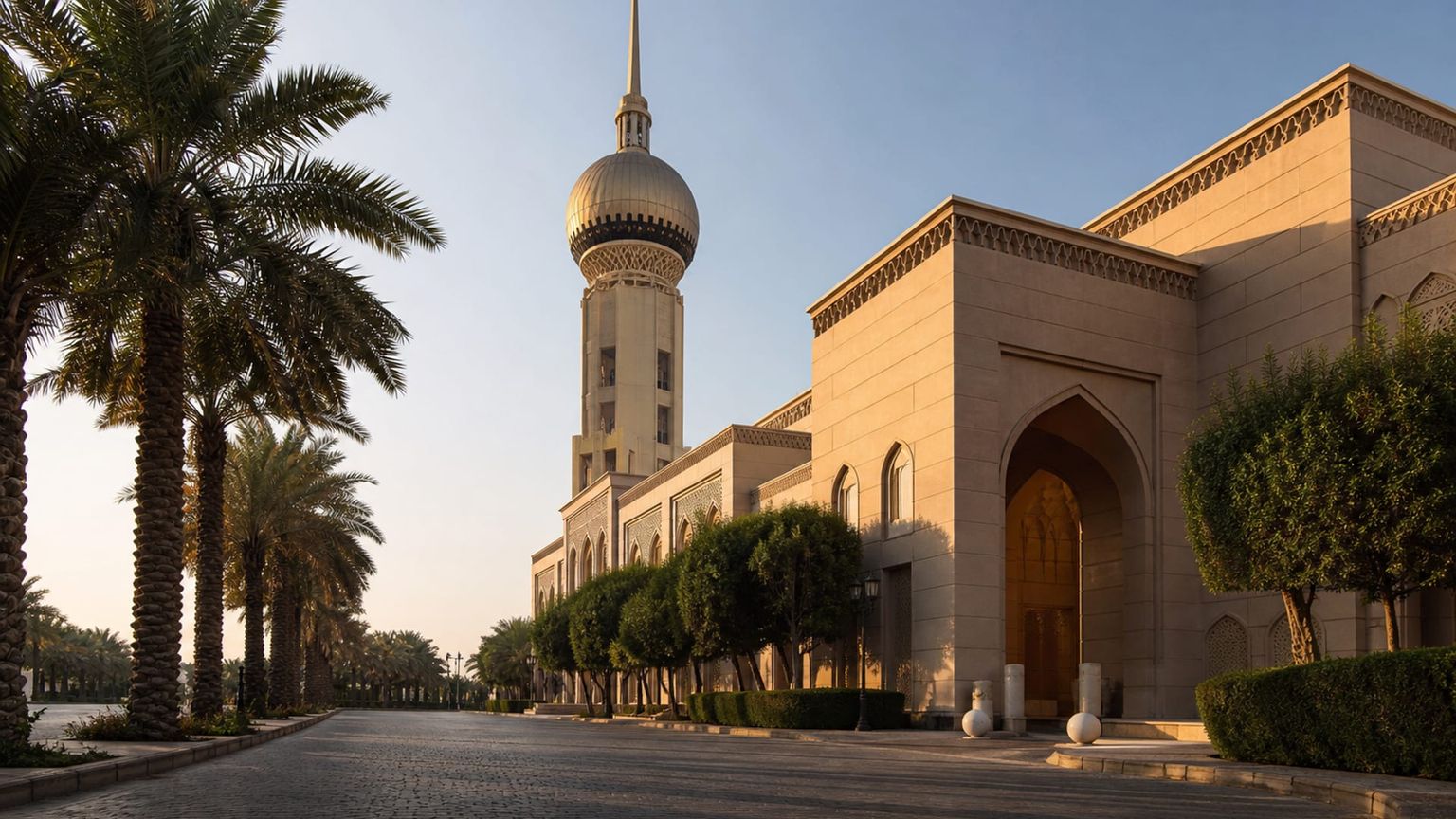
Al Faisaliyah is a central residential district with apartments, local shops, and a more everyday Dammam feel than the waterfront or office corridors. It gives budget-minded travelers a base near the city center without paying prime corniche rates.
Best for: Longer stays, apartment hotels, and travelers who want a central local base
What to expect: Neighborhood traffic, small stores, and a practical daily scene rather than a tourist strip.
Hotel prices: Usually about 180 SAR to 380 SAR (~$48 to ~102) per night for well-rated stays
Distance to major sights: About 10 to 15 minutes by car to Dammam Corniche; roughly 15 to 20 minutes to Heritage Village
Quietness: Quieter in the evening than daytime, with most activity tied to local errands and commuting
Main trade-off: You save on room rates, but the area has fewer late dining choices and less appeal for a scenic evening stroll.
Good to know: Choose a property with on-site parking if you plan to rent a car, since side-street spaces can fill quickly near smaller buildings.
Travelers usually avoid staying in Dammam’s industrial port areas near King Abdulaziz Port and the southern warehouse districts, because they sit far from the Corniche, shopping malls, and most restaurants. Gurnada and the outskirts near King Fahd Road are also less convenient, with fewer visitor amenities, longer taxi rides to the main waterfront areas, and limited options for evening dining or walking.
Hotel deals
How to get around Dammam efficiently
Dammam has no metro, so taxis, app-based cars, and the limited bus network do most of the work between the airport area, the Corniche, and inland neighborhoods.

Metro
for longer distances
Dammam has no metro, so the closest high-capacity option is the Eastern Province bus network, with most city trips still done by taxi or private car. For airport-area trips, allow about 20 to 35 minutes to central Dammam by road, depending on traffic.

Bus and tram
for convenience
Buses are limited in Dammam, and coverage is patchy outside the main corridors, so most visitors use them only for a few specific city links. Fares are usually low, about $1 to $2, with tickets or passes varying by operator and validity typically tied to a single ride or a short time window; check the boarding point or app before you go, because frequencies can be sparse.

Taxi
for convenience or late hours
Licensed taxis and app-based cars use metered or app-priced fares rather than a single airport flat rate, with short city hops often costing about $5 to $10 and trips between the airport area and central Dammam roughly $15 to $25. Hail official taxis at hotel ranks, the airport, or by app, and pay in cash or card when the vehicle supports it.
*Prices are based on rates updated as of June 2026 and may change at the time of travel.
Use taxis for most cross-city hops, buses for a low-cost few routes, and app-based cars when you want faster pickup coordination.
Iconic landmarks
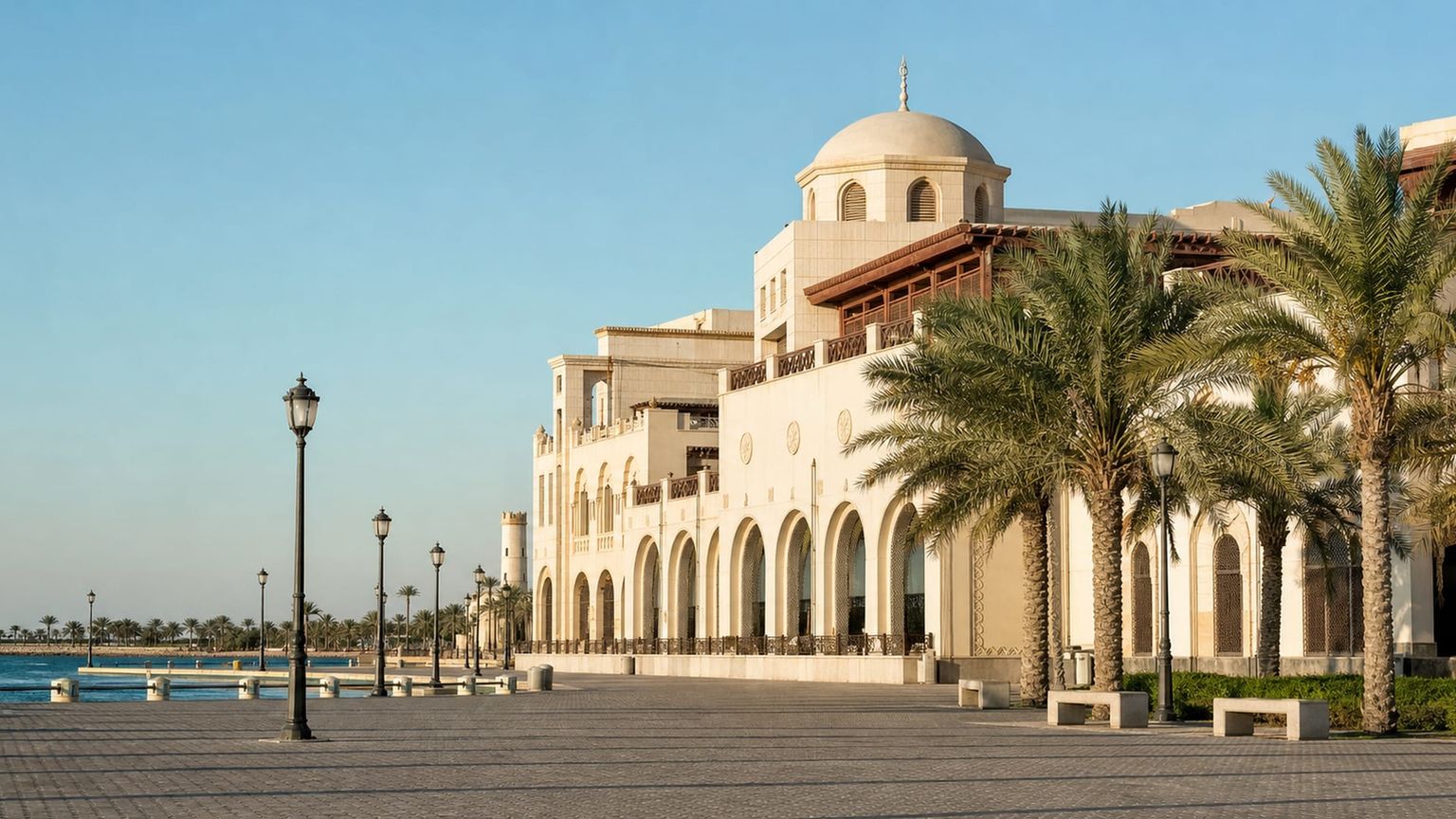
King Abdulaziz Port Corniche
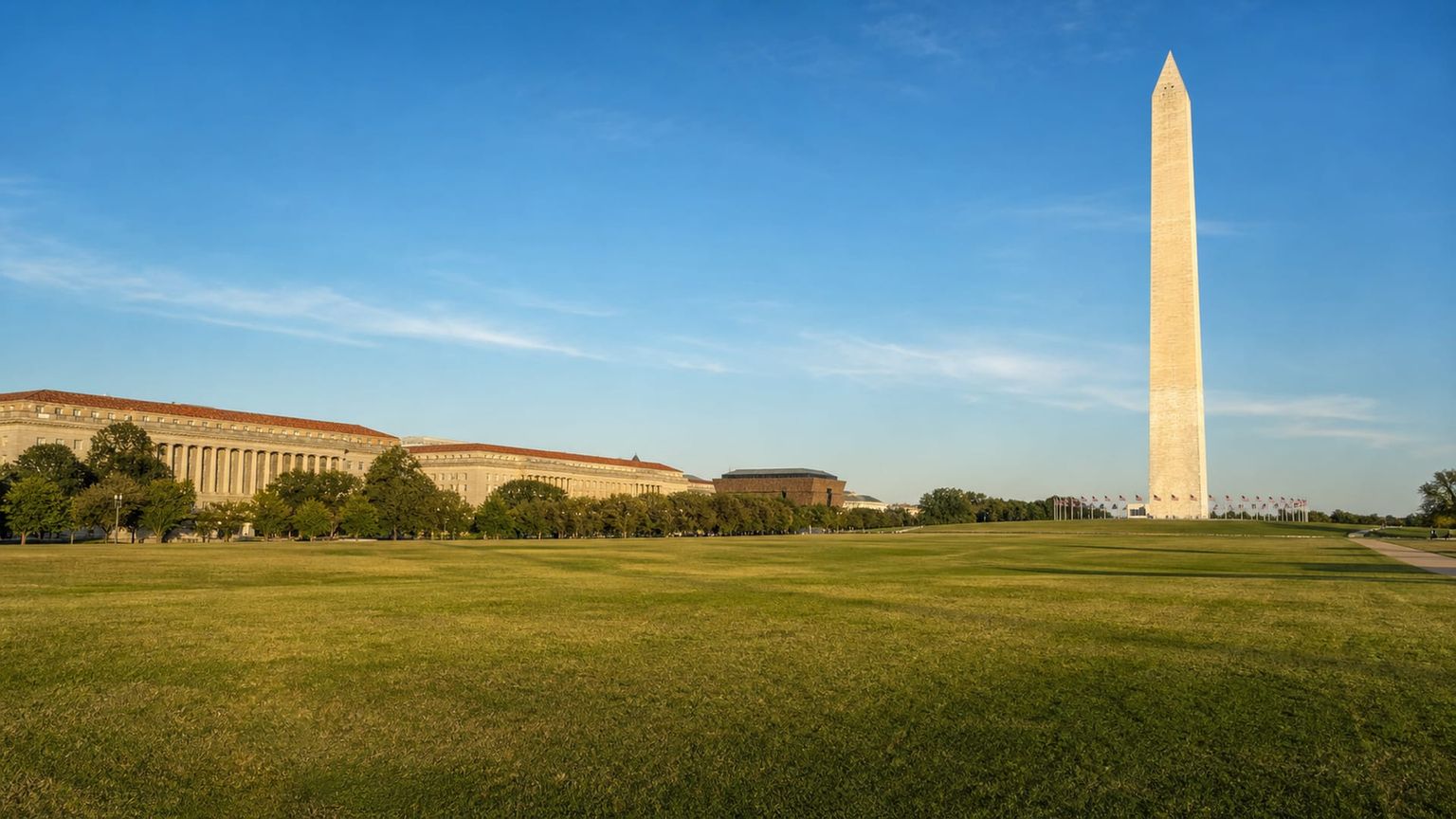
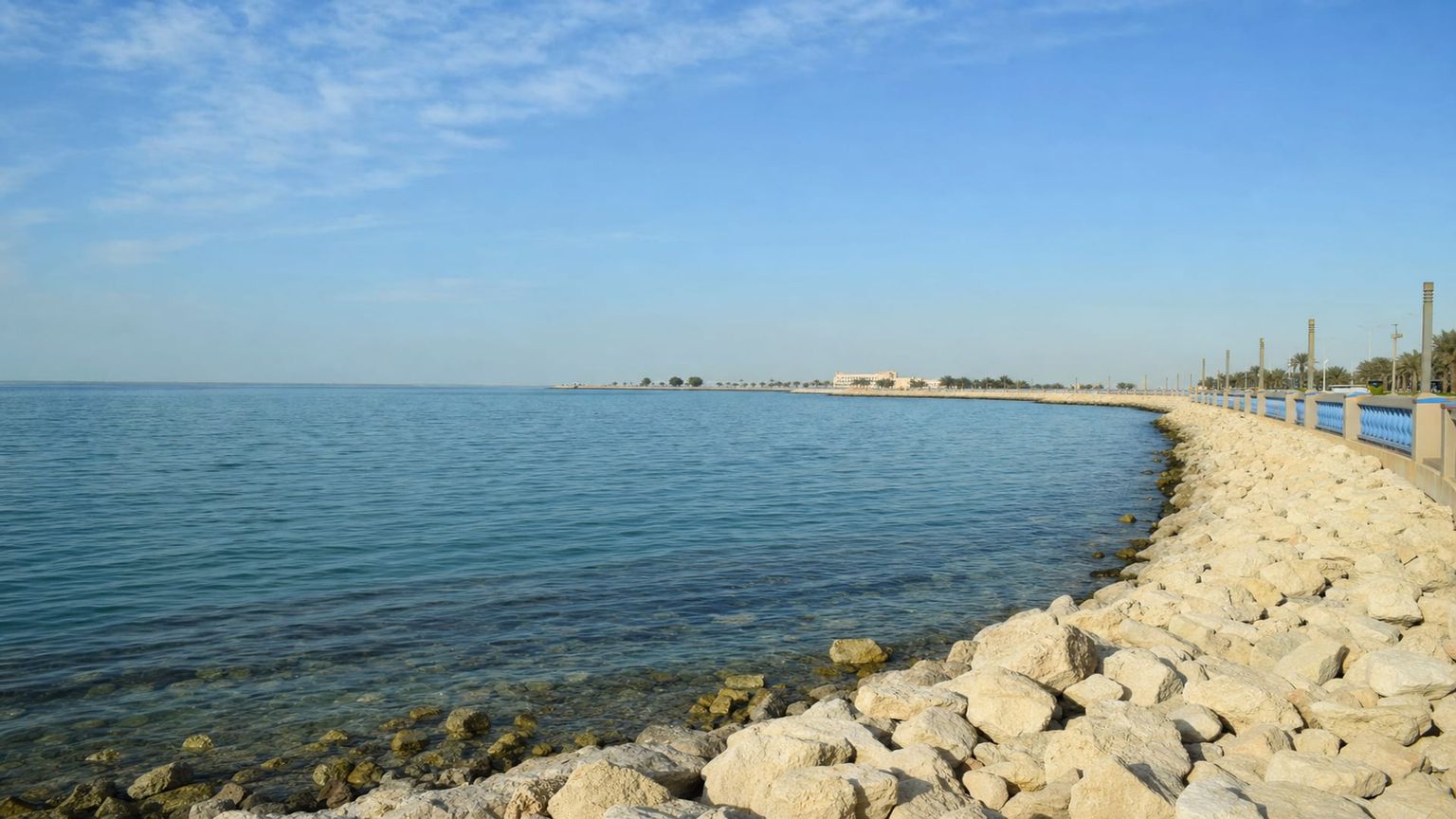
This waterfront stretch lines the Arabian Gulf with a long promenade, fishing spots, and sea views that open from the eastern edge of Dammam. Families come for sunset walks, cycling, and the city’s most open shoreline.
Time needed: About 1 to 2 hours
Entry: Free to access, with no admission fee for the corniche promenade, public seating areas, or shoreline access along the waterfront in Dammam.
Tip: Go near sunset, when the light is softer and the promenade is cooler to walk.
Heritage Village
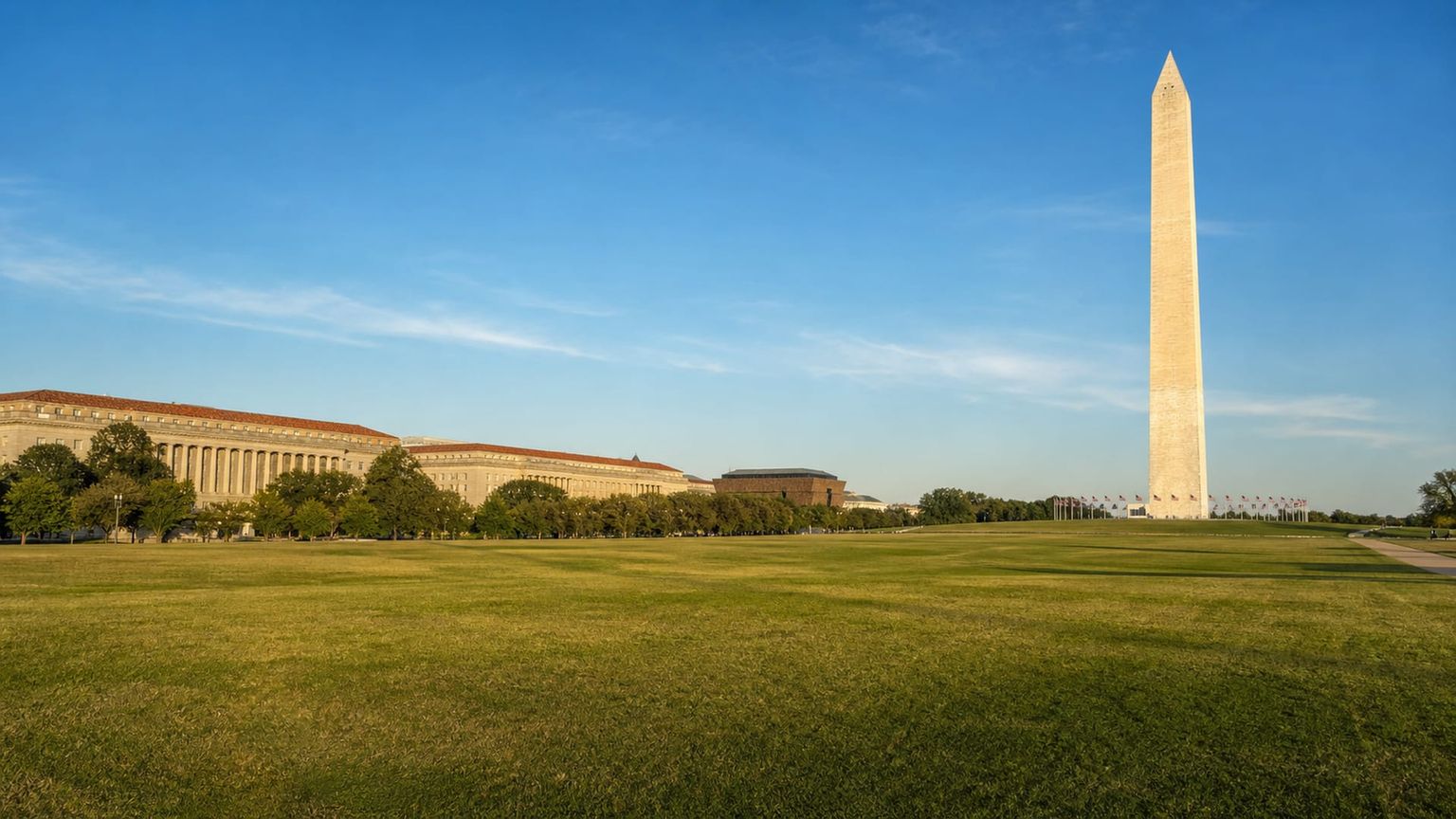
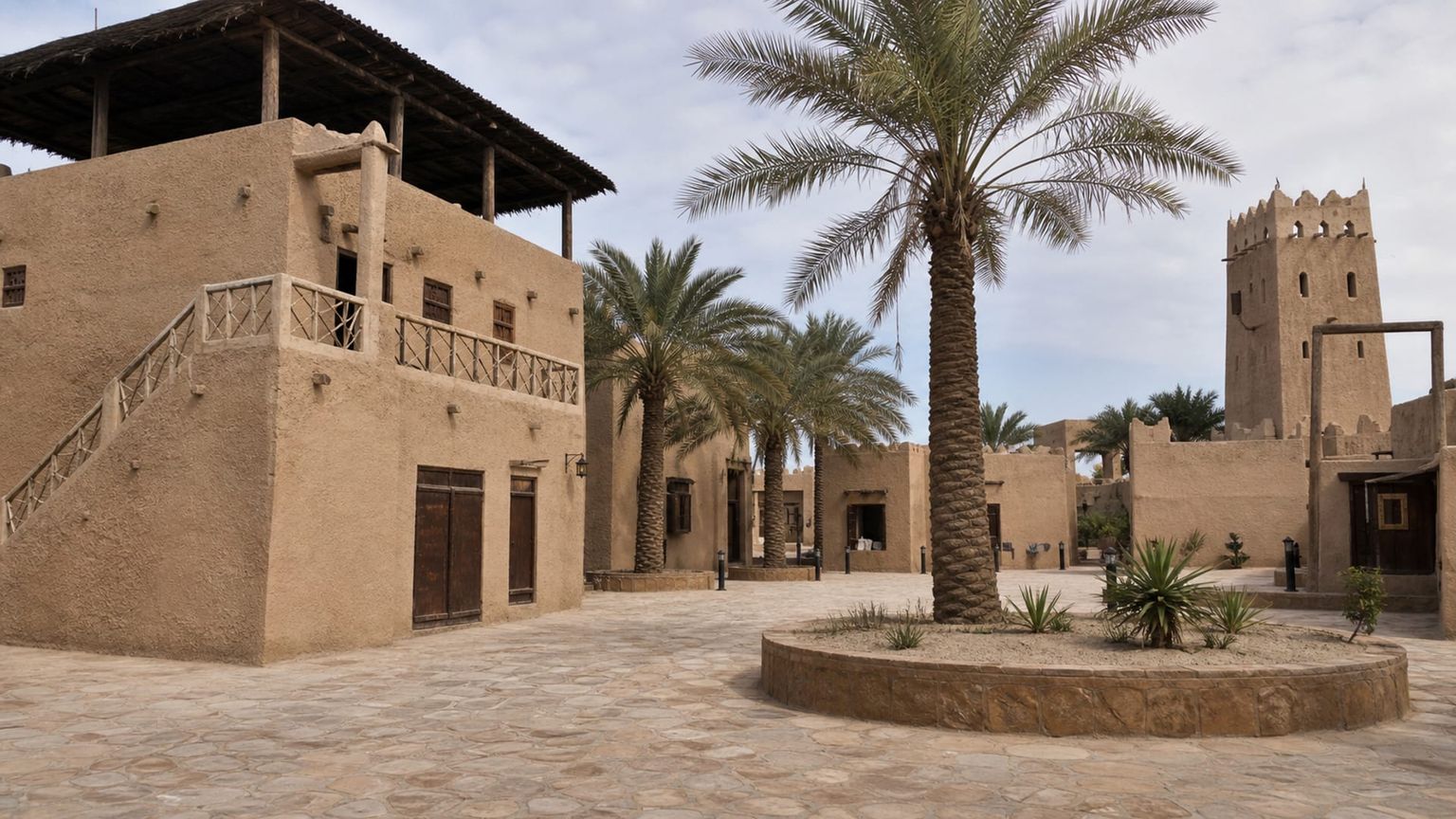
Heritage Village presents a compact look at Eastern Province traditions through restored architecture, museum rooms, and displays of domestic objects, fishing gear, and old photographs. Its courtyards and Gulf-facing setting make it a clear city stop.
Time needed: About 2 to 3 hours
Entry: Admission typically costs about $5 to $8 (about 19 to 30 SAR) per adult, with lower rates for children and some seasonal or group discounts.
Tip: Visit in the morning, when the courtyards are quieter and the heat is lower.
Marjan Island
Marjan Island sits just off Dammam’s waterfront as an engineered island linked by causeway, with paved paths, lawns, and views across the Gulf. It draws locals for picnics, evening walks, and clear sightlines back toward the city.
Time needed: About 1 to 2 hours
Entry: Free to access, with no entrance fee for the island park, promenade, or open public areas connected by the causeway in Dammam.
Tip: Arrive late in the afternoon, then stay after dark for cooler air and lit paths.
Overlooked sites worth visiting

Murjan Island
A compact waterfront loop in Al Khobar, Murjan Island draws local walkers at sunset. Paved paths, seating, and sea views make it an easy stop for a slow hour near Dammam.
Time needed: About 1 hour
Entry: Free to access. Public waterfront paths and seating are open without a ticket, and there is no standard entry fee for walking the island perimeter or using the promenade.
Tip: Visit near sunset for cooler air and clearer harbor views.

Tarout Castle
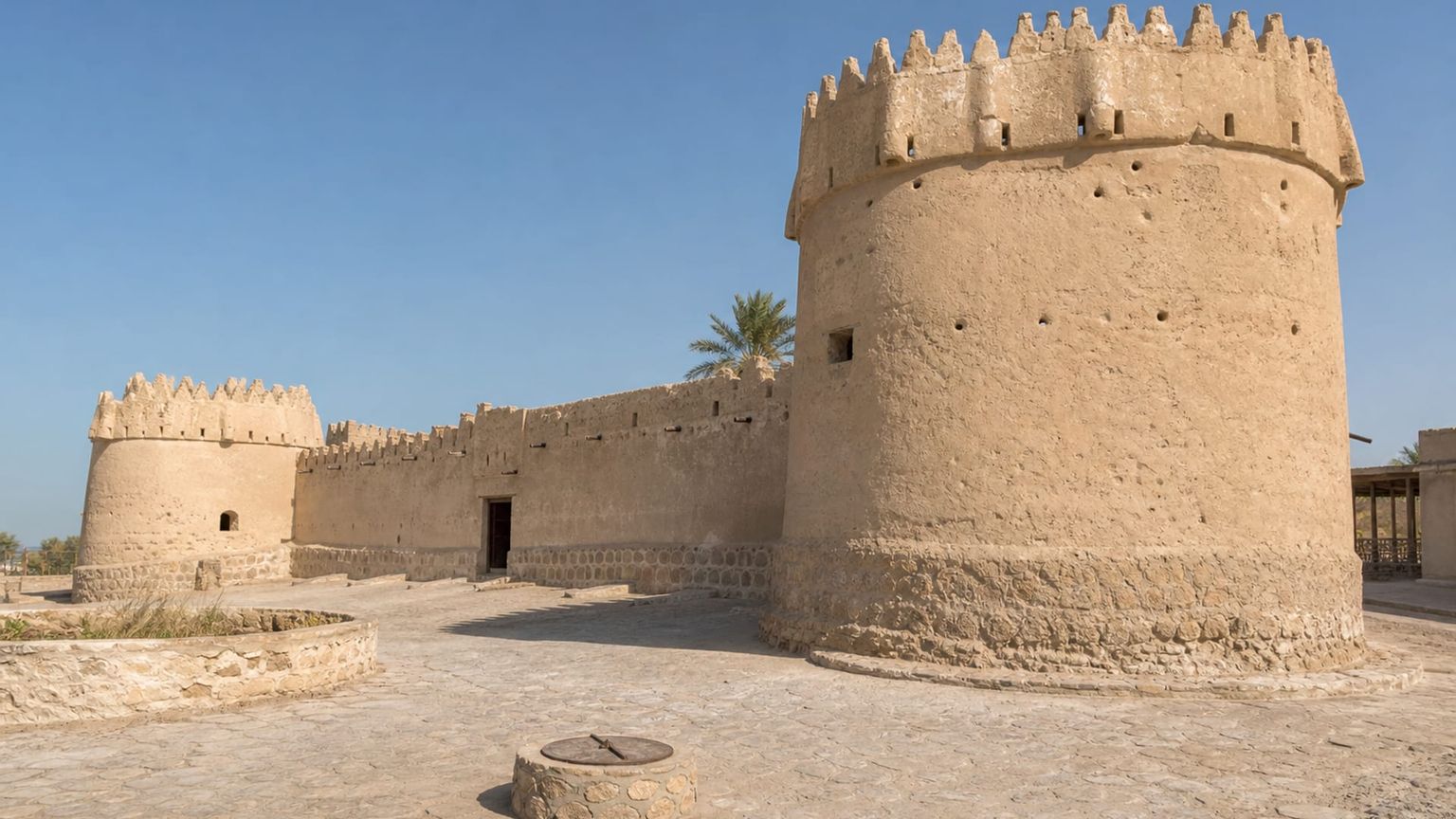
Tarout Castle sits on a small island about 25 km from Dammam and gives a close look at old coastal fortification. Its stone walls and tight footprint make it a brief cultural stop.
Time needed: About 30 to 45 minutes
Entry: Free to access. The exterior and grounds are open to visitors at no charge, though access can vary if restoration work or local events limit entry near the castle.
Tip: Go in daylight, the stonework is easier to see before dusk.
Traditional food
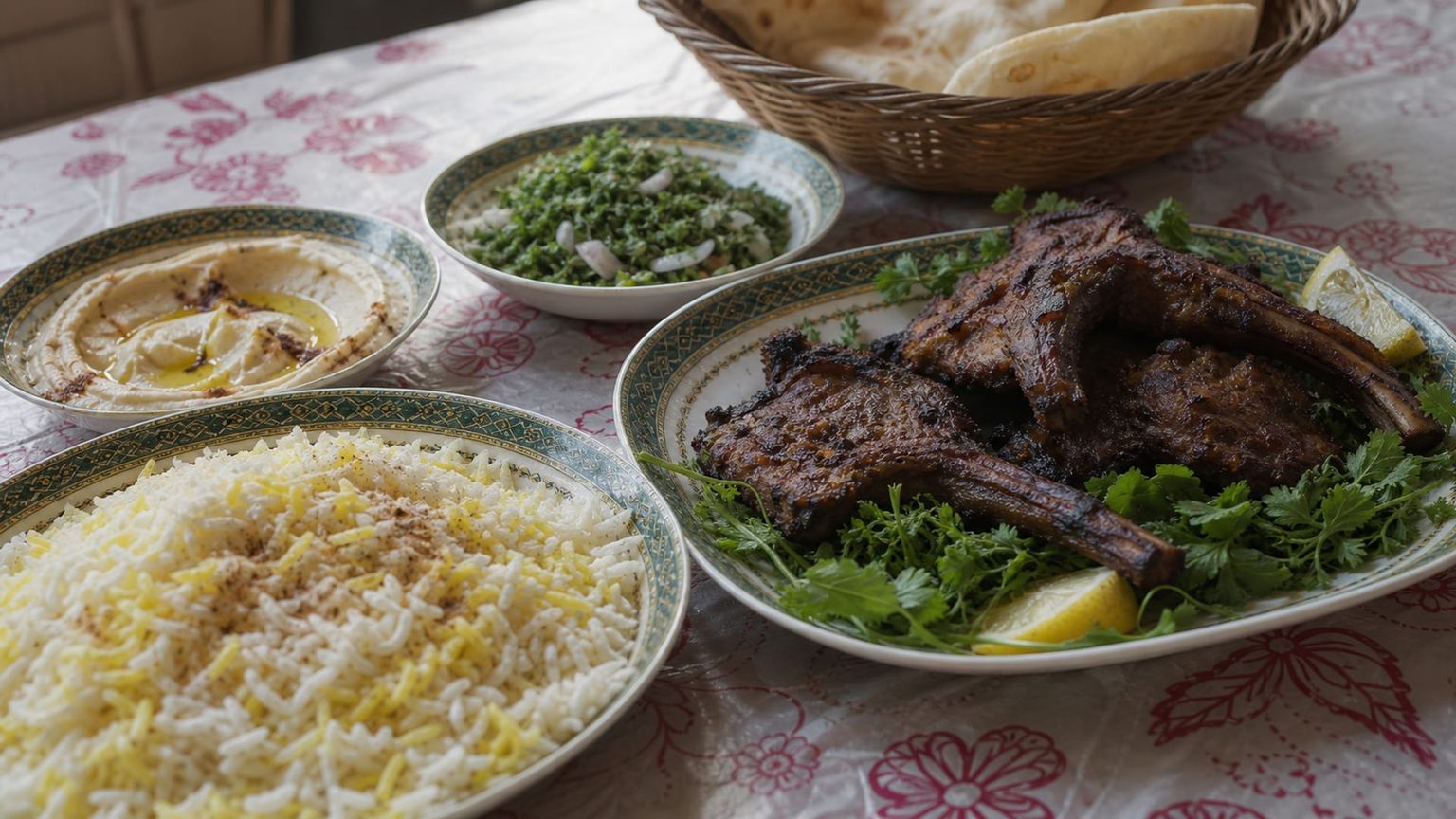
Dammam’s table leans on rice, wheat, and Gulf spices, with kabsa, jareesh, mutabbaq, and harees shaping many menus. Meals often start late, and family dining rooms keep the pace unhurried.
Kabsa
Spiced rice with meat, vegetables, and warm aromatics, kabsa is the dish many visitors should try first in Dammam. Al Khodariyah serves a well-regarded version in the city and matches the style closely.
Jareesh
Jareesh combines cracked wheat with a slow-cooked, savory finish that suits Saudi home cooking. Al Romansiah in Dammam is a dependable place to order it in a traditional setting.
Mutabbaq
This stuffed, pan-fried pastry works well as a lighter meal or shared snack. Mama Noura in the Dammam metro area is a common stop for mutabbaq and similar quick Saudi bites.
Harees
Harees blends wheat and meat into a soft, comforting dish that appears most often in regional cooking and seasonal tables. Al Tazaj in Dammam is a known option for a straightforward plate.
Best time to visit Dammam
Dammam shifts from hot, bright inland afternoons to gentler coastal evenings, so the best months depend on whether you plan more Corniche walks or more museum time.
Best for: Corniche walks and long outdoor evenings
What you get: Temperatures usually sit about 55 to 75°F (13 to 24°C), with the biggest visitor flow on pleasant weekends.
Trade-offs: Popular waterfront spots can feel busier at sunset.
Best for: Balanced sightseeing and shorter taxi rides between stops
What you get: Expect about 68 to 92°F (20 to 33°C), with moderate crowds before the heat rises in late spring.
Trade-offs: Late May can already feel hot by midday.
Best for: Indoor time, malls, and early morning plans
What you get: Temperatures often reach about 84 to 110°F (29 to 43°C), and daytime crowds thin out as people move indoors.
Trade-offs: Outdoor visits need careful timing and plenty of water.
Best for: Evening waterfront plans and flexible day trips
What you get: Conditions usually range from about 72 to 95°F (22 to 35°C), with manageable crowds outside holiday periods.
Trade-offs: Afternoons can still run warm, especially in September.
A realistic 5-day plan in Dammam
Five days in Dammam work best when you keep the waterfront, the historic core, and the inland corridors in separate blocks. That saves time on the road and leaves room for slower meals and evening walks.
From Dammam (DMM), a taxi to Al Shati takes about 30 to 40 minutes and usually costs roughly 70 to 110 SAR ($19 to $29), depending on traffic and the exact hotel address. Settle into a waterfront stay if you want the easiest evening access, then drink water, rest for an hour, and keep dinner close by on the corniche side of the district, where you can find a simple meal before the late-night scene thins out.
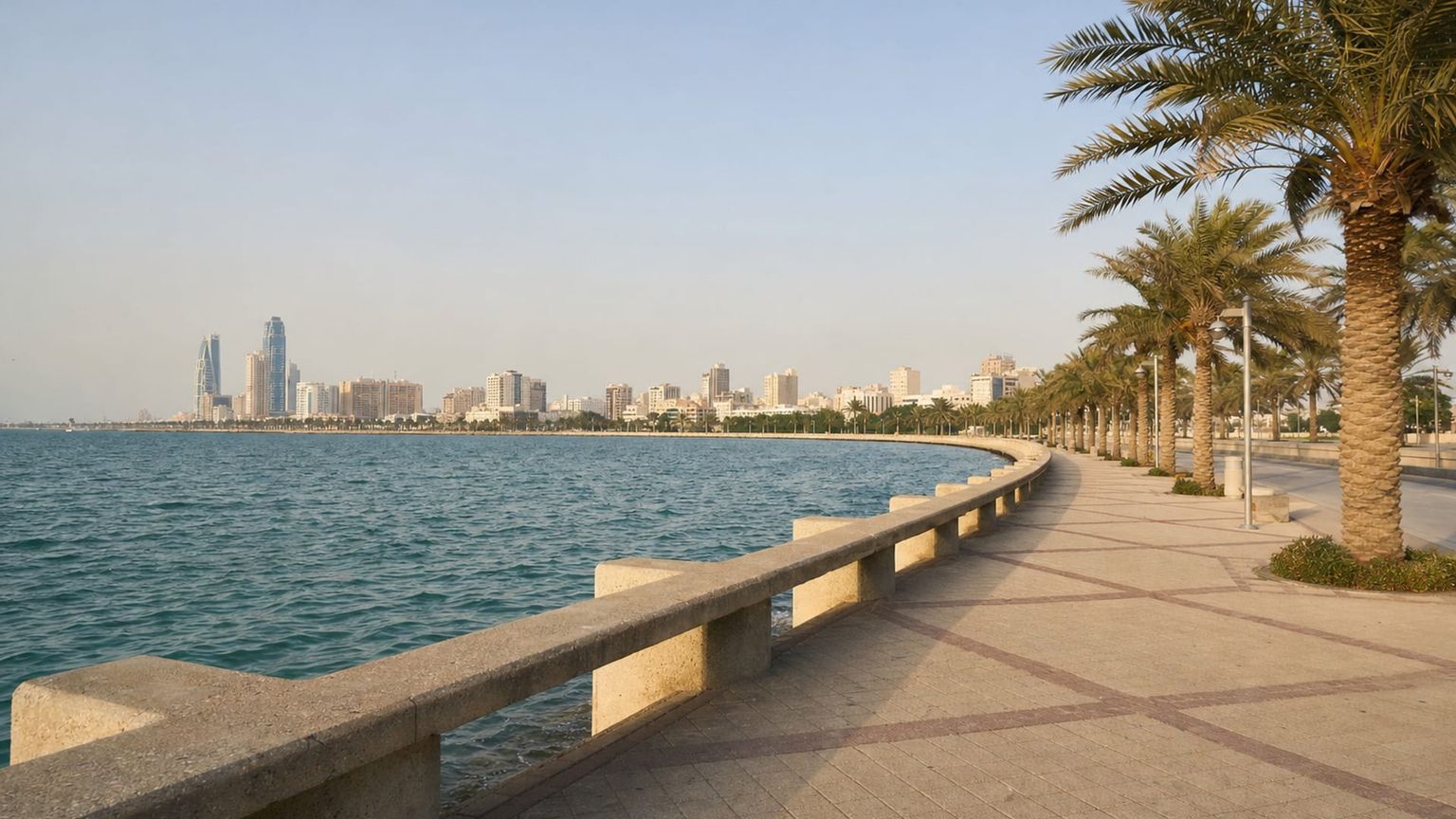
Begin at Heritage Village in the morning, when the courtyards are quieter and the heat is lower, and plan about 2 to 3 hours there. Admission is typically about $5 to $8 (about 19 to 30 SAR) per adult. From Al Faisaliyah, a taxi takes about 15 to 20 minutes, and after your visit, continue 10 to 15 minutes by car to the King Abdulaziz Port Corniche for a sunset walk along the waterfront. Finish with dinner near Al Shati, roughly 15 to 20 minutes away by taxi if traffic is light.
Start late afternoon at Marjan Island, about 15 to 25 minutes by car from Al Shati and roughly 20 to 30 minutes from King Fahd Road, then stay through dusk for the lit paths and open Gulf views. The island park is free to enter and takes about 1 to 2 hours to enjoy at an unhurried pace. Afterward, continue 10 to 15 minutes by car to the King Abdulaziz Port Corniche for a second waterfront stop, where the promenade is easy to pair with an early dinner.
Tarout Castle works best in daylight, so arrive before noon and give it 30 to 45 minutes to walk the grounds and read the stonework. A taxi from King Fahd Road takes about 25 to 35 minutes, and the return to Dammam usually takes about the same. After the castle, head back toward the city for a late-afternoon stop at Murjan Island, which is about 20 to 30 minutes away by car and offers a quieter waterfront loop for an easy hour before dinner.
A final morning at Heritage Village keeps the schedule simple, especially if you missed any museum rooms earlier in the trip. Then shift to King Fahd Road for last-minute shopping, where the malls and retail stretches sit about 10 to 20 minutes by car from most central hotels. End with coffee in Al Faisaliyah, a short taxi ride away, so you can sit in a neighborhood setting before heading back to Dammam (DMM).
Business-class flights from the US to Dammam
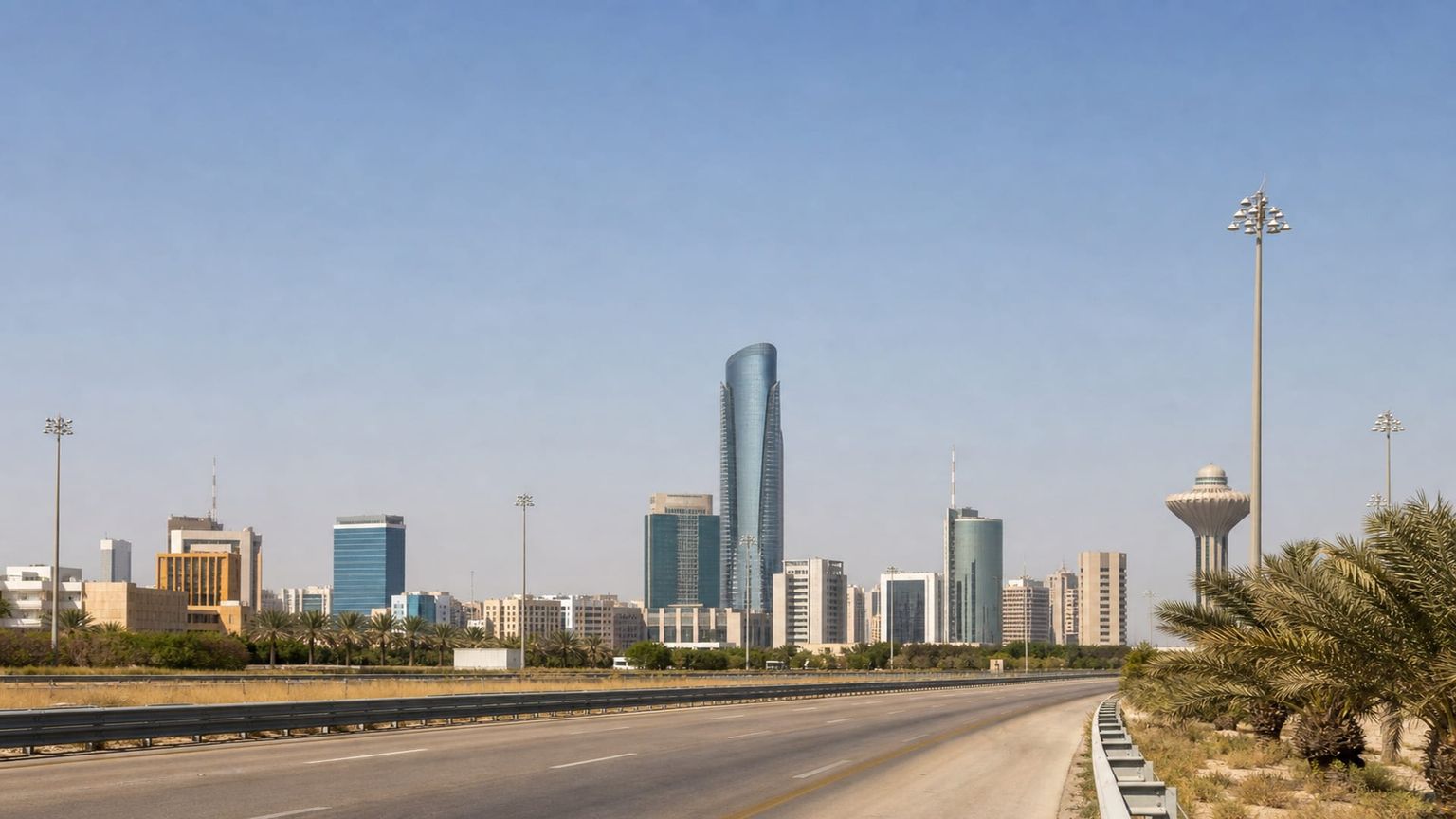
Flights from New York and Los Angeles to Dammam usually run through Gulf or European hubs, and the route length changes enough that the pricing gap can matter. These examples show the main business-class patterns.
Saudia, Qatar Airways, Turkish Airlines, Emirates, and Etihad Airways all appear on New York itineraries to Dammam. If you do not mind a layover, common routings via Doha (DOH), Dubai (DXB), or Istanbul (IST) take 16 to 22 hours and often reduce the cost. Fares from New York to Dammam usually start at $4,500 and can reach $9,500.
From Los Angeles to Dammam, Qatar Airways, Emirates, Turkish Airlines, Etihad Airways, and Lufthansa are the main names you will see. One-stop itineraries generally sit below the nonstop price, with fares usually running from $5,200 to $11,000 in the front cabin.
Dammam feels different when you slow down
A deliberate Dammam trip usually means splitting your time between Al Shati, Al Faisaliyah, King Fahd Road, and the Corniche, then using taxis or app-based cars to connect the gaps. Add Heritage Village in the morning, Marjan Island at dusk, and a daylight stop at Tarout Castle, and the city starts to make sense in concrete pieces. If you want that version of the trip, AranGrant experts can help you shape it around the right neighborhood and season